Anime That Tried To Be Deep But Ended Up Being Confusing



Some series swing hard at big ideas—identity, memory, time, religion, technology—and wind up burying viewers under labyrinthine plots, nonlinear timelines, and dense symbolism. This list gathers anime that stack philosophy and metaphor on top of already complex narratives, making them tough to parse on a first watch. You’ll find productions from influential studios, experimental films that shaped the medium, and shows whose structures—unreliable narrators, fragmented episodes, recursive time loops—demand careful attention. Each entry below highlights what the work tackles, how it presents those ideas, and the storytelling choices that make it a challenge to follow.
‘Neon Genesis Evangelion’ (1995–1996)
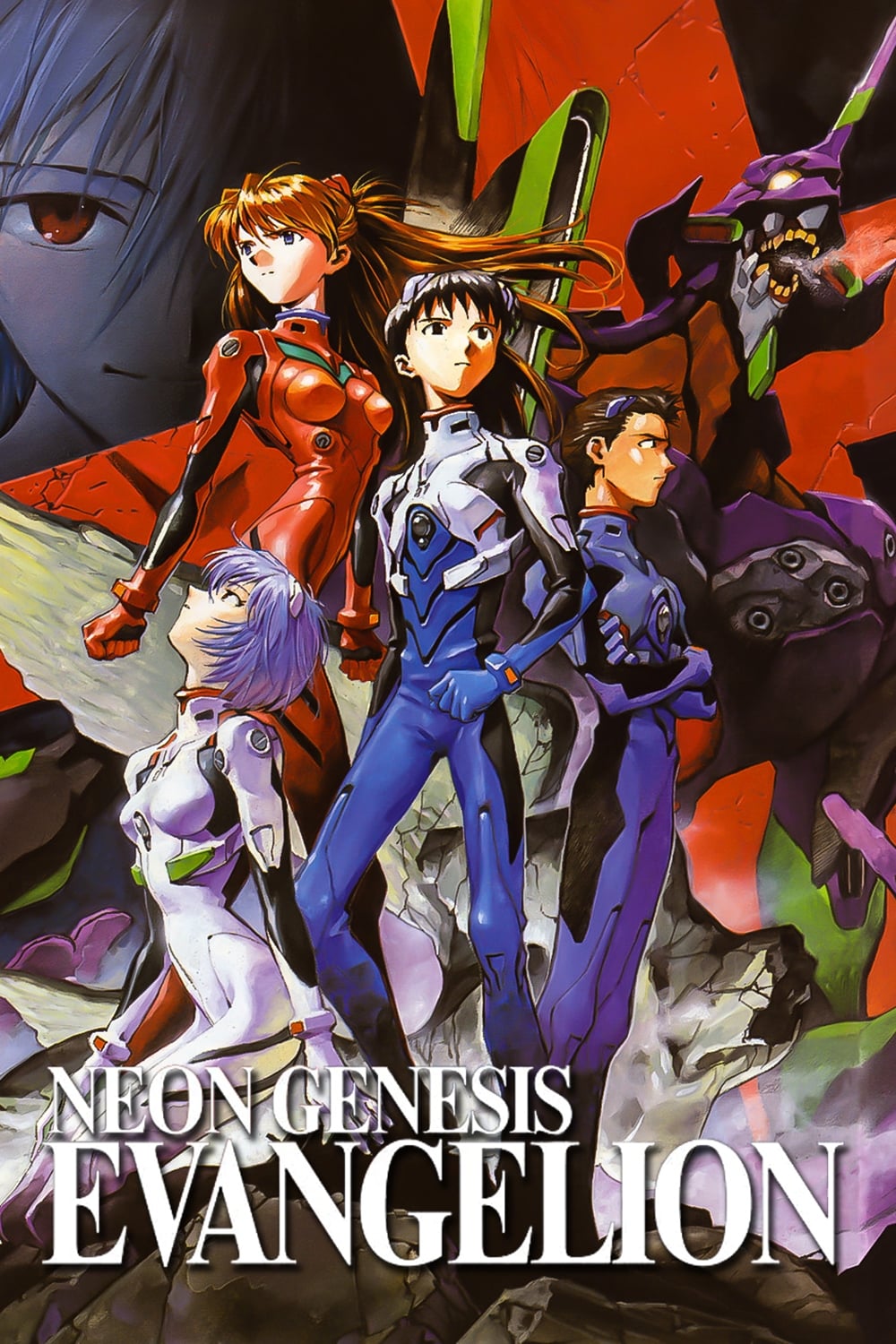
Produced by Gainax and Tatsunoko Productions, this mecha drama overlays battles with Human Instrumentality, religious iconography, and clinical psychology. Episodes interleave personal case-study vignettes with sudden timeline ellipses and redacted mission data. The production’s late-stage constraints led to abstract final episodes that prioritize interior monologue over plot resolution. Supplementary materials and episode recaps carry key information, dispersing core narrative beats across multiple formats.
‘Neon Genesis Evangelion: The End of Evangelion’ (1997)

Gainax and Production I.G replace the television ending with a cinematic depiction of Instrumentality rendered through montage, still frames, and symbolic dissolves. The film threads parallel realities and subjective viewpoints without transitional signposts. Diegetic screens, report overlays, and cross-cut chants supplant conventional dialogue-driven exposition. Understanding character motivations often hinges on previously peripheral details from the series and guidebooks.
‘Texhnolyze’ (2003)
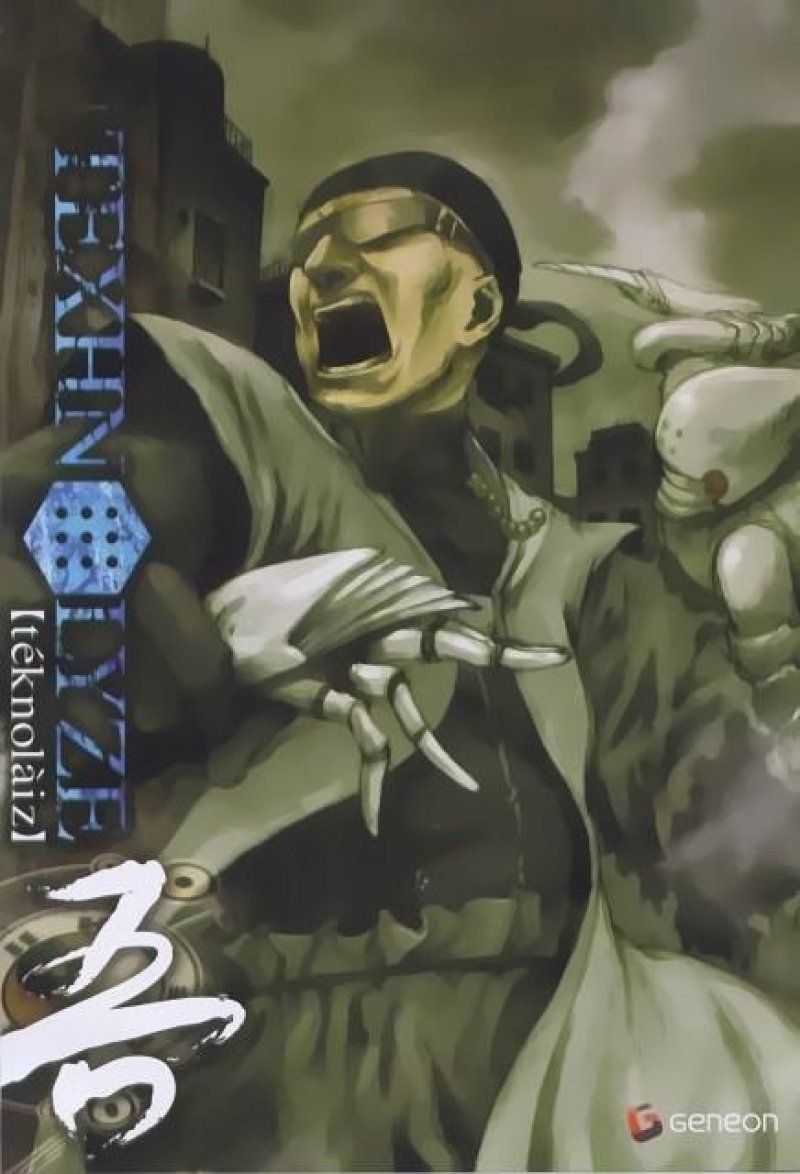
Madhouse sets its transhumanist crime saga in Lux, a decaying underground city governed by rival factions and bio-mechanical limb technology. Early episodes limit dialogue so heavily that worldbuilding arrives through gesture, environment, and ritual. Political alliances shift off-screen, and crucial events are relayed as aftermath. Philosophical monologues surface late, reframing prior scenes with nihilist themes that were only hinted at visually.
‘Boogiepop Phantom’ (2000)
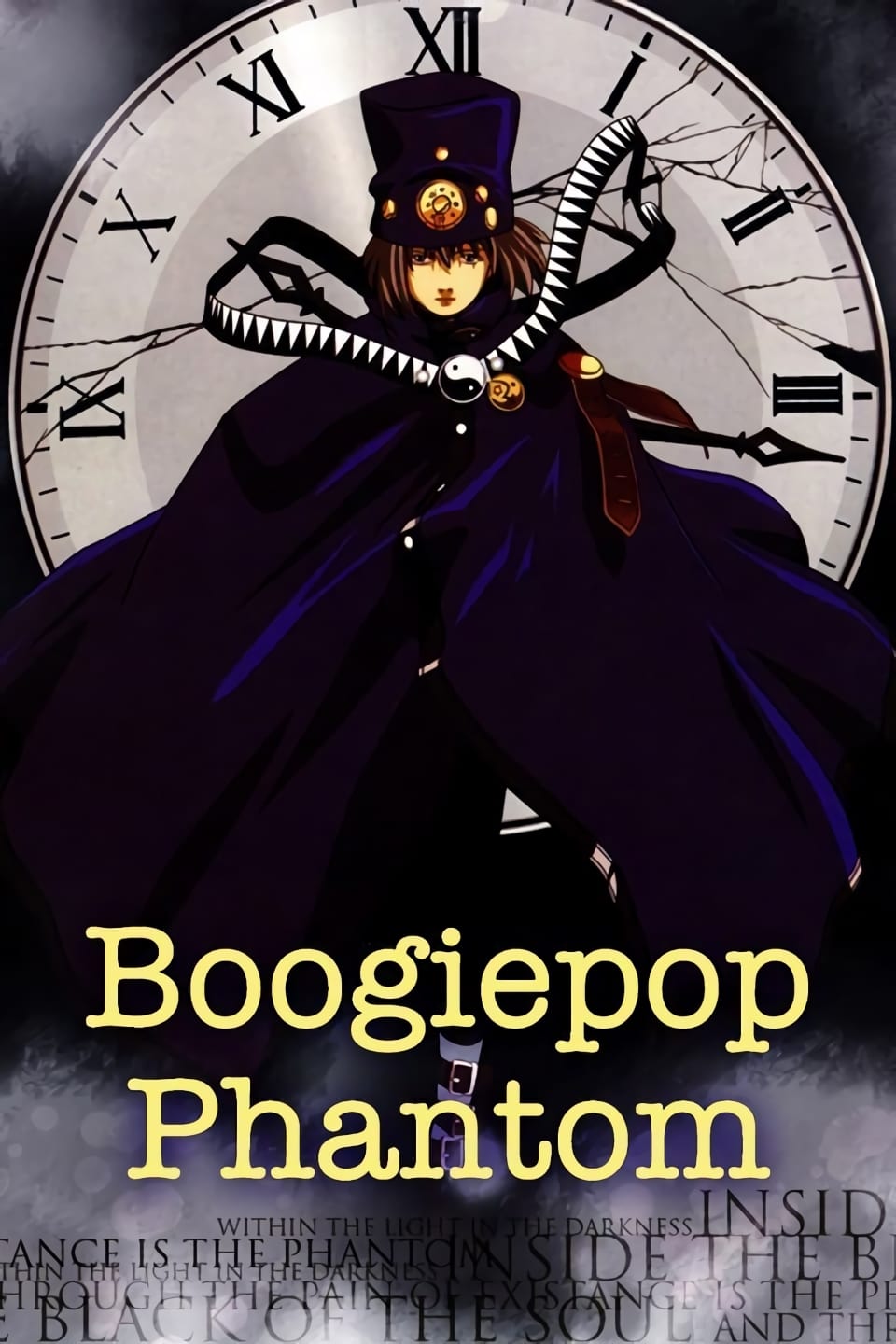
Madhouse adapts Kouhei Kadono’s layered novels into a mosaic of urban legends told through overlapping timelines. Each episode revisits events from a new character’s vantage, with recurring light flares and audio artifacts marking temporal dislocations. The antagonist’s presence is often inferred through patterns rather than direct action. Key character arcs resolve only when the viewer aligns multiple fragmented stories.
‘Paprika’ (2006)
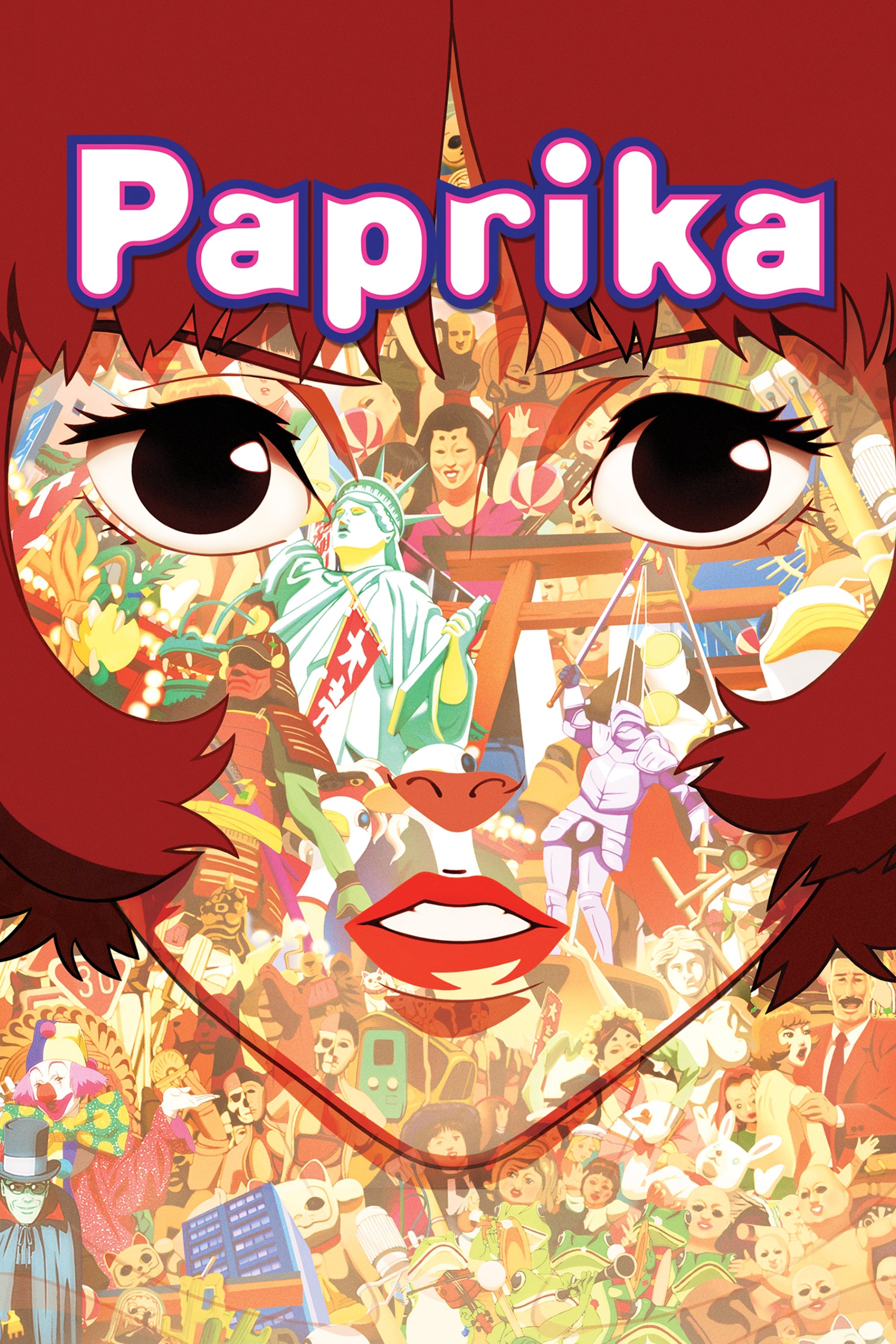
Madhouse and director Satoshi Kon adapt Yasutaka Tsutsui’s novel about a device that lets therapists enter dreams. Sequences fold dreams into waking life via match cuts and looped transitions, erasing boundaries between states. Characters adopt alter-egos whose actions affect the “real” plot without immediate explanation. Exposition hides in props, parade imagery, and background screens instead of in dialogue.
‘Perfect Blue’ (1997)
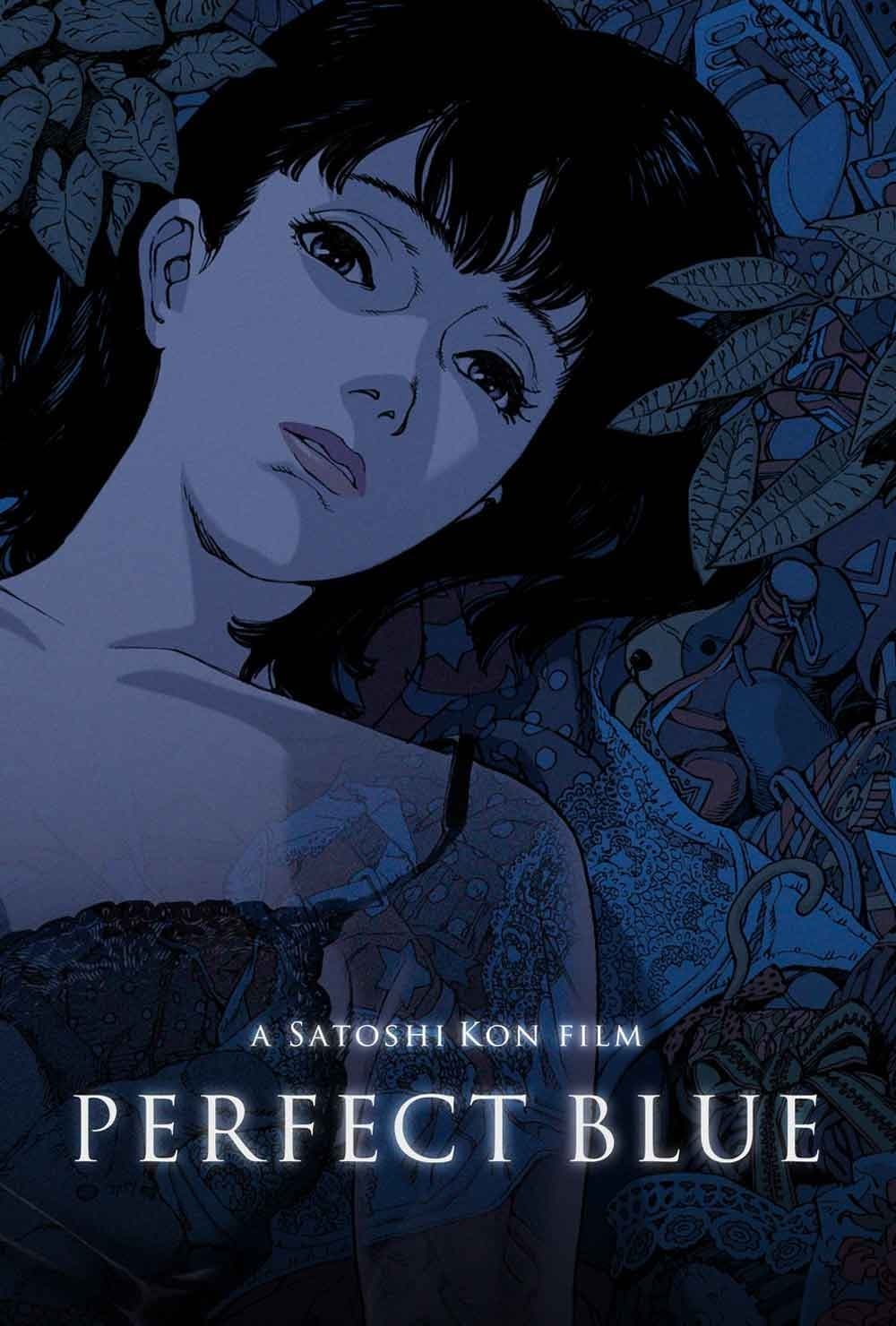
Satoshi Kon’s psychological thriller follows a pop idol turned actress whose sense of self fractures across performances, stalker notes, and televised scenes. The film repeatedly cuts between a show-within-a-show and the character’s life without hard markers, forcing alignment after the fact. Visual echoes—mirrors, stage lights, costume doubles—carry narrative load. Critical clues appear as production cues and script pages rather than explicit statements.
‘Angel’s Egg’ (1985)
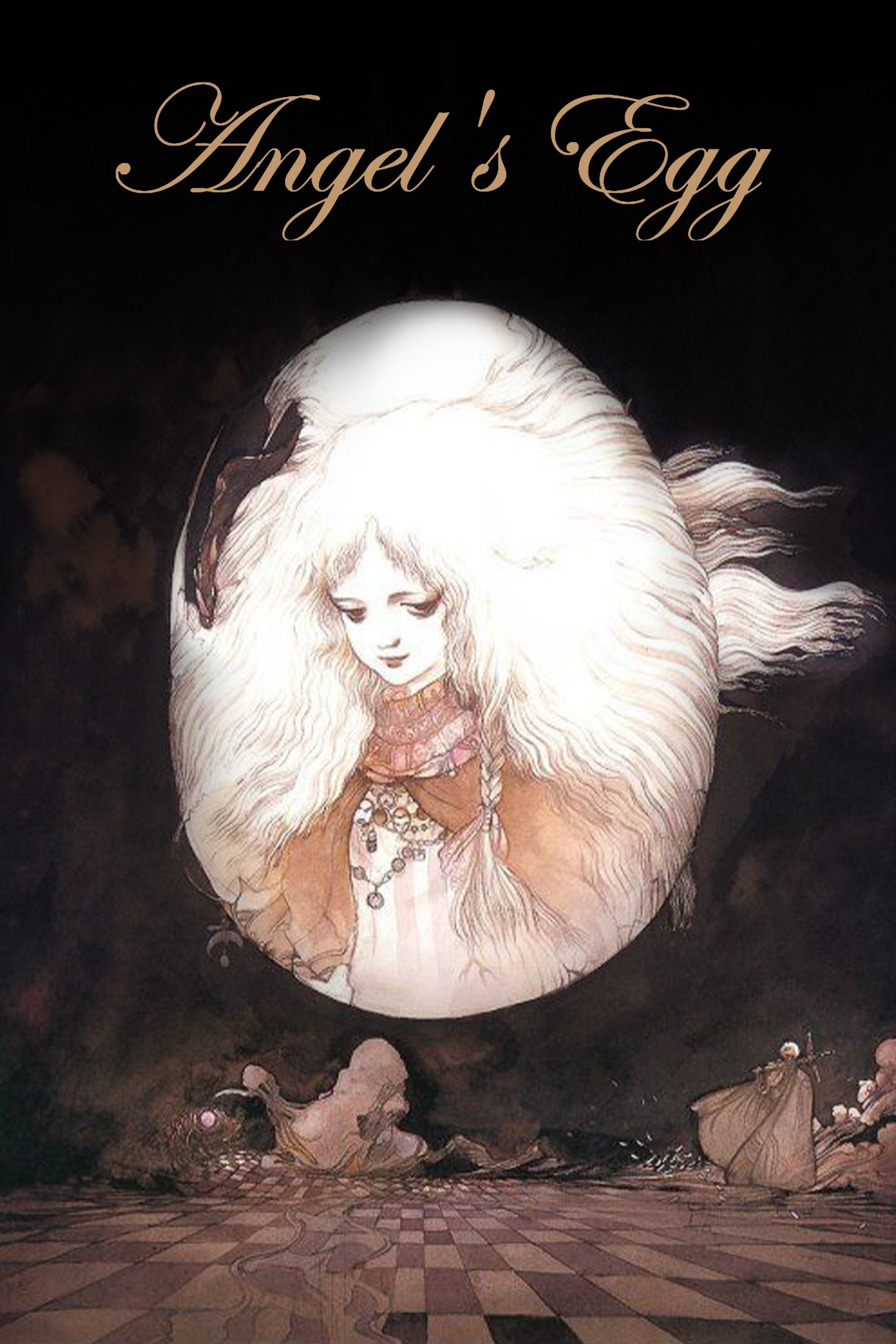
Studio Deen’s minimalist film by Mamoru Oshii uses sparse dialogue and symbolic tableaux—cathedral ruins, a giant fossilized fish—to convey its parable. Narrative progress relies on recurring religious and art-historical imagery instead of plot points. Character motivations are coded into repeated rituals and object handling. The absence of conventional exposition makes interpretation hinge on visual literacy.
‘FLCL’ (2000)
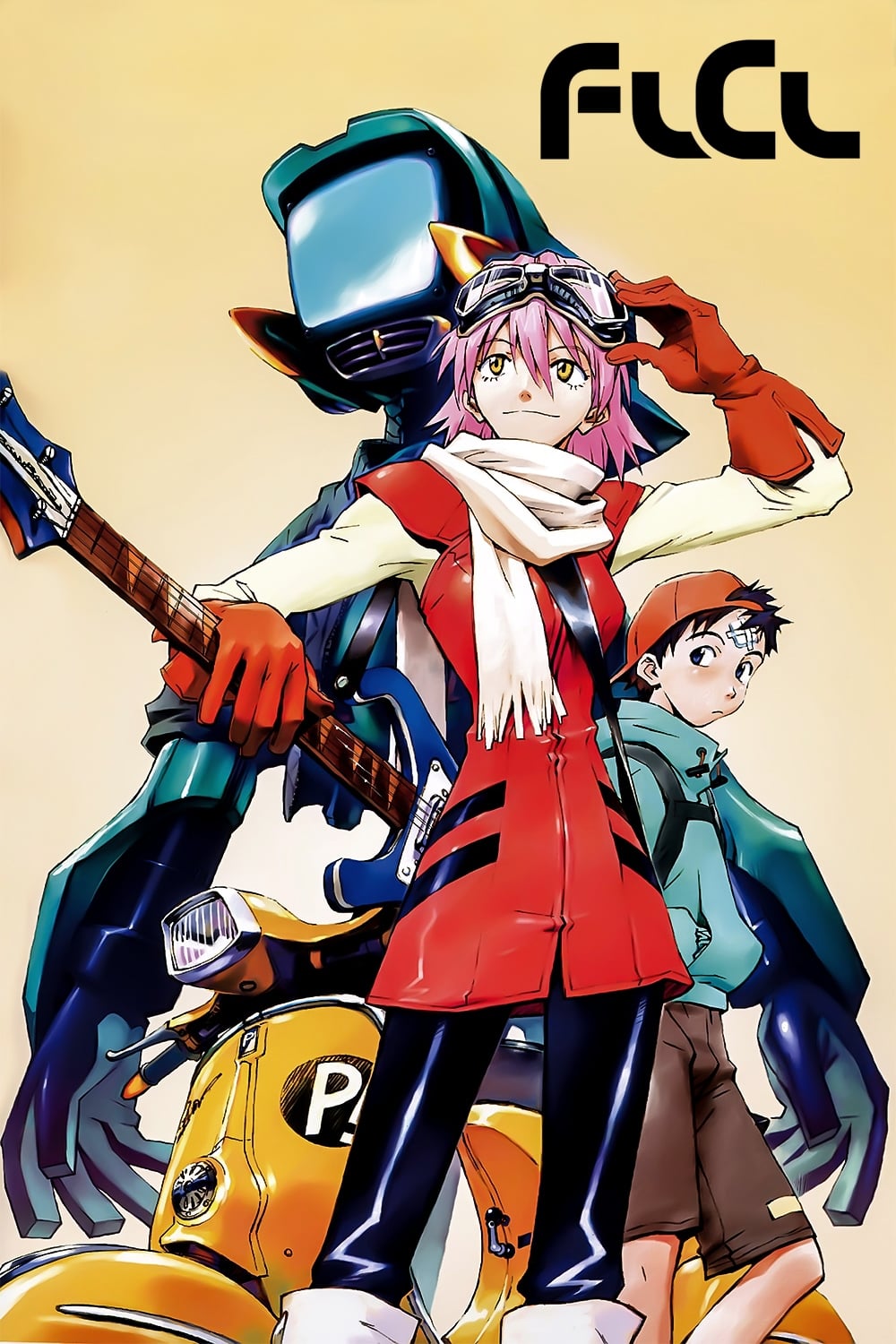
Gainax and Production I.G deliver a six-episode OVA that compresses coming-of-age, sci-fi gags, and music-video editing. Scenes whip between animation styles, with jump-cuts and on-screen text advancing character beats. Mecha set-pieces erupt from visual metaphors—literalized lumps, guitars, and channel surf motifs. The soundtrack by The Pillows drives pacing, while crucial context appears in throwaway lines and eyecatch cards.
‘Penguindrum’ (2011)

Brain’s Base and Kunihiko Ikuhara interlace a family drama with fate systems, terrorists’ pasts, and fairy-tale devices. Episode structures loop motifs—apples, subways, survival strategy sequences—before revealing their narrative meaning. Parallel timelines and “shared memory” scenes recontextualize character histories mid-season. The series encodes backstory into stage-play cutaways and mascot interludes rather than linear flashbacks.
‘Yurikuma Arashi’ (2015)

Silver Link and Kunihiko Ikuhara stage a courtroom-cum-school allegory where anthropomorphic bears cross a “Wall of Severance.” Refrains, choral announcements, and ritual trials present social rules as liturgy. Background signage and theatrical blocking carry plot developments that dialogue sidesteps. Episodes reuse set pieces with evolving props to signal shifts in power and memory.
‘The Tatami Galaxy’ (2010)
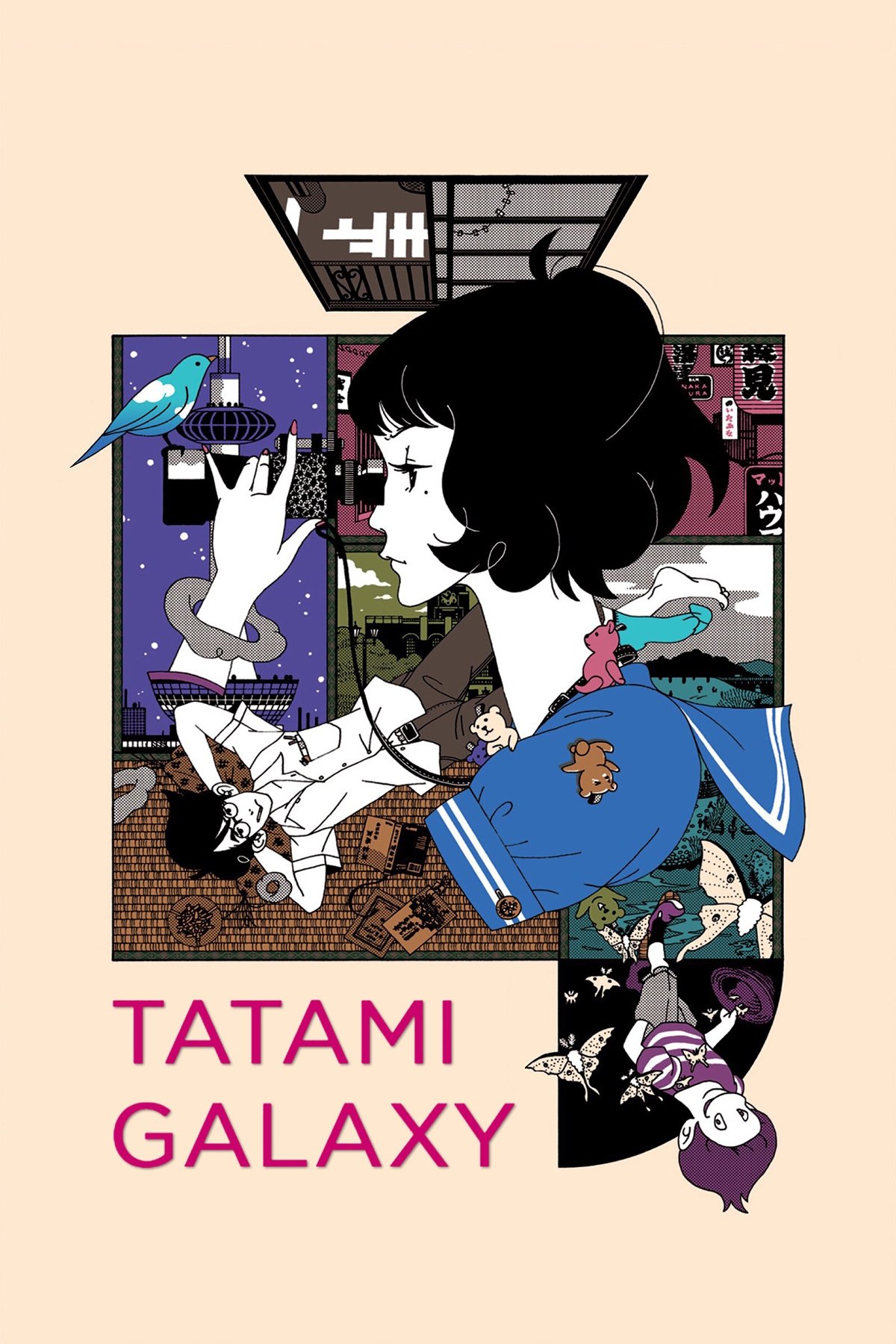
Masaaki Yuasa adapts Tomihiko Morimi’s novel into rapid-fire monologues and looping university club timelines. Each episode resets the protagonist’s choices while preserving subtle continuity through side characters and objects. Visual tatami patterns and fixed camera positions become structural markers. The crucial resolution depends on tracing variant runs and recurring coincidences across the anthology-like format.
‘Kaiba’ (2008)

Madhouse and Masaaki Yuasa set a memory-transfer tale in a world where bodies are interchangeable vessels. Episodes hop planets and identities, sometimes changing the lead’s body without immediate acknowledgement. The retro, simple art style masks dense political hierarchies and class mechanics. Story clues live in tattoo chips, storage symbols, and environmental signage rather than expository narration.
‘Mind Game’ (2004)
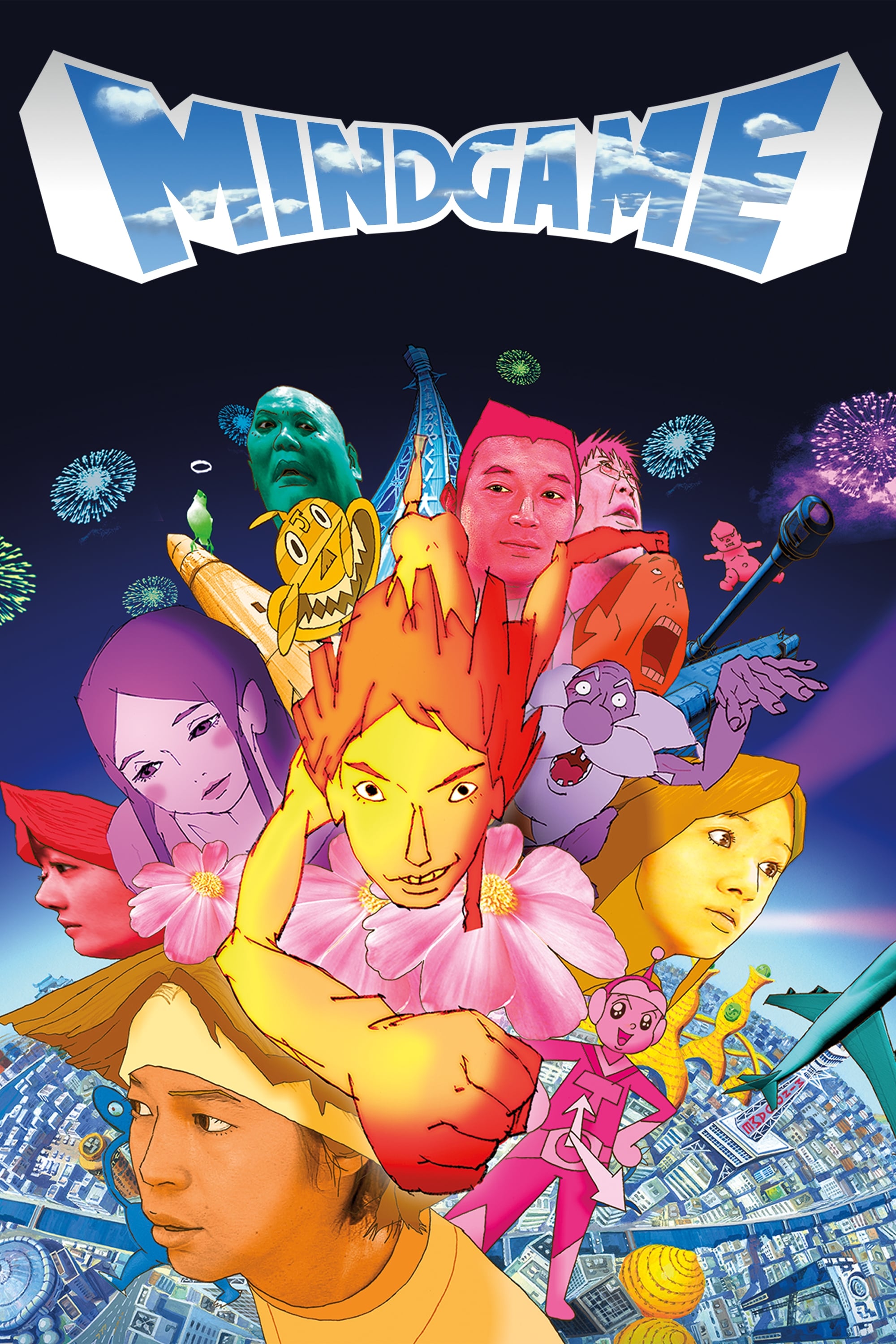
Studio 4°C’s film mixes rotoscoping, sudden medium switches, and mythic detours to track a failed artist’s second chance. Narrative threads sprint from a yakuza chase to a whale’s belly to life-montage hypotheticals. Character arcs advance through visual collage and narrated possibilities rather than chronological scenes. The film’s structure relies on associative editing, with payoffs embedded in blink-and-you-miss-them inserts.
‘Gankutsuou’ (2004–2005)
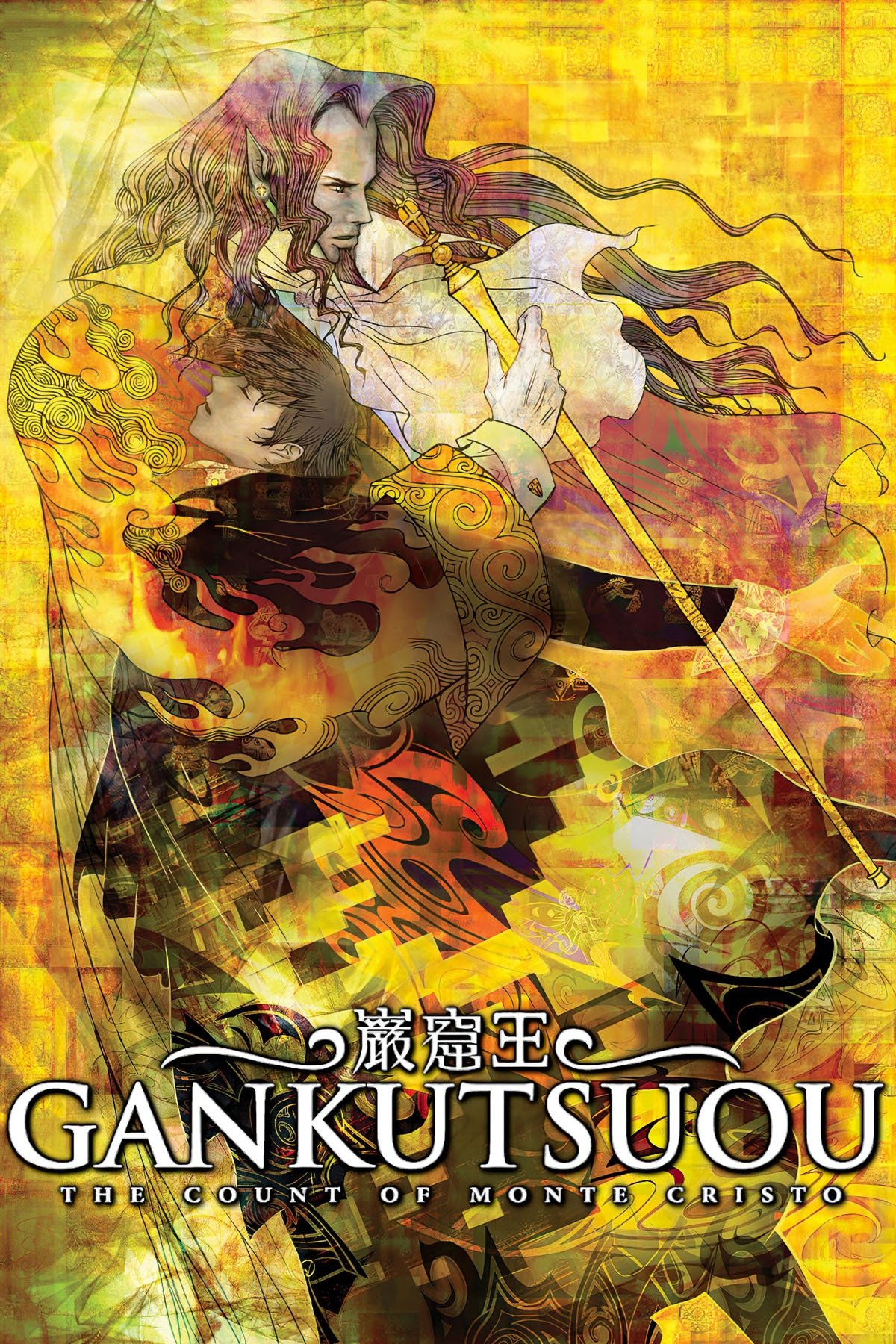
Gonzo reimagines Dumas in a future setting with layered patterns and texture-mapped characters. The perspective shifts to Albert, changing the information balance around schemes and identities. Key plot mechanics—debts, forged letters, secret parentage—unfold amid opulent visuals that often hide clues in the décor. Political subplots and social calendars proceed in parallel, requiring cross-episode tracking.
‘RahXephon’ (2002)
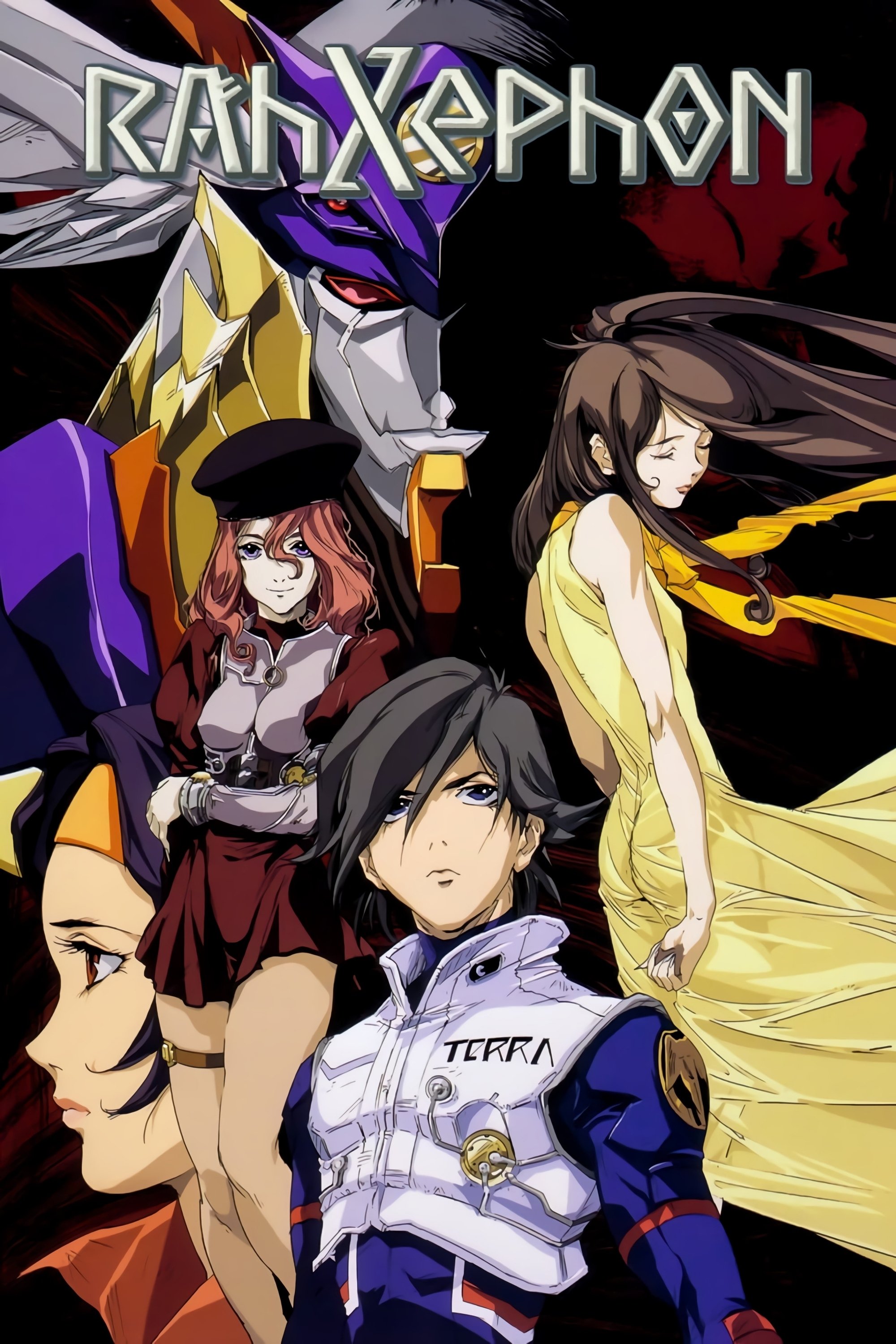
Bones frames a reality-warping mecha story around music theory, tuning metaphors, and divergent calendars. The Tokyo Jupiter enclosure operates on altered time, complicating character ages and histories. Mythic proper nouns and factional agendas accumulate through confidential briefings and coded performances. Romance and conspiracy threads braid together, with clarifications arriving from late-series data drops.
‘Fate/Zero’ (2011–2012)
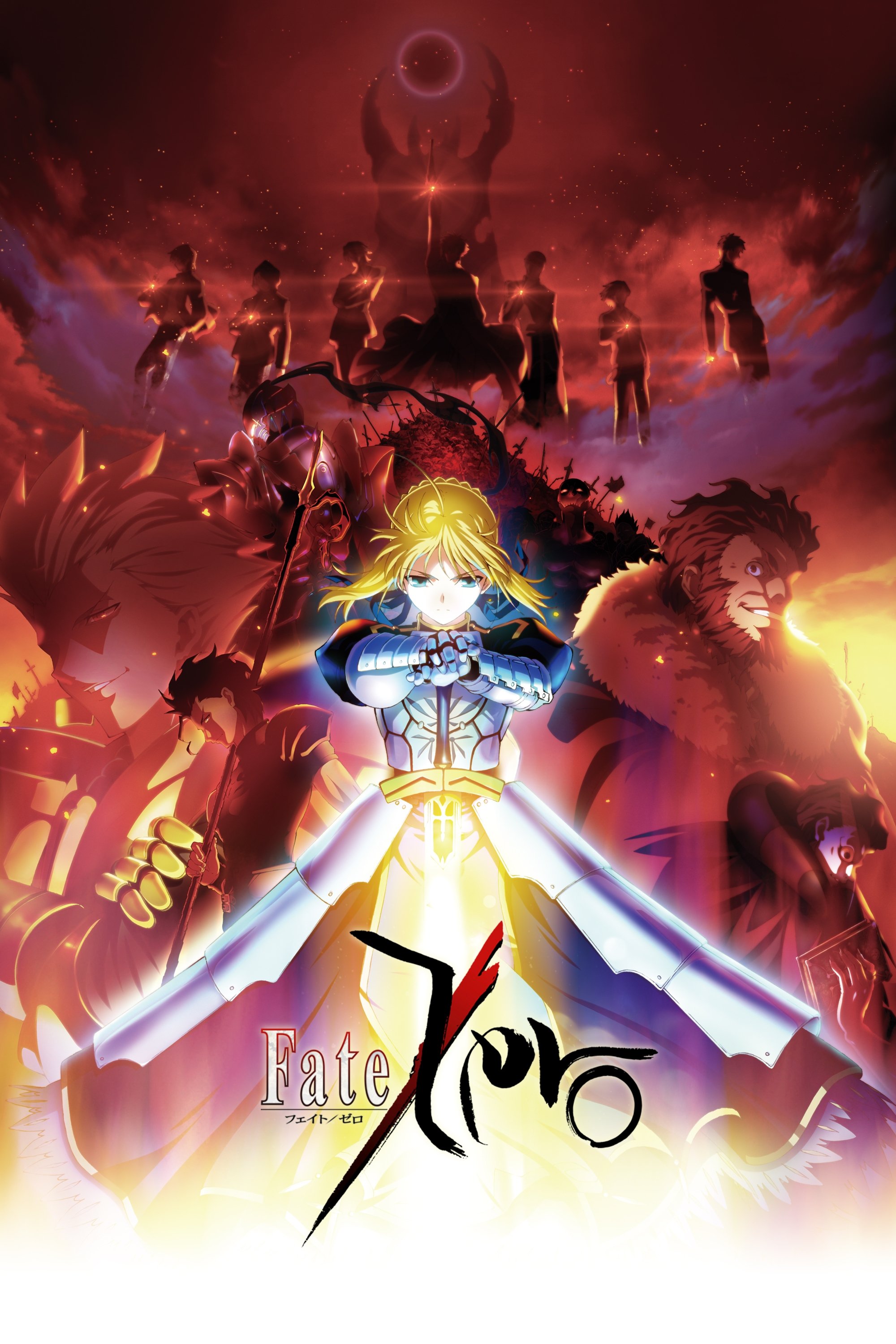
Ufotable adapts Gen Urobuchi’s prequel novel into a Holy Grail War dense with magic systems, contract terms, and inter-family pacts. Rules for Command Seals, Noble Phantasms, and summoning catalysts emerge through duels and side conversations. Backstory episodes introduce parallel feuds that inform later betrayals. The narrative expects familiarity with broader ‘Fate’ lore while introducing its own technical lexicon.
‘Bakemonogatari’ (2009)
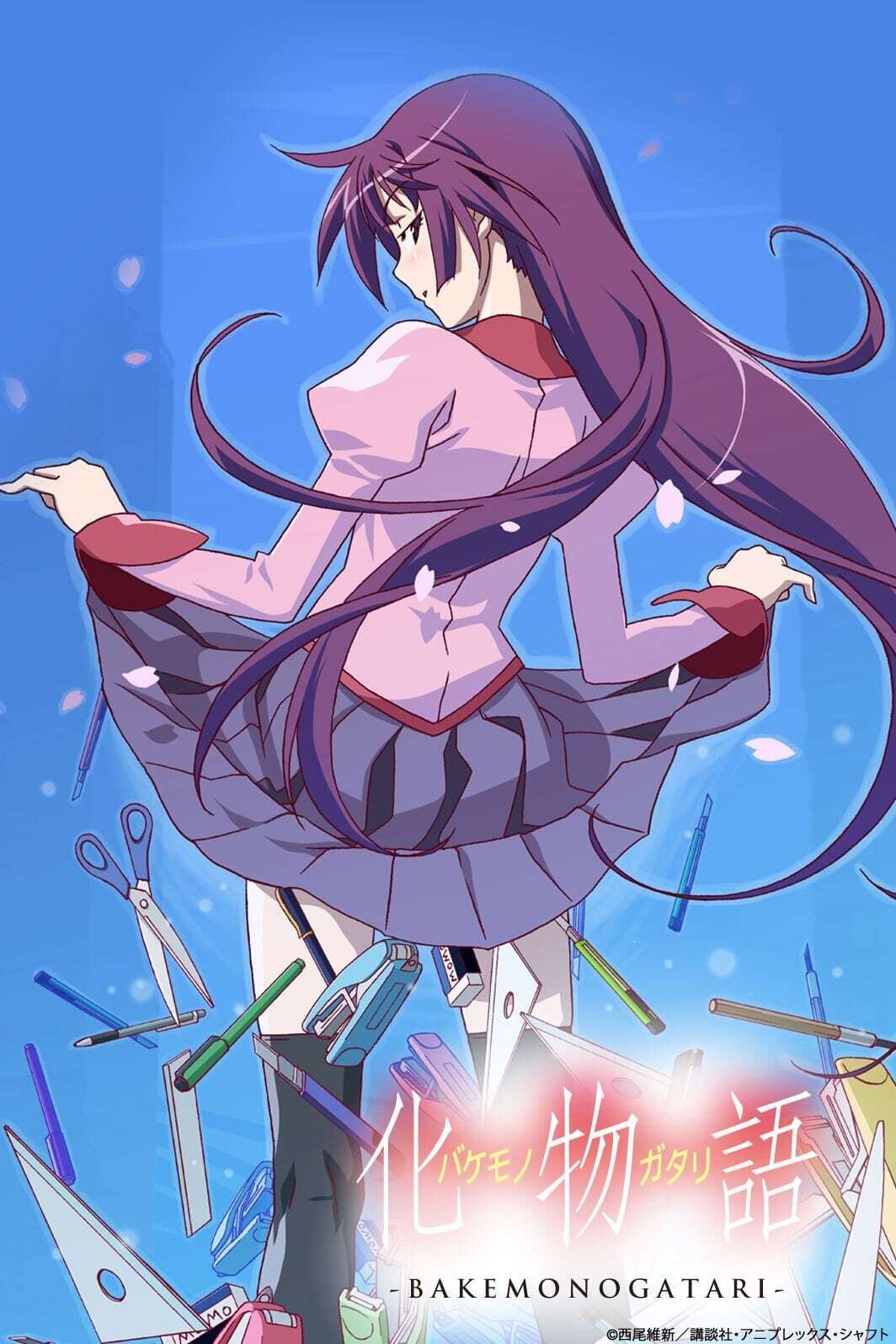
Shaft’s adaptation of Nisio Isin relies on dialogue-heavy scenes, rapid subtitle cards, and symbolic cutaways to discuss “oddities.” Episodes anchor monsters to wordplay and personal trauma that require attention to off-screen text and typography. Visual frames freeze on signage or color blocks that encode thematic beats. Continuity across arcs depends on subtle callbacks and shifting narrator reliability.
‘Puella Magi Madoka Magica’ (2011)

Shaft reframes the magical-girl setup with contract logic, entropy metaphors, and recursive timelines. Witch labyrinths use collage aesthetics where stage design conveys lore better than dialogue. The series introduces rules about wishes and cost through incremental reveals and alternate runs. A late structural pivot retrofits earlier episodes with hidden cause-and-effect.
‘Guilty Crown’ (2011–2012)
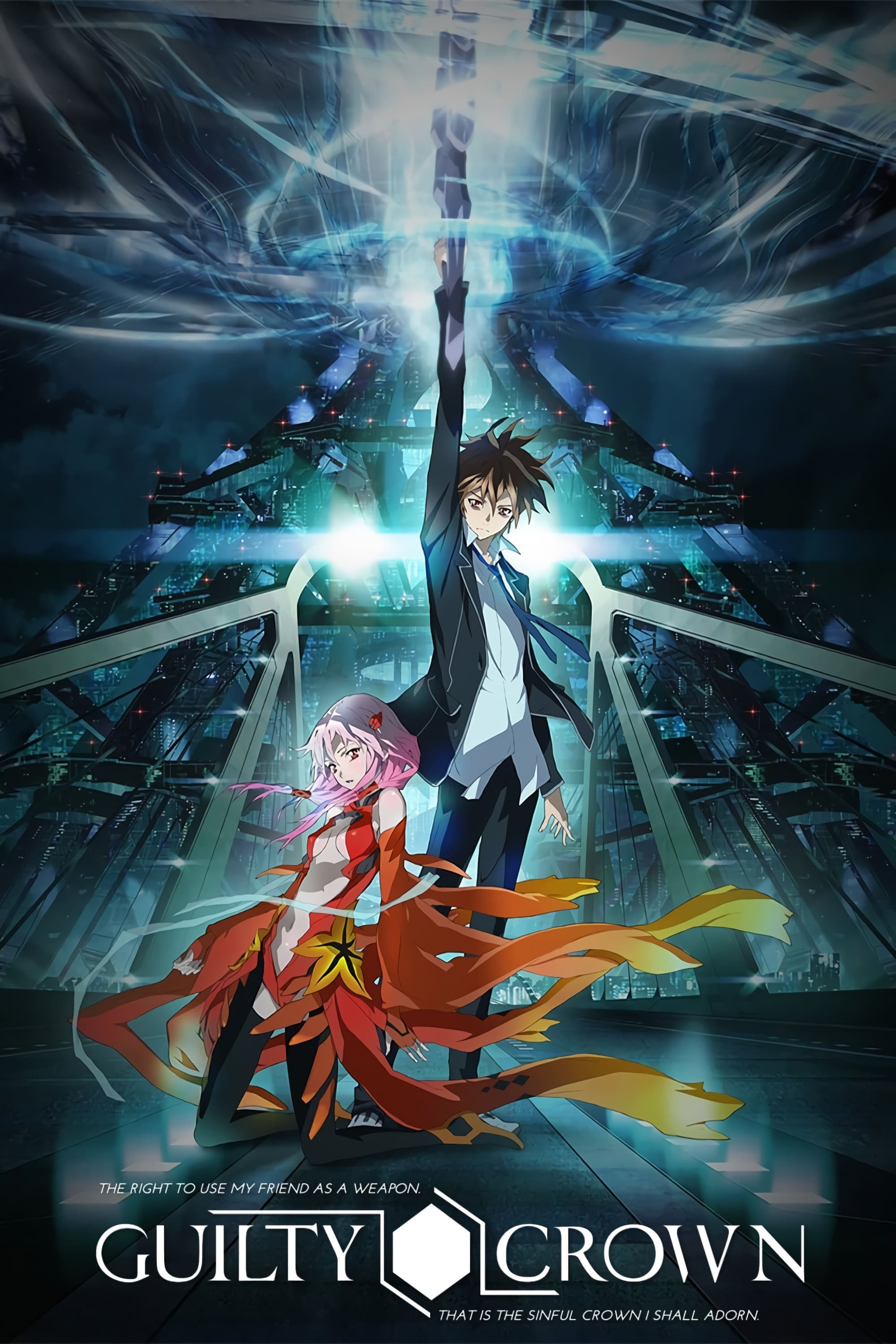
Production I.G builds a bio-technological “Void” system tied to social roles, genetics, and emergency law. Political factions, student councils, and paramilitary units operate with overlapping chains of command. The Void extraction mechanic carries case-specific exceptions disclosed mid-plot. World events advance via news crawls and database clips, distributing important context outside main scenes.
‘Babylon’ (2019)
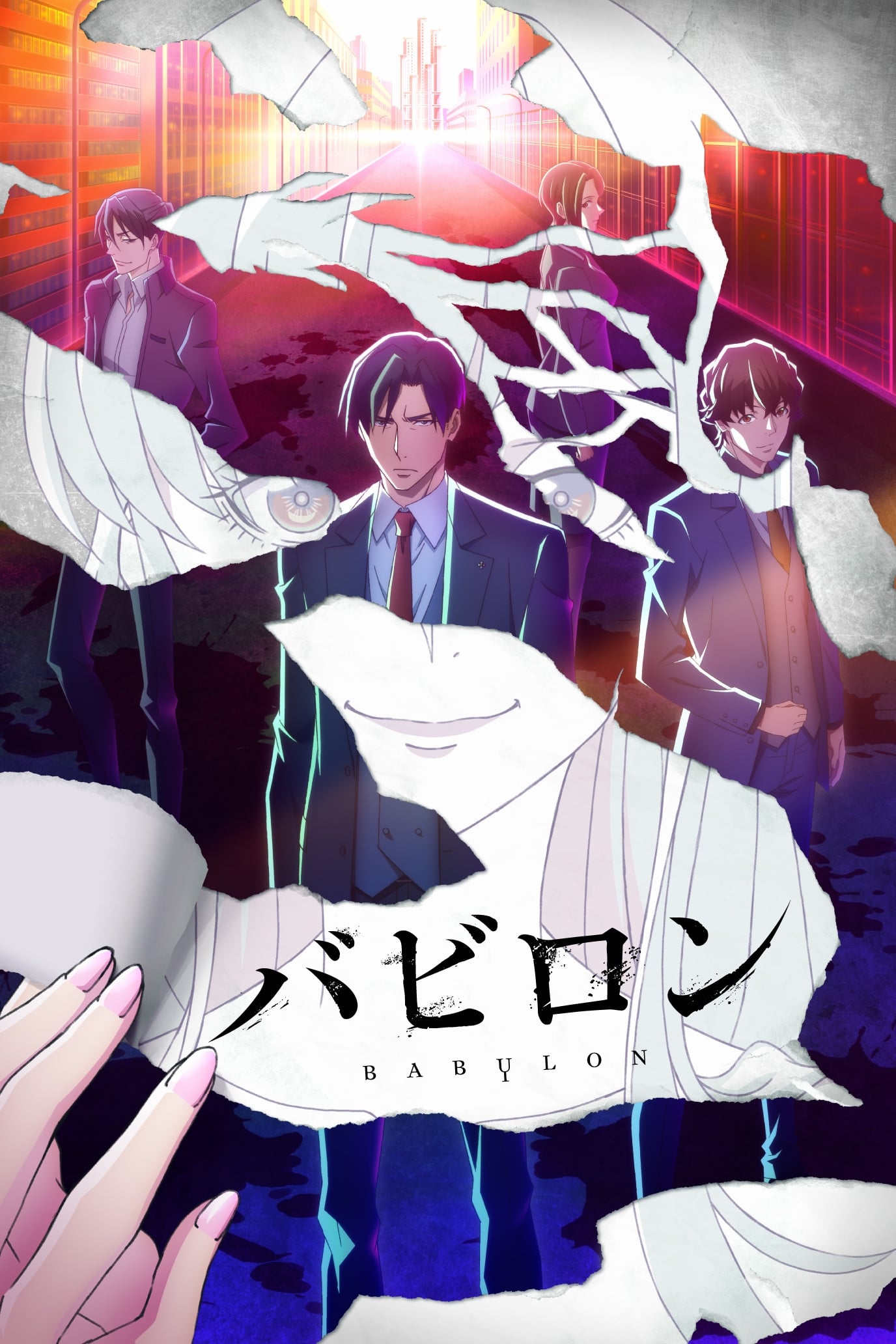
Studio Revoroot adapts Mado Nozaki’s novels into a legal thriller about a city testing a controversial law. The narrative leans on hearings, policy drafts, and jurisdictional handoffs rather than action scenes. Moral arguments are staged as public statements and psychological profiles that leave gaps to interpret. Episode breaks often land on unresolved testimony, shifting emphasis to procedural detail.
‘Wonder Egg Priority’ (2021)
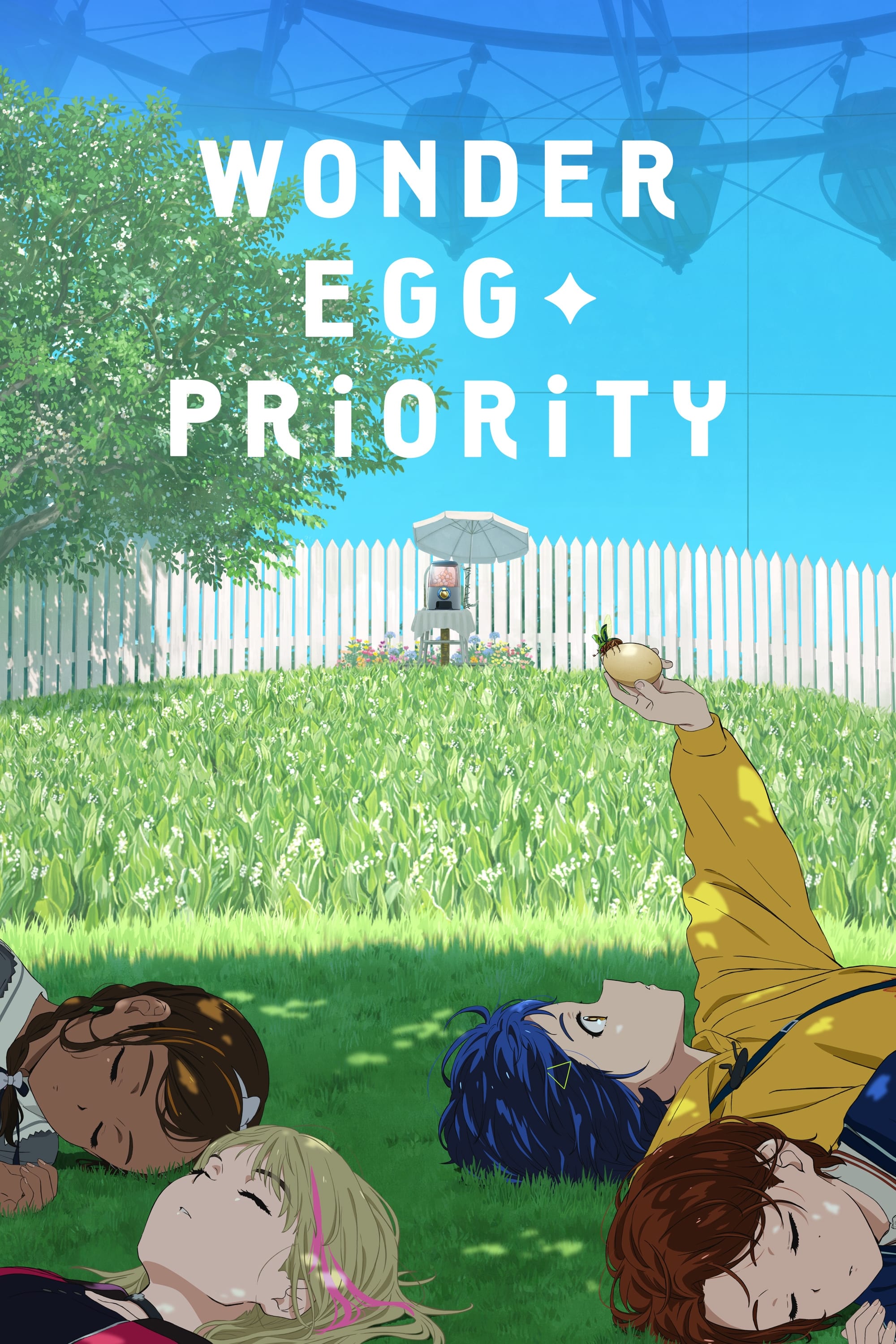
CloverWorks presents a trauma-processing premise where battles in dreamscapes affect real-world outcomes. Terms like “Haters,” “See No Evils,” and “accas” gain definitions gradually through episodic cases. Production changes reroute late-series episodes into recap and meta-commentary, redistributing plot answers. Character arcs rely on symbolic creatures and color coding more than direct confession.
‘Eureka Seven AO’ (2012)
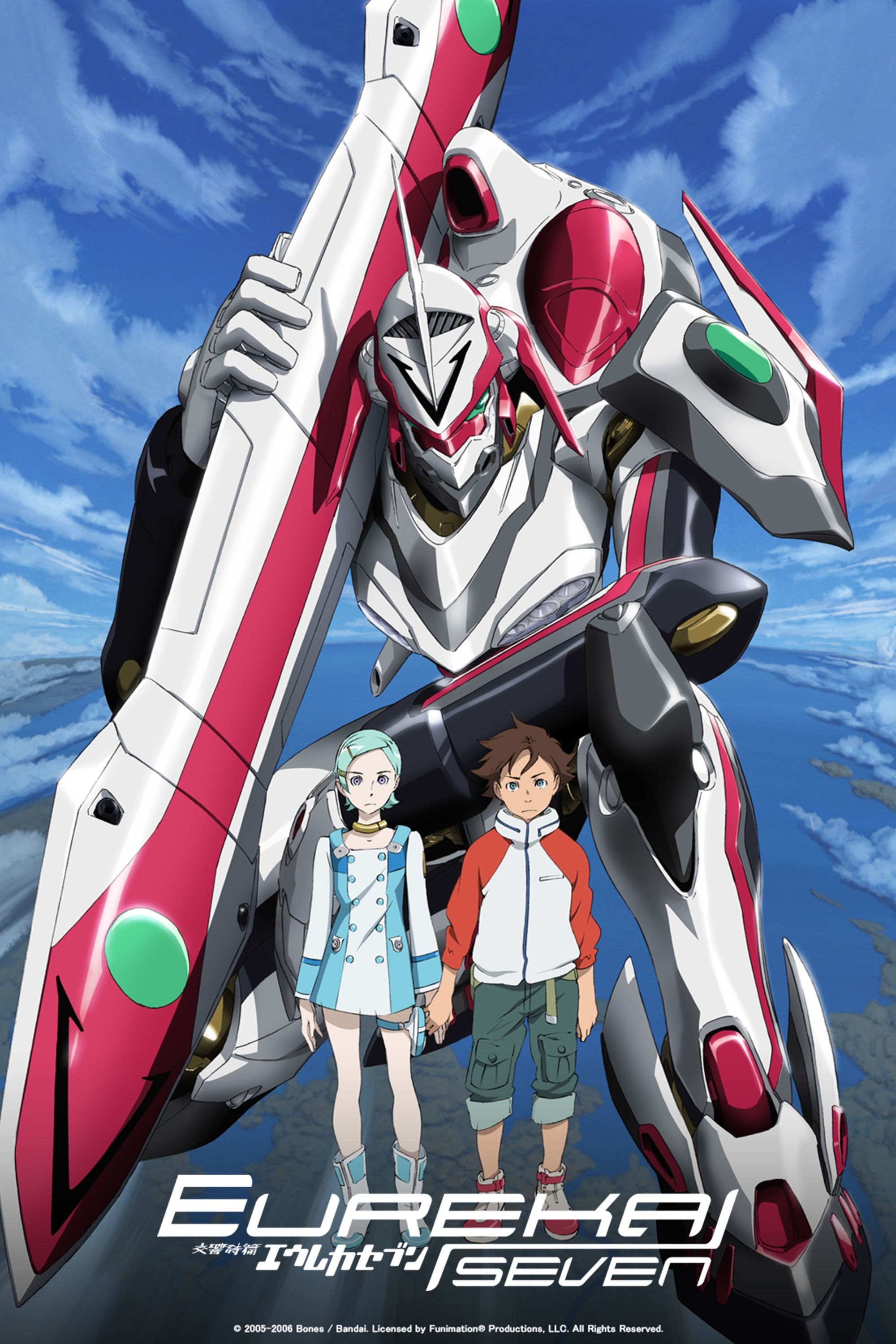
Bones’ follow-up situates its story in alternate timelines with Scub Coral events and inter-agency responses. The show introduces quartz interference, Secrets, and geopolitical task forces with evolving parameters. Cross-series ties hinge on legacy characters and paradox mechanics that surface mid-season. Key reveals arrive through mission briefings and scientific readouts rather than linear flashbacks.
‘B: The Beginning’ (2018–2021)
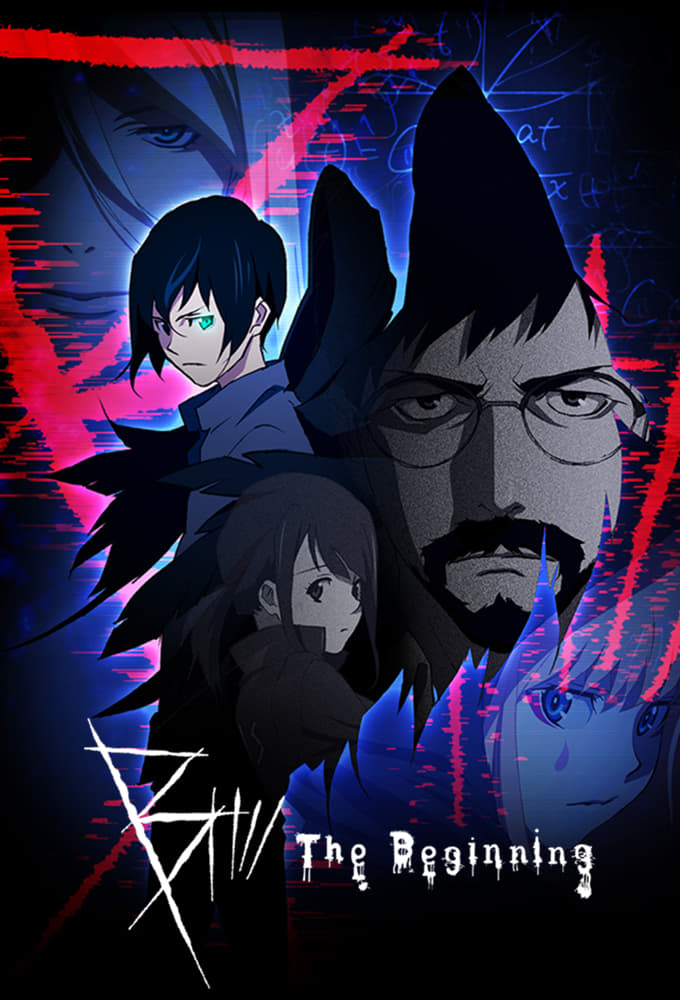
Production I.G’s crime-procedural hybrid splits focus between a serial-killer investigation and a bio-engineered “Reggies” plotline. Multi-agency teams keep evidence and agendas siloed, delaying synthesis. The series uses case files, lab logs, and internal codenames to advance mythology. Season transitions reframe earlier clues, making earlier episodes function like prologues to later arcs.
Share the series you’d add—or the one that finally clicked for you on a rewatch—in the comments.