20 Beloved RPGs That Are Impossible To Beat Without A Guide

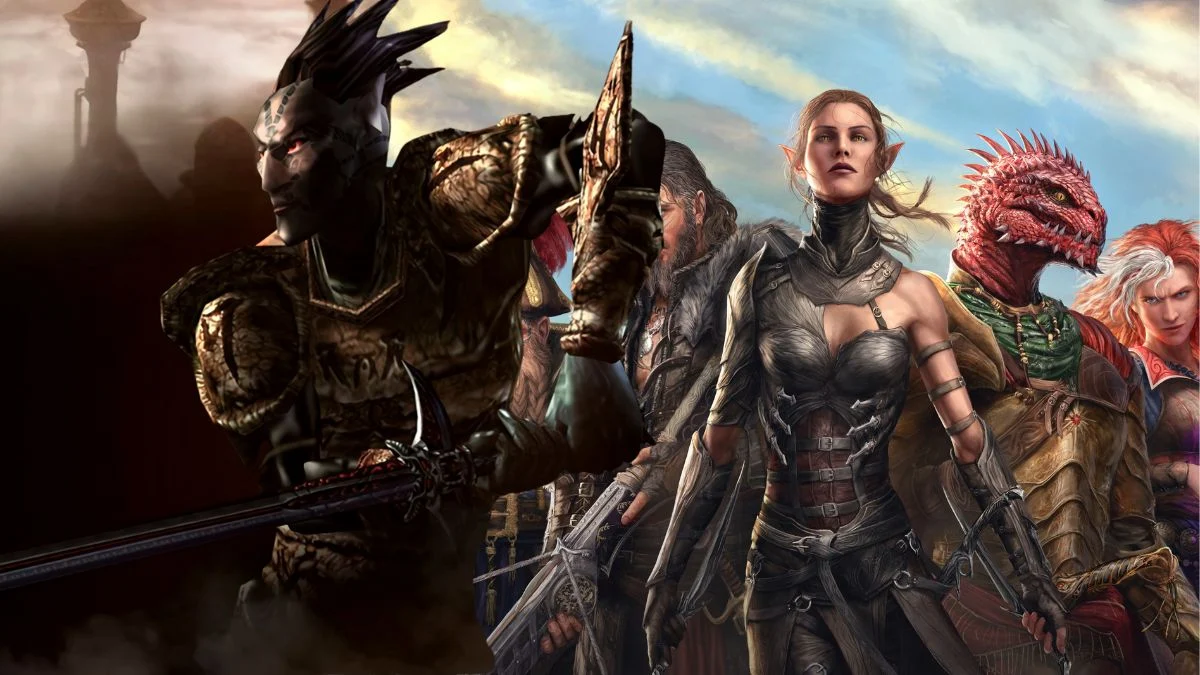

Some RPGs hide their best systems behind opaque rules, branching flags, and missable steps that can stump even veteran players. You can grind, explore, and experiment all you want, but certain quests, recruitments, or endings only unlock if you know exactly what to do and when. Others bury crucial mechanics behind vague tooltips or leave maps and dungeons intentionally punishing to navigate. This list spotlights fan favorites that are famous for confusing mechanics, maze-like design, or hidden requirements that make outside help feel essential.
‘The Elder Scrolls III: Morrowind’ (2002)
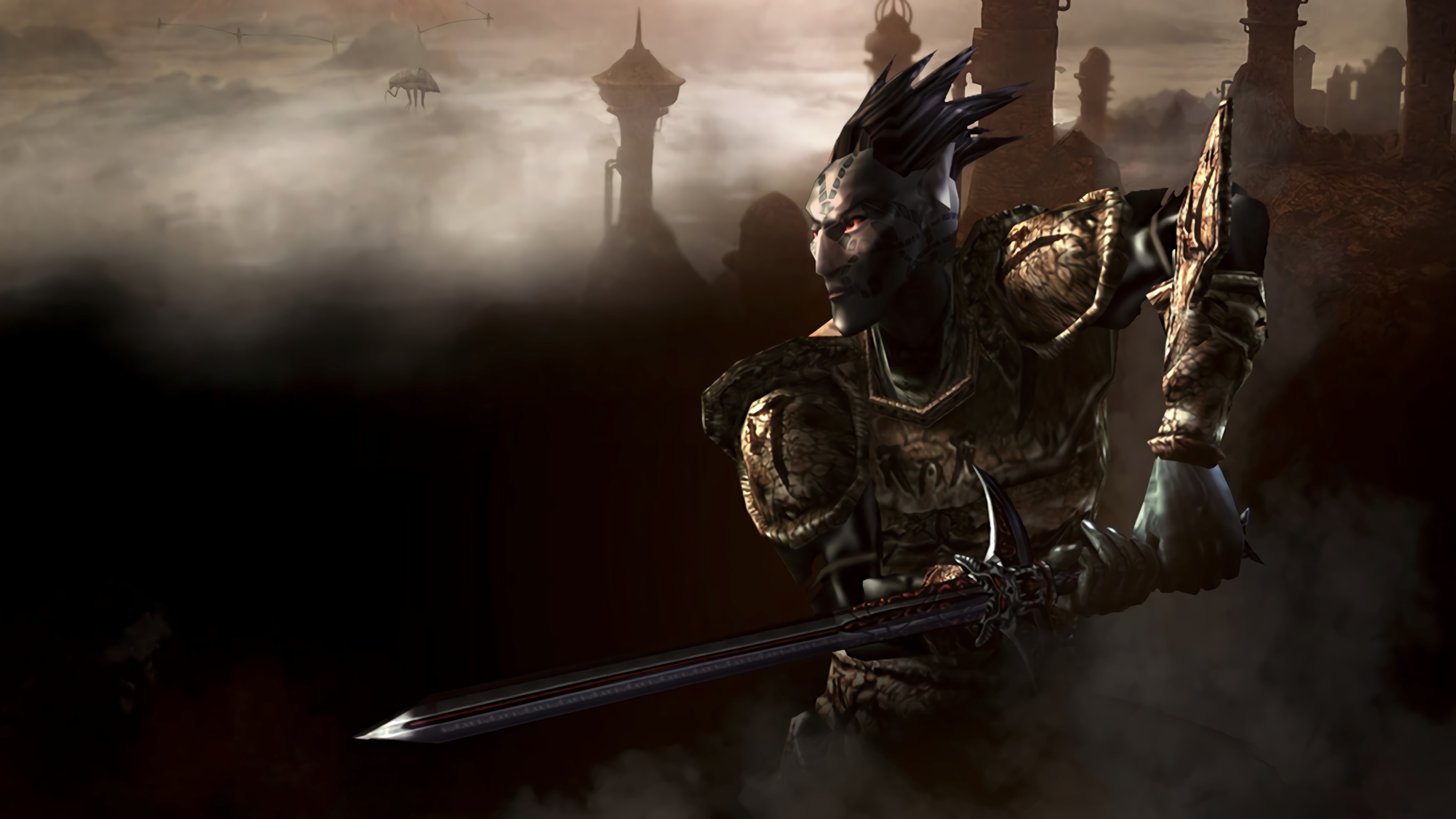
Quest journals in ‘Morrowind’ rely on written directions rather than map markers, so finding NPCs often requires interpreting landmarks and local rumors. Many faction questlines conflict with each other and can be permanently locked by a single choice. Skills improve through specific actions and can soft lock progress if you mismanage leveling or attributes. Powerful items and spells are hidden behind riddles, prophecies, and unique dialogue that you can easily miss.
‘Pathologic 2’ (2019)
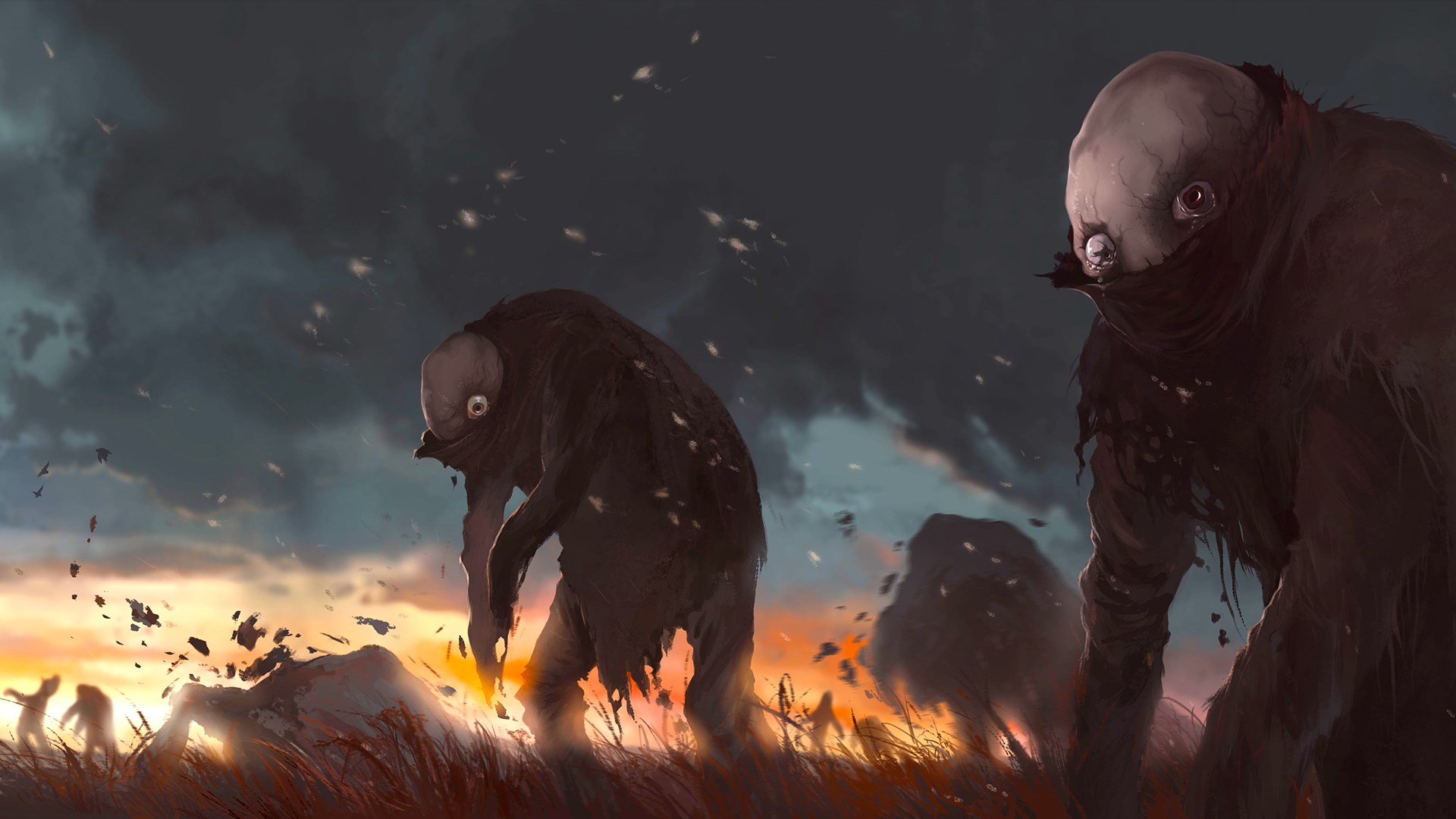
‘Pathologic 2’ runs on a strict day cycle where events move forward whether you are ready or not. Vital story beats and character fates depend on being in the right place at the right time with scarce resources. Systems like reputation, immunity, and exhaustion interact in ways that punish uninformed decisions. Clues are delivered through unreliable narrators and cryptic stagecraft that rarely explains solutions outright.
‘Shin Megami Tensei III: Nocturne’ (2003)

Fusion rules in ‘Nocturne’ determine which demons inherit which skills, and small mistakes can ruin key builds. The hidden route depends on finding and completing optional labyrinths with strict puzzle conditions. Bosses have gimmicks that require specific nulls, buffs, and debuffs rather than raw levels. Magatama choices change resistances and stat growth in ways the game barely explains.
‘Etrian Odyssey’ (2007)
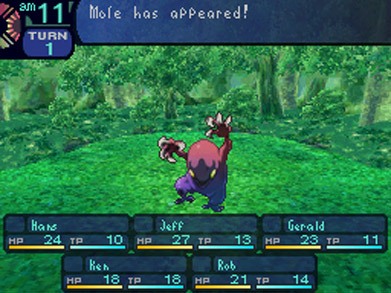
‘Etrian Odyssey’ expects you to draw your own maps and mark traps, shortcuts, and secret passages. The subclass and skill point systems reward careful planning and can waste hours if you allocate poorly. FOE roaming monsters follow patterns that must be learned to progress safely. Gathering materials for crafting top gear requires tracking spawn nodes across floors with different times and conditions.
‘Phantasy Star II’ (1989)
Maze-like dungeons use identical tile sets that make orientation difficult without hand drawn maps. Essential items are hidden deep inside sprawling layouts with few visual cues. Party durability is low and grinding spots are hard to identify early. Several story critical objectives give minimal direction, leading to long stretches of blind searching.
‘SaGa Frontier’ (1997)
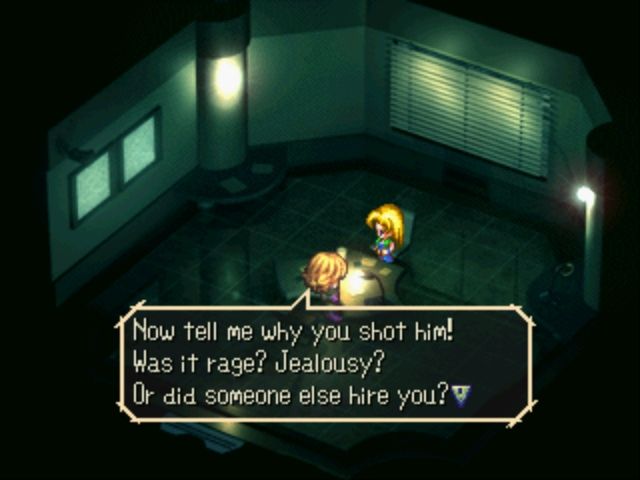
‘SaGa Frontier’ features seven protagonists with overlapping regions but different event flags. Many recruitments and quests only trigger if you visit towns in a particular order. Growth is spark based, so characters learn techniques randomly and can stall without the right enemies. The game rarely signals when you are underleveled for a region or boss.
‘Romancing SaGa 2’ (1993)
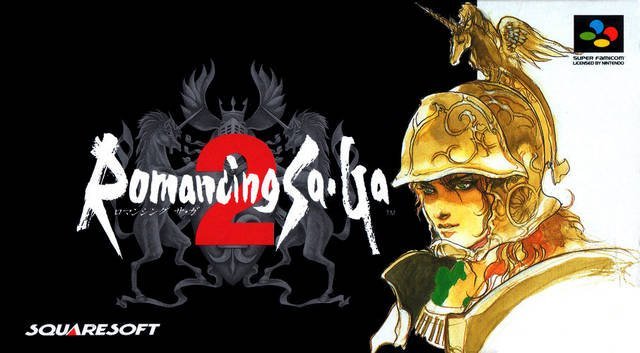
The generational system advances time based on actions, which can permanently close dungeons or quests. Learning techs relies on hidden weapon categories and formation choices that affect spark rates. The budget and imperial development layers create long term consequences that are not explained. Several endgame routes require collecting obscure artifacts across eras.
‘Unlimited Saga’ (2002)
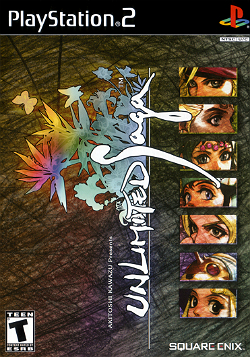
Actions resolve through a reel system where timing and panel development dictate growth. Town menus hide critical crafting and enchantment options behind nested interfaces. Movement on maps uses limited steps and trap checks that consume resources rapidly. Many quests only appear after specific travel chains with little in game guidance.
‘Wizardry’ (1981)
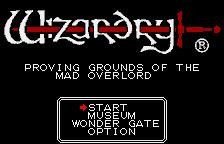
Labyrinth floors rely on hand mapping to track spinners, darkness tiles, and one way doors. Party creation involves class changes with strict stat thresholds that take planning to hit. Permanent death and lost gear raise the stakes of navigation errors. Spell names are coded and require remembering tiers and effects without modern tooltips.
‘The Bard’s Tale’ (1985)
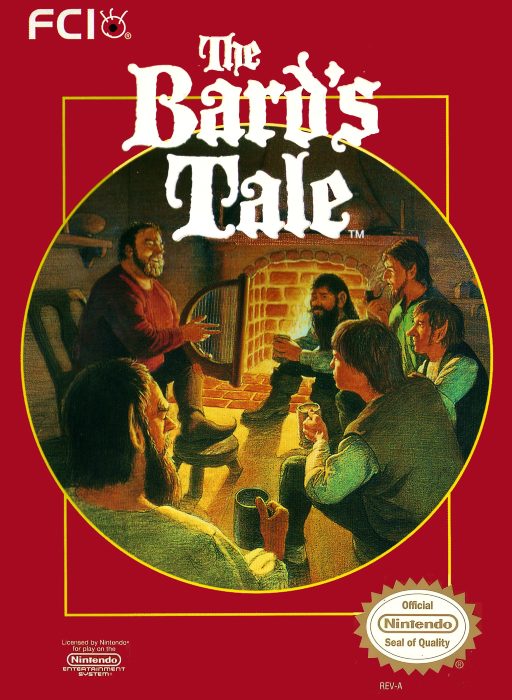
Dungeon layouts include teleporters and anti magic zones that break normal tactics. Progress often requires singing the right song at the right tile with no on screen hint. Classes promote at certain levels through specific guild steps that are easy to overlook. Vital gear is hidden behind riddles that assume you recorded earlier clues.
‘Final Fantasy II’ (1988)
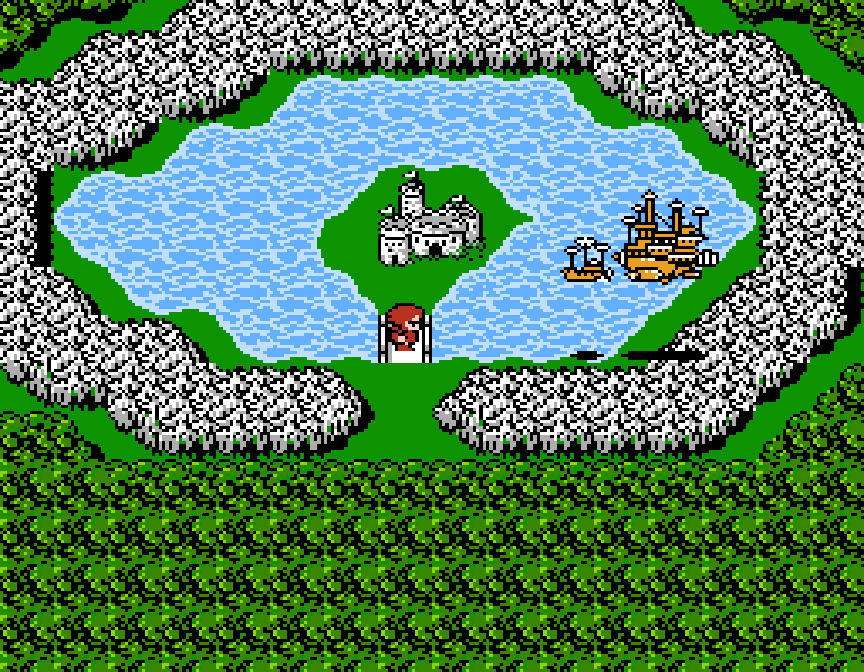
Stats increase based on actions taken in battle rather than traditional experience points. Training methods can accidentally skew growth and leave characters fragile. Several key spells and weapons are missable if you move chapters forward. The world map opens early but offers little direction on the intended route.
‘Vagrant Story’ (2000)
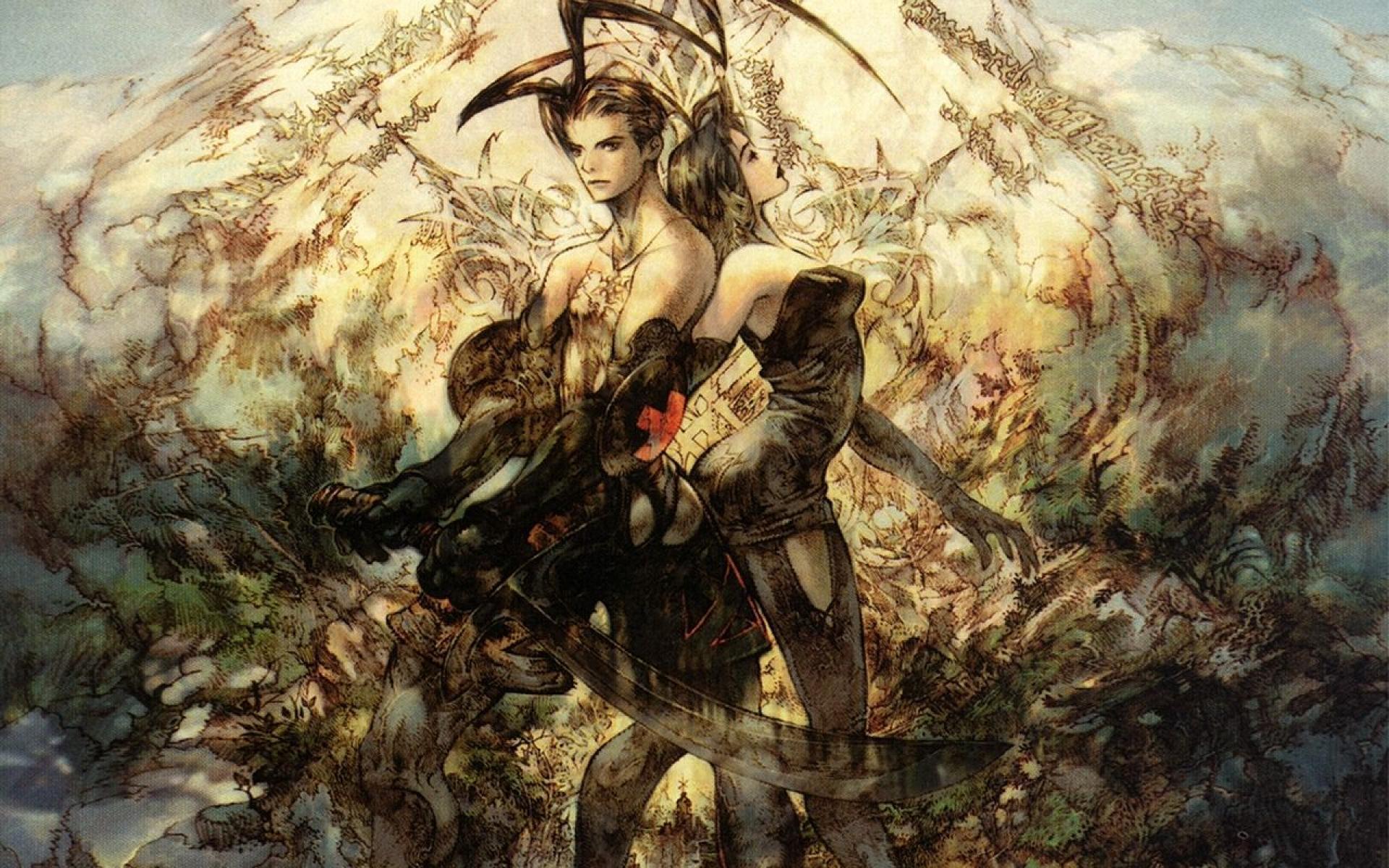
Weapon affinity and material chains determine damage far more than level. Crafting requires combining parts at save points with recipes the game never lists. Enemy resistances change by type, encouraging multiple specialized weapons. Risk mechanics punish repeated actions and demand careful pacing in fights.
‘Dark Souls’ (2011)
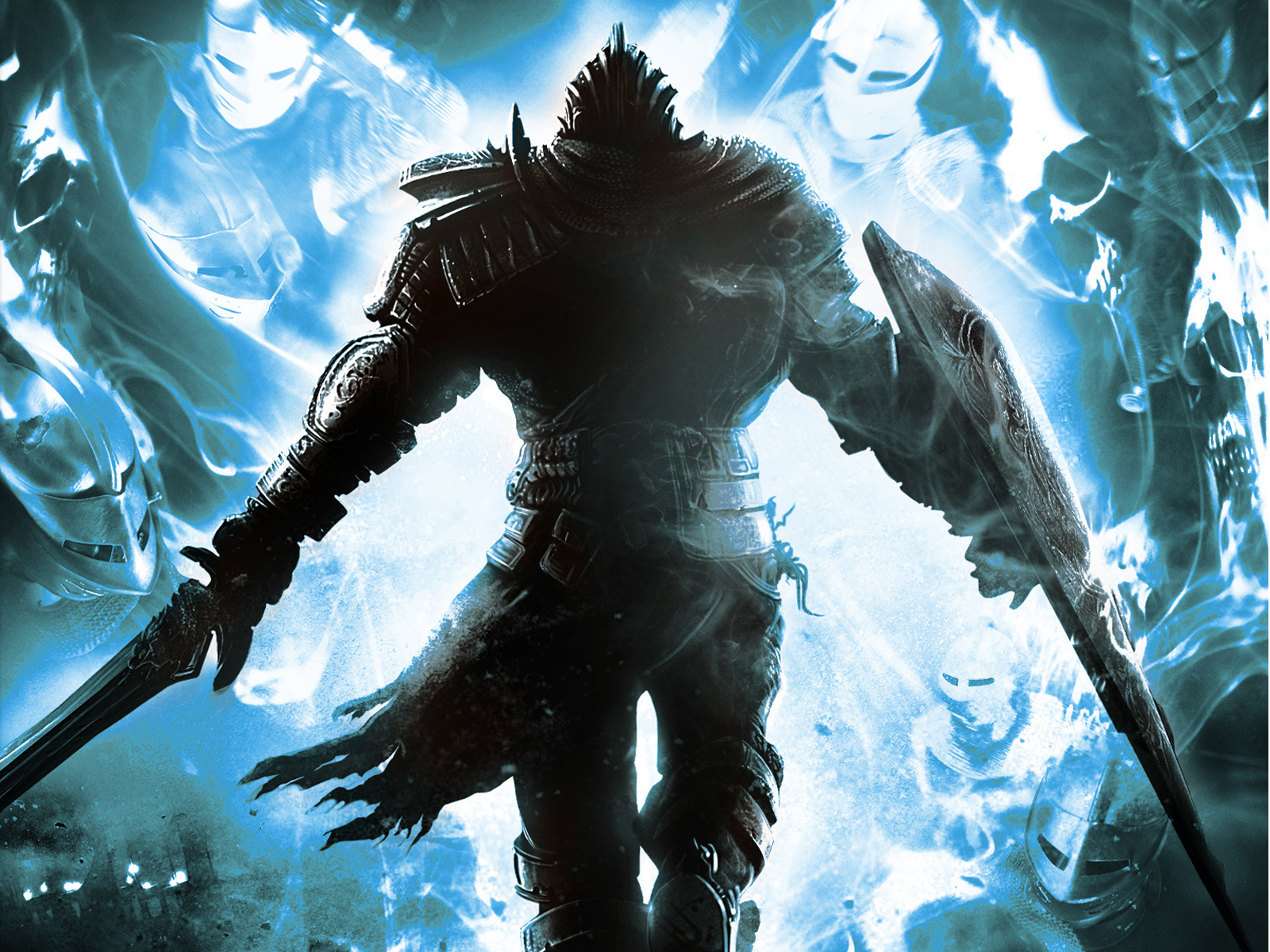
Core progression hides behind optional paths, illusory walls, and keys tucked into distant zones. Covenants unlock unique rewards but can lock out others with a single decision. NPC questlines depend on meeting characters in precise locations after specific bosses. Stat breakpoints for equipment load and spell use are not obvious to newcomers.
‘Demon’s Souls’ (2009)

World tendency alters enemy spawns, loot, and access to events based on your actions. Archstone order changes difficulty drastically without warning. NPCs can die or disappear if you miss narrow windows after bosses. Upgrade paths for weapons and spells require rare materials that appear only under certain conditions.
‘Path of Exile’ (2013)

Passive skill trees span hundreds of nodes and can trap builds without respec planning. League mechanics introduce new currencies and item types that stack with existing systems. Crafting relies on affix tiers and mod pools that the game does not surface clearly. Endgame mapping requires sustaining atlas layouts and understanding influence rules.
‘Divinity: Original Sin 2’ (2017)
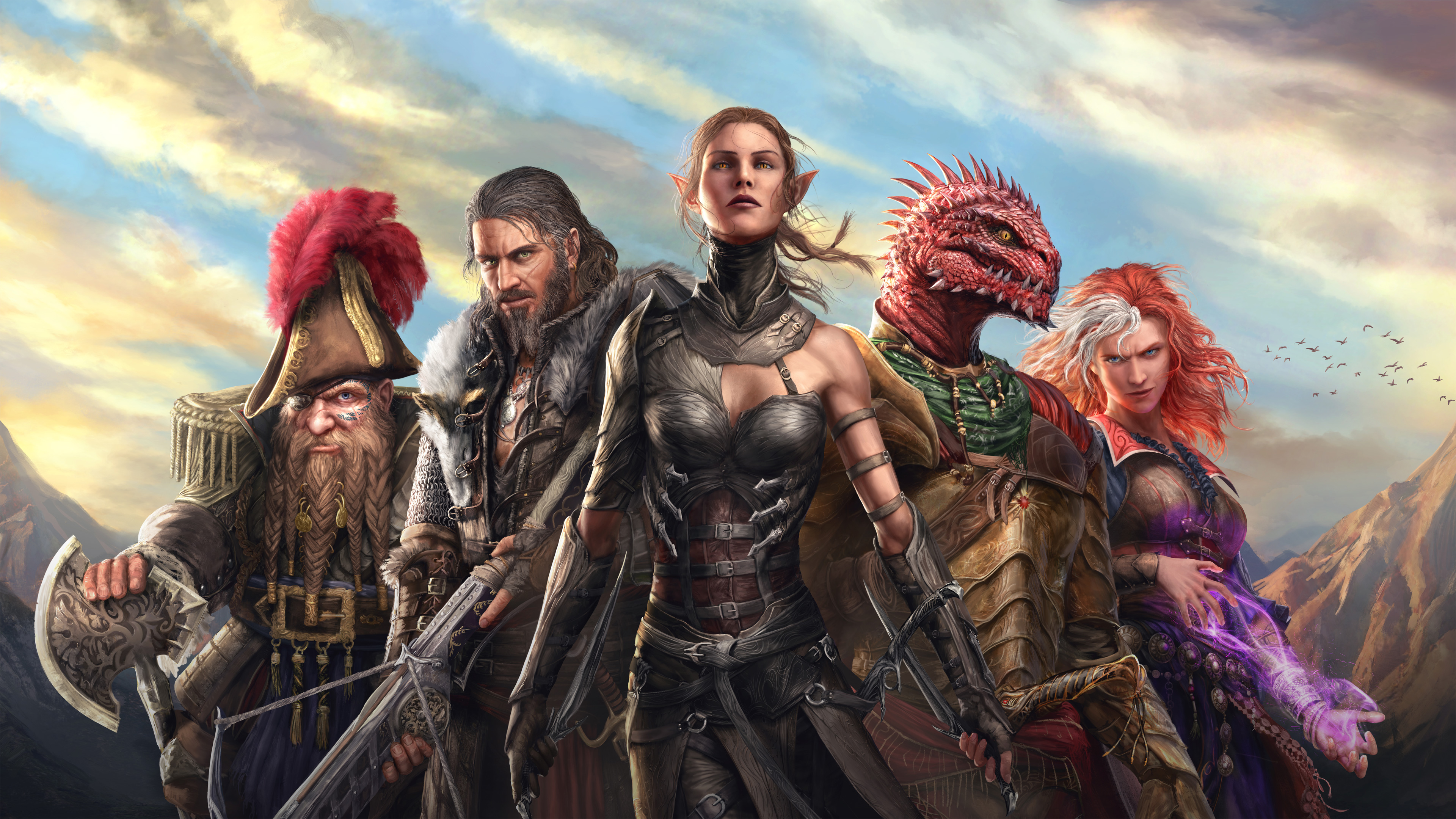
Quest outcomes branch based on race tags, origin characters, and dialogue checks. Environmental interactions allow sequence breaks that can soft lock objectives if mishandled. Attribute and civil ability spreads affect both combat and quest solutions. Some talents and skill combos only shine if you plan party synergies early.
‘Disco Elysium’ (2019)
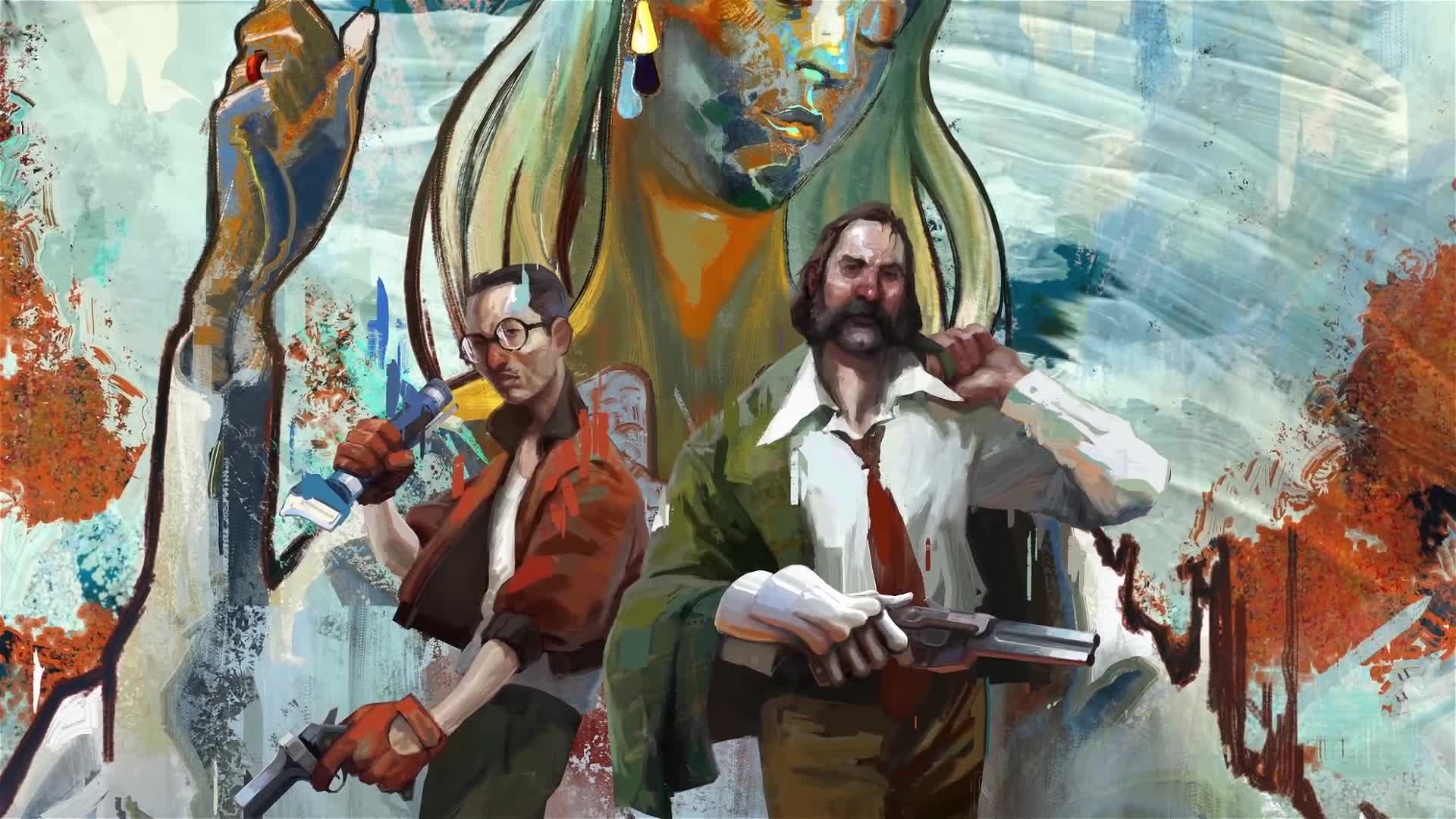
Skill checks roll behind the scenes and can be retried only after changing clothing or thoughts. Thought Cabinet research alters dialogue in ways that open or close leads. Time advances during conversations and exploration, which can move characters or events. Several quests hinge on noticing small environmental interactions with limited prompts.
‘Kingdom Come: Deliverance’ (2018)
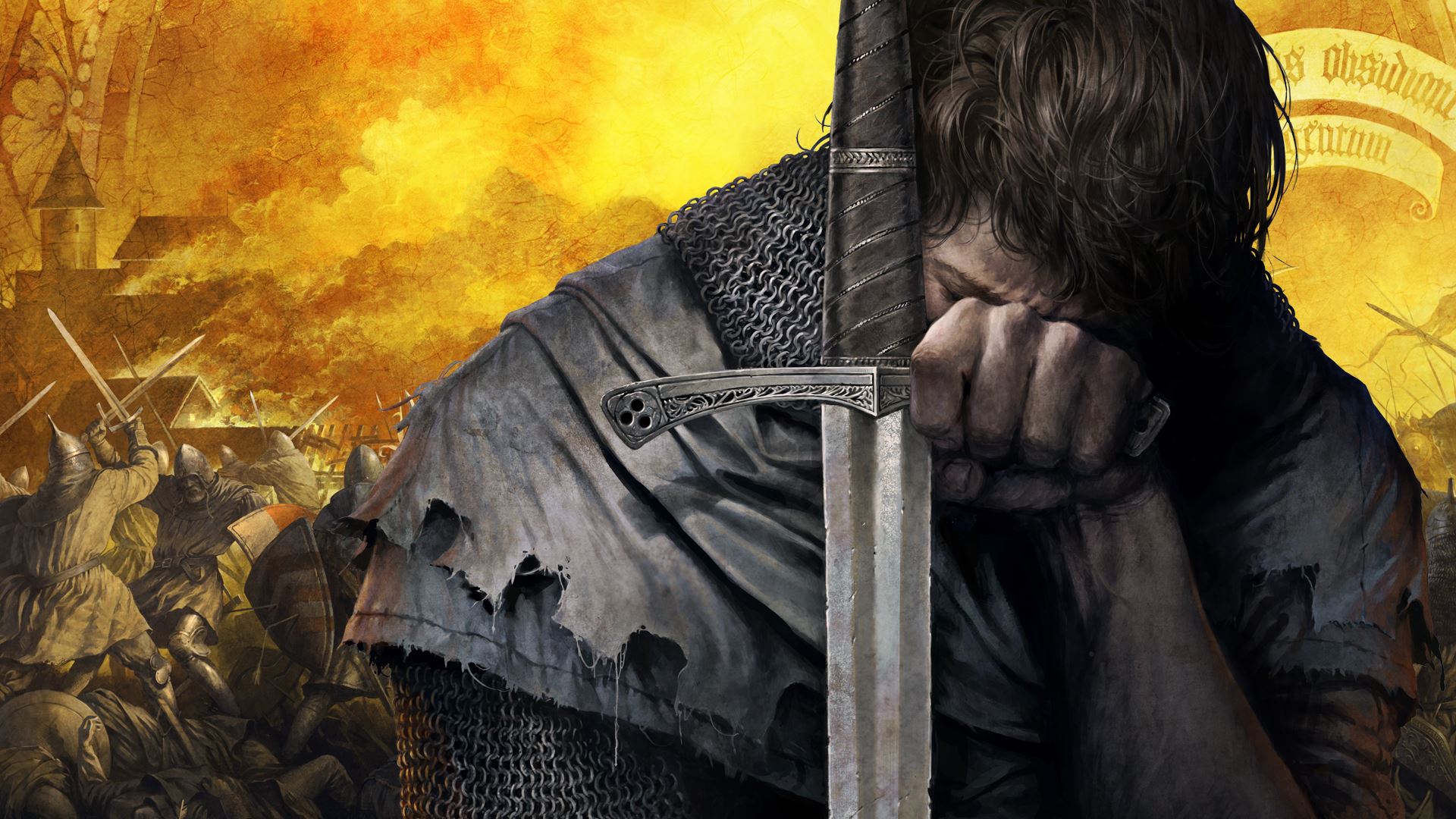
Realistic survival systems tie stamina, hunger, and cleanliness to NPC reactions and combat. Lockpicking, alchemy, and reading require practice and materials that are easy to waste. Questlines can fail if you arrive late or lack specific skills. Reputation by town changes prices and guard responses with little upfront explanation.
‘The Legend of Legacy’ (2015)
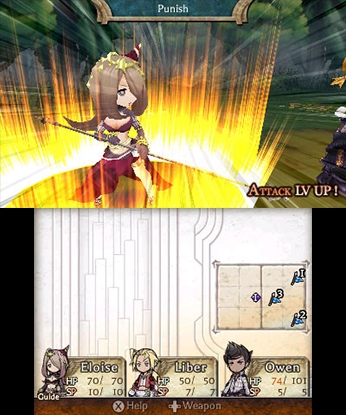
Party roles depend on formations that shift growth and turn order effects. Elemental contracts control spellcasting priority and expire if you do not maintain them. Maps reward repeated exploration with hidden beacons that alter terrain. Boss fights assume you learned contract rotation and stance swapping from experimentation.
‘Xenogears’ (1998)
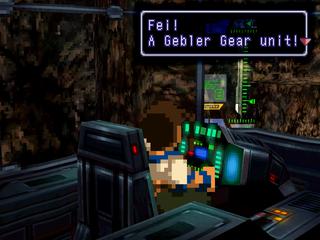
Progression alternates between on foot combat and gear battles with separate resource rules. Several optional skills and accessories are tucked behind minor NPC dialogues. Dungeons include multi room puzzles that require revisiting earlier floors. Late game events lock you out of content if you have not prepared key upgrades.
Share the RPGs that forced you to open a guide in the comments so everyone can compare notes.