25 Games That Punish You For Playing As A Pacifist



Some games let you talk your way out of trouble, but plenty of big titles make non-violence a rough road. If you try to spare enemies, you’ll often miss core progression triggers, key loot, or whole story branches that only unlock when targets go down. Others gate boss arenas, experience systems, or faction trust behind confirmed kills, so pacifist runs end up under-leveled or blocked. This list looks at games where avoiding combat isn’t just hard, it actively reduces rewards, closes quests, or prevents you from finishing the main story.
‘Baldur’s Gate 3’

Non-lethal takedowns still award reduced experience compared to full encounter clears, leaving a pacifist party under-leveled by mid-act milestones. Several main-quest set pieces only advance after bosses are defeated, so repeated de-escalation or fleeing stalls critical triggers. Companion approval tied to decisive combat can lock or delay personal quests if you refuse to fight. Merchant inventories and high-level loot in fortified areas are also harder to access without clearing hostiles.
‘Starfield’

Many faction missions conclude with combat objectives that must be completed to register success, so bypassing firefights can leave quest steps unfinished. Speech checks can reduce enemies, but remaining hostiles often guard key items and terminals needed to progress. Pacifist players gain fewer weapon mods and less crafting material due to limited battlefield salvage. Ship combat encounters also gate credits and parts, making non-engagement an economic disadvantage.
‘Alan Wake 2’

Core encounters are designed around limited but mandatory combat beats that unlock new paths when threats are neutralized. Evading fights consumes scarce resources and often forces backtracking without advancing story flags. Some collectibles and upgrade opportunities sit behind cleared spaces, so skipping enemies reduces character growth. The game’s pacing assumes you thin out threats, and repeated avoidance can trap you in looped patrols.
‘Armored Core VI: Fires of Rubicon’

Mission ranks and payouts scale with swift objective completion that usually requires destroying priority targets. Pacifist play prevents you from hitting destroy quotas, which lowers earnings and blocks certain late-game parts. Arena progression depends on defeating named opponents, so refusing duels halts key unlocks. Many missions fail outright if you avoid combat triggers or leave objectives alive.
‘Diablo IV’

Experience and gear are primarily sourced from killing mobs and bosses, so refusing to fight slows leveling to a crawl. World events and whispers require enemy clears to reward caches, leaving pacifists with poor loot cycles. Dungeon objectives are frequently tied to slaying elites or clearing rooms to open doors. Seasonal journeys and renown steps also expect boss kills that can’t be skipped.
‘Resident Evil 4’ (Remake)

Area progression is locked behind enemies that hold keys, trigger ladders, or open gates upon defeat. Running past encounters causes mobs to accumulate, soft-locking you in tight spaces with no new checkpoints. Merchant inventory and treasure routes are easiest to exploit after arenas are cleared. Boss fights are mandatory and gate story transitions, so pacifism cannot complete core chapters.
‘Lies of P’

Mandatory boss fights gate each region, and weapons, ergo, and quartz for upgrades mostly come from combat. Skipping mobs reduces your level and leaves defensive stats too low for required duels. Some side content only appears after clearing mini-bosses that patrol key streets. The game’s stagger and perfect-guard systems assume engagement, so avoidance undermines core progression.
‘The Legend of Zelda: Tears of the Kingdom’

Many shrine and cave rewards are guarded by enemies whose defeat yields monster parts needed for fusing and elixirs. Boss rematches and regional phenomena require neutralizing major threats to complete storylines. Pacifist movement burns resources while returning little in materials, limiting stamina and armor upgrades. Skipping fights also means fewer zonaite and charges from combat sites, slowing device usage.
‘Marvel’s Spider-Man 2’

Main missions often require clearing arenas to unlock cutscenes, door hacks, or rescue timers. Stealth can thin numbers, but remaining enemies must be defeated to progress objective counters. Gadget and suit tech is funded by tokens from combat-oriented activities and base clears. Avoiding fights leaves you short on upgrades needed for late-game set pieces.
‘Dragon’s Dogma 2’

Vocation ranks, bestiary knowledge, and pawn behavior improvements depend on defeating varied enemy types. Quest routes regularly place bosses across chokepoints that must be cleared to reach towns or objectives. Forgoing combat means fewer monster parts for crafting and gear enhancement. Night travel becomes punishing without levels gained from regular encounters.
‘Helldivers 2’

Mission success hinges on destroying objectives and high-value targets while surviving escalating patrols. Extraction rights and medal payouts are tied to completed kill-based tasks. Avoiding engagements causes enemy presence to surge, failing secondary goals that unlock stratagems and rewards. The galactic war effort also progresses through eradication operations, so pacifists contribute less to unlock campaigns.
‘Banishers: Ghosts of New Eden’

Progression systems expect you to confront and resolve hauntings, many of which culminate in combat sequences. Sparing hostile entities can forfeit materials and gear tied to banishment outcomes. Several story arcs only move forward after defeating specific specters. Non-engagement leaves you underpowered for later investigations that assume earlier upgrades.
‘Stellar Blade’

Core bosses gate new zones, traversal abilities, and story beats, so avoidance blocks advancement. Enemy drops provide upgrade components that significantly raise survivability. Arena and challenge content unlock only after defeating targeted foes. Skipping fights leaves your gear behind intended power curves for subsequent missions.
‘Assassin’s Creed Mirage’

Investigation branches end with confirmed eliminations, and many tools unlock through contracts that expect lethal outcomes. Stealth helps approach, but targets must be neutralized to complete caseboards. Avoiding open conflict reduces token income from contracts, limiting shop upgrades and dye options. Several story gates only open once key figures are taken down.
‘Cyberpunk 2077: Phantom Liberty’

Gig and mission scripting commonly checks for neutralized hostiles before advancing objectives. Non-lethal takedowns sometimes fail to satisfy clear-area conditions, forcing re-engagements. Skipping enemy groups cuts you off from components needed for crafting, quickhack scaling, and weapon upgrades. Boss encounters are mandatory and tuned around access to better gear from prior fights.
‘Call of Duty: Modern Warfare III’
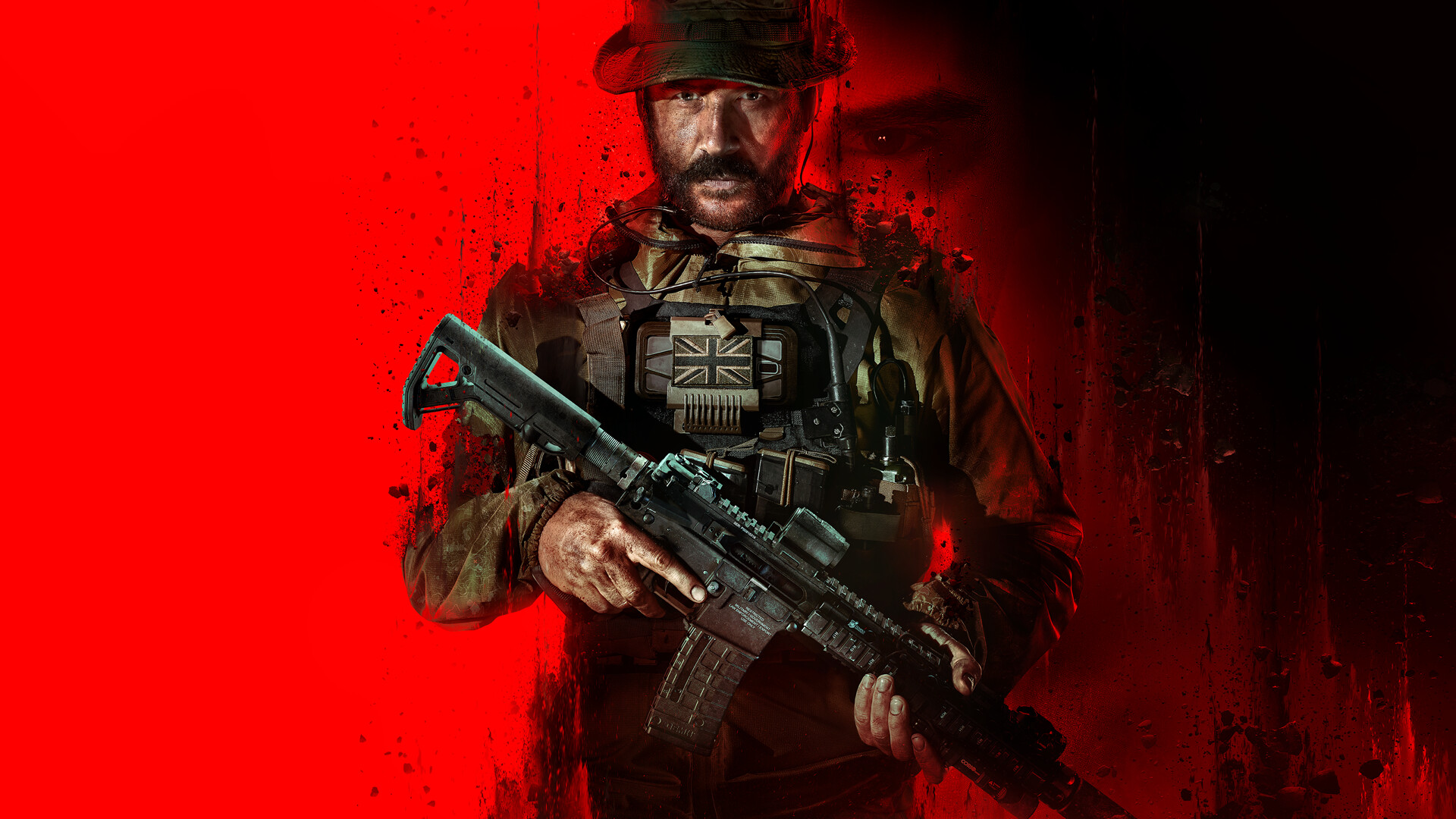
Campaign segments often require you to clear rooms or hold positions where enemy waves must be eliminated. Open-combat missions track objective completion through enemy suppression and target destruction. Bypassing fights leads to mission failure states or looped spawns that prevent progression. Weapon unlocks and camo challenges also demand kill counts outside the story.
‘Warhammer 40,000: Rogue Trader’
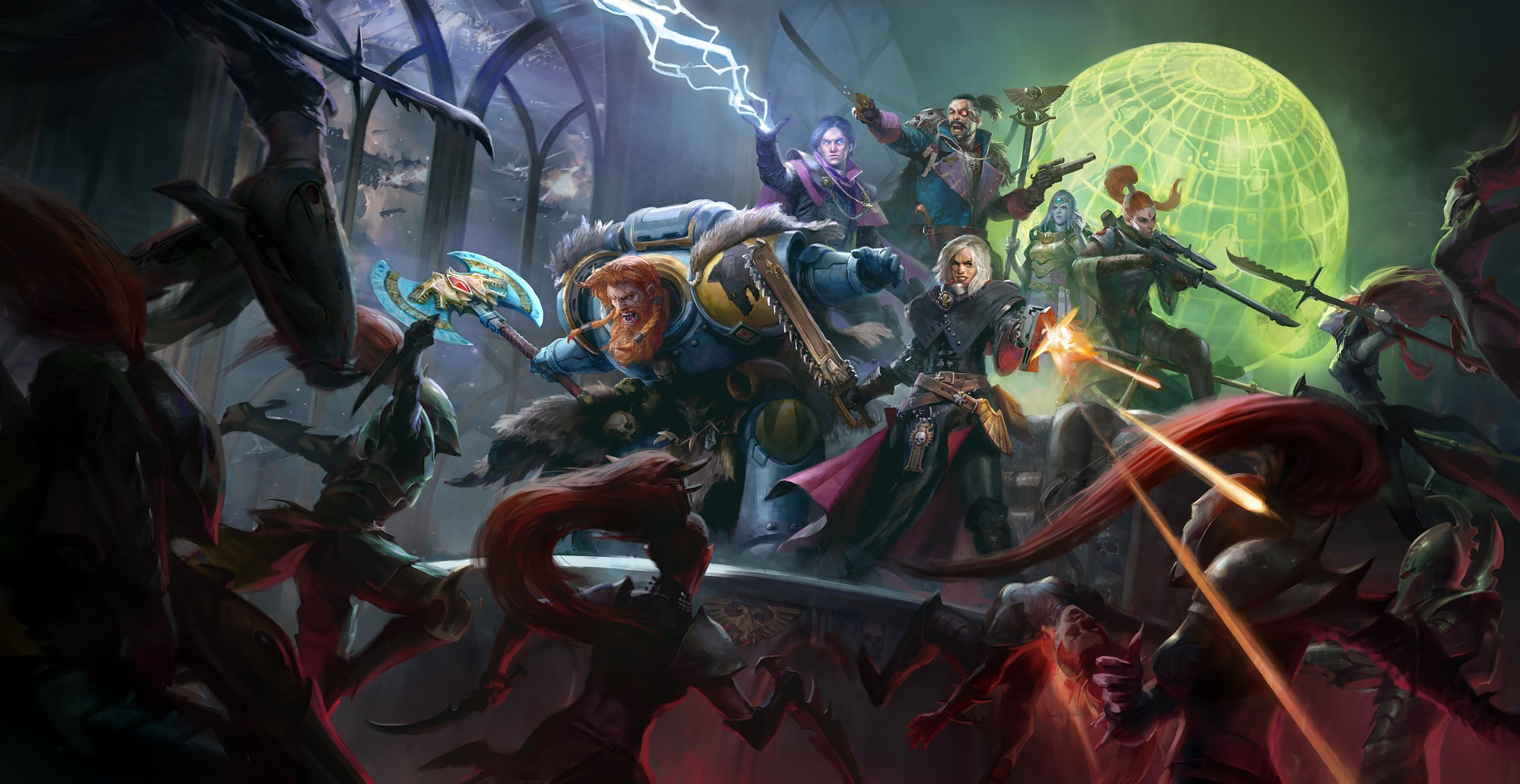
Turn-based encounters gate quest areas, with success checks bound to combat victories. Refusing fights denies experience and loot needed to pass later skill checks. Some companions require decisive action in conflicts to advance personal storylines. Sector events tied to enemy fleets demand engagements to stabilize territories and unlock vendors.
‘Elden Ring’

Shardbearer bosses are required for key items and to open late-game regions. Skipping common enemies slows rune gain, leaving you under-leveled for mandatory duels. Weapon upgrades depend on smithing stones often guarded by hostile zones. Questlines tied to boss defeats will not progress without those kills.
‘Sekiro: Shadows Die Twice’
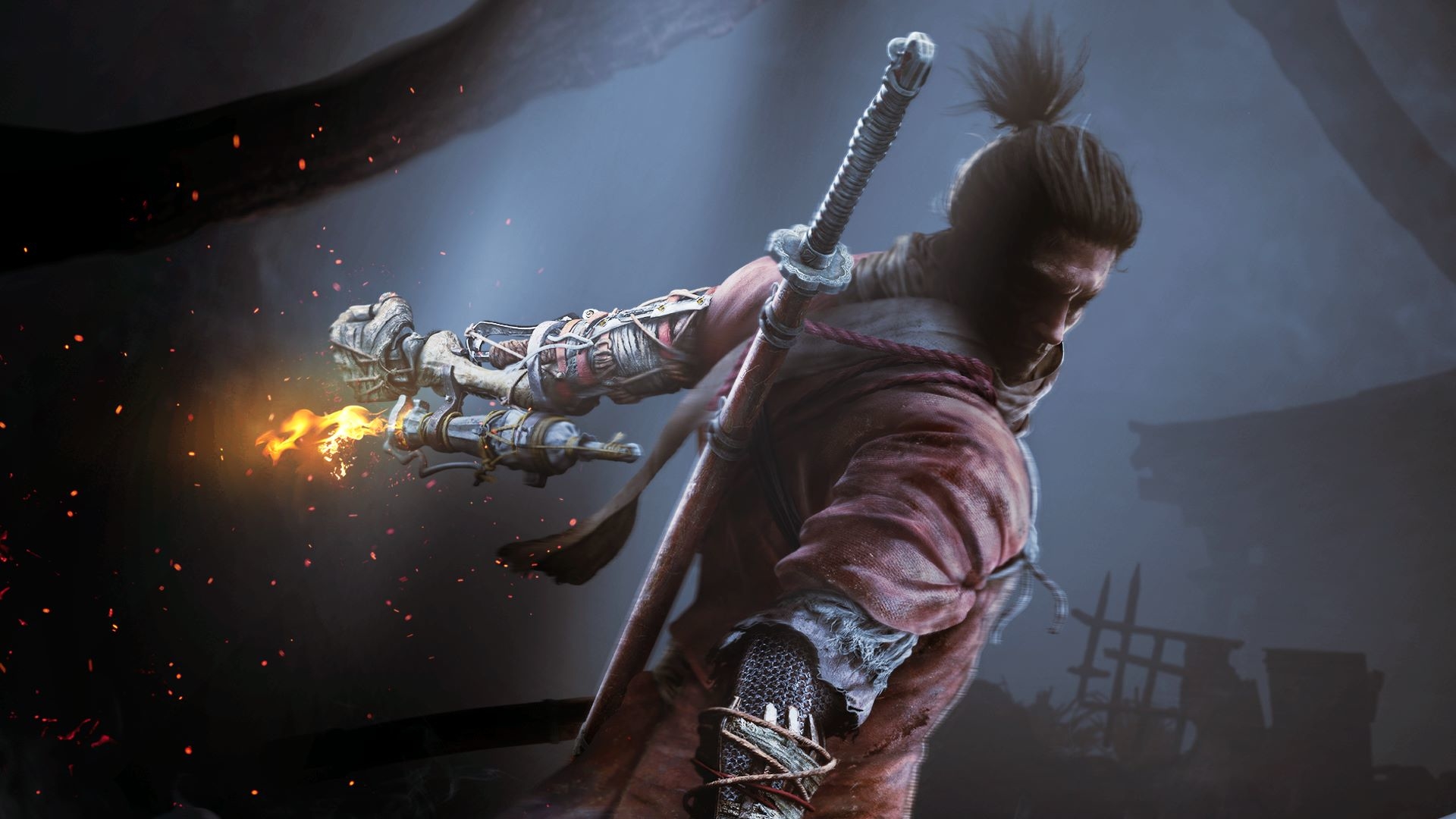
Idol progression and story advancement rely on defeating specific minibosses and major bosses. Vitality and posture scaling expects prayer beads and memories earned from kills. Avoiding fights leaves you without tools and upgrades unlocked through boss arenas. Some traversal routes only open after combat victories that change world states.
‘Bloodborne’
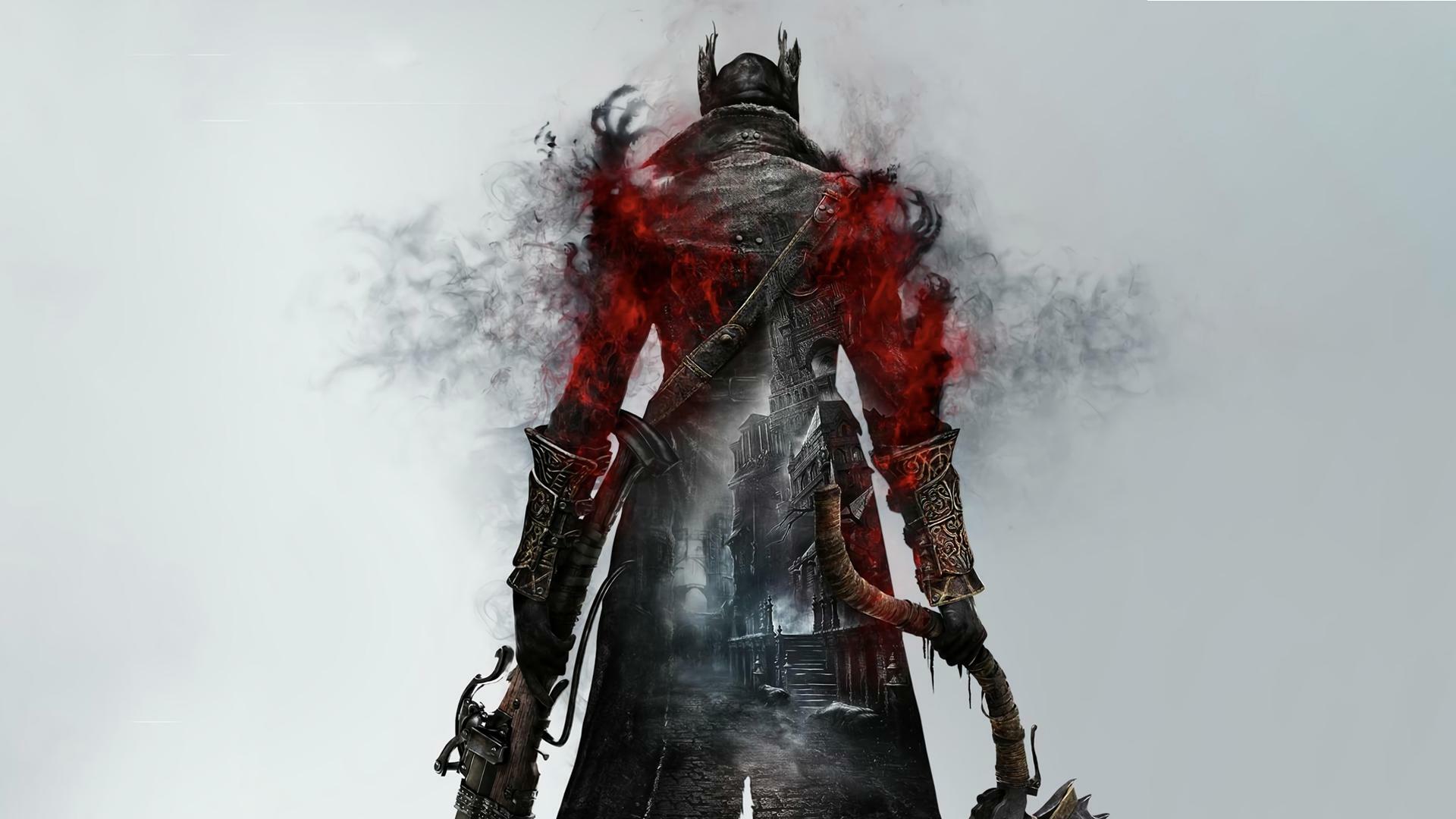
Chalice progression, new lamps, and shortcuts are almost always tied to boss arenas. Echo farming from enemies is the primary way to strengthen your build. Skipping combat leaves your weapons unfortified due to missing shards from hostile areas. Certain NPC questlines require defeating named beasts before their next steps appear.
‘God of War Ragnarök’
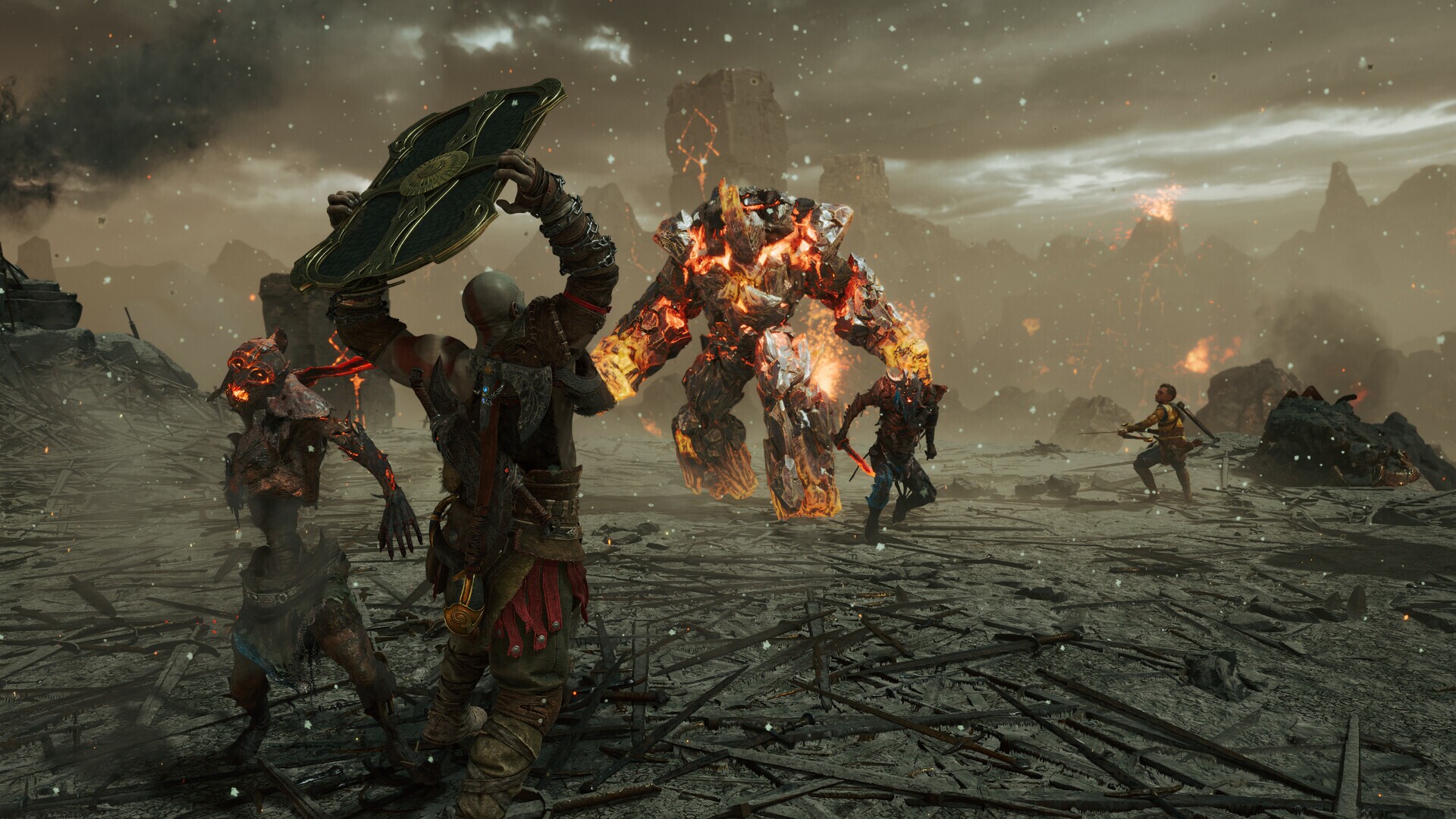
Realm access and story pacing depend on defeating bosses that hold key items or trigger bridges and doors. Skipping side fights lowers your material intake for crafting and skill unlocks. Companion skill trees and gear assume resources from cleared favors and arenas. Several puzzles only appear after combat encounters shift the environment.
‘Horizon Forbidden West’

Core missions gate upgrades and mounts behind defeated machines that drop unique components. Pacifist play yields fewer machine parts, slowing weapon tiers and armor improvements. Cauldron access and overrides are locked behind boss-style machines. Tallneck and rebel camp routes often expect cleared hostiles to register completion.
‘The Witcher 3: Wild Hunt’

Dialog often reduces fights, but many contracts and main quests only resolve when the target is slain. Alchemy and crafting rely on monster parts that come from specific kills. Refusing combat lowers experience income and delays level-gated story steps. Some endings and character arcs expect decisive action against key foes to unlock later scenes.
‘Red Dead Redemption 2’

Story missions frequently require clearing enemy camps or defending positions until waves are eliminated. Skipping fights fails objectives and stops checkpoints from triggering. Money, trinkets, and unique weapons are often found after enemy clears or looted from defeated targets. Honor systems don’t replace the need to neutralize gunmen during scripted heists and rescues.
‘Grand Theft Auto V’

Heist setups and finales check for cleared hostiles before allowing hacks, drills, or getaway triggers. Mission scripting resets if enemies remain in zones that must be secured. Weapon upgrades and cash from combat encounters feed later missions’ difficulty balance. Open-world events often require eliminating pursuers to complete deliveries.
Got another game that quietly punishes non-violence or a new 2025 release that belongs here? Drop your picks in the comments and tell us how the pacifist run went.