20 Games That Forced You To Buy Peripherals You Used Once



Sometimes a game arrives with a bold idea that only works with a special add-on, and the promise of future support never really shows up. Players buy the gadget, try the flagship title, then find there is not much else that needs it. From cameras and motion gear to music rigs and toy portals, these releases asked for extra hardware that rarely crossed over to other libraries. Here are standout examples where the required accessory made entry costly and reuse limited.
‘Steel Battalion’
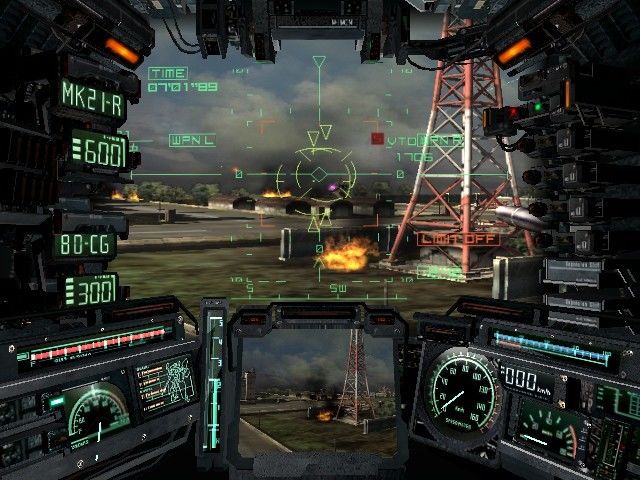
Capcom’s mech simulator on Xbox shipped with a massive controller that packed dozens of buttons, twin sticks, and pedals. The game would not function without that console-sized deck, which meant a very specific setup at home. Only a follow-up release used the same hardware, and broader support never materialized. The result was a peripheral that lived and died with a single niche series.
‘Tony Hawk: Ride’
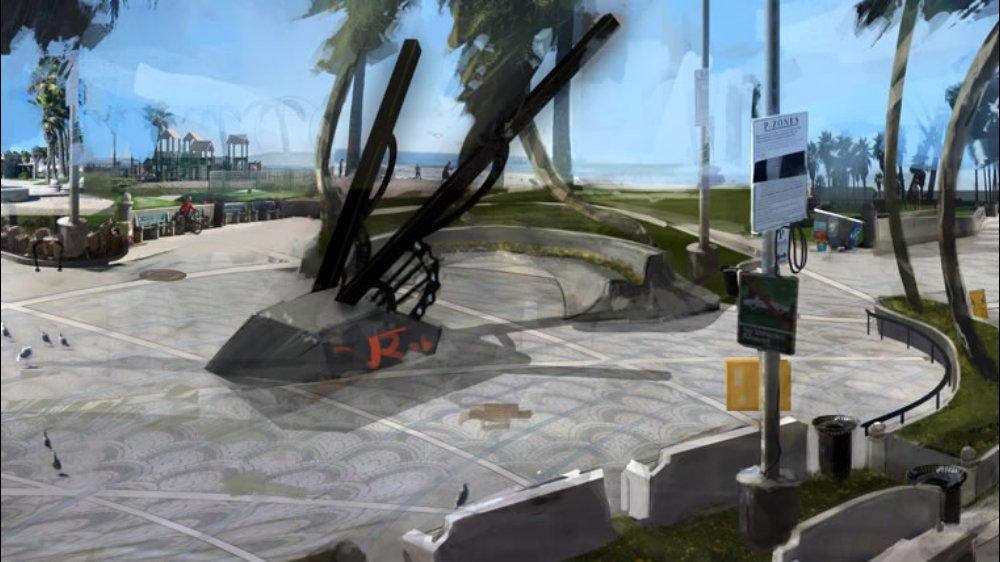
This entry replaced the classic pad with a wireless skateboard deck that detected tilts and grabs. The board was mandatory for play, and it took up real space in living rooms. Outside of its sequel, few titles touched the device at all. The accessory’s narrow purpose made it hard to use beyond this one concept.
‘DJ Hero’
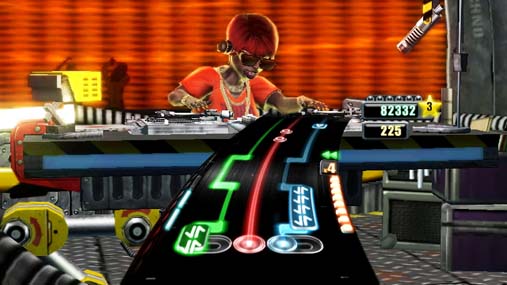
Activision introduced a dedicated turntable with a crossfader and platter to match on-screen mixes. The controller was essential for the game and had a unique control scheme unlike guitar titles. Beyond its direct sequel, it saw almost no support from other releases. Owners were left with gear that worked for one lane of rhythm play and little else.
‘Guitar Hero Live’

This revival swapped the familiar five colored frets for a six-button two-row layout that only the new guitar supported. Older controllers could not be used with the new game, and the new guitar did not map cleanly to earlier entries. Additional titles that used this exact layout did not arrive in any meaningful way. Players needed the custom hardware for a single ecosystem that stayed small.
‘Rock Band 3’
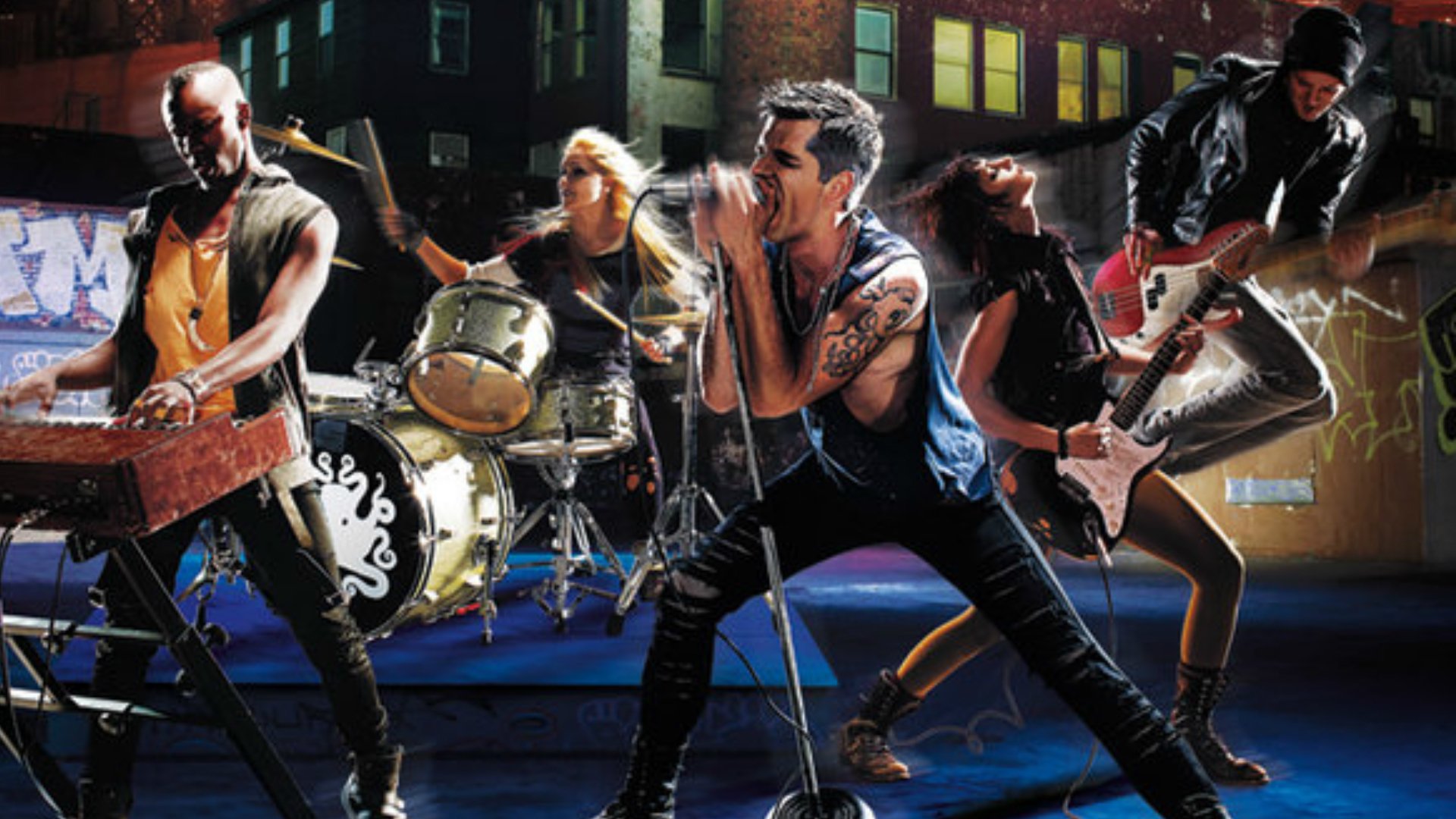
Harmonix added a keyboard peripheral that unlocked specific tracks and modes designed for keys. The instrument connected through a separate adapter on some platforms and had its own learning curve. Few other console games supported the keyboard outside this series. For many players the accessory saw limited life once the setlist was exhausted.
‘Rocksmith’
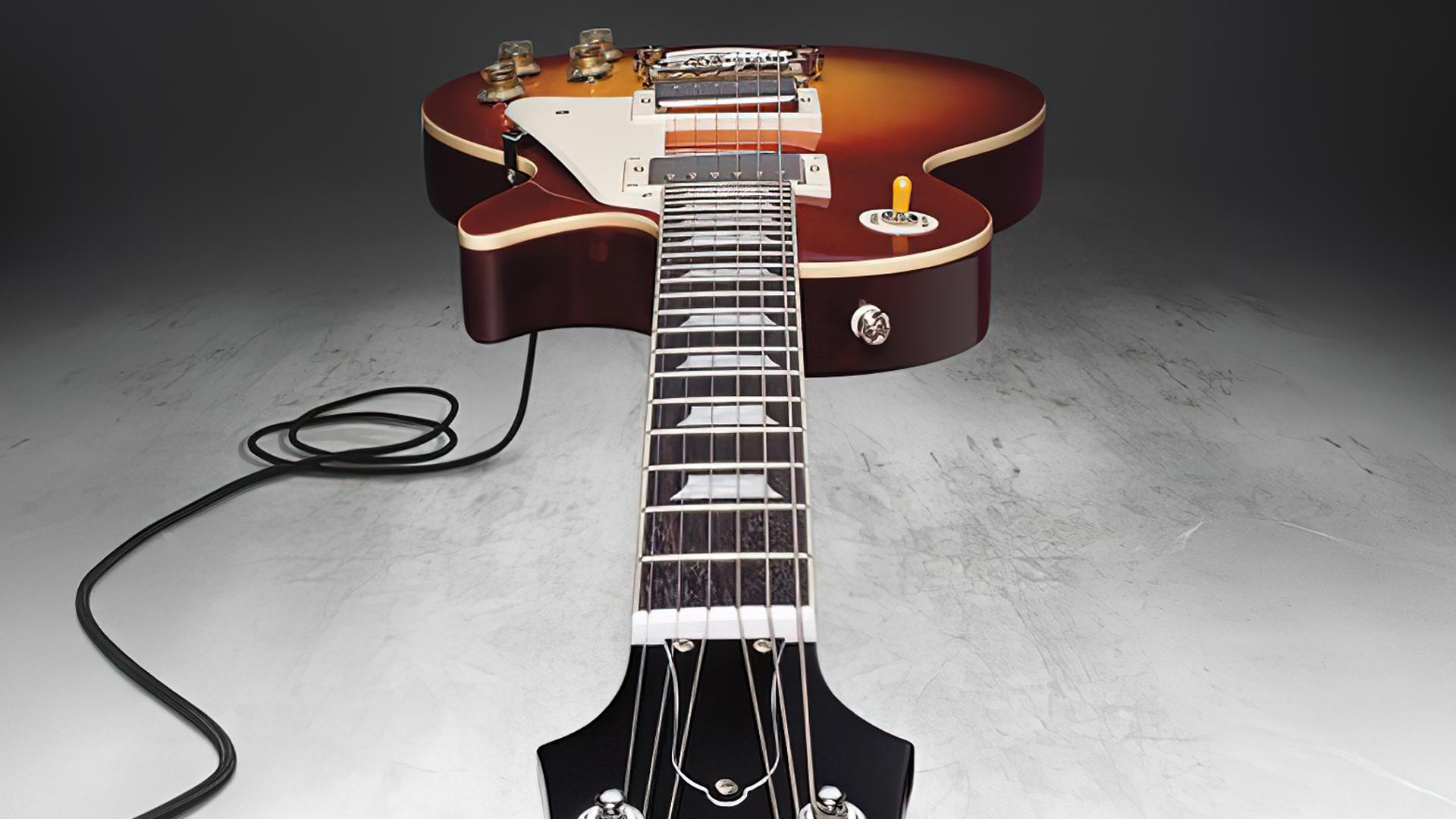
Ubisoft’s learning title required a special cable that converted a real guitar’s output to USB. The experience depended on that exact connector, which shipped in the box or separately. Outside of later Rocksmith releases, the cable had little use with other games. It became a single-purpose link for one franchise’s teaching approach.
‘Wii Fit’
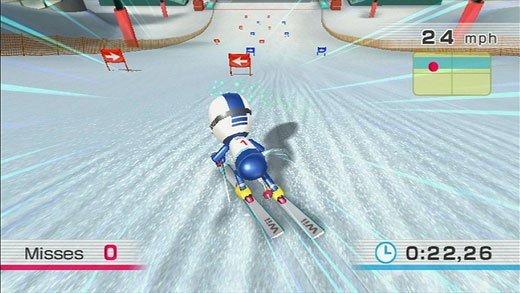
Nintendo’s Balance Board measured weight and center of balance for yoga and training minigames. The board was essential for many activities and stored user profiles over time. A handful of other Wii titles offered optional support but not enough to make it a staple across genres. Most owners kept the board just for this fitness suite.
‘Samba de Amigo’
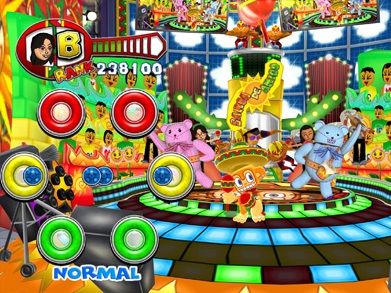
Sega’s rhythm game shipped with maracas that tracked shaking and positioning. The accessory defined the experience and was not interchangeable with other music titles. Outside of versions made for this series, the maracas saw minimal reuse. Players who bought the set had a controller that really only sang with one soundtrack.
‘Donkey Konga’
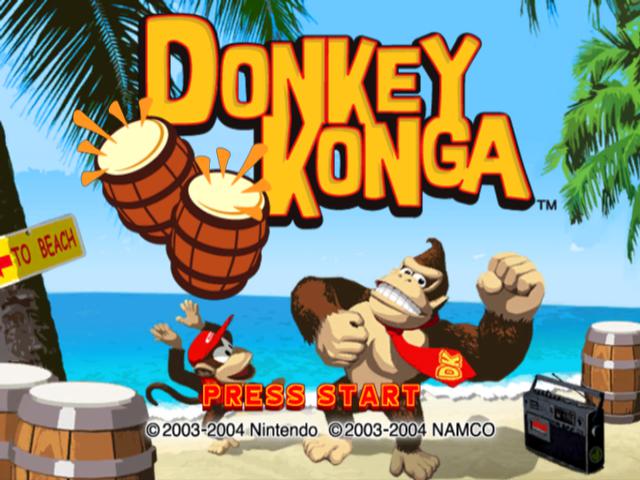
Nintendo released a pair of plastic bongos that detected claps and taps for rhythm tracks. The same drums worked with ‘Donkey Kong Jungle Beat’ but support beyond that stayed thin. Other franchises did not adopt the bongo input method in a meaningful way. The controller largely lived inside Donkey Kong’s corner of the library.
‘Taiko no Tatsujin’
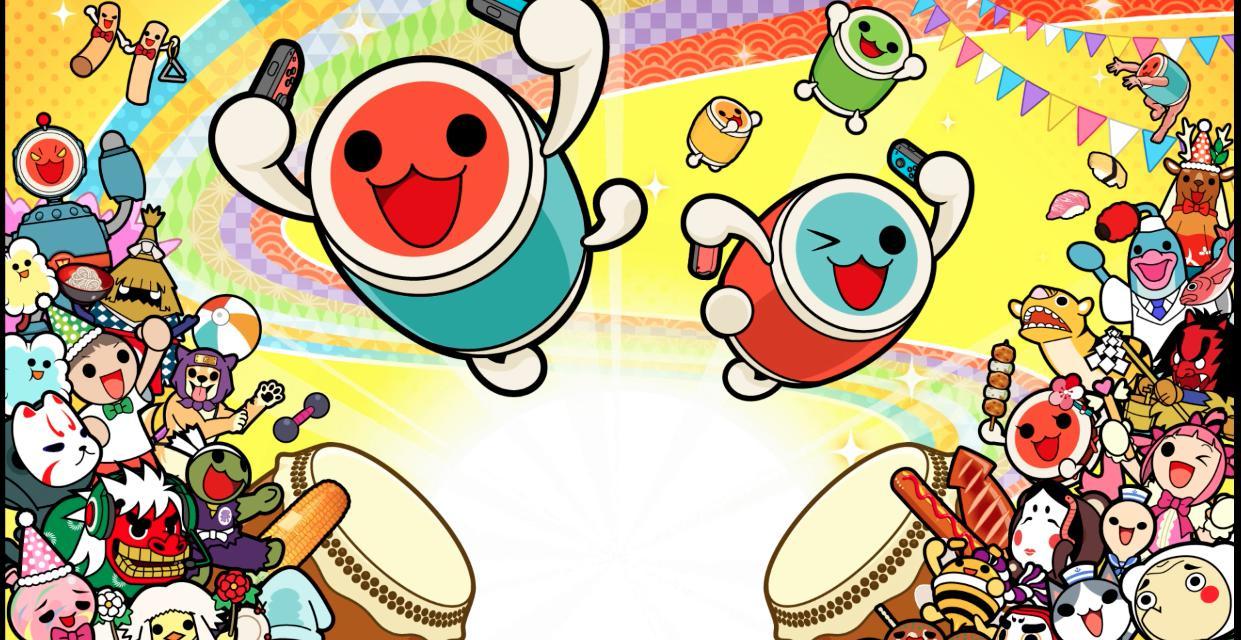
Bandai Namco’s drumming game centers on a dedicated taiko drum with large face buttons. The peripheral is the expected way to play and is sold specifically for this series. Outside of these releases, the drum sits idle in most collections. Its size and specificity keep it tied closely to a single brand of rhythm action.
‘Sega Bass Fishing’

Sega’s fishing rod controller offered reel input and motion casting that matched on-screen cues. The rod was designed around fishing mechanics and worked best with this one title. Few other games implemented the reel in a meaningful way on home systems. Owners often stored the rod once the novelty of casting at home wore off.
‘Link’s Crossbow Training’
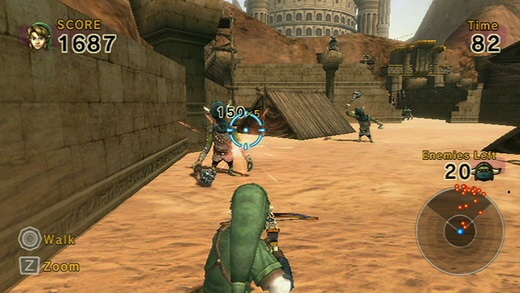
This pack-in promoted the Wii Zapper shell that turned a remote and nunchuk into a light-gun setup. The bundled software used the shell heavily across short stages. While some shooters allowed the attachment, it remained optional and uncommon. Many households only used the Zapper with the included game.
‘Disney Infinity’
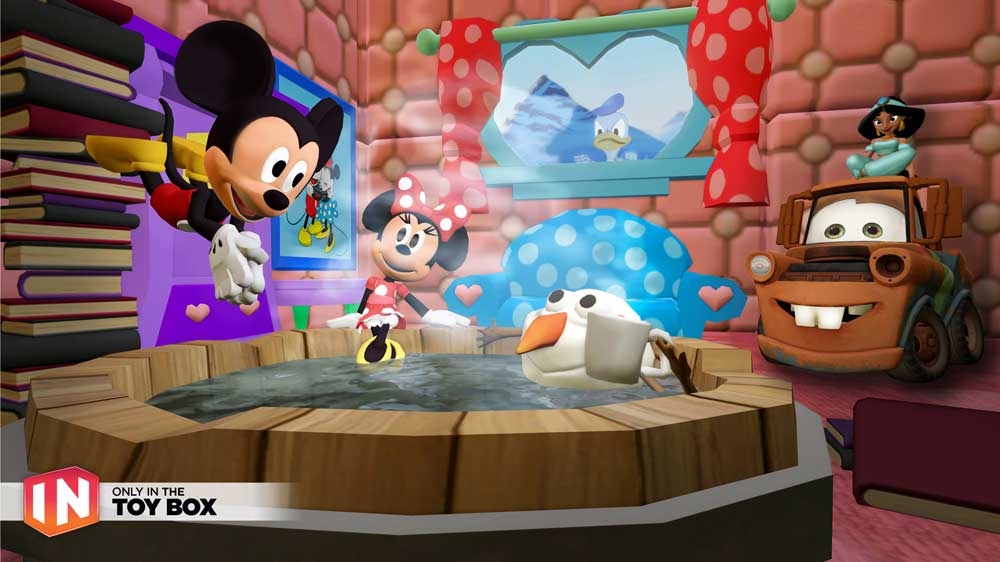
Disney’s toys-to-life platform depended on a USB base that read character figures and playset pieces. The software required the base to load content and recognize progress. When the line ended, the portal had no purpose outside the series. The hardware became an orphaned bridge between plastic figures and a closed game world.
‘Skylanders: Spyro’s Adventure’
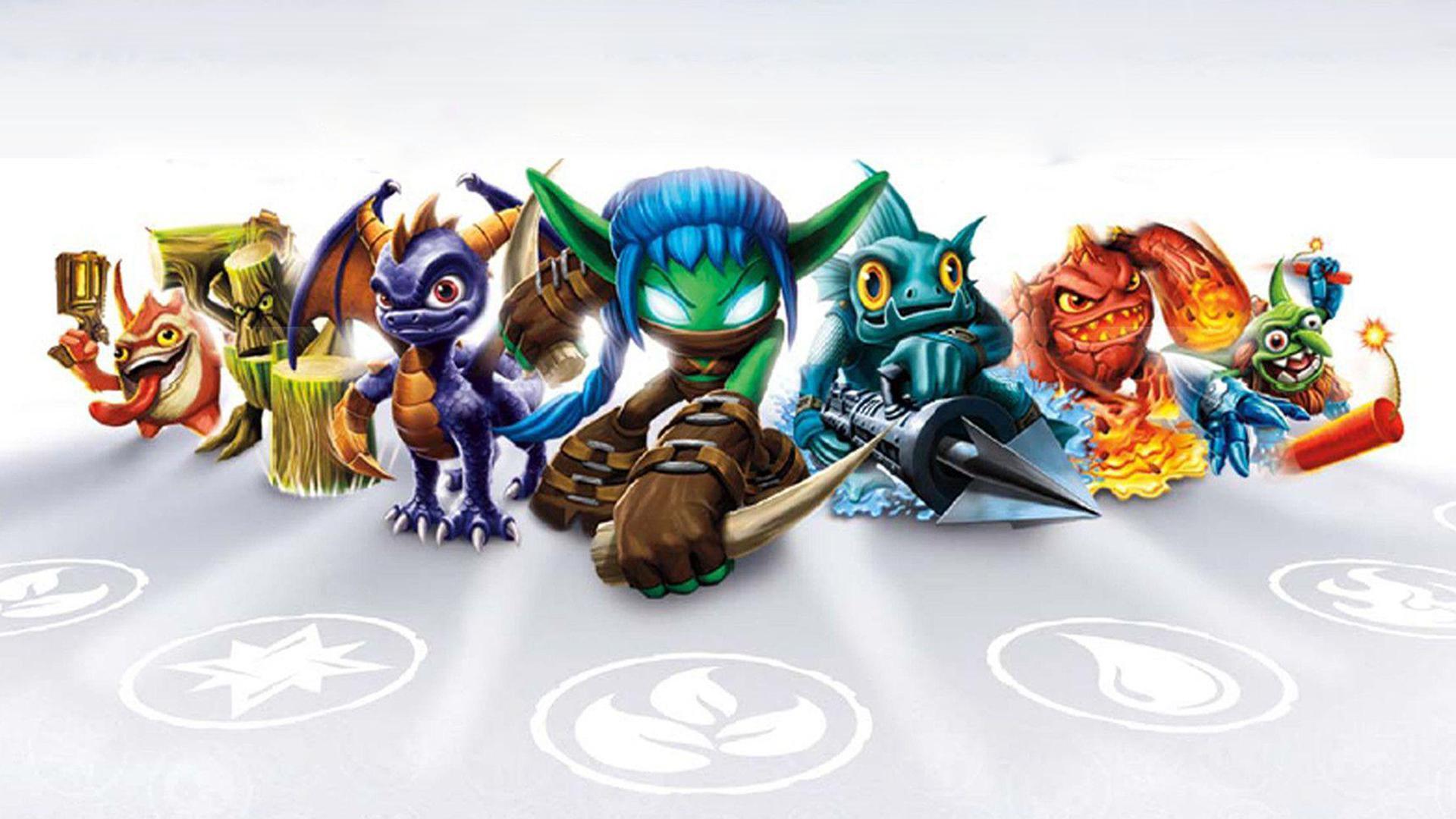
This series popularized a portal that scanned collectible figures to unlock characters. Every session started with placing toys on the base to access their abilities. While later sequels reused the concept, other franchises did not adopt the exact portal. Once players moved on, the base had little function beyond this family of games.
‘Starlink: Battle for Atlas’
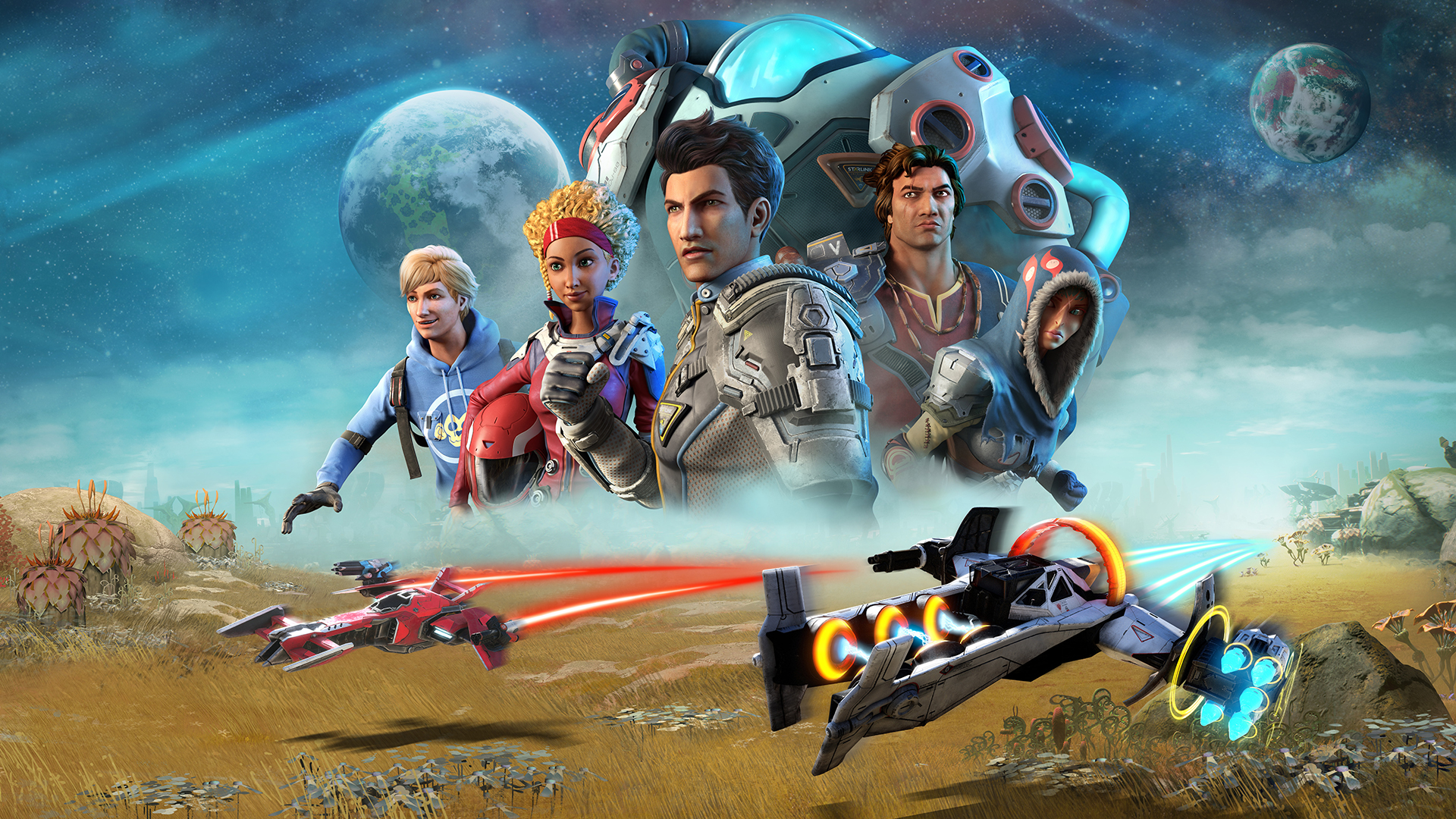
Ubisoft’s starship toys clipped onto a mount that attached to the controller and changed loadouts in real time. The game expected the mount and physical parts unless a digital bundle was used. Outside of this title, the mount and ship frames had no gaming use. The modular setup ended up tied to a single space adventure.
‘Udraw Studio’
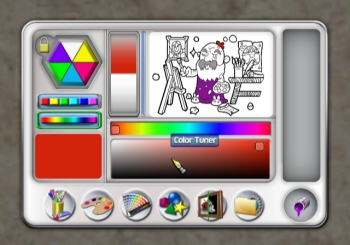
THQ’s tablet promised drawing and mini-game experiences built around a pressure-less stylus. Specific versions of the pad worked with different consoles and required matching software. Very few titles supported the tablet beyond light art packs. The peripheral quickly became a drawer item once the small library dried up.
‘Kinect Star Wars’
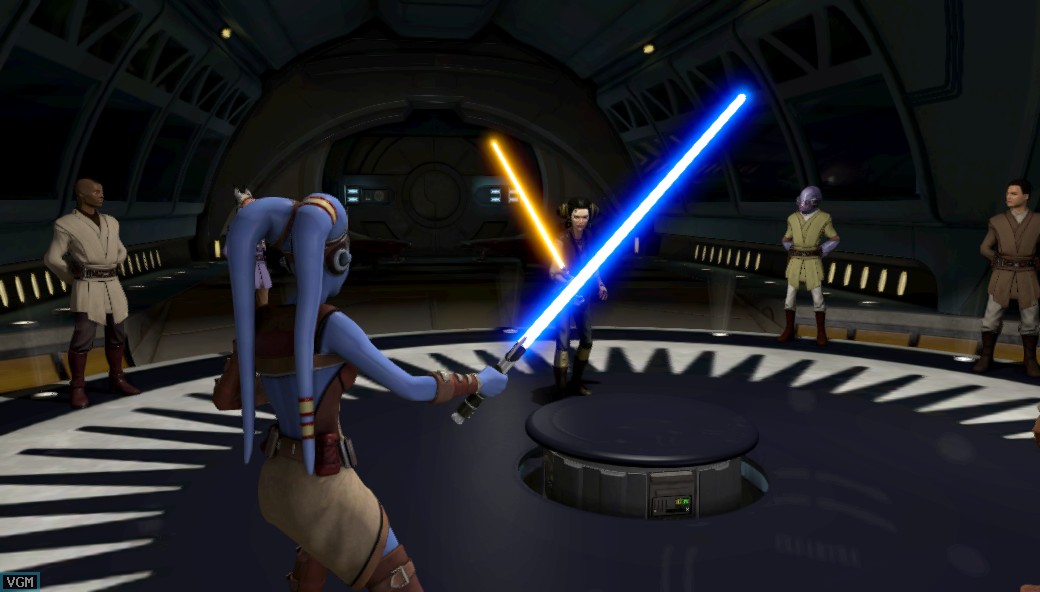
Microsoft’s camera tracked full-body movements for lightsaber swings and force gestures. The game required the Kinect sensor to function and emphasized motion controls. Only a limited set of releases used similar input across the platform’s life. Owners who bought the camera for this title often found few follow-ups that needed it.
‘EyeToy: Play’
Sony’s USB camera enabled party minigames that reacted to hand and body movement. The collection required the camera and showed how video capture could drive input. A handful of other titles used the device but broad adoption stayed limited. The camera mostly lived alongside this party series on the shelf.
‘Mario Kart Live: Home Circuit’
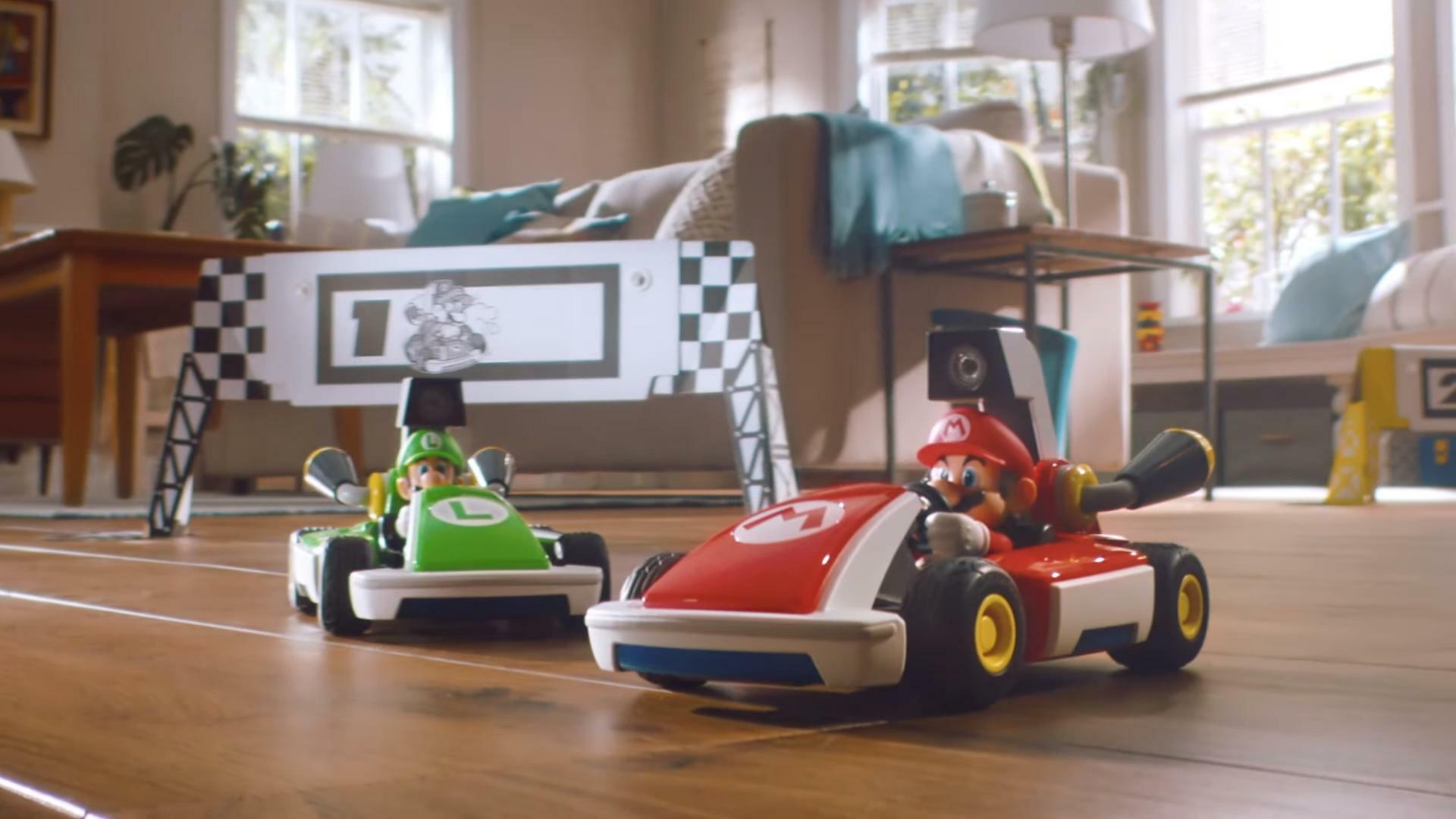
Nintendo paired RC cars with a camera and cardboard gates to create mixed-reality tracks at home. The software would not work without the car and track pieces set up in a room. Additional support did not extend to other franchises in a meaningful way. The required space and hardware kept the set dedicated to this one experiment.
‘Nintendo Labo’
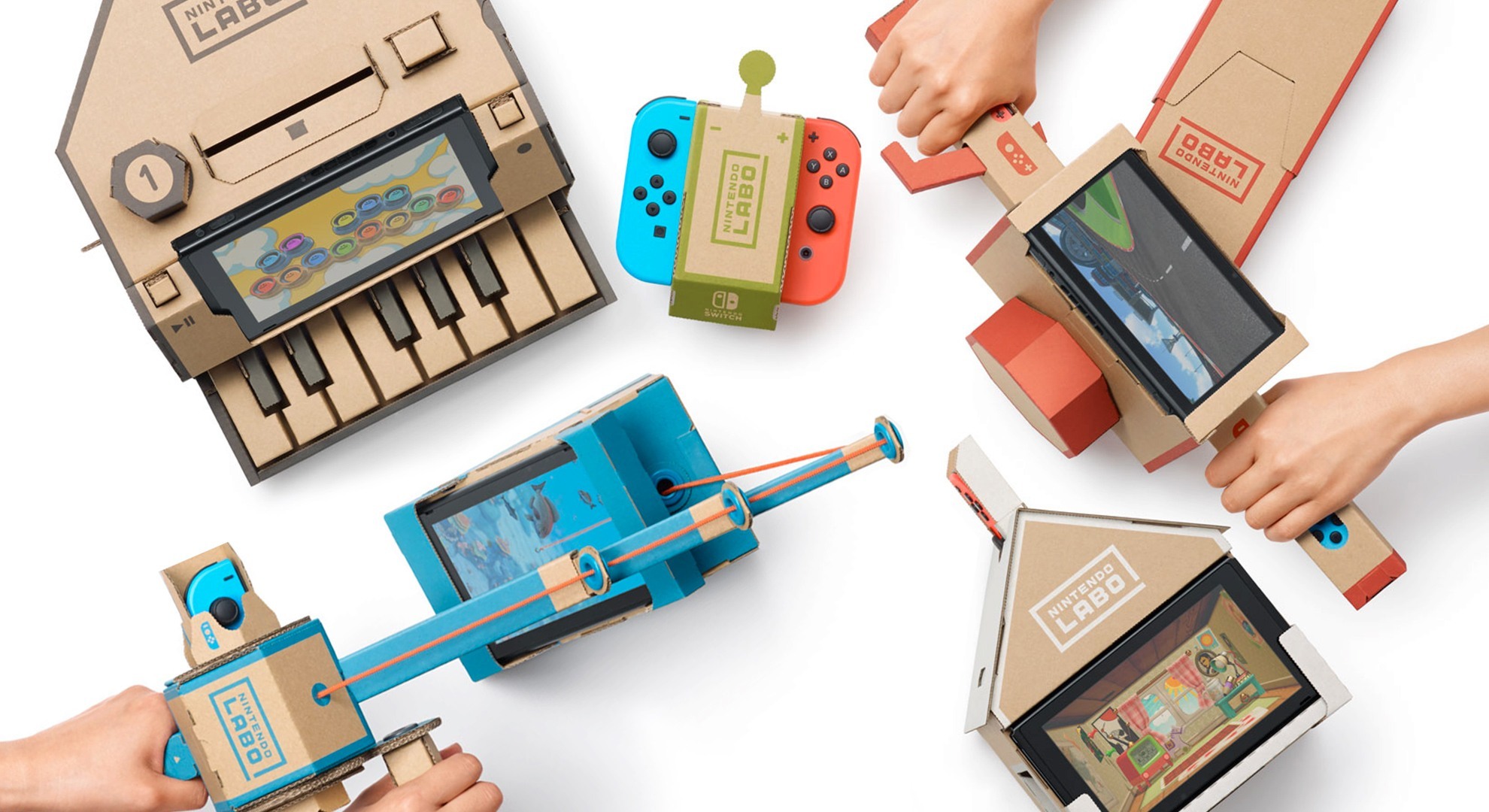
Labo kits relied on custom cardboard builds that slotted around Joy-Con to power themed software. Each kit matched a specific set of projects and the games expected those exact builds. Outside of the included experiences, the creations had little direct use. The accessories were fun assembly projects that stayed tied to their bundled apps.
Share the peripherals you bought for a single game and whether you ever found another use for them in the comments.