Top 20 Video Games Where You Can Earn Money


Video games have evolved from simple entertainment into complex economies where players can generate real wealth. This transition allows dedicated gamers to monetize their skills through digital asset trading or competitive play. The titles listed below utilize blockchain technology or established market systems to facilitate financial rewards. These twenty games stand out for their active communities and proven earning mechanisms.
‘Entropia Universe’ (2003)
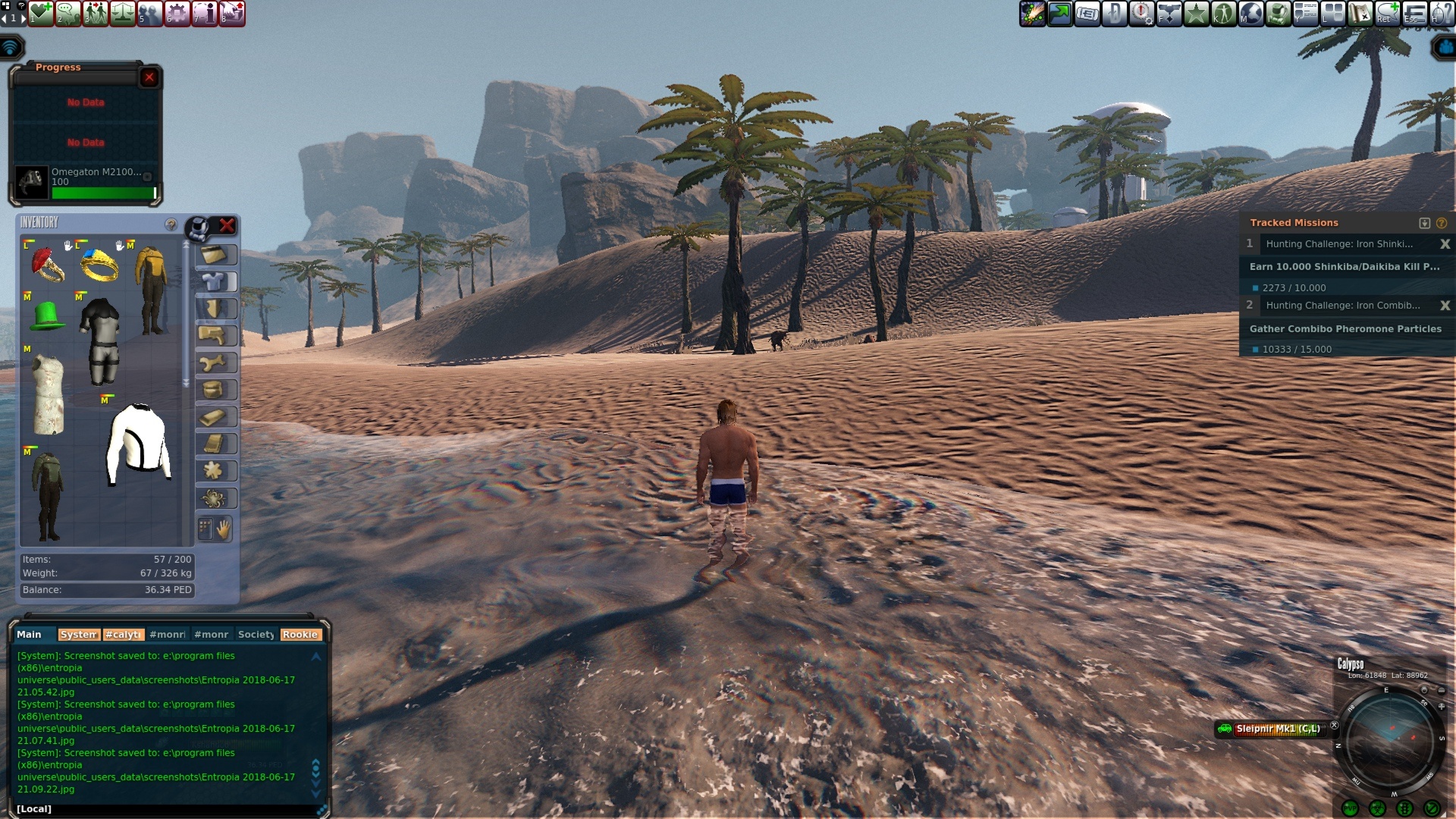
This massively multiplayer online game is famous for its real cash economy that links in-game currency directly to the US dollar. Players can deposit money to purchase equipment or land and withdraw their earnings back to their bank accounts. You can earn by hunting monsters or mining resources and manufacturing items to sell to other users. The game holds the record for the most expensive virtual object ever sold and attracts investors who manage virtual properties. It remains one of the most stable platforms for digital commerce after two decades of operation.
‘Second Life’ (2003)
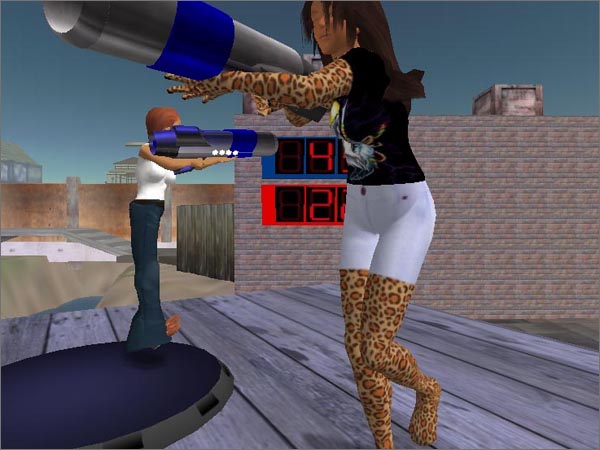
This virtual world allows users to create avatars and interact with a user-generated environment. The economy runs on the Linden Dollar which players can exchange for fiat currency through the official exchange. Creators earn money by designing clothing and furniture or by building real estate to rent out to others. Many users have built full-time careers by providing services or entertainment within the platform. It stands as a pioneer in the concept of the metaverse and digital ownership.
‘Counter-Strike 2’ (2023)
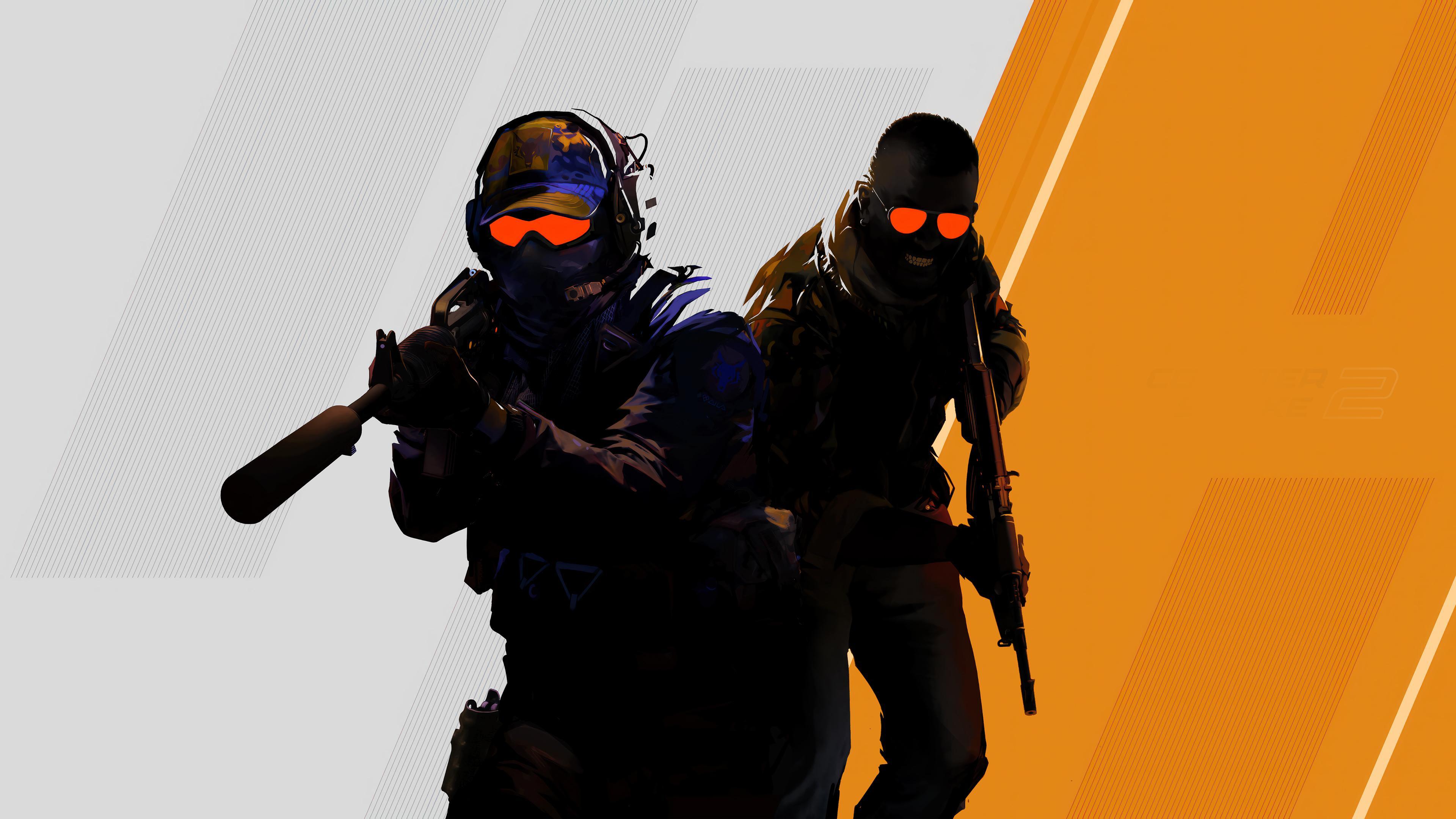
Valve created a robust economy where weapon skins hold significant real-world value based on their rarity and condition. Players receive cases and items through gameplay which can be sold on the Steam Community Market or third-party websites. The rarest skins can sell for hundreds of thousands of dollars to collectors and investors. You can generate income by trading smartly or getting lucky with weekly drops. This tactical shooter maintains one of the most liquid digital asset markets in the gaming industry.
‘Axie Infinity’ (2018)
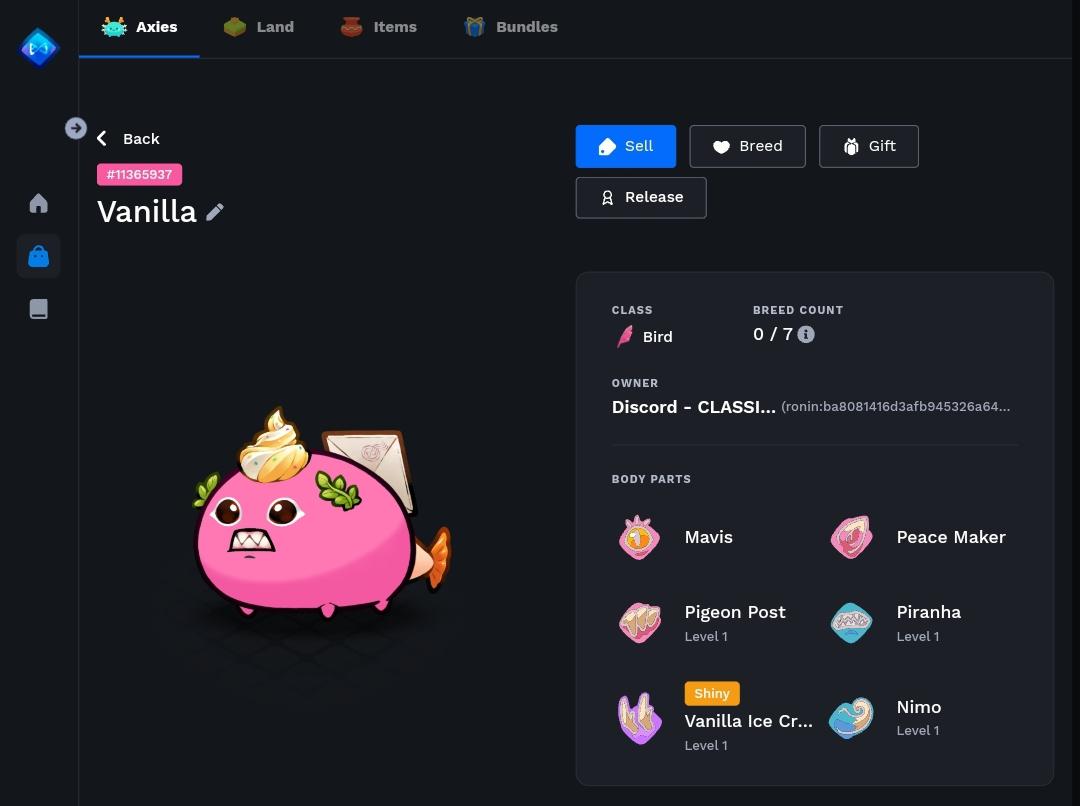
Players collect and breed fantasy creatures called Axies to battle against others in this blockchain-based game. Victories in the arena reward you with cryptocurrency tokens that can be traded on various exchanges. The game popularized the play-to-earn model and allows users to breed rare creatures to sell on the marketplace. Scholarship programs enable new players to borrow teams from managers and split the earnings. It remains a central pillar of the Web3 gaming ecosystem.
‘Roblox’ (2006)
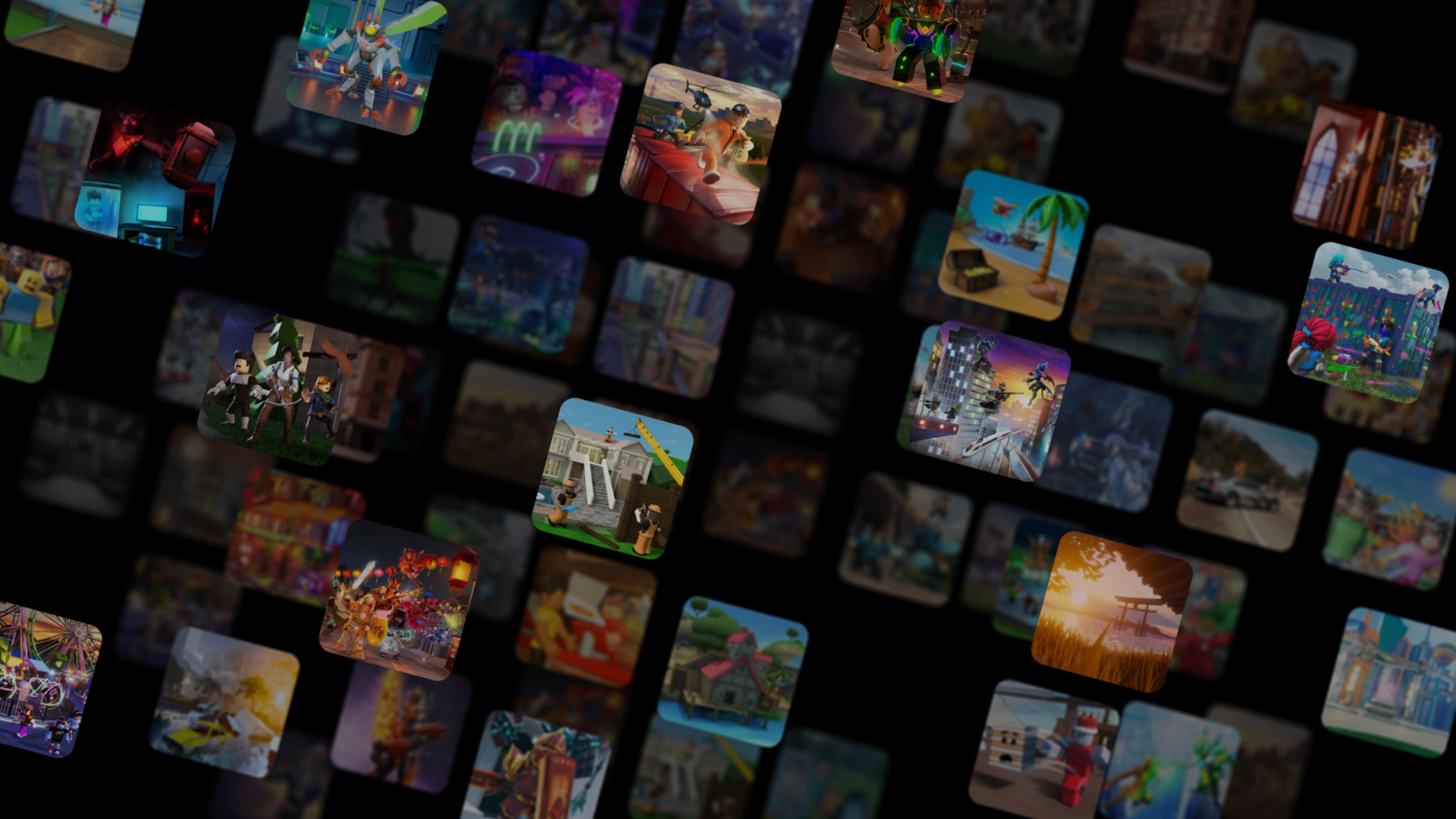
This platform allows users to design their own games and experiences using a proprietary engine. Successful developers earn Robux through premium payouts and in-game purchases made by other players. The Developer Exchange program allows creators to convert their earned virtual currency into real cash once they meet specific thresholds. Many young developers have formed professional studios to build hit games that generate millions in revenue. It offers one of the most accessible paths for aspiring game designers to monetize their work.
‘Decentraland’ (2020)

Users explore a decentralized virtual world where they can buy and sell digital real estate as non-fungible tokens. You can earn money by hosting events or designing wearables and selling them in the marketplace. The platform operates on the Ethereum blockchain and uses the MANA token for all transactions. Landowners often rent their parcels to brands for virtual advertising or social gatherings. It provides a creative sandbox for those interested in spatial design and community building.
‘The Sandbox’ (2021)
This voxel-based metaverse empowers players to build games and assets using free creation tools. Creators monetize their experiences by charging for entry or selling assets they design on the marketplace. The economy utilizes the SAND token and allows users to retain full ownership of their digital creations. Major brands and celebrities have purchased land here to engage with the community. It rewards creativity and game design skills with direct financial incentives.
‘Fortnite’ (2017)
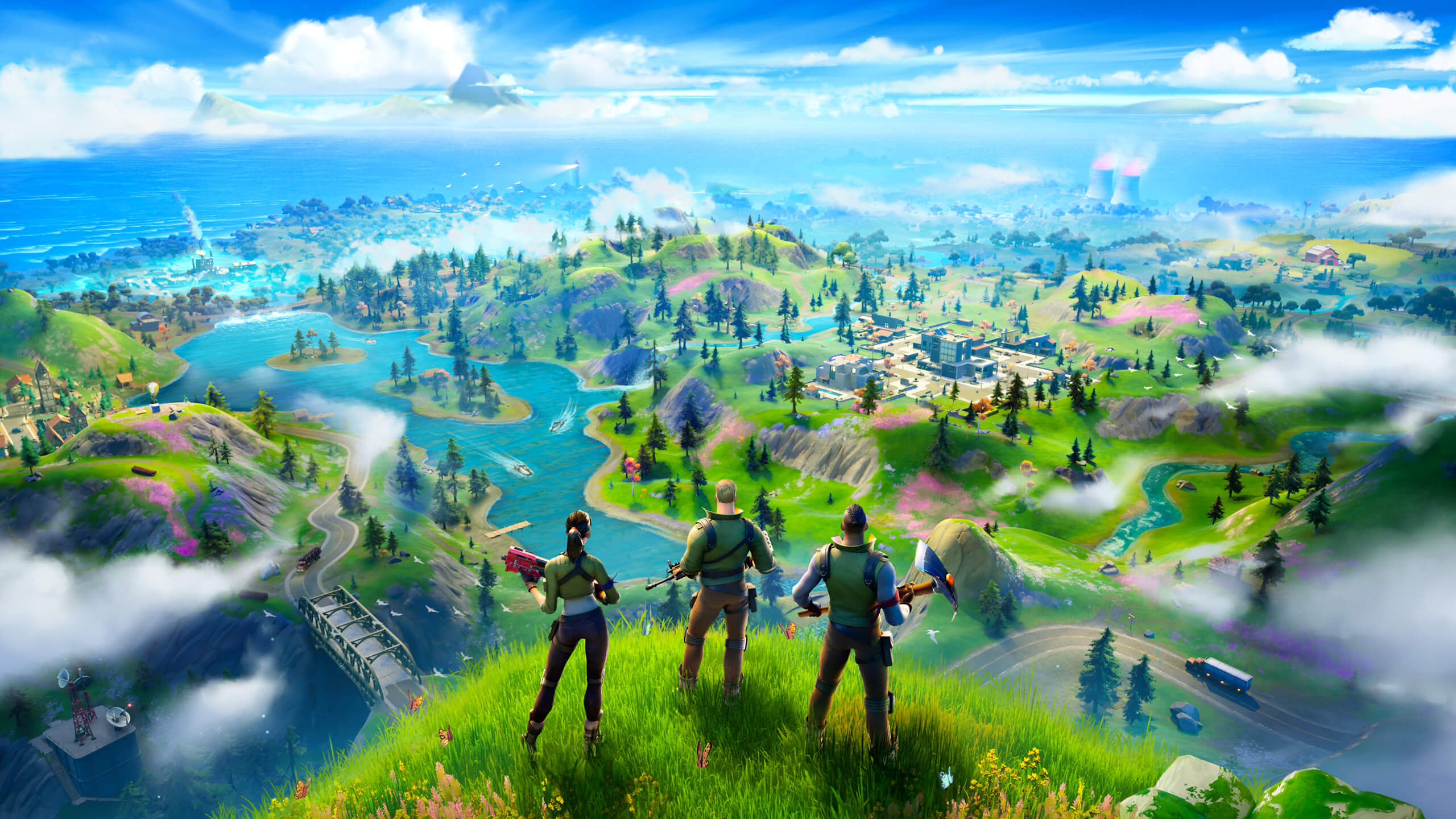
Epic Games introduced a creator economy that pays users based on the engagement their custom maps receive. The Unreal Editor for Fortnite allows you to build professional-quality experiences that can rival official modes. Payouts are determined by player retention and the time users spend in your published islands. Top creators earn substantial monthly incomes solely from designing popular game modes. This system democratizes game development by leveraging the massive existing player base.
‘Dota 2’ (2013)
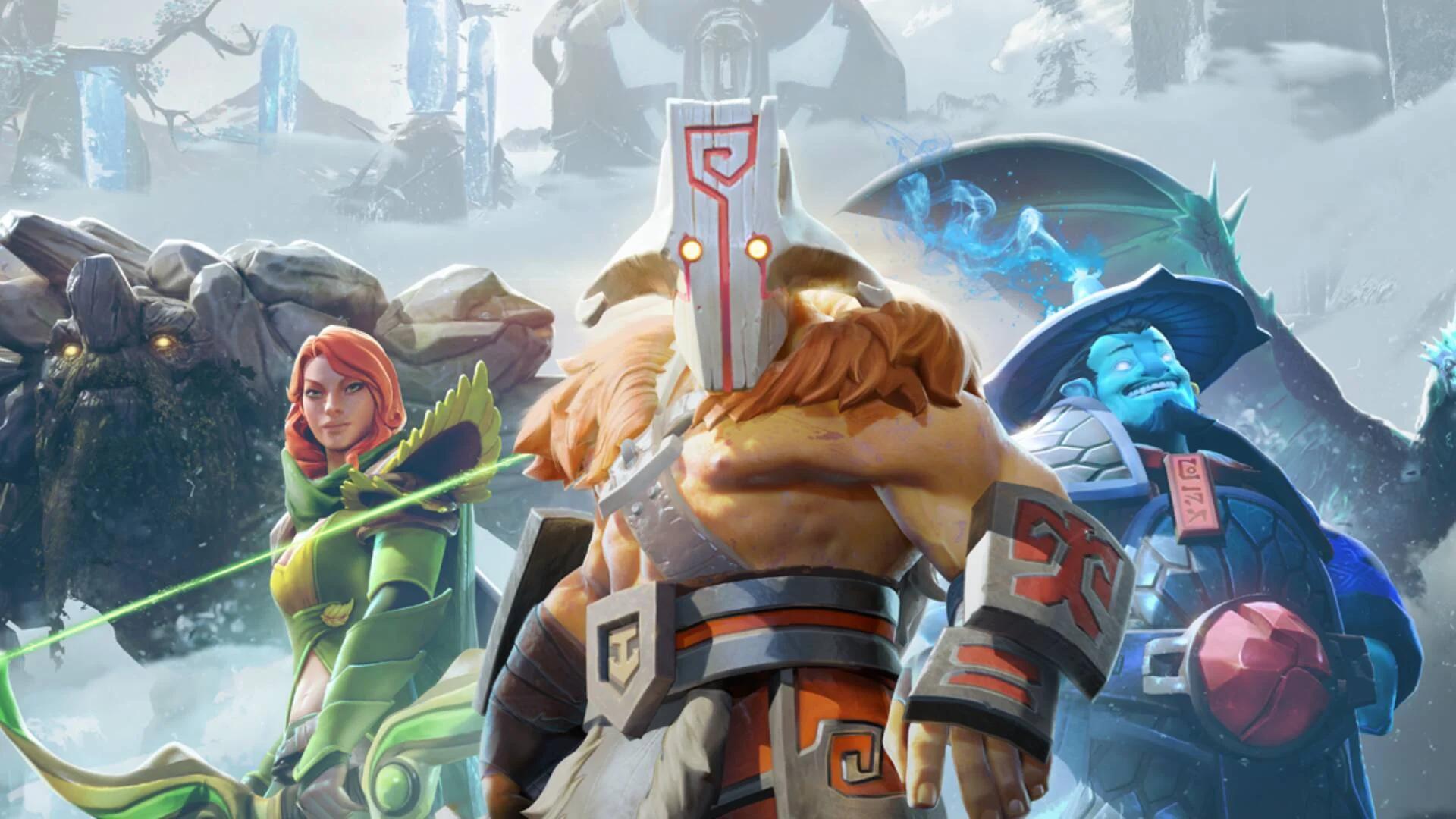
The economy of this MOBA relies on a vast market of cosmetic items that players can trade and sell. You can earn valuable sets through gameplay drops or by predicting tournament outcomes. The Steam Community Market facilitates the sale of these assets for wallet funds which can be used to buy other games or items. High-level players also compete for the largest prize pools in esports history. The trading scene is active and fluctuates based on professional player trends and game updates.
‘Gods Unchained’ (2018)
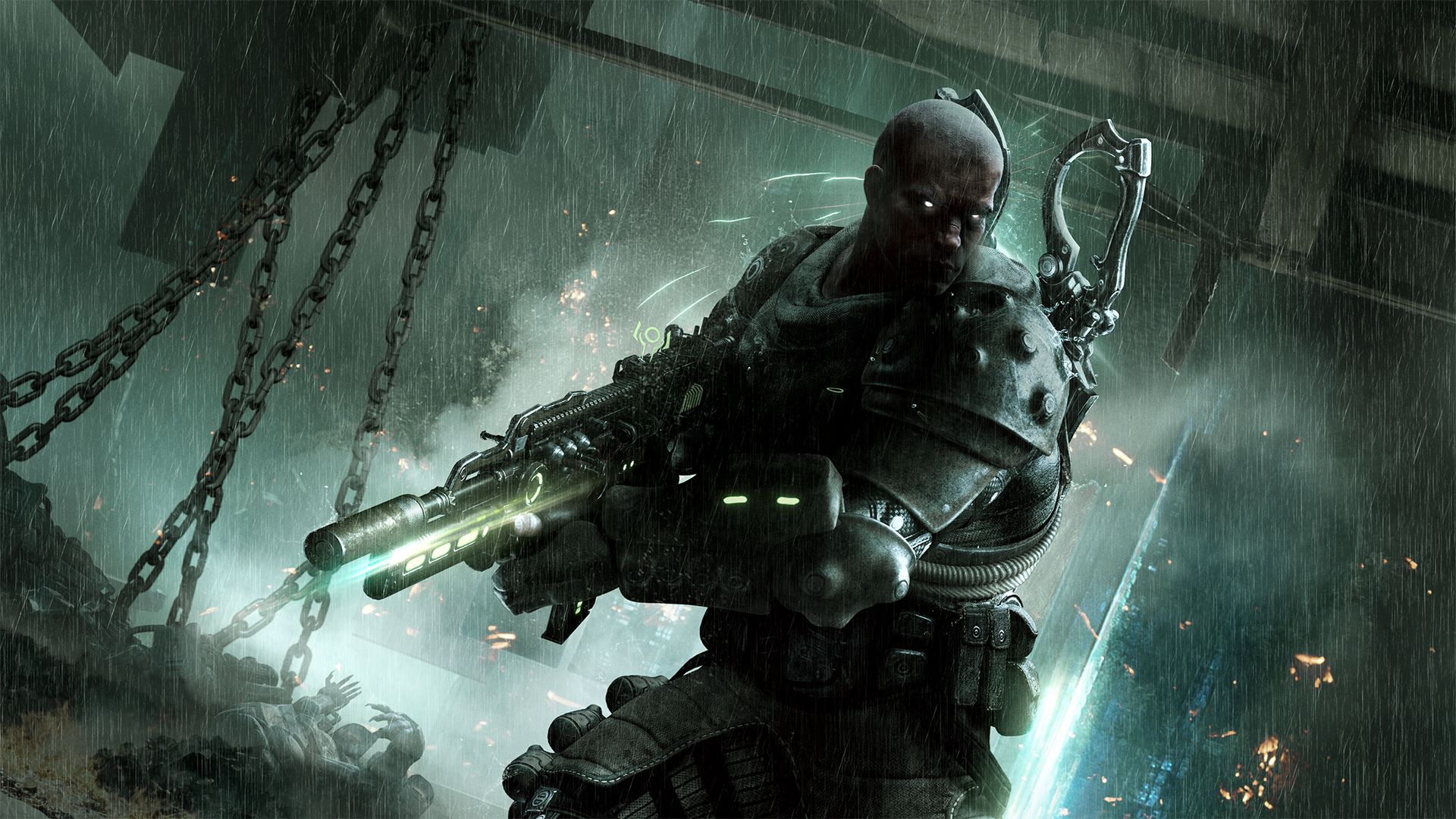
This trading card game gives players true ownership of their digital cards as Ethereum-based assets. You earn packs and flux by winning ranked matches which can be used to mint cards onto the blockchain. These cards can then be sold to other players on secondary marketplaces for cryptocurrency. The game emphasizes strategy over luck and rewards skilled players with valuable assets. Regular tournaments and weekend events provide additional opportunities to earn rewards.
‘Splinterlands’ (2018)
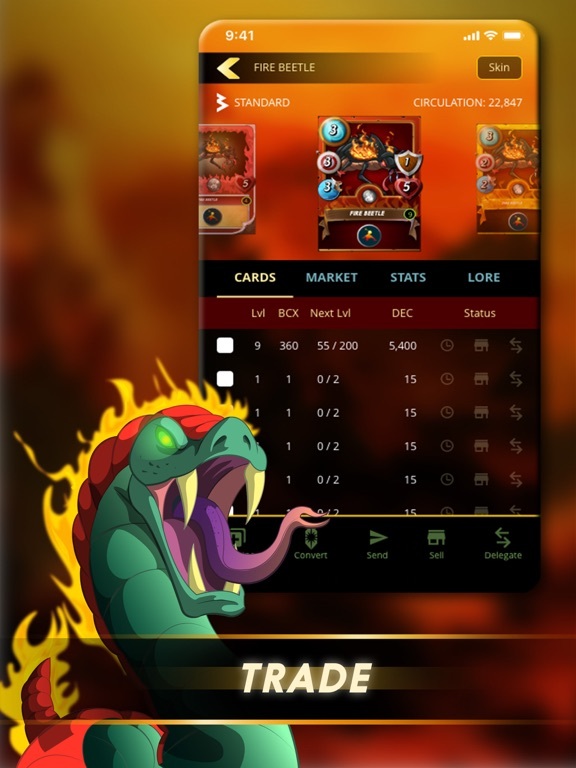
Players build decks of cards with unique stats and abilities to compete in fast-paced automated battles. Ranking up in leagues rewards you with dark energy crystals and exclusive cards that hold monetary value. You can rent out your powerful cards to other players for a passive daily income stream. The game operates on the Hive blockchain which ensures fast and free transactions for all asset transfers. It features a complex economy where market knowledge is just as important as battle strategy.
‘Sorare’ (2019)
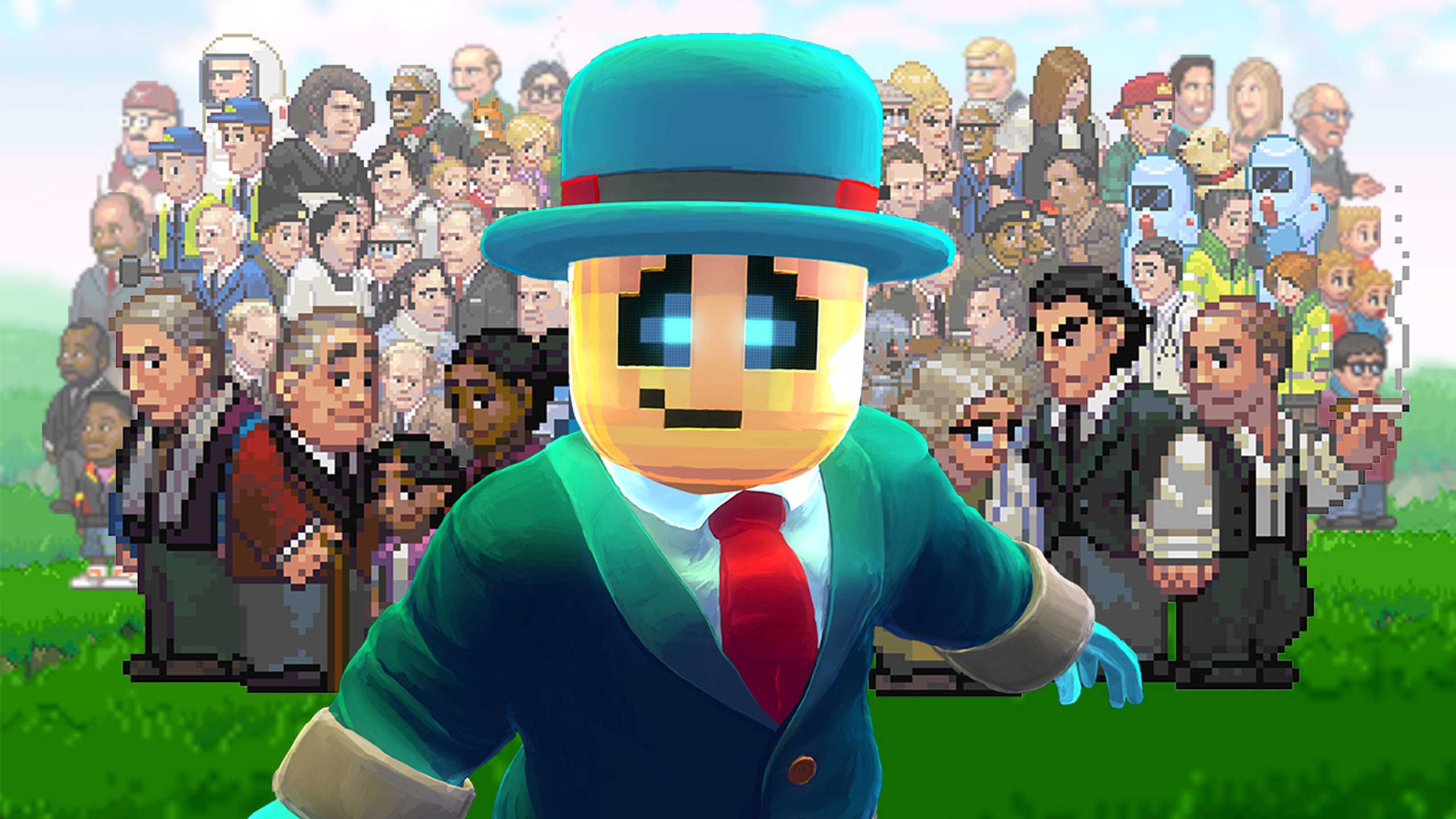
Sports fans collect digital player cards to create fantasy lineups for football and basketball leagues. The performance of real-world athletes determines the score of your cards in weekly competitions. High-ranking finishes reward managers with Ethereum and rare cards that can be sold on the market. The platform holds official licenses with major leagues and clubs around the world. It combines the hobby of card collecting with the potential for significant financial returns.
‘Alien Worlds’ (2020)
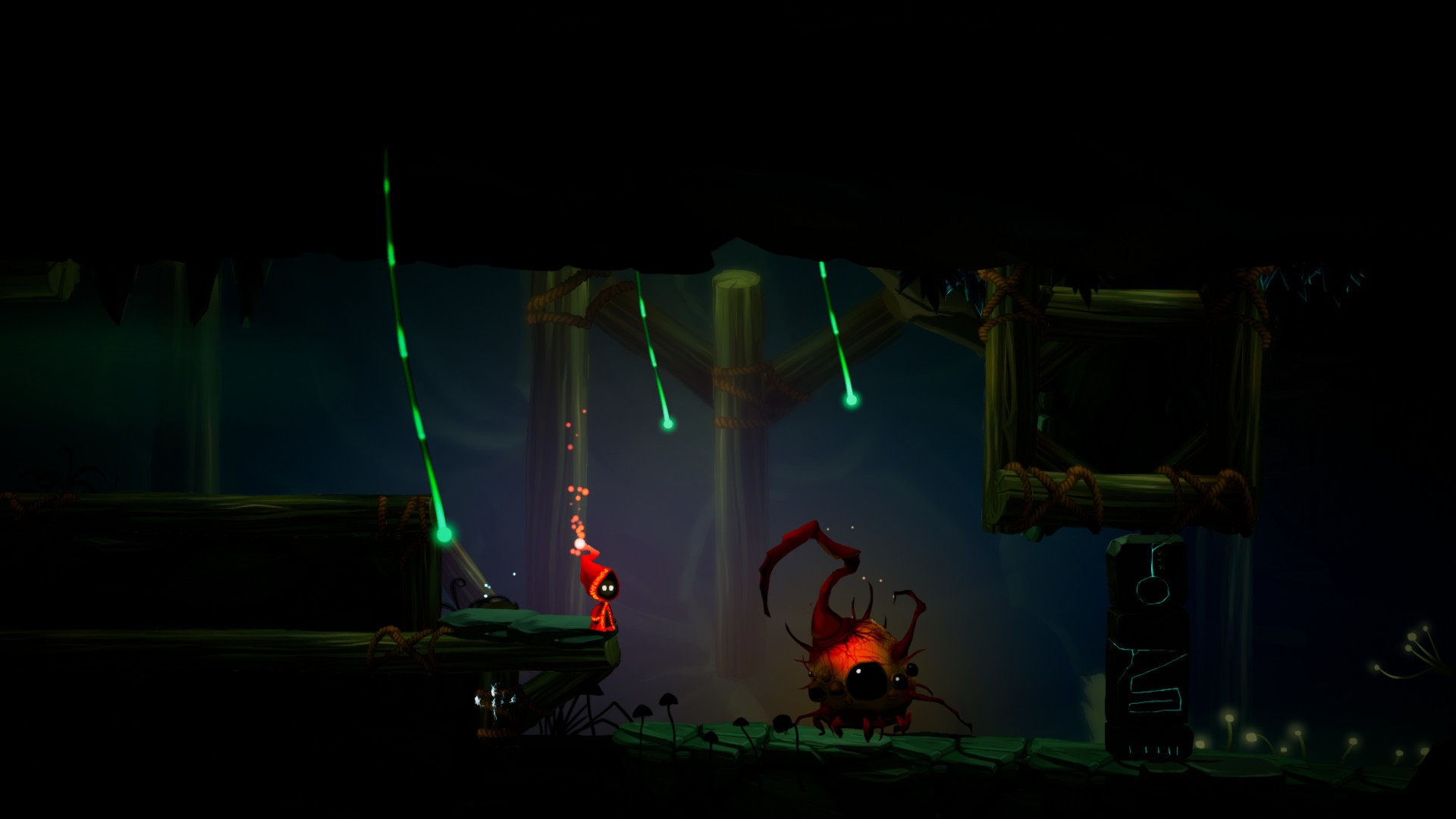
This sci-fi exploration game involves mining on different planets to earn Trillium tokens. Players can purchase land on specific planets to earn a commission from other users who mine there. You manage your mining tools and choose the best locations to maximize your yield and efficiency. The game features a decentralized autonomous organization structure that allows players to influence planetary governance. It consistently ranks among the most played blockchain games due to its passive gameplay loop.
‘Illuvium’ (2024)
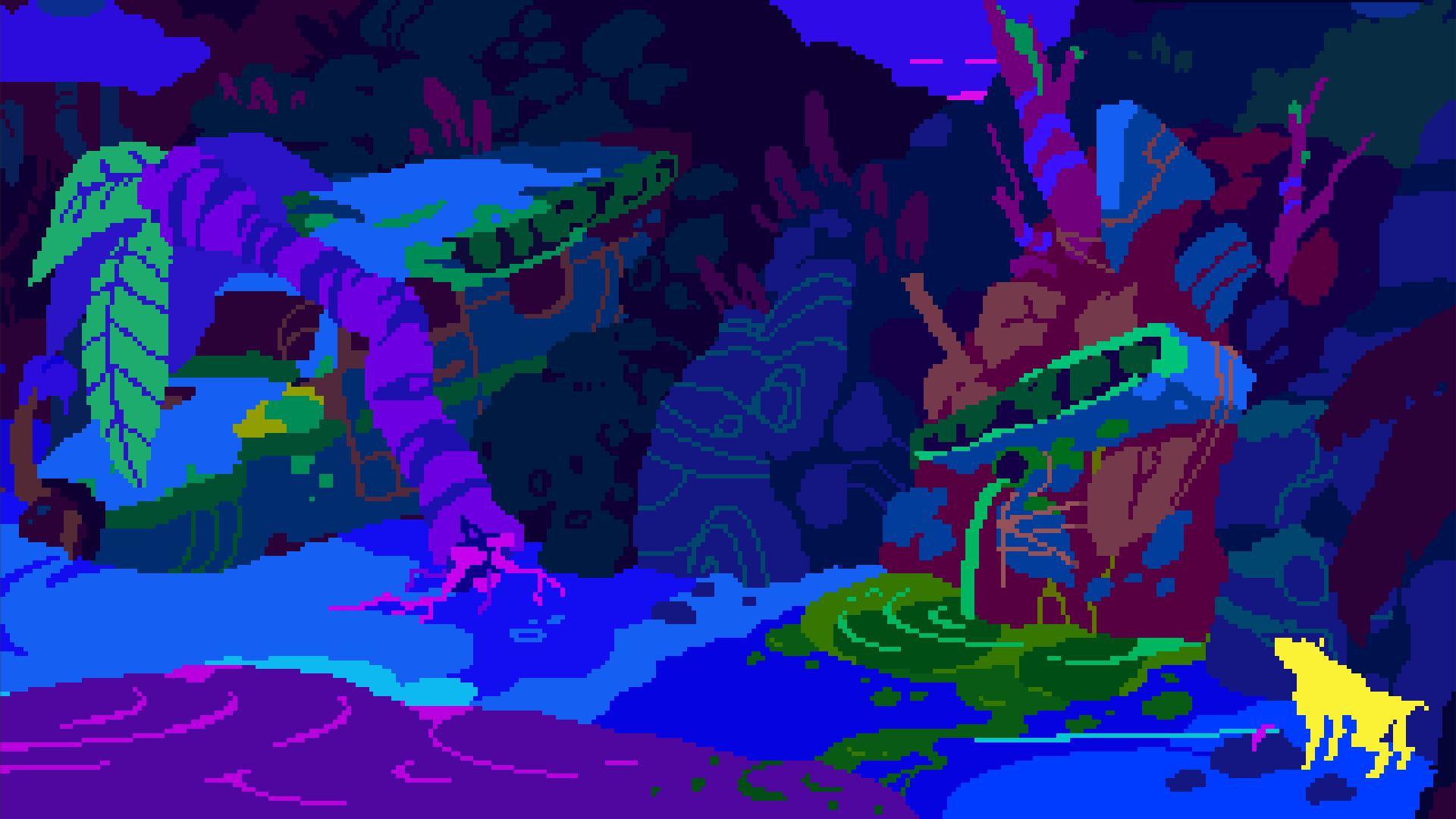
This open-world RPG combines monster collecting with auto-battler mechanics in a high-fidelity sci-fi setting. Players hunt and capture creatures known as Illuvials which can be traded as NFTs on the IlluviDEX. You can earn by gathering resources in the overworld or by competing in the competitive arena. The game emphasizes high-quality graphics and immersive gameplay to attract mainstream gamers. It offers multiple interconnected game modes that feed into a single economy.
‘Big Time’ (2022)
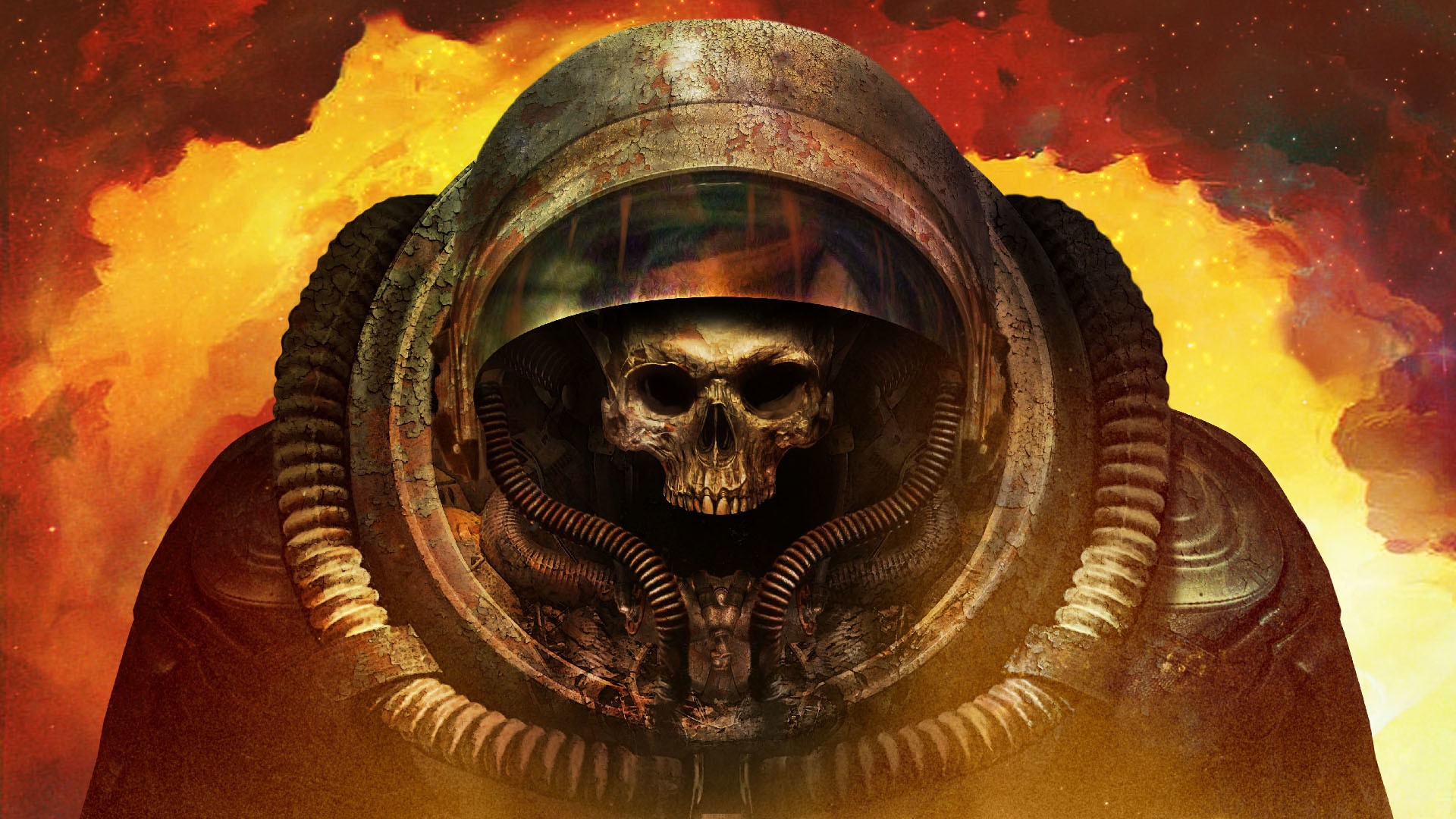
Players travel through time and space to battle enemies in this cooperative action RPG. The game allows you to hunt for rare cosmetic NFTs that drop during dungeon runs and can be sold on the Open Loot marketplace. You can also craft unique weapon skins and armor using resources collected during gameplay. The economy is designed to be player-driven without selling power advantages. It focuses on skill-based combat and social teamwork to drive engagement.
‘Shrapnel’ (2024)
This extraction shooter allows players to compete for valuable resources in a high-stakes combat zone. You can create and sell weapon skins or maps and earn rewards based on their popularity. The game utilizes the Avalanche blockchain to secure ownership of all in-game items and extraction loot. Players must weigh the risk of losing their gear against the potential for high-value rewards. It aims to bring AAA production values to the blockchain shooter genre.
‘Guild of Guardians’ (2024)
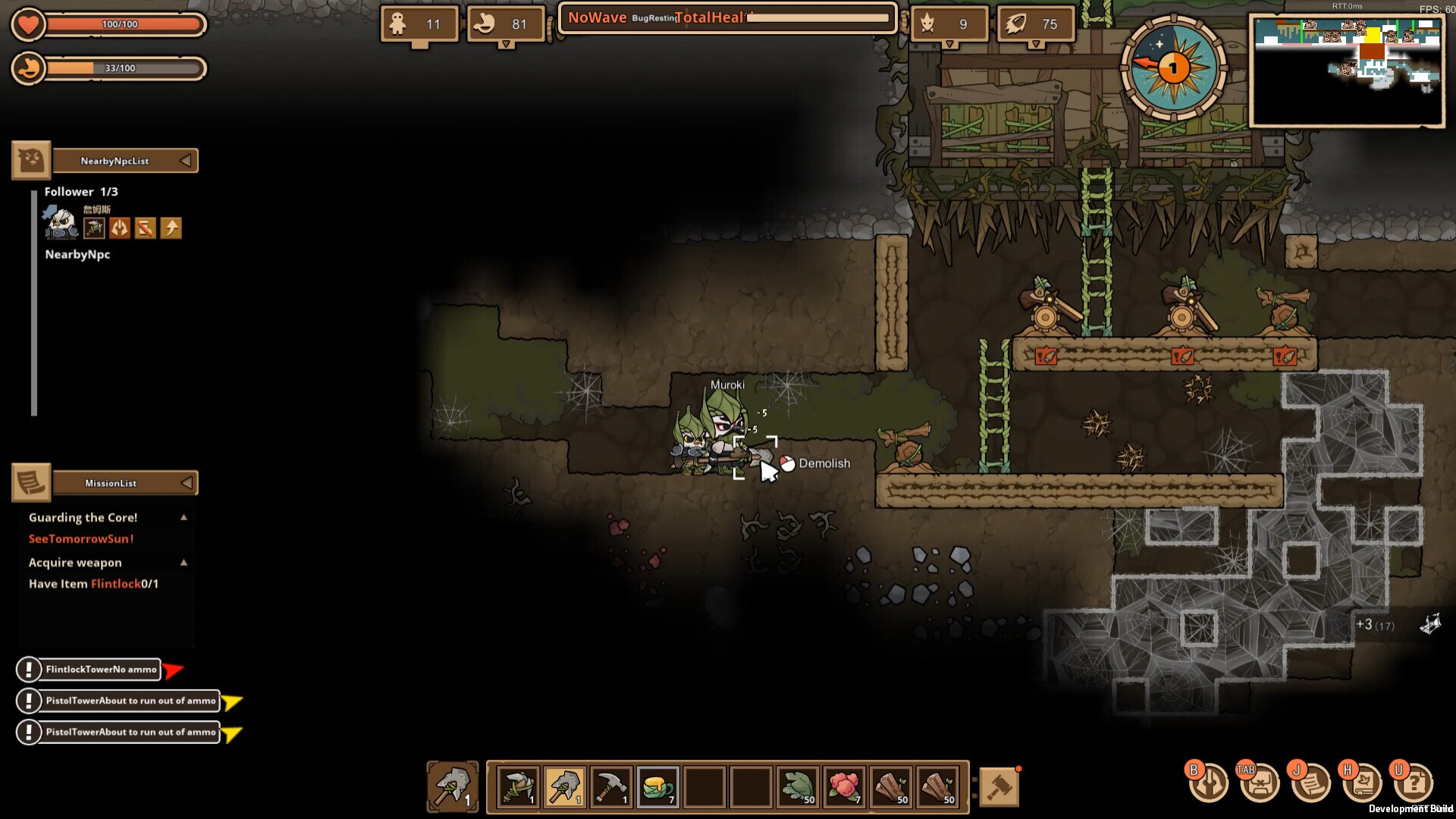
You assemble a squad of heroes to crawl through dungeons and collect resources in this mobile RPG. Players can craft equipment and summon new heroes that are minted as NFTs for trading. Being part of a guild is essential as it allows you to tackle harder content and earn better rewards. The game is designed for mobile play and focuses on cooperative multiplayer mechanics. It provides an accessible entry point for earning through gaming on handheld devices.
‘Pixels’ (2023)

This farming and exploration game integrates social interaction within an open retro-style world. Players plant crops and complete quests to earn the PIXEL token which serves as the premium currency. You can customize your personal land or visit other players to collaborate on resource gathering. The game supports integration with other NFT collections and allows you to use your existing avatars. Its casual gameplay loop appeals to fans of traditional farming simulators.
‘Off the Grid’ (2024)

This battle royale shooter features a narrative-driven campaign and a focus on cybernetic customization. Players can loot high-value items during matches and extract them to keep as permanent assets. The economy allows for the trading of limbs and weapons that alter your gameplay abilities. It is directed by Neill Blomkamp and merges cinematic storytelling with competitive play. The game offers a fresh take on the genre with its unique extraction mechanics.
‘My Neighbor Alice’ (2024)

Players purchase virtual islands and shape the landscape in this multiplayer building game. You can earn tokens by completing quests for neighbors or by selling crops and animals you raise. The game features a friendly aesthetic and focuses on community collaboration and self-expression. NFTs represent all land and items to ensure players have full control over their assets. It provides a relaxing environment for users to earn while they create.
Tell us which of these games offers the best earning potential in the comments below.