24 Glitches That Were Actually Intentional Design Choices

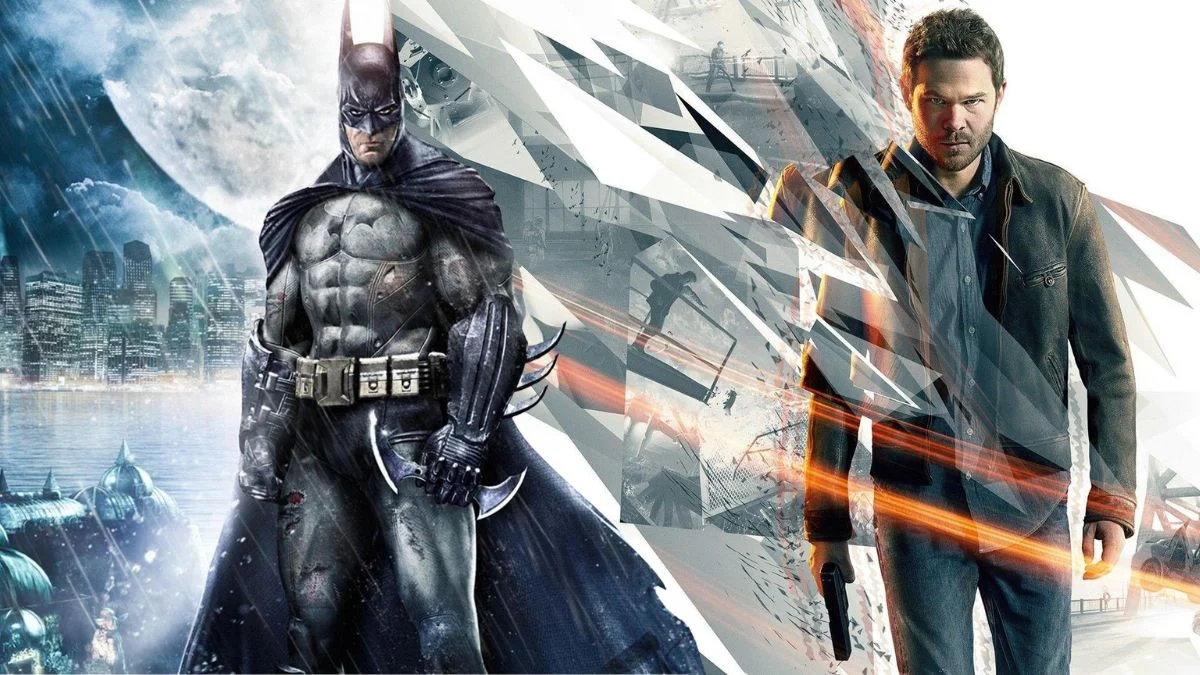

Some games look like they are breaking the rules on purpose, and that is exactly the point. Designers sometimes build glitchy visuals or meta tricks into the experience to sell a story beat, deepen immersion, or surprise players in ways normal effects cannot. These moments can mimic hardware failures, corrupted saves, or a system on the verge of collapse. Here are memorable times when something that looked like a bug was actually a planned feature.
‘Eternal Darkness: Sanity’s Requiem’
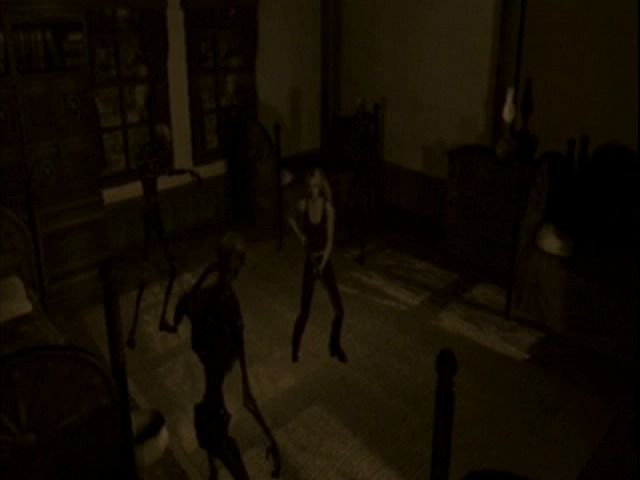
This GameCube horror classic uses a sanity system that triggers fake technical problems to unsettle players. The screen can pretend to mute the TV or show a error message while gameplay quietly continues. Save files appear to vanish before returning intact. The goal is to make the world feel unstable without harming actual progress.
‘Batman: Arkham Asylum’
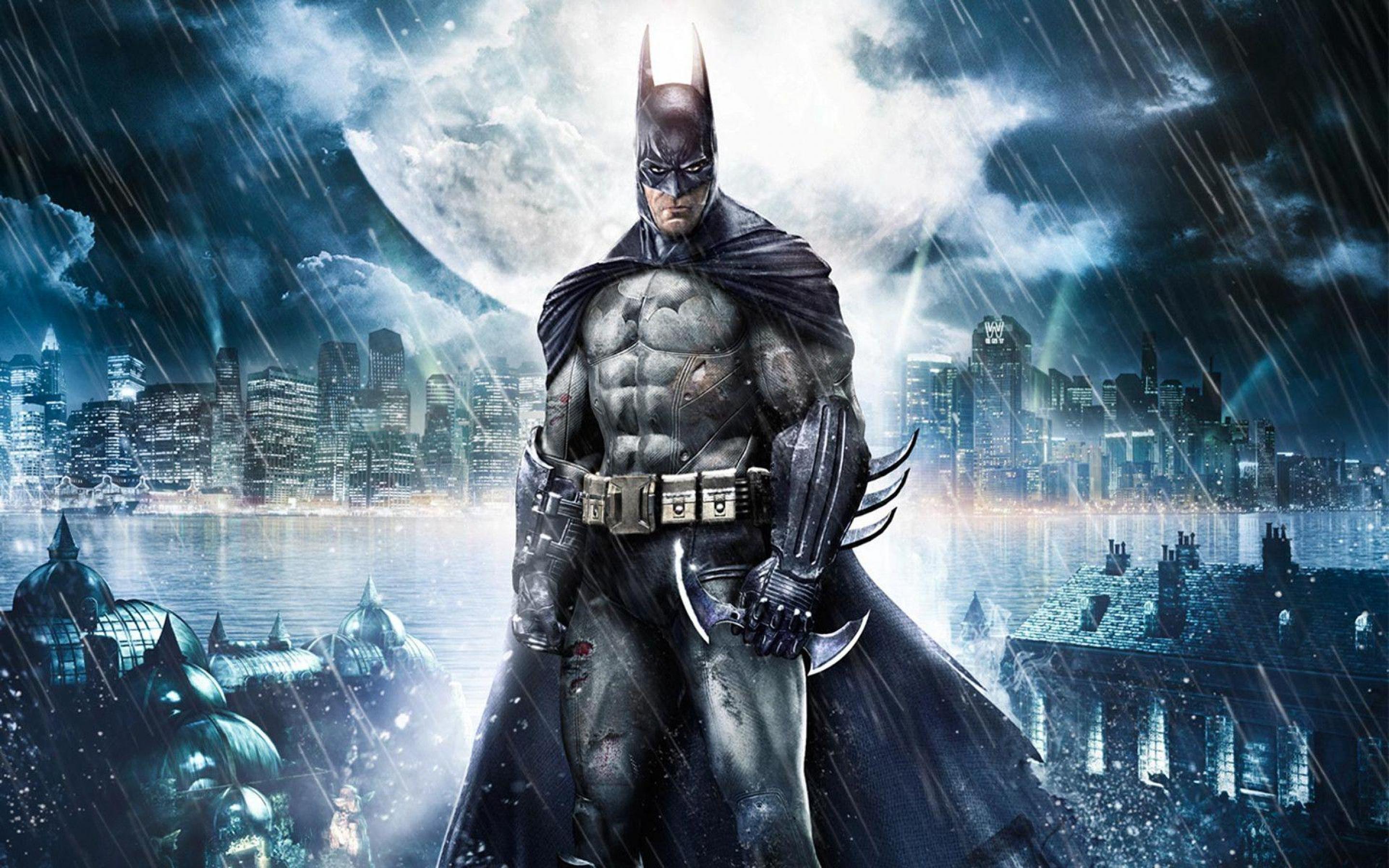
A midgame encounter with Scarecrow simulates the console freezing and rebooting into an unexpected opening. Character roles briefly swap and the camera mimics a corrupted startup. The sequence looks like a malfunction but it is a scripted set piece. It reinforces the idea that fear toxin has invaded not just Batman but the whole experience.
‘Undertale’

Key characters treat saving and loading as real powers and use them to alter scenes. During a pivotal fight the game pretends to crash and reload in strange states. The final boss manipulates file data that reappears after a reset. These effects are built to connect game systems with the narrative directly.
‘Doki Doki Literature Club’

The visual novel presents distorted text boxes and broken menus as the story unravels. Characters address the player and reference deleted files as if the world were corrupting itself. The launcher and poems start behaving incorrectly by design. It is structured to make the interface part of the horror.
‘Pony Island’
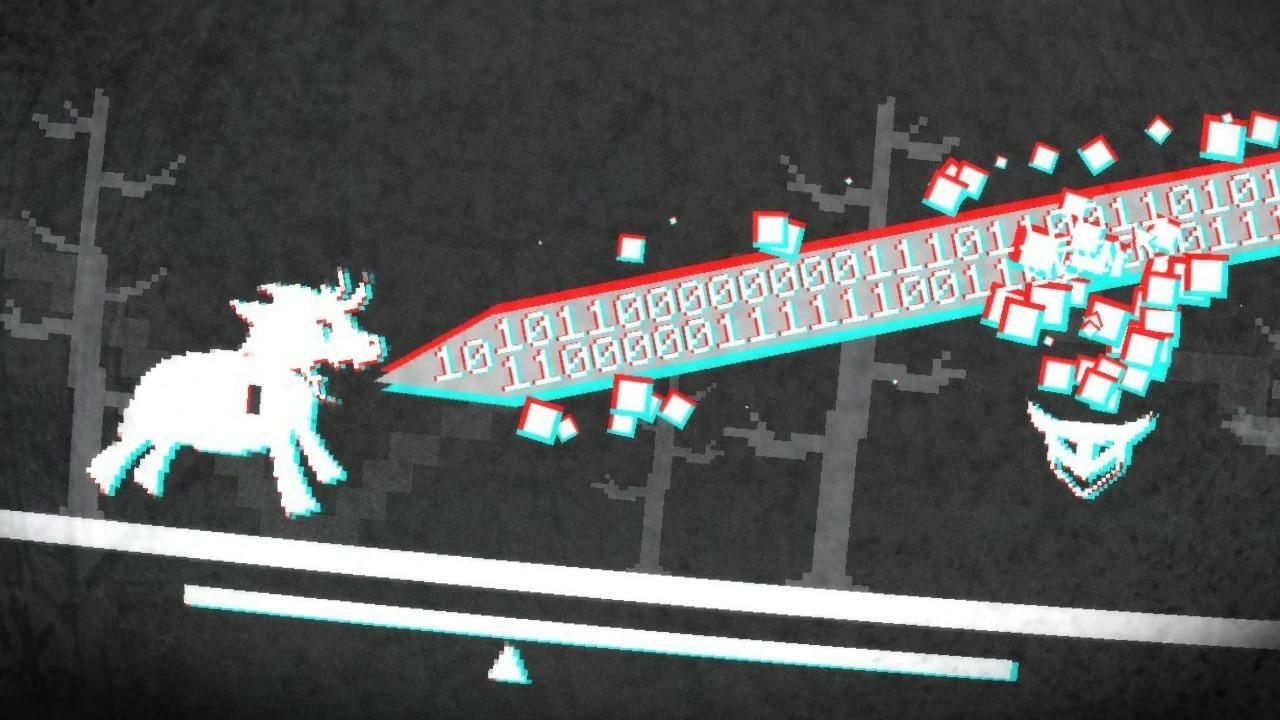
This puzzle game disguises itself as a possessed arcade cabinet that keeps breaking. Menus glitch and cheat codes appear as if the software is fighting back. The player edits game logic inside fake system folders. All the rough edges are crafted to feel like a haunted program.
‘Inscryption’
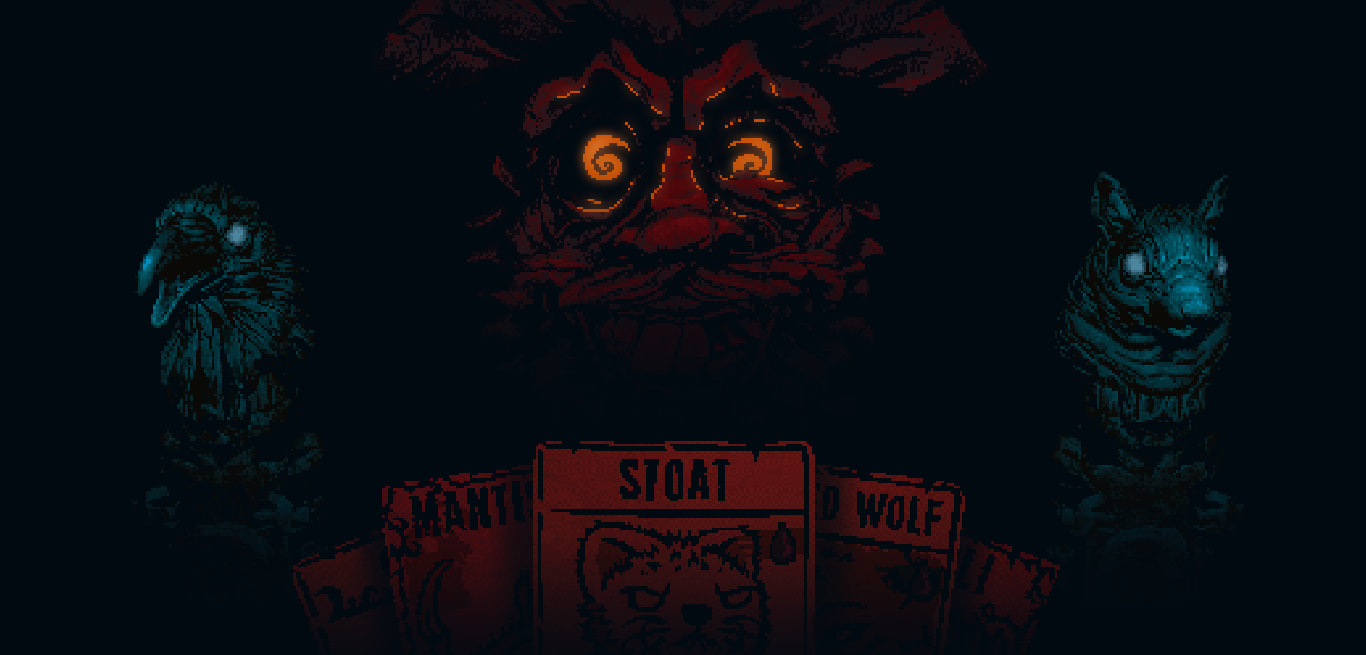
Cards flicker with scanline noise and old storage artifacts to suggest hidden layers. The game shifts presentation styles and pretends to access real video logs. Boss fights change rules through apparent data corruption. The glitches are a storytelling device that ties the act structure together.
‘Fez’
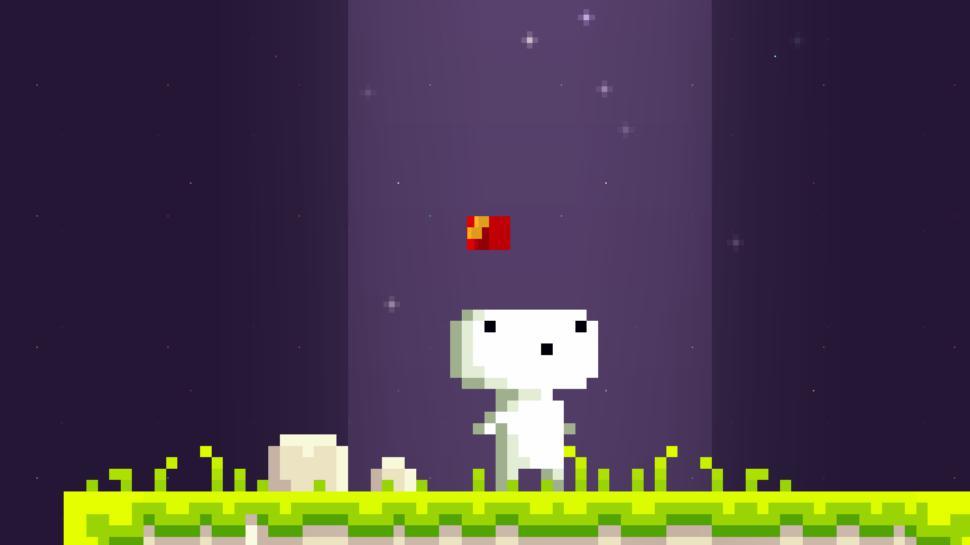
Late game puzzles rely on artifacts that mimic signal interference and QR patterns. A mysterious item produces scrambled visuals that hide ciphers. Certain rooms intentionally stutter or distort to hint at unseen dimensions. The effect guides players toward secrets without explicit tutorials.
‘Axiom Verge’
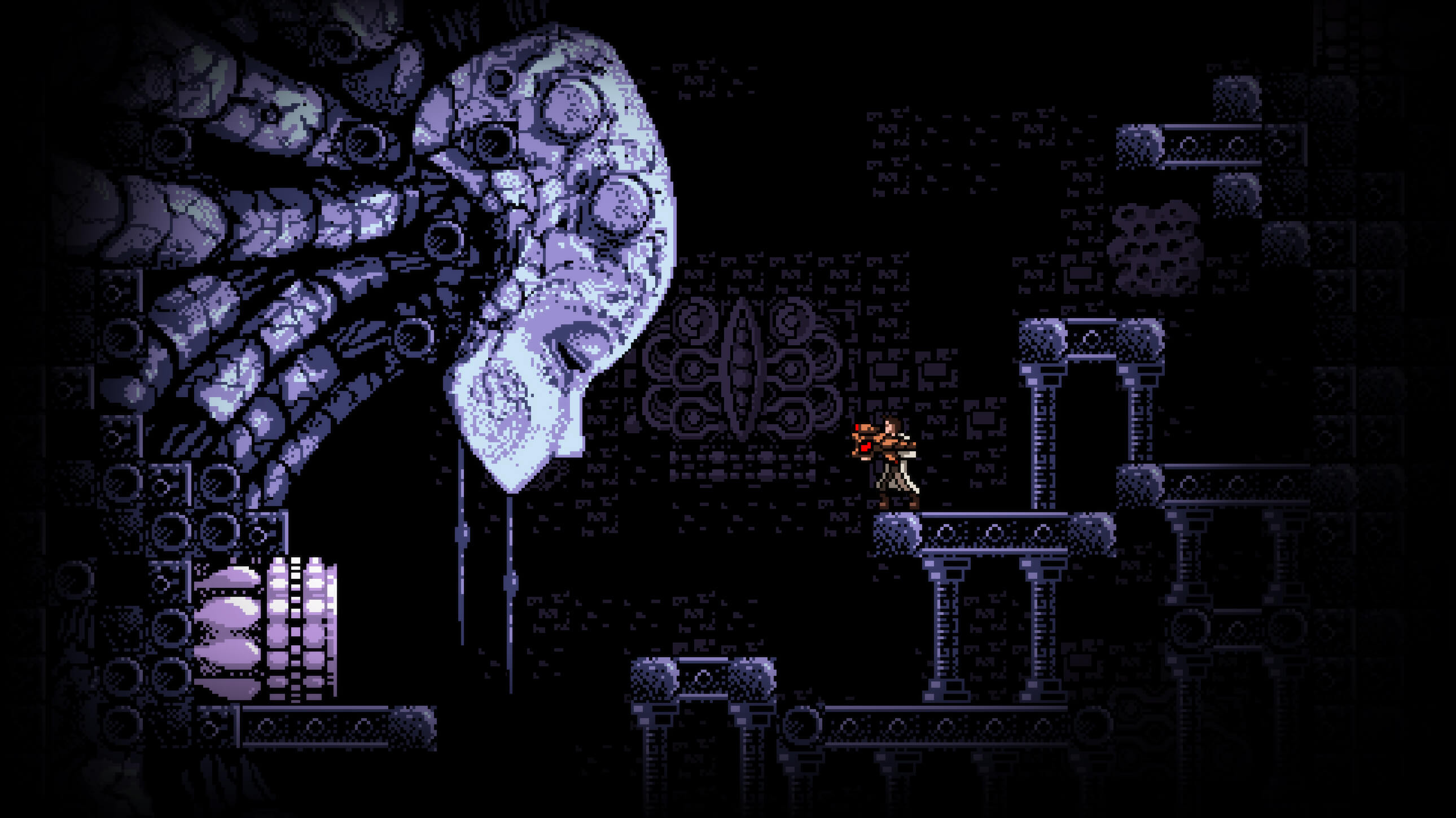
The address disruptor tool intentionally scrambles enemies and tiles. Sprites deform and physics behave oddly in specific areas to open paths. The visual corruption signals new interactions rather than errors. It turns apparent faults into a consistent exploration mechanic.
‘Control’
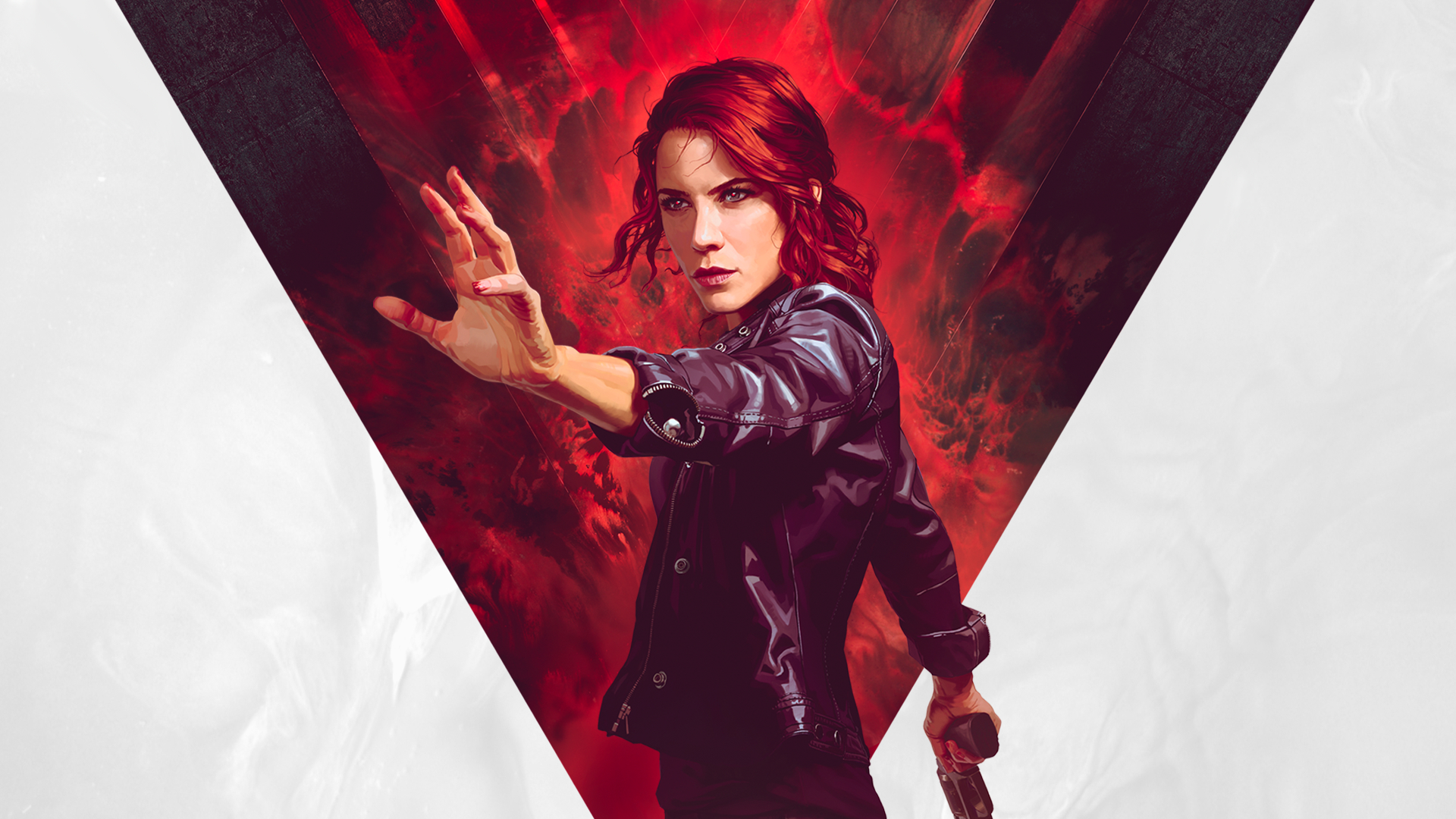
The Oldest House distorts geometry with flicker and VHS noise during certain rituals. Audio drops, subtitles misalign, and objects vibrate to imply unstable reality. These effects are scripted cues tied to Altered Items and the Hiss. The presentation sells a government facility where physics occasionally misbehave.
‘Oxenfree’
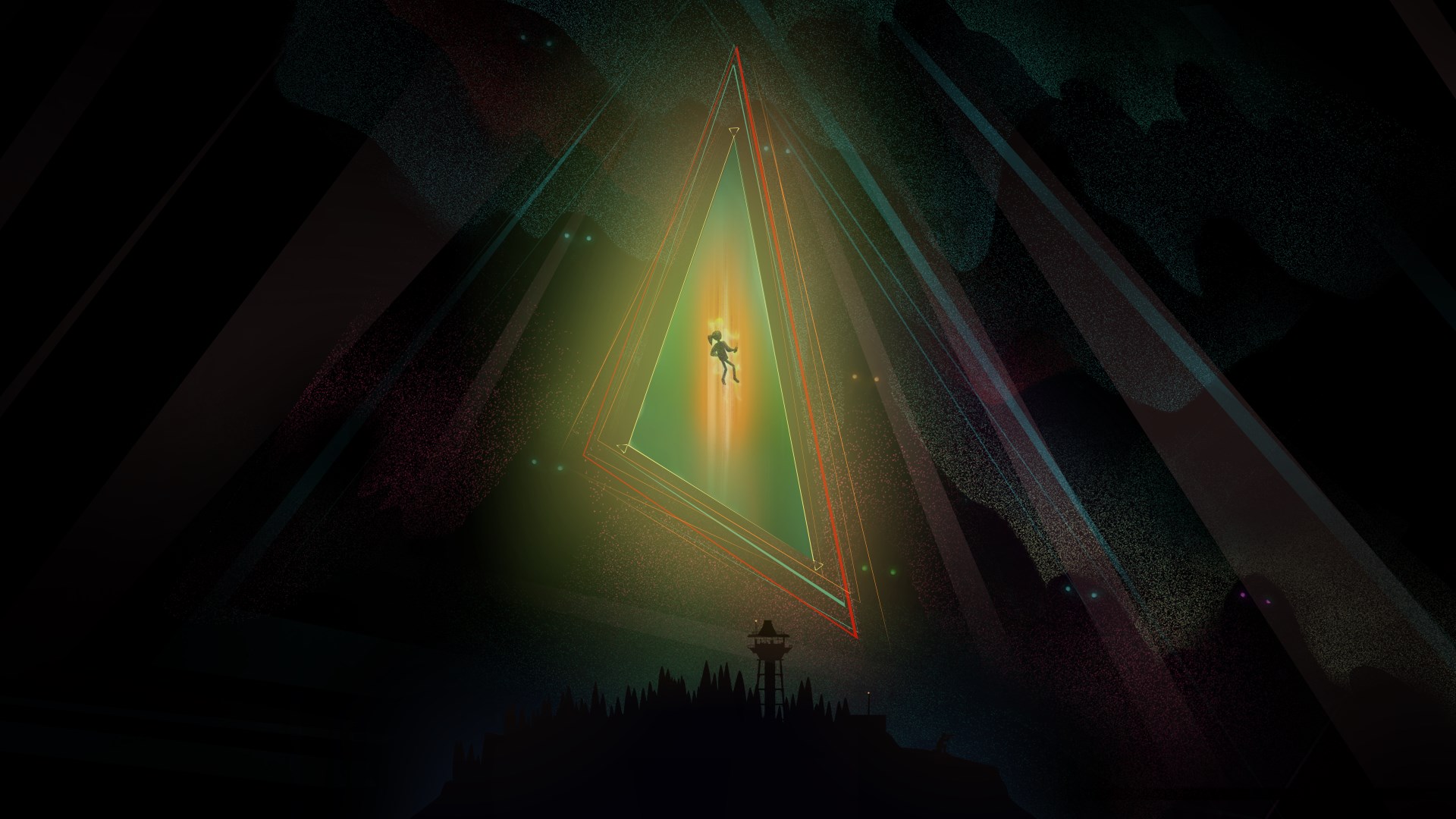
Tuning the radio creates time loops that arrive with deliberate tracking lines and audio warble. Dialogue repeats with slight shifts as if the tape were crinkled. Static bursts hide clues that can be replayed. The style tells players to read the noise as part of the puzzle.
‘Katana ZERO’
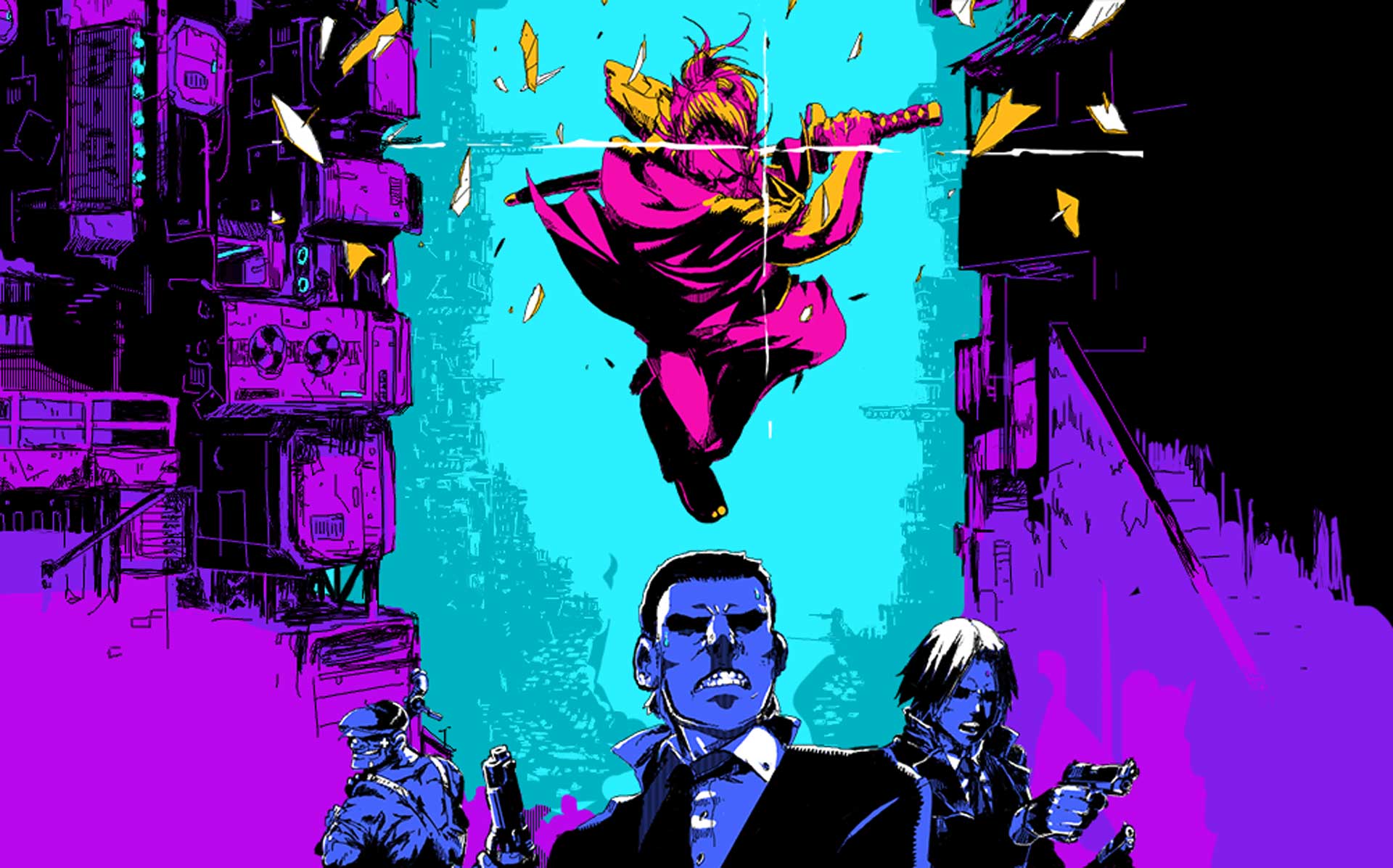
Conversations and scenes glitch when memory is altered by the protagonist’s treatment. The screen tears, frames duplicate, and choices rewind. These artifacts appear at key plot reveals. They communicate that the timeline is being edited within the fiction.
‘Superhot’
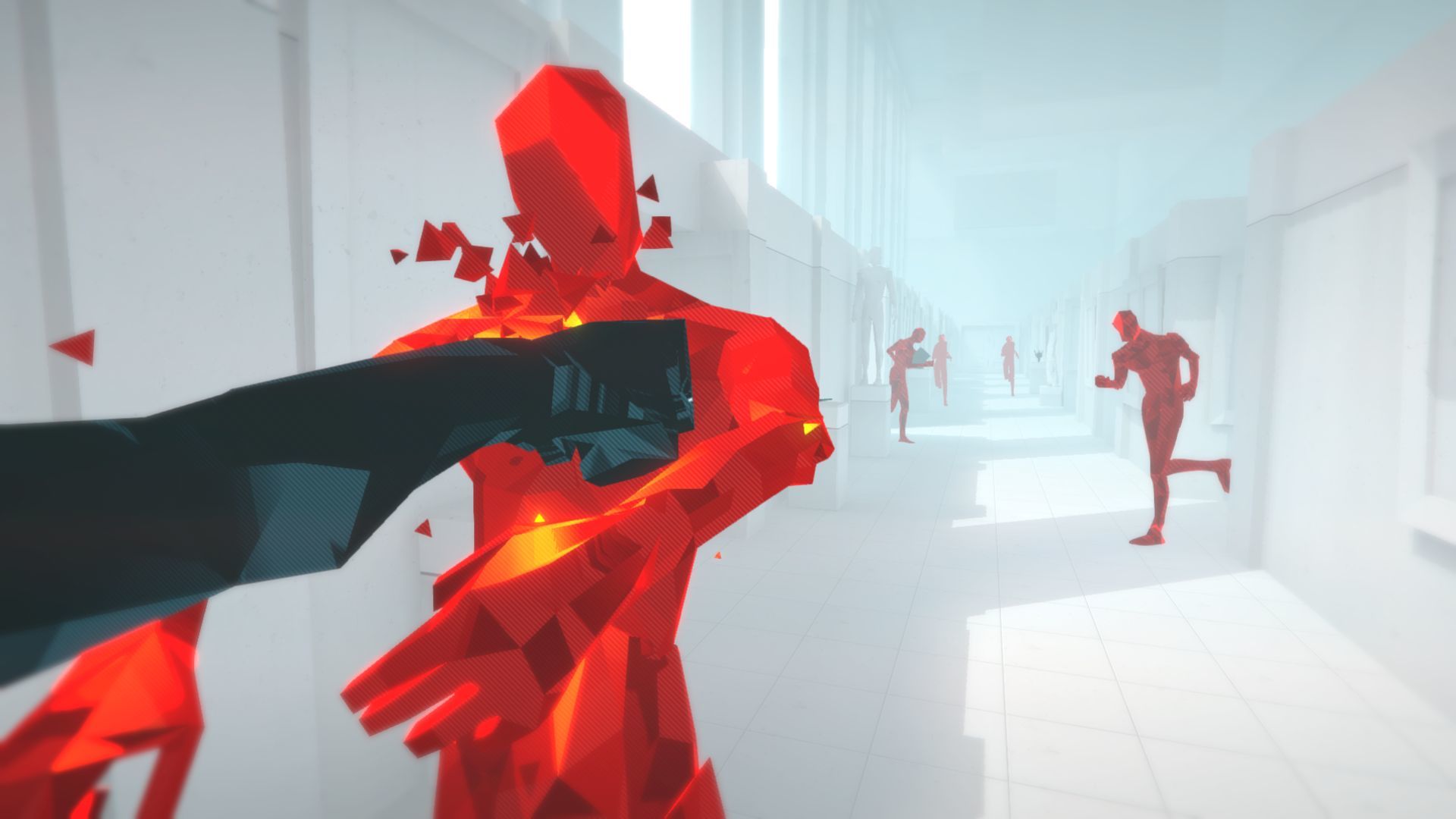
Menus and transitions act like a cracked shareware build that keeps crashing forward. The game exits to a fake desktop and reopens itself. Deaths trigger deliberately chunky stutter on replay. Every artifact supports the theme that the program is using the player as a test subject.
‘The Stanley Parable’
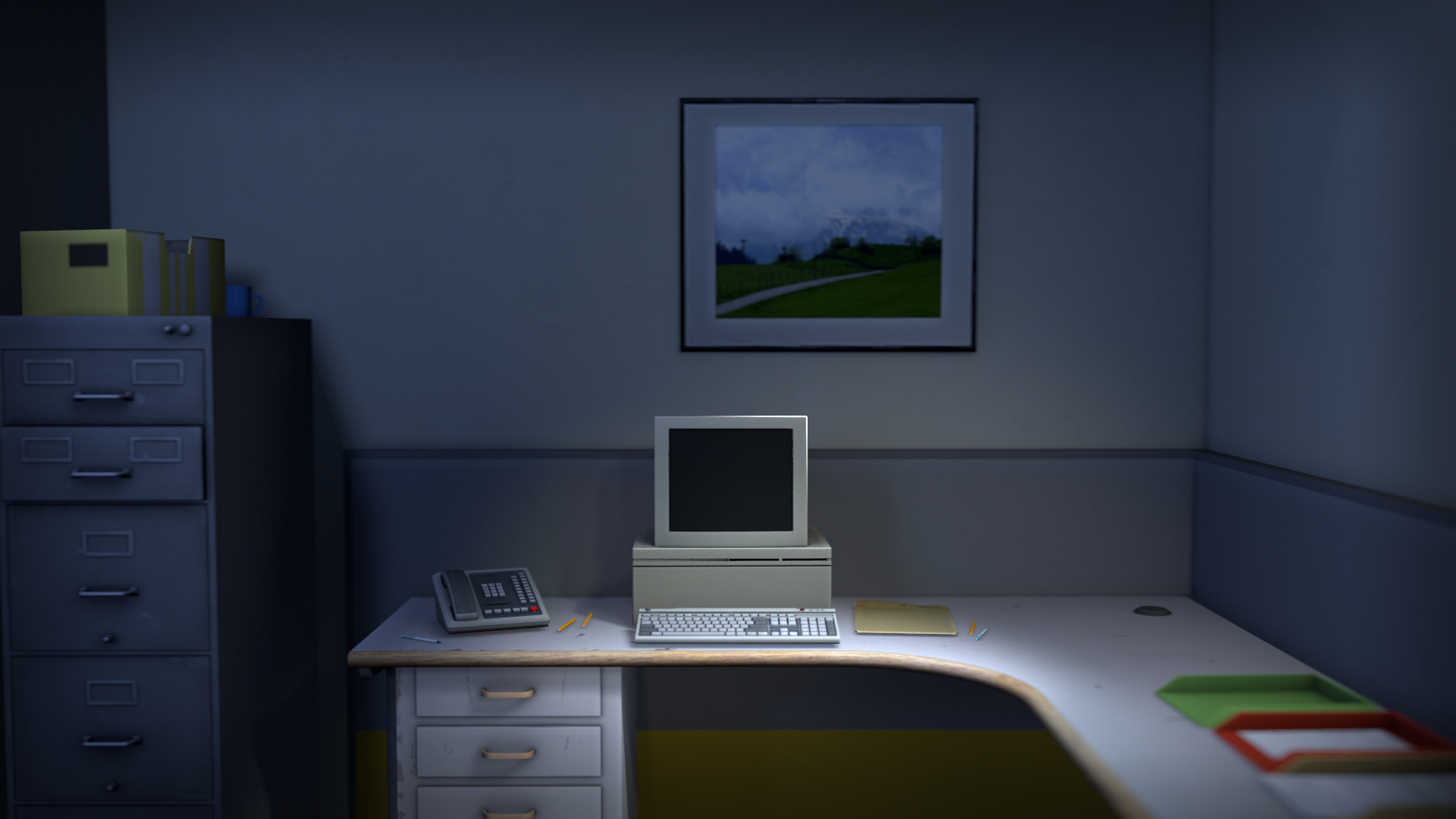
Paths reset with jarring cuts that imitate a scenario reload rather than a clean restart. Doors pop in and scripts restart as if something misfired. The narrator comments while the world reassembles in front of you. These cues are staged to expose how routes are constructed.
‘OneShot’

The game asks the player to check files outside the window as if it could not render hints properly. It changes display resolution and title bar text at story beats. Some puzzles rely on simulated system behavior rather than in game objects. The presentation frames the player’s computer as part of the setting.
‘The Beginner’s Guide’
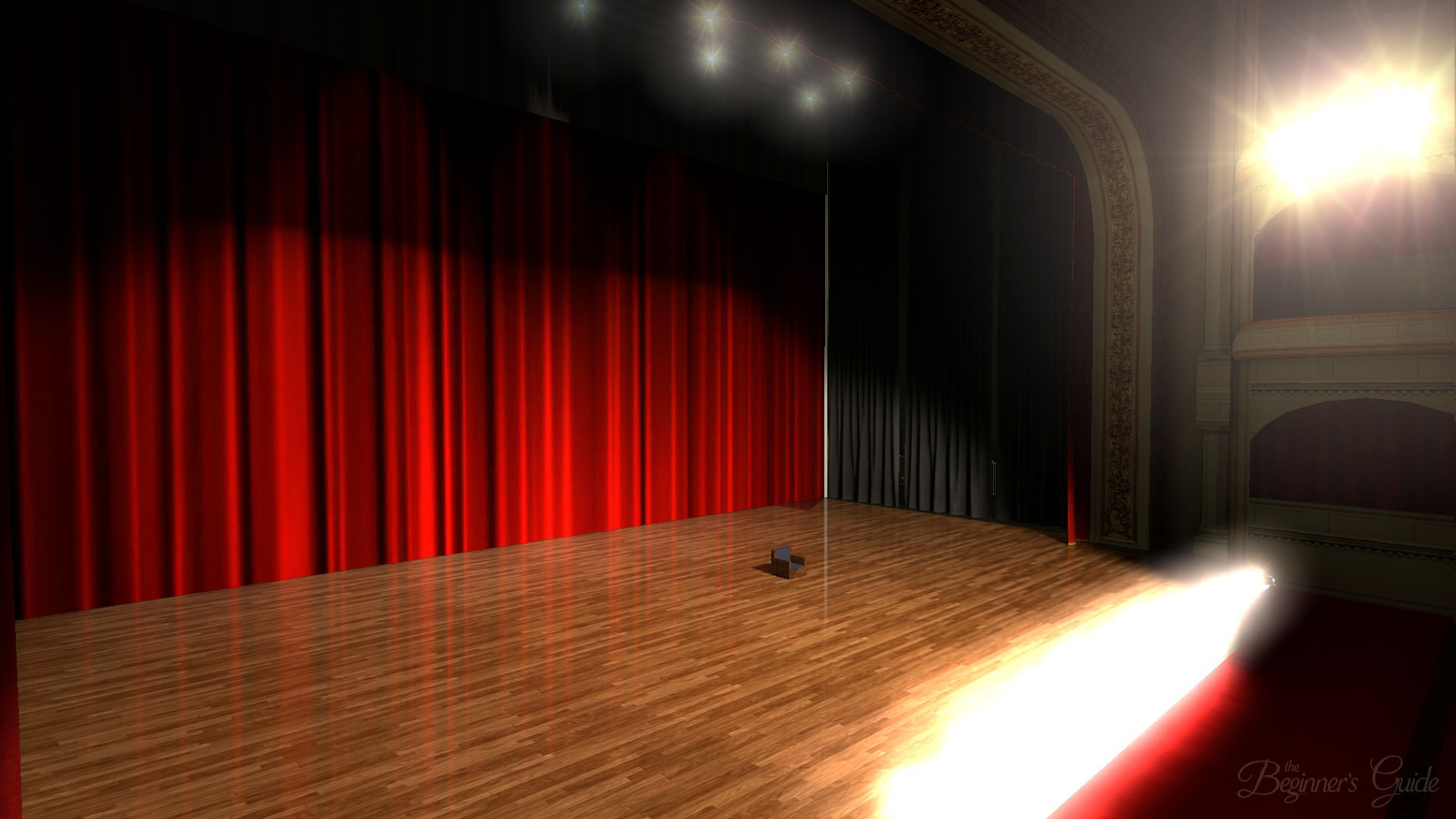
Levels include broken collision, missing textures, and unfinished triggers as intentional exhibits. The narrator describes each flaw while guiding the tour. Scripts fail on cue to make a point about authorship. The glitches are curated rather than accidental.
‘NieR: Automata’
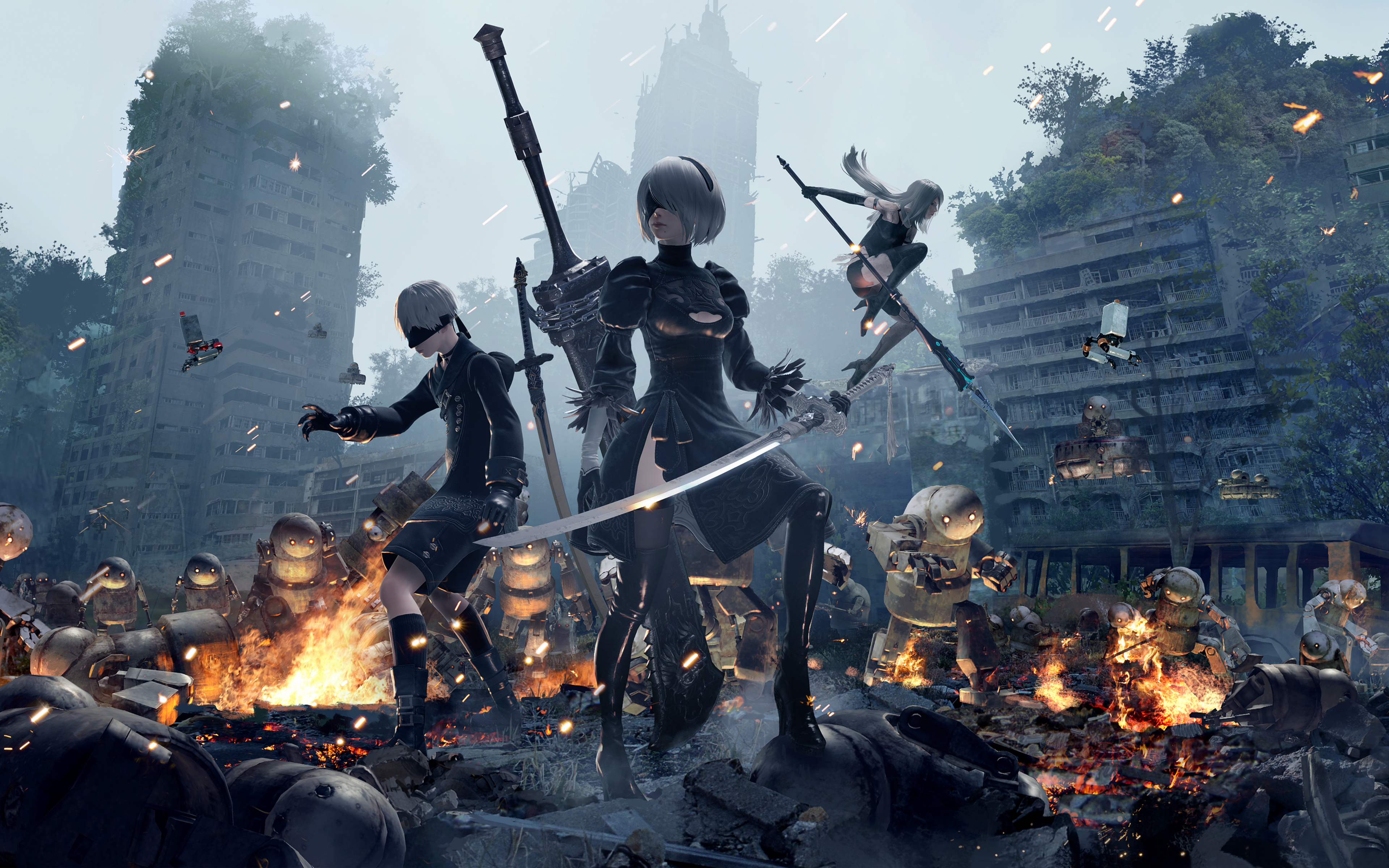
Late sequences display corrupted text, missing UI, and collapsing menus during decisive moments. Save data references appear to be at risk while choices are presented. The credit sequence includes behaviors that look like a hacked shooter. These controlled failures reinforce themes of sacrifice and persistence.
‘Metal Gear Solid’
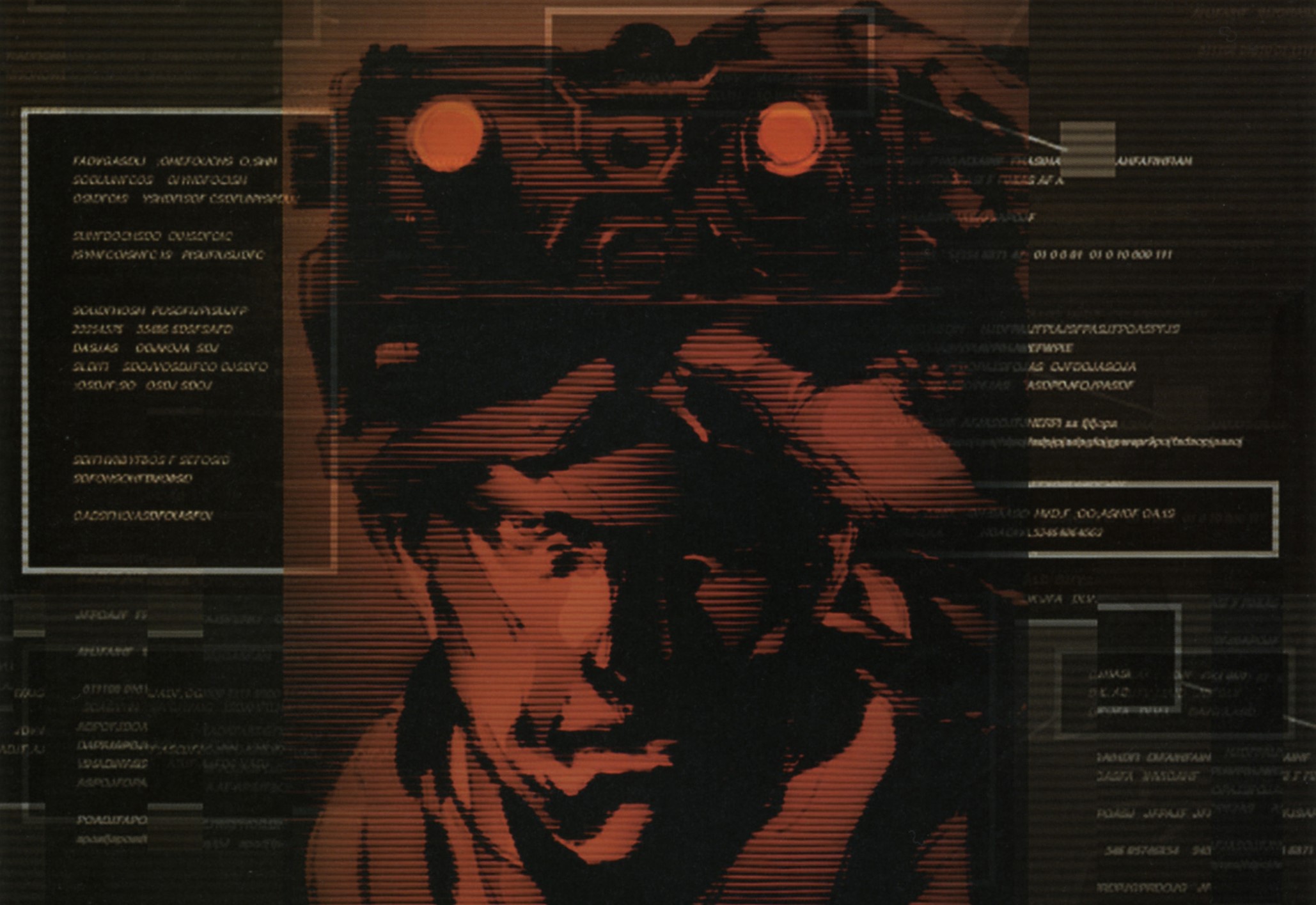
The Psycho Mantis fight reads memory card data and simulates controller input issues. The screen fakes a channel change before returning to combat. It asks for a hardware swap that bypasses a supposed lock. The trickery is a planned puzzle about breaking the fourth wall.
‘Metal Gear Solid 2: Sons of Liberty’
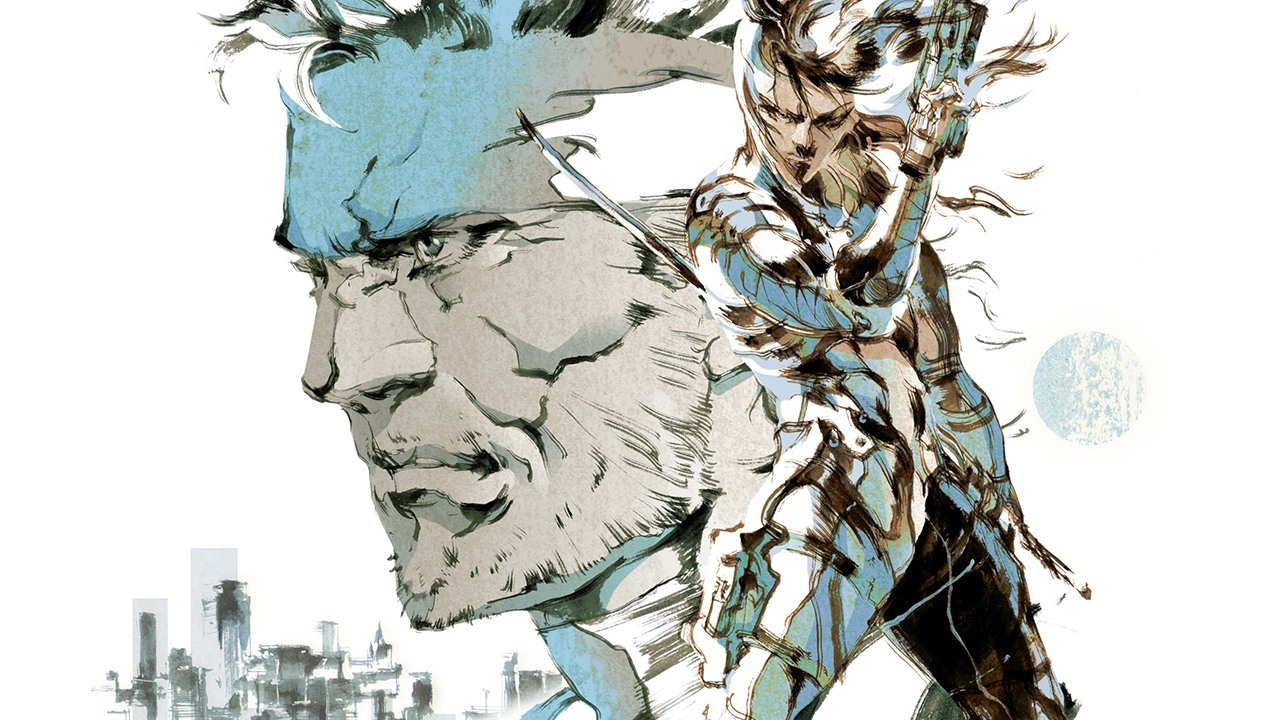
A late game codec barrage pretends that mission parameters and health bars are malfunctioning. The HUD shows nonsense text and caution messages outside normal rules. Rooms loop in ways that look like level bugs. All of it is scripted to question what is real inside the simulation.
‘Hypnospace Outlaw’
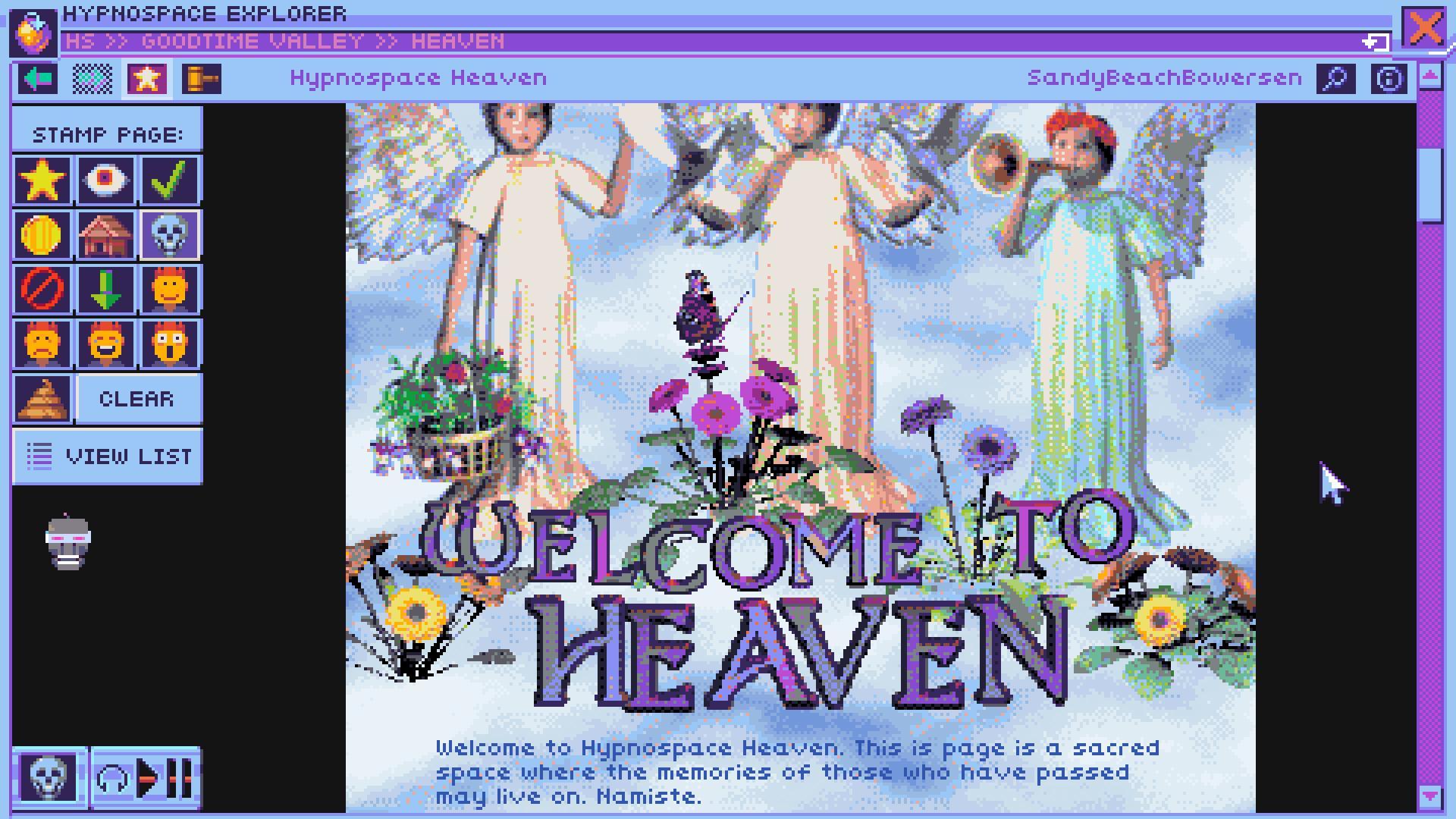
The fictional web OS throws error popups and memory warnings as content spreads. Corrupted themes, broken widgets, and fake malware behave predictably. Players learn to fix issues with built tools like a real moderator. The messiness is an authored representation of a late ninety style internet.
‘Stories Untold’
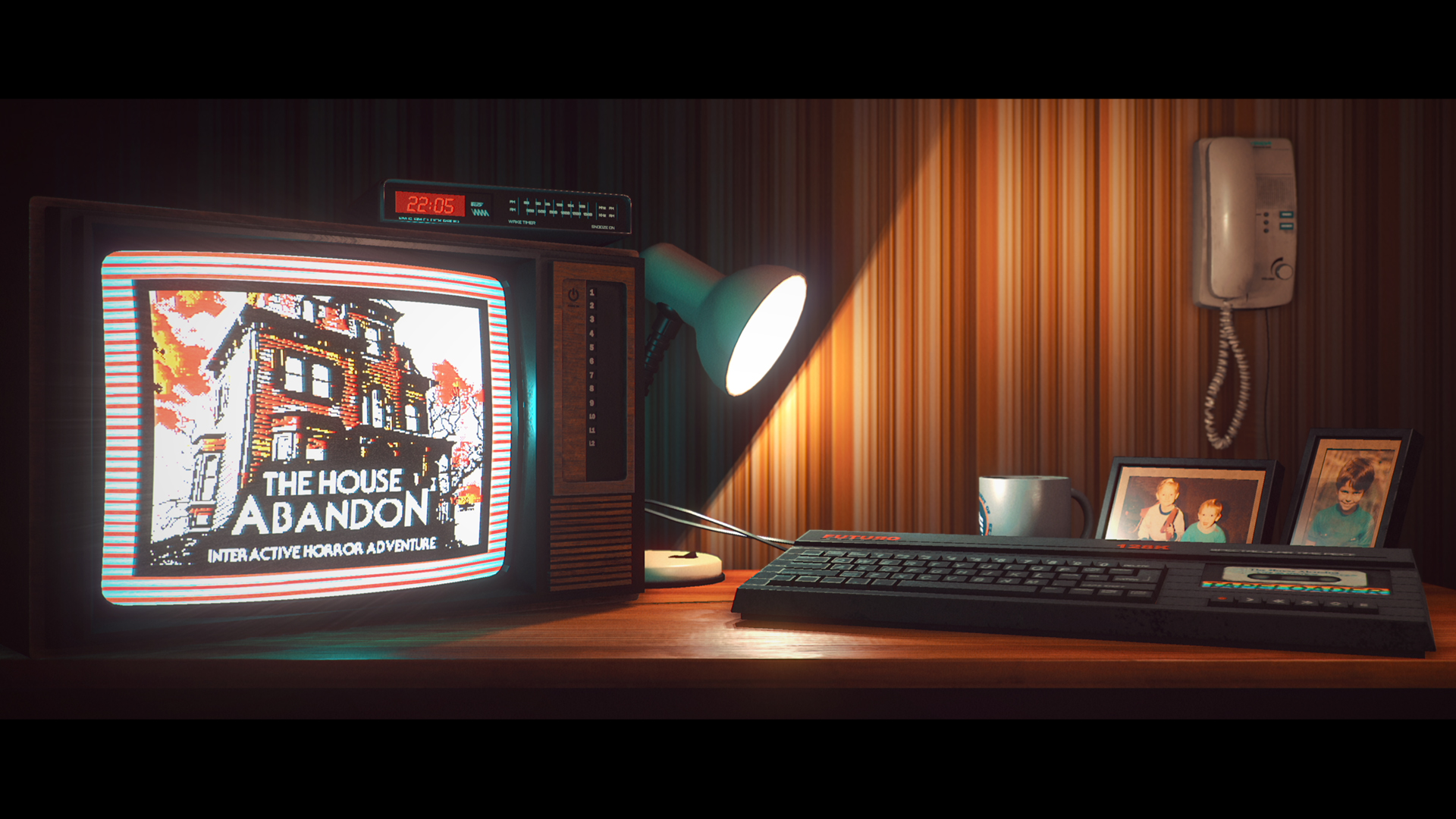
CRT distortion and tape tracking lines arrive during interface puzzles. Terminals flash with incorrect characters that hide usable prompts. Episodes escalate with deliberate audiovisual breaks that signal scene shifts. The glitches guide players between realities without traditional cutscenes.
‘Tunic’
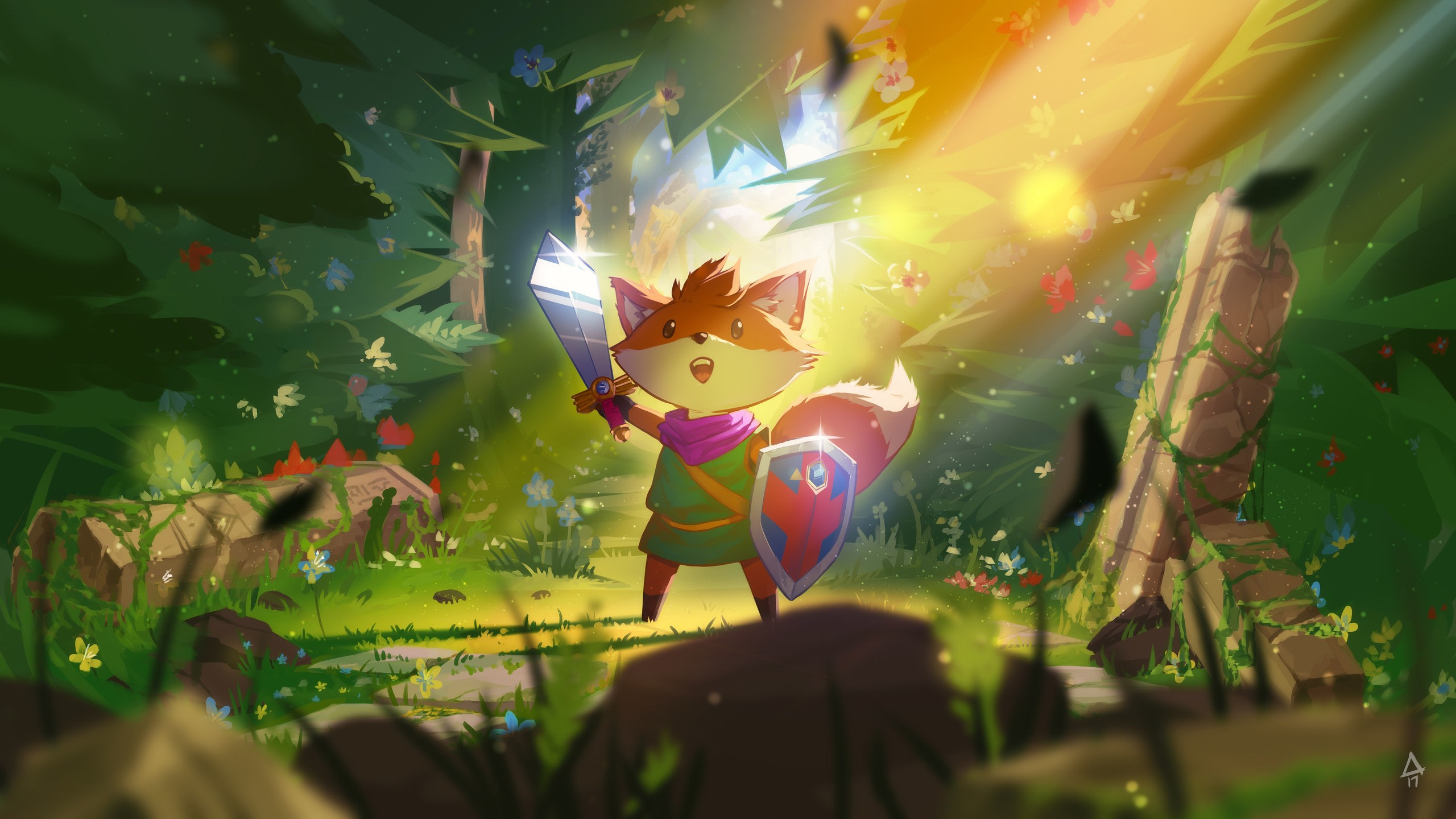
The in game manual appears torn and misprinted with missing pages and redactions. UI elements flicker when the player lacks key knowledge. Secret inputs reveal sections that look like fixed print errors. These touches teach that gaps in the manual are meaningful mechanics.
‘Hyper Light Drifter’
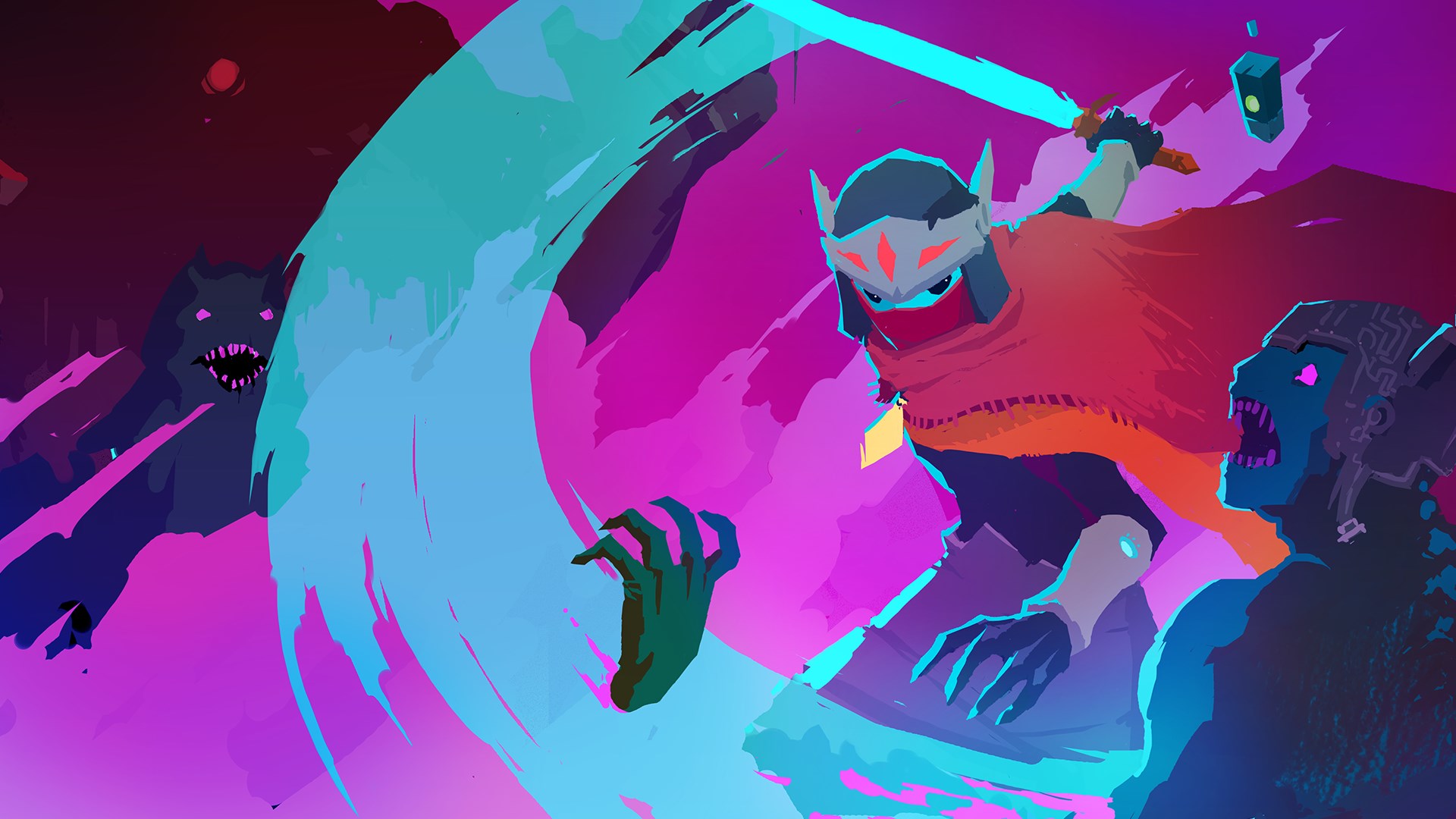
The world features deliberate sprite breakup and particle noise tied to the hero’s condition. Environmental objects shimmer as if frames are dropped. Certain rooms pulse with interference to hint at hidden tech. The style communicates lore through visual instability.
‘Five Nights at Freddy’s’
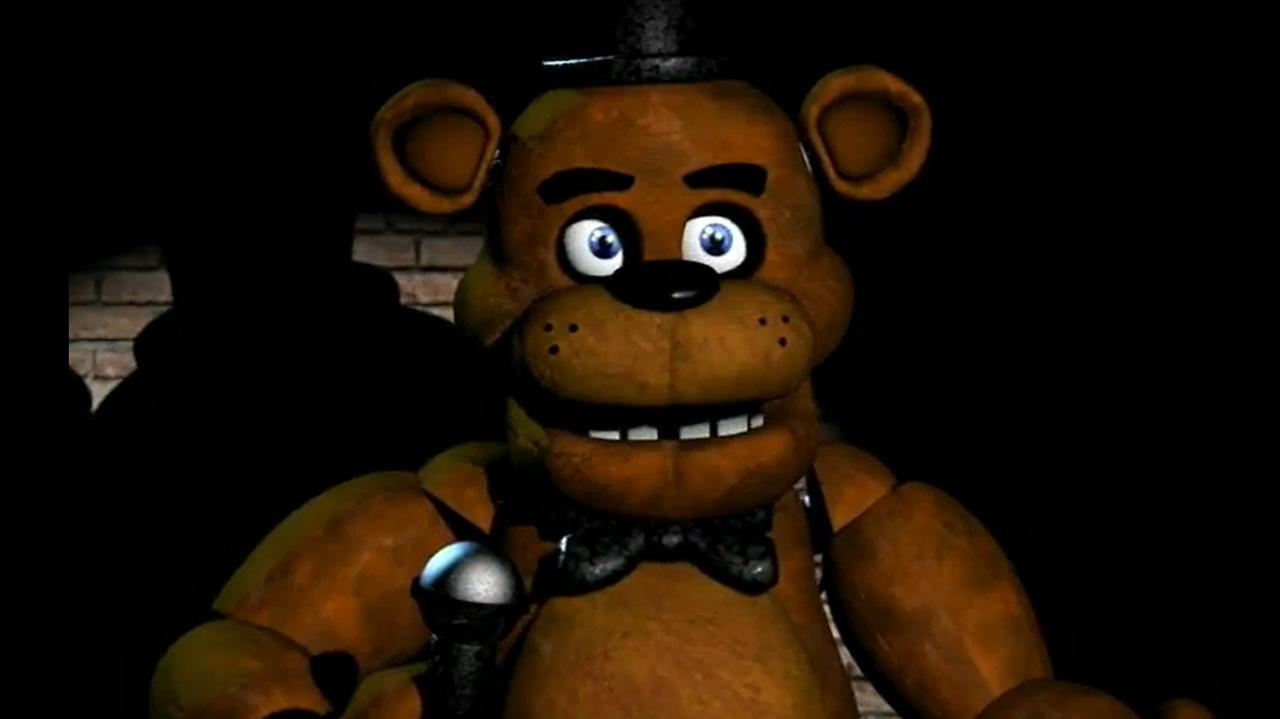
Camera feeds show static, signal loss, and artifacting that affect strategy. Animatronic movements are synced with audio glitches that reveal positions. Power usage and screen flicker are tuned to create predictable risk windows. The unreliable display is a designed limitation rather than a defect.
‘Quantum Break’
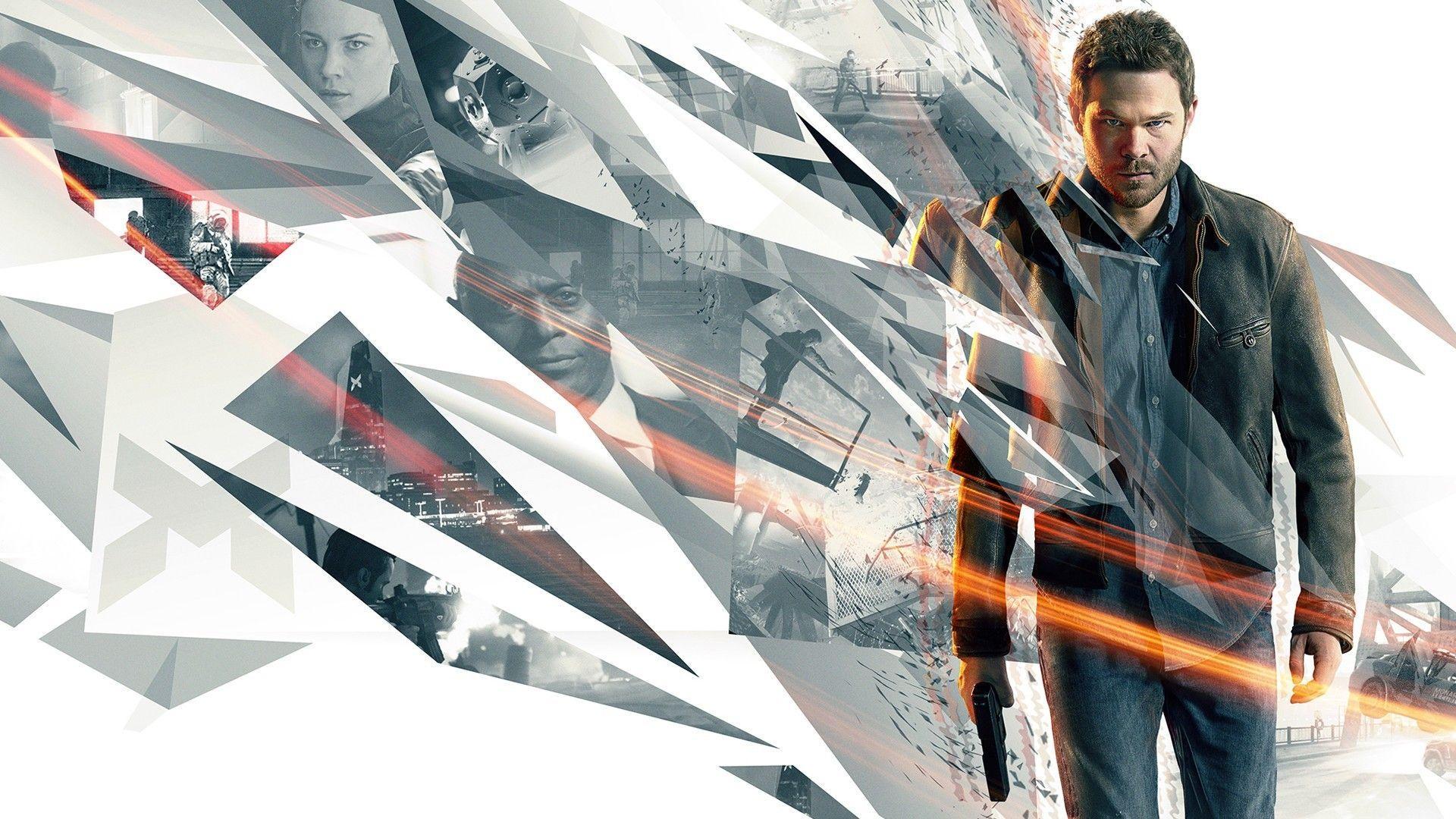
Stutters in time manifest as actors freezing while geometry vibrates with planned artifacts. Cutscenes blend live action with effects that mimic encode errors. Combat arenas spawn objects mid frame to show timeline fractures. The presentation uses controlled glitches to visualize a scientific disaster.
Share your favorite examples of purposeful glitch design in the comments and tell us which one caught you off guard the most.