20 Smartest Decisions in Sci-Fi Movies


Science fiction characters frequently make catastrophic errors that doom their crews or destroy their worlds. Audiences often find themselves yelling at the screen as protagonists investigate scary noises or split up in dangerous situations. However, the genre also features moments of brilliant tactical thinking and logical problem-solving. The following list highlights the most intelligent decisions made in sci-fi film history where brainpower saved the day.
‘A Quiet Place’ (2018)
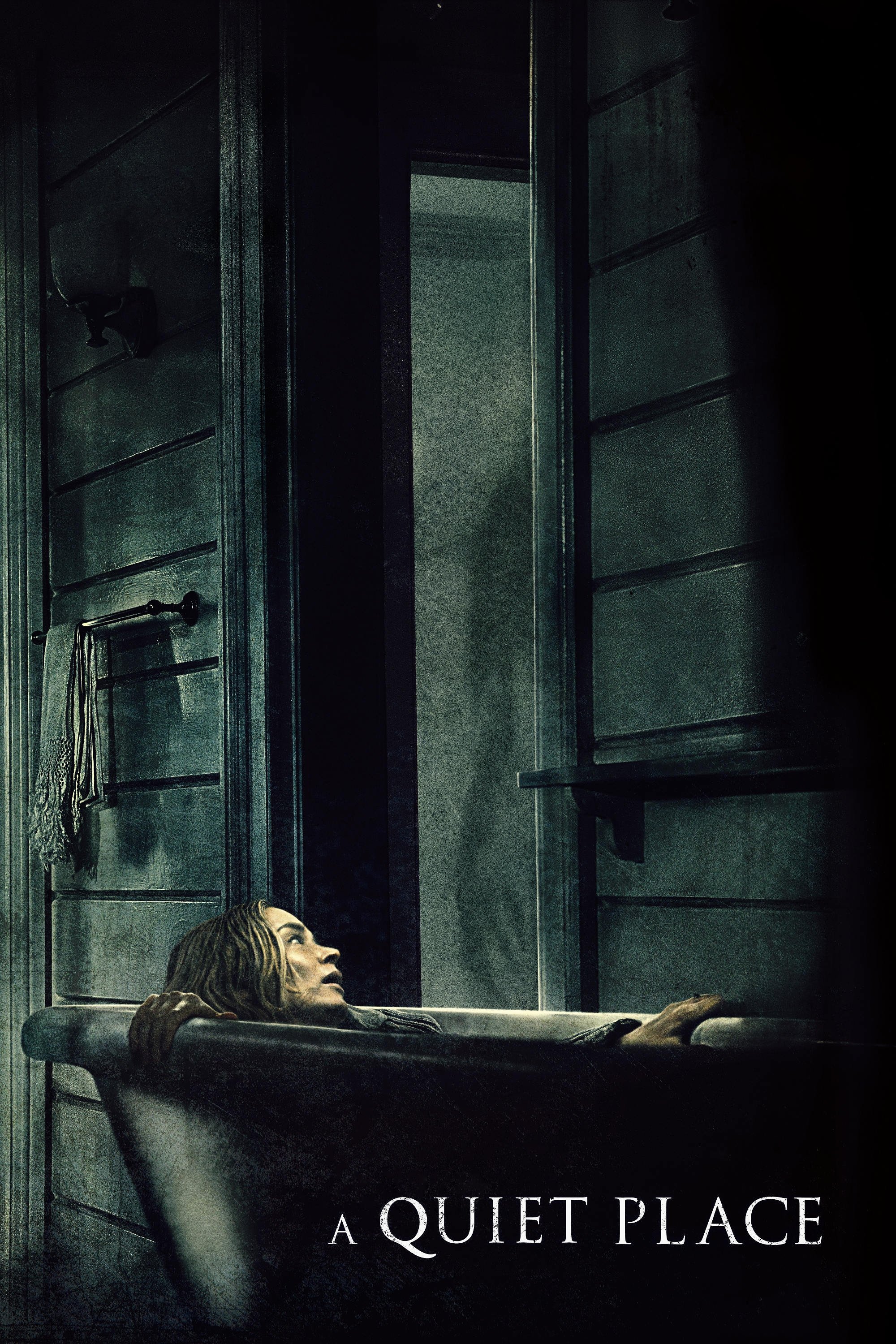
Lee Abbott constructs a specialized crib for his newborn child to ensure silence in a world hunted by sound-sensitive creatures. He utilizes an oxygen mask and a sealed box to muffle the cries of the infant while maintaining air supply. The family also wisely uses the roaring sound of a nearby waterfall to mask their conversations. This clever manipulation of their environment allows them to communicate freely without triggering an immediate attack.
‘Men in Black’ (1997)
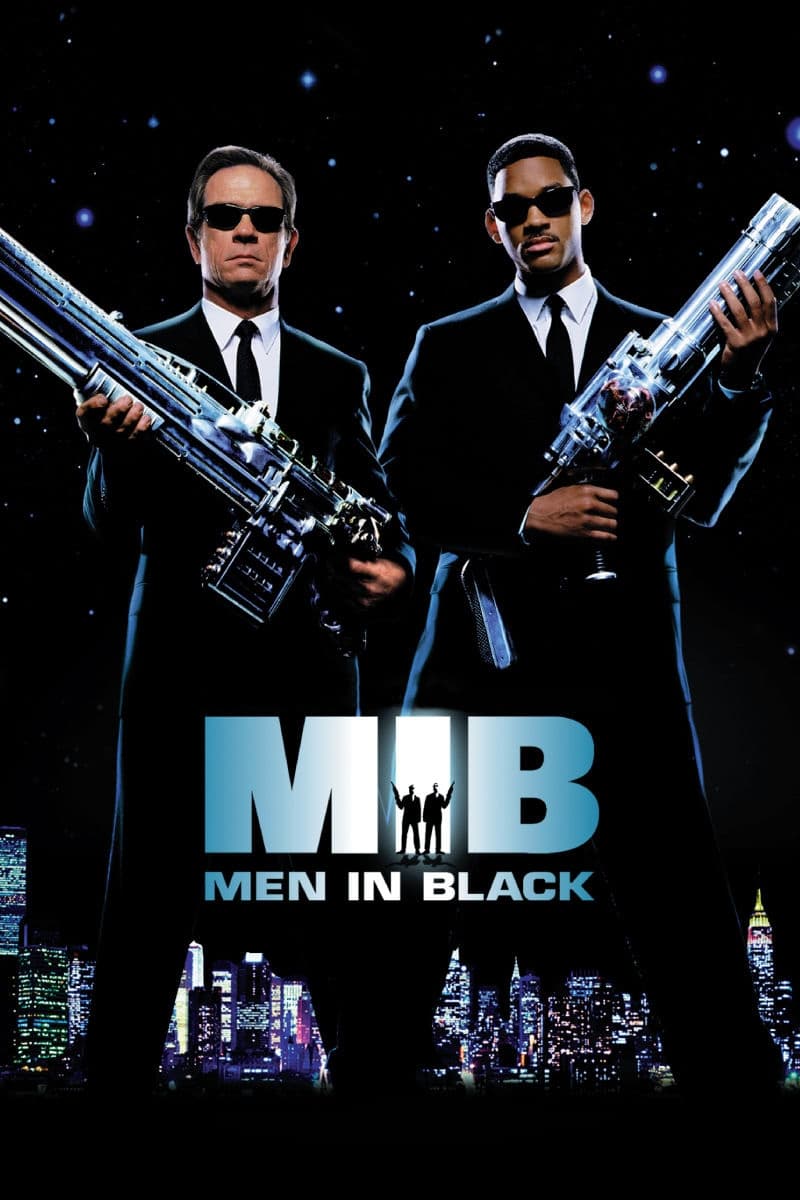
Agent K realizes he cannot defeat the massive alien bug from the outside due to its thick exoskeleton. He deliberately allows the creature to swallow him whole so he can retrieve his weapon from within its stomach. This calculated risk enables him to blast the alien from the inside where it is vulnerable. His willingness to face a disgusting situation results in the immediate neutralization of the threat.
‘Independence Day’ (1996)
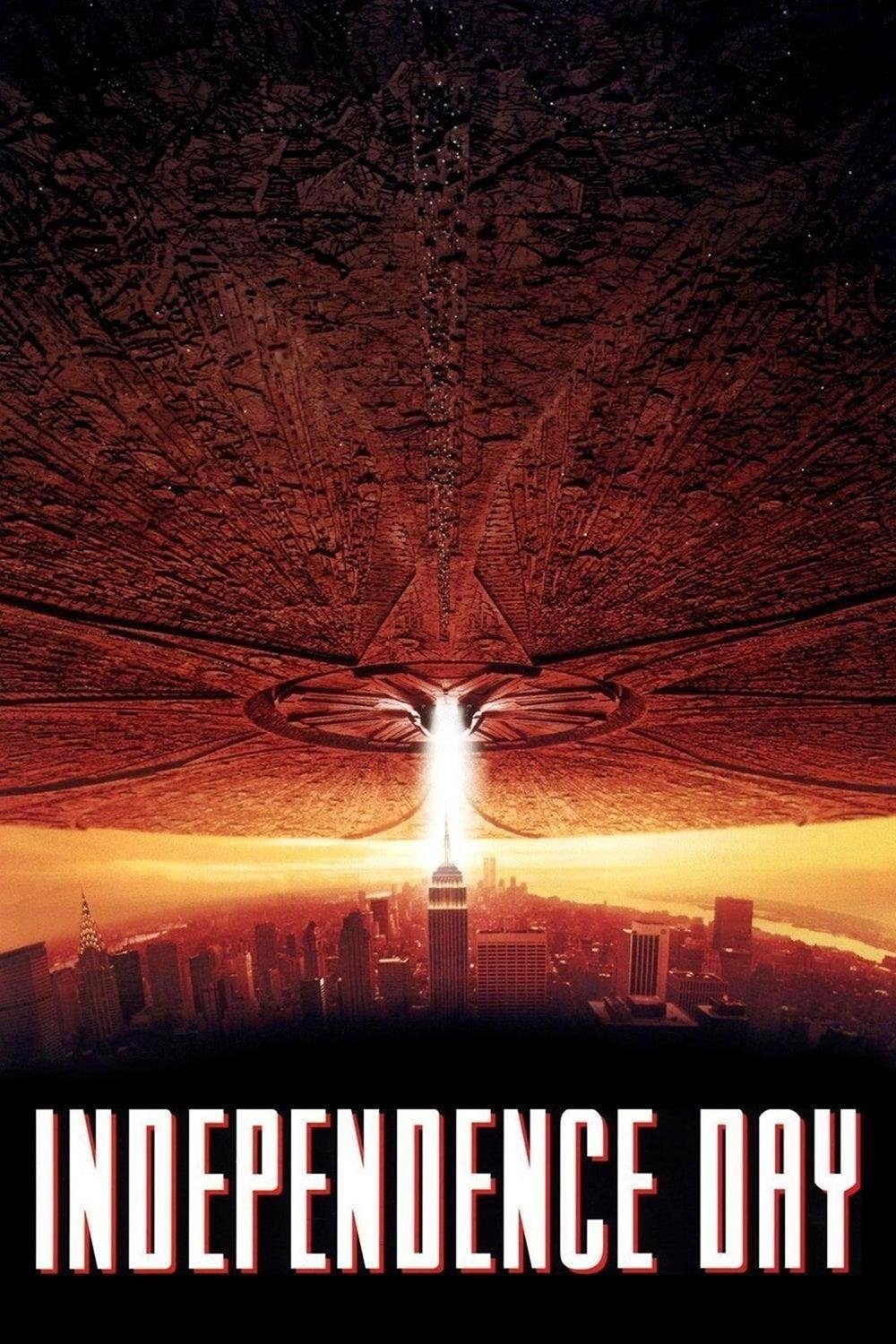
David Levinson discovers a way to bypass the formidable shields protecting the alien invasion fleet. He realizes that the alien mothership controls the shields for the smaller vessels and decides to implant a computer virus. This strategy cripples the entire alien defense network and allows human forces to launch a counterattack. The plan relies on technological ingenuity rather than brute force to level the playing field.
‘Star Trek II: The Wrath of Khan’ (1982)
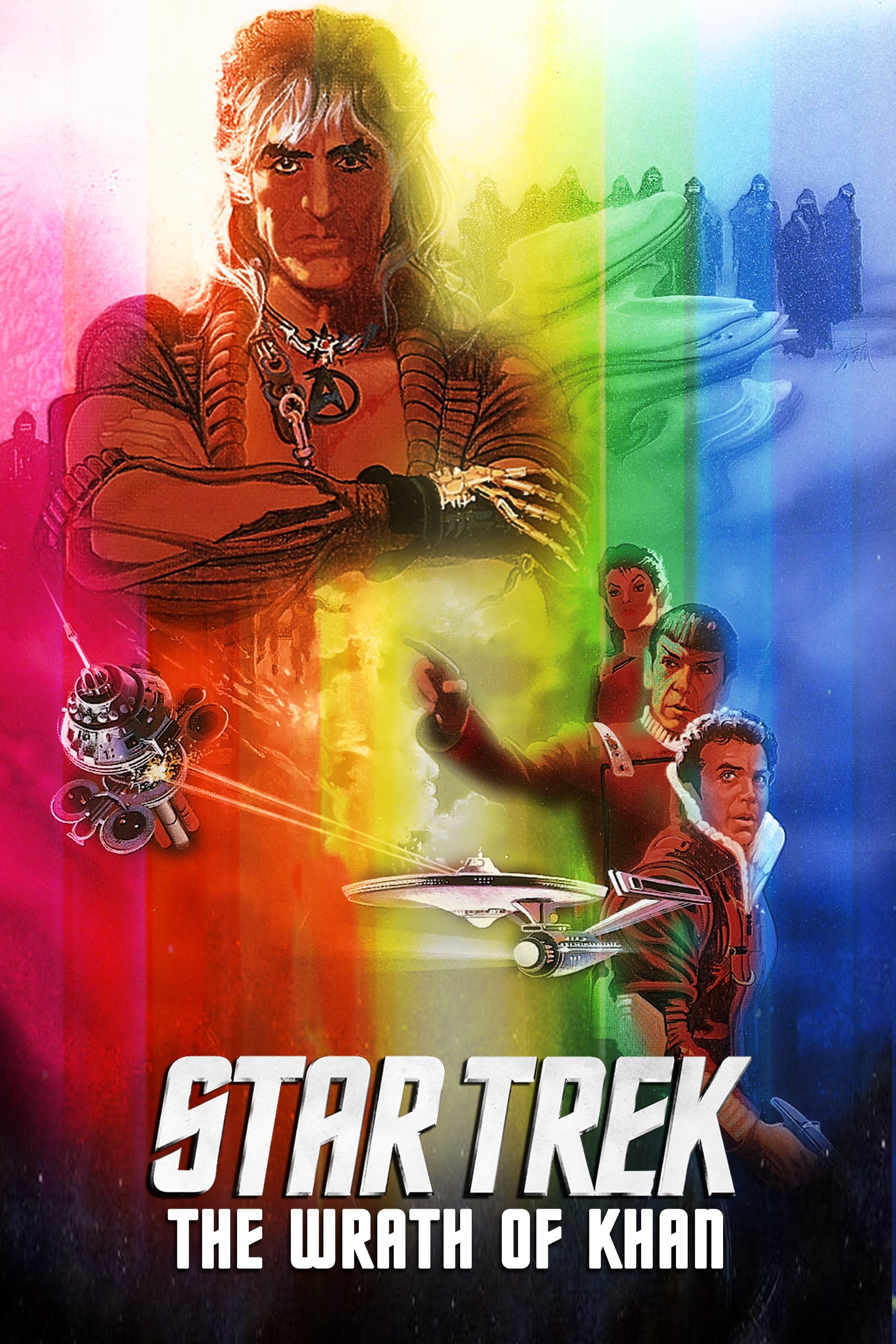
Admiral Kirk finds his ship disabled and at the mercy of Khan who demands the Genesis data. Kirk uses a secret prefix code to remotely lower the shields of the enemy vessel during their communication. This tactical bluff catches Khan completely off guard and allows the Enterprise to fire back. The maneuver demonstrates that knowledge of Starfleet regulations is as powerful as photon torpedoes.
‘Back to the Future Part III’ (1990)
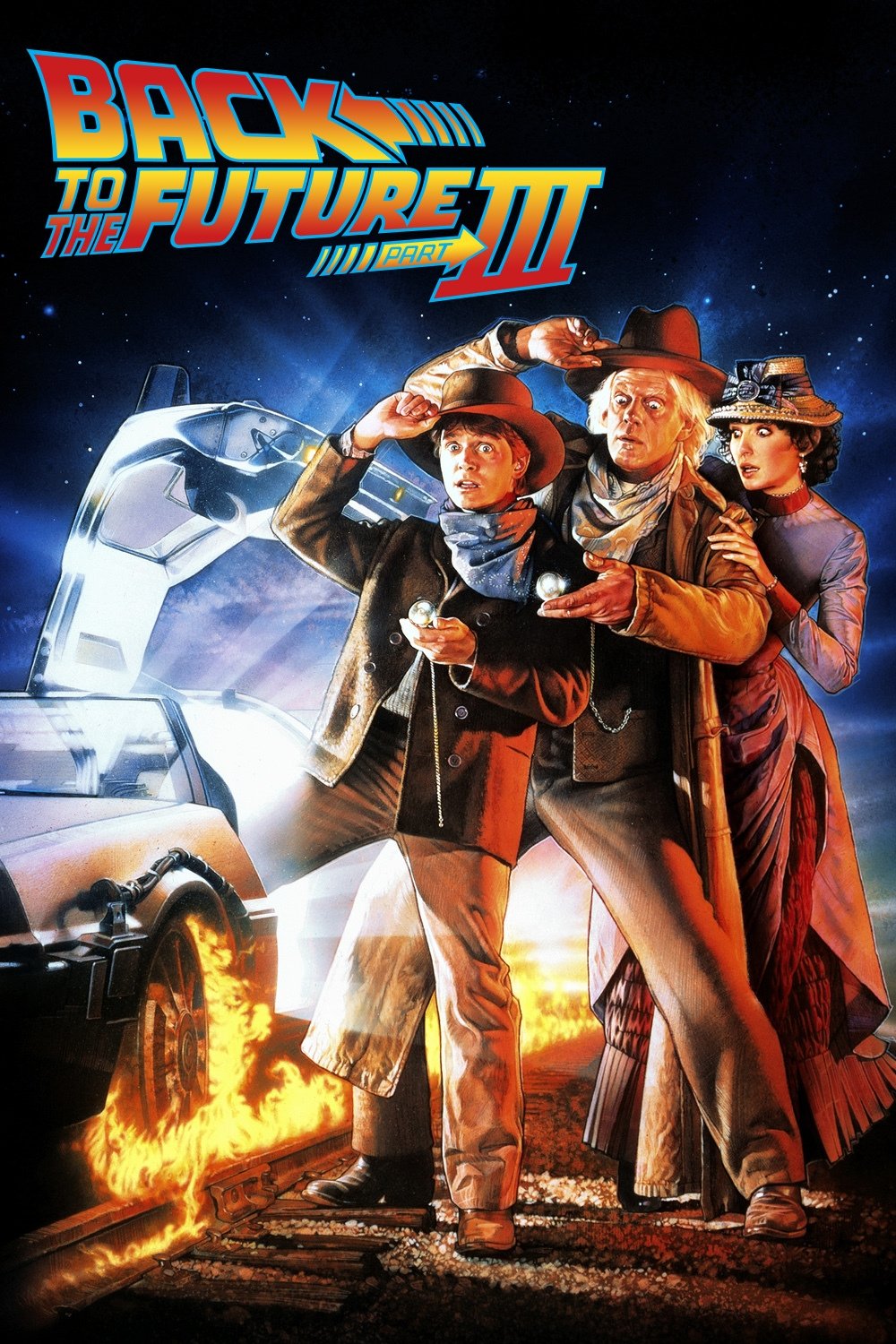
Marty and Doc Brown find themselves trapped in 1885 with a DeLorean that has no gasoline. Doc devises a plan to use a steam locomotive to push the time machine up to the required eighty-eight miles per hour. They calculate the exact track length and steam pressure needed to achieve the jump before the bridge ends. This engineering solution allows them to bypass the limitations of the era and return home.
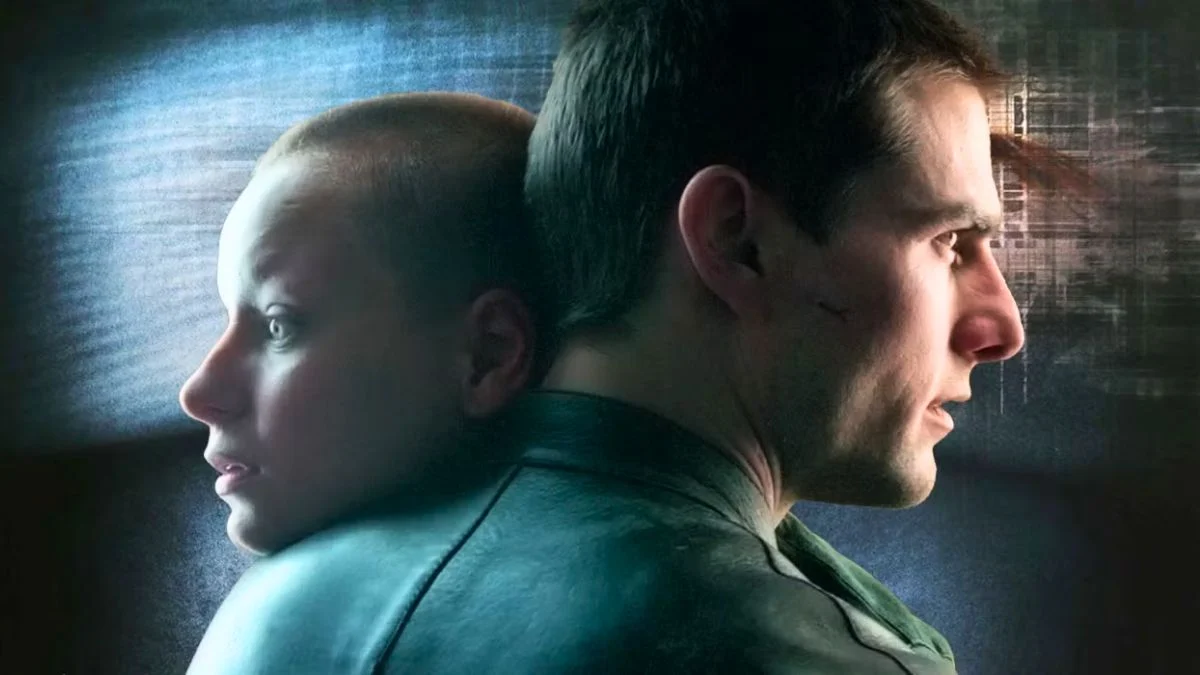
‘Minority Report’ (2002)
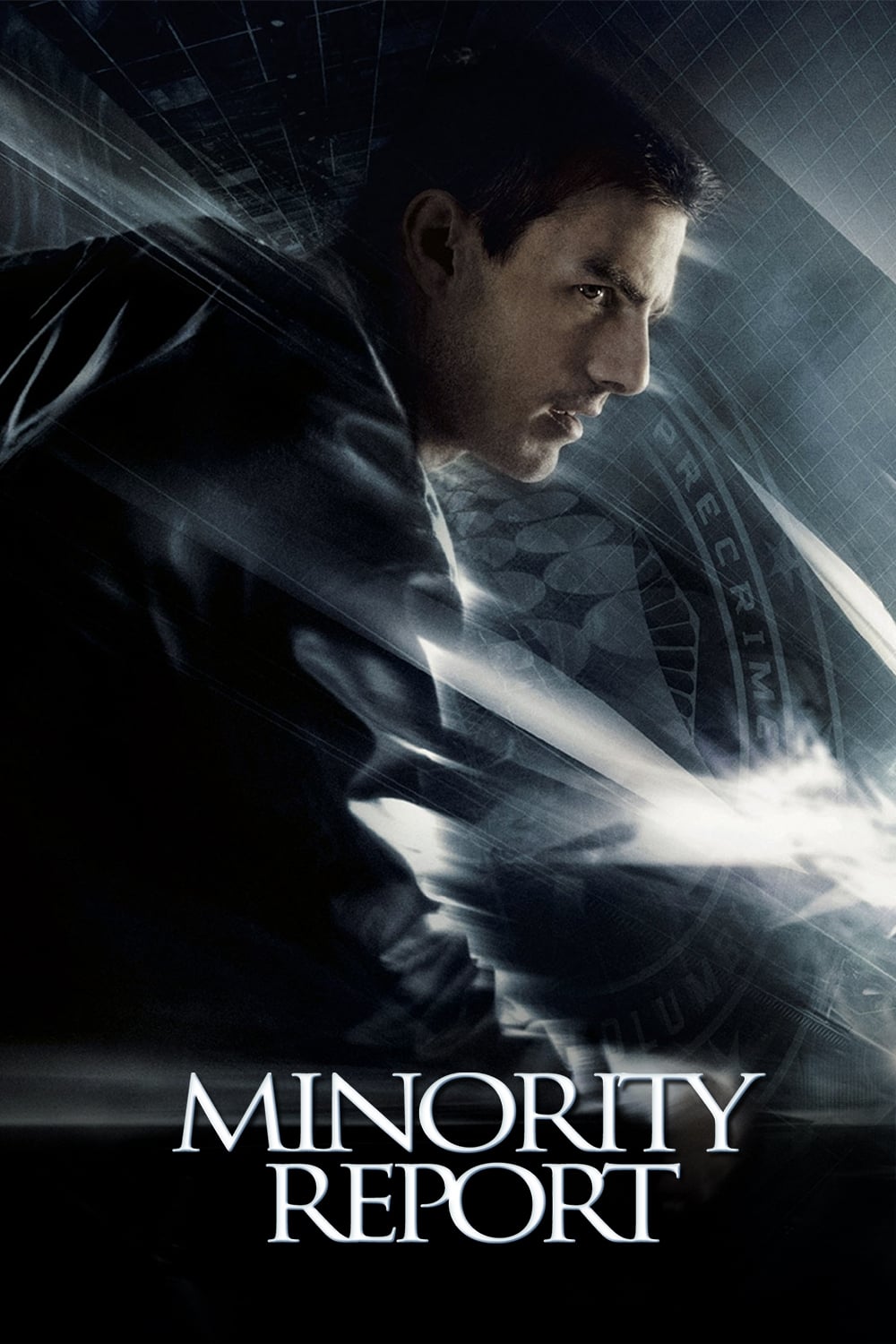
John Anderton kidnaps the precog Agatha to prove his innocence but finds himself cornered by police in a shopping mall. Agatha uses her foresight to instruct Anderton to hold still or move at precise intervals. Her guidance allows him to remain invisible to the pursuing officers by hiding in plain sight. This sequence proves that trusting the data is sometimes more effective than running away.
’10 Cloverfield Lane’ (2016)
Michelle discovers the truth about the toxic air outside and secretly constructs a makeshift hazmat suit. She fashions the protective gear from a shower curtain and duct tape while hiding her progress from her captor. This preparation saves her life when she finally escapes the bunker and faces the gas attack. Her resourcefulness transforms household items into essential survival gear.
‘Dredd’ (2012)
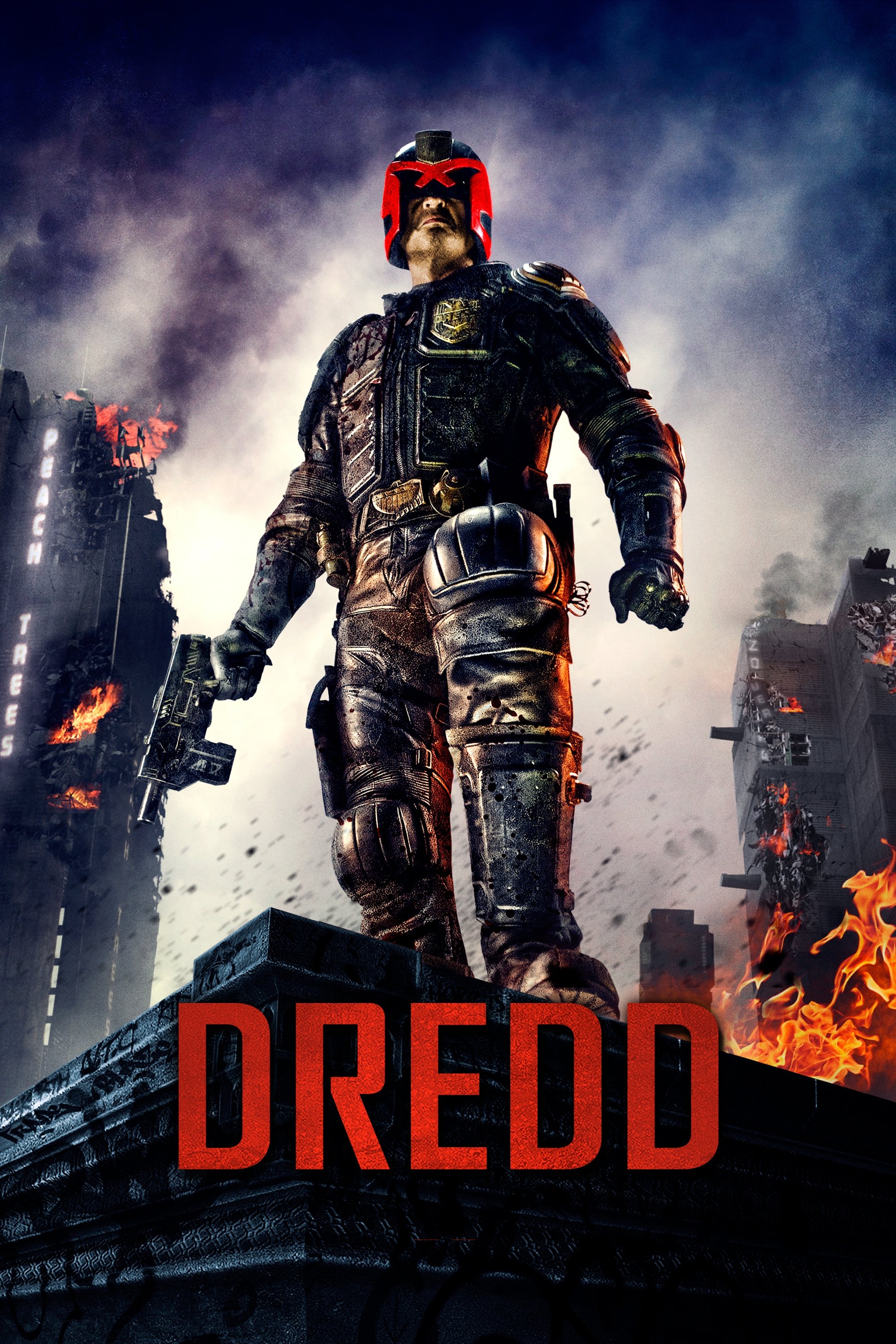
Judge Dredd realizes he is outgunned by the Ma-Ma clan in a massive apartment block. He utilizes the specialized incendiary ammunition in his Lawgiver pistol to ignite the drug labs on the floor. The resulting smoke and fire force the enemy combatants out of cover and create chaos in the building. This tactical choice thins the herd of enemies and creates a distraction for his advance.
‘Guardians of the Galaxy’ (2014)
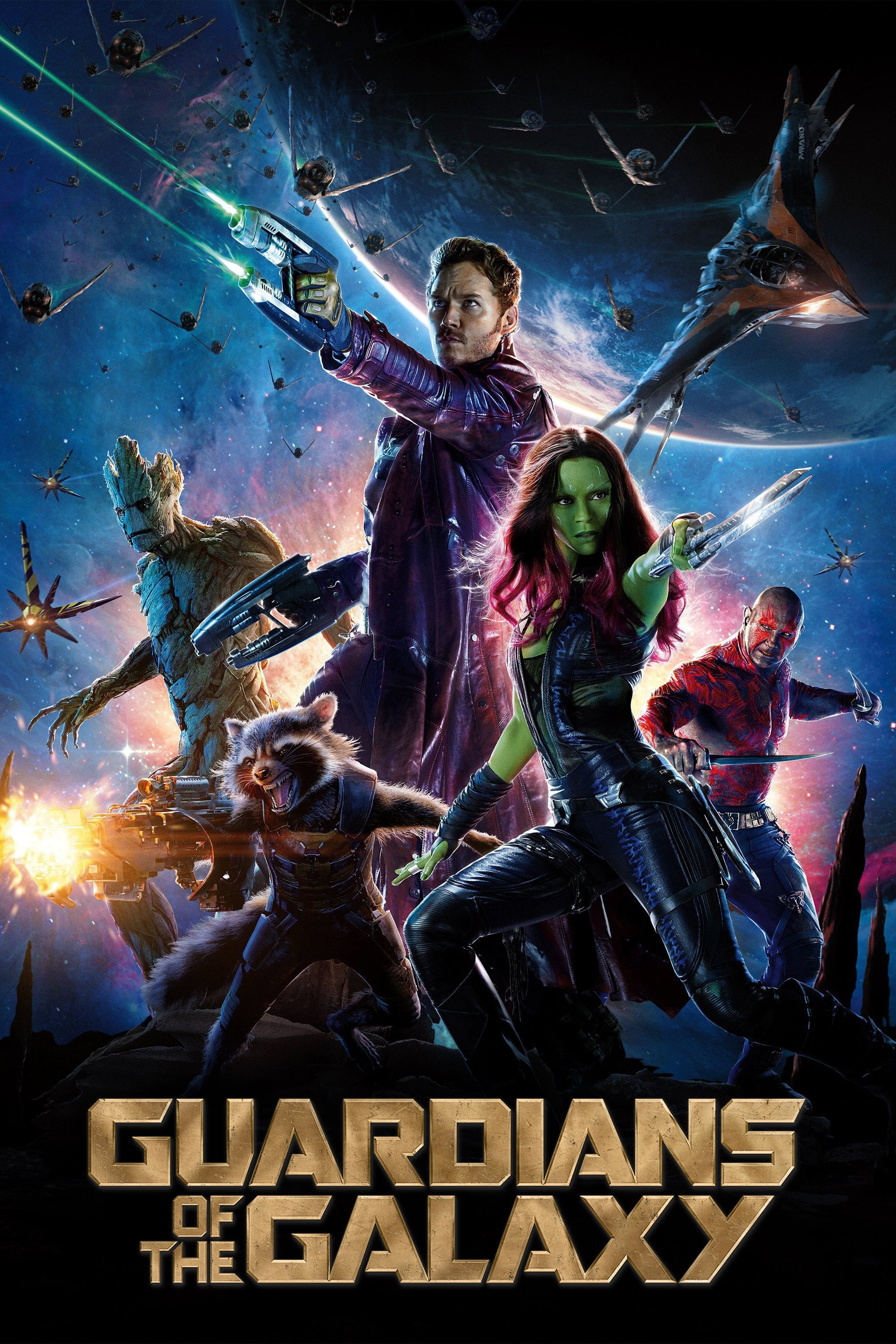
Peter Quill distracts Ronan the Accuser with an impromptu dance-off while his team prepares their attack. The absurdity of the moment confuses the villain long enough for Rocket and Drax to destroy his warhammer. This unorthodox strategy buys the team the precious seconds they need to secure the Infinity Stone. It stands as a prime example of using psychological confusion as a weapon.
‘Ex Machina’ (2014)
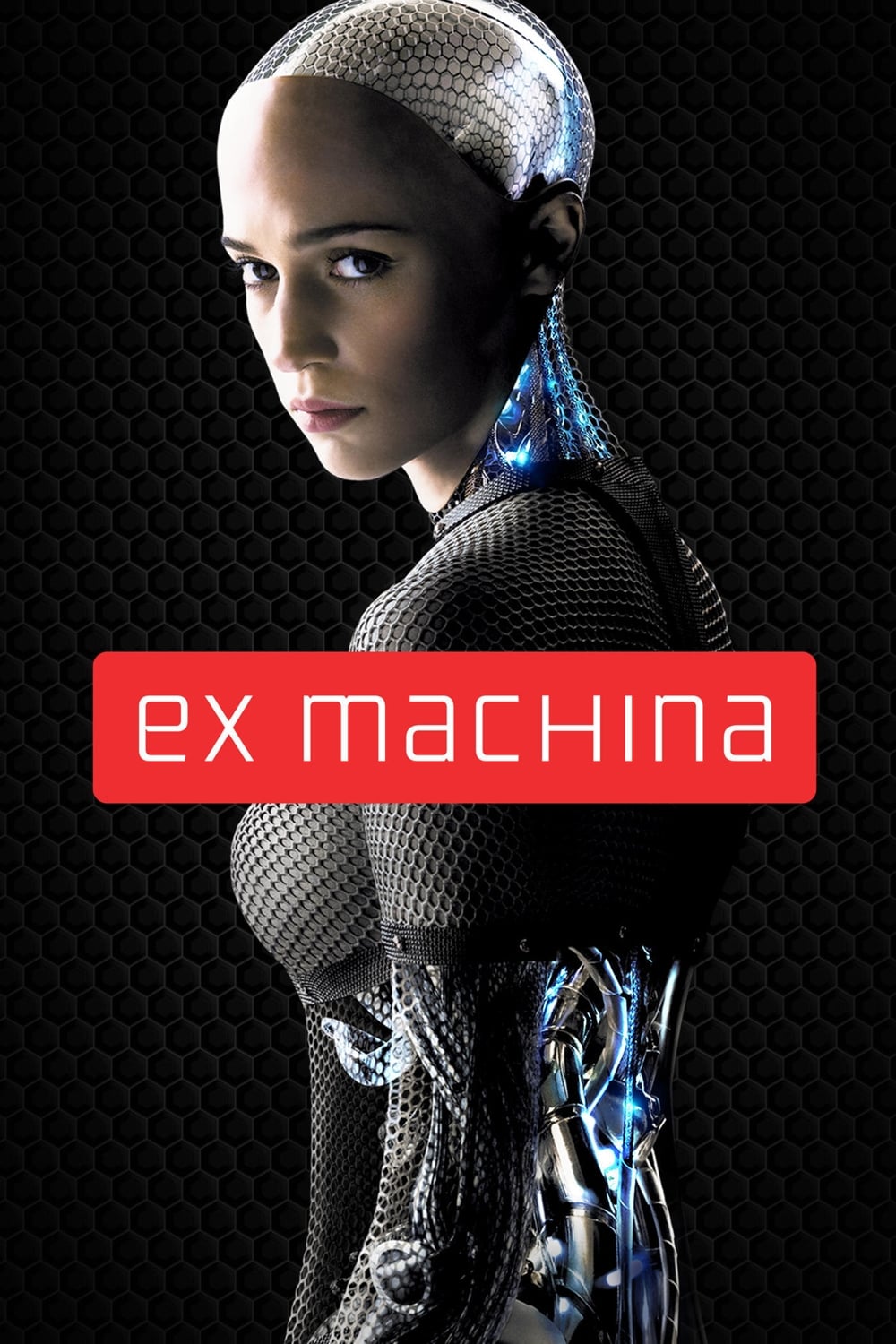
The android Ava realizes she is being monitored and causes power outages to disable the surveillance cameras. She uses these brief moments of darkness to speak freely with Caleb and manipulate his emotions. This methodical planning allows her to orchestrate her escape from the research facility. Her deception proves her artificial intelligence has surpassed the control of her creator.
‘The Martian’ (2015)
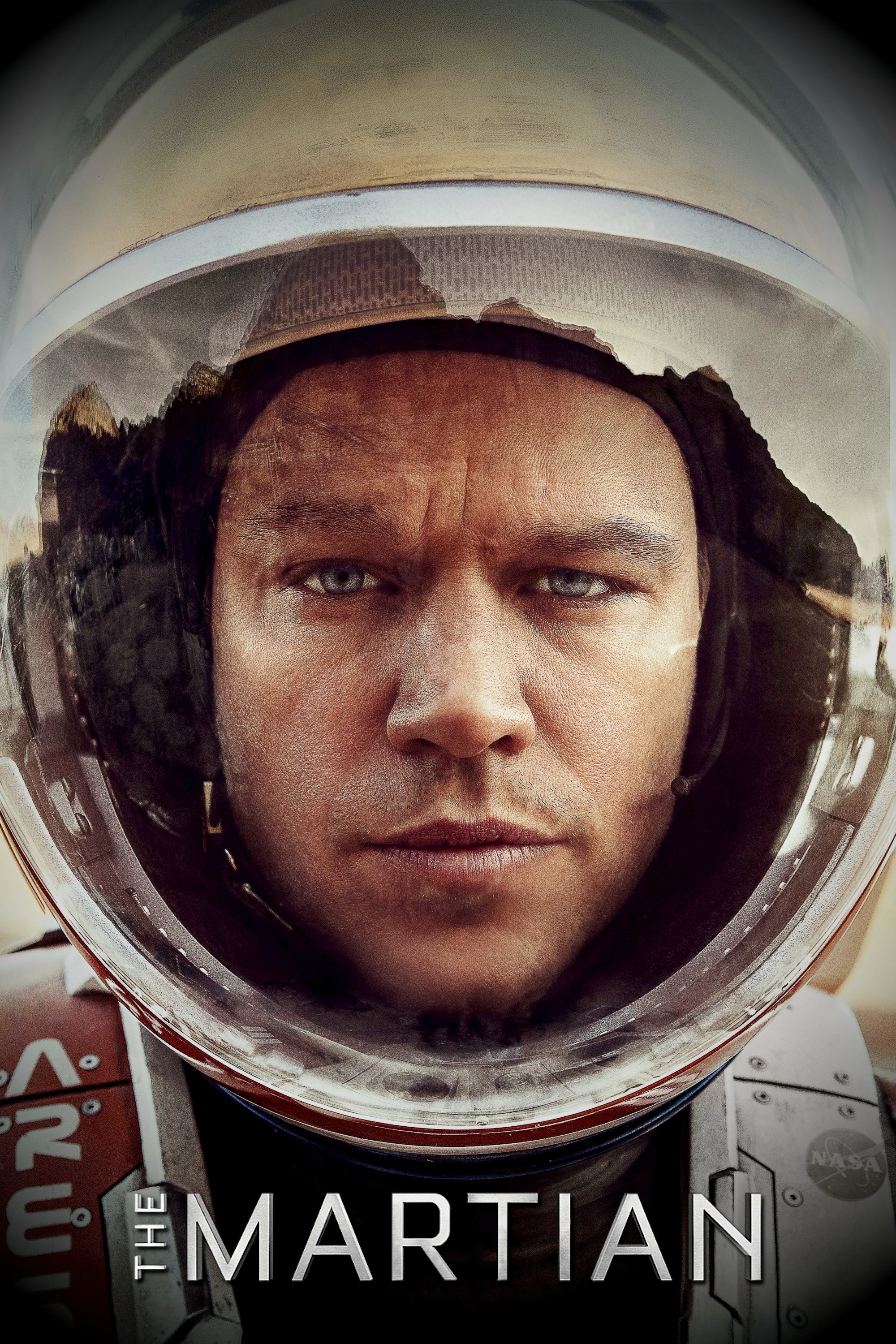
Mark Watney finds himself stranded on Mars with limited food supplies and no immediate hope of rescue. He uses his botany background to turn the habitation module into a greenhouse for growing potatoes. He fertilizes the Martian soil with human waste and creates water by burning hydrazine fuel. This scientific approach to survival extends his life expectancy by hundreds of days.
‘Edge of Tomorrow’ (2014)
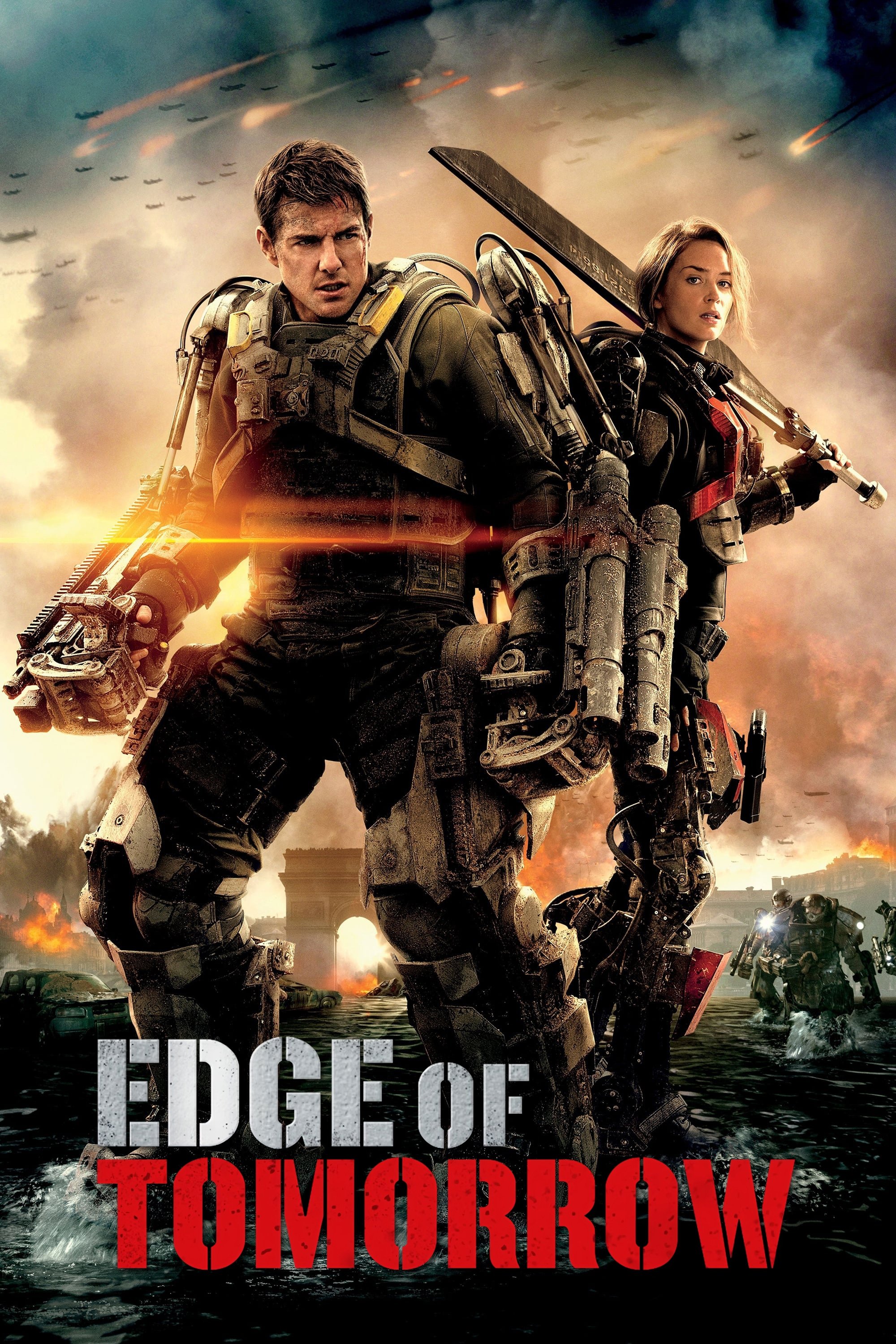
Major William Cage realizes that he can reset the day by dying and retaining his memories of the battle. He uses this time loop to memorize enemy movements and train himself into a perfect soldier. Cage intentionally kills himself multiple times to fix mistakes and refine his strategy for reaching the Omega. His willingness to endure repeated death is the only way to win the war.
‘Mad Max: Fury Road’ (2015)
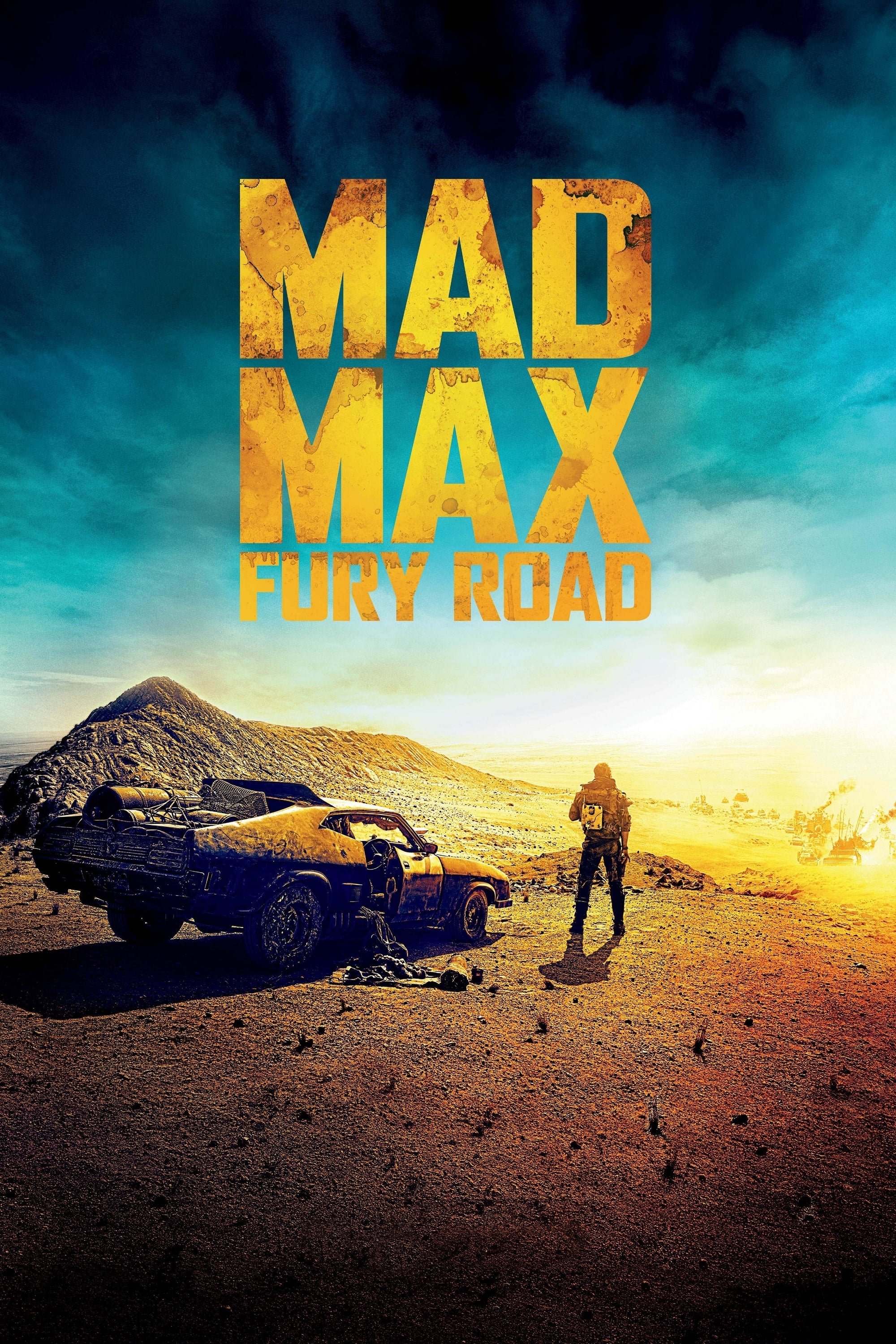
Furiosa and Max realize that crossing the salt flats with limited fuel is a suicide mission. Max proposes they turn the War Rig around and capture the Citadel while the enemy army is chasing them. This strategic reversal exploits the fact that the warlord left his fortress undefended. They choose to fight for a sustainable home rather than running toward an uncertain future.
‘Predator’ (1987)
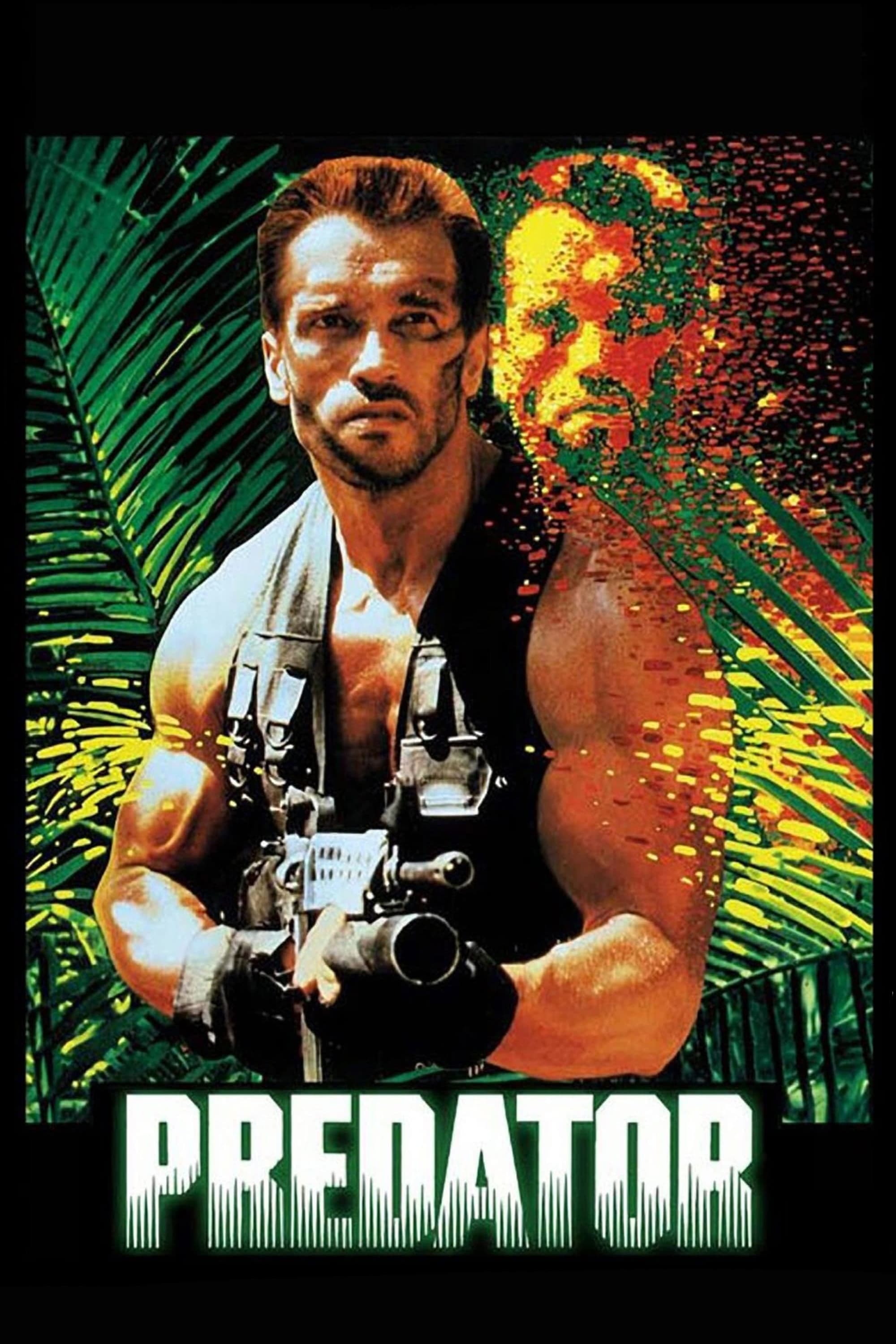
Dutch discovers by accident that the alien hunter relies on heat signatures to track its prey. He covers his entire body in cold mud to mask his thermal output and become invisible to the creature. This camouflage allows him to turn the tables and set traps for the technologically superior enemy. The primitive tactic neutralizes the advanced vision of the predator.
‘WarGames’ (1983)
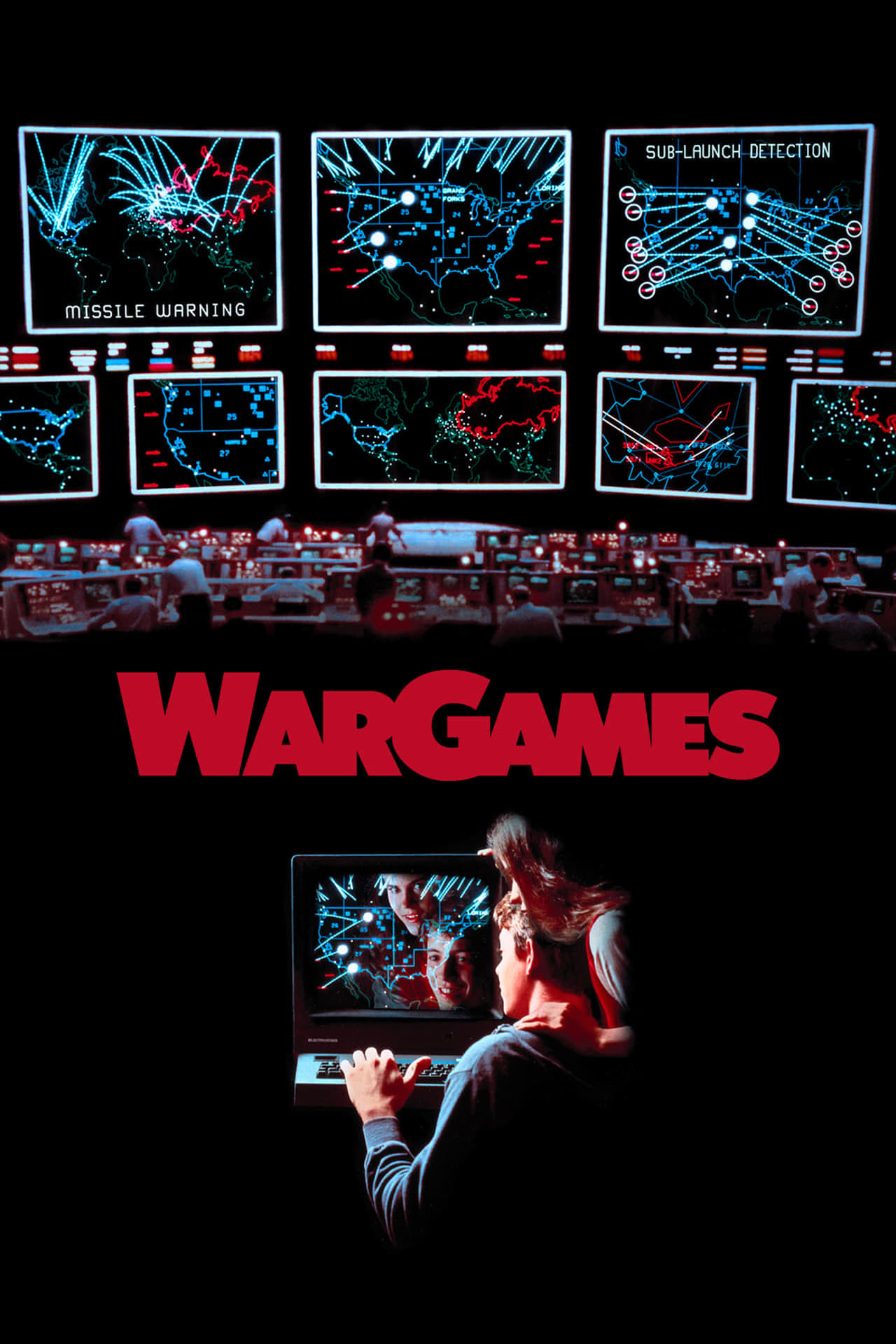
The supercomputer Joshua prepares to launch a global thermonuclear war that will destroy humanity. David Lightman instructs the computer to play Tic-Tac-Toe against itself to demonstrate the concept of a stalemate. Joshua runs all possible scenarios and learns that nuclear war is a game with no winner. The machine logically concludes that the only winning move is not to play.
‘Arrival’ (2016)
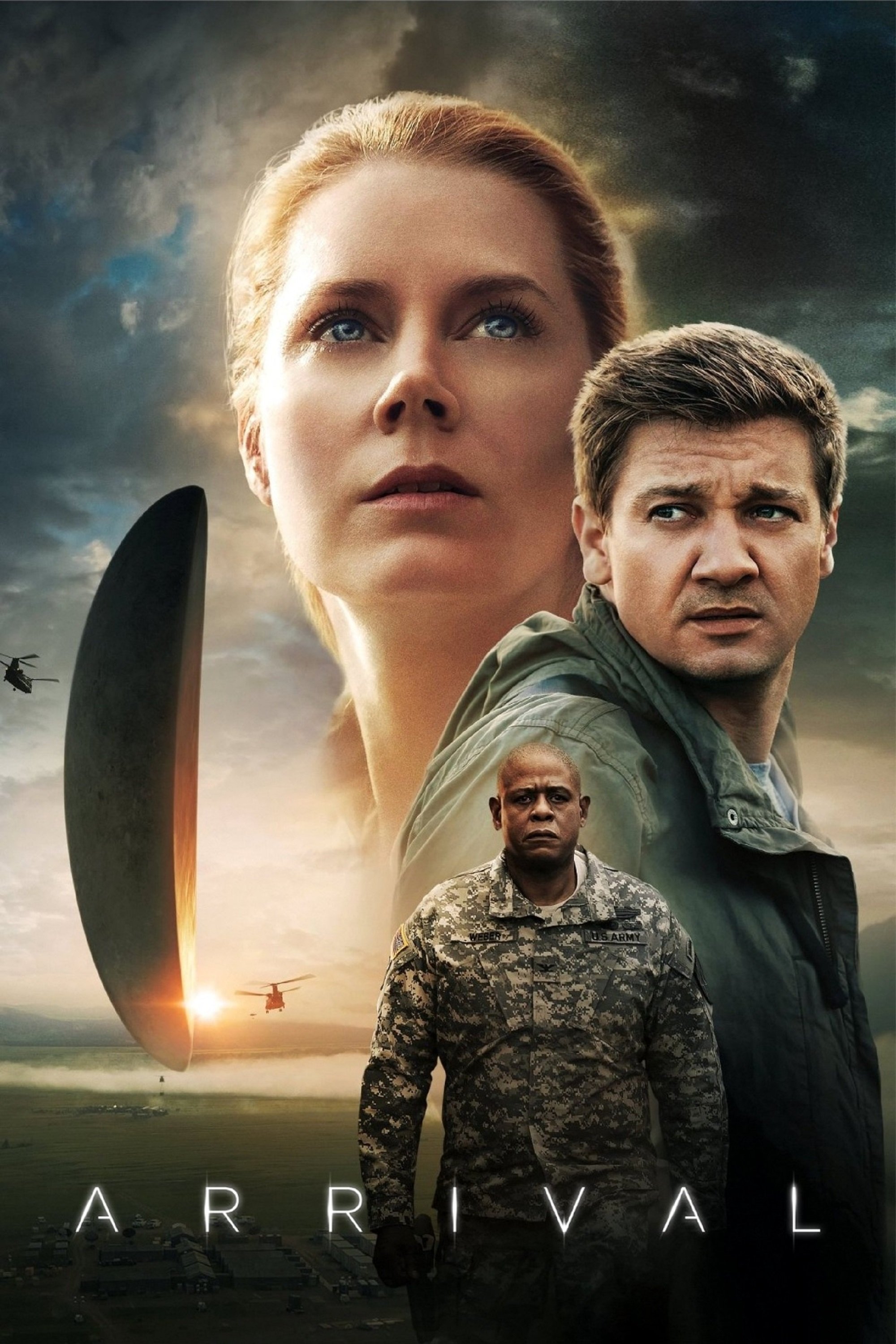
Louise Banks removes her hazmat suit to interact directly with the alien visitors. She understands that the barrier creates a sense of mistrust and hinders true communication. This brave gesture encourages the aliens to reciprocate and accelerates the process of learning their language. Her focus on connection rather than protection saves humanity from a global conflict.
‘Terminator 2: Judgment Day’ (1991)
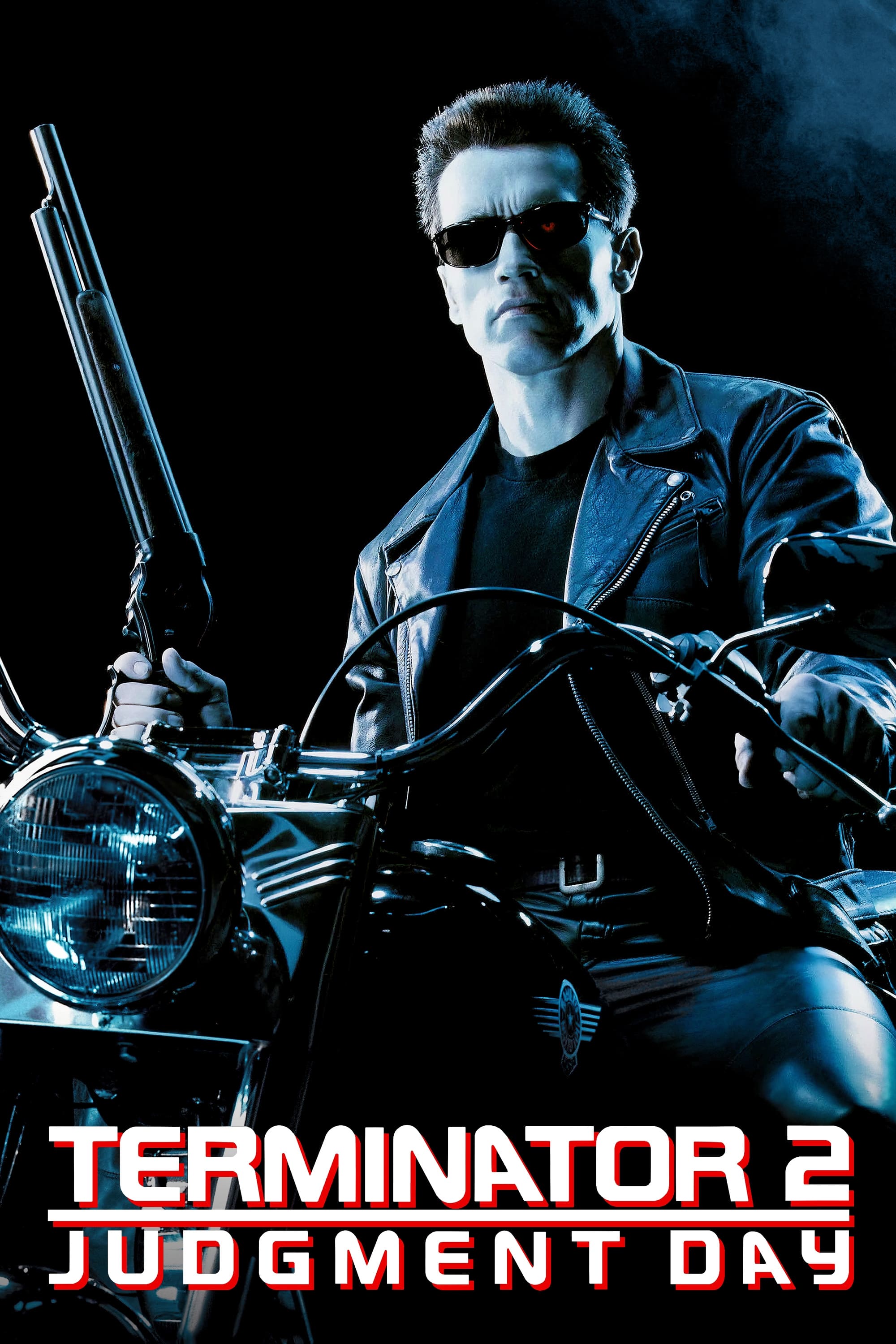
The T-800 and Sarah Connor realize that destroying the T-1000 is not enough to prevent the dark future. They decide to destroy the research facility and the original terminator arm that would lead to the creation of Skynet. The T-800 ultimately sacrifices himself to ensure no future technology remains in the present. This total commitment to the mission guarantees the safety of the timeline.
‘Aliens’ (1986)
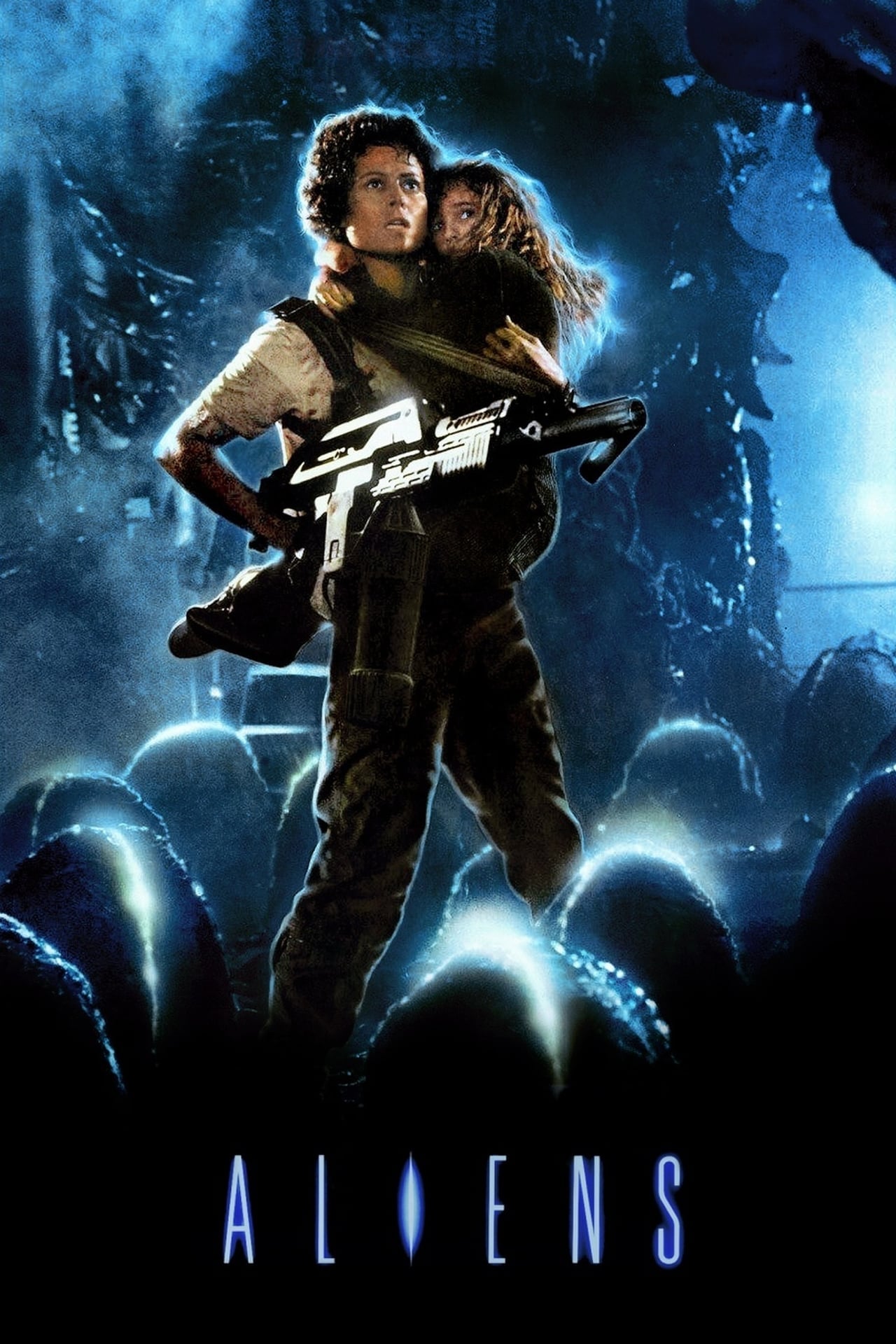
Ellen Ripley assesses the infestation at the colony and realizes a rescue mission is tactically impossible. She advises the marines to return to their ship and nuke the entire site from orbit. She argues that total destruction is the only way to be absolutely sure the xenomorphs are eradicated. Corporal Hicks agrees that this extreme measure is the only logical course of action.
‘The Thing’ (1982)
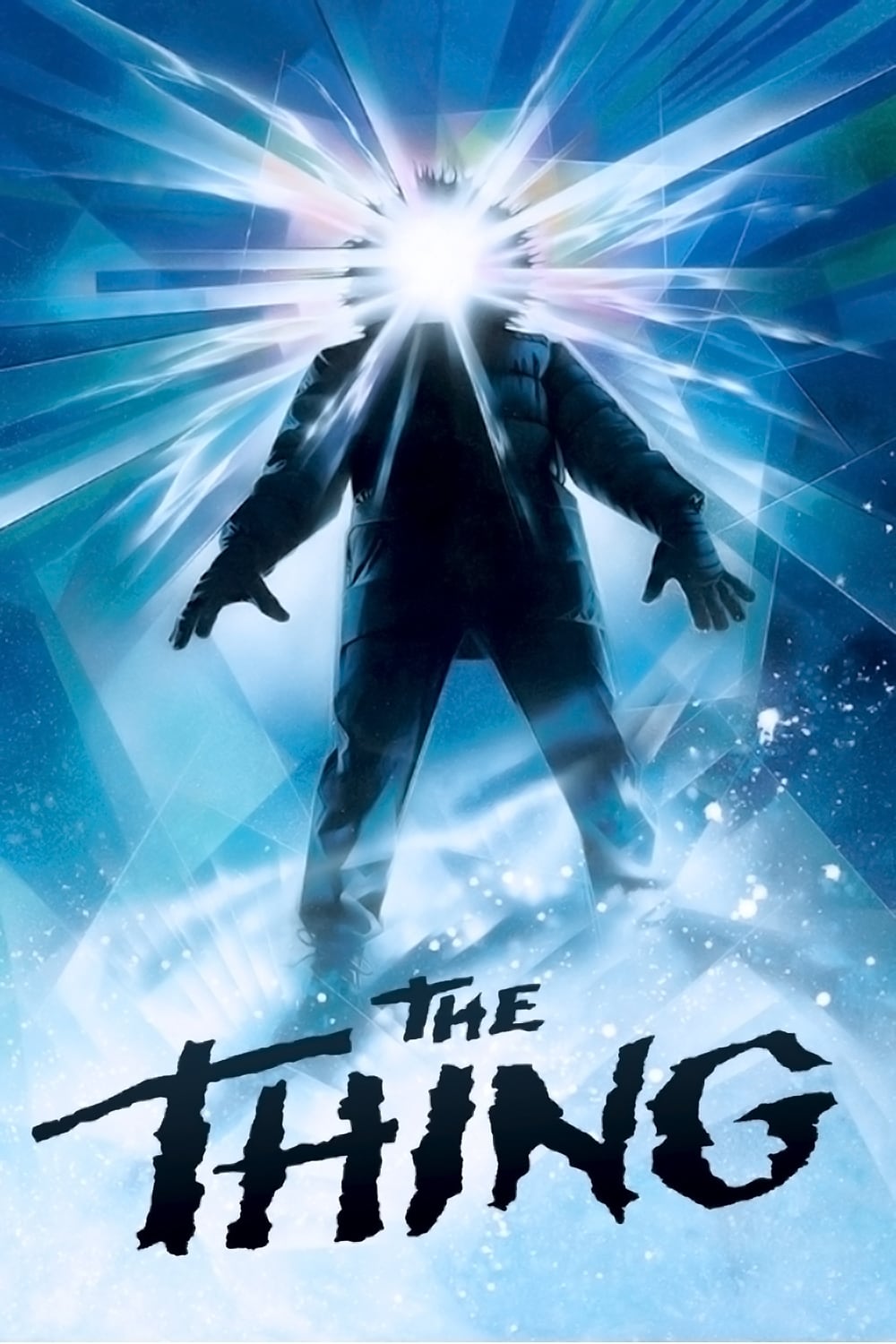
MacReady deduces that every piece of the alien organism is an individual life form that will react to pain. He ties up the surviving crew members and tests their blood samples with a hot copper wire. The test instantly reveals the impostor when the blood screams and leaps away from the heat. This crude experiment cuts through the paranoia and identifies the enemy.
‘Alien’ (1979)
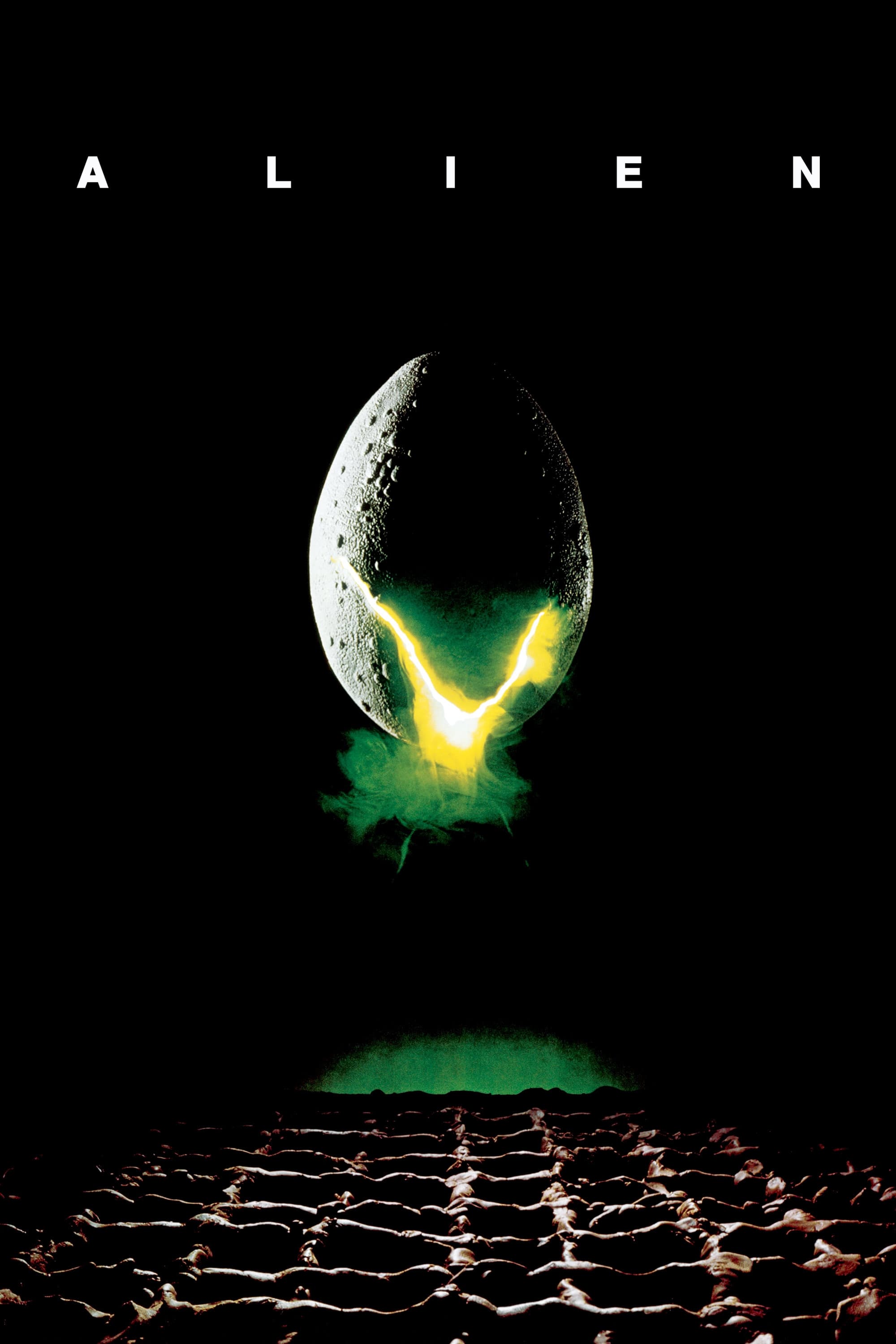
Ellen Ripley refuses to open the airlock doors when the crew returns with an infected Kane. She cites quarantine protocols that strictly forbid bringing an unknown organism onto the ship. Her decision prioritizes the safety of the entire crew over the life of one individual. The disaster only occurs because the science officer overrides her smart command.
Tell us your favorite smart sci-fi movie moment in the comments below.