20 Cheats And Exploits That Became Official Game Mechanics



Some of the most beloved features in games started life as accidents or player-made workarounds. What began as cheeky shortcuts or physics quirks often proved so fun that developers embraced them, tuned them, and built levels or systems around them. Here are twenty times players pushed the rules so hard that the rules themselves changed for everyone.
Street Fighter II — Combos
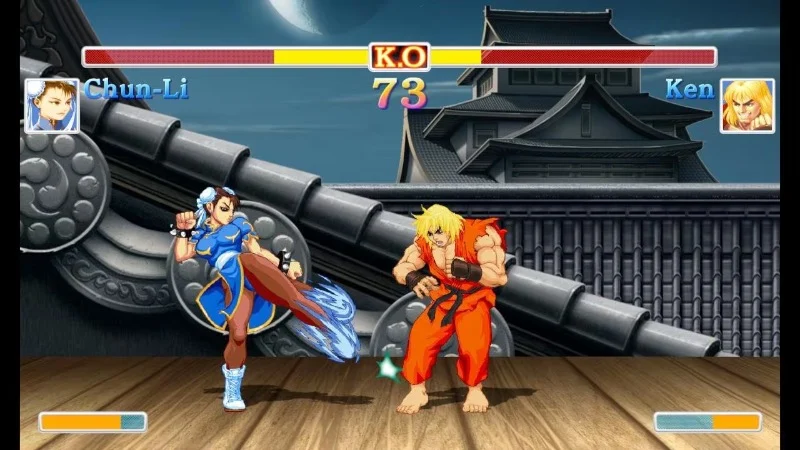
Early testers discovered that certain attacks could be chained before an opponent recovered, turning what looked like a glitch into a sequence of guaranteed hits. Developers kept the behavior and refined timing windows so characters could string normals into specials consistently. Later fighting games introduced training modes and frame data to teach this new language of offense. Competitive play and character design were built around this foundational system.
Team Fortress 2 — Rocket Jumping
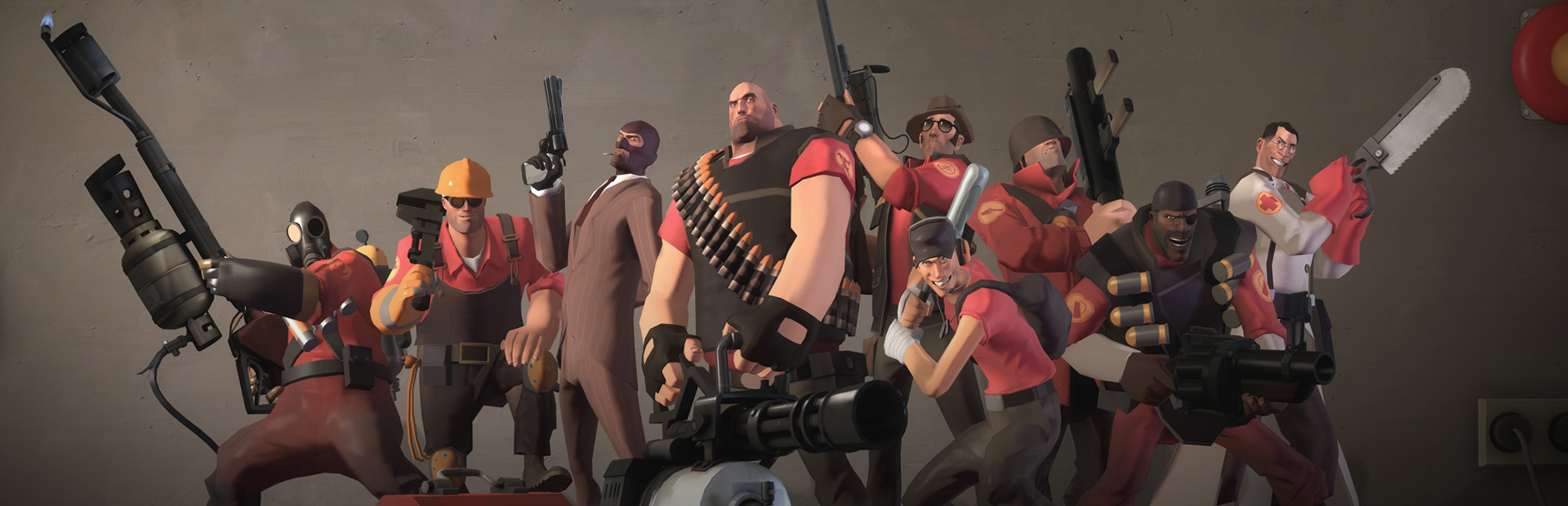
Players learned that firing a rocket at their feet while jumping launched them to new routes and angles. The studio embraced the technique by adjusting damage falloff, map geometry, and health pack placement to support high skill movement. Class tutorials and item descriptions acknowledge the practice outright. Community servers and official maps include spaces that reward mastery of the jump.
Quake III Arena — Strafe Jumping

A physics quirk let players gain speed by timing jumps while angling movement and mouse input. Rather than remove the effect, the game’s air control and map flow were tuned so advanced routes felt deliberate. Competitive mods exposed speed and timer information to help learners improve. Later arena shooters preserved similar movement models to honor this skill ceiling.
Starsiege: Tribes — Skiing
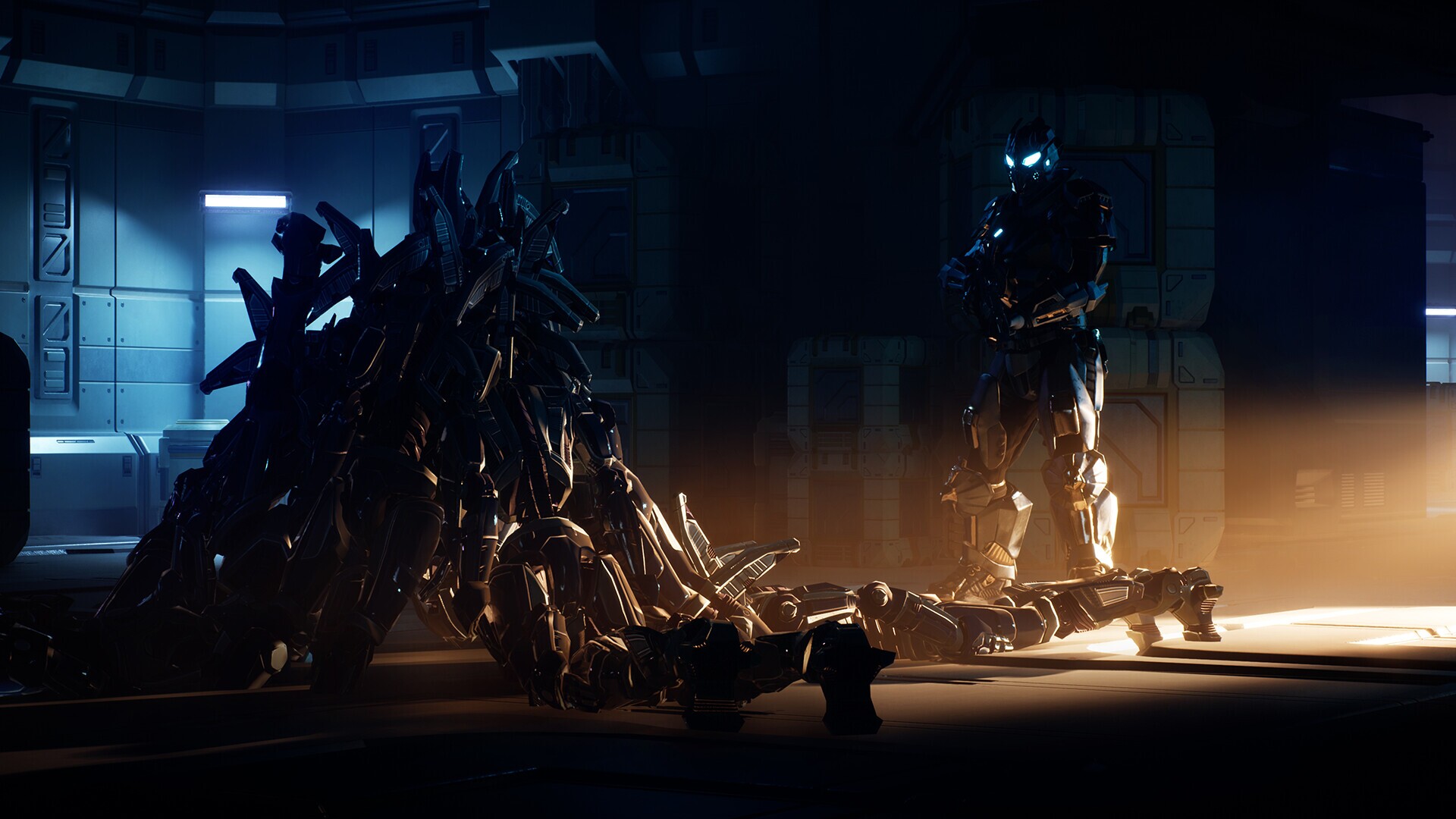
Players discovered that tapping jump on slopes reduced friction and preserved momentum across terrain. Sequels codified the behavior by lowering ground drag and adding maps built with long hills and valleys. Weapons and classes were rebalanced around high speed combat. Official tutorials began teaching how to chain slides and jet boosts for traversal.
Warframe — Bullet Jump

Early on, a technique called coptering used melee swings to fling frames forward at high speed. The developers replaced that exploit with a universal movement option that blends slide and jump into an acrobatic burst. Parkour systems were rebuilt to support chaining bullet jumps, rolls, and wall latches. Level layouts and enemy AI were adjusted to match the faster pace.
Super Smash Bros. Melee — L-Canceling
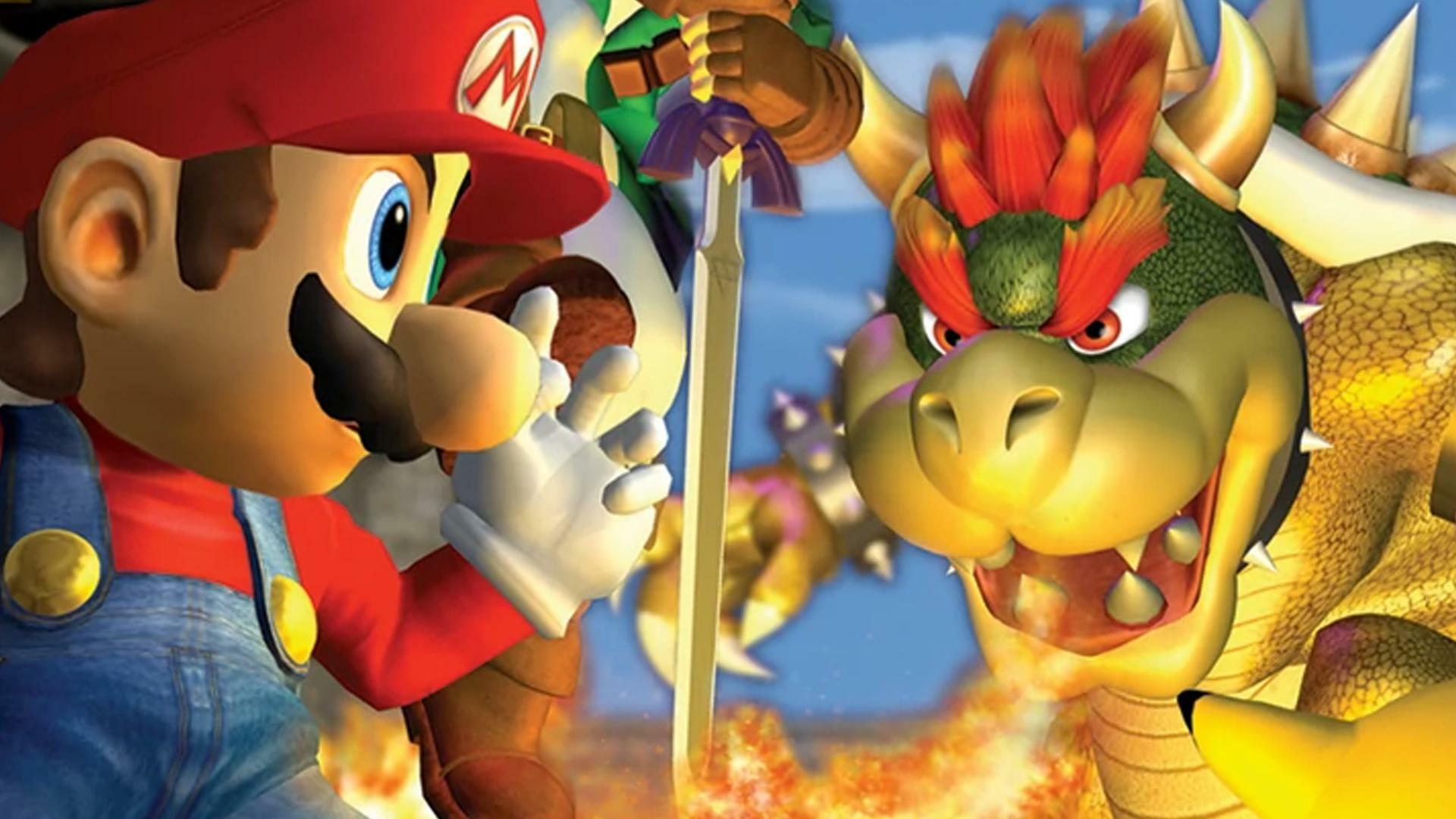
In earlier play, advanced users reduced landing lag with a timing trick that was never explained. The sequel introduced a formal input that halves landing recovery on certain aerials when pressed just before touch down. This system shaped character balance and combo routes across the roster. Competitive guides and in-game mechanics reflect its consistent behavior.
Super Mario 64 — Wall Jumping

Players noticed in older titles that odd interactions could push Mario off walls in unusual ways. The 3D entry turned that idea into a reliable maneuver that lets Mario rebound between surfaces to gain height. Stages were designed with alcoves and vertical shafts that invite its use. Tutorials and signage show players where to try it safely.
Metroid — Bomb Jumping
Fans learned that timed bomb placements could launch the hero upward to reach secret ledges. Later entries kept the interaction and added rooms that implicitly teach timing through safe practice spaces. Designers placed optional rewards to encourage mastery without blocking main progression. Variants like midair chains and precision setups remained possible for experts.
Spelunky 2 — Ghosting

Speedrunners in the original game lured the ghost across gems to create higher value versions for profit. The sequel added special jars that spawn a ghost on demand to formalize the risk and reward. Level generation and timers were tuned so players can plan routes around the danger. Shops and score systems account for the inflated values this tactic creates.
Celeste — Wavedash

Players combined a diagonal air dash with a jump upon landing to preserve momentum along the ground. The creators leaned into the technique with rooms that showcase it and optional challenges that require consistent timing. Assist settings and chapter content help new players learn the inputs in a safe environment. Speedrun categories and community guides document standardized uses.
Gears of War — Wall Bouncing
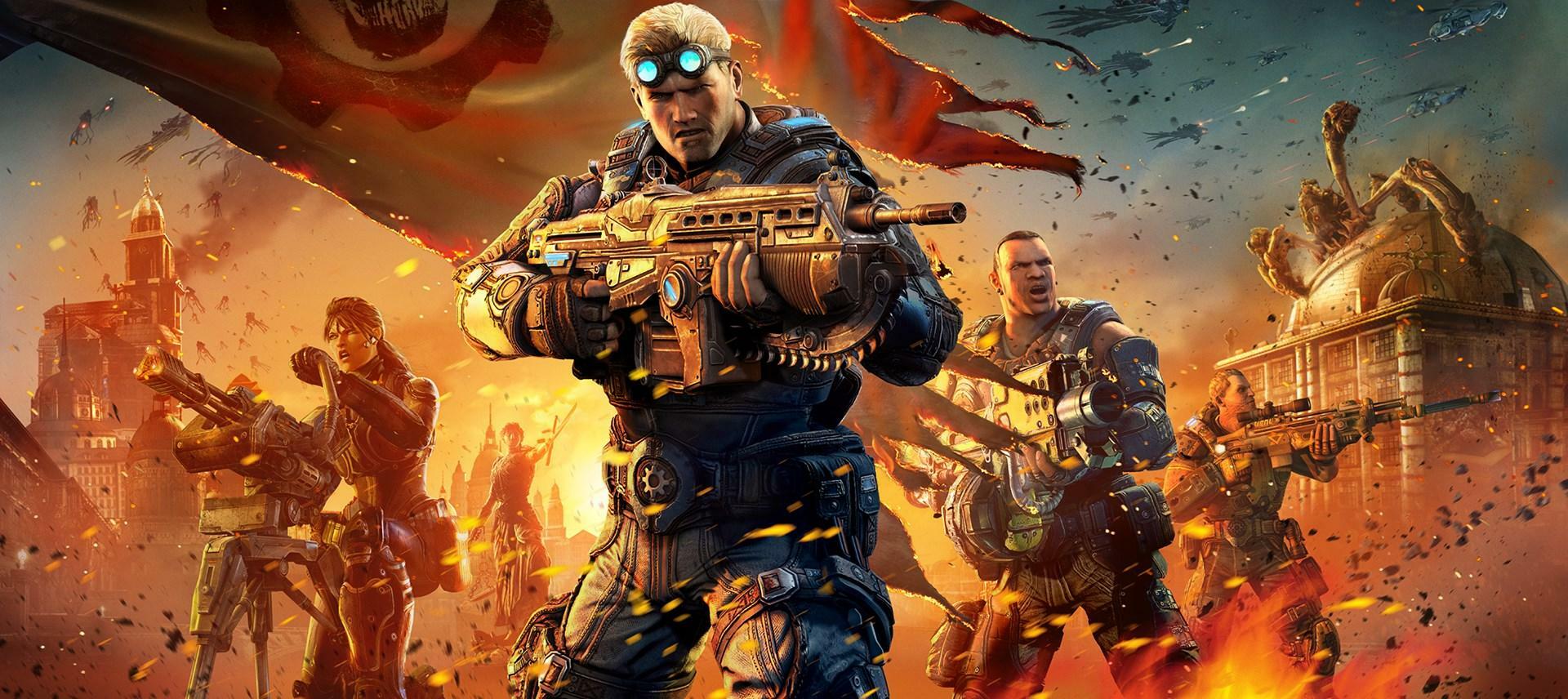
Rapidly canceling a roadie run into cover and back out produced sharp direction changes that confused opponents. The studio refined input buffers and slide behavior so the movement felt crisp and repeatable. Maps feature cover spacing that rewards mastery of quick angles. Weapon tuning and camera response were aligned with this high speed play.
The Elder Scrolls Online — Animation Canceling

Players discovered that weaving light attacks and ability casts could cancel recovery frames for higher output. Developers confirmed the behavior and balanced classes and sets around the technique. Combat tips and training dummies help players learn consistent rhythm. Patch notes reference adjustments that preserve the skill while curbing extreme cases.
League of Legends — Attack Reset Cancels
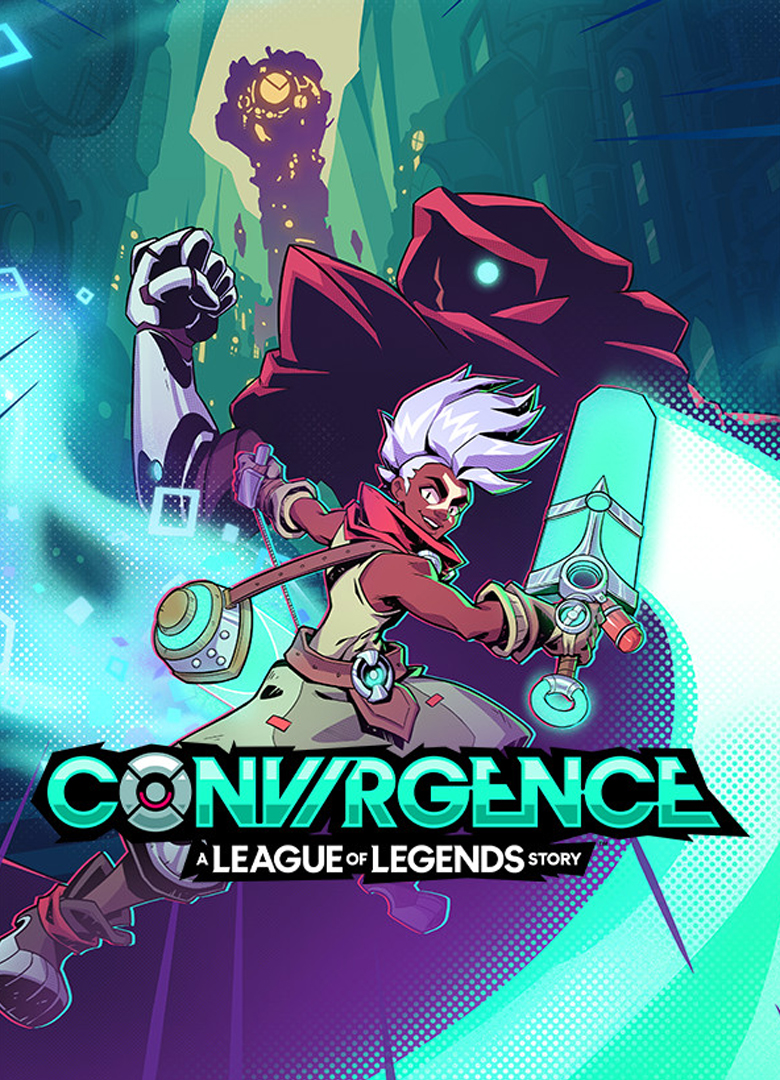
Champions with specific abilities could reset basic attack timers to strike again sooner than expected. Over time the design team documented which skills provide resets and tuned cooldowns and damages accordingly. Tooltips and practice tools teach the timing so players can rehearse. Item changes and animation tweaks ensure the system remains readable.
Titanfall 2 — Slide Hopping
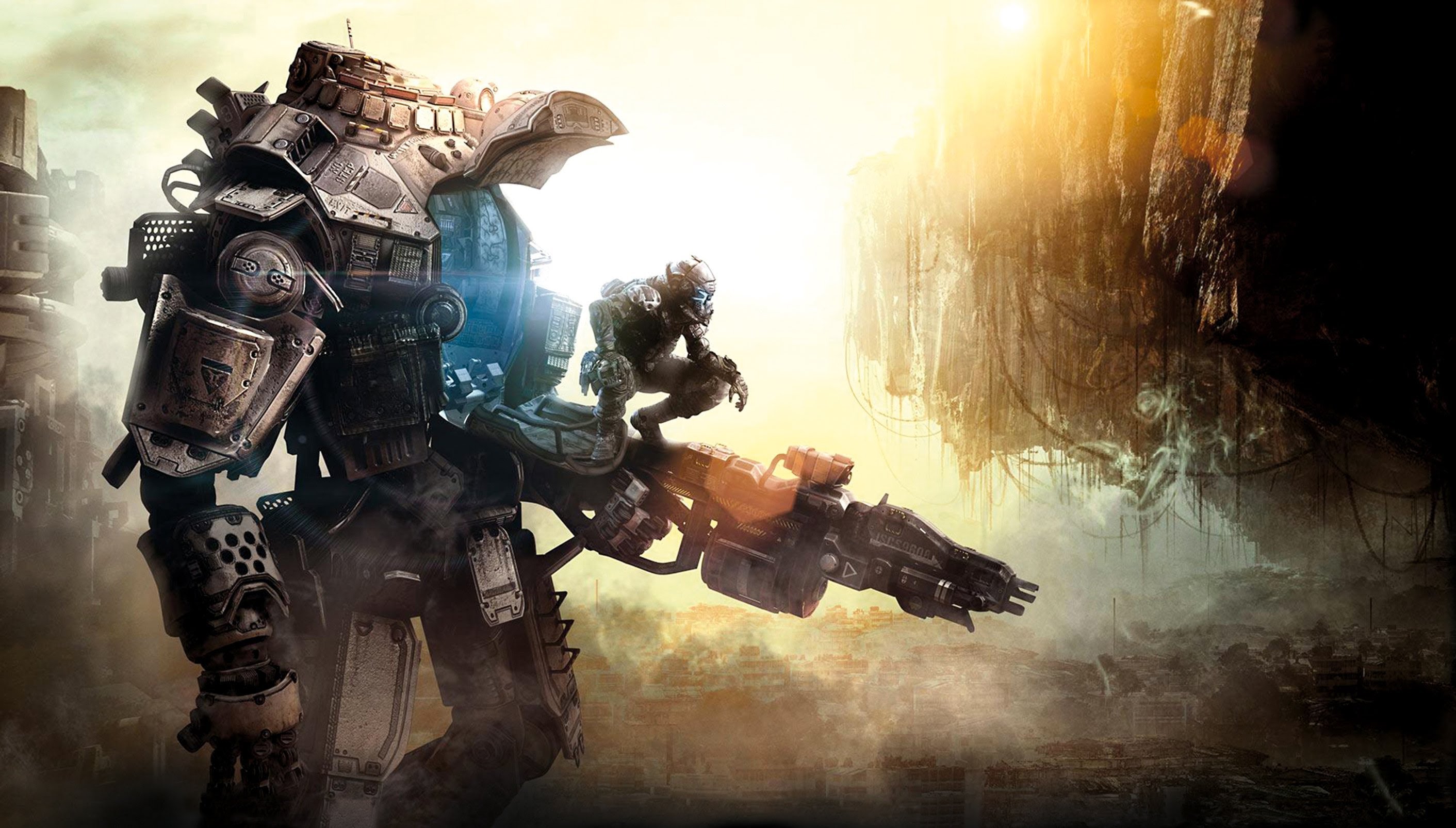
Players in the first game chained slides and jumps to maintain momentum well beyond a standard sprint. The sequel embraced the technique with predictable acceleration rules and surfaces that carry speed. Map lanes and wall run segments were placed to connect movement chains. Time trial modes showcase routes that highlight the mechanic.
Call of Duty: Modern Warfare III — Slide Cancel
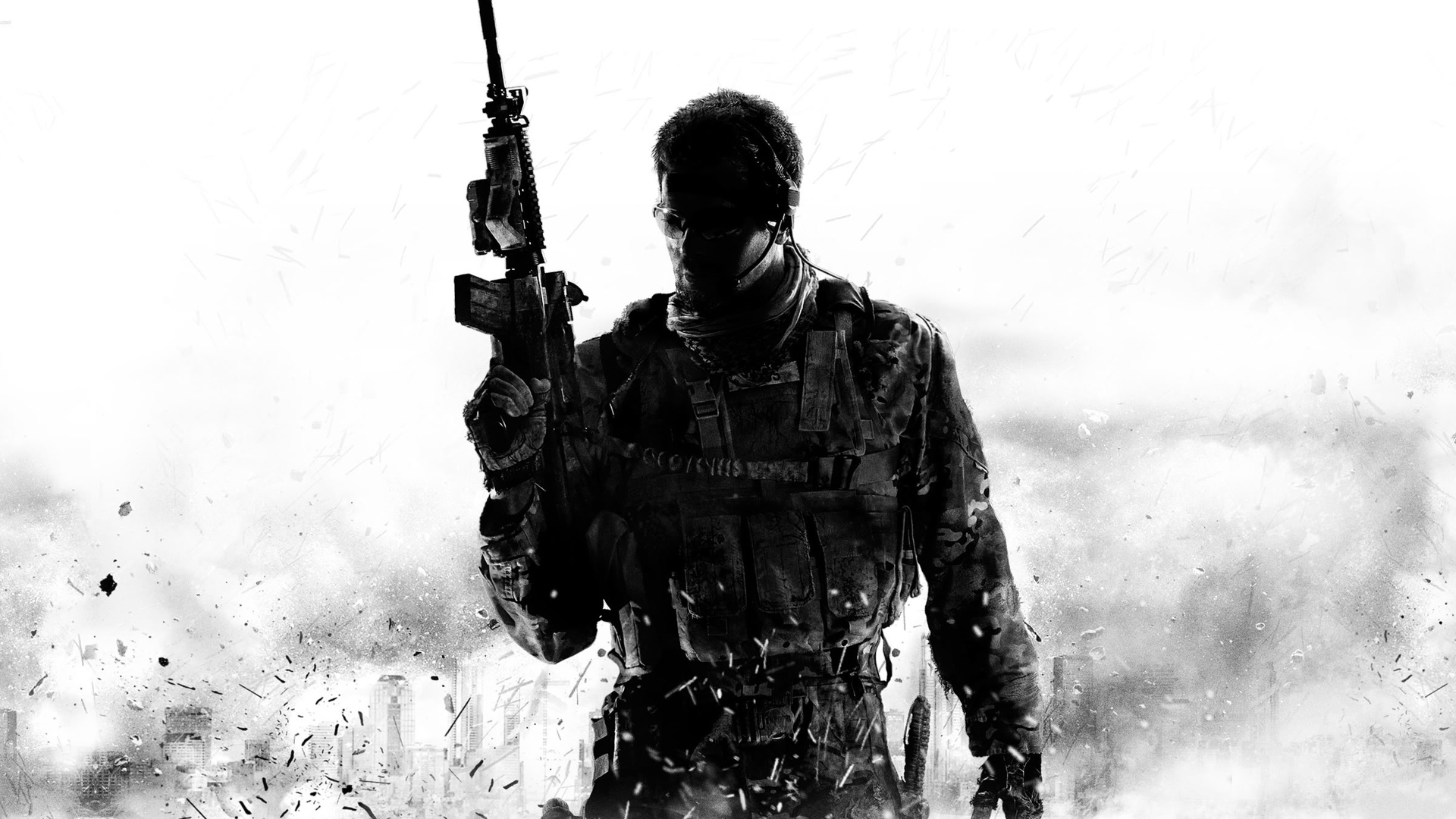
Players previously discovered that specific inputs could break the recovery from a slide to regain aim control quickly. Later entries brought the action back as a supported movement option with defined penalties and benefits. Perk interactions and weapon handling were tuned around its presence. Patch notes and settings make its behavior clear across modes.
Halo 5: Guardians — Clamber

Classic trick jumpers relied on grenade boosts and precise corner hits to mantle ledges not reachable by a single jump. This entry added a formal ledge grab so players could reliably pull up when close enough. Maps were built with intentional clamber routes that interact with thrust and jumps. Forge objects and nav markers guide players toward intended paths.
Counter-Strike 2 — Jump-Throw Bind
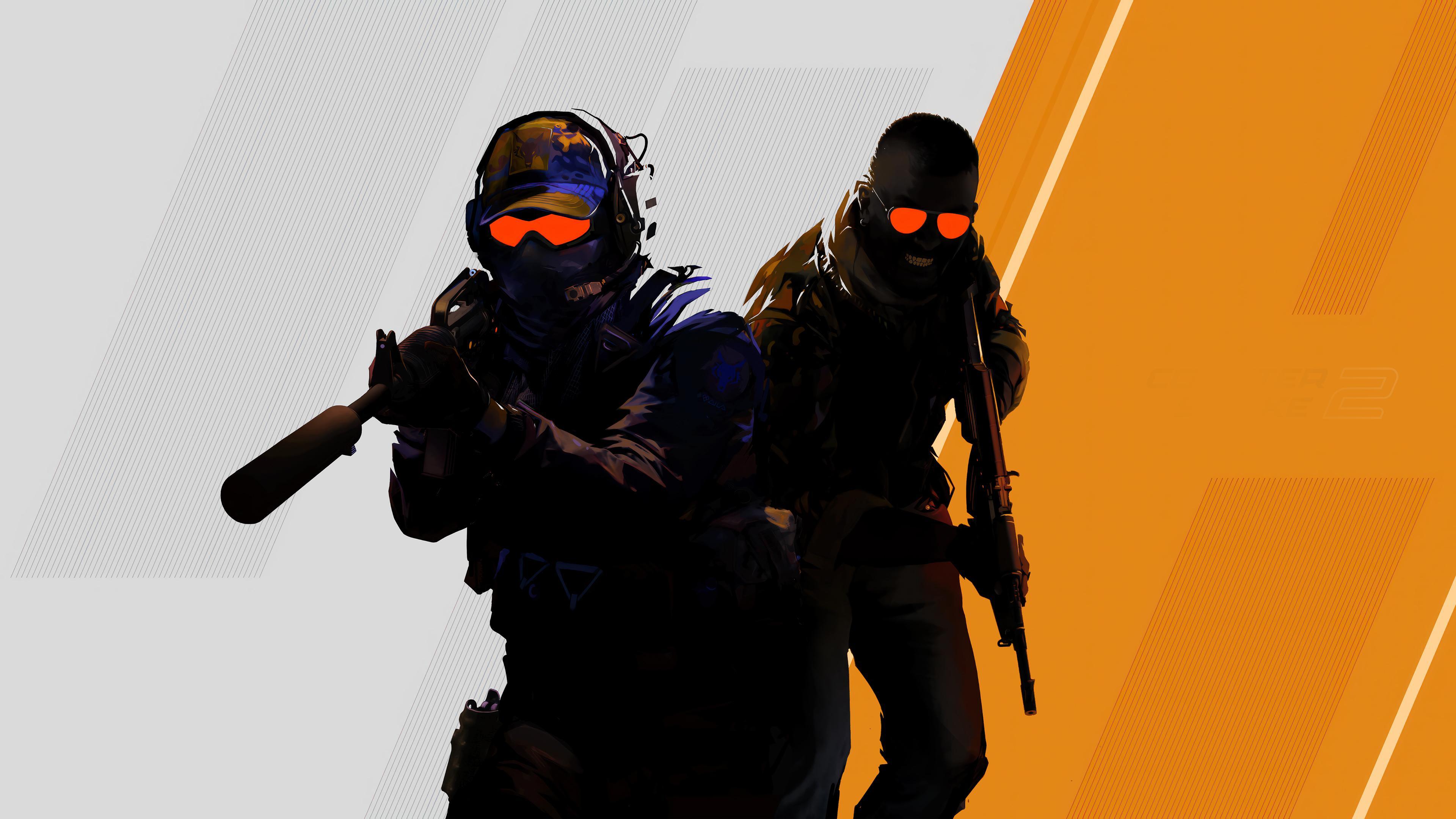
Players used scripts to synchronize a jump and release for consistent grenade trajectories. The new version provides native support through server settings and training features that standardize lineups. Competitive rulesets allow consistent inputs so teams can practice shared setups. Preview tools and practice commands help players learn arcs without workarounds.
Apex Legends — Slide Jumping
Borrowing from earlier movement exploits in similar engines, players found that a jump at the end of a slide preserved speed into open spaces. The game codified the interaction with clear momentum rules and terrain that rewards the sequence. Legends with mobility abilities were balanced around these baseline speeds. Firing ranges and events include spaces that teach timing.
Minecraft — Bubble Column Elevators
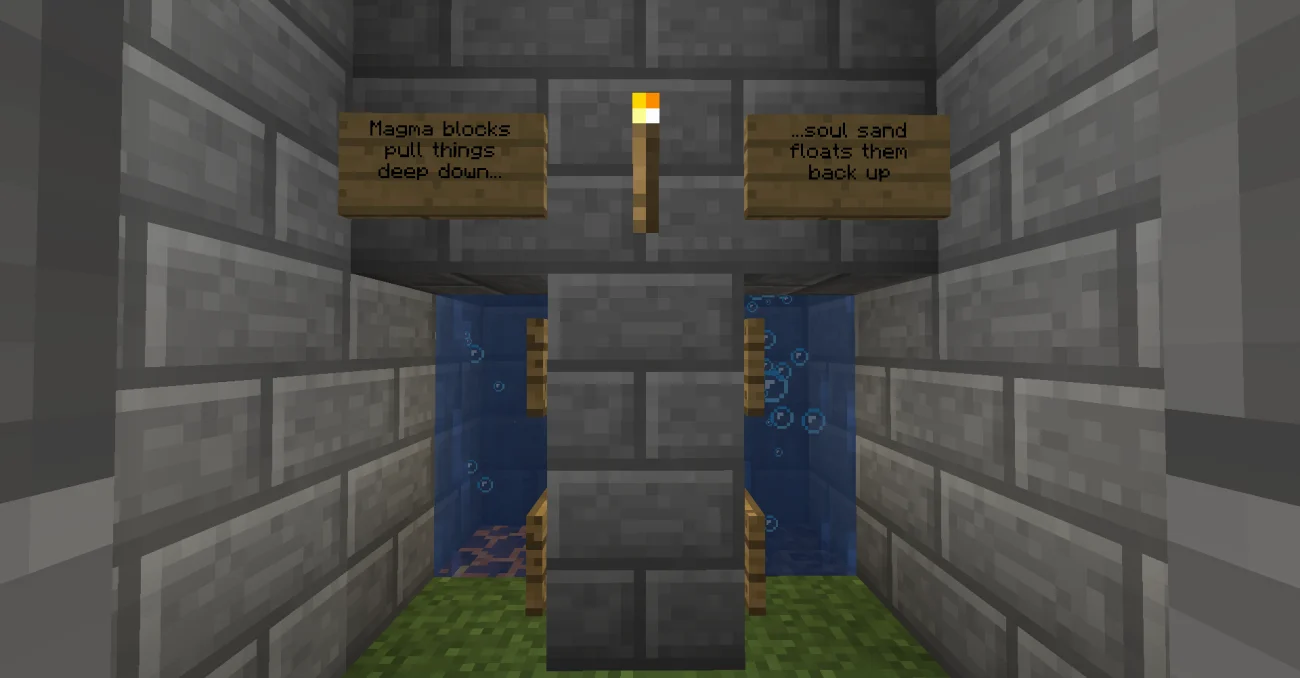
Early builders hacked together water shafts with signs and doors to move vertically without ladders. Later updates added bubble columns that push or pull using soul sand and magma blocks, turning the idea into a simple, craftable system. Villager and item transport designs now rely on these official flows. Redstone contraptions incorporate them as reliable components.
Share your favorite example that we missed in the comments so everyone can compare notes.