25 Times a Patch Made the Game Significantly Worse


Patches are supposed to smooth out rough edges, but sometimes they ship with regressions, wild balance swings, or unintended side effects that make the experience objectively harder to enjoy. From updates that break core systems to hotfixes that quietly gut entire builds, these moments show how a single version change can derail weeks—sometimes years—of player progress. Below are notable examples where a specific update introduced bugs, removed features, or caused measurable performance and stability problems. Each entry notes the developer or publisher involved, along with the concrete change that turned a “fix” into fresh trouble.
‘Diablo IV’ (2023)
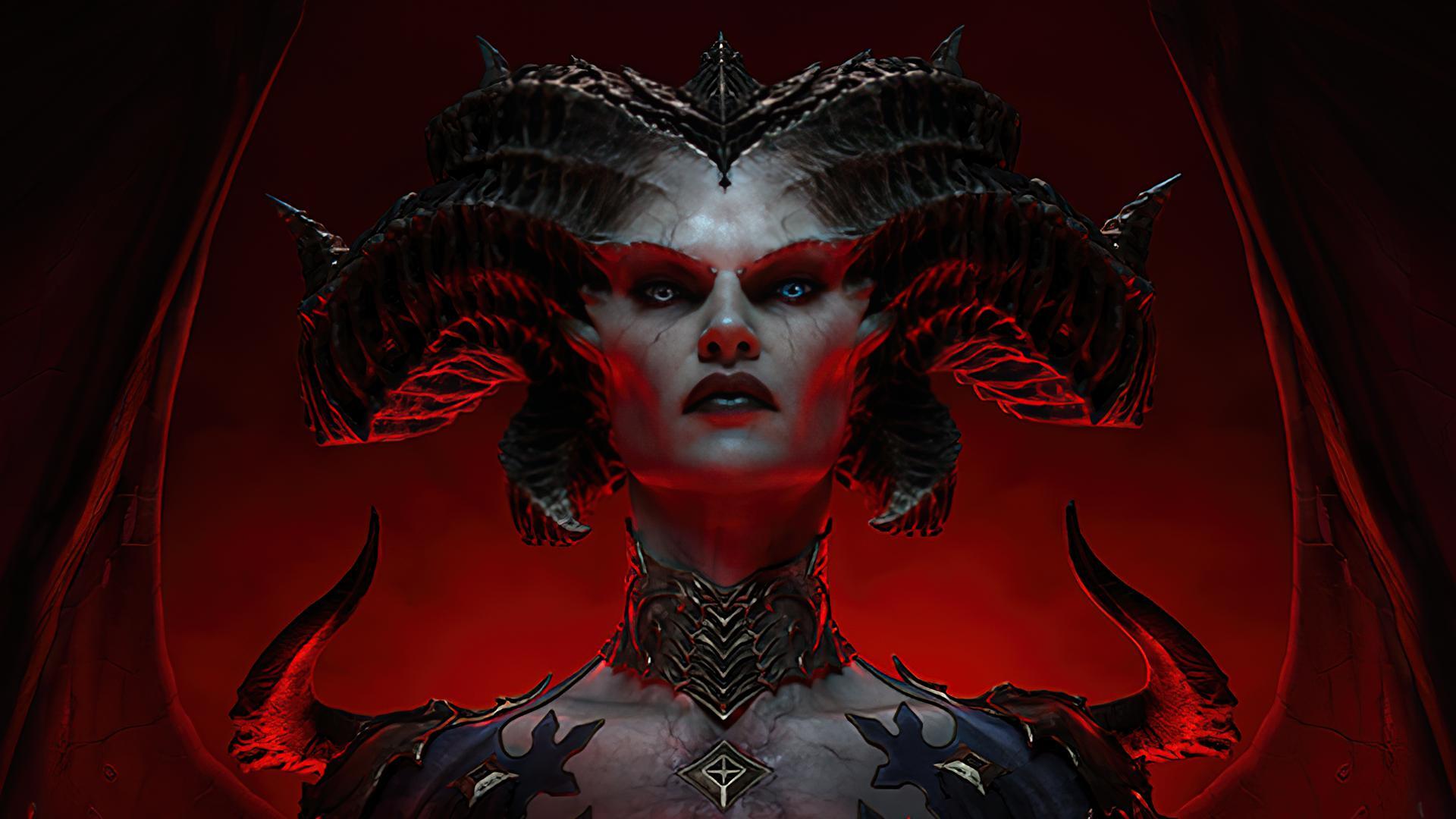
In July 2023, patch 1.1.0 dramatically reduced damage multipliers and resource generation for many skills, causing popular endgame builds to collapse overnight. The patch also increased monster scaling in certain level ranges, making routine activities like Nightmare Dungeons noticeably slower. Blizzard Entertainment acknowledged the impact and later issued adjustments, but the immediate effect was a significant downgrade in player power. Blizzard Entertainment and Blizzard’s Battle.net team coordinated follow-up hotfixes to stabilize the situation.
‘The Elder Scrolls V: Skyrim’ (2011)
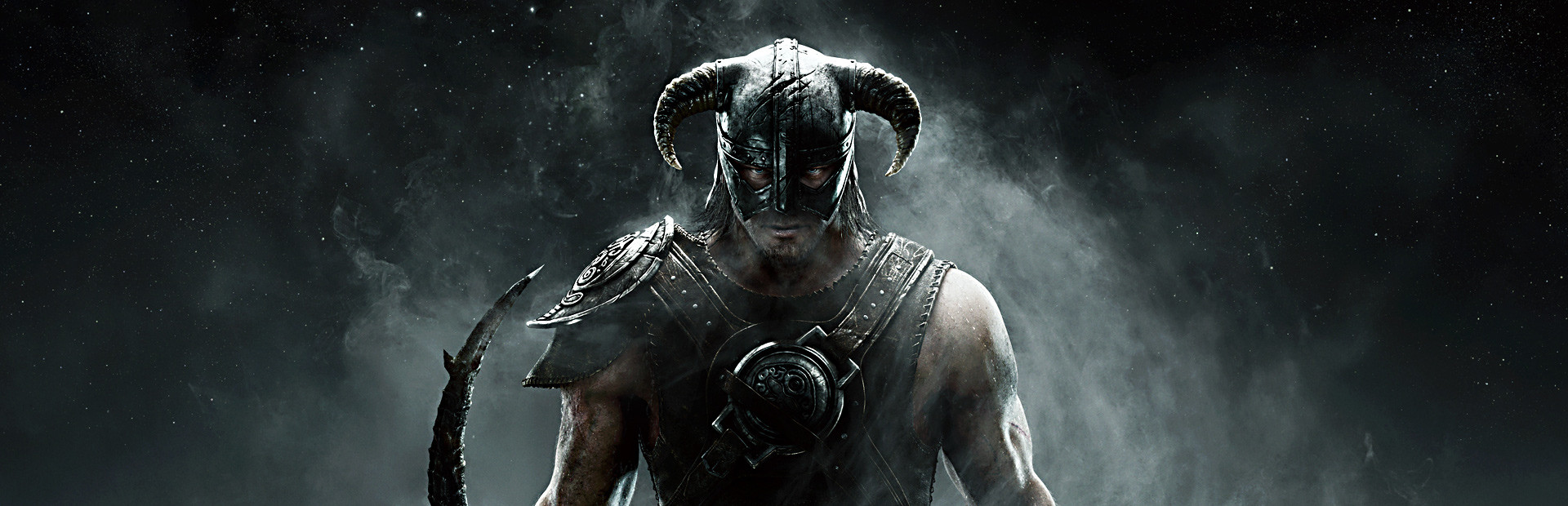
The Anniversary/1.6 update introduced new executable changes that broke Script Extender compatibility, disabling a vast number of community mods. This resulted in missing features, broken save dependencies, and frequent crashes for heavily modded setups. While Bethesda Game Studios and Bethesda Softworks added Creation Club content, mod users had to wait for SKSE and plugin updates to catch up. The interruption affected load orders across both Steam and GOG releases.
‘Cyberpunk 2077’ (2020)
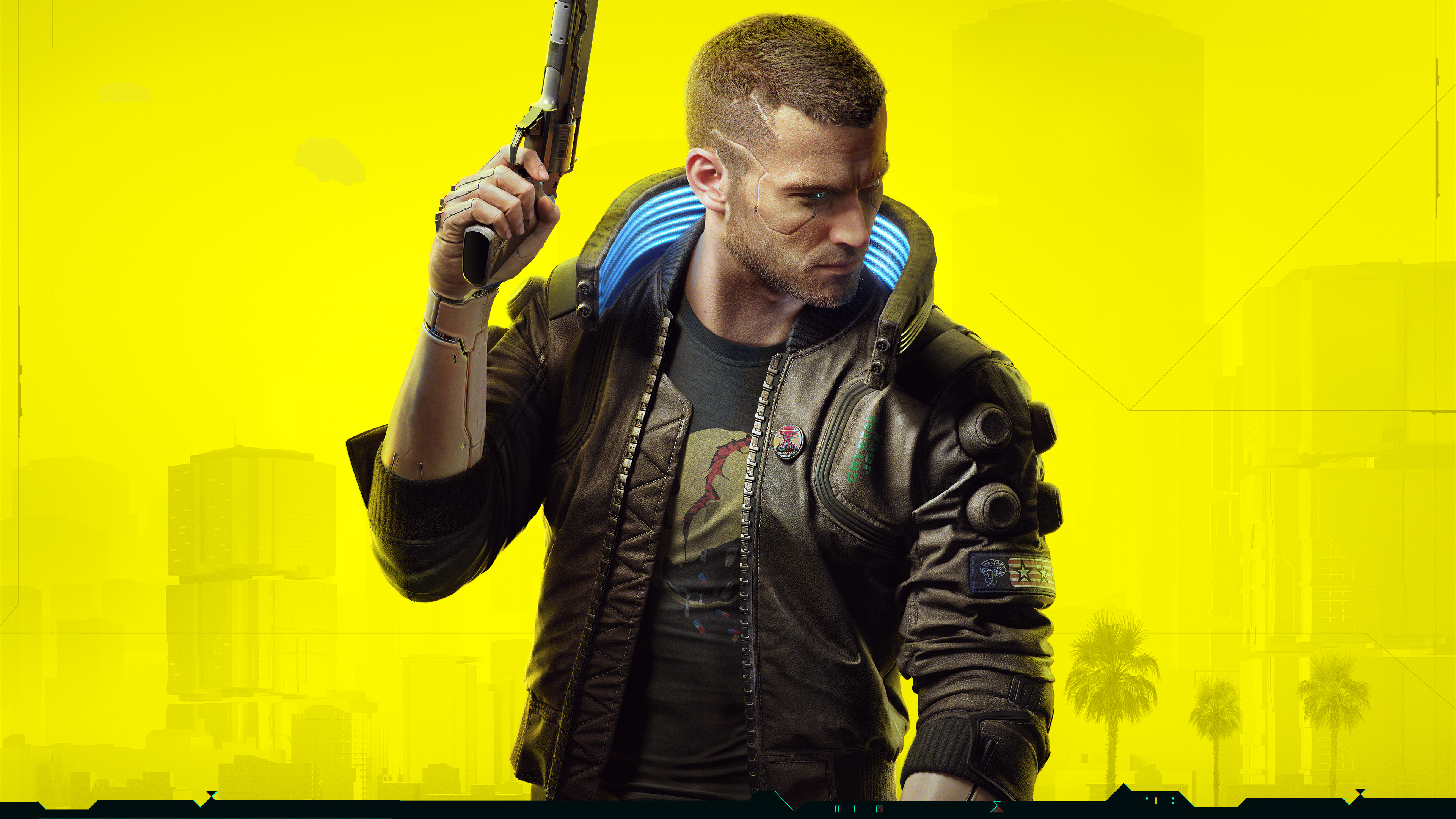
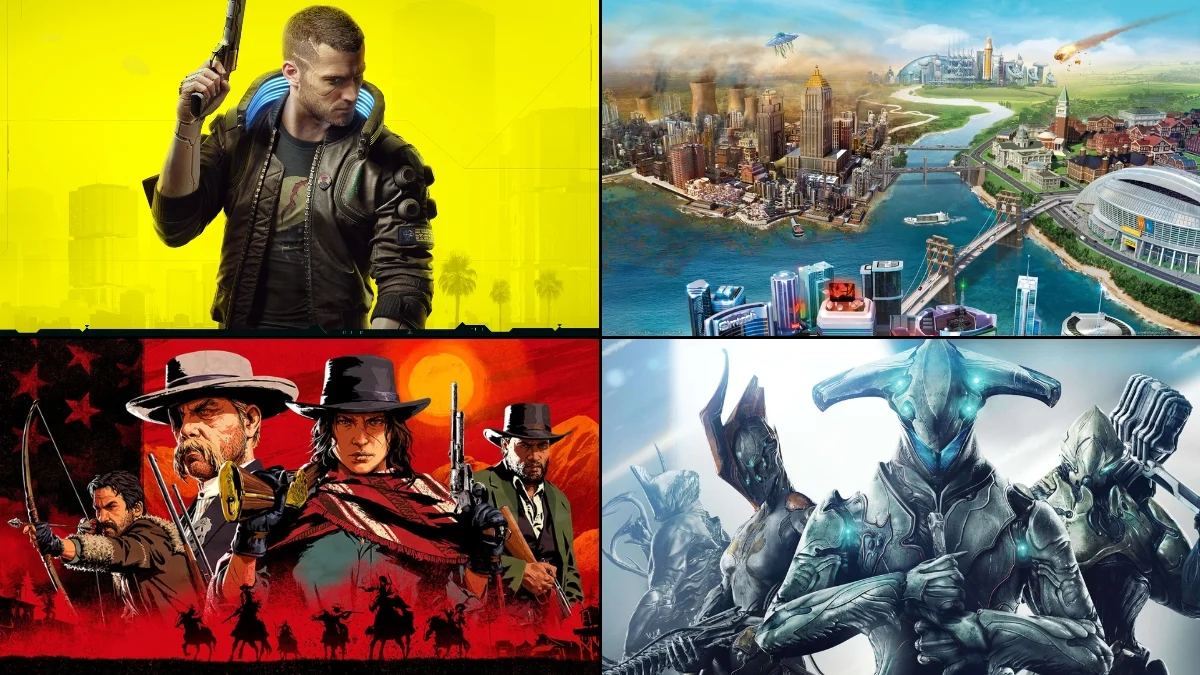
Hotfix 1.1 introduced a progression blocker in the ‘Down on the Street’ quest, where phone calls could fail to trigger and halt the main story. The issue affected both new and ongoing saves until a subsequent hotfix provided a workaround. CD Projekt Red and CD PROJEKT’s REDengine updates also caused certain scripting mods to fail due to dependency changes. The disruption forced many players to reload older saves or delay progress.
‘Elden Ring’ (2022)
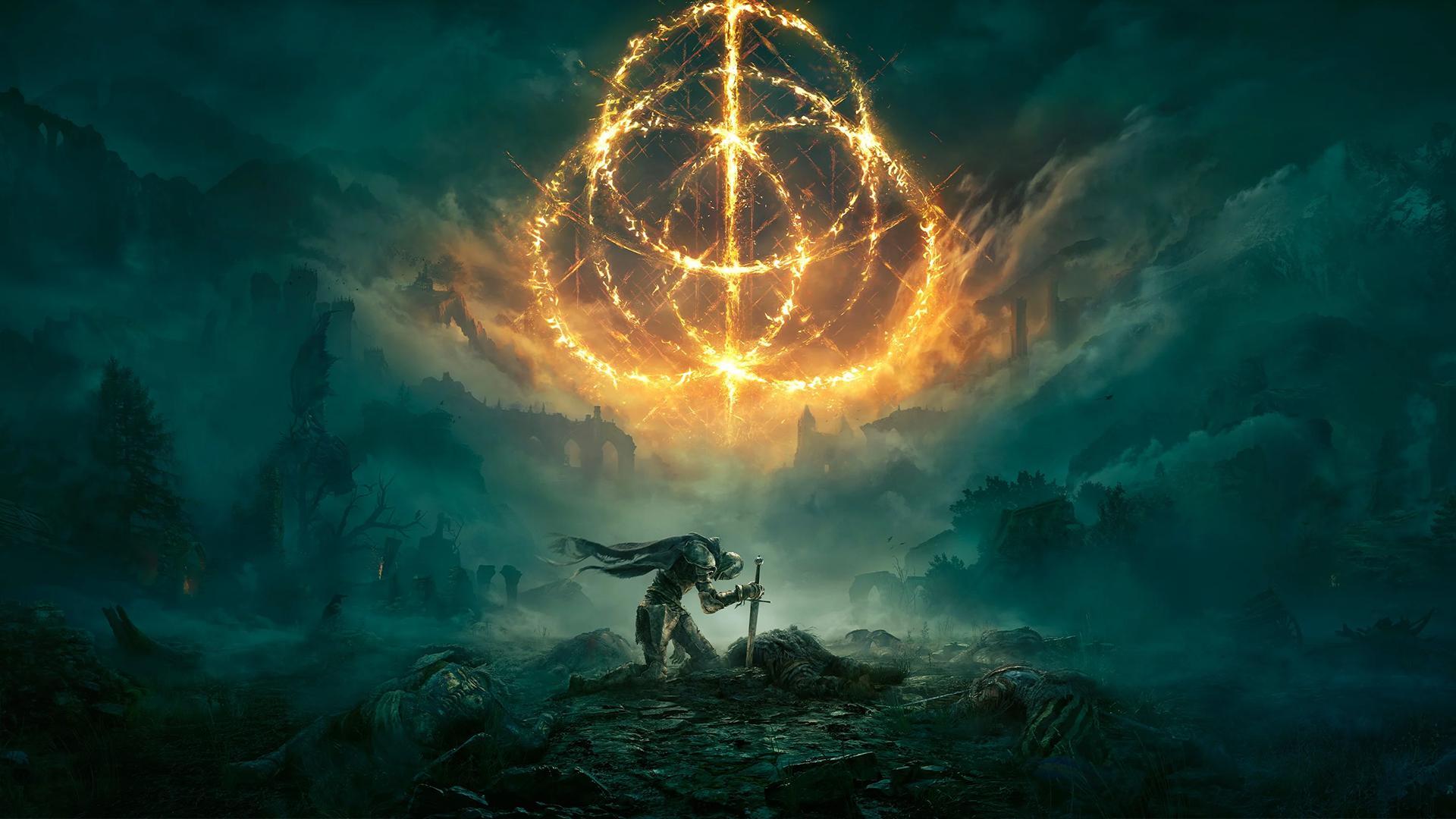
A balance update reduced the effectiveness of high-usage tools such as the Mimic Tear Spirit Ash and several Bleed-centric setups. These adjustments shifted both PvE and PvP metas abruptly, invalidating many character plans mid-playthrough. FromSoftware and Bandai Namco Entertainment later iterated on tuning, but the immediate result was lower burst potential and longer boss fights. The patch also altered weapon skill frames, requiring new timing for common strategies.
‘Destiny 2’ (2017)
A mid-season update led to account rollbacks after progression data failed to save correctly, erasing earned materials and triumphs for affected users. Ability cooldown changes in the same window also reduced uptime for builds centered on grenade and melee loops. Bungie deployed emergency maintenance and compensation while rebuilding disabled features. The combination of lost progress and weakened builds hindered weekly milestone completion.
‘Overwatch 2’ (2023)

An early live patch shipped with exploits that forced the temporary removal of Bastion and Torbjörn from certain modes. This reduced hero availability in Competitive and Quick Play, narrowing team compositions. Blizzard Entertainment restored the heroes only after multiple hotfixes corrected ability interactions and map logic. The downtime disrupted ranked ladders and seasonal challenges tied to hero usage.
‘Apex Legends’ (2019)
A seasonal patch introduced widespread audio dropouts and hit-registration regressions during firefights, particularly in high-population zones. Players reported missing footstep cues and shots failing to register at close range. Respawn Entertainment and Electronic Arts addressed the issues with incremental server and client updates, but ranked play saw measurable instability during the affected weeks. The problems also impacted tournament scrims run on the same version.
‘Counter-Strike 2’ (2023)
The transition update that replaced ‘Counter-Strike: Global Offensive’ removed support for certain legacy workshop content and initially lacked Mac compatibility. Custom server tools and community features were also limited at launch compared to the prior ecosystem. Valve iterated over time, but the immediate effect was fewer playable community modes and broken workflows for tournament practice. The changeover created scheduling issues for leagues tied to old map versions.
‘Warframe’ (2013)
The ‘Specters of the Rail’ overhaul retired Void Keys and restructured the star chart, invalidating optimized farming routes. This shifted relic acquisition and prime part farming into new loops that were slower for many squads. Digital Extremes later refined drop tables, but the first iteration increased time-to-reward for established activities. The update also required players to relearn progression paths across planets.
‘World of Warcraft’ (2004)
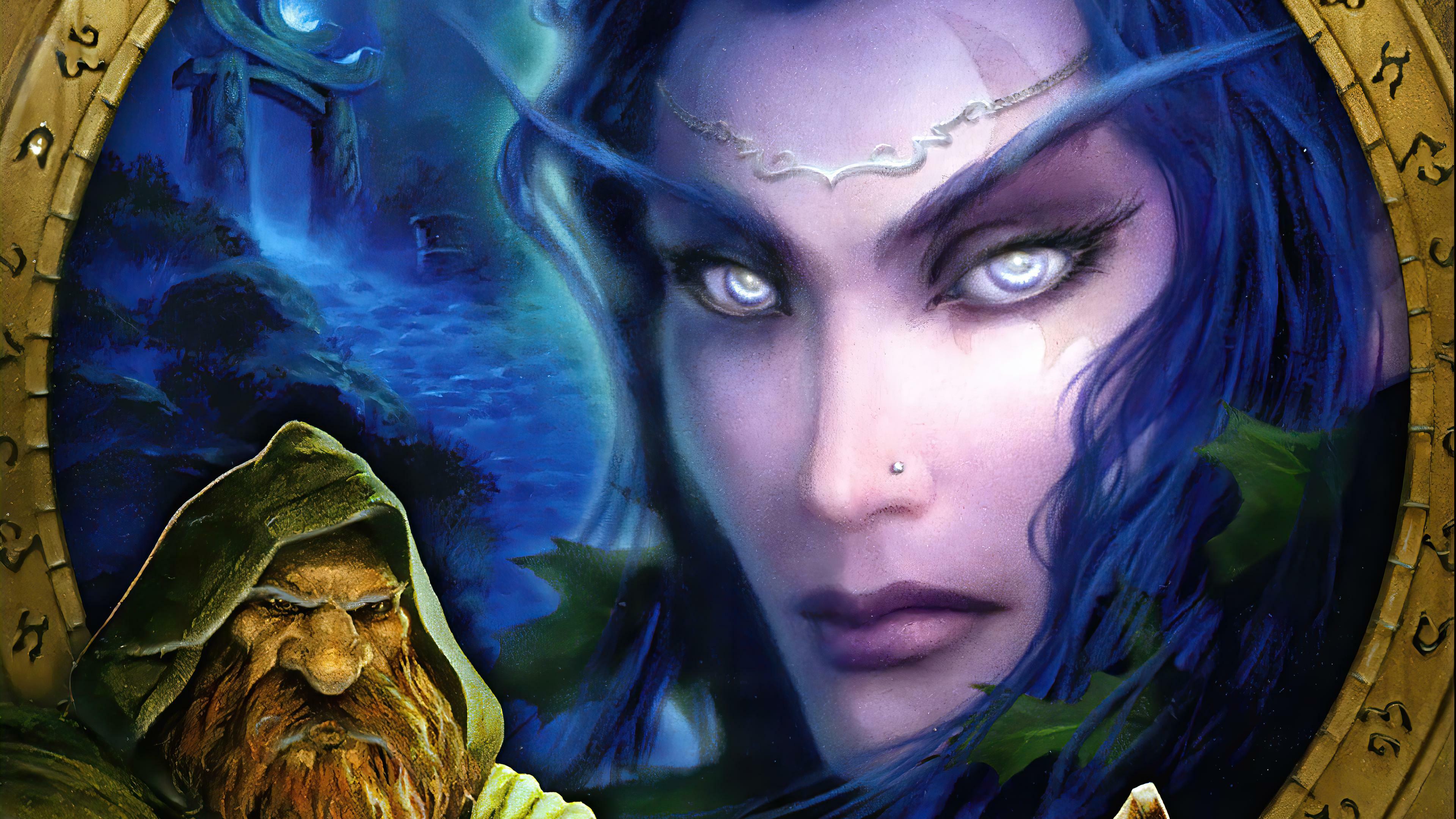
The 6.0.2 pre-patch introduced a large “stat squish” that unintentionally broke power scaling at certain levels. Low-level dungeons and questing zones became overtuned or undertuned depending on class and spec. Blizzard Entertainment spent subsequent builds correcting coefficients and creature health. The disruption affected leveling speed and solo content completion rates before Warlords of Draenor launched.
‘SimCity’ (2013)

Patch 2.0 attempted to fix traffic and service routing but created new pathfinding loops for fire trucks, garbage trucks, and ambulances. Cities experienced service vehicles endlessly circling blocks without completing tasks. Maxis and Electronic Arts issued follow-ups, yet the initial regression undermined basic city maintenance. The issues also inflated response times and utility coverage statistics.
‘Grand Theft Auto V’ (2013)
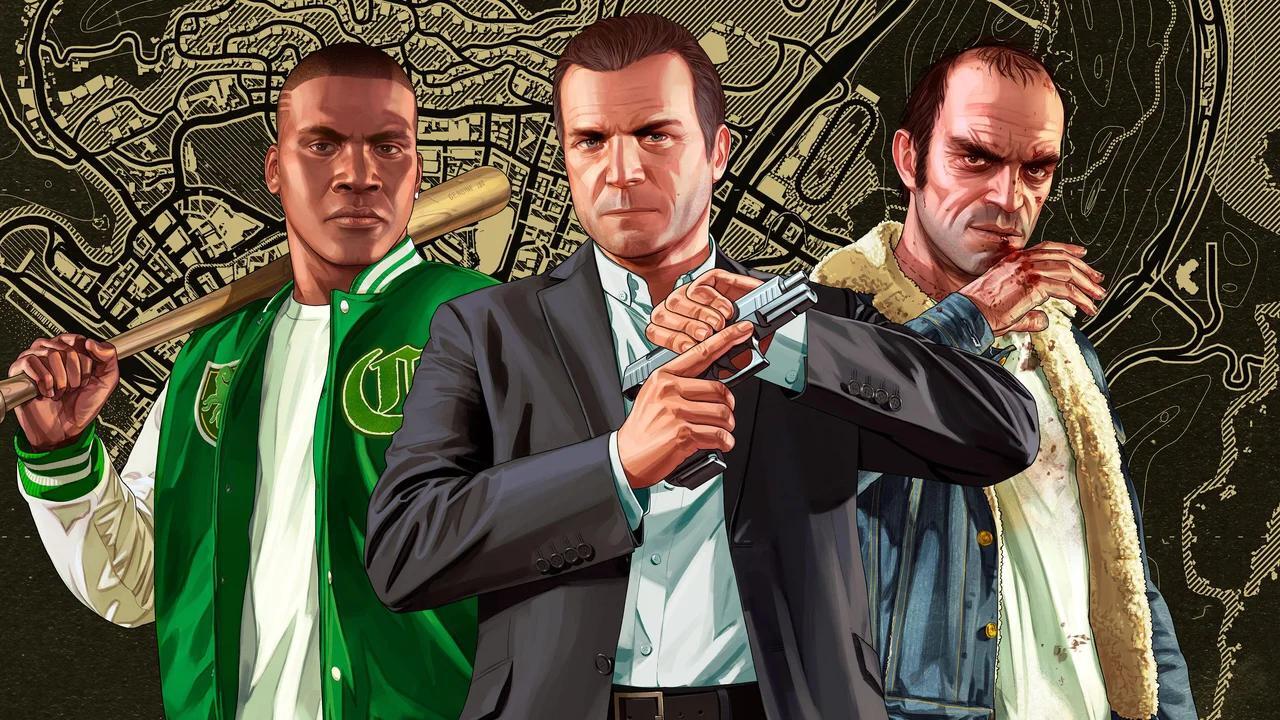
An online patch reduced mission payouts and adjusted repeat rewards, extending the grind curve for vehicles and property. Concurrent anti-mod measures on PC disabled common single-player enhancements after executable changes. Rockstar North and Rockstar Games later rotated event bonuses to offset earnings, but day-to-day income rates fell. The changes also affected popular playlist economies for crew events.
‘No Man’s Sky’ (2016)
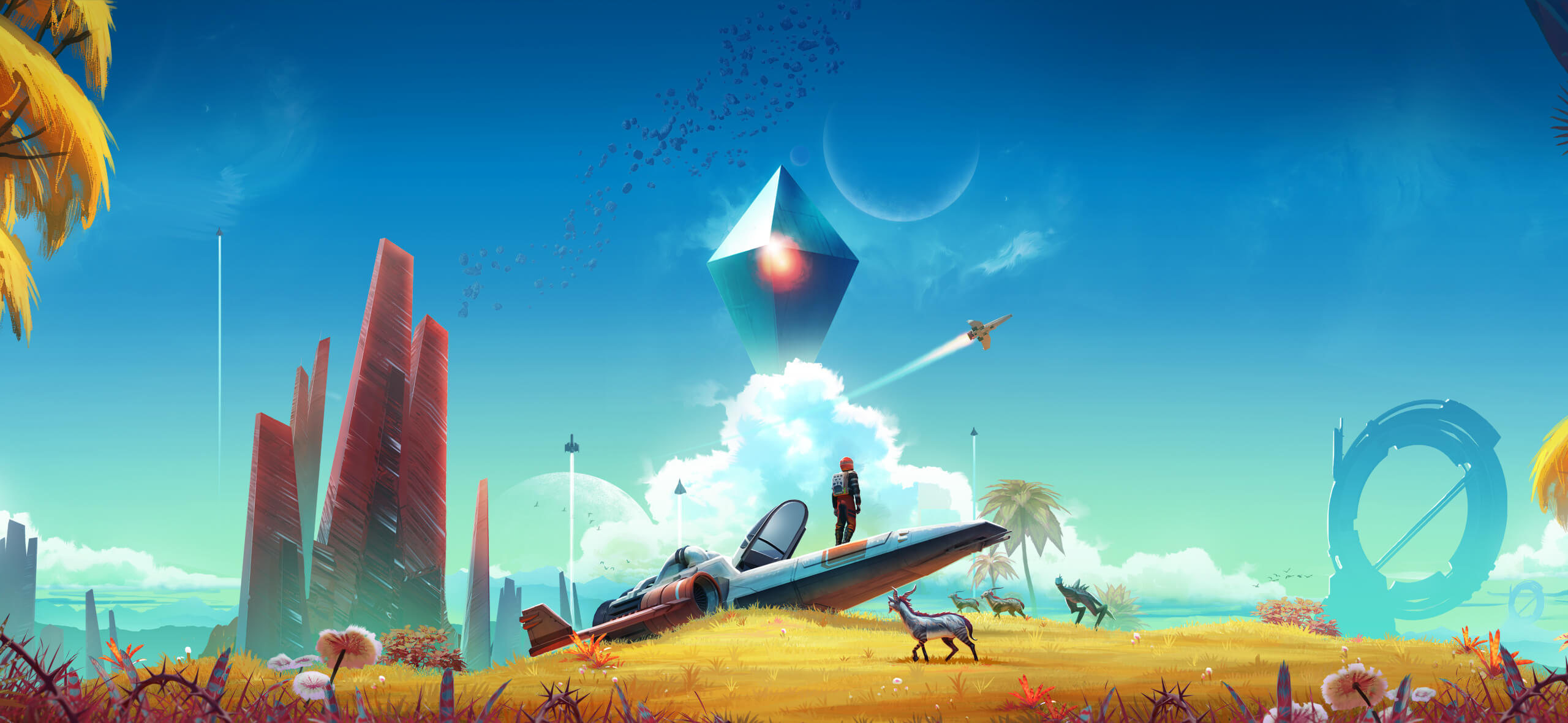
A major update reset base-building logic and forced the relocation of existing bases to new settlement rules. Players returning after the patch found structures missing or moved to incompatible biomes. Hello Games shipped tools to recover resources, but reconstruction time was significant for large builds. The migration also disrupted teleporter networks and farming layouts.
‘Halo: The Master Chief Collection’ (2014)
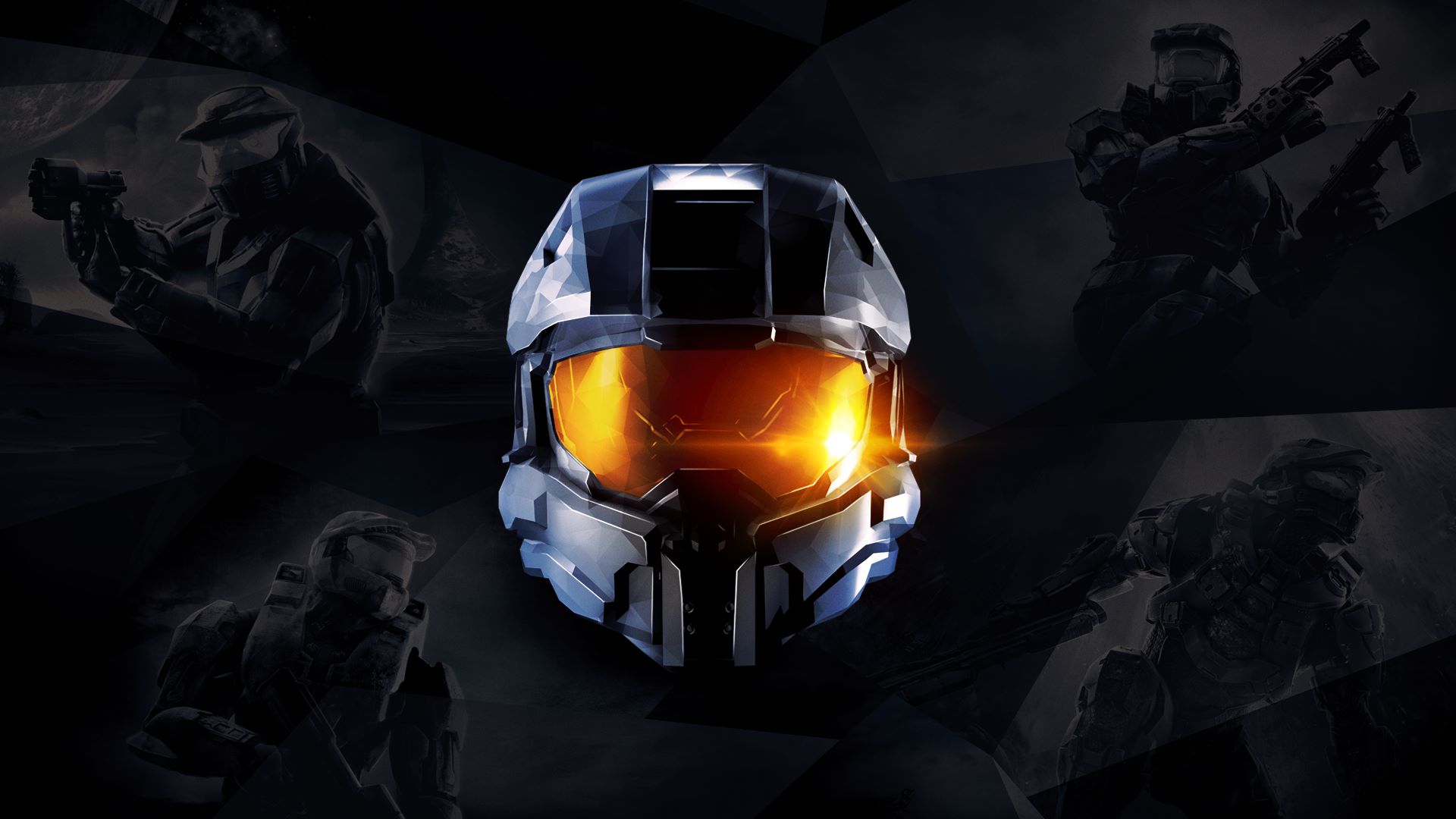
A post-launch patch intended to improve matchmaking extended search times and produced frequent lobby dissolves. Parties split unexpectedly, and rank progression failed to track in unstable sessions. 343 Industries and Xbox Game Studios pursued a long-term recovery plan, but the immediate patch worsened reliability. Competitive playlists saw reduced availability during triage.
‘Tom Clancy’s The Division’ (2016)
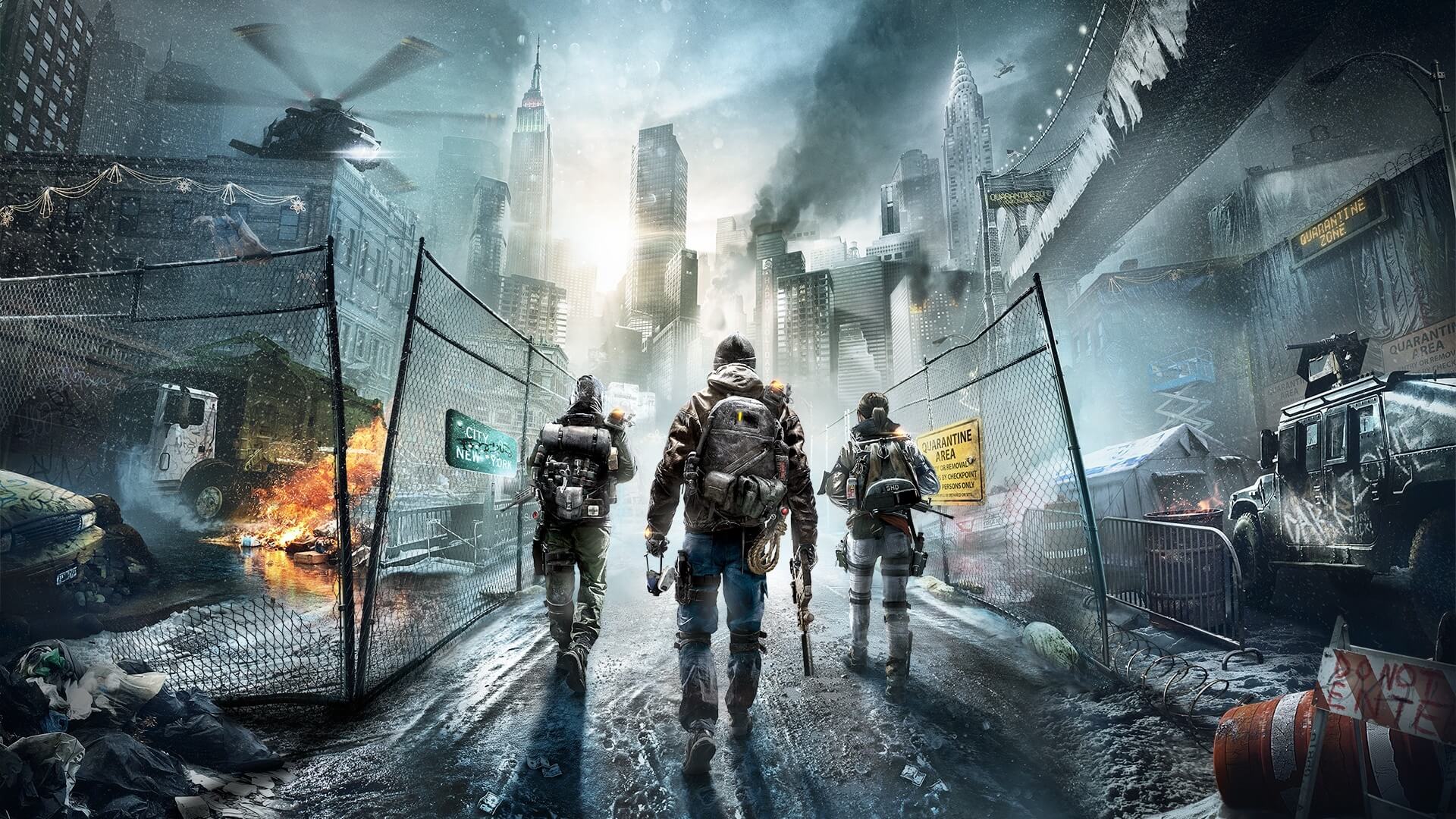
Update 1.1 introduced the “Backpack bug,” which corrupted inventories and prevented character logins. Affected players had to wait for server-side scripts to repair broken data. Massive Entertainment and Ubisoft also disabled certain drops while investigating item duplication exploits. The downtime interrupted Dark Zone progression and weekly challenge runs.
‘Path of Exile’ (2013)

Patch 3.15 (Expedition) significantly nerfed support gems and flask uptime, lowering clear speed across most archetypes. Players had to re-spec characters and craft new flasks to maintain survivability in red maps. Grinding Gear Games later eased some penalties, but league start metrics showed slower progression. The patch also increased crafting friction by moving utility to rarer currency.
‘Battlefield 2042’ (2021)
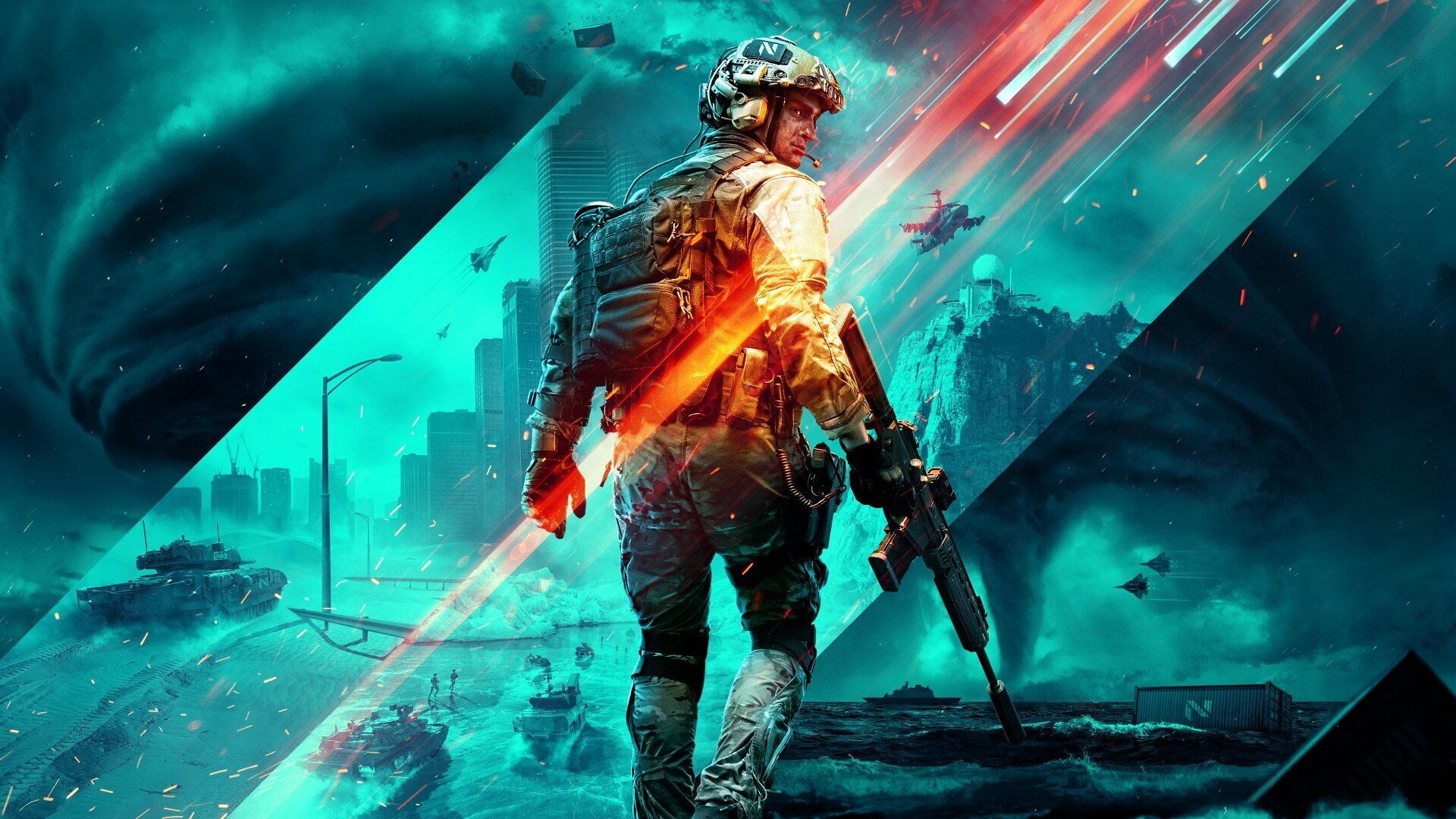
An early stability patch altered weapon bloom and aim assist behavior, producing inconsistent recoil control on controllers. Hit-registration issues appeared in large-scale modes, particularly around breakpoints for network interpolation. DICE and Electronic Arts rolled back several tuning values while deploying server-side fixes. The interim period made close-quarters firefights less predictable.
‘Fortnite’ (2017)
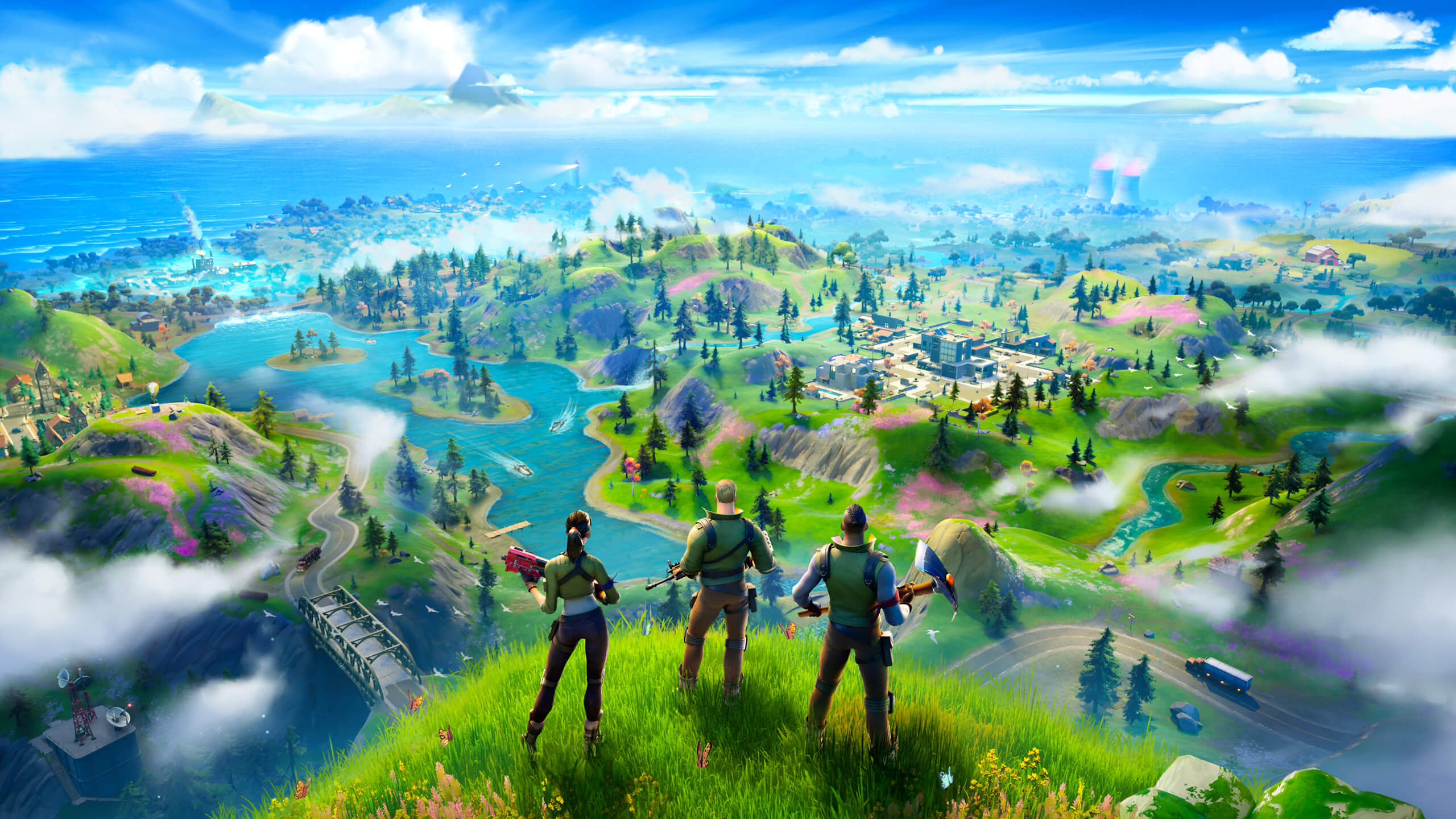
Version 10.00 introduced the B.R.U.T.E. mech with high durability and explosive output that overrode standard build-and-shoot dynamics. Public and competitive matches skewed toward mech control rather than resource management. Epic Games later nerfed spawn rates and damage, but the initial patch shifted core balance overnight. Tournament rule sets were temporarily adjusted to mitigate the impact.
‘Street Fighter V’ (2016)
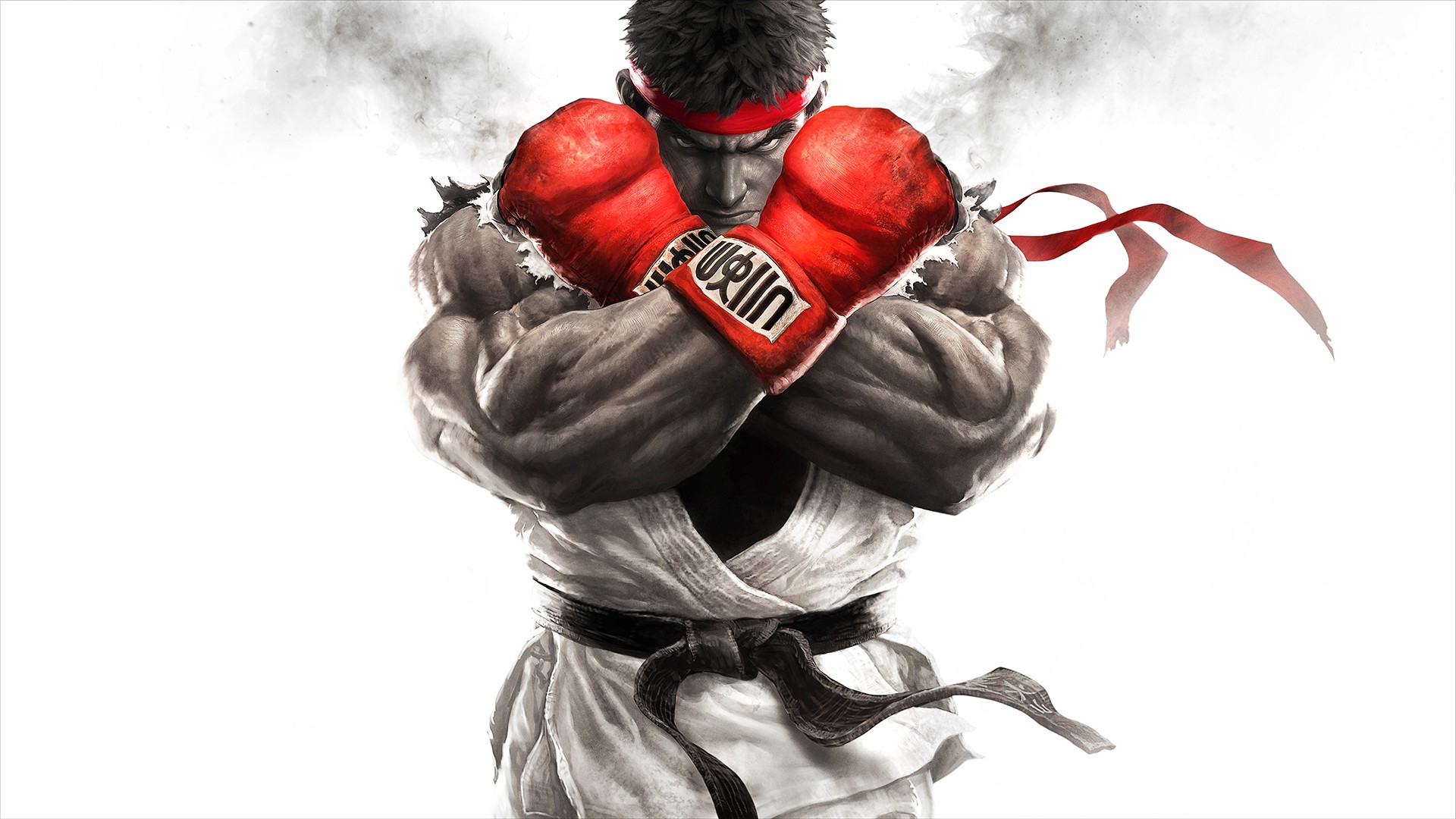
A security patch installed a kernel-level driver (Capcom.sys) that created a serious vulnerability on Windows systems. The change triggered antivirus alerts and prompted manual removals until an emergency rollback. Capcom’s follow-up update removed the driver and addressed the exploit path. The incident interrupted online play and raised compliance concerns for tournaments using shared PCs.
‘Pokémon Scarlet and Violet’ (2022)

A post-launch update aimed at performance improvements coincided with new visual glitches and increased crash frequency in certain Tera Raid events. Save data conflicts also surfaced when linking features after specific steps. Game Freak and Nintendo released multiple hotfixes, but event participation required careful version matching in the interim. The instability complicated online raid scheduling and trading.
‘Red Dead Online’ (2019)

Title Update 1.21 led to widespread animal spawn failures, affecting hunting, trader deliveries, and role progression. Players also reported frequent disconnects and bugged wagons in free roam. Rockstar San Diego and Rockstar Games pushed server-side changes and a subsequent client patch to restore ecology systems. The interruption reduced income streams tied to pelts and carcasses.
‘Anthem’ (2019)
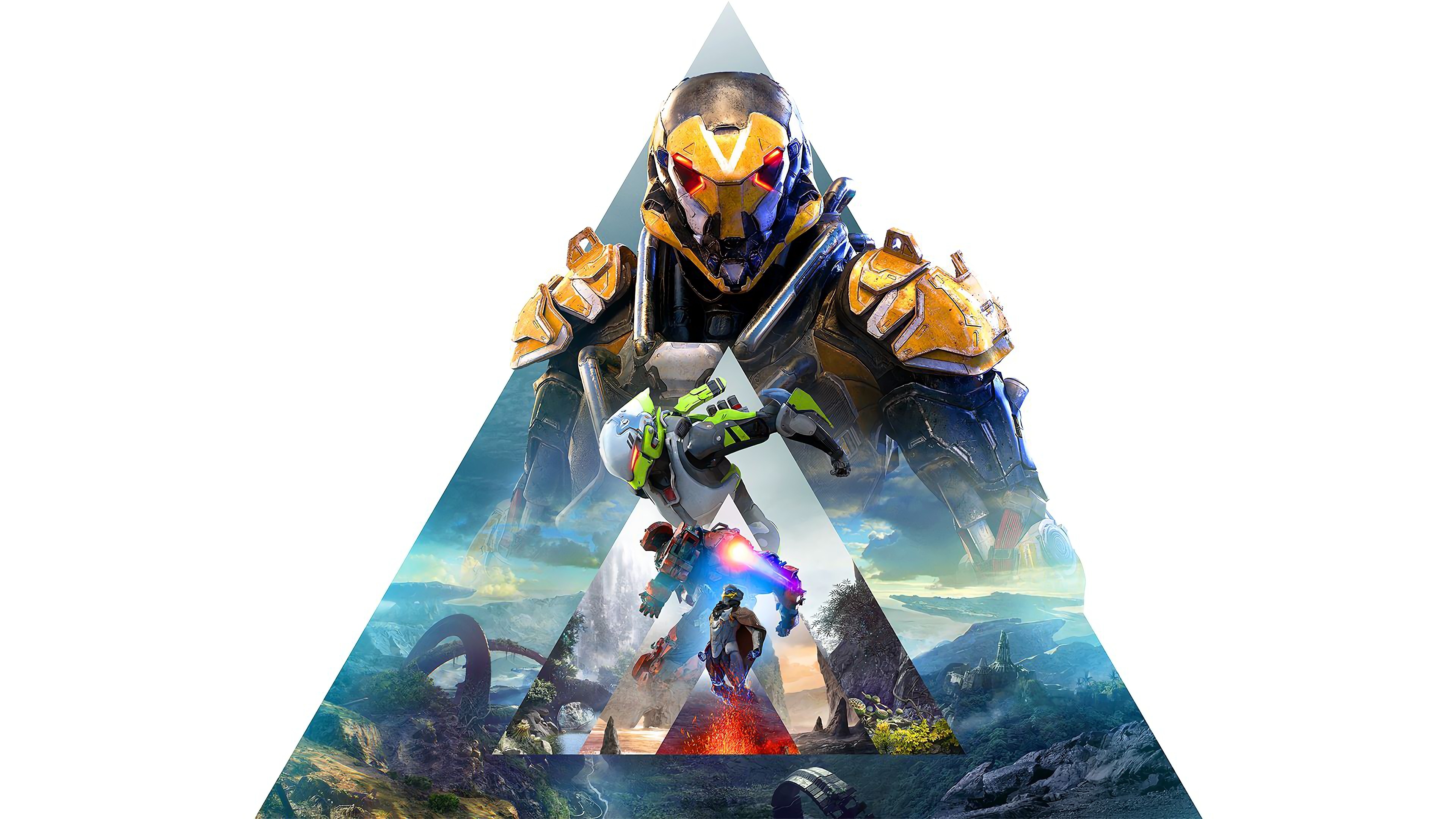
A loot-drop tuning pass reduced high-rarity item frequency after a brief accidental buff improved acquisition rates. The reversal extended the grind for Masterwork and Legendary items during endgame activities. BioWare and Electronic Arts faced immediate player pushback and later re-examined drop tables. The patch also exposed inconsistencies between activity tiers and reward scaling.
‘Call of Duty: Warzone’ (2020)
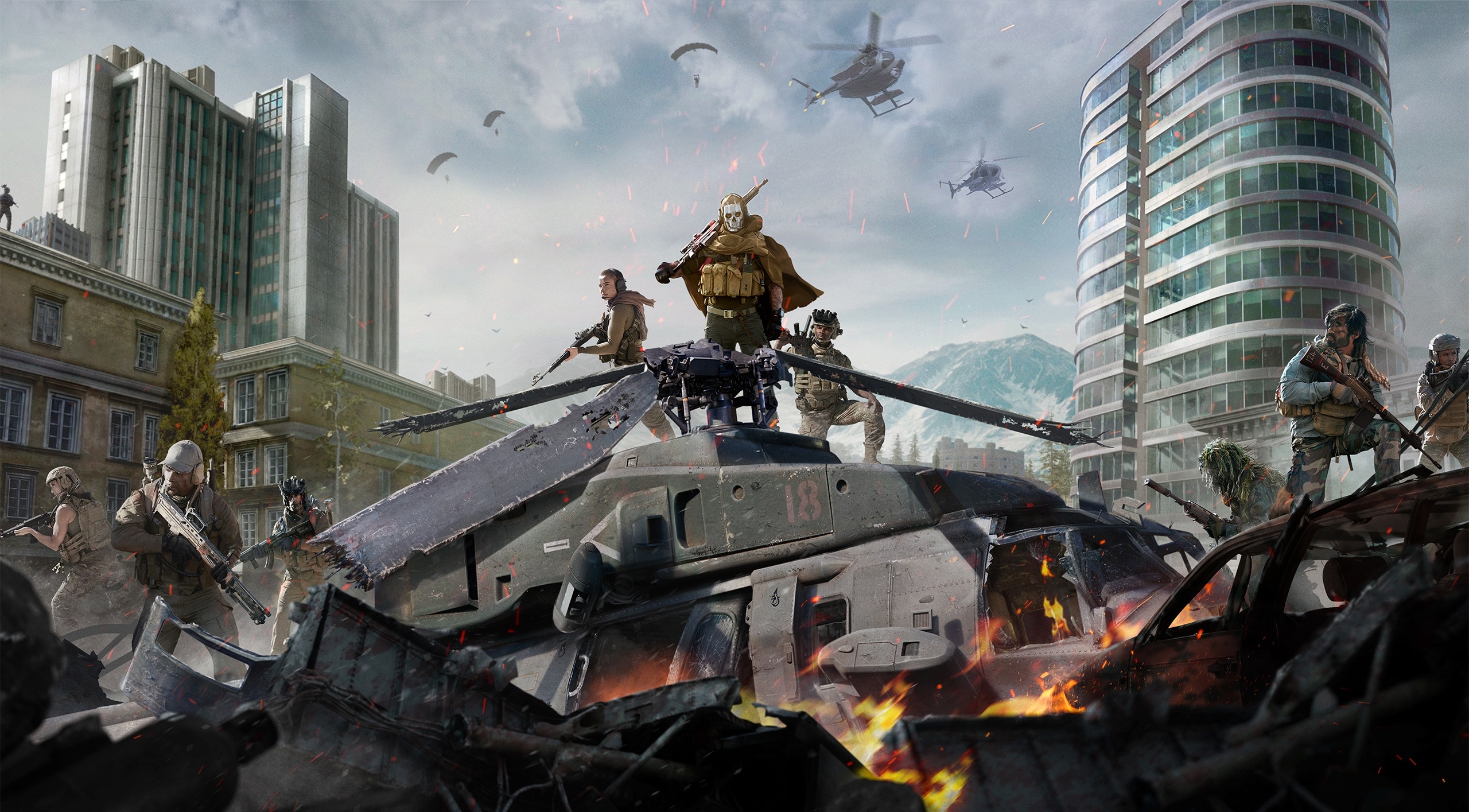
The integration update with ‘Black Ops Cold War’ introduced weapon balance issues and stability problems, including the “stim glitch” reappearing after a fix. Time-to-kill values spiked due to unintended multipliers on certain rifles. Raven Software, Infinity Ward, and Activision cycled multiple hotfixes to normalize damage profiles. File size increases and shader re-compiles further strained console performance during that cycle.
‘Genshin Impact’ (2020)
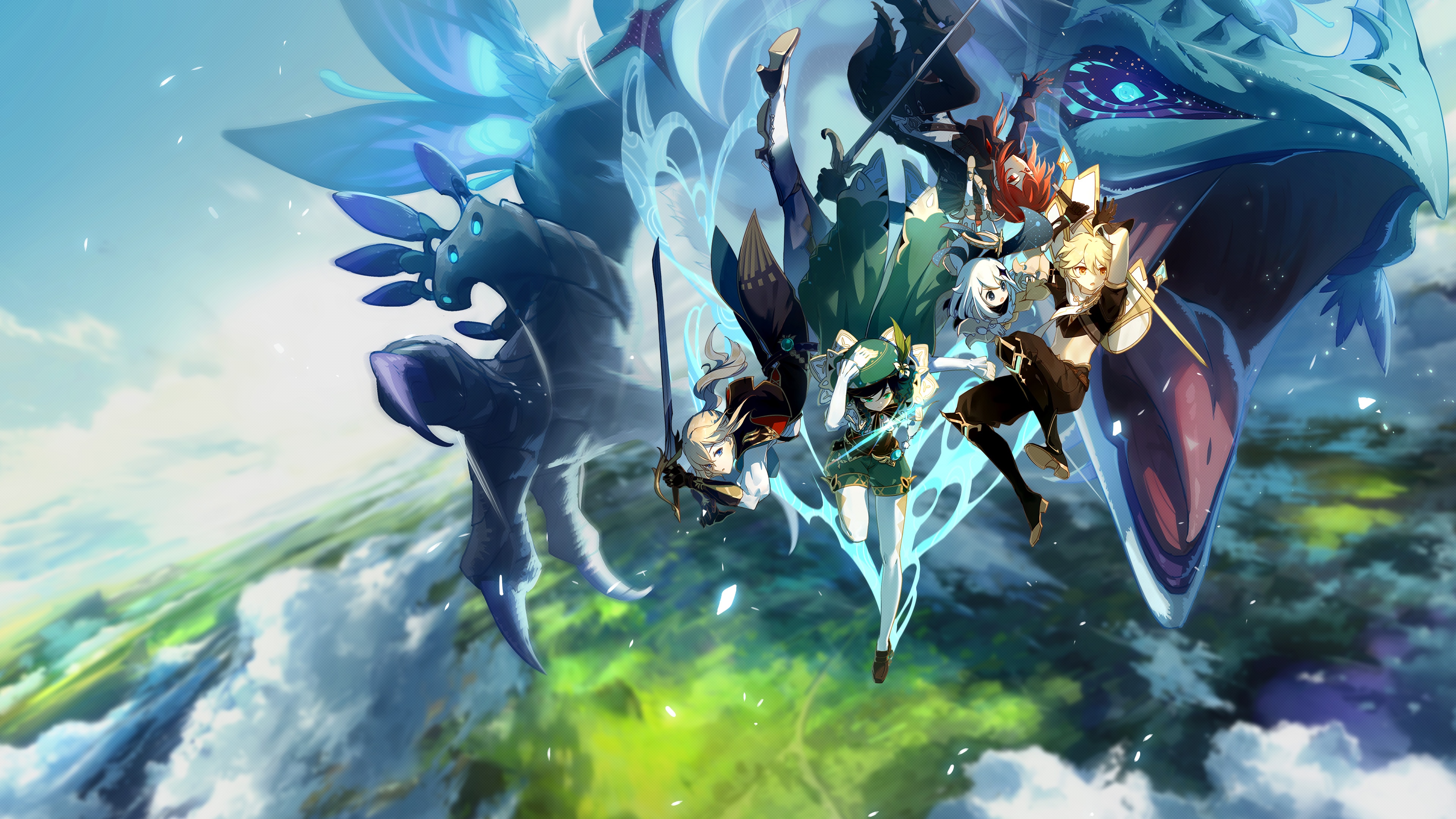
Version 1.1 shipped Geo resonance and character tuning that left Zhongli underpowered relative to expectations for a limited 5-star unit. This change reduced shield strength and team utility for Geo-centric compositions. miHoYo (HoYoverse) later reworked the kit in 1.3, but the interim period constrained team building. Event domains also highlighted the gap in defensive scaling after the patch.
‘Dark Souls III’ (2016)
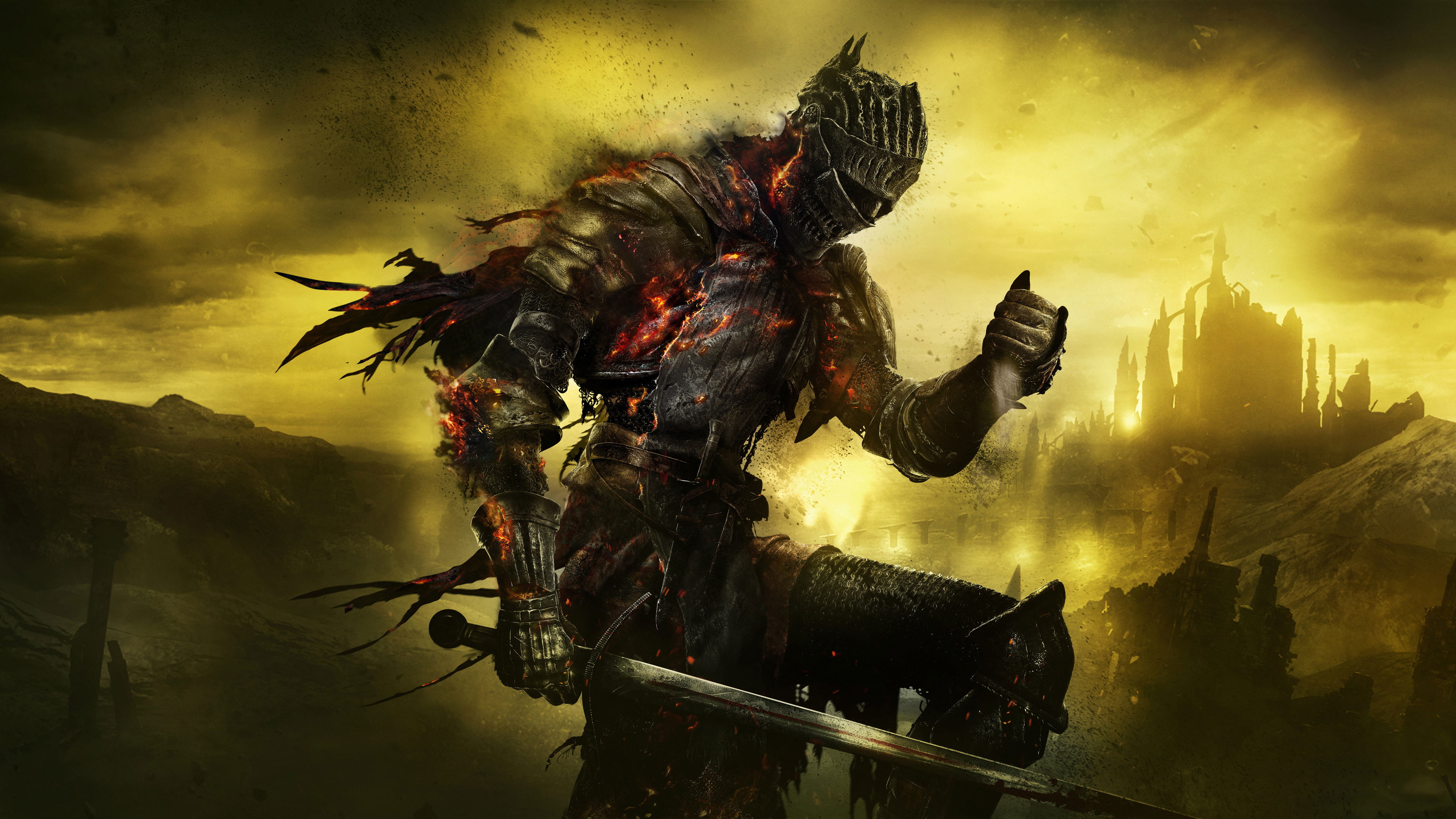
A balance patch reduced the functional impact of poise and adjusted hyper-armor frames on heavy weapons. The change made trading unfavorable for greatsword and ultra weapon classes in PvP. FromSoftware, QLOC, and Bandai Namco Entertainment iterated on poise flags later, but many builds required complete overhaul. Early bosses also demanded new approach timings due to altered stagger thresholds.
Share your own “good patch gone bad” memories in the comments—what update derailed your run the most?