Games That Are Only Fun The First Time You Play Them



Some games are built around one-off discoveries—locked-in puzzle solutions, scripted twists, or mysteries that fully unravel only once. After you know the answer, the systems don’t meaningfully change, the path stays the same, and the key set-pieces trigger in identical ways. That first playthrough can be unforgettable, but repeats often retrace identical steps with little new information to find. Here are games whose design leans on singular revelations, with developers and publishers noted for context.
‘Gone Home’ (2013)

Developed by The Fullbright Company, ‘Gone Home’ is a short first-person exploration game set in a 1990s family house. All environmental clues, combination codes, and story beats are fixed, so the central mystery resolves the same way each time. Players access the same rooms and journals in any order, but the content of those notes and audio logs never changes. Subsequent runs become a direct retrace of known locations and interactions.
‘Her Story’ (2015)

Created and published by Sam Barlow, ‘Her Story’ uses full-motion video clips you unlock via text searches. The database is finite and every clip’s content remains identical once viewed. After assembling the timeline and understanding the case, later sessions simply revisit previously seen footage. There are no alternate solutions or randomized entries to alter outcomes.
‘What Remains of Edith Finch’ (2017)
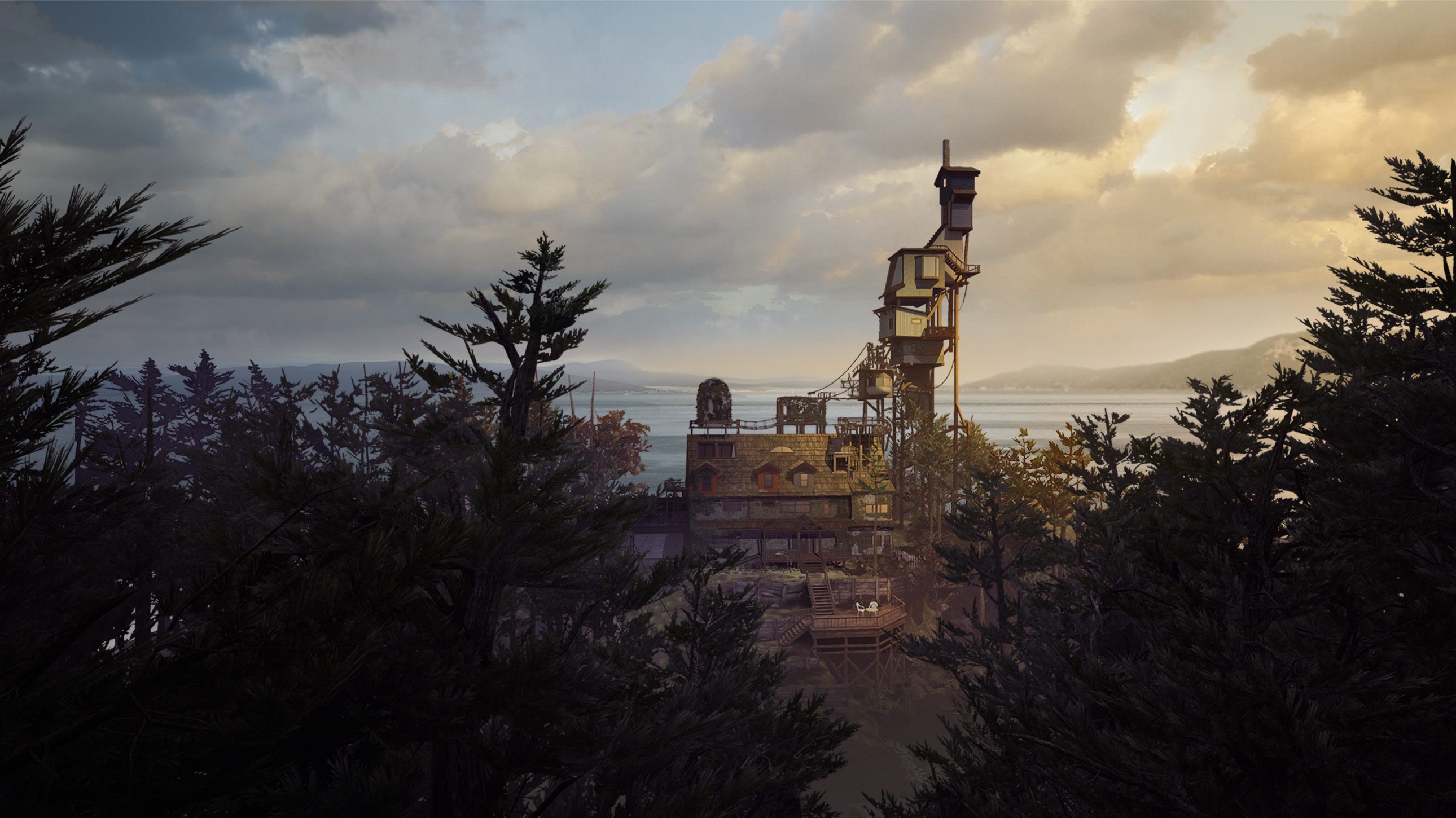
Developed by Giant Sparrow and published by Annapurna Interactive, ‘What Remains of Edith Finch’ is an anthology of tightly scripted vignettes. Each family member’s story plays out in a specific sequence with fixed mechanics and narrative endpoints. The game’s interactive sections are bespoke set-pieces that don’t branch or randomize. Replays retell the same canon events without systemic variance.
‘The Stanley Parable’ (2013)

Built by Galactic Cafe, ‘The Stanley Parable’ is a meta narrative with many predetermined endings accessed through specific choices. Although there are multiple routes, each branch is authored and repeats exactly once you know the trigger actions. The narrator’s lines, scene changes, and outcomes are static across playthroughs. Discovery centers on exhausting the finite menu of paths rather than emergent systems.
‘Doki Doki Literature Club!’ (2017)

Developed and published by Team Salvato, ‘Doki Doki Literature Club!’ uses scripted subversions and file-level tricks as part of its plot. Poems, events, and key reveals occur according to fixed conditions, culminating in the same story resolution. The game’s “second act” manipulations are repeatable but not variable. Replays present the same shocks and text sequences once you know when they occur.
‘Firewatch’ (2016)

From Campo Santo and publisher Panic, ‘Firewatch’ delivers a linear, radio-driven mystery set in Wyoming. Dialogue choices shape tone but not the core sequence of events or conclusion. The map, clues, and timeline advance along a single authored arc. Later runs follow the same day-by-day progression with identical discoveries.
‘Inside’ (2016)
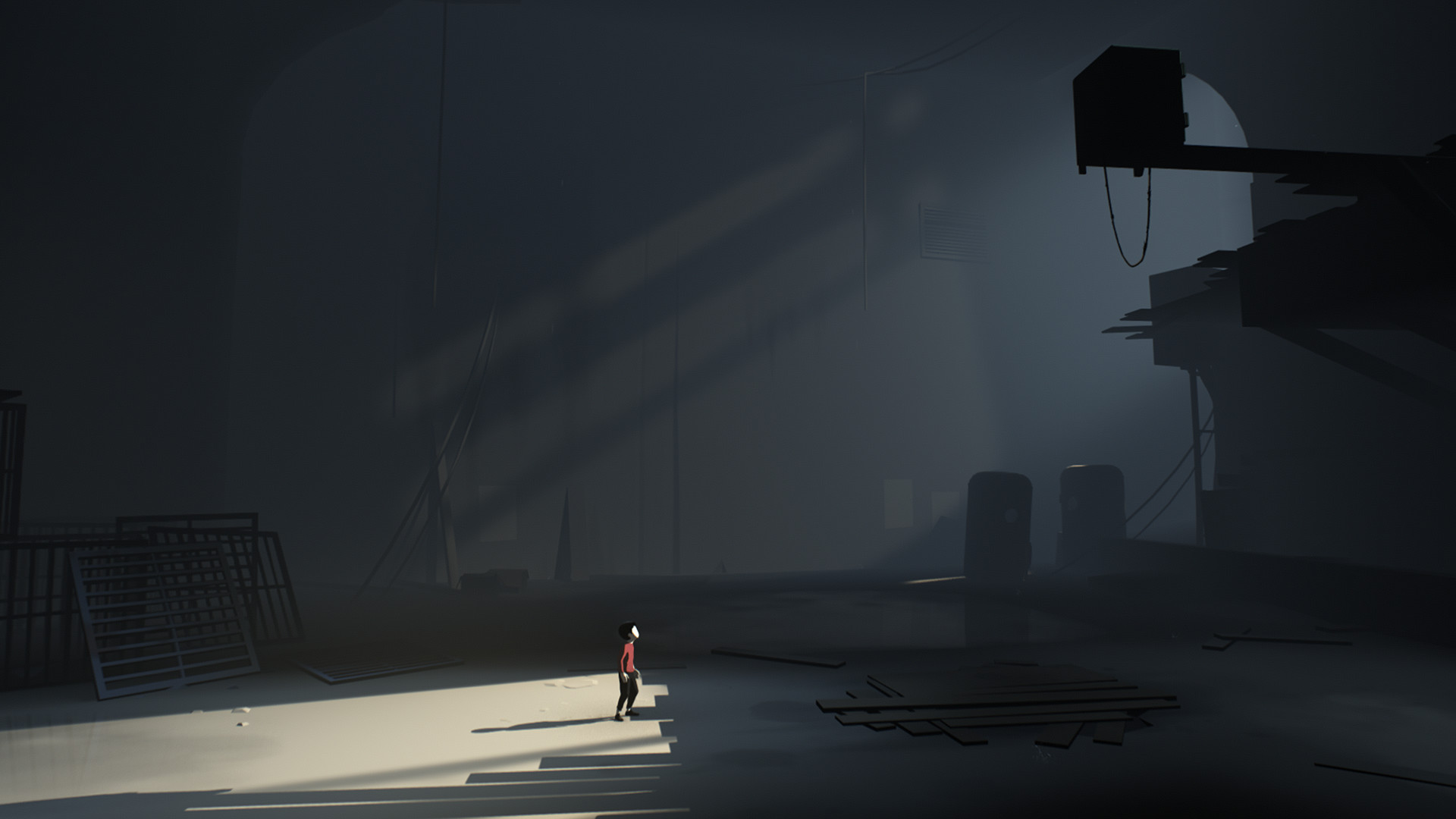
Playdead developed and published ‘Inside,’ a side-scrolling puzzle-platformer with fixed solutions. Each puzzle has a single intended answer and the environments present identical hazards on every run. Collectible orbs provide a small optional challenge, but they don’t alter the narrative path. The ending and its hidden variant trigger through set requirements that don’t change once learned.
‘The Room’ (2012)

Developed and published by Fireproof Games, ‘The Room’ features tactile 3D lockboxes with deterministic puzzle chains. Combination codes, mechanisms, and compartment layouts are constant. There are no alternate routes to open a device once the steps are known. Subsequent plays reproduce the same sequence of manipulations from memory.
‘Return of the Obra Dinn’ (2018)
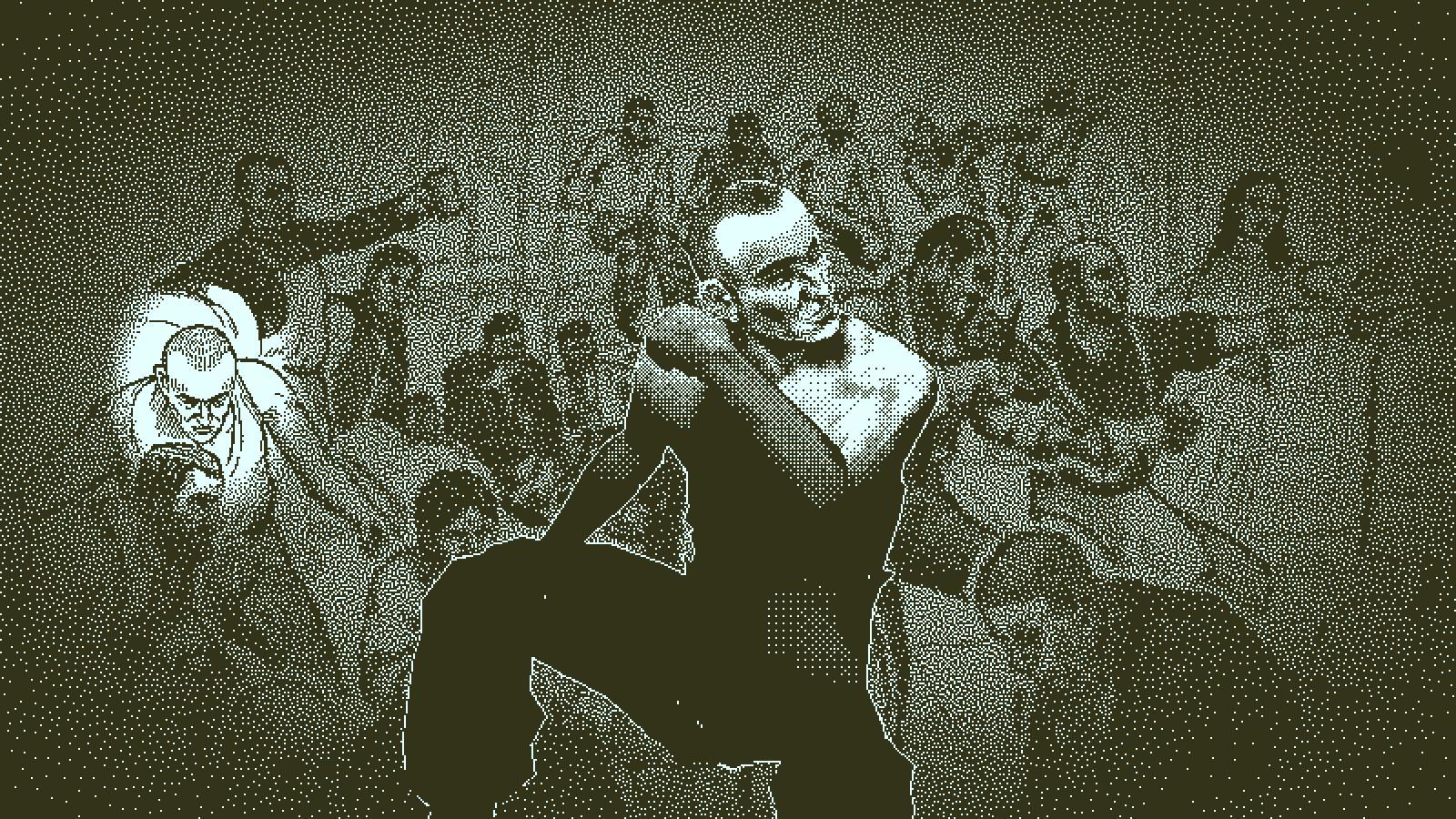
Designed by Lucas Pope and published by 3909 LLC, ‘Return of the Obra Dinn’ tasks you with assigning identities and fates to a ship’s crew. All clues, scenes, and deductions point to one canonical solution for each person. Once you have mapped names to faces, the logic grid resolves identically on repeats. The ship’s layout and memories remain fixed, eliminating uncertainty in future runs.
‘Twelve Minutes’ (2021)

Directed by Luis Antonio and published by Annapurna Interactive, ‘Twelve Minutes’ loops a single apartment scenario. Progress comes from learning specific dialogue triggers and interaction chains. After you’ve internalized the correct sequence, the loop resolves in the same manner. There’s limited variability beyond execution speed once the solution is known.
‘Outer Wilds’ (2019)

Developed by Mobius Digital and published by Annapurna Interactive, ‘Outer Wilds’ uses a 22-minute time loop governed by solar-system physics. Crucial knowledge—codes, routes, and astrophysical events—persists, allowing direct beelines to solutions. Planets follow the same schedules and transformations every cycle. Once the player understands the key revelations, the observables and ending path stay constant.
‘The Vanishing of Ethan Carter’ (2014)
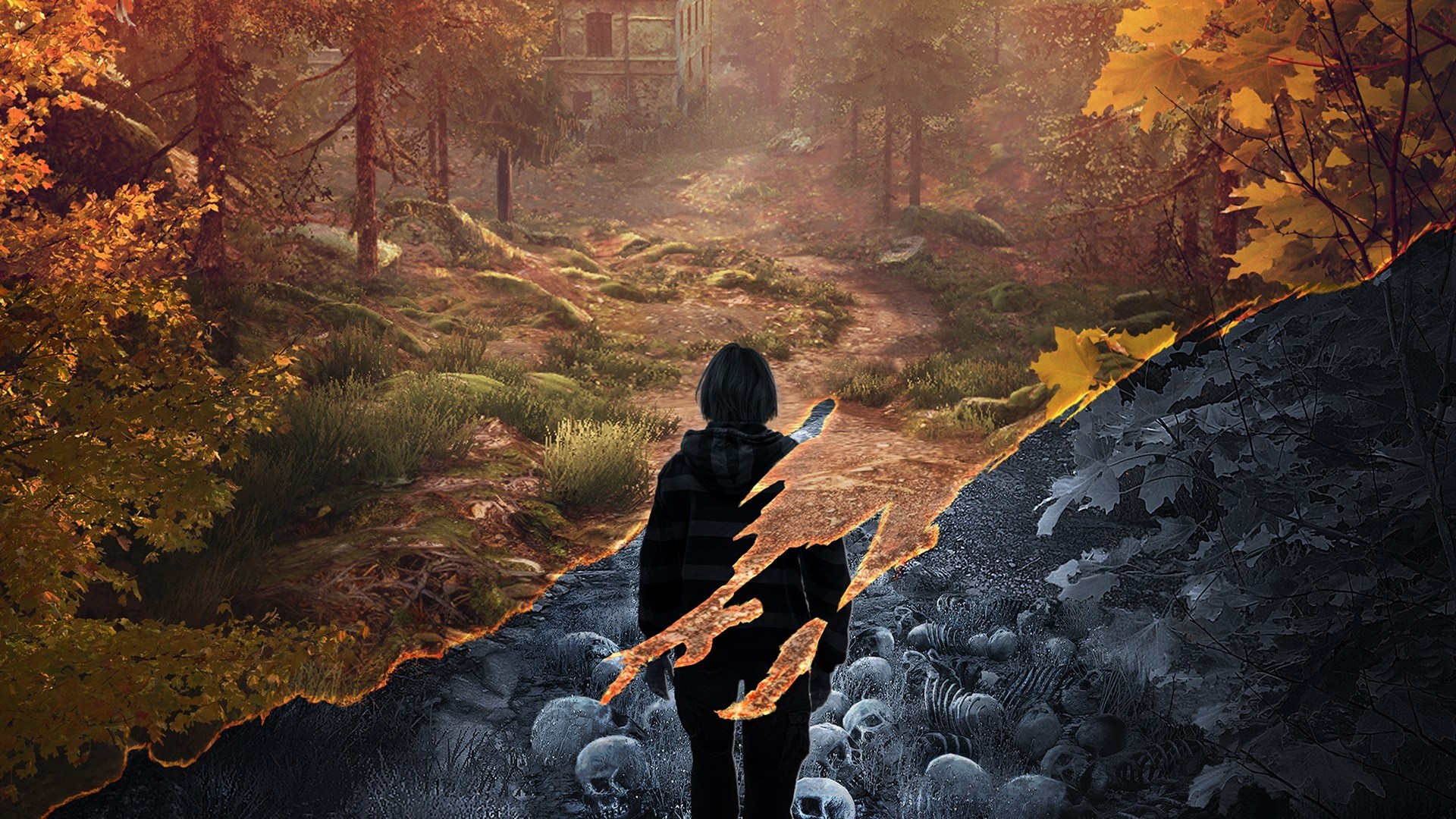
From The Astronauts, ‘The Vanishing of Ethan Carter’ blends exploration with fixed logic puzzles in a rural mystery. Scenes unlock in set ways, and the stories conclude with the same narrative frame. Optional order doesn’t change puzzle content or outcomes. Replays repeat identical investigation steps and revelations.
‘Oxenfree’ (2016)
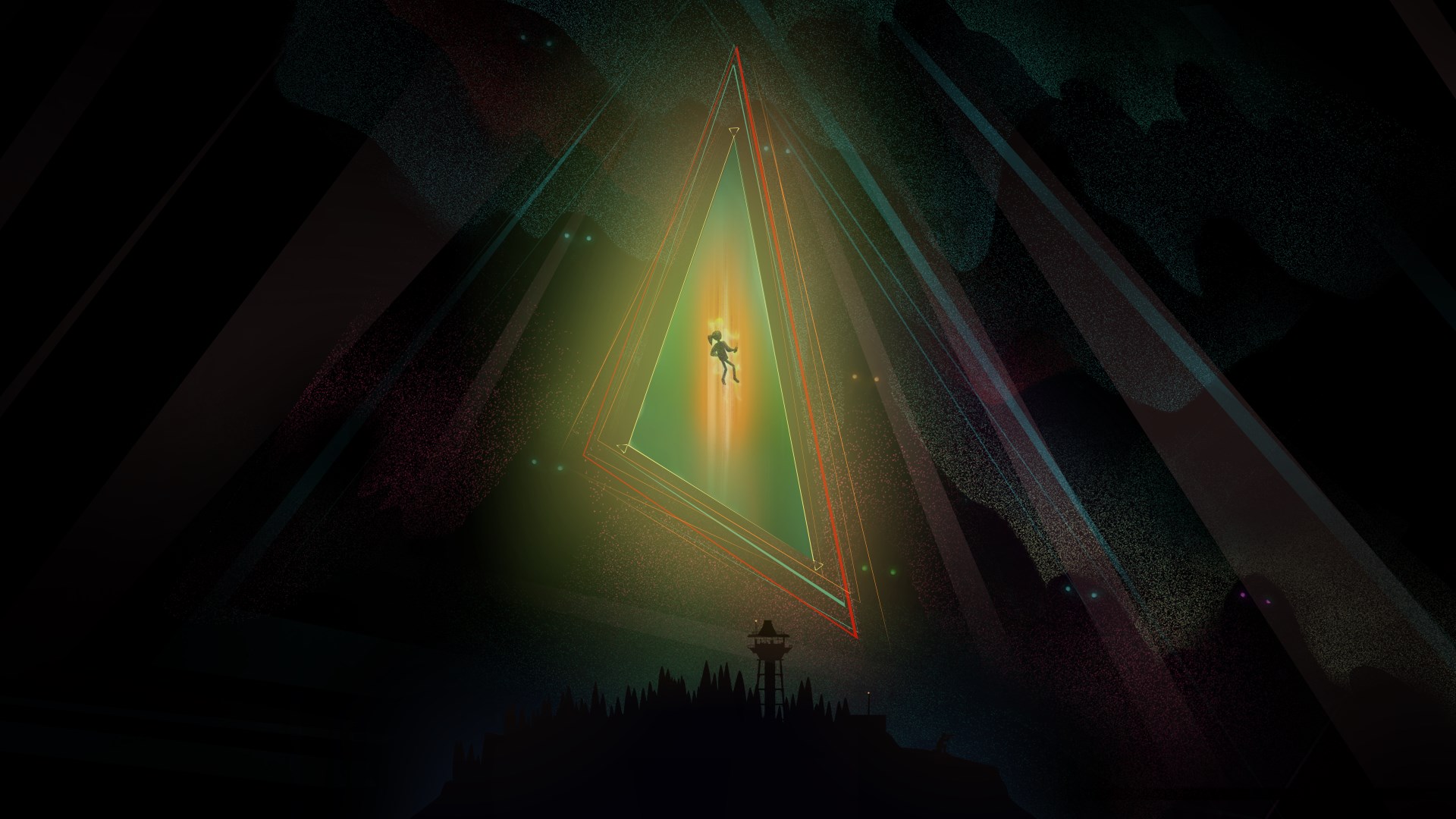
Developed and published by Night School Studio, ‘Oxenfree’ features branching dialogue but a fixed supernatural timeline. Radio anomalies, key set-pieces, and island routes trigger in consistent fashion. A New Game+ adds minor twists, yet the core events and puzzle beats remain authored. Subsequent playthroughs visit the same locations with the same signal-based interactions.
‘Limbo’ (2010)
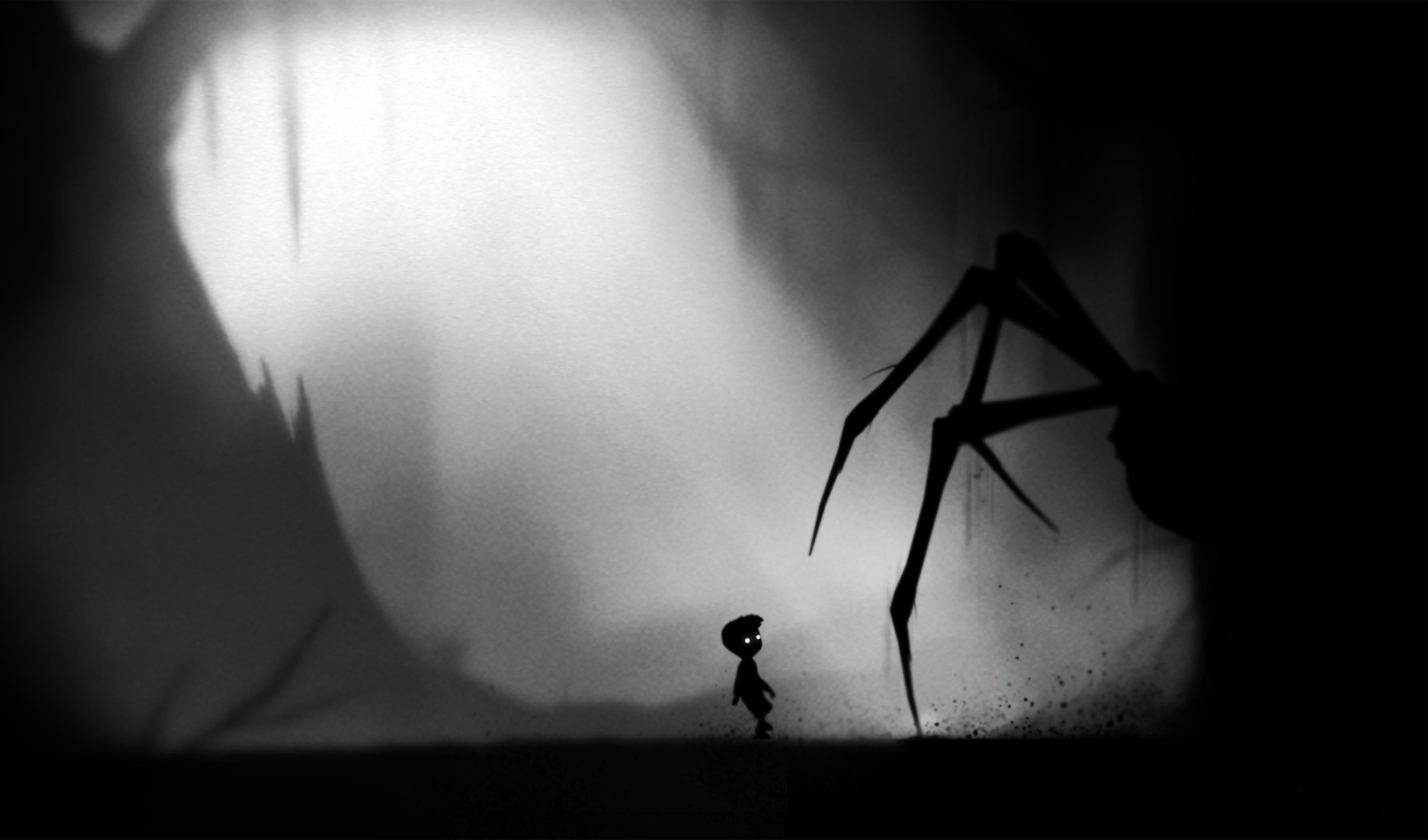
Playdead’s ‘Limbo’ presents single-solution physics puzzles across a linear side-scrolling path. Trap patterns, enemy behaviors, and environmental triggers do not randomize. Once you know the timing windows, progression is repeatable with minimal deviation. The ending is fixed and there are no alternate routes.
‘Heavy Rain’ (2010)

Developed by Quantic Dream and published by Sony Computer Entertainment, ‘Heavy Rain’ uses quick-time events and choice-gated scenes. While multiple permutations exist, the identity of key characters and many case details are predetermined. Scene availability hinges on execution, but the authored content itself is fixed. Knowledge of critical timings and prompts streamlines subsequent runs along familiar branches.
‘L.A. Noire’ (2011)

From Team Bondi and Rockstar Games, published by Rockstar Games, ‘L.A. Noire’ structures investigations as discrete cases. Clues spawn in the same locations, and interrogations follow set scripts tied to evidence already found. Although questioning has pass/fail states, the case solutions and culprit identities are constant. Replays revisit identical crime-scene sweeps and interview trees.
‘Phoenix Wright: Ace Attorney’ (2001)

Developed and published by Capcom, ‘Phoenix Wright: Ace Attorney’ progresses through fixed courtroom scenarios. Each cross-examination has a single correct contradiction or evidence submission. Case outcomes and character revelations remain the same once uncovered. Later playthroughs repeat identical testimony sequences and logic steps.
‘Professor Layton and the Curious Village’ (2007)

Level-5 developed the game, with Nintendo publishing outside Japan, and the puzzles are static brainteasers with one right answer each. The mystery resolves to a single canonical twist. After solving a riddle, the solution doesn’t change on replay. Optional puzzle unlocks add volume but not variability to the core path.
‘The Witness’ (2016)

Designed and published by Thekla, Inc., ‘The Witness’ is an open-world of panel puzzles governed by consistent rule sets. Each panel’s solution is fixed, and rule variations are finite. Once the puzzle language clicks, specific boards become rote. The endgame pillars and challenge structures also follow predetermined layouts.
‘Portal’ (2007)

Developed and published by Valve, ‘Portal’ is a compact series of physics puzzles culminating in a set finale. Test chamber layouts and solution paths are identical every run. The antagonist’s lines and story beats trigger at the same points. After learning the chamber solutions, progression is a repeat of known steps.
‘Portal 2’ (2011)

Valve’s ‘Portal 2’ expands with scripted set-pieces, authored jokes, and fixed chamber designs. Single-player puzzles resolve the same way, and co-op chambers also retain identical layouts and timings. The narrative’s major reveals occur at fixed times. Replays replicate chamber solutions and story beats without systemic remixing.
‘The Beginner’s Guide’ (2015)
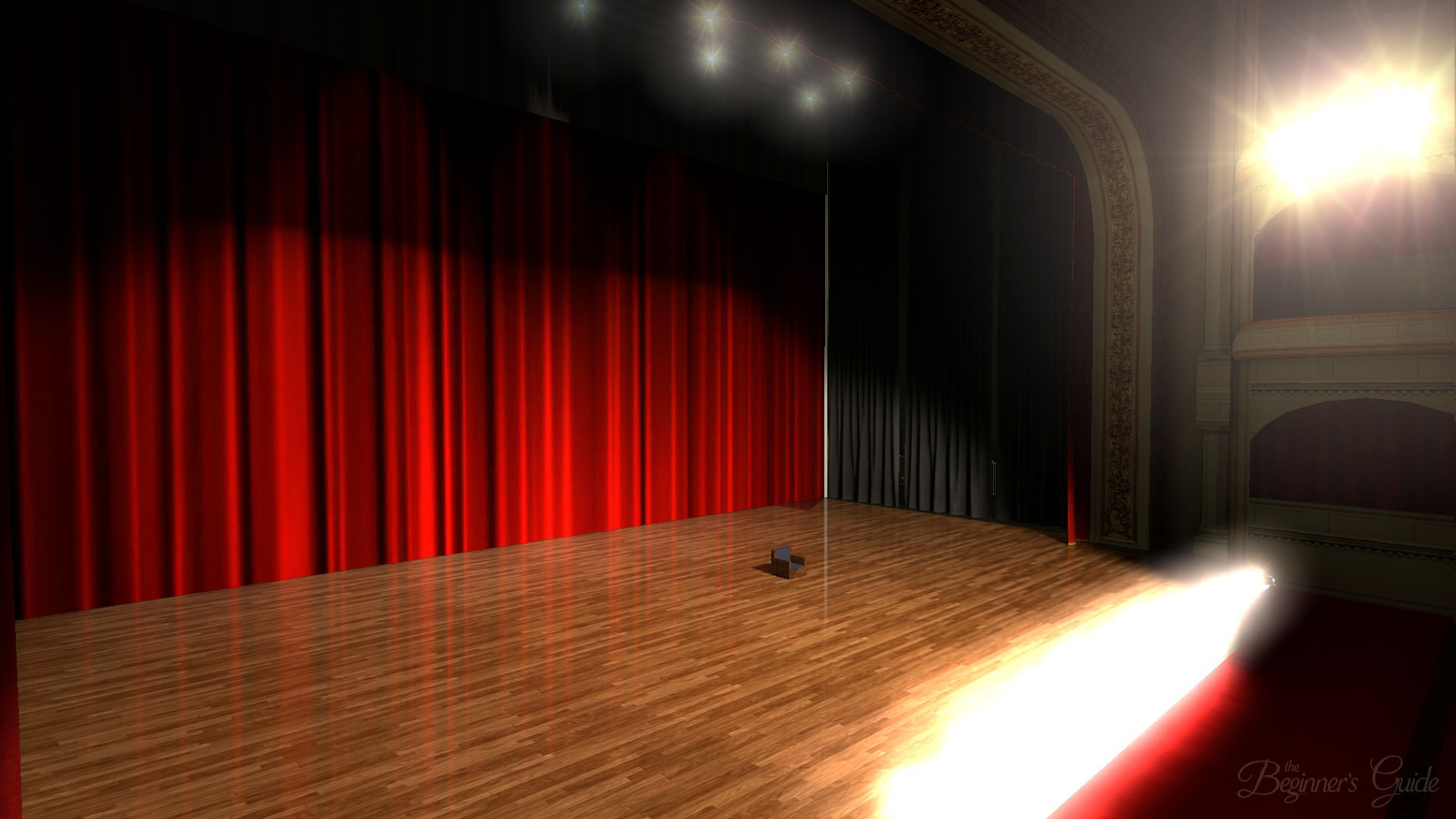
Created by Davey Wreden and released via Everything Unlimited Ltd., ‘The Beginner’s Guide’ is a linear narrative presented in a single sitting. Scene order, commentary, and interactive beats are fixed. There are no alternate paths, secrets that change the outcome, or randomized elements. Subsequent playthroughs present the same authored experience.
‘Until Dawn’ (2015)

Developed by Supermassive Games and published by Sony Computer Entertainment, ‘Until Dawn’ uses a branching structure with butterfly-effect flags. While characters can live or die, scenes and core twist information are predefined and recur. QTE timings and collectible clues remain the same across runs. Once all permutations are seen, later playthroughs repeat known triggers and outcomes.
‘Detroit: Become Human’ (2018)
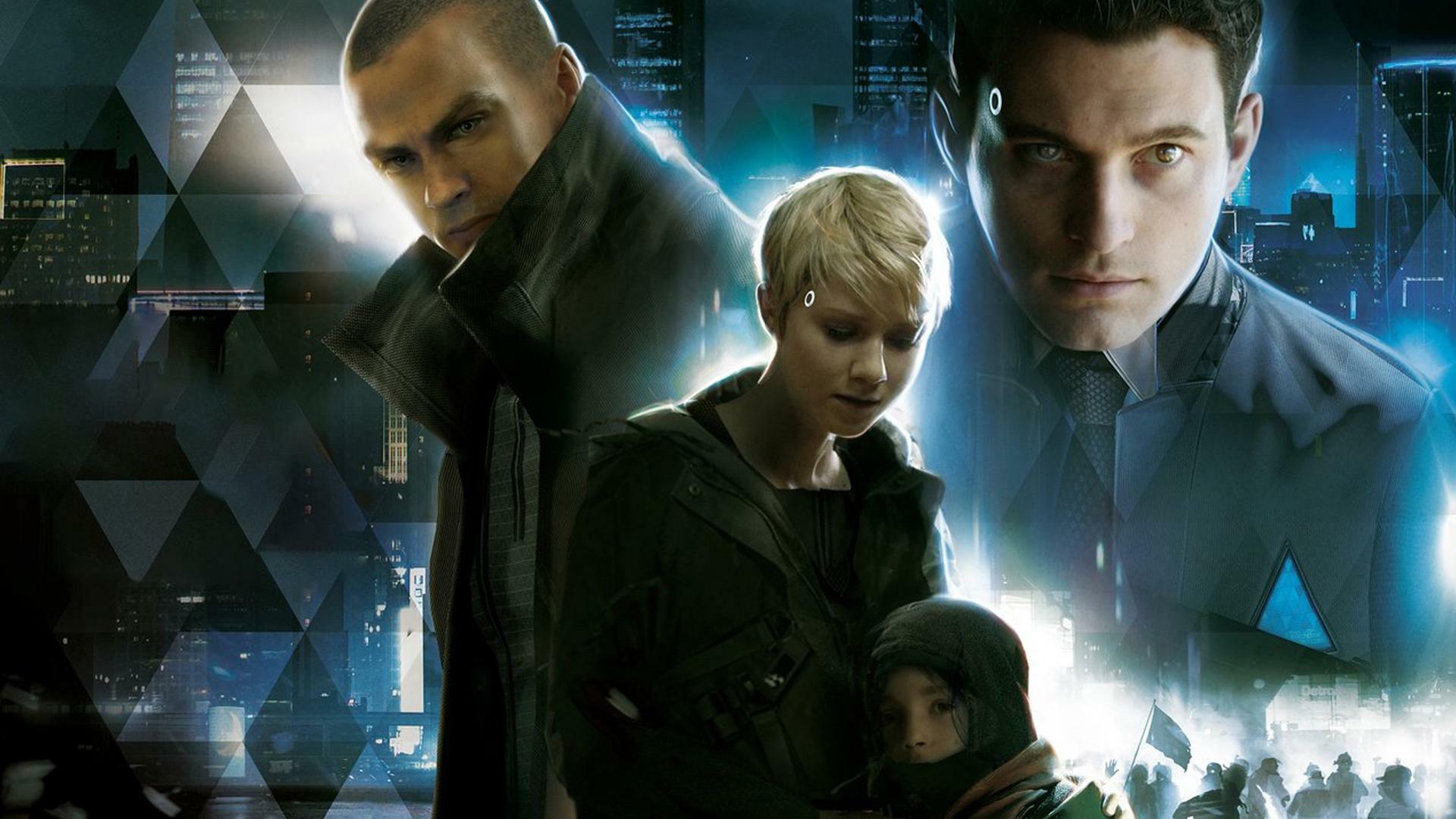
Quantic Dream developed ‘Detroit: Become Human,’ published by Sony Interactive Entertainment on console and later by Quantic Dream on PC. The flowchart shows numerous branches, but each node is a fixed, repeatable scene. Evidence locations, QTEs, and dialogue unlocks behave identically when revisited. After learning optimal routes, scenes can be replayed to the same results on demand.
‘Telling Lies’ (2019)

From Sam Barlow and published by Annapurna Interactive, ‘Telling Lies’ uses FMV clips you find via keyword searches across a finite database. Each recording’s content is fixed and the overarching storyline is constant. Once you’ve viewed the key clips, the narrative puzzle is fully resolved. Repeat sessions surface the same conversations and outcomes without new variables.
Share your picks: which games felt magical once but didn’t hold up on a second run—drop your thoughts in the comments!