20 Games That Were Cancelled When They Were 99% Done


Some games make it all the way to the finish line before business decisions, licensing trouble, or world events keep them from ever hitting store shelves. These near releases were effectively finished or in final certification, with review copies pressed, retail listings prepared, or full builds ready to go. In several cases prototypes or completed versions later leaked, while a few were officially revived many years afterward. Here are twenty projects that were essentially ready to play before being pulled at the last moment.
‘Thrill Kill’

This four player arena fighter for the original PlayStation was completed and review discs were sent to magazines before the new publisher decided to pull it. The game featured motion captured animations and a roster of sadistic characters with elaborate finishing moves. Multiple builds circulated among testers and eventually leaked online after cancellation. Its engine later powered released brawlers like ‘Wu-Tang: Shaolin Style’ on the same hardware.
‘Star Fox 2’
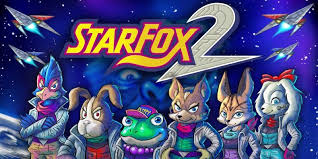
Development wrapped on this Super Nintendo sequel with full 3D space combat, new transforming Arwings, and a dynamic defense map of Corneria. Nintendo halted release near the end of the console’s life as it shifted attention to newer hardware. Years later the original version was officially included on the SNES microconsole with minor tweaks. Its ideas informed later entries that used real time defense layers and multiple wingmen.
‘Warcraft Adventures: Lord of the Clans’
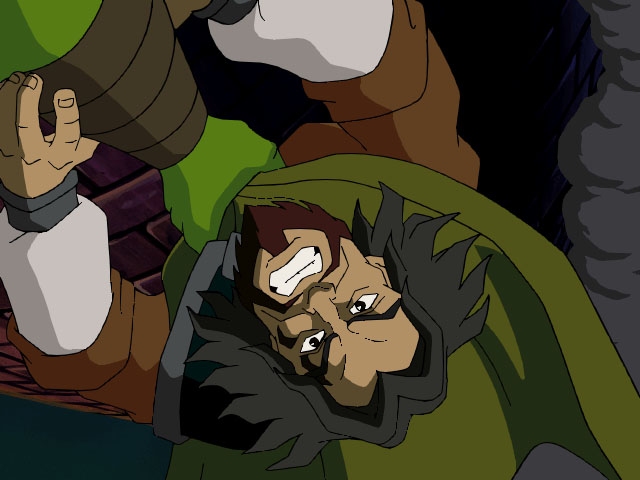
Blizzard’s point and click adventure starred Thrall and used hand drawn animation with voice acting already recorded. The project was almost ready, but the team canceled it late after deciding it did not meet internal quality targets. Cutscenes and playable builds surfaced later through leaks. Story elements were folded into novels and broader series canon.
‘NBA Elite 11’
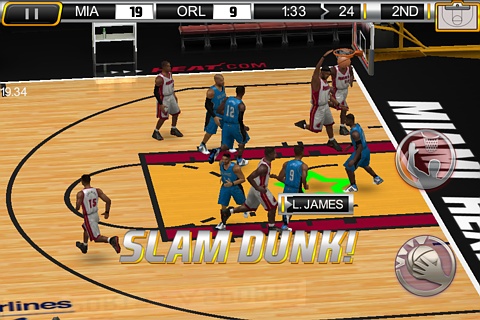
This annual basketball entry reached the stage where a demo was live and retail copies were manufactured. Severe gameplay bugs discovered during final testing led to a last minute recall and cancellation. A small number of discs escaped into the wild and became collector items. The publisher pivoted the basketball brand to a different series name afterward.
‘GoldenEye 007’ XBLA Remaster
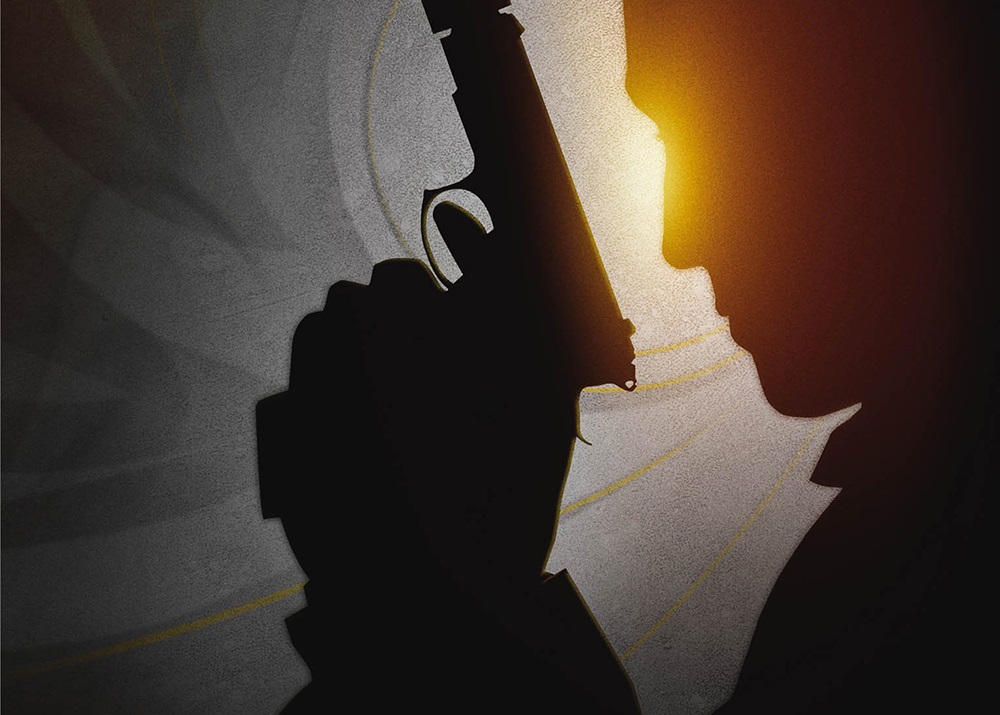
A high resolution remaster with modern controls and instant switching between new and classic visuals was built for a downloadable platform. Rights across multiple companies stalled a full release despite the project being functionally complete. A near final build later circulated widely among enthusiasts. An unrelated official rerelease with different technical underpinnings arrived many years later.
‘Propeller Arena’
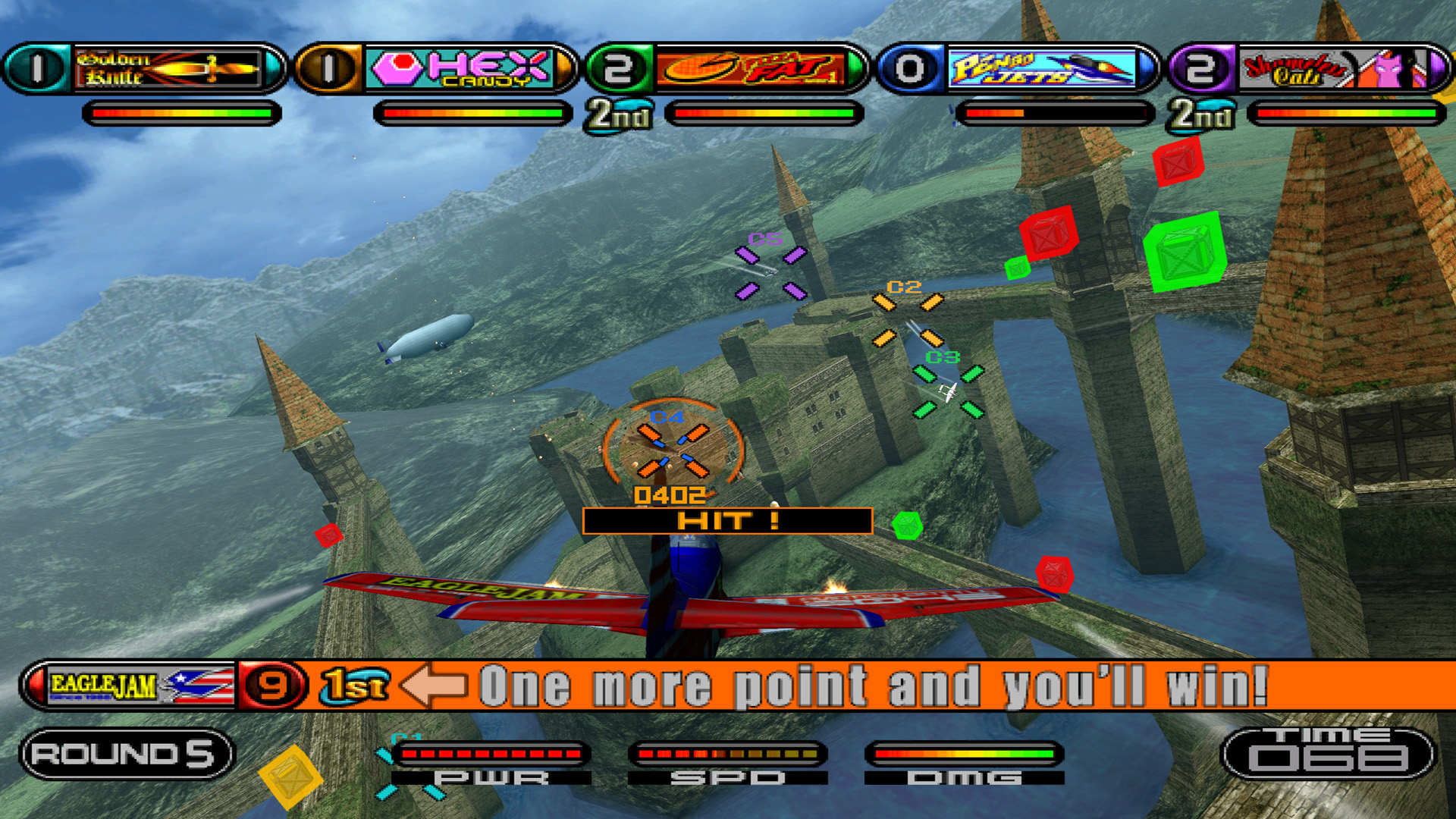
This arcade style dogfighting game for a Sega console was complete and scheduled for shipment. Its focus on aerial combat over urban environments prompted a late cancellation following real world events that changed sensitivities around such imagery. The finished game later appeared online through unofficial channels. It remains a frequent example of an external event derailing a ready title.
‘Penn & Teller’s Smoke and Mirrors’
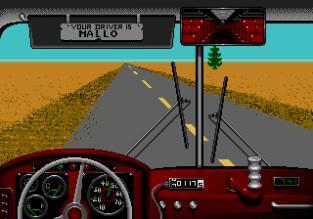
Built as a mischievous collection of magic themed tricks for a disc based console, the package was finished and promotional materials were prepared. Publisher turmoil led to the release being scrapped just before manufacturing. The full game later leaked, introducing the infamous long haul desert driving gag to a wider audience. The duo discussed the project in interviews as an experiment in interactive pranks.
‘Saints Row: Undercover’
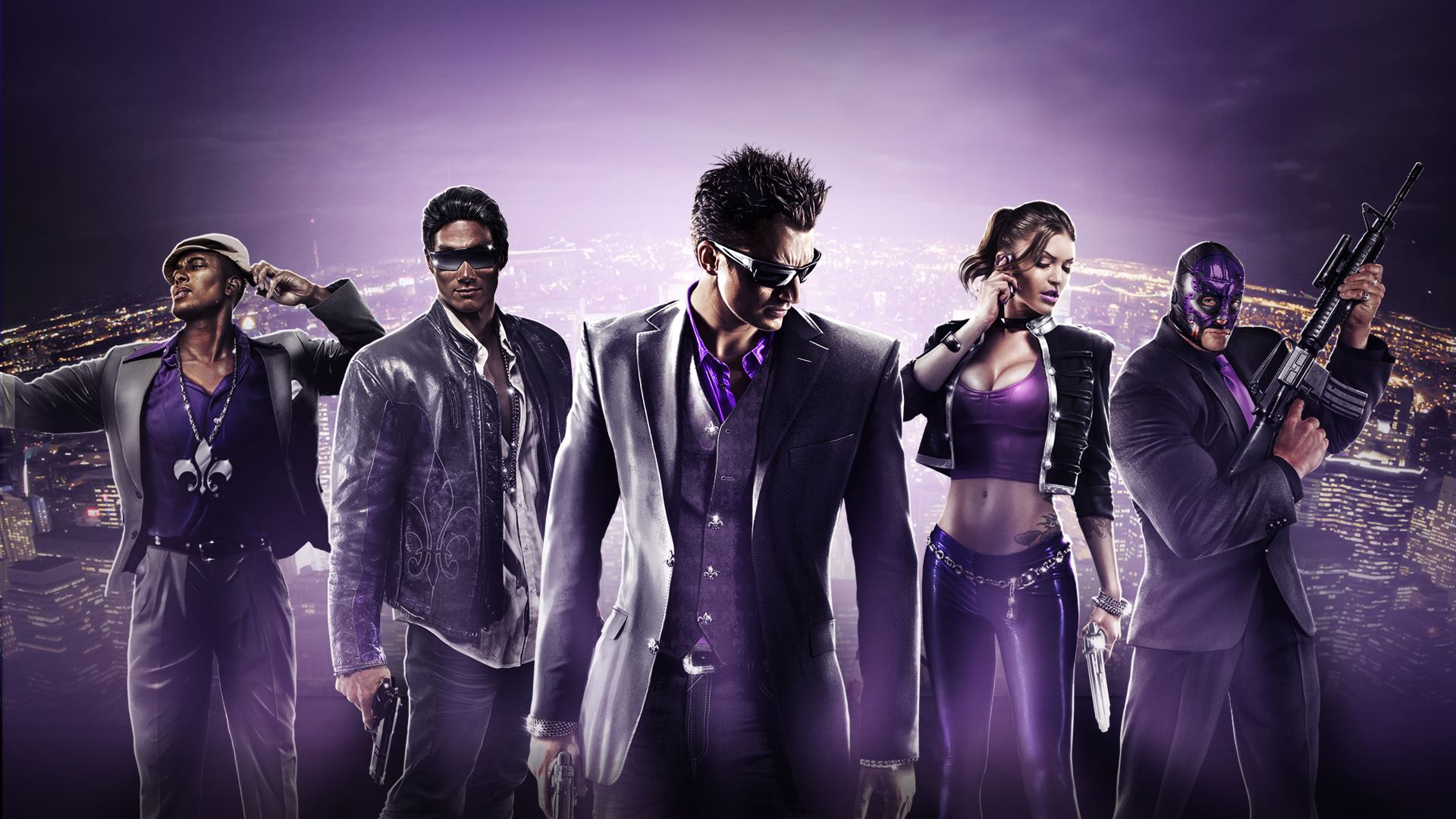
This open world spin off for a handheld system began as a port, then evolved into its own standalone entry. It reached a state where missions, city areas, and progression were in place, but the team decided it did not meet franchise standards. Years later the studio released the ISO for fans to examine the near complete build. Development notes revealed how handheld constraints shaped its design.
‘Star Wars Battlefront III’
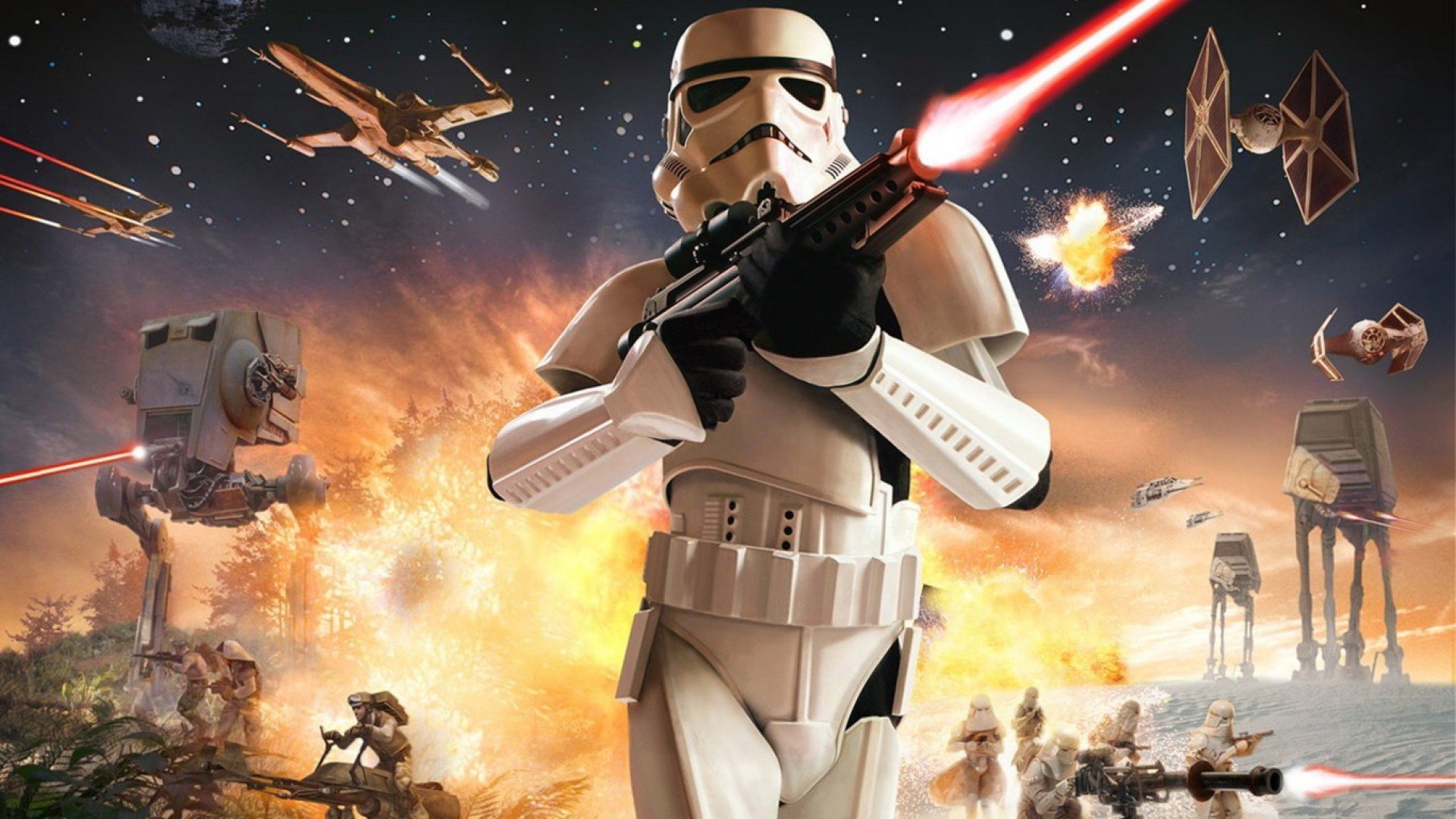
A studio known for fast paced shooters built a large scale sequel with seamless ground to space transitions and extensive multiplayer. Developers later stated the game was extremely close to completion when shifting priorities and business issues halted it. Footage and development assets surfaced over the years showing advanced features already working. Successor projects reused some technical ideas but not the full design.
‘Rogue Squadron Trilogy’ for Wii
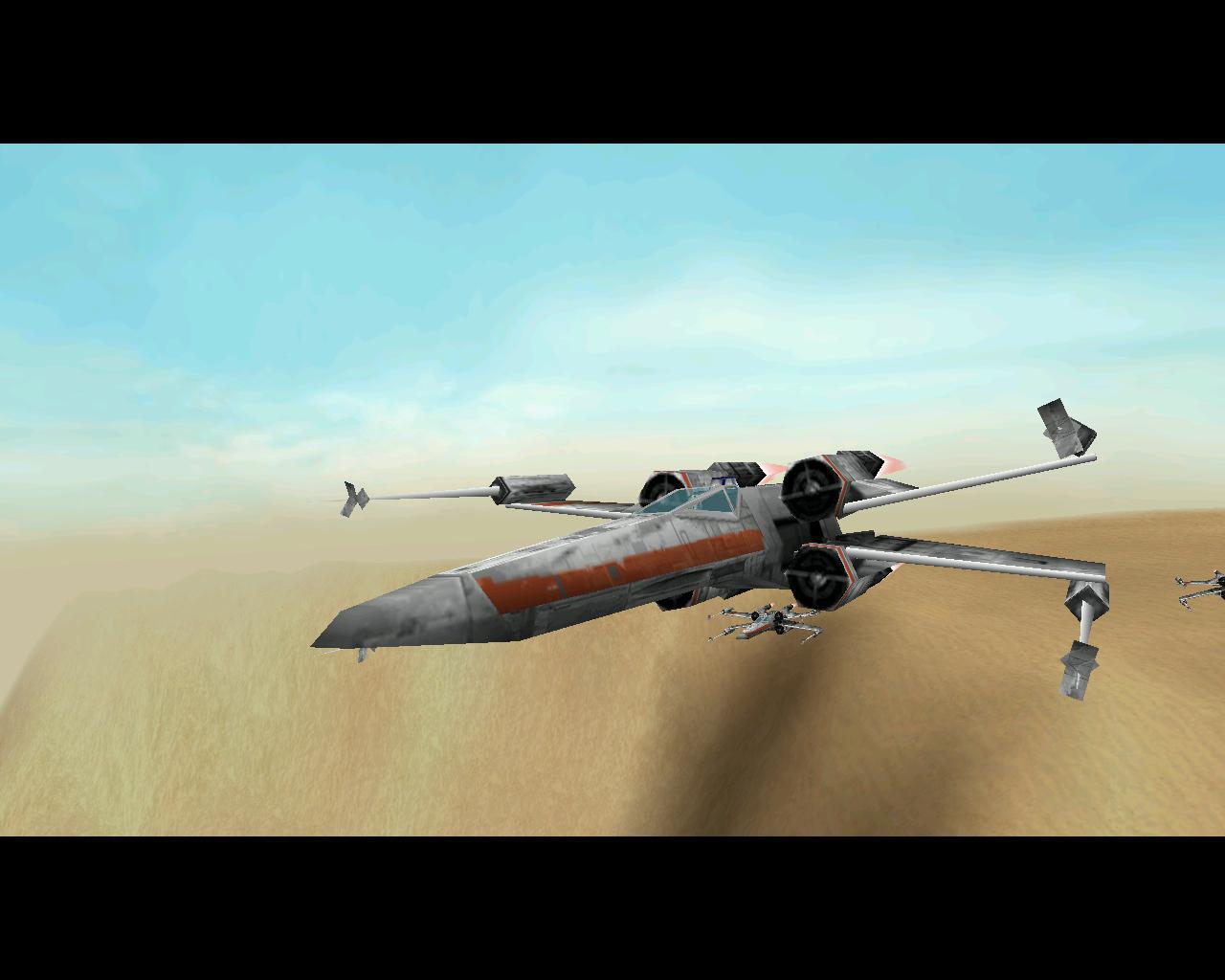
Factor 5 assembled a compilation with motion controls, updated visuals, and multiplayer dogfights that covered multiple classic entries. People involved with the project have said it was complete and waiting for the right release window. Changing partnerships and market conditions prevented it from shipping. The work became one of the most cited unreleased packages in this storied space combat series.
‘Glover 2’
A full sequel to the platformer was developed with new levels, characters, and mechanics on the same cartridge based hardware as the original. The publisher reviewed a near final version and decided not to proceed after internal testing. Prototype cartridges later appeared, showing a content complete campaign needing polish. Postmortems highlighted shifting expectations for 3D platformers late in the console generation.
‘Bonk: Brink of Extinction’
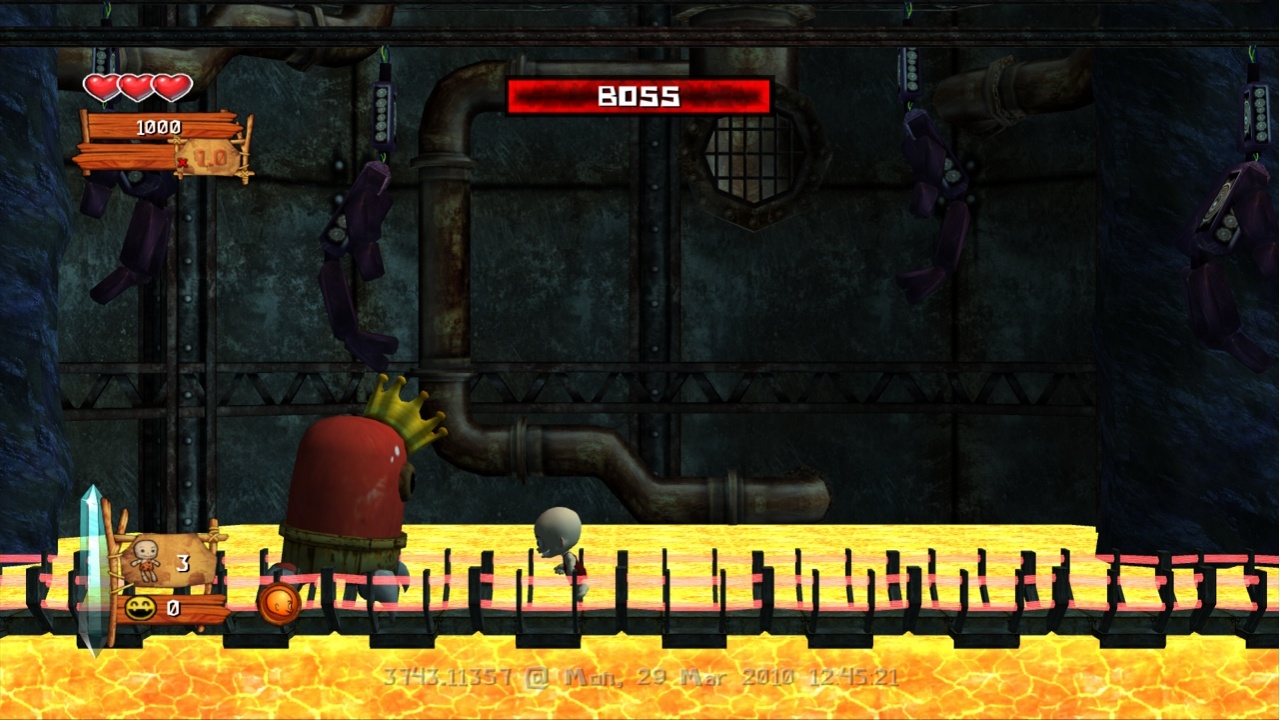
This revival of the prehistoric mascot was built for digital storefronts with cooperative play and updated art. It was approaching completion when the developer’s parent company underwent major changes that halted multiple in progress titles. Footage and screenshots revealed finished levels and bosses. The franchise has remained dormant in the years since.
‘Fear Effect Inferno’
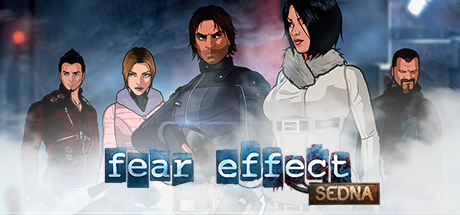
The third main entry in the cel shaded action series had voice recording, cinematics, and large sections of gameplay implemented. Financial setbacks at the studio and publisher caused the project to stall late in development. Playable slices have been demonstrated, showing its signature visual style intact. The brand later returned in a different form that did not directly continue this storyline.
‘Resident Evil 2’ Prototype ‘1.5’
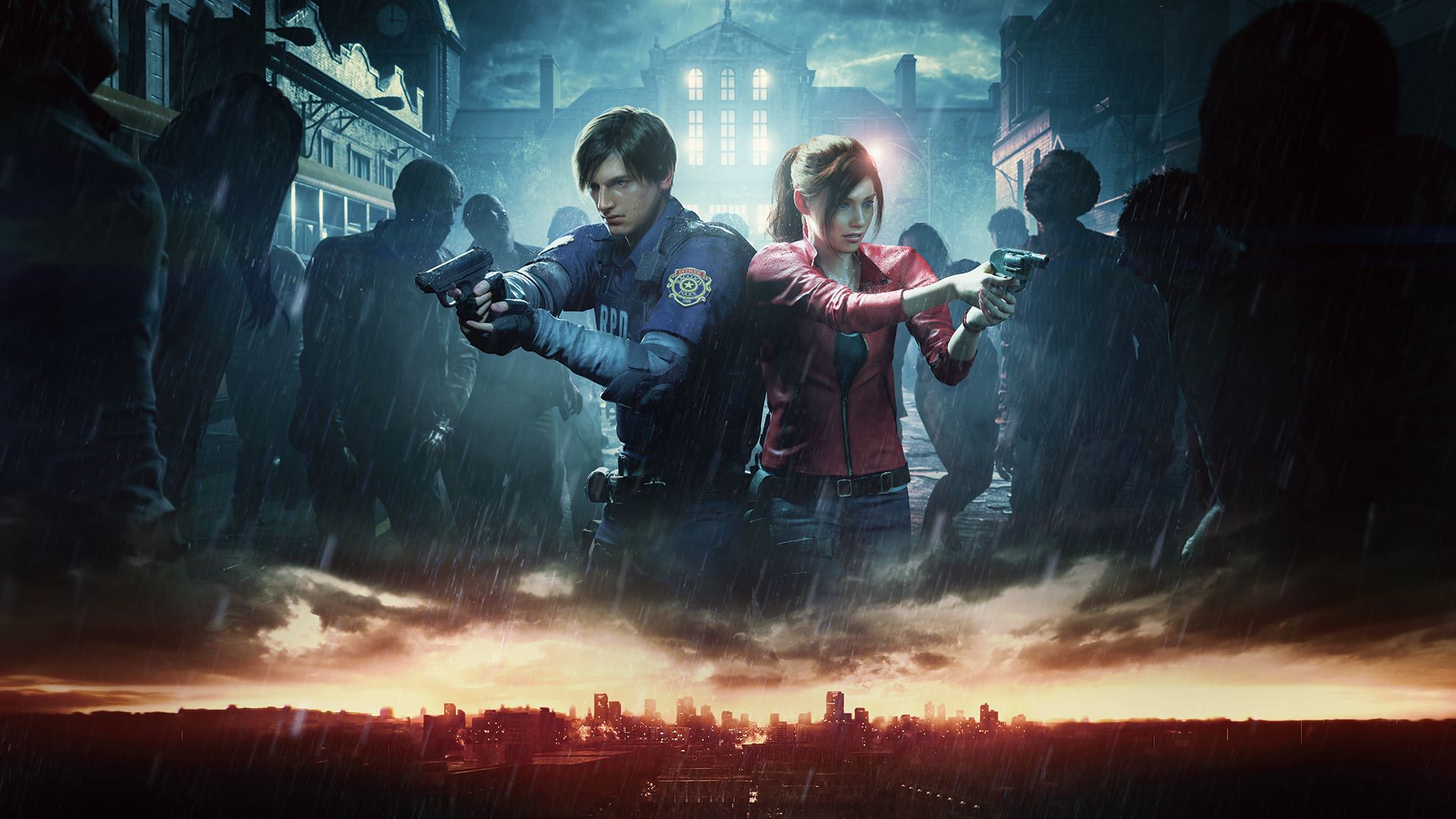
An early version of the sequel was deep into production with a different supporting cast and significantly altered locations. The team ultimately restarted the game to pursue a stronger vision even though the prototype had most systems running. Multiple prototype builds later leaked, confirming its near complete state. Elements from this version inspired designs reused in later remakes and spin offs.
‘Mega Man Mania’
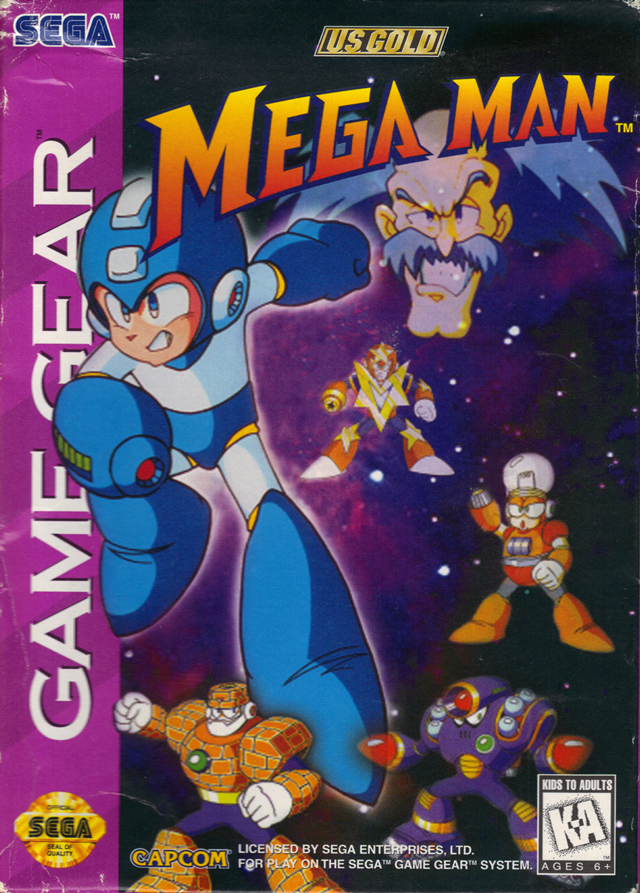
This planned handheld compilation set out to collect classic portable entries with enhancements. Retailers listed the product and preorders were taken, but production complications delayed it repeatedly until it was pulled. Packaging mockups and marketing materials indicated how close it came to release. The collected titles returned through other platforms instead of the intended bundle.
‘The Witcher: White Wolf’
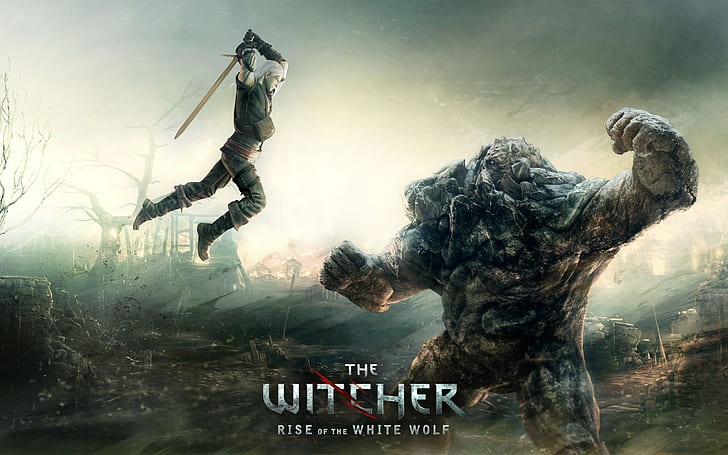
A console focused adaptation of the first game was in development with an external partner handling reworked levels and controls. The project advanced far with content conversion and platform specific features before being canceled due to issues with the collaboration. Postmortems from the developer described lost months of polishing work and certification preparation. Technology and assets later informed the approach for future multi platform releases.
‘Stargate SG-1: The Alliance’
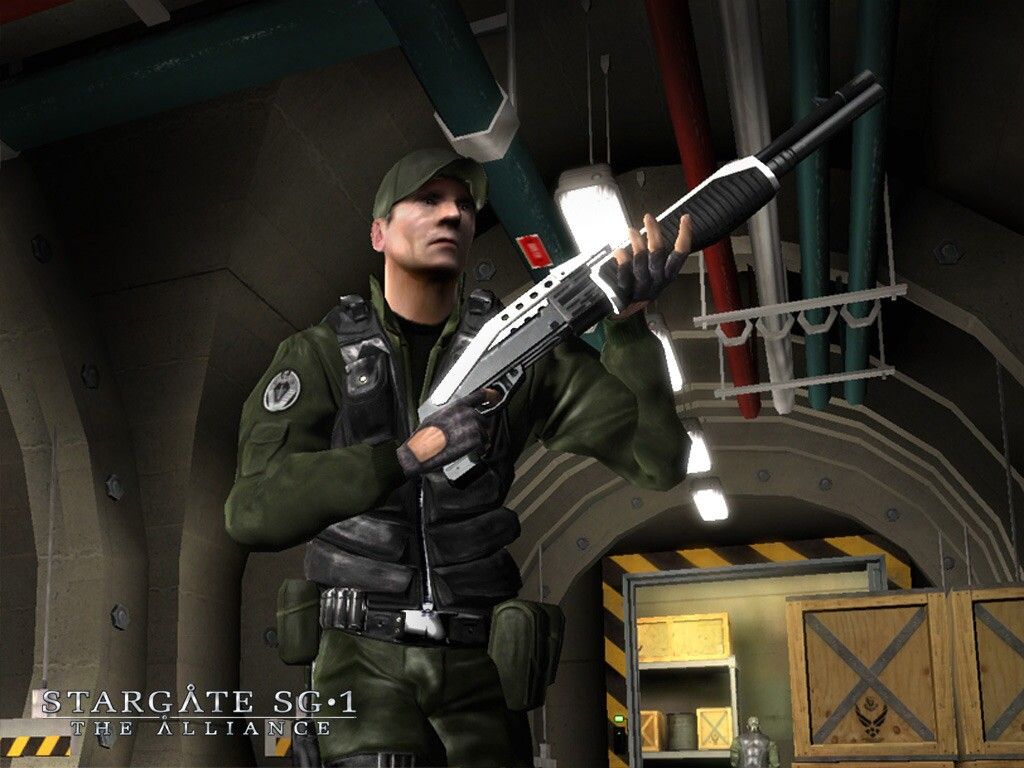
This licensed squad shooter featured the television cast with recorded dialogue and finished cinematics. It neared the end of production when disputes among stakeholders and funding problems forced a shutdown. Footage and near final builds circulated after the cancellation. Fans recognized many series locations and enemies already implemented.
‘StarCraft: Ghost’
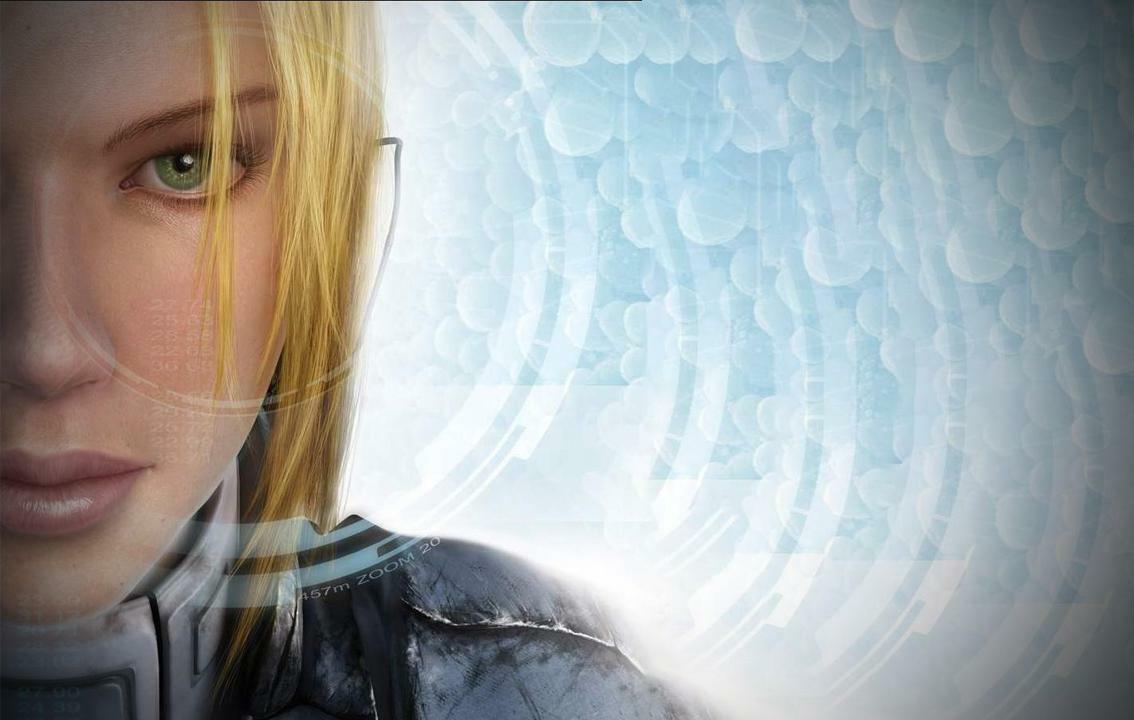
The long planned stealth action spin off progressed through multiple studios and entered advanced development on sixth generation consoles. Working demos featured full missions, gadgets, and voice work, but the shifting scope and console transition stalled certification. The publisher ultimately shelved it despite its late stage systems being in place. Characters and lore from the project continued in novels and other media.
‘Fable Legends’
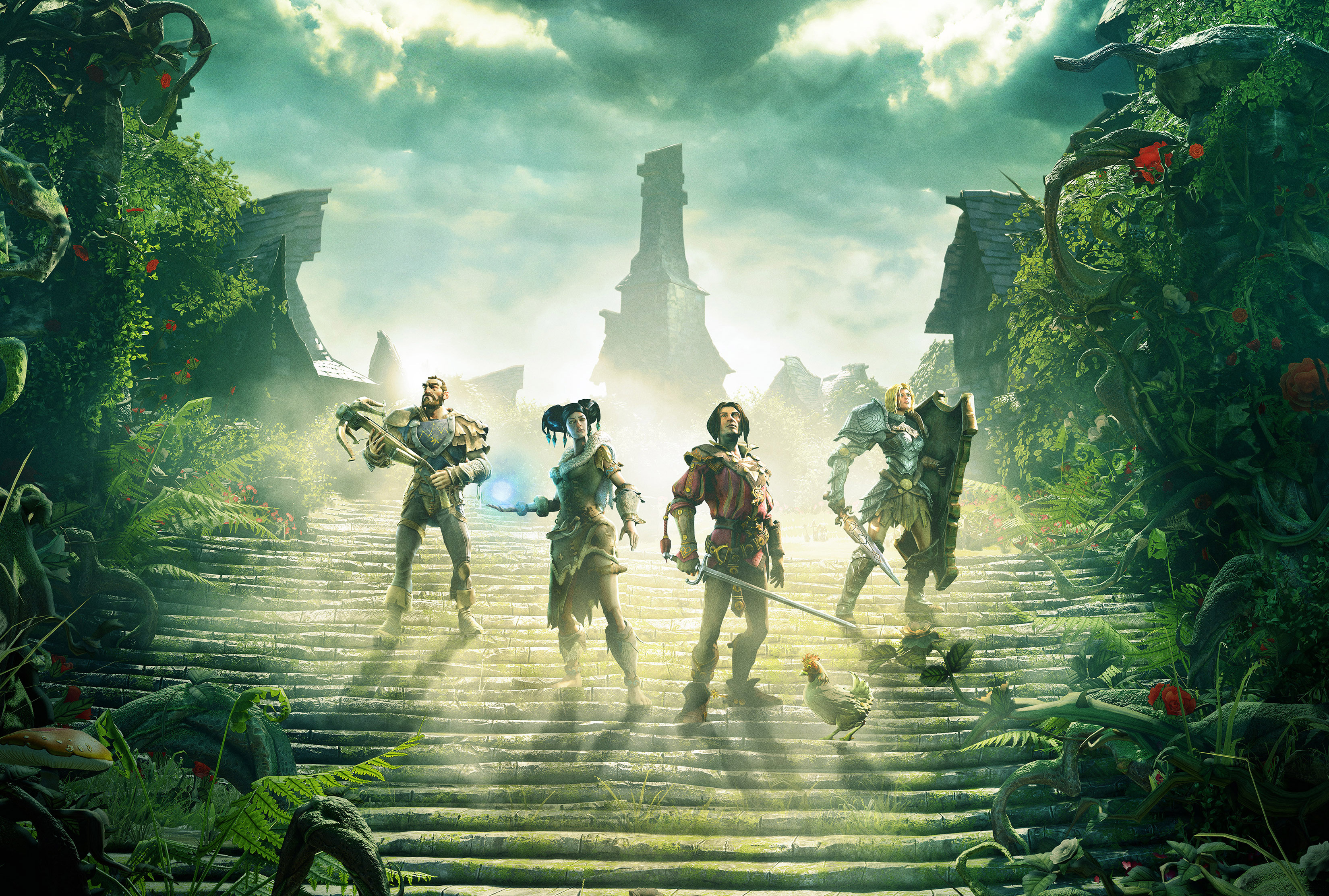
This cooperative fantasy title ran large closed tests with thousands of players and had a live service backend operating. The studio announced cancellation while preparing further content updates and polish. Servers were shut down and client access ended even though core gameplay was complete. The brand later moved forward with a new mainline project rather than reviving this release.
‘Command & Conquer’ (2013)
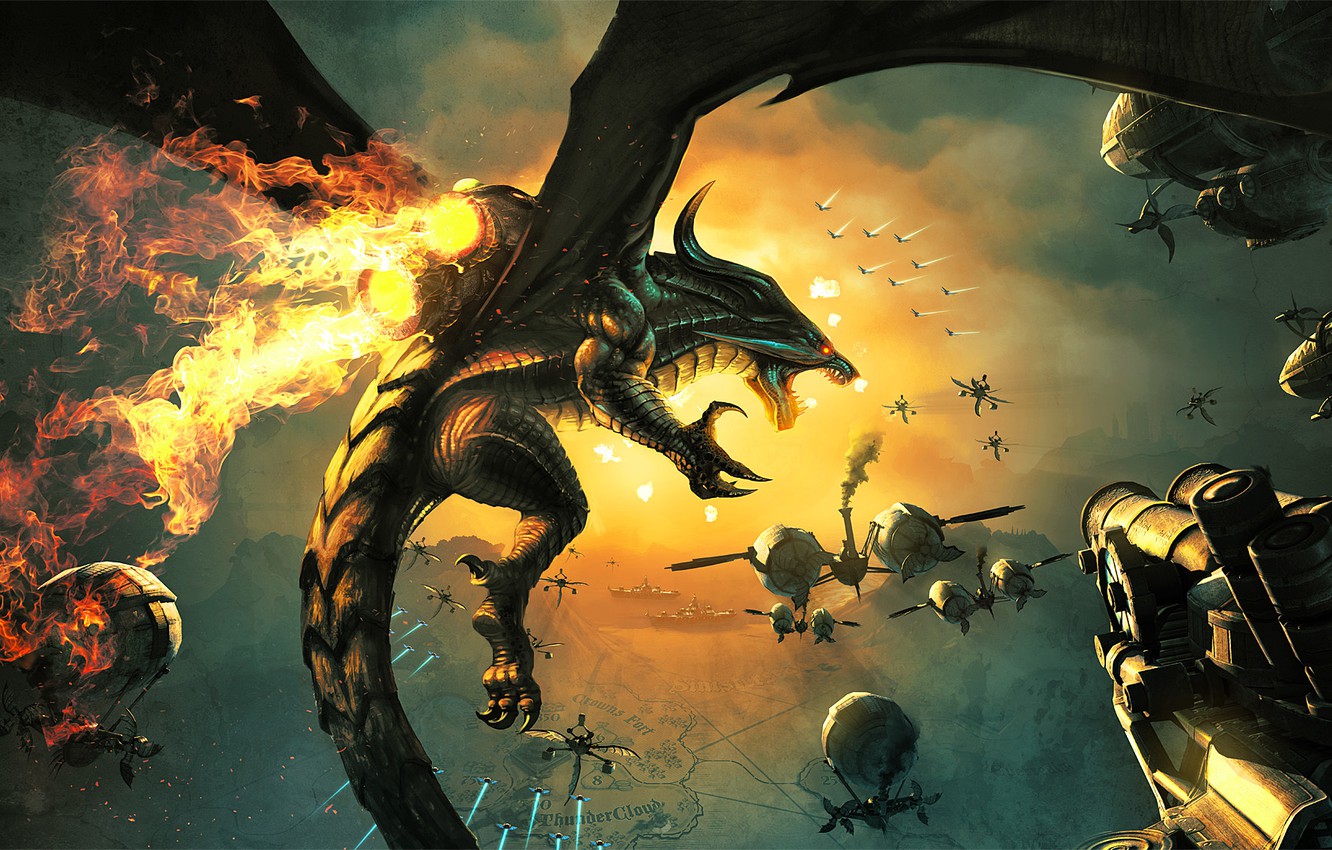
A free to play entry in the strategy series reached public alpha with regular test events and content patches. Despite the game being playable end to end, the publisher decided to discontinue development and refund participants. Team updates at the time described a focus on optimization and balance that never shipped. The franchise subsequently returned in a different format on other platforms.
Share the lost game that you still wish had seen the light of day in the comments.