Top Controversial LGBTQ+ Celebrity Endorsements Ranked

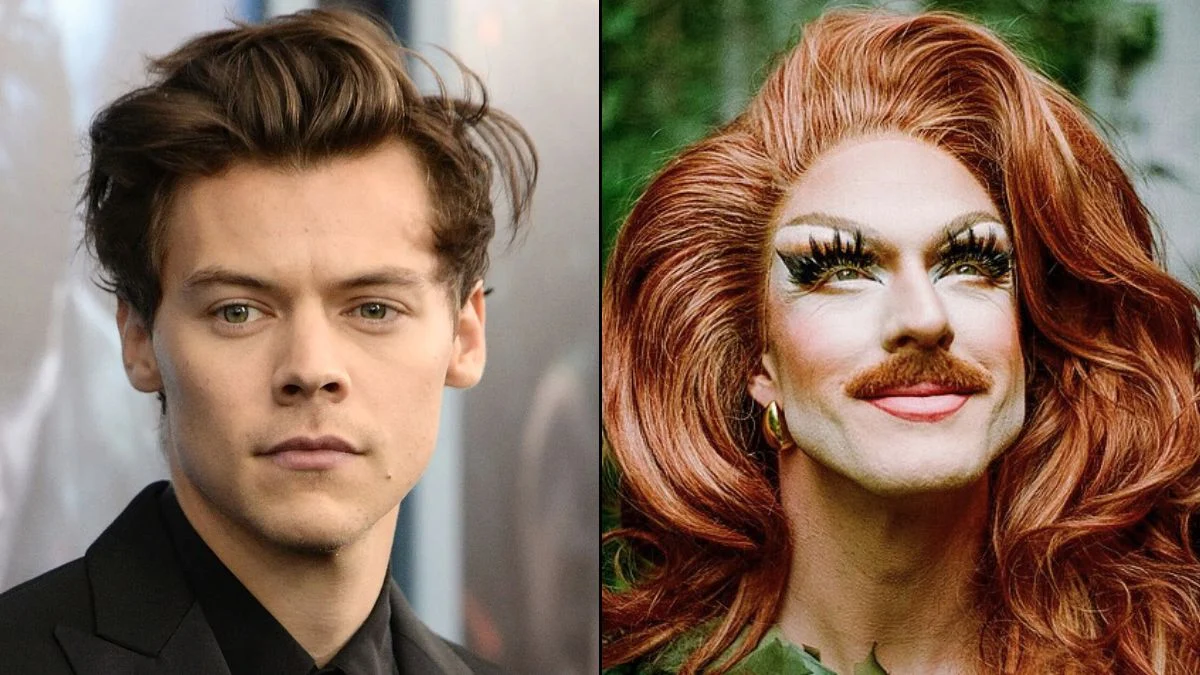

Celebrity endorsements serve as a powerful tool for brands to signal values and reach wider demographics. Collaborations involving LGBTQ+ figures or themes have frequently ignited intense public debate and consumer boycotts. This list examines specific partnerships that sparked significant backlash from various sides of the political and social spectrum.
Miley Cyrus
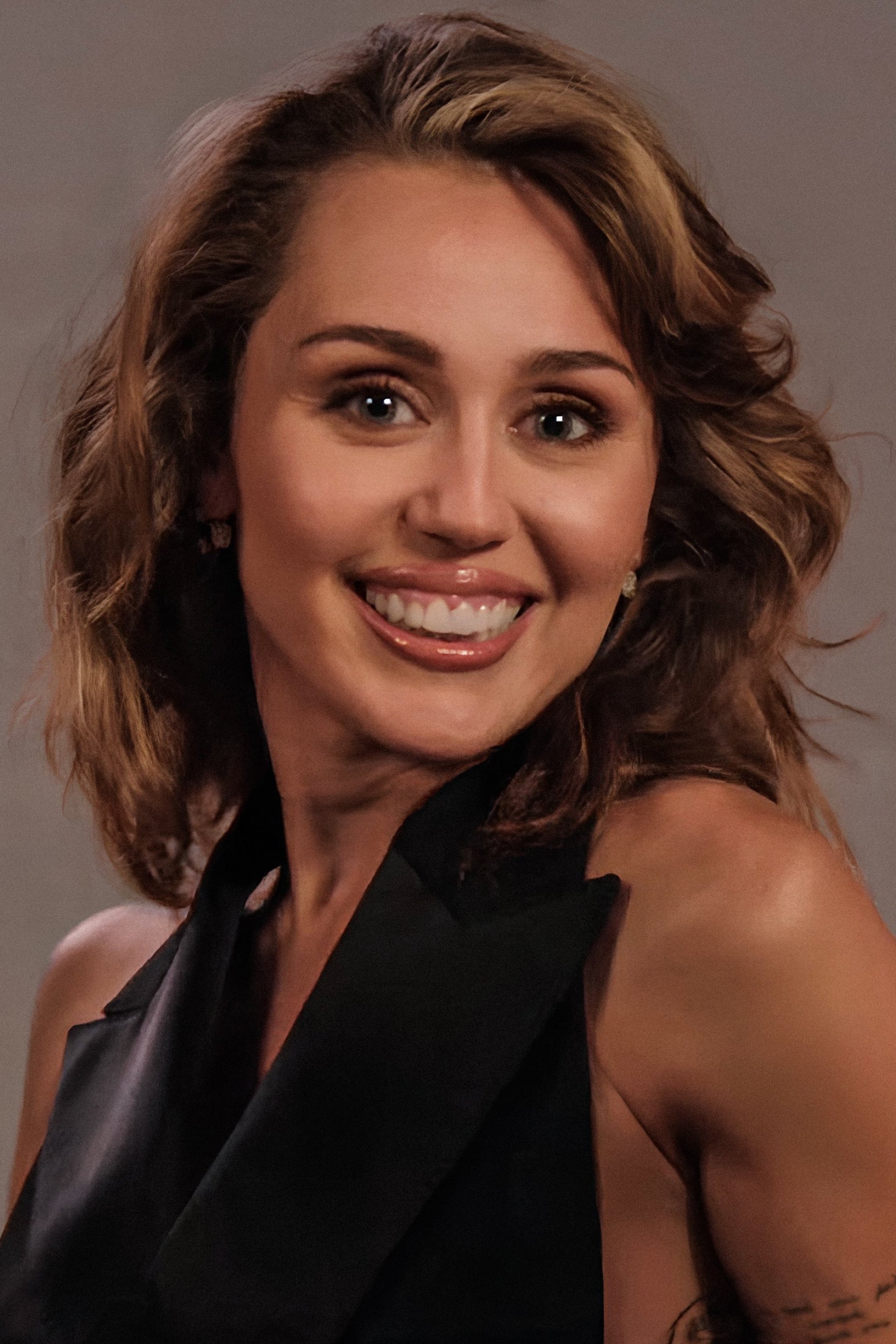
Miley Cyrus partnered with Converse to release a Pride collection of sneakers and apparel. The campaign aimed to celebrate freedom of expression and the diverse spectrum of fans. Some members of the queer community accused the collaboration of rainbow capitalism. They argued that the corporation was profiting from the movement without making significant contributions to the cause. The debate highlighted the ongoing tension between corporate visibility and genuine allyship.
RuPaul
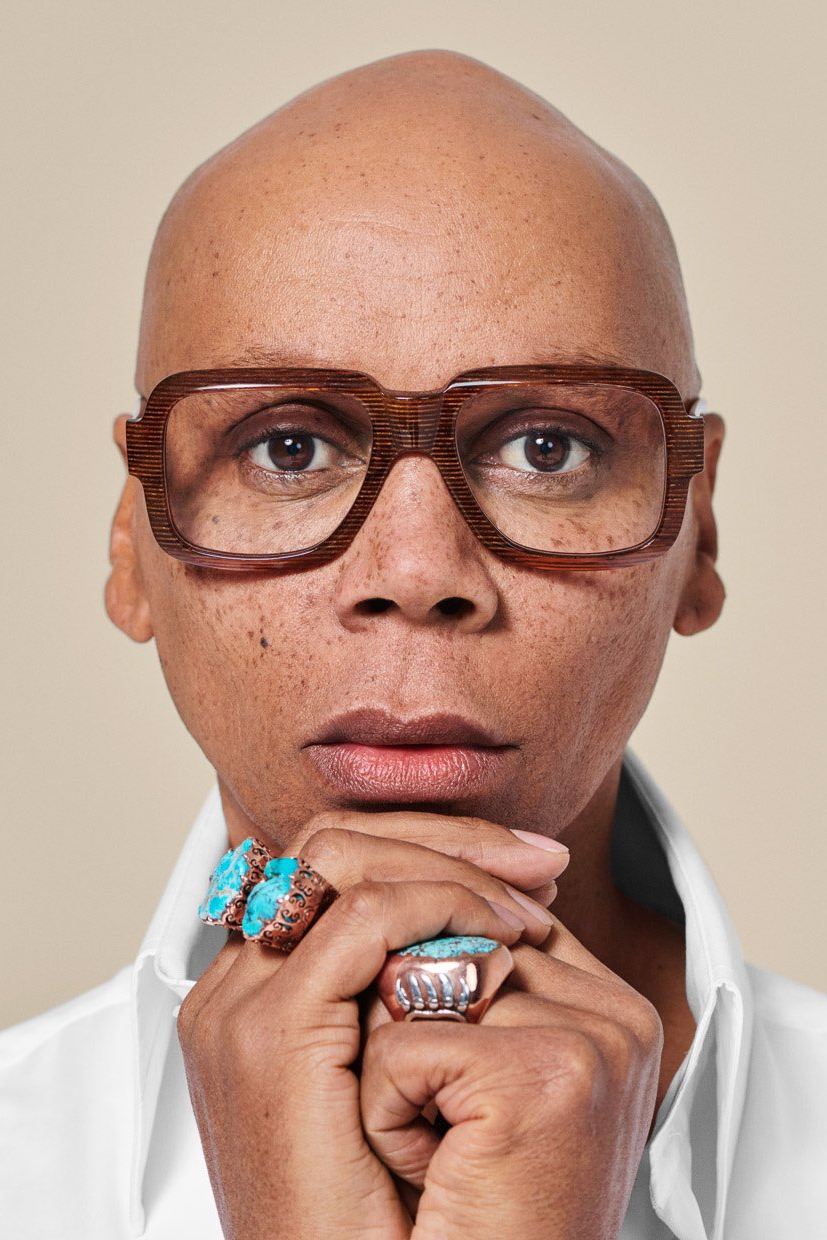
Old Navy enlisted RuPaul for a holiday commercial campaign promoting their festive pajamas. The drag icon appeared in the advertisements alongside a diverse cast of families. Conservative groups like One Million Moms criticized the retailer for including a drag queen in family-oriented marketing. They urged parents to boycott the brand for exposing children to what they termed inappropriate role models. The company stood by their decision to feature the star in their seasonal promotion.
Cara Delevingne
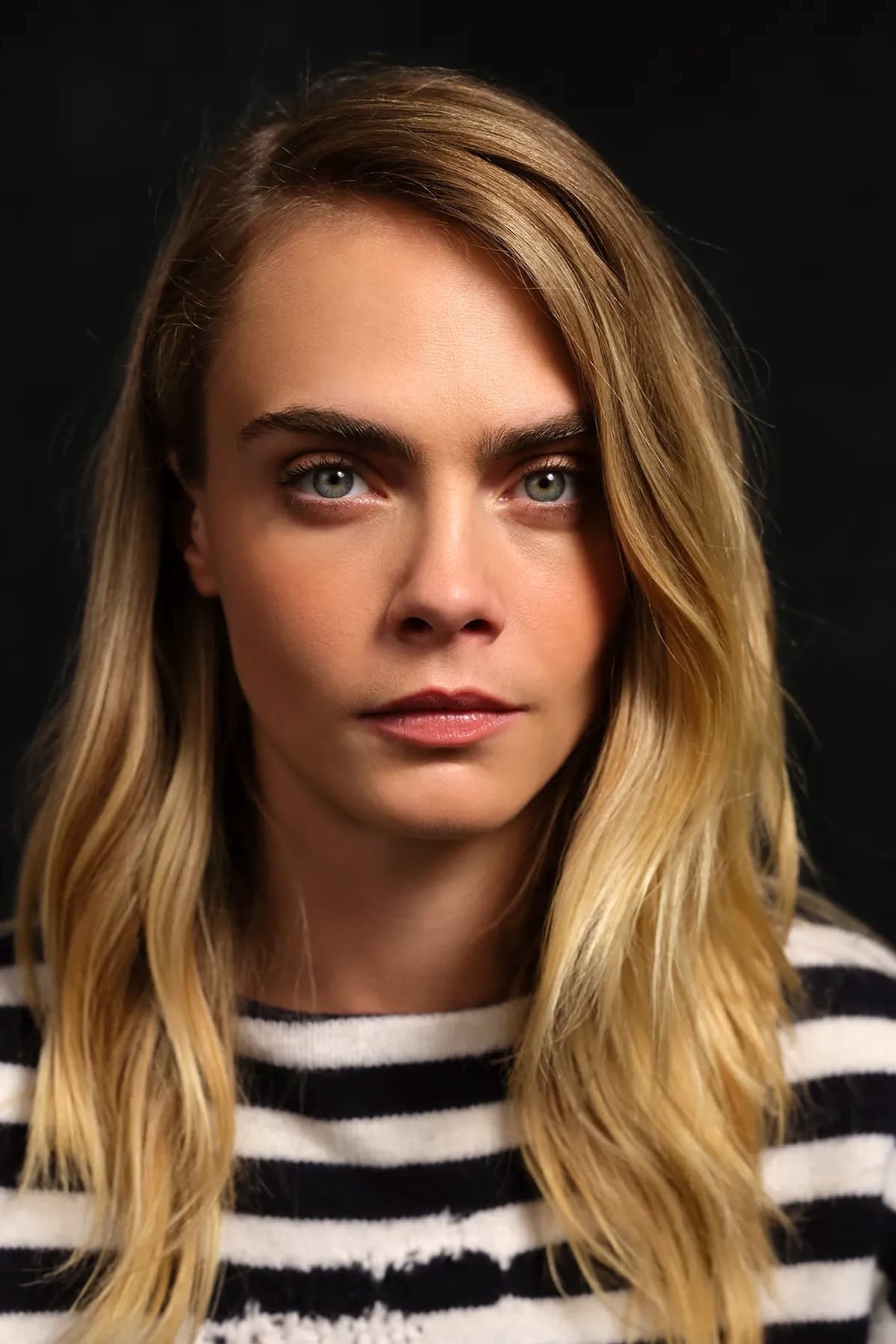
Supermodel Cara Delevingne collaborated with Dior for a capsule collection celebrating Pride. The line featured t-shirts with slogans intended to support the LGBTQ+ community. Controversy arose regarding the pricing of the items and the irony of the messaging. Critics pointed out that the luxury brand was selling expensive activism while manufacturing in countries with poor human rights records. The model defended the project by noting that a portion of proceeds supported charity.
Jari Jones
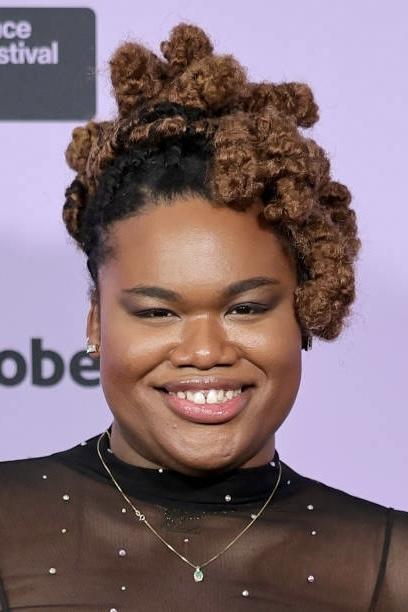
Calvin Klein featured Black transgender model Jari Jones on a massive billboard in Manhattan. The campaign was designed to celebrate authentic beauty and body positivity during Pride month. Critics on social media attacked the appearance of Jones and questioned the aesthetic choices of the brand. The model responded by celebrating the moment with champagne and ignoring the hateful comments. This visibility marked a significant shift in the casting standards of major fashion labels.
Manila Luzon, Trinity the Tuck and Monét X Change
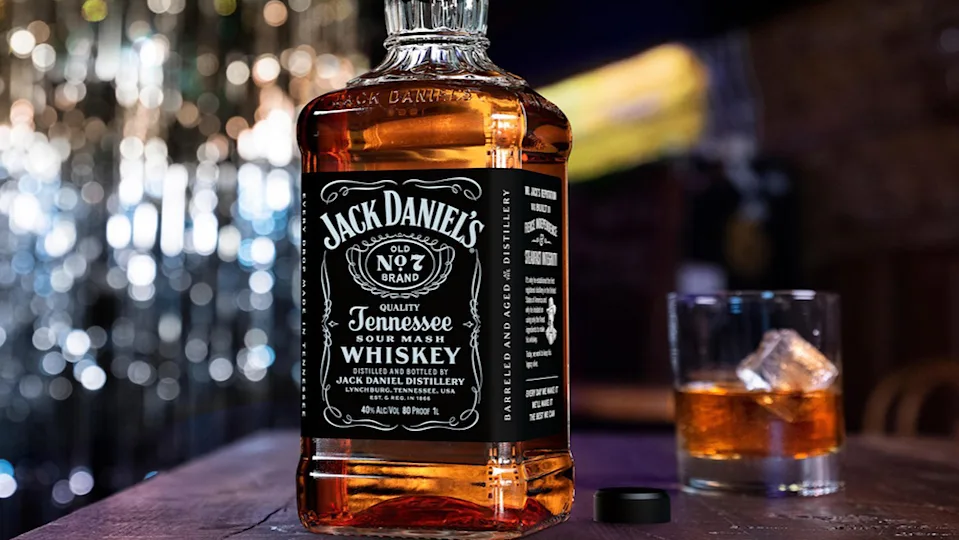
Jack Daniel’s hired drag queens Manila Luzon, Trinity the Tuck and Monét X Change for a web series. The campaign titled Drag Queen Summer Glamp featured the performers completing challenges in the outdoors. Conservative groups resurfaced the videos months later to accuse the whiskey brand of going woke. The company eventually hid the content from their social media platforms to stop the online harassment.
Pattie Gonia
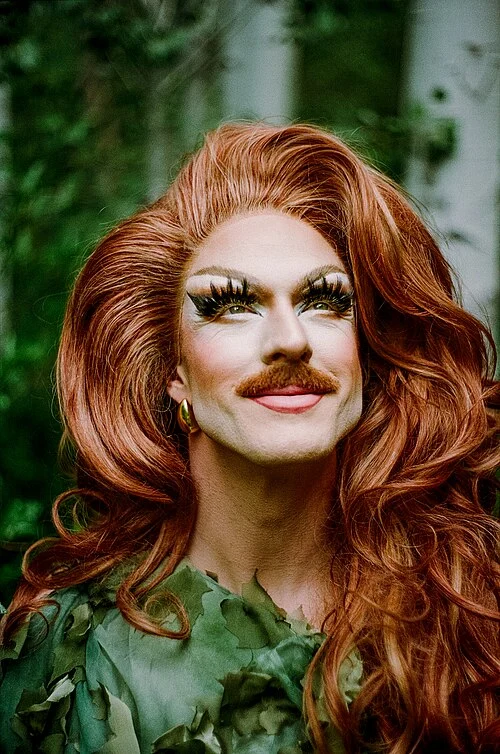
Outdoor retailer The North Face partnered with drag queen and environmentalist Pattie Gonia for a summer promotion. The campaign invited people to connect with nature and celebrate diversity in outdoor spaces. Angry customers claimed the brand was sexualizing hiking and called for a boycott. The company released a statement doubling down on their support for creating inclusive outdoor environments. The partnership aimed to challenge the stereotype that the outdoors are only for certain types of people.
Harry Styles
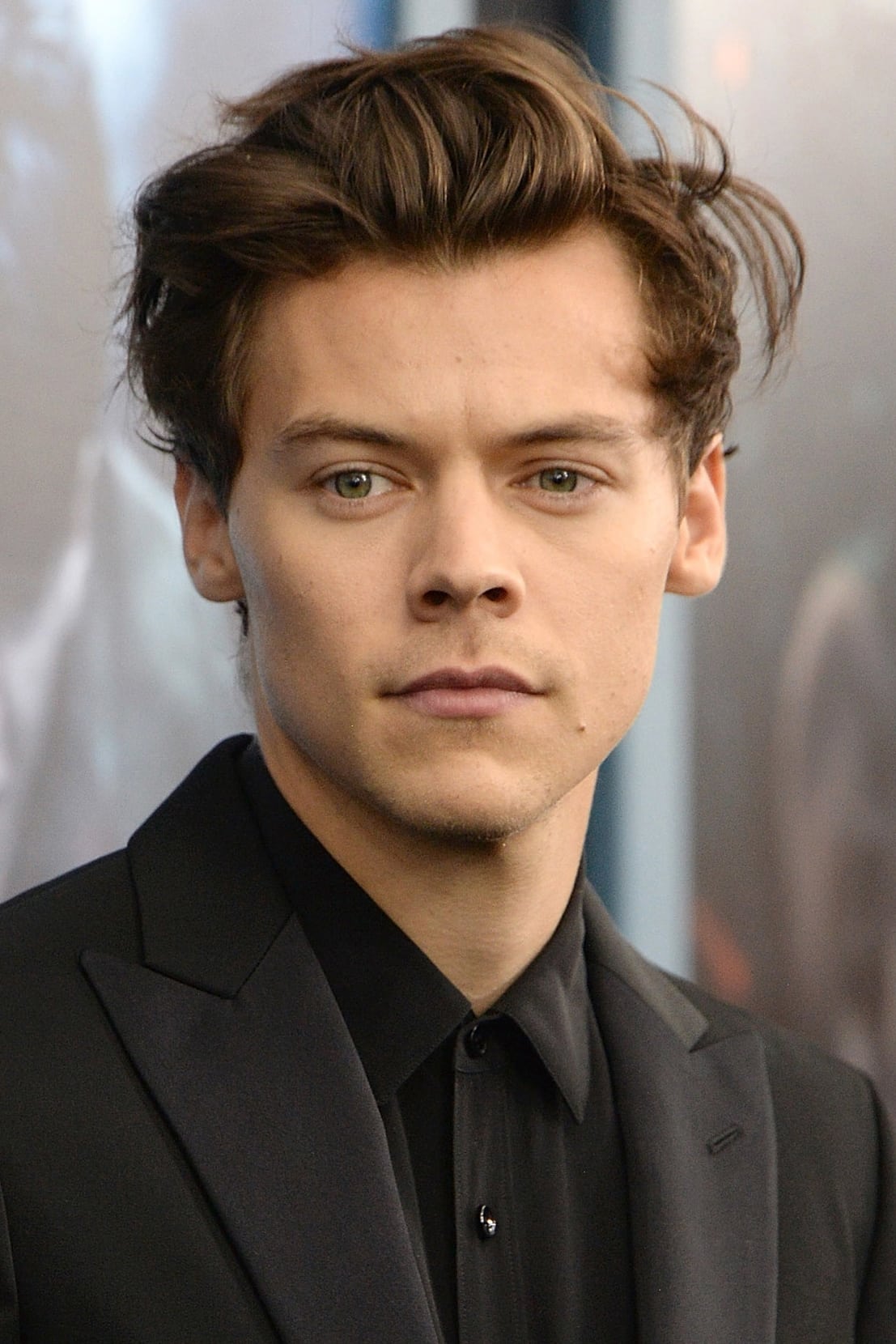
Harry Styles appeared on the cover of Vogue wearing a Gucci dress and challenging traditional gender norms in fashion. While Styles does not label his sexuality his presentation sparked a massive debate about masculinity. Conservative commentators claimed the image was an attack on manly men and society as a whole. Fans and fashion critics applauded the cover for breaking boundaries and embracing fluidity. The image remains one of the most discussed magazine covers of the decade.
Billy Porter
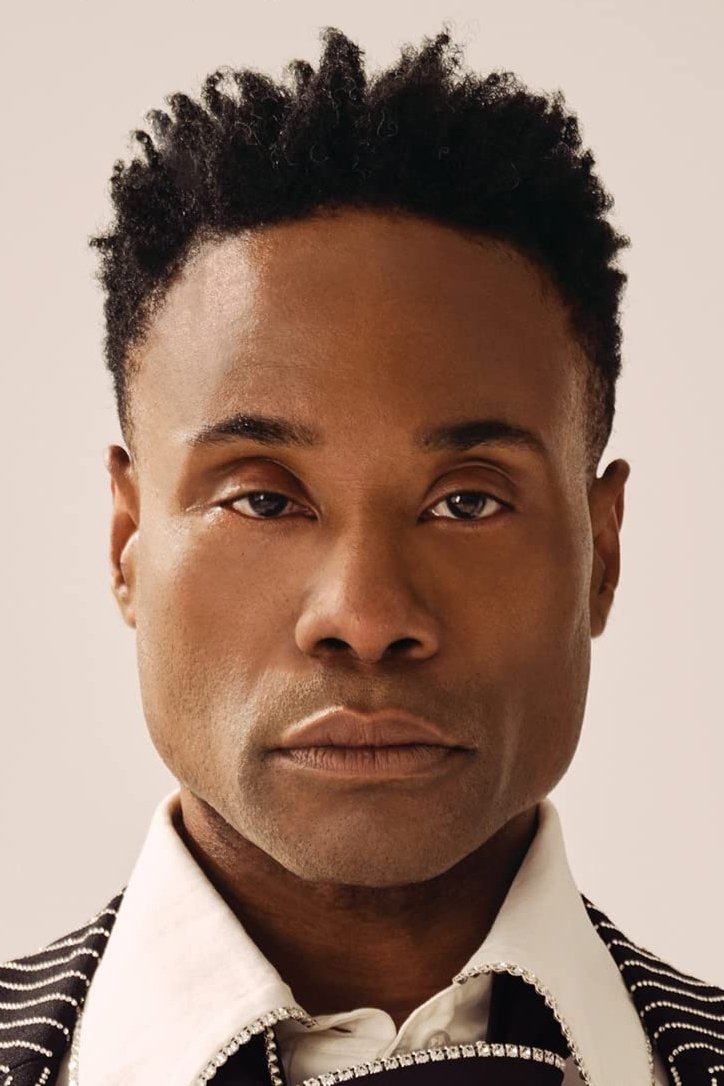
Actor Billy Porter appeared on ‘Sesame Street’ wearing the iconic tuxedo dress he famously wore to the Oscars. He sang a song about friendship and joined the muppets for a segment on the famous steps. A petition circulated demanding the episode be removed for introducing gender non-conforming clothing to toddlers. The show creators defended the appearance as a lesson in kindness and acceptance.
Caitlyn Jenner
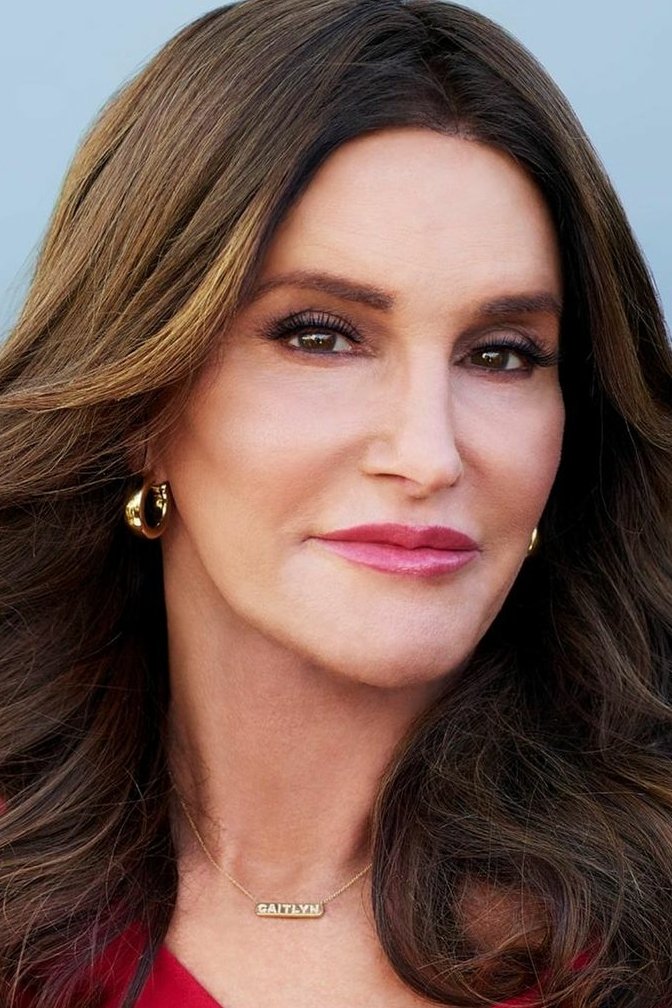
MAC Cosmetics partnered with Caitlyn Jenner shortly after she announced her transition to the world. The collaboration included a lipstick shade called Finally Free that raised money for transgender organizations. Controversy arose not just from anti-trans groups but also from within the LGBTQ+ community regarding her politics. Many felt her privileged experience and political affiliations did not represent the struggles of the average trans person.
Jeffree Star
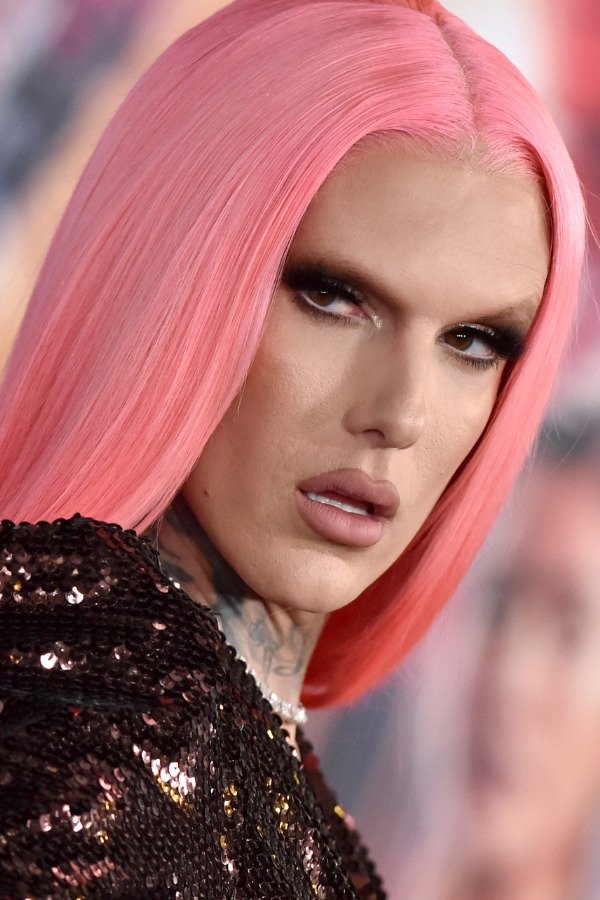
Beauty influencer Jeffree Star had a long-standing relationship with Morphe Brushes that resulted in millions of dollars in sales. This partnership ended abruptly after accusations of past racist behavior and involvement in online drama resurfaced. The brand decided to cease all commercial activity with Star to distance themselves from the negativity. This marked a significant shift in how brands handle influencer accountability and public perception.
James Charles
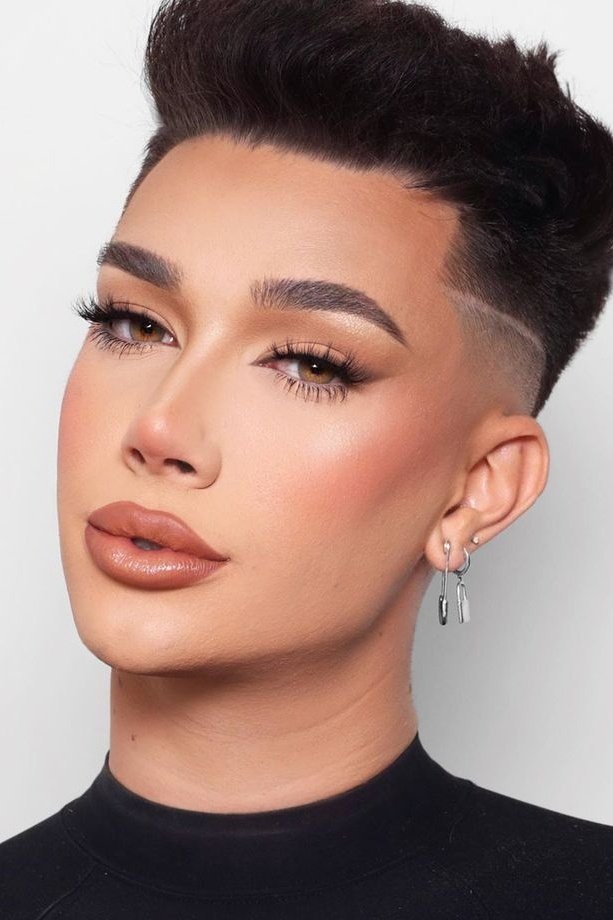
CoverGirl made history by appointing James Charles as their first male ambassador or CoverBoy. The initial excitement faded when tweets from his past surfaced that many found offensive. Later controversies involving other influencers further complicated his relationship with mainstream cosmetic brands. The situation highlighted the risks major corporations take when banking on young internet celebrities.
Ellen DeGeneres
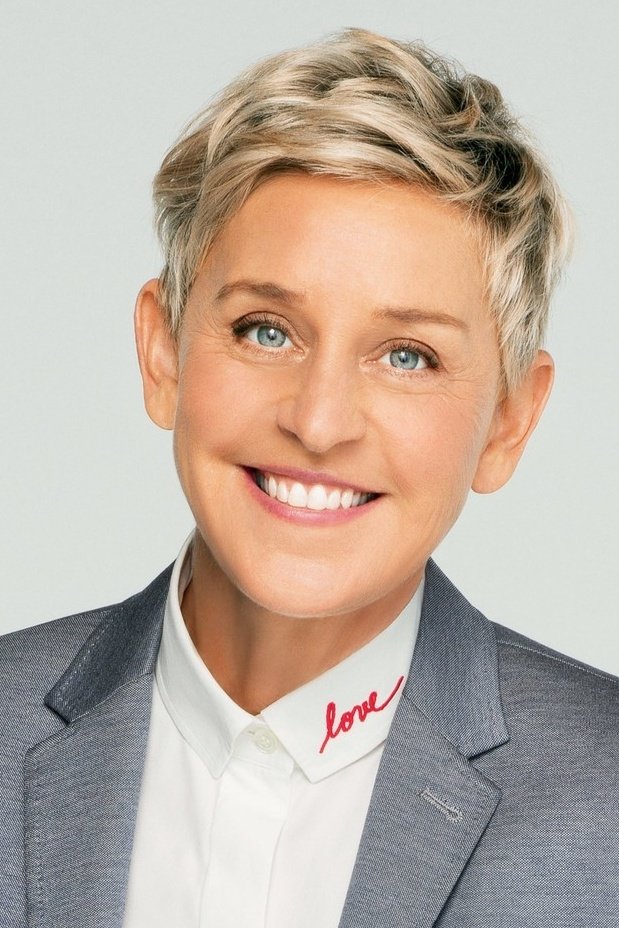
J.C. Penney hired Ellen DeGeneres as a spokesperson and faced immediate pressure from a group called One Million Moms. The organization demanded her firing solely because she was an openly gay woman. The retailer refused to back down and aired commercials featuring the comedian as planned. The failed boycott actually resulted in increased support and sales for the department store.
Lil Nas X
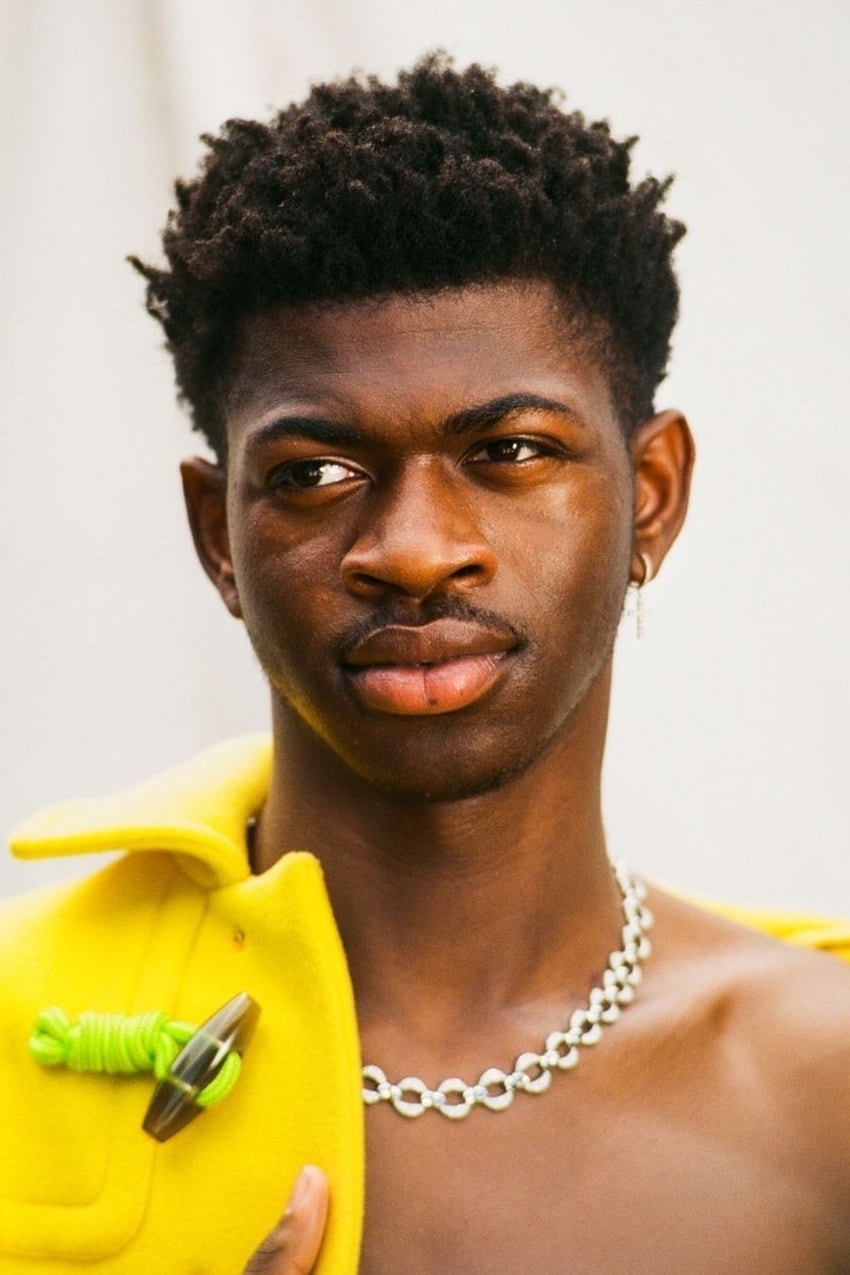
The artist collaborated with MSCHF to modify Nike Air Max 97s into so-called Satan Shoes containing human blood. This launch coincided with his music video that featured lap dances given to the devil. Nike sued MSCHF for trademark infringement and clarified they had no involvement in the project. Conservative politicians and religious groups expressed horror at the imagery and the influence on youth. The shoes sold out in under a minute despite the legal and social chaos.
Dylan Mulvaney
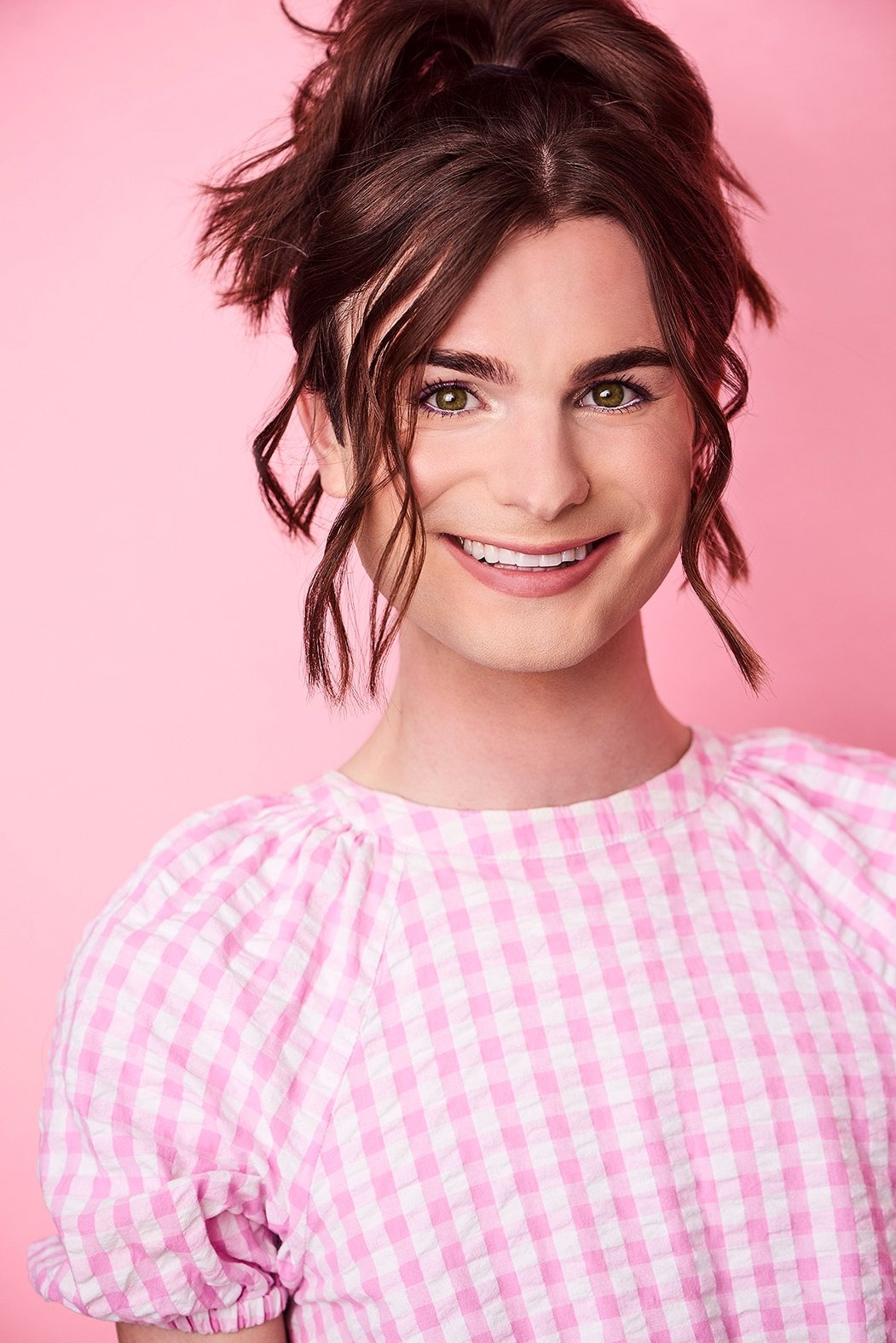
Bud Light sent a single commemorative can to transgender influencer Dylan Mulvaney to celebrate her transition milestone. A video she posted with the can went viral and triggered a massive nationwide boycott of the beer brand. Sales for the company plummeted as musicians and politicians encouraged their followers to switch drinks. This event became the most prominent example of the cultural divide regarding corporate pride marketing.
Share your thoughts on which of these controversies had the biggest impact on the industry in the comments.