10 Isekai Anime That Actually Break The Mold

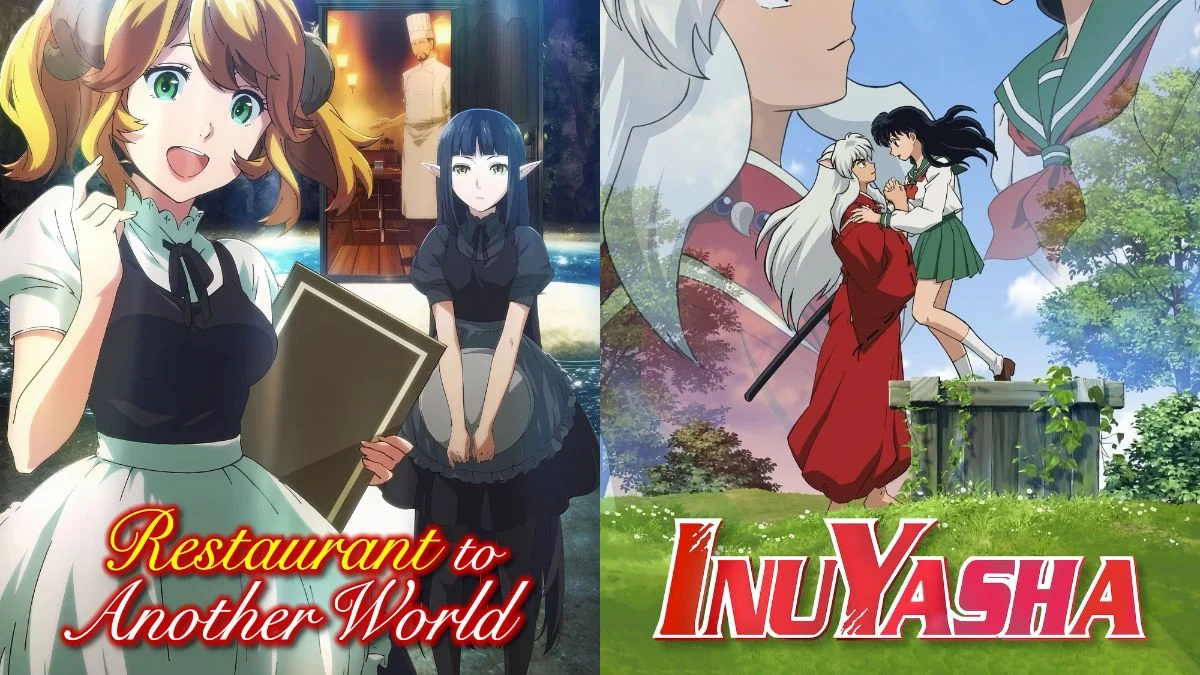

Isekai keeps reinventing itself with series and films that bend the rules in smart ways, from reverse portals to workplace spin offs to meta stories where fictional characters confront their creators. This list spotlights ten entries that twist familiar setups through unusual settings, character roles, and narrative structures. You will find examples that send heroes into alternate worlds and others that bring the other world to ours. Each pick shows a clear structural or thematic pivot that sets it apart from the usual chosen one power fantasy.
‘Fushigi Yuugi’ (1995–1996)
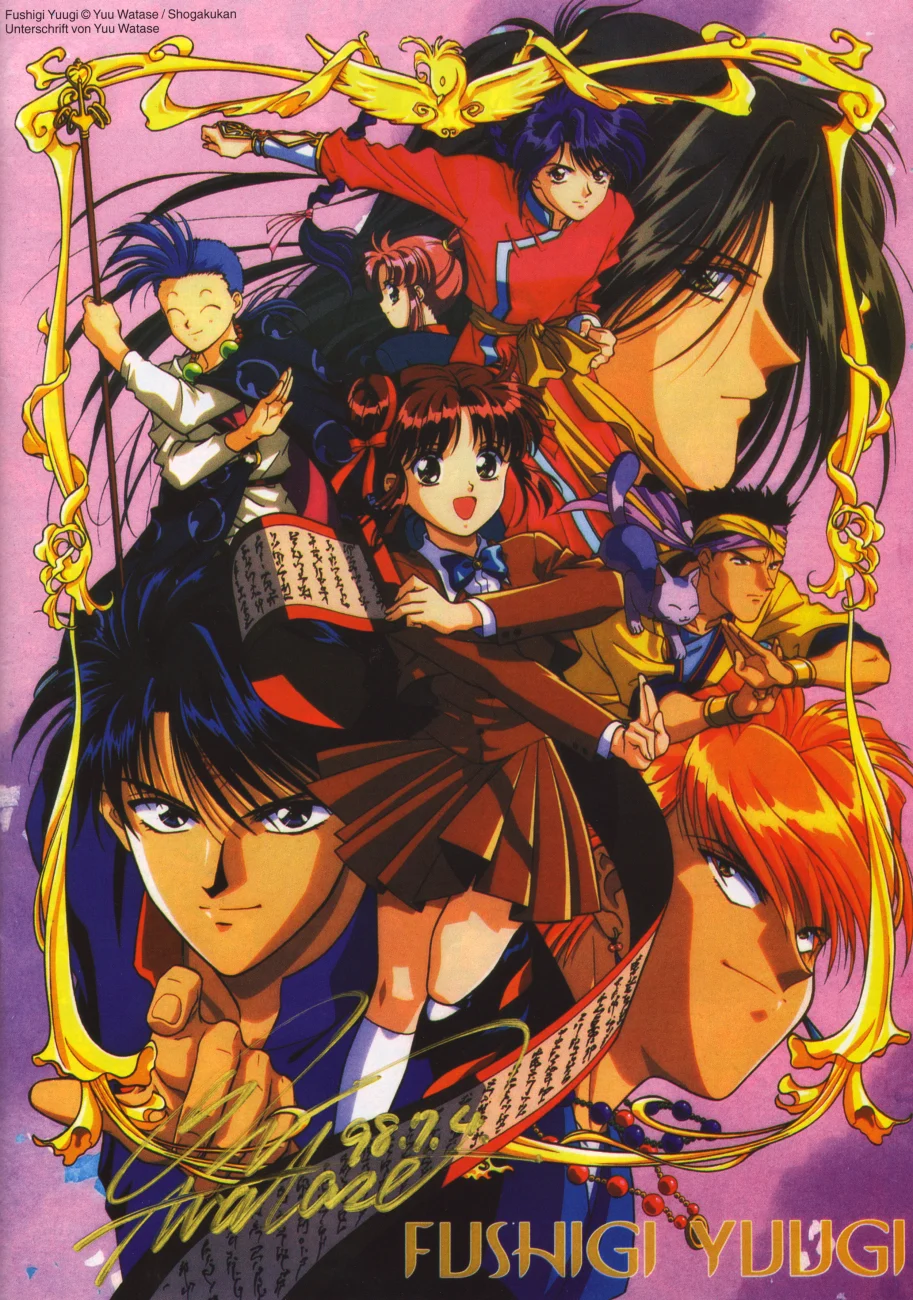
This early isekai sends two students into a mythical book where each becomes a priestess to rival nations. The story uses a quest built around celestial warriors whose names and symbols come from Chinese constellations. It weaves the book’s rules into real world consequences when the girls return home. The series also introduced the idea of competing isekai protagonists with opposing goals.
‘The Vision of Escaflowne’ (1996)
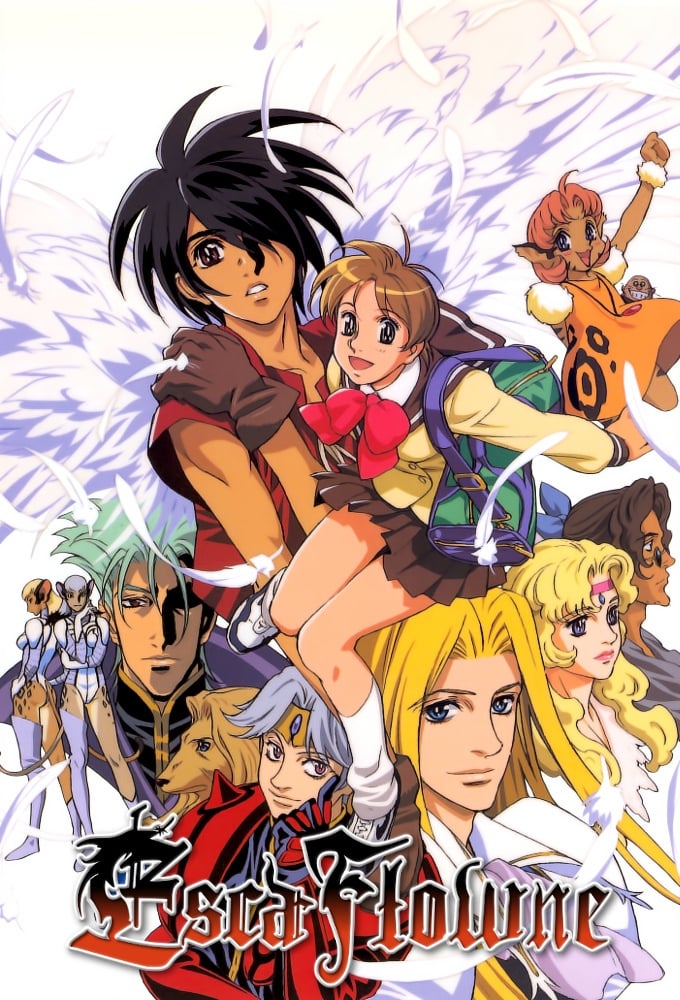
A modern high schooler is transported to Gaea where she supports a displaced prince who battles using a transforming mecha called Escaflowne. The show blends fantasy kingdoms with tarot and fortune telling as core plot mechanics. It presents mecha combat alongside court politics and prophecy. The narrative also explores parallel Earth concepts through a device called the Atlantis Machine.
‘Inuyasha’ (2000–2004)

A teenager falls through a shrine well into a historical era filled with yokai and shards of a powerful jewel. The journey format is anchored by a shard collecting structure that drives encounters across feudal regions. Time travel lets characters move between present day Japan and the past with long term impact on both sides. The mix of yokai lore and period road story became a template for later hybrid isekai.
‘Spirited Away’ (2001)
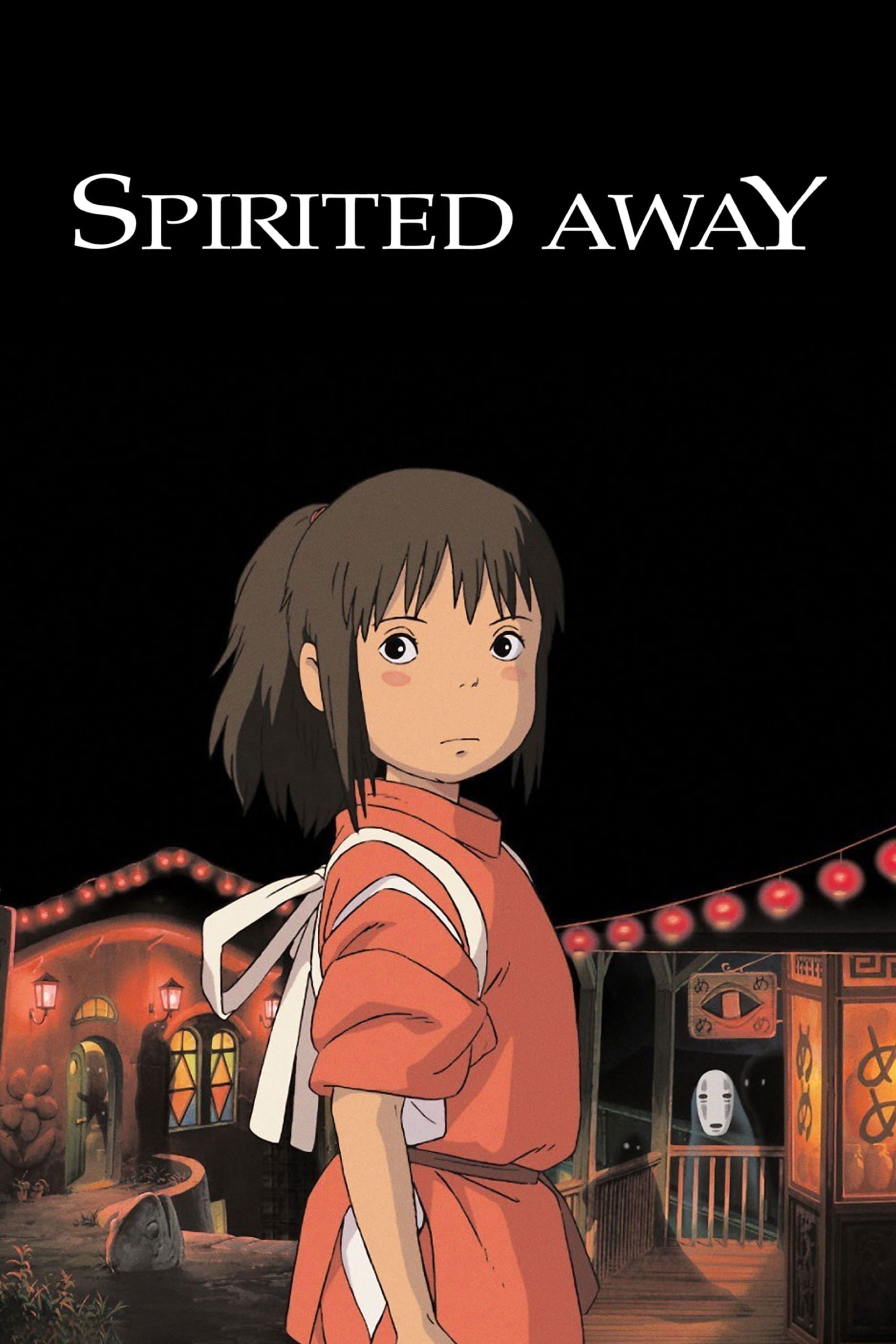
A girl wanders into a bathhouse for spirits where labor contracts and names bind humans to otherworldly owners. The film treats the spirit realm as a functioning economy with rules for work, payment, and identity. The protagonist’s progress depends on learning jobs and negotiating with powerful entities. The worldbuilding uses traditional folklore to frame modern concerns like consumer excess and environmental loss.
‘KonoSuba: God’s Blessing on This Wonderful World!’ (2016–2017)
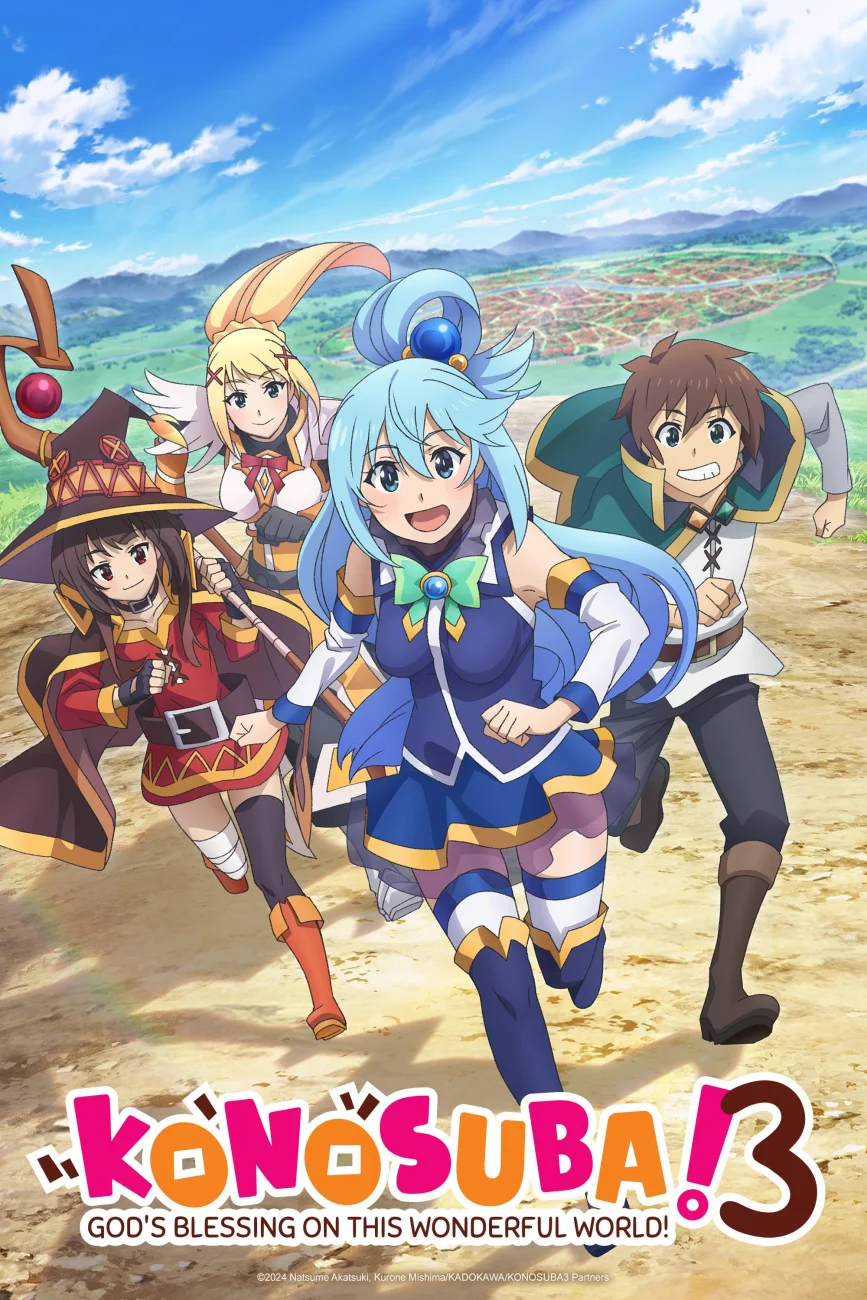
A team of adventurers forms around a goddess, a crusader, and an archwizard whose skills come with major drawbacks. The series structures quests around everyday guild work and low tier missions rather than world saving arcs. Party roles invert expectations by turning classic classes into logistical problems to solve. The show also tracks finances and item durability to ground its fantasy systems.
‘Re:Creators’ (2017)
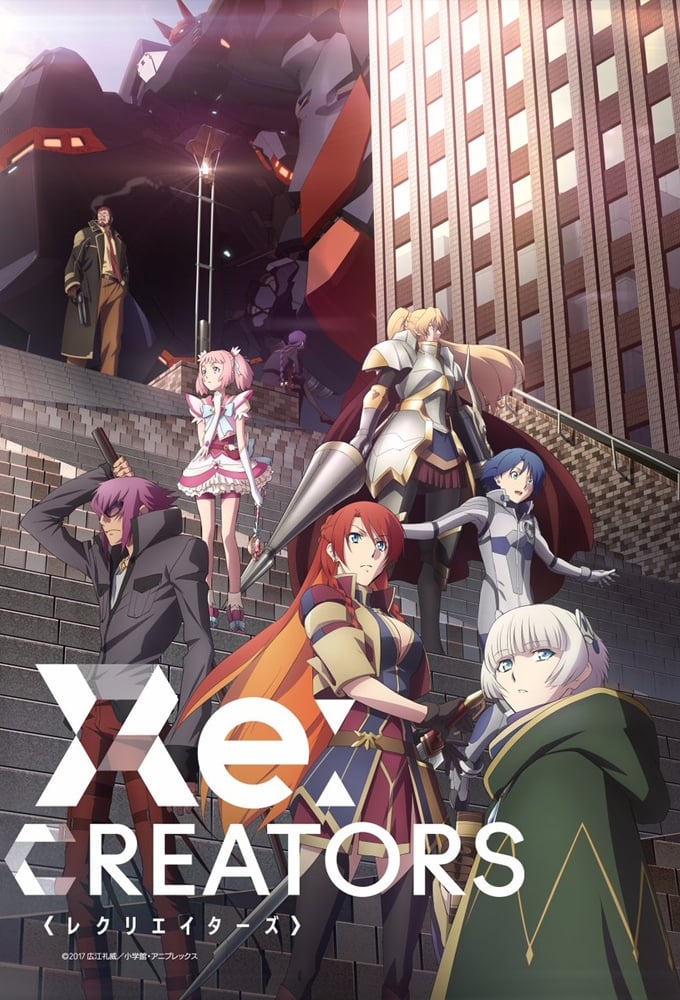
Characters from various media are pulled into the real world and confront their authors about suffering written into their stories. Power levels reflect each character’s source genre and production budget, which affects how their abilities manifest. The plot maps fan reception and creator revisions to literal upgrades in combat. The government responds with a task force that treats these arrivals as a national security event.
‘Saga of Tanya the Evil’ (2017)
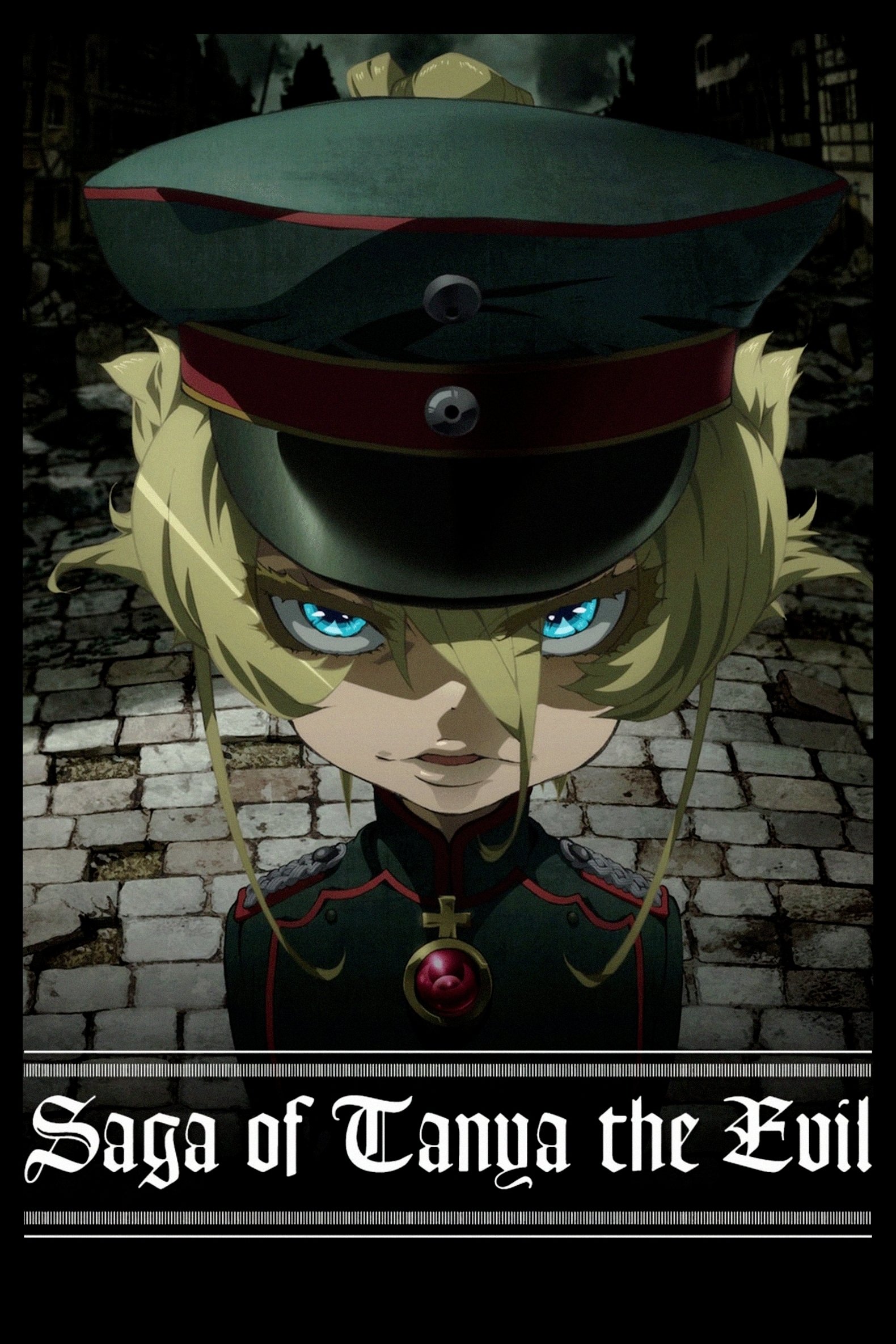
A salaryman is reincarnated as a child soldier in an alternate Europe locked in a prolonged war. Magic operates through military technology with formulae, computation, and hardware that echo artillery doctrine. The narrative tracks promotions, logistics, and battlefield testing across campaigns. A supervising entity enforces faith as a condition for life saving miracles, turning theology into a strategic variable.
‘Restaurant to Another World’ (2017–2021)
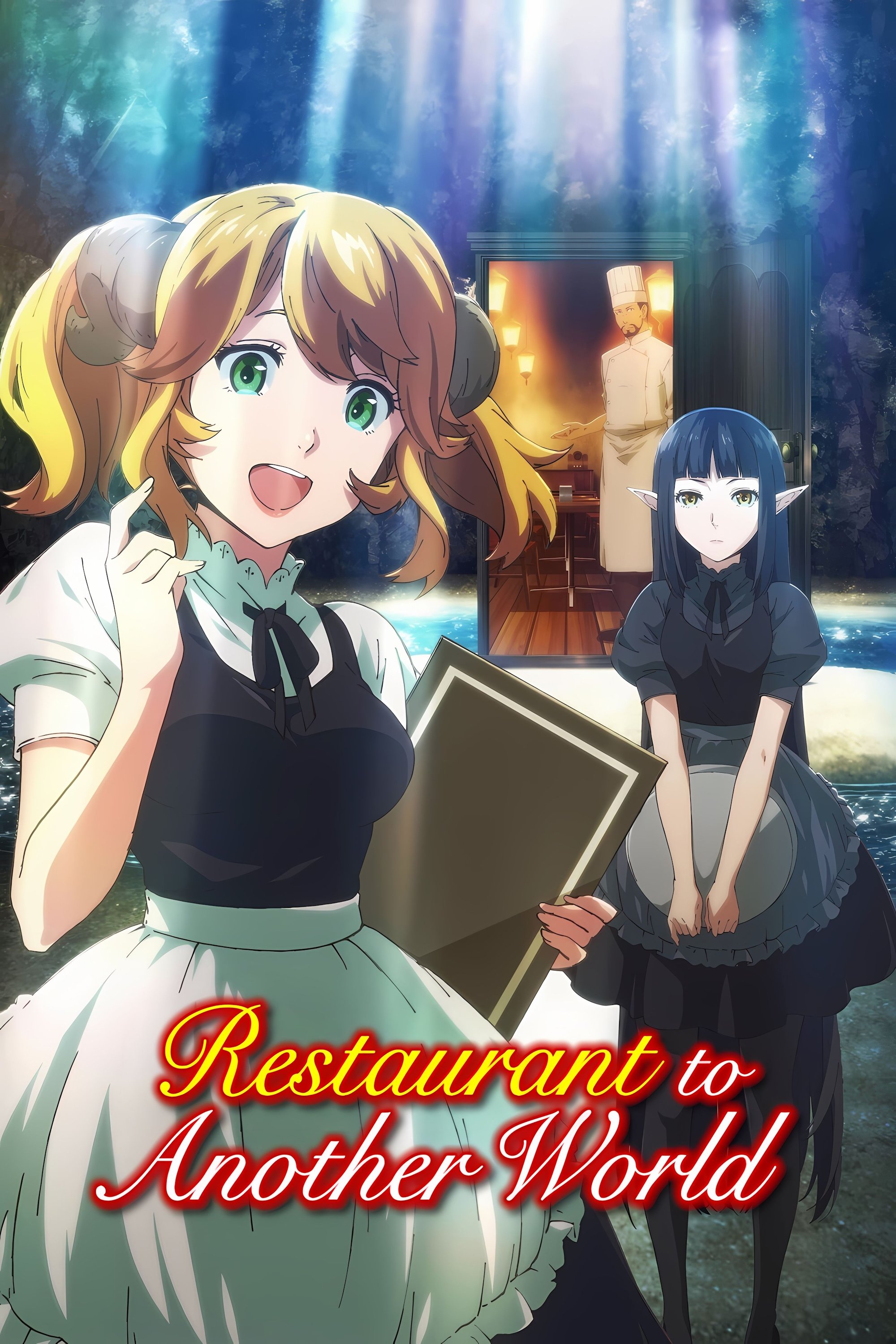
A small eatery in Tokyo opens its door once a week to patrons from a fantasy realm. Episodes focus on dishes that match the needs and histories of visiting nobles, soldiers, and beasts. The menu acts as a cultural bridge that builds trade routes and alliances off screen. The restaurant’s recurring schedule creates a dependable frame for new lore with each course.
‘So I’m a Spider, So What?’ (2021)
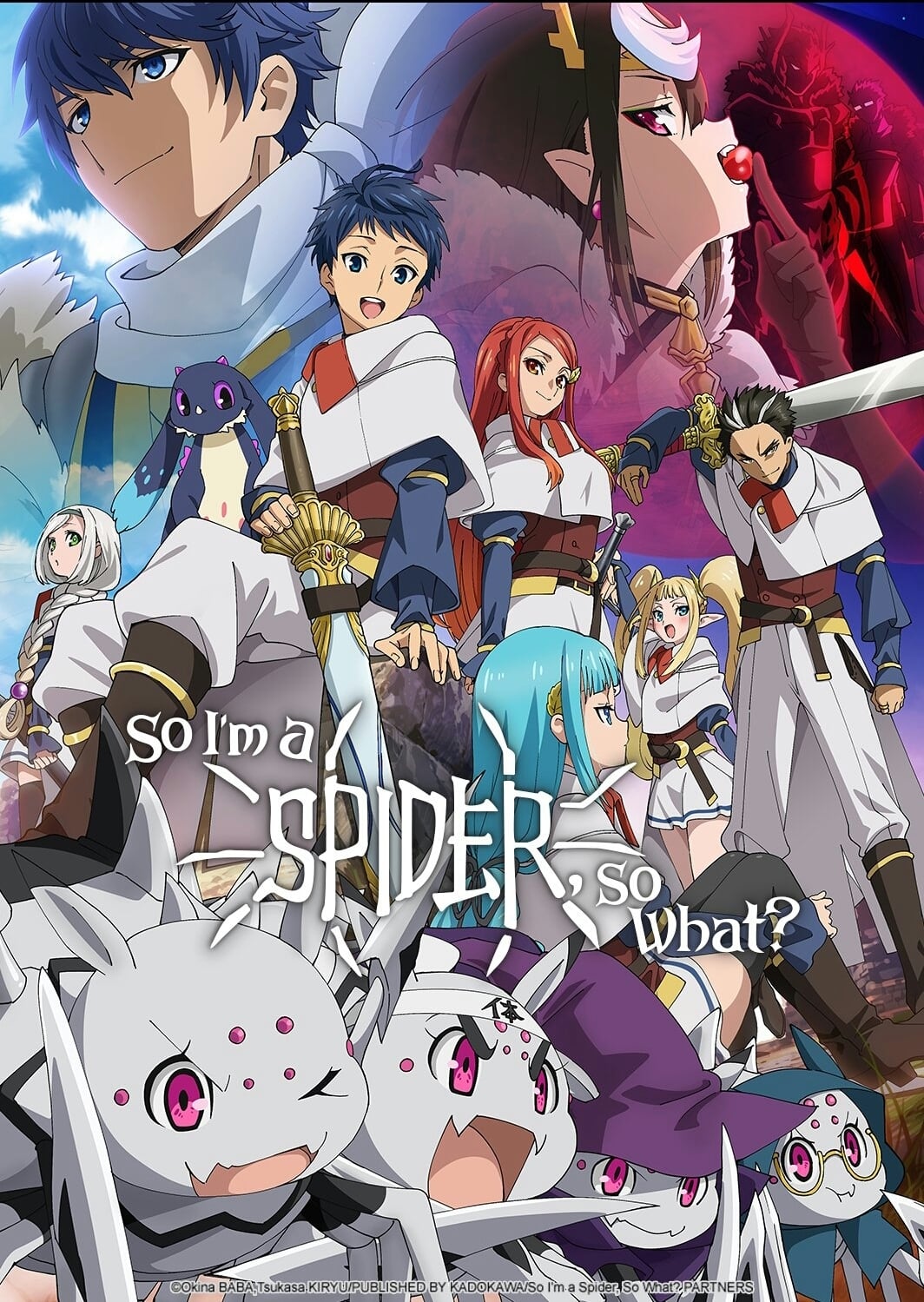
A student reincarnates as a spider monster and must survive dungeon ecosystems with evolving predator hierarchies. Skill acquisition is tracked through a system that issues notifications and unlocks new evolutionary branches. Episodes split timelines between the monster’s solo progress and the human class’s campaigns. The dungeon’s strata map resource scarcity and territorial control like a living strategy game.
‘Uncle from Another World’ (2022–2023)
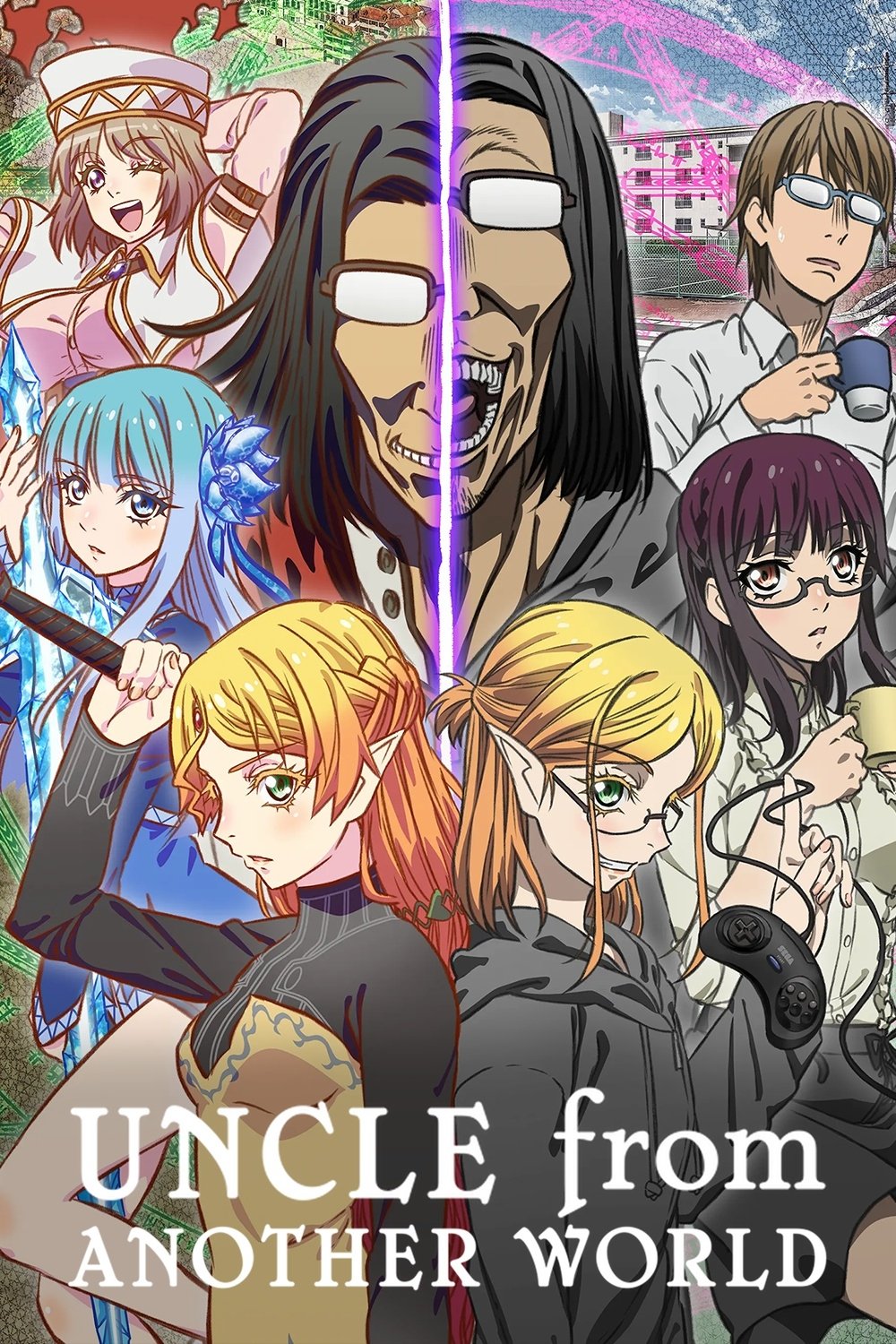
An uncle wakes from a coma with magic from a past life in another world and starts a video channel to demonstrate spells. His memories show that an entire party misunderstood him despite his strength. Real world scenes test magic against modern consumer tech and social platforms. The format alternates between present day apartment life and flashbacks that reframe typical quest outcomes.
Share your own mold breaking isekai picks in the comments so everyone can discover a few more hidden gems.