Anime Debates That Will Never Be Fully Settled

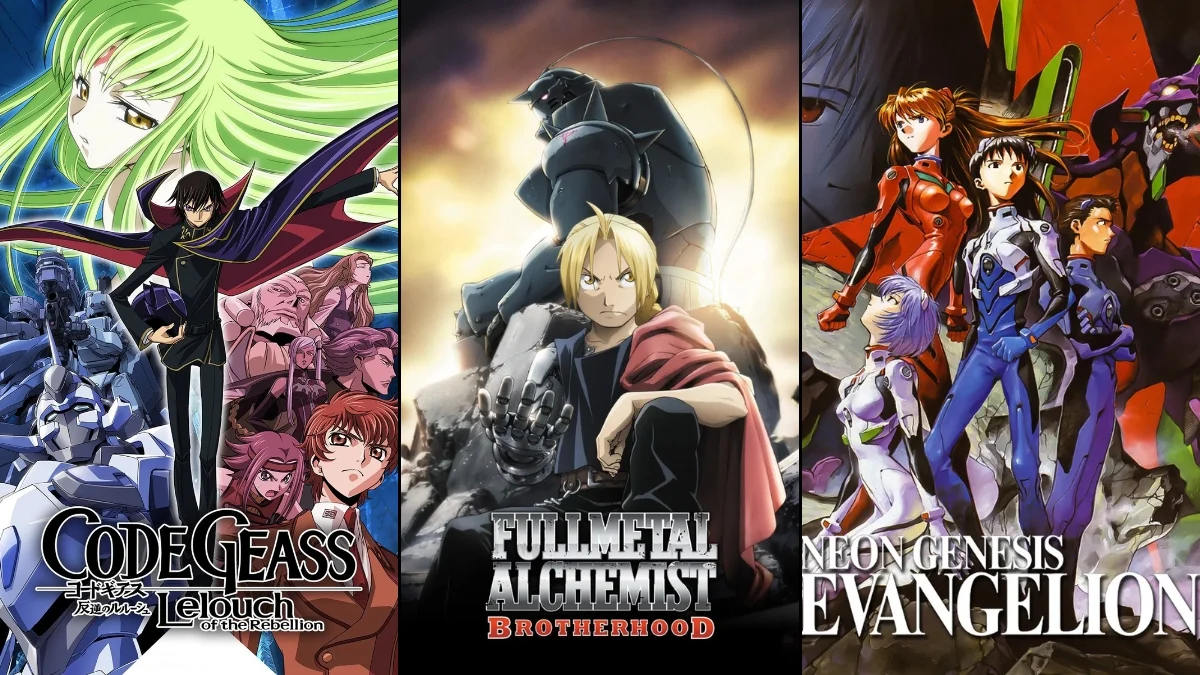

Fandom culture thrives on passion and conflicting interpretations of beloved stories. Anime communities are particularly known for holding grudges over plot points and character motivations that have persisted for decades. These disagreements often stem from ambiguous endings or complex power systems that leave room for multiple valid viewpoints. Even as new series emerge the classic arguments continue to dominate forums and convention halls around the world. The following list explores the most enduring contentions in the history of the medium.
‘Dragon Ball Z’ (1989) – Goku vs. Superman

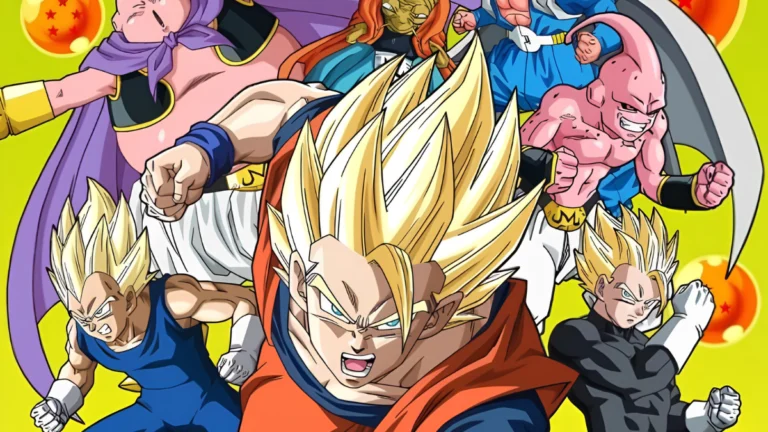
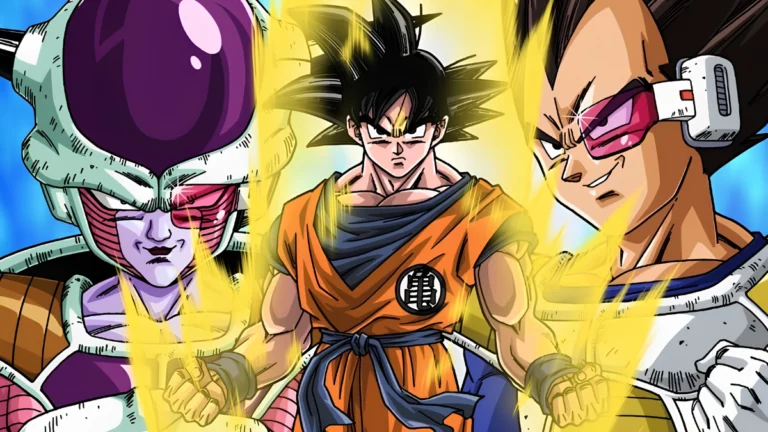
Fans have argued for decades about whether the Saiyan warrior could defeat the Man of Steel in a battle. Arguments usually focus on Goku’s infinite potential for growth against Superman’s base durability and solar-fueled strength. Analyzing feats from various manga chapters and comic book iterations often leads to conflicting conclusions regarding power levels. This cross-universe match remains the most prominent hypothetical battle in geek culture history.
‘Fullmetal Alchemist: Brotherhood’ (2009) – Brotherhood vs. 2003
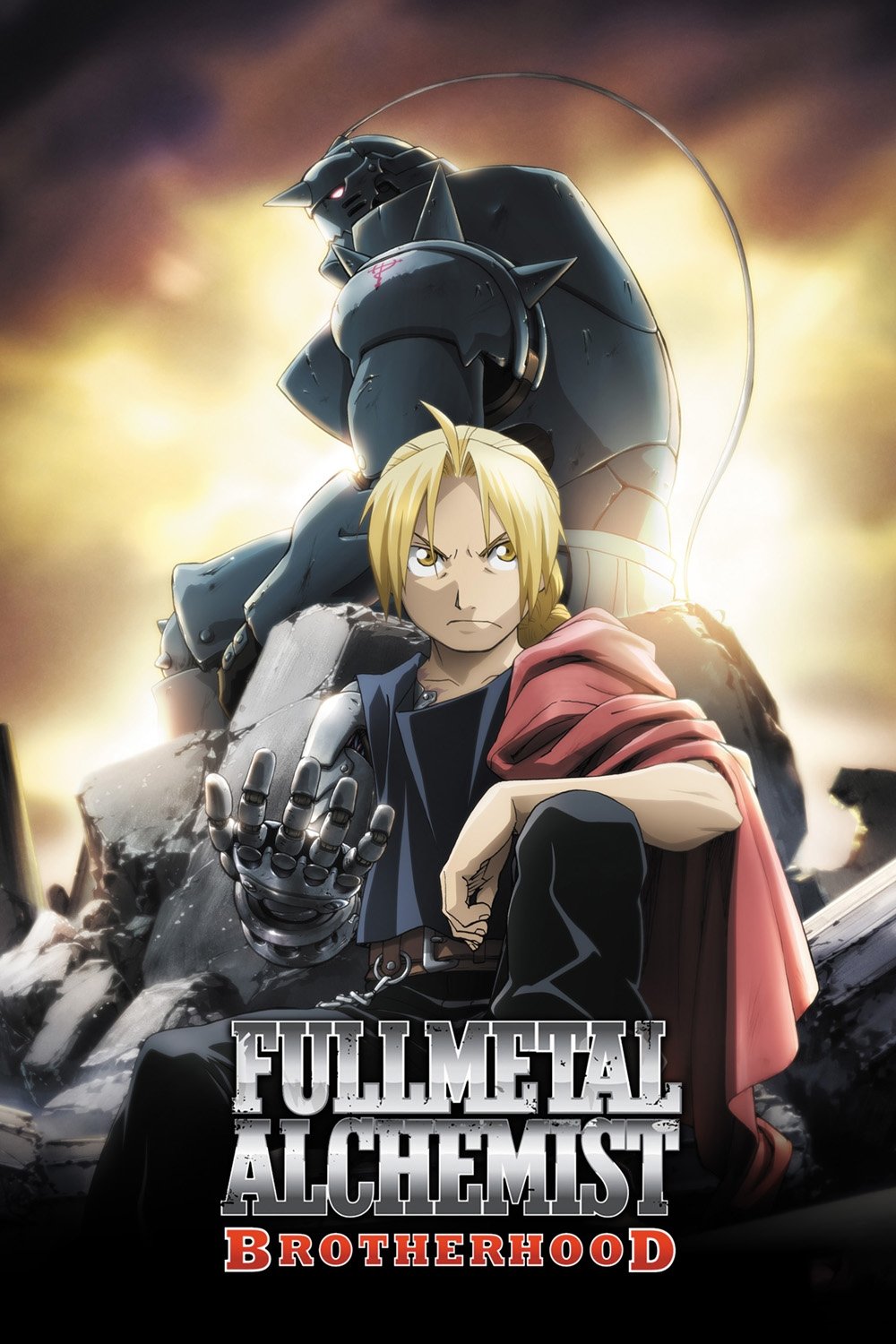
Viewers often clash over which adaptation of Hiromu Arakawa’s manga tells the superior story. The 2003 series diverges significantly from the source material while the 2009 reboot adheres strictly to the original plot. Proponents of the earlier version praise its darker tone and character depth while Brotherhood fans prefer the cohesive narrative and expanded world-building. This debate highlights the difference between faithful adaptation and creative reinterpretation.
‘Death Note’ (2006) – Was Light Yagami Right?
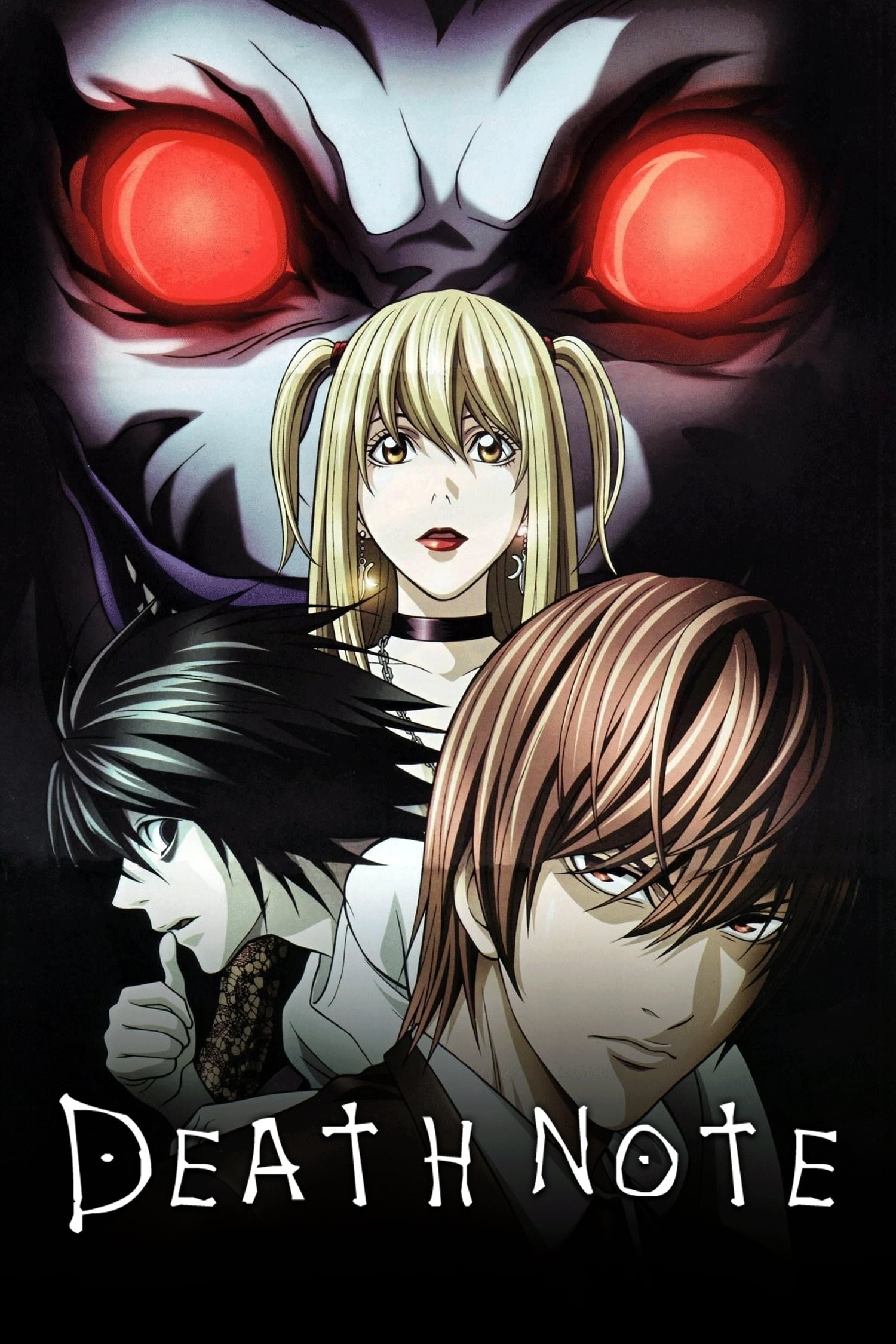
Audiences continue to discuss the morality of Kira and his quest to rid the world of criminals through lethal force. Supporters argue that the drastic reduction in global crime rates justifies the methods used by the protagonist. Detractors emphasize that no single individual should hold the power of execution without due process. The series purposely leaves the ethical implications open to interpretation regarding justice and god complexes.
‘Neon Genesis Evangelion’ (1995) – Rei vs. Asuka
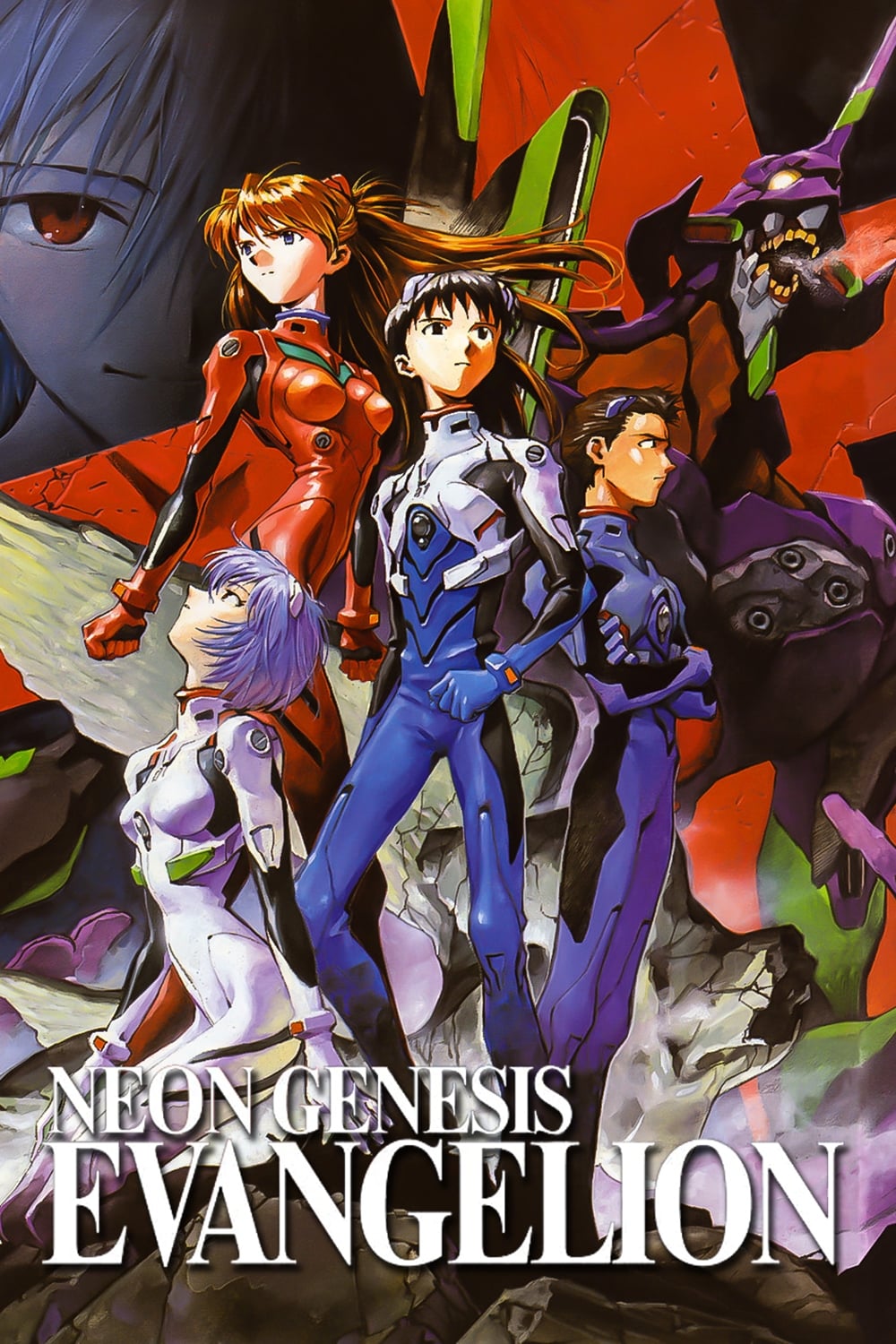
The waifu war between the stoic pilot of Unit 00 and the fiery pilot of Unit 02 defined anime fandom for over two decades. Rei Ayanami represents quiet loyalty and mystery while Asuka Langley Soryu embodies talent and abrasive emotional complexity. Merchandise sales and popularity polls frequently shift back and forth between these two iconic heroines. Hideaki Anno crafted both characters to deconstruct traditional tropes which only fuels the endless comparison.
‘Code Geass: Lelouch of the Rebellion’ (2006) – Did Lelouch Die?
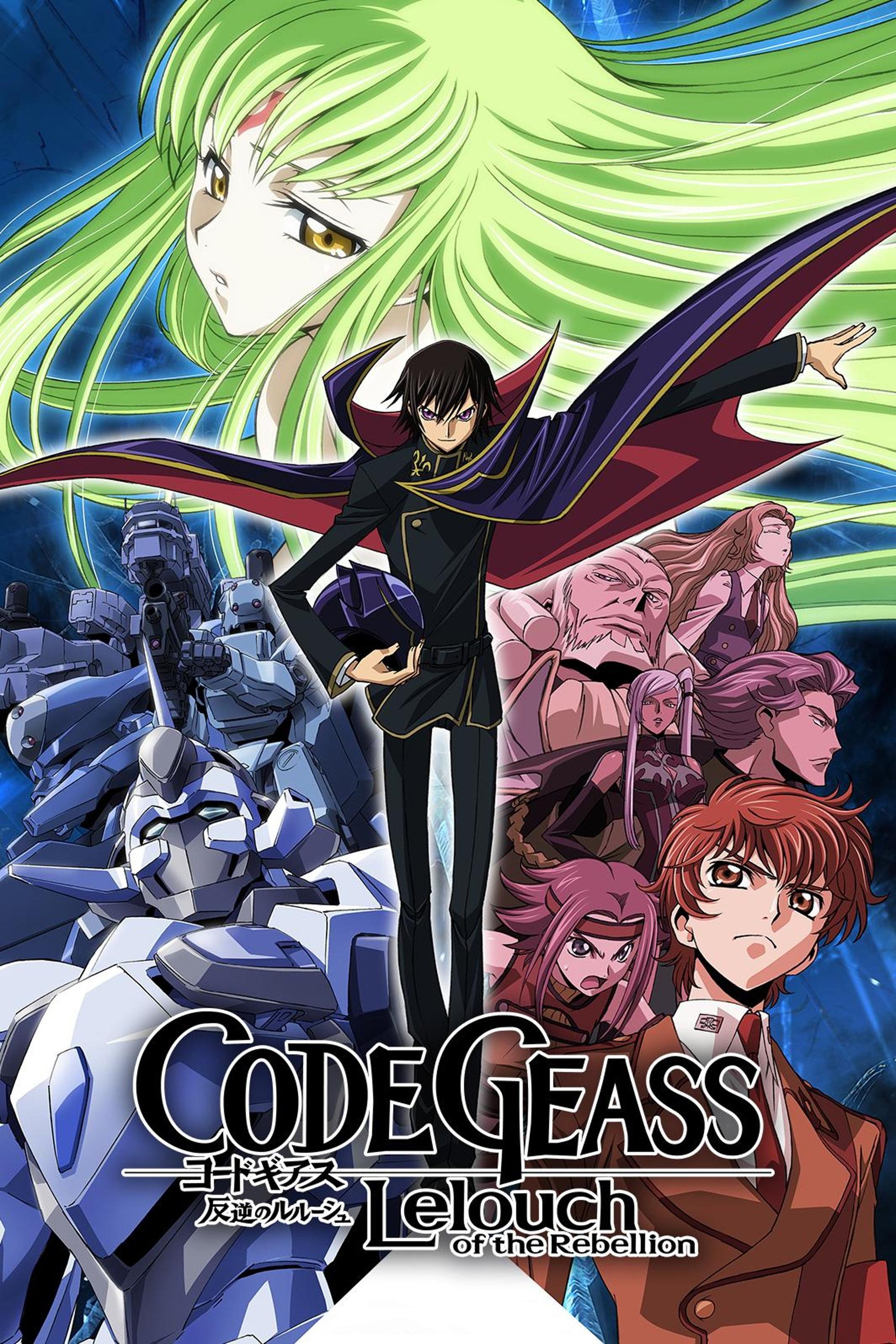
The final scene of the series left viewers debating the ultimate fate of the masked revolutionary Zero. Many fans analyzed the cart driver scene and the mechanics of immortality codes to prove his survival. Others insisted his death was necessary to complete the thematic arc of the Zero Requiem. Even with subsequent movies addressing this plot point the discussion regarding the original artistic intent persists.
‘Cowboy Bebop’ (1998) – Spike Spiegel’s Fate
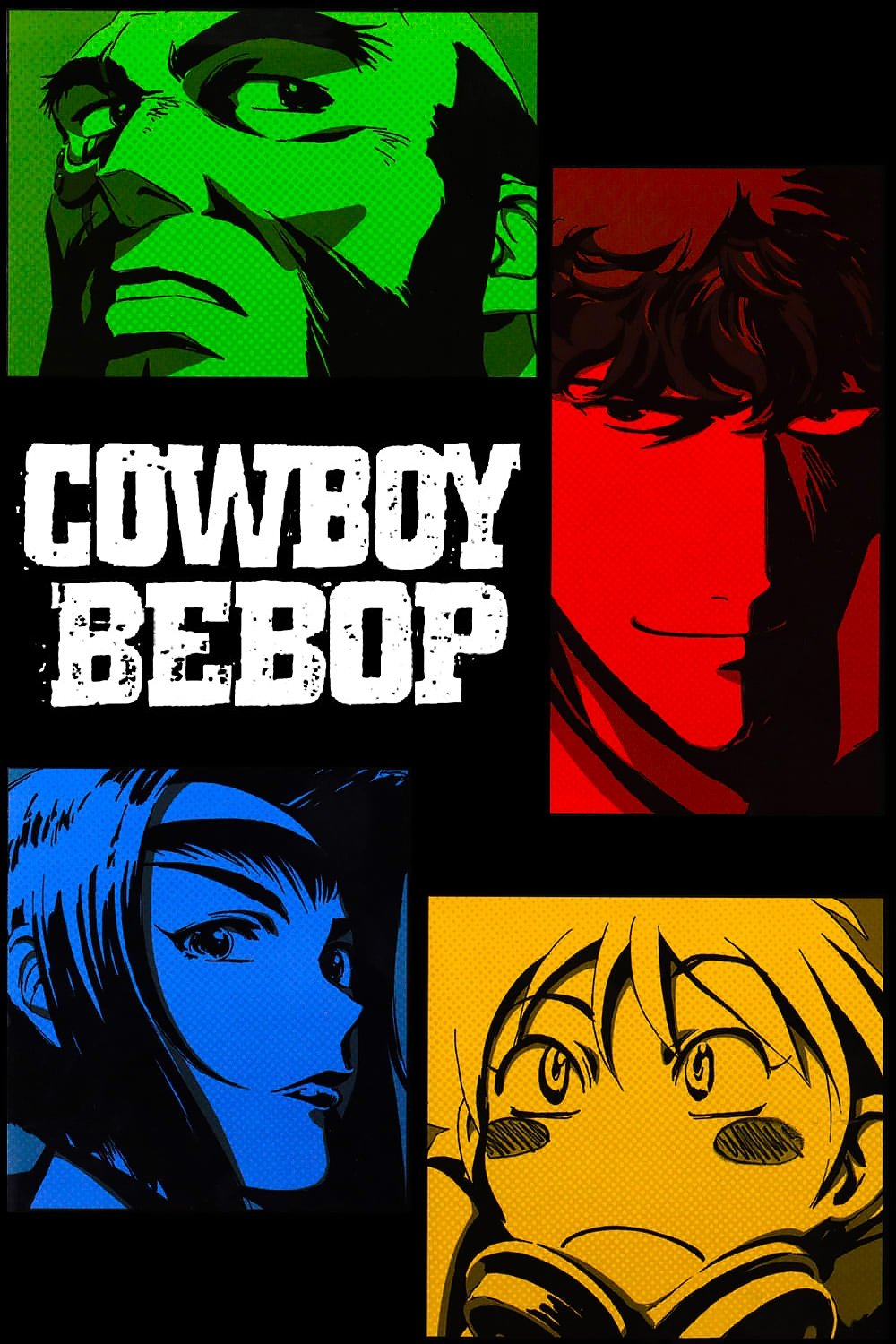
The ambiguous conclusion sees the bounty hunter collapse on the cathedral steps after his confrontation with Vicious. Shinichiro Watanabe famously declined to confirm if the protagonist died or simply fell unconscious from his wounds. Viewers analyze the fading star in the credits as a metaphor for a warrior finally finding peace. The open ending allows the audience to decide if Spike is merely dreaming or if he truly carried that weight.
‘One Piece’ (1999) – Skip Skypiea?
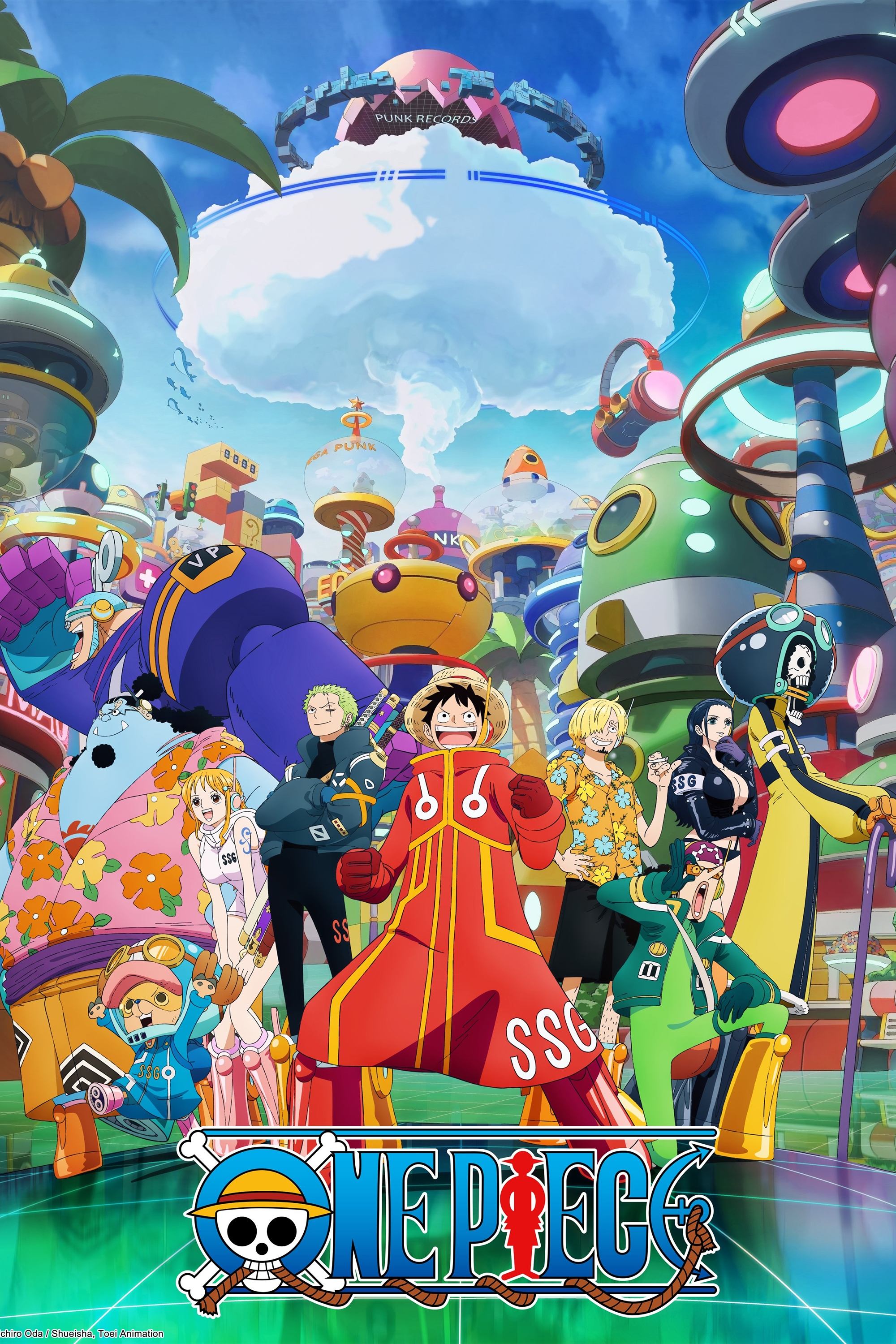
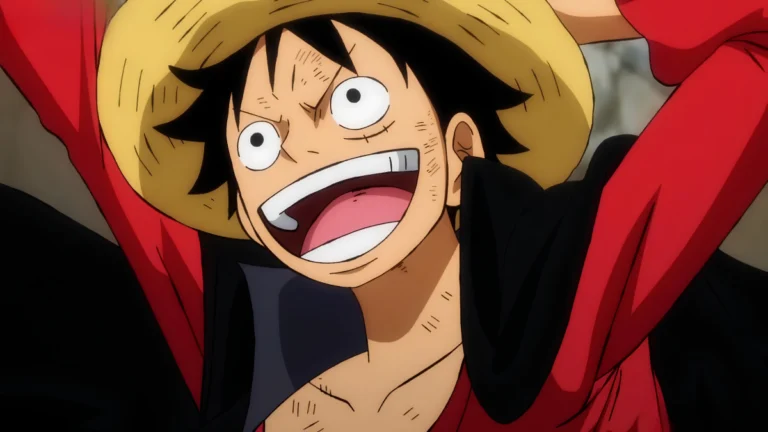
Newcomers frequently ask the community if the saga involving the Sky Islands is essential viewing. Purists insist the arc contains crucial lore regarding the Void Century and Roger’s journey that pays off later. Critics argue the pacing is slow and the villain Enel feels disconnected from the wider Blue Sea politics. This debate represents the larger conflict between plot efficiency and world immersion in long-running series.
‘Attack on Titan’ (2013) – The Controversial Ending
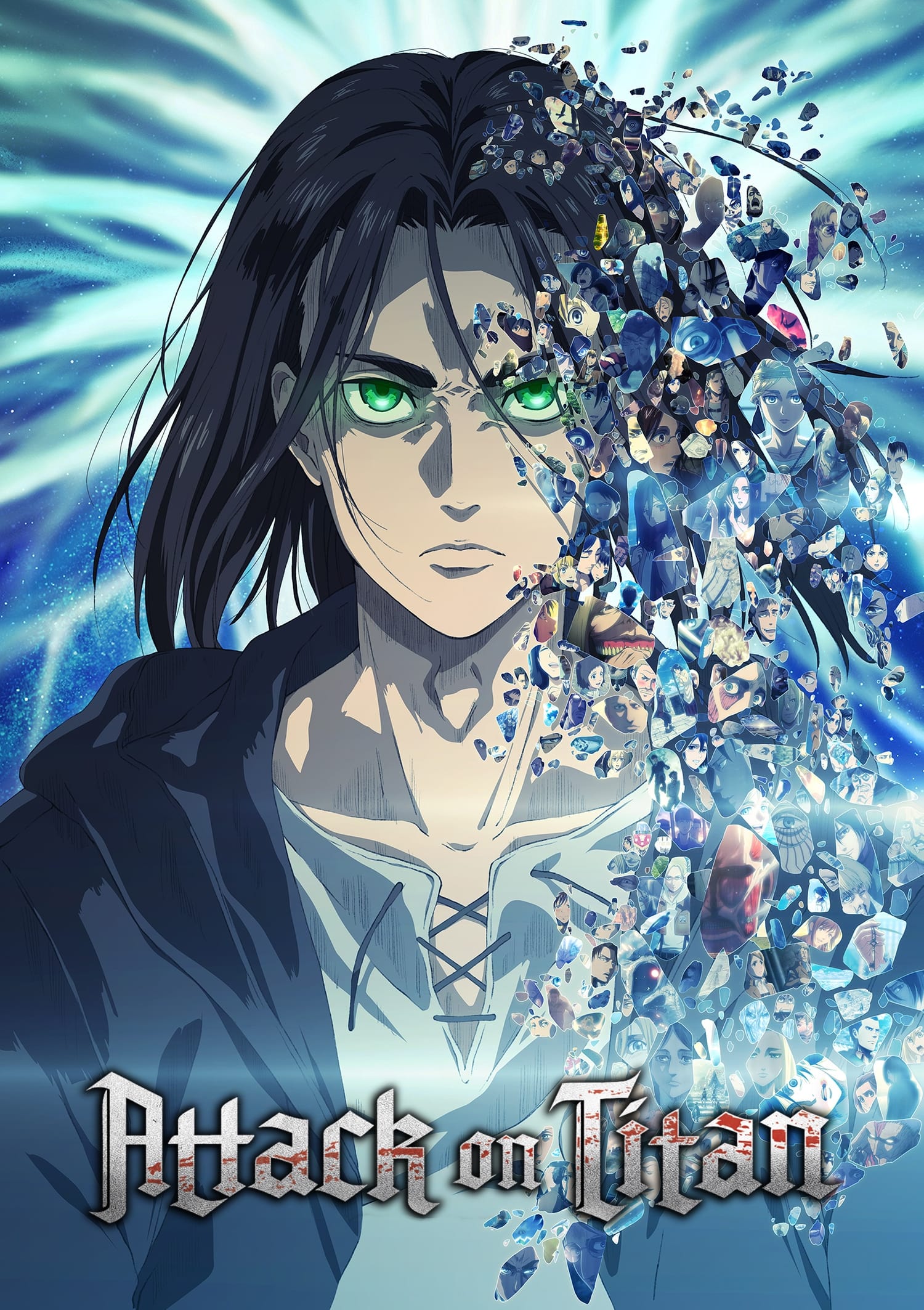
Hajime Isayama concluded his dark fantasy epic with a finale that split the fanbase down the middle. Some readers felt the resolution betrayed character motivations and rushed crucial thematic elements. Others interpreted the tragic cycle of war as a realistic and poignant message about human nature. The shift from political intrigue to metaphysical conflict created a lasting divide in how the legacy of the show is perceived.
‘JoJo’s Bizarre Adventure: Golden Wind’ (2018) – How King Crimson Works
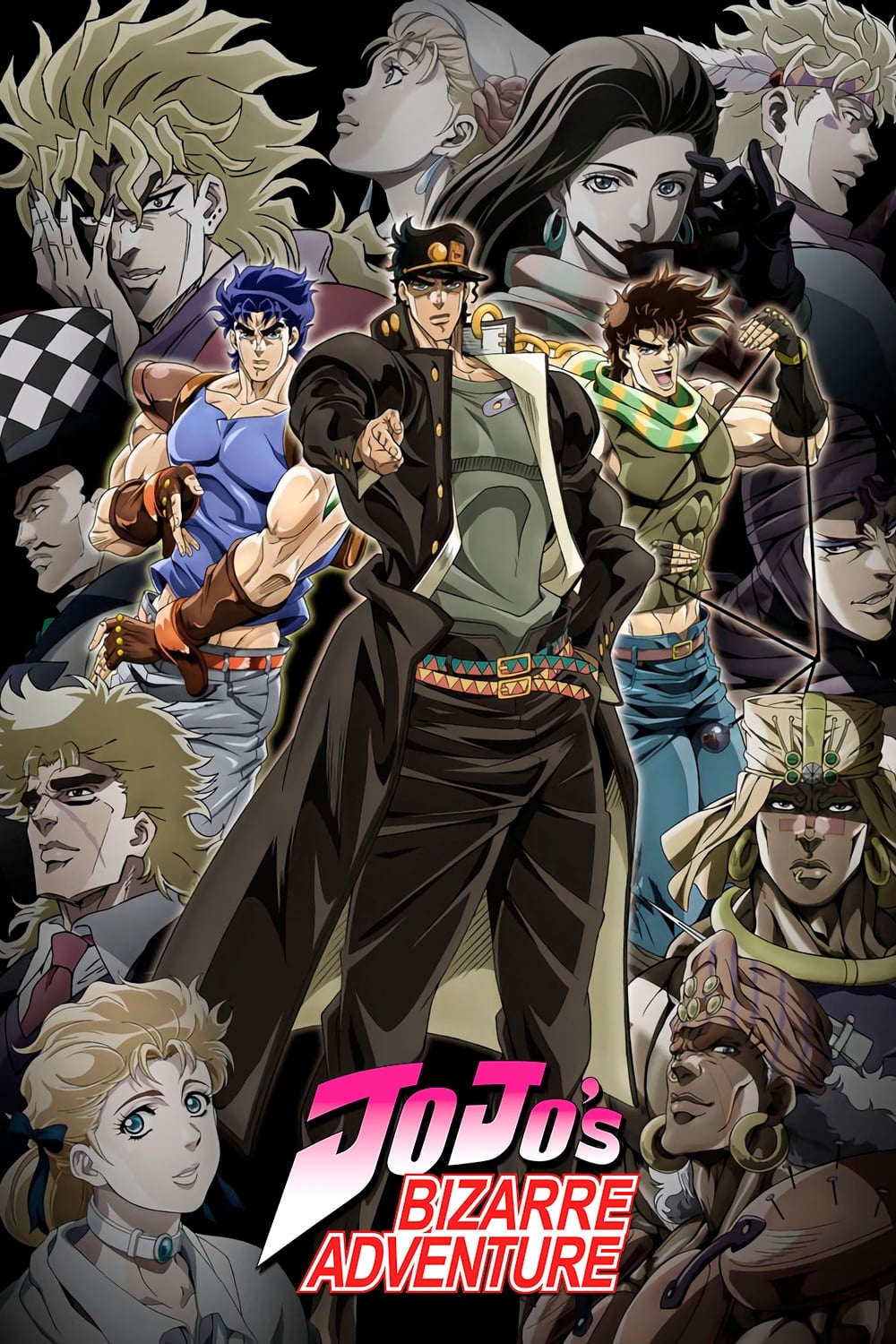
The stand ability possessed by Diavolo confuses fans due to the complex way it erases time while preserving cause and effect. Memes and diagrams attempt to explain how the villain can react to events that technically never happened for anyone else. Viewers struggle to reconcile the visual representation of the power with its stated rules. It stands as the most mechanically debated ability in the entire multi-generational franchise.
‘Naruto’ (2002) – Sakura’s Usefulness
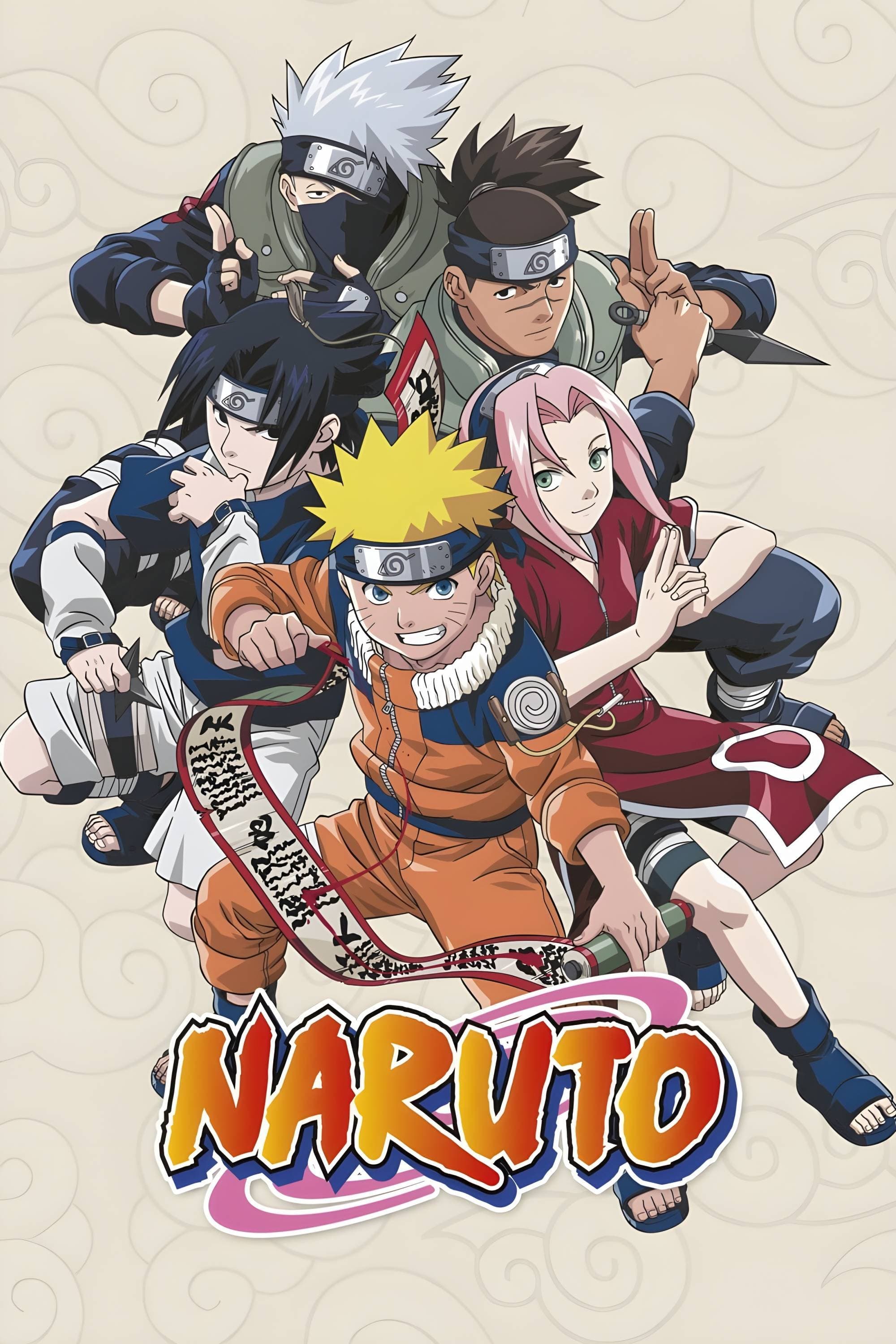
A significant portion of the fandom criticizes Sakura Haruno for lagging behind her teammates in power and narrative agency. Defenders point to her medical expertise and crucial role in the final war as proof of her competence. The writing often sidelined her character development in favor of the rivalry between Naruto and Sasuke. This argument centers on female characterization in shonen battle manga during the early 2000s.
‘Pokémon’ (1997) – The Coma Theory
A dark fan theory suggests Ash Ketchum never woke up after his accident in the very first episode. Proponents claim the unaging characters and identical Nurse Joys are manifestations of his subconscious mind trying to maintain stability. This interpretation attempts to explain the floating timeline and lack of permanent consequences in the world. It remains a popular topic despite the wholesome nature of the official canon.
‘Digimon Adventure’ (1999) – Digimon vs. Pokémon

Children of the nineties engaged in fierce playground arguments over which monster franchise was superior. ‘Digimon’ offered a serialized plot with character growth and higher stakes compared to the episodic nature of its competitor. ‘Pokémon’ boasted a larger roster of creatures and a more accessible world for casual viewers. The rivalry continues today as both franchises have evolved into massive multimedia empires.
‘Hunter x Hunter’ (2011) – Ging Freecss Parenting Skills
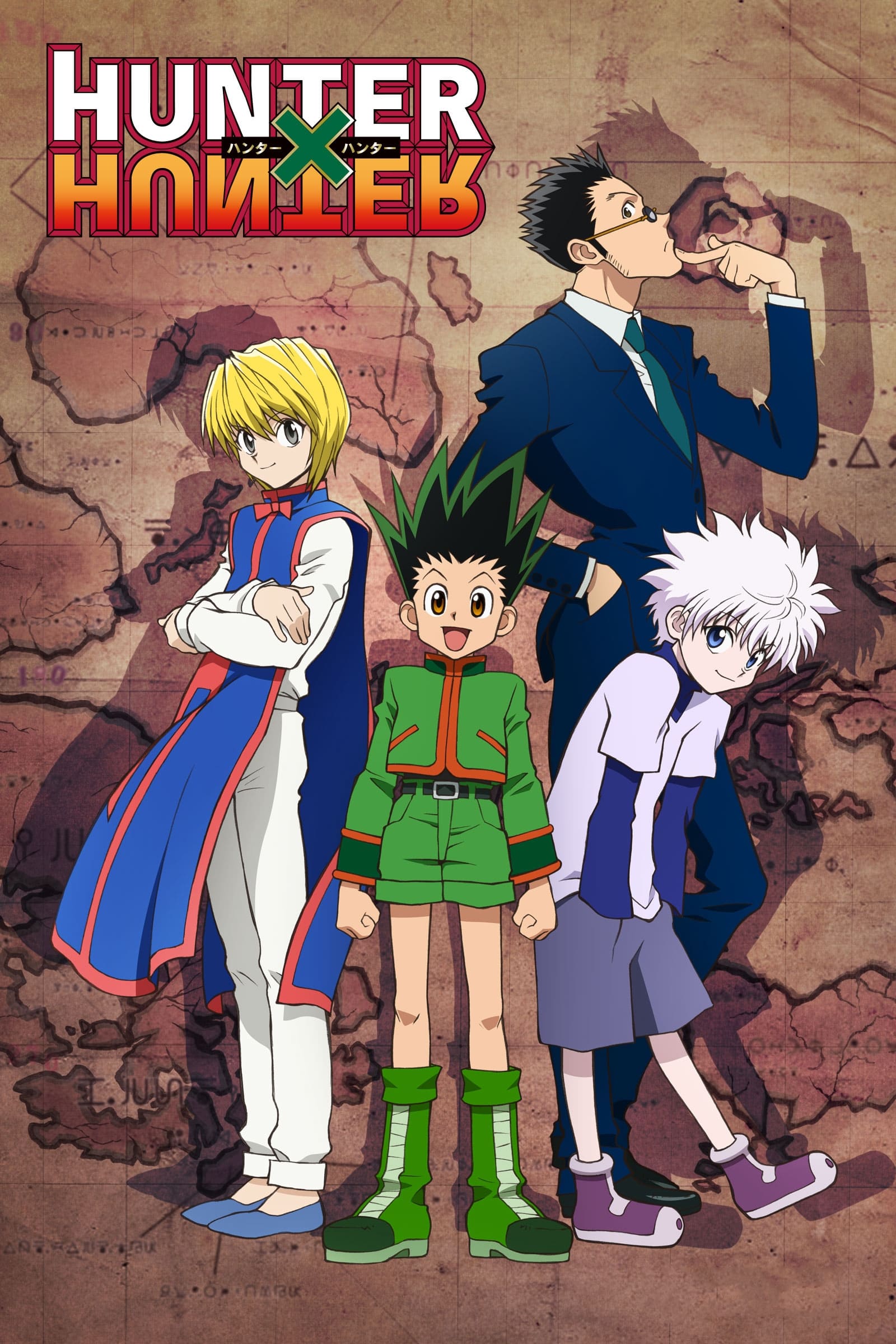
Gon’s father is widely regarded as one of the most negligent parents in anime history for abandoning his son to pursue hunting. Some fans argue his actions were necessary to teach Gon independence and strength through the journey. Others view his behavior as inexcusable regardless of the resulting character growth in the protagonist. The complexity of his character challenges the traditional mentor figure archetype found in adventure series.
‘Sword Art Online’ (2012) – Masterpiece or Trash

Few shows polarize the anime community as effectively as Reki Kawahara’s virtual reality saga. Fans praise the high production values and the initial premise of a death game survival story. Critics often point to pacing issues and perceived flaws in character writing after the first arc concludes. The show serves as a gatekeeper test where enjoyment often depends on experience with the isekai genre.
‘Dragon Ball Super’ (2015) – GT vs. Super

The arrival of a canon continuation sparked debates on whether it effectively replaced the older non-canon sequel. Fans of ‘Dragon Ball GT’ champion the Super Saiyan 4 design and the concept of Shadow Dragons. Supporters of the newer series prefer the expansion of the multiverse and the introduction of Ultra Instinct. This clash involves nostalgia warring against modern animation and updated lore.
Tell us which side of these arguments you support in the comments.