The Darkest Pokedex Entries Nintendo Wants You To Ignore



The world of Pokemon is typically presented as a cheerful environment filled with friendship and adventure. Players explore vibrant landscapes while bonding with creatures that appear marketable and cute. However the handheld encyclopedia known as the Pokedex often contains disturbing lore about these monsters. Developers at Game Freak frequently hide tales of death and predatory behavior within these short text descriptions. These entries reveal a much more dangerous reality than the anime or marketing materials usually suggest.
Drowzee in ‘Pokemon Silver’ (1999)
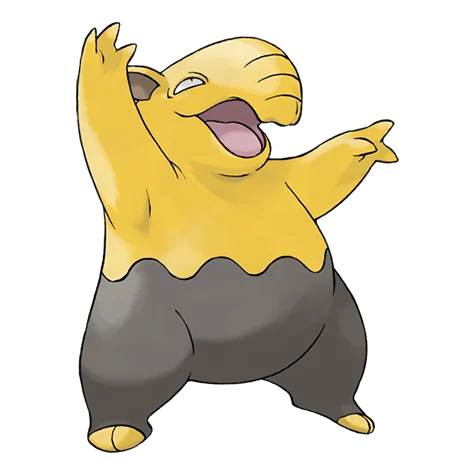
This tapir creature survives by eating the dreams of sleeping humans. The entry in ‘Pokemon Silver’ states that it prefers the dreams of children because they are much tastier. It stands over sleeping victims and sucks the dreams out through their nostrils. Adults are rarely targeted because their dreams are considered too bitter for the creature’s palate. This implies the Pokemon specifically hunts inside the bedrooms of children during the night.
Bewear in ‘Pokemon Moon’ (2016)
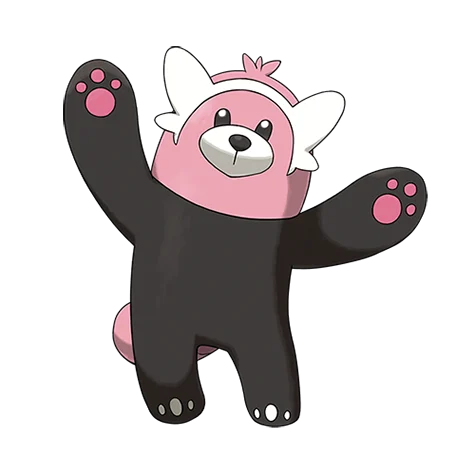
This friendly looking bear waves its arms to approach potential friends in the Alola region. However ‘Pokemon Moon’ warns that its hugs possess enough force to shatter spines. Many trainers have been killed simply because the Pokemon wanted to show affection. It does not understand its own immense strength and crushes those it loves. The local people in the region are terrified of this deceptively cute beast.
Mimikyu in ‘Pokemon Sun’ (2016)
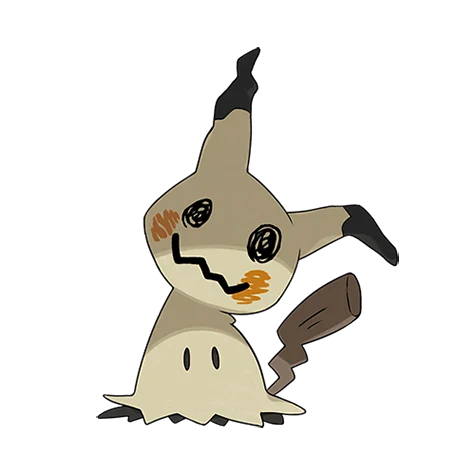
A lonely spirit hides under a ragged cloth that resembles a popular mascot to make friends. The entry in ‘Pokemon Sun’ warns that a scholar who looked under the cloth died from shock. It works hard to repair the disguise because it fears the sun and rejection. The creature violently thrashes if anyone attempts to peek at its true form. The costume serves as a protective barrier for the world rather than for the Pokemon itself.
Palossand in ‘Pokemon Moon’ (2016)
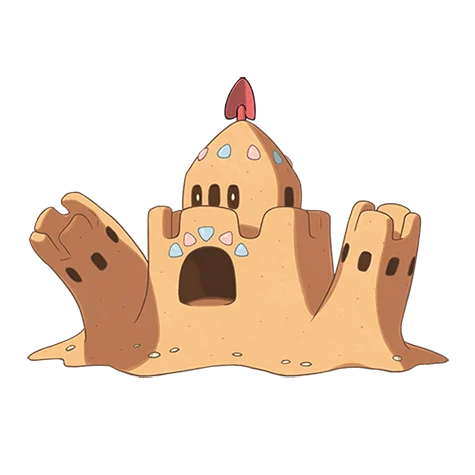
This sandcastle creature possesses the power to control human adults to build it up. ‘Pokemon Moon’ reveals that buried beneath the castle are piles of dried bones from its victims. It swallows small Pokemon and drains their vitality before discarding the remains in the sand. The shovel on its head functions as a radar to locate fresh prey. Beachgoers unaware of its nature walk directly into a camouflaged graveyard.
Parasect in ‘Pokemon Yellow’ (1998)
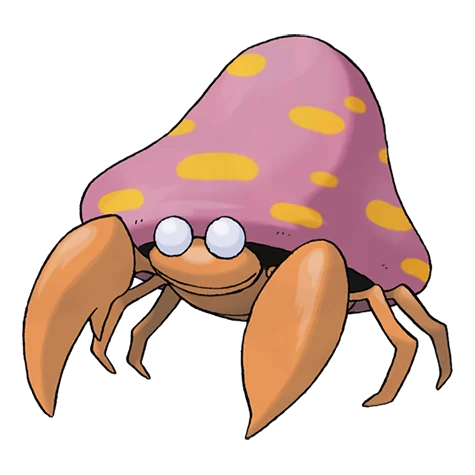
The insect at the base of this creature is actually dead and the mushroom controls the body. ‘Pokemon Yellow’ explains that the host bug has been completely drained of energy by the parasite. The mushroom scatters toxic spores from the giant cap on its back. The insect has no will of its own and functions solely as a vehicle for the fungus. This relationship represents a total biological takeover rather than a symbiotic partnership.
Litwick in ‘Pokemon Black’ (2010)

Litwick shines a light that absorbs the life energy of people and Pokemon. It pretends to guide the way for lost travelers through dark places. The entry in ‘Pokemon Black’ notes that the flame burns brighter as it drains more life from its victims. Those who follow its light are actually being led to the Ghost World. It slowly weakens its followers until they have nothing left to give.
Cacturne in ‘Pokemon Sapphire’ (2002)

Groups of this cactus creature follow travelers through the desert at night. The entry in ‘Pokemon Sapphire’ explains that they wait for the traveler to succumb to exhaustion. They remain perfectly still during the day to avoid moisture loss before hunting. Once the target collapses from heat and fatigue the pack moves in to attack. This behavior suggests they actively prey on dying humans for sustenance.
Gorebyss in ‘Pokemon Sapphire’ (2002)
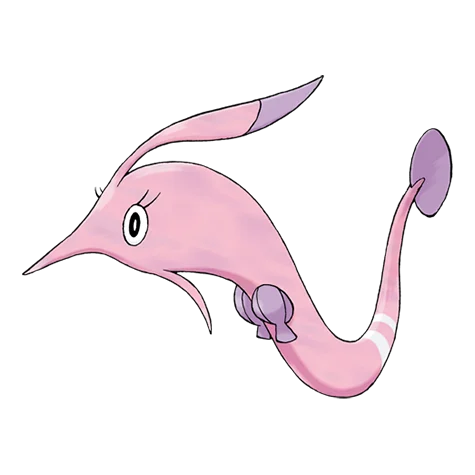
This pink sea creature looks elegant but feeds in a horrific manner. ‘Pokemon Sapphire’ states that it inserts its thin mouth into the body of its prey. It then drains all the body fluids from the victim while they are still alive. The remaining meat and skin drift to the ocean floor after feeding is complete. Its beautiful color becomes more vivid after it finishes draining a target.
Froslass in ‘Pokemon Sun’ (2016)
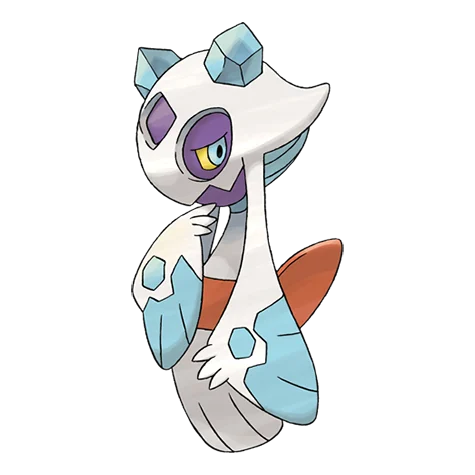
This ice type freezes its favorite prey and keeps the bodies as decorations in its den. The entry in ‘Pokemon Sun’ suggests it specifically targets handsome men who get lost in snowy mountains. It is said to be the spirit of a woman who went missing in the snow. Froslass lines its cave with frozen statues of humans and Pokemon alike. The creature creates a macabre art gallery made of preserved corpses.
Banette in ‘Pokemon Emerald’ (2004)
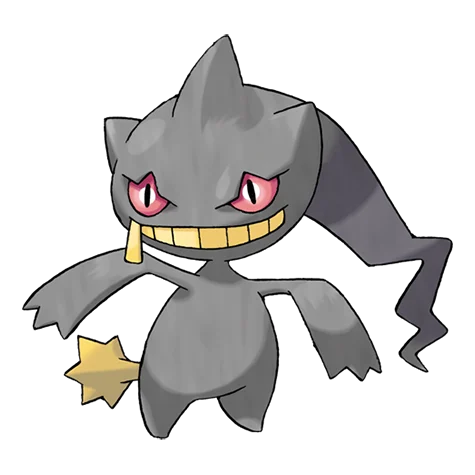
Banette was once a plush doll that was thrown away by a child. Pure hatred and a desire for vengeance brought it to life according to ‘Pokemon Emerald’. It wanders through alleys while searching specifically for the child that abandoned it. It sticks pins into its own body to generate energy for its curses. This origin story turns a common childhood toy into a vengeful stalker.
Drifloon in ‘Pokemon Pearl’ (2006)
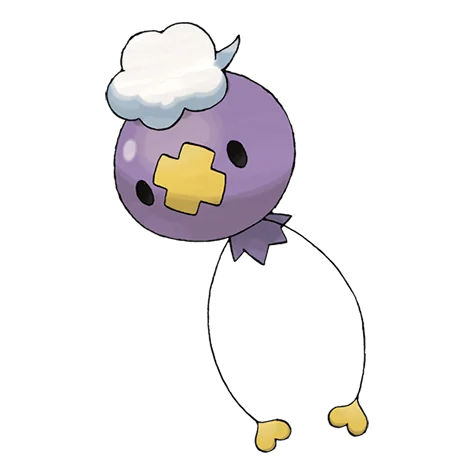
This balloon creature is known to drag away children who hold onto it. It floats aimlessly while seeking young hands to grasp. The Pokedex in ‘Pokemon Pearl’ notes that it tugs on the hands of children to steal them away. However it often gets pulled around itself because it is too light. Parents in the Pokemon world must constantly watch their offspring around this deceptive ghost type.
Phantump in ‘Pokemon Y’ (2013)

Phantump is actually a tree stump possessed by the spirit of a child who died while lost in the forest. Its cry sounds like the voice of a screaming child which lures adults into the woods. The entry in ‘Pokemon Y’ confirms this tragic origin story that transforms a cute design into a nightmare. Humans who hear its voice are said to become lost in the forest forever. This implies that the cycle of death and possession continues indefinitely.
Cubone in ‘Pokemon Yellow’ (1998)
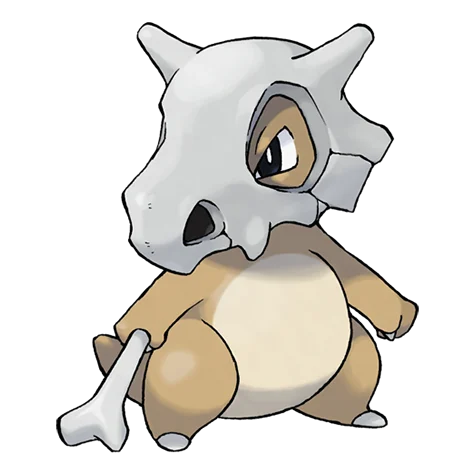
This lonely creature wears the skull of its deceased mother as a helmet. The Pokedex in ‘Pokemon Yellow’ explains that its cries echo inside the skull and create a sad melody. It never shows its true face to the world because it is constantly mourning its loss. The stains on the skull are tracks from the tears it sheds. This entry establishes a brutal cycle of death for the species right from birth.
Yveltal in ‘Pokemon Y’ (2013)
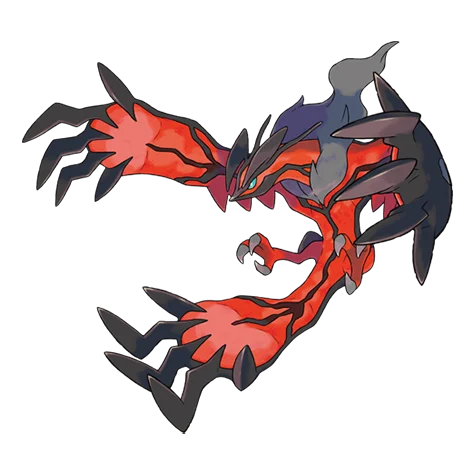
This legendary creature possesses the power to absorb the life force of every living thing. When its life comes to an end it absorbs the life energy of all living beings to form a cocoon. The entry in ‘Pokemon Y’ describes this apocalyptic event as a way for the beast to revive itself. Its death effectively triggers a mass extinction event for the immediate area. The cycle ensures that its survival comes at the cost of everything else.
Yamask in ‘Pokemon Black’ (2010)

This spirit carries a mask that represents the face it had when it was human. The entry in ‘Pokemon Black’ reveals that these creatures retain all their memories from their former human lives. It occasionally looks at the mask and cries as it remembers being alive. This confirms that humans can become Pokemon after death within this universe. Trainers effectively capture the souls of deceased people when catching this species.
Share your favorite creepy Pokedex entry in the comments.