The Most Expensive Microtransactions that Offer Zero Advantage


The modern gaming landscape has evolved into a digital economy where virtual items often carry price tags that rival luxury goods in the real world. Developers and community markets alike have established a precedent where rarity and prestige drive costs to astronomical heights without offering any gameplay benefits. These cosmetic items serve as status symbols that allow players to flaunt their wealth or dedication within their favorite virtual environments. The following list details twenty of the most expensive cosmetic microtransactions that provide absolutely no competitive advantage.
‘Counter-Strike 2’ (2023) – Karambit Case Hardened Blue Gem ($1,500,000)
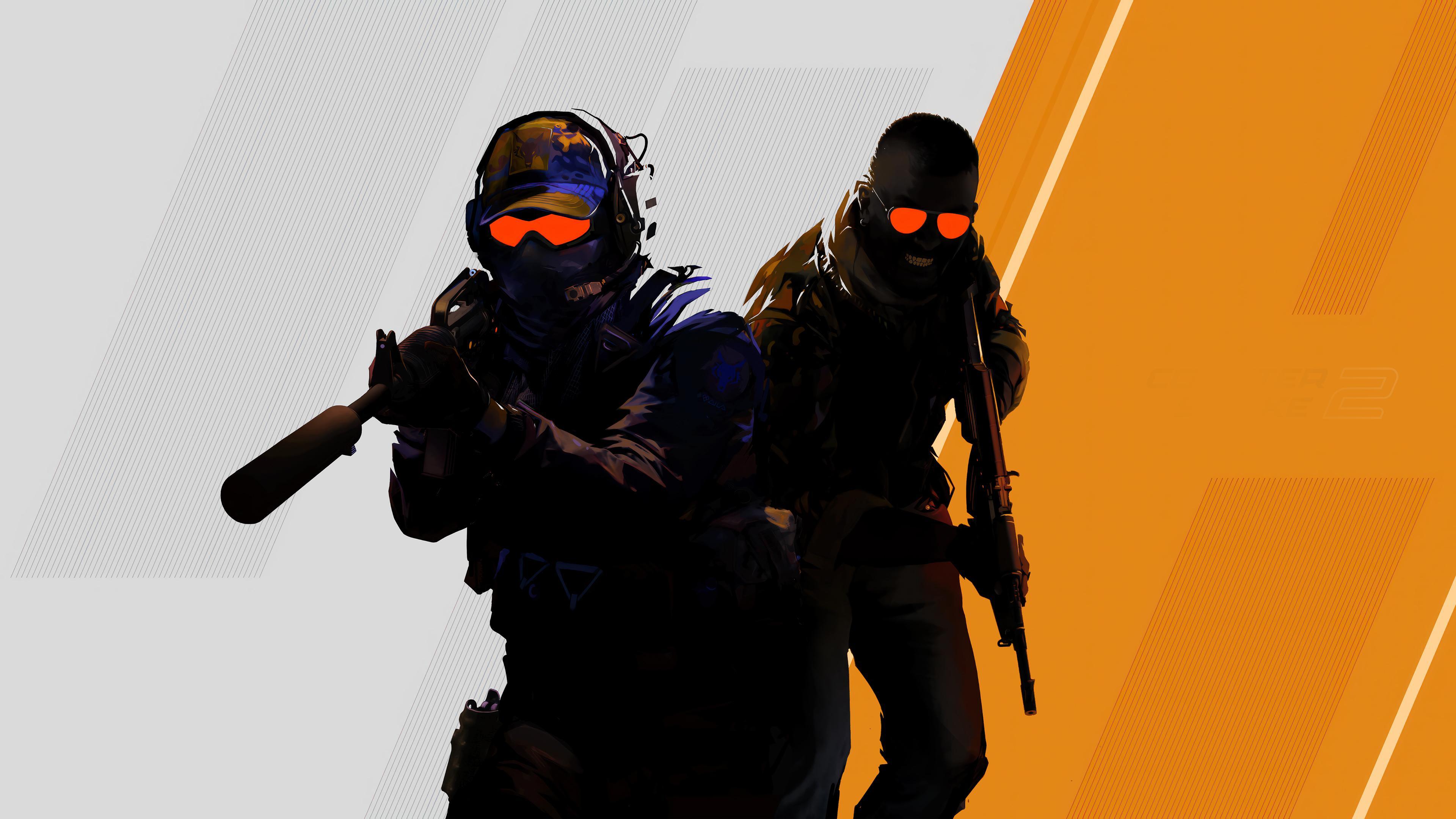
The Karambit Case Hardened with the specific pattern index 387 is widely considered the holy grail of video game cosmetics. This knife features a blade that is entirely blue on the play side due to a rare generation of the texture pattern. Owners of this specific item have rejected purchase offers reaching one and a half million dollars. It functions exactly like a standard default knife in the game but commands the price of a luxury home due to its singular rarity.
‘Counter-Strike 2’ (2023) – AK-47 Case Hardened Pattern 661 ($1,000,000)
This weapon skin made headlines when a specific variation sold for over one million dollars in a private transaction. The pattern 661 is known as the Scar Pattern and features a distinctive golden scar near the rear sight with a fully blue top. Collectors prize this item for its aesthetic perfection and the extreme improbability of unboxing such a specific pattern. The gun deals the exact same damage as a free default rifle despite costing more than most supercars.
‘Counter-Strike: Global Offensive’ (2012) – Souvenir AWP Dragon Lore ($227,000)
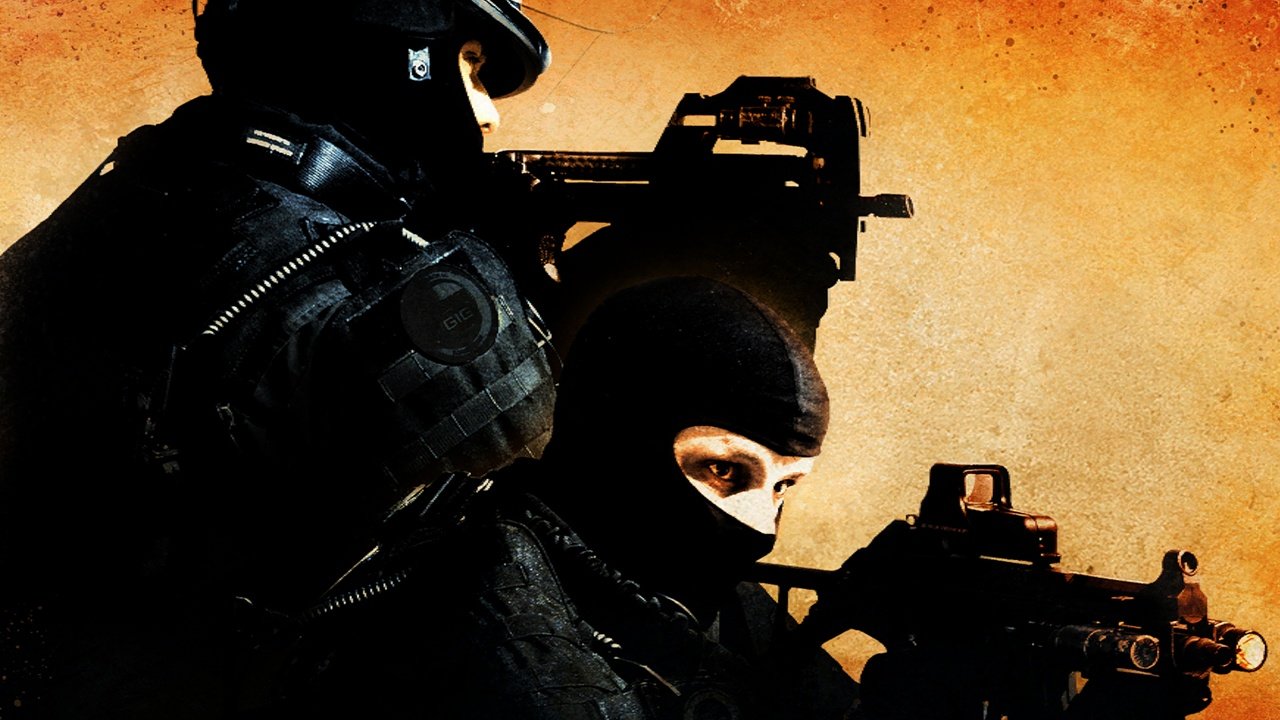
The Dragon Lore is perhaps the most iconic sniper rifle skin in the history of the franchise and features a red dragon painted on the body. Souvenir versions are dropped only during professional tournament matches and feature golden stickers from the teams playing in that specific round. Pristine factory new versions have sold for nearly a quarter of a million dollars on third-party marketplaces. Holding this weapon provides nothing but bragging rights and a beautiful design to look at while scoping enemies.
‘Counter-Strike: Global Offensive’ (2012) – StatTrak M4A4 Howl ($100,000)
This skin holds a unique Contraband rarity status because the original artwork was flagged for copyright issues and subsequently removed from loot cases. Valve redesigned the skin for existing owners and locked it so no new ones could ever be obtained. The limited supply means that factory new versions with the StatTrak kill counter command immense prices from collectors. It stands as a piece of digital history that serves as a testament to the volatile nature of virtual economies.
‘Dota 2’ (2013) – Legacy Ethereal Flames Wardog ($38,000)
This courier item is a relic from the early days of the game when color codes for particle effects could be randomly generated. A specific combination created a pink hue that was later patched out of the generation pool. One collector famously purchased this unique pink-flamed dog for thirty-eight thousand dollars to secure its place in their inventory. The courier simply transports items from the base to the hero and offers no speed or survivability bonuses over the default donkey.
‘Team Fortress 2’ (2007) – Unusual Burning Flames Team Captain ($20,000)
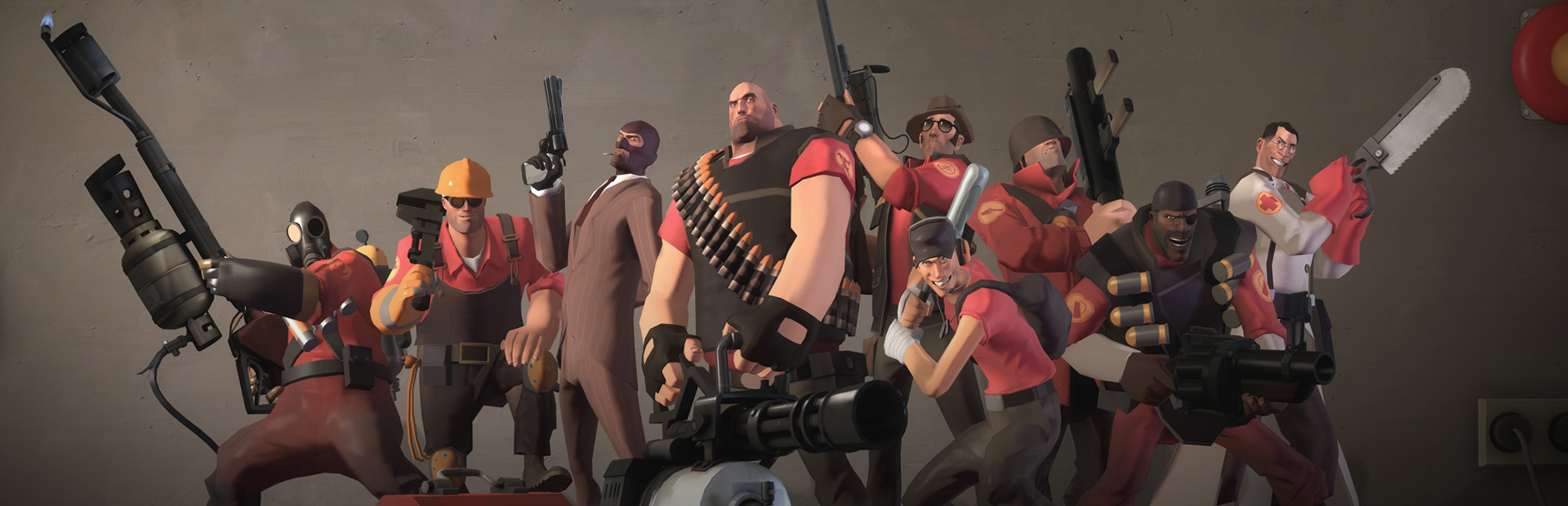
The Team Captain is a hat that can be worn by the Soldier, Medic, and Heavy classes and is designed to look like a military officer cap. The Burning Flames particle effect is one of the most desirable visuals in the game and obtaining this specific hat with that effect is statistically improbable. Traders value this item as the crown jewel of the trading community with verified sales reaching twenty thousand dollars. Wearing it turns the player into a high-priority target for snipers due to the bright fire effect.
‘Path of Exile’ (2013) – Ruler of Wraeclast Supporter Pack ($12,500)

Grinding Gear Games offered this massive supporter pack during the early beta stages of their action RPG. Buyers received the ability to design a unique item for the game and a custom forum title to display their support. While the pack included physical goods and points, the primary digital draw was the prestige of being a top-tier patron. The unique items designed by supporters are available to all players to find, meaning the advantage was not exclusive to the buyer.
‘Team Fortress 2’ (2007) – Golden Frying Pan ($7,500)
This melee weapon is a reskin of the standard frying pan that turns enemies into solid gold statues upon death. It drops with extremely low frequency from the Mann Up mode in the Mann vs Machine cooperative gametype. The item is so rare that the game broadcasts a global message to every player online whenever one is found or destroyed. It functions identically to the stock melee weapon but serves as the ultimate symbol of luck and status.
‘Dota 2’ (2013) – Golden Baby Roshan ($3,000)
The Golden Baby Roshan was a reward given to the fastest Sugar Rush Hall of Fame players during the original Diretide Halloween event. Its shimmering gold texture makes it distinct from the standard courier and signals that the owner is a veteran high-skill player. Very few of these couriers exist in the ecosystem today which keeps the market value consistently high. It performs the mundane task of delivering items while looking exceptionally expensive.
‘PUBG: Battlegrounds’ (2017) – Olive Pan ($1,800)
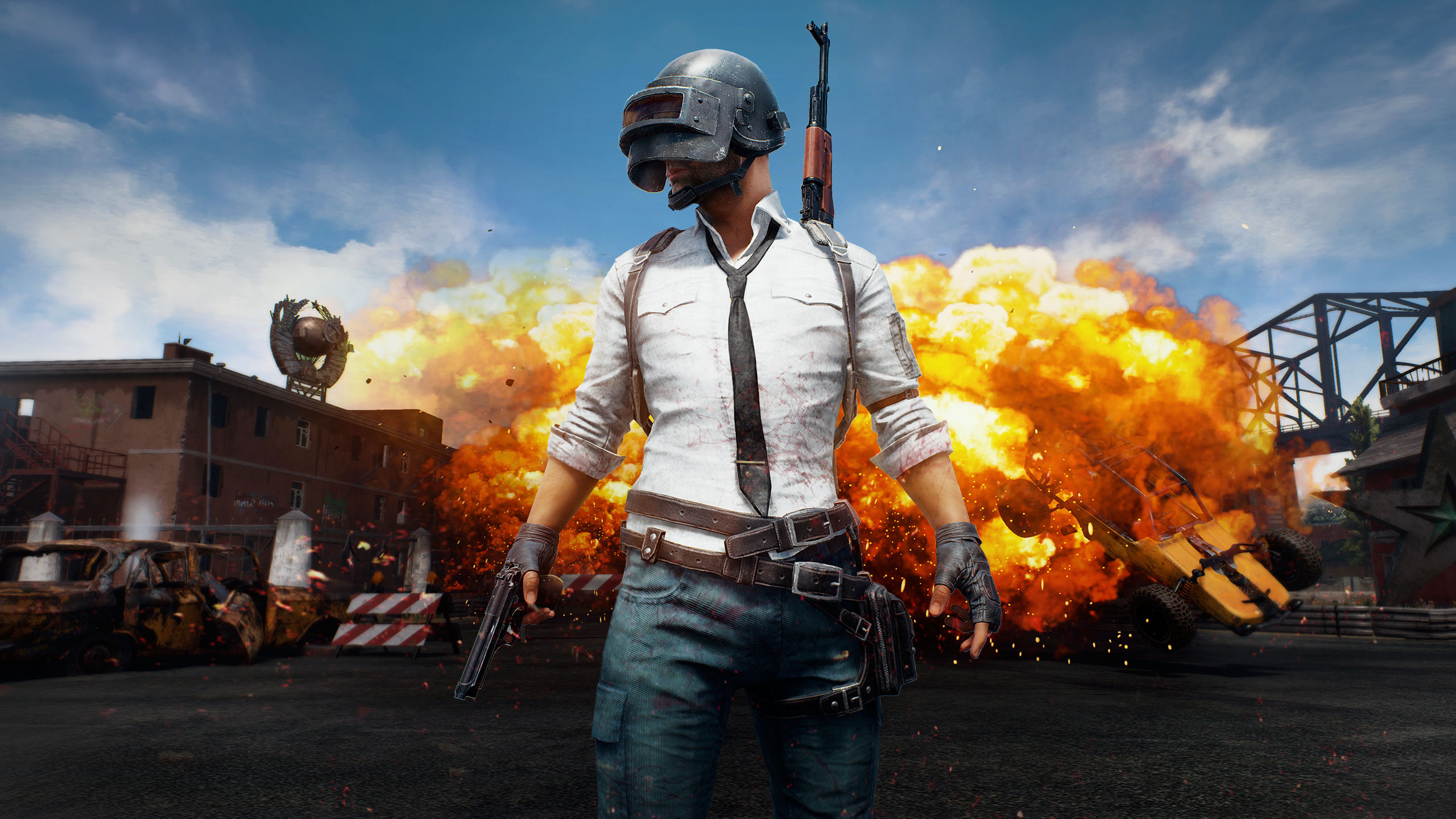
The Olive Pan is a simple cast-iron skillet skin that features a distinct olive branch engraving on the back. It was obtainable from the Equinox Crate with a drop rate so microscopic that it became one of the rarest items in the battle royale. The pan protects the player from bullets exactly as well as the standard pan found on the floor of any shack. Collectors seek it out purely because seeing one in a match is a statistical anomaly.
‘Fortnite’ (2017) – Galaxy Skin ($1,000)
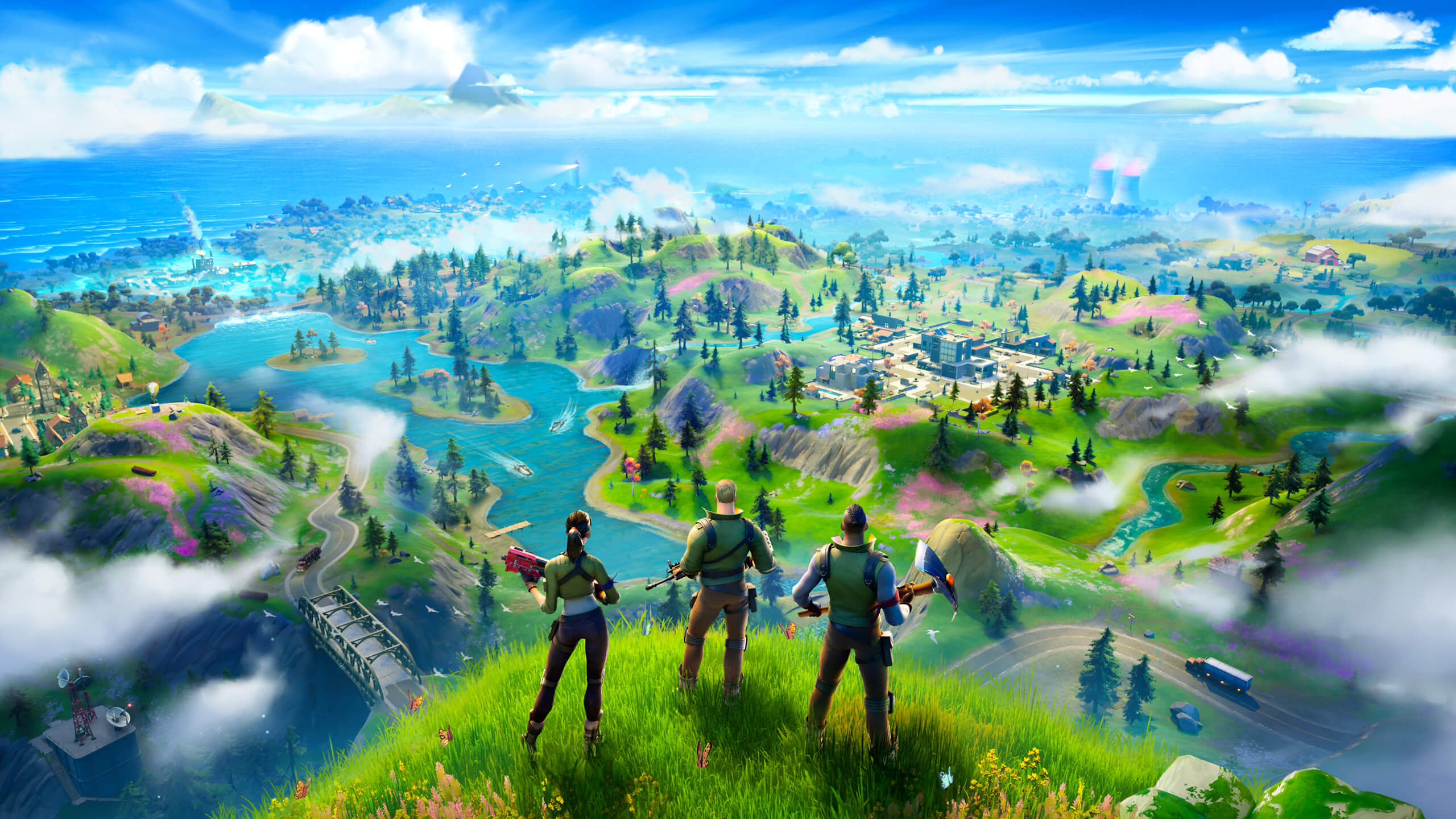
Epic Games partnered with Samsung to offer this cosmic-themed skin exclusively to users who played the game on a Galaxy Note 9 or Tab S4. Players essentially had to purchase a thousand-dollar smartphone or tablet to unlock the digital outfit for their character. The skin itself features a shifting star field texture that looks impressive but offers no camouflage or hitbox changes. It remains one of the most expensive skins simply due to the hardware paywall required to redeem it.
‘Dota 2’ (2013) – Alpine Stalker Set ($800)
Valve released this cowboy-themed set for the hero Ursa but quickly removed it from the store after community complaints that it did not fit the game’s lore. The removal turned the few sets that had been purchased into instant collector items dubbed Immortal rarity. Owners can sell individual pieces of the outfit for hundreds of dollars each on the community market. It transforms a bear warrior into a lederhosen-wearing hiker without changing his combat effectiveness.
‘MechWarrior Online’ (2013) – Gold Khan Mech ($500)
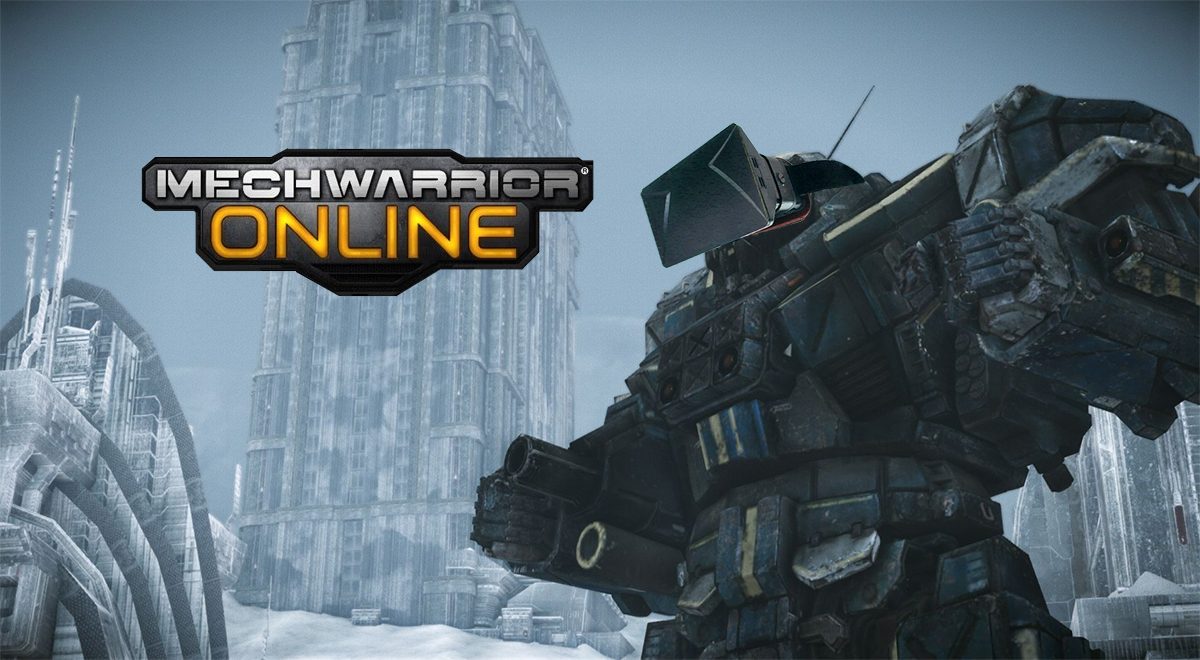
Piranha Games introduced limited edition Gold Mechs as part of a specialized supporter program for the game. Buying one of these skins cost five hundred dollars and applied a permanent gold veneer to a specific robot chassis. While it offered a boost to in-game currency earnings, it provided no combat superiority over the standard versions of the same mech. Players who bought these were often hunted down in matches by others who wanted to destroy the expensive golden targets.
‘League of Legends’ (2009) – Signature Immortalized Legend Ahri ($450)
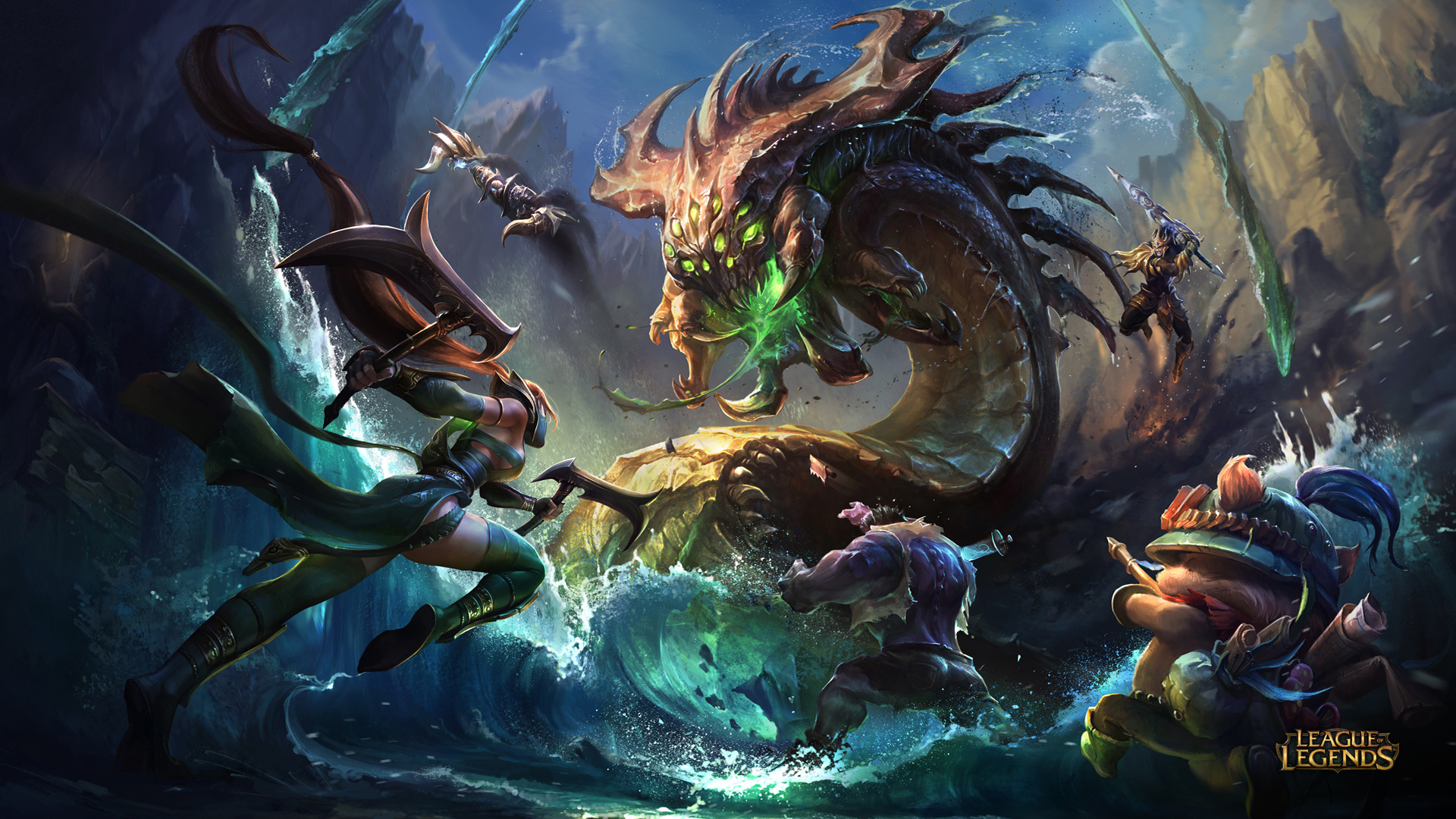
Riot Games released this bundle to celebrate the career of Faker, widely considered the greatest professional player in the game’s history. The skin features evolving visual effects, a unique finisher animation, and the player’s digital signature during loading screens. The steep price point sparked controversy within the community leading many to ban the champion Ahri in matches as a form of protest. It offers strictly visual upgrades and ensures the player looks flashy while playing the mid lane.
‘League of Legends’ (2009) – PAX Twisted Fate ($400)
This skin was given out via physical code cards to attendees of the Penny Arcade Expo in 2009. The codes have long since expired or been redeemed, meaning accounts that hold this skin are sold on the grey market for hundreds of dollars. The model itself is quite simple compared to modern skins and features the PAX logo on the character’s cape. It serves as a badge of honor showing that the account holder has been part of the community for over a decade.
‘Apex Legends’ (2019) – Universal Buster Sword R5 ($360)
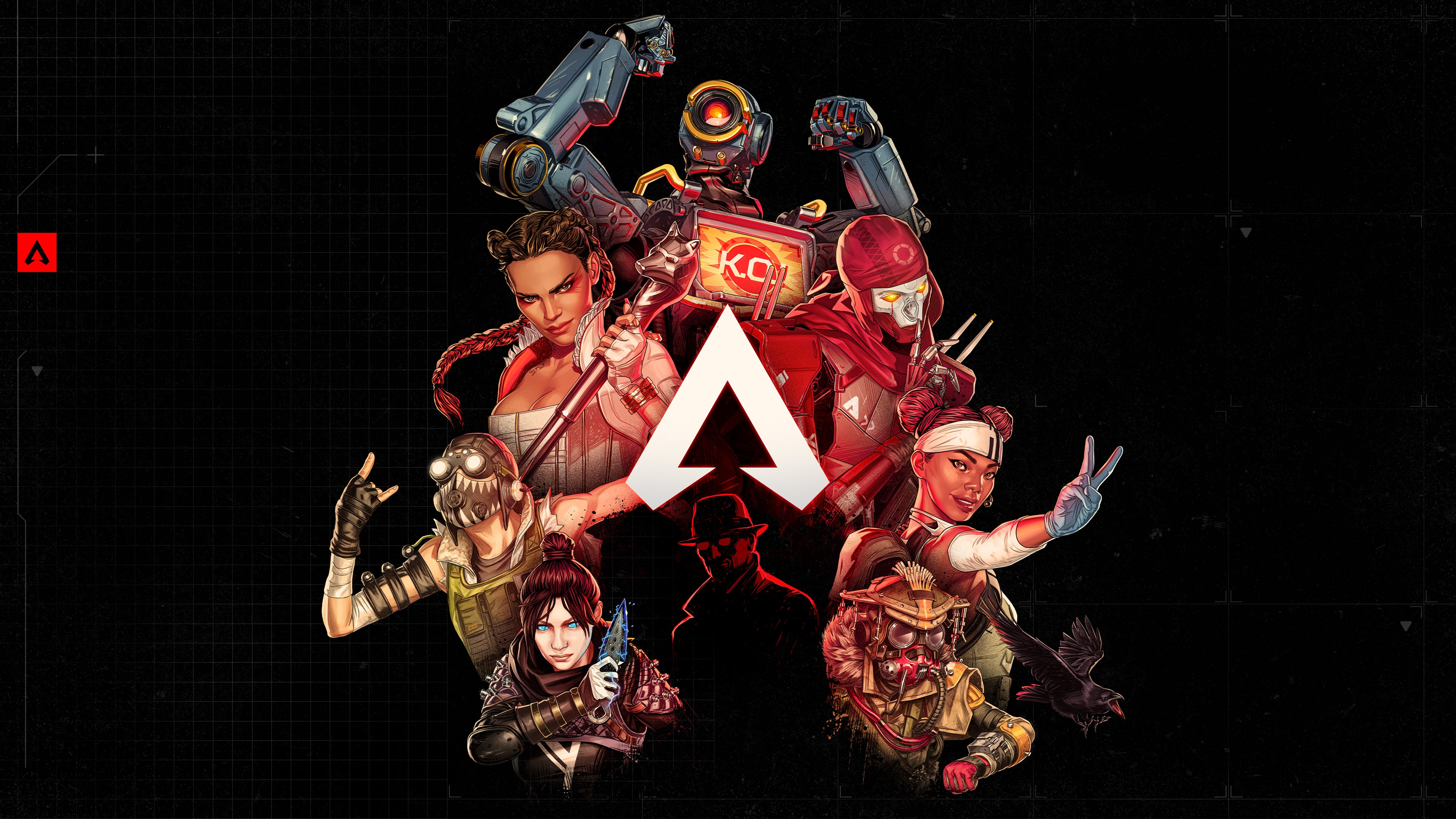
During a collaboration event with Final Fantasy VII Rebirth, players could unlock this massive melee cosmetic. Obtaining the sword required collecting all other event items through randomized packs which totaled roughly three hundred and sixty dollars. The sword replaces the character’s melee attack animations with stylish slashes but deals the exact same damage as a standard punch. It is a purely aesthetic override that acts as a massive visual flex in the arena.
‘My Little Pony: Friendship is Magic’ (2012) – Princess Celestia ($150)
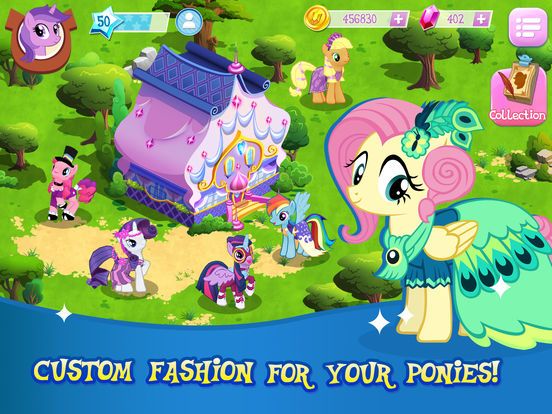
This mobile game by Gameloft became infamous for its aggressive monetization targeting a younger demographic. To unlock the character Princess Celestia, players had to spend a large amount of premium currency that cost approximately one hundred and fifty dollars in real money. The character offered no significant gameplay shortcut that could not be achieved through other means over time. It stands as a historic example of high-priced microtransactions entering the casual mobile market.
‘Valorant’ (2020) – Radiant Entertainment System Bundle ($120)
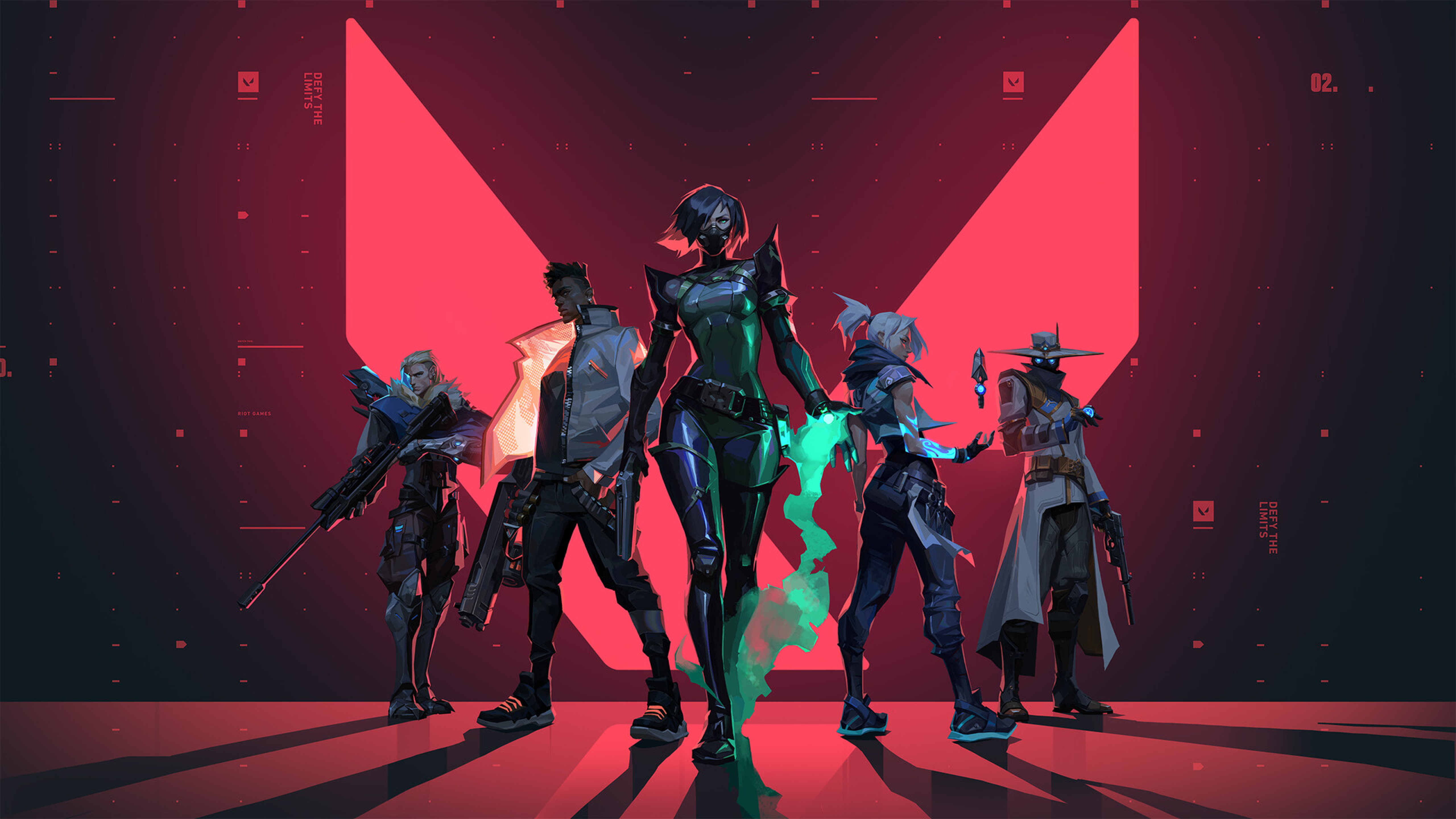
This weapon skin collection is one of the most elaborate and expensive bundles Riot Games has ever released for their tactical shooter. The skins transform weapons into retro gaming consoles with unique sound effects and visual finishers that reference fighting and rhythm games. Purchasing the full bundle costs significantly more than a brand-new triple-A video game title. Despite the flashy lights and sounds, the guns shoot the same bullets with the same recoil patterns as the default weapons.
‘Team Fortress 2’ (2007) – Something Special For Someone Special ($100)
Valve added this item to the store as a literal engagement ring that players can buy for one another. Purchasing the ring allows the buyer to send a message that is broadcast to every single player currently online in the entire game. It takes up a cosmetic slot on the character model and appears as a small diamond ring on the finger. The item serves no purpose other than to publicize a message and delete one hundred dollars from a bank account.
‘EVE Online’ (2003) – Monocle ($70)
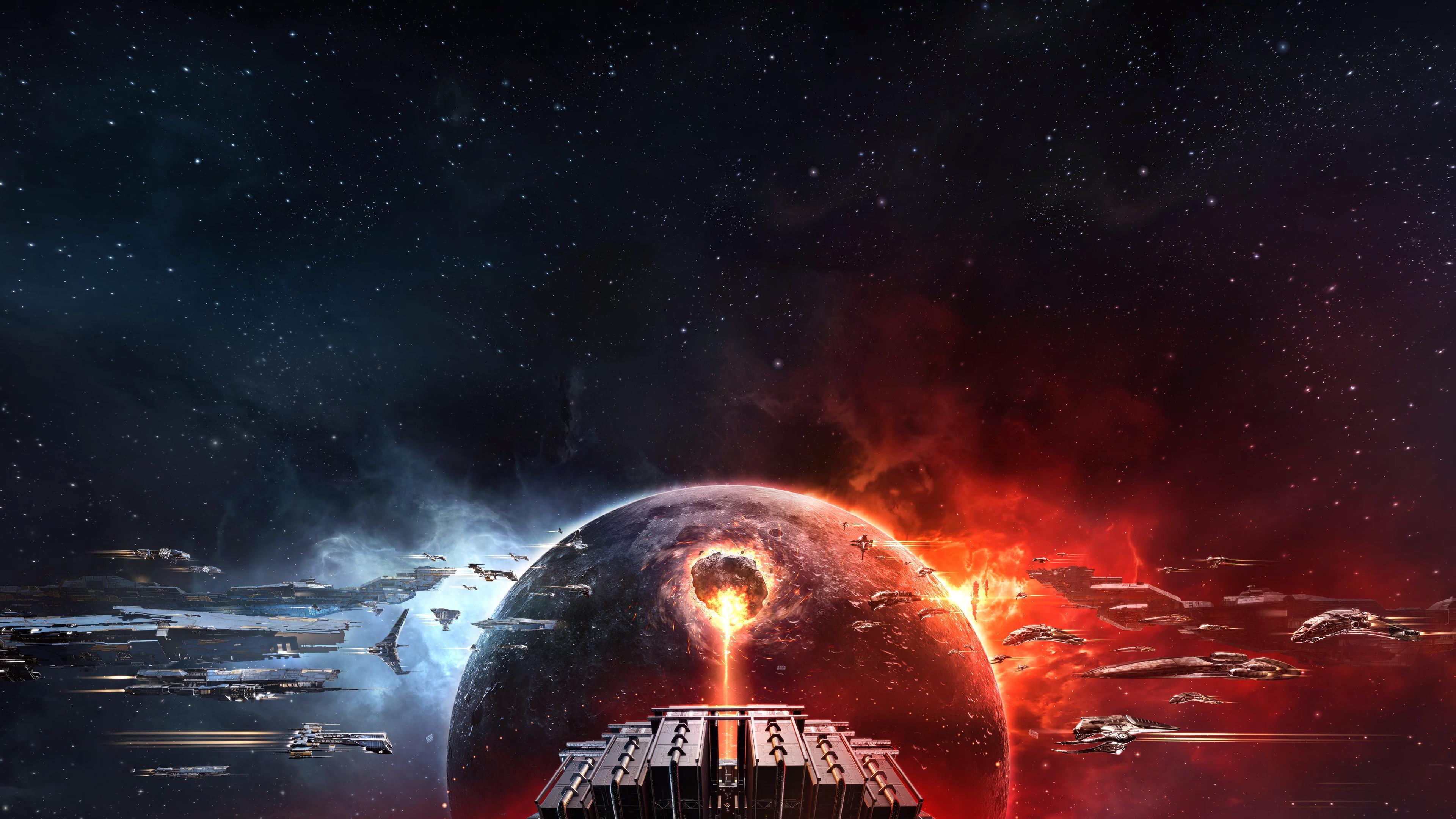
The release of this simple eyewear cosmetic triggered a massive player protest known as the Summer of Rage. It was the first time a purely cosmetic microtransaction with such a high price tag was introduced to the subscription-based MMO. Players rioted in-game by shooting trade hubs to protest what they saw as greed from the developers. The monocle remains a legendary piece of gaming history that changed how developers approach microtransaction pricing.
Share your thoughts on these overpriced digital collectibles in the comments.