12 Anime That Explain Absolutely Nothing To The Viewer


Storytelling in animation often relies on clear exposition and structured world-building to guide the audience through the narrative. Some creators reject this approach and choose to thrust viewers into surreal environments without any context or explanation. These avant-garde works rely heavily on visual metaphors and atmospheric tension rather than dialogue to convey their plot points. The result is often a disorienting experience that forces the audience to piece together the mystery using their own interpretation of events.
‘Serial Experiments Lain’ (1998)
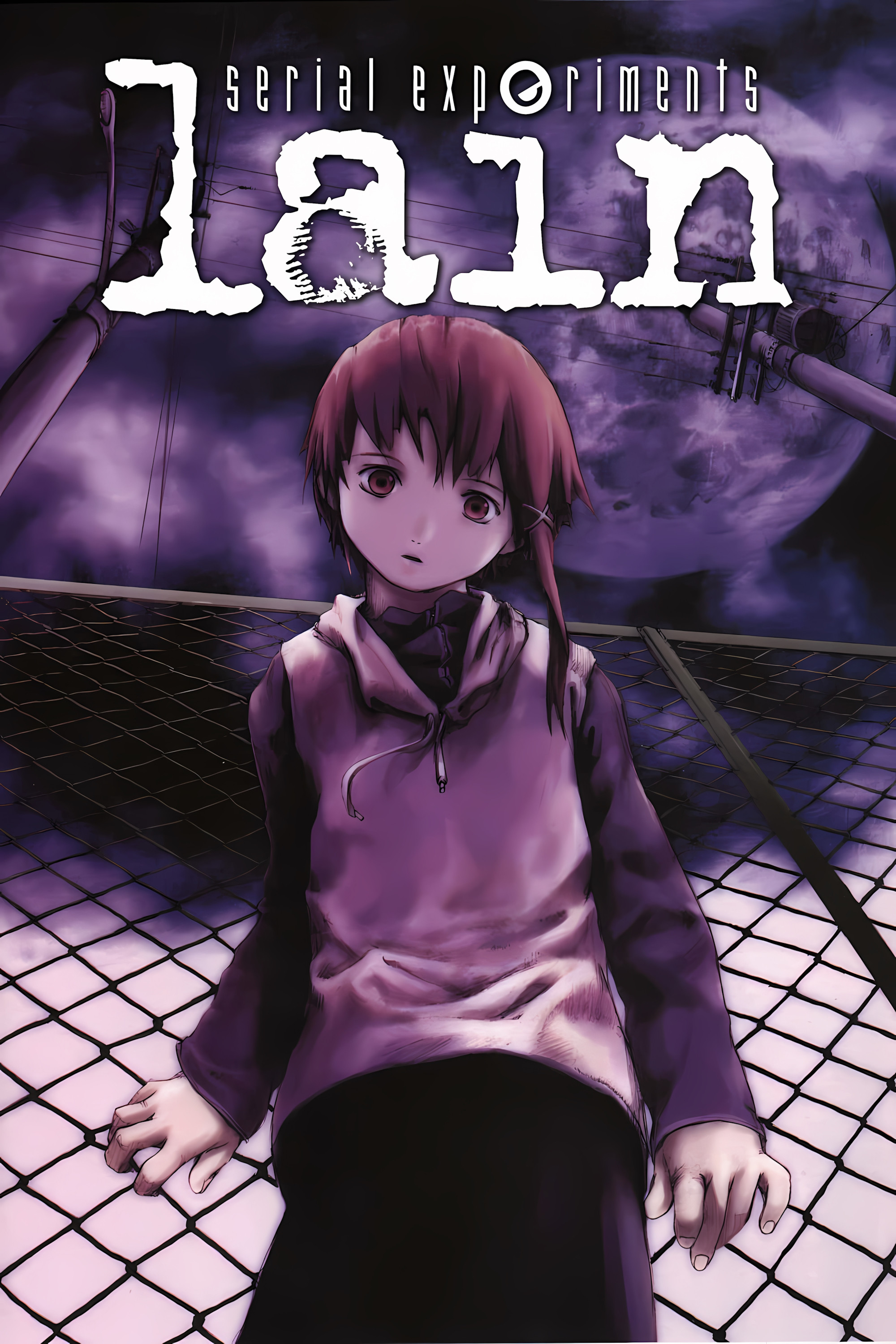
This cyberpunk series explores the blurring lines between the physical world and a virtual reality network known as the Wired. The protagonist begins receiving emails from a deceased classmate and slowly detaches from reality to become a ubiquitous entity. Narrative threads often dissolve into static and philosophical monologues about the nature of existence and connectivity. Viewers must navigate a non-linear plot that refuses to distinguish between what is real and what is a digital hallucination.
‘Angel’s Egg’ (1985)
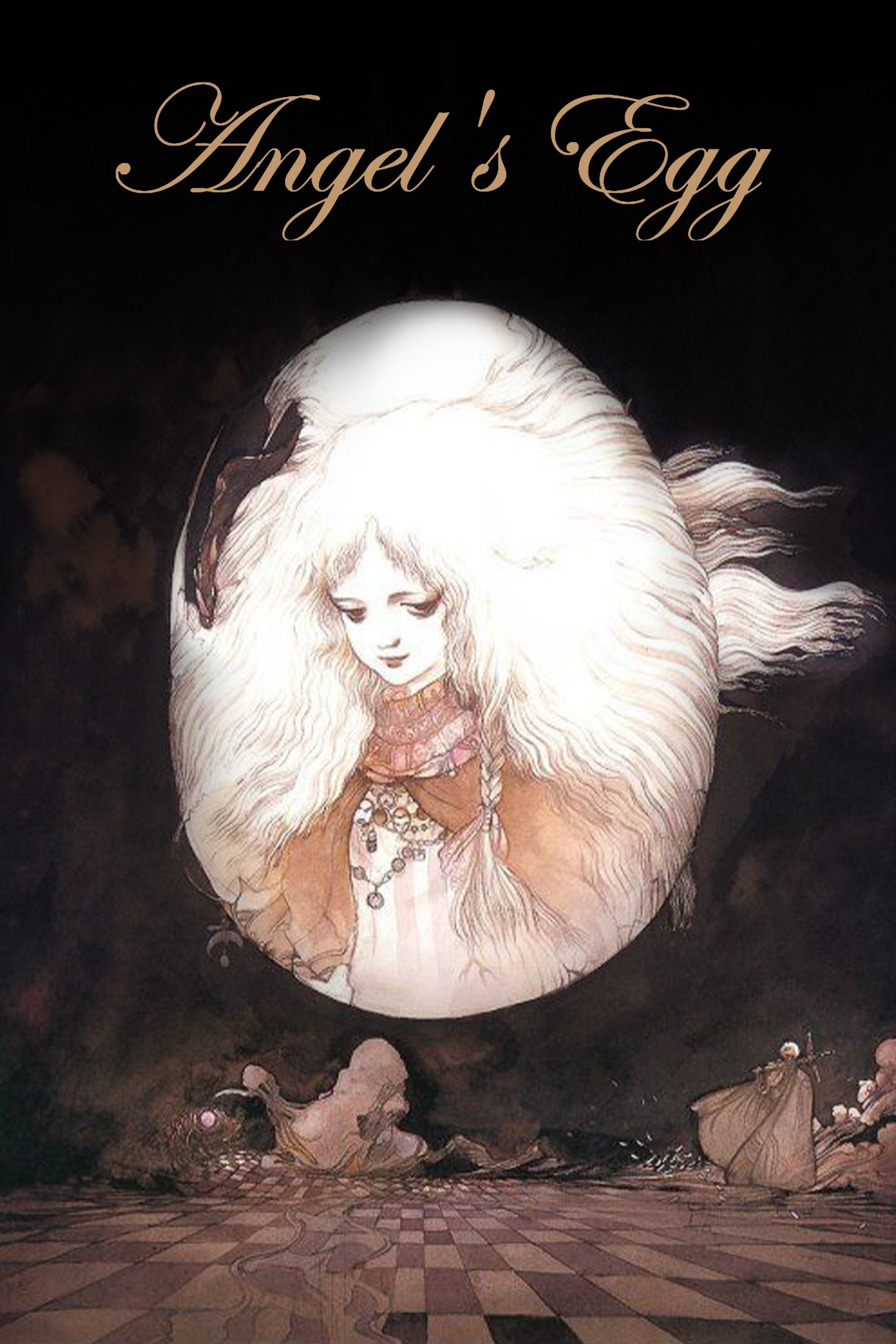
Mamoru Oshii directs this atmospheric film that features almost no dialogue throughout its entire runtime. A young girl wanders through a desolate and dark gothic landscape while protecting a large mysterious egg under her dress. She encounters a soldier carrying a cross shaped weapon who eventually shatters the precious object she guards. The film functions as a purely visual allegory for loss of faith and the despair of existence.
‘Texhnolyze’ (2003)
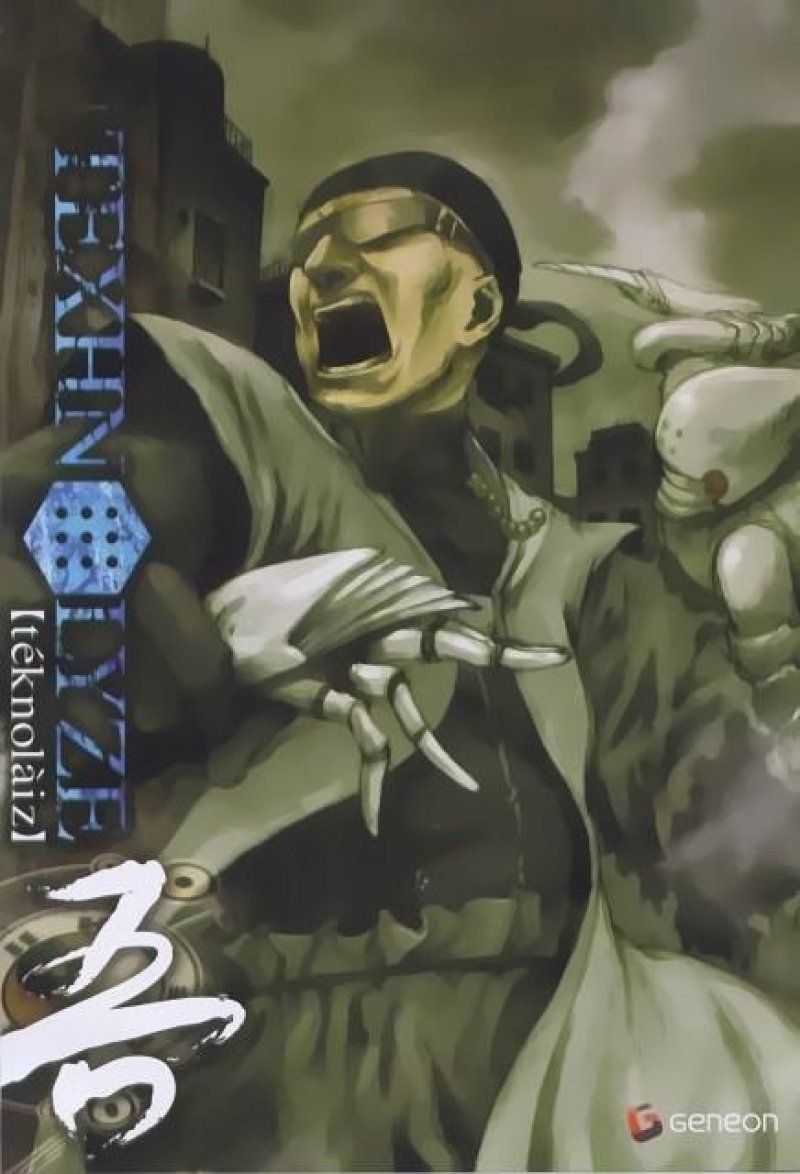
The story takes place in a man-made underground city called Lux where distinct factions fight for control over the crumbling infrastructure. The protagonist is a prize fighter who loses his limbs and receives mechanical replacements before being drawn into the city’s demise. Long stretches of silence and brutal violence replace traditional character interactions or background exposition. The narrative treats the eventual extinction of the city and its inhabitants with a cold and nihilistic detachment.
‘Cat Soup’ (2001)
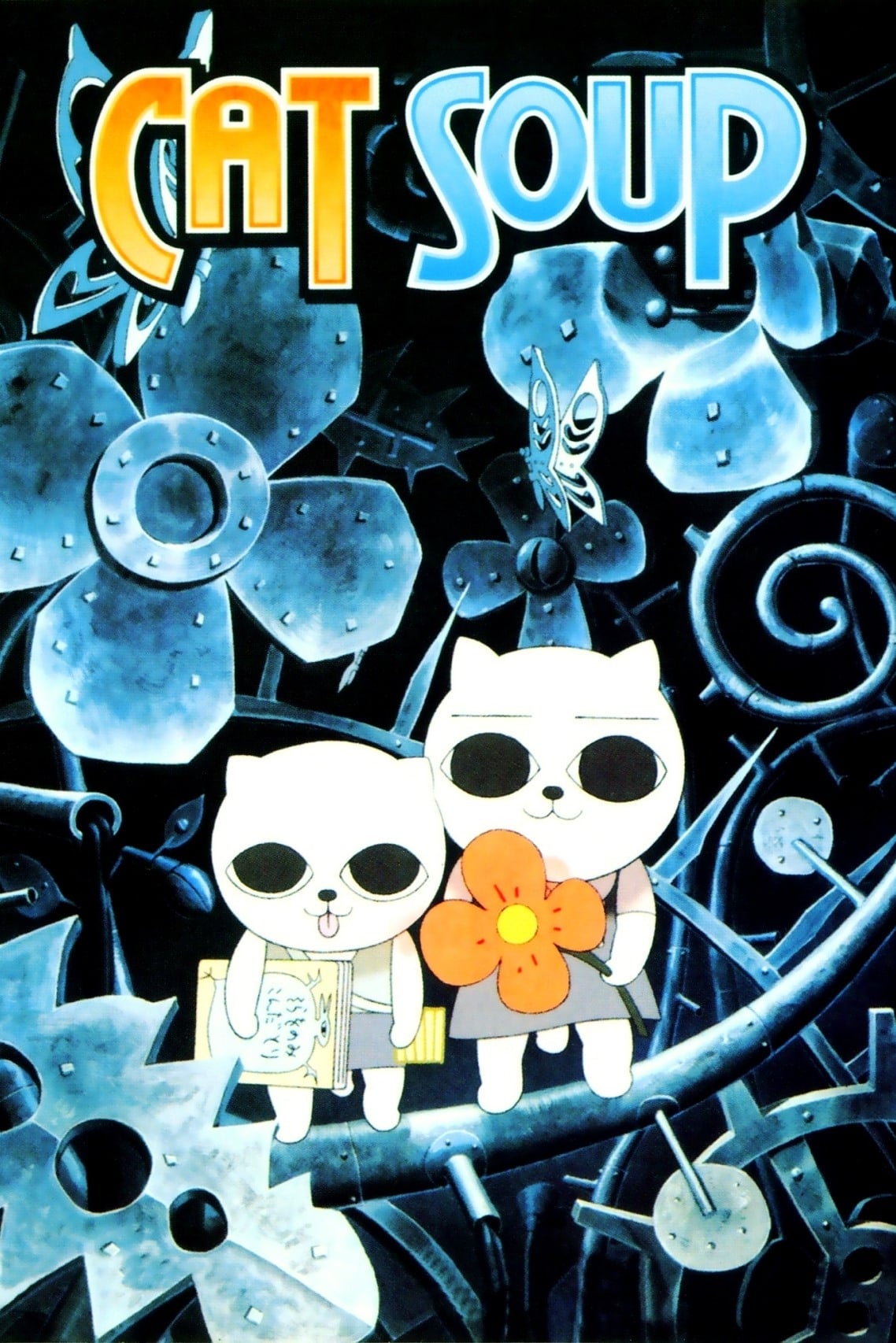
This surreal short film follows a young anthropomorphic cat who journeys to the land of the dead to retrieve the soul of his sister. The sibling duo traverses a psychedelic landscape filled with bizarre violence and nonsensical physics. Scenes transition abruptly without logical cause and effect as the characters encounter disturbing creatures and deities. The visual storytelling prioritizes dream logic over any coherent plot structure or explanation of the setting.
‘FLCL’ (2000–2001)
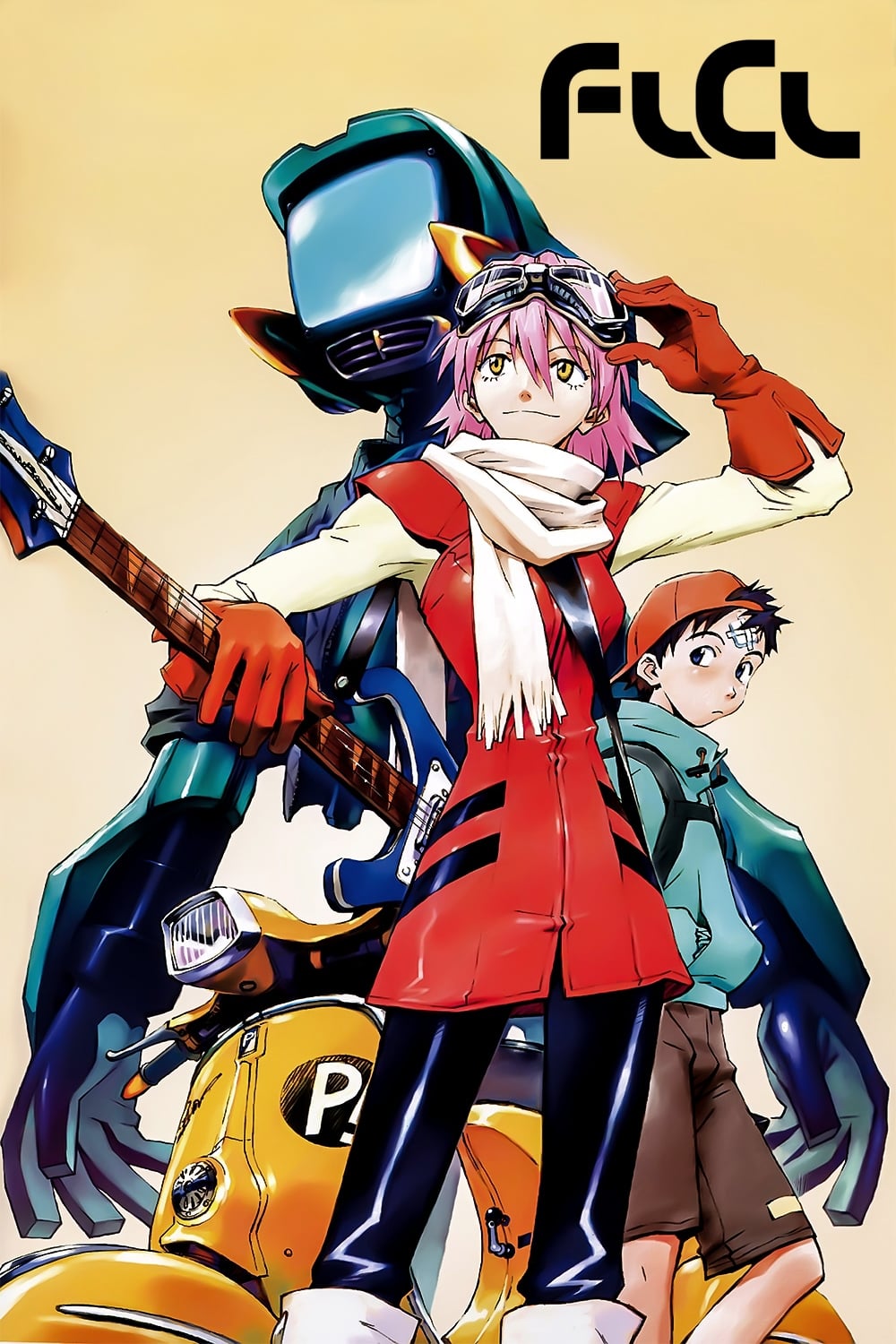
Naota Nandaba attempts to live a normal life until a woman on a Vespa hits him with a bass guitar. This incident causes robots to periodically burst from his forehead while he deals with the confusing onset of puberty. The animation style shifts rapidly between standard anime aesthetics and crude manga panels to match the frantic pacing. The plot serves as a chaotic allegory for growing up rather than a literal series of sci-fi events.
‘Paranoia Agent’ (2004)
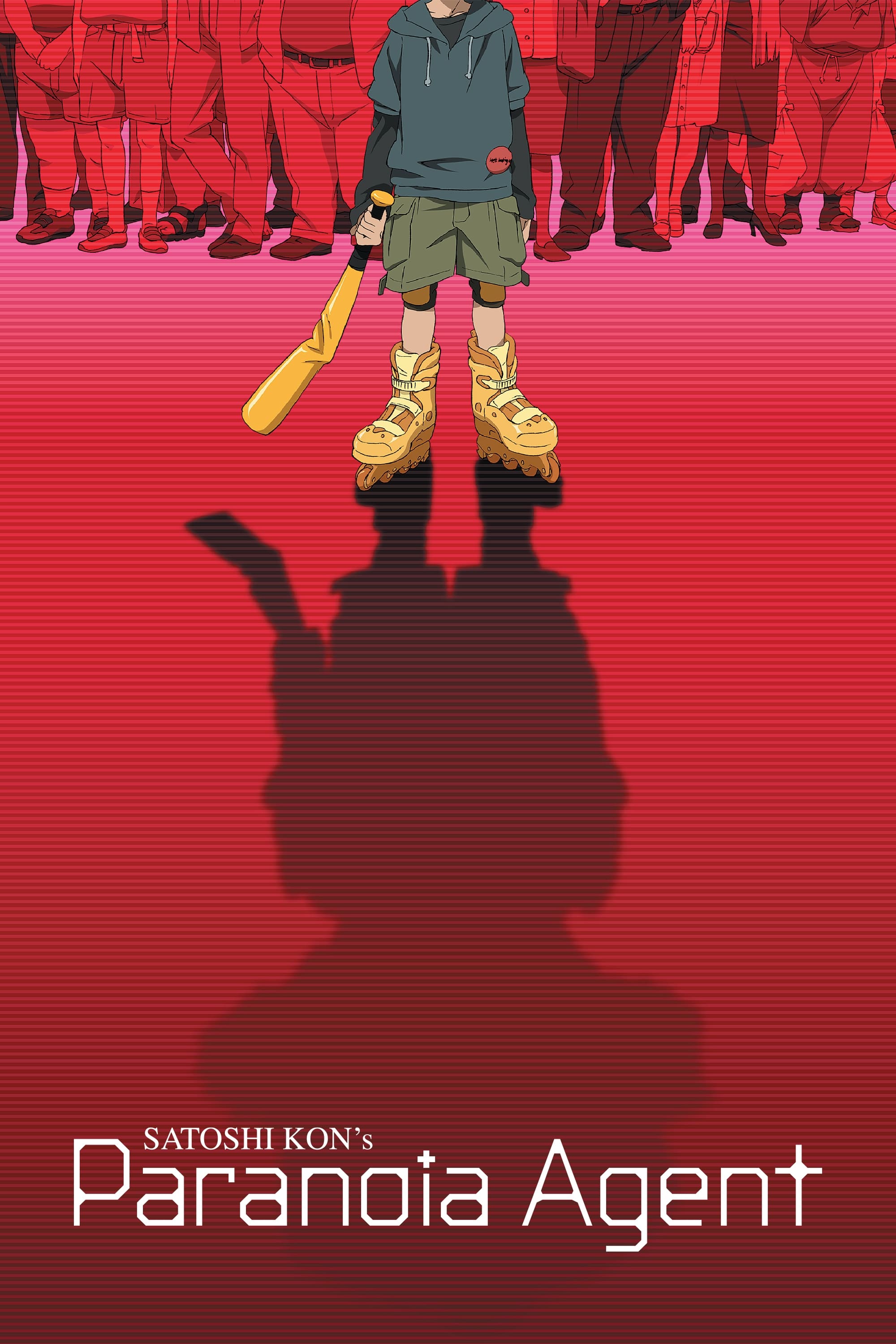
A mysterious assailant known as Lil’ Slugger attacks seemingly unconnected people across Tokyo with a bent golden baseball bat. Two detectives attempt to track the culprit but find themselves unable to distinguish between the crimes and mass hysteria. The series frequently abandons the investigation to explore the delusions and anxieties of the victims in abstract ways. Reality eventually collapses completely as the entity becomes a manifestation of societal escapism.
‘Ergo Proxy’ (2006)
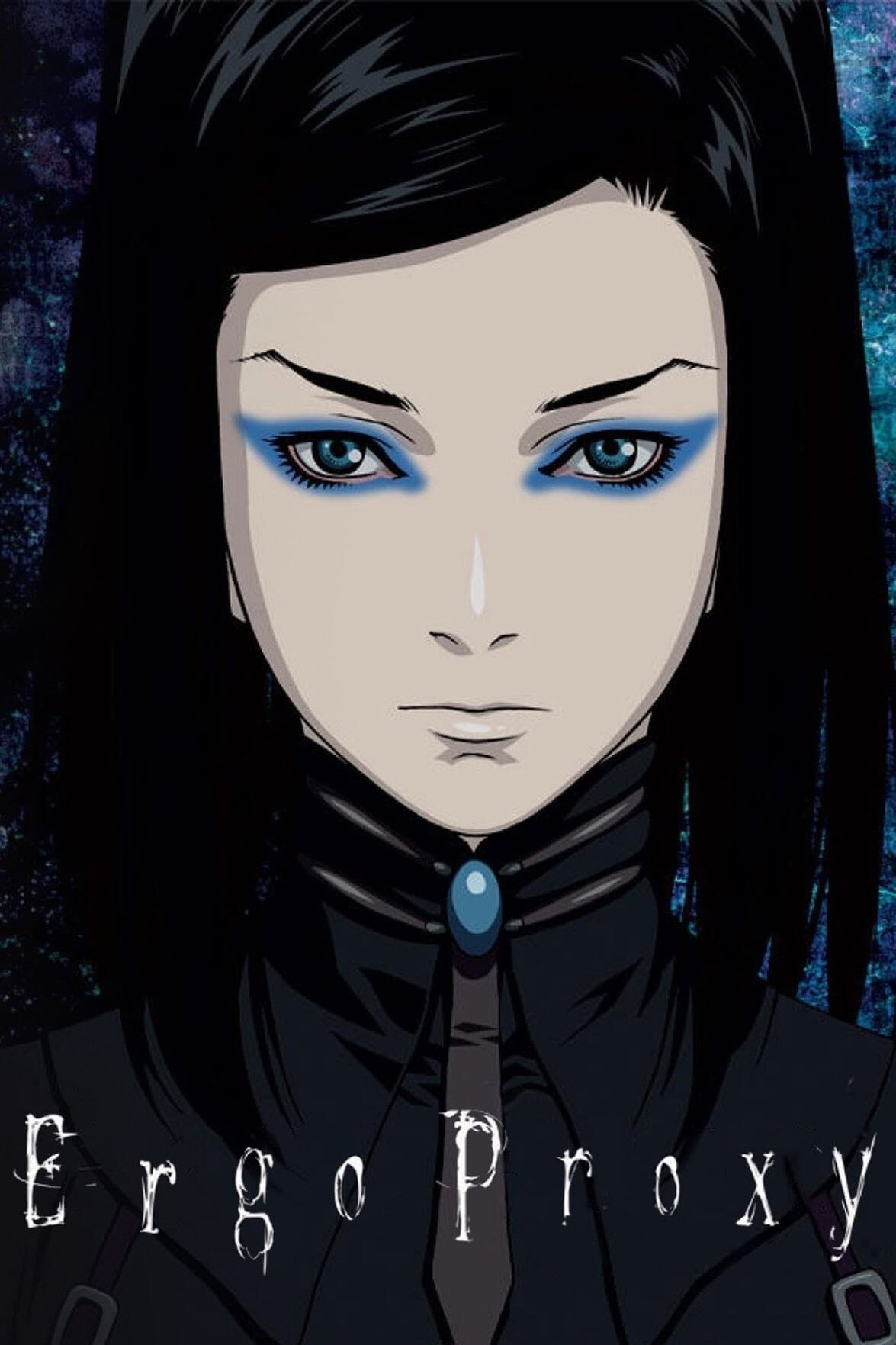
Humans and androids coexist within the domed city of Romdo to survive an ecological apocalypse outside the walls. Inspector Re-l Mayer investigates a series of murders committed by a cogito virus that grants machines self-awareness. The investigation leads to a journey across the wasteland where characters engage in dense philosophical debates about the soul. Plot points are frequently obscured by complex terminology and hallucinations that distort the timeline.
‘Boogiepop Phantom’ (2000)
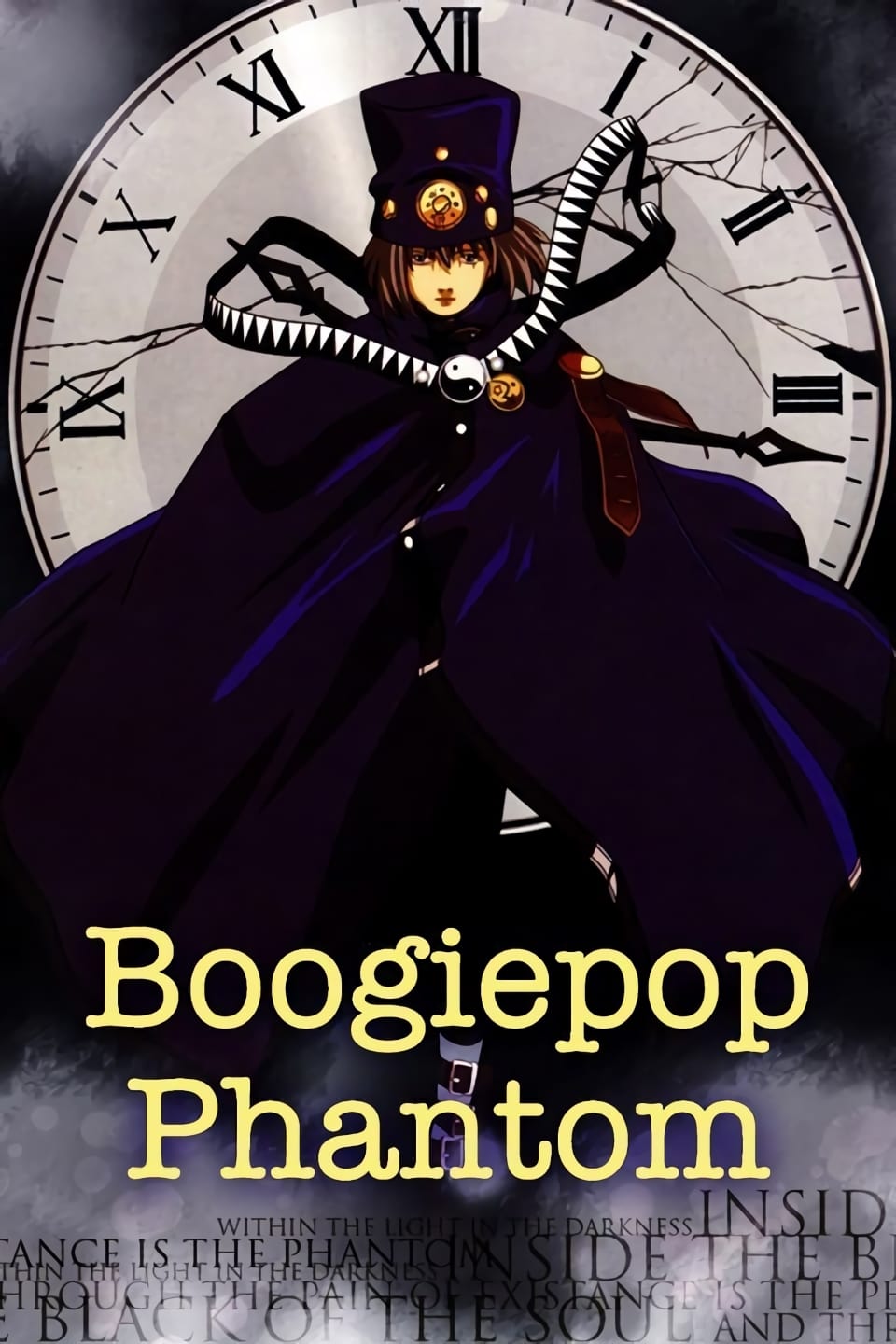
The narrative utilizes a fragmented timeline to tell the story of a pillar of light appearing in a Japanese city. Multiple characters experience the supernatural aftermath and recount events from their own limited and often conflicting perspectives. The visual presentation uses a washed-out sepia color palette and vignette distortion to create a sense of unease. Viewers must actively assemble the chronological order of events to understand the urban legend at the center of the mystery.
‘Haibane Renmei’ (2002)
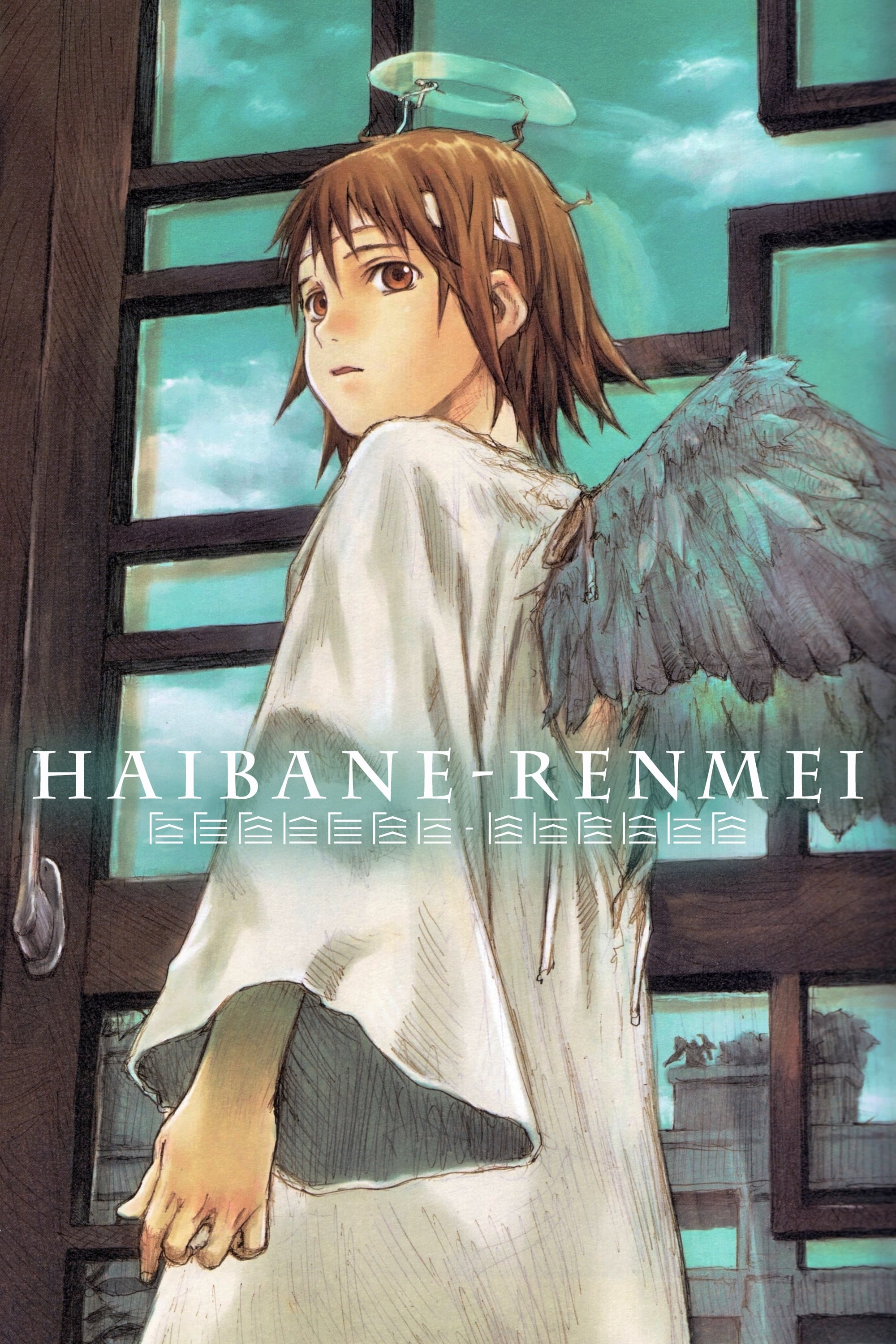
A young girl named Rakka hatches from a cocoon into a walled town populated by people with small gray wings and halos. None of the inhabitants have any memory of their previous lives or know why they are trapped within the enclosure. The story focuses on their daily lives and internal struggles without ever revealing the true nature of their world or existence. Interpreters often view the setting as a form of purgatory where souls must work through their past trauma.
‘Neon Genesis Evangelion’ (1995–1996)
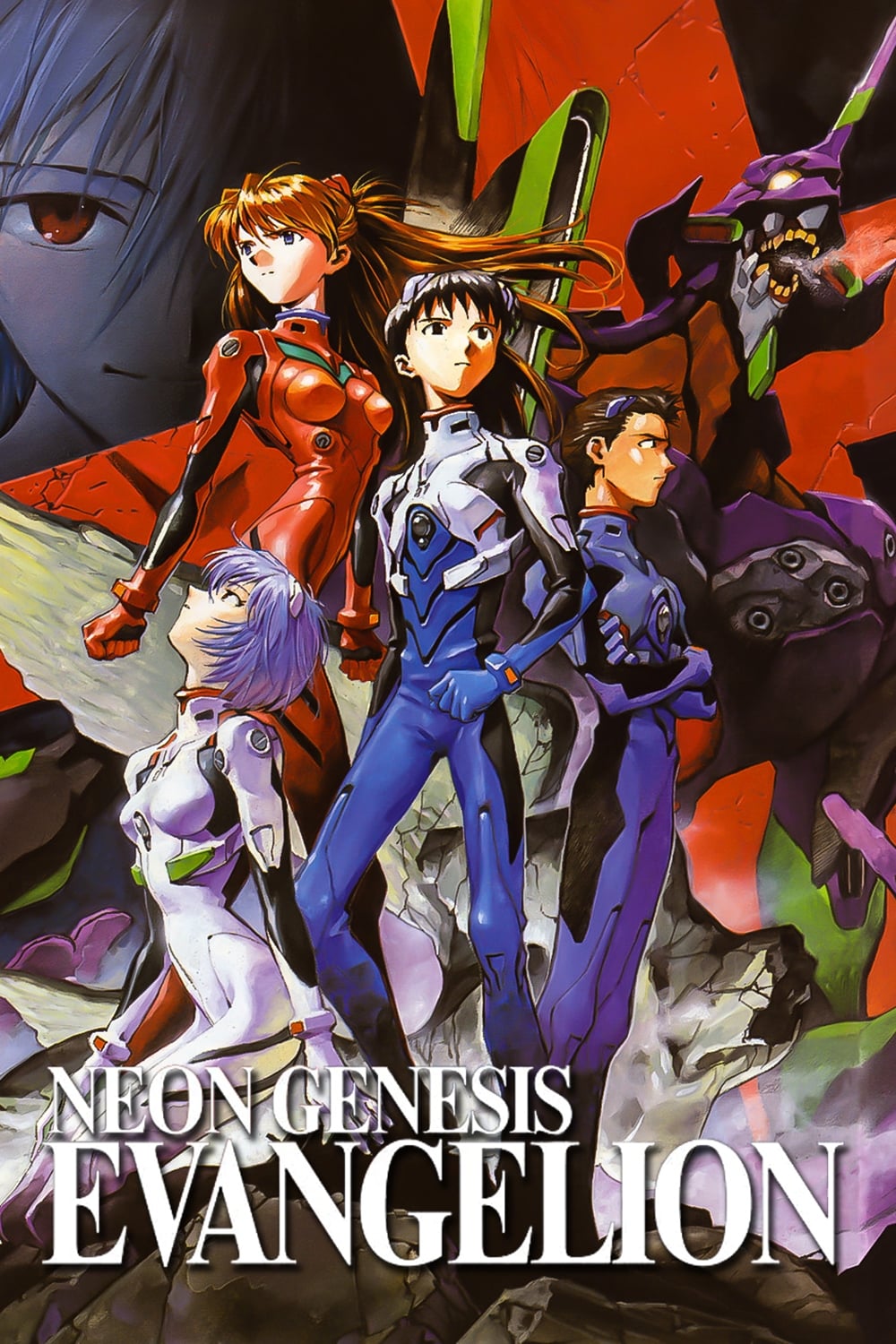
Teenagers pilot giant biological machines to defend a futuristic Tokyo-3 from monstrous entities known as Angels. The series starts as a standard mecha action show before deconstructing the genre with deep psychological introspection. The final episodes abandon the external conflict entirely to take place within the mind of the protagonist during a metaphysical apocalypse. Symbols from Judeo-Christian theology appear frequently but serve primarily as aesthetic choices rather than narrative clues.
‘Sonny Boy’ (2021)
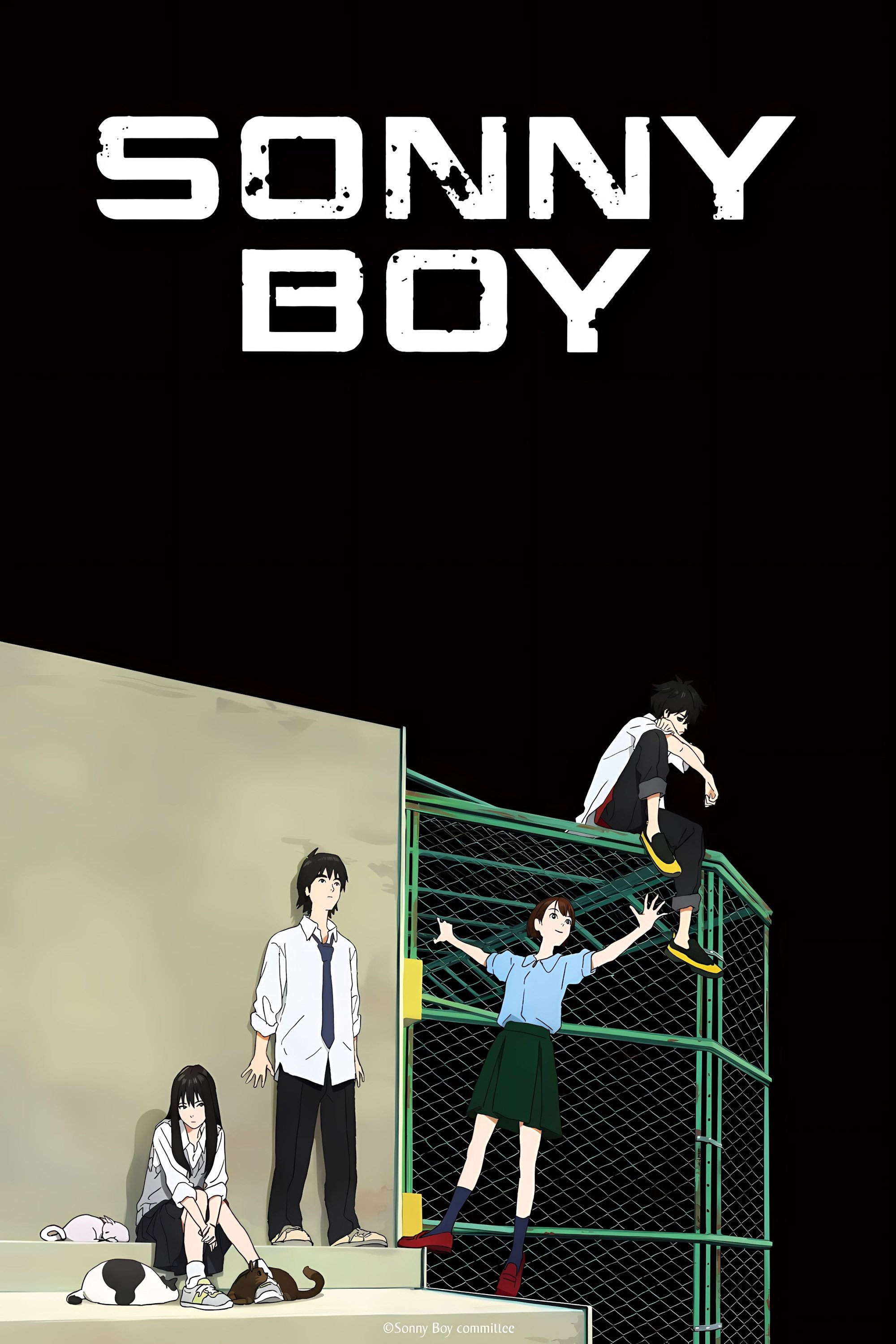
An entire school building and its students suddenly drift into a void surrounded by impenetrable blackness. The students begin developing supernatural abilities as they drift through various dimensions with shifting rules of physics. No explanation is ever given for the drift or the nature of the strange worlds the class encounters. The group must navigate internal political strife and existential dread without any hope of understanding their situation.
‘Revolutionary Girl Utena’ (1997)
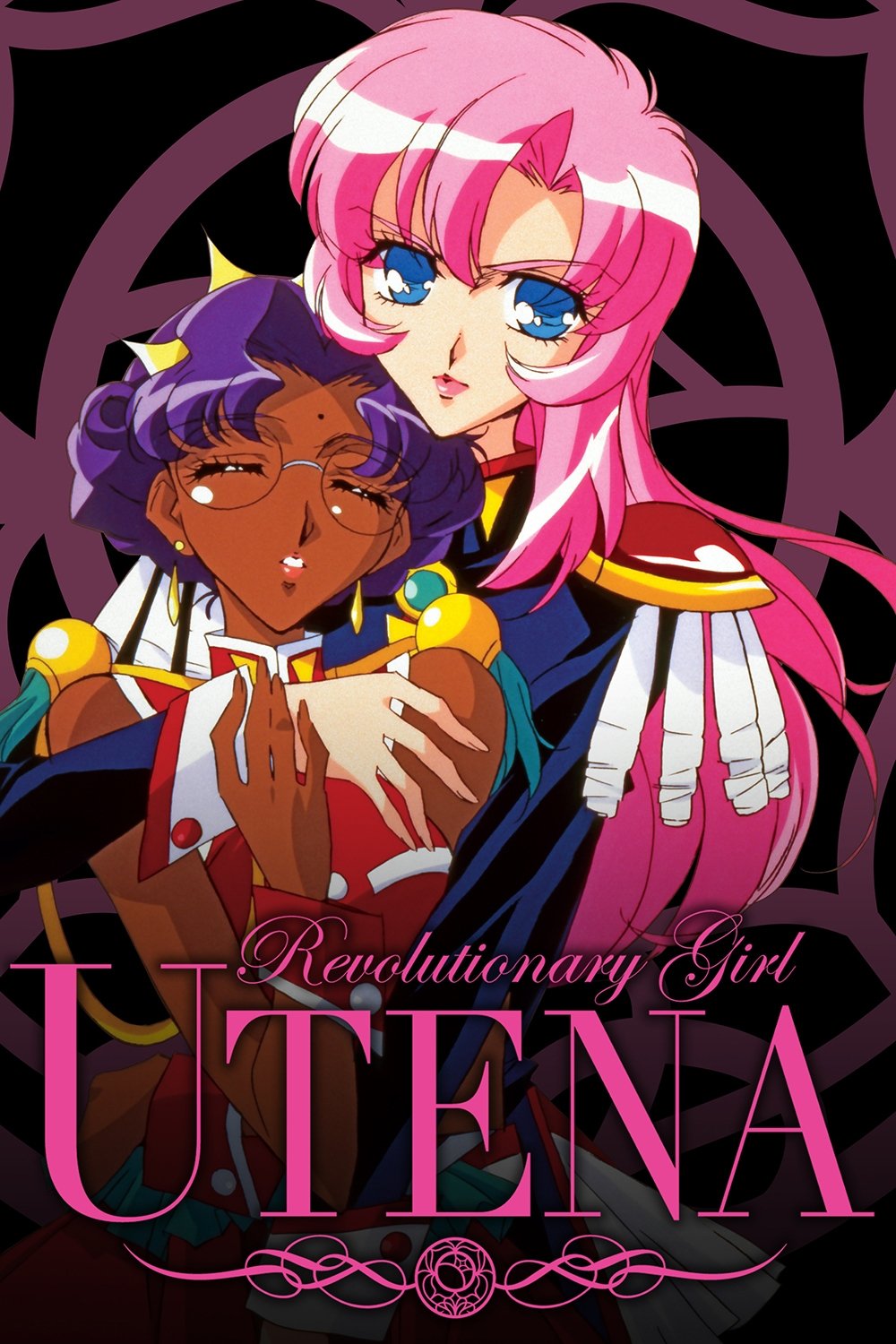
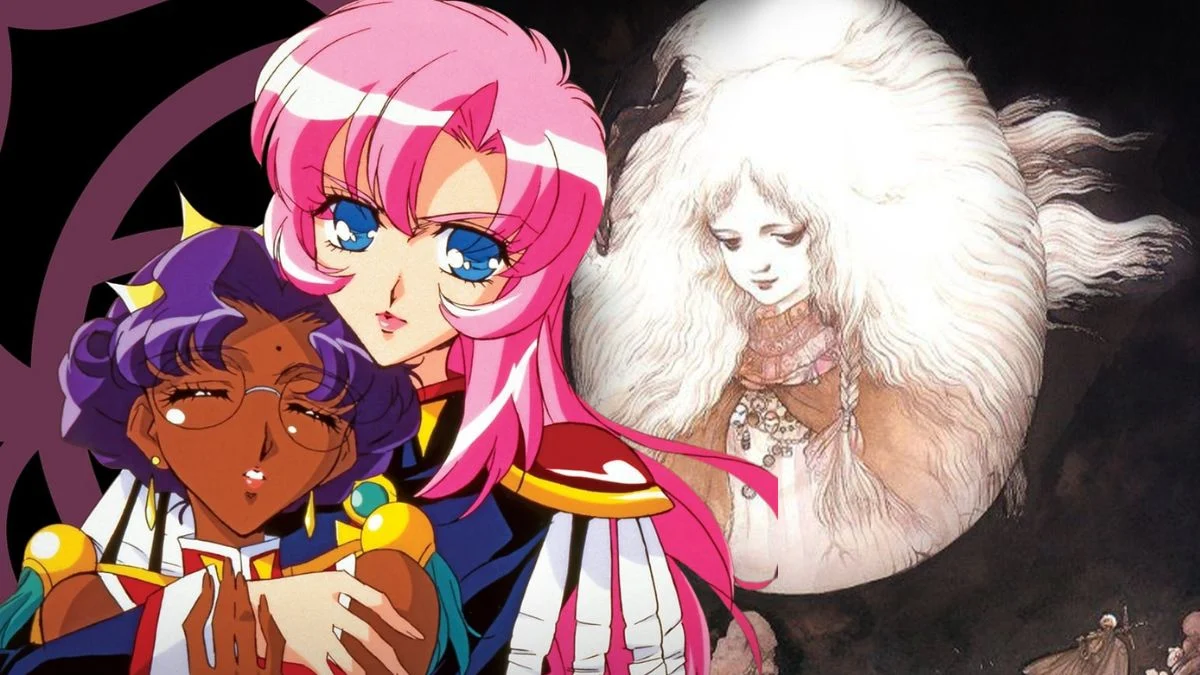
Utena Tenjou attends Ohtori Academy and gets drawn into a series of sword duels for the hand of the Rose Bride. The duels take place in a surreal arena suspended in the sky with an inverted castle looming overhead. Characters speak in cryptic metaphors about shattering shells and revolutionizing the world while shadow plays frame the narrative. The series operates on symbolic logic that prioritizes thematic exploration of adolescence over literal storytelling.
Please share your interpretations of these cryptic stories in the comments.