10 Anime Endings That Left More Questions Than Answers


Ambiguous endings are a staple of the anime medium where writers often prioritize thematic resonance over concrete plot resolution. These conclusions frequently abandon traditional storytelling structures to leave the audience with lingering mysteries about the fate of the characters. Viewers are often forced to analyze visual metaphors and philosophical dialogue to construct their own interpretation of events. The following series are notorious for concluding their narratives without wrapping up the loose ends.
‘Neon Genesis Evangelion’ (1995–1996)
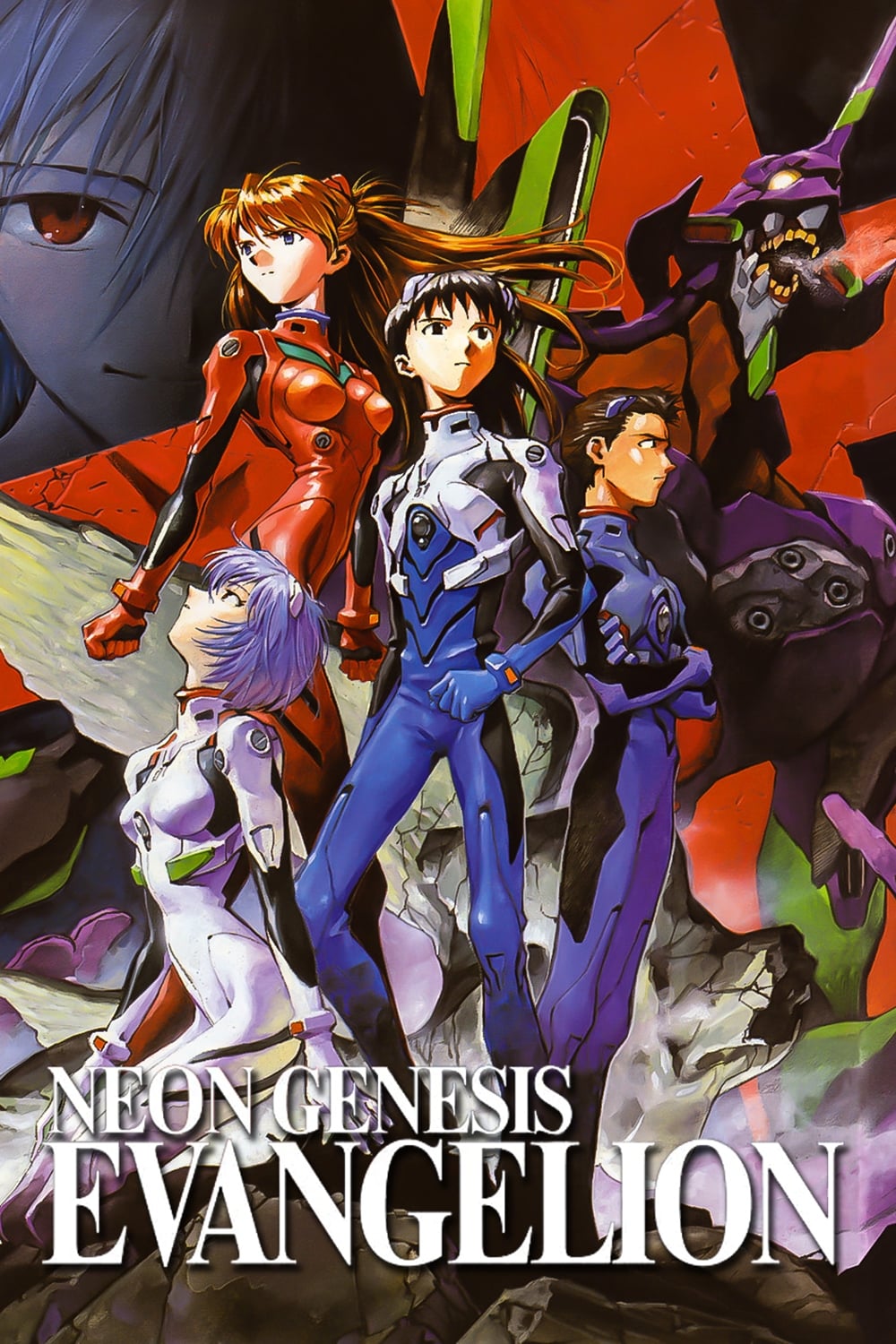
The final two episodes abandon the apocalyptic battle narrative to focus entirely on Shinji Ikari’s internal psychology. Viewers witness an abstract interrogation of the protagonist’s self-worth rather than the physical fate of humanity or the Angels. The sudden shift to an alternate reality school setting suggests a rewriting of existence itself. The series concludes with the cast applauding Shinji while leaving the actual status of the post-impact world completely unaddressed.
‘Serial Experiments Lain’ (1998)
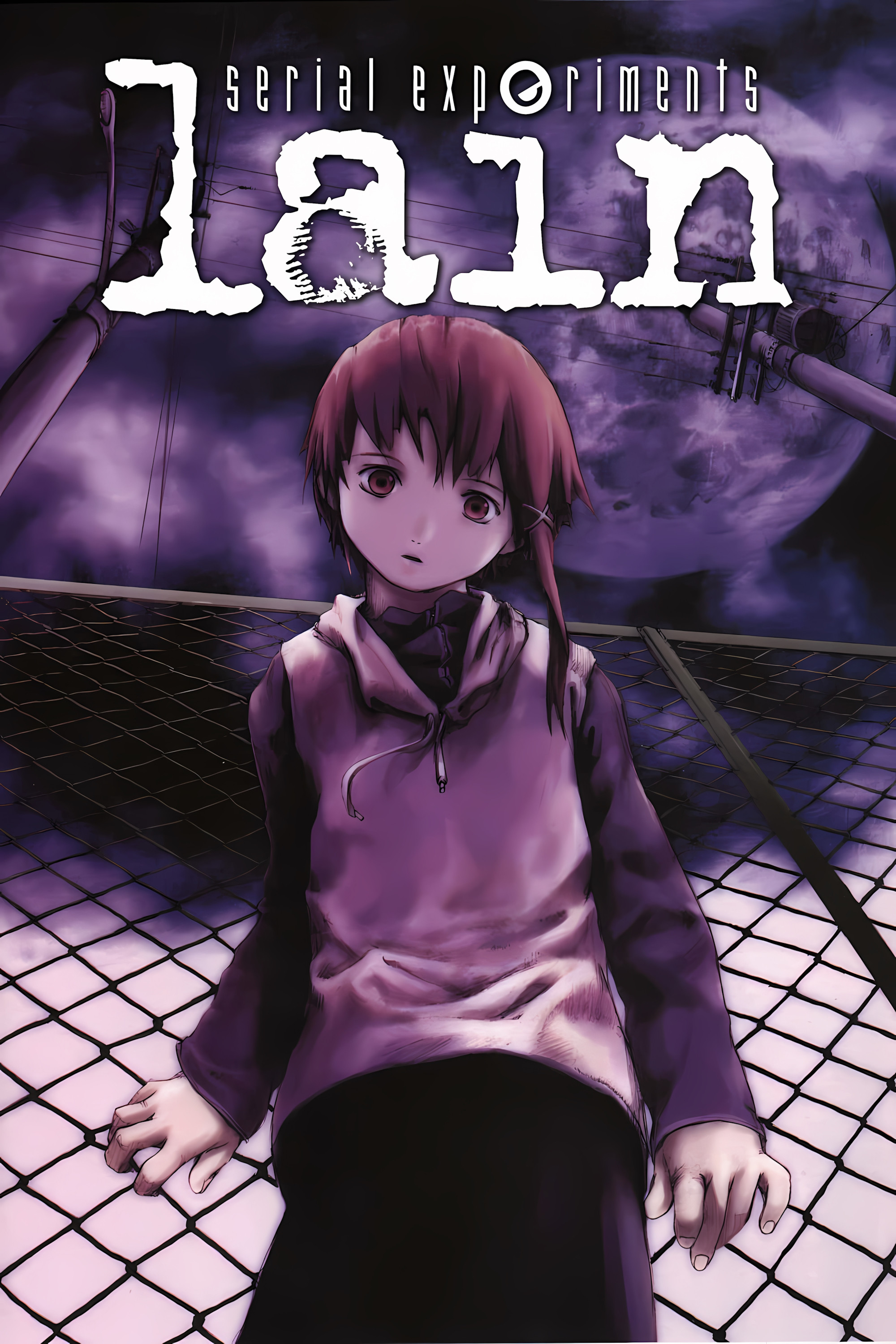
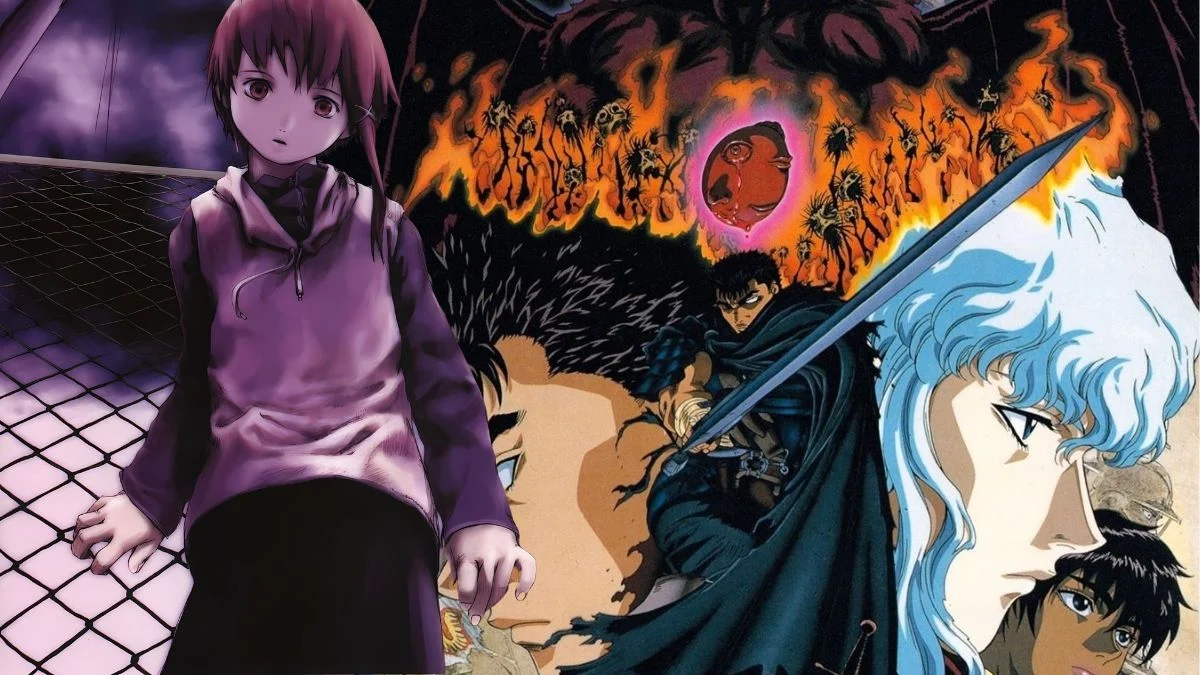
Lain Iwakura decides to reset the world to erase the damage caused by the merging of reality and the Wired. She chooses to exist solely as a ubiquitous entity within the collective consciousness while removing herself from physical memory. Her best friend Alice forgets her existence entirely and continues life as if nothing strange ever happened. The finale questions the nature of godhood and whether a person exists if no one remembers them.
‘The Big O’ (1999–2003)
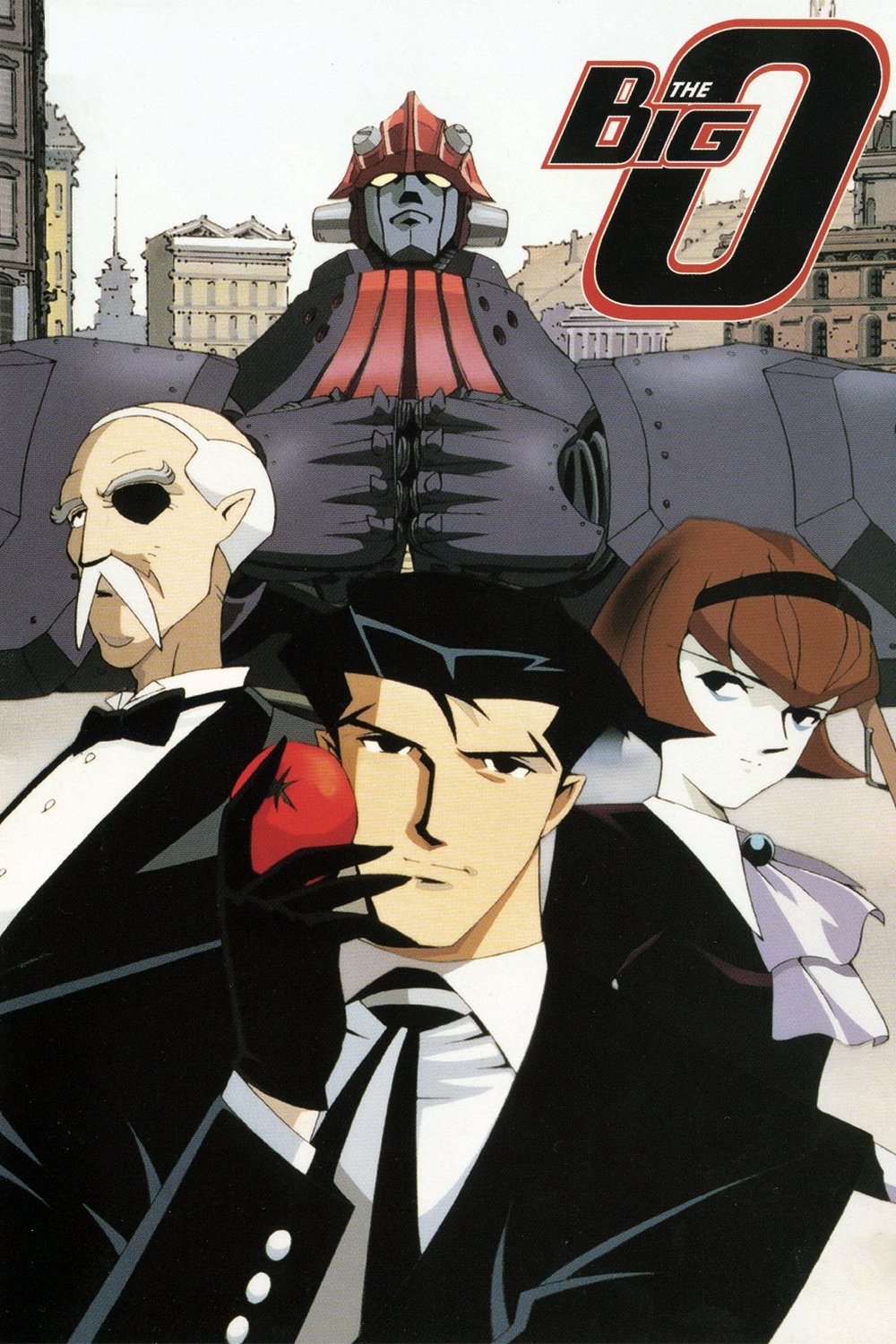
Roger Smith negotiates with the entity controlling their reality only to discover that their entire world is a stage production. The massive mecha battles and memories of the past are revealed to be scripted elements within a simulated environment. The series ends with the universe being reset once again while the characters seemingly accept their recurring roles. Viewers are left unsure who exactly the director is or if there is any reality outside Paradigm City.
‘Monster’ (2004–2005)

The psychological thriller ends with Dr Tenma visiting Johan Liebert in a prison hospital after saving his life once again. Tenma hallucinates a conversation with the killer about the nature of names and existence before leaving the room. The final shot reveals an empty bed with an open window and suggests that Johan has escaped or vanished into thin air. This open conclusion forces the audience to wonder if the monster can ever truly be contained.
‘Texhnolyze’ (2003)
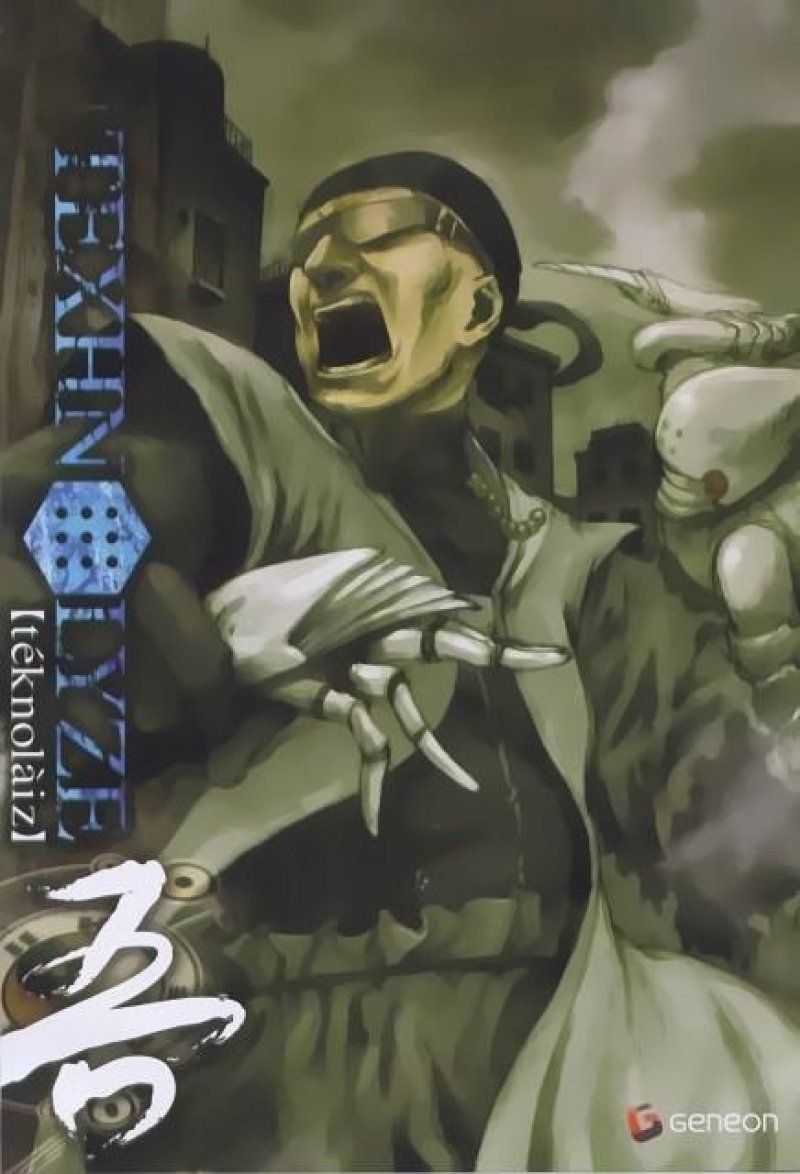
The narrative descends into absolute nihilism as the underground city of Lux is systematically destroyed. Ichise is left as the sole survivor in a tomb of concrete after the remaining populace dies or transcends. The surface world appears to be a brightly lit purgatory where humanity waits for extinction. The final image of a flower implies a glimpse of hope but clarifies nothing about the future of the protagonist.
‘Paranoia Agent’ (2004)
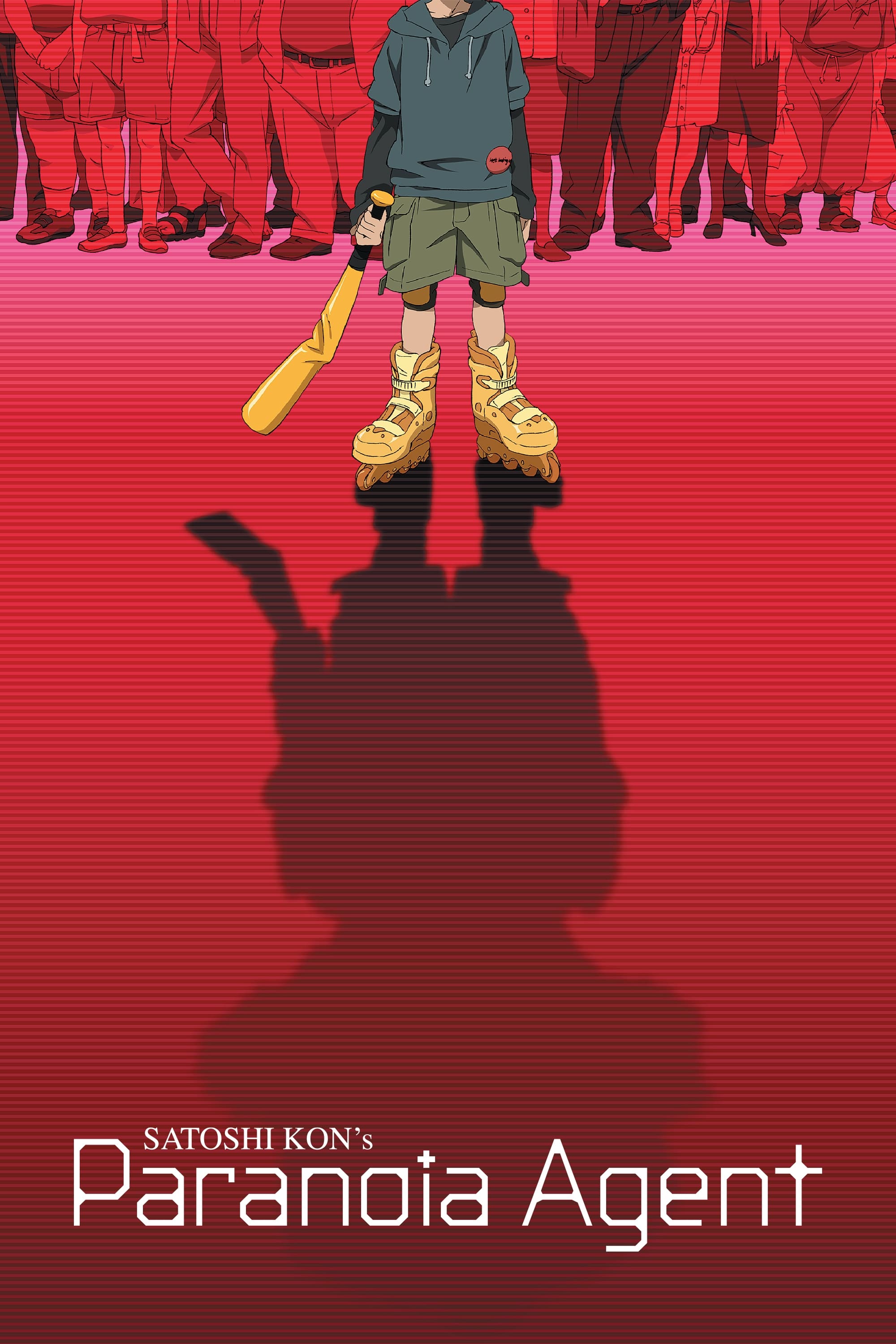
The detective manages to confront the Lil’ Slugger entity only to realize it is a manifestation of collective escapism. A dark cloud engulfs Tokyo before the city returns to a semblance of normalcy with the same anxieties present. The final scene mirrors the opening of the series and implies that the cycle of stress and supernatural release will repeat indefinitely. It remains unclear if the characters learned anything or if they are doomed to create new monsters.
‘Berserk’ (1997)
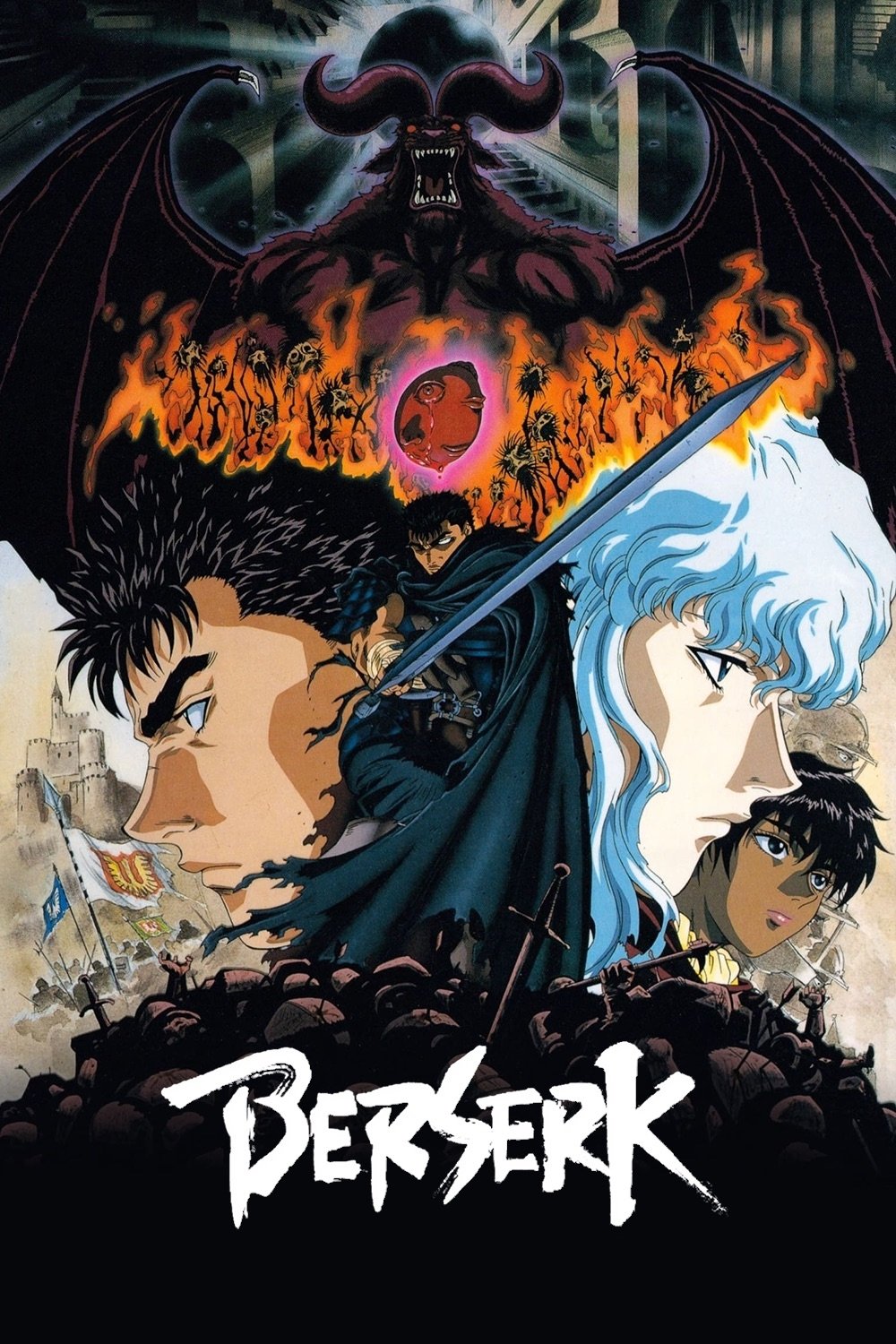
The Golden Age arc concludes with the horrific Eclipse ceremony where the Band of the Hawk is slaughtered by demons. Griffith transforms into Femto and violates Casca while Guts is forced to watch helplessly while pinned down. The series abruptly cuts to black just as the Skull Knight intervenes to facilitate a rescue. Fans of the anime were left without any explanation of how Guts escaped or what happened to the world afterward.
‘Revolutionary Girl Utena’ (1997)
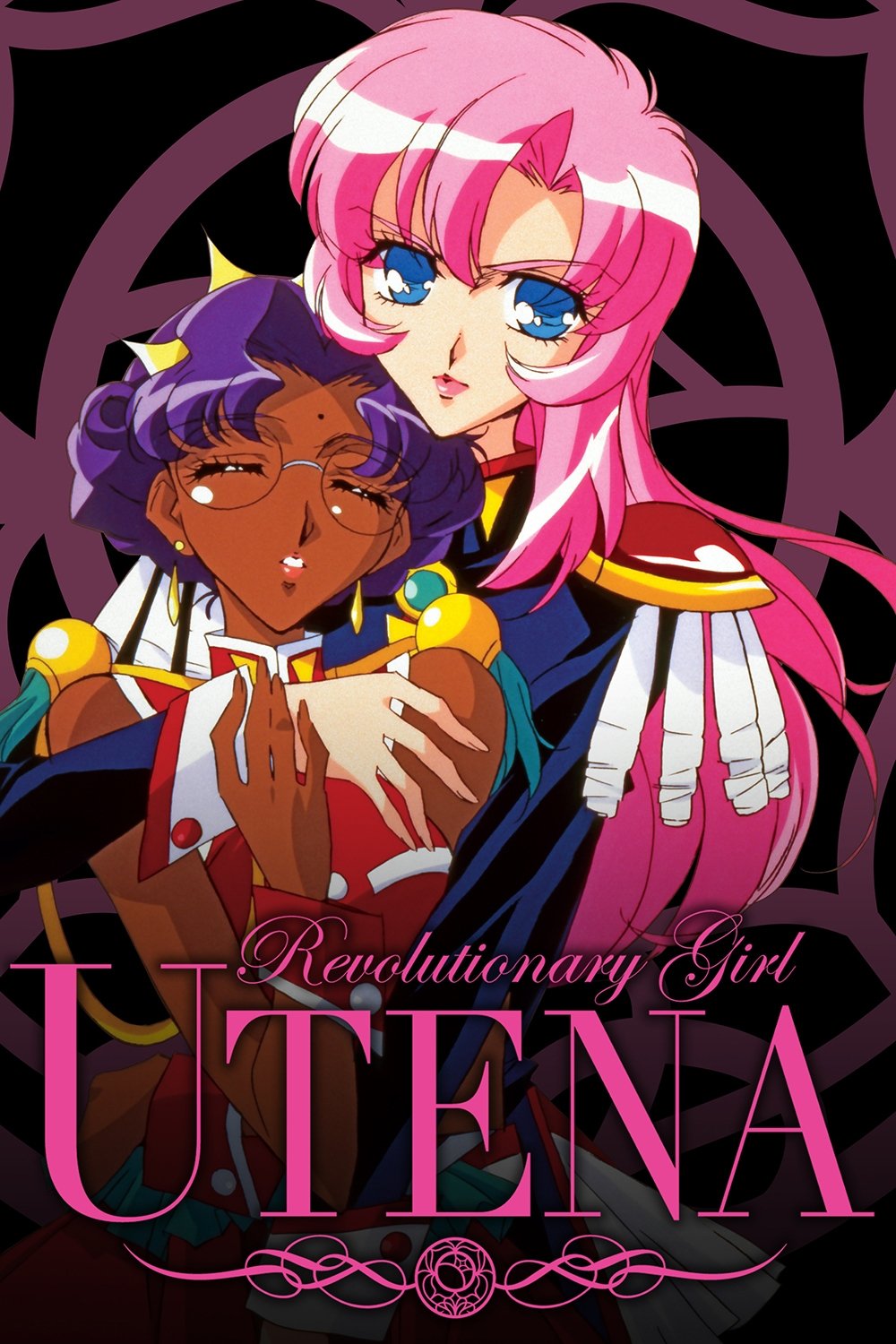
Utena Tenjou sacrifices herself to open the Rose Gate and free Anthy Himemiya from her cyclical role as the Rose Bride. Utena vanishes from the academy and the memories of the student body while Anthy leaves the school to search for her. The ending presents the duel arena collapsing but offers no concrete answer regarding where Utena went. The show prioritizes the metaphorical liberation of adulthood over explaining the magical mechanics of the duel system.
‘Ergo Proxy’ (2006)
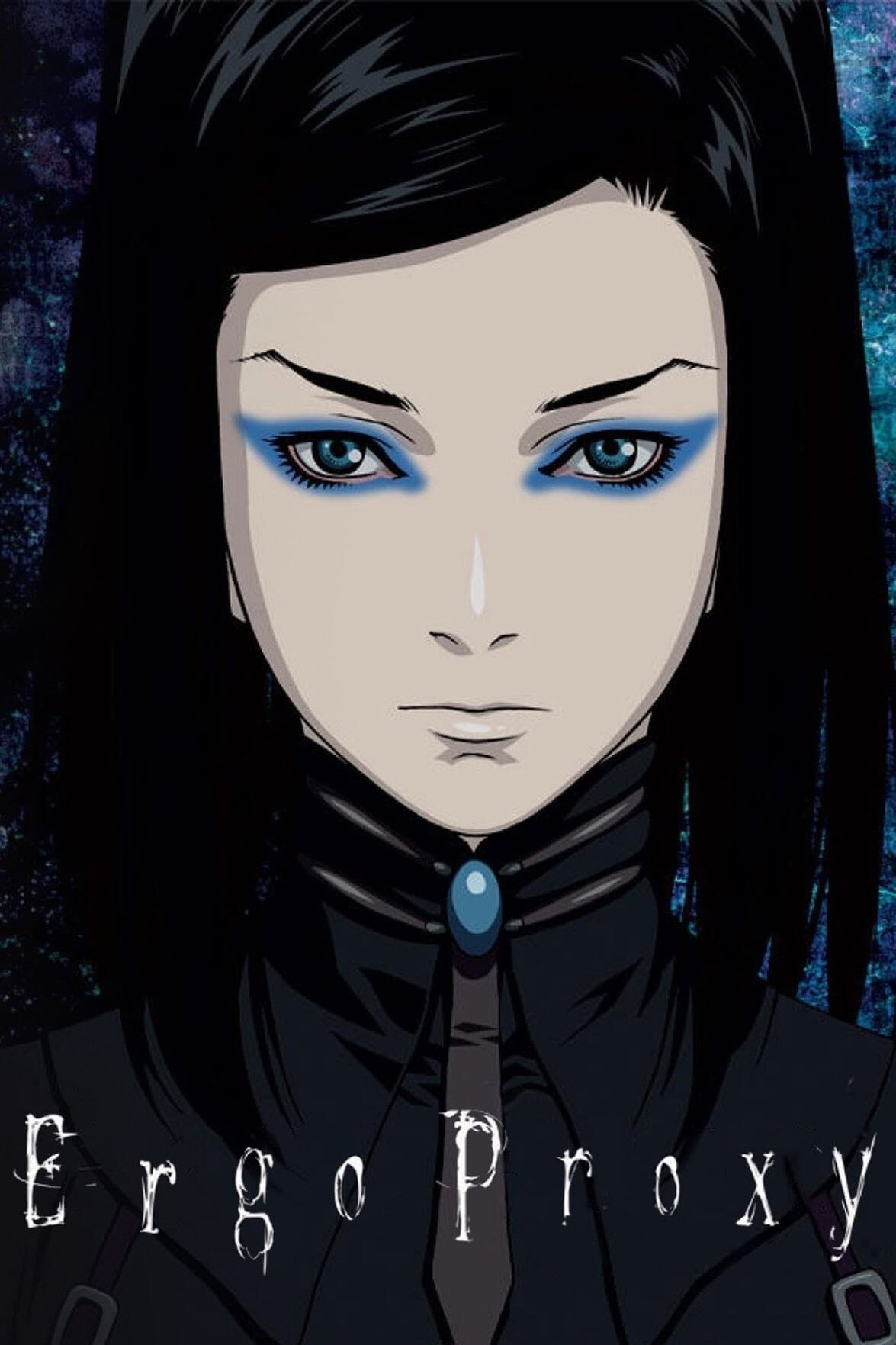
Vincent Law accepts his identity as an Ergo Proxy and prepares to face the returning creators of humanity. The dome cities begin to fail as the true humans descend from space to reclaim the Earth. Viewers are left to speculate on the outcome of the looming war between the Proxies and the original humans. The series ends right before the central conflict resolves effectively serving as a prologue to a battle we never see.
‘Darker Than Black’ (2007)
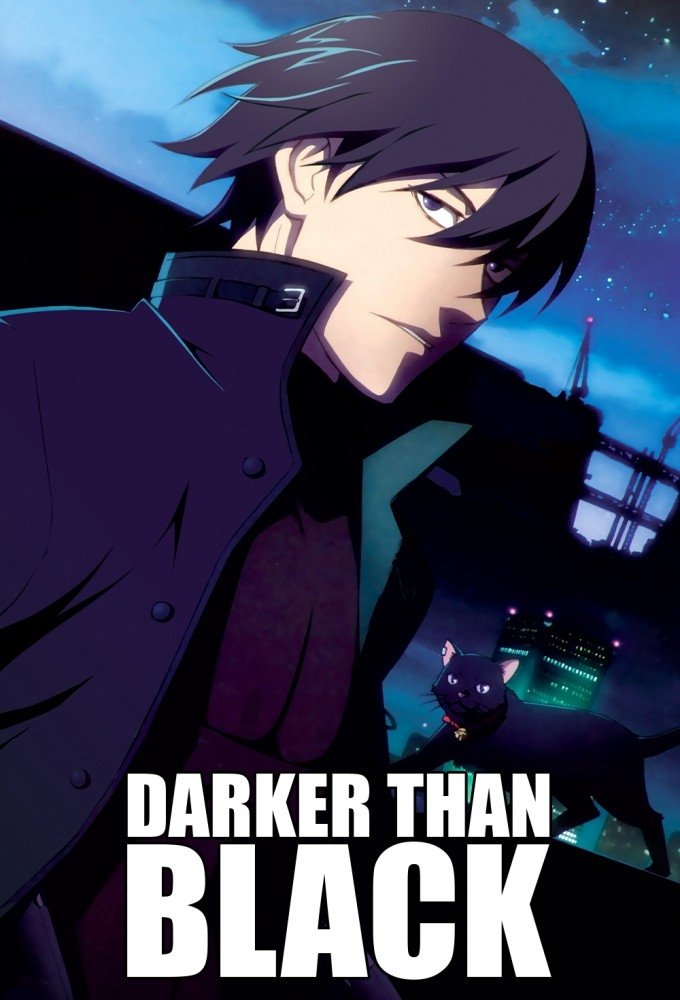
Hei chooses to reject both the Syndicate’s plan to wipe out Contractors and the plan to destroy humanity. He uses his power to create a diversion that seemingly alters the nature of the Hell’s Gate while saving his allies. The final scenes show mysterious figures and suggest that the conflict is far from over without defining the new status quo. The fate of the protagonist is left ambiguous as he walks away into an uncertain future with his partner.
Tell us which anime ending confused you the most in the comments.