12 Anime That Broke The Fourth Wall In The Weirdest Ways


Anime usually immerses viewers in fantastical worlds but some series prefer to shatter the illusion completely. These shows acknowledge their fictional nature by having characters address the audience or manipulate the animation itself. The writers use these meta moments to deliver comedy or deconstruct the medium of Japanese animation. This narrative technique often results in surreal and memorable scenes that defy conventional storytelling rules.
‘Gintama’ (2006–2018)
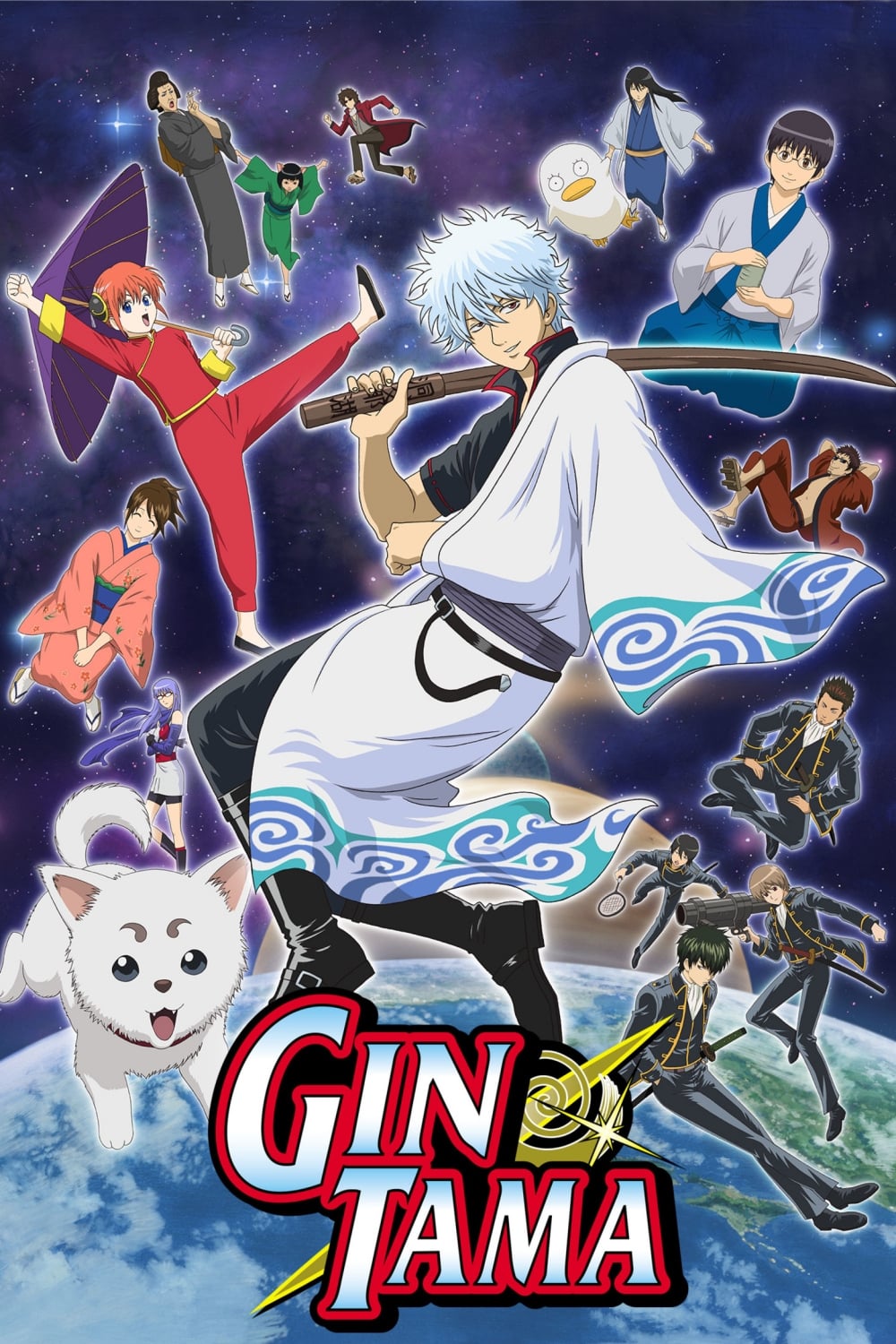
This long-running series is infamous for its blatant disregard for the boundary between fiction and reality. The main characters frequently complain about the animation studio running out of budget or reusing background art. They apologize directly to the viewers for filler episodes while sitting at a table in a still frame. The protagonist Gintoki Sakata often references the manga author and the television timeslot changes to explain plot inconsistencies.
‘Pop Team Epic’ (2018–Present)

The creators of this surreal comedy series intentionally test the patience and expectations of the audience. Each episode airs the same segment twice with different voice actors to fill the runtime. The animation style shifts aggressively between standard anime visuals and crude sketchbook drawings or claymation. Characters completely destroy the fourth wall by physically attacking the production staff or the manga publisher within the show.
‘FLCL’ (2000–2001)
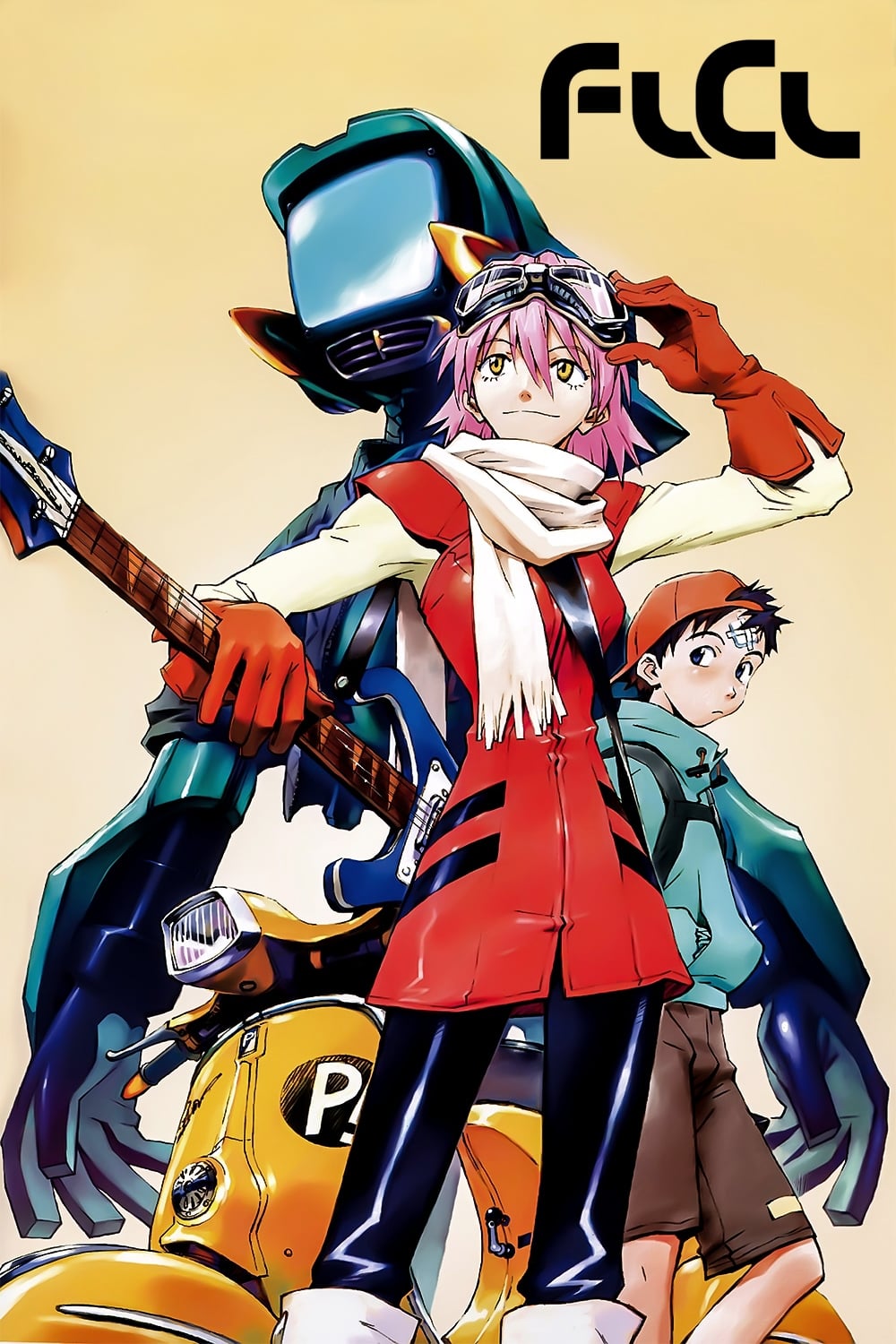
This frantic OVA series uses medium shifts to emphasize the chaotic mental state of its protagonist. One memorable sequence abandons traditional animation entirely to display the scene as moving manga panels. The characters struggle to read the speech bubbles or complain about the scene transitions moving too fast. The show treats the screen as a physical object that the characters can break or distort.
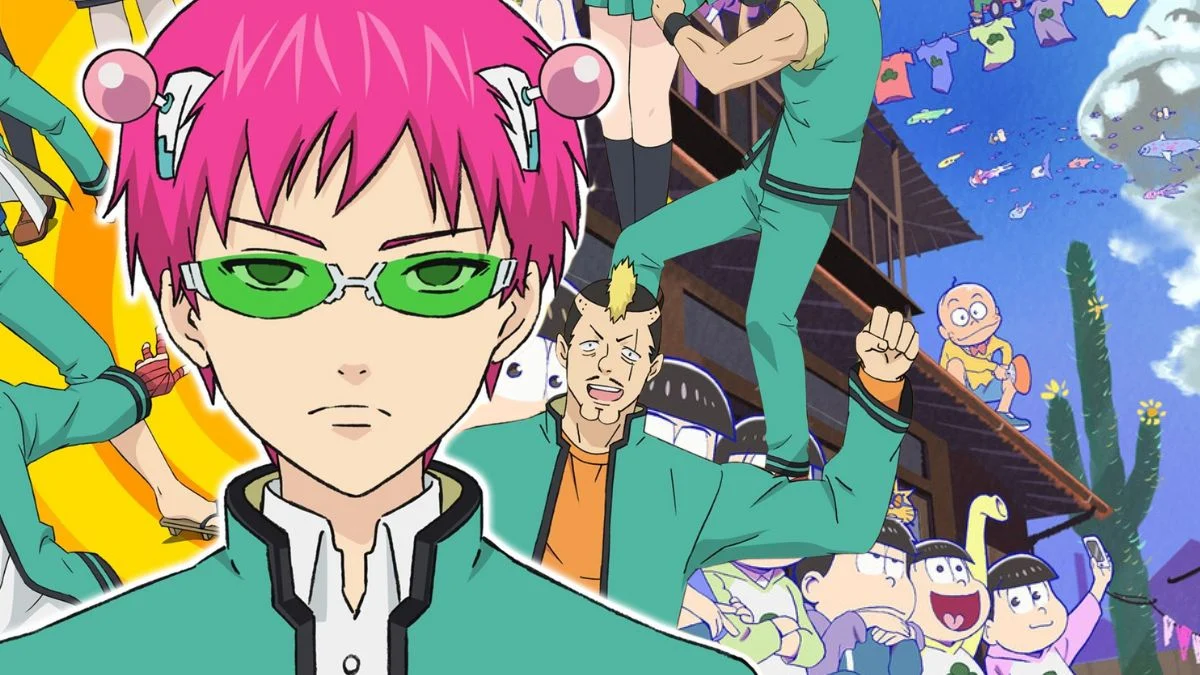
‘The Disastrous Life of Saiki K.’ (2016–2019)
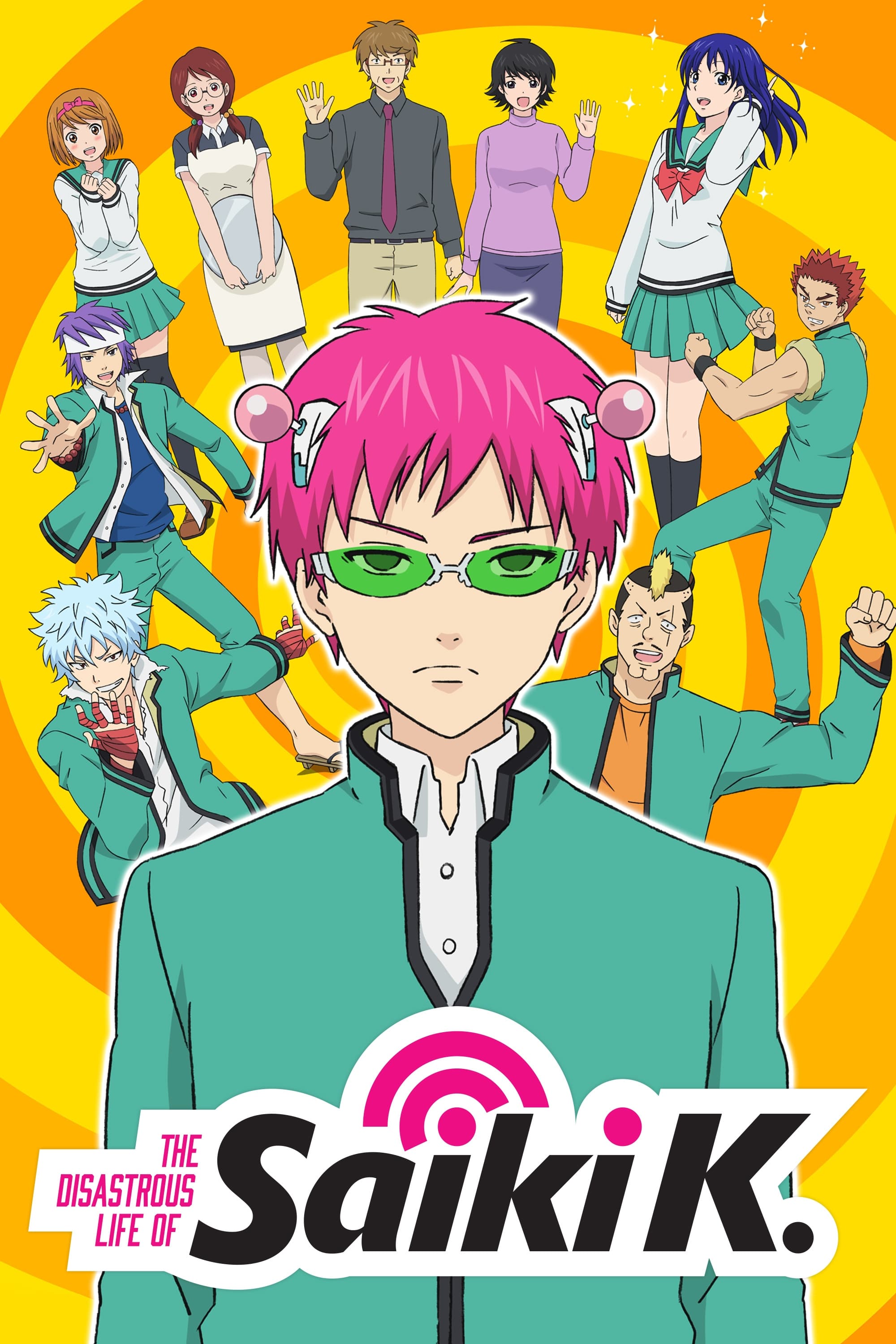
Kusuo Saiki possesses godlike psychic abilities but he only wants to live a quiet and ordinary life. He narrates the entire series via telepathy and constantly explains the tropes of anime to the audience. Saiki manipulates the laws of his universe to ensure his hair color and weird antennas appear normal to everyone else. His cynical commentary serves as a direct conversation with the viewer about the absurdity of the situations around him.
‘Excel Saga’ (1999–2000)
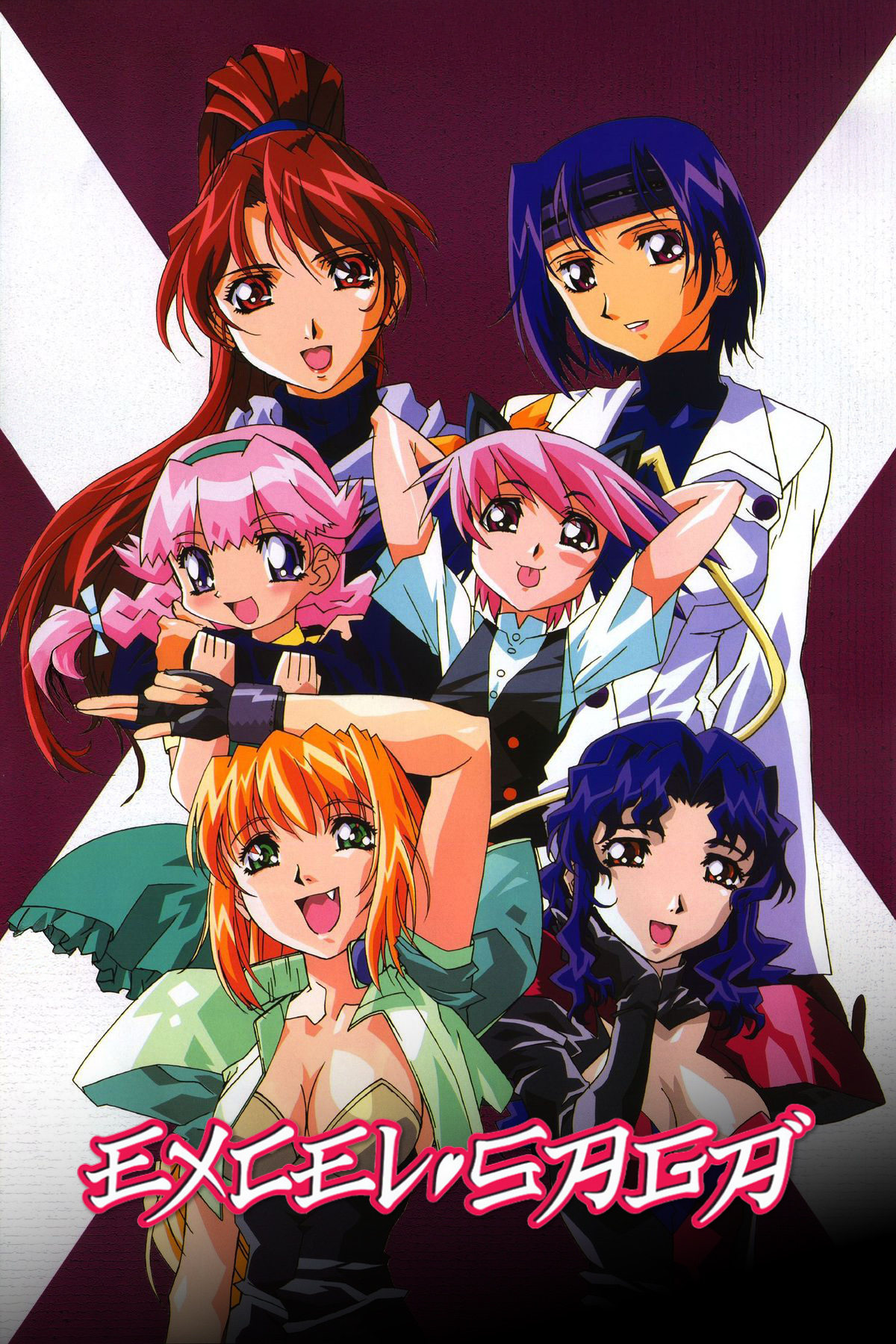
The director of the series appears as a recurring character named Nabeshin to interfere with the plot. The protagonist Excel frequently dies and is resurrected by the Great Will of the Macrocosm to keep the show going. Characters openly discuss the genre of the specific episode they are in and adjust their behavior accordingly. The final episode was intentionally made too graphic and absurd to be broadcast on television as a marketing stunt.
‘Bobobo-bo Bo-bobo’ (2003–2005)
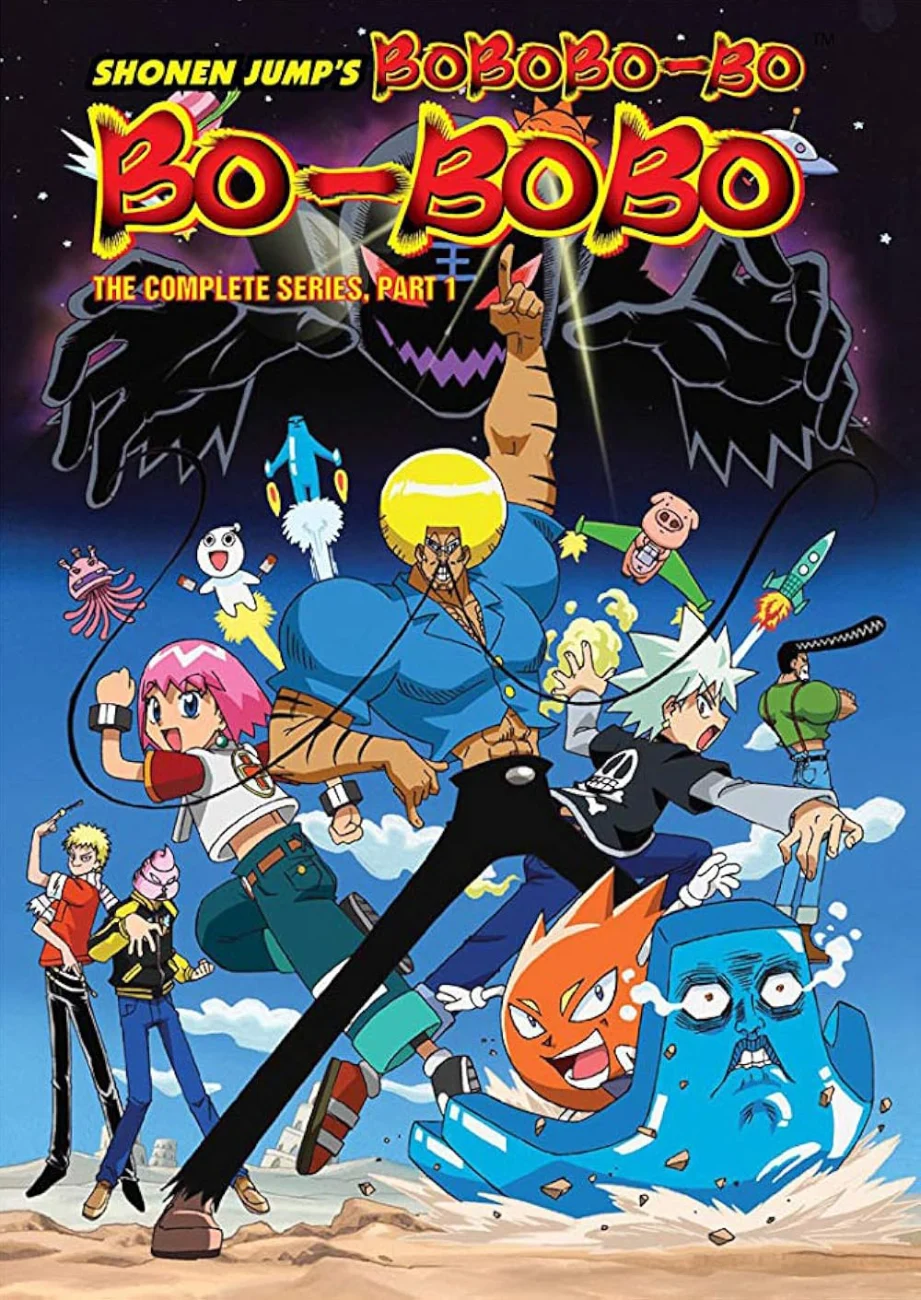
This nonsensical battle anime operates on dream logic where the characters are fully aware they are in a show. The heroes often pull out the script to check their lines or complain about their screen time. Attacks involve summoning random objects or interface elements that should only be visible to the viewer. The narrator actively argues with the characters when they deviate from the expected storyline.
‘Kill la Kill’ (2013–2014)
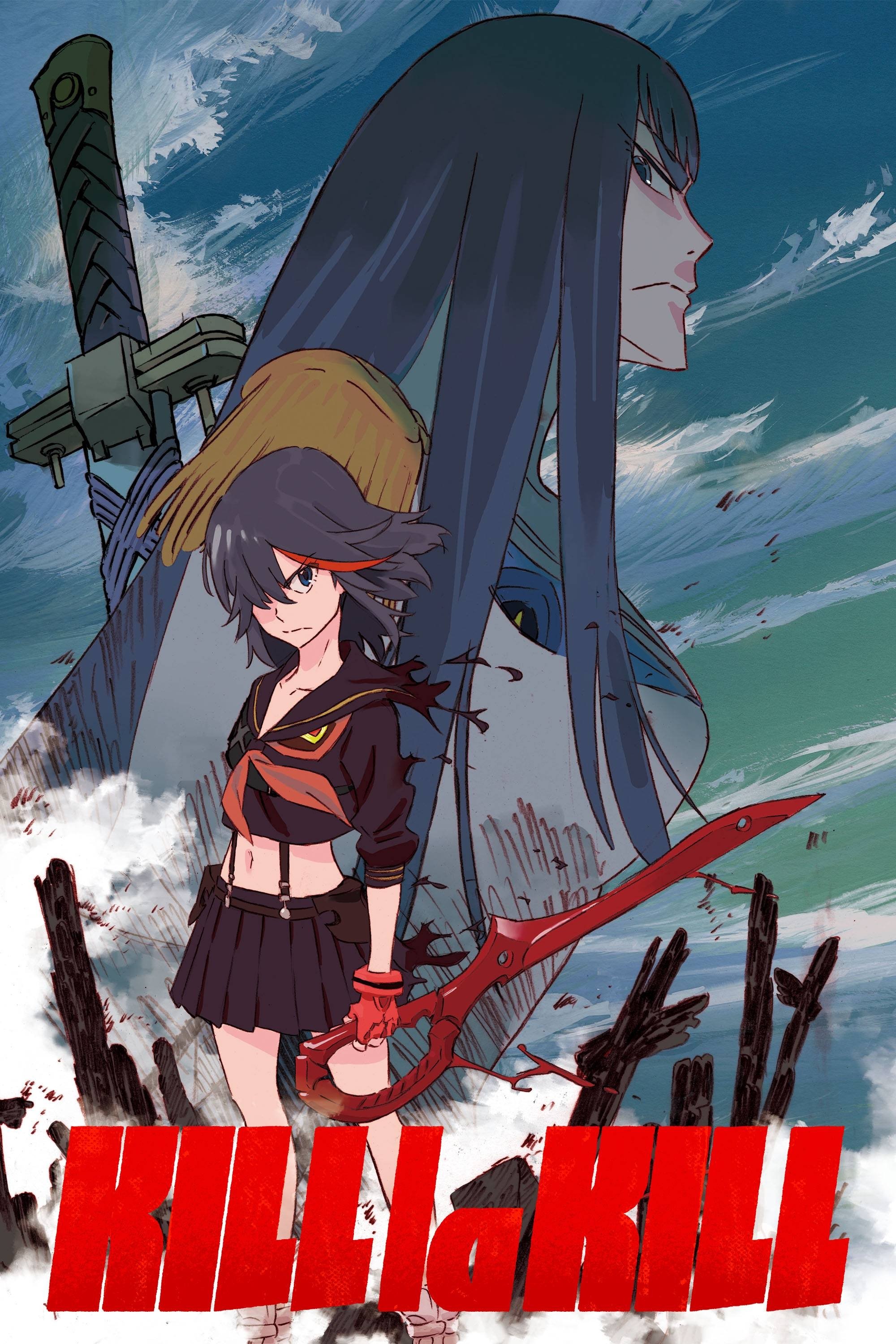
The antagonist Nui Harime interacts with the visual interface of the show in disturbing ways. She leans her elbows on the subtitles and physically blocks the on-screen text from being read. Nui even touches the letterbox bars on the top and bottom of the screen to assert her dominance over the animation. This visual trickery makes her feel like an entity that exists outside the rules of the anime.
‘Osomatsu-san’ (2015–2021)
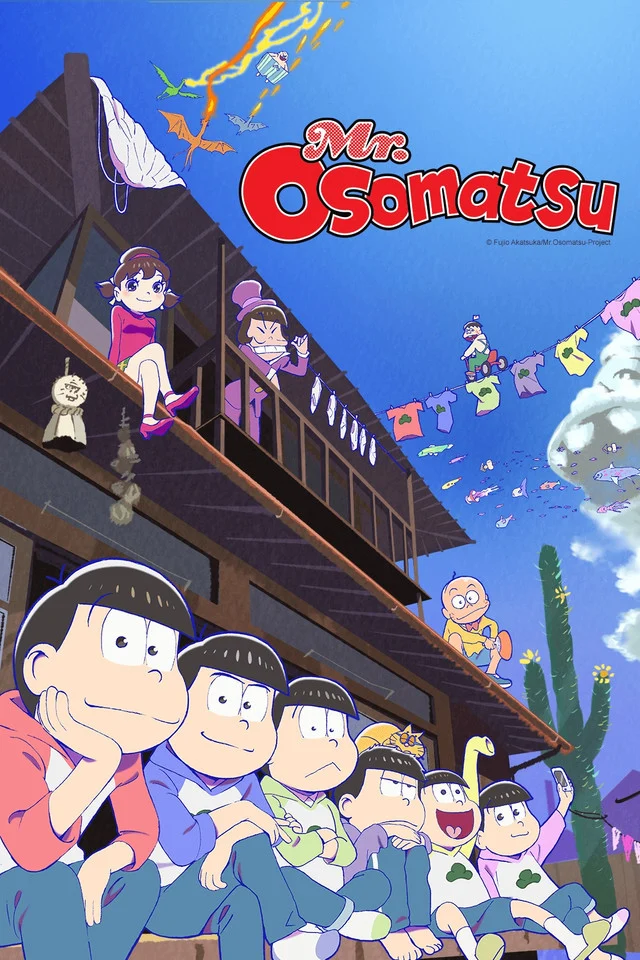
The sextuplet brothers are keenly aware that they are rebooted versions of characters from the Showa era. The very first episode features the cast trying to modernize their image to appeal to contemporary anime fans. They experiment with different popular art styles and tropes in a desperate bid for relevance. The show was eventually pulled from streaming services for being too close to the properties it was parodying.
‘Ouran High School Host Club’ (2006)
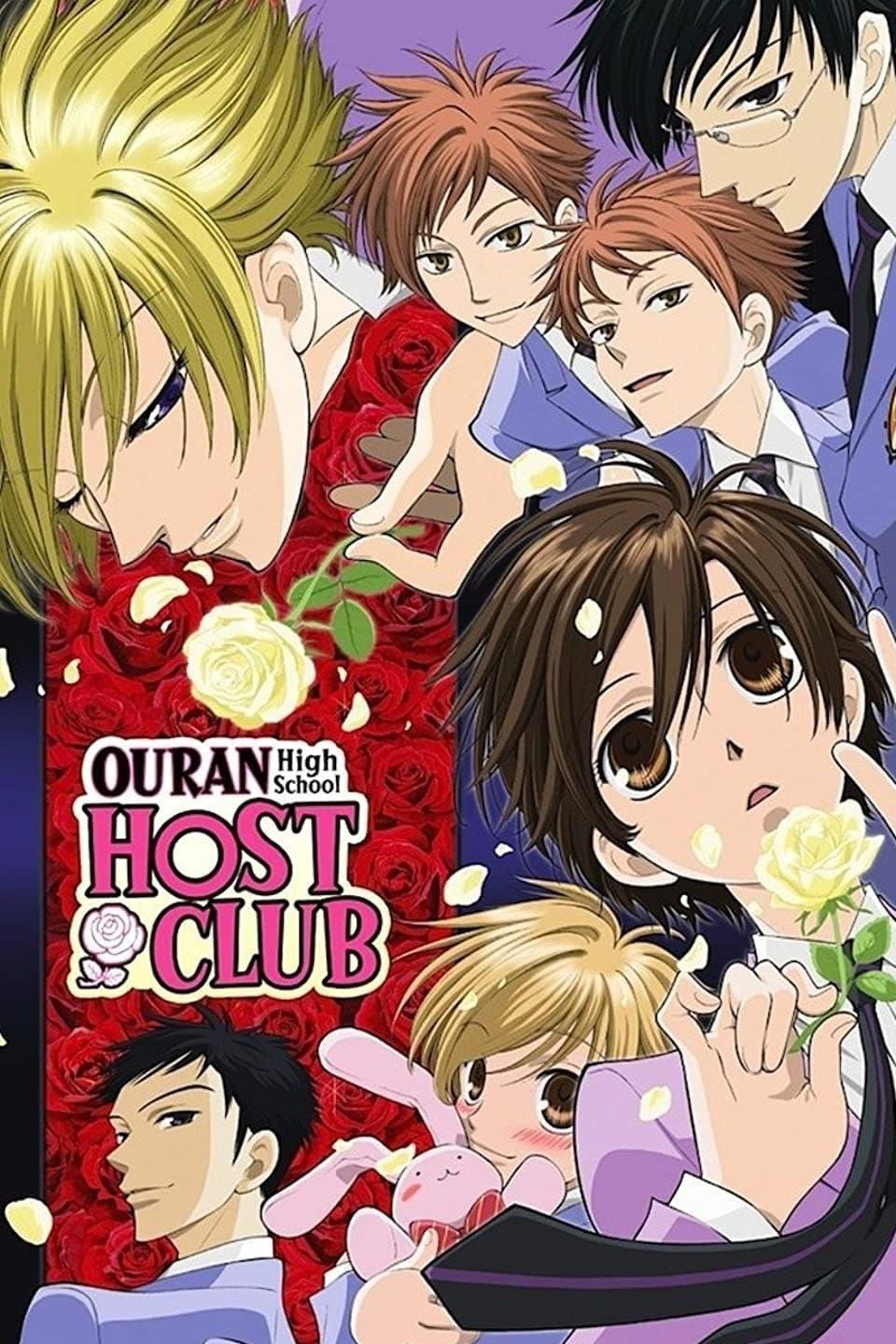
The members of the Host Club frequently analyze the events of the show through the lens of shojo manga tropes. Tamaki Suoh treats his life like a romantic drama and directs the other characters on how to behave. Interactions often freeze so that text boxes explaining the situation can appear on screen. The characters acknowledge the camera angles and lighting effects used to make them look attractive.
‘Samurai Pizza Cats’ (1990–1991)
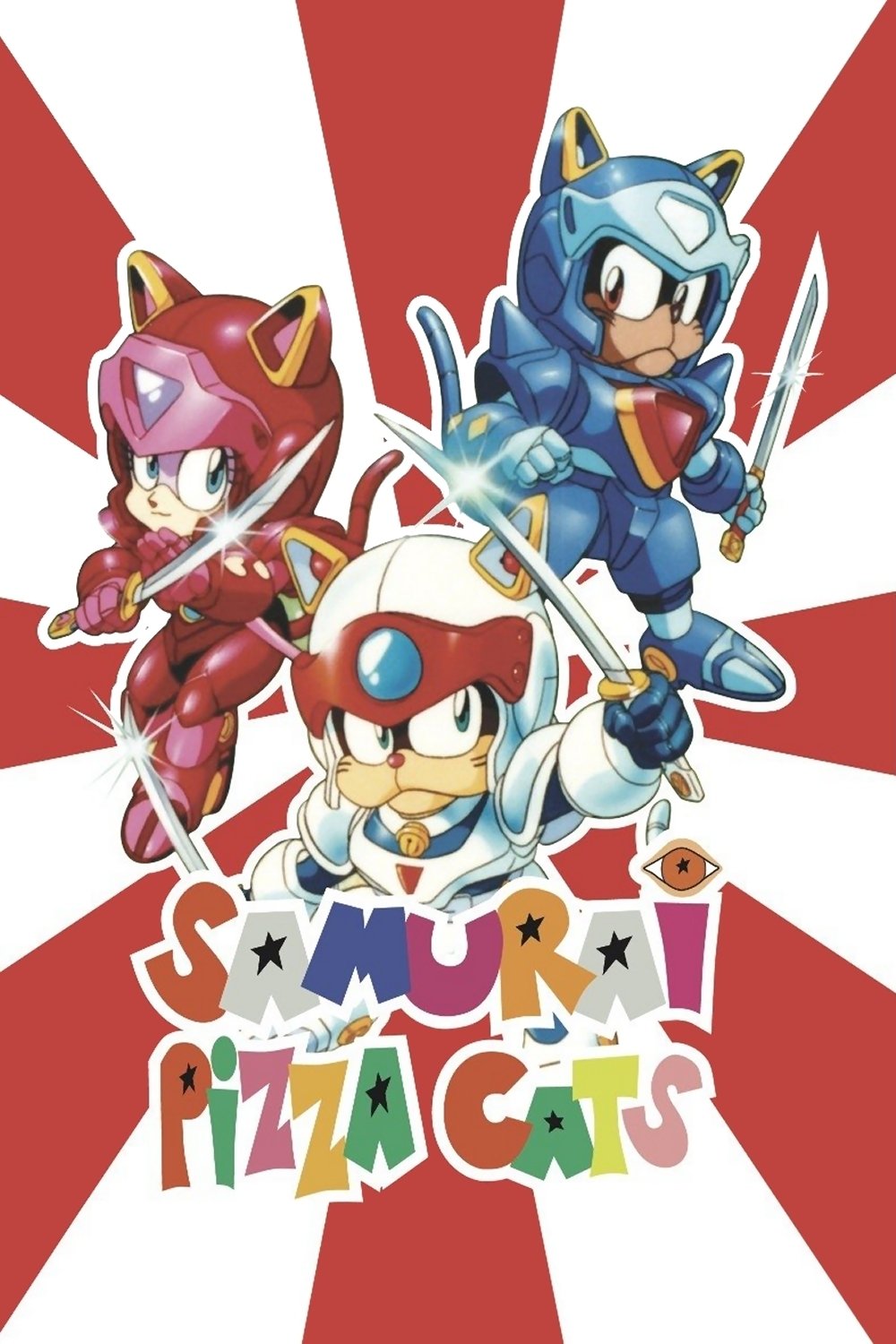
The English dub of this series is famous for completely ignoring the original Japanese script. The narrator makes fun of the plot holes and the repetitive nature of the monster-of-the-week format. Characters complain about missing their cues or not getting paid enough for their performances. The dialogue essentially becomes a commentary track where the voice actors roast the show they are recording.
‘Anime-Gataris’ (2017)

The story begins as a standard slice-of-life series about a high school anime club but takes a dark turn. The characters slowly realize that their world is an anime that is facing cancellation. They notice the background art disappearing and the animation quality dropping as the production wraps up. The club members must fight against the closing credits to prevent their existence from ending.
‘Space Patrol Luluco’ (2016)
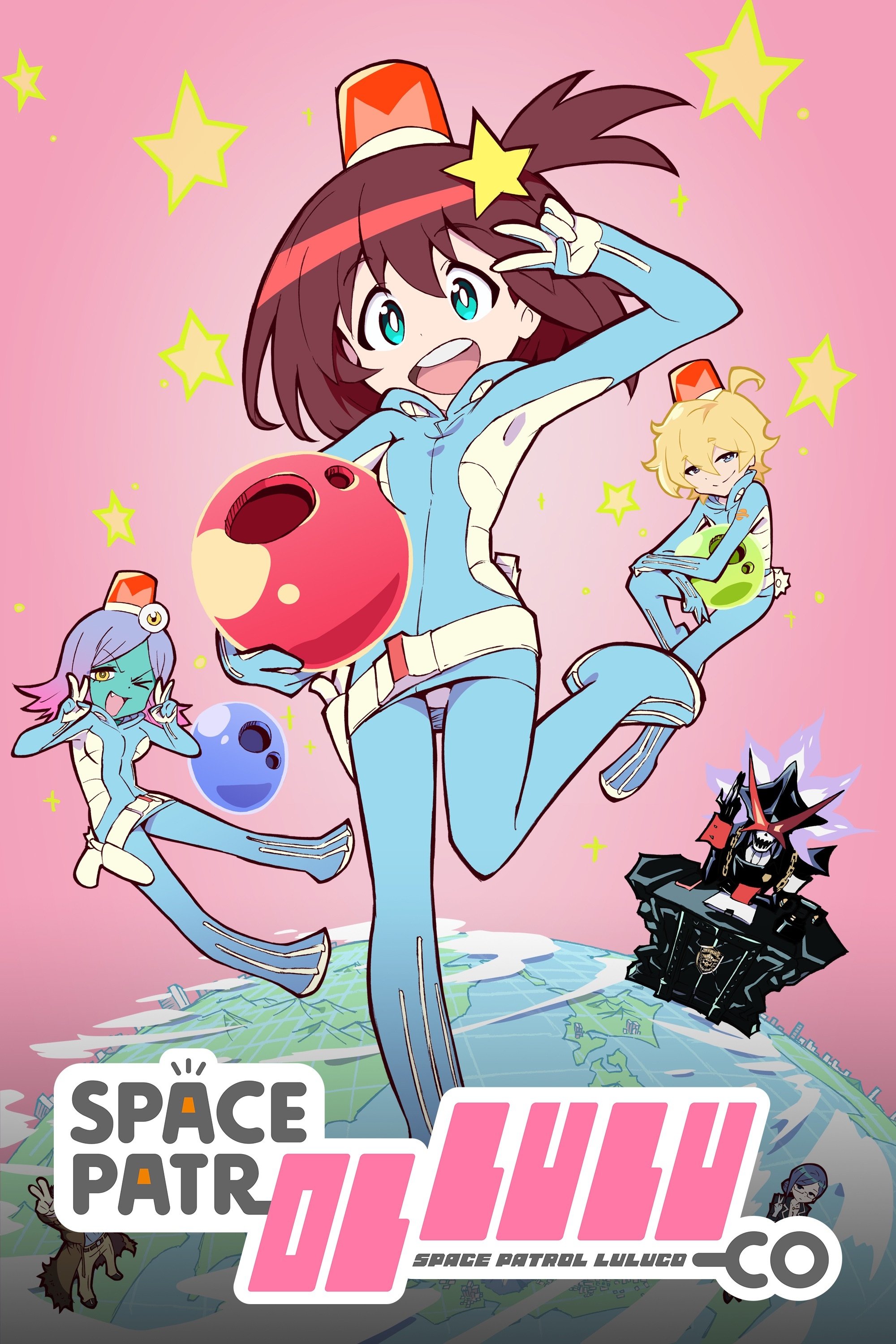
Luluco just wants to be a normal middle school student despite living in a chaotic galaxy. The show features characters from other productions by Studio Trigger who intrude upon her story. Luluco often transforms into a literal gun and complains about the lack of logic in her universe. The ending sequence sees the protagonist interacting with the studio logo to suggest a connection to the real world.
Share your favorite fourth-wall-breaking anime moment in the comments.