Speedrunning Strats That Look Completely Ridiculous



Speedrunning transforms beloved games into technical playgrounds where logic often takes a backseat to efficiency. Viewers often find themselves baffled by the bizarre movements and visual glitches required to shave seconds off a record. The strategies listed here prioritize speed over immersion and result in some of the funniest animations in gaming history. These exploits prove that breaking a game is often more entertaining than playing it as intended.
‘Super Mario 64’ (1996)

The Backwards Long Jump allows Mario to build up infinite speed by repeatedly jumping backwards on stairs or slopes. Nintendo EAD developed this platformer where players exploit physics to shoot through locked doors and endless staircases. Viewers watch as Mario emits a rapid stream of vocalizations while vibrating against walls until the game collision breaks. This trick is essential for bypassing star requirements and reaching the final Bowser fight in record time.
‘GoldenEye 007’ (1997)
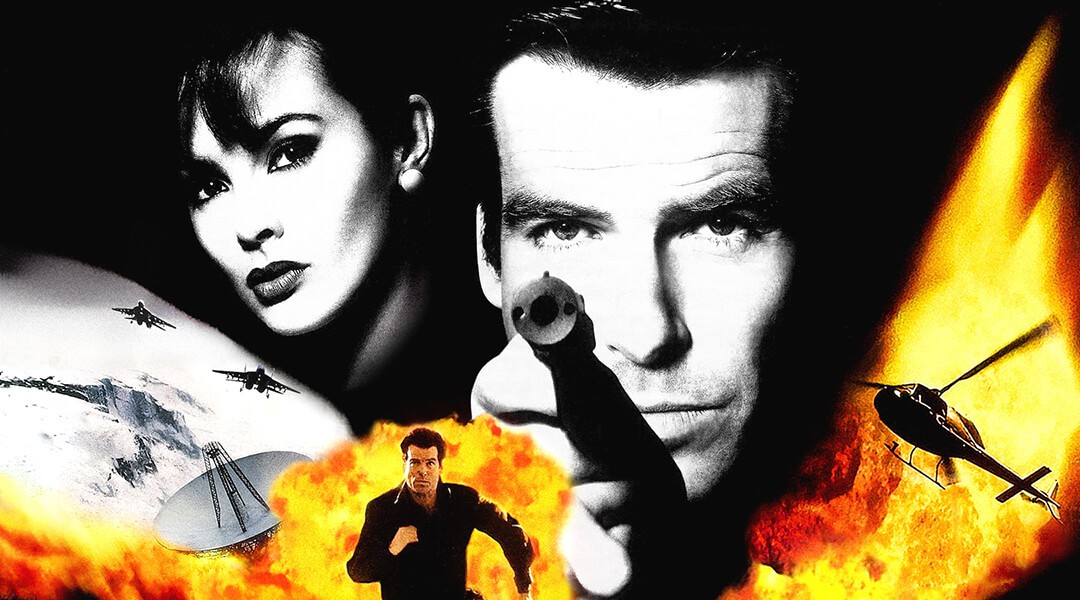
Players spend the majority of a speedrun staring directly at the floor to reduce the amount of geometry the game engine must render. Rare designed the game to run smoother when fewer objects are on screen which boosts the movement speed of James Bond. This strategy turns an action-packed shooter into a simulation of someone aggressively inspecting carpet textures. It remains one of the most distinct visual quirks in the history of first-person shooter optimization.
‘The Elder Scrolls V: Skyrim’ (2011)
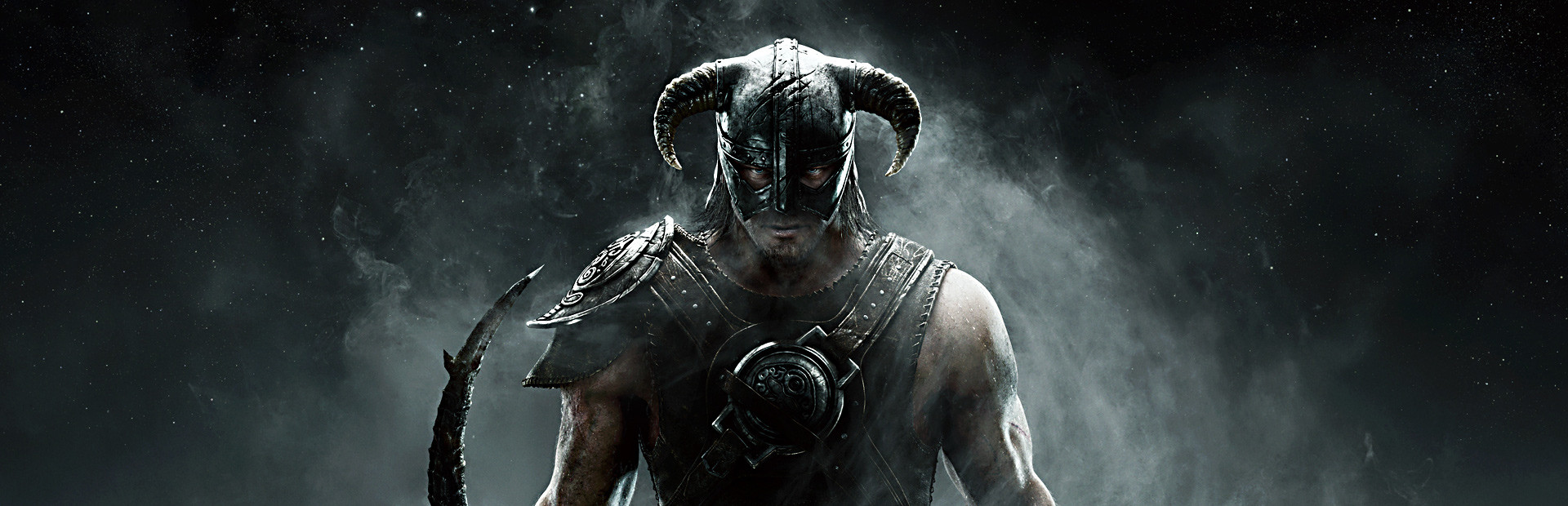
The Dragonborn can walk through solid walls by holding a wooden plate or bucket against a surface and sprinting into it. Bethesda Game Studios created a physics engine that struggles to calculate collision when an object is forced between the character and a wall. Speedrunners utilize this oversight to skip massive dungeons and bypass essential quest triggers entirely. The sight of the hero running face-first into tableware before vanishing is undeniably absurd.
‘Half-Life 2’ (2004)
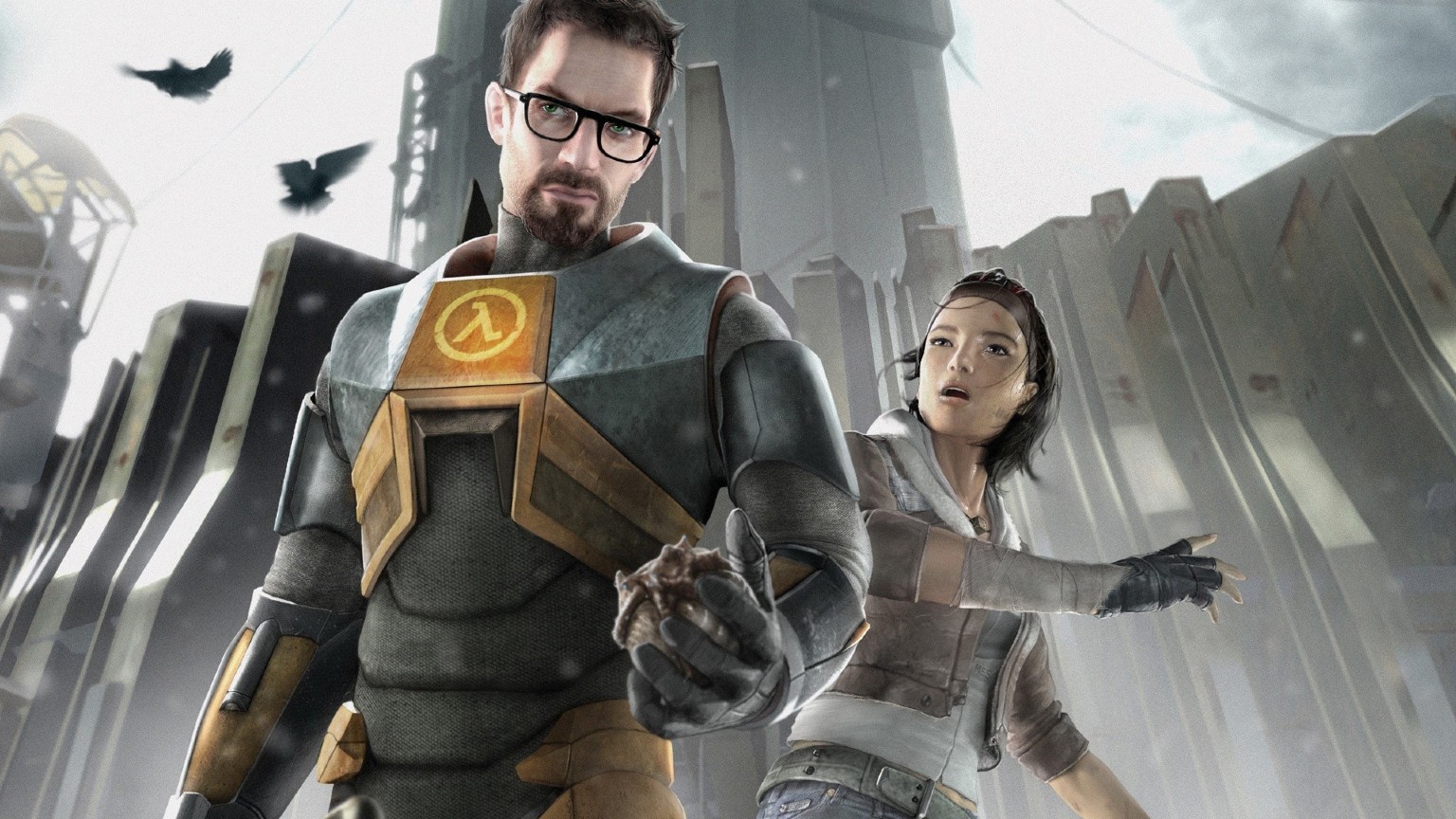
Accelerated Back Hopping involves Gordon Freeman jumping backwards continuously to gain momentum exceeding the game intended limits. Valve built the Source engine with a quirk that adds velocity when players jump in the opposite direction of their movement. Viewers witness the protagonist flying through City 17 in reverse while the environment blurs past at breakneck speeds. This method completely trivializes vehicle sections and lengthy narrative sequences.
‘The Legend of Zelda: The Wind Waker’ (2002)
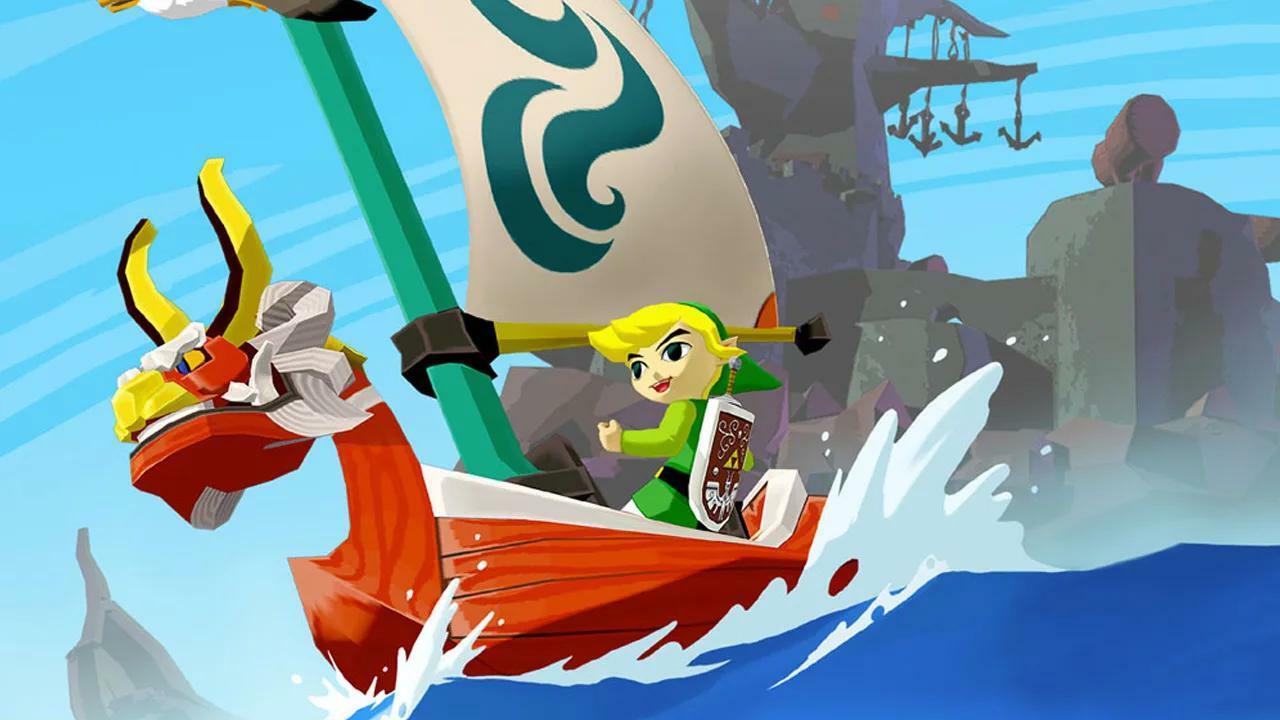
The Zombie Hover technique requires Link to die while simultaneously healing with the Tingle Tuner to float indefinitely in the air. Nintendo EAD included the connectivity feature that inadvertently allows players to defy gravity by mashing buttons rhythmically. Link creates a staccato buzzing noise as he jitters across the ocean without a boat or wind. This difficult maneuver allows runners to skip large portions of the triforce quest and access areas early.
‘SpongeBob SquarePants: Battle for Bikini Bottom’ (2003)
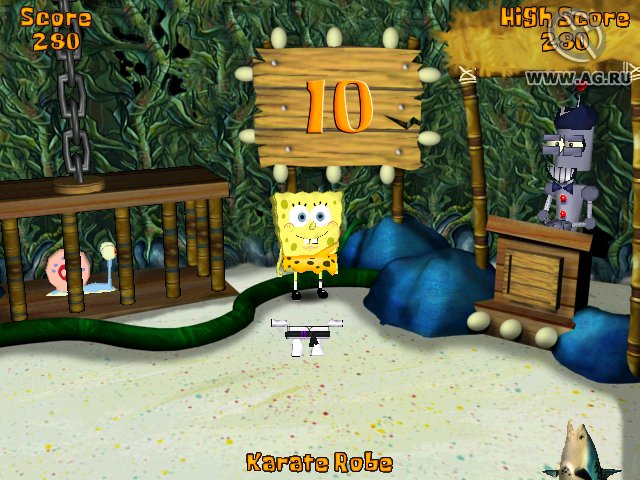
Cruise Boosting launches SpongeBob tremendous distances by utilizing the Bubble Cruise missile to generate unexpected propulsion. Heavy Iron Studios developed this cult classic platformer where physics exploitations allow for massive sequence breaking. The character model appears to spasm violently as the player wrestles with the controller to maintain the precise angle needed for flight. It transforms a cheerful children game into a technical showcase of aerial dominance.
‘Castlevania: Symphony of the Night’ (1997)

Alucard traverses the castle significantly faster by equipping a shield and dashing backwards rather than walking forwards. Konami produced this Metroidvania title where the backdash move has no cooldown and creates a fluid method of travel. The son of Dracula spends the entire adventure moonwalking away from enemies while sliding across the floor. This movement optimization allows players to breeze through hallways while ignoring combat encounters entirely.
‘The Legend of Zelda: Ocarina of Time’ (1998)
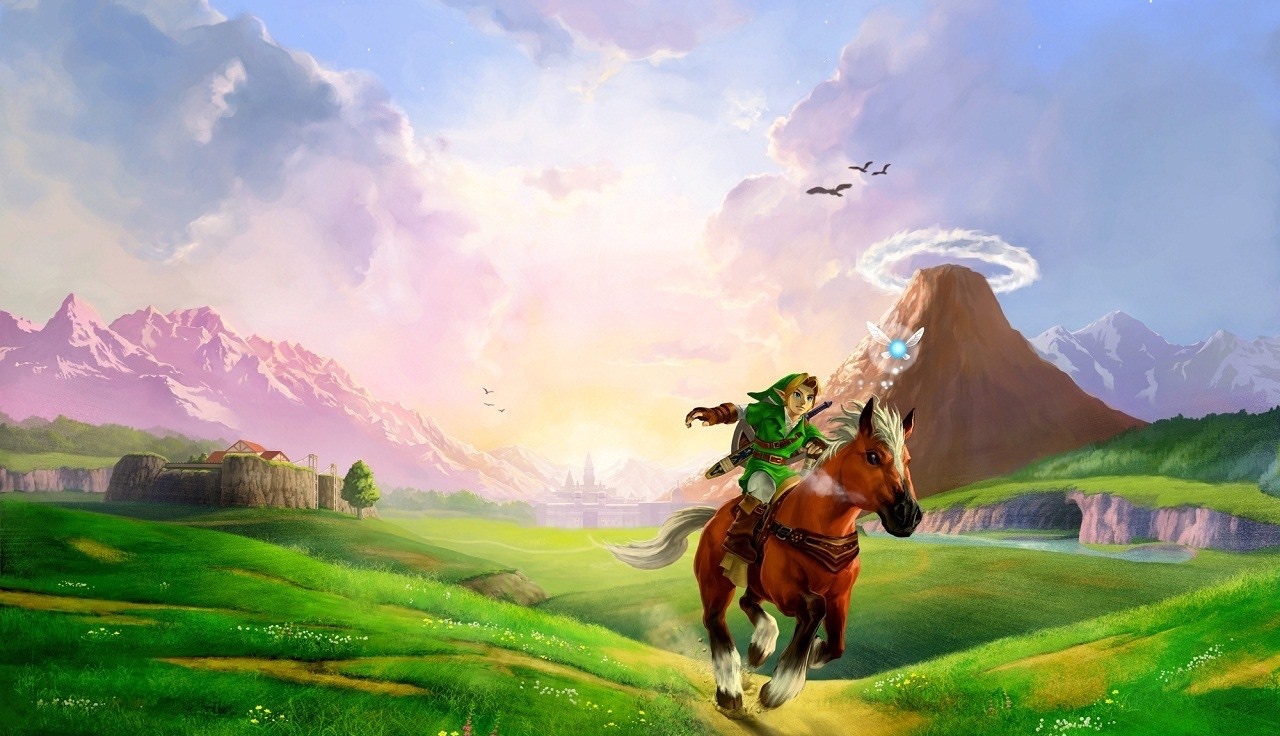
The Infinite Sword Glitch locks Link in a state where his sword is active while he moves freely about the world. Nintendo EAD programmed the game so that interrupting a crouch stab with an interaction causes the hitbox to remain permanently extended. The hero of time looks particularly foolish as he runs around with a glowing white stick emanating from his hand. This glitch serves as a foundational trick for hovering and other complex movement manipulation.
‘Portal’ (2007)

Save Glitching involves saving and loading the game quickly to detach the camera from the player character and pass through walls. Valve designed the puzzle mechanics to be airtight but the source engine save system allows for collision barriers to be ignored completely. Chell stands motionless or drifts through solid matter while the player navigates out of bounds to reach elevators. The visual result looks like a broken cinematic camera rather than purposeful gameplay.
‘Mirror’s Edge’ (2008)

The Kick Glitch propels Faith forward with a burst of speed by combining a jump coil with a melee attack input. DICE created a fluid parkour system that breaks when players abuse the combat animations to gain velocity. The runner appears to be constantly kicking the air while flying across rooftops much faster than running would allow. This repeated animation canceling turns a graceful free-running game into a frantic series of mid-air spasms.
‘Fallout 3’ (2008)
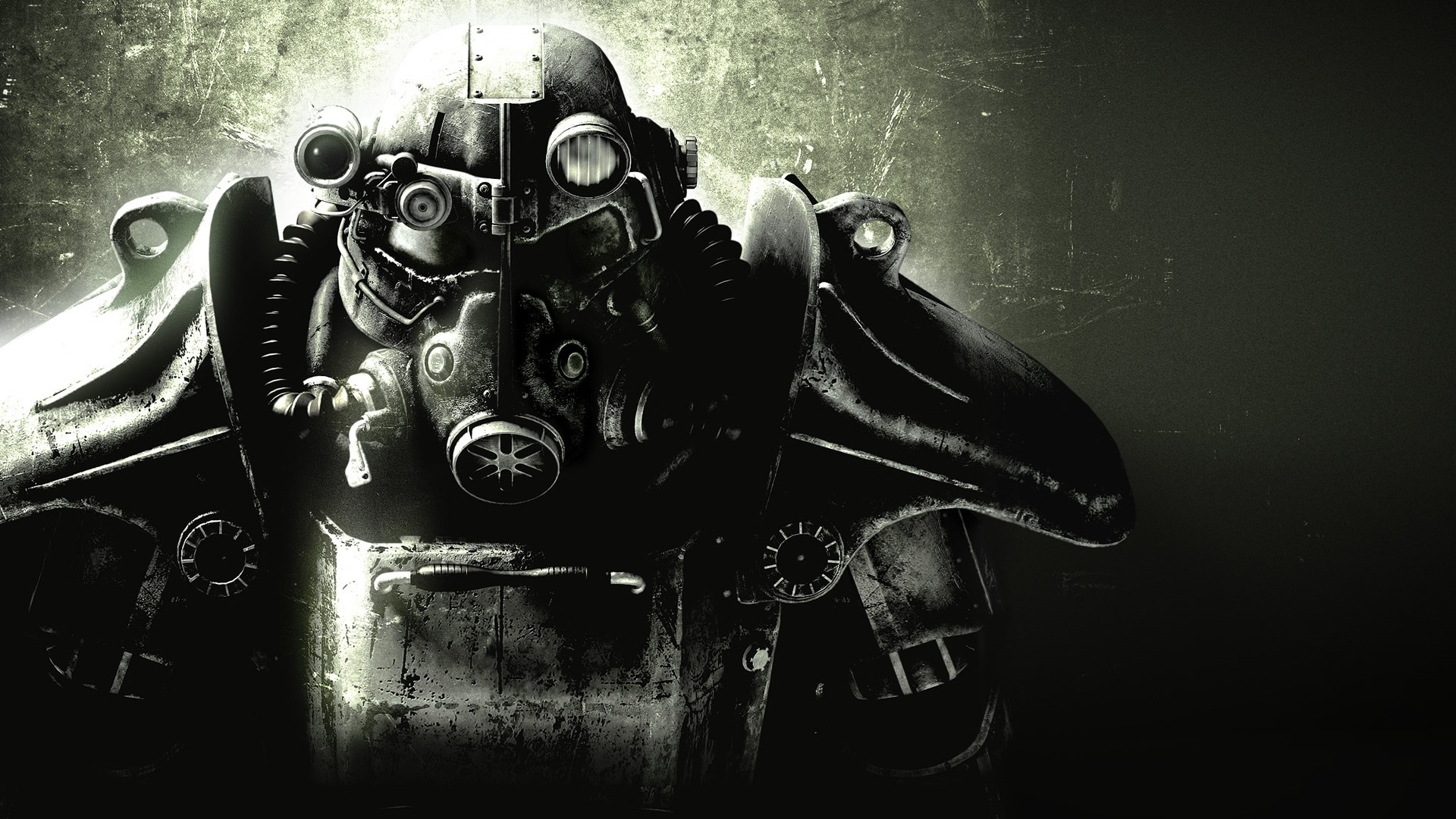
Reload Dashing exploits the physics of the game by equipping a weapon and pausing the reload animation to launch the player forward. Bethesda Game Studios built a massive wasteland that can be traversed in minutes by crippling the protagonist legs and sliding. The Lone Wanderer essentially teleports across the map by breaking the animation cycle repeatedly. It turns the grim post-apocalyptic survival experience into a glitchy slide show.
‘Halo 2’ (2004)
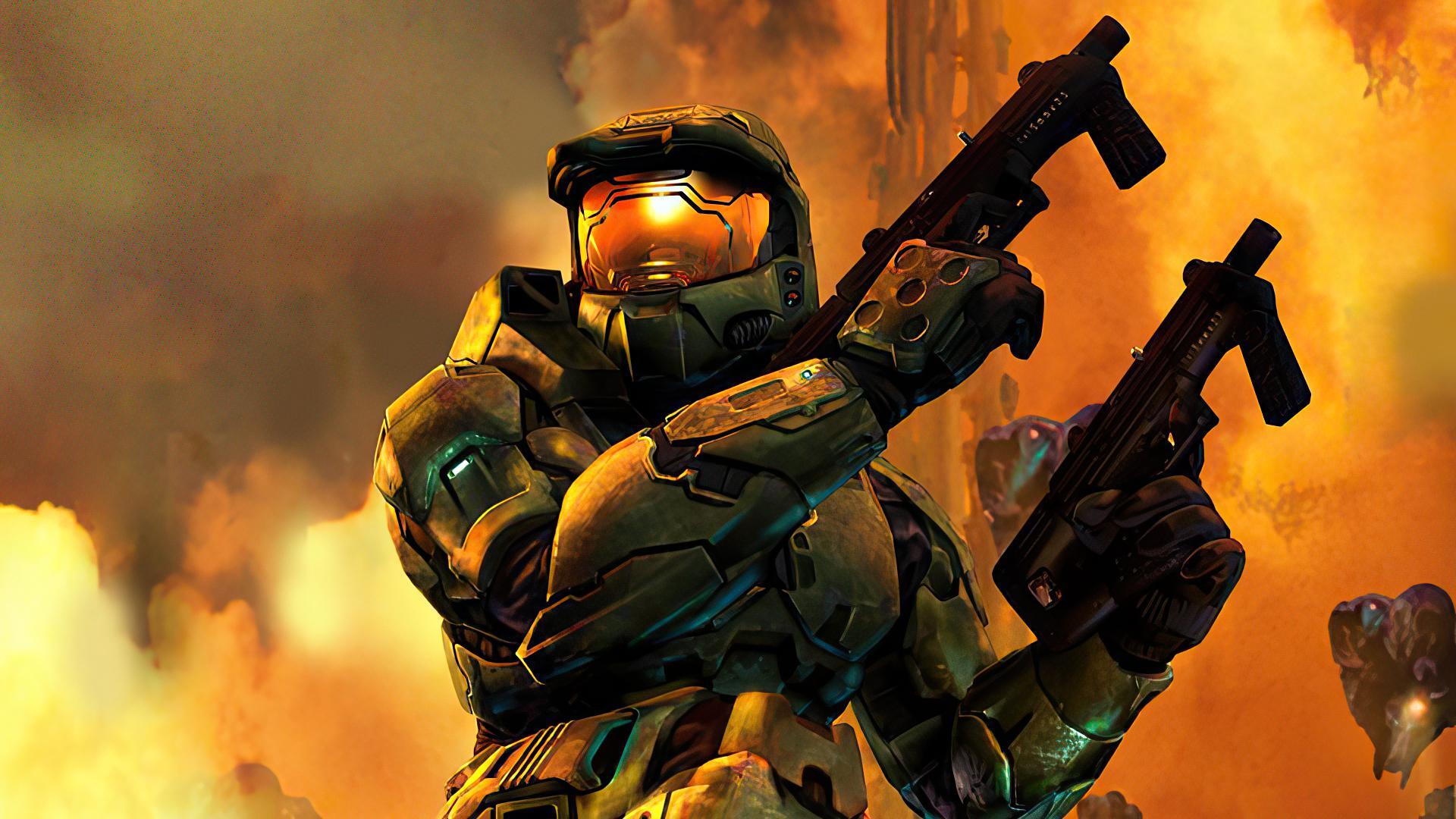
Sword Flying allows Master Chief to lunge across massive gaps by canceling a sword attack on a red-reticle enemy. Bungie implemented a lock-on mechanic for the energy sword that carries momentum if the player quickly switches weapons. Players fly over entire battlefields and skip lengthy vehicle sections by targeting enemies from extreme distances. The super-soldier soars through the air like a superhero instead of fighting on the ground.
‘Super Metroid’ (1994)
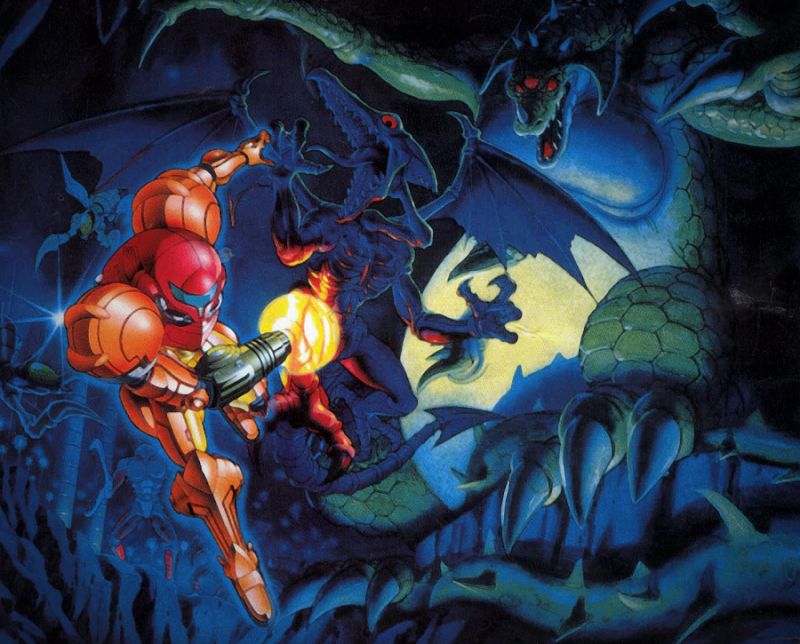
The Mockball allows Samus Aran to maintain running speed while in her morph ball form by executing precise inputs during a jump. Nintendo R&D1 developed this SNES masterpiece with physics that permit bypassing high-speed barriers without the Speed Booster upgrade. The bounty hunter rolls along the ground with unexpected velocity that defies the intended progression logic. It allows access to late-game areas and items immediately after starting the adventure.
‘Dark Souls’ (2011)
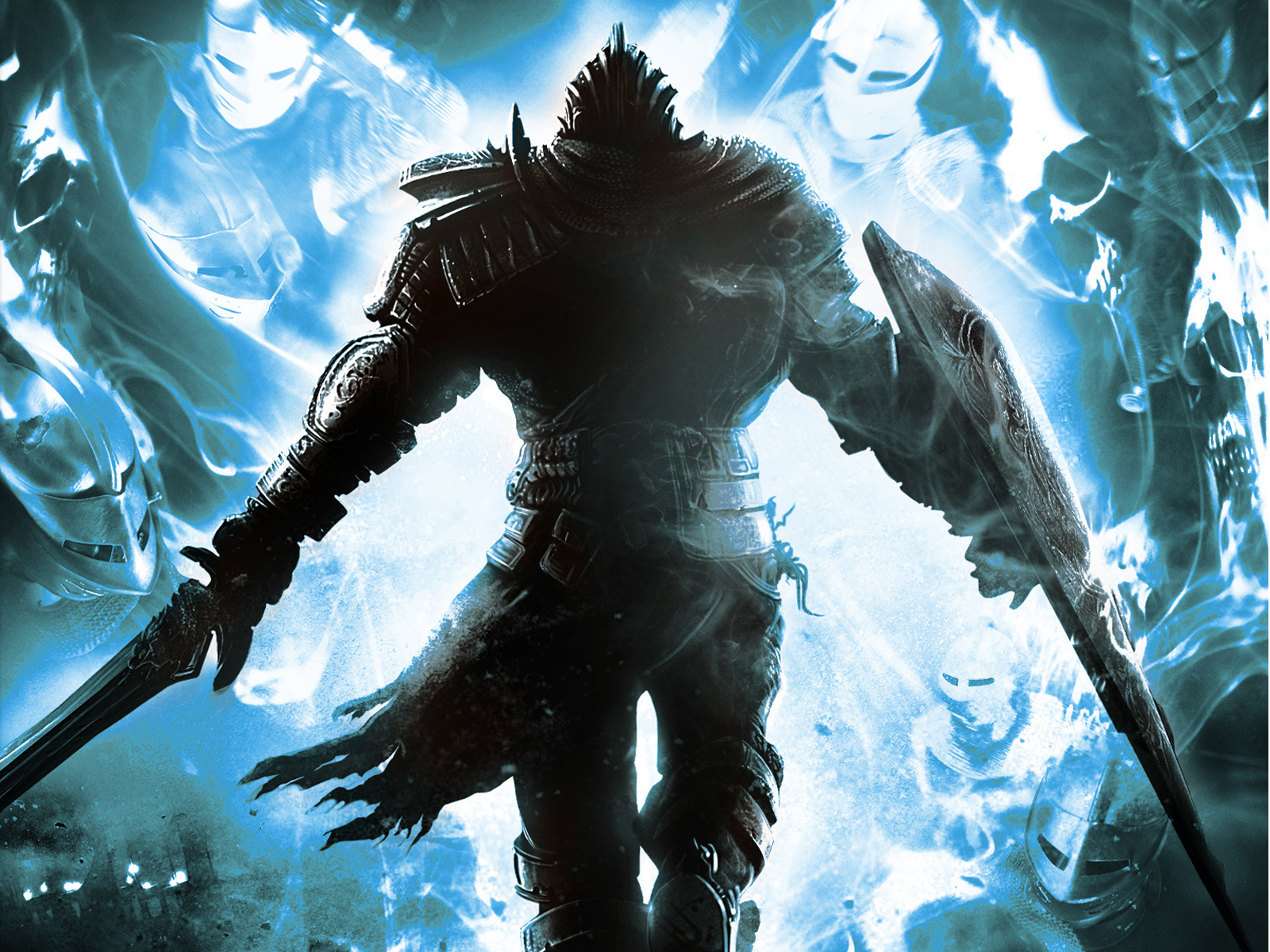
The Sen’s Gate Skip utilizes a precise camera angle glitch to unload the collision of a massive gate and walk right through it. FromSoftware is known for difficult combat but this trick relies entirely on confusing the engine by looking away from the object. The Chosen Undead walks blindly into a wall that simply ceases to exist because the game stopped rendering it. This trick allows players to bypass two fundamental bells of awakening and proceed directly to mid-game areas.
‘Pokemon Red’ (1996)

The Dokokashira Door Glitch involves manipulating inventory items to corrupt memory and warp the player to the Hall of Fame. Game Freak developed this RPG with coding vulnerabilities that allow players to rewrite the game world by swapping items. Red steps out of a house and suddenly appears in the final room of the game with a glitched team of monsters. The ending sequence plays out with scrambled graphics and nonsensical text filling the screen.
Tell us which one of these absurd strategies surprised you the most in the comments.