The Most Elaborate Easter Eggs That Took Years To Solve


Video game developers often hide secrets within their creations to reward dedicated players who explore every corner of the digital world. While some hidden messages are discovered within days of a release, others remain buried beneath complex code or obscure mechanics for decades. The gaming community frequently bands together to crack these mysteries using brute force or sheer luck. This list explores the most intricate and long-lasting secrets that kept gamers hunting for years.
‘Batman: Arkham City’ (2011) – Calendar Man’s 2004 Prophecy
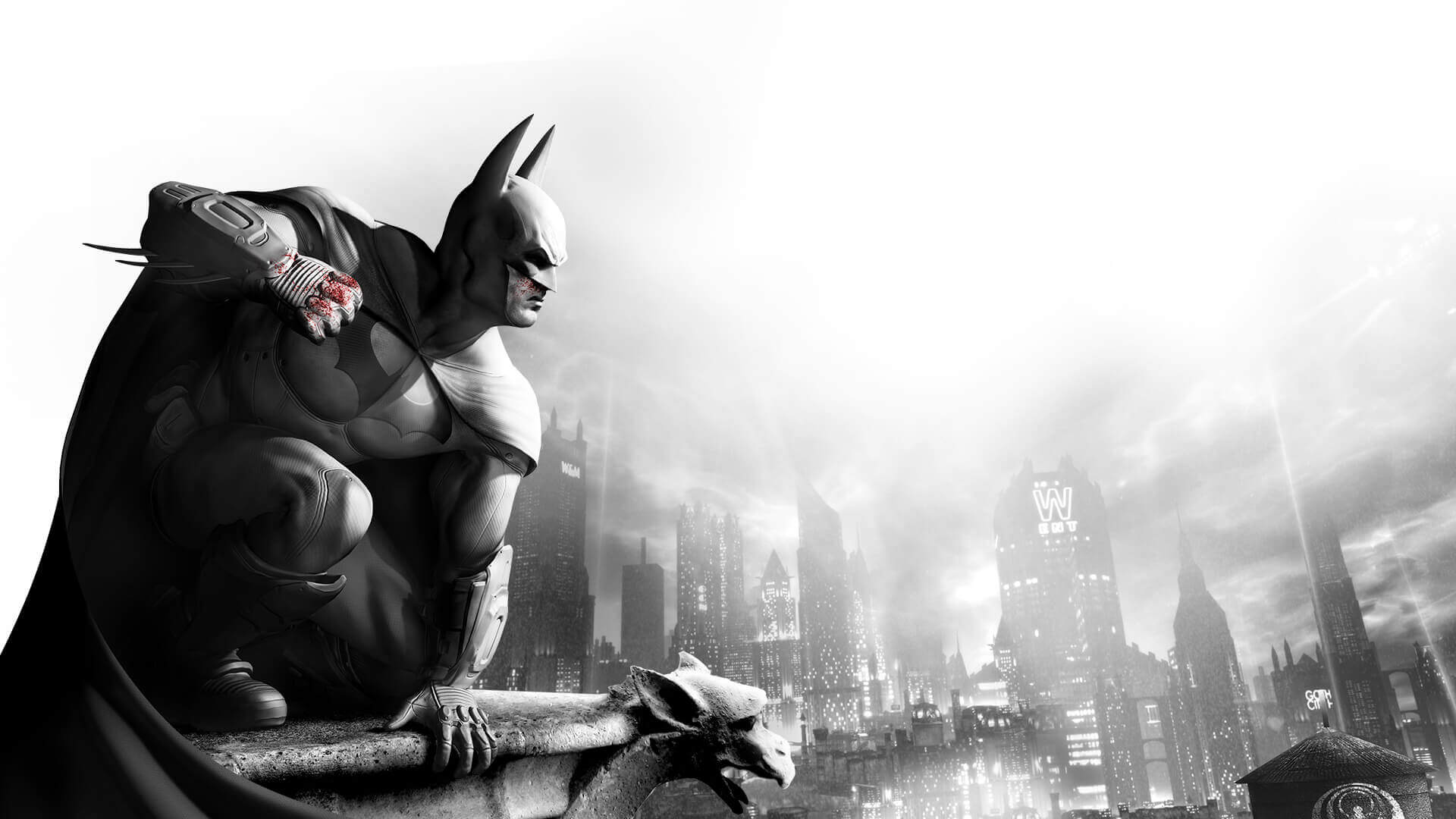
Rocksteady Studios included a villain named Calendar Man who speaks special lines depending on the real-world date set on the console or PC. Players eventually discovered that setting the date to December 13, 2004 triggers a unique monologue about the beginning of the developer’s journey. This specific date marks the day Rocksteady was founded and foreshadows the events of the next game in the series. It took three years for fans to stumble upon this specific temporal trigger after the developer hinted that one secret remained.
‘Metal Gear Solid V: The Phantom Pain’ (2015) – Nuclear Disarmament
Hideo Kojima and the team at Konami implemented a global social experiment related to the in-game nuclear weapons players can build. A secret cutscene was programmed to trigger only when every single nuclear weapon on a specific platform’s server was dismantled by the player base. Data miners found the cinematic file early on but the legitimate activation required unprecedented cooperation among the community to reach zero nukes. The event was inadvertently triggered early on the PC version due to a glitch but legitimate completion proved nearly impossible due to rogue players.
‘Grand Theft Auto V’ (2013) – The Teen Wolf Beast
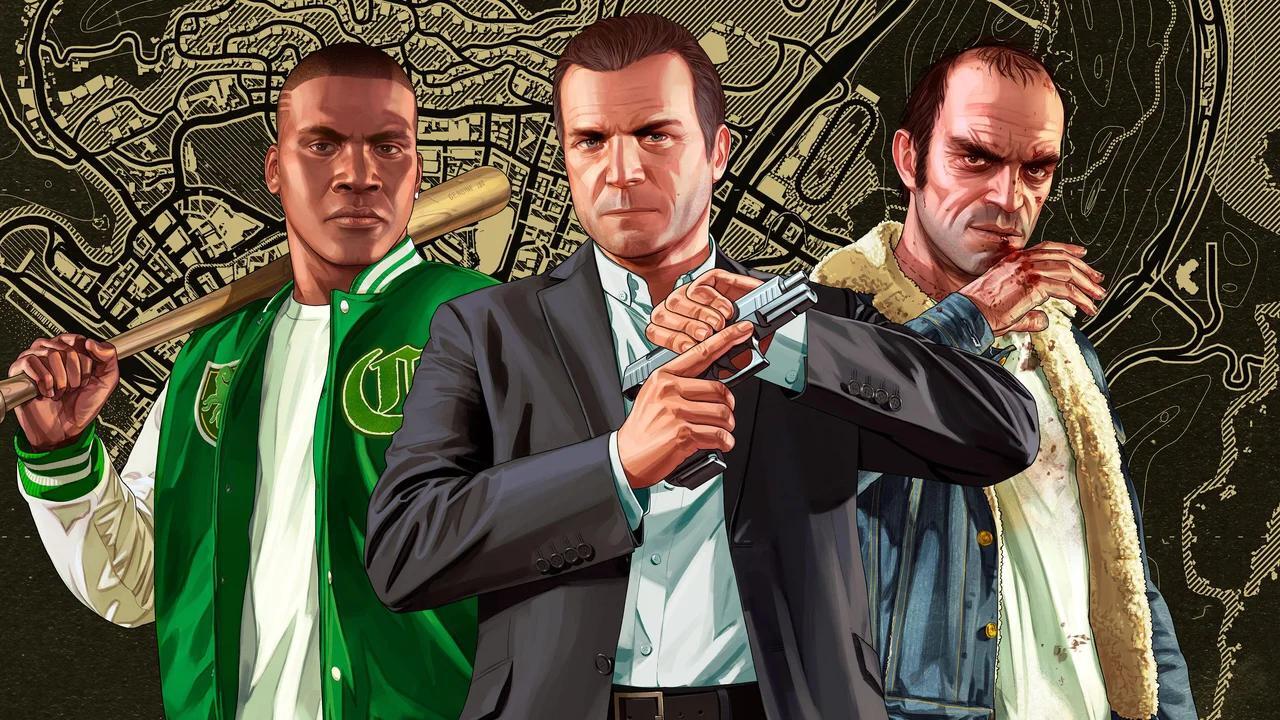
Rockstar North is famous for filling their open worlds with myths and legends that send players on wild hunts. The community spent years analyzing a golden peyote plant that transforms the player into a sasquatch character. Players eventually solved a complex riddle involving fog and specific locations to unlock a fight against a werewolf referencing the movie Teen Wolf. This multi-stage quest required combing through code and adhering to strict environmental conditions to solve fully.
‘Battlefield 4’ (2013) – The Phantom Bow
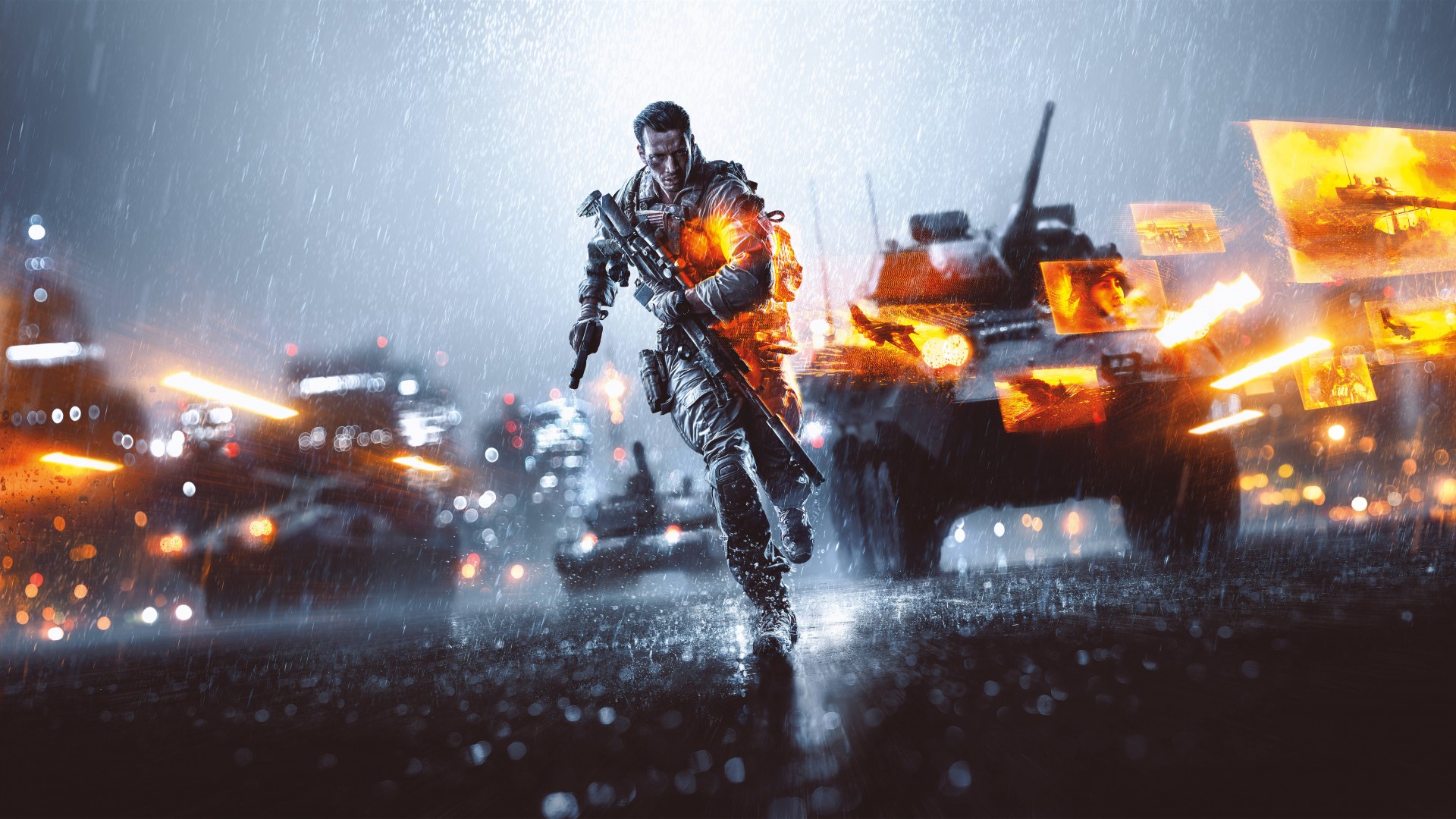
DICE created an intricate challenge known as the Phantom Program that required community collaboration to solve password-protected assignments. The final stage involved players finding microscopic dog tags hidden on various multiplayer maps and riding an elevator together. This sequence granted access to a secret room containing the Phantom Bow weapon and physical paperwork intended for the players. The search required decrypting Morse code and audio files that took the dedicated community months to unravel.
‘Mega Man 9’ (2008) – The Hello World Greeting
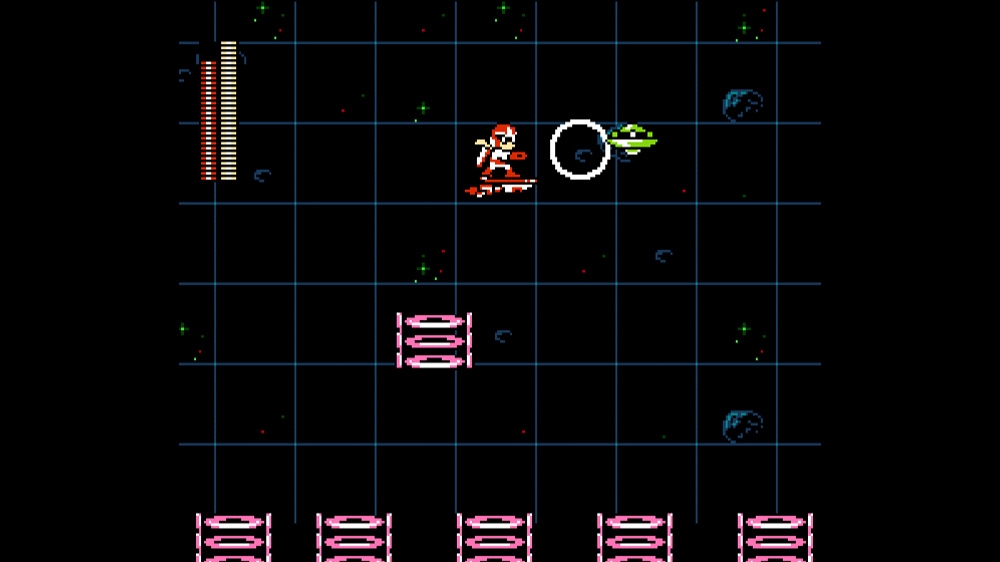
Inti Creates and Capcom returned to 8-bit roots with this title and hid a message that went unnoticed for quite some time. A specific enemy on the screen displays a binary code when the game is paused at the exact right moment. Translating this binary text reveals a simple greeting that pays homage to standard programming tutorials. It serves as a polite nod from the developers to those who analyze every pixel of the retro-styled experience.
‘Gears of War 3’ (2011) – The Reaper Skin
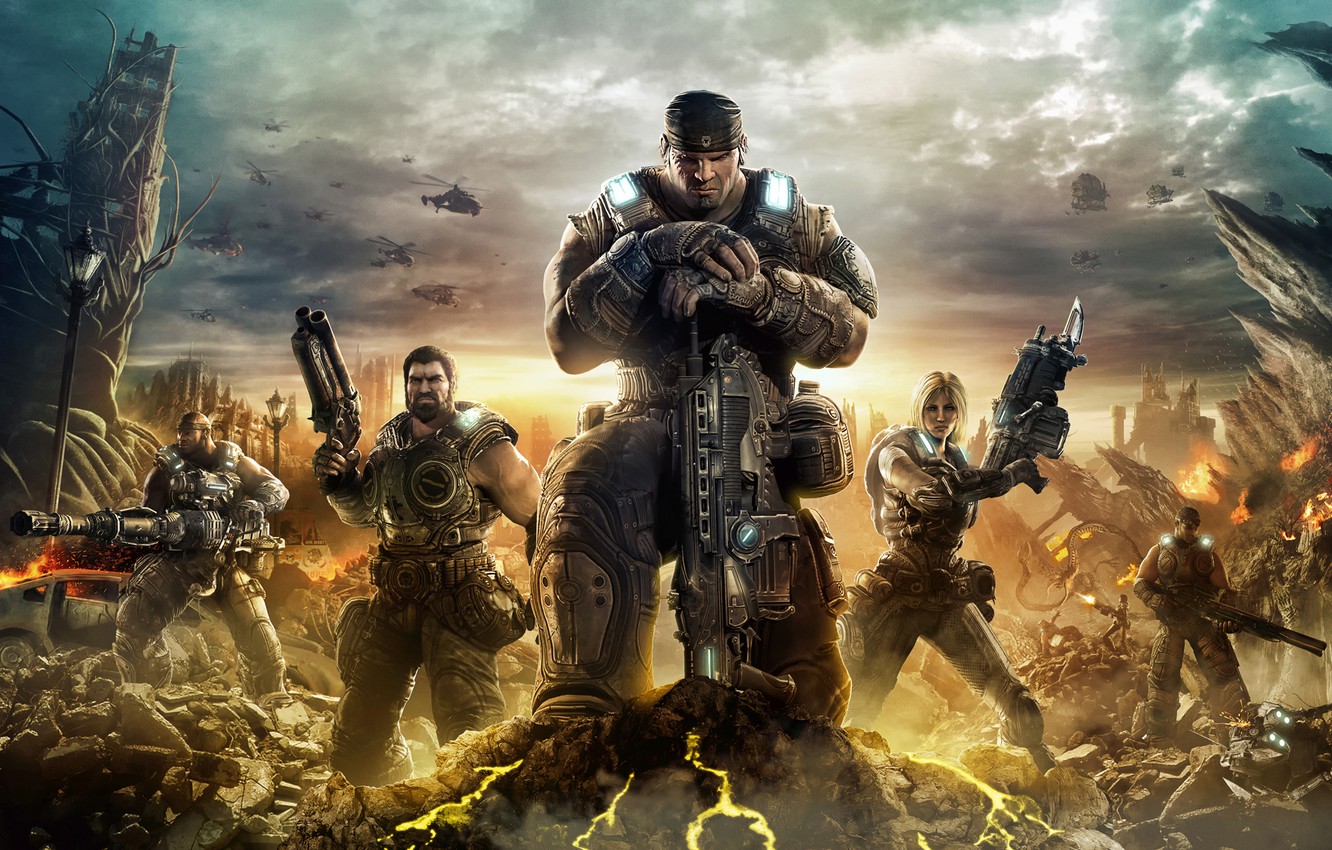
Epic Games included a special multiplayer skin called the Reaper that was originally exclusive to developers. Players eventually learned they could obtain the skin by killing a developer or someone who had already acquired it in a viral achievement system. However, a specific method to force the unlock without online play involved a complex series of actions on the Rustlung map. This obscure sequence involving shooting specific objects was not fully documented by the public for years.
‘Splinter Cell: Double Agent’ (2006) – The Seal Rescue
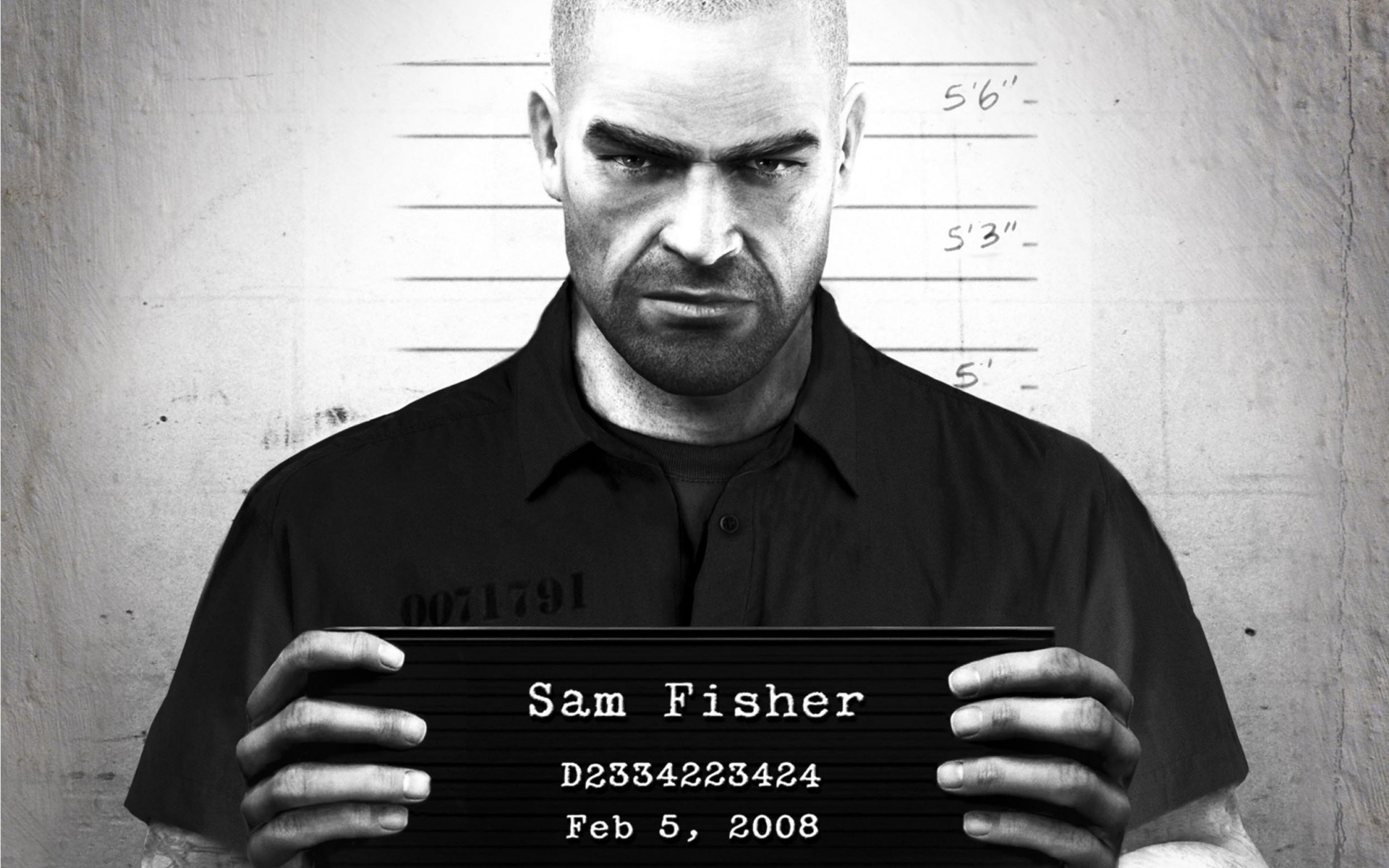
Ubisoft Montreal hid a side mission involving two baby seals in the Xbox version of this stealth game. Players must locate a sleeping guard and interact with a vending machine in a specific pattern to trigger a message from the developers. Following the instructions leads the player to liberate two seals named Muffin and Pepin from their cages. This whimsical objective remained unknown to the vast majority of the player base until a developer revealed it four years after release.
‘Halo 3’ (2007) – Happy Birthday Lauren
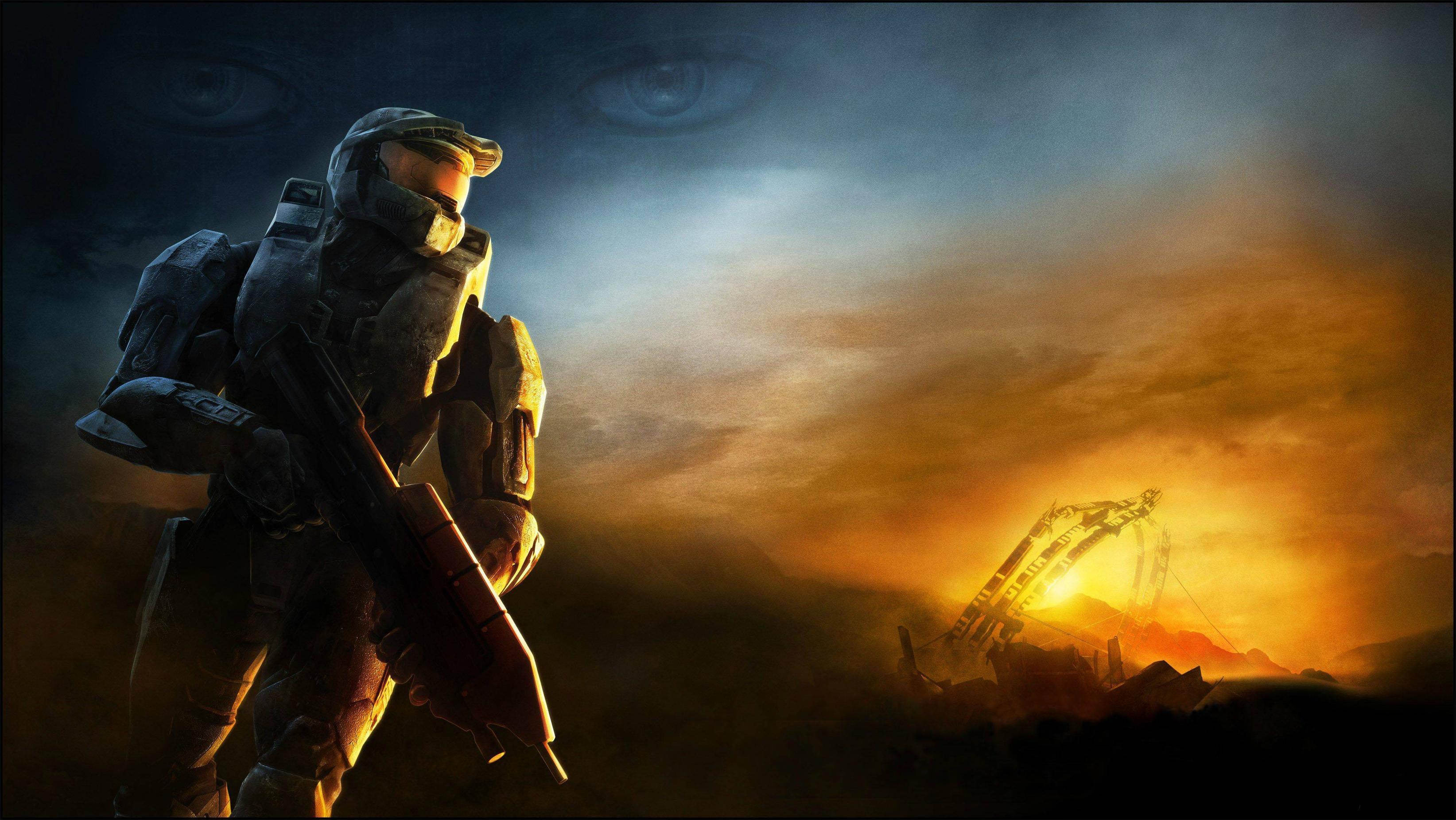
Bungie is legendary for hiding secrets but one personal message remained seen by almost no one for seven years. A developer hid a birthday wish for his wife Lauren that only appears on the loading screen when the system clock is set to December 25. The text is incredibly faint and requires pressing down on both thumbsticks during the loading sequence to become visible. The secret was finally confirmed when the developer publicly teased that one final easter egg remained undiscovered.
‘Resident Evil 4’ (2005) – The Texture Developer
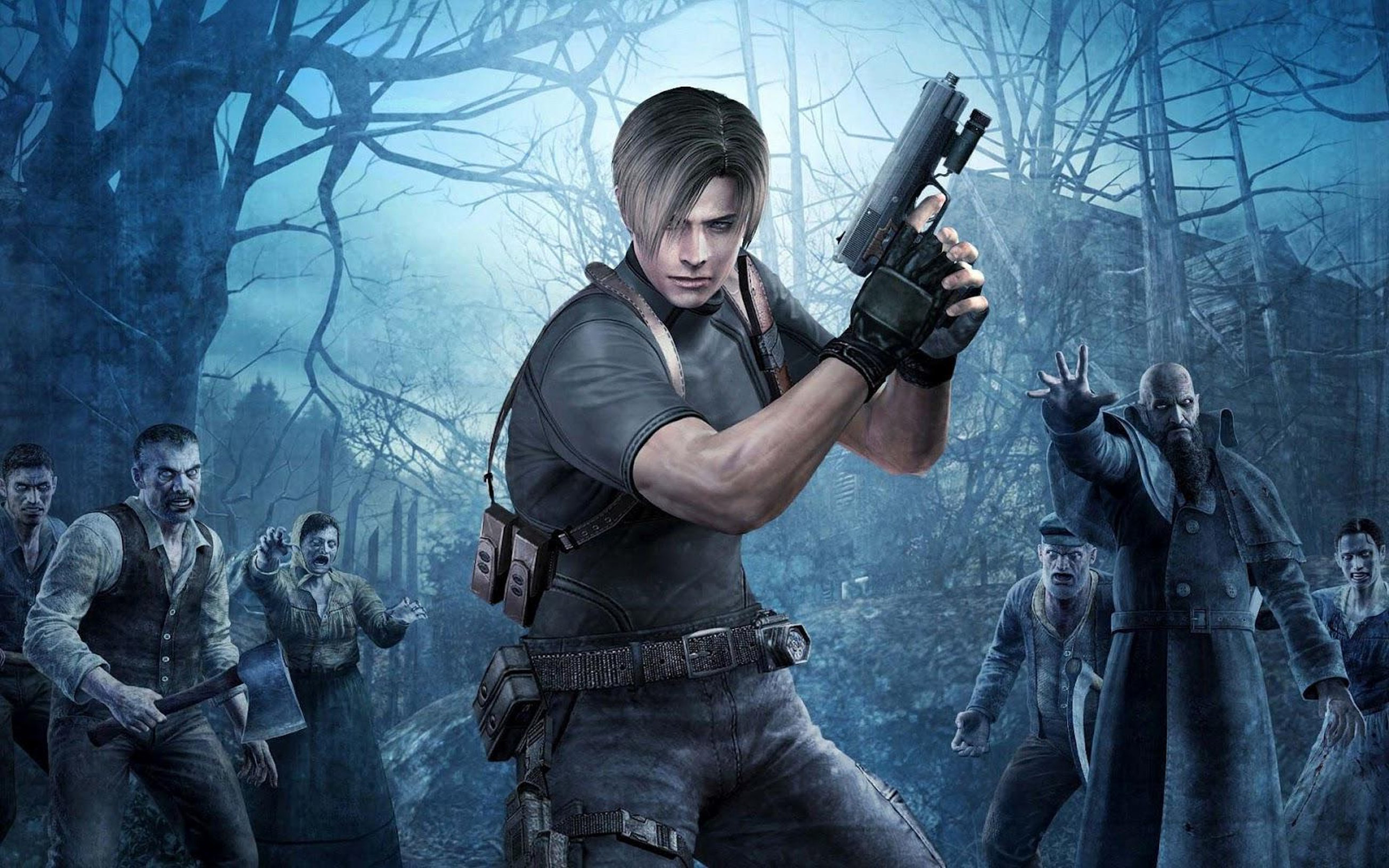
Capcom filled this survival horror classic with details but one visual oddity required a sniper scope to find. Players noticed a strange silhouette in the background texture of the scenery during the chaotic helicopter support sequence. Fans eventually identified the 2D figure as a developer seemingly holding a drink and posing for a photo. It took roughly twelve years for a YouTuber to uncover this bizarre inclusion after examining the game assets at high resolution.
‘Wave Race: Blue Storm’ (2001) – The Sarcastic Announcer
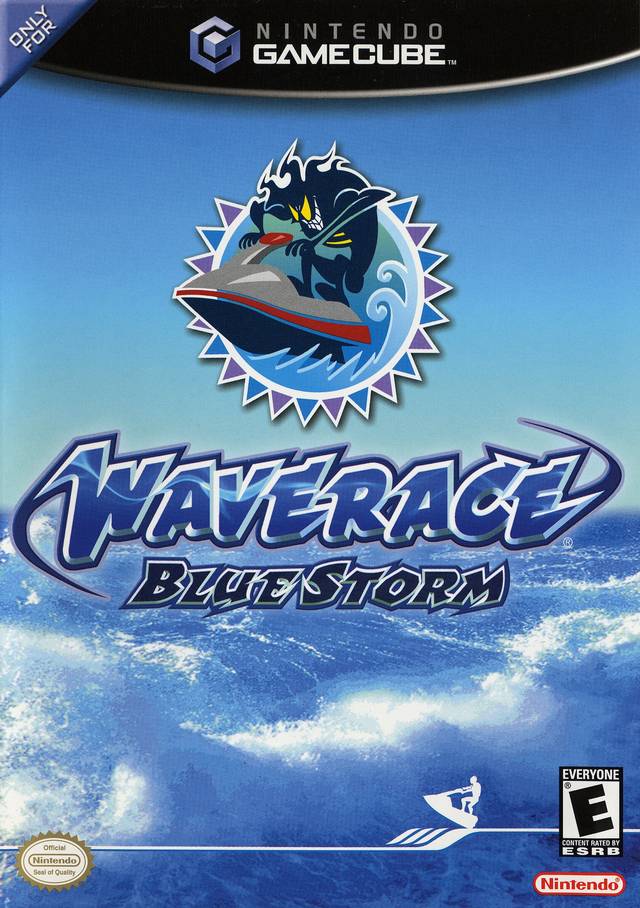
Nintendo Software Technology included a cheat code that fundamentally changes the tone of the audio commentary. Entering a specific button combination in the audio settings replaces the enthusiastic announcer with a bored and sarcastic alternative. This character insults the player for their performance and grumbles throughout the races. The code was not popularized until nearly a decade after the game launched on the GameCube.
‘Final Fantasy IX’ (2000) – The Nero Brothers Quest

Square included a side quest involving the Nero Brothers that requires arguably the most tedious backtracking in RPG history. Players must return to the beginning of the game during the final dungeon phase to initiate a series of dialogue sequences. This event rewards the player with a Protect Ring after engaging with the brothers multiple times. The quest was discovered by western fans thirteen years after release when it was found in a Japanese strategy guide.
‘TimeSplitters 2’ (2002) – The Arcade Unlocks
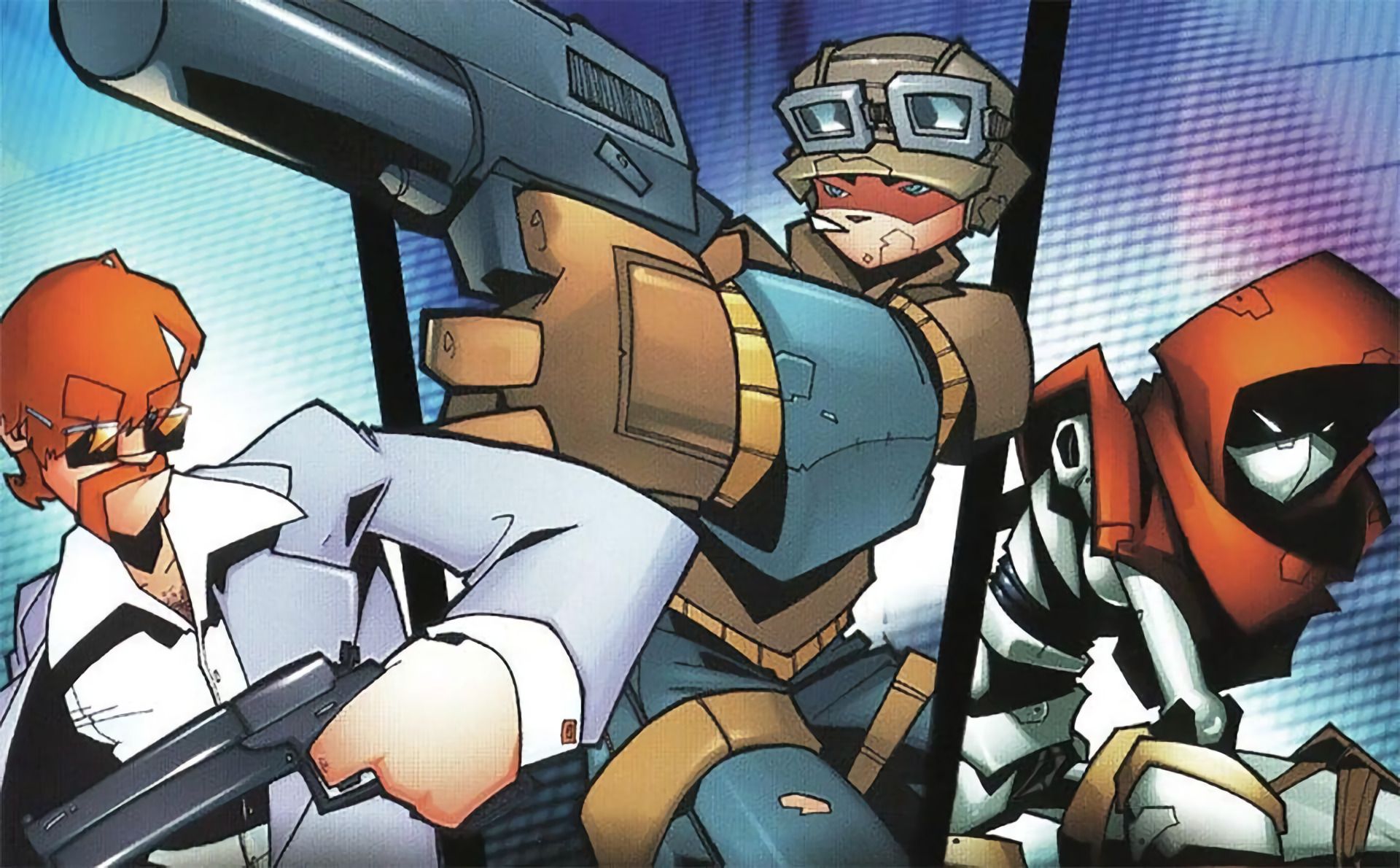
Free Radical Design packed this shooter with content but hid the method for unlocking fully playable arcade ports for years. While players knew the arcade cabinets existed in the game world they did not know the button inputs to activate them. A developer finally released the complex codes to unlock Anaconda and Astrolander fourteen years after the game hit shelves. This revelation gave fans a reason to dust off their old consoles to try the hidden mini-games.
‘Silent Hill 2’ (2001) – The Mini-Map Feature
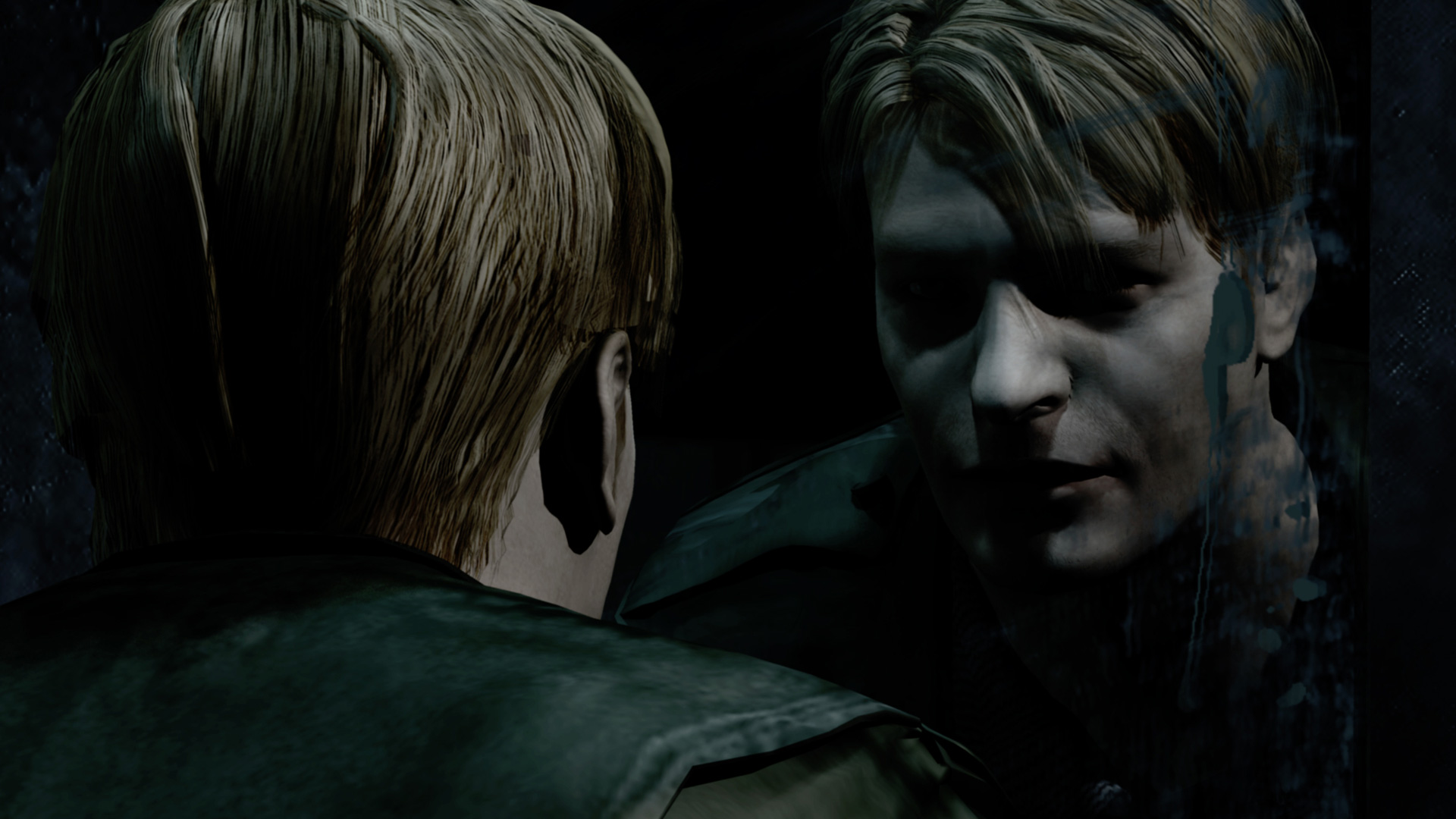
Team Silent and Konami created a horror masterpiece that held technical secrets within its code for nearly two decades. Two developers found hidden inputs that allow players to save anywhere and unlock a mini-map feature for easier navigation. These debug features were likely used for testing and were never intended for the final consumer to access easily. The discovery occurred seventeen years after the initial release and surprised even the most hardcore fans.
‘GoldenEye 007’ (1997) – The ZX Spectrum Emulator
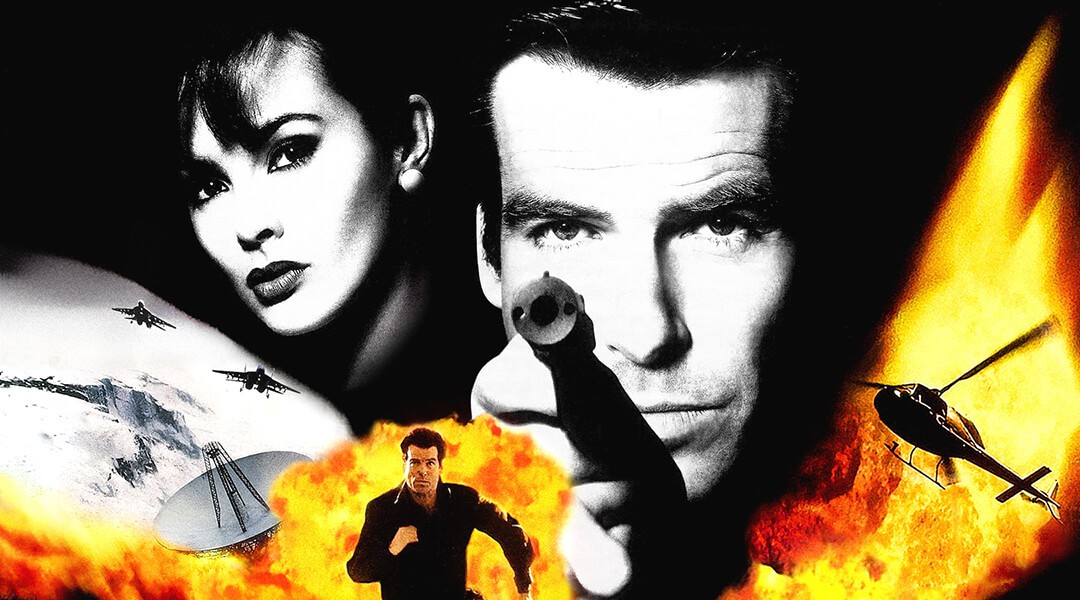
Rare developed this legendary shooter and included a fully functional emulator for the ZX Spectrum computer system within the game code. The developers intended to include old games as unlockables but disabled the feature before launch. Dedicated fans spent years analyzing the code to find a patch that reactivates the emulator to play ten different titles. This massive secret proved that the developers paid homage to their history long before the egg was found.
‘Serious Sam: The First Encounter’ (2001) – Sacred Yards
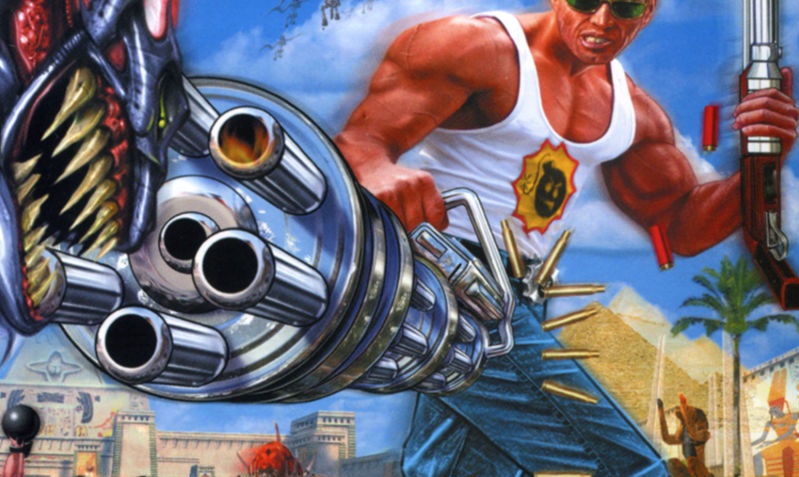
Croteam creates frantic shooters and hid an entire level called Sacred Yards that was inaccessible through normal gameplay. Fans played the game for fourteen years before realizing that this test level could be accessed through the menu system. The level contains odd geometry and pictures of the developers which suggests it was an internal joke or testing ground. This discovery highlighted how even level lists can hide content in plain sight.
‘Doom II’ (1994) – The Industrial Zone Secret
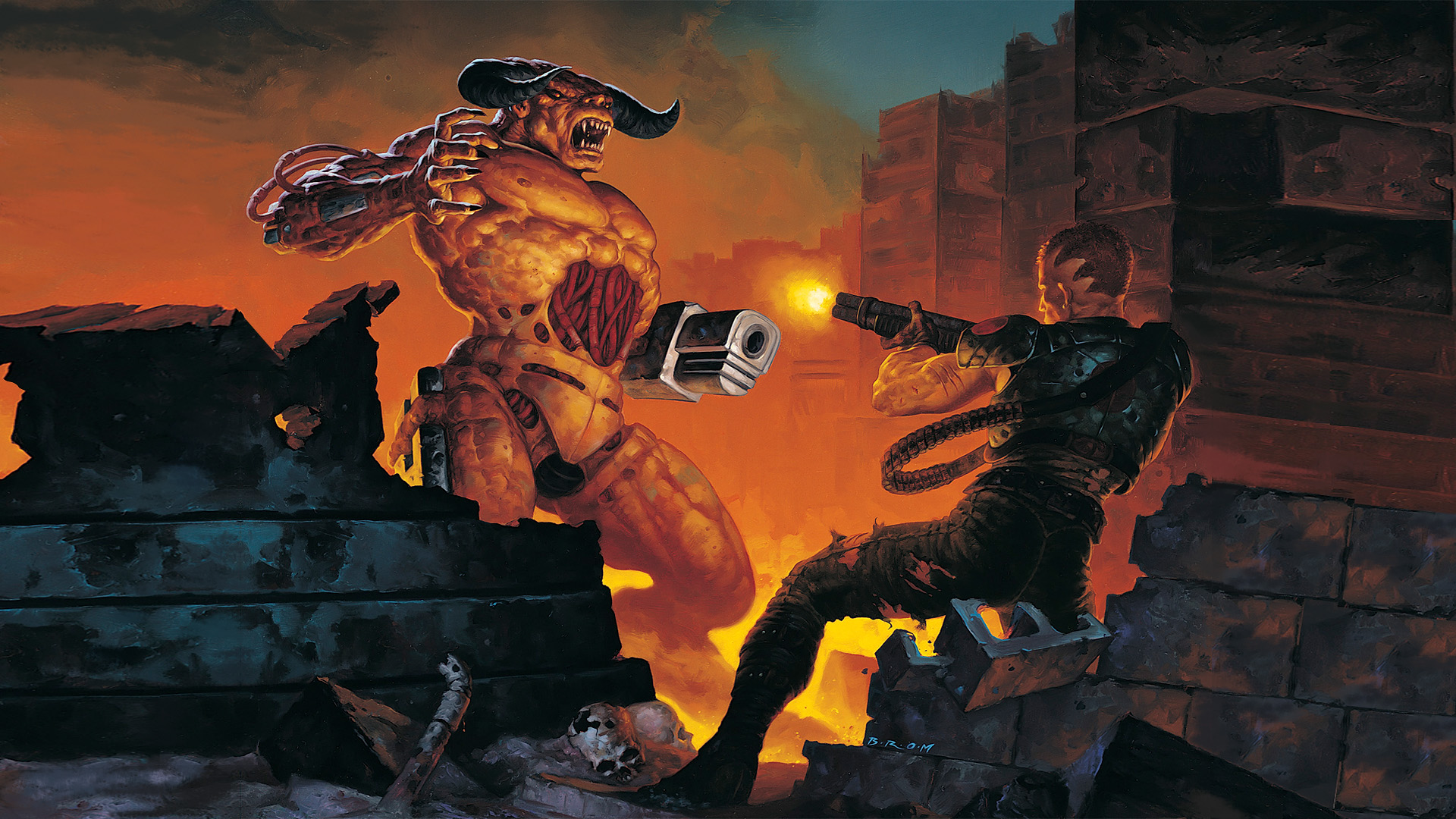
id Software designed the map Industrial Zone with a secret area that was technically impossible to trigger due to a collision error. Players could not achieve a 100% secret rating on the level without using cheats or glitches. A persistent player named Zero Master finally figured out that a specific enemy can push the player into the trigger zone twenty-four years after release. John Romero congratulated the player for finally solving the engine limitation puzzle legitimately.
‘Batman: Arkham Asylum’ (2009) – The Warden’s Secret Room
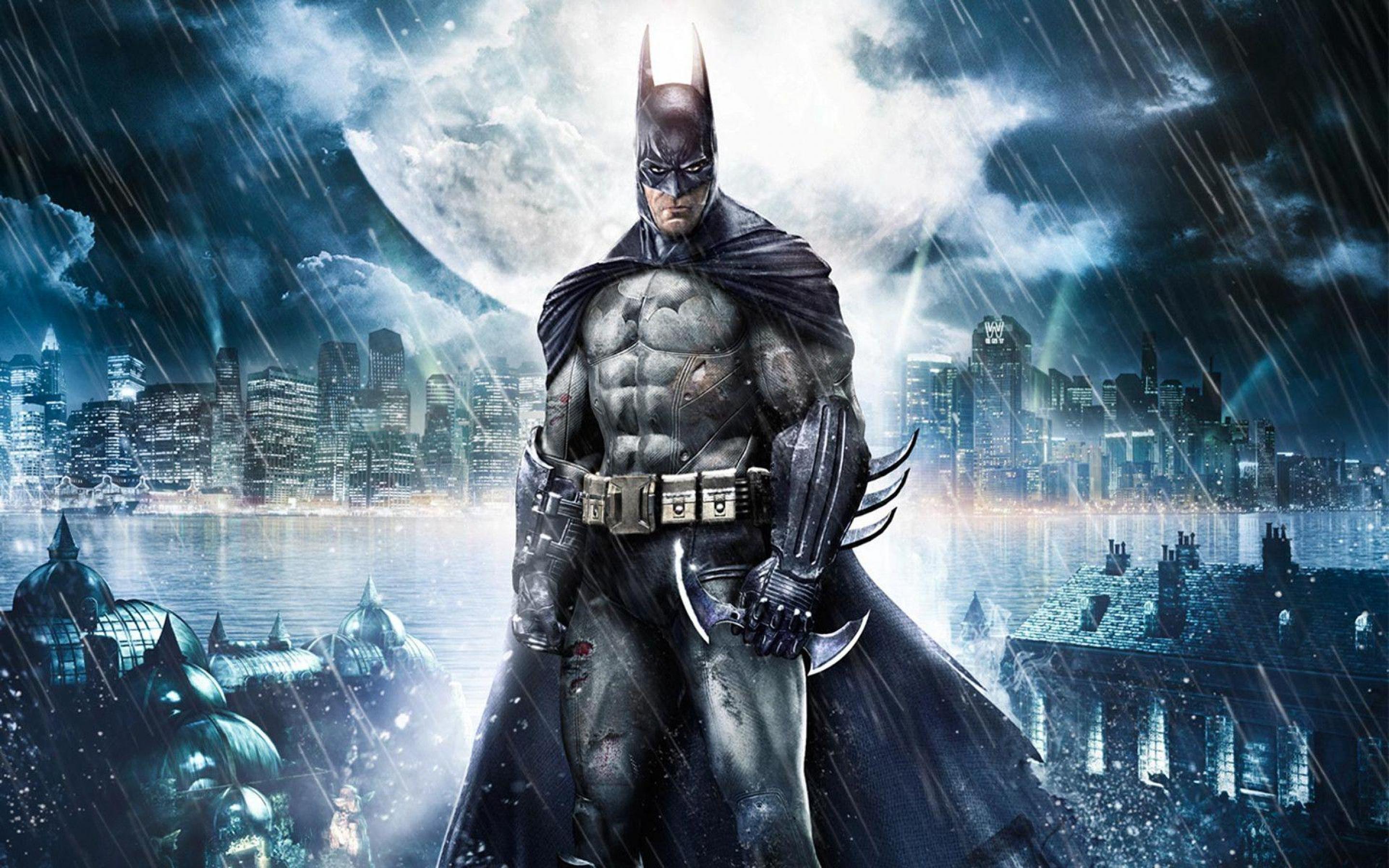
Rocksteady hid a secret room connected to the office of Warden Quincy Sharp that contained blueprints for Arkham City. The room was concealed behind a weak wall that did not show up in Detective Vision and had no prompt for interaction. The developers eventually had to reveal the location themselves because no one had found it after six months. This single room effectively announced the sequel well before the official marketing campaign began.
‘Street Fighter Alpha 2’ (1996) – Play as Shin Akuma
Capcom is known for cheat codes but the method to play as the boss character Shin Akuma on the SNES version was exceptionally obscure. While the character was playable in other versions the specific input for the Super Nintendo port remained unknown. A programmer analyzed the code twenty-five years after release and found the complex set of steps required to unlock the fighter. This finding proved that the port was more feature-complete than players had assumed for decades.
‘Super Punch-Out!!’ (1994) – Two Player Mode
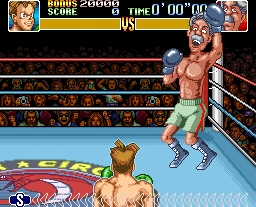
Nintendo released this boxing title as a single-player experience but hid a fully functional two-player mode within the code. A Twitter user discovered that holding specific buttons on a second controller allows another person to control the opponent. This feature works in the actual game and lets the second player execute special moves against Little Mac. The discovery transformed a classic solo game into a competitive fighter twenty-eight years later.
‘Mike Tyson’s Punch-Out!!’ (1987) – The Bearded Guy Cue
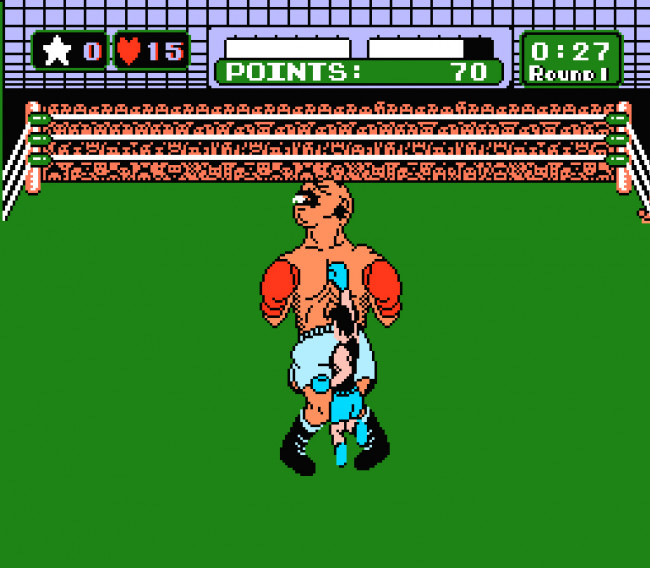
Nintendo included a visual cue in the audience to help players defeat the tough opponents Piston Honda and Bald Bull. A bearded man in the front row ducks at the exact moment the player needs to throw a punch for a one-hit knockout. This subtle animation went unnoticed by the general public until the late Satoru Iwata mentioned it and players verified it twenty-nine years later. It serves as one of the earliest examples of developers offering hidden assistance to observant players.
‘Mortal Kombat 1, 2, and 3’ (1992-1995) – The EJB Menu
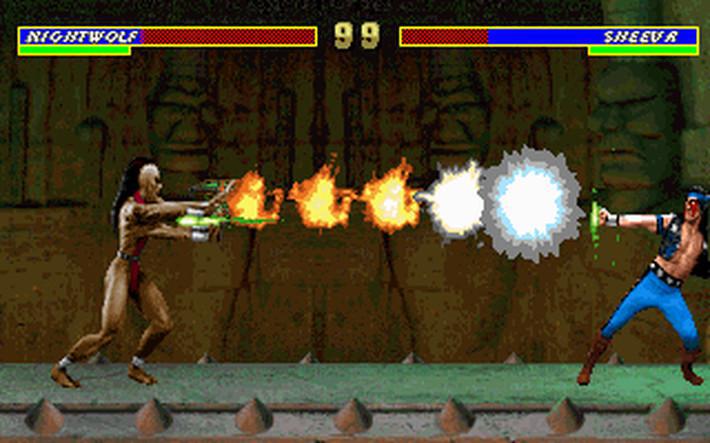
Midway programmer Ed Boon hid a secret diagnostic menu in the first three arcade games that bears his initials. The EJB Menu allows users to view character endings, run tests, and manipulate the coin ladder. The code requires an incredibly precise rhythm of button presses that was almost impossible to guess randomly. The community only learned of this maintenance tool when videos surfaced online decades after the arcades had closed.
‘Donkey Kong’ (1983) – The Developer Initials
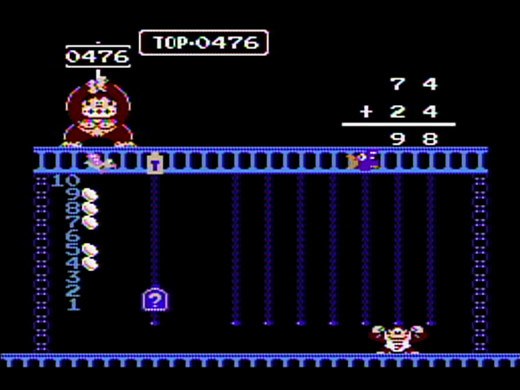
Atari hired programmer Landon M. Dyer to port this Nintendo classic to the Atari 400 and 800 systems. Dyer hid his initials LMD on the title screen but the conditions to trigger it were so complex he eventually forgot how to do it himself. The code requires the player to die in a specific way and set the difficulty to a specific level. A blogger finally cracked the code twenty-six years later and verified the programmer’s long-lost claim.
‘Nier: Automata’ (2017) – The Final Cheat Code
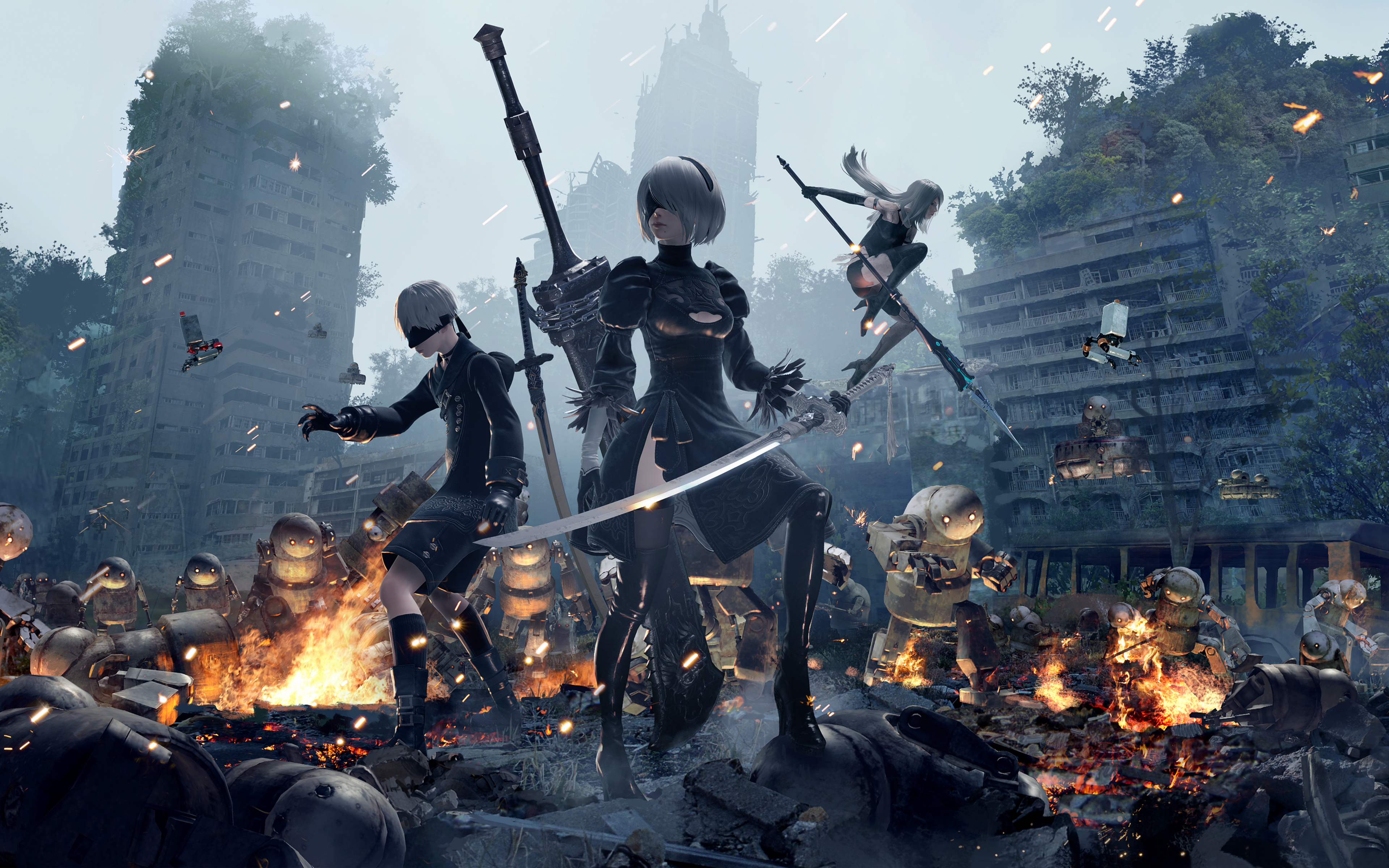
PlatinumGames director Yoko Taro teased that a final secret remained in the game that would change how people viewed the product. A modder named Lance McDonald discovered a complex cheat code that allows players to skip to the true ending immediately after the first boss. This code bypasses dozens of hours of gameplay and was hard-coded into the engine for testing purposes. The developers confirmed this was the final secret nearly four years after the game launched.
‘Trials HD’ (2009) – The Riddle of the Boxes
RedLynx began their tradition of incredibly deep riddles with this Xbox Live Arcade title. Players noticed that the background art on various levels contained diagrams that formed a complex riddle involving the history of astronomy. The solution required deciphering drawings of scientists and arranging them in chronological order. This puzzle took the community years to fully solve and set the stage for even grander mysteries in the sequel.
‘Trials Evolution’ (2012) – The Unified Theory

RedLynx created arguably the most elaborate easter egg in gaming history with a riddle that transcended the digital world. Players deciphered a song specifically written for the game to find a hidden code that led to a website. The website revealed coordinates for four real-world locations in the USA, Finland, Australia, and France. Groups of players traveled to these spots to find small boxes containing keys and a message stating that one of the keys will unlock something in the year 2113.
Tell us which of these elaborate secrets impressed you the most by leaving a note in the comments.