Multiplayer Maps That Ruined Friendships Forever

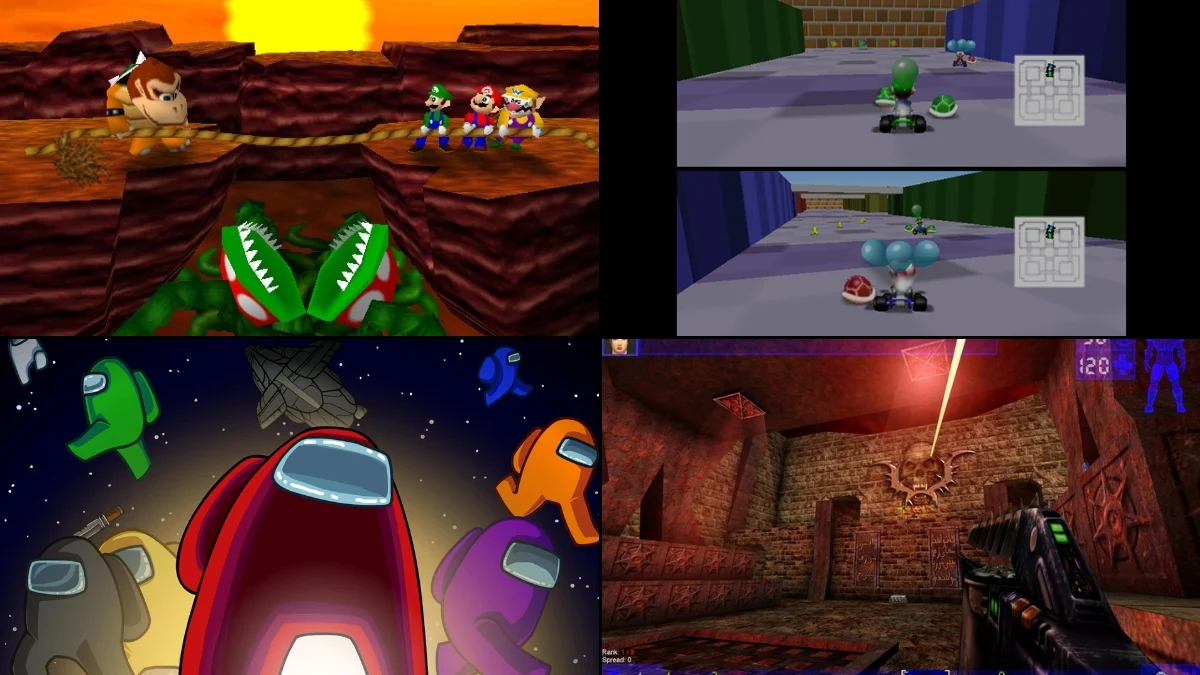

Multiplayer gaming offers a chance for camaraderie and cooperative triumph through shared virtual experiences. Certain levels design the experience to create friction and incite arguments among even the closest allies. Developers often craft these environments with hazards or layouts that encourage betrayal and cheap tactics. The following maps have earned legendary status for their ability to turn teammates into bitter enemies.
‘GoldenEye 007’ (1997) – Facility
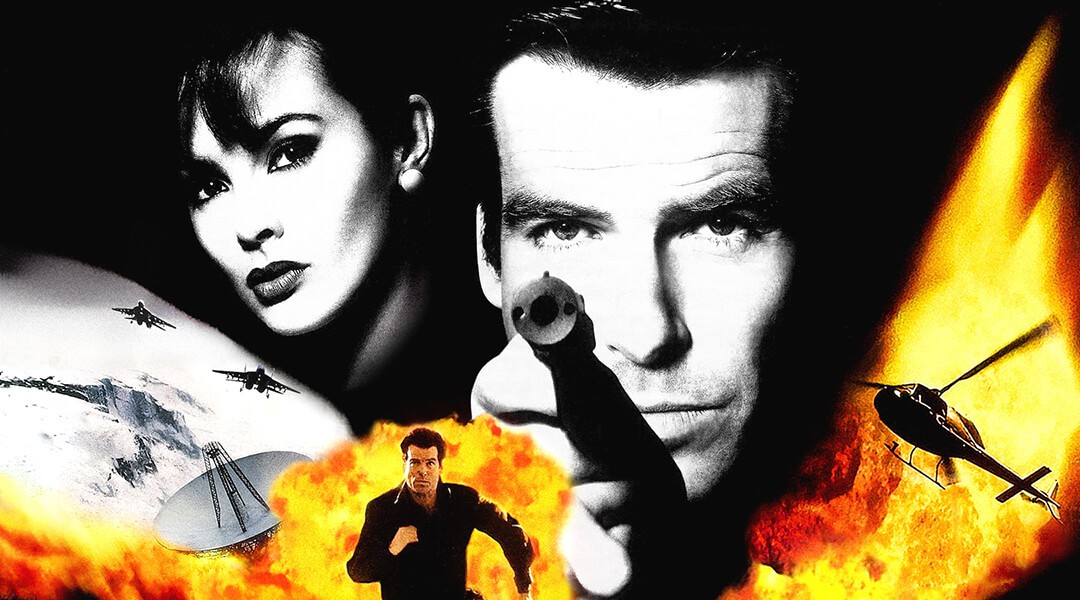
Rare created one of the most contentious multiplayer environments in gaming history with this confined level. Players often banned the character Oddjob because his small stature provided an unfair advantage in the ventilation shafts. Matches involving proximity mines turned the bathroom stalls into death traps that ended many gaming sessions early. The close quarters combat forced players to rely on quick reflexes rather than strategic positioning.
‘Mario Kart 64’ (1996) – Block Fort
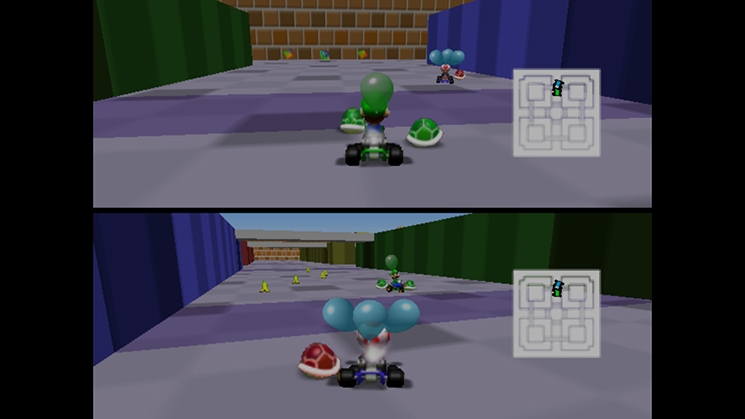
Nintendo designed this multi-tiered battle arena specifically for chaotic four-player combat. The four colored towers provide high vantage points for players to scout their opponents from a distance. Screen cheating becomes a major issue as players look at other quadrants to locate enemies. Friendships often end when players gang up on the person with the last remaining balloon.
‘Call of Duty: Modern Warfare 2’ (2009) – Rust
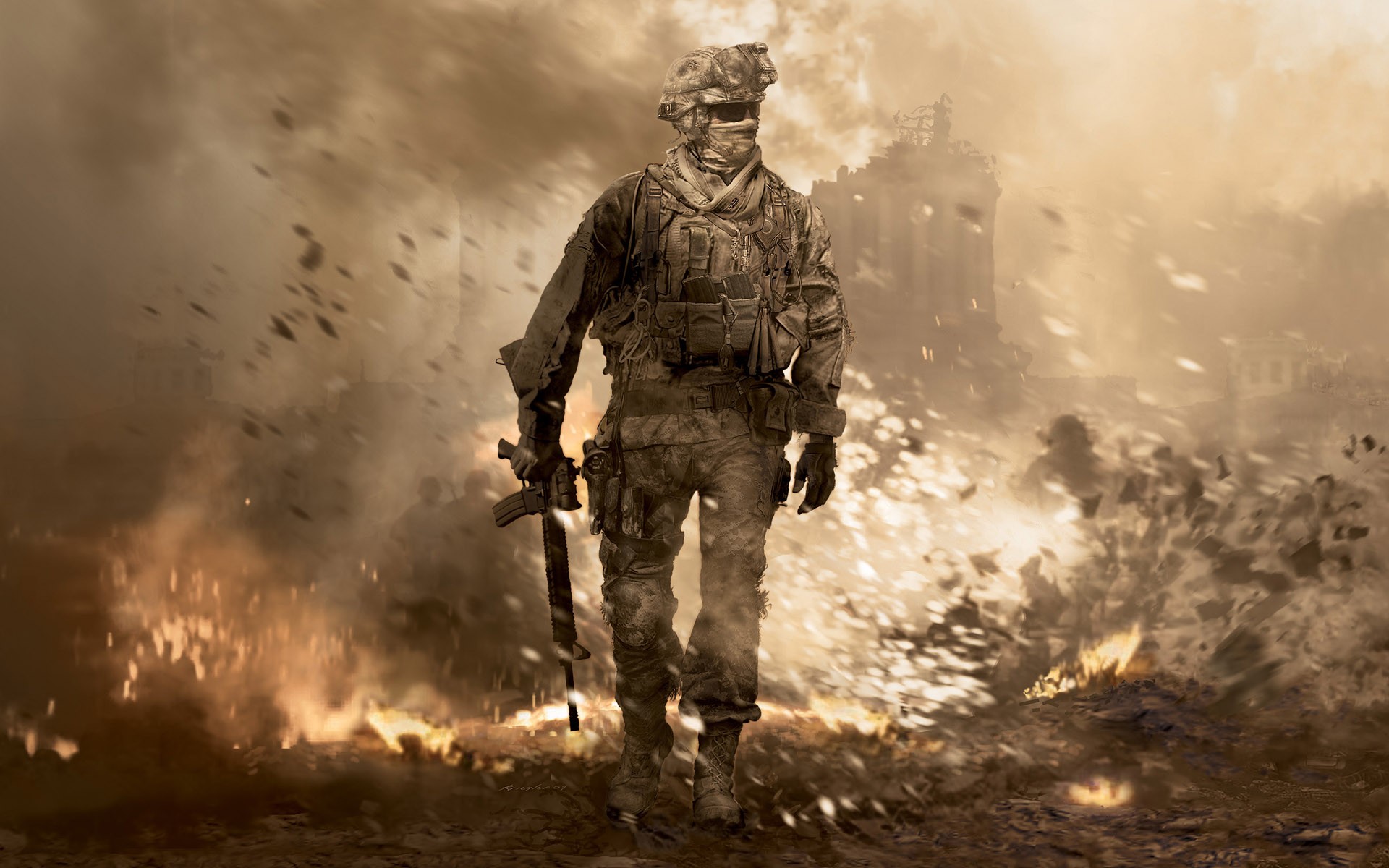
Infinity Ward designed this tiny oil yard to encourage constant engagement and chaotic gunfights. The verticality of the central tower allows players to dominate spawns if they reach the top quickly. Sniper duels on this map became a proving ground for settling disputes among competitive gamers. The intense pace leaves zero room for tactical errors or hesitation during one-on-one matches.
‘Halo: Combat Evolved’ (2001) – Blood Gulch
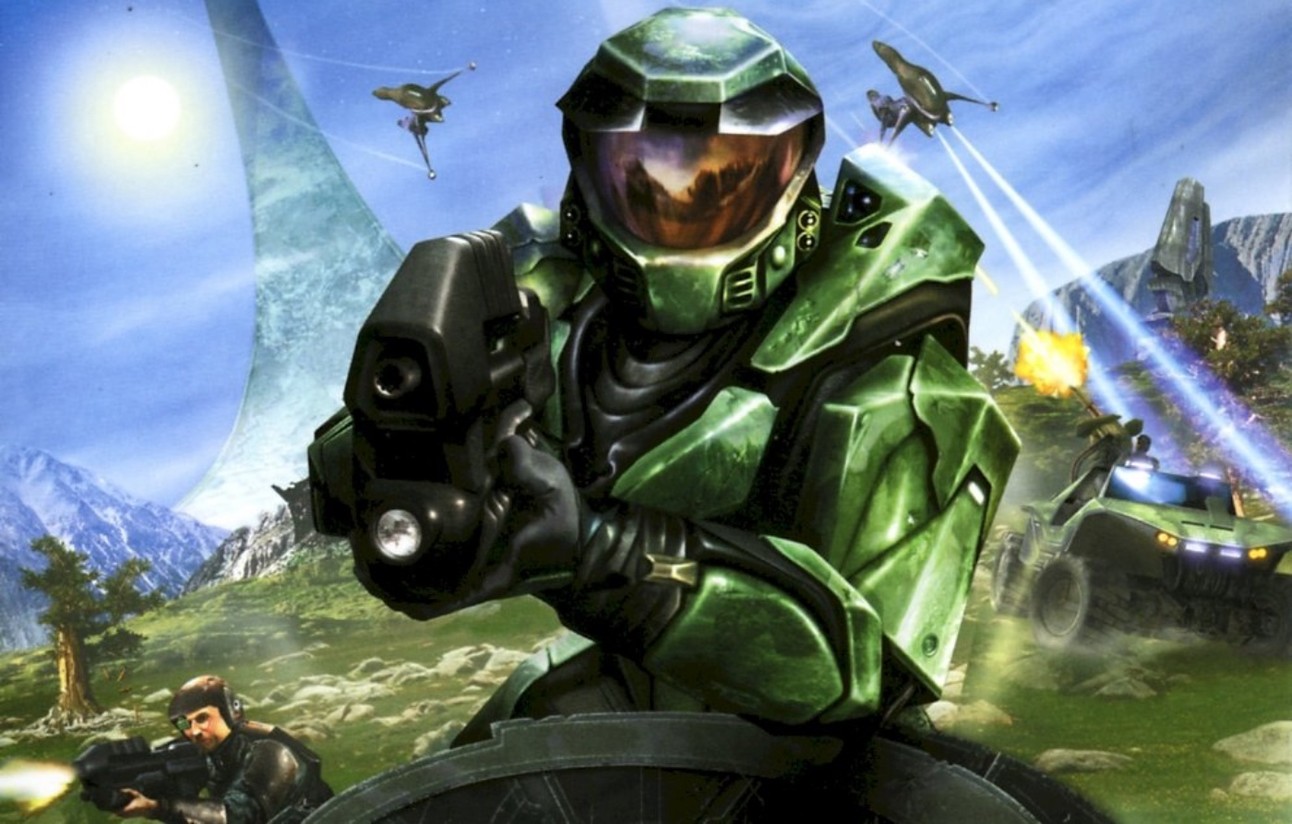
Bungie created this massive box canyon to facilitate vehicular combat and long-range sniper battles. Two bases sit at opposite ends of the valley and force teams to cross dangerous open terrain. Capture the Flag matches often turn into hours-long stalemates that test the resolve of every participant. The open design makes the Warthog jeep an essential tool for traversing the map effectively.
‘Counter-Strike’ (2000) – Dust II
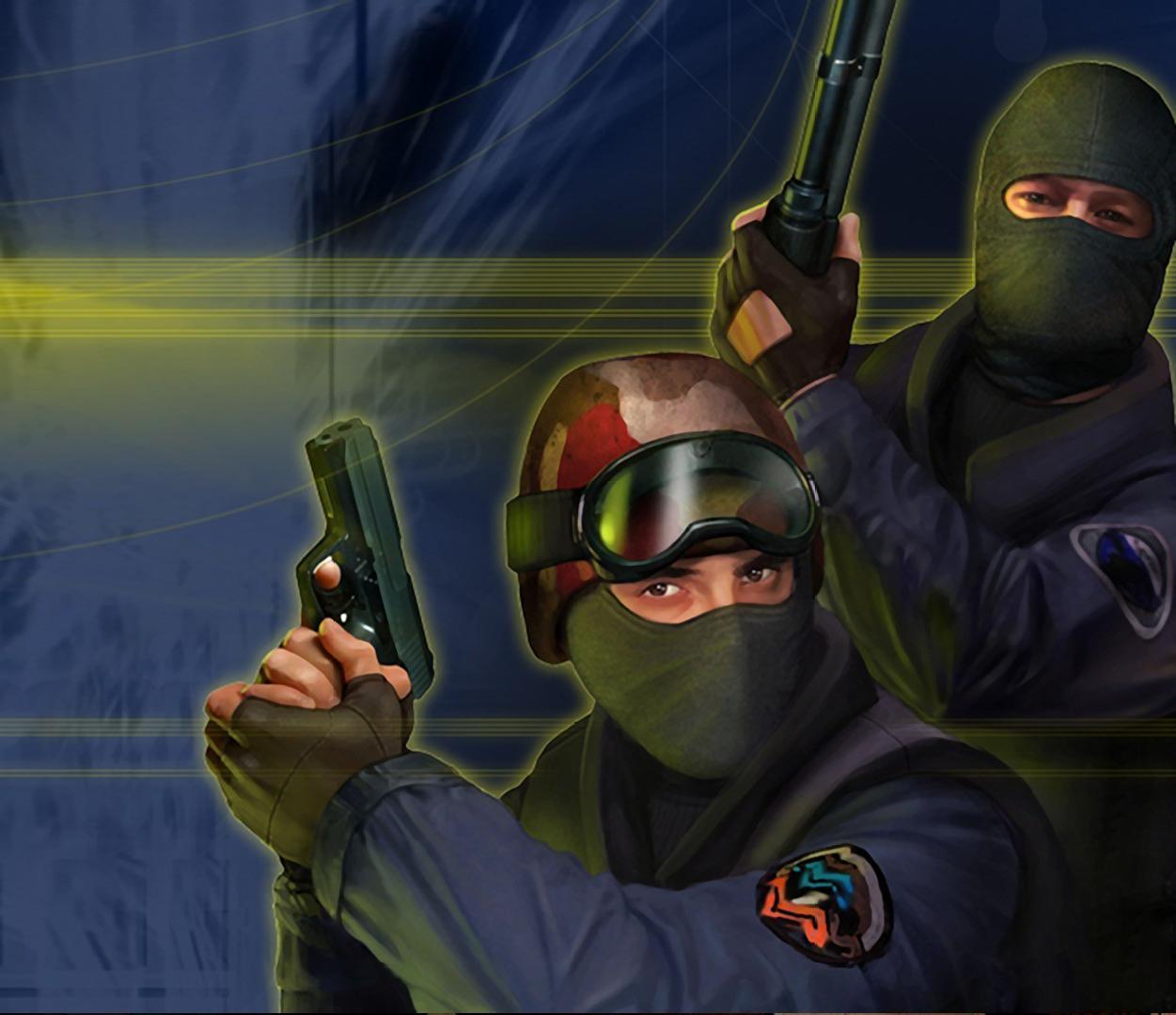
Valve Corporation refined the defusal mode experience with this perfectly balanced three-lane layout. Terrorists rush the tunnels while Counter-Terrorists try to hold the long angles at the bomb sites. Flashbangs and smoke grenades turn the central doors into a blinding and chaotic choke point. Teammates frequently blame each other for failing to cover specific angles during crucial rounds.
‘Super Smash Bros. Melee’ (2001) – Final Destination
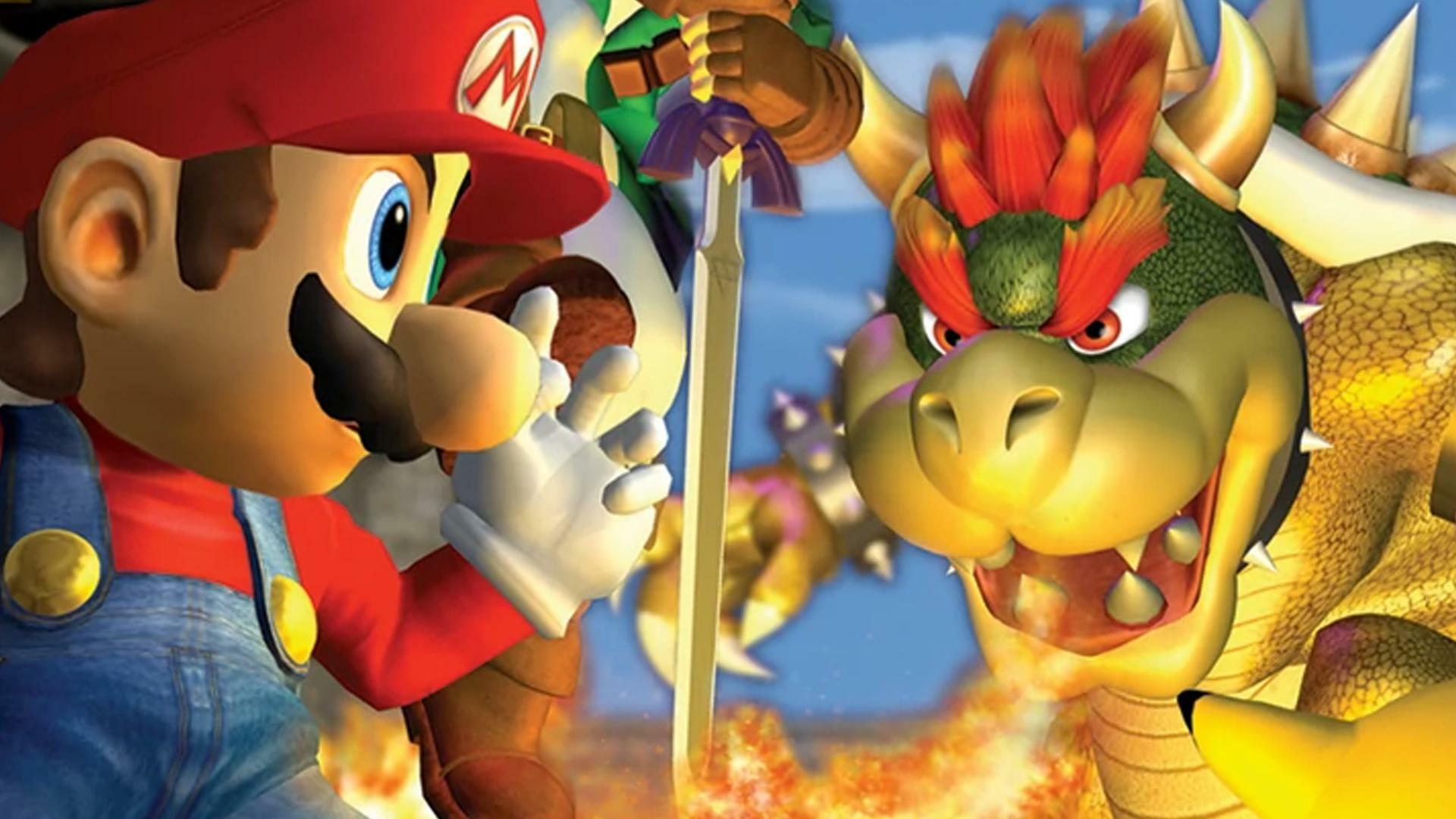
HAL Laboratory removed all platforms and hazards to create a completely flat fighting surface. Competitive players prefer this stage because it relies entirely on character mastery and combat mechanics. Casual fans often find the lack of items and environmental variety boring or too difficult to navigate. The simplicity of the stage highlights the skill gap between experienced fighters and novices.
‘Among Us’ (2018) – The Skeld
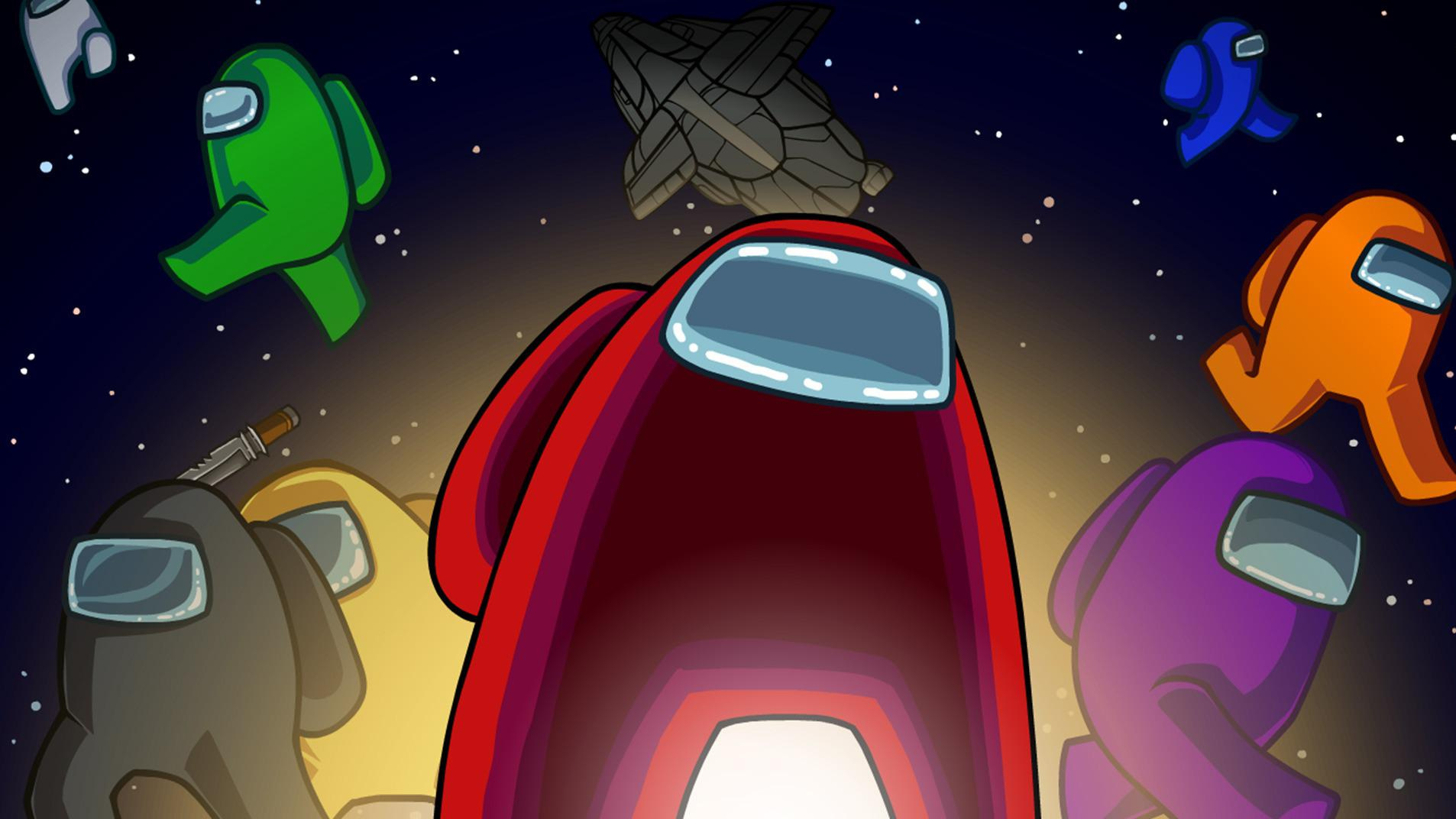
Innersloth developed this spaceship map where distrust and deception reign supreme among crewmates. The electrical room serves as a notorious graveyard where impostors frequently ambush isolated players. Emergency meetings interrupt tasks and force accusations that often lead to the ejection of innocent friends. Navigating the narrow corridors creates a sense of claustrophobia that heightens the tension of every match.
‘Overcooked’ (2016) – Ice Levels
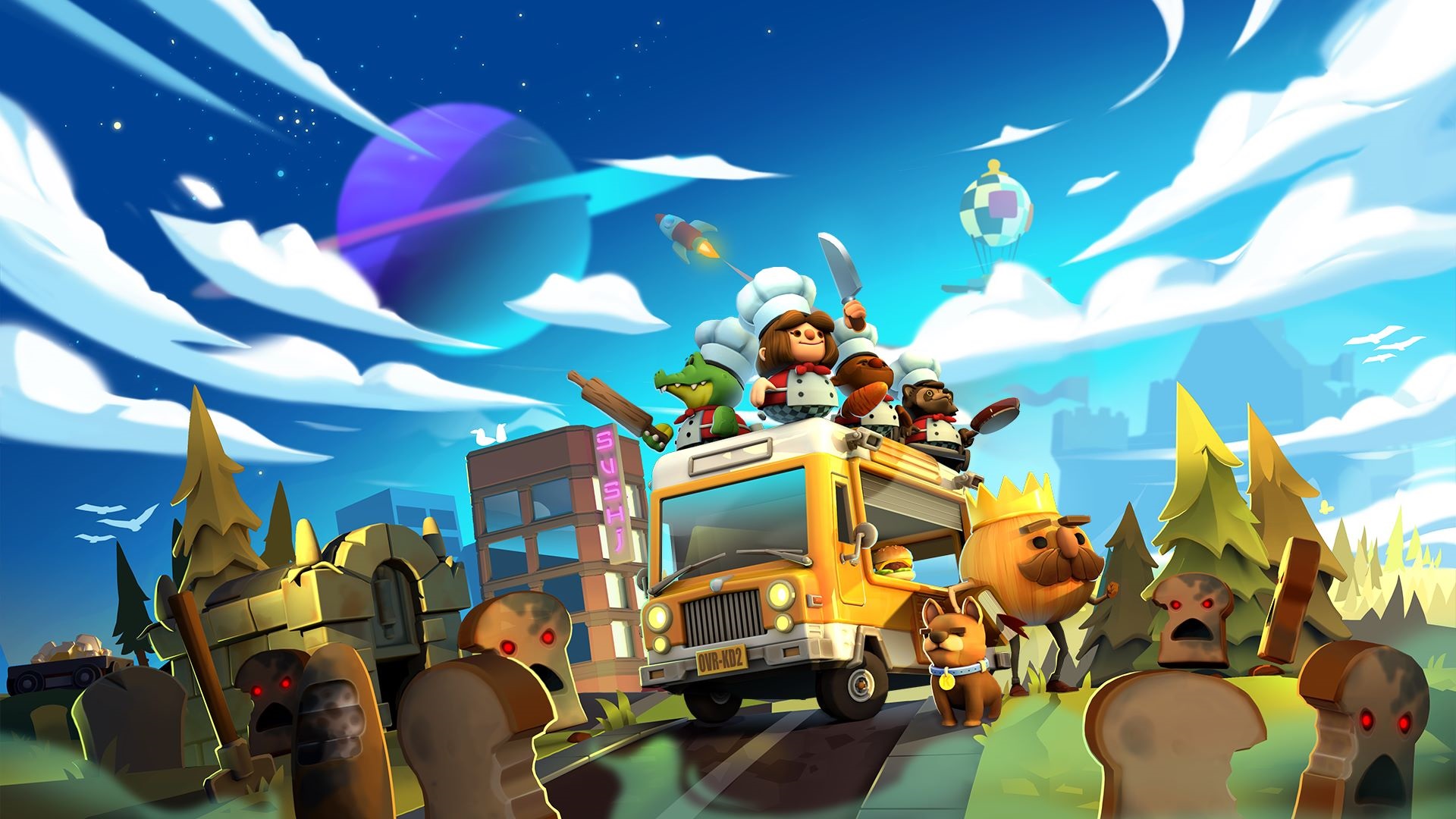
Ghost Town Games created these slippery kitchen levels to test communication and movement precision. Chefs must navigate across shifting blocks of ice that frequently submerge into the water. Ingredients and cooked dishes often slide off the edge and force the team to restart orders from scratch. The environmental hazards cause players to scream instructions at each other in panic.
‘Call of Duty 4: Modern Warfare’ (2007) – Shipment
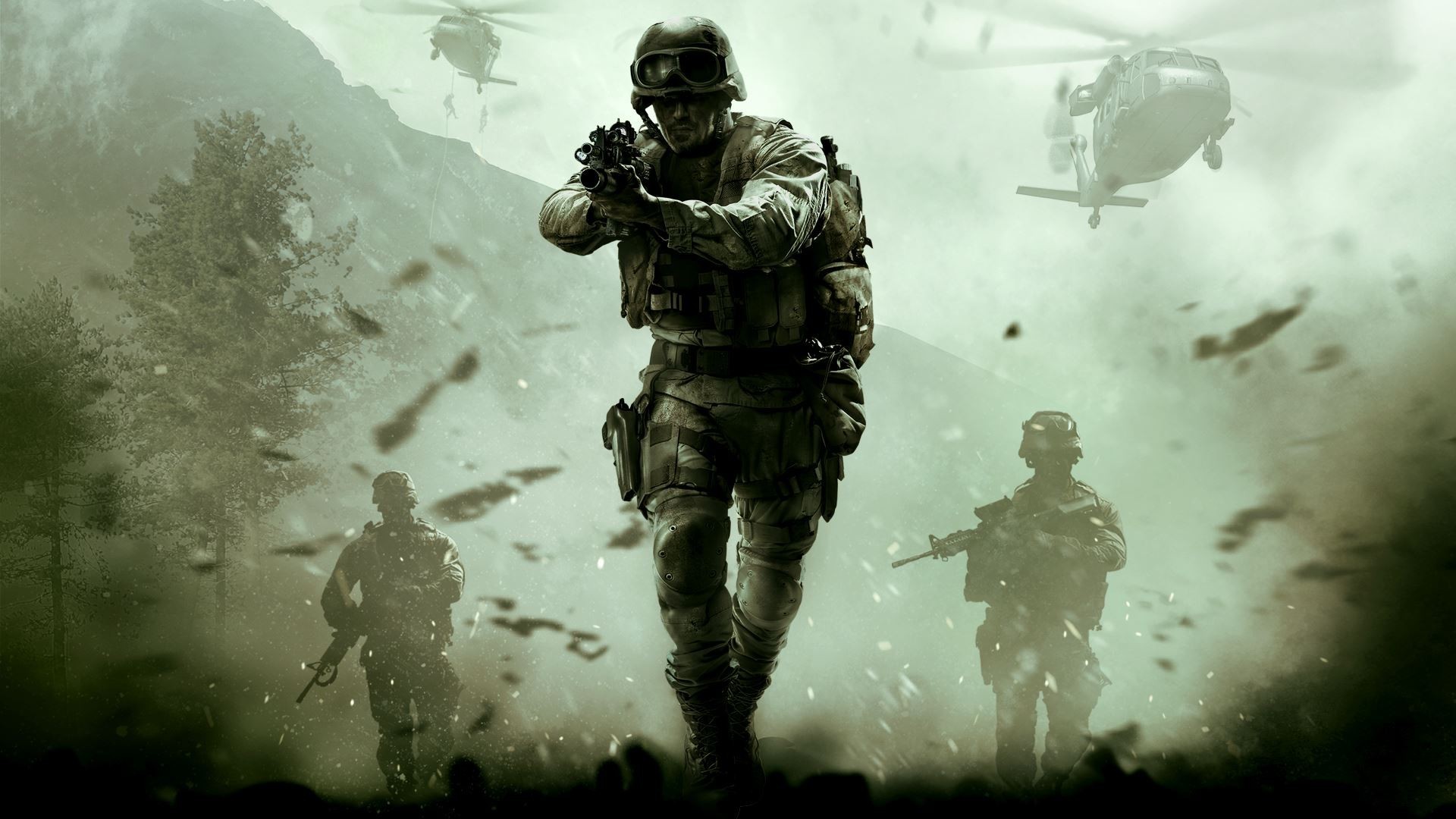
Infinity Ward introduced this container yard as the smallest map in the rotation for their modern shooter. Spawn points are so close together that players often die instantly upon returning to the match. Grenades cover almost the entire play area and result in unavoidable eliminations. The frantic nature of the gameplay turns organized teams into disarray within seconds.
‘Battlefield 3’ (2011) – Operation Metro
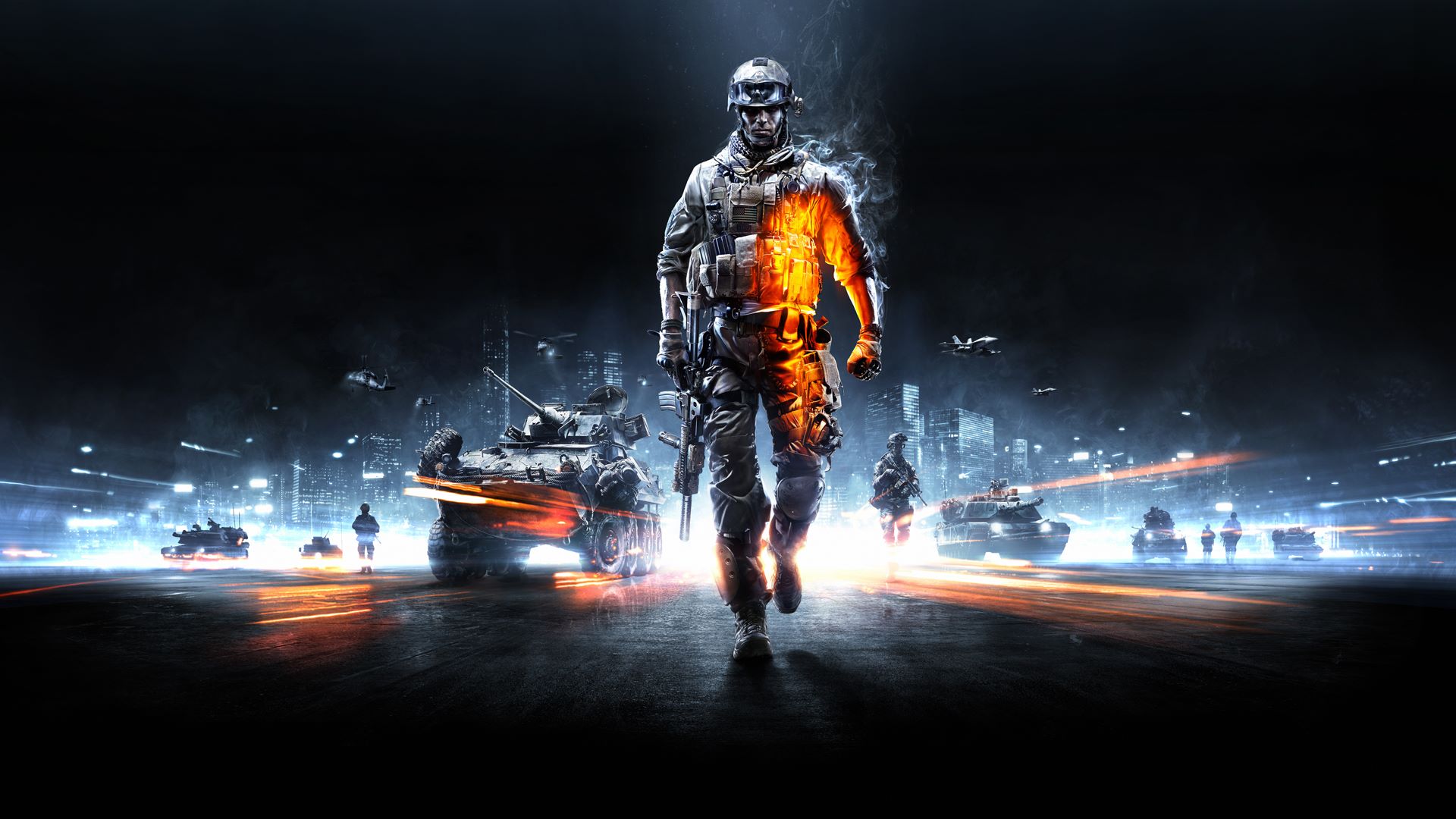
DICE designed this linear subway map to funnel players into tight choke points around escalators. The explosive spam at the central staircase creates a deadlock that prevents any forward progress. Medics work overtime to revive teammates who fall victim to the constant barrage of grenades and rockets. This meat grinder approach often results in incredibly high kill counts and frustrated attackers.
‘Unreal Tournament’ (1999) – Facing Worlds
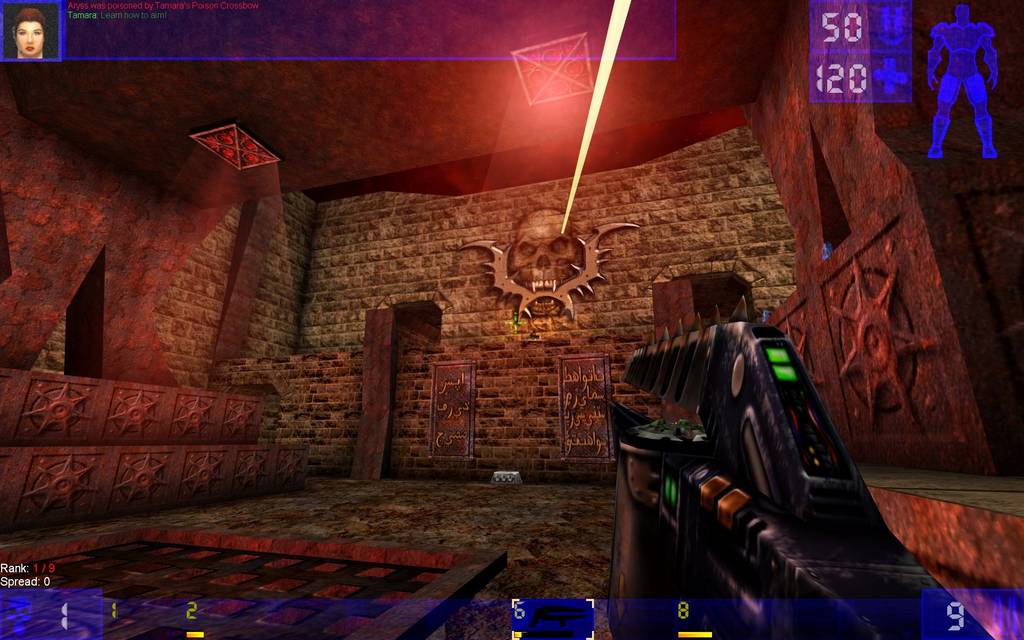
Epic Games crafted this capture the flag map on a floating asteroid in space. Snipers camp on the towers of their respective bases and pick off anyone attempting to cross the central bridge. The Redeemer weapon provides a nuclear option that can wipe out an entire defending team instantly. Controlling the high ground is the only way to secure victory in this symmetrical arena.
‘Halo 2’ (2004) – Lockout
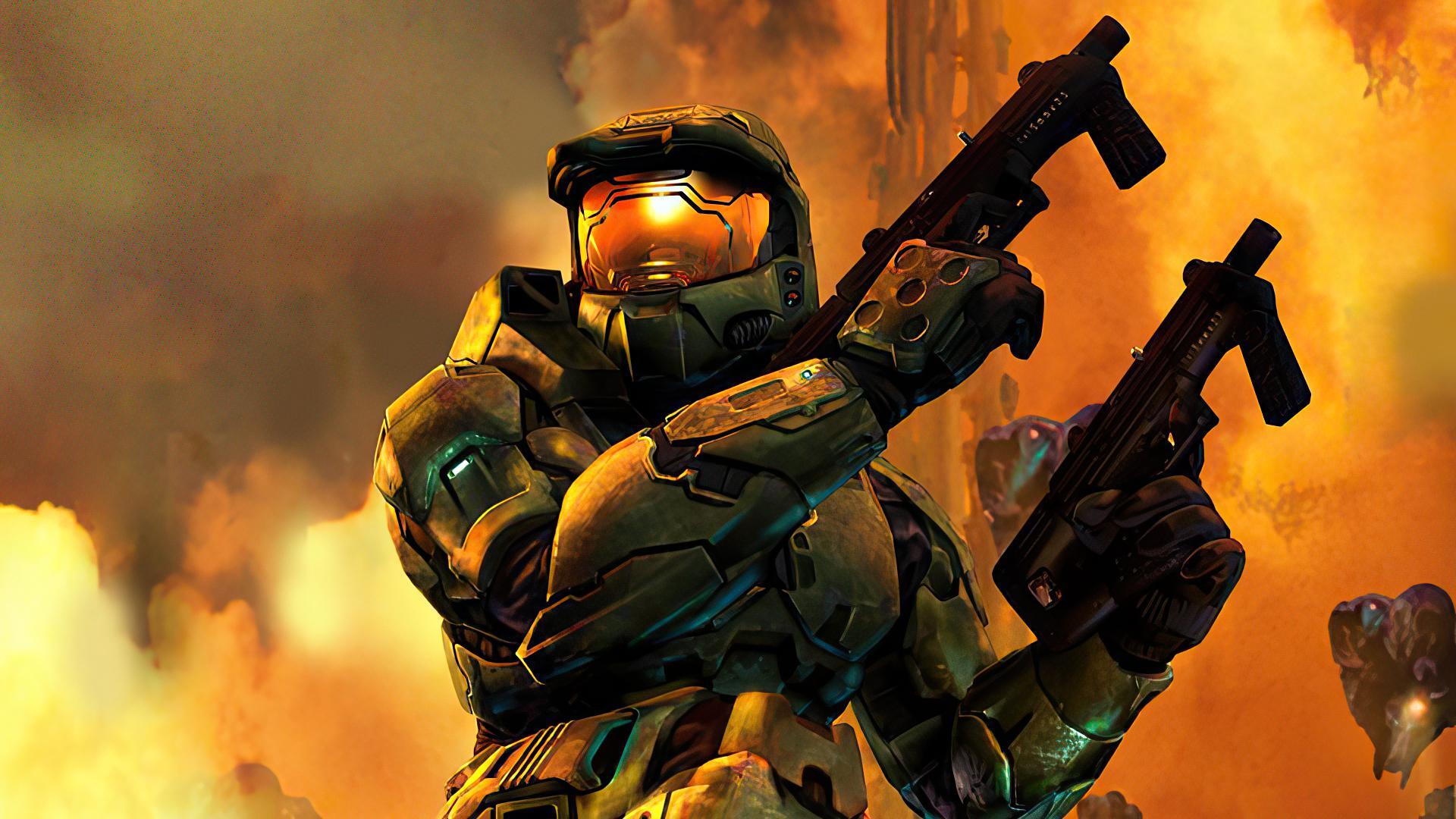
Bungie built this research facility with multiple levels and interconnecting walkways to encourage vertical combat. Control of the sniper tower and the battle rifle spawn usually dictates the flow of the match. Players must master the jumps and shortcuts to navigate the arena efficiently. The confined spaces encourage intense mid-range skirmishes that punish poor aim.
‘Gears of War’ (2006) – Gridlock
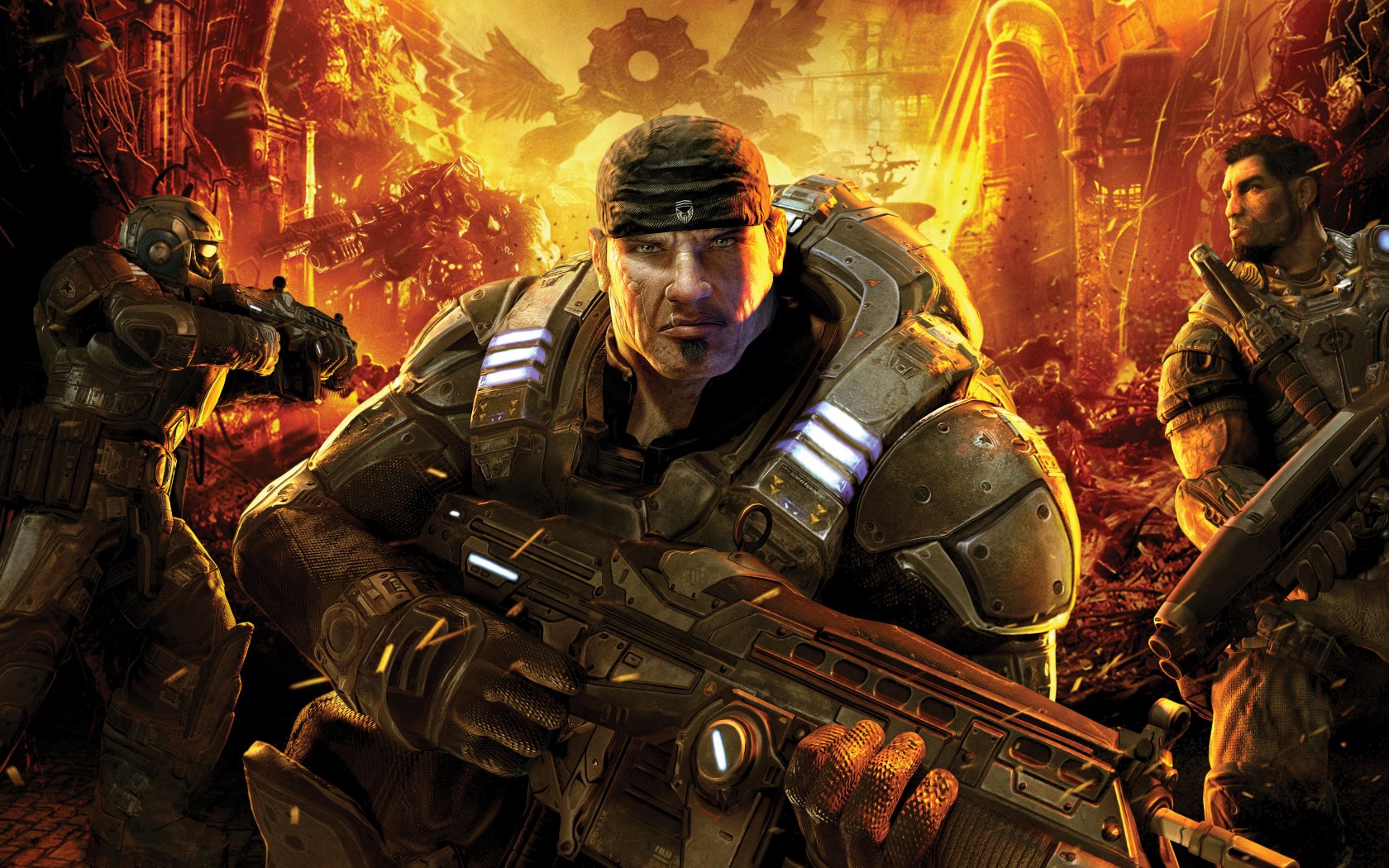
Epic Games created a symmetric map focused on cover-based combat around wrecked vehicles. Players rush for the power weapons located in the center while dodging sniper fire from the towers. The layout encourages flanking maneuvers that can break the stalemate at the main intersection. Shotgun battles often decide the outcome when teams clash near the boomshot spawn.
‘Team Fortress 2’ (2007) – 2Fort
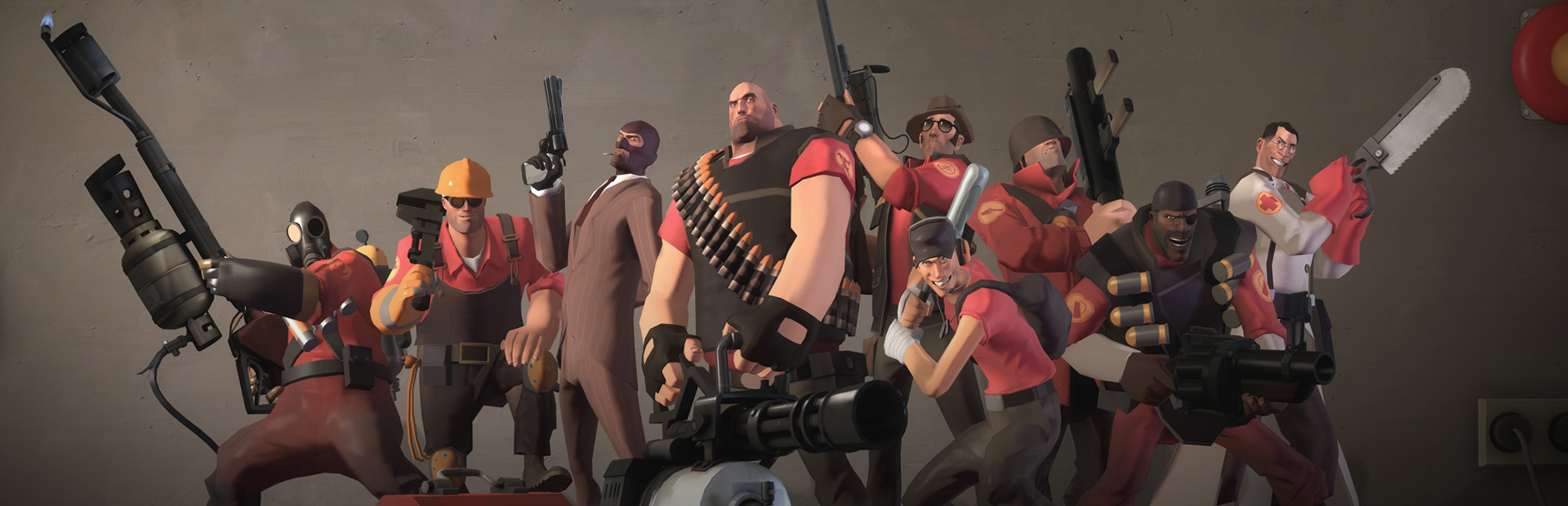
Valve Corporation developed this symmetrical map featuring two opposing intelligence bases separated by a bridge. Snipers camp the battlements endlessly while engineers build impenetrable defenses in the intel rooms. Matches on this stage have no time limit and often drag on for hours without a winner. The stalemate nature of the design encourages players to ignore the objective entirely.
‘Rainbow Six Siege’ (2015) – House
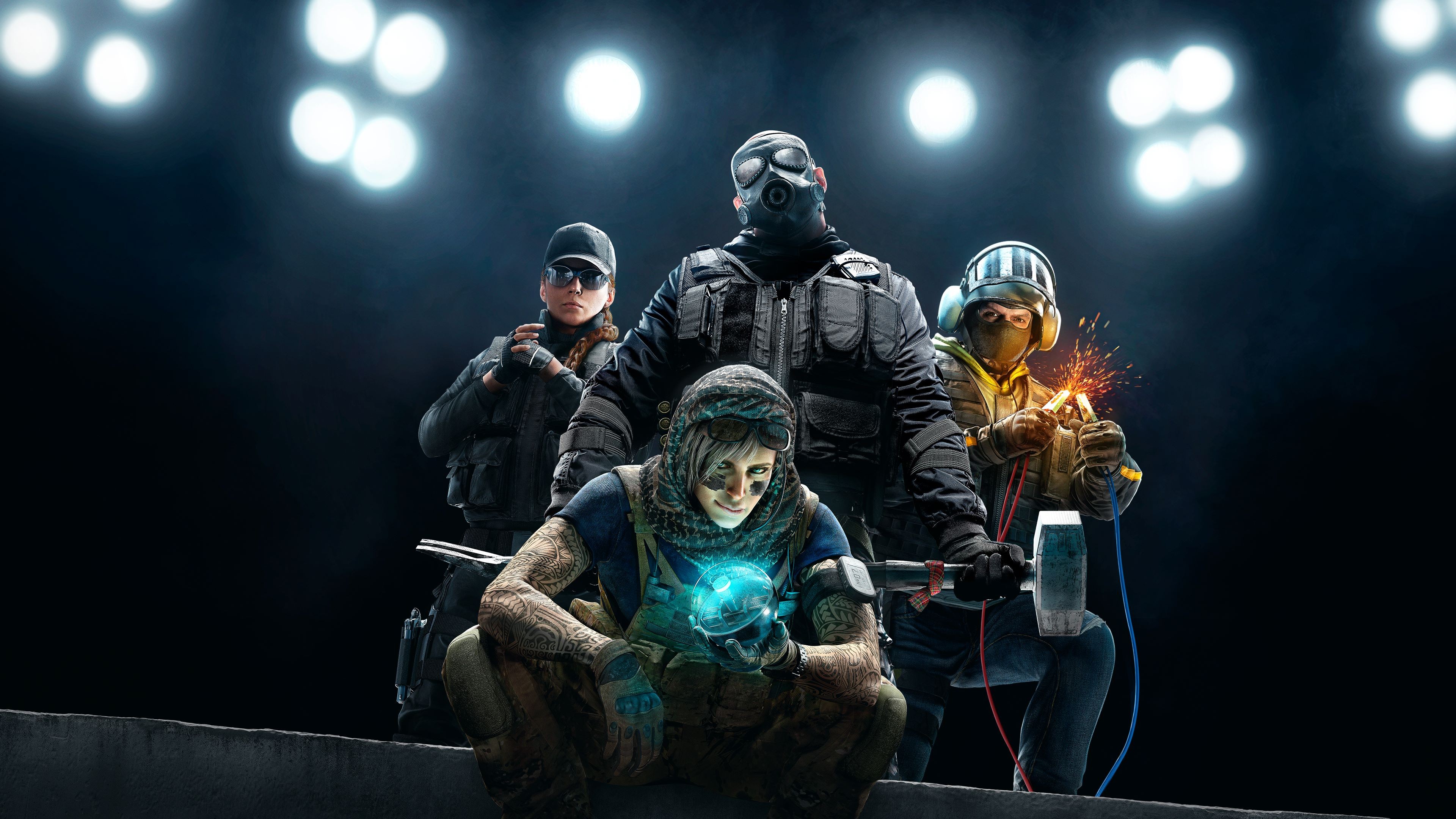
Ubisoft Montreal designed this suburban home as a destructive playground for tactical breaches. Defenders must reinforce walls and barricade windows to stop attackers from entering the compact building. The small footprint allows for rapid engagements and aggressive flanking maneuvers. Teams often argue over which room offers the best defensive capability against a coordinated assault.
‘StarCraft’ (1998) – Big Game Hunters
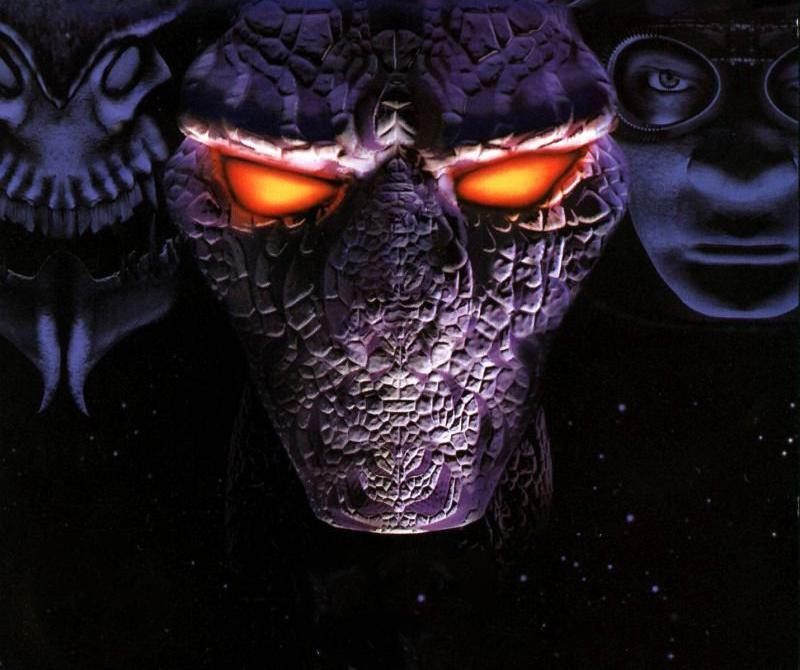
Blizzard Entertainment provided this resource-rich map to allow for massive army building without economic constraints. Players start with abundant minerals and gas geysers that accelerate the tech tree progression significantly. Matches frequently devolve into massive clashes of capital ships and ultimate units. The unlimited resources remove the need for expansion and focus the game purely on military might.
‘Call of Duty: Black Ops’ (2010) – Nuketown
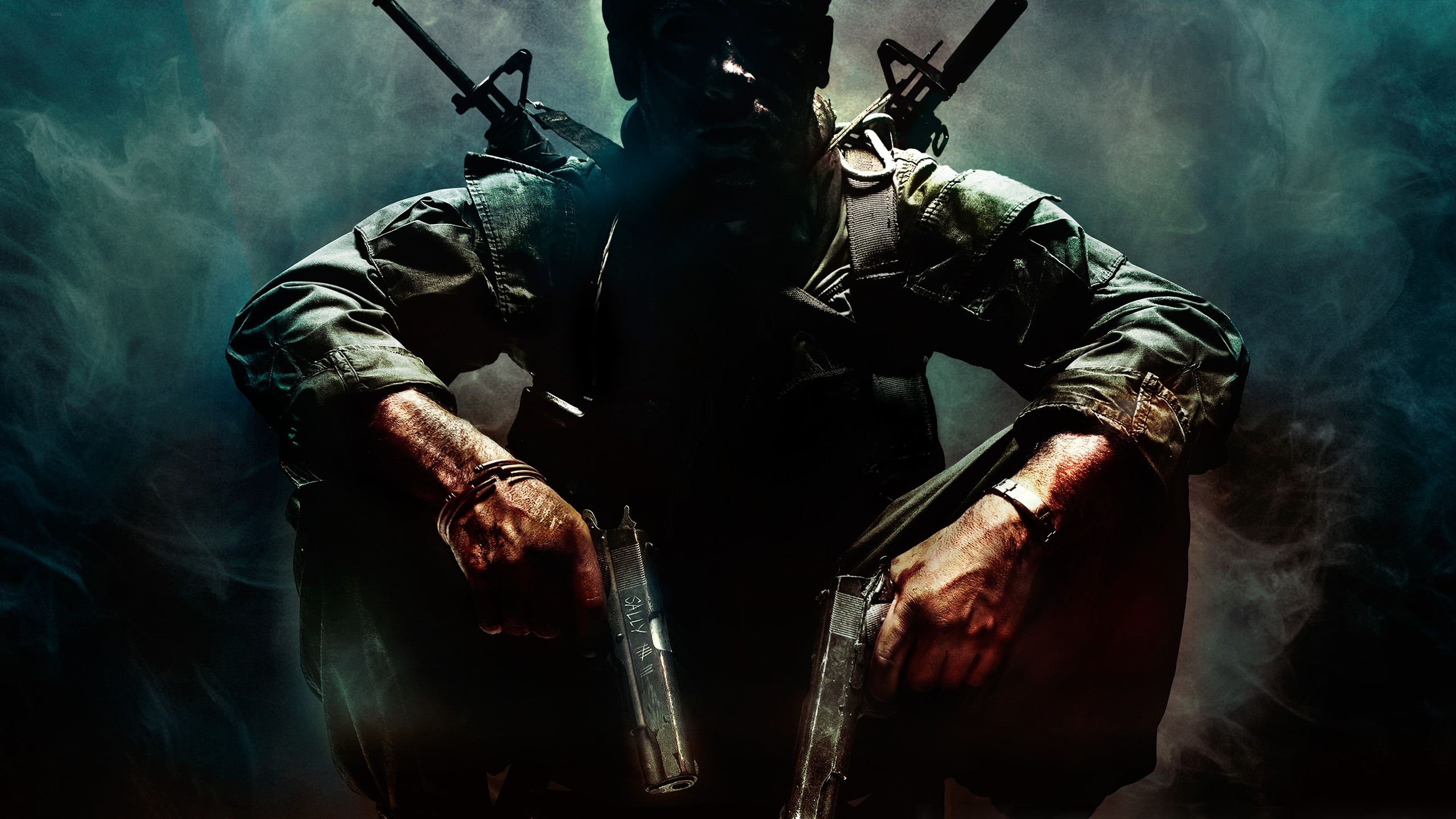
Treyarch introduced this model neighborhood to facilitate fast-paced and aggressive gameplay. The small size ensures that players encounter enemies immediately after spawning. Fences and buses provide flimsy cover that fails to protect against high-caliber weapons. The chaotic energy of this map has made it a staple in the franchise for over a decade.
‘Mario Party’ (1998) – Wario’s Battle Canyon
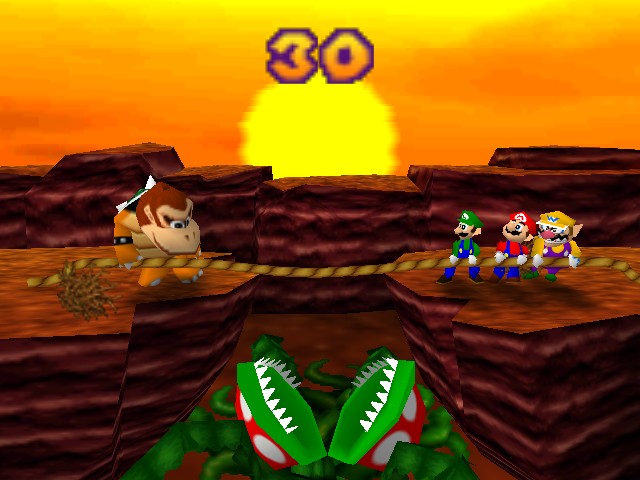
Hudson Soft developed this board where Bob-omb buddies constantly switch the tracks. Players frequently get separated on different islands and cannot reach the star. The randomness of the cannon shots removes player agency and causes immense frustration. Leading the game means nothing when a bad die roll sends you to the wrong quadrant.
‘Super Smash Bros. Melee’ (2001) – Hyrule Temple
HAL Laboratory created a massive stage that allows players to survive at incredibly high damage percentages. The enclosed lower area allows tech-savvy players to bounce off walls and stay alive forever. Matches on this stage often last much longer than standard bouts due to the high survivability. Pursuing an opponent across the large map can become a tedious game of cat and mouse.
‘Rocket League’ (2015) – Wasteland
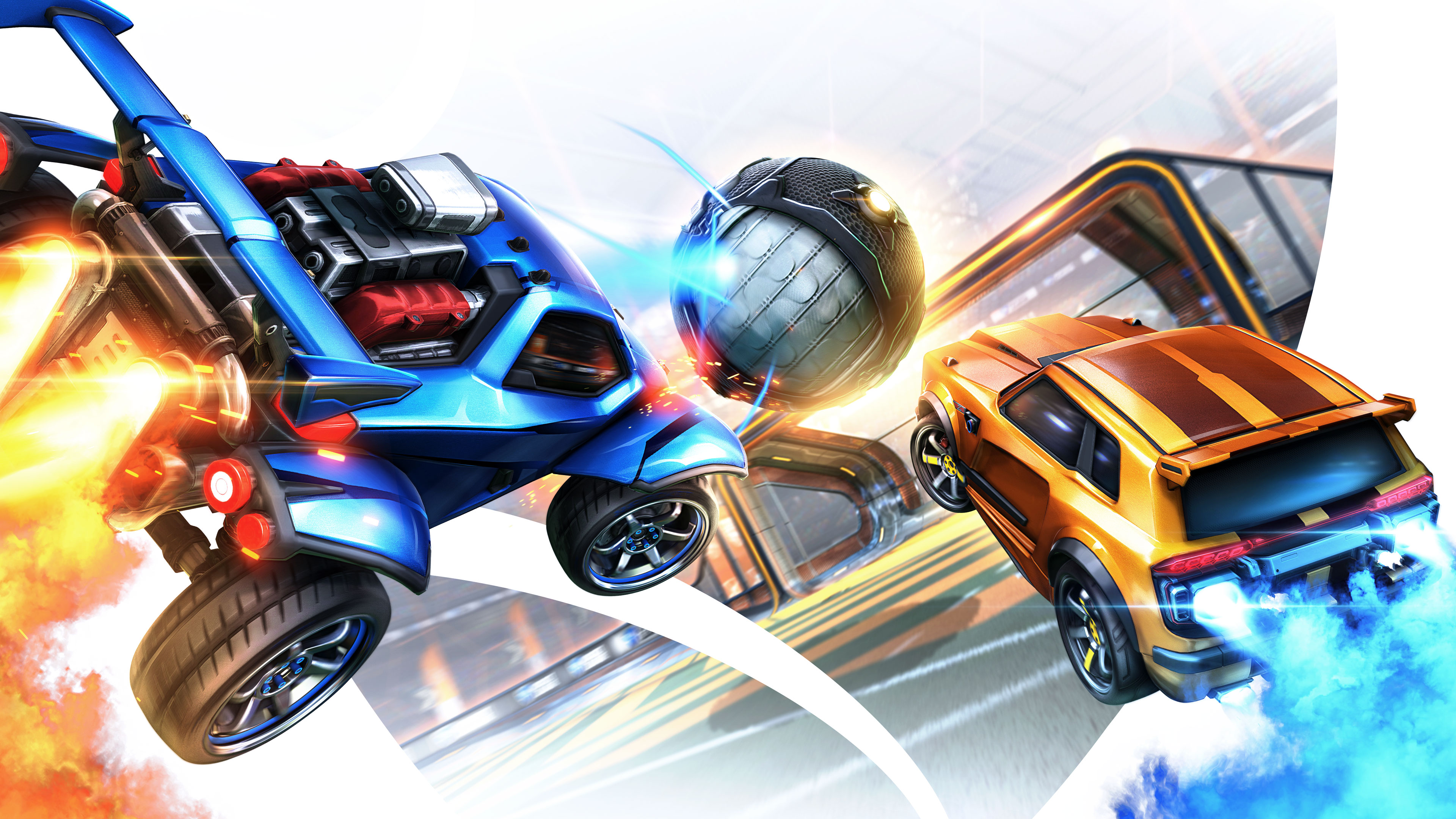
Psyonix introduced non-standard arenas with this sloped pitch that altered the standard physics. The uneven ground causes the ball to bounce unpredictably towards the center. Competitive players despised the variance it introduced to the physics engine. Teammates often miss easy saves because the slope throws off their timing and positioning.
Tell us which multiplayer map caused the biggest argument with your friends in the comments.