Gaming Mascots that Totally Failed to Replace Mario

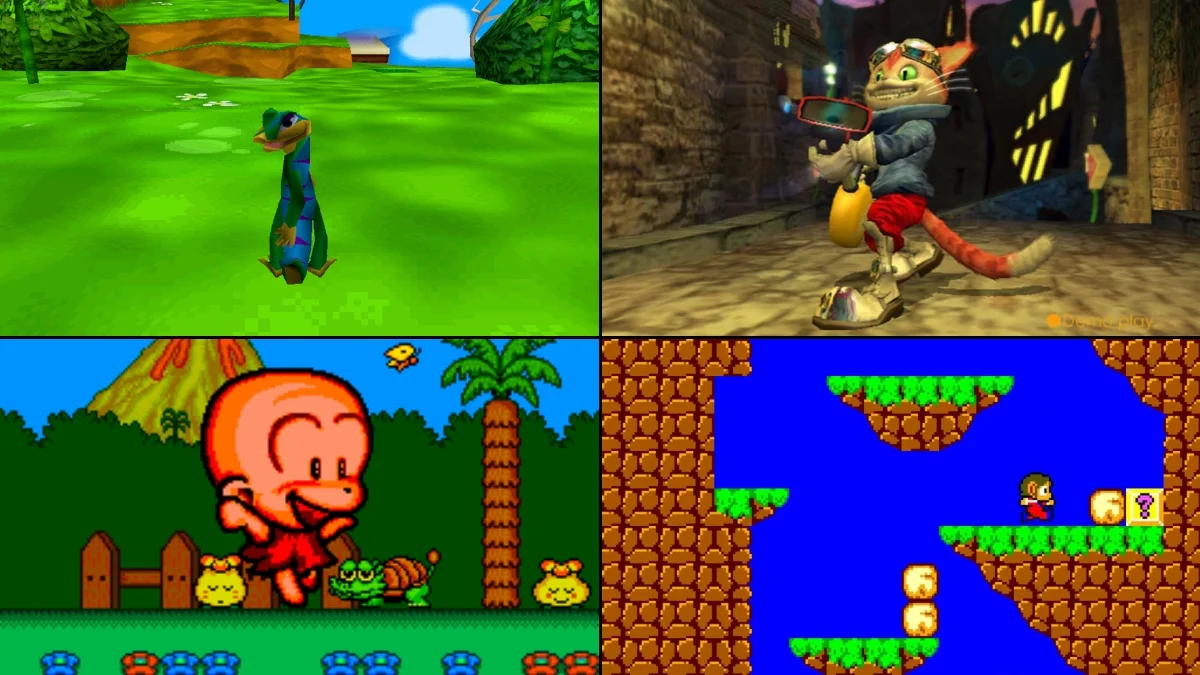

The video game industry experienced a massive surge of mascot platformers during the late eighties and early nineties. Developers everywhere sought to replicate the immense success of Nintendo by creating their own anthropomorphic heroes. Companies designed these characters with attitude and specific gimmicks to capture the attention of young players. Most of these challengers faded into obscurity despite aggressive marketing campaigns and merchandise pushes.
Alex Kidd – ‘Alex Kidd in Miracle World’ (1986)
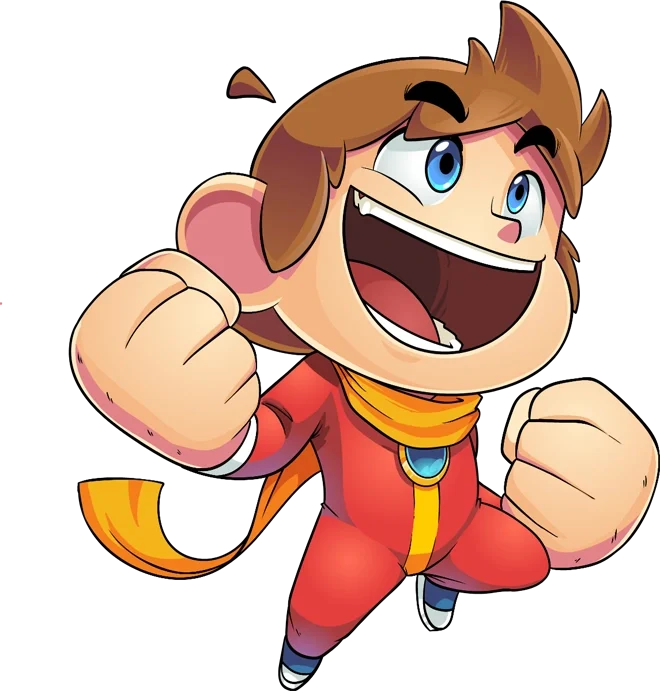
Sega originally created this big-eared character to compete directly with Nintendo before Sonic the Hedgehog arrived. The game featured rock-paper-scissors boss battles and vehicle segments that distinguished it from standard platformers. Players navigated colorful levels while punching enemies and collecting money to buy items in shops. He served as the official mascot for the company until the blue blur took over the mantle in the early nineties.
Bonk – ‘Bonk’s Adventure’ (1989)

This large-headed caveman served as the primary mascot for the TurboGrafx-16 console to rival the established giants. The core mechanic involved headbutting enemies and climbing walls with his teeth to traverse prehistoric environments. Hudson Soft released several sequels that expanded his abilities and introduced power-ups to transform his size. He garnered a cult following but could not propel his console to overtake the dominance of the competition.
Zool – ‘Zool’ (1992)
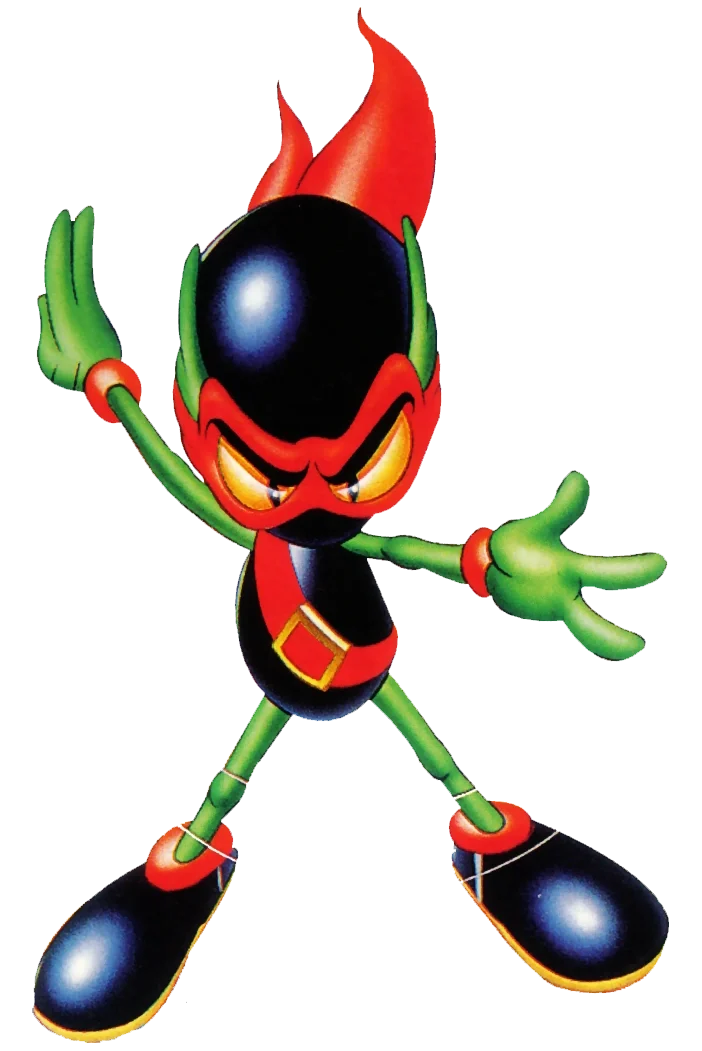
Gremlin Graphics designed this ninja ant to serve as a flagship rival for the Amiga computer system. The fast-paced gameplay required players to collect items and defeat enemies across various candy-themed landscapes. Heavy product placement for Chupa Chups lollipops appeared throughout the vibrant levels as a marketing strategy. This character found moderate success in Europe but failed to make a lasting impact on the global gaming market.
Bubsy – ‘Bubsy in Claws Encounters of the Furred Kind’ (1993)

Accolade aggressively marketed this bobcat with catchphrases and an attitude designed to appeal to nineties gamers. The gameplay focused on high speed and gliding mechanics that often resulted in frustrating one-hit deaths. Developers pushed the character into multiple sequels and a cartoon pilot that failed to generate significant interest. The franchise struggled to maintain relevance against polished competitors like ‘Super Mario World’.
Aero – ‘Aero the Acro-Bat’ (1993)
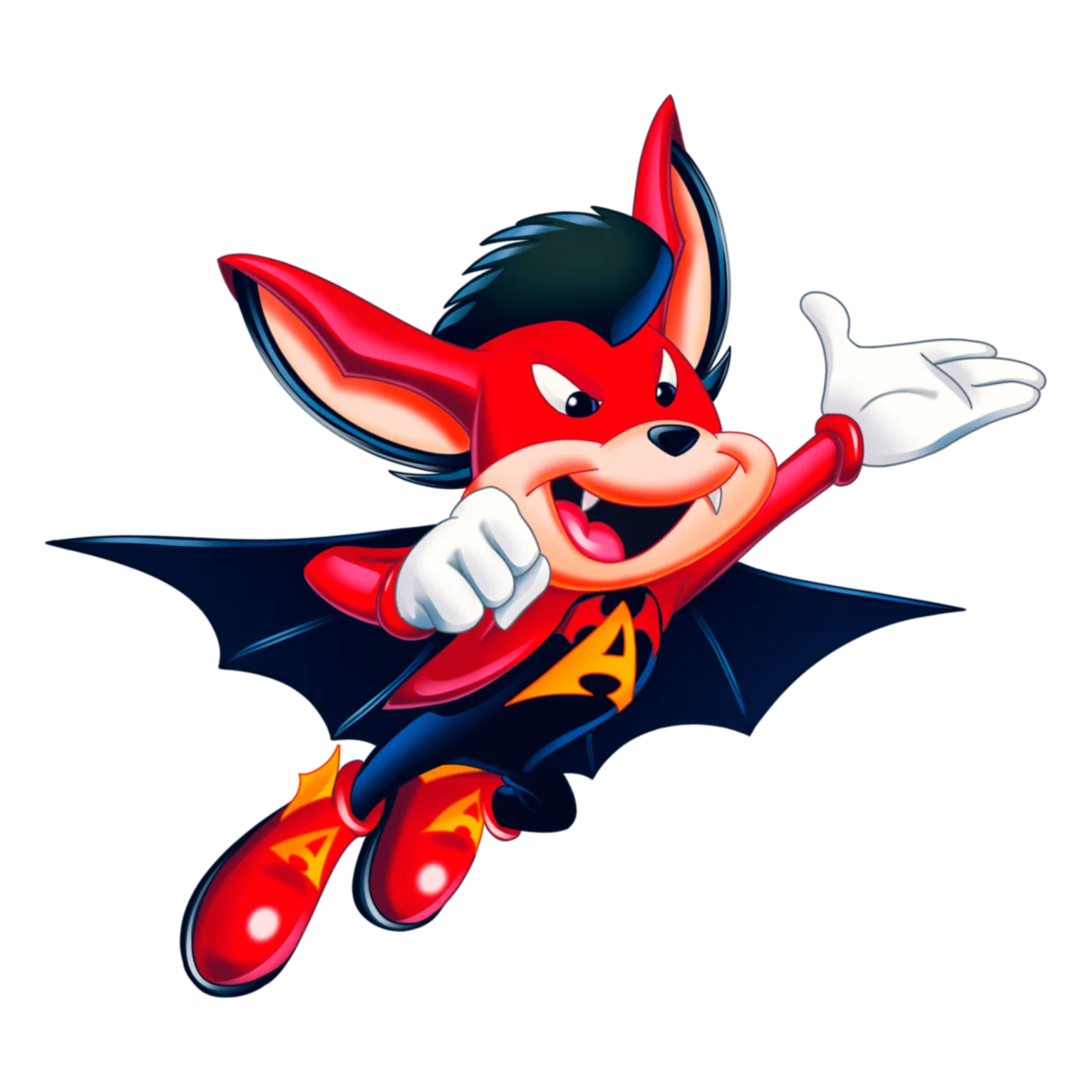
Sunsoft introduced this circus-themed bat during the height of the mascot platformer wars. Aero utilized drill attacks and glides to navigate through levels filled with spikes and carnival hazards. The developers included specific objectives for each stage rather than simply reaching the exit. While the game received decent reviews for its graphics and animation, the character never achieved household name status.
Awesome Possum – ‘Awesome Possum… Kicks Dr. Machino’s Butt’ (1993)

Tengen attempted to combine edutainment with platforming action in this environmentally conscious title. The game stopped the action frequently to ask players trivia questions about nature and ecology to earn points. Critics panned the release for its poor controls and the repetitive voice clips from the main character. This possum stands as one of the most infamous failures in the attempt to capture the platformer market.
Rocky – ‘Rocky Rodent’ (1993)

Irem developed this styling rodent who used his hair as a weapon to attack enemies. Players collected different hairsprays to change his hairstyle and gain new abilities for traversing the urban environments. The game featured a unique visual style that attempted to capitalize on the grunge aesthetic of the nineties. Poor level design and sluggish controls ensured that Rocky never posed a threat to the plumber.
Gex – ‘Gex’ (1995)

Crystal Dynamics created this wise-cracking gecko to appeal to an older teen demographic with constant pop culture references. The platformer allowed the character to climb walls and use his tail to strike opponents in media-themed worlds. Voice actor Dana Gould provided a steady stream of one-liners that gave the protagonist a distinct personality. Despite early success on the 3DO and PlayStation, the series eventually faded into obscurity.
Bug – ‘Bug!’ (1995)

Sega hoped this green insect would showcase the 3D capabilities of the Sega Saturn console. Players moved along pre-determined paths in three-dimensional environments while fighting off various arachnid enemies. The game utilized a unique perspective that allowed the character to walk on walls and ceilings. Technical limitations and the arrival of true 3D platformers quickly rendered this mascot obsolete.
Blinx – ‘Blinx: The Time Sweeper’ (2002)
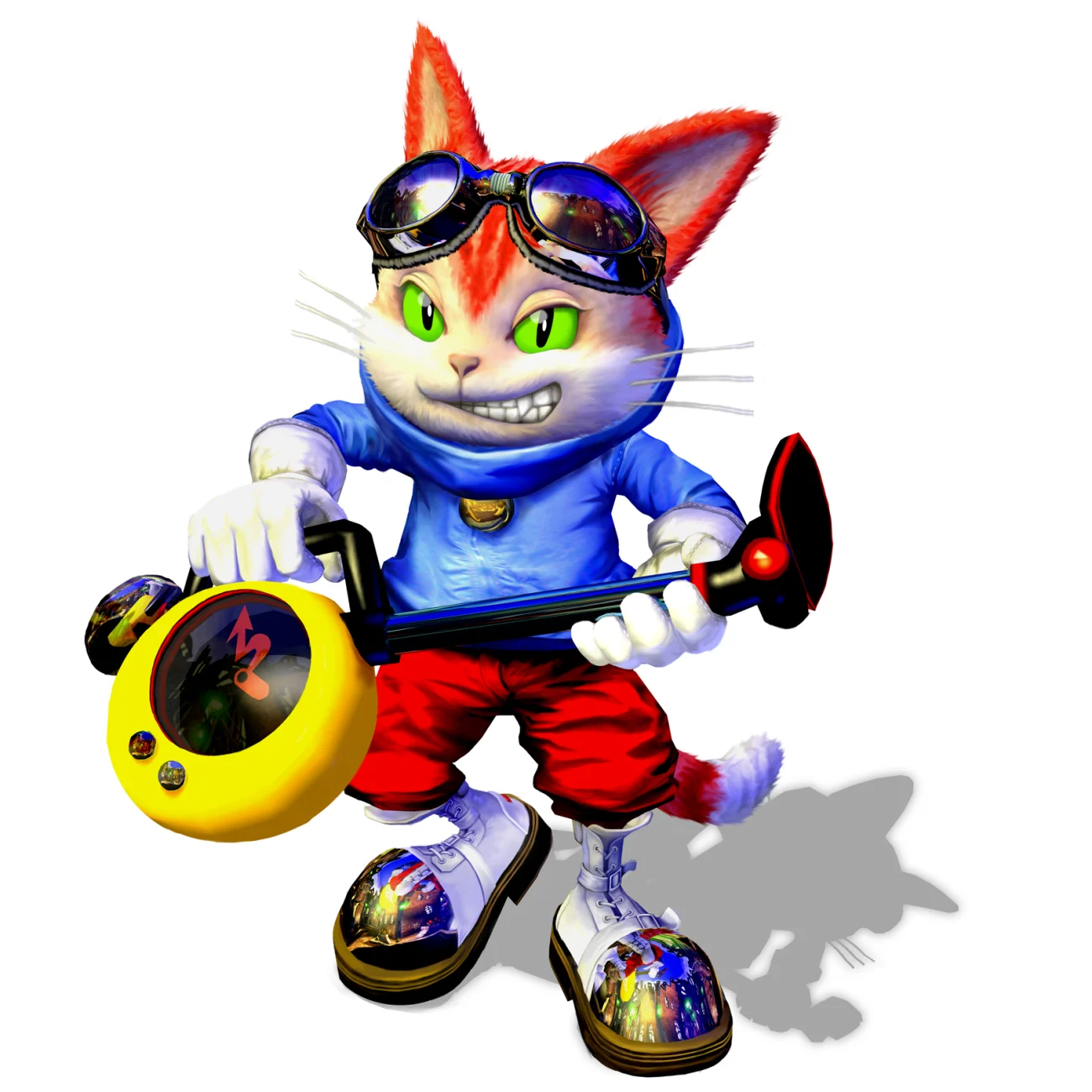
Microsoft touted this anthropomorphic cat as the first mascot for the original Xbox system. The gameplay revolved around manipulating time to solve puzzles and defeat trash monsters with a vacuum cleaner. The developers focused heavily on the hard drive technology of the console to enable the time-control mechanics. Difficult controls and a lack of charisma prevented the character from becoming a staple of the brand.
Please tell us which forgotten mascot you actually enjoyed playing by leaving a message in the comments.