The Truth Behind The Most Famous Gaming Urban Legends


Video games have sparked rumors and myths since the early days of arcades. Players whispered about secret levels and hidden codes long before the internet allowed for instant fact-checking. Some of these stories turned out to be complete fabrications while others were surprisingly rooted in fact. This list explores the reality behind the most enduring whispers in gaming history.
‘E.T. the Extra-Terrestrial’ (1982) – The Atari Landfill
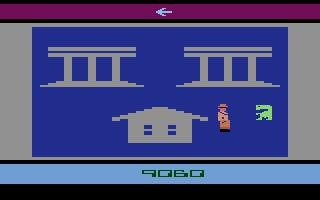
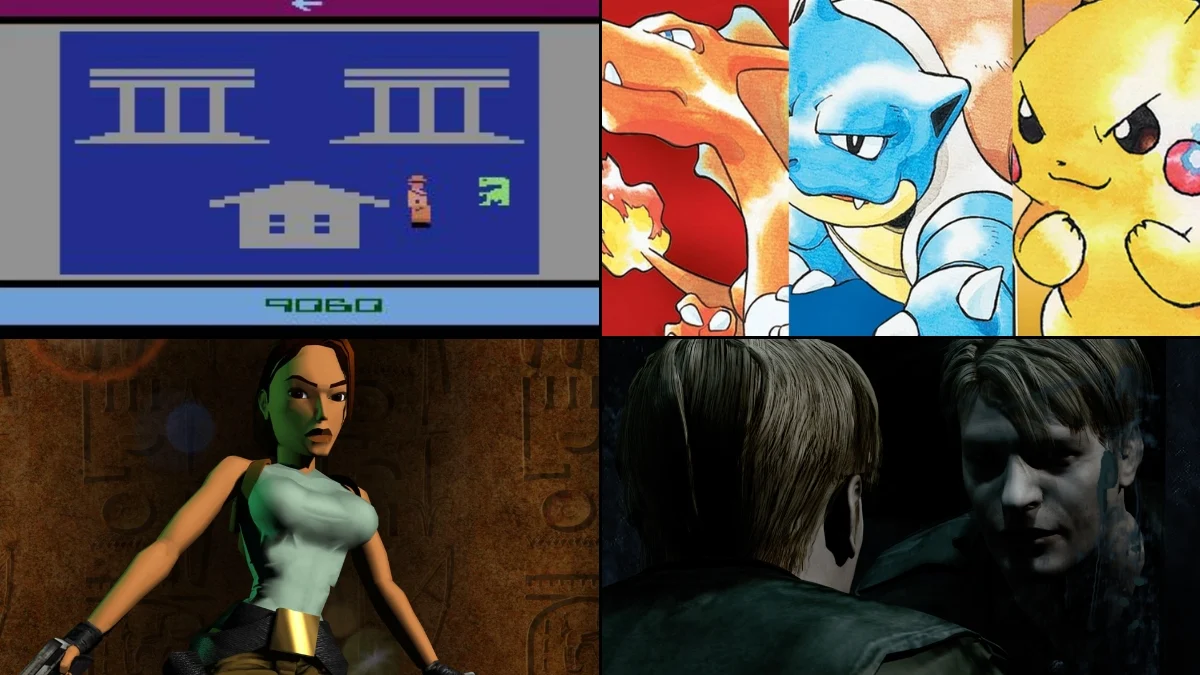
A long-standing rumor claimed that Atari buried millions of unsold cartridges of this commercial failure in a New Mexico desert. The game was produced in rush conditions to meet the holiday season deadline and contributed to the video game crash of 1983. Many skeptics believed the burial story was merely a symbolic exaggeration of the company’s financial troubles. A documentary crew excavated the site in Alamogordo in 2014 and confirmed the legend was true. They unearthed thousands of preserved cartridges and verified one of the industry’s darkest chapters.
‘Street Fighter II’ (1991) – Sheng Long
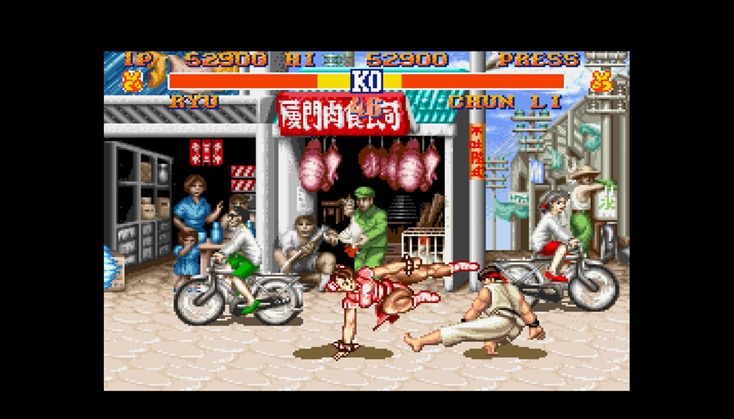
Arcade players spent countless quarters trying to unlock a secret master named Sheng Long based on a victory quote from Ryu. The text told defeated opponents that they must defeat Sheng Long to stand a chance. This was actually a mistranslation by Capcom of the phrase Shoryuken which is the name of Ryu’s dragon punch. Electronic Gaming Monthly exacerbated the rumor with an April Fools joke detailing a fake method to fight him. The developers eventually nodded to this legend by creating the character Gouken in ‘Street Fighter IV’.
‘Polybius’ (1981) – The Government Mind Control Cabinet

Urban folklore describes a mysterious arcade game that appeared in Portland suburbs and induced amnesia or night terrors in players. Witnesses claimed men in black suits would visit the machines to extract data rather than collect quarters. No physical cabinet or ROM has ever been found to prove this game existed outside of internet fiction. The myth likely stems from a mix of real events involving motion sickness from ‘Tempest’ and military inspections of arcades. This remains one of the most chilling ghost stories associated with the arcade era.
‘Tomb Raider’ (1996) – Nude Raider
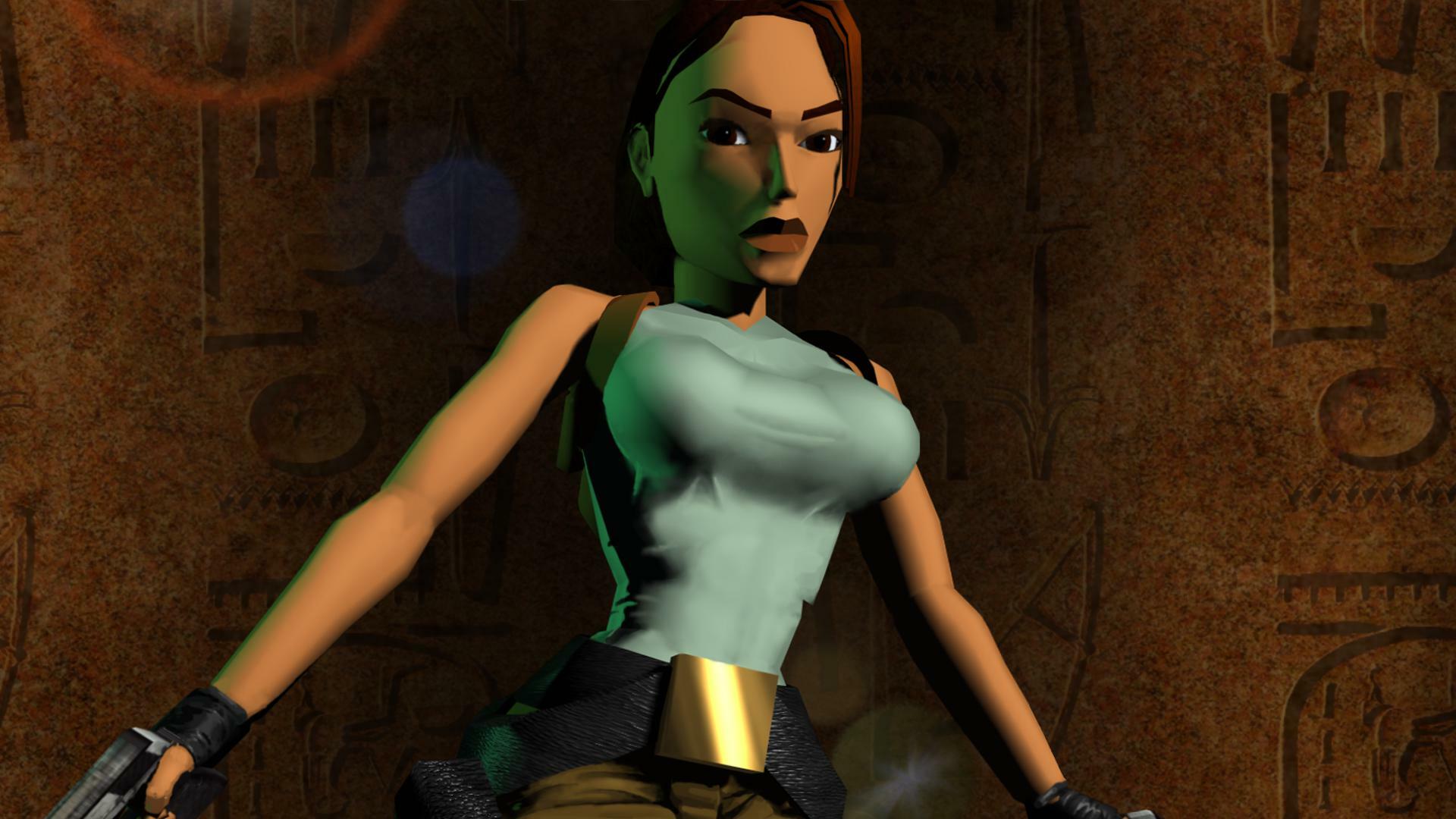
Adolescent gamers in the nineties were convinced that a secret code could remove Lara Croft’s clothing. Fake screenshots circulated in magazines and online forums to fuel the search for this illicit cheat. Core Design repeatedly denied the existence of such a feature and expressed frustration with the rumor. The desire for this modification was so high that hackers eventually created unauthorized patches for the PC version. The actual developers never included any nudity in the official game code.
‘Pokémon Red and Blue’ (1996) – Lavender Town Syndrome
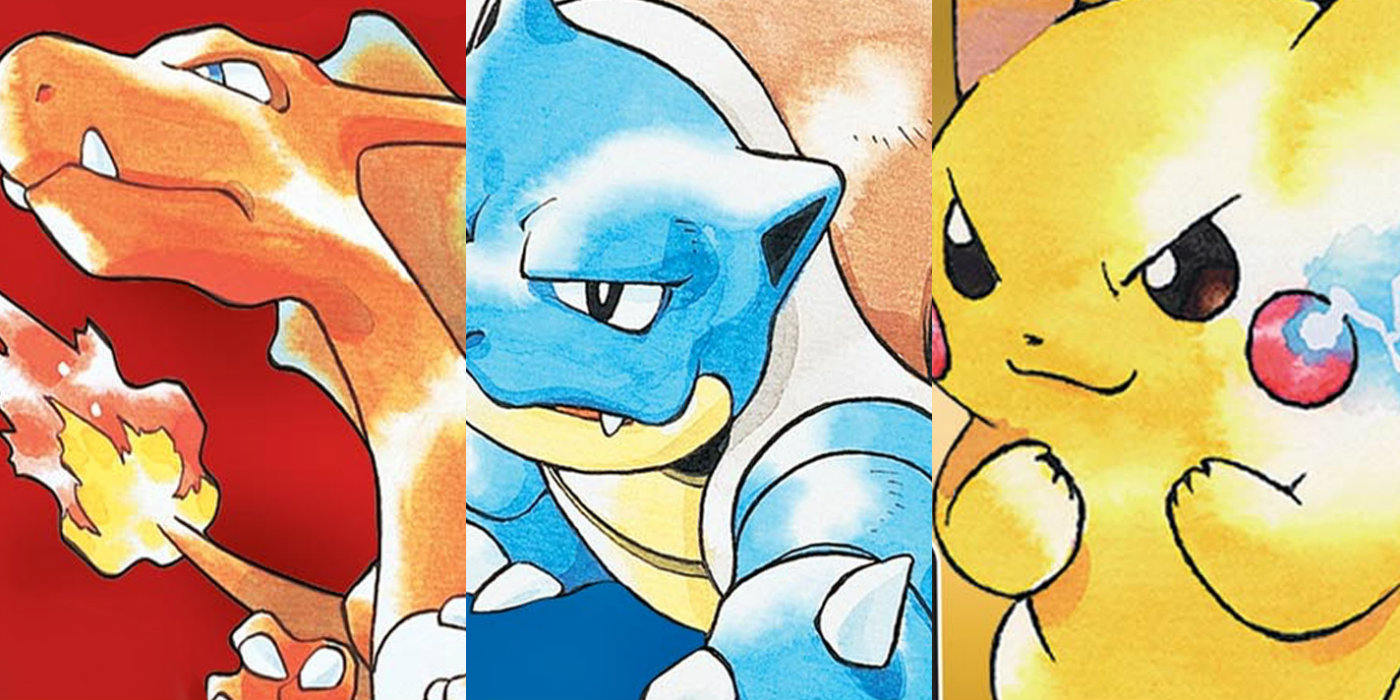
A dark internet story alleges that the background music in Lavender Town caused a spike in suicides among Japanese children. The theory suggests that high-pitched binaural beats in the original track were only audible to young ears and induced psychological distress. Game Freak did alter the music for international releases but simply to lower the pitch and intensity. No medical records or police reports substantiate the claim of mass deaths linked to the cartridge. The eerie nature of the location in the game provided the perfect setting for this creepypasta.
‘Diablo’ (1996) – The Cow Level
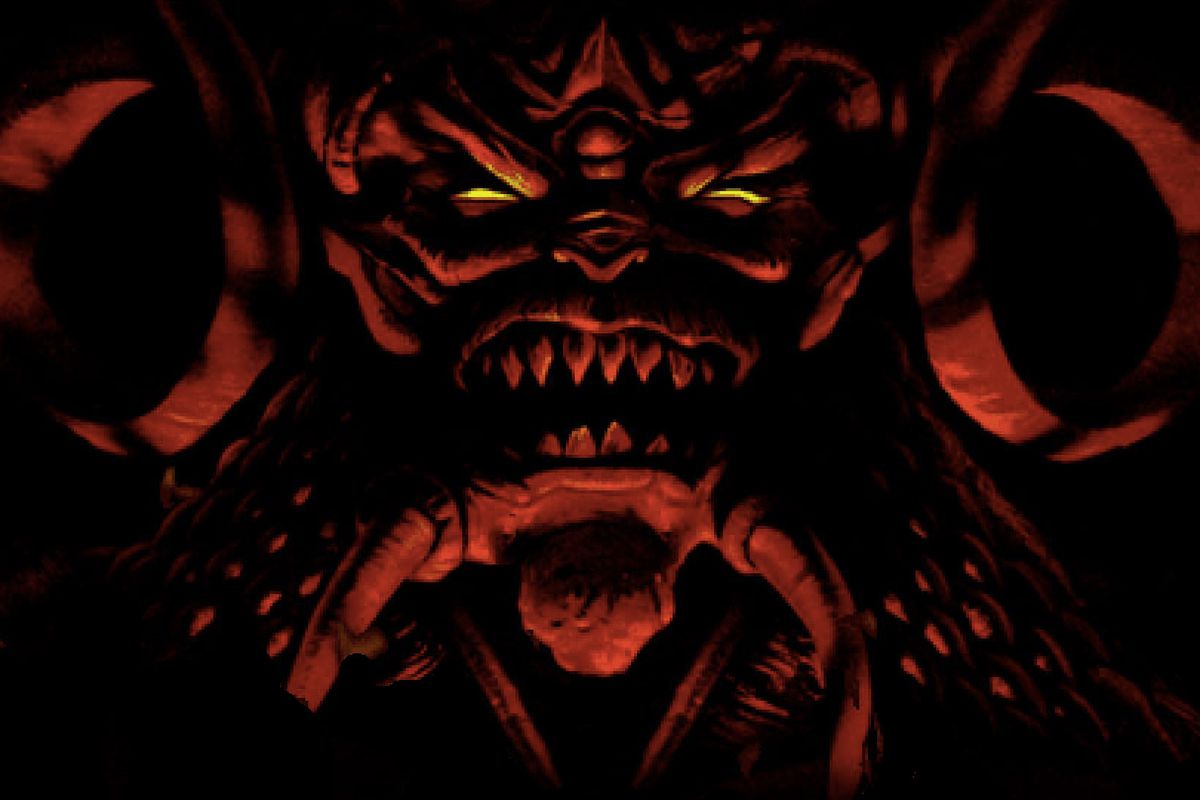
Players of the original dark fantasy RPG insisted there was a secret portal to a level filled with bipedal cows. The rumor started because clicking on the local wildlife yielded funny dialogue lines. Blizzard Entertainment officially denied the existence of the stage but clearly loved the community engagement. They later made the legend a reality in ‘Diablo II’ where players could open a portal to the Secret Cow Level. It stands as a famous instance of developers embracing a community myth.
‘Final Fantasy VII’ (1997) – Reviving Aerith
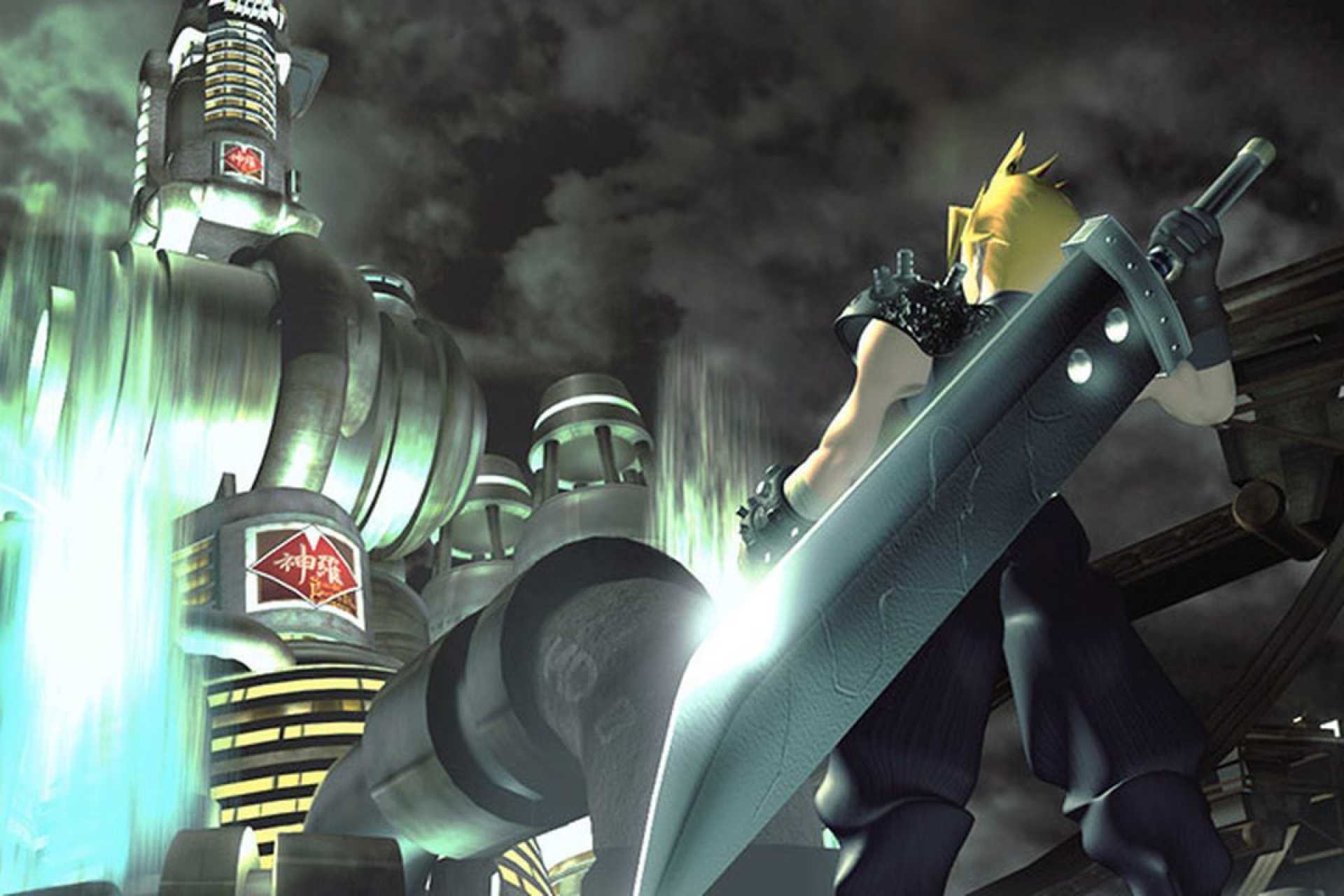
The death of a main party member in this role-playing classic left players in denial and convinced she could be saved. Fans spent hundreds of hours searching for a way to prevent her fate or bring her back to life later in the game. Rumors suggested items like the Underwater Materia or a glitch could trigger her resurrection. Square designed her death to be permanent and meaningful to the narrative themes of loss. The supposed methods to save her were all playground fabrications or misunderstandings of the game mechanics.
‘Grand Theft Auto: San Andreas’ (2004) – Bigfoot
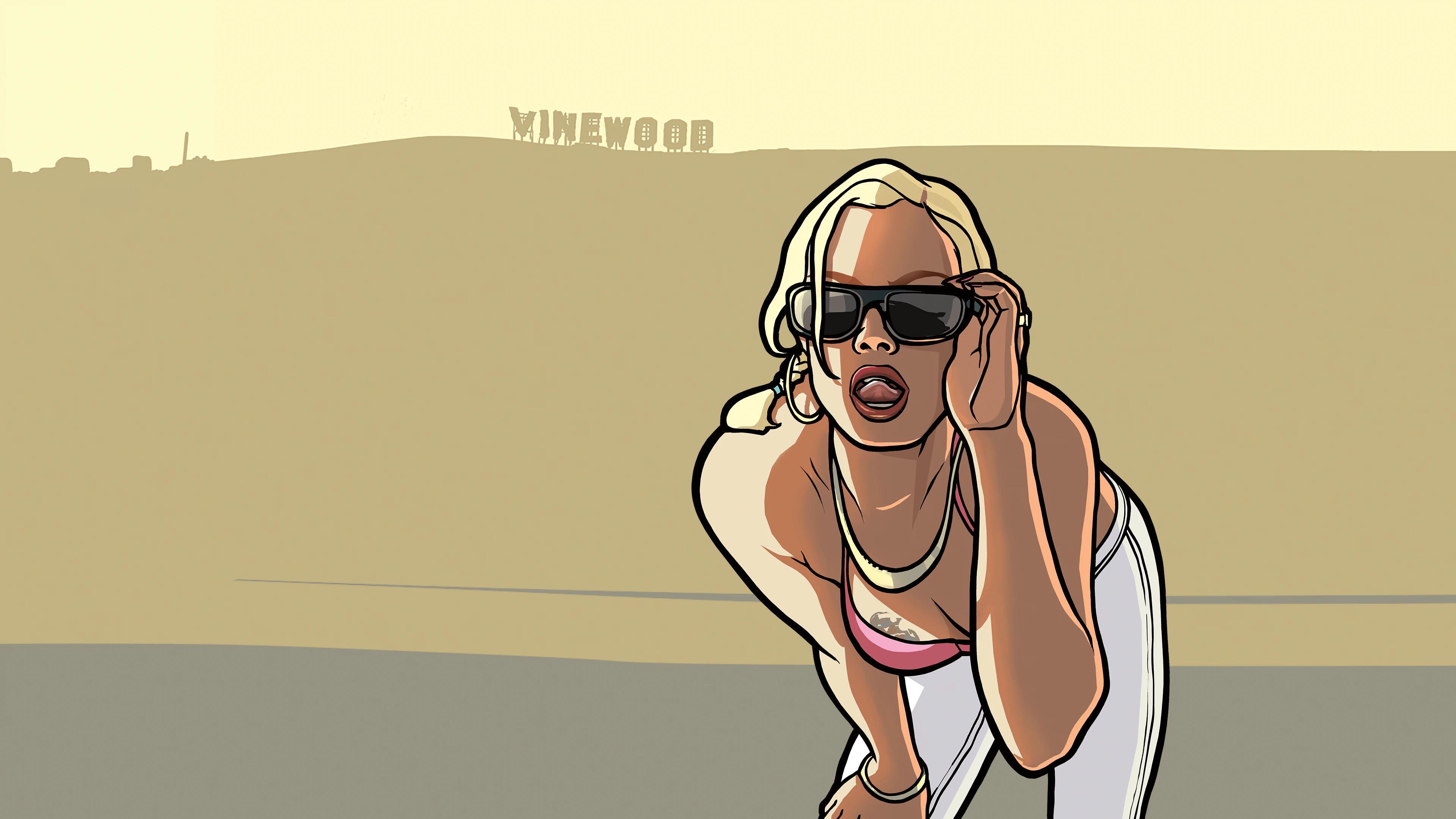
Gamers spent years combing the Back O’ Beyond woods searching for the legendary cryptid Bigfoot. The massive map and foggy atmosphere of the rural areas made it easy for players to imagine shapes in the distance. Rockstar North did not include a Sasquatch model in the original game files despite the persistent sightings reported on forums. The developer later poked fun at the hunters by including a mission involving a man in a Bigfoot costume in ‘Grand Theft Auto V’. The creature only appeared in the original title through user-created mods.
‘Mortal Kombat’ (1992) – Ermac
Attentive players noticed the text ERMAC listed under the game audits menu and assumed it was a hidden character like Reptile. The name was actually a shorthand used by Midway developers for Error Macro to catch coding bugs. Speculation ran wild about a red ninja that could be unlocked through complex button combinations. The developers eventually capitalized on the hype by creating a legitimate red ninja character named Ermac in ‘Ultimate Mortal Kombat 3’. This character owes his entire existence to a misunderstood line of technical text.
‘Sonic the Hedgehog 3’ (1994) – Michael Jackson’s Music

Fans long theorized that the King of Pop secretly composed the soundtrack for this platformer. Similarities between the game’s zone music and his pop hits were too close for many to ignore. Sega denied the collaboration for decades possibly due to the scandals surrounding the singer at the time. Yuji Naka finally confirmed in 2022 that the pop star did indeed work on the music during development. The final release replaced some of his tracks while others remained in the game.
‘The Legend of Zelda: Ocarina of Time’ (1998) – Obtaining the Triforce
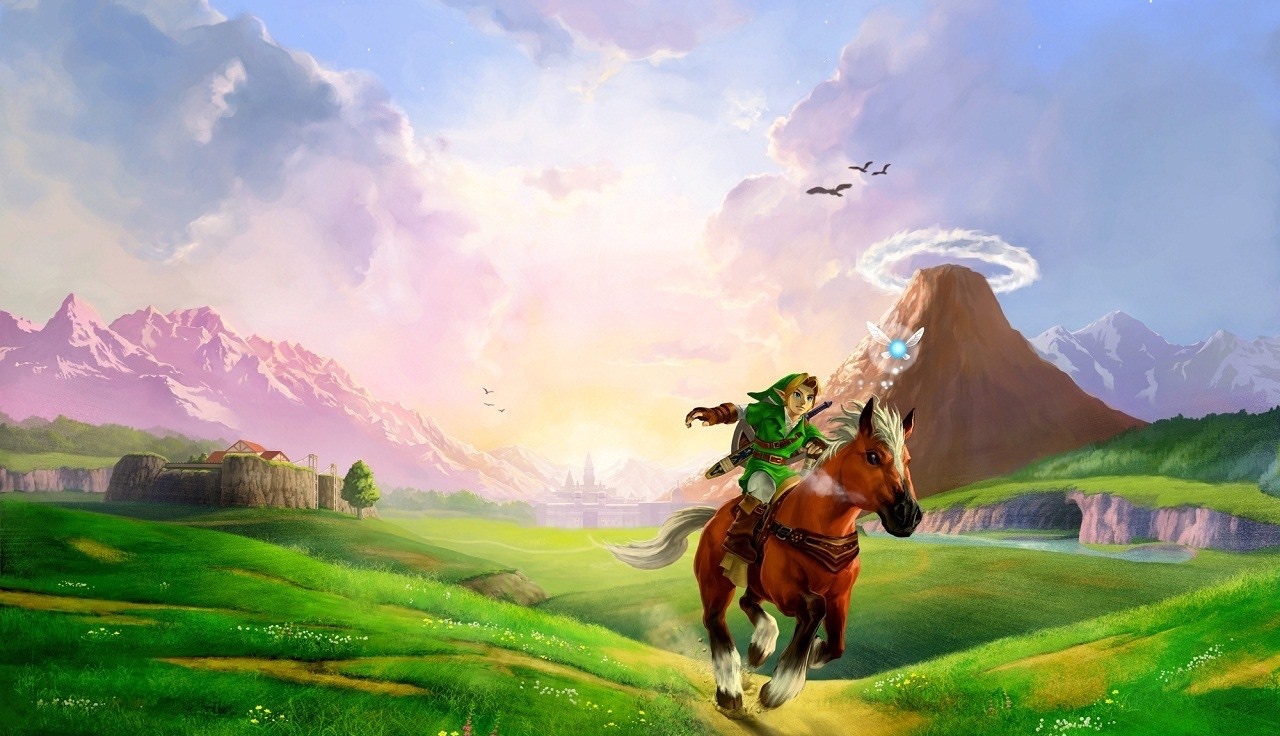
The presence of the Triforce in the interface led players to believe they could physically obtain the artifact. Hoax images showed Link opening a chest containing the golden triangles after performing impossible tasks. Nintendo intended the object to be a plot device rather than an equipable item. The rumors were fueled by leftover assets found in the game code by hackers. Players would not be able to collect the actual Triforce pieces until ‘The Legend of Zelda: The Wind Waker’.
‘Minecraft’ (2011) – Herobrine
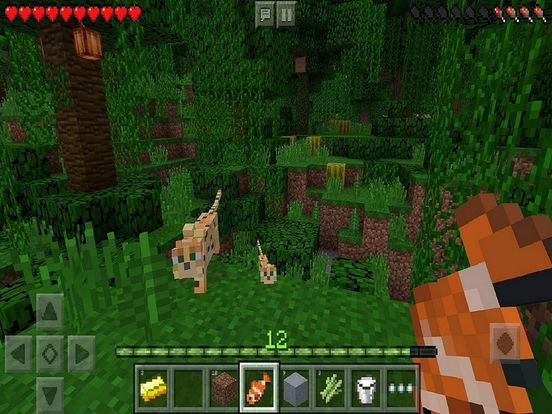
A creepypasta described a character with the default player skin and white eyes haunting single-player worlds. The story claimed this entity was the ghost of the creator’s dead brother who would build strange structures. Mojang founder Markus Persson repeatedly stated that he had no brother and the character was never in the game. The patch notes for the game frequently included the joke “Removed Herobrine” to tease the community. This legend remains one of the most famous examples of community-generated horror.
‘Civilization’ (1991) – The Nuclear Gandhi Bug
A famous anecdote claims that the pacifist leader Gandhi became a nuclear warmonger due to an integer underflow error. The story goes that his aggression level dropped below zero and looped back to the maximum value of 255. Sid Meier of MicroProse recently revealed that this specific technical glitch is a myth and never occurred in the first game. The behavior was actually a joke implemented intentionally in later sequels to pay homage to the rumor. The original game did not have the coding infrastructure to support the legendary bug as described.
‘Madden NFL’ (Various) – The Madden Curse

Sports fans noticed a disturbing trend where athletes featured on the cover of this EA Sports franchise suffered injuries or poor seasons immediately after. High-profile players like Michael Vick and Shaun Alexander faced significant career setbacks following their cover appearances. The sheer number of coincidences convinced superstitious fans that the cover spot was bad luck. Statistical analysis suggests this is likely a regression to the mean after a peak performance year. The developer continues to release the game annually despite the ominous reputation of its cover art.
‘Silent Hill 2’ (2001) – Mary’s Body in the Trunk
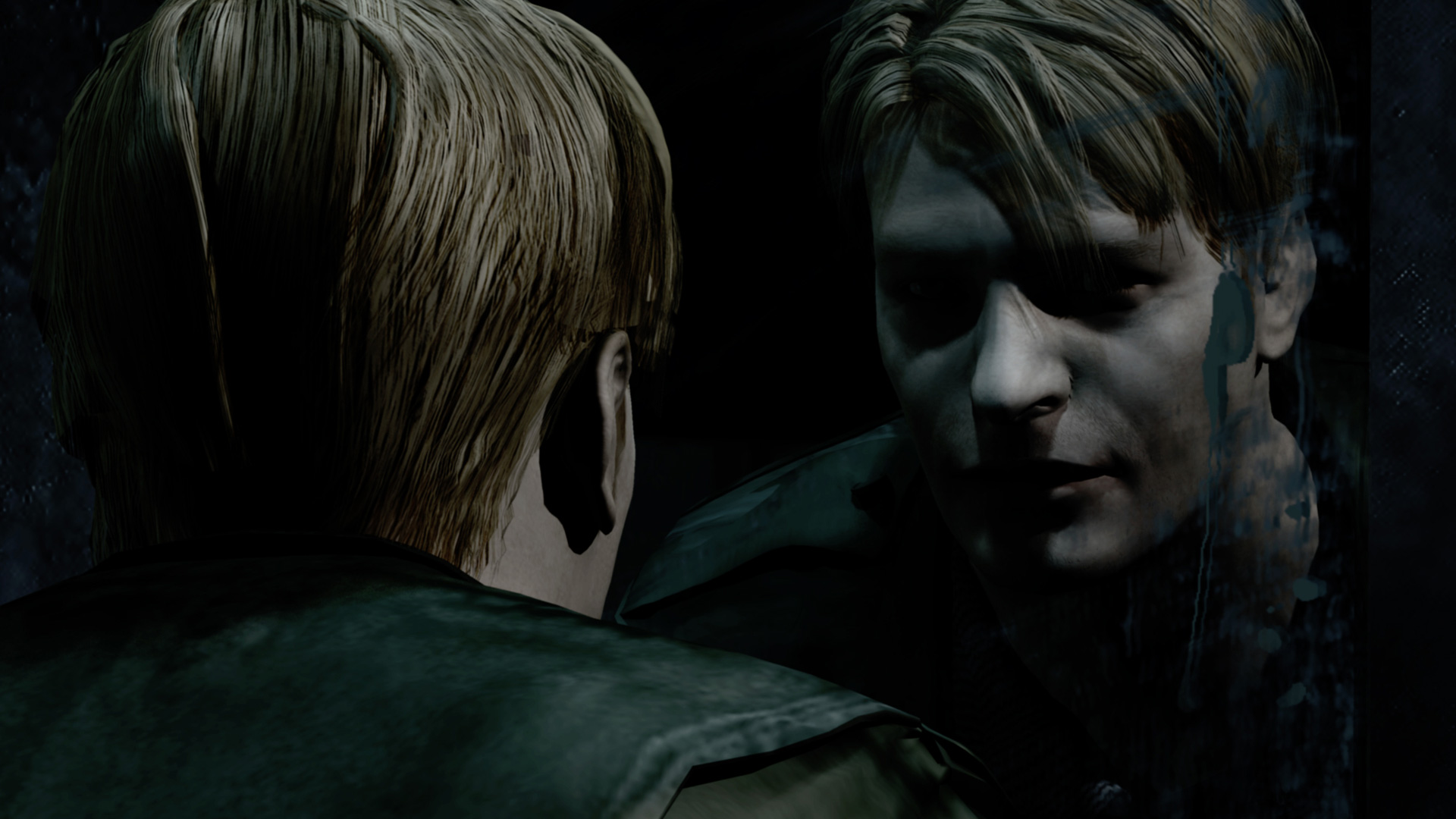
Hardcore fans theorized that the protagonist James Sunderland had his wife’s body in his car during the entire game. This detail would add a gruesome layer of reality to his psychological journey through the fog-covered town. Konami art director Masahiro Ito confirmed years later that this theory was correct. The “dead wife” ending and various in-game clues always hinted at this dark truth. This confirmation validated one of the most disturbing fan theories in the survival horror genre.
Please share your favorite gaming myth or a rumor you fell for in the comments.