Top Things Everyone Gets Wrong About Famous Movies



Cinema history is filled with lines and moments that audiences remember incorrectly due to pop culture repetition. These Mandella effects and common misconceptions often overshadow the actual content of the films. Viewers frequently quote lines that were never spoken or believe in plot points that never occurred. This list clarifies the truth behind the most widely misunderstood movie details.
‘Star Wars: Episode V – The Empire Strikes Back’ (1980)
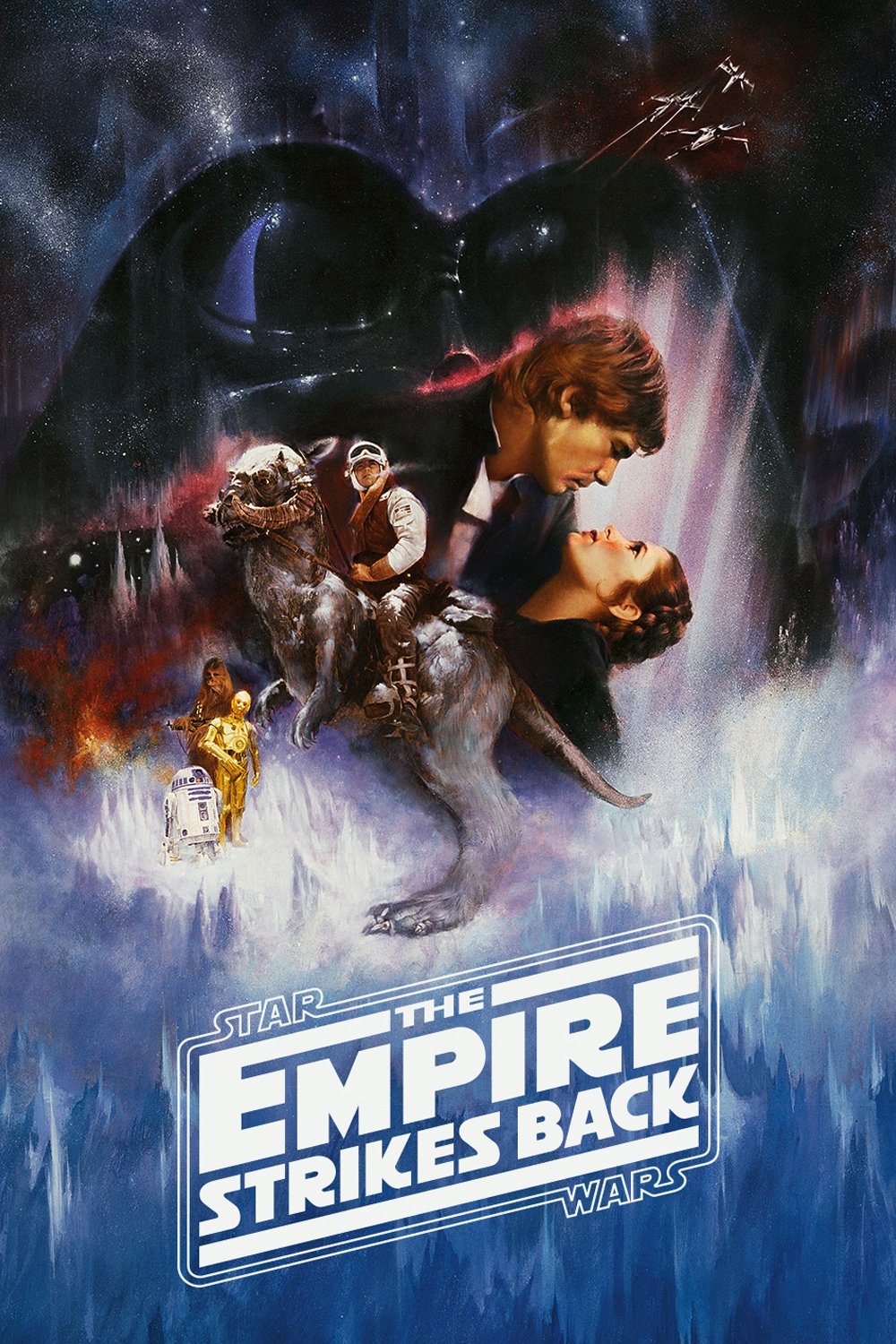
Darth Vader never speaks the famous line that countless fans recite to one another. He interrupts Luke Skywalker during their duel on Cloud City with a much simpler declaration. The Sith Lord actually says “No, I am your father” rather than using the name of his son. This misquote persists because adding the name Luke provides necessary context when referencing the film in conversation.
‘Casablanca’ (1942)
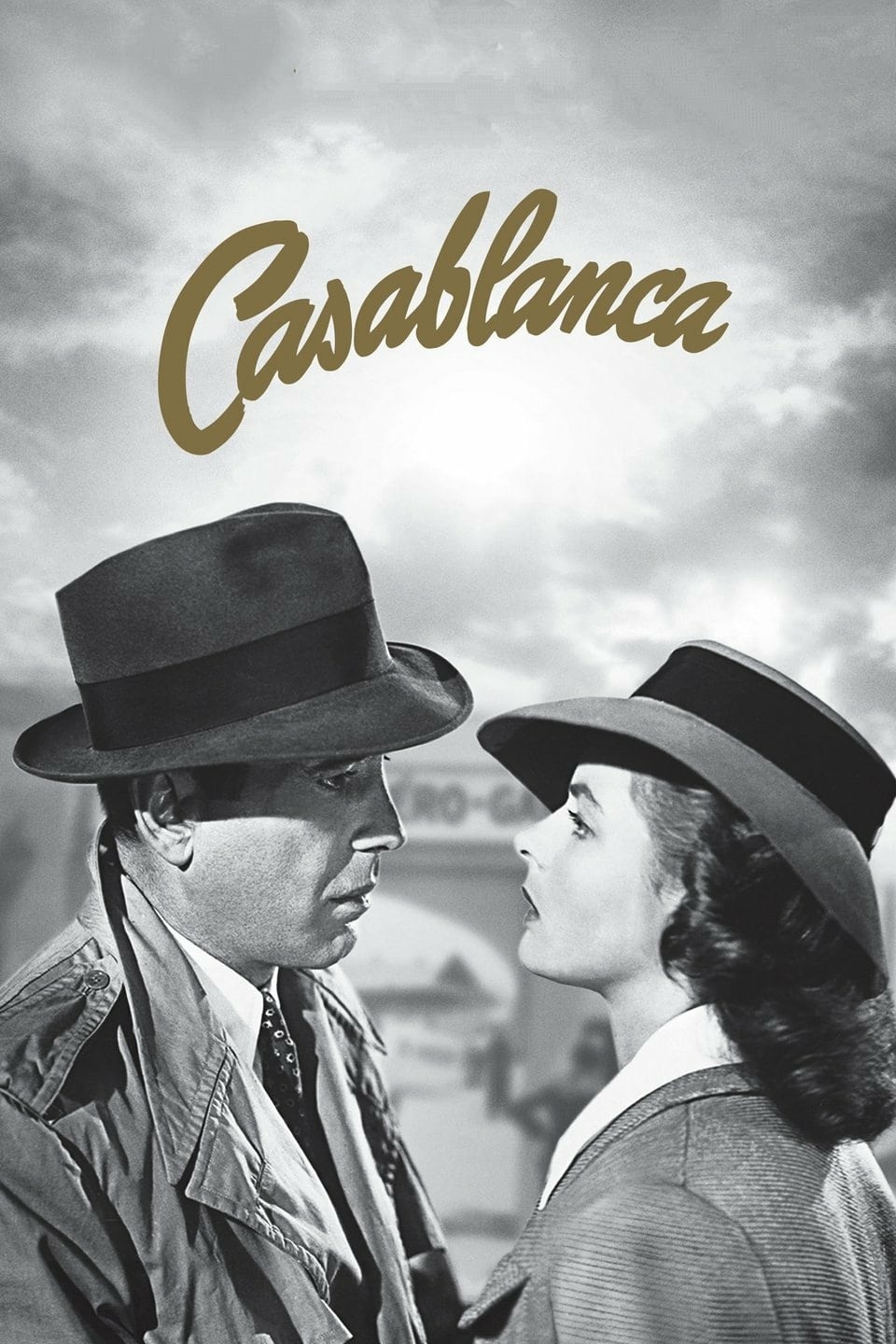
Rick Blaine does not tell the piano player to play the song again with the phrase “Play it again, Sam.” Ilsa Lund is the character who initiates the music by saying “Play it, Sam” while she sits in the café. Humphrey Bogart later demands the song by barking “Play it” at the musician in a moment of despair. The cultural memory of this scene has been distorted by decades of parodies and homages using the incorrect phrasing.
‘The Silence of the Lambs’ (1991)
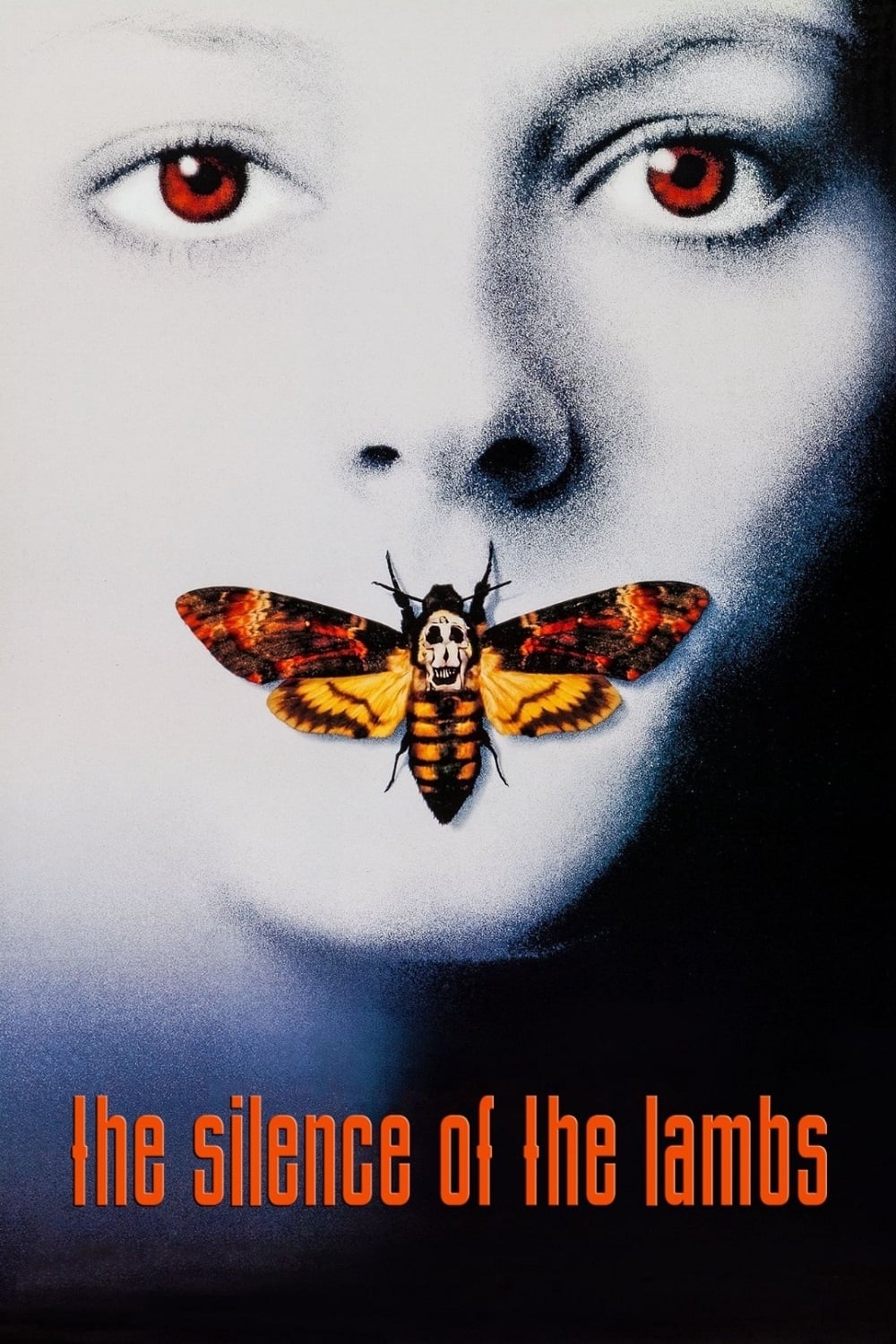
Hannibal Lecter never greets Agent Starling with the phrase “Hello, Clarice” during their first meeting. The cannibalistic psychiatrist simply says “Good morning” when she first approaches his glass cell. He uses her name often throughout the film but never in that specific greeting combination. This misquote likely gained traction because it sounds more ominous and summarizes their dynamic effectively.
‘Snow White and the Seven Dwarfs’ (1937)
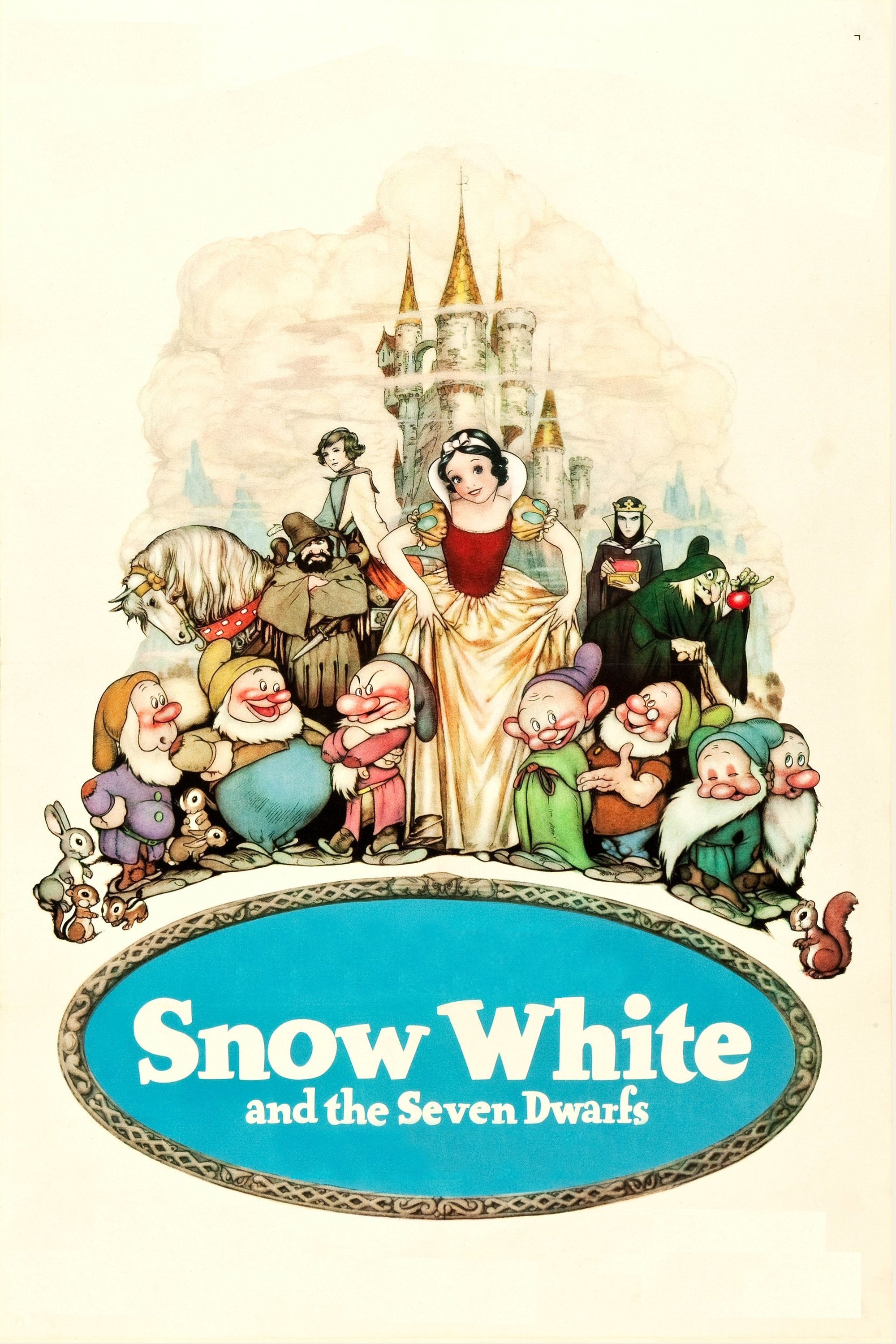
The Evil Queen addresses her magical object with a slightly different incantation than most people remember. She actually says “Magic mirror on the wall” rather than the popularized “Mirror, mirror on the wall.” The rhythm of the misquoted version has made it easier for children to remember and repeat. This subtle difference appears in the original source material but pop culture has favored the repetitive version.
‘The Wizard of Oz’ (1939)
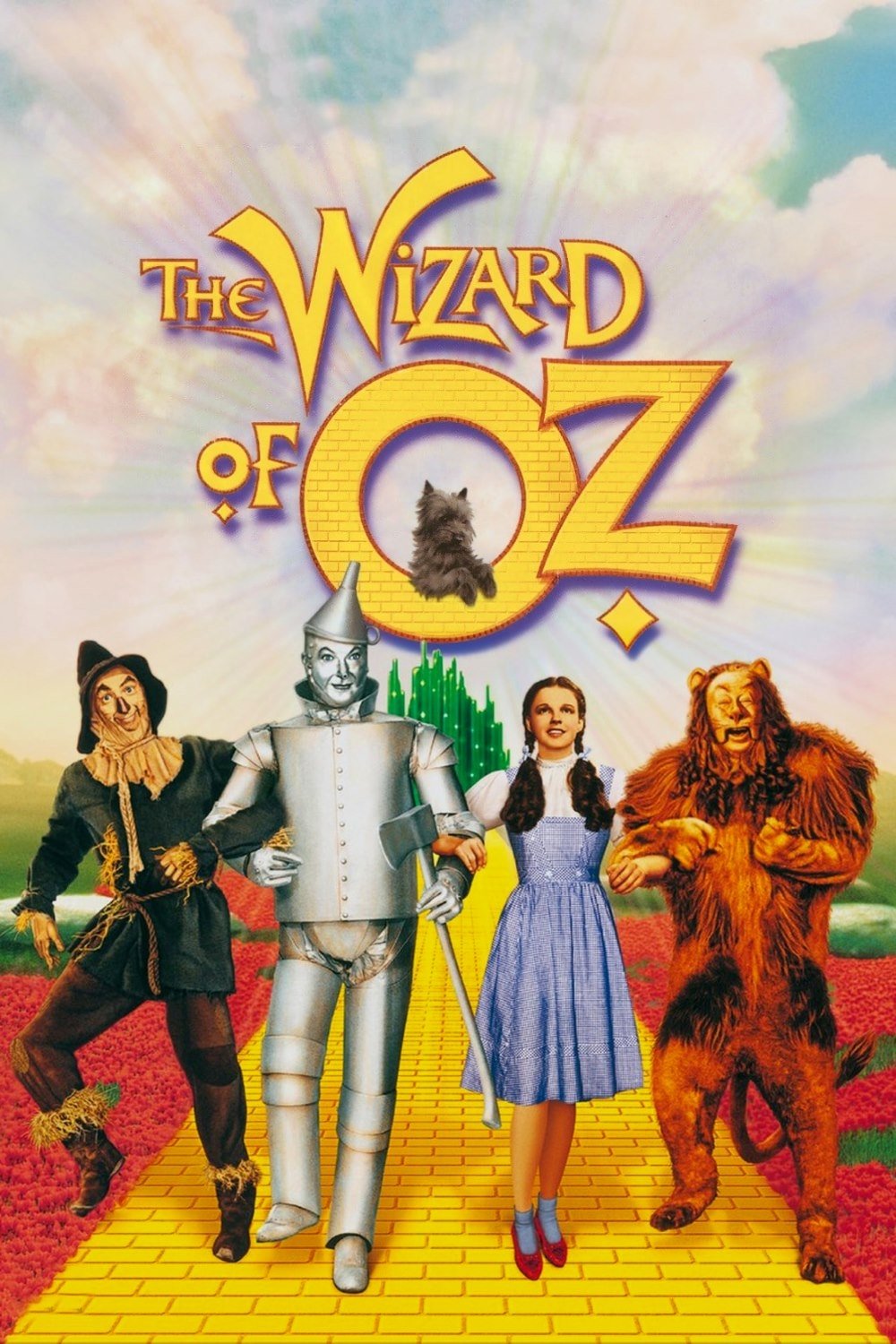
The Wicked Witch of the West does not instruct her flying monkeys to “Fly, my pretties, fly” during the capture scene. She commands them to fly and she refers to Dorothy as her pretty in other scenes. The audience conflated these two separate lines into one commanding sentence over the years. The actual dialogue is less catchy but serves the same menacing purpose in the script.
‘Field of Dreams’ (1989)
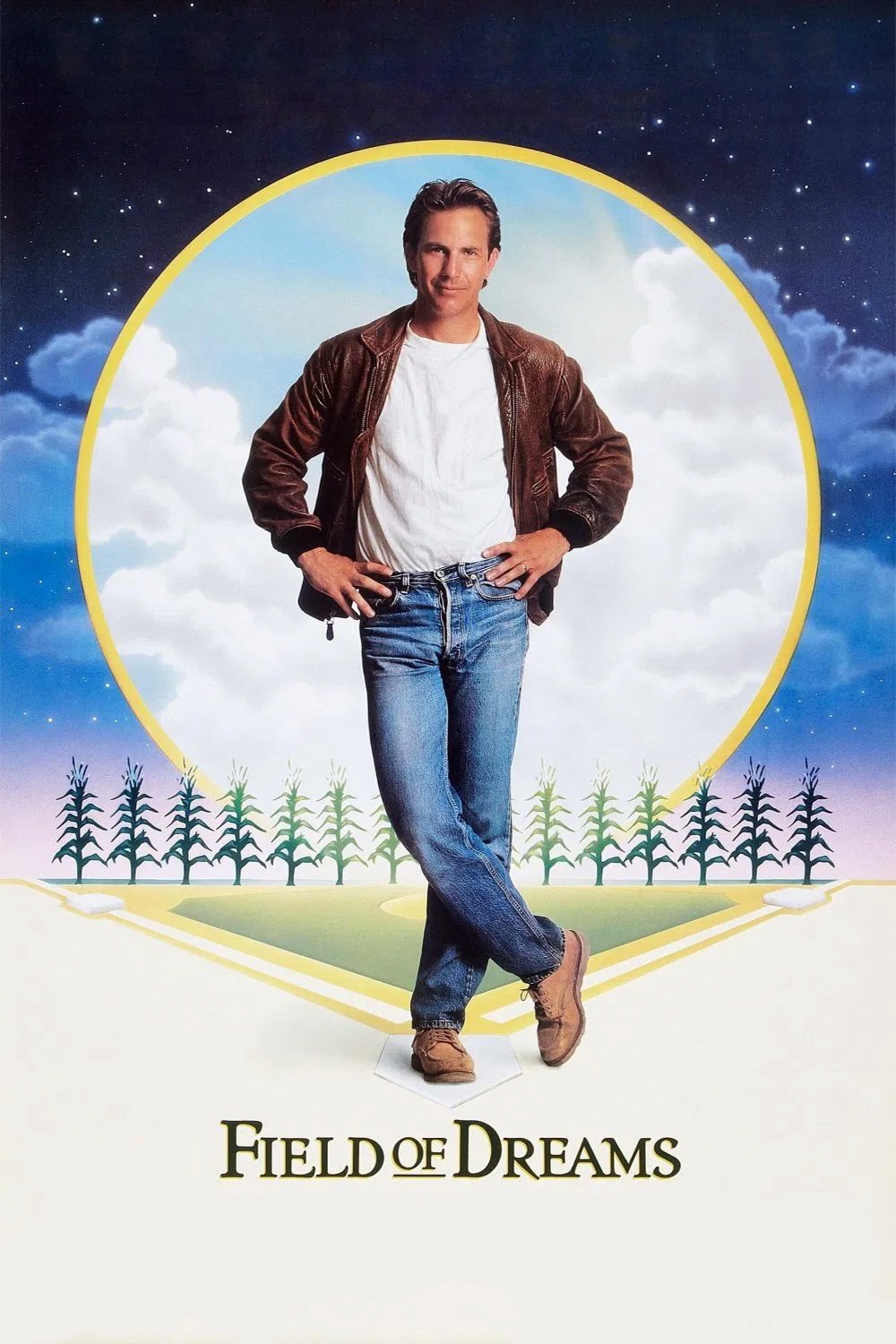
Ray Kinsella hears a mysterious voice in his cornfield that delivers a singular promise rather than a plural one. The voice whispers “If you build it, he will come” regarding his father and not the entire baseball team. Collective memory often changes the pronoun to “they” to account for the players who eventually emerge from the crops. The emotional core of the story is specifically about the reconciliation between one father and his son.
‘Jaws’ (1975)
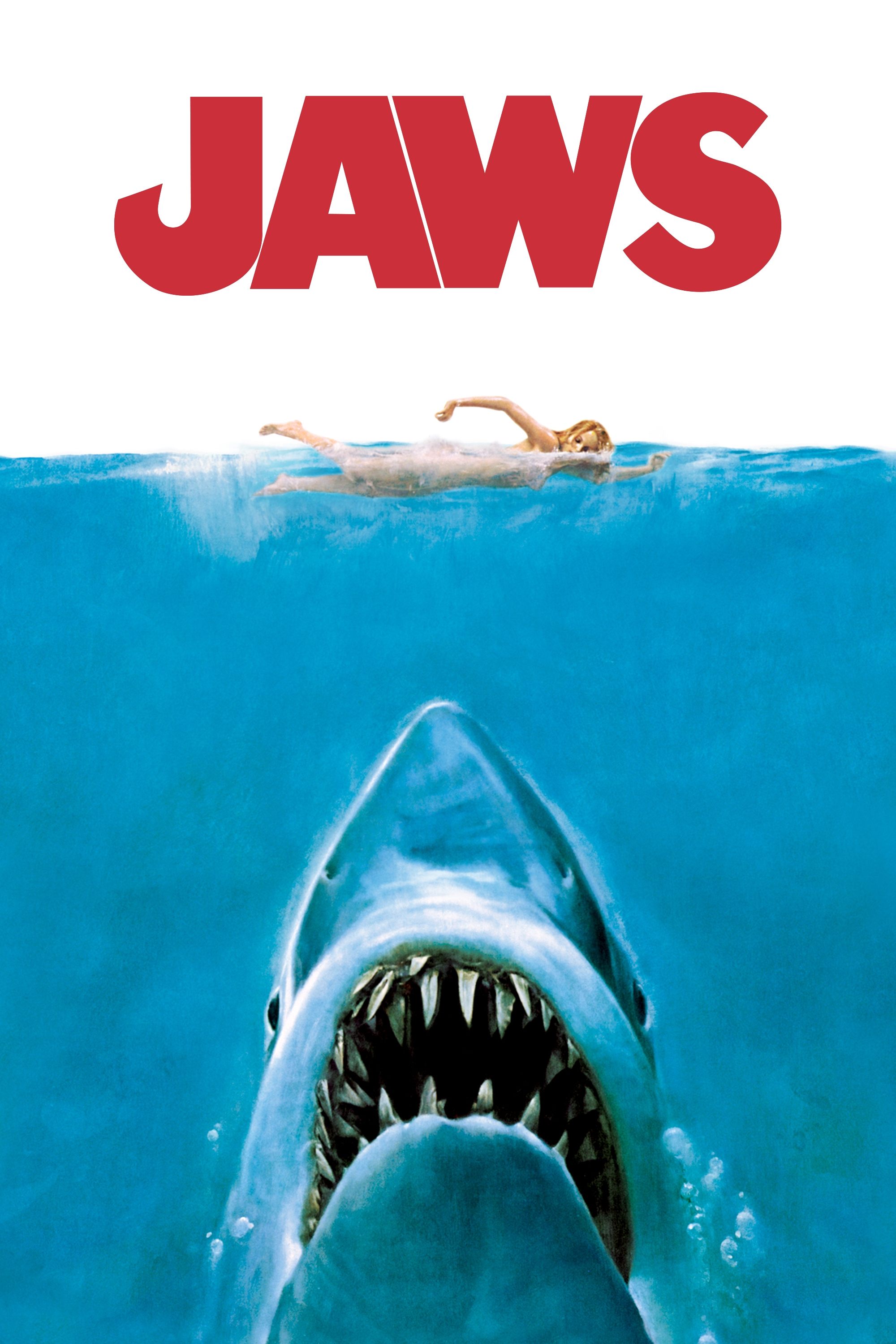
Chief Brody delivers his iconic line to Quint while backing into the cabin of the Orca. He actually remarks “You’re gonna need a bigger boat” instead of using the collective “We’re gonna need a bigger boat.” The line is a direct observation of Quint’s inadequate equipment rather than a statement about their shared predicament. This subtle shift in pronouns changes the tone from teamwork to a warning directed at the captain.
‘Star Trek’ (1966–1969)
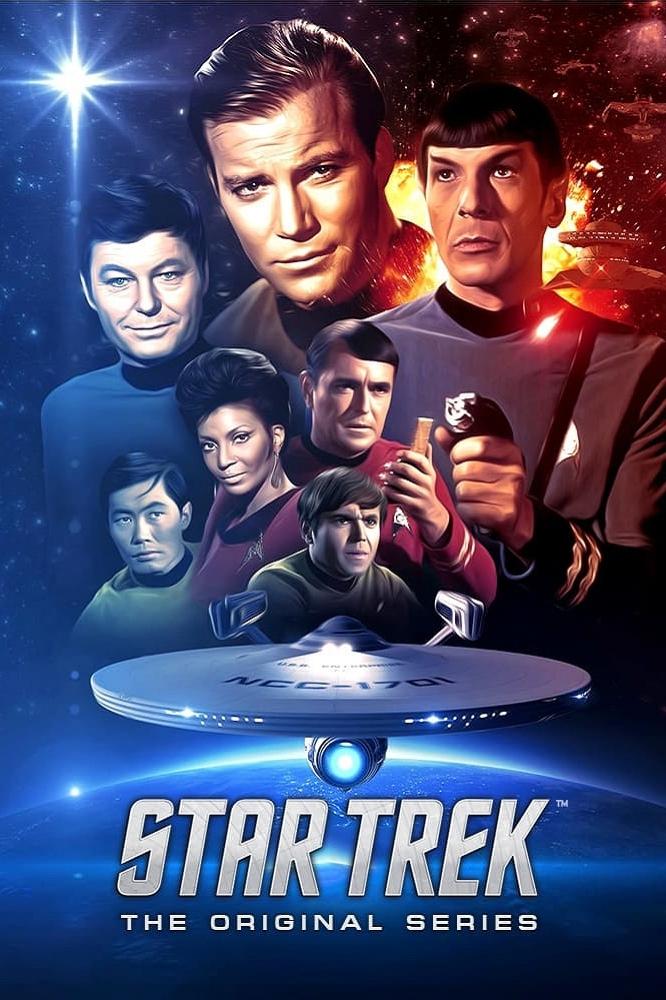
Captain Kirk never commands his engineer with the exact phrase “Beam me up, Scotty” in any episode of the original series. He uses various commands such as “Scotty, beam us up” or simply “Energize” throughout the show’s run. The popular catchphrase was created by fans and sticker manufacturers to summarize the show’s teleportation mechanic. It became so ubiquitous that James Doohan later used it as the title of his autobiography.
‘Frankenstein’ (1931)
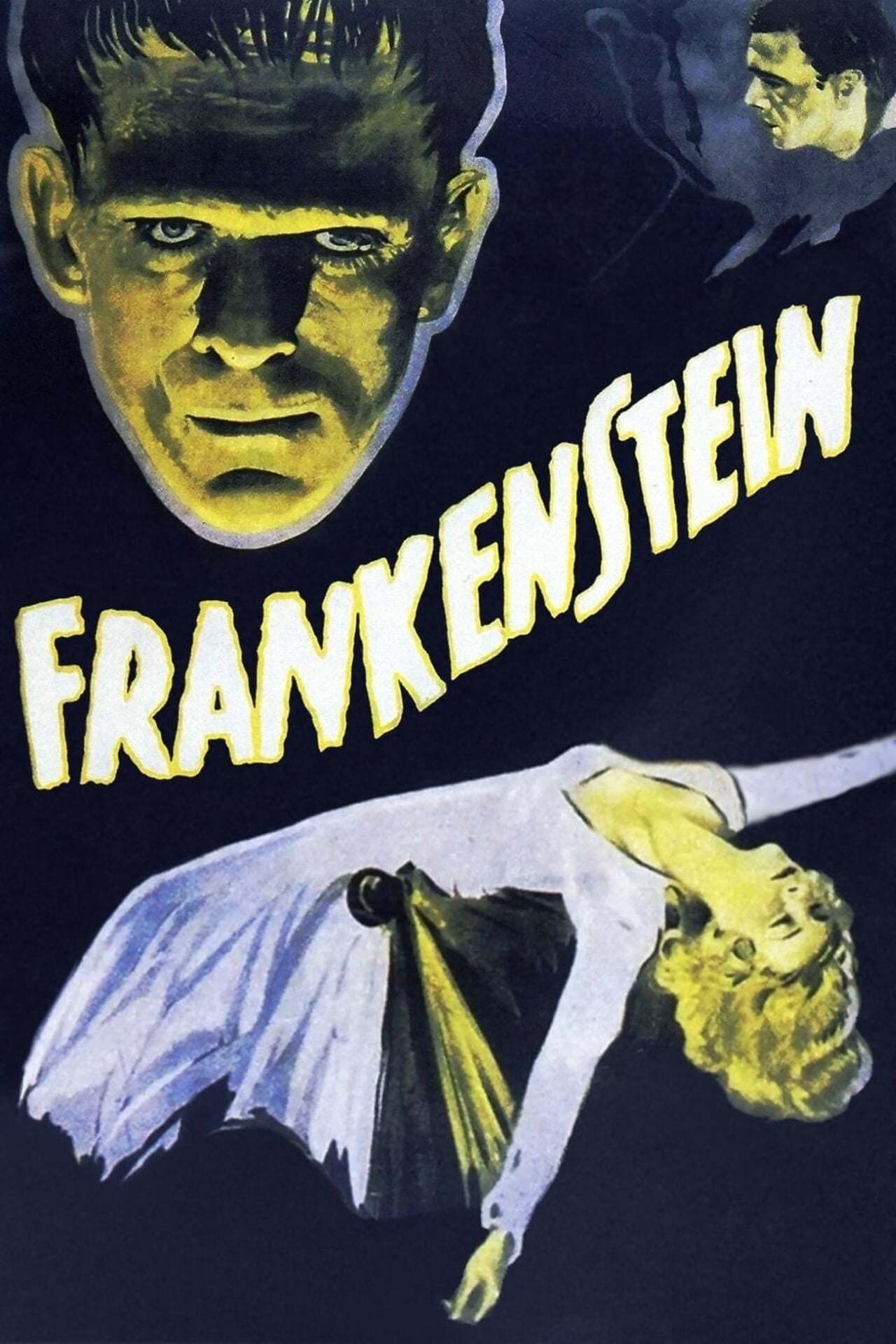
The green creature with bolts in his neck is not named Frankenstein. Dr. Henry Frankenstein is the scientist who creates the monster from reanimated body parts. The credits list the creature simply as The Monster and he remains nameless throughout the film. Audiences have applied the surname of the creator to the creation for nearly a century.
‘Apollo 13’ (1995)
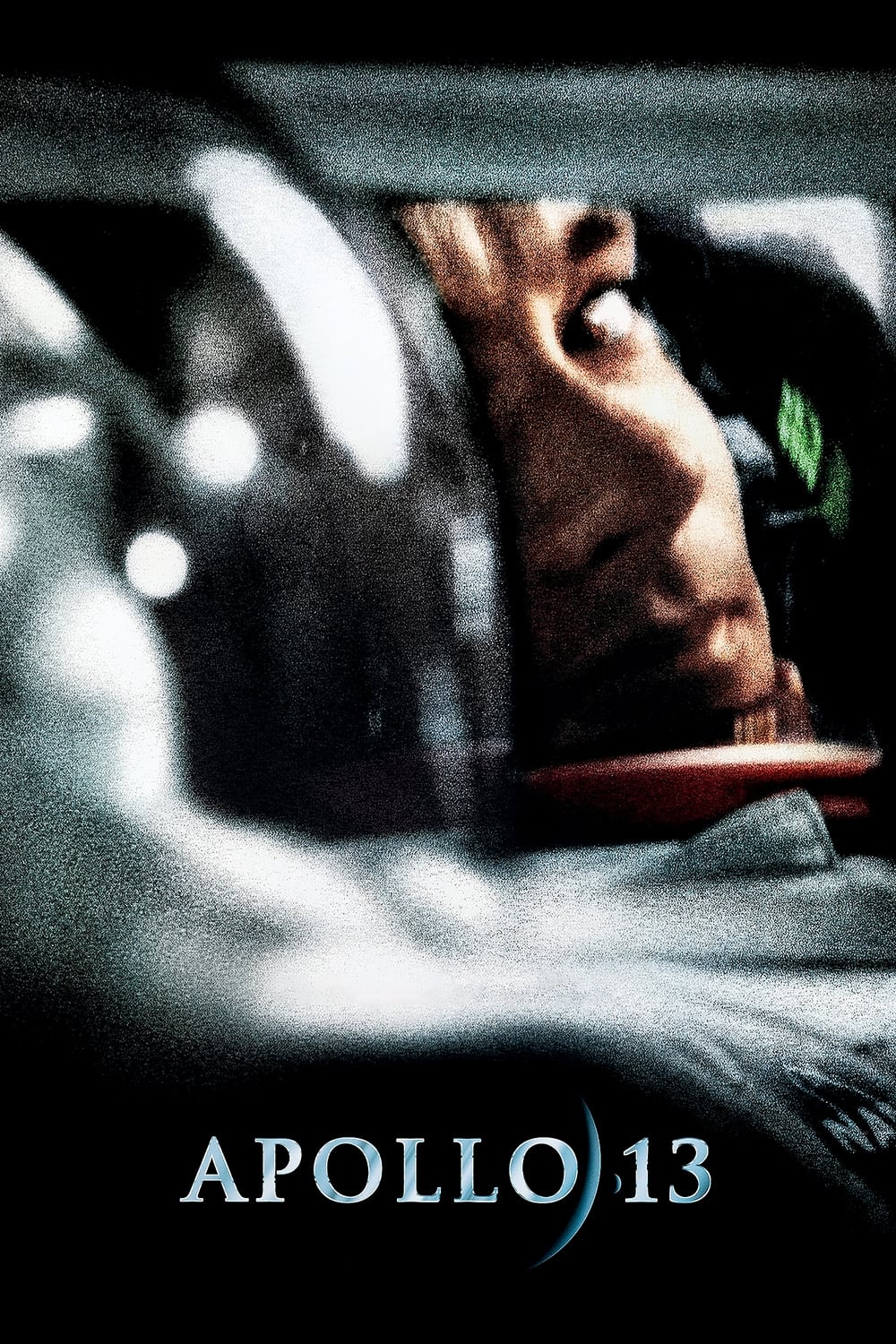
Tom Hanks delivers a line that differs slightly from the historical transcript and the common misquote. He says “Houston, we have a problem” in the film to alert mission control of the explosion. The real Jim Lovell actually said “Houston, we’ve had a problem” using the past tense. The movie altered the dialogue to make the emergency feel more immediate and present for the audience.
‘Dirty Harry’ (1971)

Harry Callahan delivers a long monologue about his magnum revolver that ends differently than most people quote. He actually says “You’ve got to ask yourself one question: ‘Do I feel lucky?’ Well, do you, punk?” He never uses the shortened phrase “Do you feel lucky, punk?” as a standalone sentence. The full speech creates a rhythmic tension that the abbreviated misquote fails to capture.
‘The Matrix’ (1999)
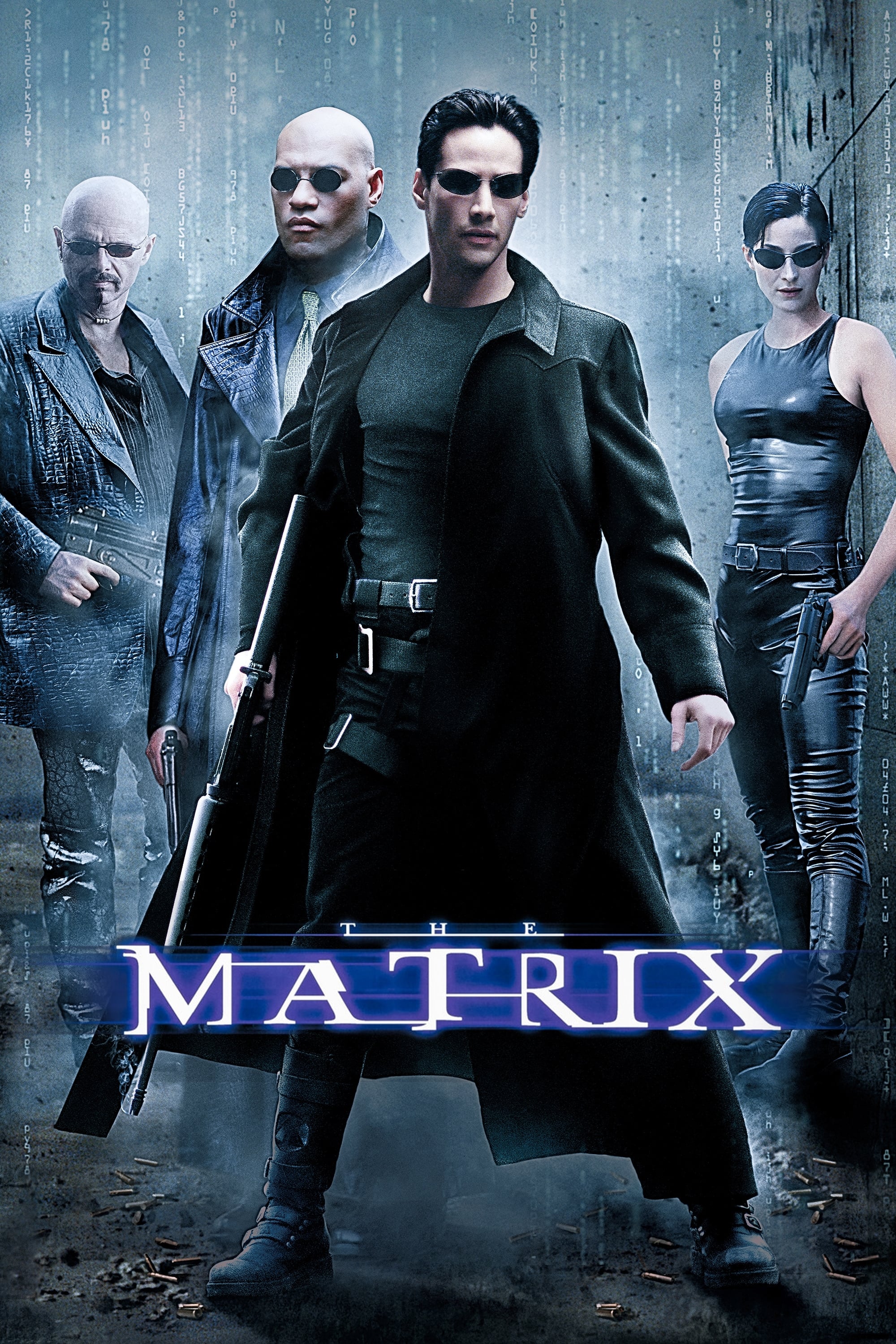
Morpheus never says the words “What if I told you” during his exposition scenes with Neo. This phrase originated entirely from internet memes that used a screenshot of Laurence Fishburne to present hypothetical scenarios. The character discusses the nature of reality and the choice between pills without ever using that specific sentence structure. It stands as a prime example of how internet culture can rewrite movie dialogue.
‘Forrest Gump’ (1994)
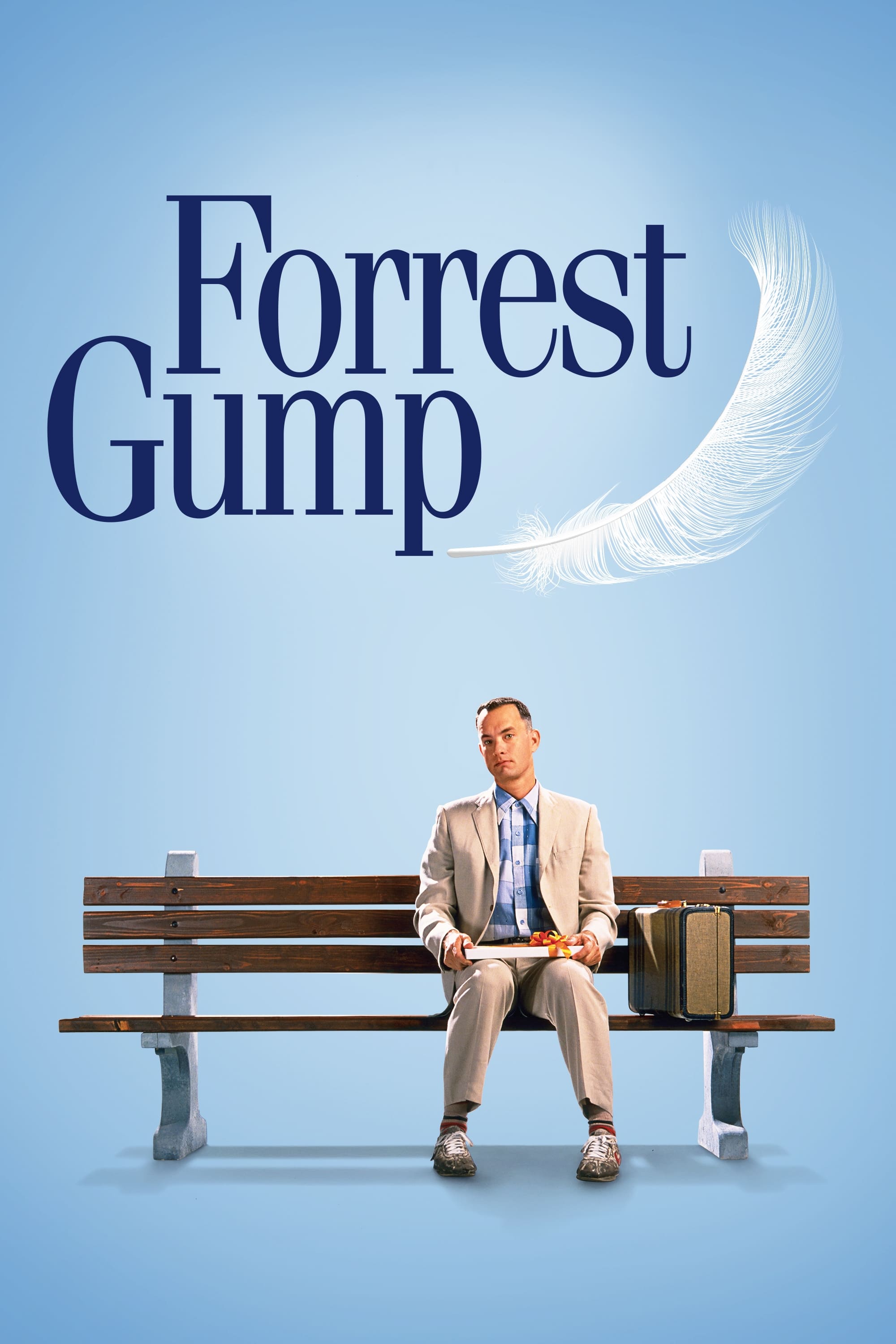
Forrest sits on a bench and recalls a saying his mother told him about the uncertainty of life. He states that “Life was like a box of chocolates” using the past tense to reflect on her advice. Most people quote the line as “Life is like a box of chocolates” to make it a general proverb. The film character speaks reflectively about things he has already learned rather than making present-tense declarations.
‘Tarzan the Ape Man’ (1932)
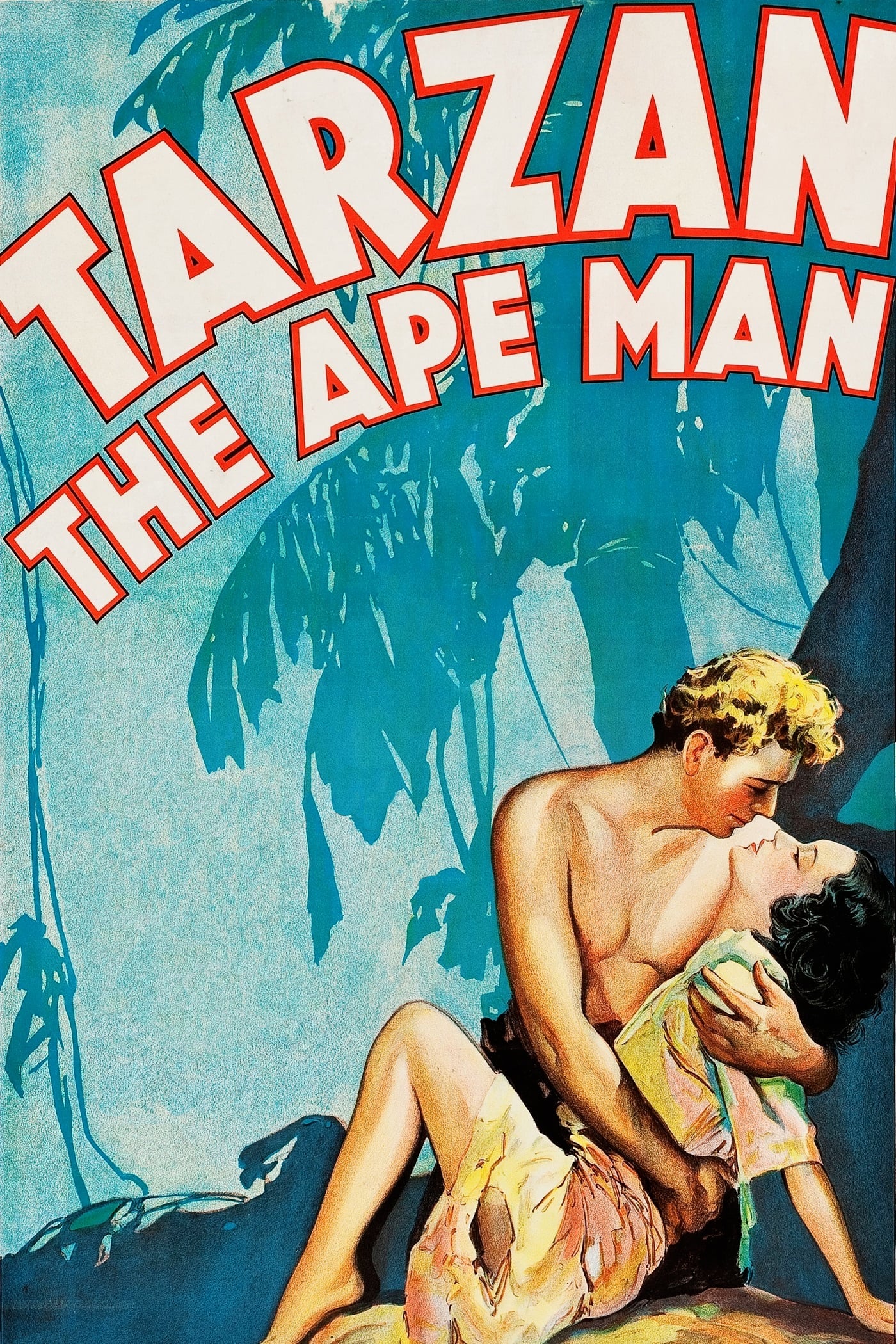
Johnny Weissmuller never says “Me Tarzan, you Jane” during his introduction to the female lead. The scene involves a series of simple pointing gestures and single names to establish their identities. He taps her chest and says “Jane” then taps his own chest and says “Tarzan.” The condensed sentence was likely created by comedians and critics to mock the simplistic dialogue of the jungle films.
‘Wall Street’ (1987)
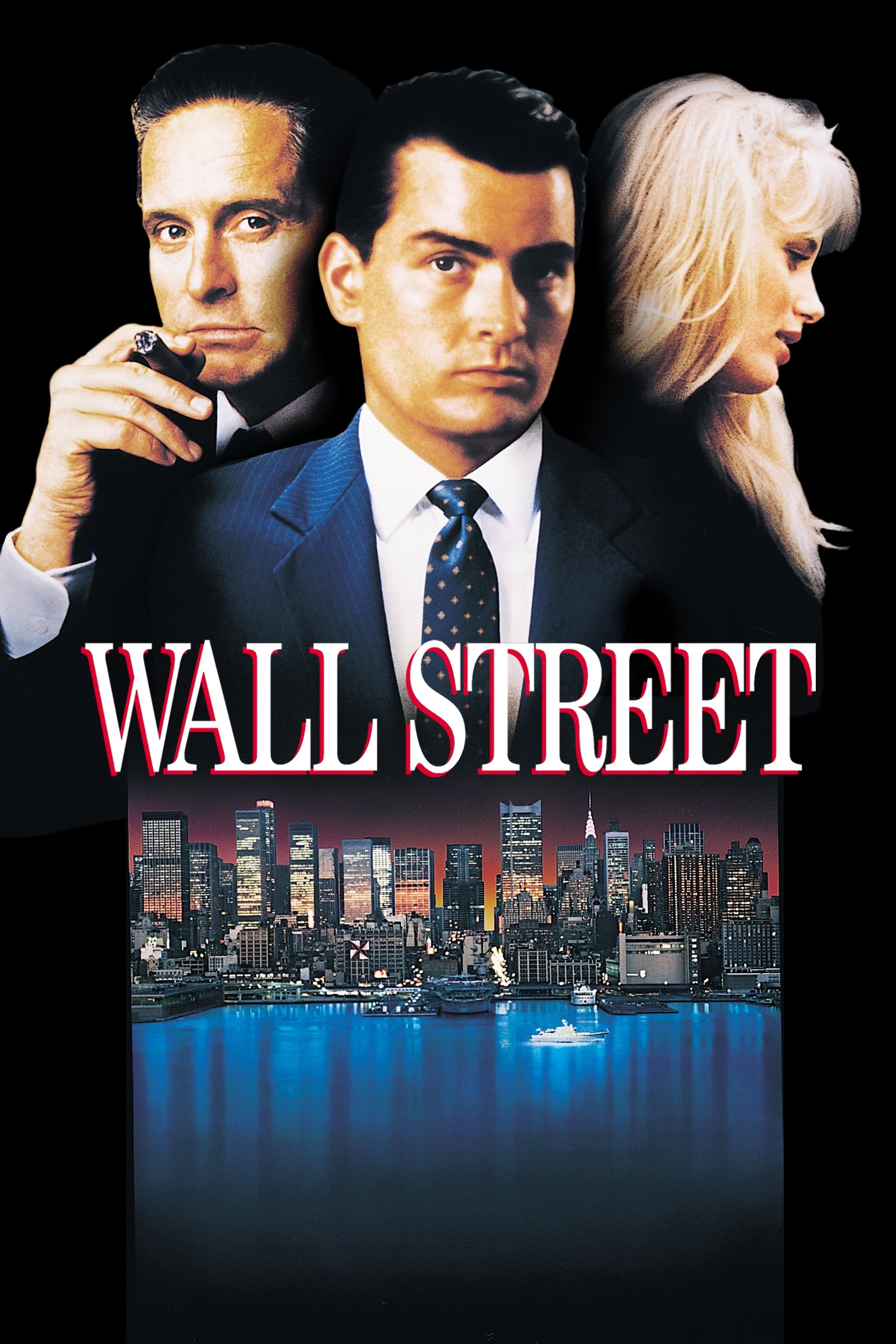
Gordon Gekko delivers a speech about the mechanics of capitalism that is more nuanced than the famous soundbite. He actually states “Greed, for lack of a better word, is good.” The simplified version “Greed is good” removes the character’s slight hesitation and rhetorical qualifying. This editing makes the philosophy sound more abrupt and slogan-like than it appears in the actual monologue.
‘The Graduate’ (1967)
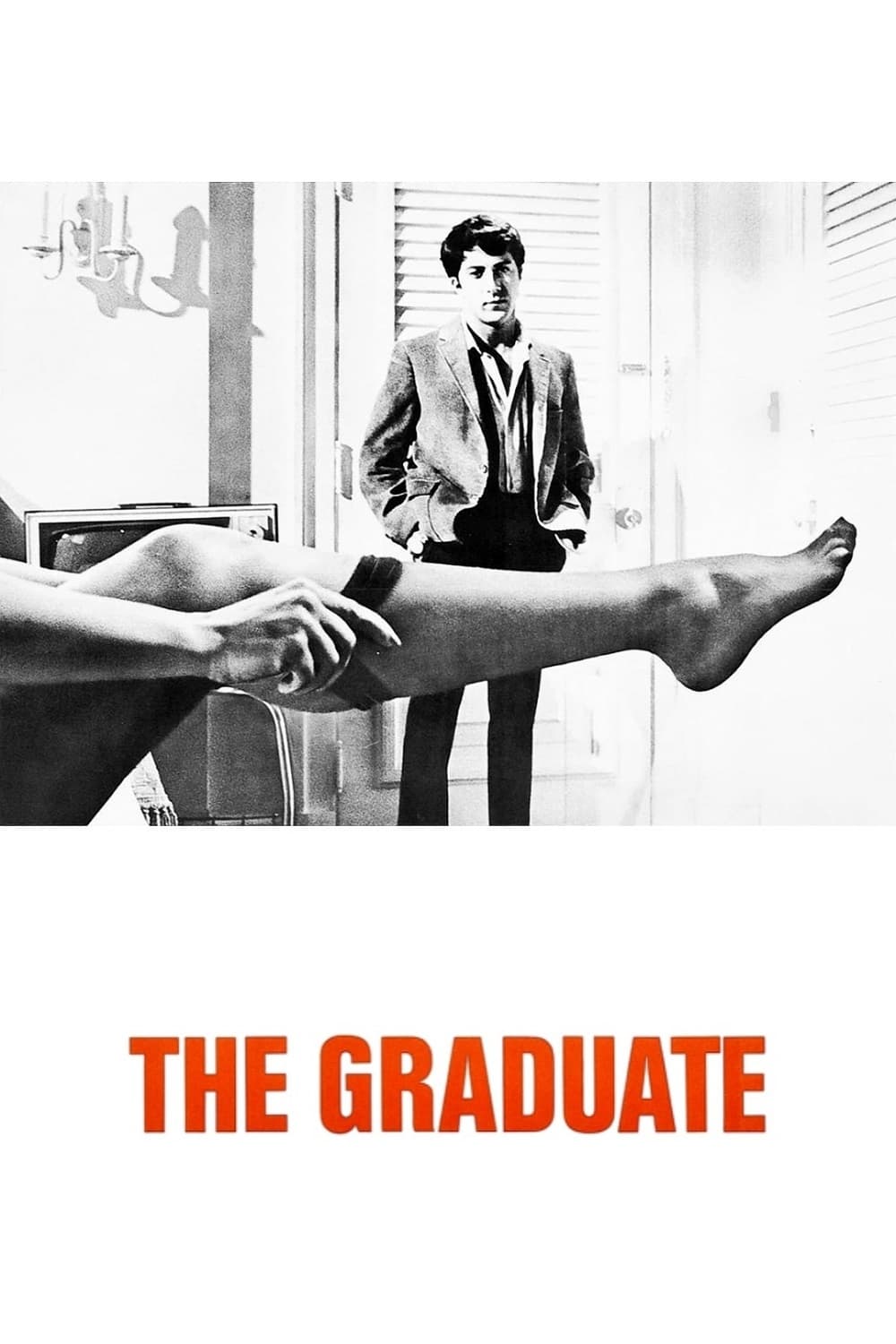
Benjamin Braddock does not accuse Mrs. Robinson of seduction in the way most people remember. He asks “Mrs. Robinson, you’re trying to seduce me” as a question rather than a statement. He ends the sentence with “Aren’t you?” which displays his confusion and lack of confidence. The misquote turns his uncertainty into a confident accusation that betrays the character’s awkward nature.
‘Risky Business’ (1983)
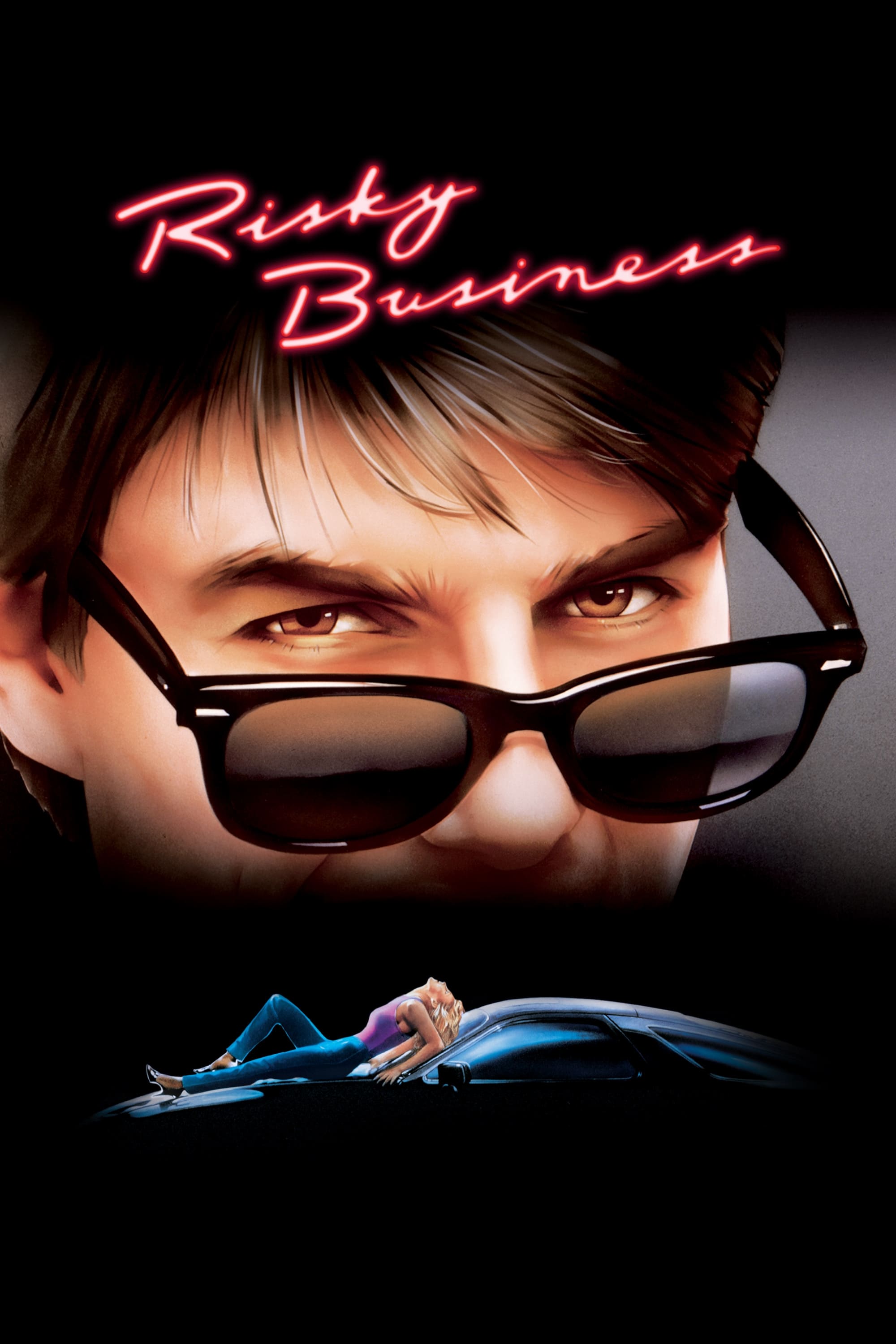
Tom Cruise dances in his living room wearing a pink button-down shirt and socks. Countless Halloween costumes and parodies depict him wearing a white shirt and black sunglasses for this scene. He actually leaves his sunglasses off while sliding across the floor and lip-syncing. The collective memory has merged his look from the movie poster with the specific dance sequence.
‘Psycho’ (1960)
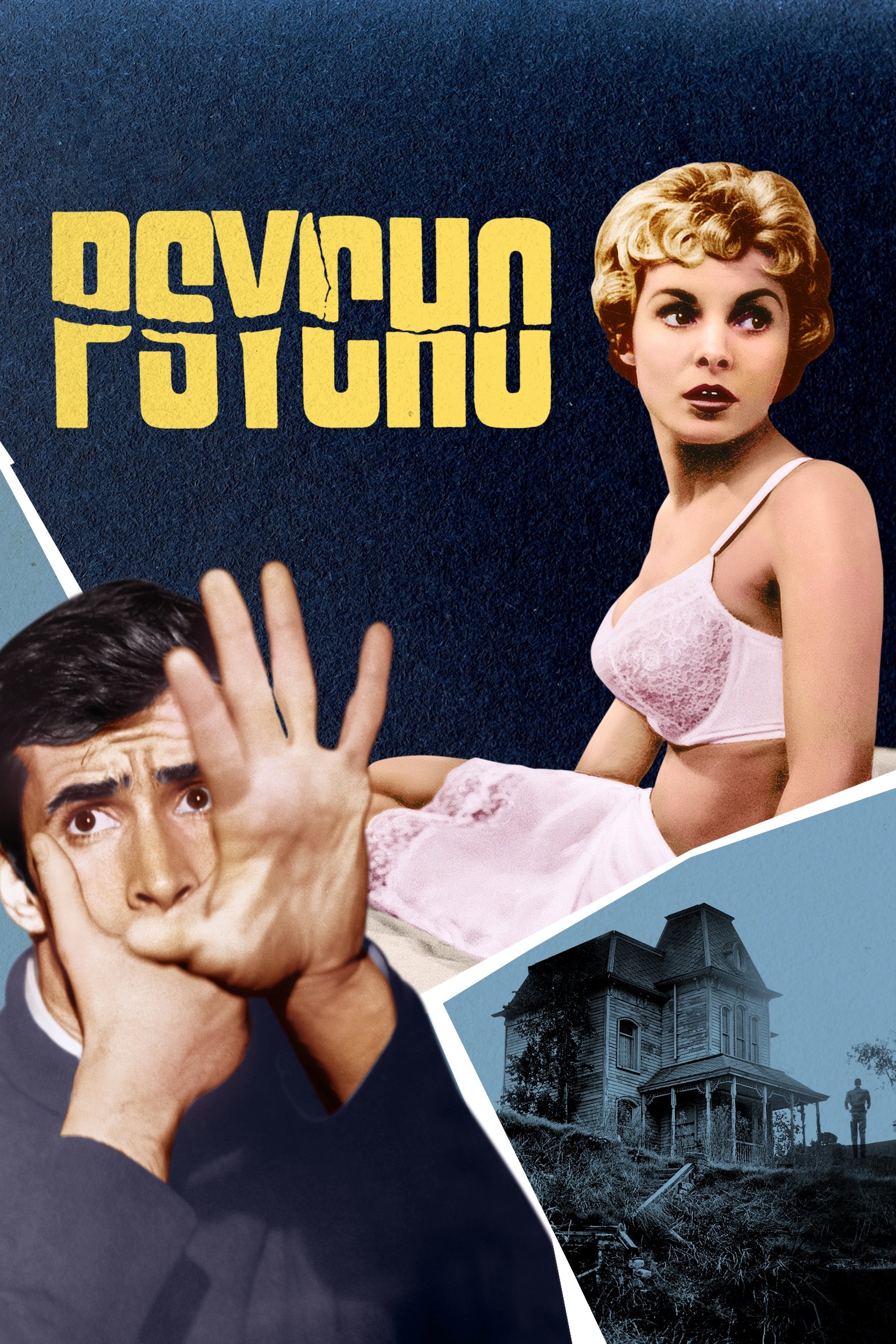
The infamous shower scene uses rapid editing to imply violence without showing explicit gore. The knife never actually penetrates the skin of the victim on screen. Alfred Hitchcock used chocolate syrup for blood and quick cuts to create the illusion of stabbing. Viewers often vividly remember seeing the knife enter the body despite the lack of visual evidence.
‘Midnight Cowboy’ (1969)
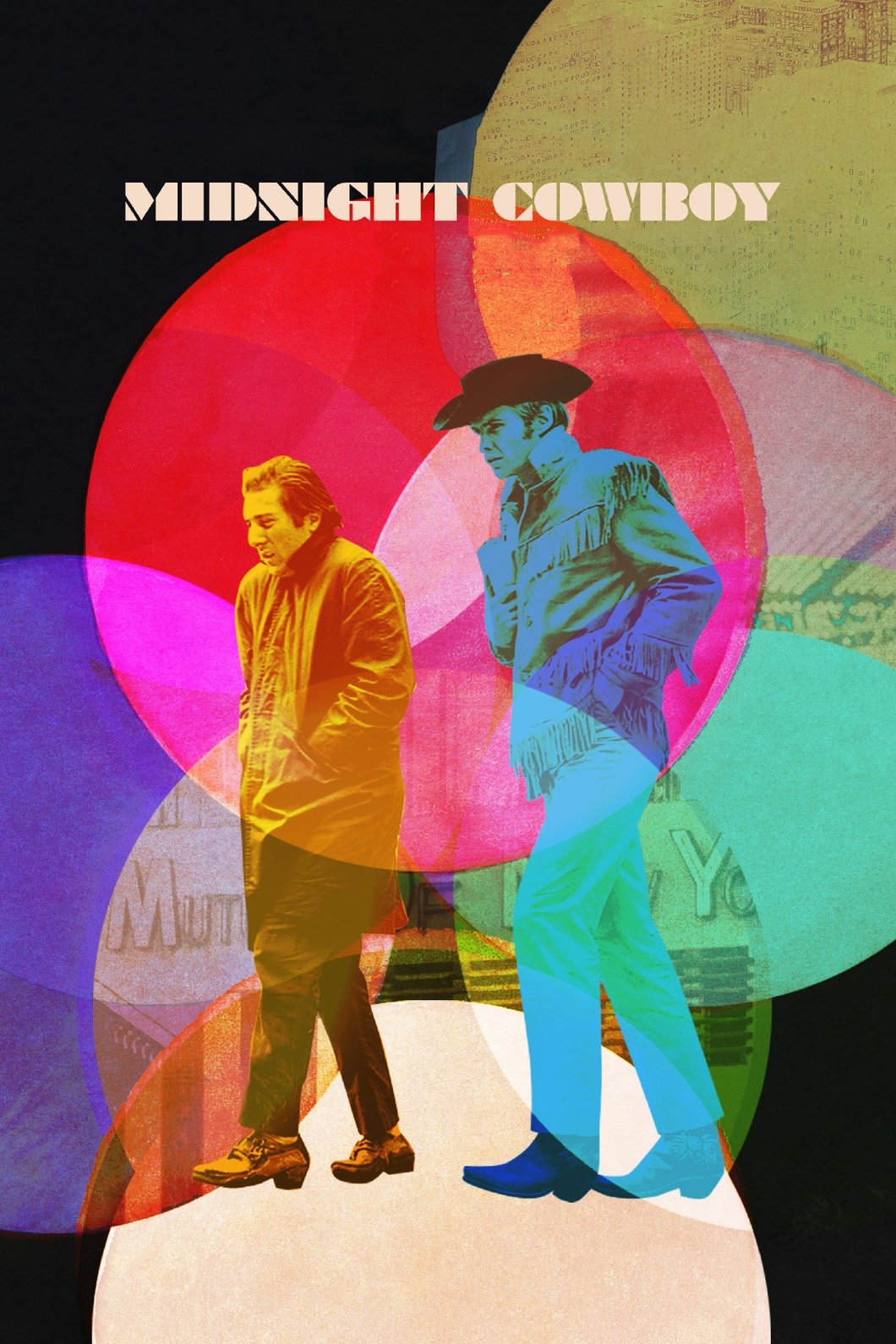
Dustin Hoffman’s famous line “I’m walkin’ here” was improvised but the context is often misunderstood. He shouted the line at a real New York City taxi driver who ignored the filming barriers and almost hit the actors. The scene stayed in the movie because it perfectly fit the gritty atmosphere of the setting. It was a genuine reaction to a dangerous moment rather than a scripted piece of dialogue.
‘Dracula’ (1931)
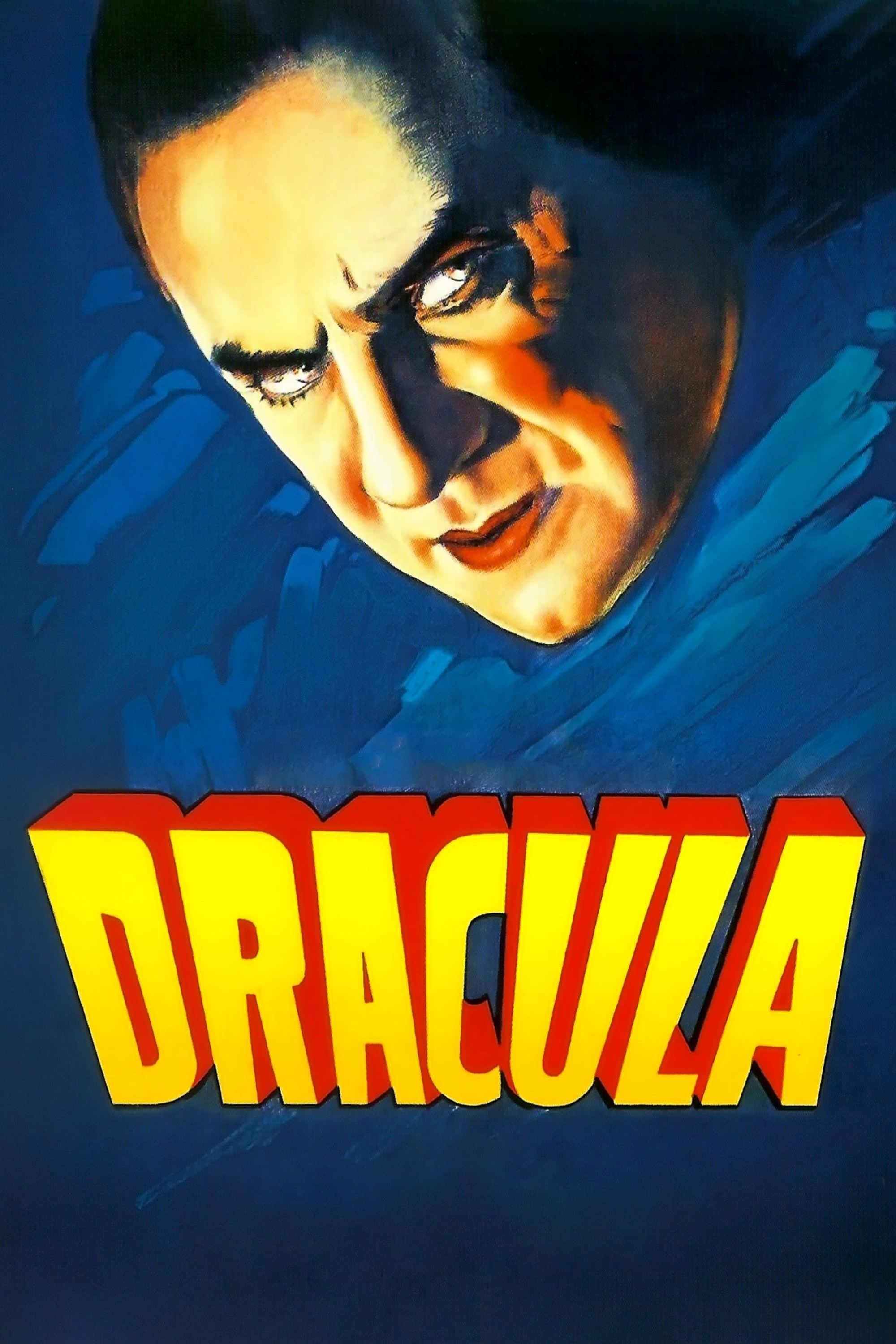
Bela Lugosi never says “I want to suck your blood” in the classic Universal monster movie. The line is a cliché that developed through subsequent vampire films and comedic impressions. Lugosi relies on his hypnotic stare and slow movements to convey his threat. The dialogue in the original film is far more subtle and aristocratic than the cartoonish threat implies.
‘A Few Good Men’ (1992)
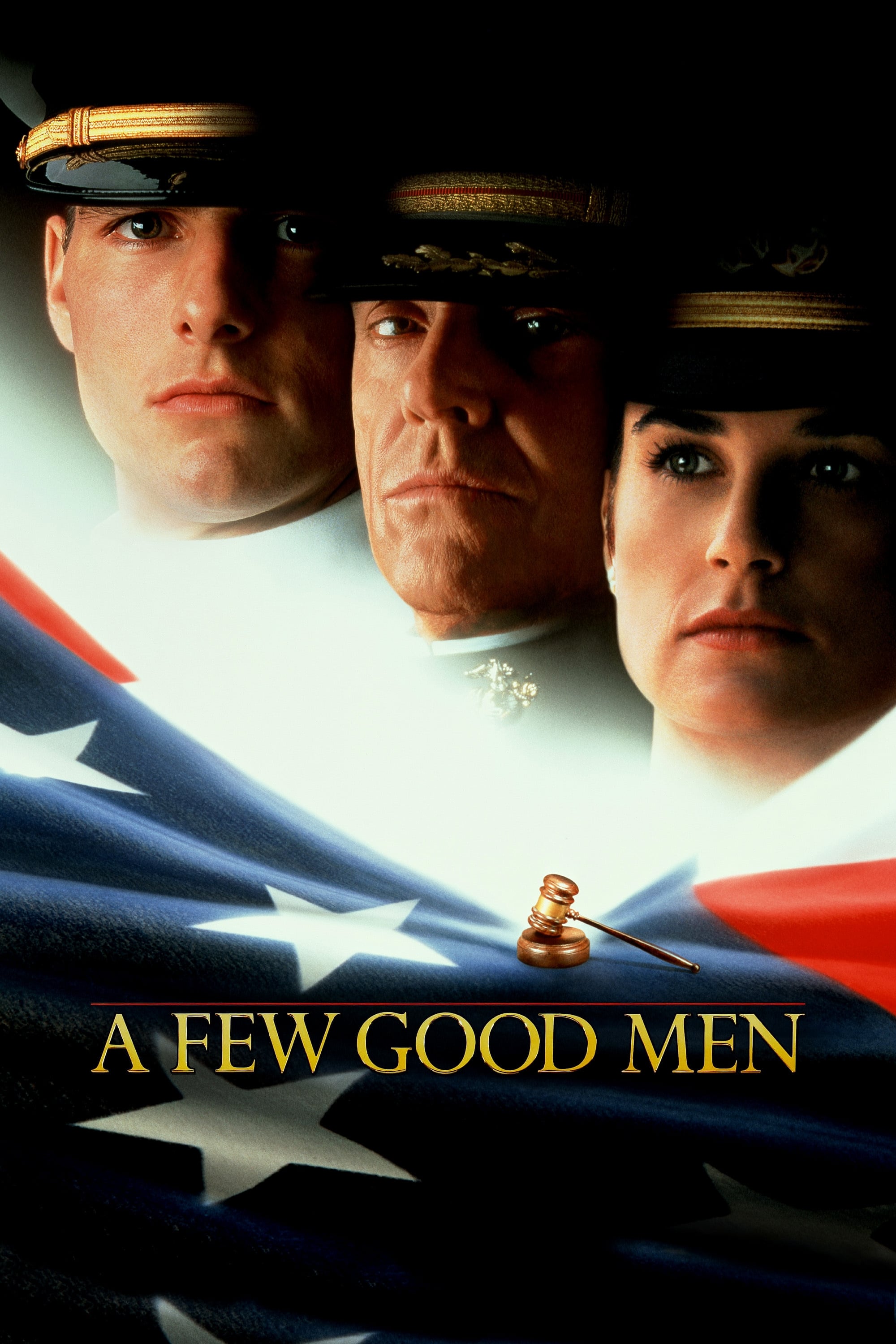
Jack Nicholson delivers the line “You can’t handle the truth” after a specific setup by Tom Cruise. Cruise shouts “I want the truth” rather than the often misquoted “I want the answers.” The rhythm of the exchange is crucial to the explosion of anger from Colonel Jessup. Quoting the setup incorrectly diminishes the call-and-response nature of the courtroom climax.
‘E.T. the Extra-Terrestrial’ (1982)
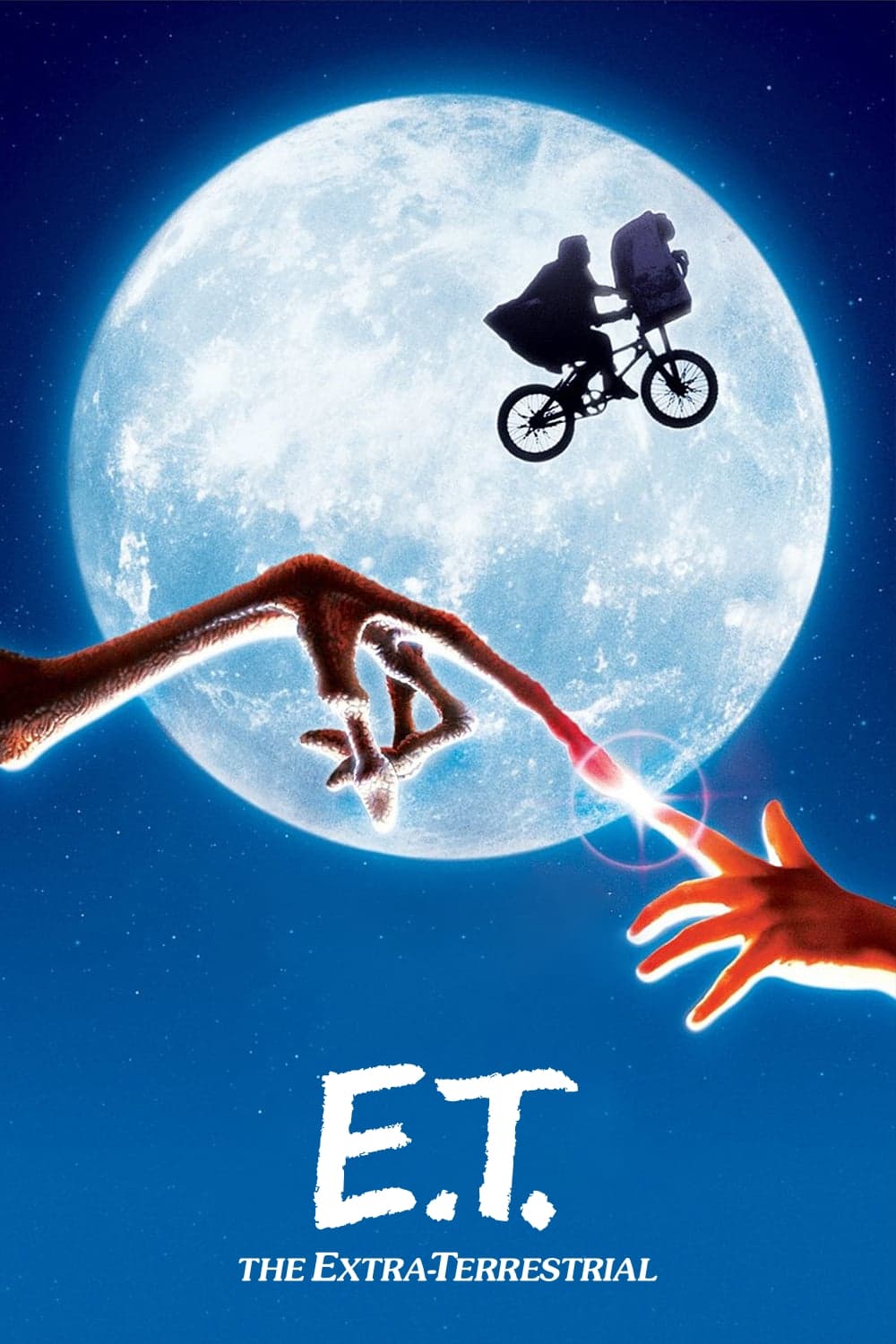
The alien creature learns to speak and requests communication with his home planet. He actually says “E.T. home phone” before Gertie corrects his grammar later in the film. The corrected phrase “E.T. phone home” became the tagline and the version everyone remembers. The character’s initial struggle with syntax is often forgotten in favor of the smoother version.
‘Crocodile Dundee’ (1986)
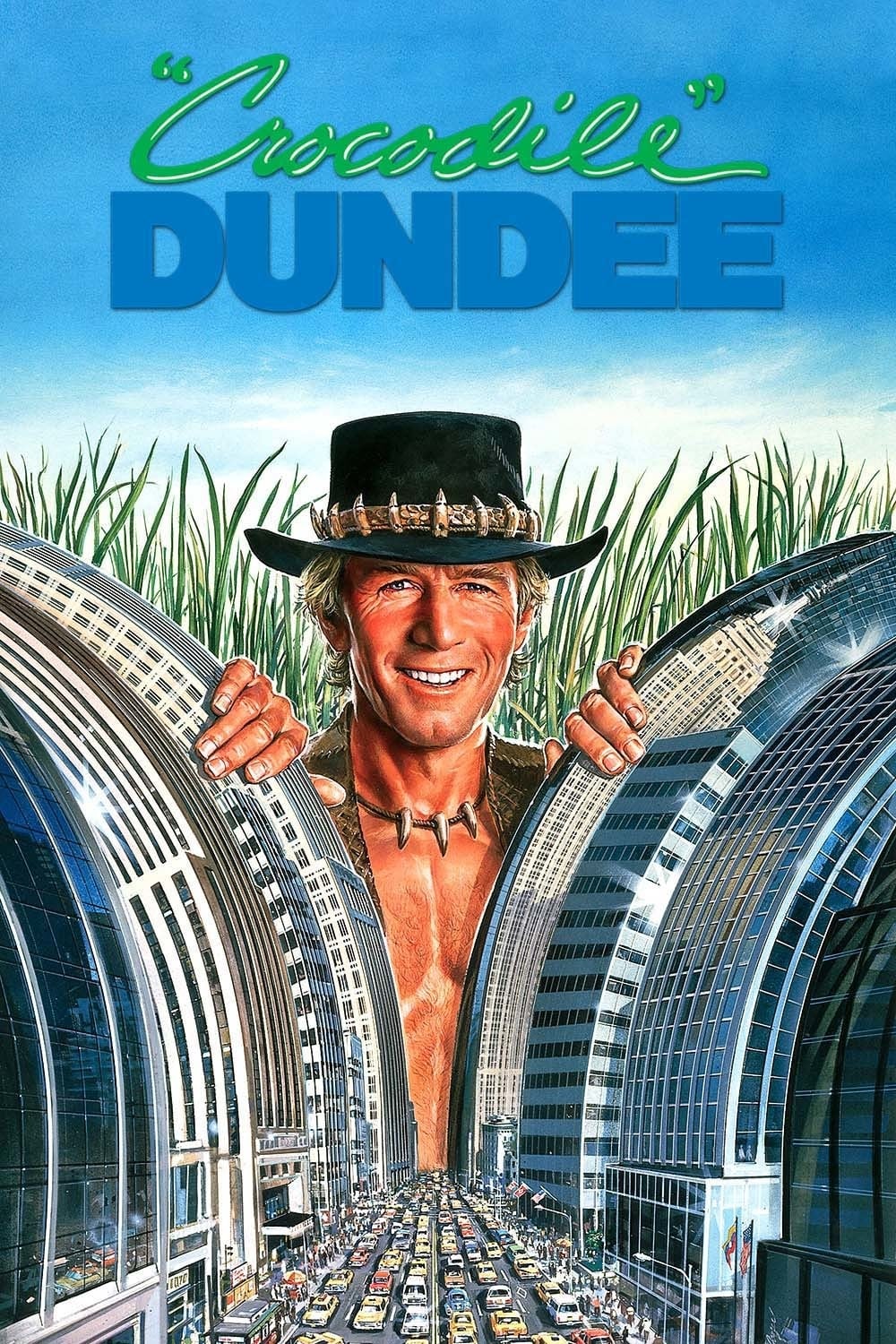
Mick Dundee responds to a mugger by drawing his large bowie knife. He says “That’s not a knife” followed by “That’s a knife” while holding up his own weapon. Audiences frequently add the word “this” to say “This is a knife.” The actual script omits the word “this” to make the statement more laconic and direct.
‘Titanic’ (1997)
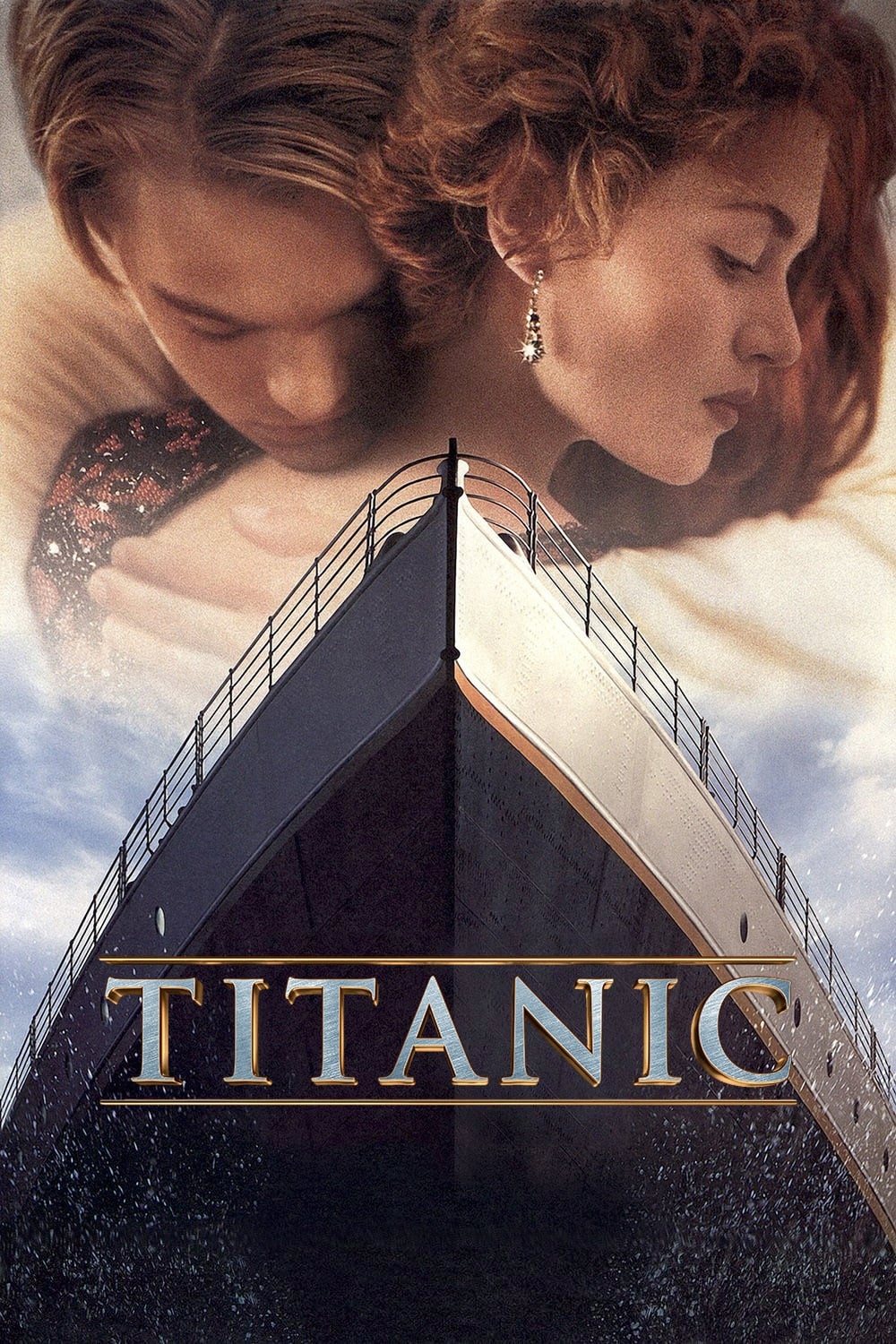
Fans have argued for decades that the wooden door was large enough to hold both Jack and Rose. The script establishes that the debris was not about surface area but about buoyancy. When Jack attempts to climb up the wood begins to sink under their combined weight. The visual size of the prop misleads viewers into thinking it was a matter of space rather than physics.
‘Pulp Fiction’ (1994)
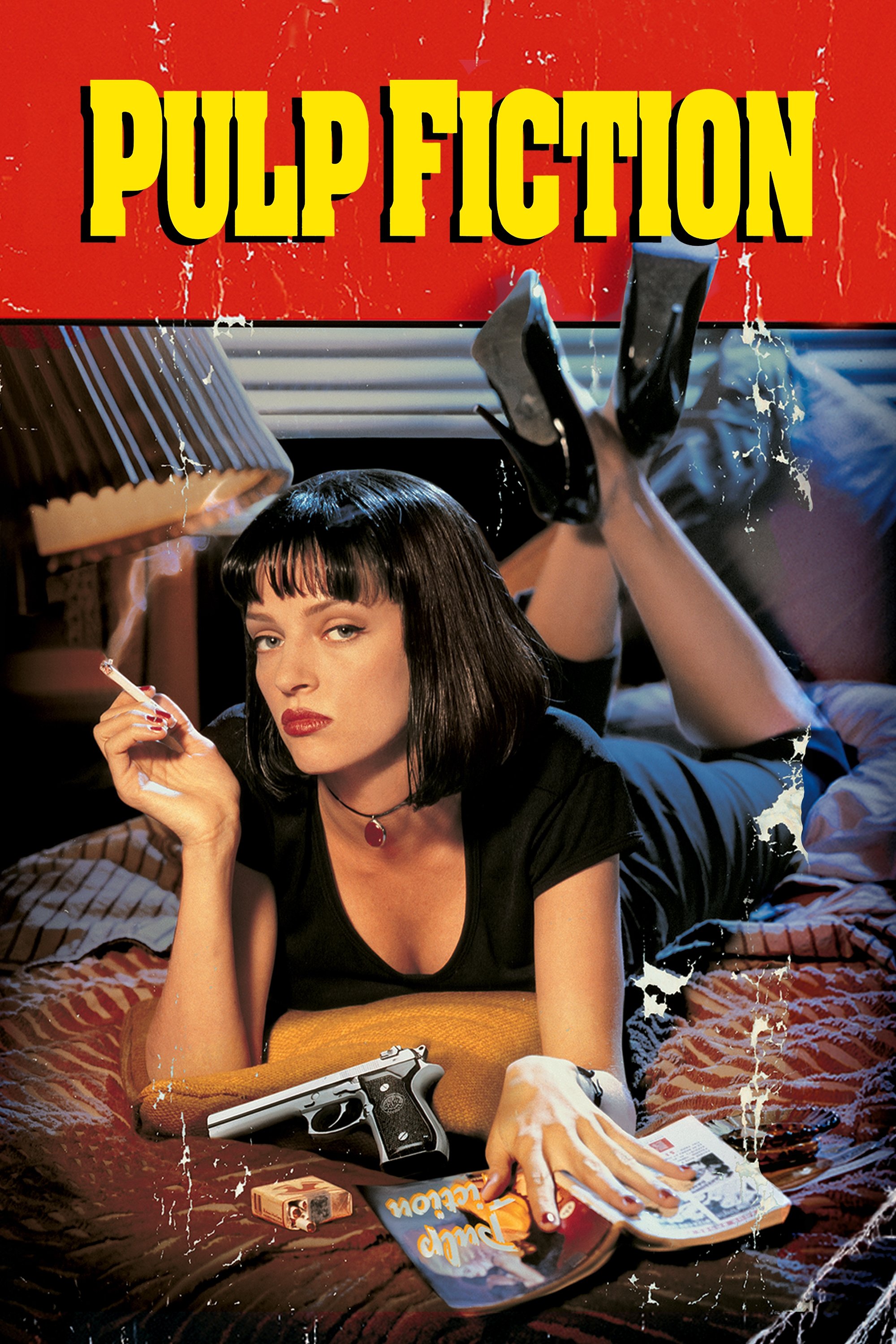
Jules Winnfield recites a Bible passage known as Ezekiel 25:17 before executing his targets. The majority of the speech in the movie was fabricated by Quentin Tarantino and does not exist in the Bible. Only the final line matches the actual scripture found in religious texts. The writer combined various influences to create a intimidating monologue that sounded biblical.
‘Independence Day’ (1996)
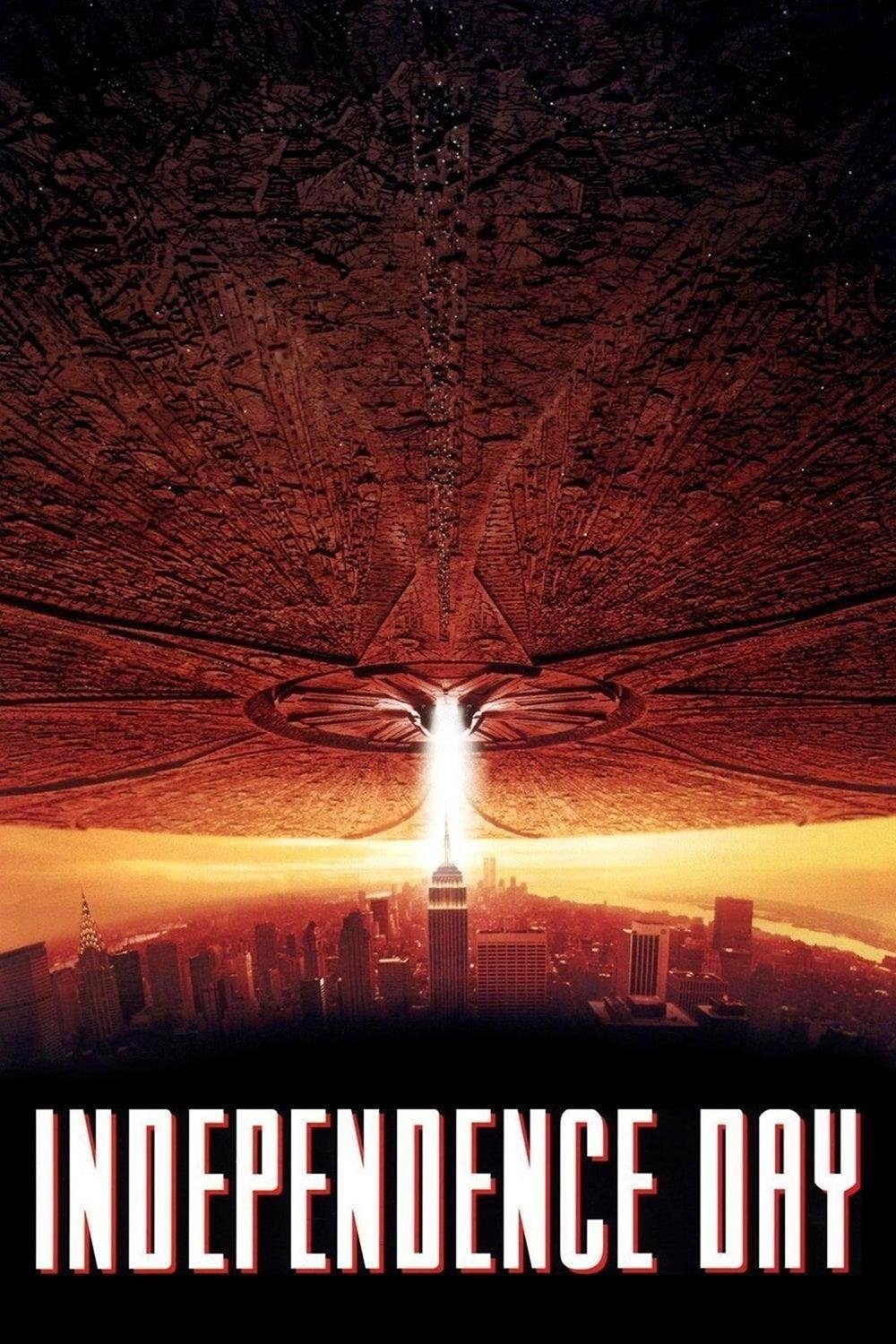
Will Smith punches an alien in the face after dragging it from a crashed vessel. He says “Welcome to Earth” immediately after the impact. Many viewers misremember him saying “Welcome to Earf” in a slang accent. He actually enunciates the word Earth clearly during the close-up shot.
‘The Lord of the Rings: The Fellowship of the Ring’ (2001)
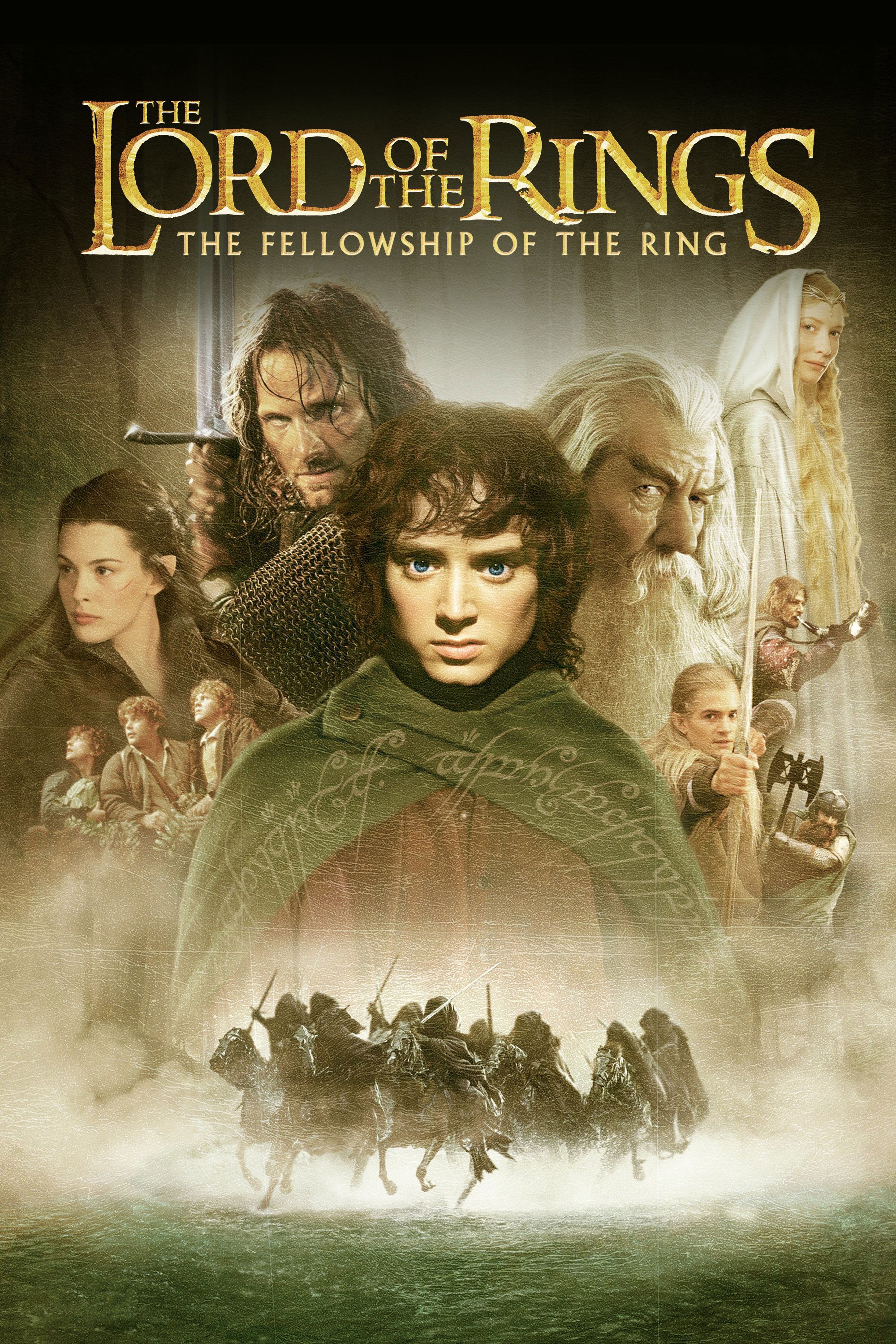
Gandalf hangs from the edge of the bridge in Moria and gives a final command to the Fellowship. He shouts “Fly, you fools” to instruct them to flee quickly. Many fans misquote this as “Run, you fools” which loses the archaic flair of the dialogue. The wizard uses the older definition of the word fly which means to retreat or escape with speed.
‘Planet of the Apes’ (1968)
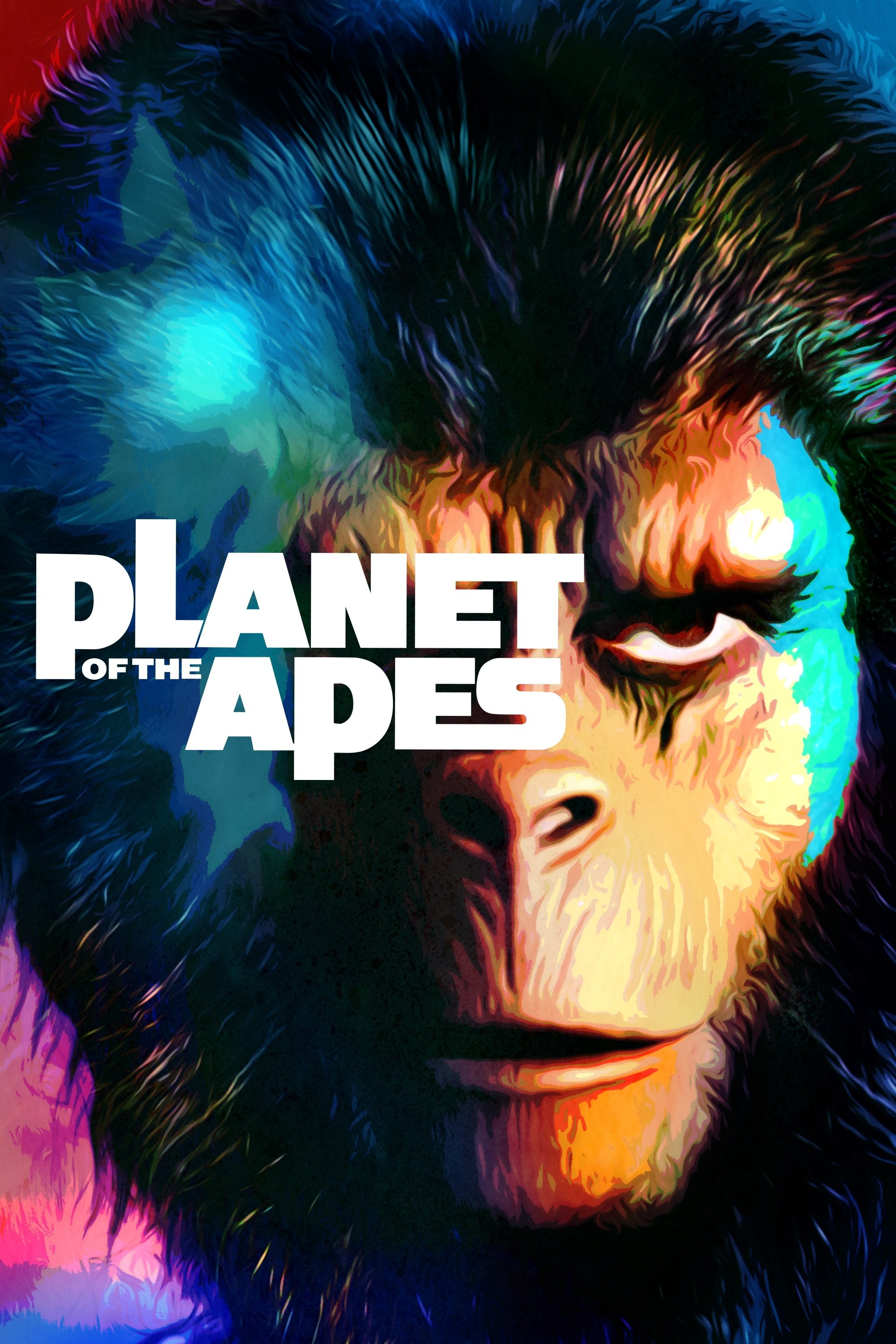
Charlton Heston yells at his captors when they finally trap him in a net. He shouts “Take your stinking paws off me, you damned dirty ape.” Pop culture often shortens this to “Get your stinking paws off me, you damn dirty ape.” The full line is slightly longer and possesses a specific cadence that the shortened version lacks.
‘Spider-Man’ (2002)
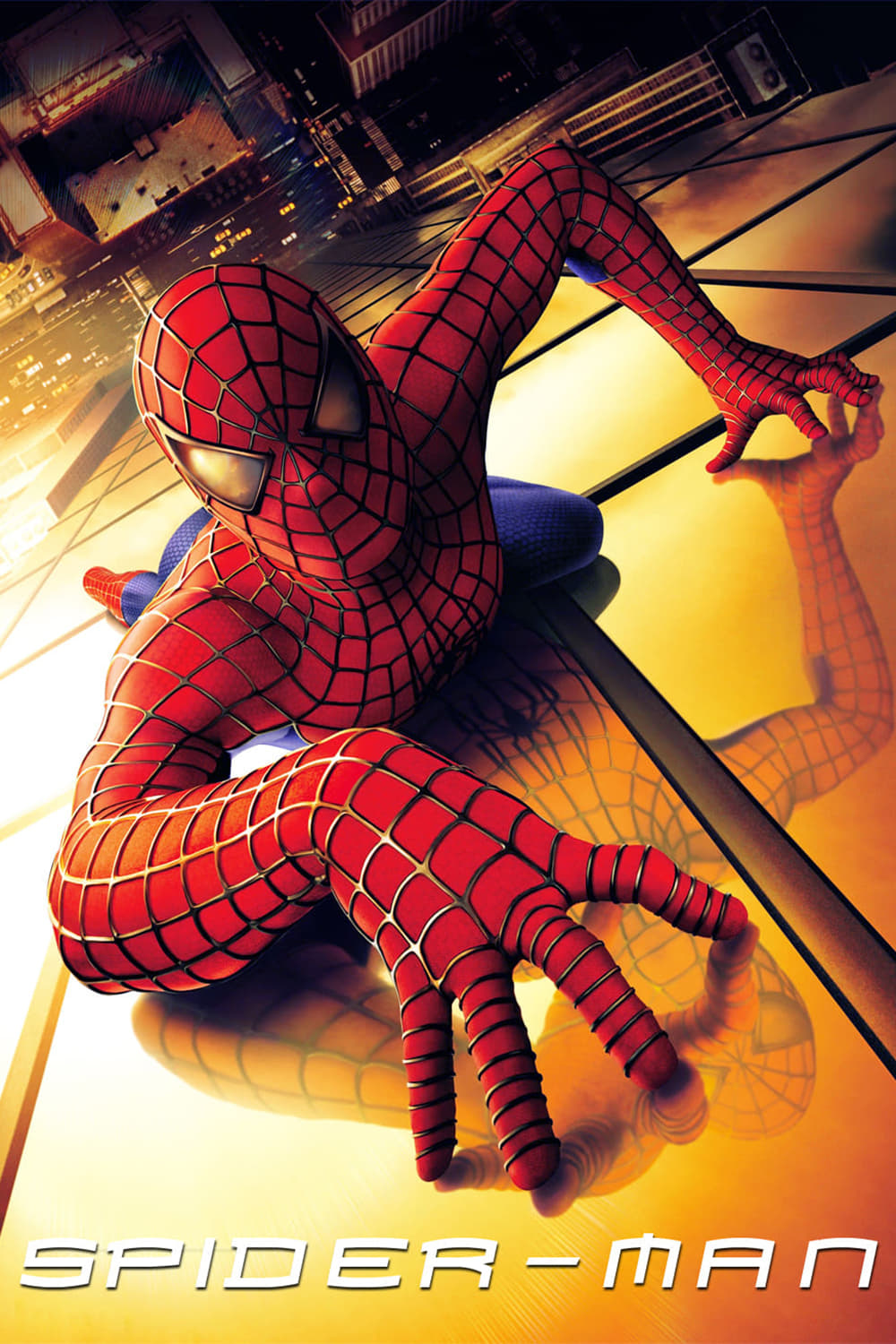
Peter Parker does not invent mechanical web-shooters in the first film of the Sam Raimi trilogy. The movie depicts his web abilities as a biological mutation that ejects from his wrists. This was a major deviation from the comic books where Peter builds the gadgets himself. Fans often conflate the different movie versions and forget which Spider-Man used which method.
‘Alice in Wonderland’ (1951)
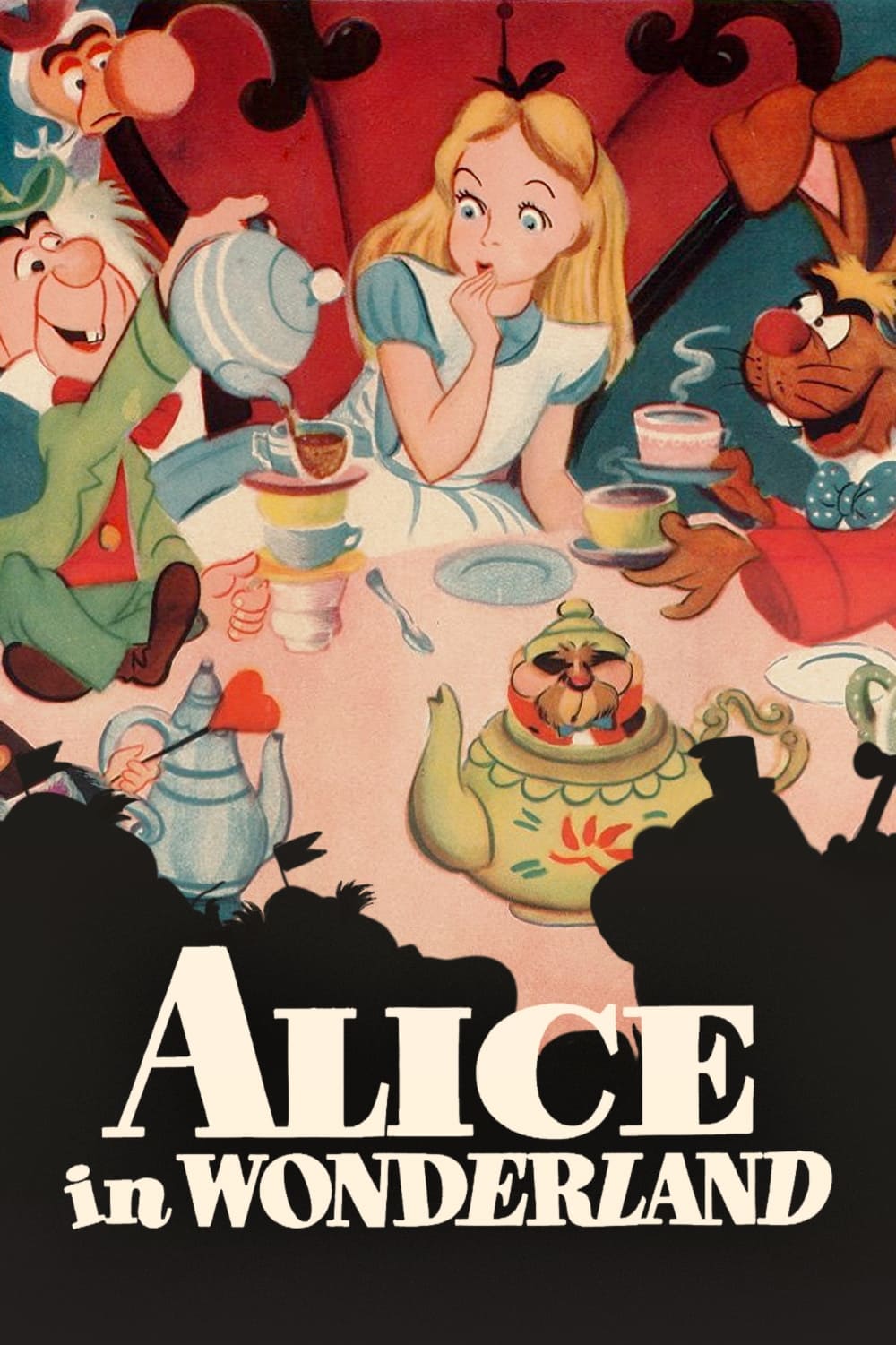
The Cheshire Cat never says the phrase “We’re all mad here” in the Disney animated adaptation. He actually says “Most everyone’s mad here” during his conversation with Alice. The line from the original Lewis Carroll book was slightly altered for the film dialogue. Merchandise and memes have reverted to the book phrasing despite the movie being the visual reference.
Tell us in the comments which of these movie misconceptions you believed for the longest time.