Top Movies So Depressing You Can Only Watch Them Once

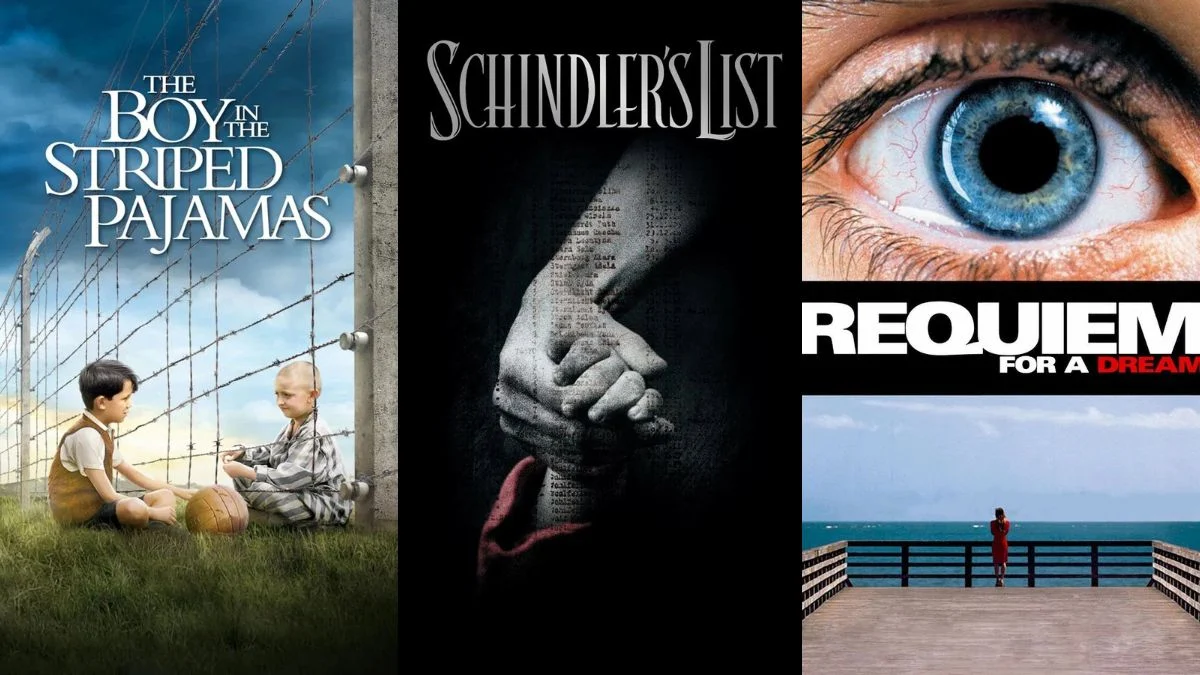

Cinema has the power to evoke a wide range of emotions and sometimes filmmakers choose to explore the darkest depths of the human experience. These movies are often masterpieces of storytelling and acting but they leave a heavy toll on the viewer. The subject matter ranges from war and addiction to tragedy and loss. While they are incredibly well-made films that deserve to be seen they are often too emotionally draining to sit through a second time.
‘Requiem for a Dream’ (2000)
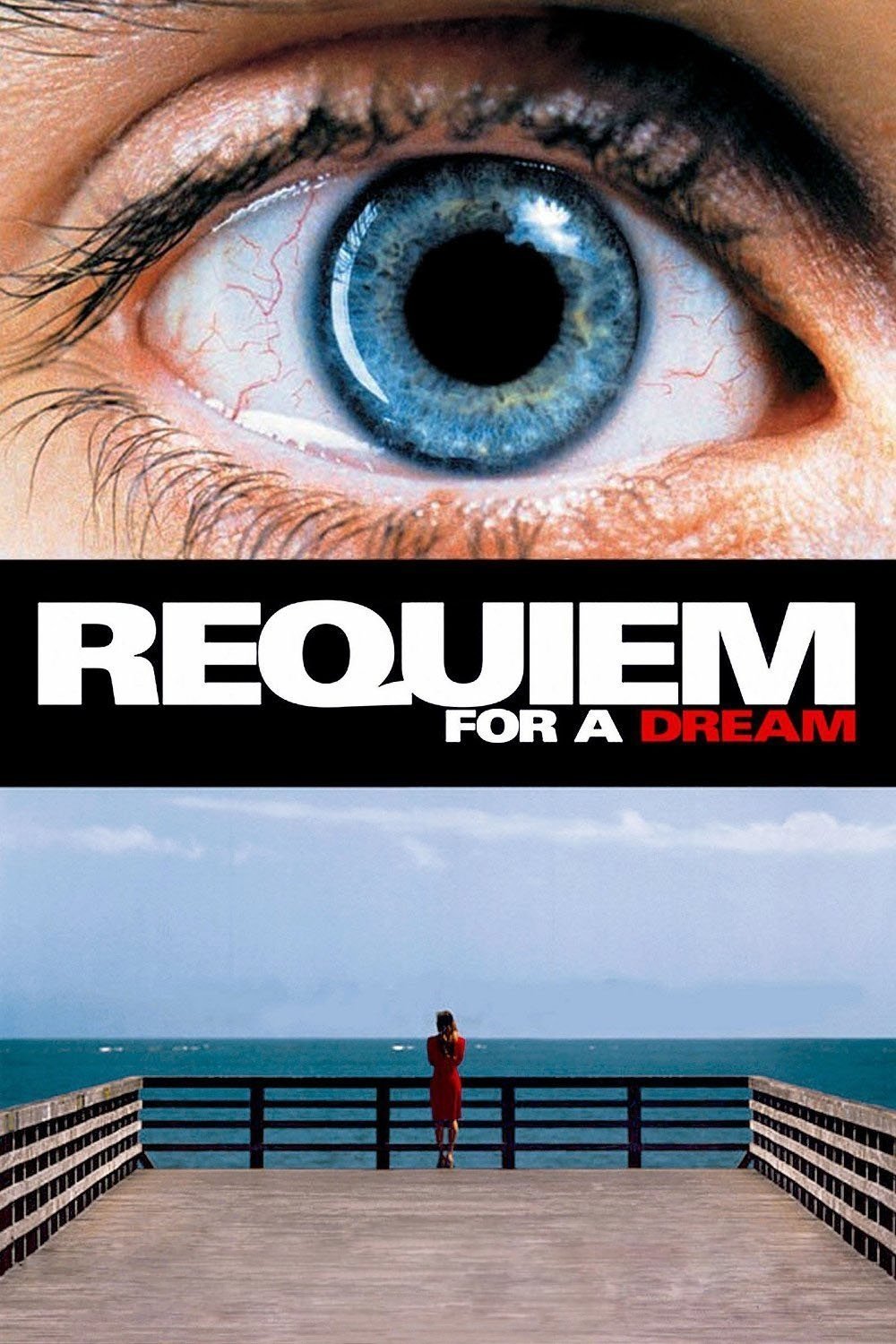
Darren Aronofsky directs this psychological drama about four individuals who spiral into drug addiction. The narrative follows their physical and emotional disintegration as they chase their visions of happiness. Ellen Burstyn delivers a harrowing performance as a mother addicted to weight-loss pills while her son falls into heroin use. The film utilizes rapid editing and a haunting score to convey the chaotic nature of substance abuse.
‘Grave of the Fireflies’ (1988)

This Studio Ghibli war film focuses on two siblings struggling to survive in Japan during the final months of World War II. Seita and Setsuko face starvation and apathy from adults after losing their mother in a firebombing raid. The animation contrasts the beauty of nature with the brutality of war and human suffering. It remains a poignant depiction of the collateral damage inflicted upon children during conflict.
‘Come and See’ (1985)
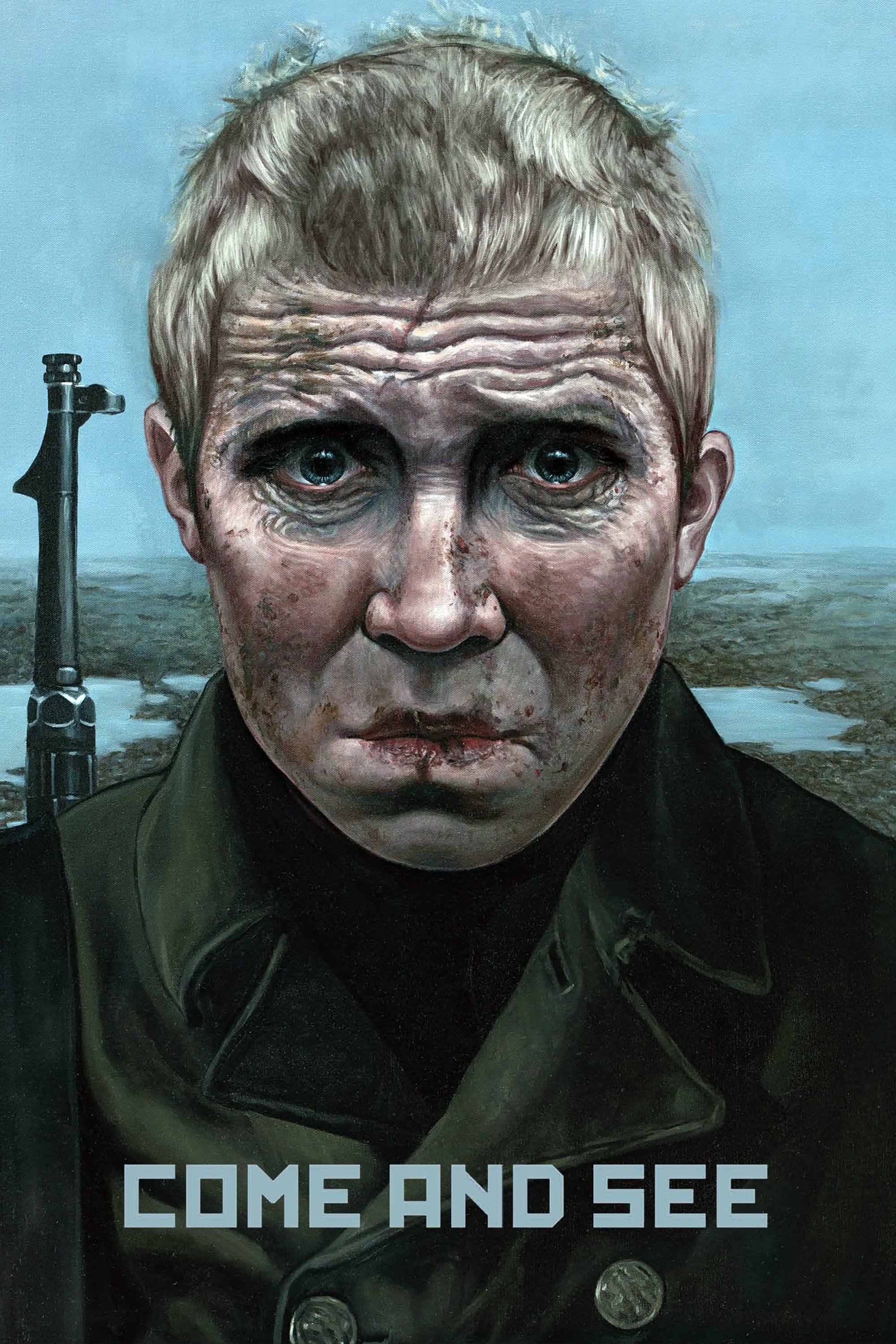
Elem Klimov presents a terrifying look at the Nazi occupation of Belarus through the eyes of a young teenage partisan. The protagonist Flyora witnesses unspeakable atrocities that physically and mentally age him over a short period. The film utilizes disorienting sound design and close-up cinematography to immerse viewers in the nightmare of the Eastern Front. It is widely regarded as one of the most unflinching anti-war films ever made.
‘Schindler’s List’ (1993)

Steven Spielberg chronicles the true story of Oskar Schindler and his efforts to save Jewish refugees from the Holocaust. The black and white cinematography emphasizes the stark reality of the concentration camps and the systematic extermination of millions. Liam Neeson portrays the industrialist who gradually sacrifices his fortune to protect his workers from the SS. The film captures the sheer scale of the tragedy while highlighting a rare instance of humanity amidst the horror.
‘The Road’ (2009)
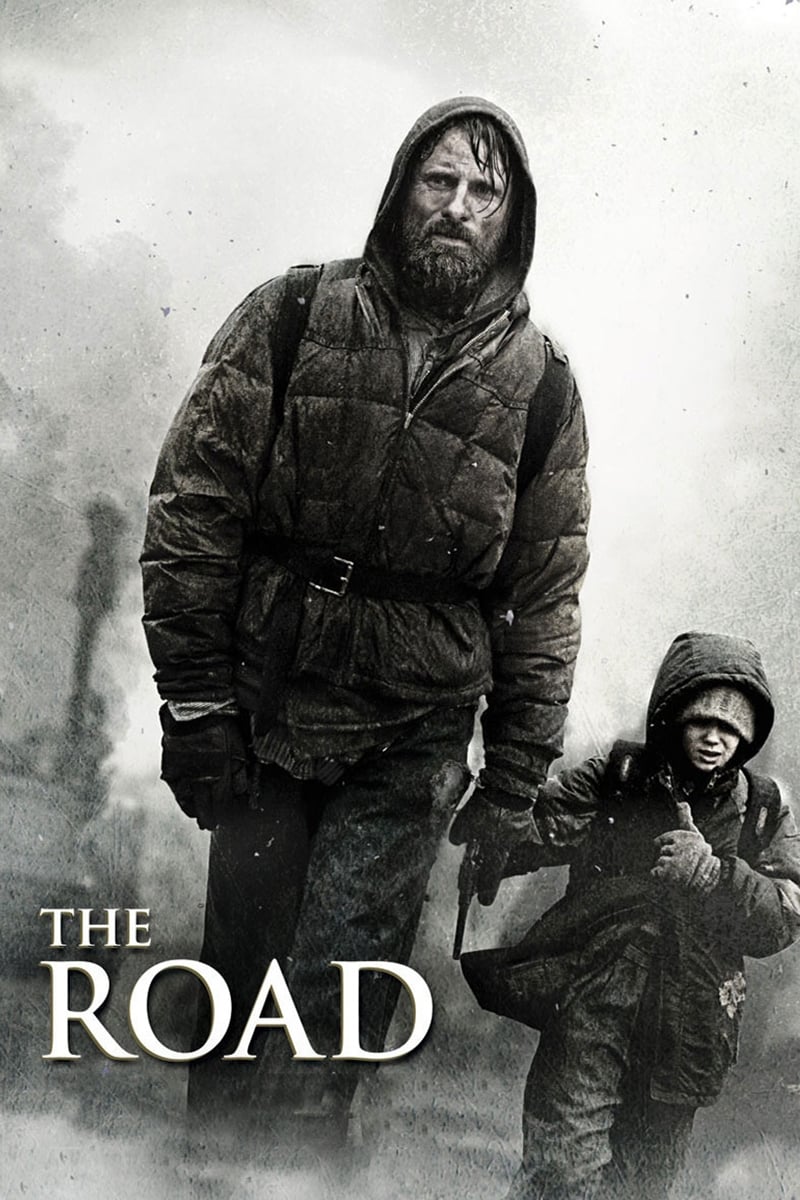
A father and son traverse a desolate post-apocalyptic landscape in this adaptation of the Cormac McCarthy novel. They struggle against freezing temperatures and starvation while evading cannibalistic gangs roaming the wasteland. Viggo Mortensen portrays the father who tries to maintain a sense of morality for his son in a world devoid of hope. The gray color palette and bleak atmosphere reflect the dying state of the planet.
‘Manchester by the Sea’ (2016)
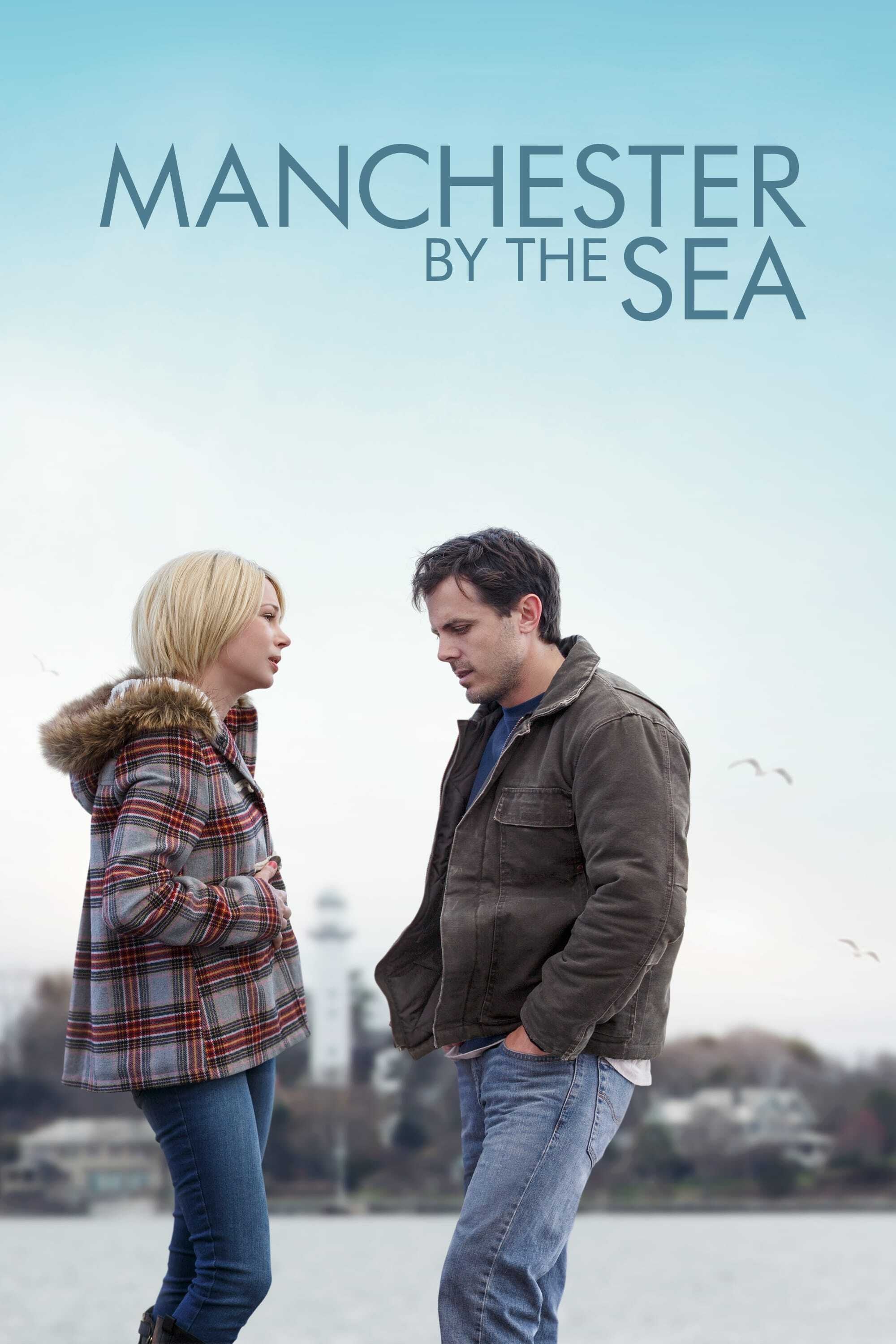
Casey Affleck plays a solitary janitor who becomes the guardian of his teenage nephew after the death of his brother. The narrative slowly reveals the tragic past that caused him to leave his hometown and distance himself from emotional connections. Grief permeates every scene as the characters struggle to communicate their pain and find closure. The film explores the reality that some emotional wounds never fully heal.
‘Amour’ (2012)

Michael Haneke directs this intimate drama about an elderly couple facing the inevitable decline of health. Georges cares for his wife Anne after she suffers a stroke that leaves her paralyzed and mentally diminished. The film takes place almost entirely within their apartment to emphasize their isolation and the claustrophobia of caretaking. It presents an unvarnished look at love and the difficult choices that come with the end of life.
‘Dear Zachary: A Letter to a Son About His Father’ (2008)
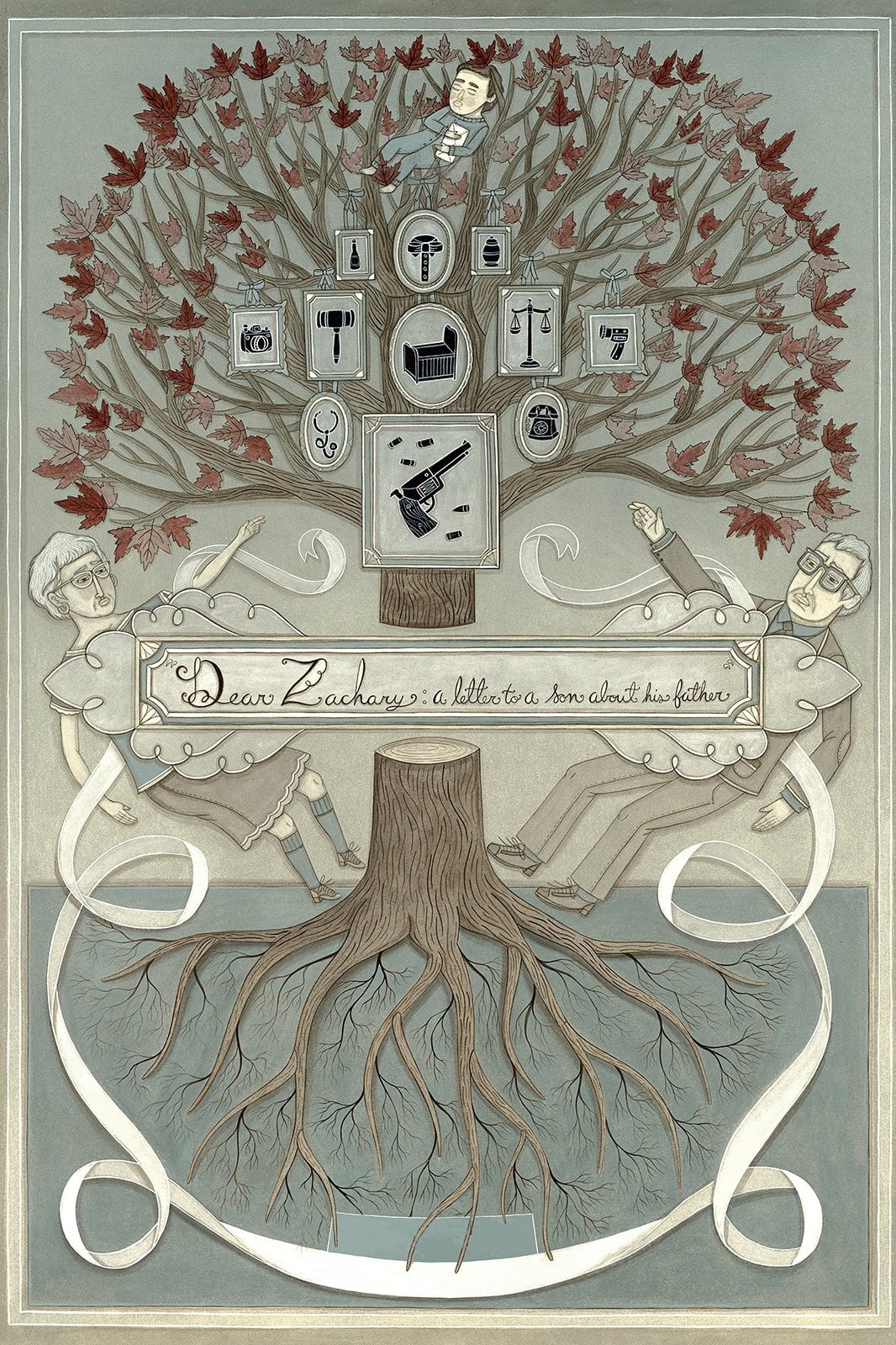
Filmmaker Kurt Kuenne created this documentary to memorialize his murdered friend Andrew Bagby for Andrew’s infant son. The project evolves into a true crime story as custody battles and legal failings unfold regarding the primary suspect. Viewers witness the emotional toll on Andrew’s parents as they fight the legal system to protect their grandchild. The editing paces the revelation of tragic twists that shocked audiences worldwide.
‘Dancer in the Dark’ (2000)

Björk stars as a factory worker who is slowly going blind and saving money to pay for an operation for her son. She retreats into elaborate musical fantasies to escape the grim reality of her poverty and impending disability. The hand-held camera work creates a raw documentary feel that contrasts with the stylized musical numbers. The story culminates in a devastating conclusion regarding sacrifice and the injustice of the legal system.
‘Irreversible’ (2002)
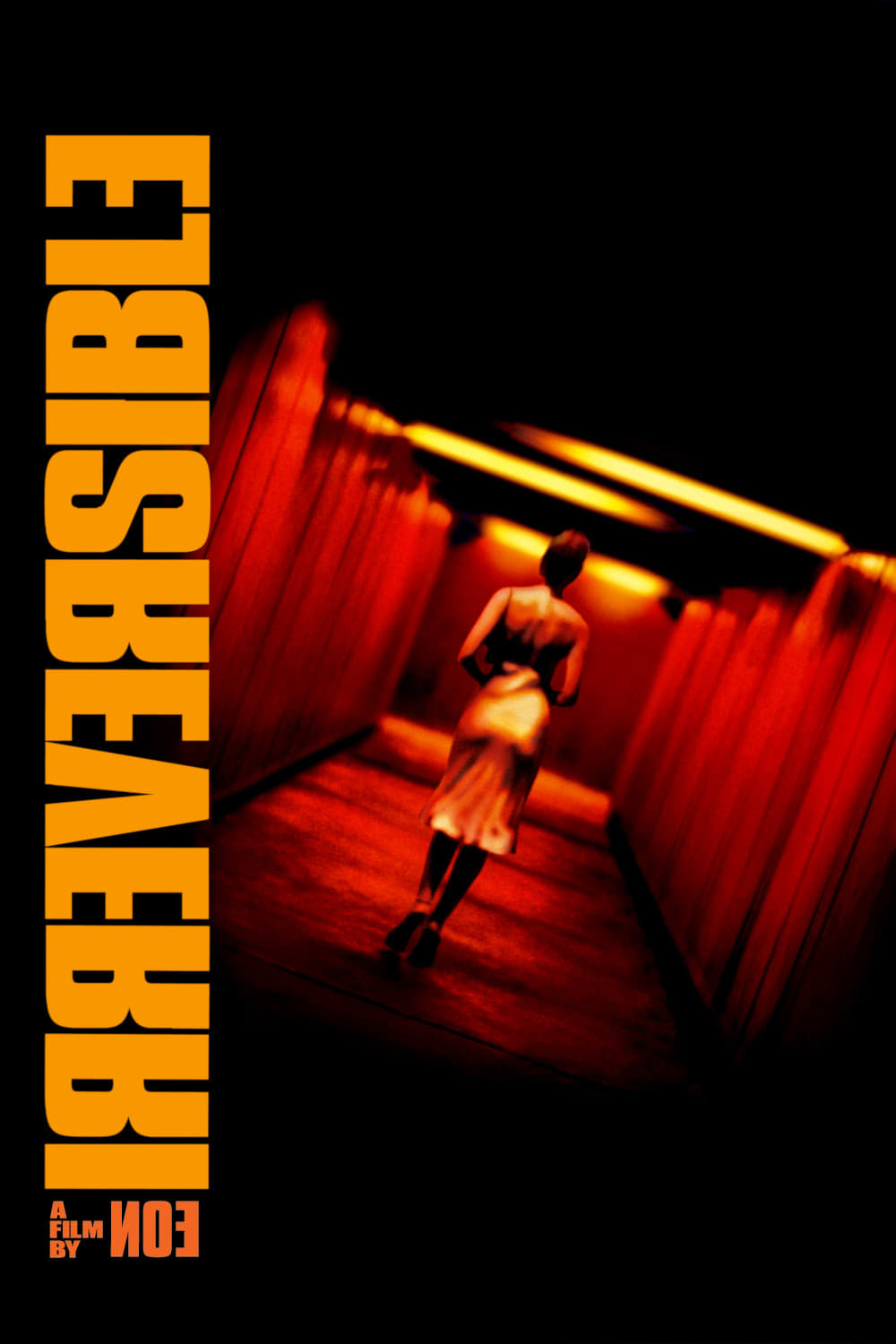
Gaspar Noé tells this revenge story in reverse chronological order to disorient the audience. The film begins with the violent aftermath of a crime before tracing the events back to the traumatic incident itself. It includes a notoriously long and graphic single-take scene that tests the endurance of the viewer. The structure emphasizes the futility of time and the inability to change the past.
‘Lilya 4-ever’ (2002)

A teenage girl in the former Soviet Union dreams of a better life but falls victim to sex trafficking. Lukas Moodysson directs this bleak examination of exploitation and the failure of social systems to protect vulnerable youth. The protagonist clings to her faith and memories as her circumstances become increasingly hopeless. The film sheds light on the brutal reality of human trafficking in modern Europe.
‘The Boy in the Striped Pyjamas’ (2008)
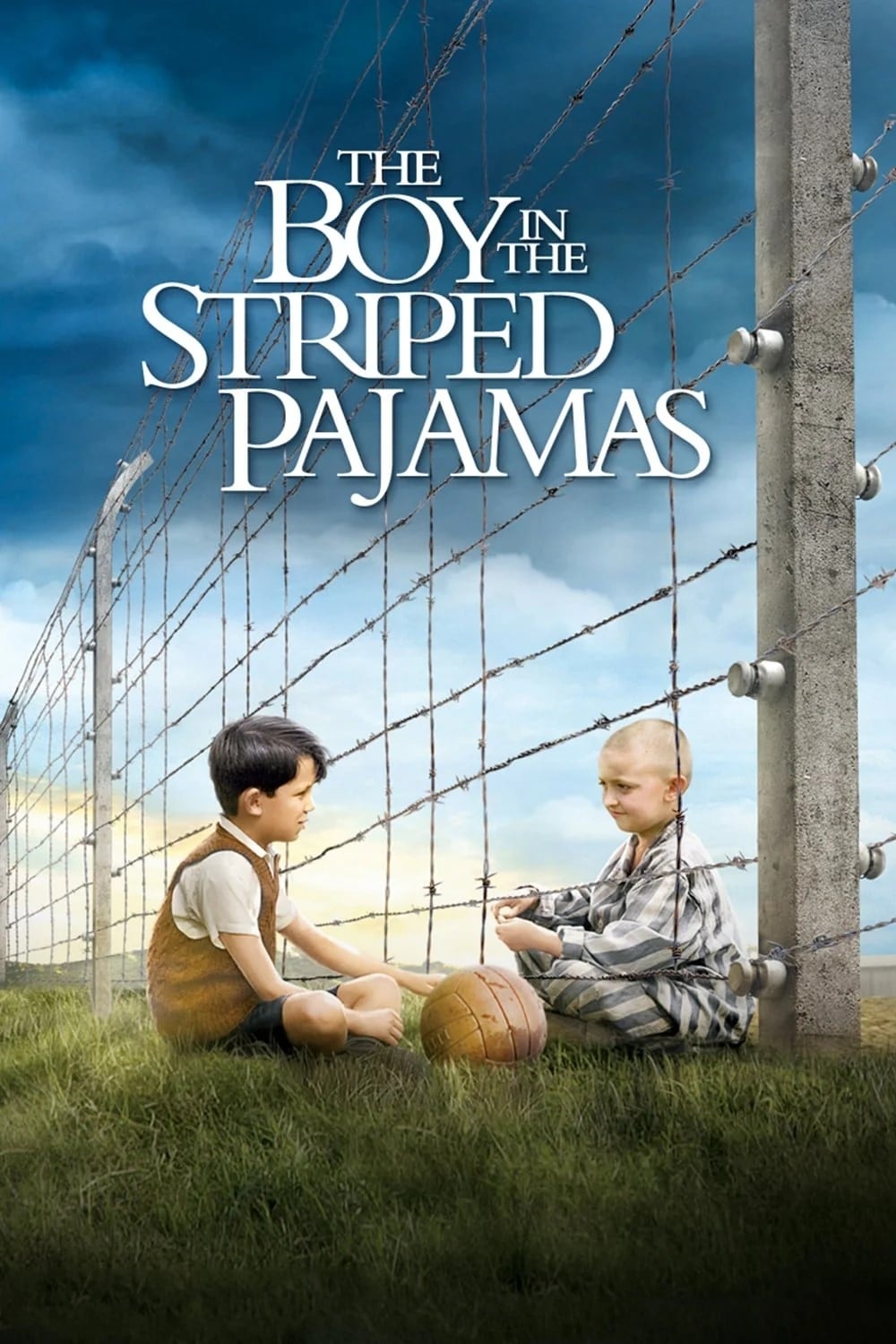
The innocent son of a Nazi commandant befriends a Jewish boy on the other side of a concentration camp fence. The story is told from the perspective of the child who does not understand the true nature of his father’s work or the camp. Their forbidden friendship leads to unforeseen consequences as the war impacts their families. It serves as a fable about the loss of innocence and the arbitrary nature of hatred.
‘Hotel Rwanda’ (2004)
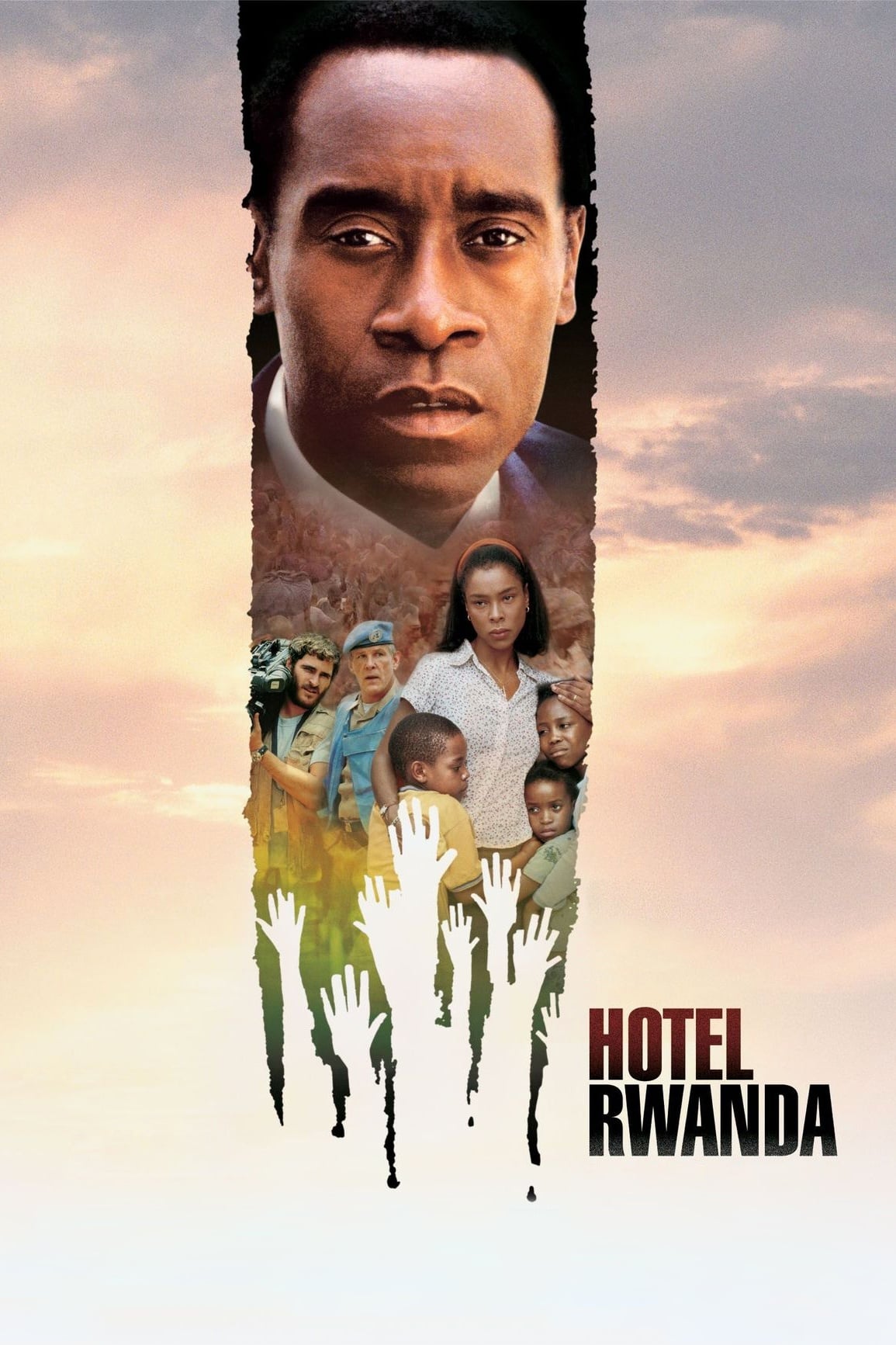
Don Cheadle stars as Paul Rusesabagina who managed a luxury hotel during the Rwandan genocide. He uses his influence and resources to shelter over a thousand Tutsis from Hutu militias. The film depicts the international community’s failure to intervene as the violence escalates outside the hotel gates. It highlights the courage of one man standing against a wave of ethnic cleansing.
‘Precious’ (2009)

Gabourey Sidibe plays an illiterate teenager in Harlem who is pregnant for the second time by her own father. She faces relentless abuse from her mother while trying to obtain an education at an alternative school. The film unflinchingly portrays the cycle of poverty and domestic violence in urban America. Precious finds small moments of hope through writing and the support of a dedicated teacher.
‘Million Dollar Baby’ (2004)

Clint Eastwood directs and stars in this sports drama about an underdog female boxer and her aging trainer. The first half focuses on her rise through the ranks before a tragic accident in the ring changes the tone completely. The narrative shifts to explore themes of assisted suicide and the quality of life for those with severe injuries. It leaves viewers wrestling with the ethical dilemmas faced by the characters.
‘Blue Valentine’ (2010)
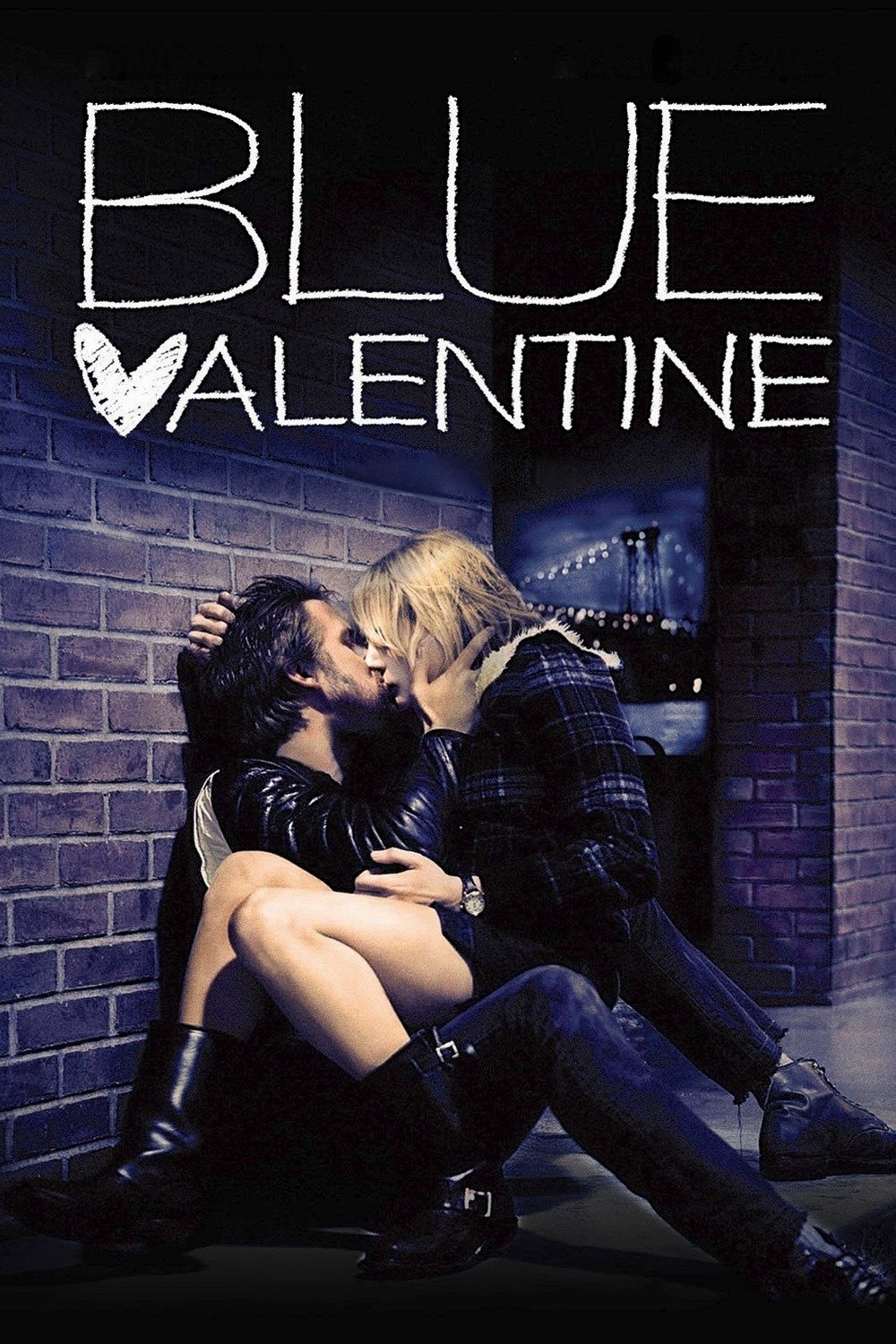
The narrative jumps between the blossoming romance of a young couple and the dissolution of their marriage years later. Ryan Gosling and Michelle Williams portray the characters at two distinct stages of their lives to show how love can fade. The film examines the impact of ambition and familial dysfunction on a relationship. The juxtaposition of past joy and present misery creates a heartbreaking portrait of lost love.
‘Leaving Las Vegas’ (1995)
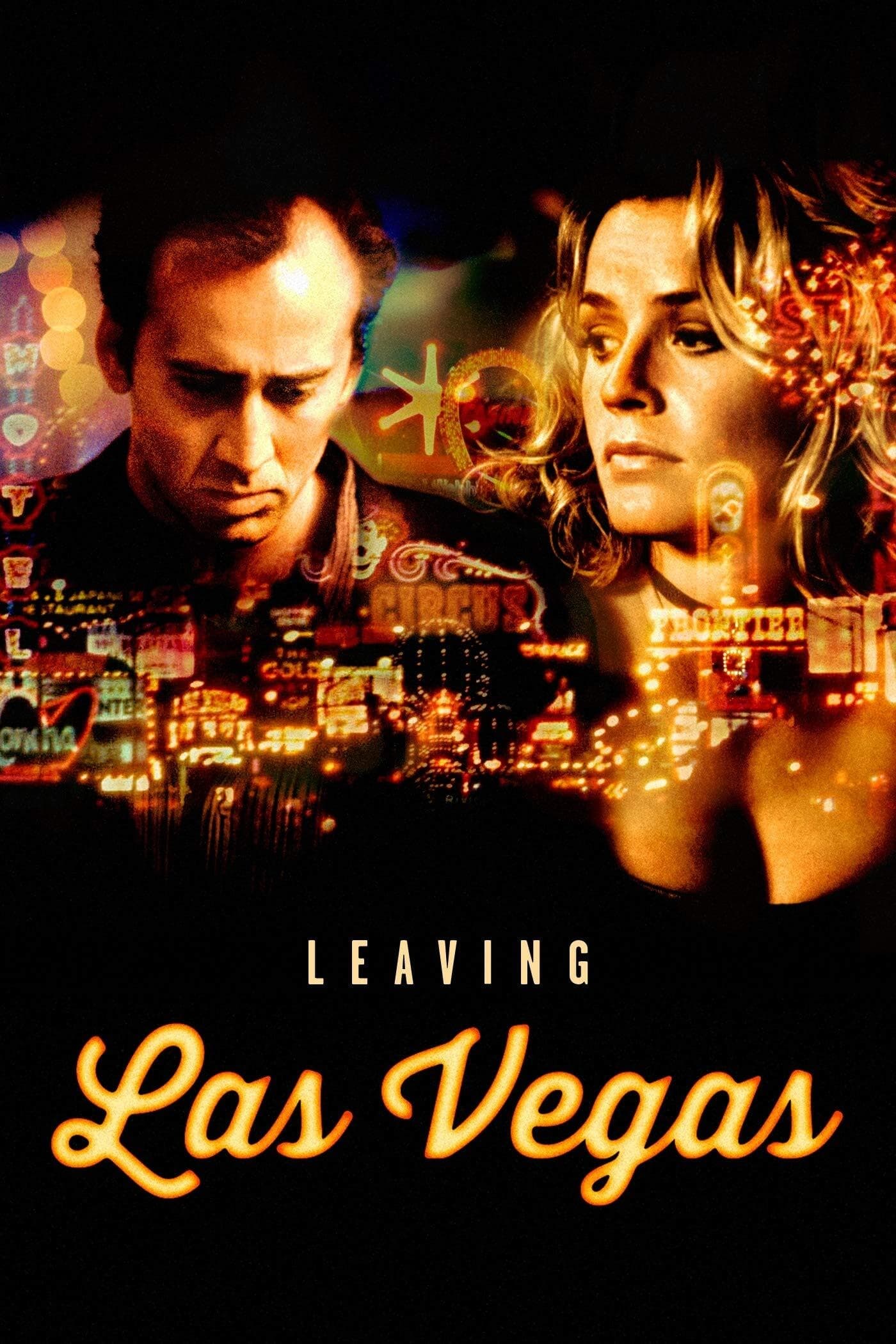
Nicolas Cage plays a screenwriter who travels to Las Vegas to drink himself to death after losing his family and career. He forms a relationship with a prostitute who agrees not to interfere with his self-destructive plan. The film avoids a traditional redemption arc and instead commits to the grim trajectory of severe alcoholism. It is a somber character study of two lost souls finding temporary solace.
‘The Hunt’ (2012)

Mads Mikkelsen stars as a kindergarten teacher in a Danish village who is falsely accused of misconduct by a young student. The tight-knit community quickly turns against him as paranoia and mob mentality take over. The film illustrates how a lie can destroy a reputation and a life even without concrete evidence. The protagonist struggles to prove his innocence while facing social ostracization and violence.
‘Sophie’s Choice’ (1982)

Meryl Streep delivers an acclaimed performance as a Polish immigrant haunted by her experiences in a Nazi concentration camp. The story slowly peels back the layers of her past to reveal the agonizing decision she was forced to make. Flashbacks illustrate the sadism of her captors and the permanent psychological scars left on survivors. The title refers to a specific moment of unimaginable cruelty that defines her existence.
‘Fruitvale Station’ (2013)
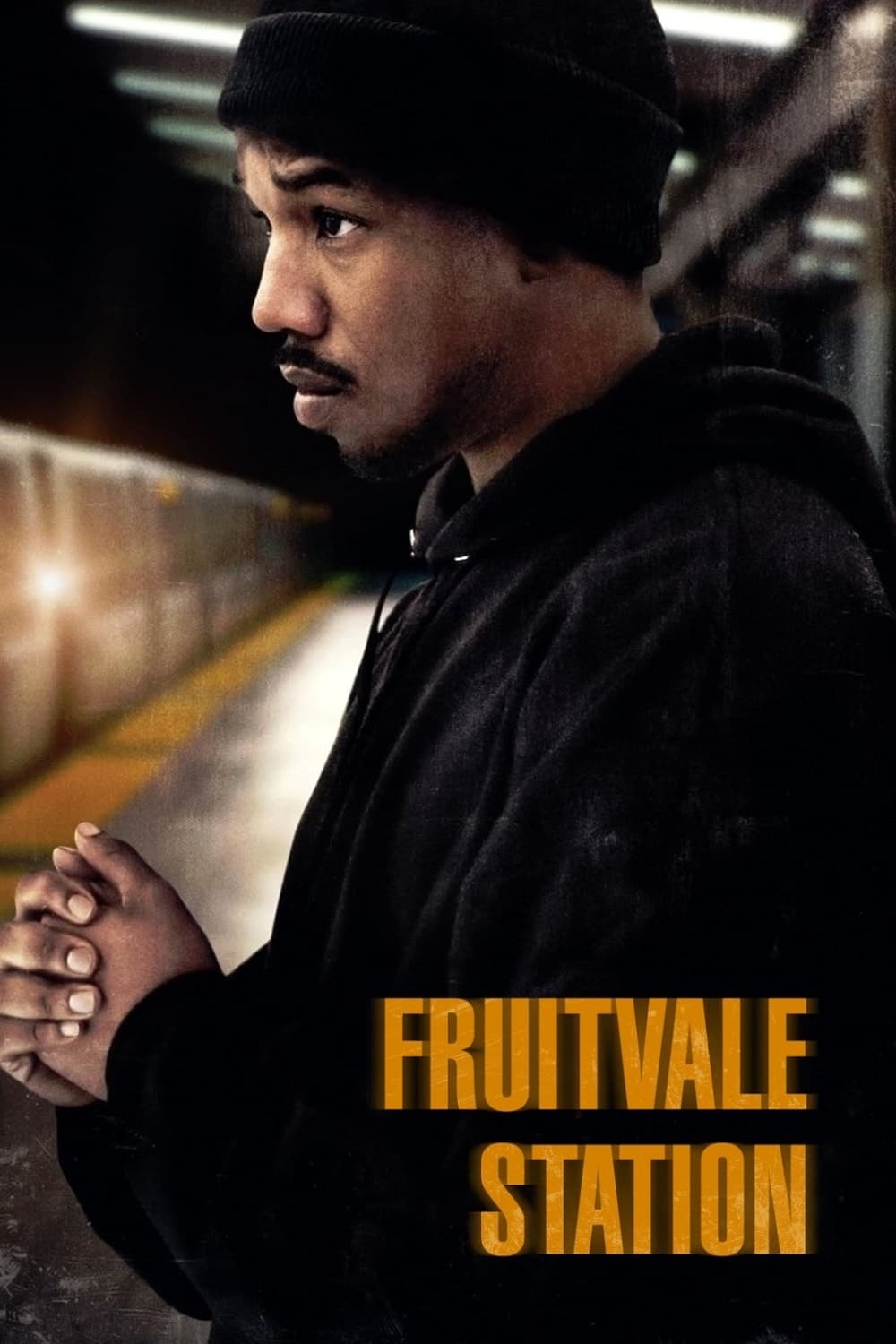
This biographical drama recounts the final day in the life of Oscar Grant III before he was shot by transit police. Michael B. Jordan portrays Grant as he attempts to turn his life around and support his family. The film emphasizes the mundane and human moments of his day to heighten the tragedy of the conclusion. It serves as a commentary on police brutality and the suddenness of loss.
’12 Years a Slave’ (2013)
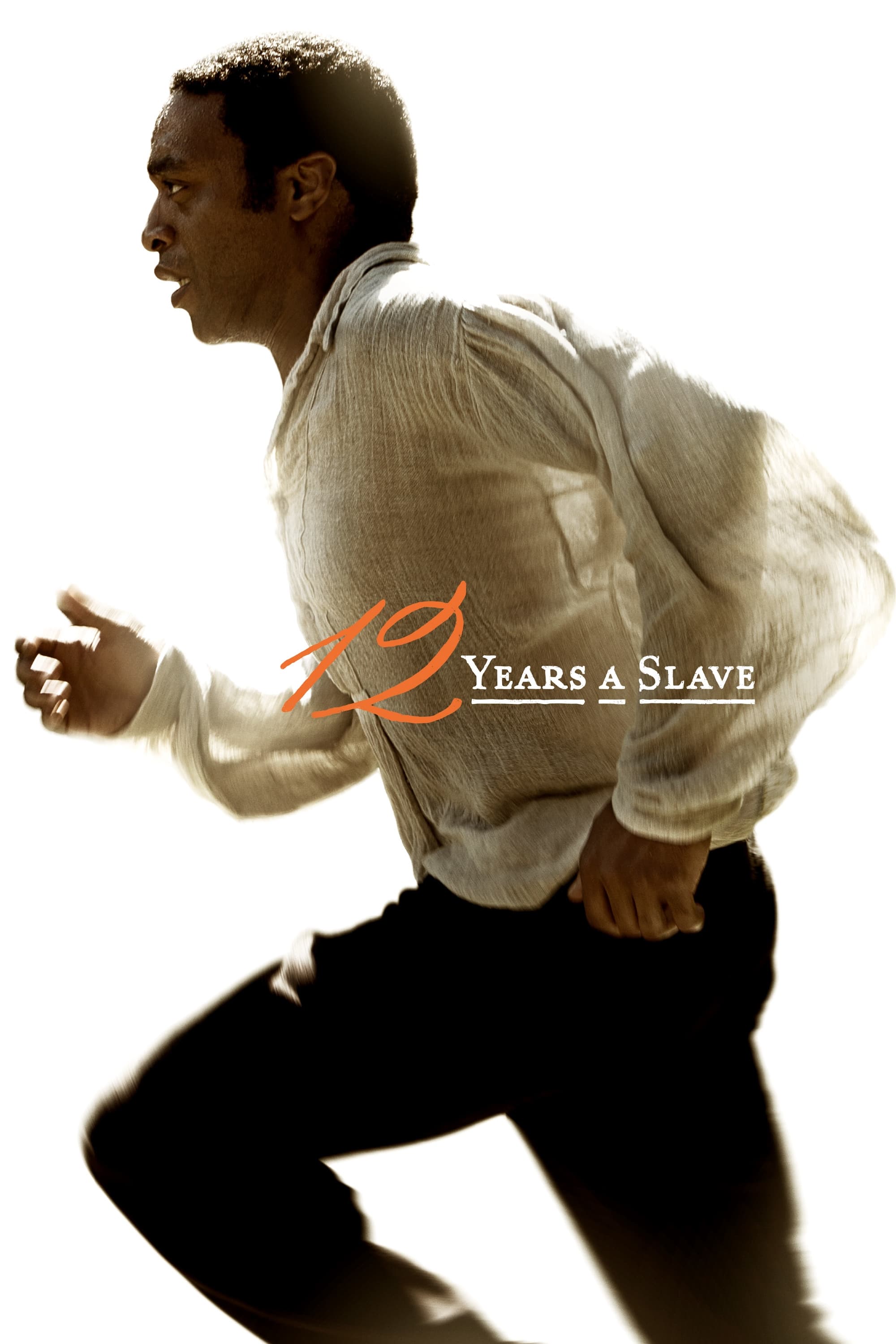
Solomon Northup is a free black man who is kidnapped and sold into slavery in the antebellum South. Steve McQueen directs this adaptation of Northup’s memoir with an unflinching gaze at the brutality of the plantation system. The film details the physical and psychological torture inflicted upon enslaved people by their owners. Chiwetel Ejiofor captures the resilience required to survive twelve years of dehumanization.
‘Bicycle Thieves’ (1948)
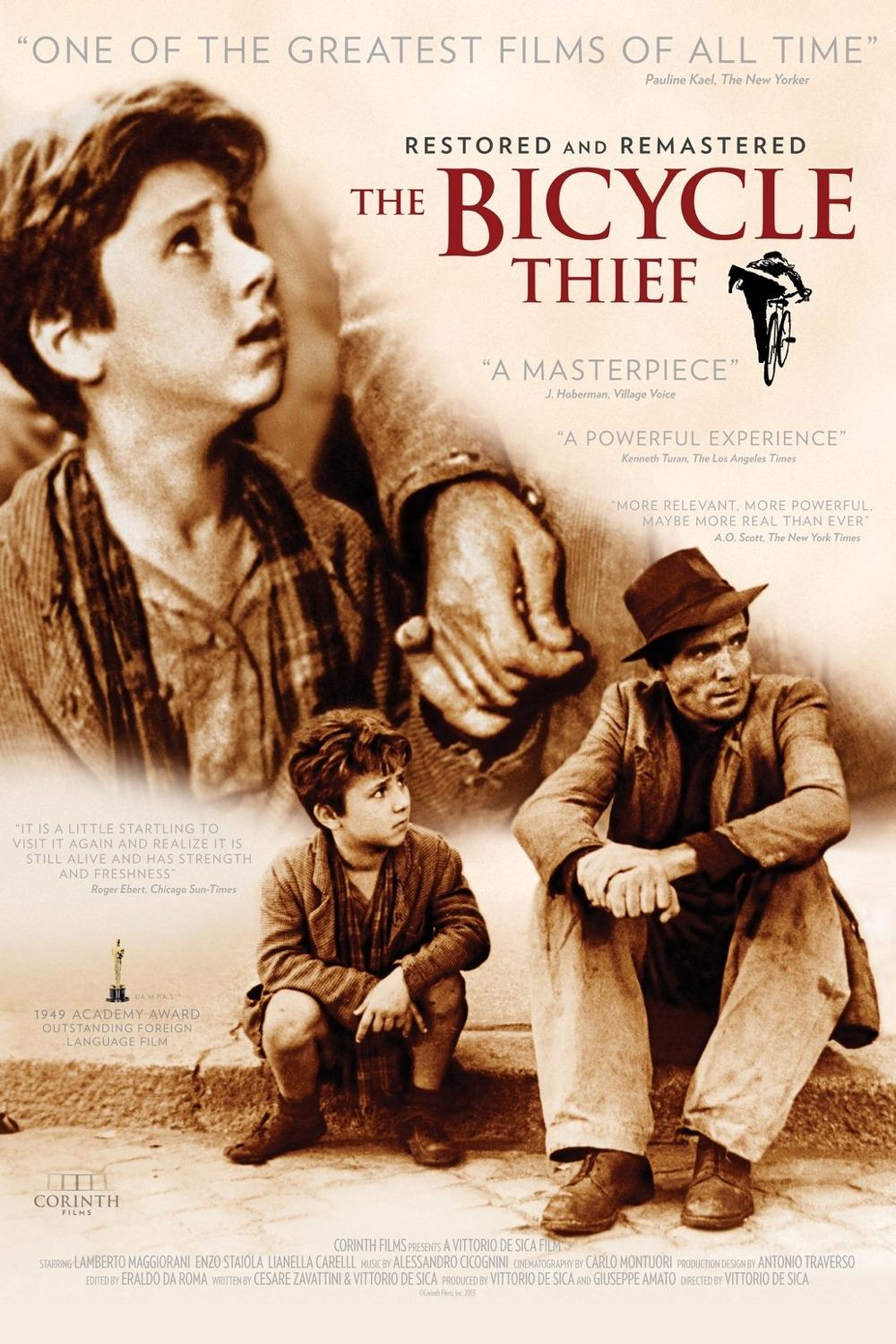
This masterpiece of Italian Neorealism follows a father and son searching Rome for a stolen bicycle. The bicycle is essential for the father’s new job and the family’s survival in post-war poverty. Their desperate journey exposes the indifference of society and the moral compromises desperation creates. The ending denies the audience a simple resolution and focuses on the dignity of the working poor.
‘The Pianist’ (2002)

Adrien Brody portrays Polish-Jewish musician Władysław Szpilman as he struggles to survive the destruction of the Warsaw Ghetto. The film depicts the gradual stripping away of rights and the eventual deportation of his family to death camps. Szpilman hides in the ruins of the city while facing starvation and disease. Roman Polanski directs this survival story based on Szpilman’s autobiography.
‘Synecdoche, New York’ (2008)
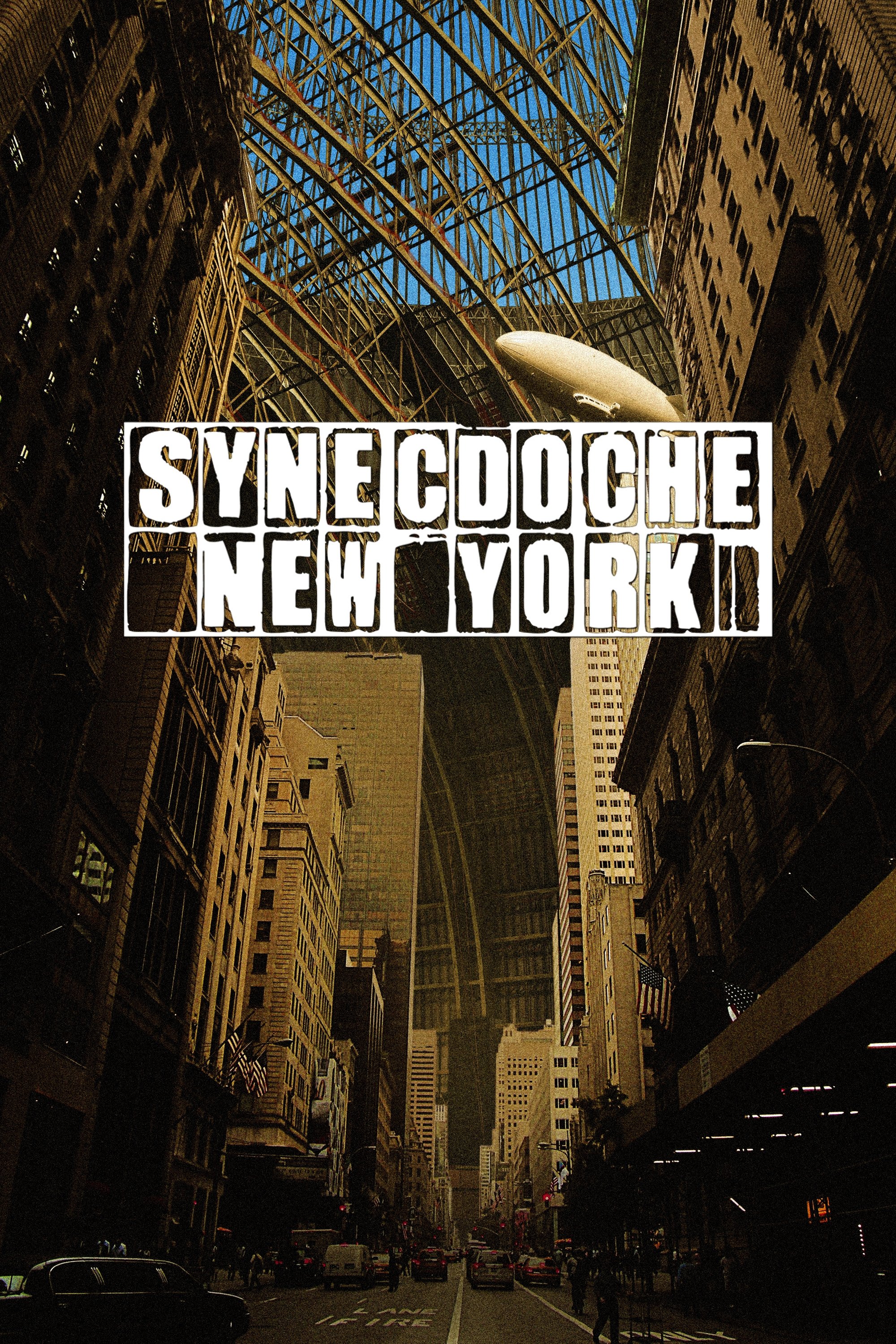
Philip Seymour Hoffman plays a theater director who constructs a life-sized replica of New York City inside a warehouse. The lines between reality and fiction blur as he spends decades working on the play while his personal life crumbles. The film tackles existential themes of mortality and illness and the impossibility of fully capturing the human experience in art. It is a complex meditation on the passage of time and regret.
‘Melancholia’ (2011)

Lars von Trier explores clinical depression through the metaphor of a rogue planet on a collision course with Earth. The first half focuses on a disastrous wedding reception while the second deals with the impending apocalypse. Kirsten Dunst plays a bride whose depressive state allows her to accept the end of the world with calmness. The film captures the feeling of hopelessness and the inevitability of doom.
‘Never Let Me Go’ (2010)
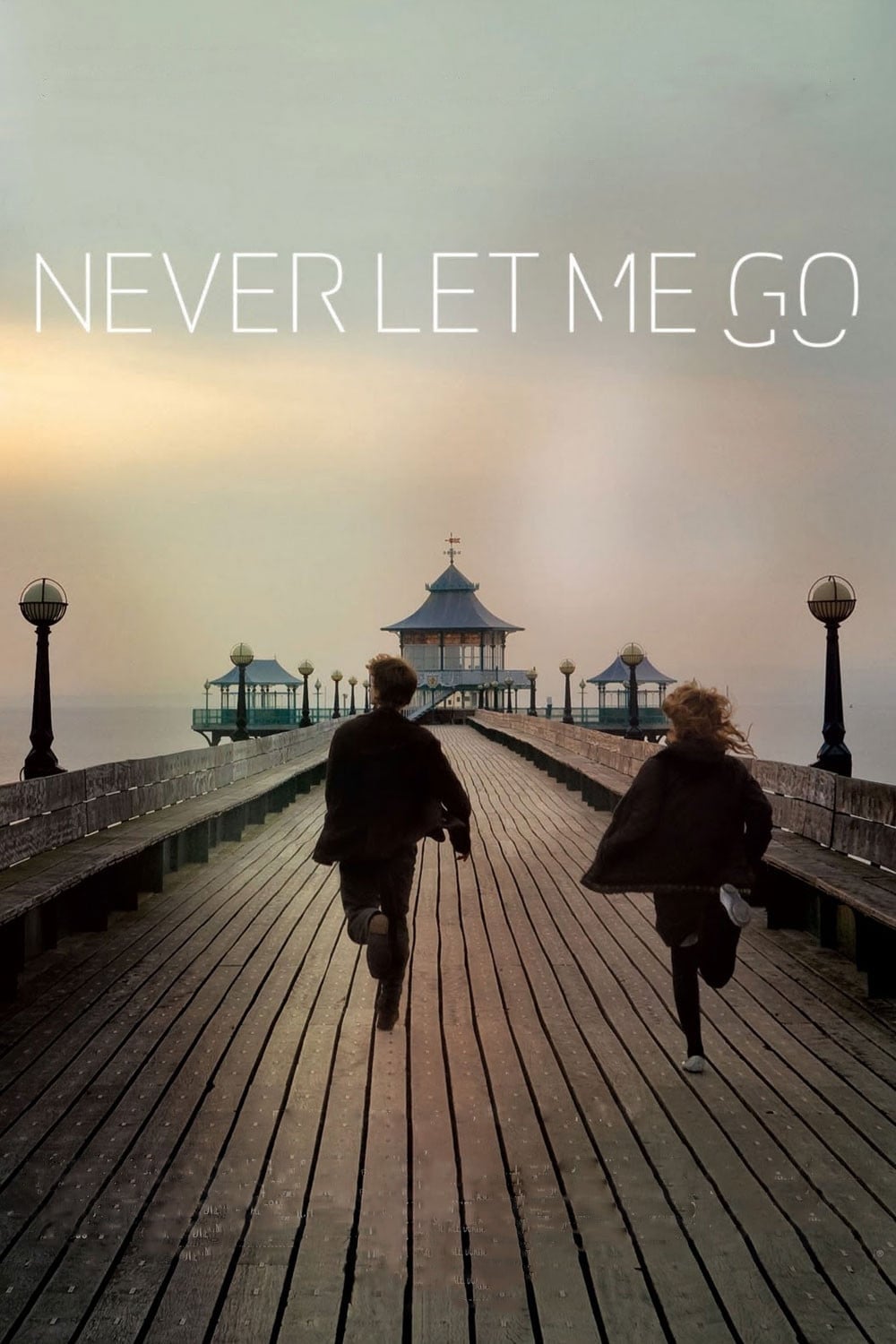
Three friends grow up in a secluded boarding school that hides a dark secret about their purpose in society. They eventually learn they are clones created solely to donate their organs to humans. The narrative follows their short lives as they accept their fate and try to find meaning in their relationships. The film presents a quiet dystopia where systemic cruelty is accepted as normal.
‘Funny Games’ (1997)
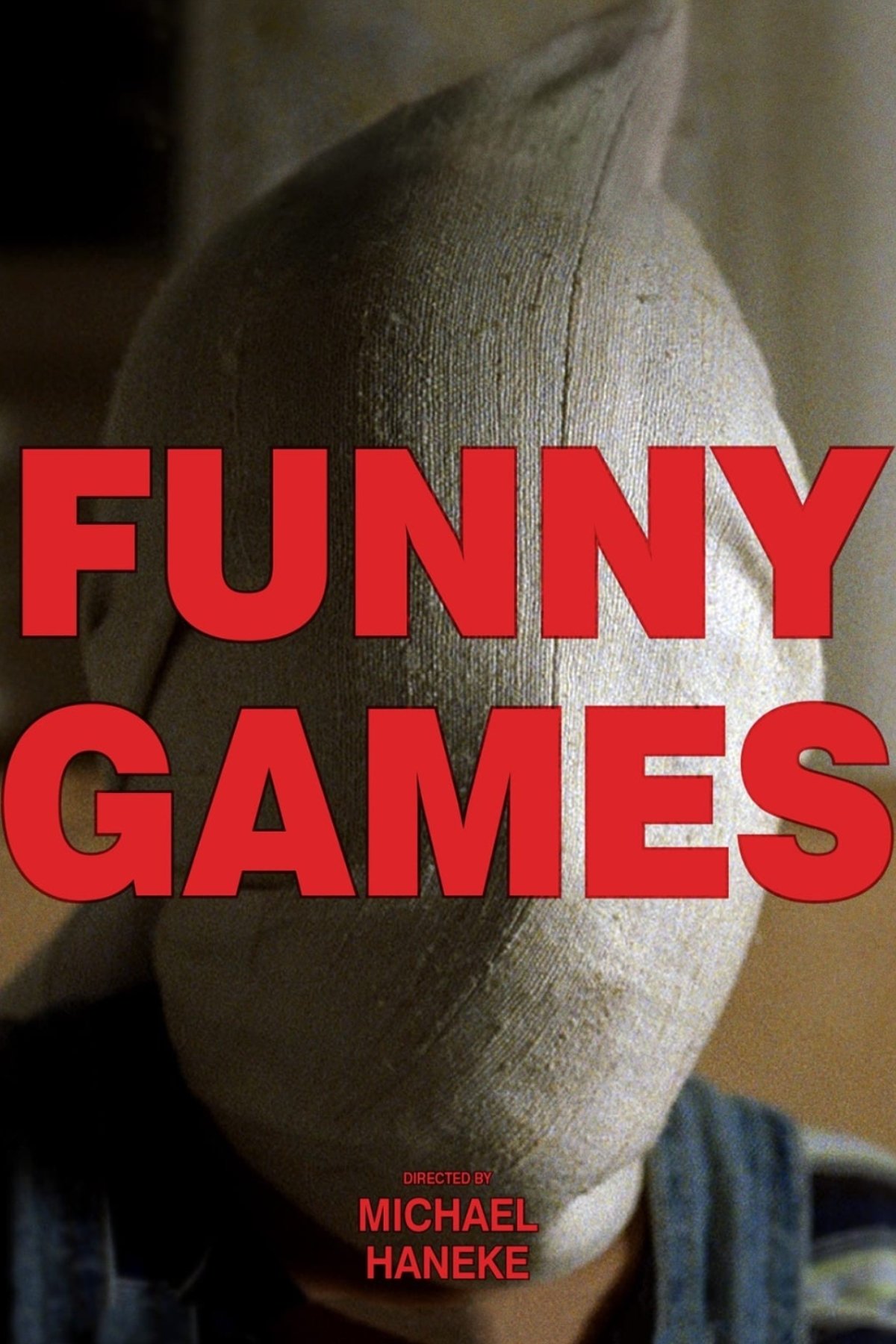
Two polite young men take a family hostage in their vacation home and subject them to sadistic games. Michael Haneke directs this thriller that breaks the fourth wall to implicate the audience in the violence. The film refuses to offer the catharsis or heroism typically found in home invasion movies. It is a critique of media violence and the way audiences consume suffering as entertainment.
‘We Need to Talk About Kevin’ (2011)

Tilda Swinton plays a mother grappling with guilt and social isolation after her son commits a high school massacre. The film alternates between the present aftermath and the flashbacks of Kevin’s disturbed childhood. It explores the nature versus nurture debate and the chilling disconnect between mother and son. The nonlinear storytelling emphasizes the mother’s fragmented state of mind.
‘Atonement’ (2007)
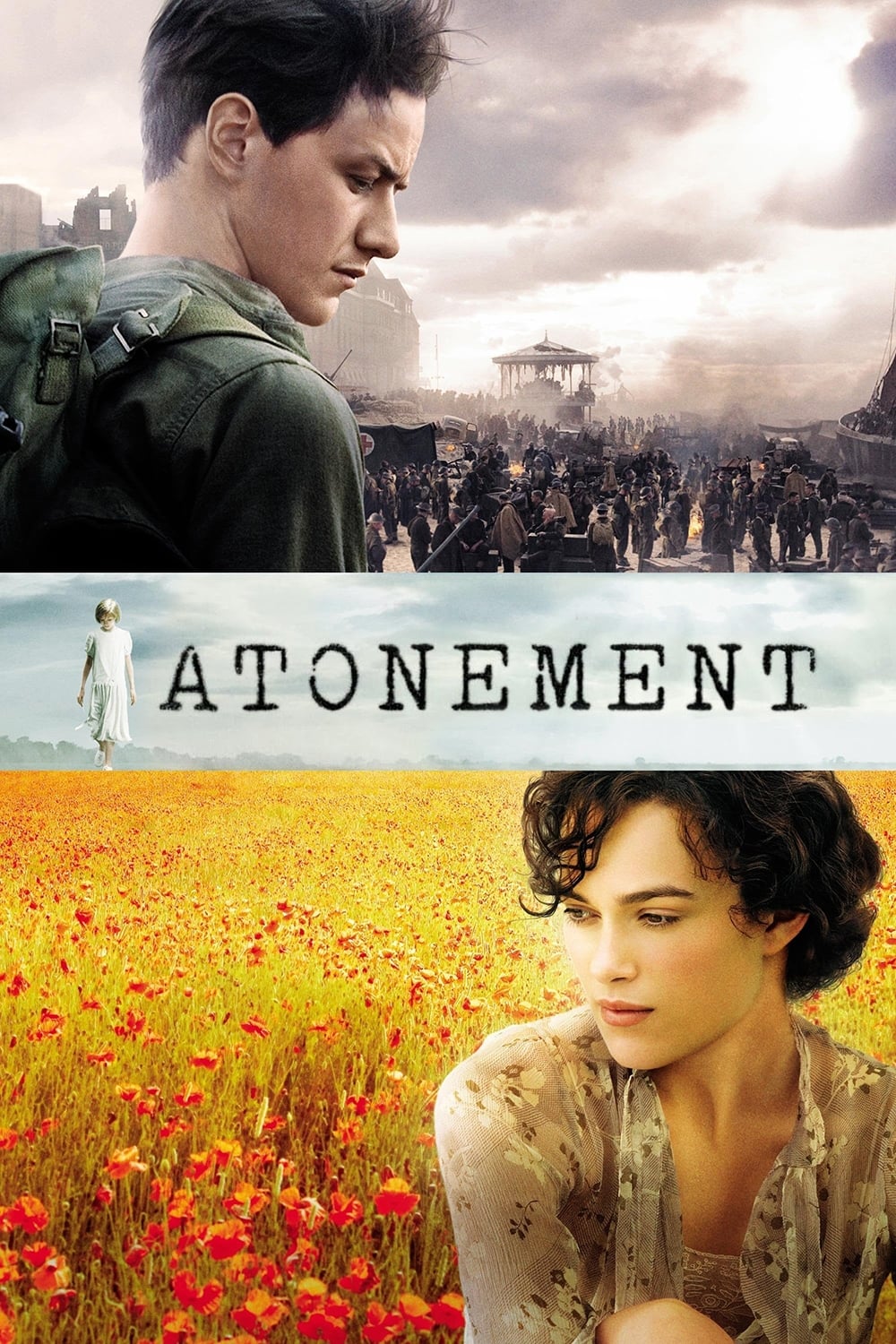
A young girl makes a false accusation that destroys the lives of her older sister and the sister’s lover. The narrative spans several decades as the characters face the consequences of that lie during World War II. The film includes a famous long-take shot of the Dunkirk beach evacuation that highlights the scale of the war. The ending reveals a heartbreaking truth about the nature of fiction and forgiveness.
‘Threads’ (1984)
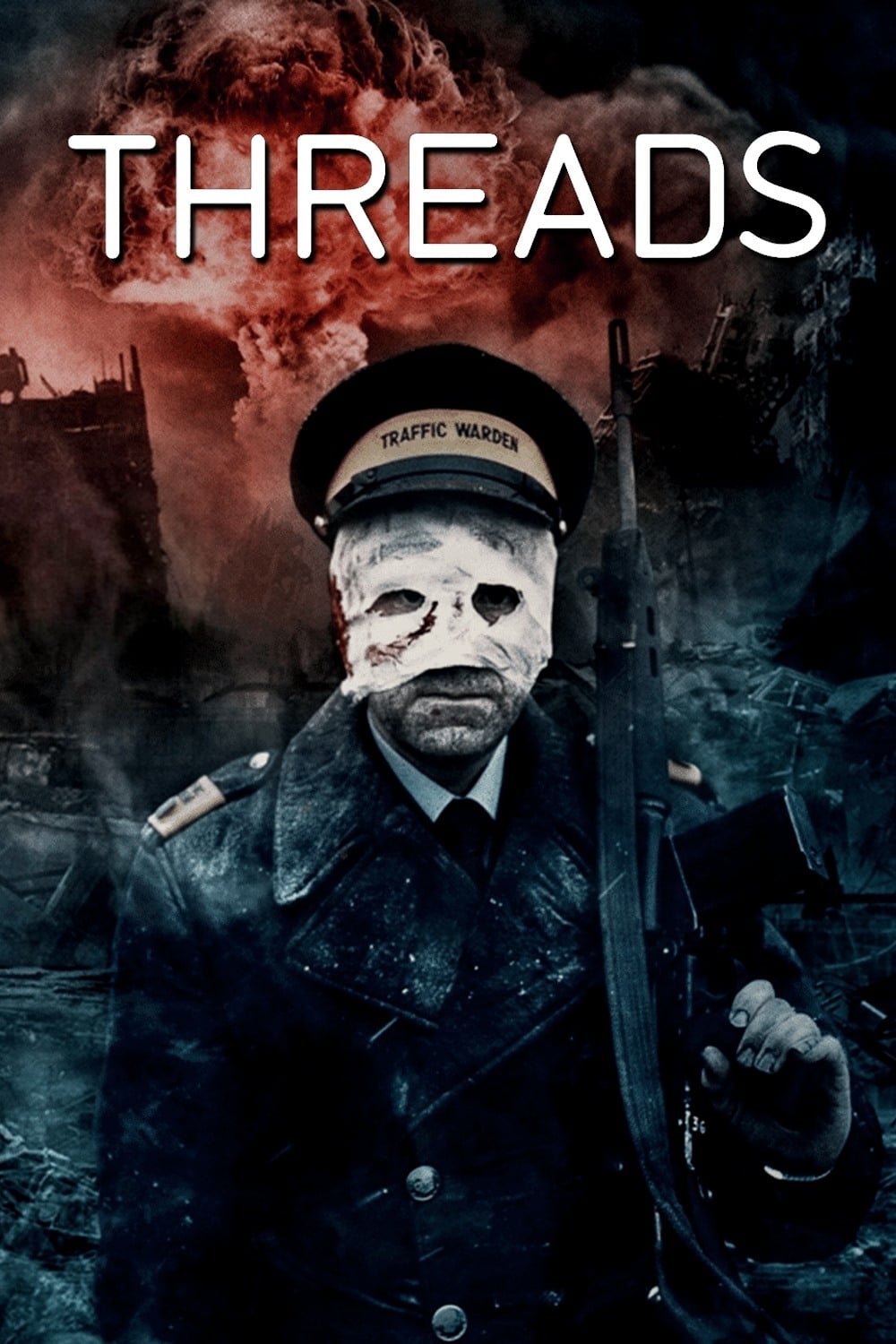
This British television film simulates the effects of a nuclear war and the subsequent nuclear winter on the city of Sheffield. It presents a gritty and scientific progression of society collapsing into barbarism and starvation. The focus remains on ordinary citizens who are helpless against the geopolitical events destroying their world. It is considered one of the most realistic and disturbing depictions of nuclear holocaust ever filmed.
Share which film broke you the most in the comments.