Top 30 Films That Changed Cinema Forever


Cinema has evolved from simple moving pictures into a complex art form that shapes global culture and storytelling. This evolution is marked by specific films that introduced groundbreaking technologies or shattered narrative conventions. These works forced audiences and filmmakers alike to rethink what was possible on the big screen. The following list highlights thirty movies that left an indelible mark on the history of motion pictures.
‘The Arrival of a Train at La Ciotat’ (1895)
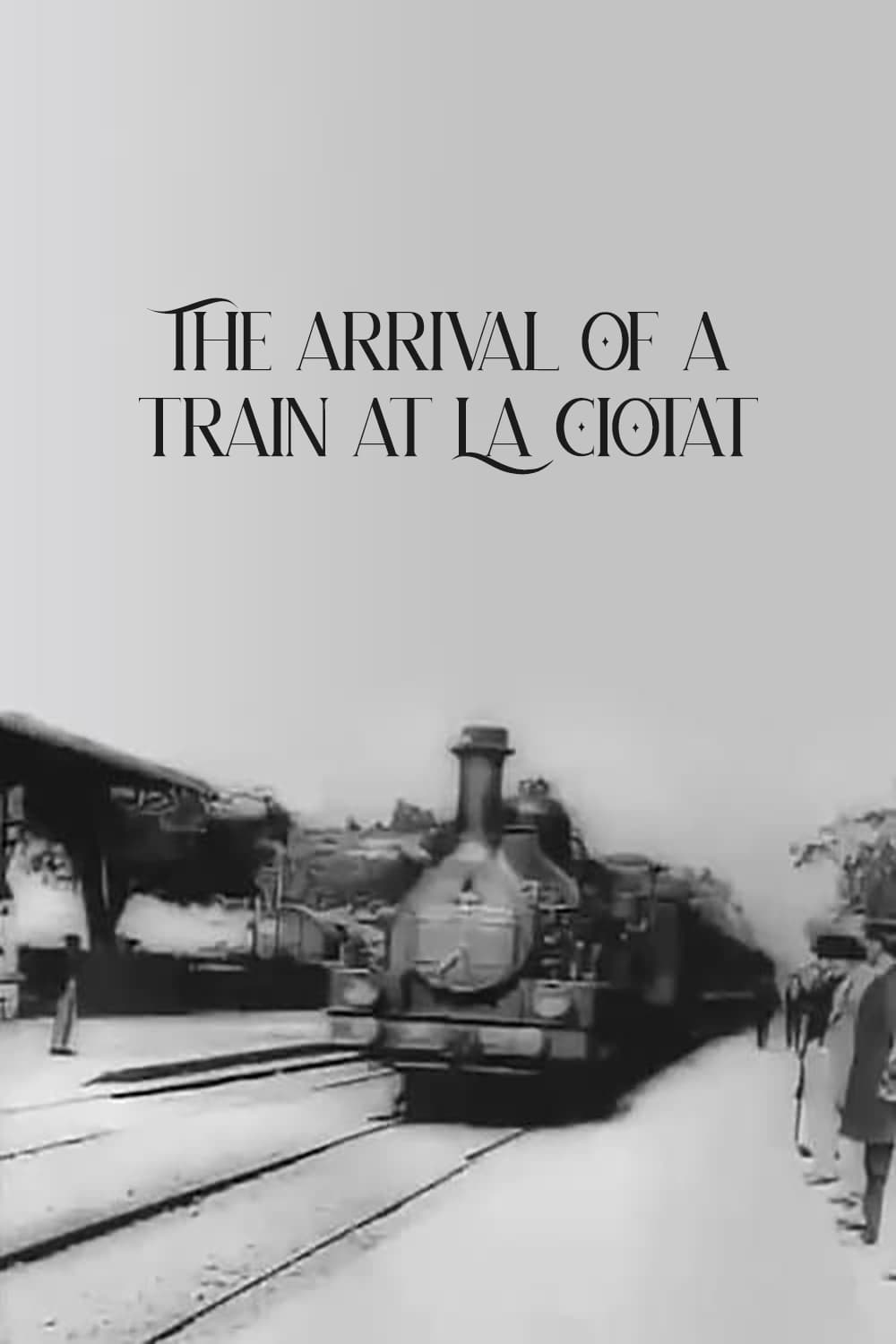
The Lumière brothers terrified and amazed early audiences with this fifty second silent documentary. Viewers reportedly ran from the screen because they believed the locomotive was actually coming into the theater. This simple recording demonstrated the raw power of the moving image to simulate reality. It marked the public birth of cinema as a communal experience. The film proved that motion pictures could elicit a visceral physical reaction from spectators.
‘A Trip to the Moon’ (1902)
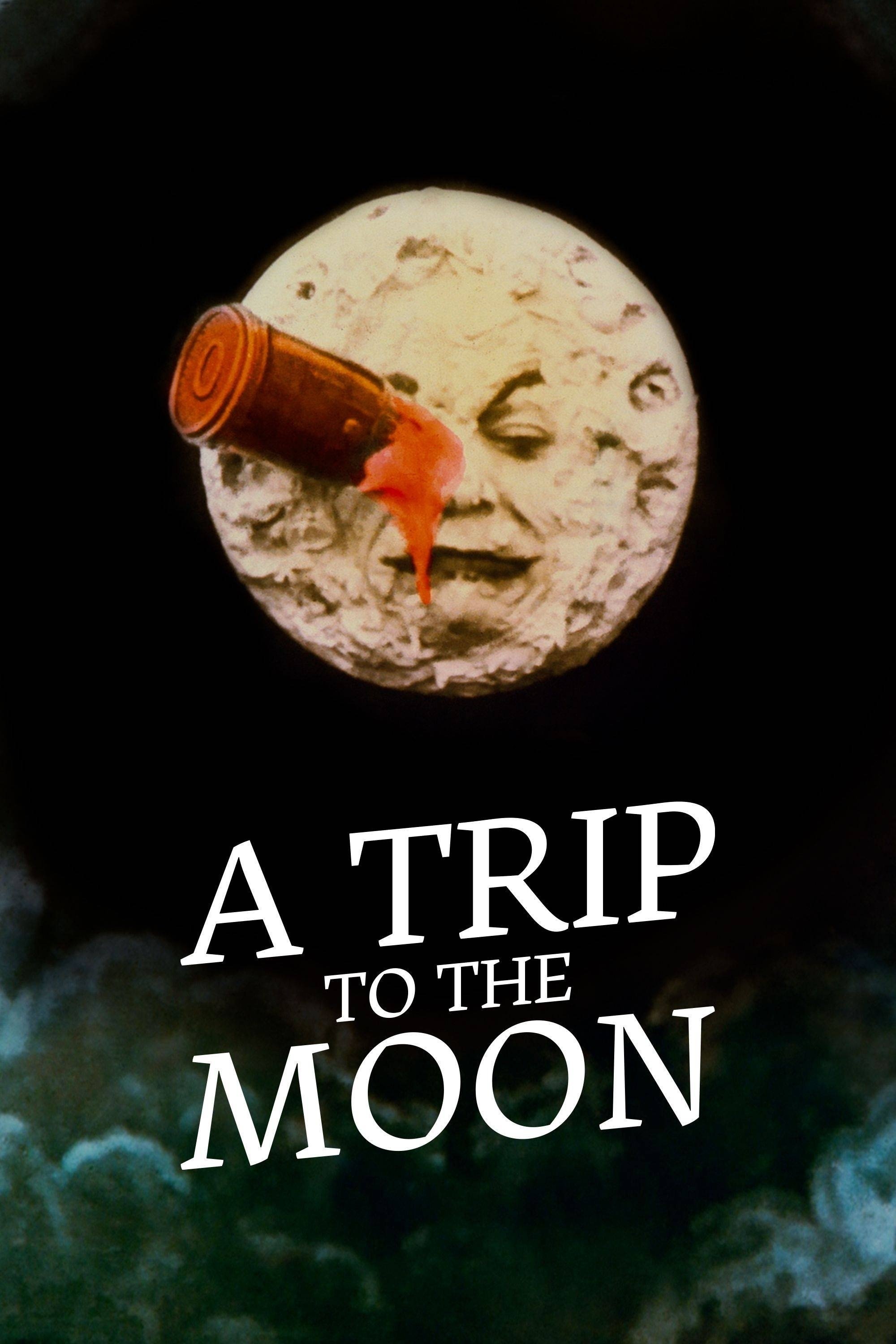
Georges Méliès introduced the world to the potential of science fiction and special effects with this silent short film. The narrative follows a group of astronomers who travel to the moon in a cannon propelled capsule. It utilized innovative techniques such as double exposure and split screen to create its fantastical imagery. The iconic image of the capsule landing in the eye of the moon remains one of the most recognizable visuals in film history. This work proved that cinema could be used to invent new worlds rather than just record reality.
‘The Great Train Robbery’ (1903)
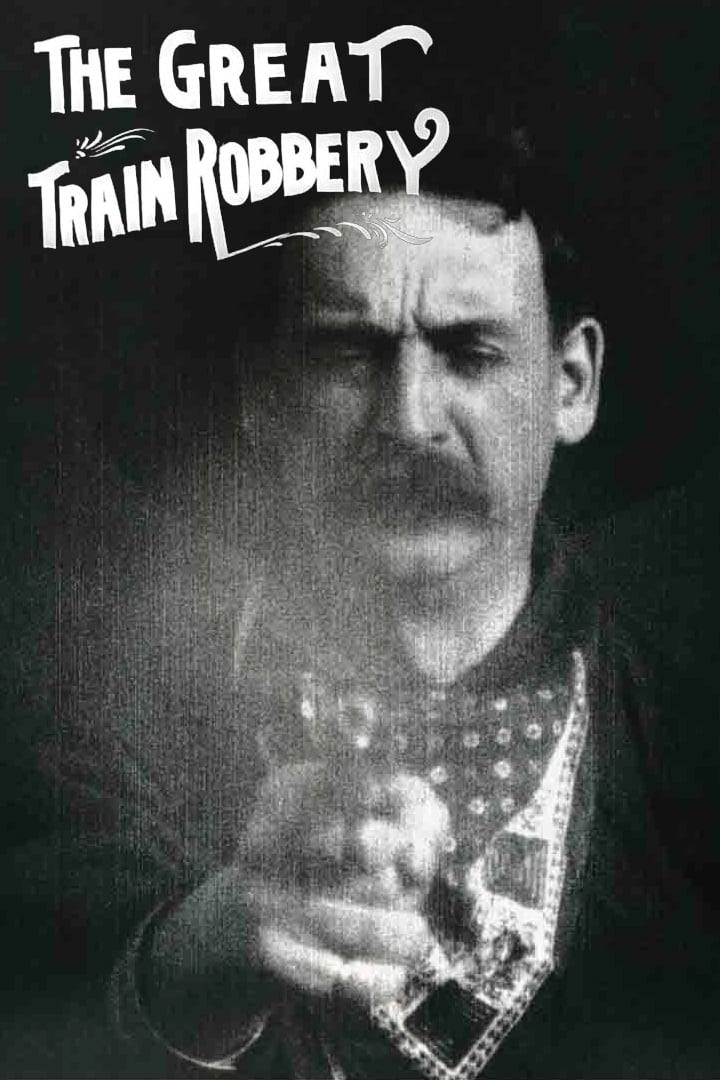
Edwin S. Porter revolutionized visual storytelling by introducing the concept of parallel editing and location shooting. The film moves between different scenes happening simultaneously to build tension and narrative momentum. It effectively established the Western genre and included a famous shot of a bandit firing a gun directly at the audience. This twelve minute reel moved cinema away from stage play aesthetics toward a unique film grammar. It showed that editing was the key to manipulating time and space.
‘The Birth of a Nation’ (1915)
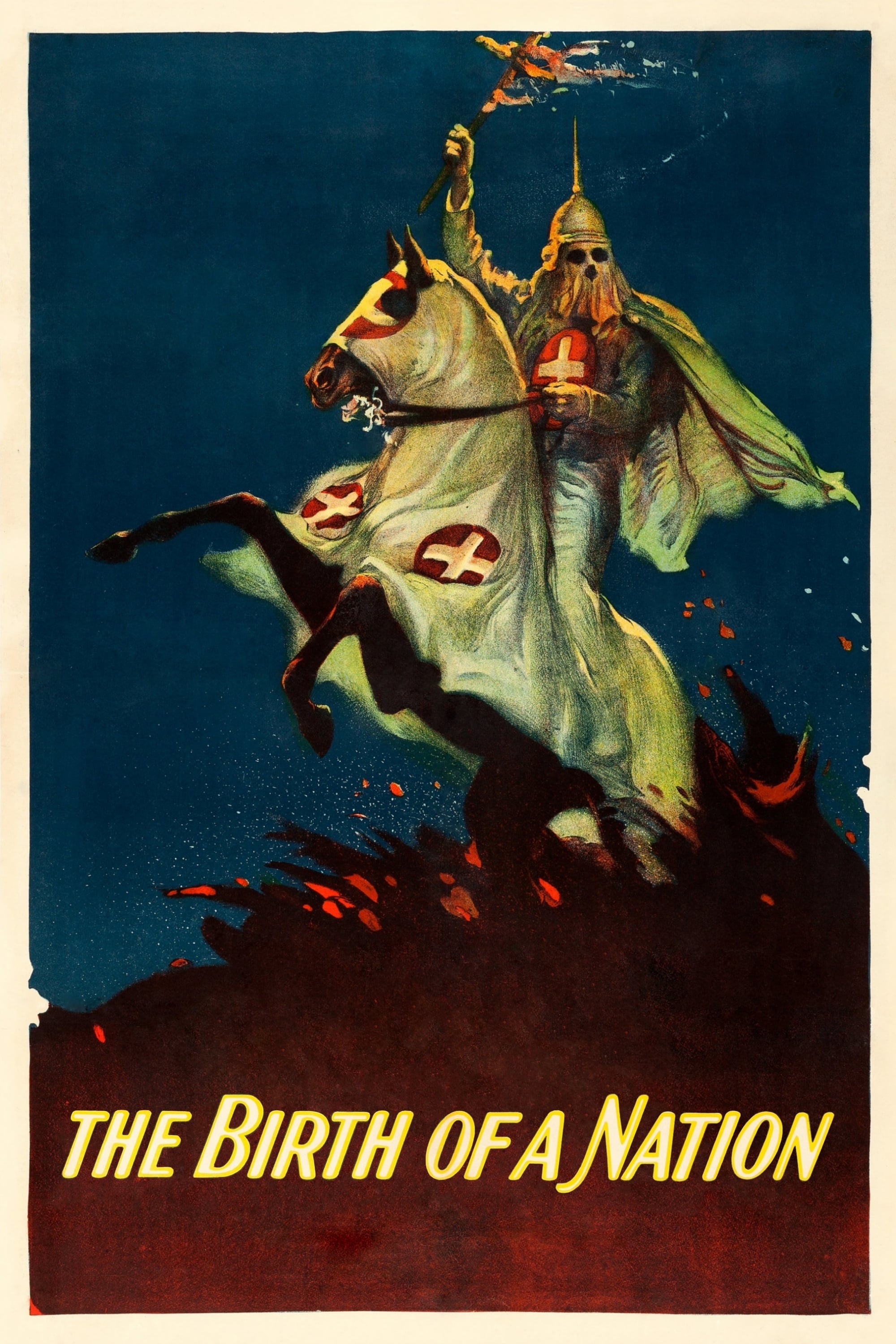
D.W. Griffith pioneered essential filmmaking techniques such as the close up and parallel editing in this silent epic. The extended runtime established the viability of the feature length format for future productions. It is credited with codifying the grammar of modern film narrative that directors still use today. The film sparked massive controversy and protests due to its racist depiction of African Americans and the Ku Klux Klan. Its legacy remains a complex study of how artistic innovation can coexist with harmful propaganda.
‘Battleship Potemkin’ (1925)
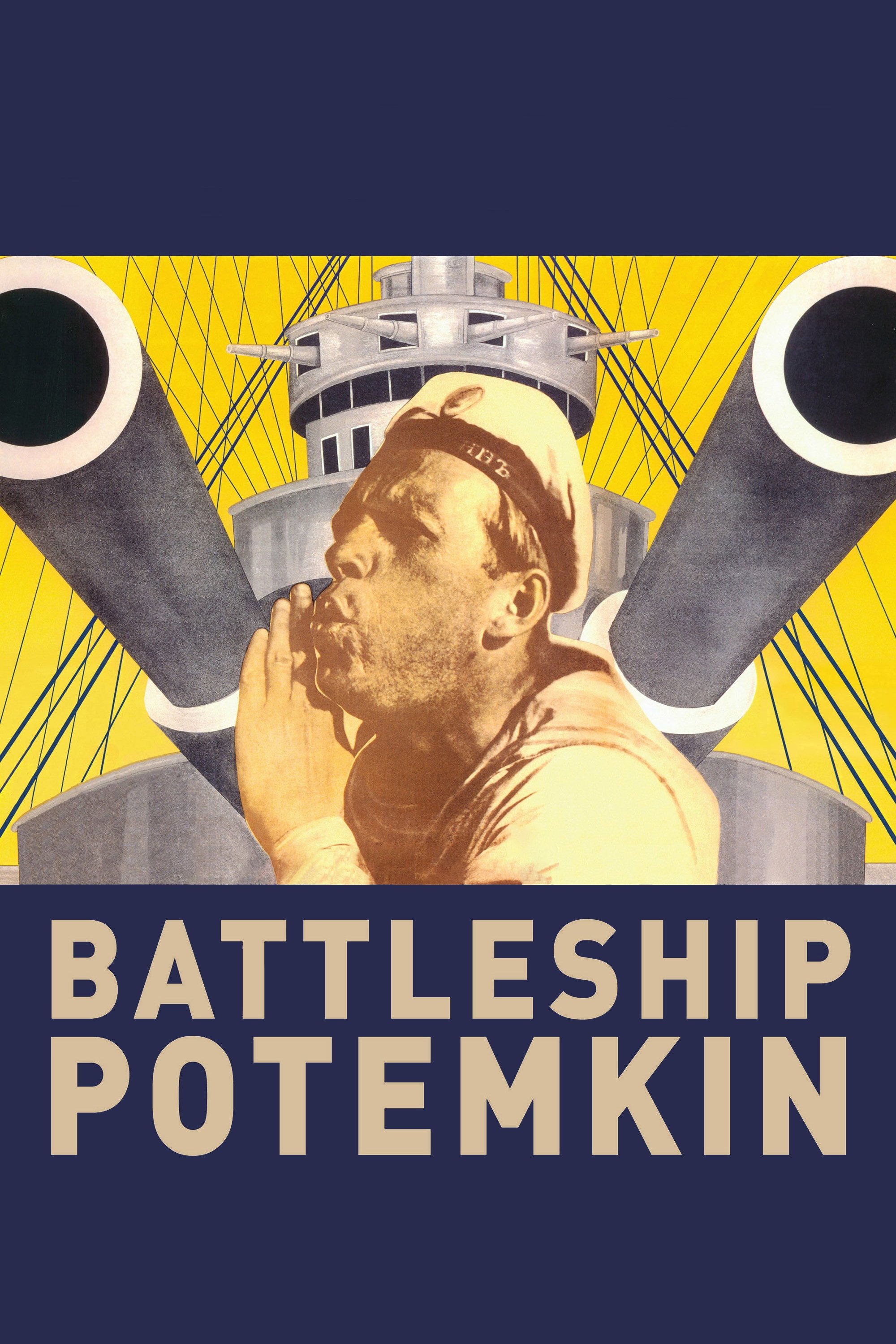
Sergei Eisenstein utilized this Soviet propaganda film to demonstrate his theories on montage editing. The famous Odessa Steps sequence creates emotional impact through the rapid juxtaposition of conflicting images. Eisenstein proved that the collision of shots could manipulate audience emotion more effectively than the content of a single frame. This editing technique became a fundamental tool for filmmakers to build suspense and rhythm. The film remains a masterclass in political cinema and visual dynamics.
‘The Jazz Singer’ (1927)

Alan Crosland directed this musical drama that effectively ended the silent film era. Warner Bros used the Vitaphone process to synchronize the musical numbers and dialogue segments with the moving image. The moment Al Jolson spoke the lines you ain’t heard nothin’ yet captivated audiences globally. The immediate commercial success forced theaters to wire themselves for sound and studios to abandon silent productions. It stands as the definitive transition point into the age of the talkies.
‘Snow White and the Seven Dwarfs’ (1937)
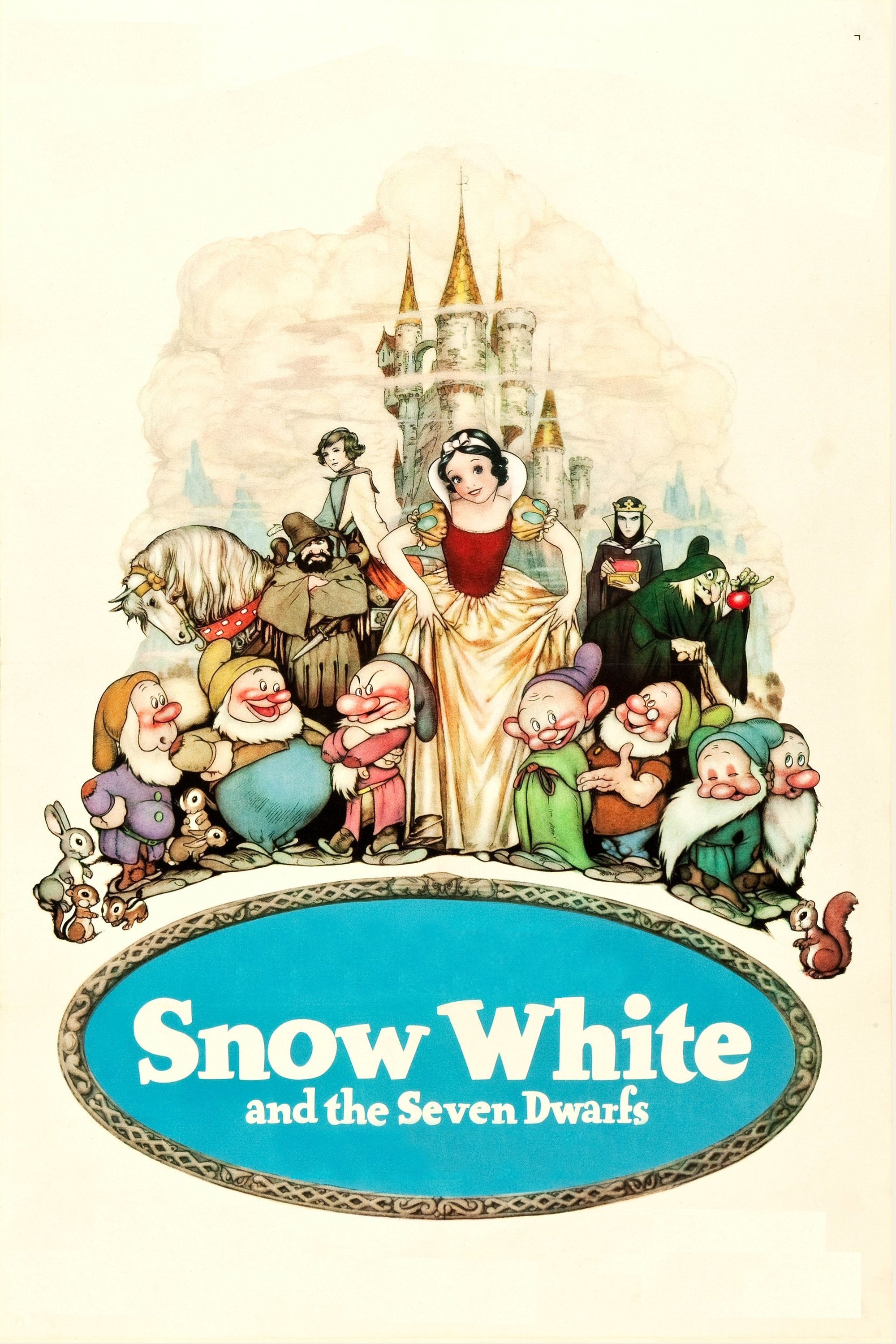
Walt Disney risked his entire studio to produce the first full length cel animated feature film. Critics dubbed the project Disney’s Folly because they believed audiences would not sit through a cartoon for eighty minutes. The film utilized the multiplane camera to create depth and featured vibrant Technicolor animation. Its massive financial success paved the way for animation to become a respected and profitable medium. It established the musical fairy tale formula that defines the Disney legacy.
‘Citizen Kane’ (1941)
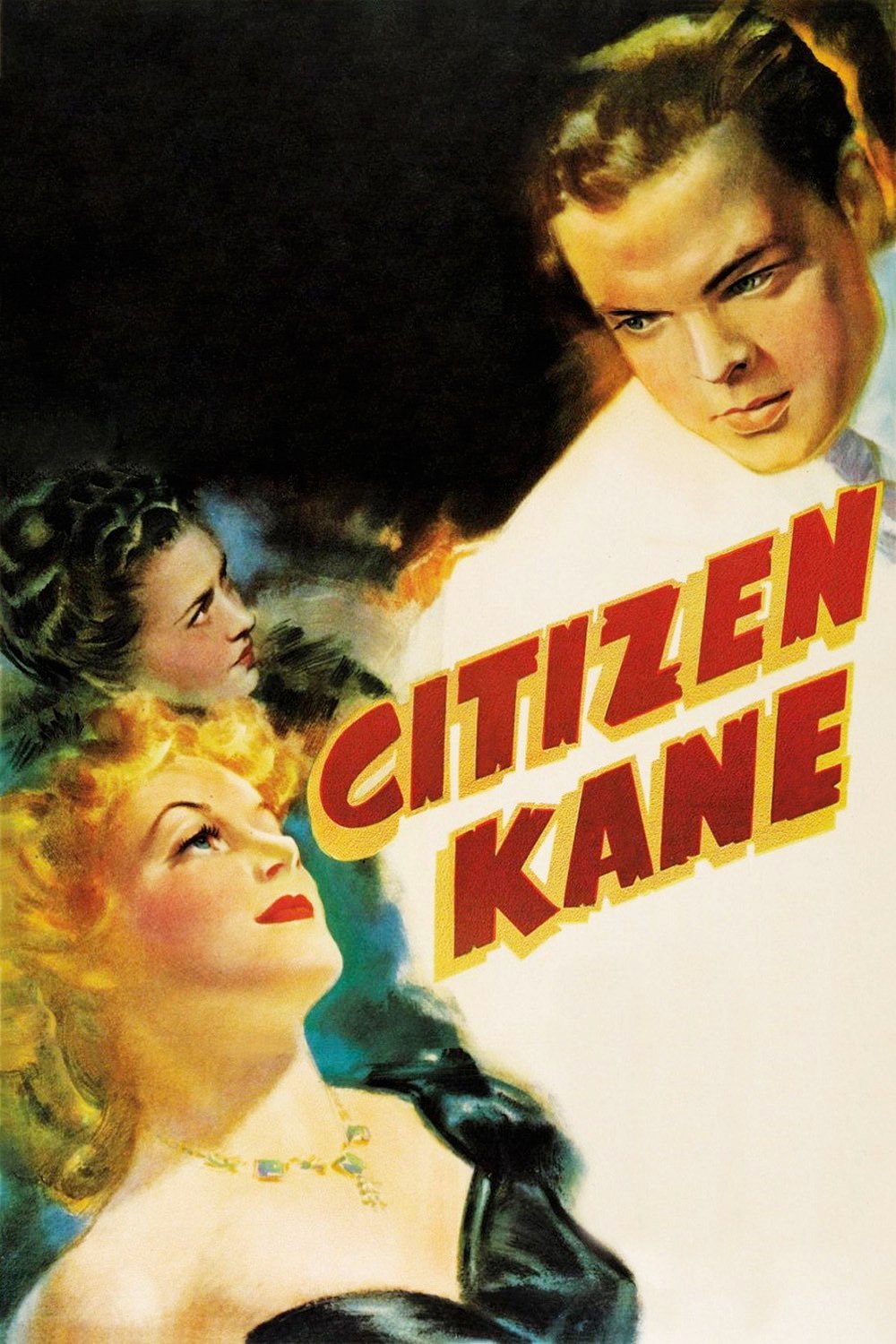
Orson Welles wrote, directed, and starred in this drama that is frequently cited as the greatest film ever made. He utilized deep focus cinematography to keep foreground and background actions visible simultaneously. The non-linear narrative structure pieces together the life of a tycoon through flashbacks and unreliable narrators. Welles also pioneered innovative lighting and camera angles that broke the rigid studio style of the time. It demonstrated that a director could be the true author of a film.
‘Bicycle Thieves’ (1948)
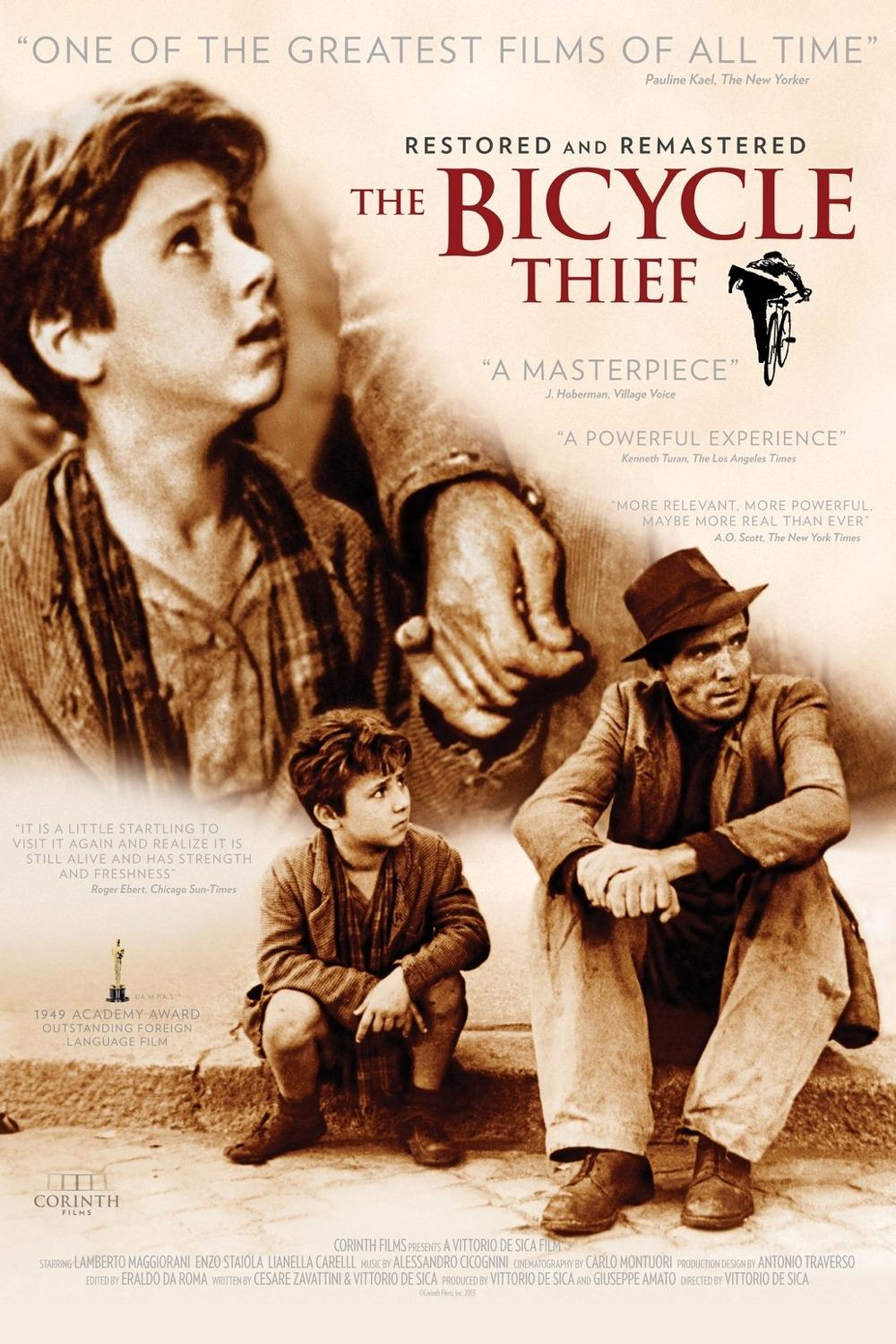
Vittorio De Sica spearheaded the Italian Neorealism movement with this simple story of a father searching for his stolen bicycle. The production utilized non-professional actors and was shot entirely on location in the streets of post-war Rome. It rejected the glossy artificiality of Hollywood in favor of gritty social reality and human struggle. The film influenced generations of indie filmmakers to find profound stories in everyday life. It proved that emotional power does not require a massive budget.
‘Rashomon’ (1950)
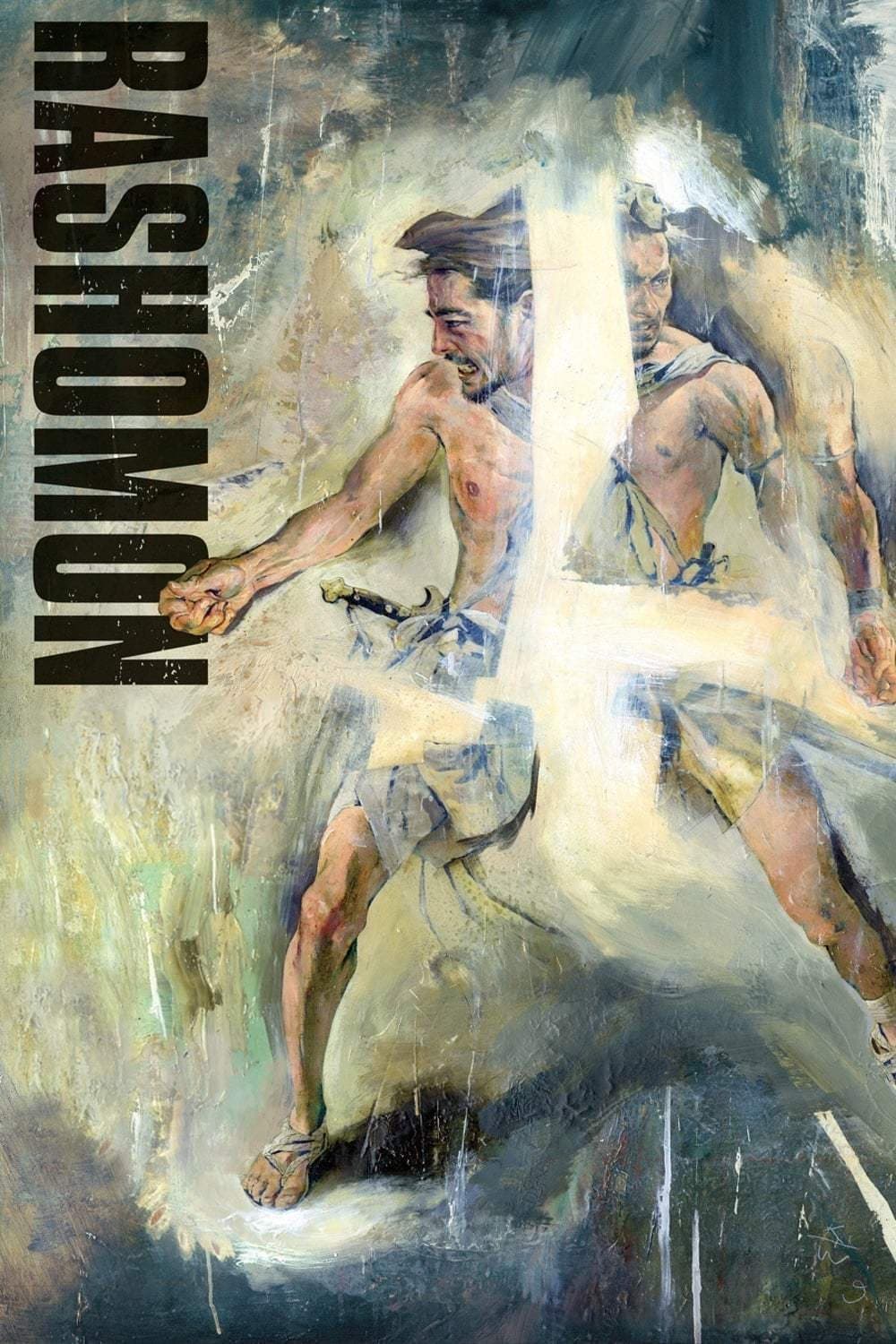
Akira Kurosawa introduced the concept of the unreliable narrator to international audiences with this crime drama. The story depicts the same incident from four mutually contradictory perspectives. This narrative device challenged the idea of objective truth in storytelling and engaged the audience to solve the mystery. It opened the West to the richness of Japanese cinema and won the Golden Lion at Venice. The film demonstrated how subjectivity could be used to deepen character and theme.
‘Seven Samurai’ (1954)
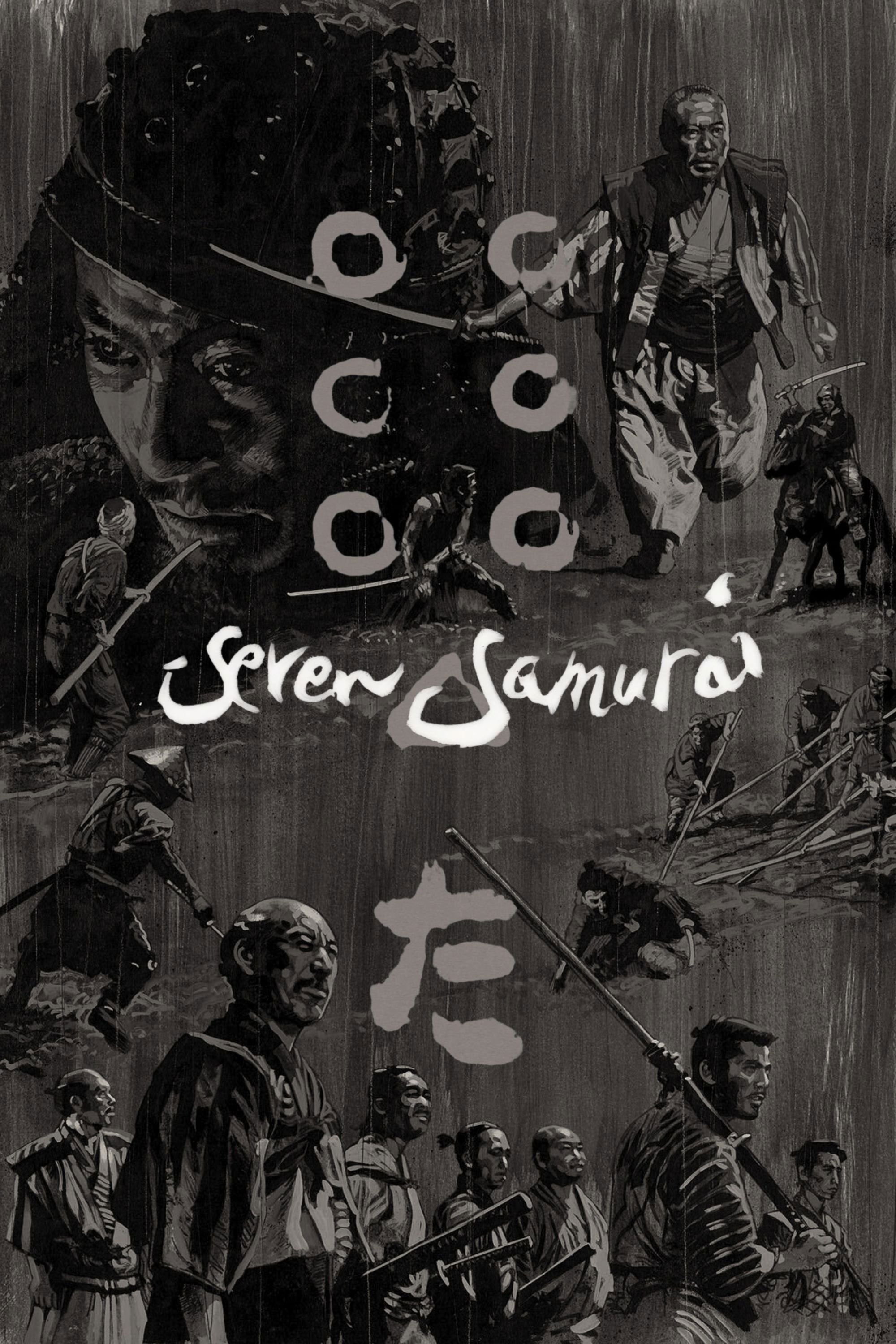
Akira Kurosawa created the template for the modern action movie with this epic about ronin defending a village. The film introduced the plot device of assembling a team of specialists for a specific mission. Kurosawa used telephoto lenses and multiple cameras to capture chaotic battle sequences with unprecedented energy. Its structure has been remade countless times across different genres including the Western classic ‘The Magnificent Seven’. It elevated the action genre into a study of duty and sacrifice.
‘Breathless’ (1960)

Jean-Luc Godard launched the French New Wave with this crime drama that intentionally broke all the rules of continuity. The film famously employed jump cuts that removed chunks of time within a single continuous shot. This jarring editing style drew attention to the artificial nature of the medium. Godard shot with handheld cameras and improvised dialogue to capture a sense of spontaneity. It liberated filmmakers from the polished perfectionism of the studio system.
‘Psycho’ (1960)
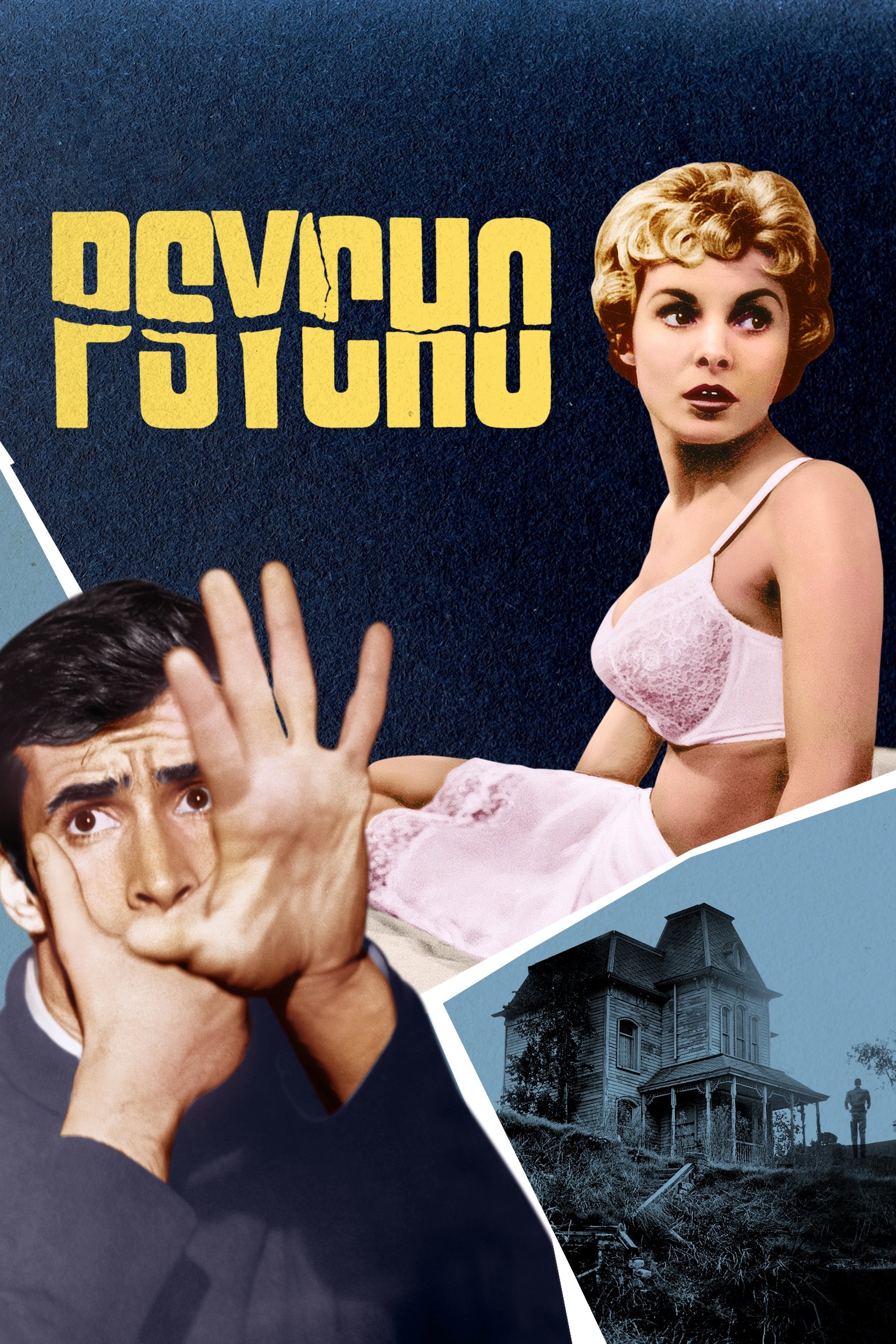
Alfred Hitchcock shattered cinema conventions by killing off his main star within the first act of the film. The shower scene utilized seventy-eight camera setups and fifty-two cuts to create terror without showing explicit violence. Hitchcock also defied distribution norms by forbidding late entry to theaters. This film birthed the modern slasher genre and changed how horror movies were marketed. It proved that the director was the true star of the picture.
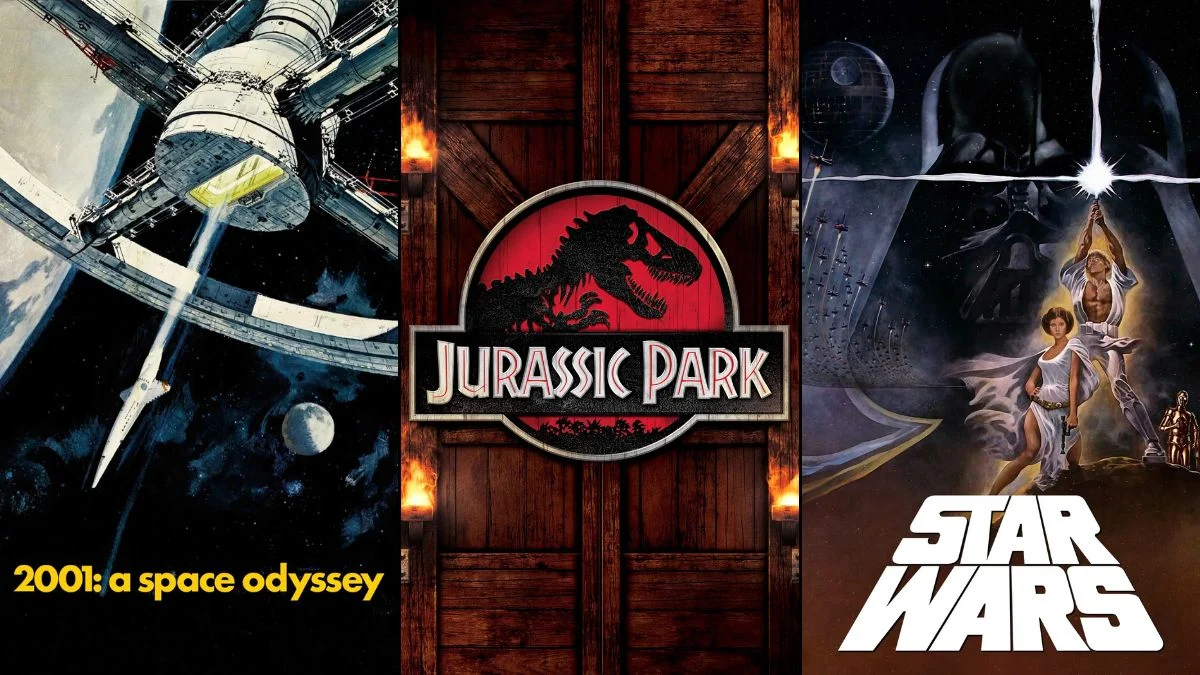
‘2001: A Space Odyssey’ (1968)
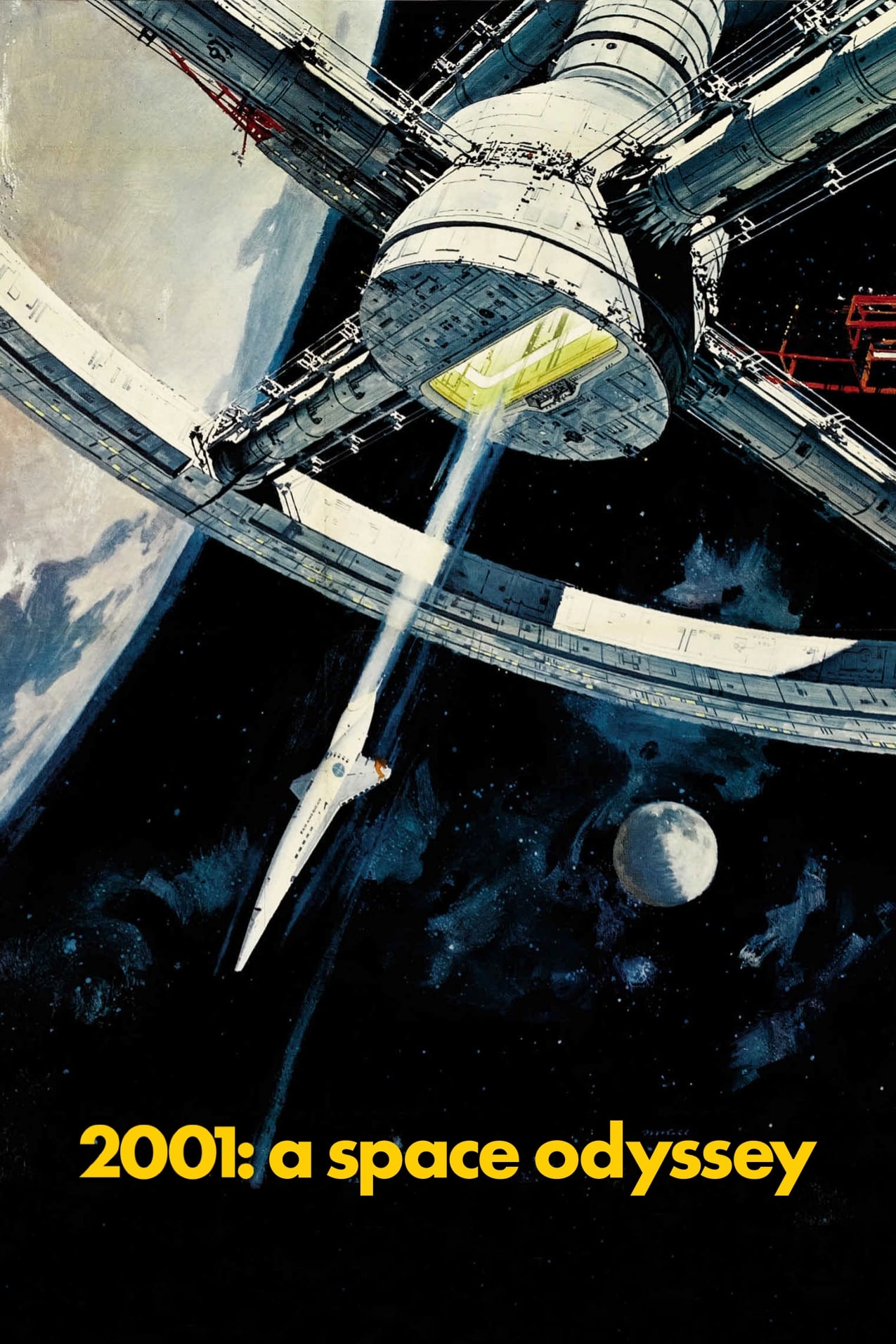
Stanley Kubrick created a science fiction masterpiece that relied on visual storytelling rather than dialogue. The special effects utilized practical models and rotating sets that hold up decades later. It treated space travel with scientific realism and philosophical depth rather than pulp adventure tropes. The ambiguous ending challenged audiences to interpret the film for themselves. It set the gold standard for intellectual sci-fi cinema.
‘Night of the Living Dead’ (1968)
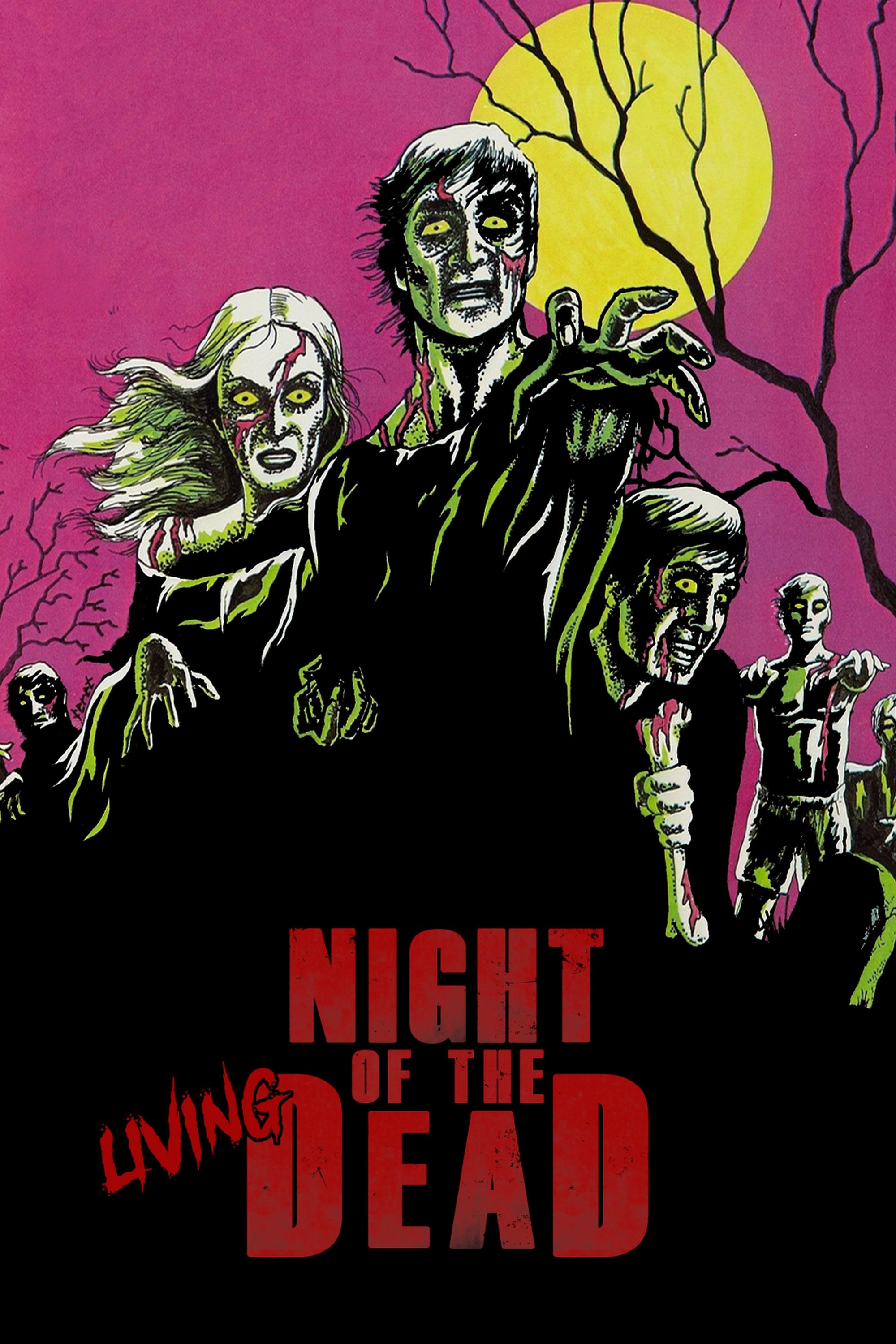
George A. Romero invented the modern zombie movie with this low budget independent horror film. He cast a black actor as the heroic lead which was a radical choice for the era. The film replaced the gothic monsters of the past with a relentless horde of flesh eating ghouls. Its bleak documentary style reflected the social and political unrest of the late sixties. It proved that horror could serve as potent social commentary.
‘The Godfather’ (1972)
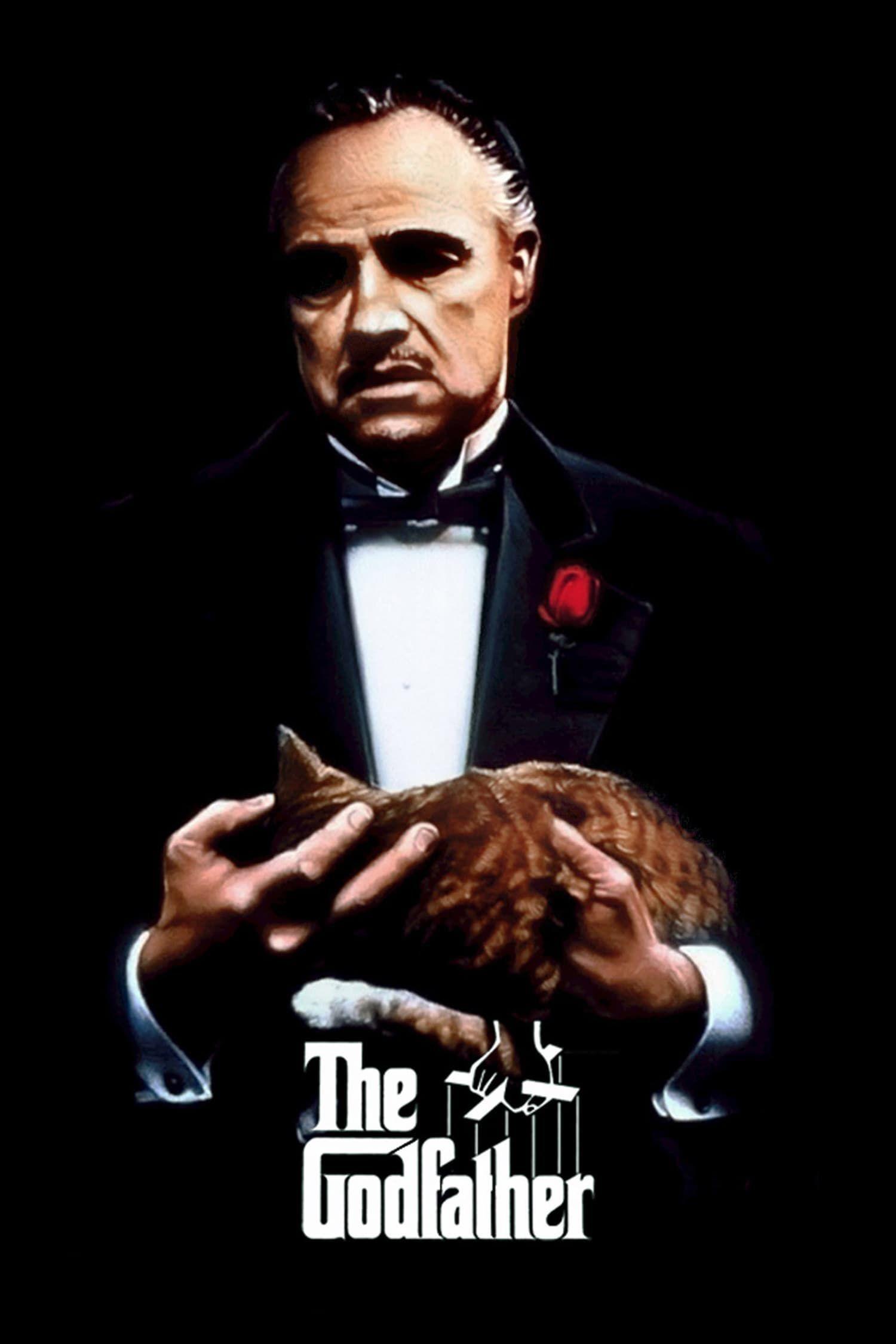
Francis Ford Coppola elevated the gangster genre into an operatic tragedy about the American Dream. cinematographer Gordon Willis used dark lighting that obscured the eyes of the actors to suggest moral ambiguity. The film revitalized the career of Marlon Brando and launched Al Pacino to stardom. It became a massive cultural phenomenon that bridged the gap between high art and commercial blockbuster. The sequel further innovated by acting as both a prequel and a continuation.
‘Jaws’ (1975)
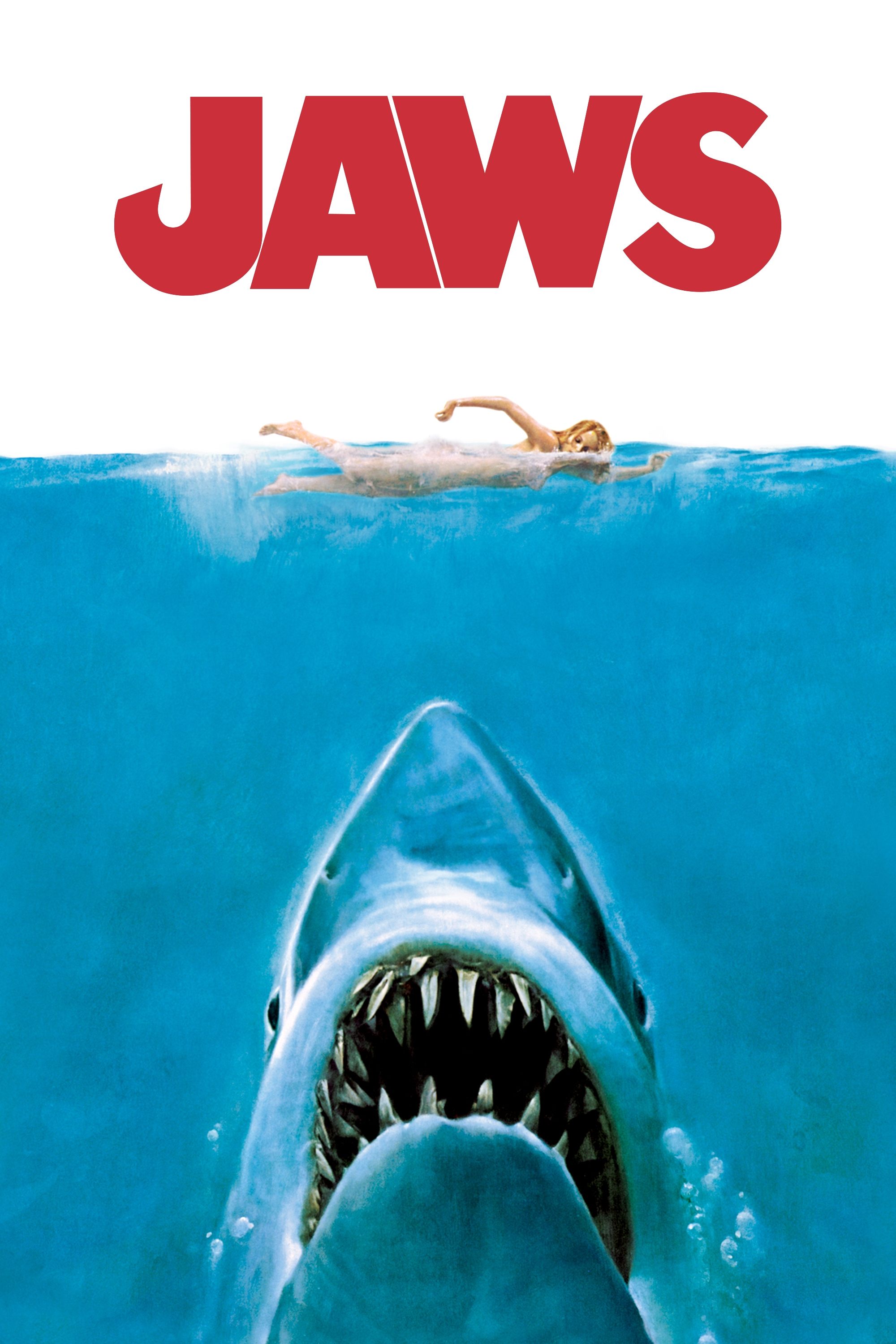
Steven Spielberg changed the business of Hollywood forever with the release of this shark thriller during the summer season. Universal Pictures employed a massive television marketing campaign that was unprecedented for the time. The film broke box office records and established the concept of the summer blockbuster which prioritizes high concept premises. Its success shifted studio strategies toward big budget spectacles intended for mass appeal. The mechanical shark issues also inadvertently taught filmmakers that hiding the monster can create more suspense.
‘Star Wars’ (1977)
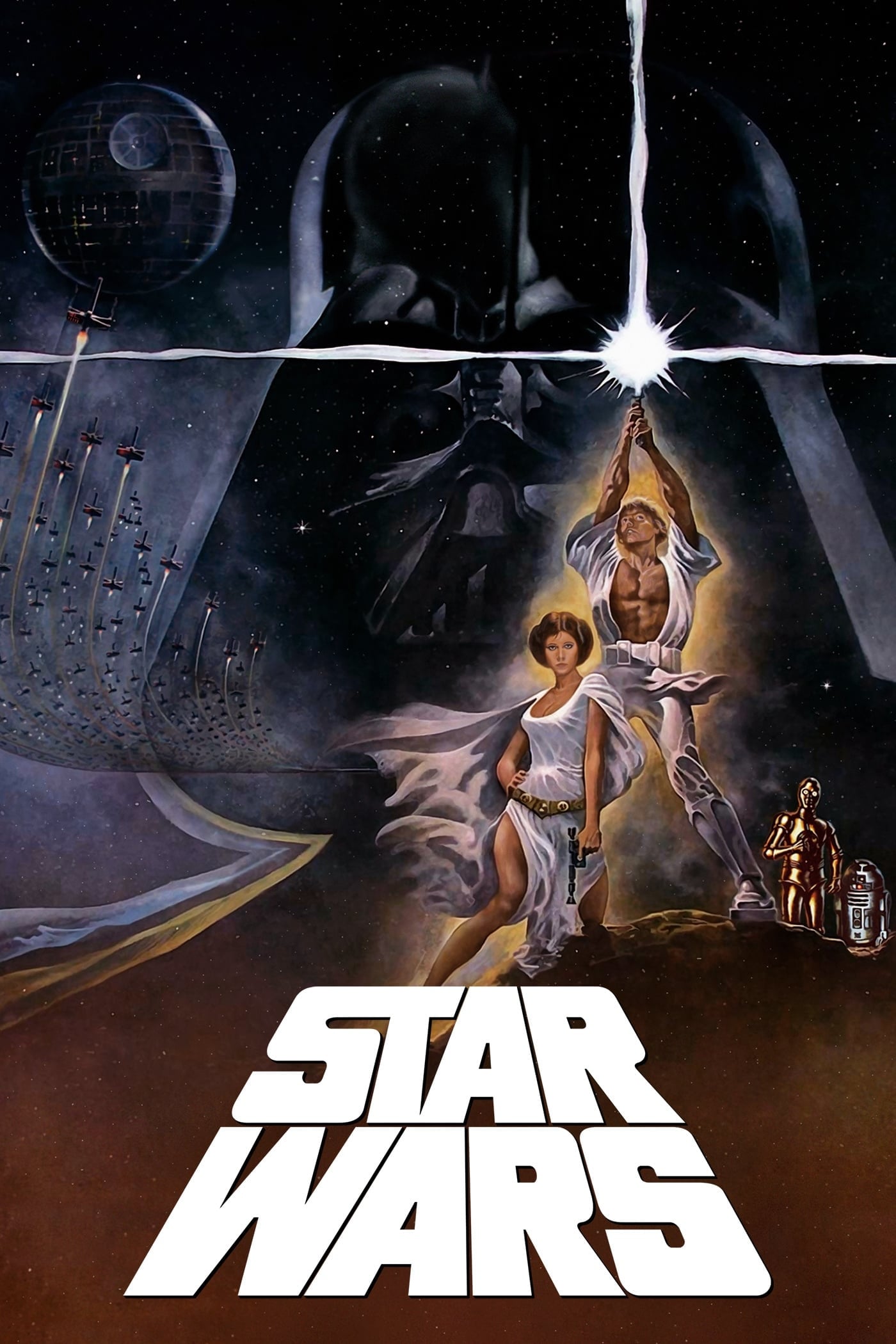
George Lucas created a space opera that revolutionized special effects through the founding of Industrial Light & Magic. The film established the modern franchise model with its focus on merchandising and sequels. It utilized motion control cameras to create dynamic dogfights in space. The sound design created a lived-in universe that felt distinct from the sterile sci-fi of the past. It culturally redefined the moviegoing experience for an entire generation.
‘Halloween’ (1978)

John Carpenter stripped horror down to its basics with this independent slasher hit. The use of the Steadicam allowed the audience to see through the eyes of the killer. It popularized the trope of the final girl and the unstoppable masked antagonist. The simple synthesizer score demonstrated how sound could create unbearable tension. Its financial success sparked a gold rush of slasher films throughout the eighties.
‘Akira’ (1988)
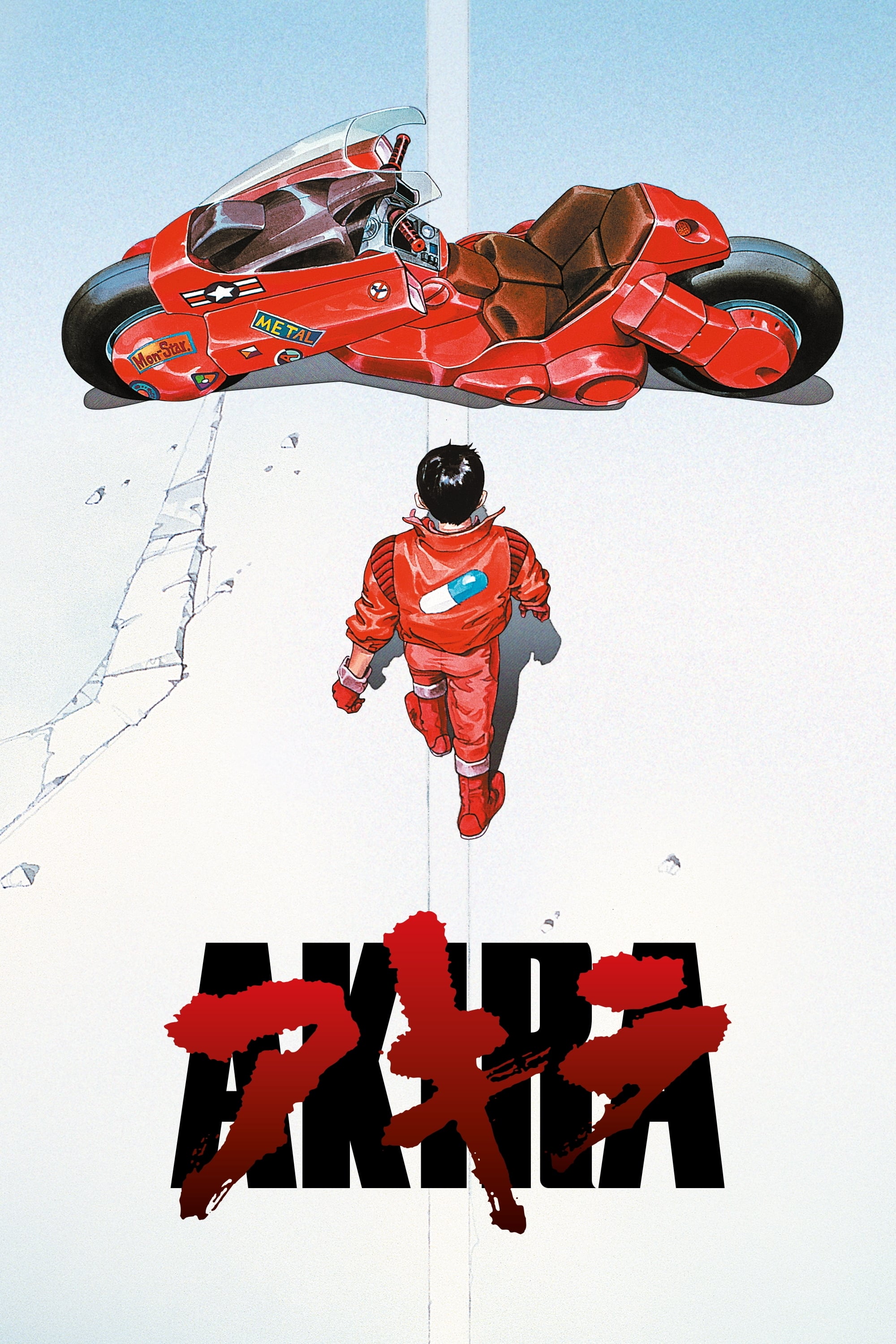
Katsuhiro Otomo directed this cyberpunk landmark that brought anime to global attention. The film featured incredibly detailed animation and fluid motion that surpassed most Western animated productions. It dealt with mature themes of government corruption and transhumanism. The movie proved that animation was a viable medium for gritty adult science fiction. Its visual style continues to influence live action directors and animators today.
‘Terminator 2: Judgment Day’ (1991)
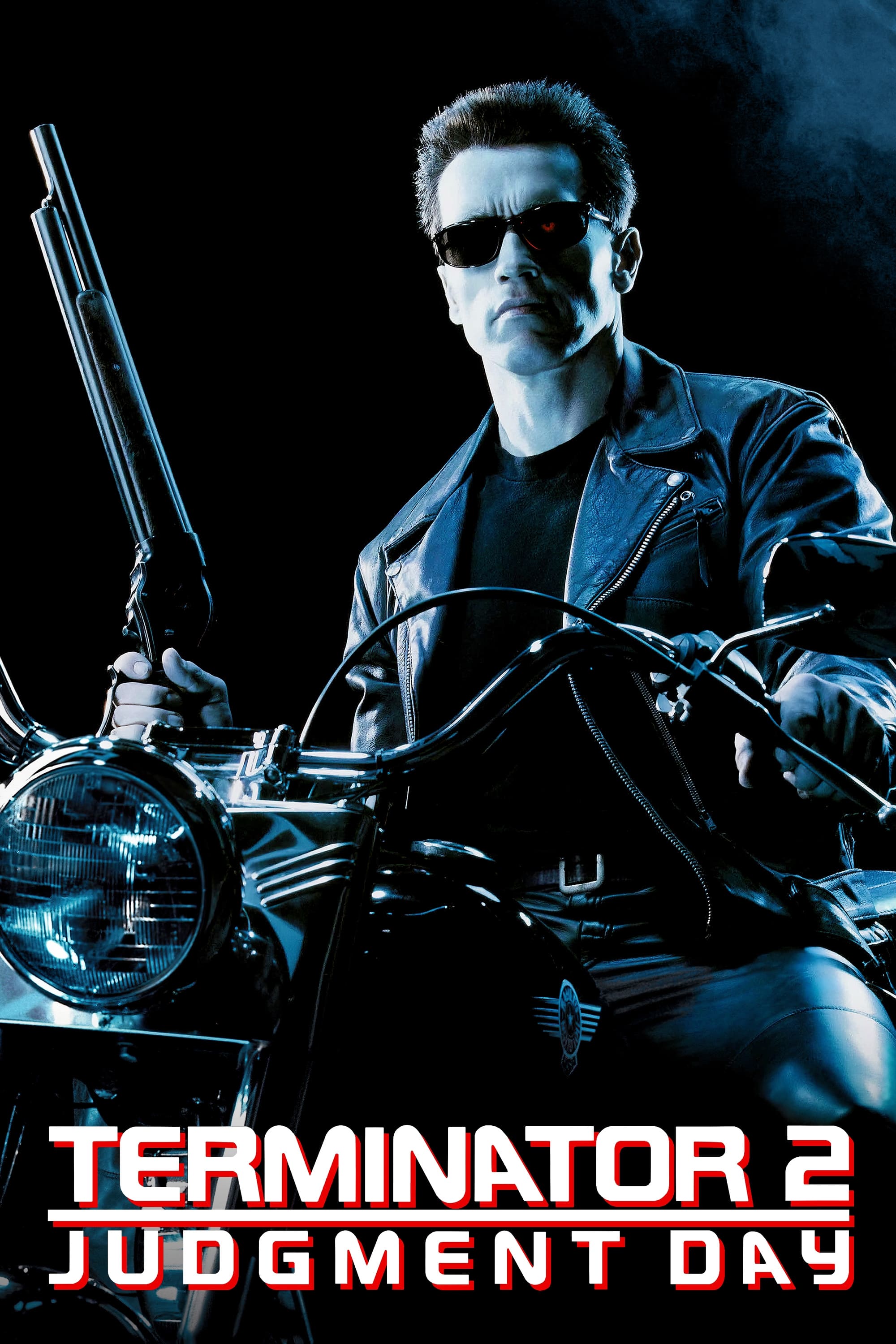
James Cameron pioneered the use of computer generated imagery to create the liquid metal T-1000 villain. This was the first time a main character was partially created through digital effects in a realistic setting. The film seamlessly blended practical stunts with groundbreaking CGI. It demonstrated that digital tools could enhance action storytelling without breaking immersion. This success triggered the rapid adoption of CGI in Hollywood blockbusters.
‘Jurassic Park’ (1993)

Steven Spielberg once again shifted the technological landscape by bringing realistic dinosaurs to life. The production combined full scale animatronics with computer generated creatures to achieve total believability. It marked the moment when digital effects became capable of rendering organic living things. The film convinced the industry that stop motion animation was effectively obsolete. It remains the benchmark for balancing practical and digital effects.
‘Pulp Fiction’ (1994)
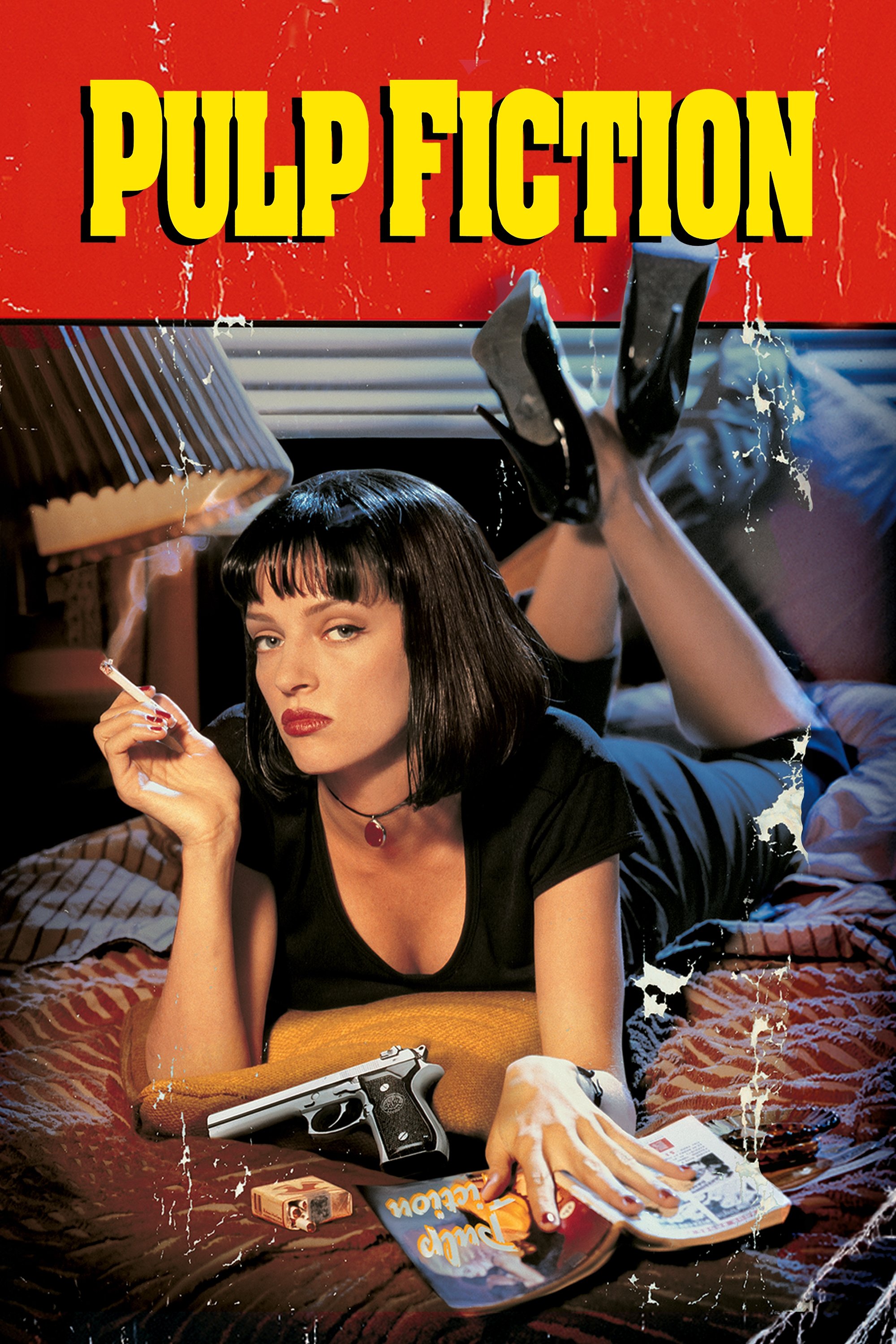
Quentin Tarantino revitalized independent cinema with this non-linear crime anthology. The dialogue focused on pop culture trivia and mundane details rather than just plot advancement. Its eclectic soundtrack and stylish violence created a unique cool factor that many tried to imitate. The film proved that indie movies could attract A-list stars and achieve massive box office success. It permanently altered the landscape of American screenwriting.
‘Toy Story’ (1995)
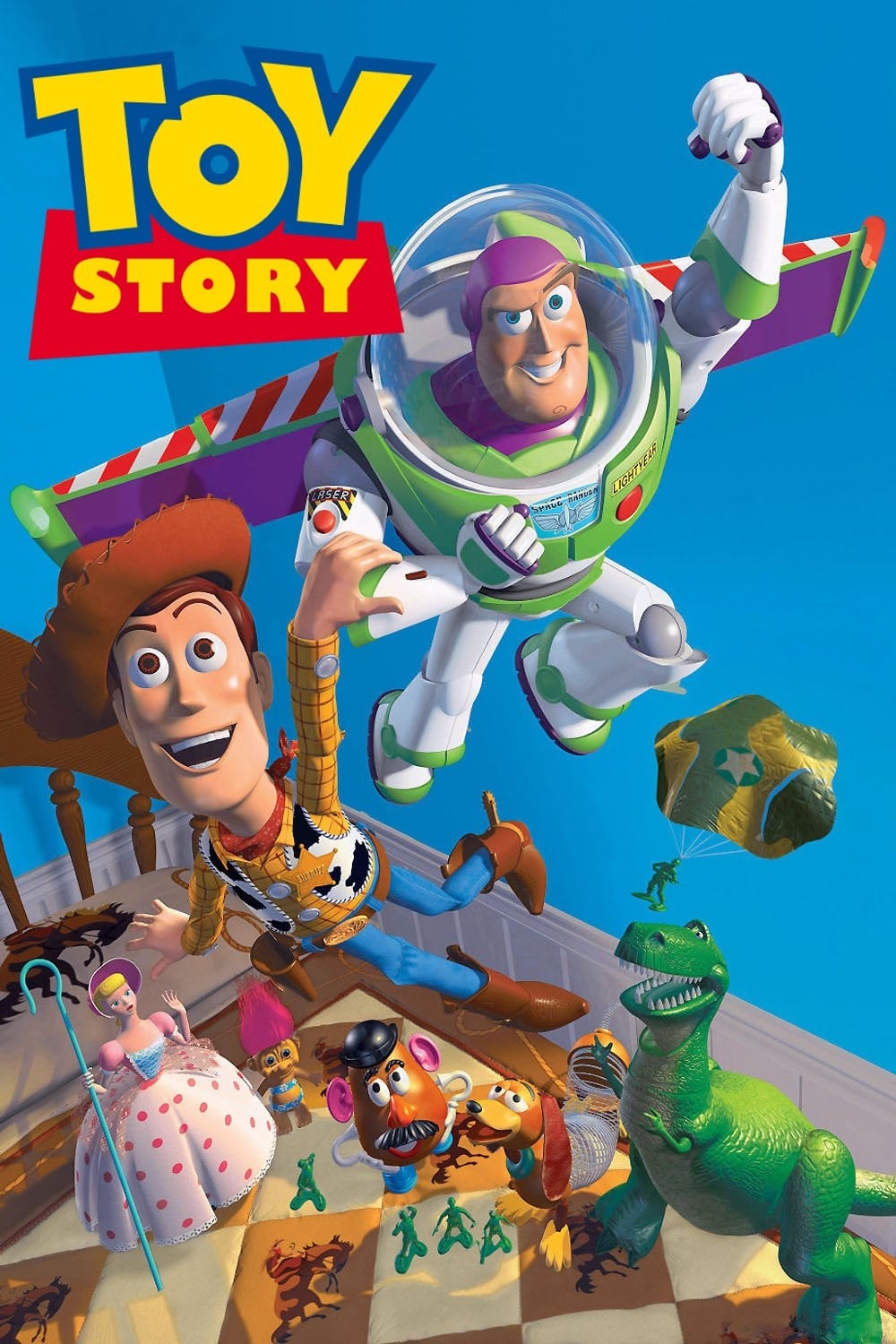
Pixar Animation Studios released the first feature film created entirely with computer animation. The movie demonstrated that 3D characters could convey deep emotion and character nuance. It signaled a technological shift that would eventually lead to the decline of traditional hand drawn animation. The film emphasized that story and character were still paramount regardless of the medium. It launched Pixar as a dominant creative force in the entertainment industry.
‘The Blair Witch Project’ (1999)

Daniel Myrick and Eduardo Sánchez utilized the internet for viral marketing to sell this found footage horror film. Audiences were encouraged to believe the footage was real through fake missing persons posters and a dedicated website. The film was shot on consumer grade video cameras to enhance the realism. It became one of the most profitable films ever made relative to its budget. This success popularized the found footage genre and changed how movies are marketed online.
‘The Matrix’ (1999)
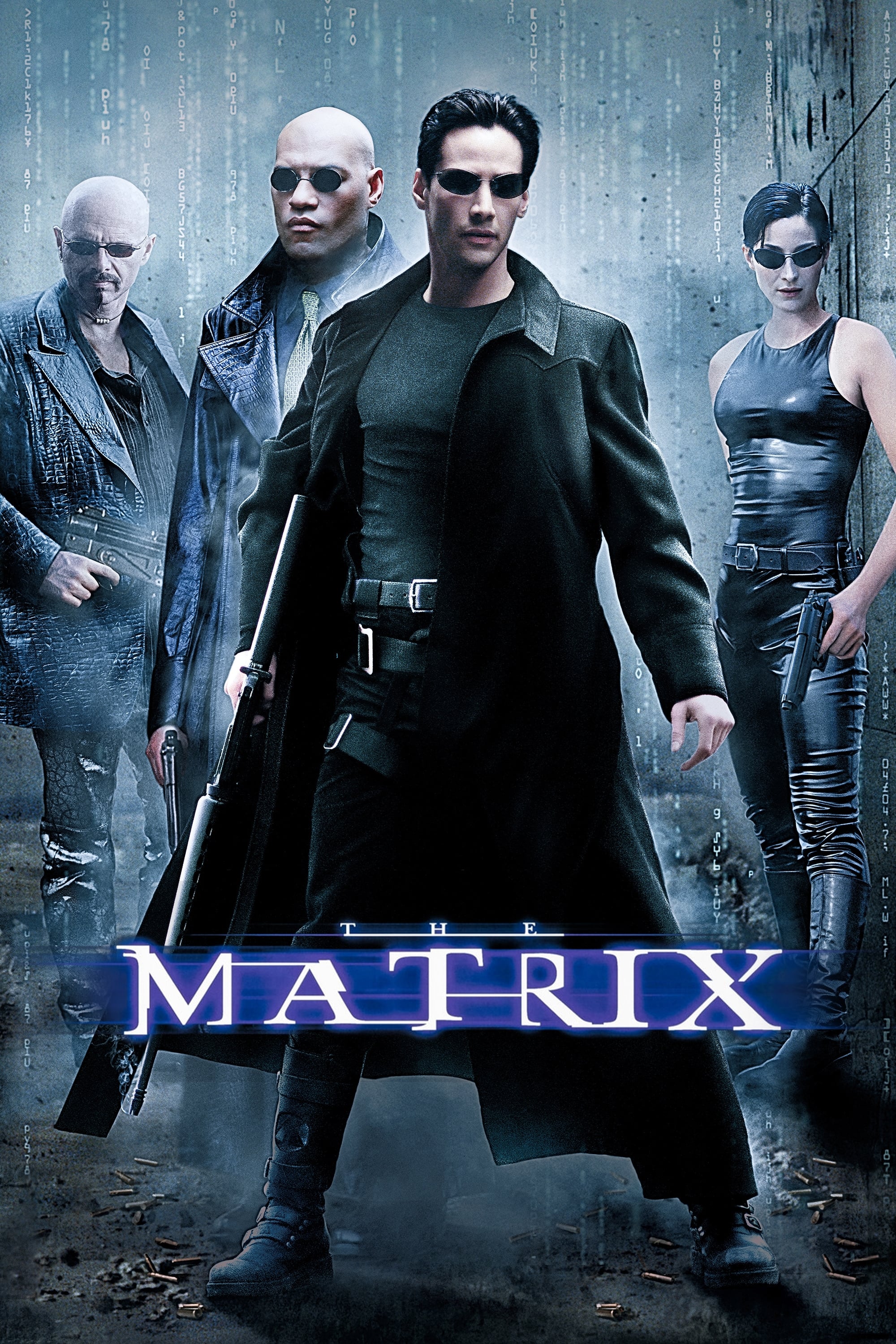
The Wachowskis blended Hong Kong action aesthetics with cyberpunk philosophy and cutting edge visual effects. They developed the bullet time effect which allowed the camera to move around a frozen subject. The film introduced wire fu choreography to Western action cinema. Its philosophical questions about reality and technology resonated deeply with the turn of the millennium audience. It raised the bar for action choreography and visual style in Hollywood.
‘The Lord of the Rings: The Fellowship of the Ring’ (2001)
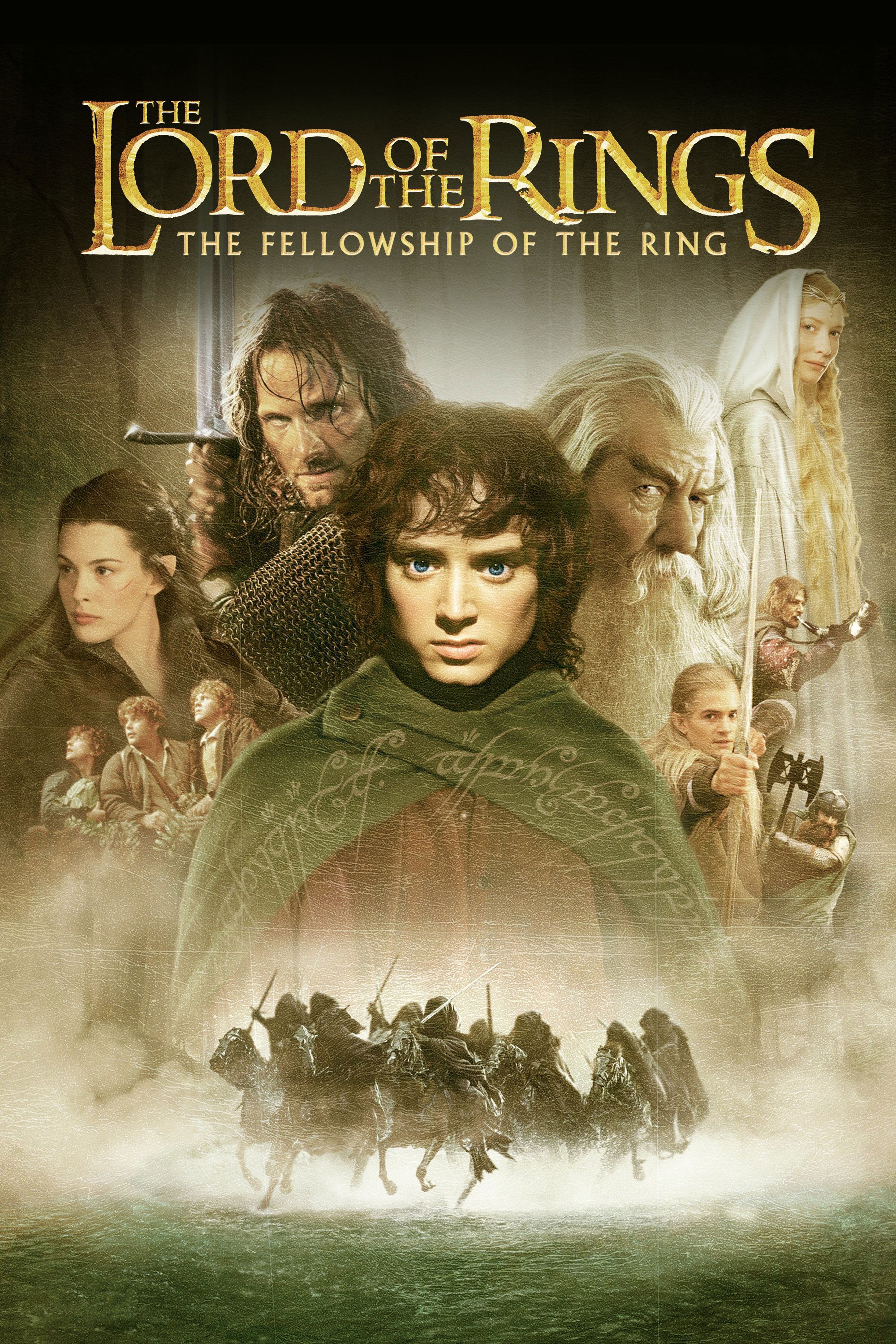
Peter Jackson undertook an unprecedented gamble by filming three massive fantasy epics simultaneously. The production developed the MASSIVE software to generate intelligent crowds for battle scenes. It brought legitimacy to the fantasy genre which had previously been dismissed as B-movie material. The film also pioneered performance capture technology through the character of Gollum. It proved that massive literary adaptations could be critical and commercial juggernauts.
‘Avatar’ (2009)

James Cameron returned to revolutionize 3D technology and performance capture. He developed new camera systems to shoot in stereoscopic 3D and create an immersive alien world. The film prompted theaters worldwide to upgrade their projection systems to digital formats. It remains the highest grossing film of all time and proved the commercial viability of 3D. The visual fidelity of the digital characters set a new standard for visual effects.
‘The Avengers’ (2012)
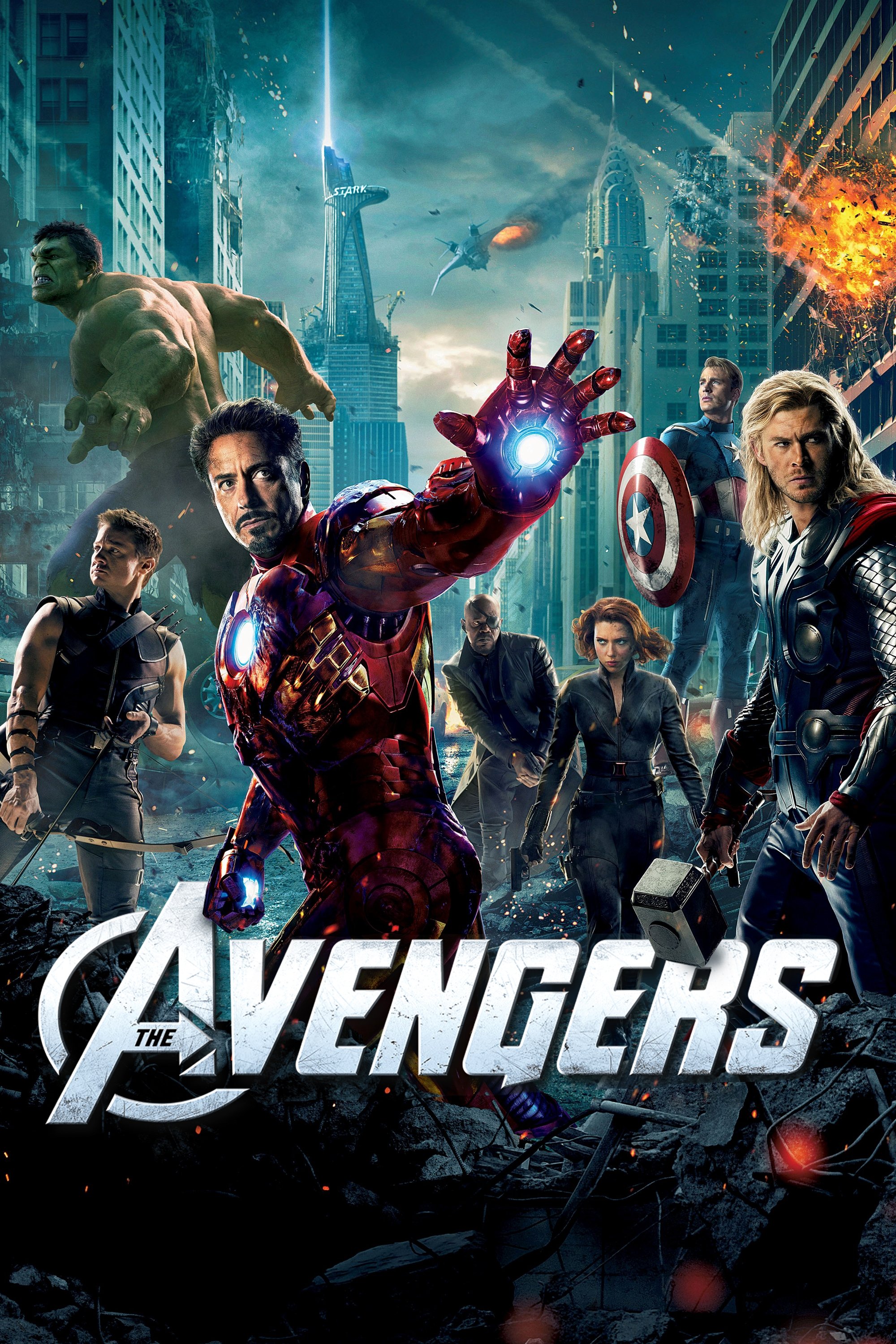
Marvel Studios and Joss Whedon successfully executed the cinematic universe model by bringing separate franchises together. The film paid off years of narrative buildup across multiple solo character movies. It changed the industry standard as other studios scrambled to build their own shared universes. The episodic nature of the storytelling mimicked the structure of comic books. It cemented the superhero genre as the dominant force in modern box office earnings.
‘Parasite’ (2019)

Bong Joon-ho shattered the language barrier by becoming the first non-English language film to win the Academy Award for Best Picture. The film blends genre elements of thriller, comedy, and drama to critique class disparity. Its victory signaled a major shift in the willingness of Western audiences to embrace subtitles and foreign stories. It forced the global film industry to recognize cinema beyond the Hollywood system. The win marked a historic moment for inclusivity and global representation.
Tell us which film you think had the biggest impact on history in the comments.