Top 20 Movies That Lied About Being Based on a True Story


Many films use the claim of being based on true events to increase audience engagement and suspense. This marketing tactic often blurs the line between reality and fiction to make the story more terrifying or compelling. Filmmakers frequently exaggerate minor details or fabricate entire narratives while insisting they are factual. The following movies famously misled viewers regarding the authenticity of their plots.
‘Captain Phillips’ (2013)
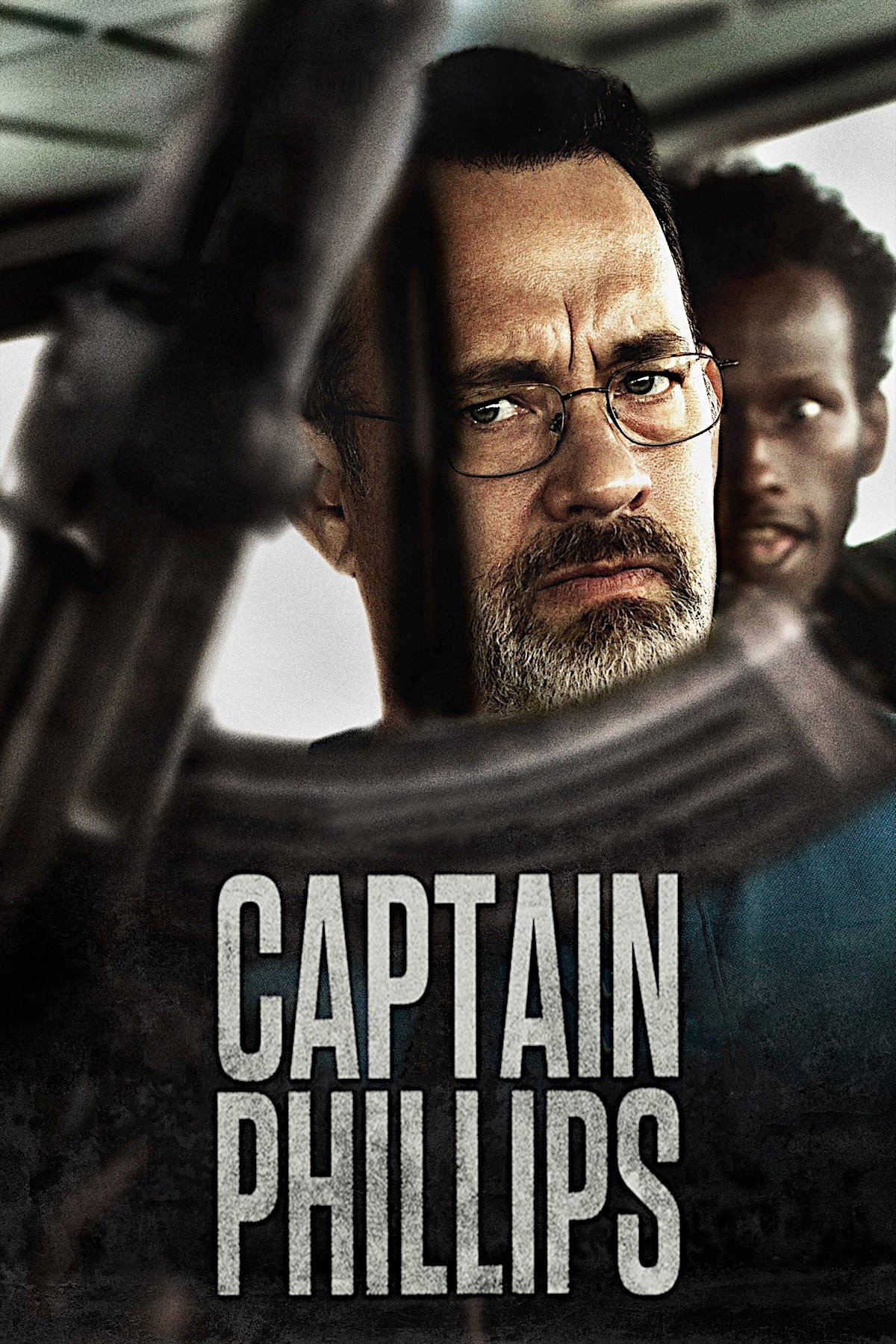
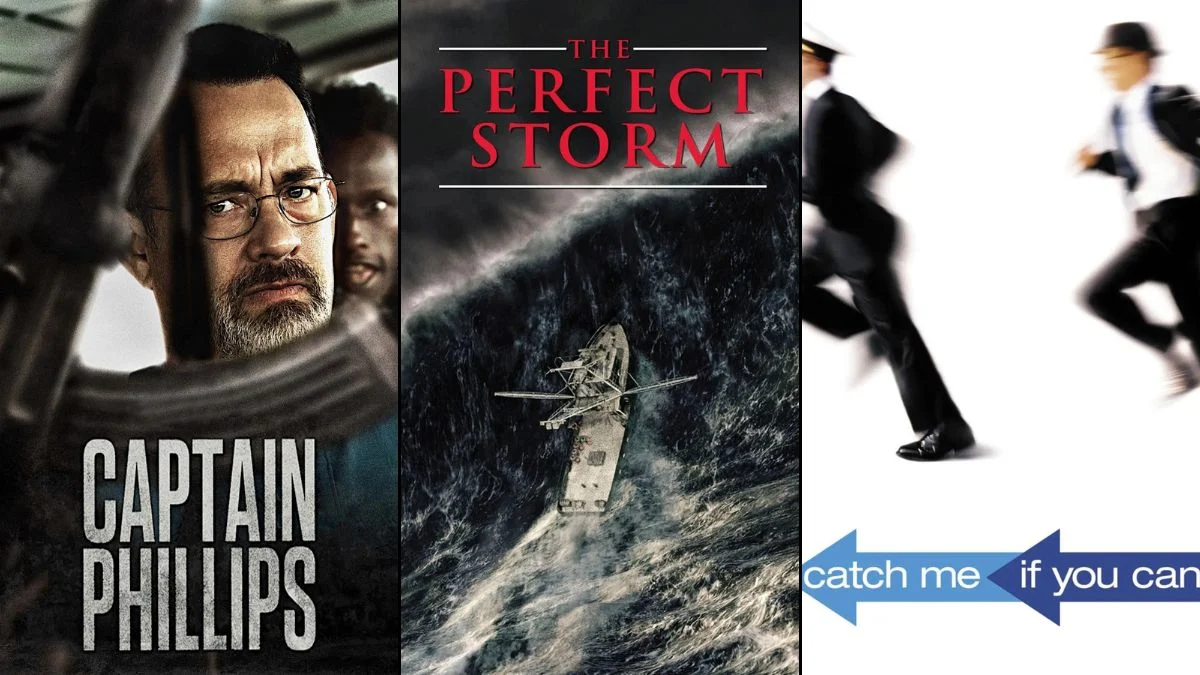
The film portrays the titular captain as a hero who did everything possible to save his crew from Somali pirates. Crew members of the Maersk Alabama later alleged that Phillips ignored safety warnings to save time and money. They claimed the film creates a false narrative of heroism that contradicts the reality of his potentially reckless behavior. The lawsuit filed by the crew highlights the disparity between the Hollywood depiction and their actual experience.
‘The Possession’ (2012)
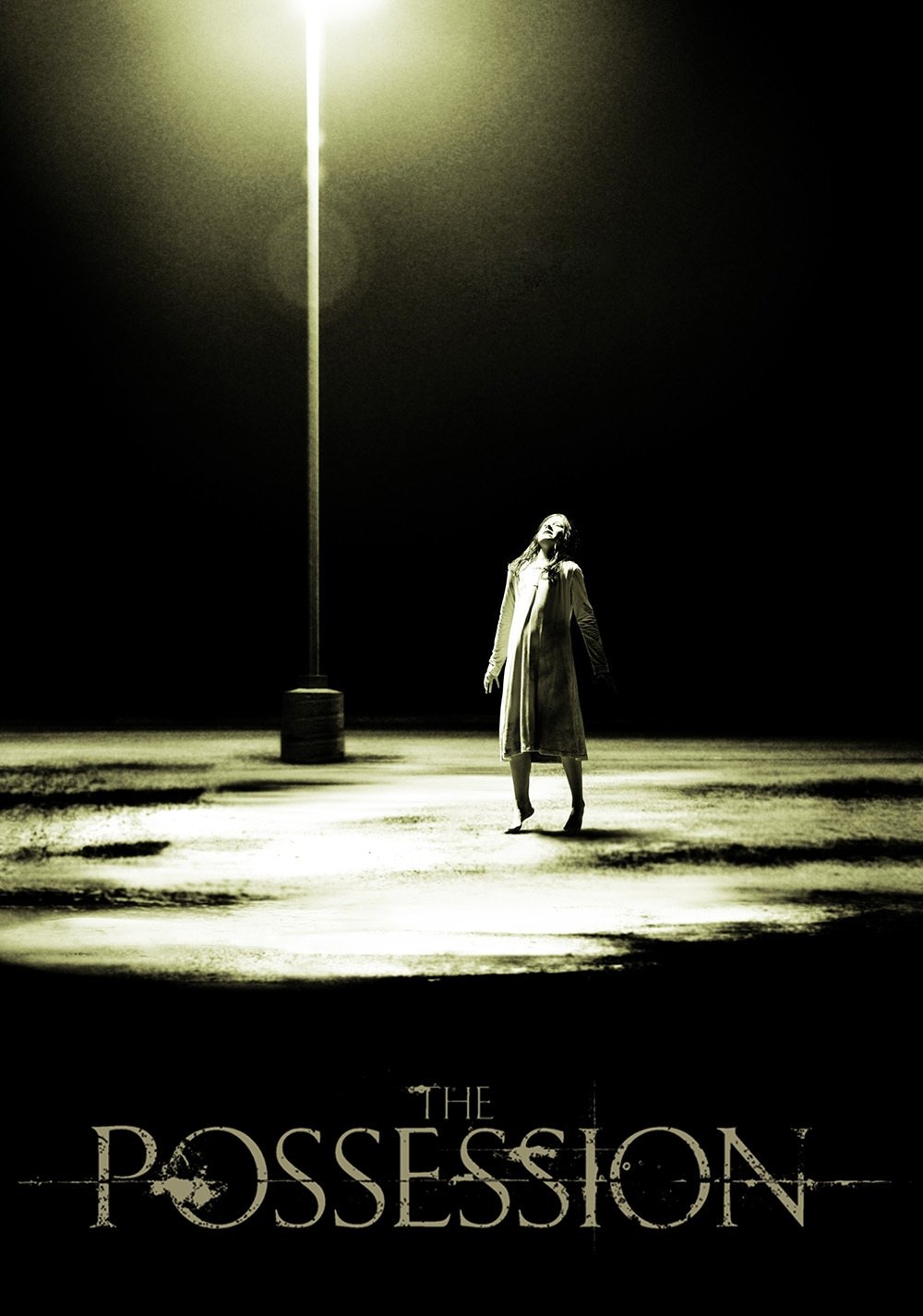
The plot revolves around a dybbuk box that supposedly brings misfortune to its owners. The original eBay listing that sparked the urban legend was later revealed to be a creative writing experiment by the seller. The owner admitted to creating the backstory to generate interest and value for the antique cabinet. The movie adapts this internet hoax into a serious supernatural horror story presented as a true account.
‘Open Water’ (2003)
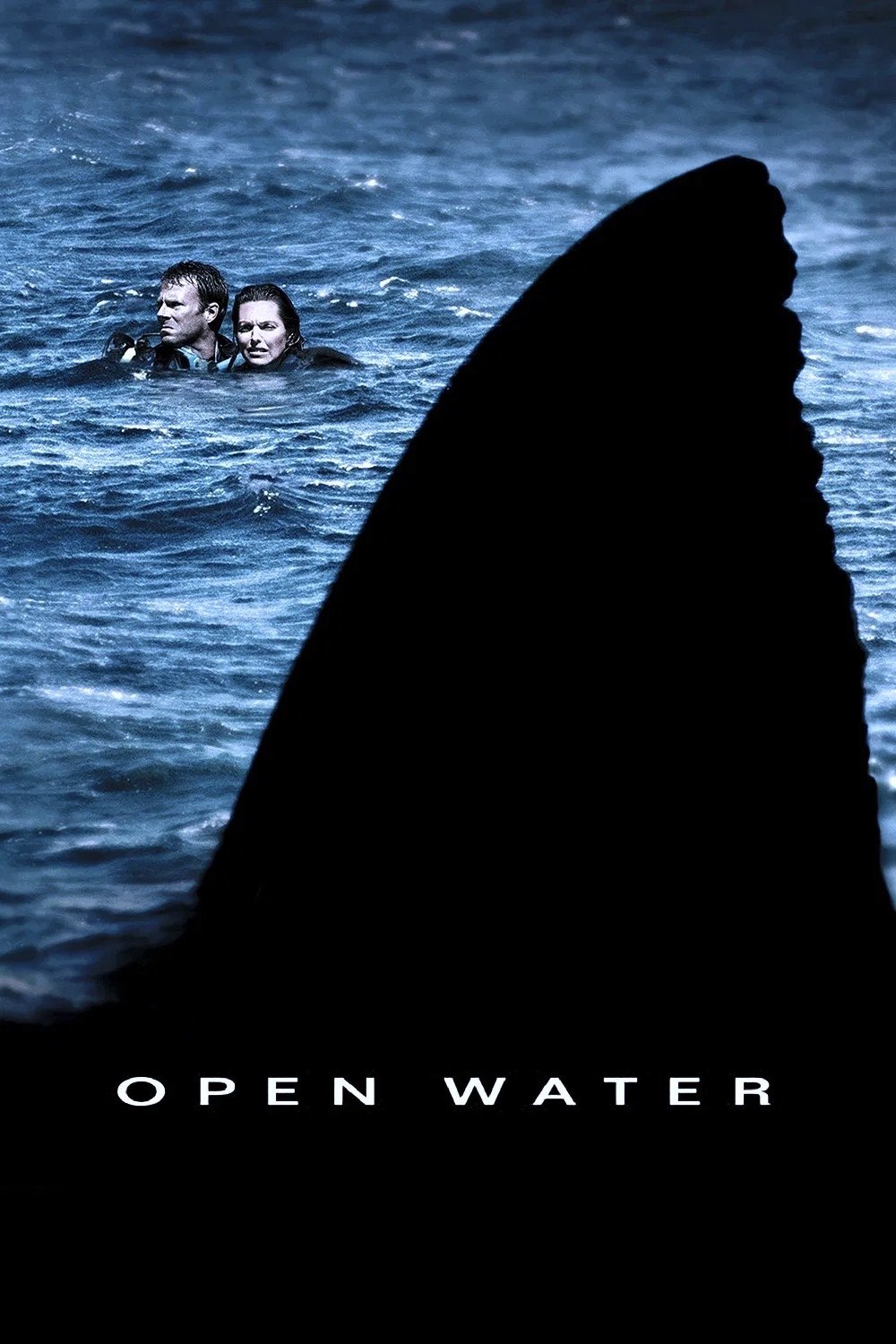
The story is loosely based on the disappearance of Tom and Eileen Lonergan who were left behind during a diving trip. The film invents the dialogue and the specific events of their demise since their bodies were never recovered. It suggests they were eaten by sharks although items recovered later indicated they might have succumbed to drowning or dehydration. The filmmakers used the real premise to construct a worst case scenario thriller.
‘The Return of the Living Dead’ (1985)
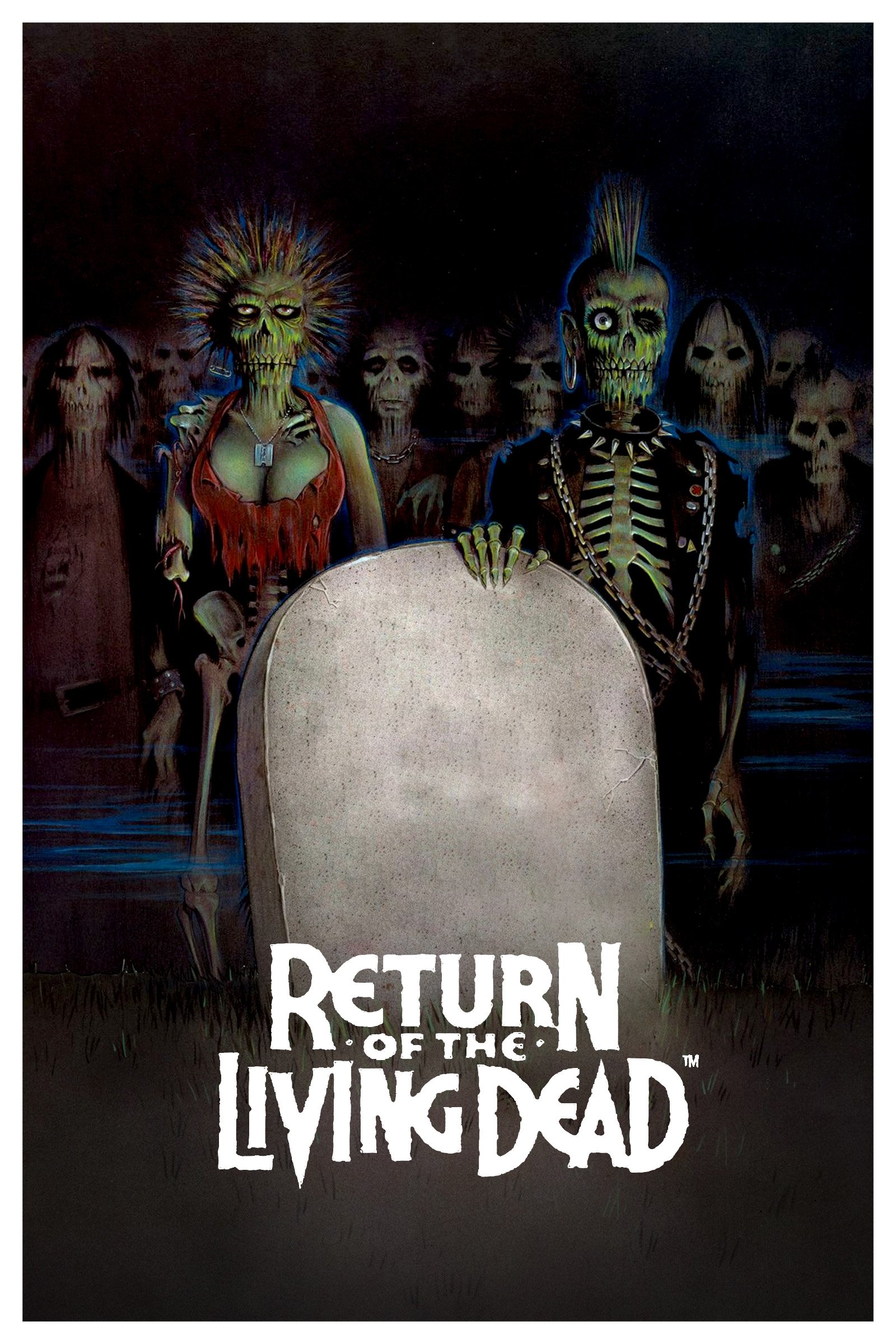
The film opens with a disclaimer insisting that the events portrayed are true and the names remain unchanged. This assertion was a satirical joke intended to contrast with the absurdity of the zombie comedy that follows. The movie features talking zombies and punk rockers which clearly signals its fictional nature despite the opening text. This stylistic choice plays with the conventions of horror movies that try to ground themselves in reality.
‘The Perfect Storm’ (2000)

The film depicts the final moments of the crew aboard the Andrea Gail during a massive weather event. Since there were no survivors and no radio contact during the end the final scenes are purely speculative. Families of the crew members sued the production company for the fictionalized portrayal of their loved ones. The movie presents a dramatic interpretation of events that no one could possibly have witnessed.
‘Hostel’ (2005)
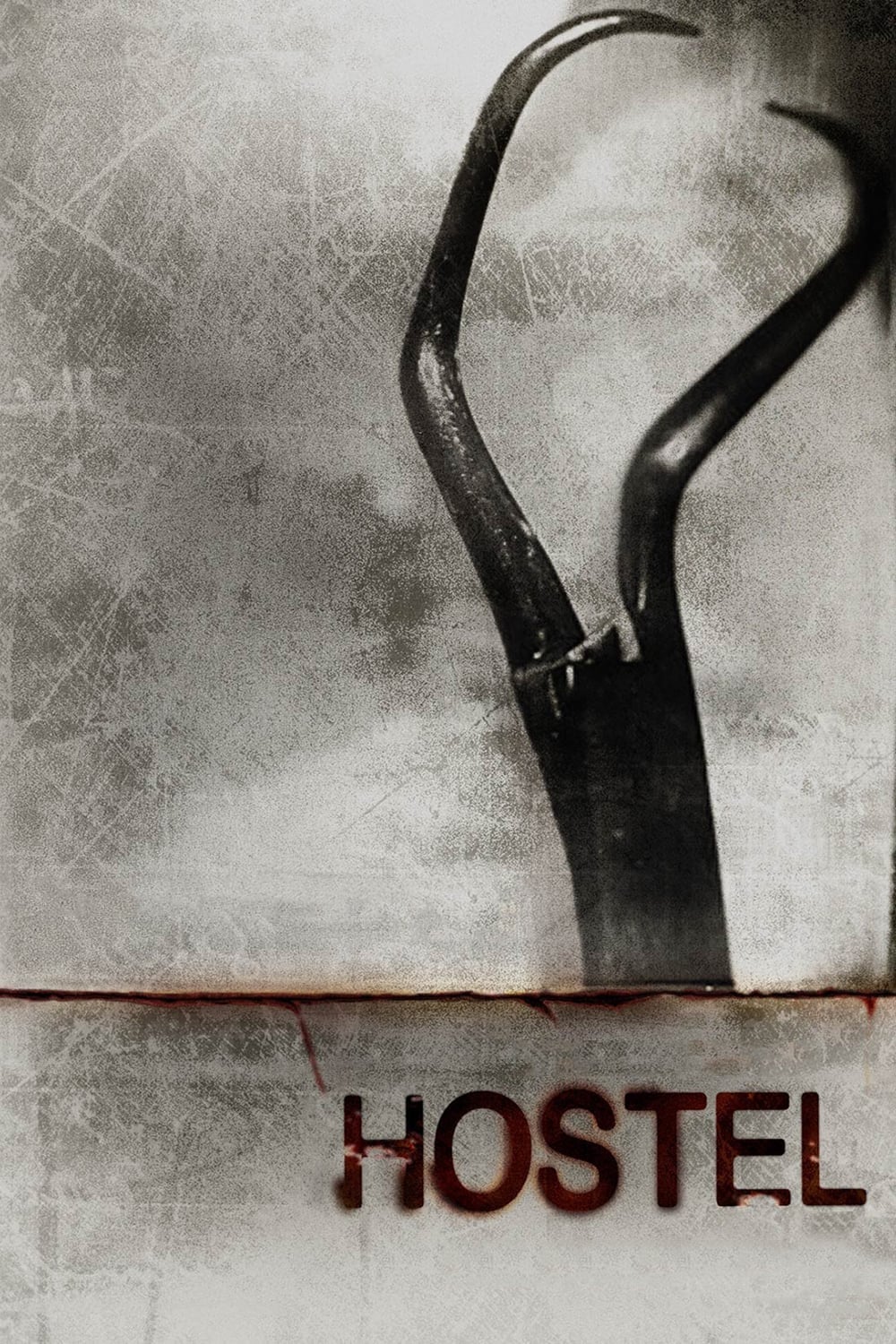
Director Eli Roth stated that the idea for the film came from a website he found advertising a murder vacation in Thailand. No evidence has ever surfaced to prove such a business or website actually existed outside of urban legends. The film presents the concept of elite hunting clubs as a terrifying reality hidden in Eastern Europe. This marketing angle helped the film tap into primal fears about travel and foreign vulnerability.
‘Killer Elite’ (2011)
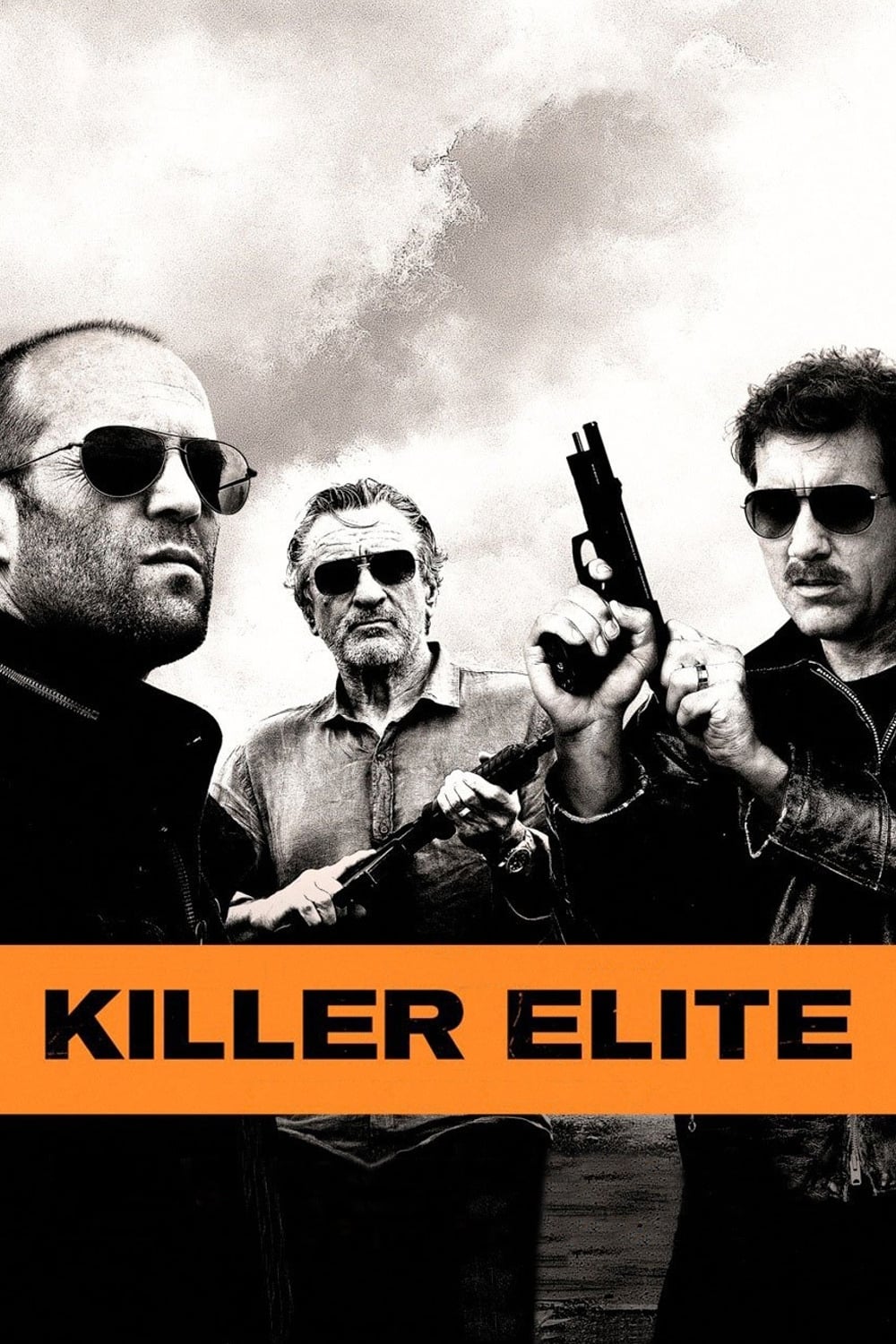
The movie is based on a novel that the author claimed was a factual account of a secret vigilante group. The British Special Air Service publicly denied the existence of the events and the organization described in the story. Several experts on the SAS have dismissed the narrative as pure fantasy with no basis in reality. The film stars Jason Statham and Robert De Niro in an action plot that prioritizes entertainment over historical accuracy.
‘Catch Me If You Can’ (2002)

Frank Abagnale Jr marketed his life story as a high stakes game of cat and mouse with the FBI. Recent investigations suggest that Abagnale was actually in prison during many of the years he claimed to be forging checks and flying planes. Documentation indicates that his exploits were significantly exaggerated or entirely fabricated for his autobiography. The film presents these tall tales as verified history rather than the inventions of a confidence man.
‘Fire in the Sky’ (1993)

Travis Walton claims he was abducted by aliens while working as a logger in Arizona. The film drastically alters Walton’s original account of the experience inside the spacecraft to make it more terrifying. Hollywood executives felt the original narrative was too similar to other sci-fi movies and demanded a darker interpretation. The resulting torture scenes differ significantly from the book the movie is ostensibly based upon.
‘The Amityville Horror’ (1979)
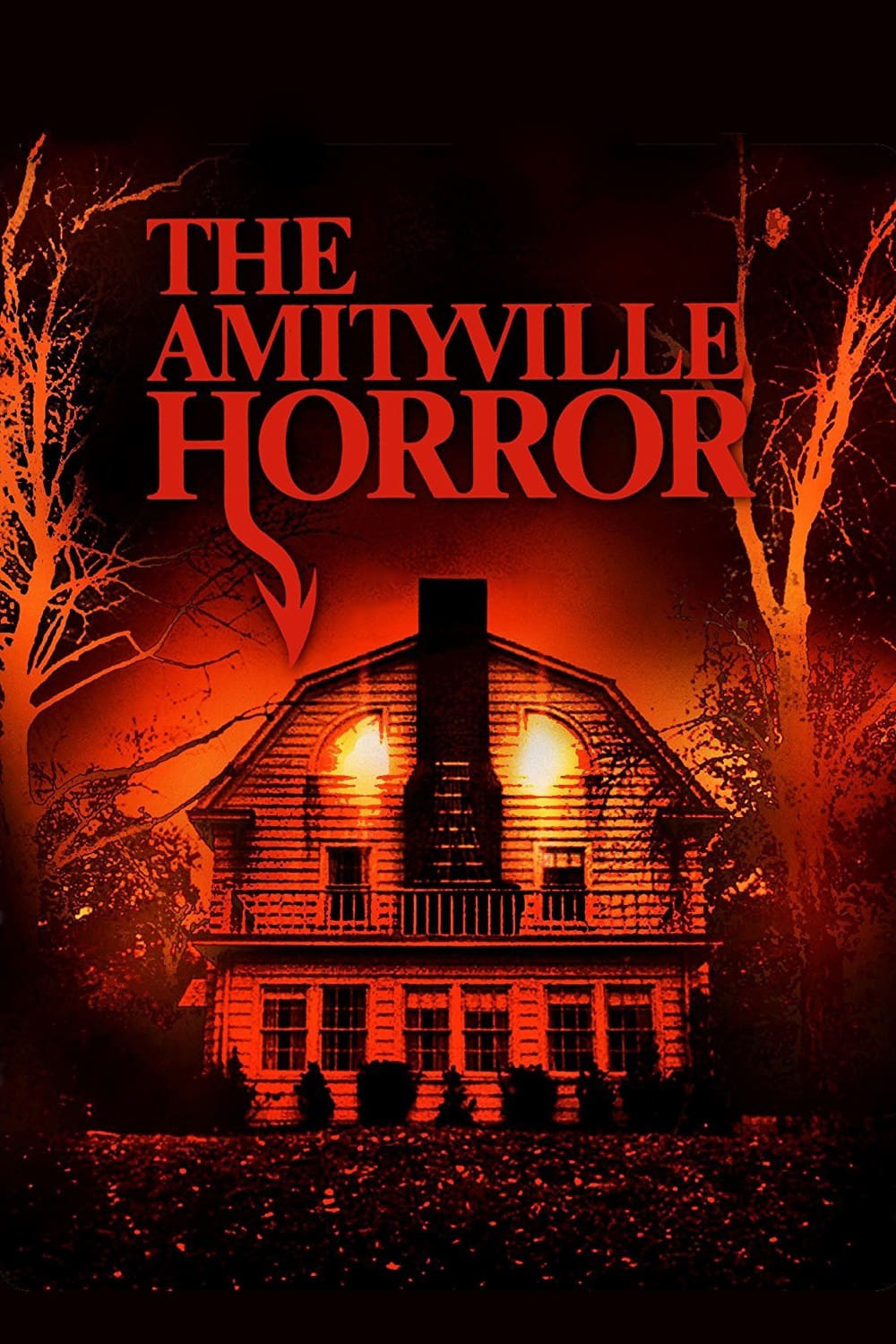
George and Kathy Lutz claimed their house was haunted by violent supernatural forces after they moved in. Subsequent investigations and confessions from conspirators revealed the story was likely a hoax created over bottles of wine. The lawyer for the previous owner admitted they fabricated the haunting to capitalize on a tragedy that occurred in the home. The film treats the debunked supernatural claims as absolute fact for the purpose of entertainment.
‘Wolf Creek’ (2005)

Marketing materials described this Australian horror film as being based on true events. The script amalgamates elements from crimes committed by serial killers Ivan Milat and Bradley John Murdoch. While the crimes of these individuals were real the specific characters and the plot of the film are fictionalized constructions. The movie uses the backdrop of real backpacker murders to create a terrifying but invented narrative.
‘The Strangers’ (2008)
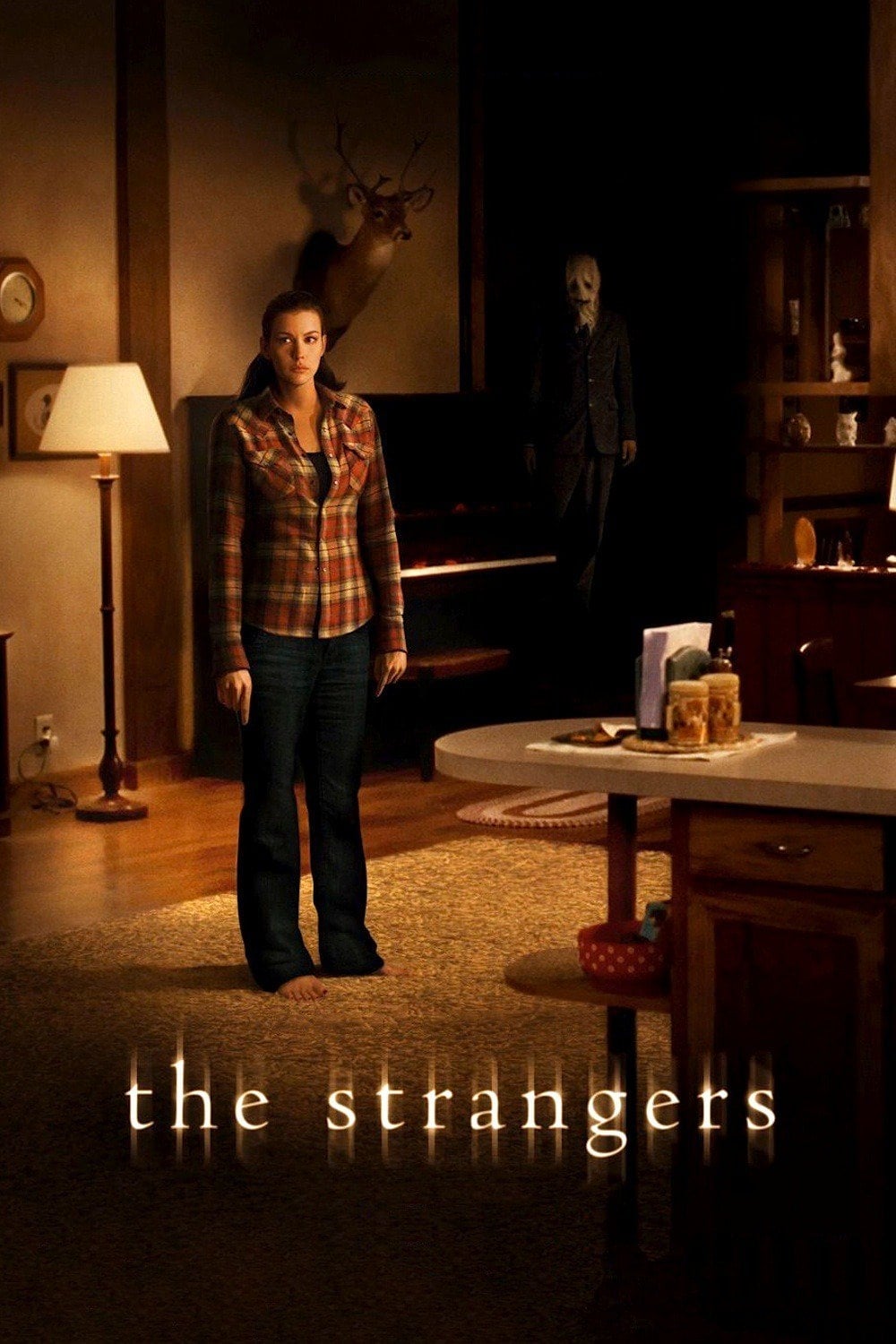
The opening title card asserts that the film is inspired by true events involving a young couple. Director Bryan Bertino later clarified that the script was based on a childhood memory of a stranger knocking on his door and the Manson family murders. There is no record of a specific couple being tormented in a vacation home in the manner depicted on screen. The vague claim of truth served to heighten the suspense and fear for the audience.
‘Bloodsport’ (1988)

Martial artist Frank Dux claimed to have won a secret underground tournament called the Kumite. Investigations by journalists later revealed that the trophy Dux displayed was purchased at a local trophy shop near his home. Official records from the Bahamas where the tournament allegedly occurred show no evidence of such an event taking place. The movie helped launch Jean-Claude Van Damme’s career regardless of the questionable veracity of the source material.
‘Sleepers’ (1996)
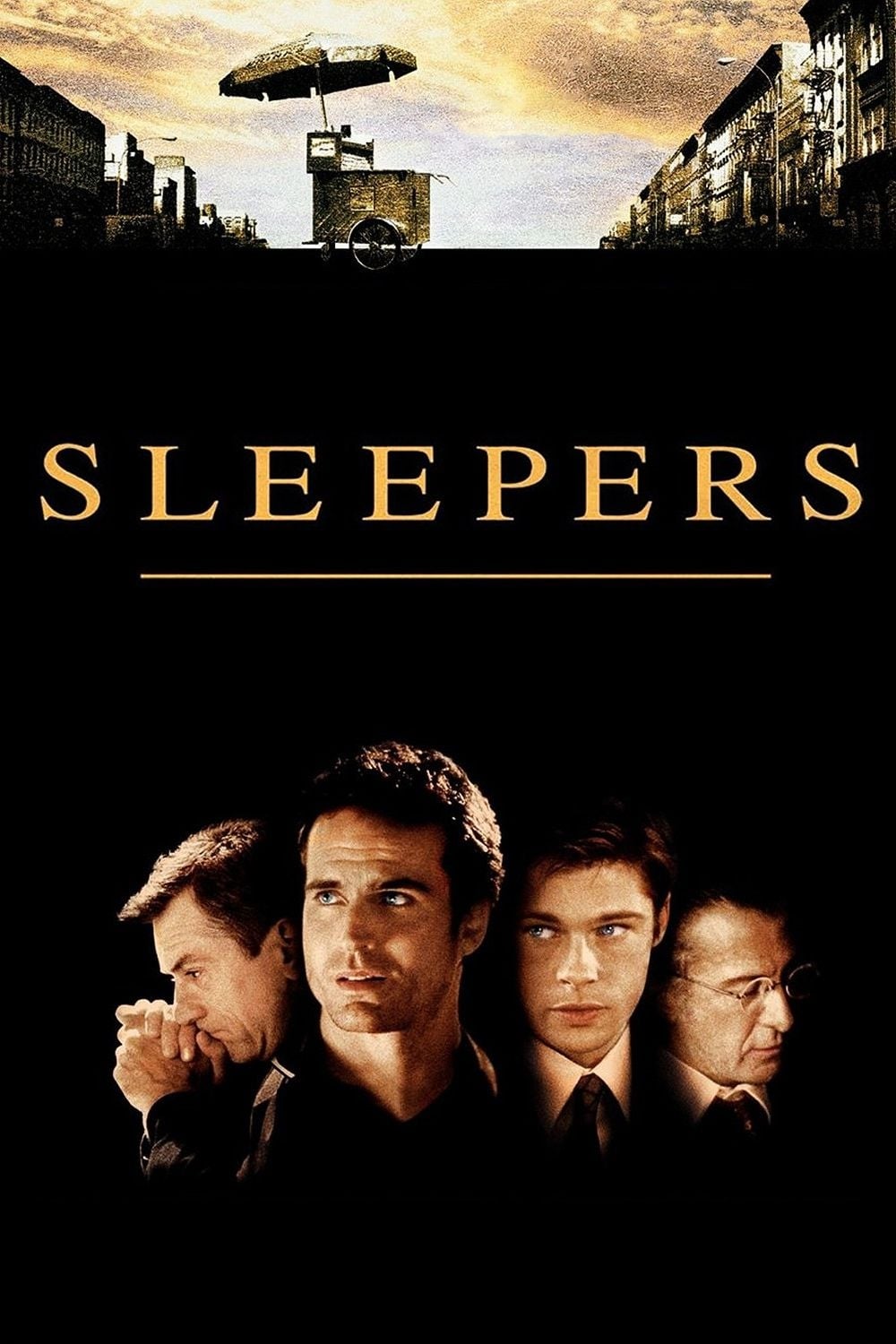
Author Lorenzo Carcaterra claimed his book and the subsequent film were true accounts of abuse within a juvenile detention center. The Manhattan District Attorney investigated the claims and found no evidence that the events or the specific legal case occurred. State records showed no history of a trial resembling the one depicted in the movie during that time period. The film remains a gripping drama despite the lack of verification for its autobiographical assertions.
‘Picnic at Hanging Rock’ (1975)

The narrative centers on the mysterious disappearance of schoolgirls and their teacher during a Valentine’s Day outing in 1900. Many viewers believed the film was a historical account due to its documentary style and the framing of the novel it was based on. Author Joan Lindsay remained ambiguous about the truth of the story until her death to maintain the mystery. Records confirm that the specific college and the people described in the story never existed.
‘The Fourth Kind’ (2009)
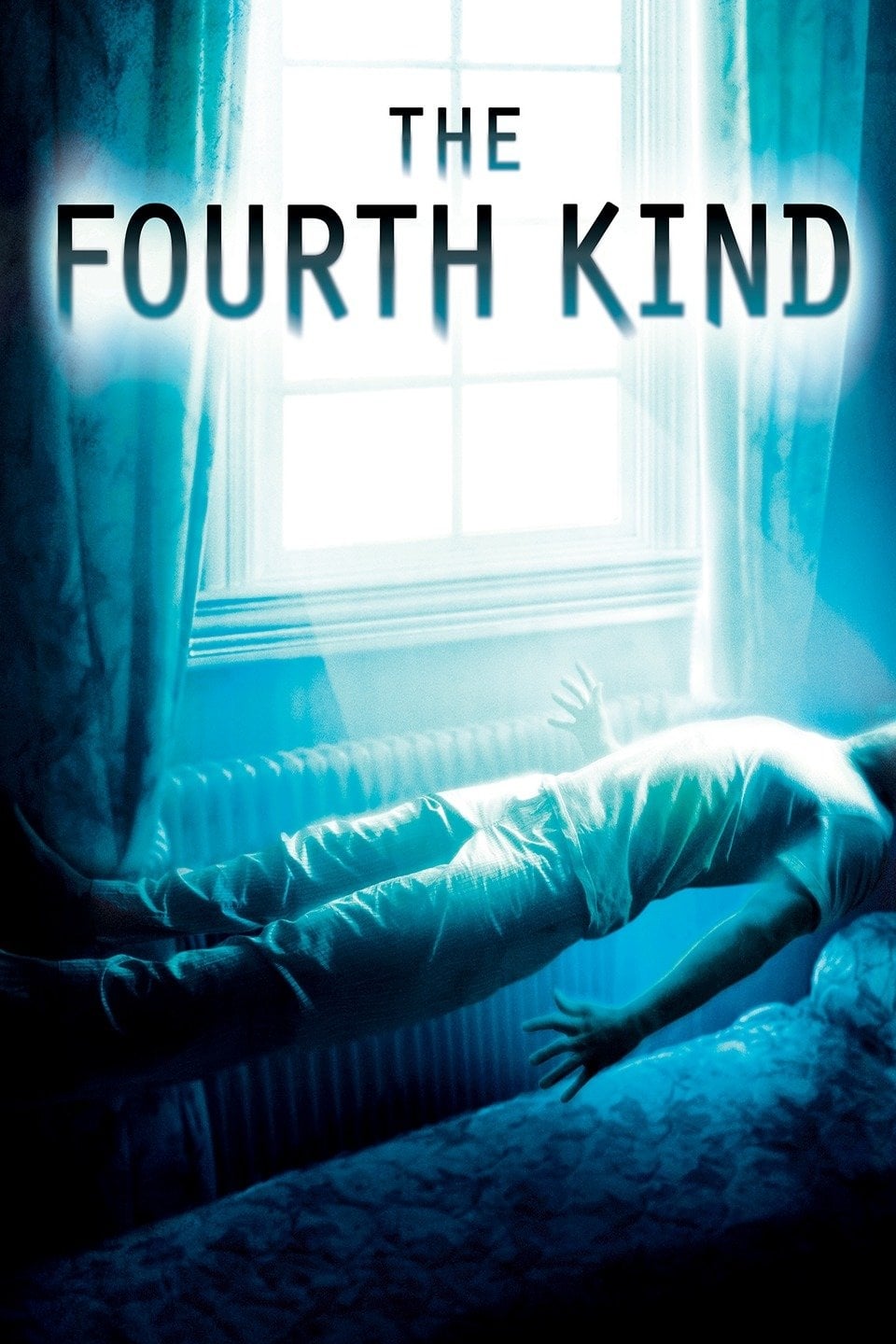
This science fiction thriller purports to show actual archival footage alongside dramatic reenactments of alien abductions in Alaska. The production team hired actors to play the interview subjects in the supposed documentary segments. Universal Pictures eventually settled a lawsuit for creating fake news archives online to promote the validity of the story. The town of Nome does have a history of missing persons but the FBI attributes this to the harsh climate and alcohol involvement.
‘The Texas Chain Saw Massacre’ (1974)

The introduction features a solemn narration claiming the film documents a tragedy that befell a group of five youths. While the character Leatherface was loosely inspired by real life killer Ed Gein the specific plot and characters are entirely fictional. Gein acted alone and did not use a chainsaw or live with a family of cannibals as depicted in the movie. The claim of truth was a marketing tactic intended to attract wider audiences to the drive-in circuit.
‘The Blair Witch Project’ (1999)
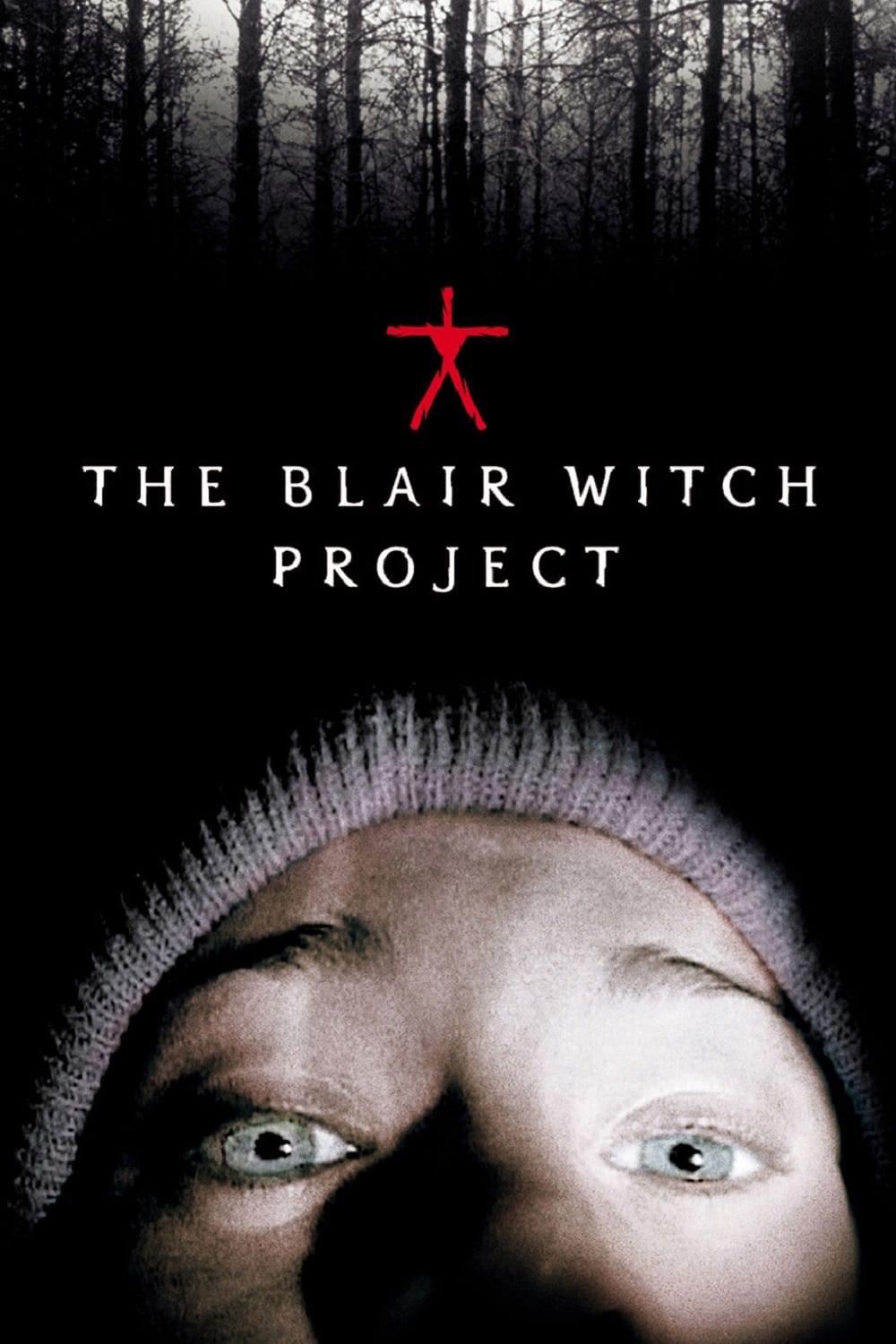
Filmmakers utilized a viral marketing campaign to convince audiences that three student filmmakers had disappeared in the woods. Missing person posters and a fake documentary aired on television to support the fabrication before the theatrical release. The actors used their real names to further the illusion that the recovered footage was genuine. This strategy turned a low budget independent film into a massive global phenomenon.
‘Cannibal Holocaust’ (1980)
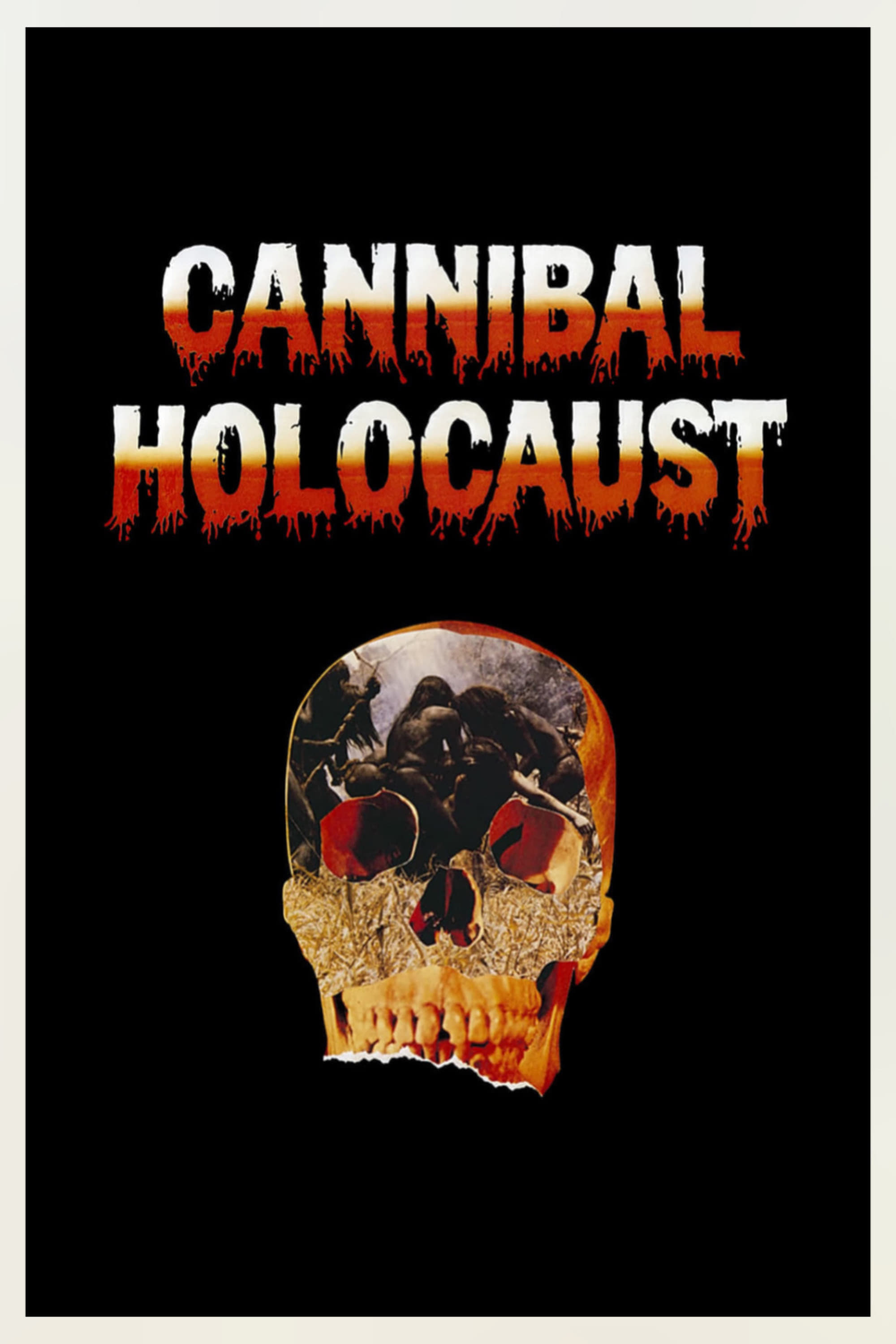
The marketing for this film was so convincing that the director faced murder charges in Italy. Authorities believed the actors had actually been killed on camera during the production. Ruggero Deodato had to bring the cast to court to prove they were still alive and reveal the special effects secrets. This extreme found footage movie remains one of the most controversial examples of blurring reality and fiction.
‘Fargo’ (1996)
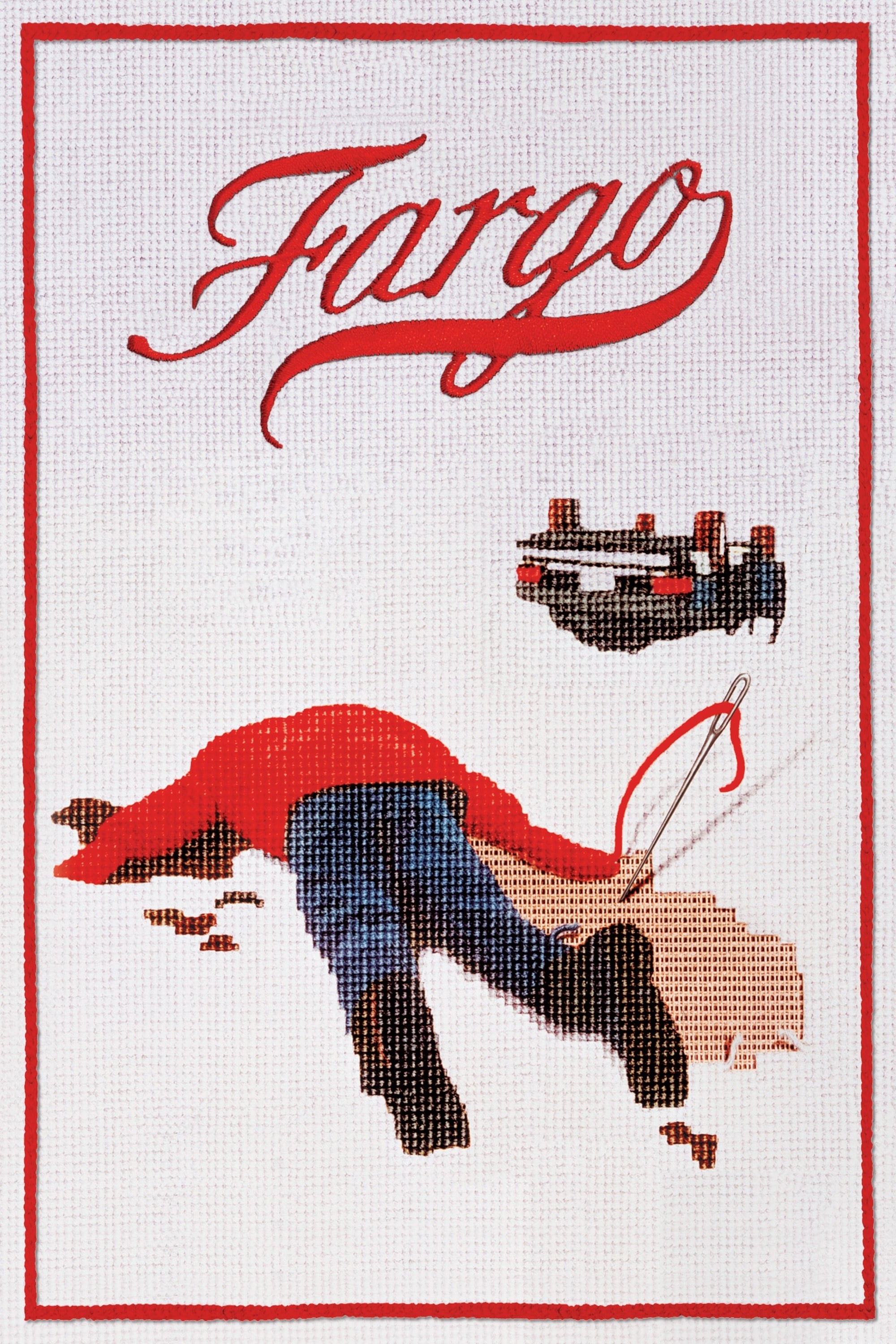
The opening text explicitly states that the events depicted took place in Minnesota in 1987. The Coen brothers later admitted they fabricated the entire story to allow them creative freedom without audience objection. They believed that claiming a story was true permitted the inclusion of bizarre plot twists that viewers might otherwise find implausible. This artistic deception became a signature element of the film’s enduring legacy.
Tell us which movie deception surprised you the most in the comments.