20 Films with Truly Unreliable Narrators You Can’t Trust

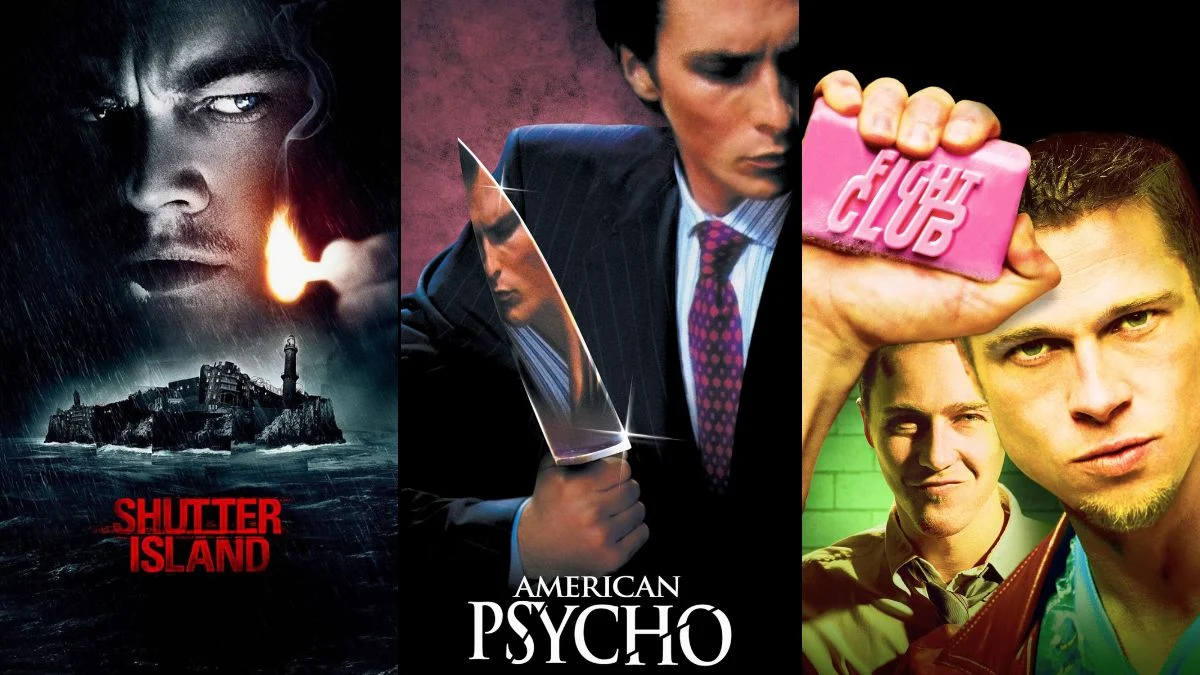

Unreliable narrators serve as a fascinating storytelling device that forces audiences to question everything they see on screen. These characters often distort reality due to mental instability or a deliberate desire to deceive the viewer. Directors utilize this technique to craft twisting plots that demand a second viewing to fully understand the truth. The following films represent the most compelling examples of stories told by narrators who cannot be trusted.
‘The Cabinet of Dr. Caligari’ (1920)
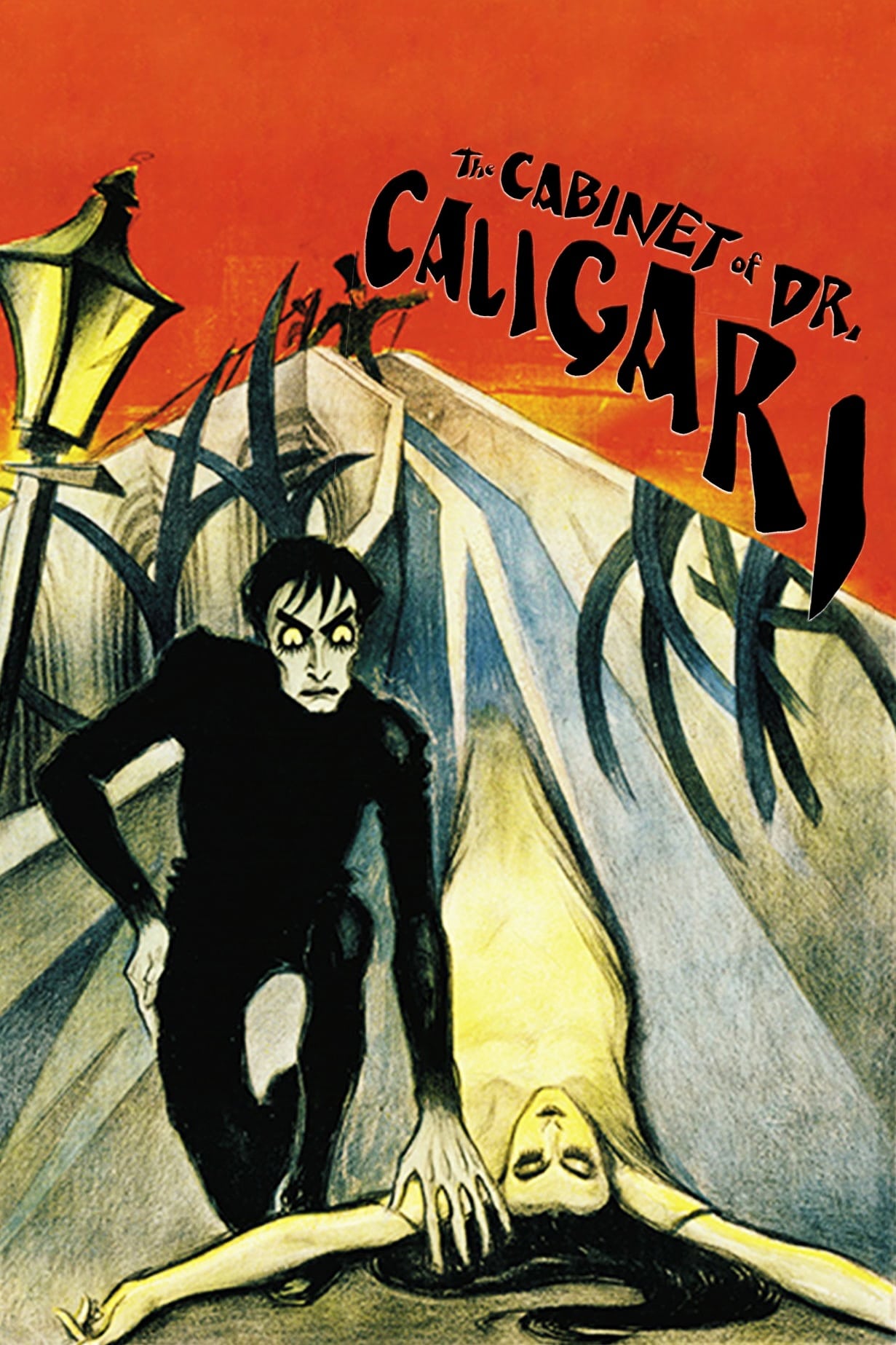
A young man named Francis recounts the terrifying story of a hypnotist who uses a somnambulist to commit murders. The expressionist visual style reflects the distorted psychological state of the narrator as the plot unfolds in a jagged landscape. Viewers eventually discover that the framing story takes place inside an insane asylum where Francis is a patient. This silent classic established the unreliable narrator trope in cinema history through its groundbreaking twist ending.
‘Rashomon’ (1950)
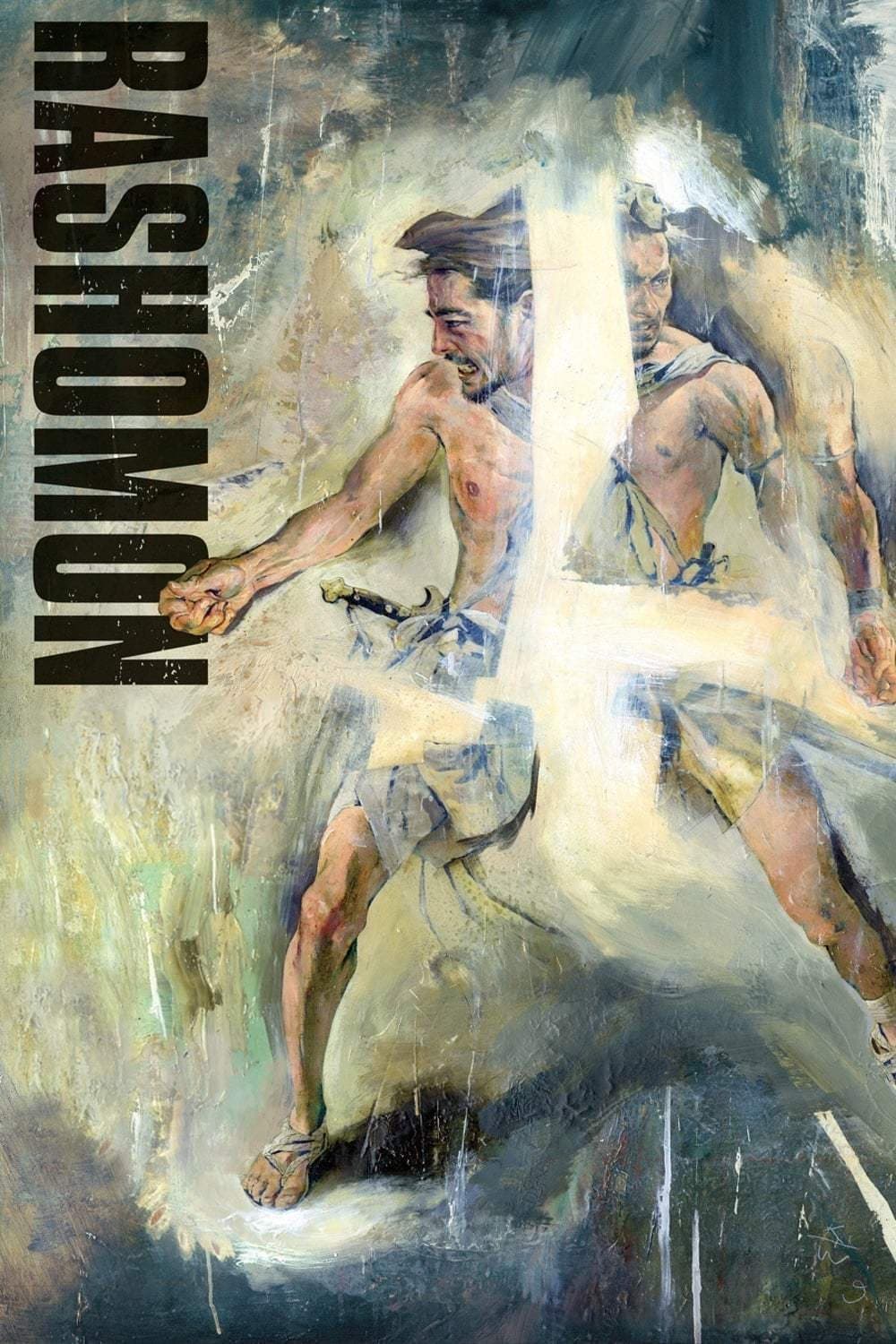
A bandit and a samurai and his wife give conflicting accounts of a tragic incident in a forest. A woodcutter also provides his own version of the events that involves murder and assault. Akira Kurosawa directs this exploration of subjective truth where each character serves their own self-interest. The film demonstrates how memory and pride can alter the retelling of factual events.
‘Fight Club’ (1999)

An insomniac office worker meets a charismatic soap salesman named Tyler Durden and starts an underground fighting ring. The protagonist finds liberation through violence and anti-consumerist philosophy while his life spirals out of control. It is revealed later that the narrator and Tyler are actually the same person suffering from dissociative identity disorder. This revelation forces a reevaluation of every interaction the protagonist had throughout the film.
‘The Usual Suspects’ (1995)
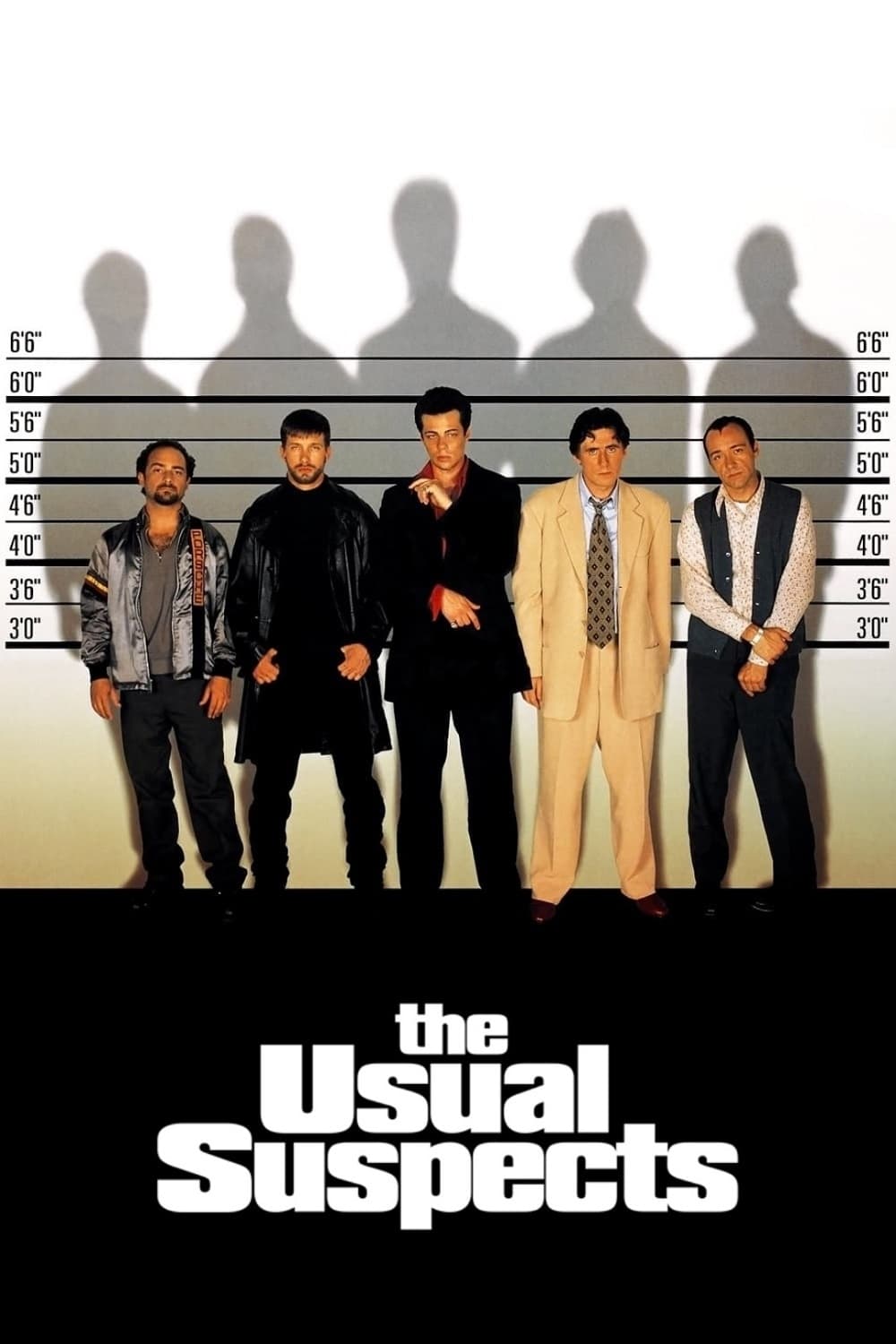
Roger “Verbal” Kint describes the events leading up to a horrific gun battle on a boat to a customs agent. He weaves a complex tale involving a legendary crime lord named Keyser Söze who orchestrated the heist. The police interrogate Kint as he spins his narrative using details pulled from a bulletin board in the office. The final moments reveal that the meek narrator manipulated the authorities the entire time.
‘Memento’ (2000)

Leonard Shelby suffers from anterograde amnesia and cannot form new memories while hunting for his wife’s killer. He relies on tattoos and Polaroid photos to track information that constantly slips away from him. The narrative structure moves backward in time to mirror the protagonist’s disoriented state of mind. Viewers eventually learn that Leonard may have manipulated his own clues to give his life a perpetual sense of purpose.
‘American Psycho’ (2000)

Patrick Bateman is a wealthy investment banker who claims to lead a double life as a serial killer. He describes his gruesome crimes in graphic detail while maintaining a meticulous personal grooming routine. The film blurs the line between his violent fantasies and reality as those around him seem oblivious to his actions. The ambiguous ending leaves the audience questioning whether any of the murders actually took place.
‘Shutter Island’ (2010)
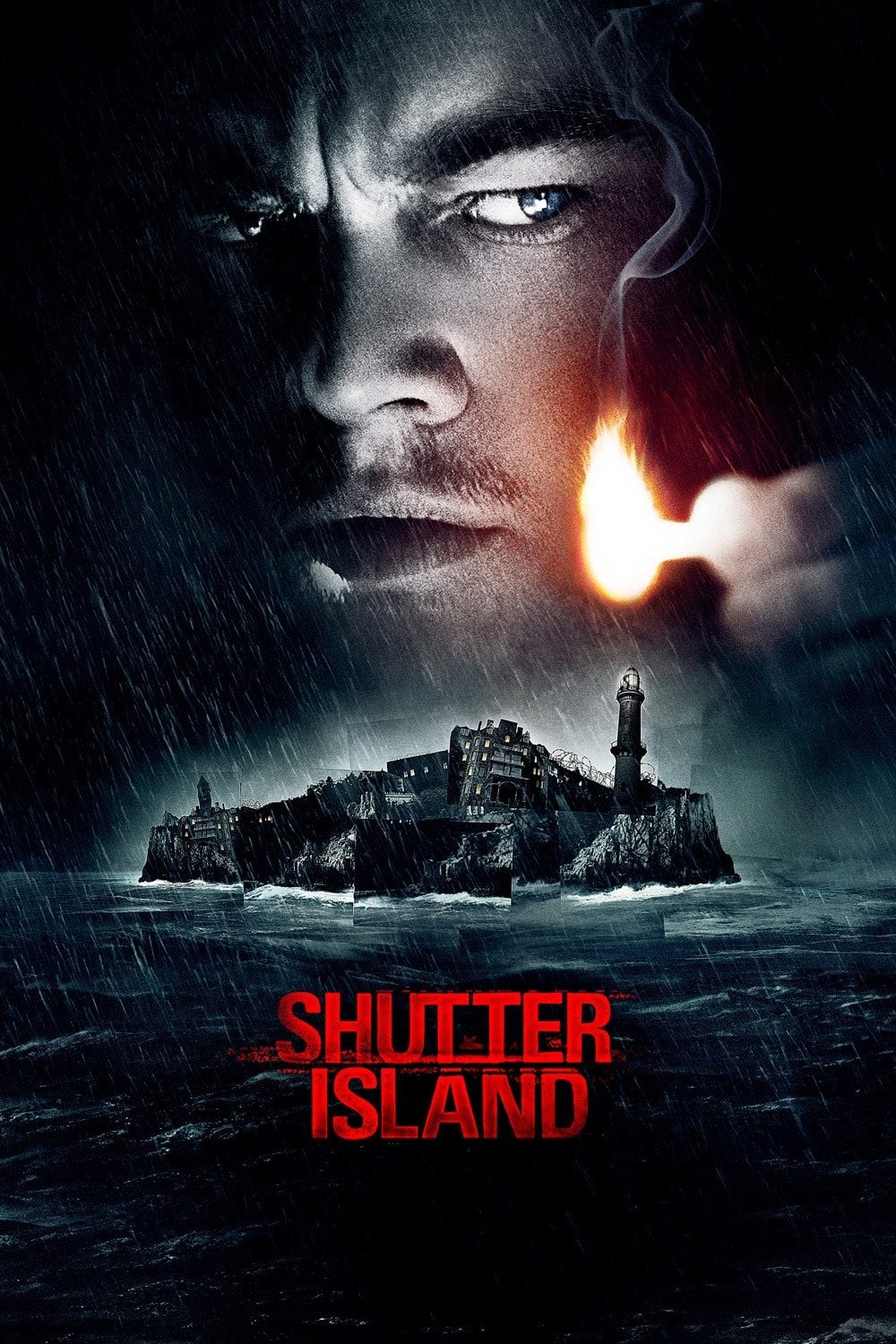
U.S. Marshal Teddy Daniels arrives at a remote asylum to investigate the disappearance of a patient. He uncovers what he believes is a massive conspiracy involving unethical medical experiments on the inmates. The investigation turns inward when doctors reveal that Teddy is actually a patient named Andrew Laeddis. His elaborate detective persona is a defense mechanism created to cope with a traumatic family tragedy.
‘Gone Girl’ (2014)

Nick Dunne becomes the prime suspect when his wife Amy disappears on their fifth wedding anniversary. The story unfolds through Nick’s perspective and entries from Amy’s diary that depict a crumbling marriage. It becomes clear that Amy staged her own abduction to punish Nick for his infidelity and apathy. Both characters manipulate the narrative to sway public opinion and the audience.
‘A Beautiful Mind’ (2001)
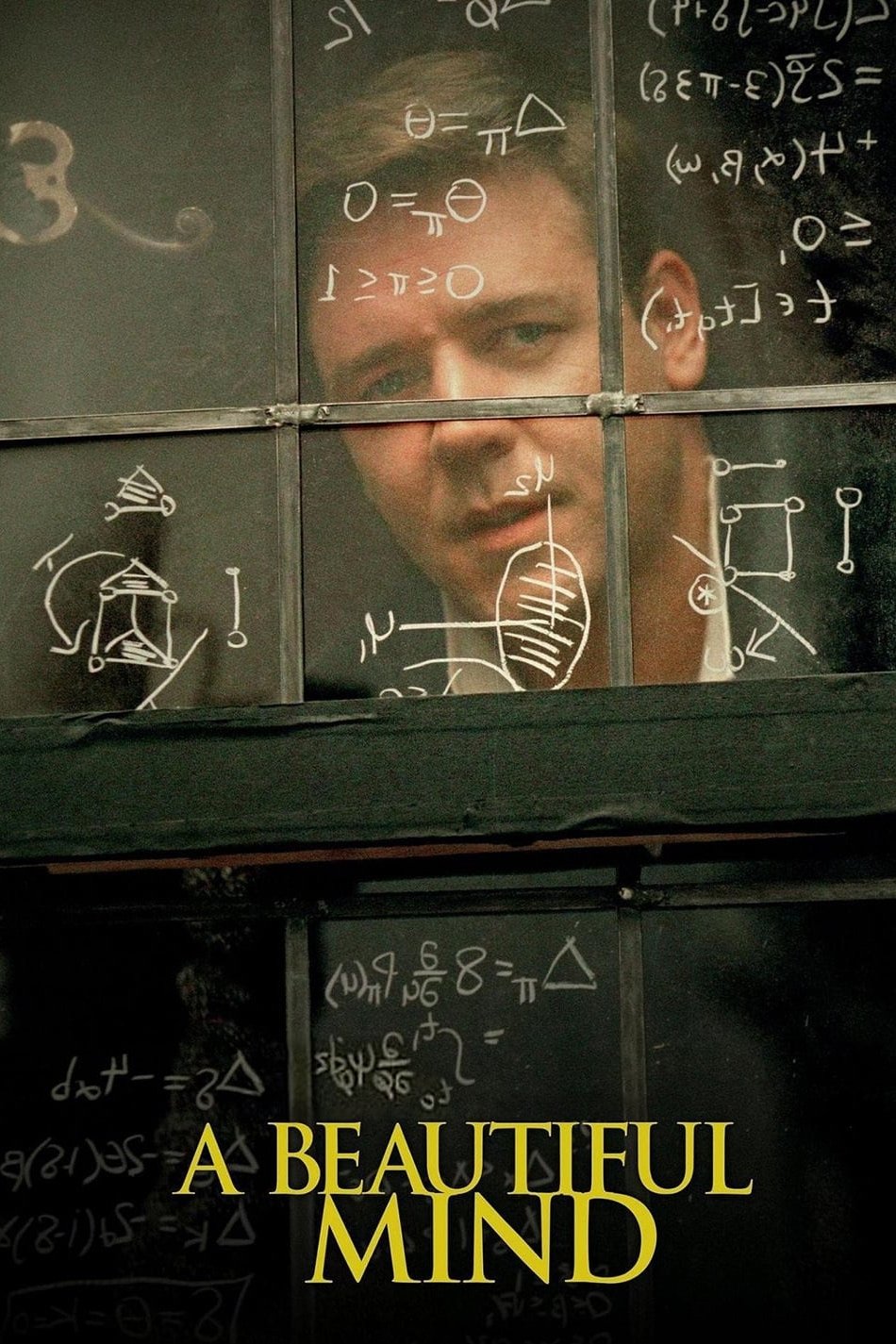
Mathematician John Nash makes significant contributions to game theory while working on secret government codes. He interacts with a roommate and a government agent who guide him through complex conspiracies. The film later reveals that these characters are hallucinations caused by paranoid schizophrenia. Nash must learn to distinguish between his delusions and reality to regain control of his life.
‘The Sixth Sense’ (1999)
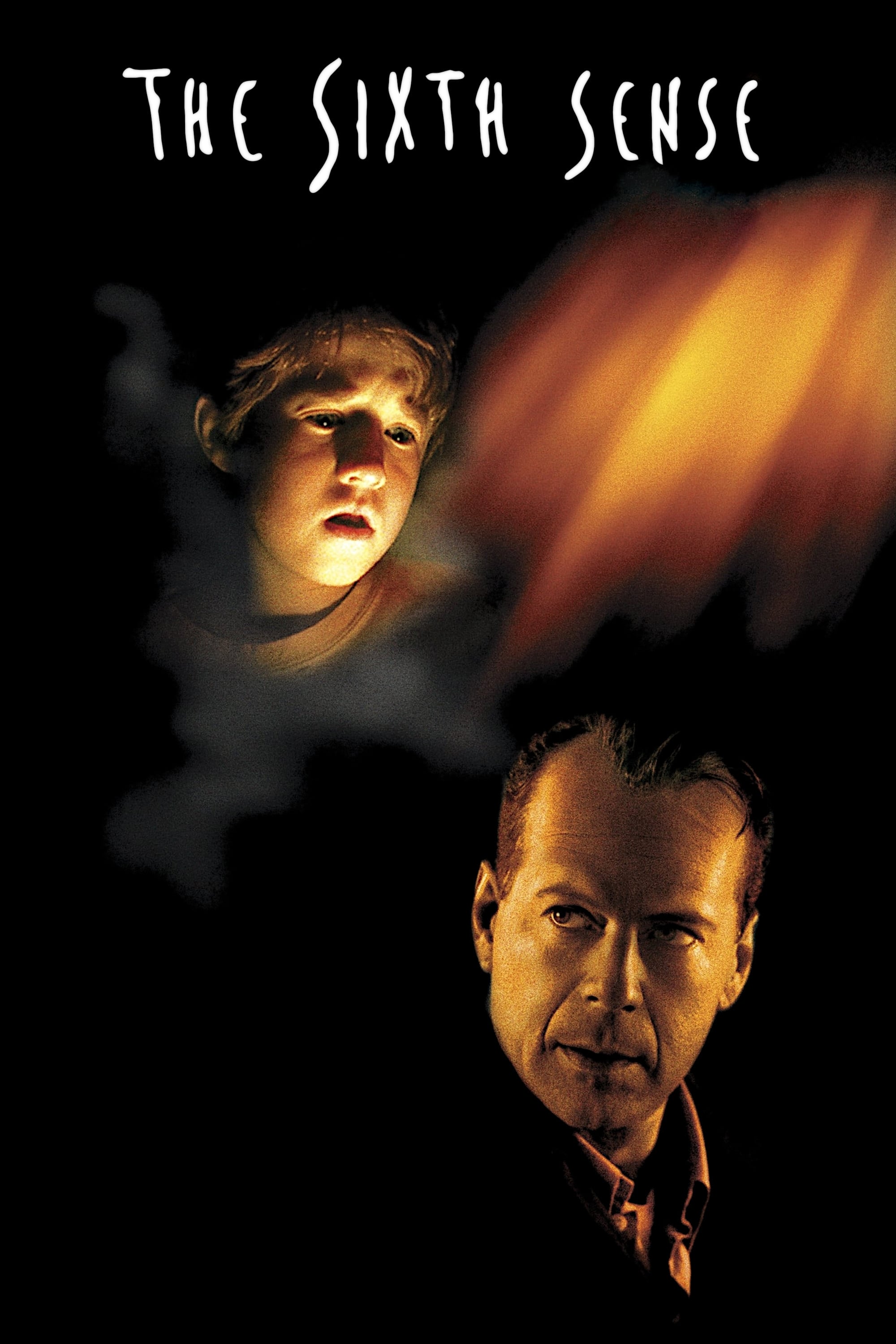
Child psychologist Malcolm Crowe attempts to help a young boy who claims he can see dead people. Crowe struggles with his own estrangement from his wife while treating the troubled child. The narrative deliberately obscures the fact that Crowe actually died in the opening scene of the movie. He perceives his interactions with the living differently until he accepts his own death.
‘Taxi Driver’ (1976)
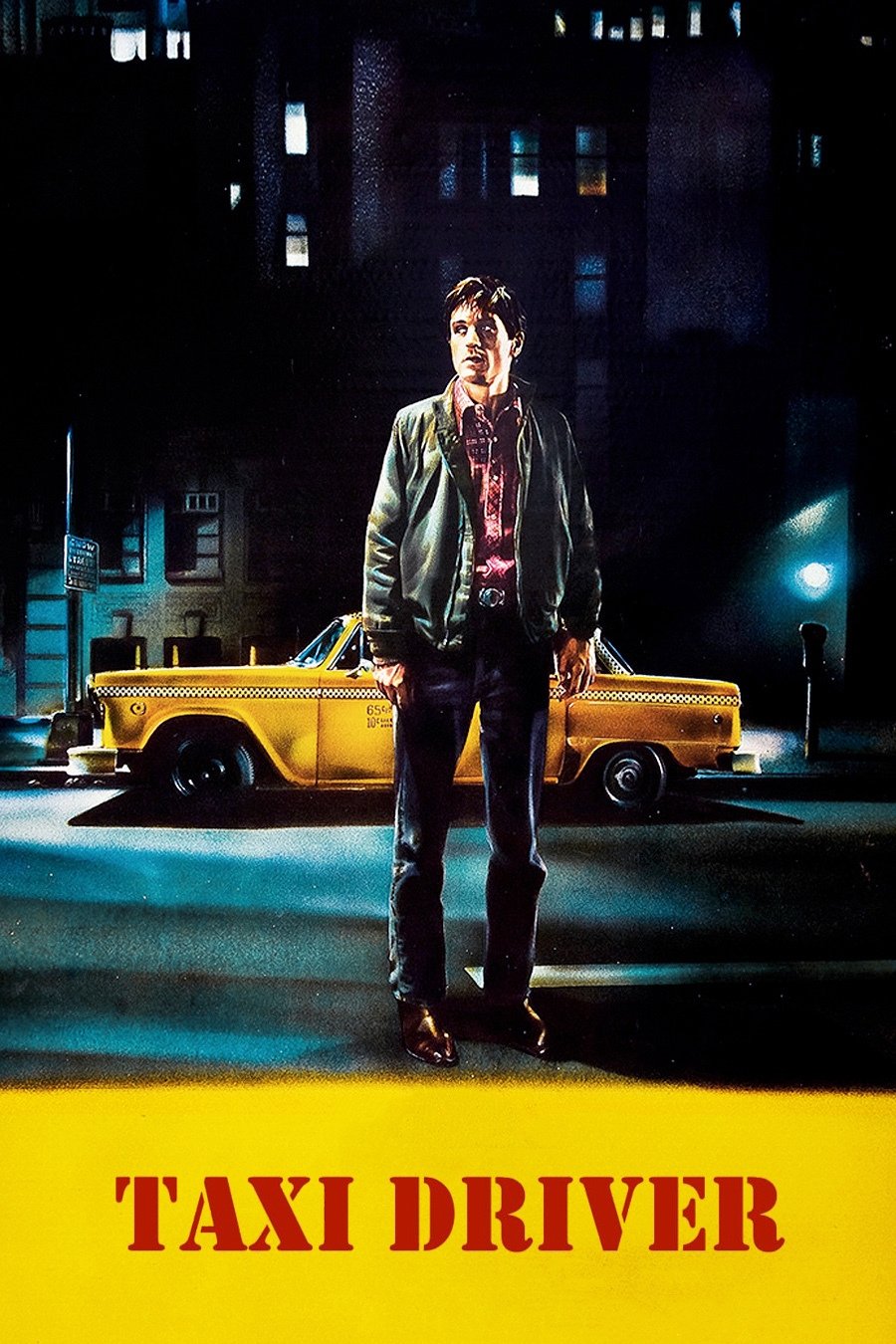
Travis Bickle is a lonely veteran working as a taxi driver in a decaying New York City. His diary entries reveal a growing obsession with violence and a desire to cleanse the streets of scum. The audience sees the world through his warped perspective as he descends into madness and vigilantism. The climactic shootout and the heroic reception he receives may be a dying fantasy rather than reality.
‘Black Swan’ (2010)

Nina Sayers is a dedicated ballerina competing for the dual role of the White Swan and the Black Swan. The immense pressure triggers visual and auditory hallucinations that physically manifest on her body. She perceives a rival dancer as a threat who is trying to steal her part and her sanity. The film portrays her psychological breakdown so intimately that the audience cannot separate her delusions from actual events.
‘Joker’ (2019)
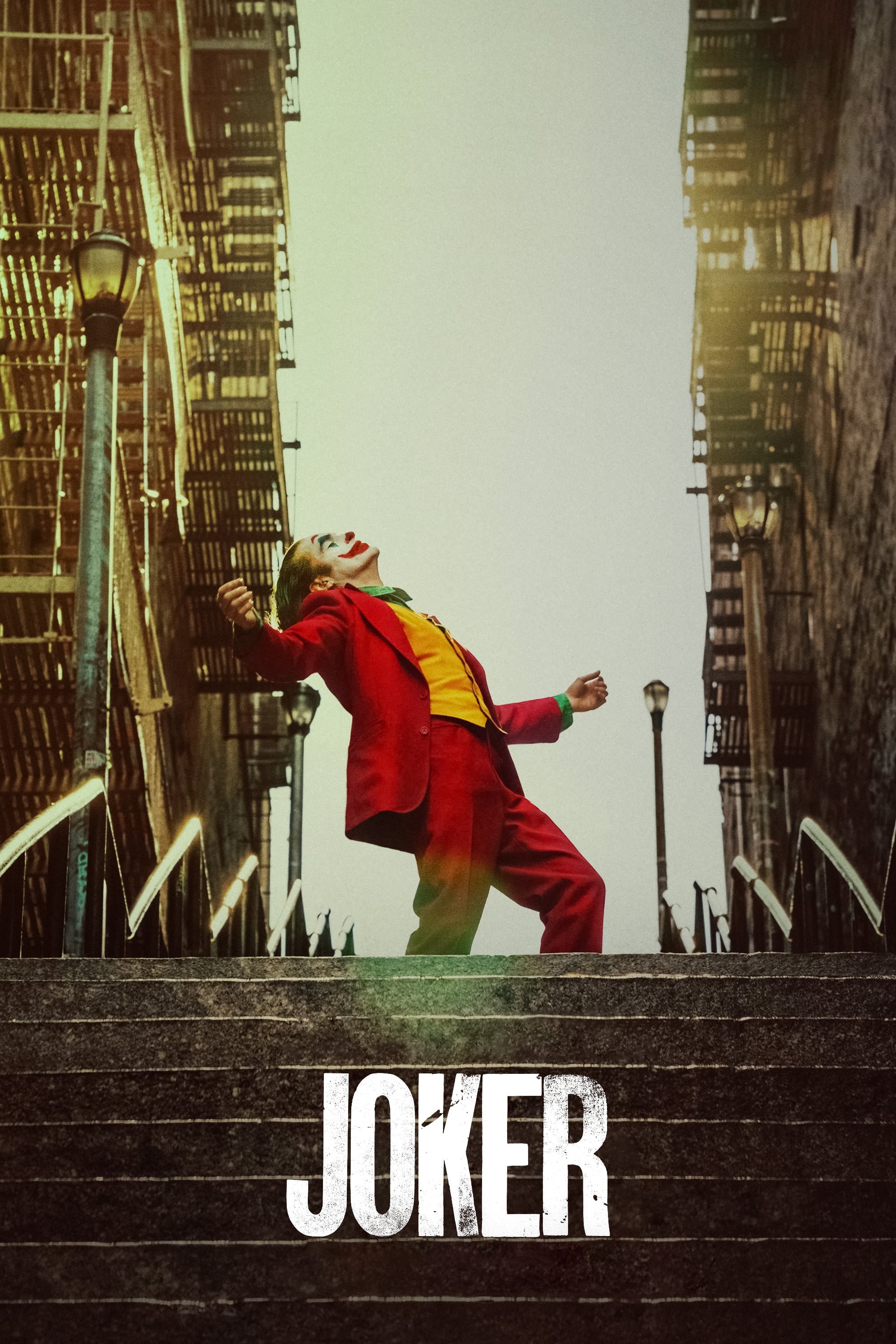
Arthur Fleck is a failed comedian struggling with mental illness and social isolation in Gotham City. He imagines a relationship with a neighbor and success on a late-night talk show while his life falls apart. These delusions empower him to embrace a violent alter ego that inspires a citywide riot. The entire story might be a fabrication told by Fleck to a psychiatrist at Arkham State Hospital.
‘Big Fish’ (2003)

Edward Bloom tells his estranged son fantastical stories about his life involving giants and witches. The son tries to separate fact from fiction as his father approaches the end of his life. The film suggests that the embellished truth captures the spirit of the man better than dry facts ever could. The unreliable narration serves as a tool for mythmaking rather than deception.
‘Life of Pi’ (2012)

Pi Patel survives a shipwreck and shares a lifeboat with a Bengal tiger named Richard Parker. He recounts his incredible journey of survival across the Pacific Ocean to a writer seeking a story. Pi later offers a second and much darker version of the events involving human survivors turning on each other. The audience is left to choose which version of the story they prefer to believe.
‘Primal Fear’ (1996)
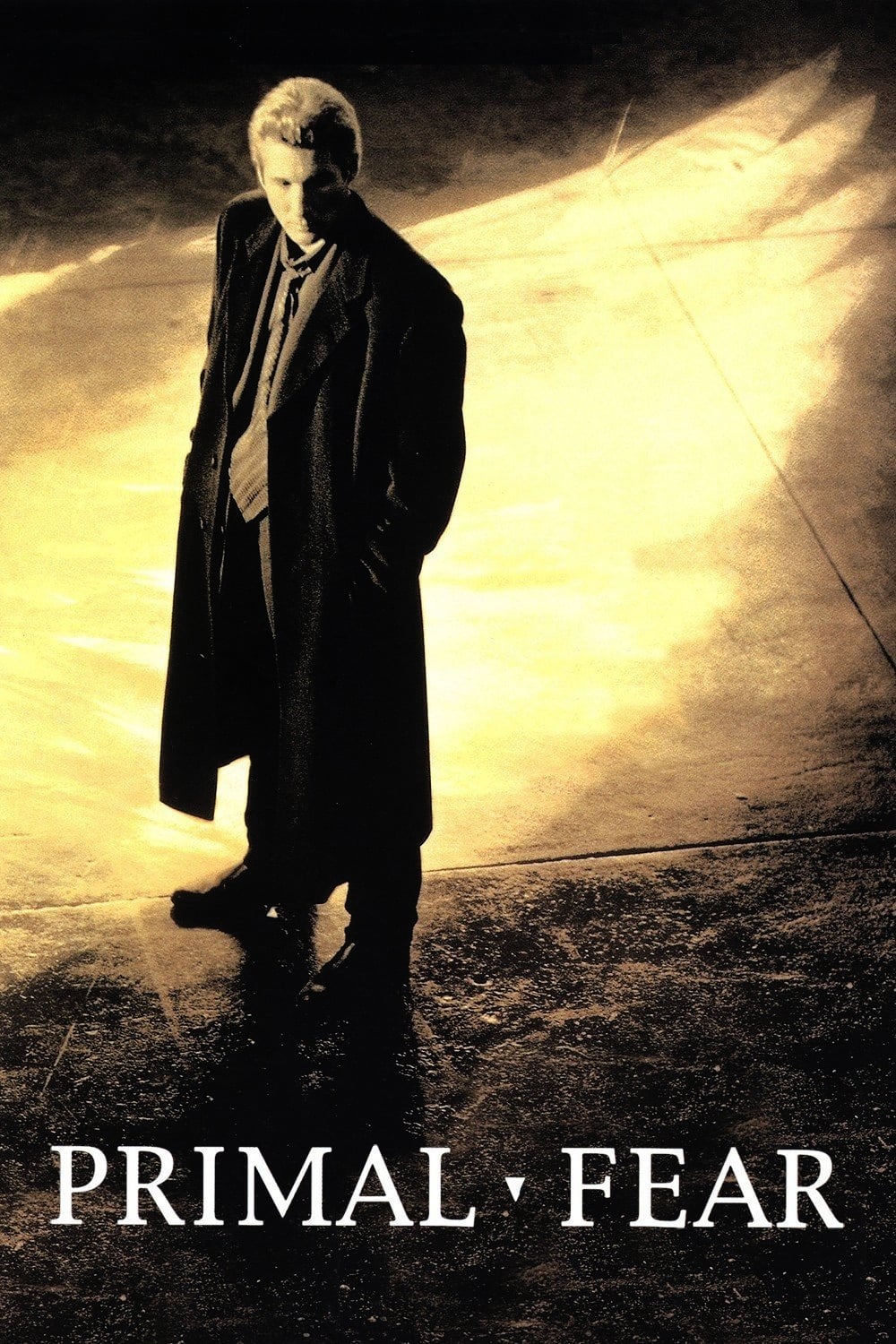
Defense attorney Martin Vail takes the case of a shy altar boy accused of murdering an archbishop. The defendant appears to suffer from lost time and eventually manifests a violent second personality named Roy. Vail wins the case by proving his client is insane and therefore not responsible for his actions. The final scene reveals the altar boy faked the disorder and was a sociopath the entire time.
‘Identity’ (2003)
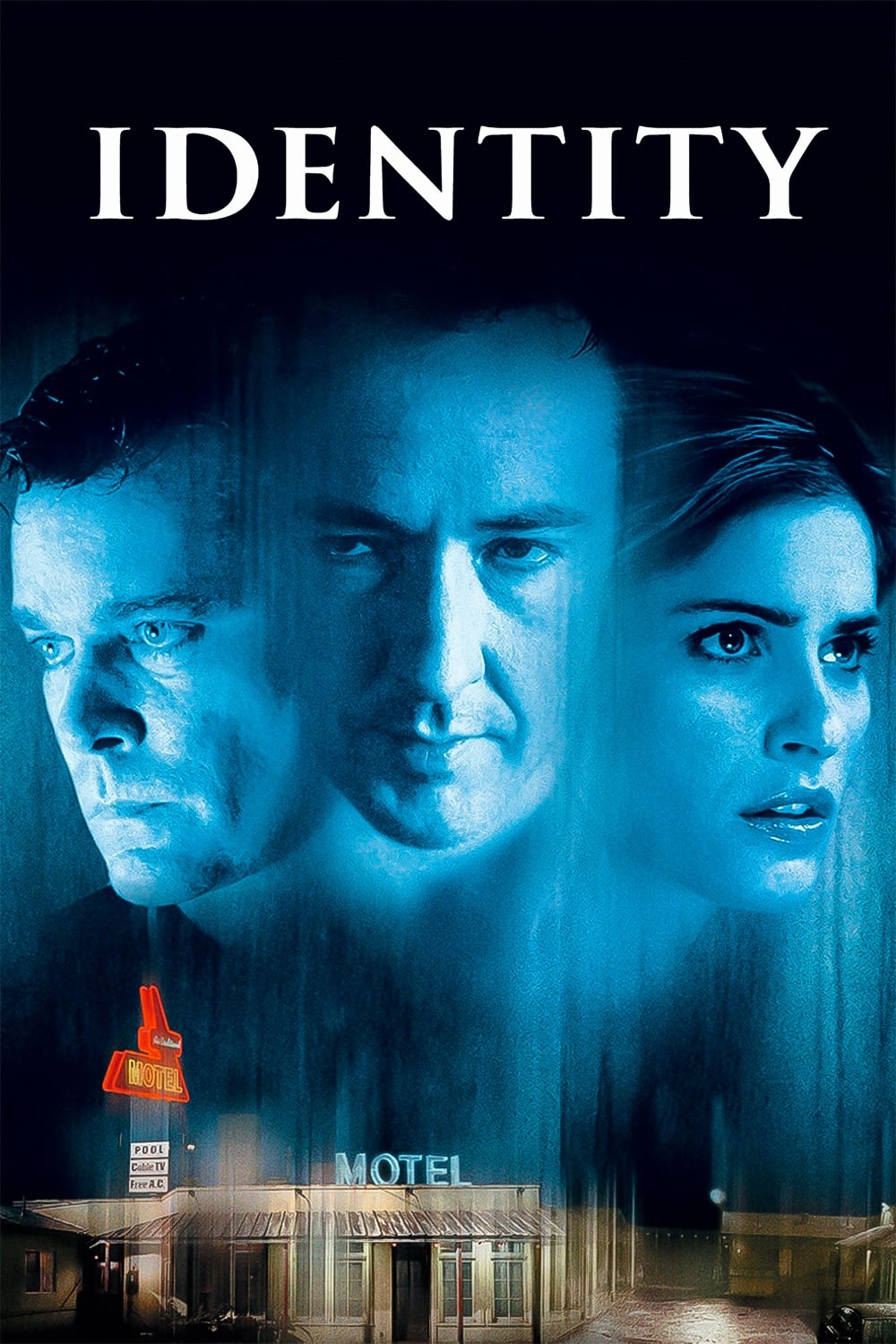
Ten strangers find themselves stranded at a desolate motel during a torrential rainstorm. They are systematically killed off one by one as they try to uncover the identity of the murderer. The events at the motel turn out to be a manifestation of a killer’s fractured psyche during a court hearing. The characters represent different personalities fighting for dominance within the killer’s mind.
‘Donnie Darko’ (2001)

A troubled teenager escapes a freak accident involving a jet engine crashing into his bedroom. He begins seeing a figure in a rabbit costume who tells him the world will end in twenty-eight days. Donnie commits crimes under the influence of these visions while investigating time travel theories. The film leaves it ambiguous whether he is suffering from schizophrenia or trapped in a tangent universe.
‘A Clockwork Orange’ (1971)
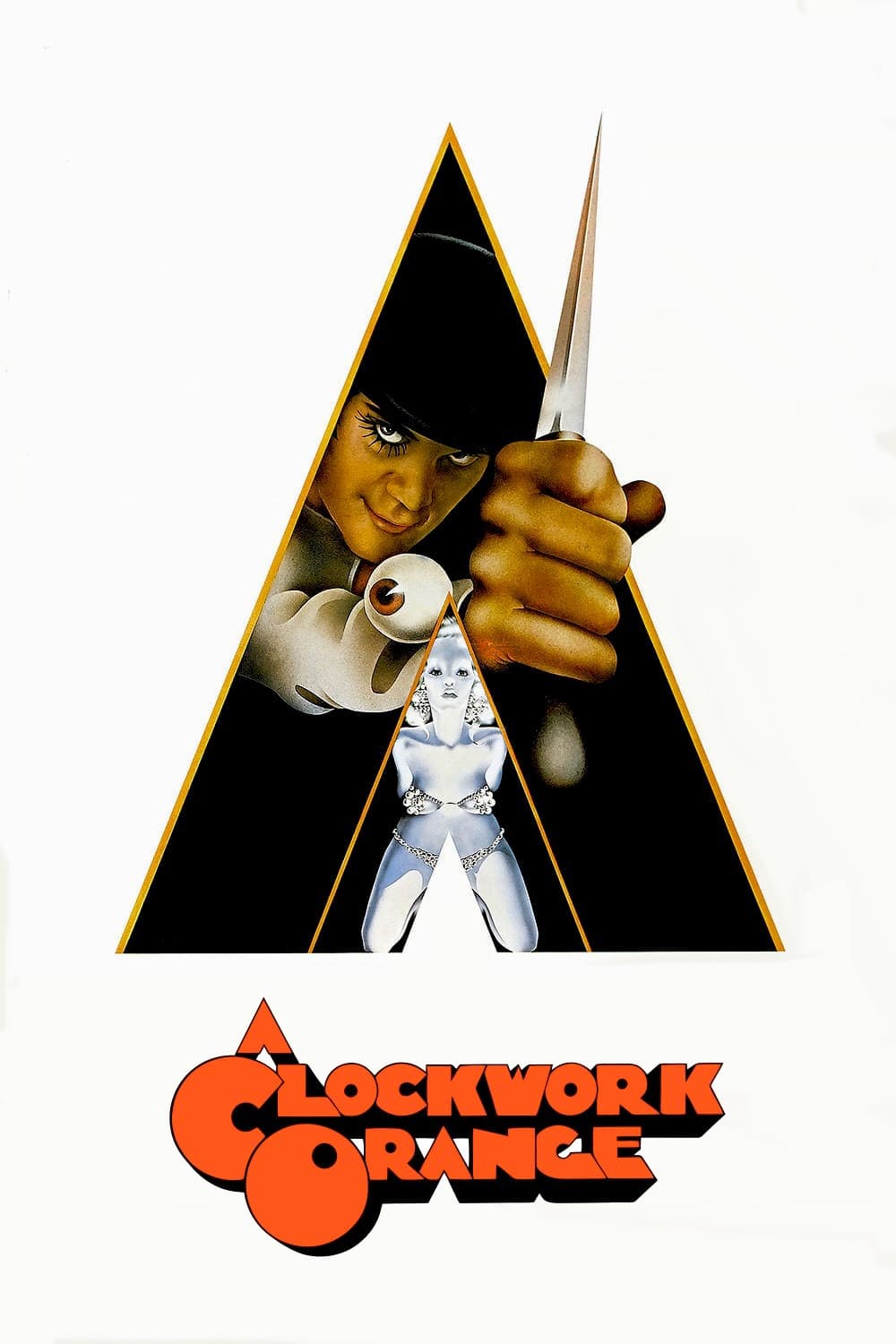
Alex DeLarge narrates his exploits as the leader of a gang that commits horrible acts in a dystopian future. He speaks in a unique slang called Nadsat that distances the audience from the brutality of his crimes. The state eventually subjects him to an experimental aversion therapy to cure his violent tendencies. His narration forces the viewer to empathize with a predator who has been stripped of his free will.
‘The Wolf of Wall Street’ (2013)
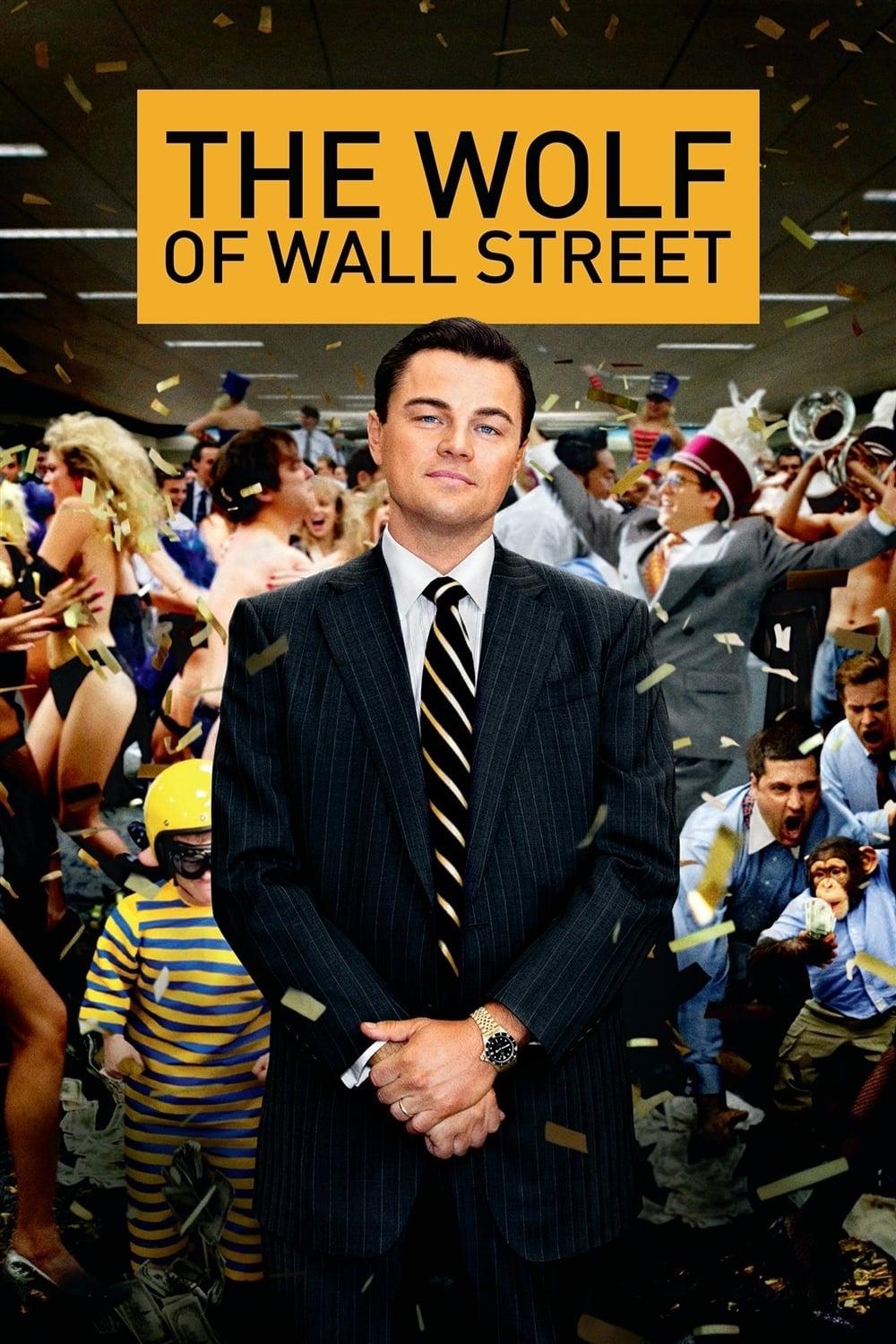
Jordan Belfort recounts his rise and fall as a wealthy stockbroker engaging in massive securities fraud. He breaks the fourth wall to explain illegal financial schemes and boast about his drug-fueled lifestyle. The excess and glamour depicted on screen reflect Belfort’s own skewed prioritization of wealth over morality. His biased perspective glorifies his criminal behavior while downplaying the financial ruin of his victims.
Tell us which of these deceptive storytellers shocked you the most by sharing your thoughts in the comments.