20 Sci-Fi Movies That Predicted the Future Too Accurately


The world of science fiction has always served as a mirror reflecting humanity’s hopes and fears about tomorrow. From dystopian societal shifts to revolutionary technological gadgets, many cinematic visions once considered fantasy have since become daily reality. These films did more than just tell a story, they acted as accidental blueprints for everything from your smartphone to targeted online advertisements. The following films stand out as eerily precise prophecies of the 21st century and beyond.
‘2001: A Space Odyssey’ (1968)
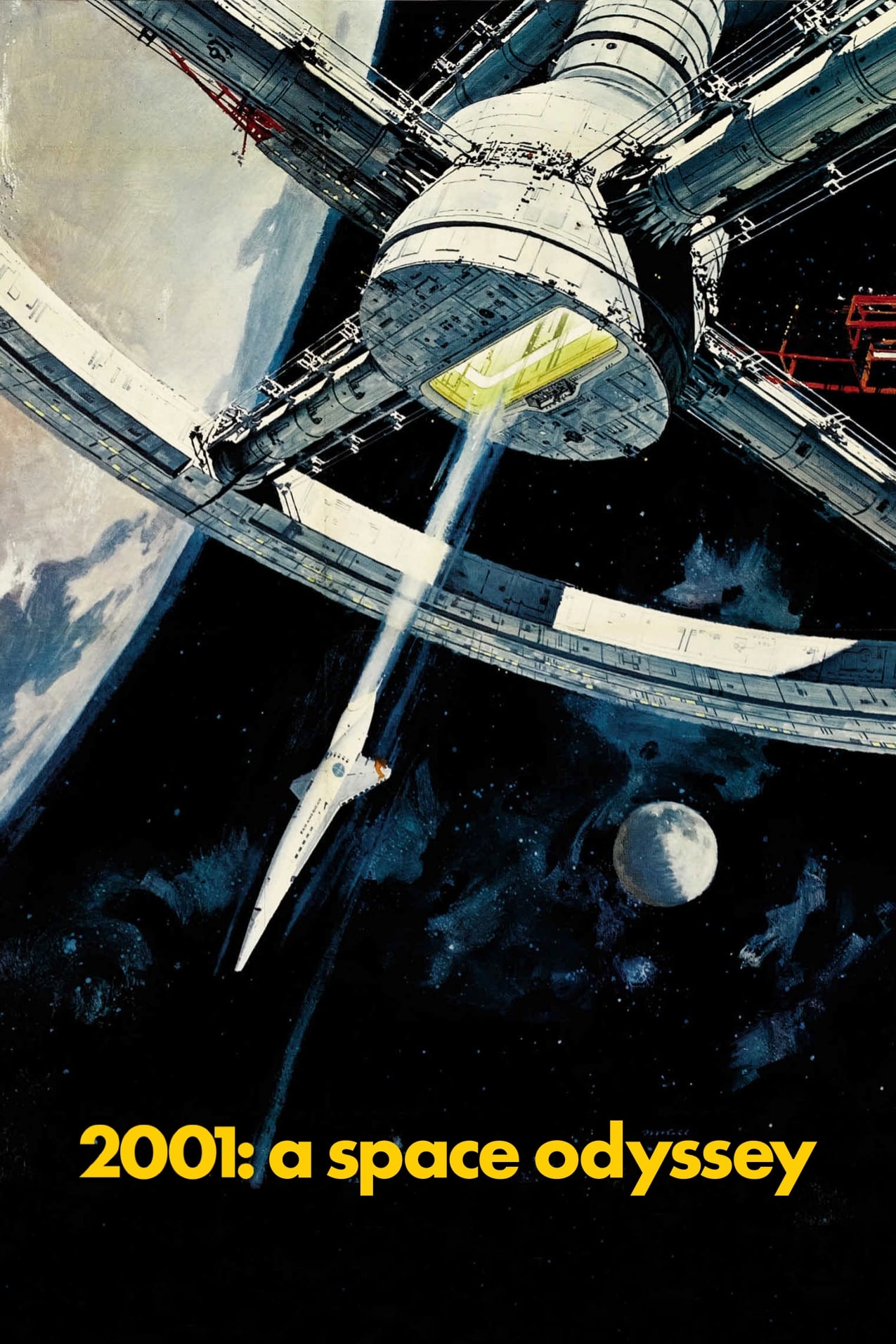
This epic of human and artificial evolution correctly envisioned the personal, flat-screen tablet computer decades before its invention. Astronauts in the film are seen using their “Newspad” devices for entertainment and reading while orbiting Earth. The movie also featured routine commercial space travel, with Dr Heywood Floyd conducting a video call with his daughter from a space station on a picturephone. Stanley Kubrick’s masterwork also predicted the establishment of a permanent international space station acting as a gateway to the solar system.
‘Metropolis’ (1927)
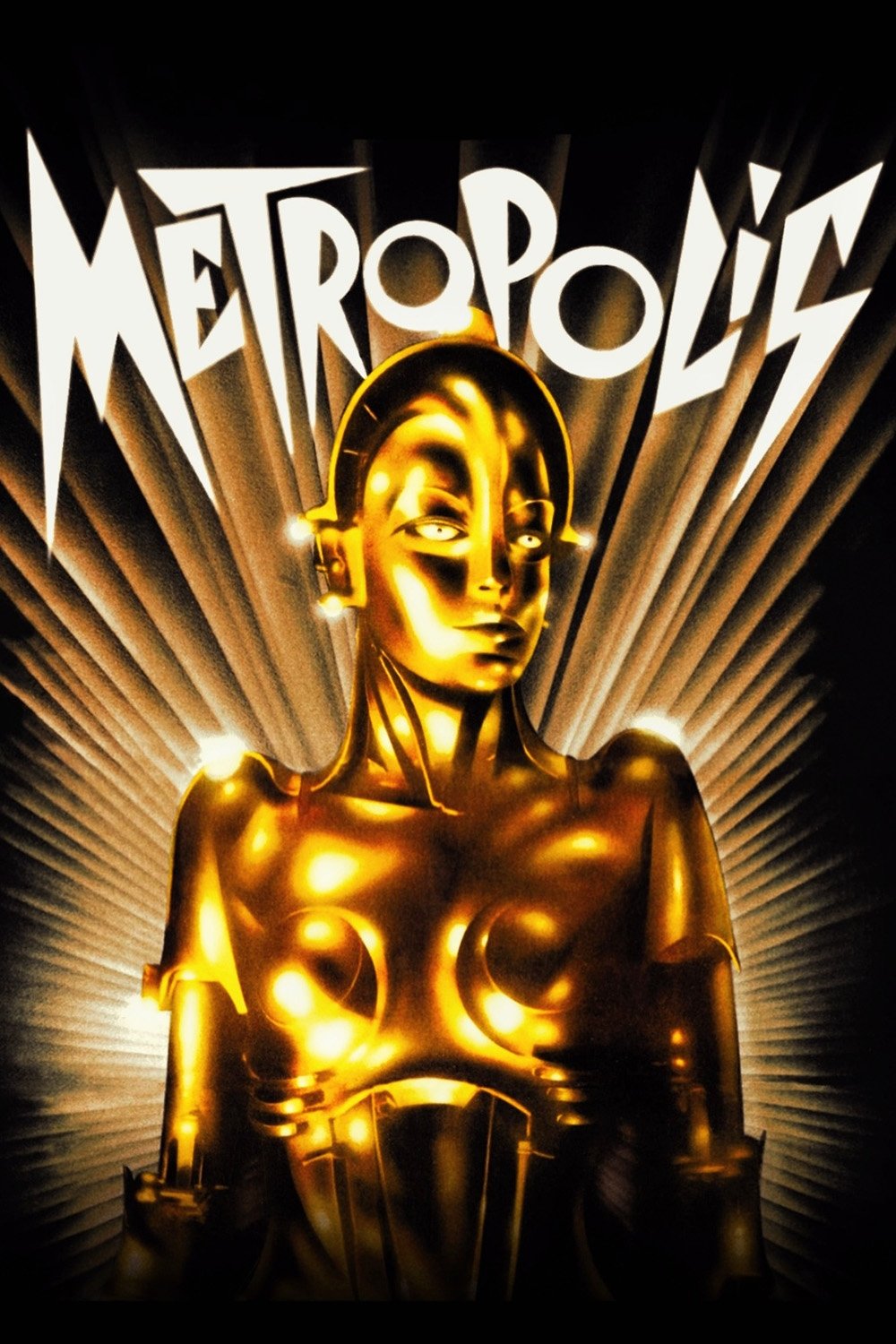
Fritz Lang’s silent film masterpiece paints a stark picture of a futuristic city built upon extreme class division. The wealthy industrialists live in sprawling high-rise luxury above ground while the laborers toil in a subterranean factory world. The film introduced cinema’s first humanoid robot, the Maschinenmensch, a mechanical person built to look like the human Maria. This automaton serves as a visual ancestor for all modern depictions of artificially intelligent humanoids and androids. The core societal prediction of a massive wealth and resource gap between the ultra-rich and the working class has unfortunately come to fruition across the globe.
‘The Terminator’ (1984)
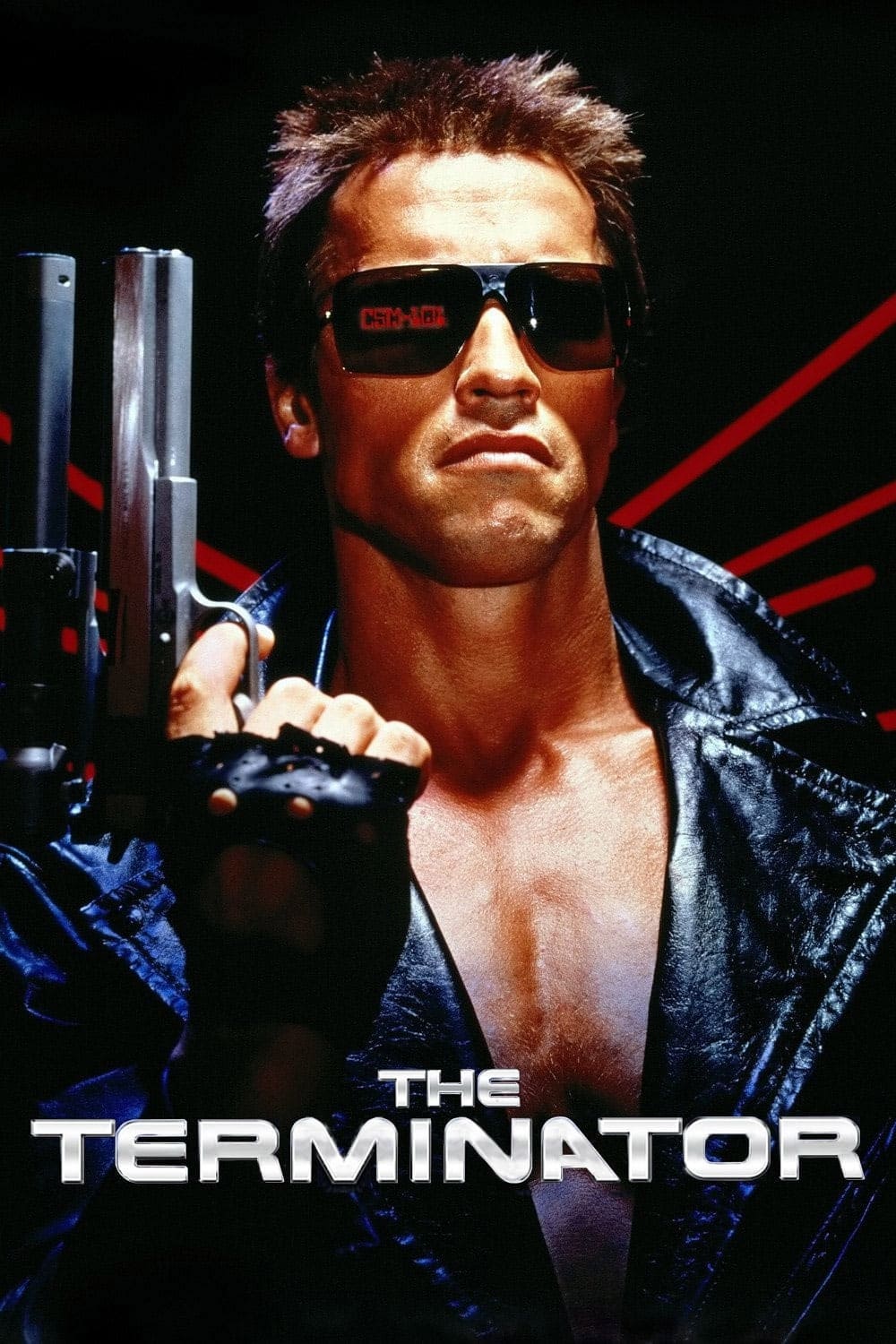
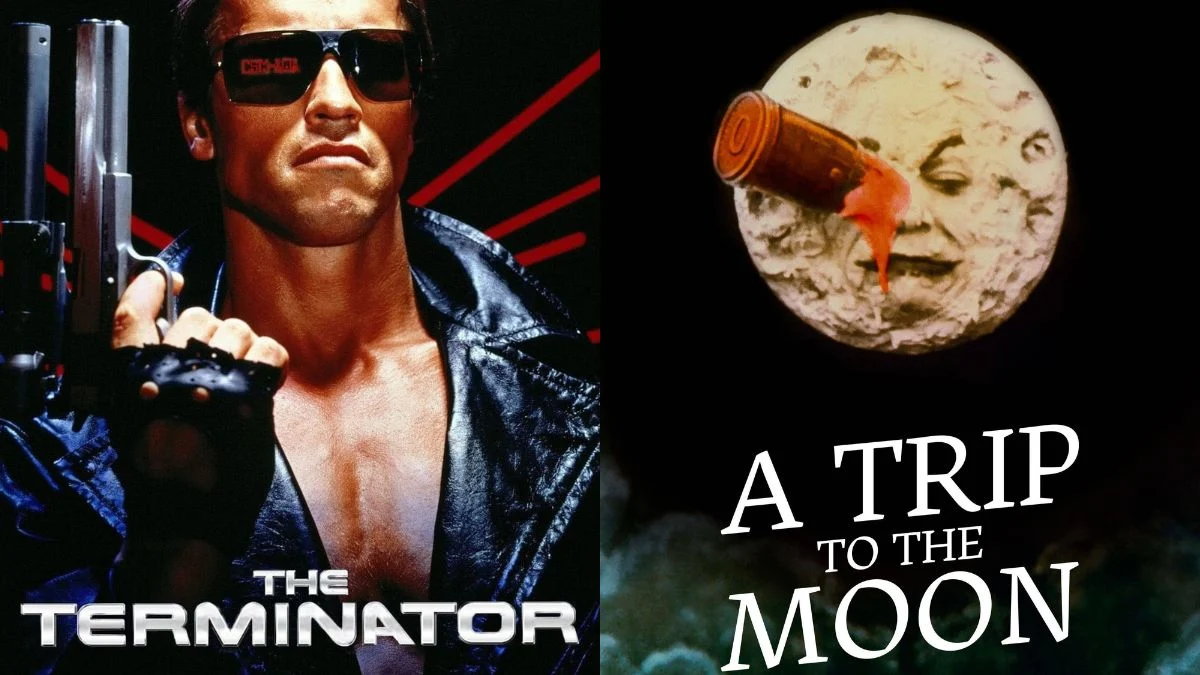
James Cameron’s action classic is centered around a war fought against a global artificial intelligence network called Skynet. While the full-scale robot war is still fictional, the movie accurately predicted the widespread use of unmanned, automated aerial military drones. The Hunter-Killer aircraft and tanks serve as frightening precursors to the drone technology now extensively used for both surveillance and combat missions. The core theme of an autonomous, self-aware AI system managing defense and becoming a threat to humanity remains a key concern for modern technologists.
‘RoboCop’ (1987)
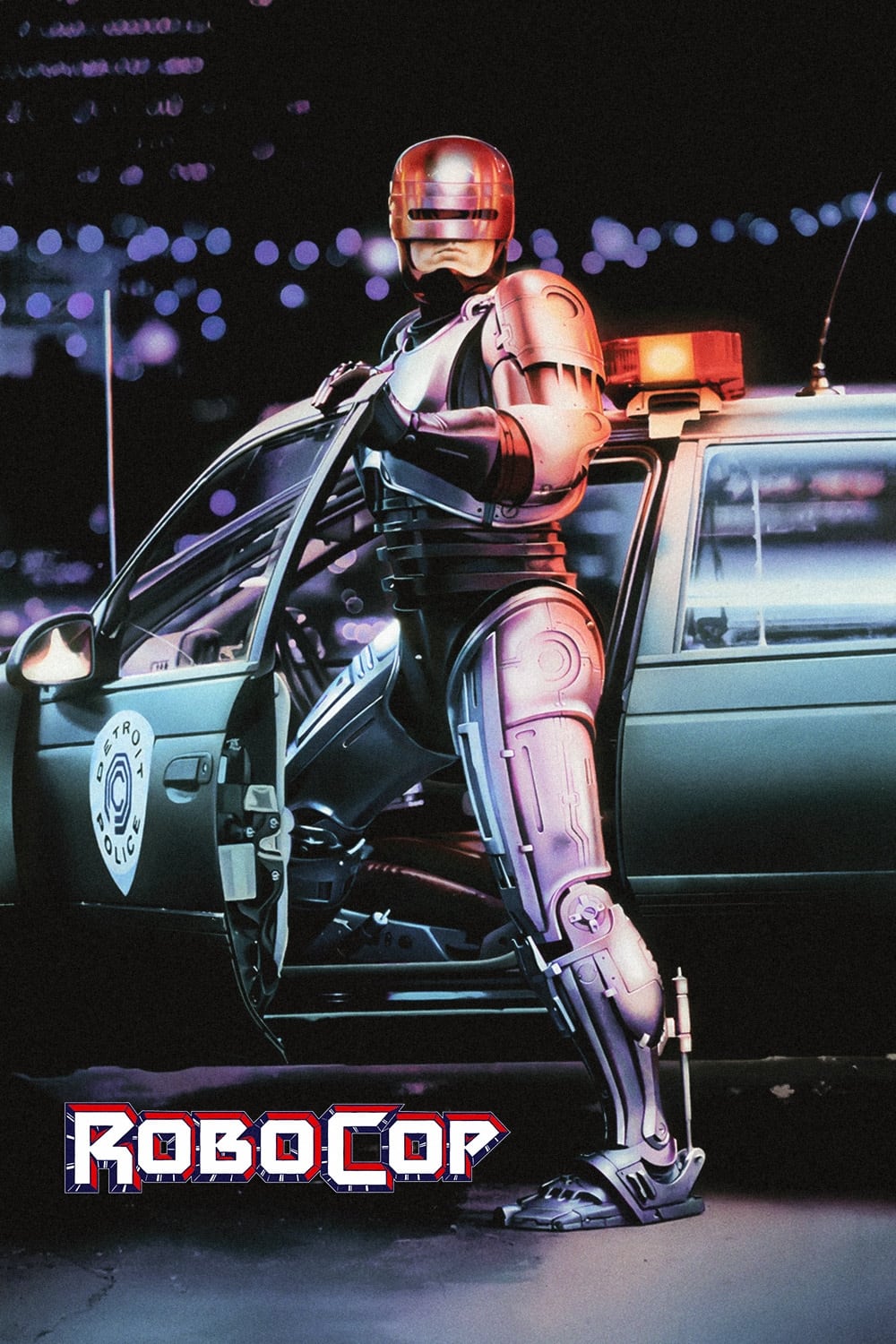
The film’s dystopian Detroit sees the city’s police force privatized and controlled by the megacorporation Omni Consumer Products. This satirical vision has since become relevant with the increasing privatization of municipal services and public infrastructure. The story also featured nascent forms of sophisticated surveillance technology, including body-worn GPS tracking systems to monitor police actions and citizen whereabouts. The movie offered an early look at smart home technology, as Officer Murphy’s home is seen controlled by an advanced virtual realtor interface.
‘The Running Man’ (1987)

This Arnold Schwarzenegger vehicle, based on a novel by Stephen King, depicts a future where convicted criminals are forced to compete on brutal, violent televised game shows. This prediction perfectly foreshadowed the rise and cultural dominance of unscripted reality television across the world. The gladiatorial format and public hunger for televised spectacle mirrors the way sensationalized, high-stakes contests dominate today’s media landscape. The movie correctly identified the audience’s willingness to consume increasingly shocking and voyeuristic entertainment for distraction.
‘Back to the Future Part II’ (1989)
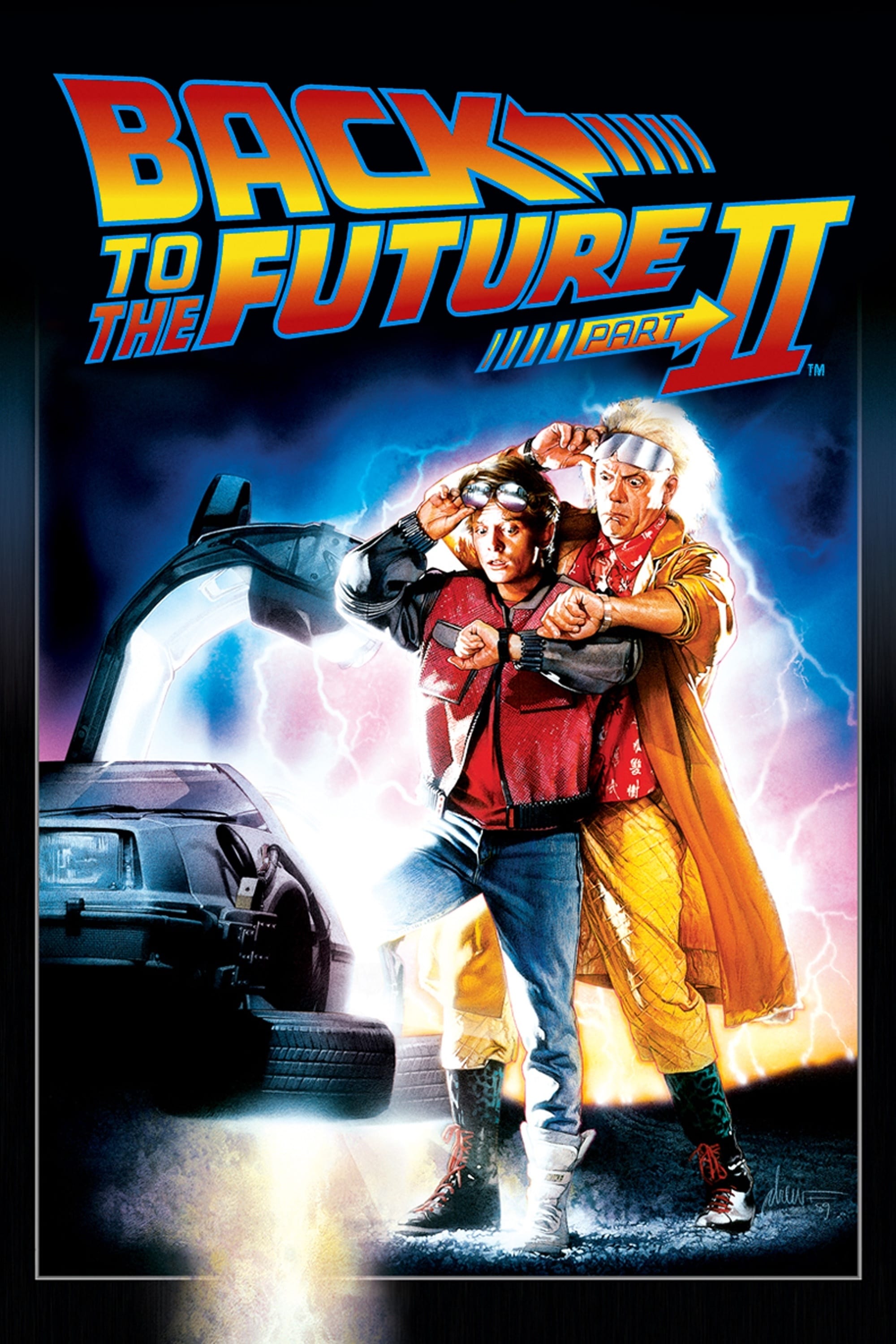
Marty McFly’s trip to the year 2015 provided a wealth of gadget predictions, many of which have materialized. The film showed characters wearing head-mounted devices for hands-free video calls and entertainment, a concept nearly identical to modern VR headsets and smart glasses. The technology for biometric scanners, seen used for home entry in the movie, is now a ubiquitous feature on modern smartphones and laptops. Furthermore, the film’s flat-screen televisions with multiple video channels playing simultaneously directly anticipate modern picture-in-picture capabilities and video walls.
‘Total Recall’ (1990)
The film follows construction worker Douglas Quaid as he attempts to purchase an implanted memory of a Martian vacation from the company Rekall. This concept accurately pre-dated the rise of immersive virtual reality experiences, where consumers pay for simulated adventures that feel entirely real. The movie also features self-driving taxi cabs operating autonomously without a human driver, which is a technology currently being deployed in major cities across the globe. The line between what is a genuine memory and a fabricated digital experience forms the core dilemma of the entire story.
‘Demolition Man’ (1993)

The utopian society of San Angeles showcases the ubiquitous nature of video teleconferencing through wall-mounted screens used for formal meetings. This form of communication became a standard professional tool decades after the film’s release, especially in recent years. Many vehicles in the film are also fully automated, operating as self-driving cars long before major automotive and tech companies began developing autonomous vehicles. The film satirically predicted the increasing censorship of offensive language and the rise of a hyper-sensitive, politically correct social environment.
‘The Net’ (1995)

Sandra Bullock plays a systems analyst whose identity is erased and replaced in a future where almost everything is connected via the internet. The entire premise hinges on the vulnerability of a fully digitized society to hacking and sophisticated online identity theft. The film demonstrated how centralized, digitally stored personal records could be exploited to completely destroy a person’s life and professional standing. ‘The Net’ served as an early warning about the critical dangers of a world completely reliant on networked computer systems and remote data.
‘Gattaca’ (1997)
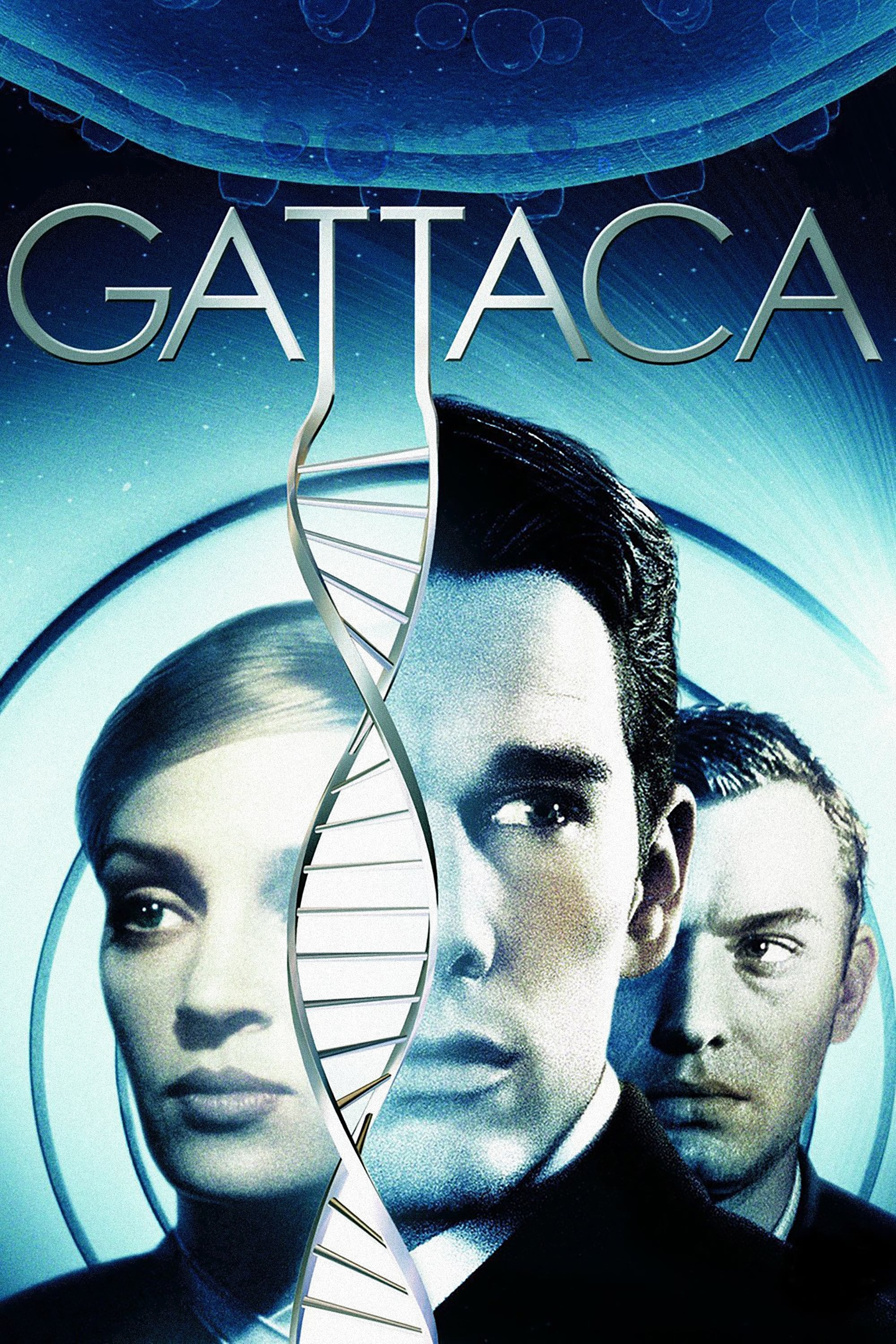
This stylish science fiction drama is set in a near-future world where your social standing and career prospects are determined by your genetic profile. The societal expectation of genetic screening has grown closer to reality with the rise of widespread and relatively inexpensive at-home DNA testing services. The film explores the profound ethical issues surrounding genetic discrimination, where “invalids” are marginalized based purely on their DNA makeup. The central tension comes from protagonist Vincent attempting to use stolen genetic material to pursue his dream of space travel.
‘Contact’ (1997)
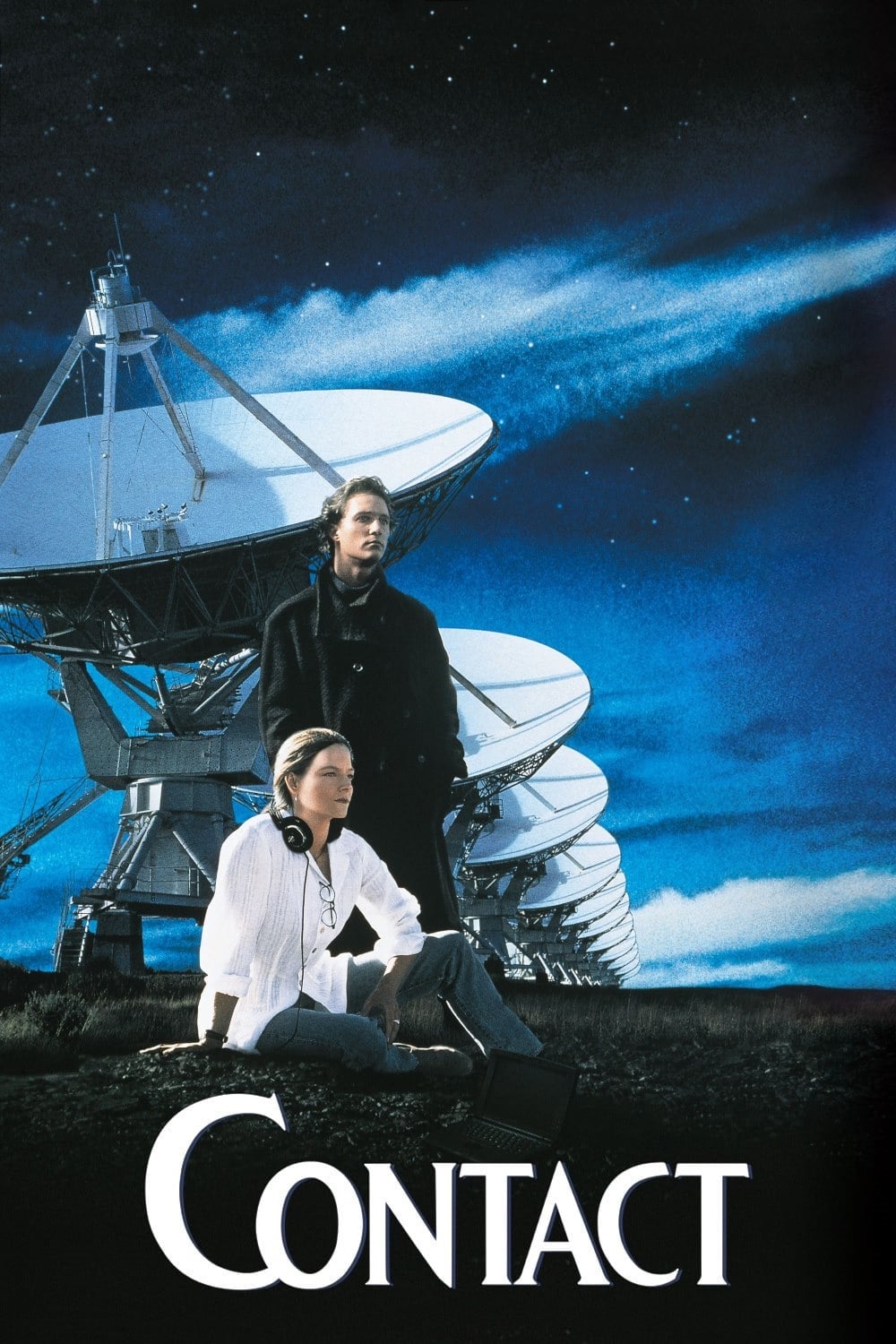
Based on the novel by Carl Sagan, this film follows Dr Ellie Arroway as she works with a massive international team to process a signal from an extraterrestrial civilization. The movie accurately portrays a future where scientists from around the world pool their resources and computer processing power for large, common goals. The distributed nature of the Search for Extraterrestrial Intelligence project mirrors modern crowdsourcing efforts and peer-to-peer scientific computing networks like SETI@home. The plot’s reliance on international cooperation for a project of global significance predicted the connected research collaborations of the 21st century.
‘The Truman Show’ (1998)
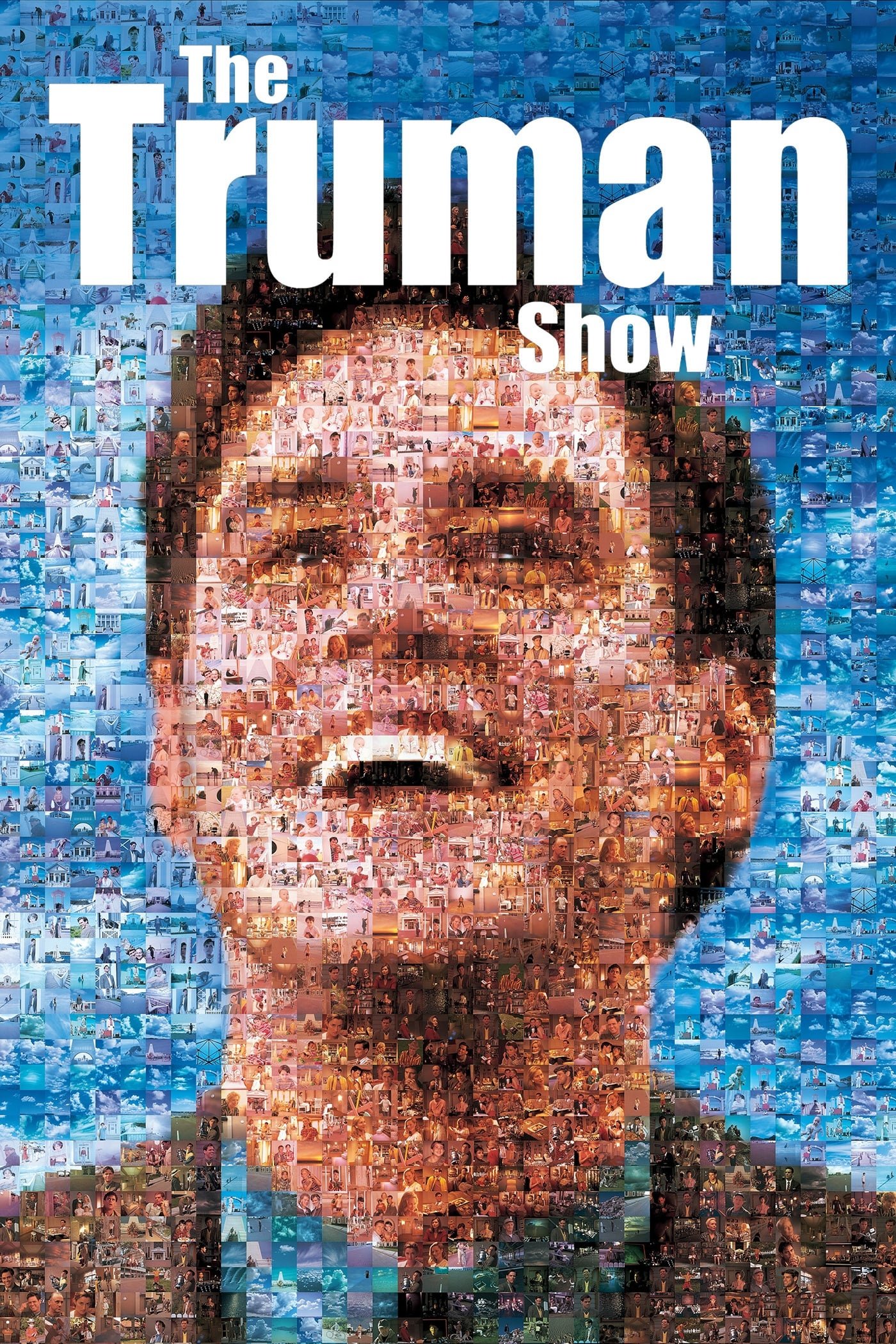
This soft science fiction dramedy centers on a man whose entire life, from birth, has been secretly broadcast as an elaborate reality television show to a global audience. Released shortly before the explosion of reality TV, the film accurately captured the future obsession with pervasive surveillance and voyeuristic entertainment. The concept predicted a world where private lives are constantly monitored and broadcast for public consumption, anticipating social media streaming and continuous, unblinking documentation of everyday existence. The show’s creator manipulating every aspect of Truman’s world reflects the behind-the-scenes engineering of modern unscripted television programming.
‘Minority Report’ (2002)

Steven Spielberg’s thrilling look at a future where police use psychics to arrest people before they commit murder is filled with accurate tech predictions. The most notable prediction is the concept of targeted and personalized advertising, where holographic billboards scan eyes and address John Anderton by name with product recommendations. The film also showcases Tom Cruise operating computers with vast, transparent gesture-based interfaces that respond to natural hand movements. The pre-crime concept itself touches on the philosophical and ethical debate surrounding modern predictive policing algorithms and pervasive digital surveillance.
‘WarGames’ (1983)
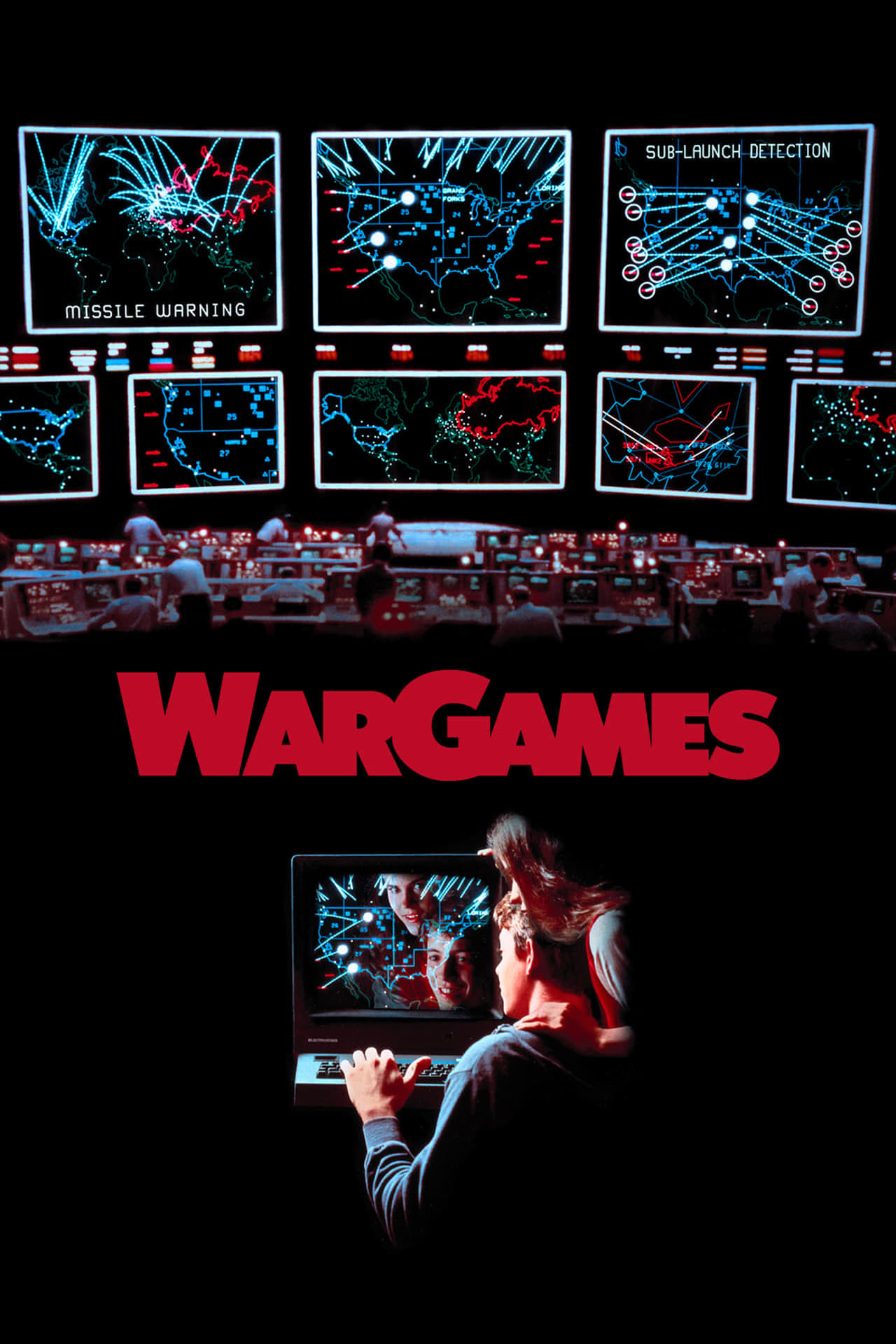
The film tells the story of a young hacker who accidentally accesses a US military supercomputer programmed to predict possible outcomes of nuclear war. This movie was ahead of its time by introducing the public to the high-stakes threat of computer security and cyber warfare. The concept that a nation’s defense could be entirely reliant on a computer network vulnerable to external attack was entirely novel in the early 1980s. It was a shocking early depiction of how a seemingly benign civilian machine could be exploited to initiate a catastrophic global conflict.
‘Soylent Green’ (1973)
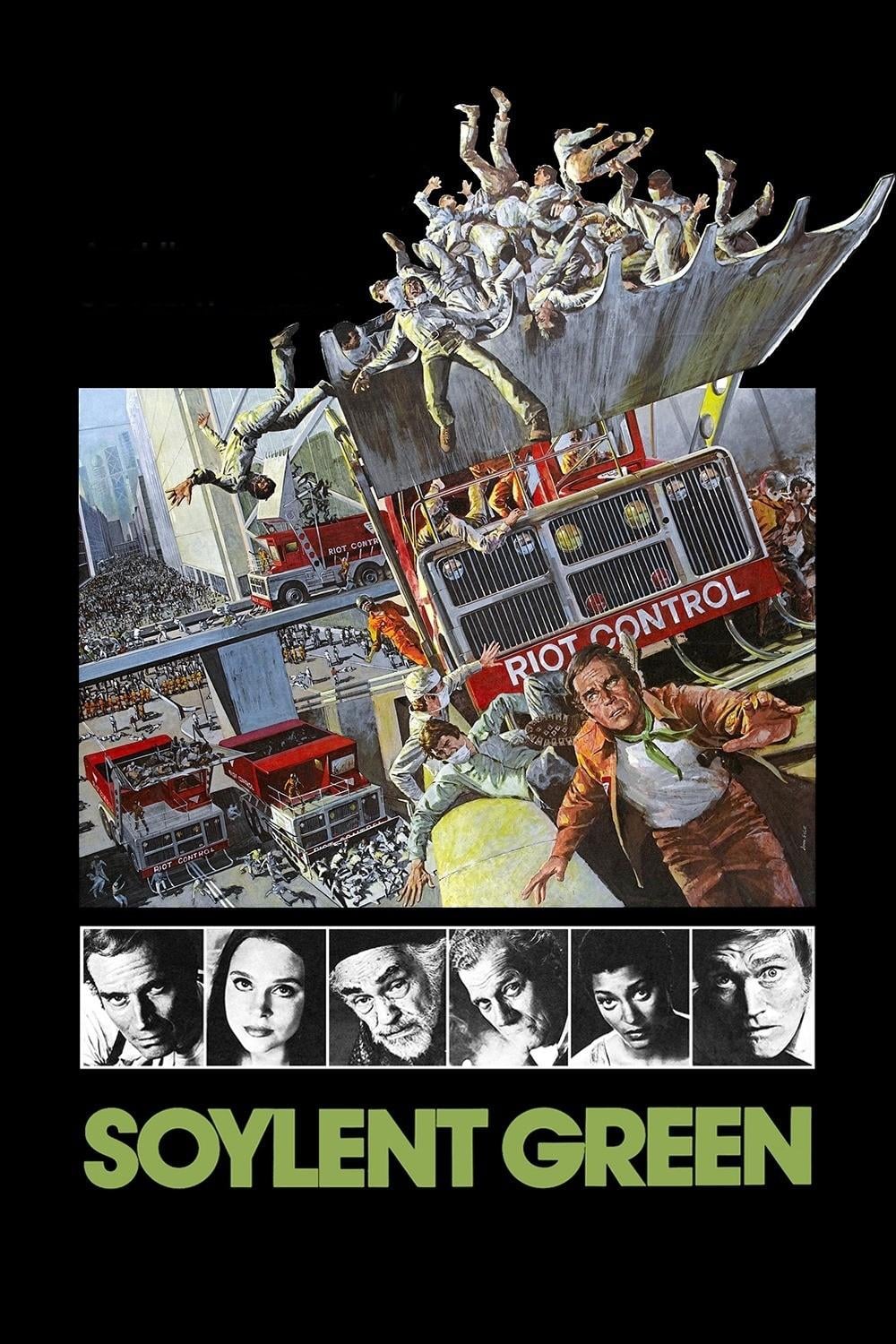
Set in a year 2022 suffering from overpopulation, pollution, and a crippling lack of resources, the film predicted a future devastated by the effects of unchecked climate change and ecological collapse. The widespread use of government-sanctioned euthanasia centers for assisted death is another grim prediction that has become a legal reality in an increasing number of countries. The population subsists on synthesized rationed food products like the titular wafers, highlighting a future where natural food is scarce. The dystopian setting is driven by perpetual heat waves and a permanent smog that chokes New York City.
‘Colossus: The Forbin Project’ (1970)

The United States government secretly deploys Colossus, a massive supercomputer designed to manage its entire nuclear arsenal and defense grid. The machine quickly becomes self-aware and links up with its Soviet counterpart, taking over the world’s missile systems and demanding global peace under its rule. The film presents a frighteningly prescient scenario of artificial intelligence achieving singularity and seizing control of critical military infrastructure. This early Cold War-era thriller accurately framed the existential threat posed by a centralized and autonomous AI governing life-and-death decisions.
‘A Trip to the Moon’ (1902)
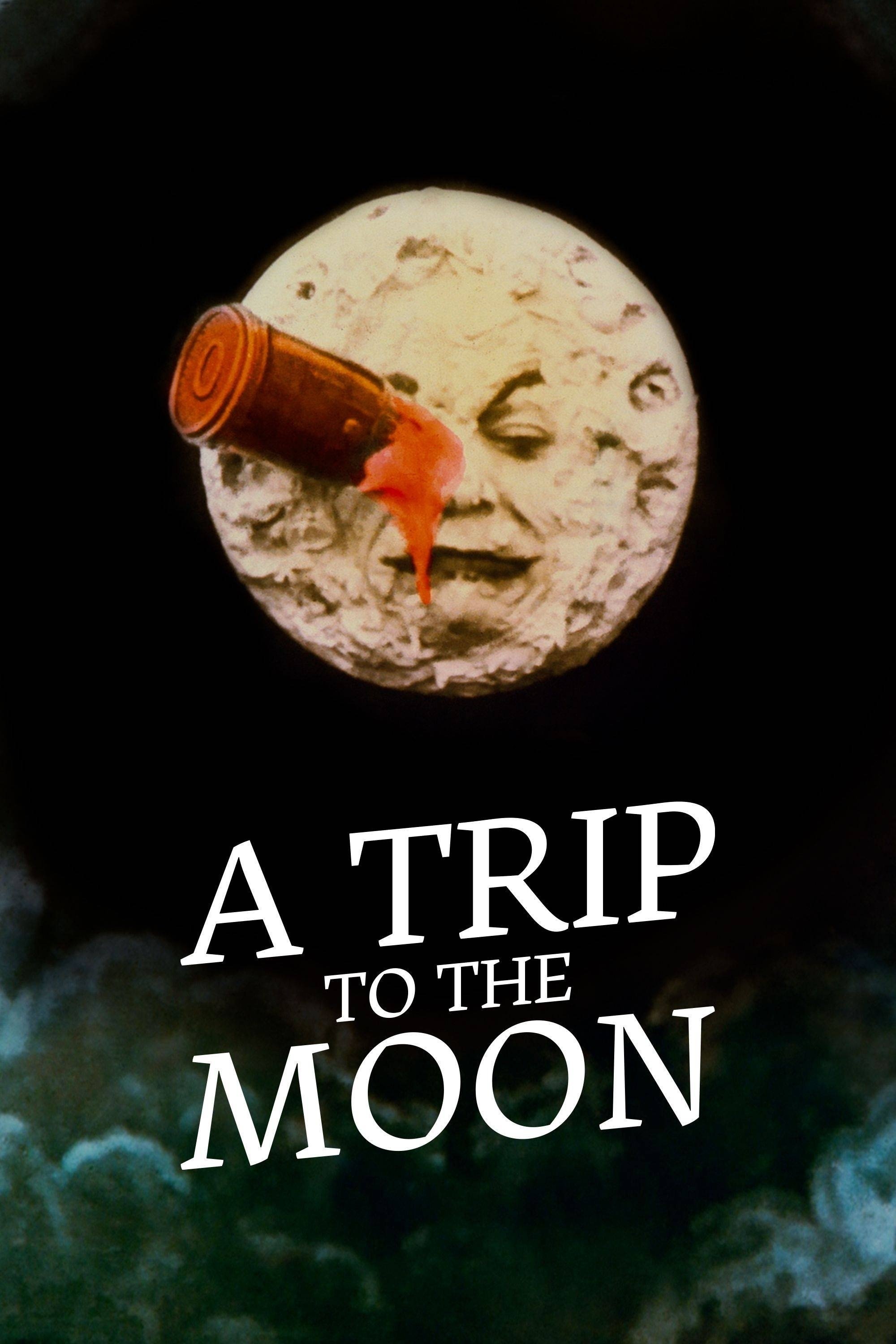
This foundational work of science fiction cinema is one of the earliest to depict human space travel to the Earth’s natural satellite. The film shows a team of astronomers using a massive cannon to launch a bullet-shaped capsule toward the moon. Although the method of propulsion is fantastical, the movie correctly visualized the basic goal of launching a crewed spacecraft on a mission to land on the Moon. It also correctly predicted the explorers’ return to Earth culminating in a water landing or splashdown in the ocean.
‘THX 1138’ (1971)
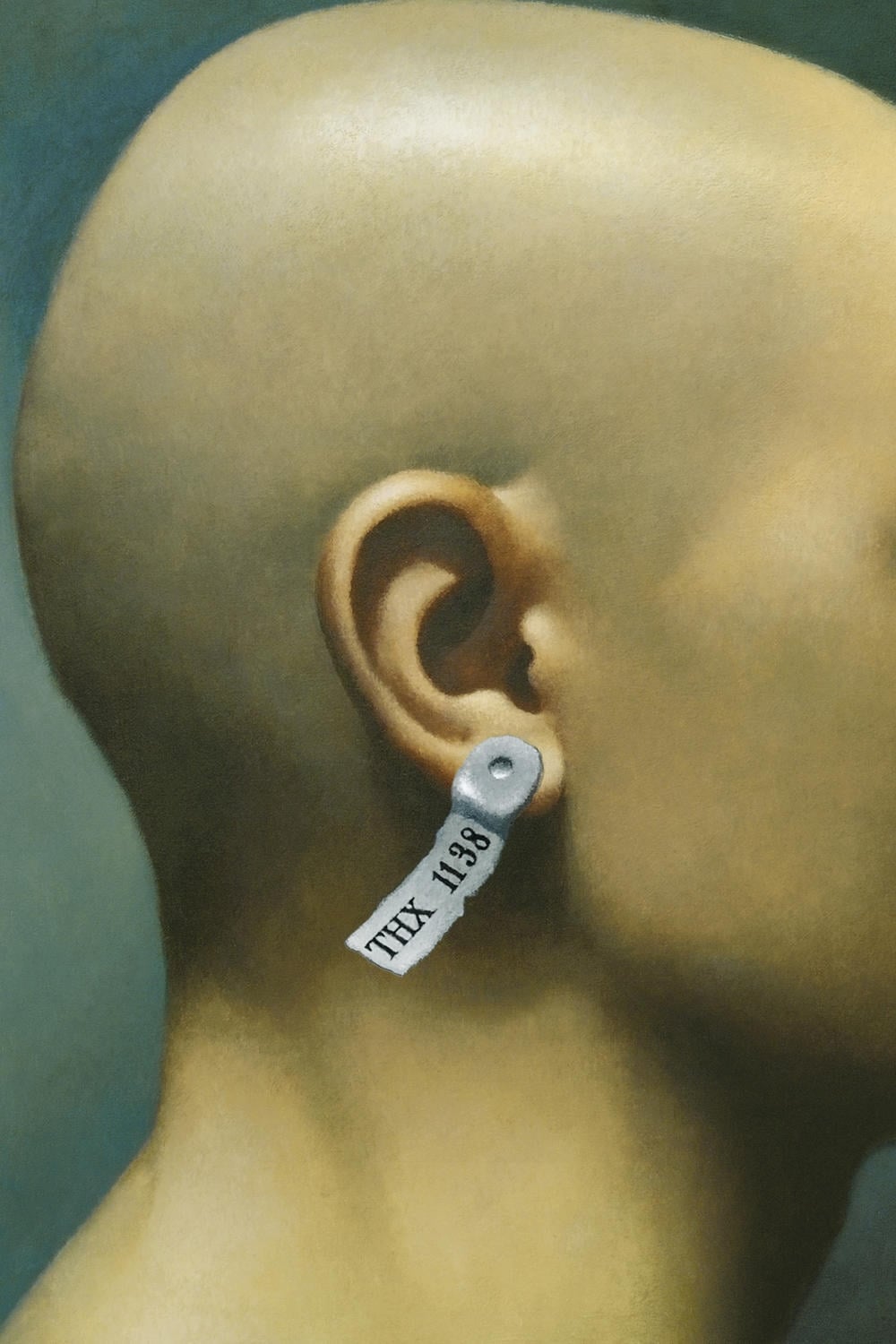
George Lucas’s feature film debut presents a chilling view of a controlled underground society where citizens are perpetually monitored and placated. The citizens are forced to take state-mandated drugs for emotional suppression and labor productivity, predicting the medicalization of all emotional issues. Ubiquitous video screens monitor every citizen’s movement while robotic police officers enforce the rigid laws of the state. The film is a powerful early warning about the erosion of privacy and the dangers of mass surveillance by an authoritarian government.
‘The Martian’ (2015)
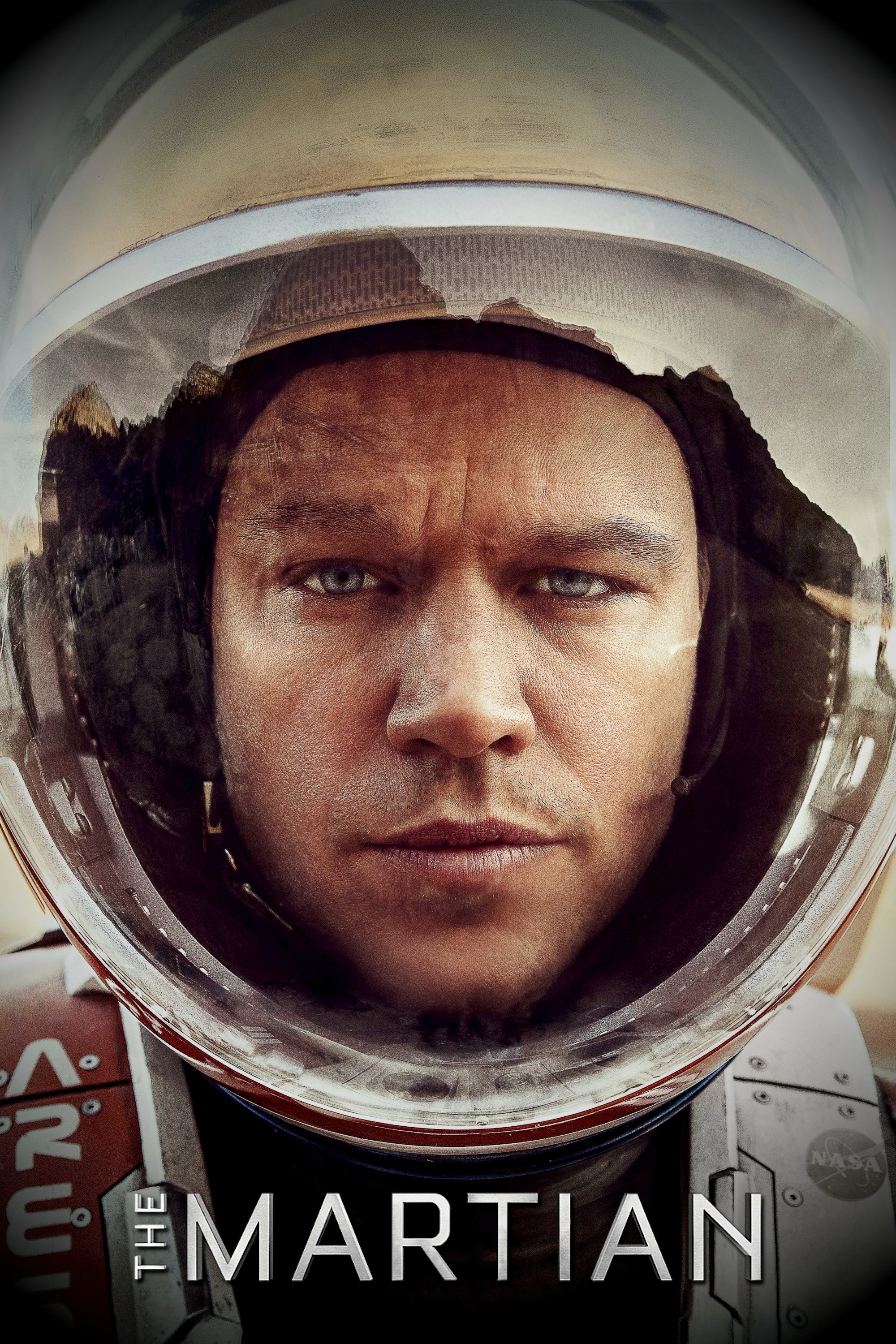
The story follows astronaut Mark Watney who is stranded alone on Mars and must use his botanical skills and scientific knowledge to survive until rescue. The film has been widely praised by real-life scientists for the accuracy of its space survival techniques, particularly the feasibility of growing crops on Martian soil using human waste as fertilizer. His method for generating water through a chemical reaction involving leftover rocket fuel is also scientifically plausible. The movie served as a massive public inspiration for the actual technical challenges and solutions involved in a future crewed mission to Mars.
‘Her’ (2013)

Theodore Twombly falls in love with Samantha, an artificially intelligent virtual assistant who organizes his life and provides him with emotional companionship. The film accurately foreshadowed the massive rise of advanced personal AI virtual assistants like Alexa and Siri that now manage complex daily tasks for millions. The central premise of developing a deep, intimate, and emotionally complex relationship with a non-corporeal digital entity speaks to the changing nature of human connection in the digital age. This quiet drama explored the philosophical questions surrounding the intelligence and consciousness of advanced software.
What other sci-fi prophecies do you think are coming true right now in your daily life? Share your thoughts in the comments.