20 Films That Sparked Massive Boycotts Over Cultural Insensitivity


Filmmakers often strive to push boundaries or retell historical events, but their creative choices sometimes result in significant public backlash. Audiences and advocacy groups have organized boycotts against movies they felt misrepresented their culture or perpetuated harmful stereotypes. These controversies frequently stem from casting decisions, offensive portrayals, or the alteration of source material to fit different demographics. The following films faced intense scrutiny and organized protests from communities who felt marginalized or disrespected by the final product.
‘The Birth of a Nation’ (1915)
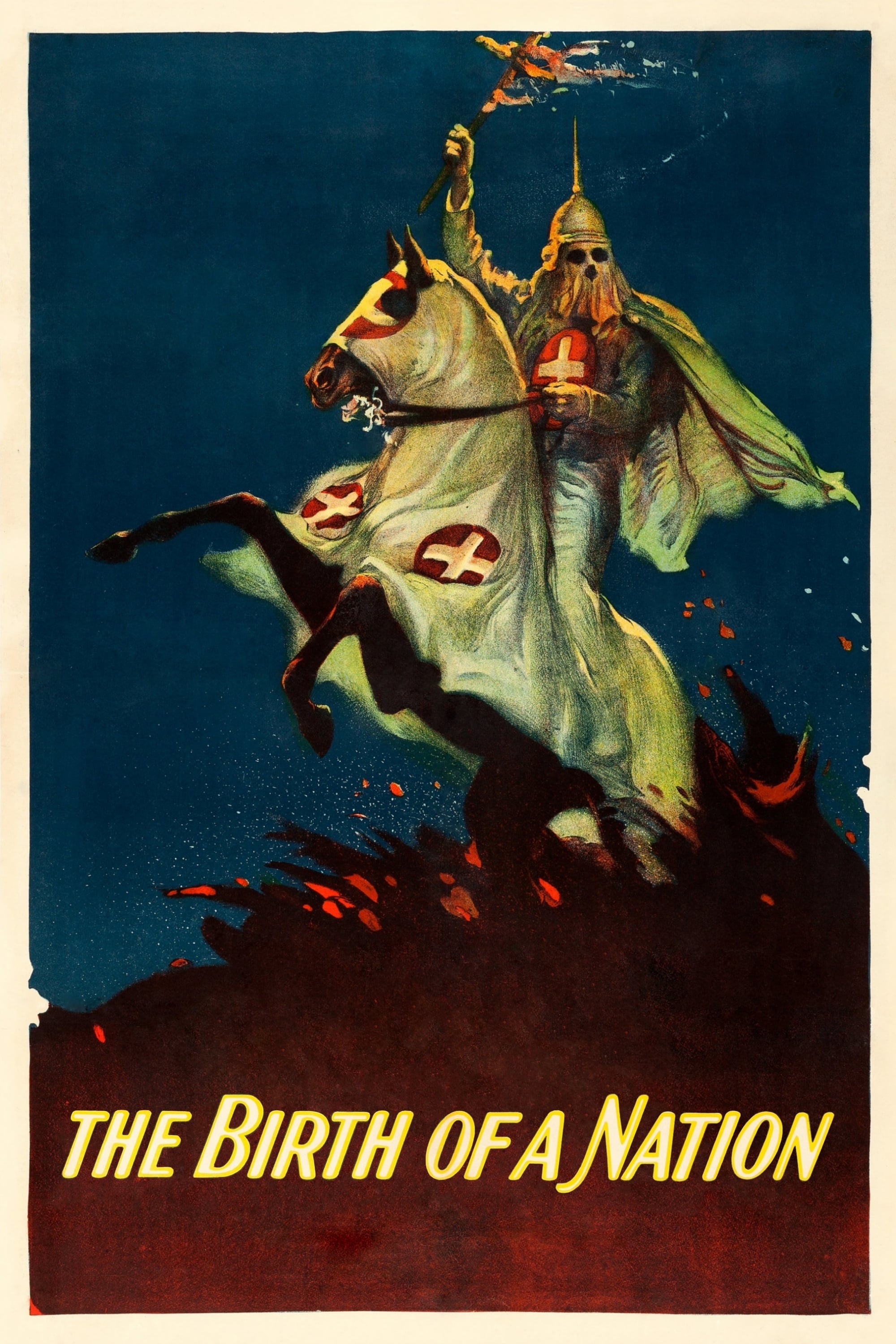
This silent film is infamous for its heroic portrayal of the Ku Klux Klan and its use of white actors in blackface. The National Association for the Advancement of Colored People organized nationwide protests and legal challenges to ban the movie upon its release. Critics argued that the narrative incited violence against African Americans and distorted historical facts about the Reconstruction era. Many theaters in major cities refused to screen the picture due to the intense civil unrest it caused.
‘Song of the South’ (1946)
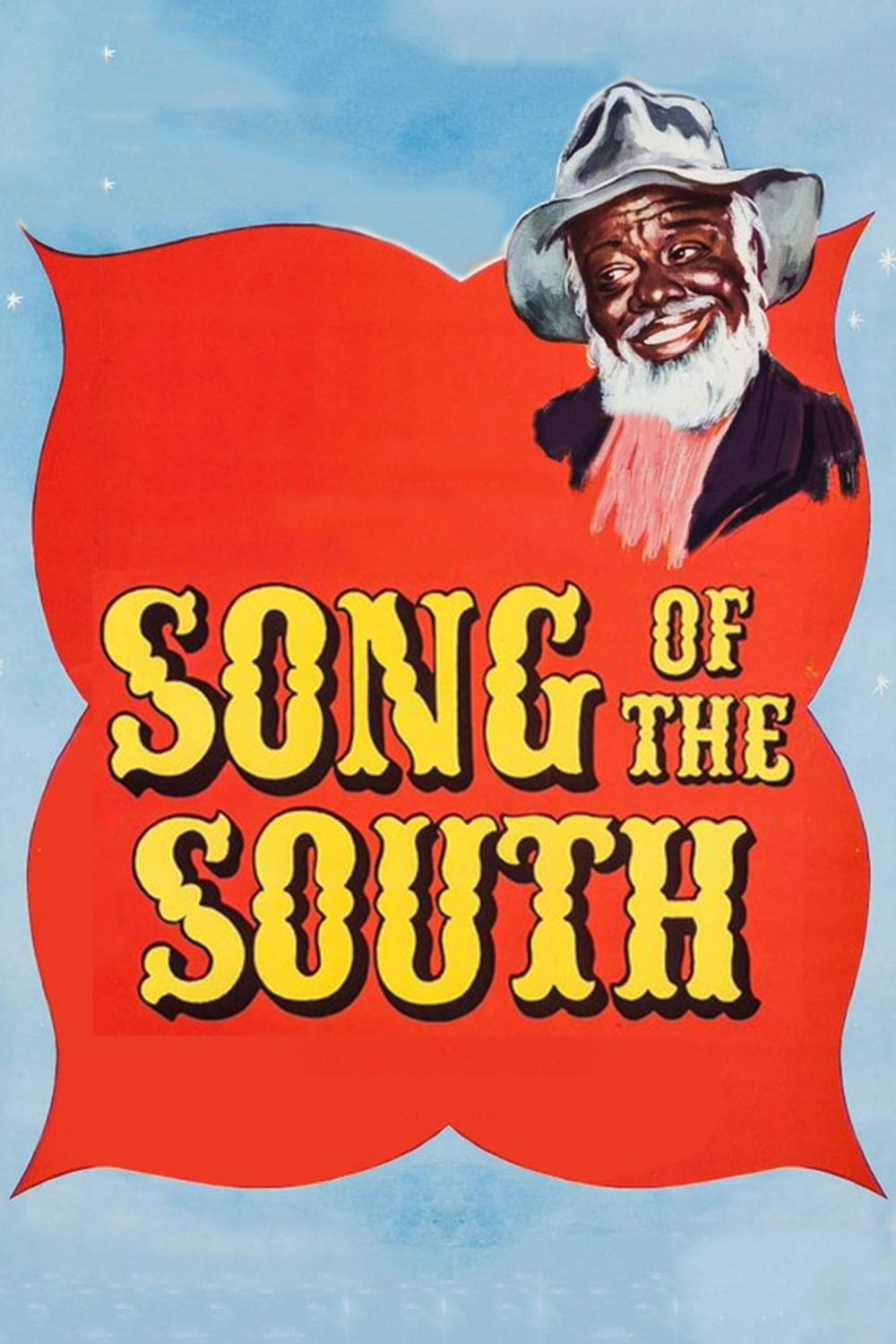
Disney has kept this film locked in its vault for decades due to its controversial depiction of the post-Civil War South. The movie faced immediate criticism from the NAACP and other groups for romanticizing the relationship between former slaves and plantation owners. Critics argued that the character of Uncle Remus perpetuated an idyllic view of a time period characterized by intense racial oppression. The studio has largely erased the film from its distribution channels to avoid further public outcry.
‘Breakfast at Tiffany’s’ (1961)

The portrayal of Mr. Yunioshi by Mickey Rooney remains one of the most cited examples of yellowface in Hollywood history. Asian American advocacy groups have long condemned the character as a collection of offensive stereotypes regarding physical appearance and mannerisms. Screenings of the film in recent years have often been met with protests or cancellations due to this specific performance. The caricature serves as a harsh reminder of how acceptable racial mockery was in the entertainment industry at the time.
‘Indiana Jones and the Temple of Doom’ (1984)
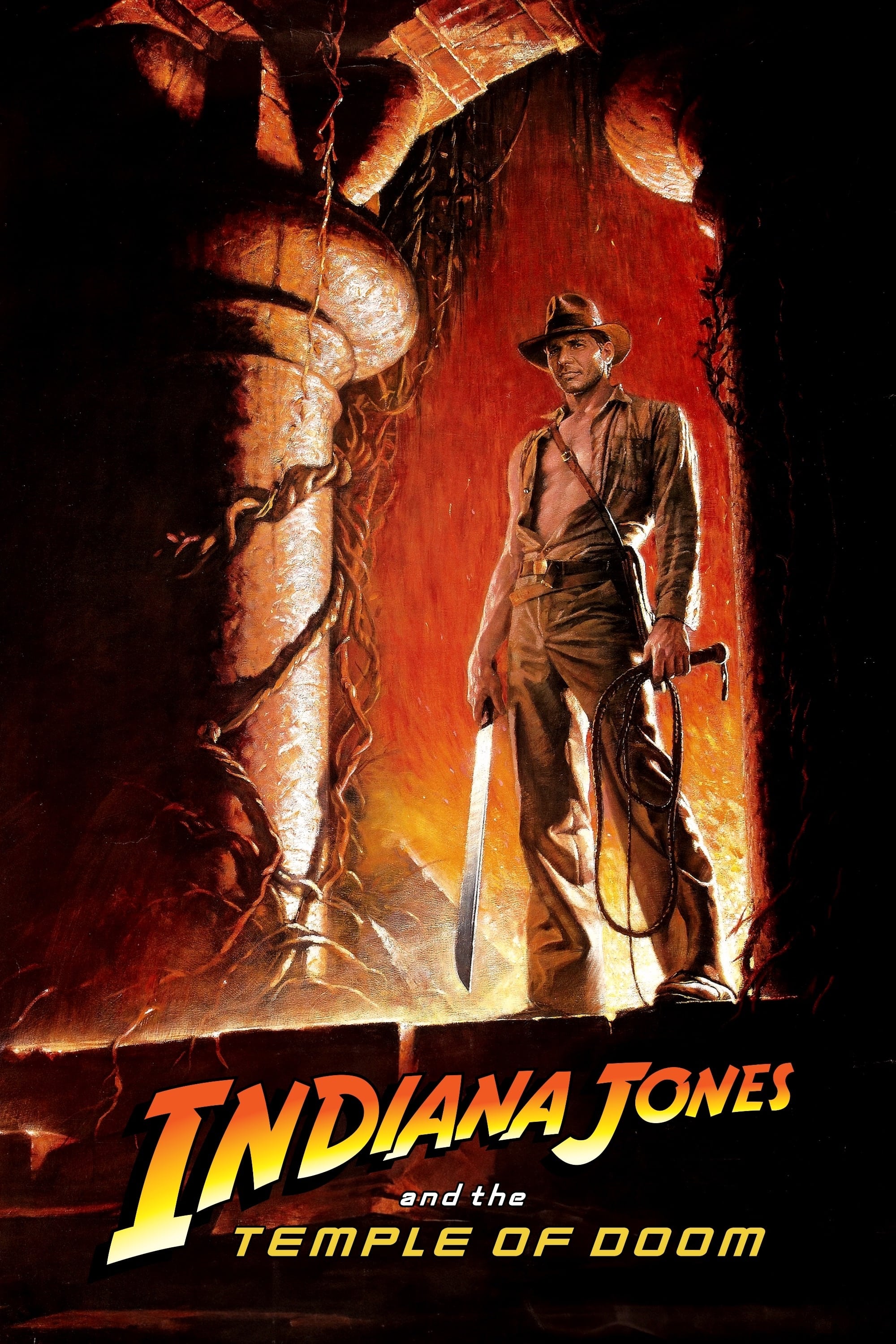
This action-adventure sequel faced an immediate ban in India upon its release due to its depiction of Indian culture and religious practices. Government officials and cultural critics were appalled by scenes involving the consumption of monkey brains and chilled monkey brains. The film was accused of promoting primitive stereotypes and inaccurately portraying Hinduism as a cult centered on human sacrifice. These depictions led to a lasting debate about exoticism and cultural sensitivity in Western cinema.
‘The Last Temptation of Christ’ (1988)
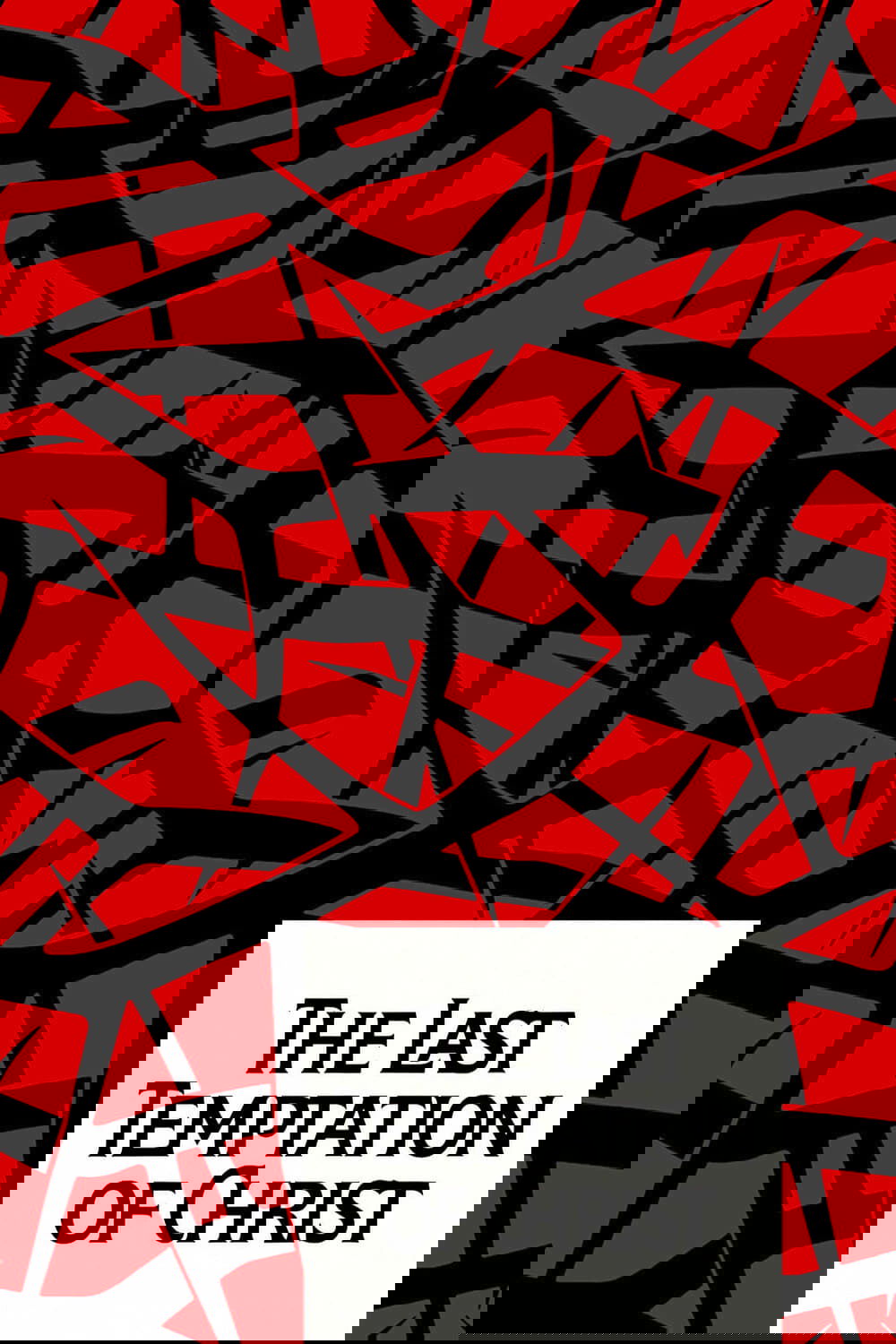
Religious groups organized massive boycotts and protests outside theaters screening this Martin Scorsese drama. The controversy centered on a dream sequence that depicted Jesus living a mortal life and engaging in sexual relations. Christian organizations condemned the film as blasphemous and demanded that the studio withdraw it from circulation immediately. Several theater chains refused to show the movie to avoid vandalism and the anger of local religious communities.
‘Aladdin’ (1992)
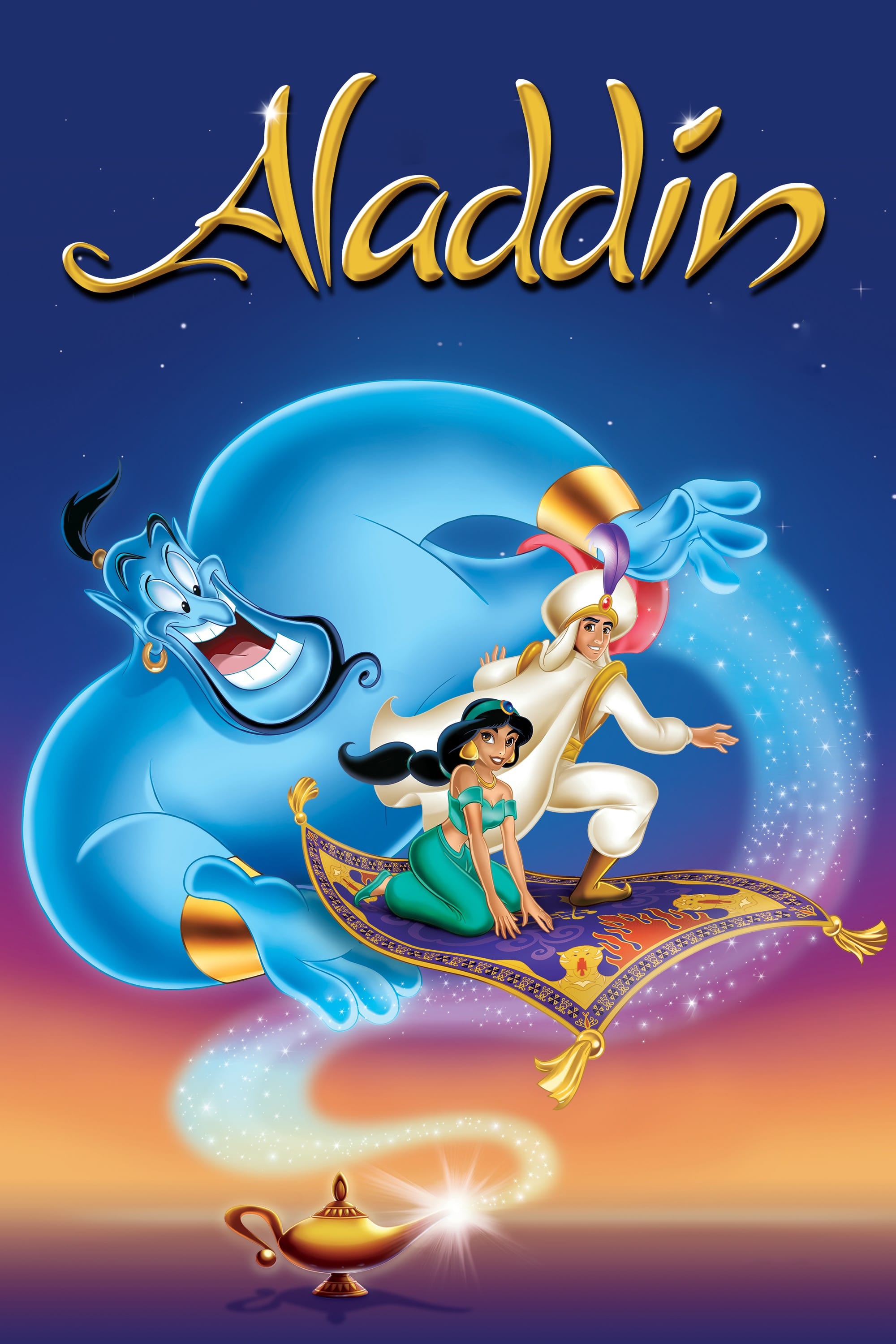
The American-Arab Anti-Discrimination Committee protested the original lyrics of the opening song for promoting barbaric stereotypes. They argued that the text described the setting as a place where people are mutilated for not liking your face. Disney eventually altered the lyrics for the home video release to address these specific complaints. The film also faced criticism for anglicizing the features and accents of the heroes while giving villains exaggerated ethnic traits.
‘The Passion of the Christ’ (2004)
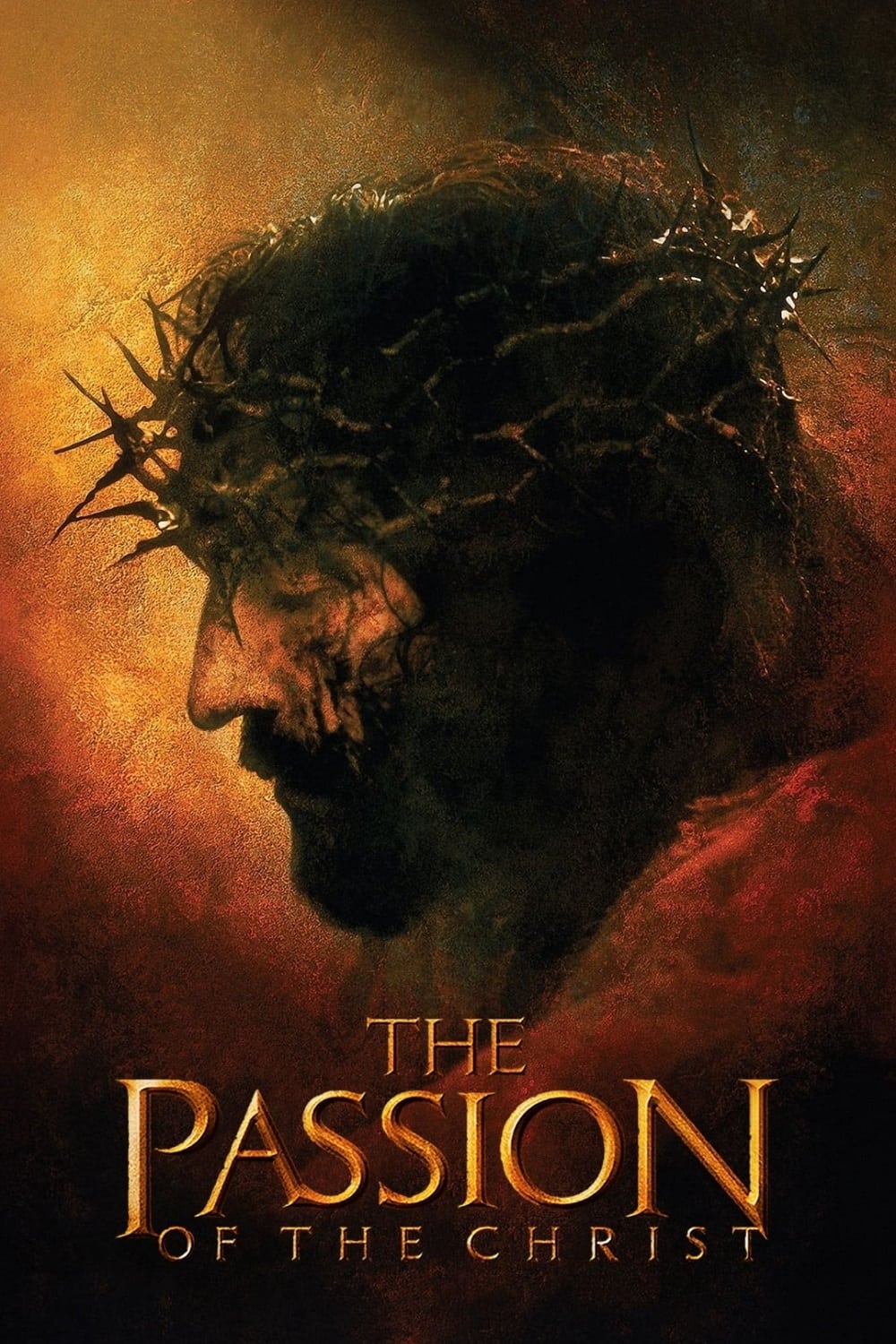
Mel Gibson directed this biblical epic that ignited a firestorm of controversy regarding its depiction of Jewish people. The Anti-Defamation League and other organizations voiced concern that the film would fuel antisemitism by blaming the Jewish community for the death of Jesus. Critics pointed to the reliance on non-biblical sources that historically contributed to blood libel accusations. The intense violence and perceived lack of context led many religious and cultural leaders to urge audiences to avoid the theater.
‘Memoirs of a Geisha’ (2005)

This adaptation faced a significant ban in China and boycotts elsewhere due to the casting of Chinese actresses in the roles of Japanese geishas. Critics in both Japan and China felt the casting choice disregarded the historical tensions and distinct cultural identities of the two nations. The filmmakers defended the decision by claiming they prioritized star power and acting ability over ethnic accuracy. Audiences argued that the interchangeable treatment of Asian ethnicities was disrespectful to the specific cultural heritage being portrayed.
‘Borat: Cultural Learnings of America for Make Benefit Glorious Nation of Kazakhstan’ (2006)
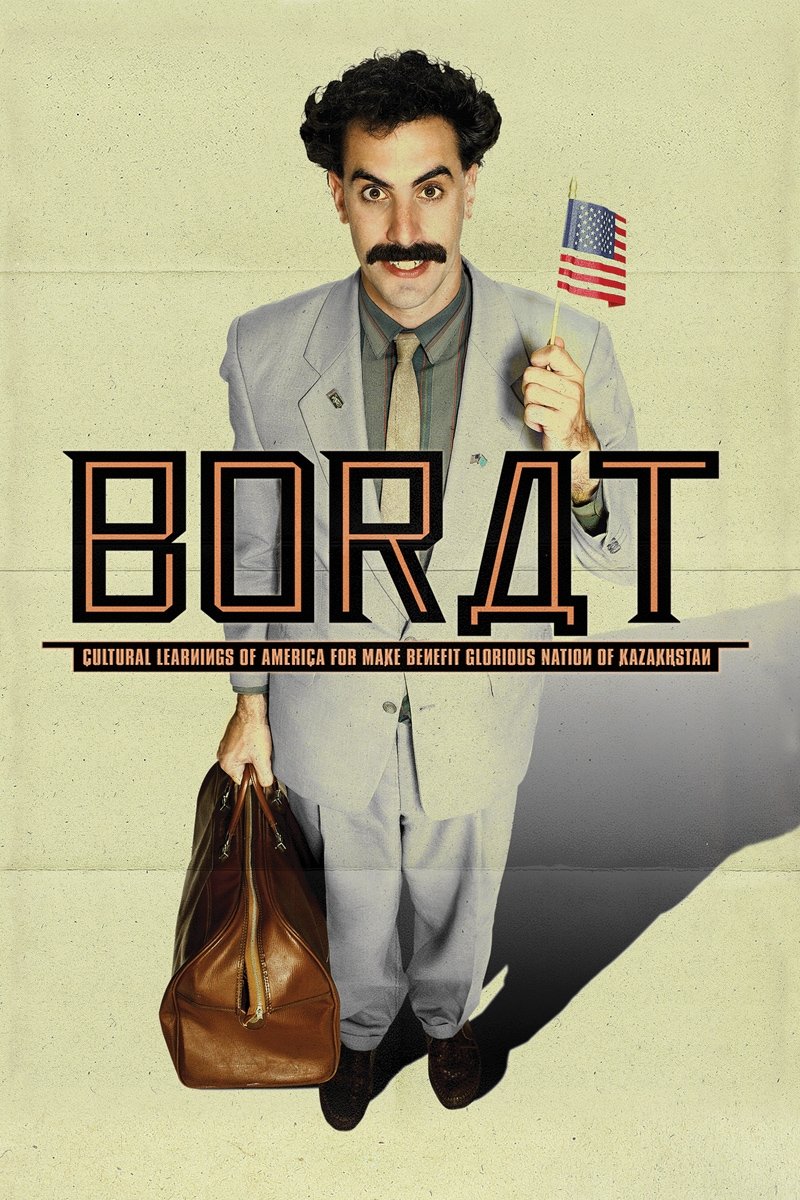
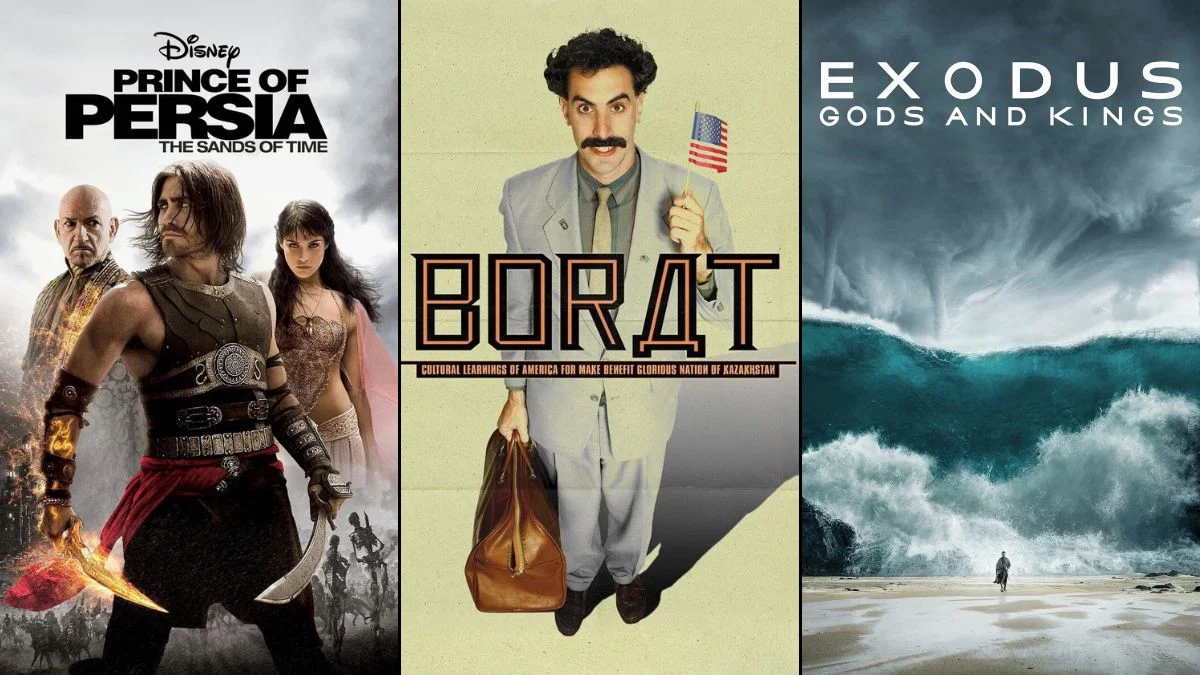
The government of Kazakhstan launched a multi-year campaign against this mockumentary for its satirical presentation of their country. Officials argued that the character portrayed their nation as primitive, bigoted, and incestuous. The backlash included legal threats and advertisements in Western newspapers to counter the negative imagery presented in the comedy. While the film was a box office success, it sparked a heated debate about the ethics of mocking a real nation for entertainment.
‘The Love Guru’ (2008)
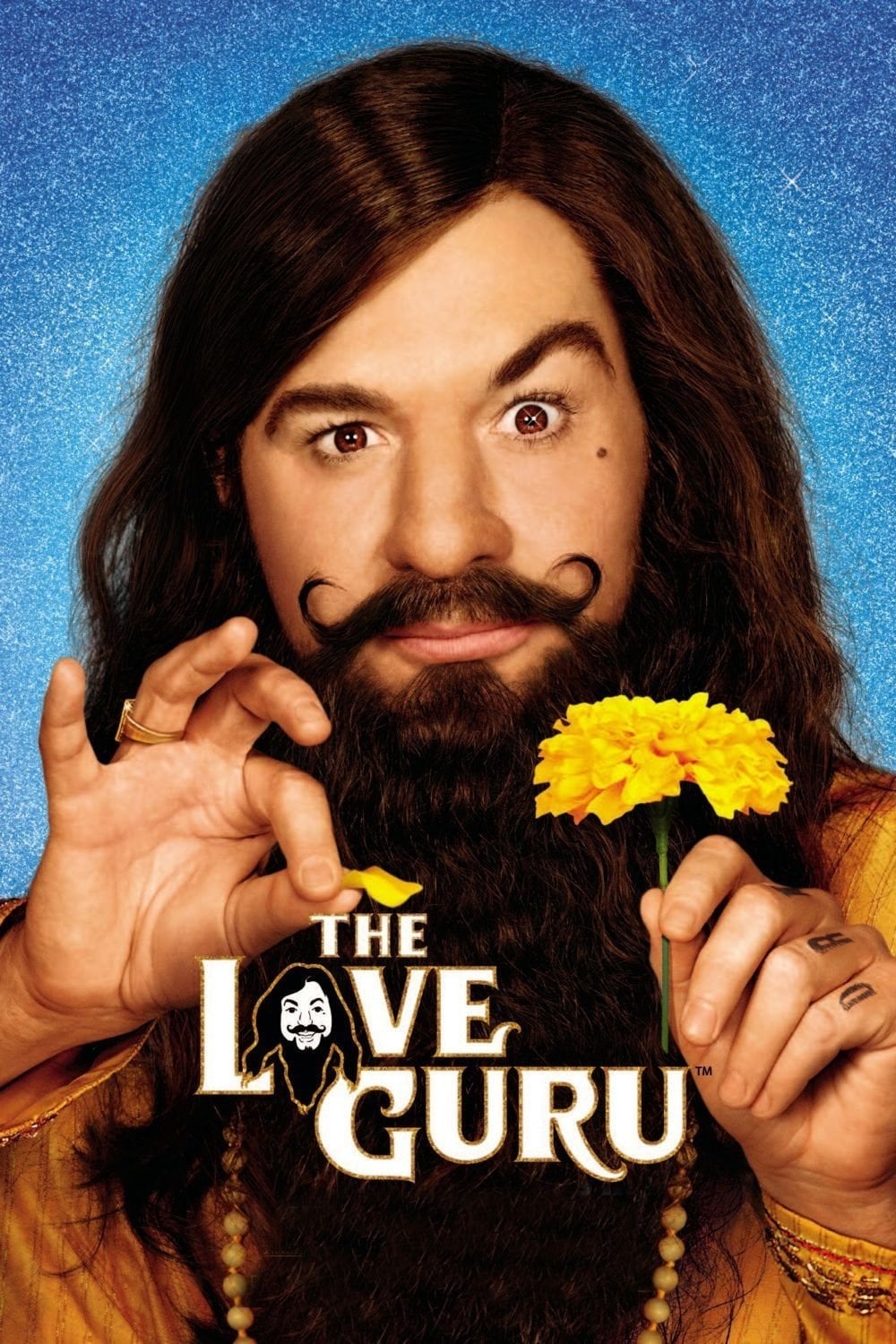
Hindu leaders in the United States expressed deep concern over this comedy before it even reached theaters. They argued that the film mocked sacred concepts like the guru-disciple relationship and trivialized vegetarianism. The protests highlighted the usage of religious terminology for crude humor and sexual innuendo. Paramount Pictures faced demands to screen the film for community leaders to ensure it did not incite bigotry against the Hindu faith.
‘Prince of Persia: The Sands of Time’ (2010)
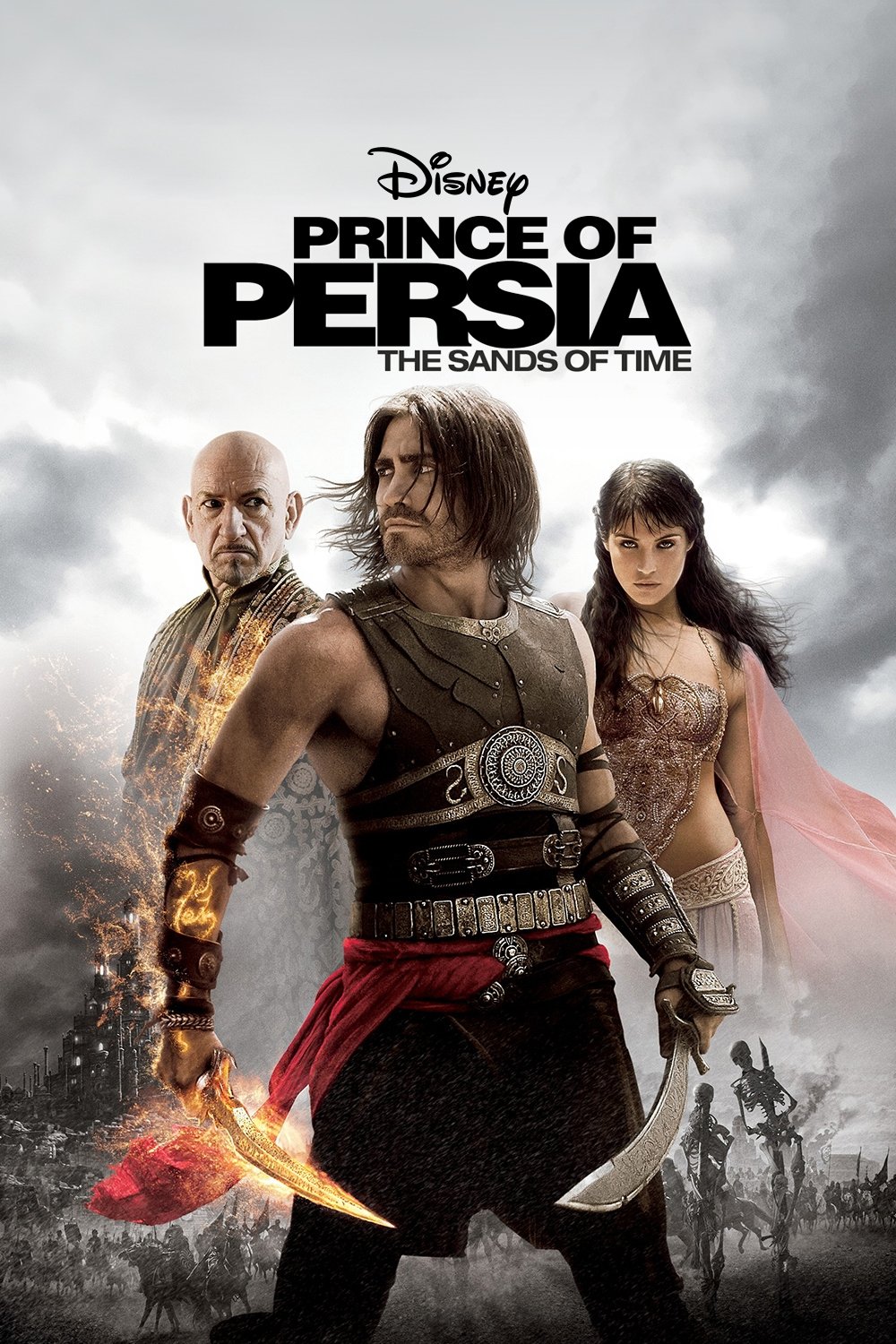
This video game adaptation became a focal point for discussions regarding the whitewashing of Middle Eastern characters. Jake Gyllenhaal was cast in the lead role of a Persian prince, which drew sharp criticism from diversity advocates. Organizations urged a boycott to protest the industry habit of casting white actors in roles explicitly written as people of color. The film is frequently cited as a modern example of Hollywood erasing ethnic identities for the sake of bankability.
‘The Lone Ranger’ (2013)

Johnny Depp played the role of Tonto, which led to significant backlash from Native American communities and activists. Critics argued that the performance relied on redface and a mishmash of cultural signifiers that did not represent any specific tribe accurately. The casting was seen as a step backward for Indigenous representation in mainstream media. Many viewers chose to skip the film to protest the continued marginalization of Native American actors in Hollywood.
‘Exodus: Gods and Kings’ (2014)
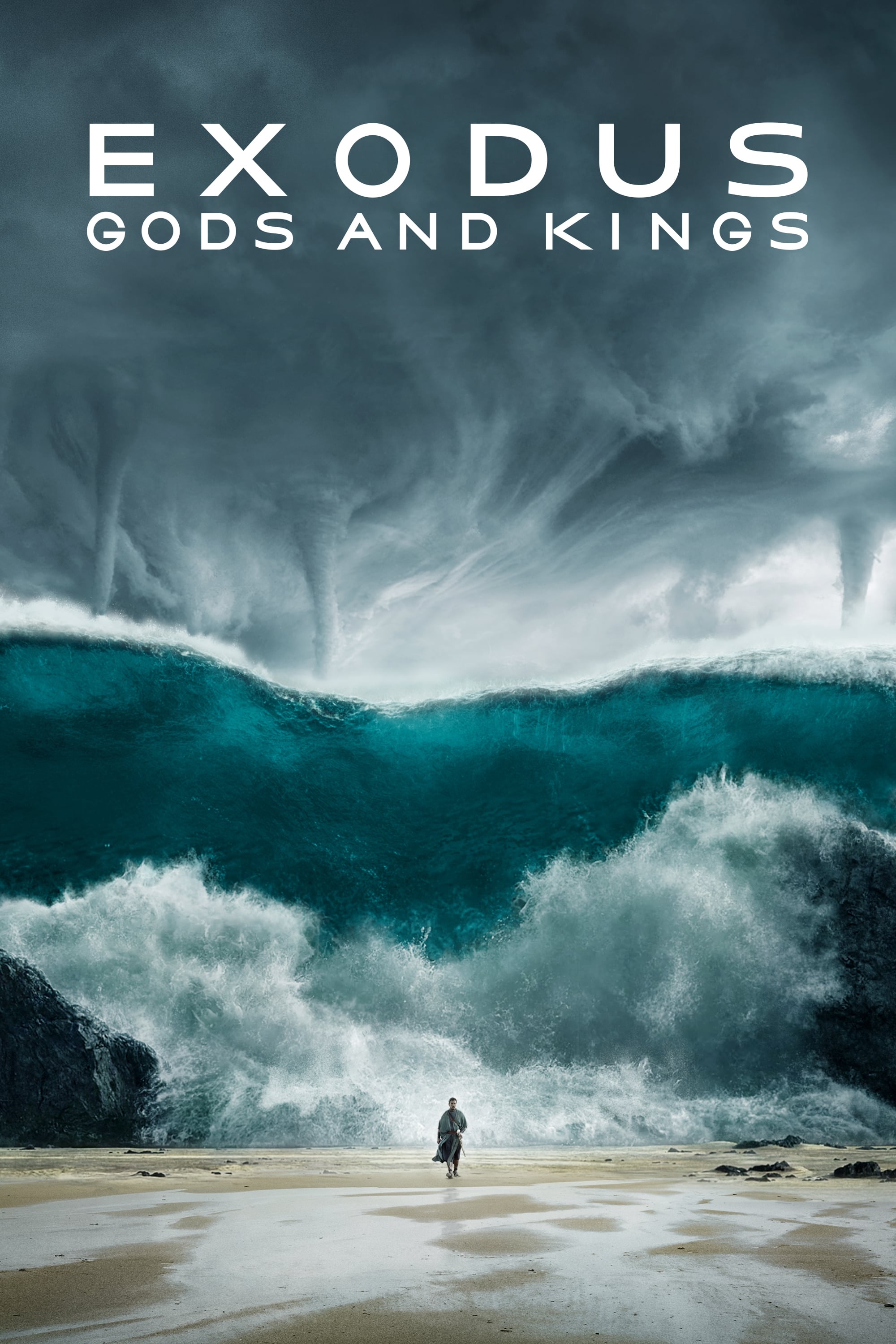
Ridley Scott faced intense scrutiny for casting white actors as Egyptian royalty and biblical figures while relegating actors of color to roles as slaves and servants. The hashtag #BoycottExodusMovie trended globally as audiences demanded more accurate historical representation. The director defended his choices by citing budget constraints and the need for tax credits, which only fueled the anger of the protesters. The movie struggled at the box office partially due to the negative press surrounding its casting ethics.
‘The Interview’ (2014)
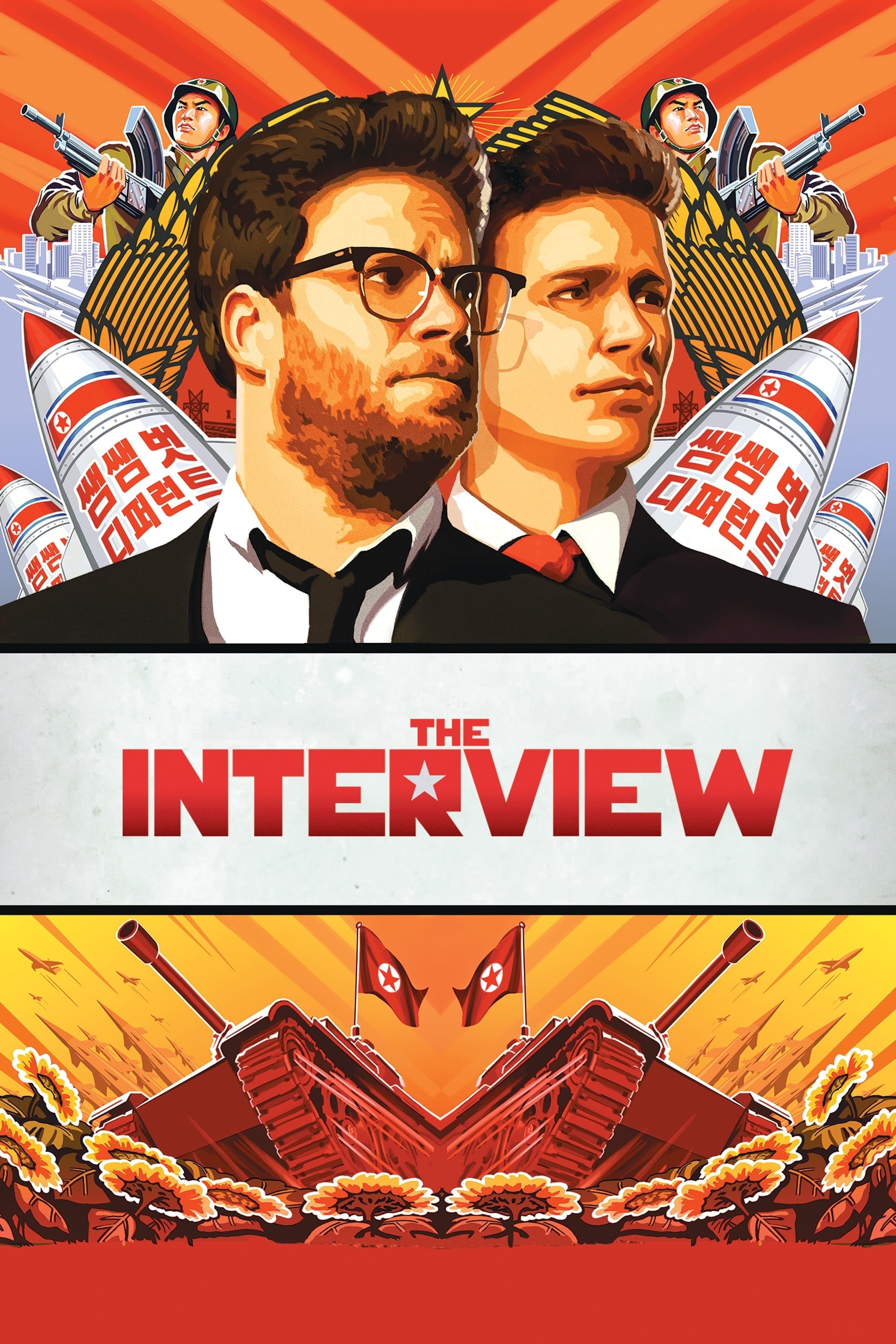
The plot of this comedy involved a plan to assassinate the leader of North Korea, which triggered an international incident. The North Korean government condemned the film as an act of war and threatened merciless retaliation against the United States. Major theater chains dropped the film after hackers leaked sensitive studio data and threatened violence against audiences. The release was ultimately relegated to digital platforms and limited independent theaters to avoid physical danger.
‘Aloha’ (2015)

The Media Action Network for Asian Americans blasted this film for casting Emma Stone as a character of quarter-Chinese and quarter-Hawaiian descent. The casting decision was widely mocked and criticized as an egregious example of whitewashing in a film set in diverse Hawaii. Director Cameron Crowe eventually issued an apology for the casting choice following the dismal box office performance. The title itself was also criticized for appropriating a culturally significant word for a romantic comedy.
‘Pan’ (2015)

Rooney Mara was cast as Tiger Lily, a character historically depicted as Native American, leading to immediate petitions and boycott calls. Activists delivered thousands of signatures to the studio urging them to stop erasing Indigenous characters from children’s stories. The production team attempted to justify the choice by claiming they wanted a multi-racial Neverland. The film became a box office bomb, and the casting controversy was cited as a major factor in its failure.
‘The Ridiculous 6’ (2015)
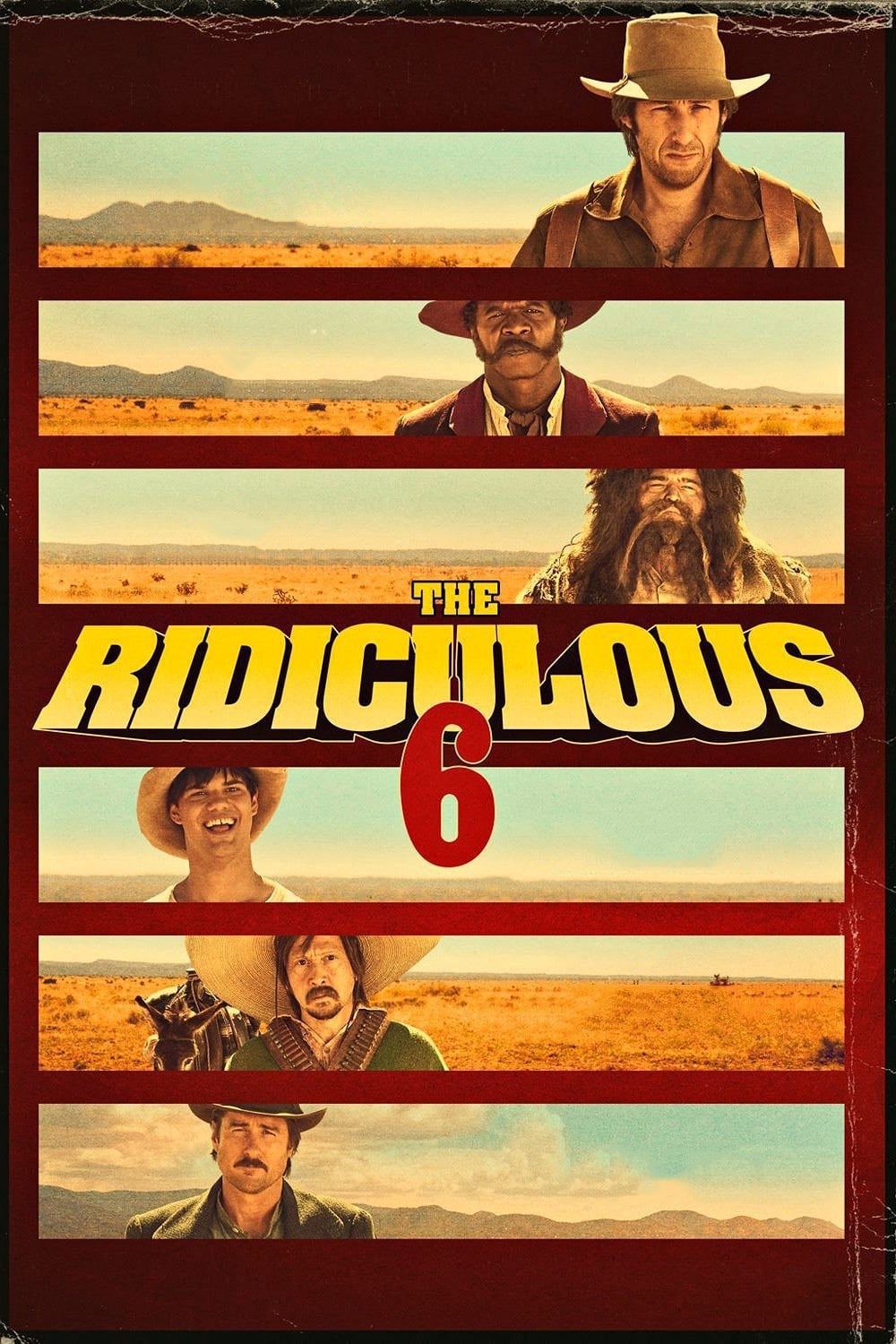
Native American actors walked off the set of this Adam Sandler production after finding the script insulted their culture and women. The actors cited character names and dialogue that were grossly offensive and perpetuated demeaning stereotypes. Netflix defended the movie as broad satire, but the walkout garnered national headlines and support from Indigenous advocacy groups. The incident sparked a wider conversation about how Native Americans are treated in comedy productions.
‘Nina’ (2016)
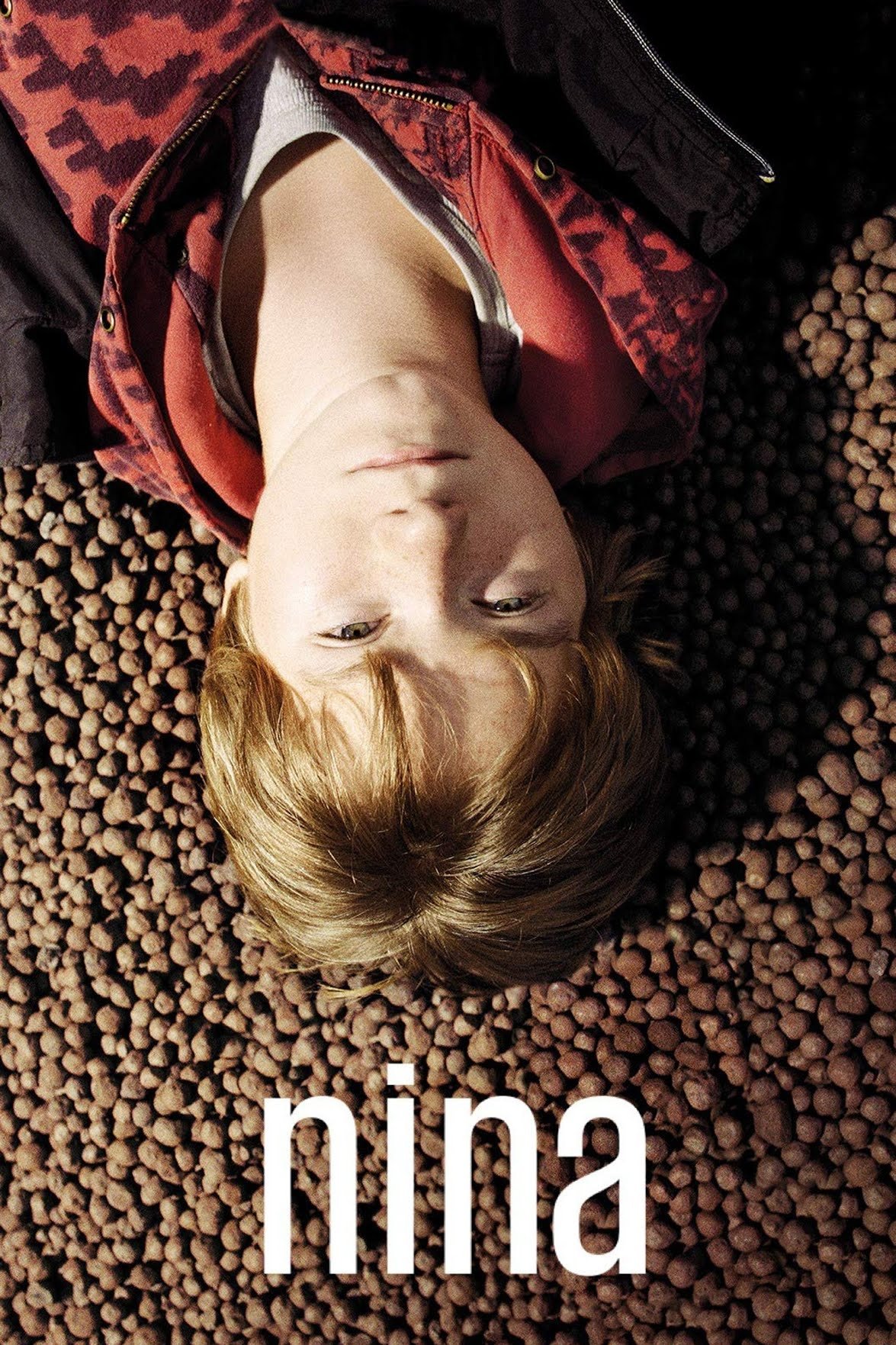
Zoe Saldana was cast to play legendary singer and activist Nina Simone, which sparked immediate outrage due to the use of skin-darkening makeup and a prosthetic nose. The estate of Nina Simone and widespread social media campaigns urged fans to boycott the biopic. Critics argued that casting a lighter-skinned actress to play a woman who famously suffered discrimination due to her dark skin was deeply insulting. The film saw a very limited release and was universally panned by critics and audiences alike.
‘Ghost in the Shell’ (2017)
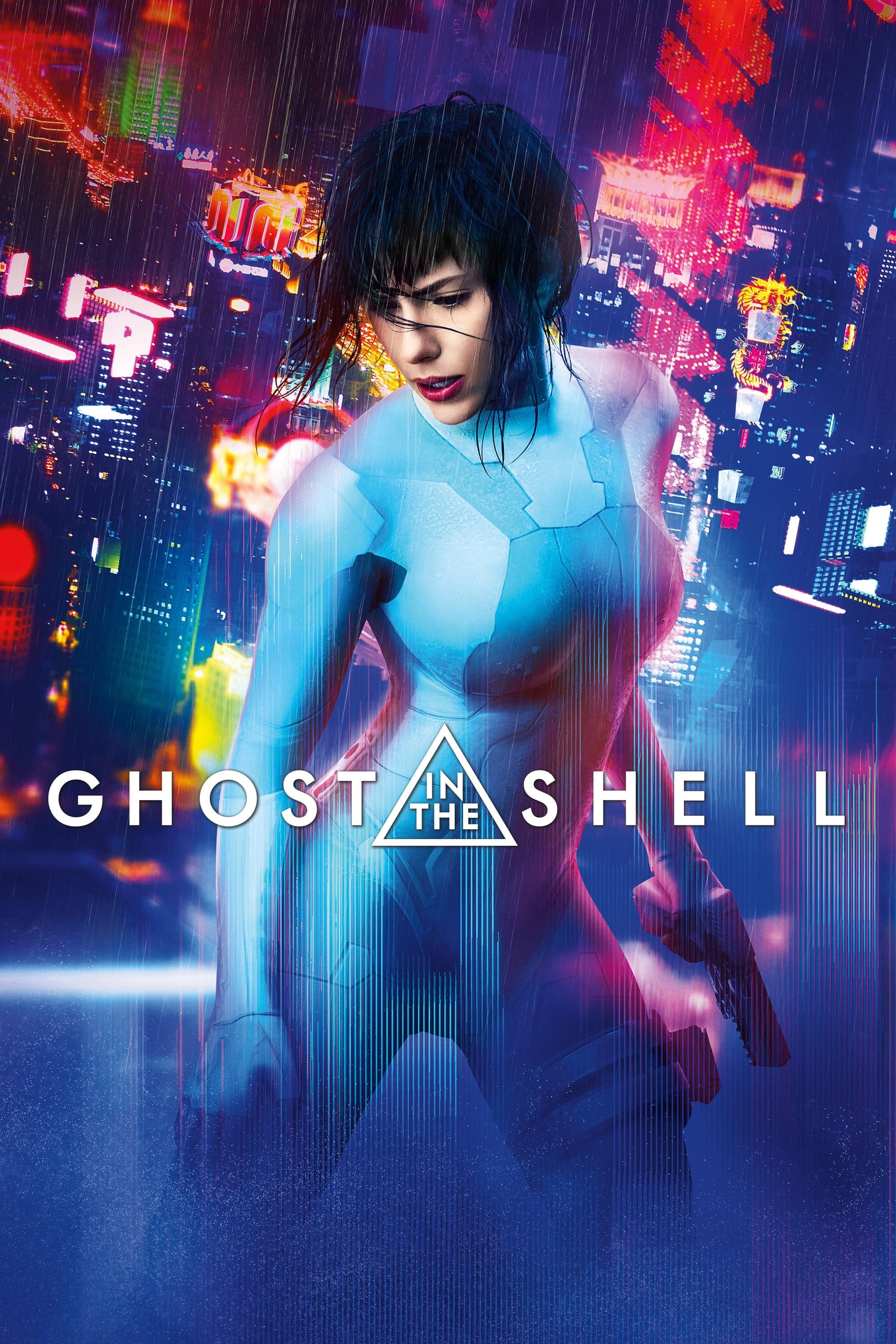
Scarlett Johansson took the lead role in this adaptation of a beloved Japanese manga, prompting accusations of whitewashing. Petitions circulated online accusing the studio of erasing the Asian identity of the protagonist, Major Motoko Kusanagi. The filmmakers attempted to use CGI to alter the ethnicity of background actors, which only intensified the scandal when leaked. The controversy overshadowed the release and contributed to the film underperforming in the global market.
‘Mulan’ (2020)
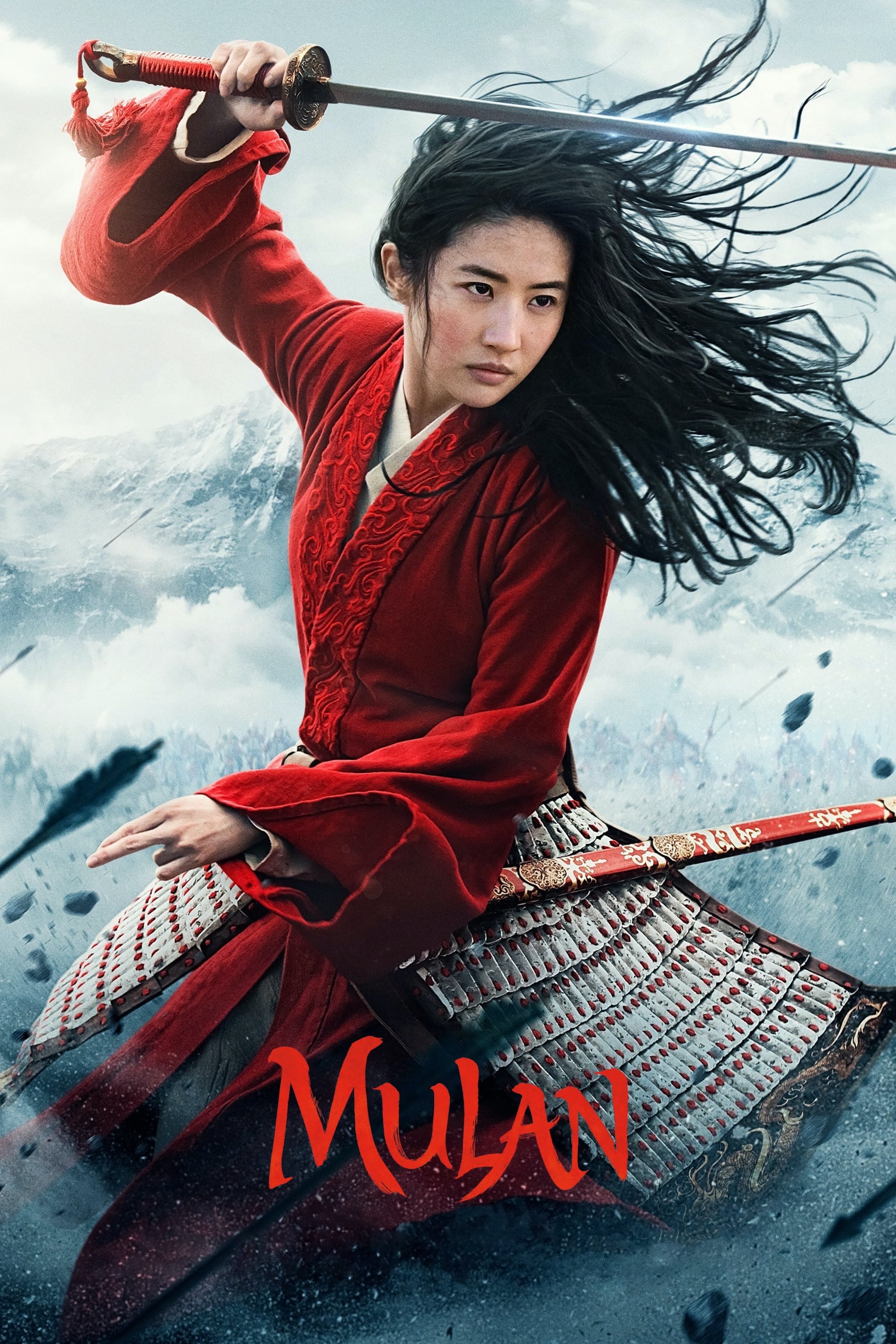
Pro-democracy activists in Hong Kong, Taiwan, and Thailand organized a boycott after the lead actress voiced support for the Hong Kong police force. The controversy deepened when the closing credits thanked government entities in Xinjiang, where human rights abuses against Uyghur Muslims have been reported. This revelation led to global condemnation and demands for Disney to explain their cooperation with these authorities. The combination of political statements and filming locations turned the release into a diplomatic and public relations disaster.
Tell us which of these controversies you remember most vividly in the comments.