25 Blockbusters Secretly Rewritten After Terrible Test Screenings

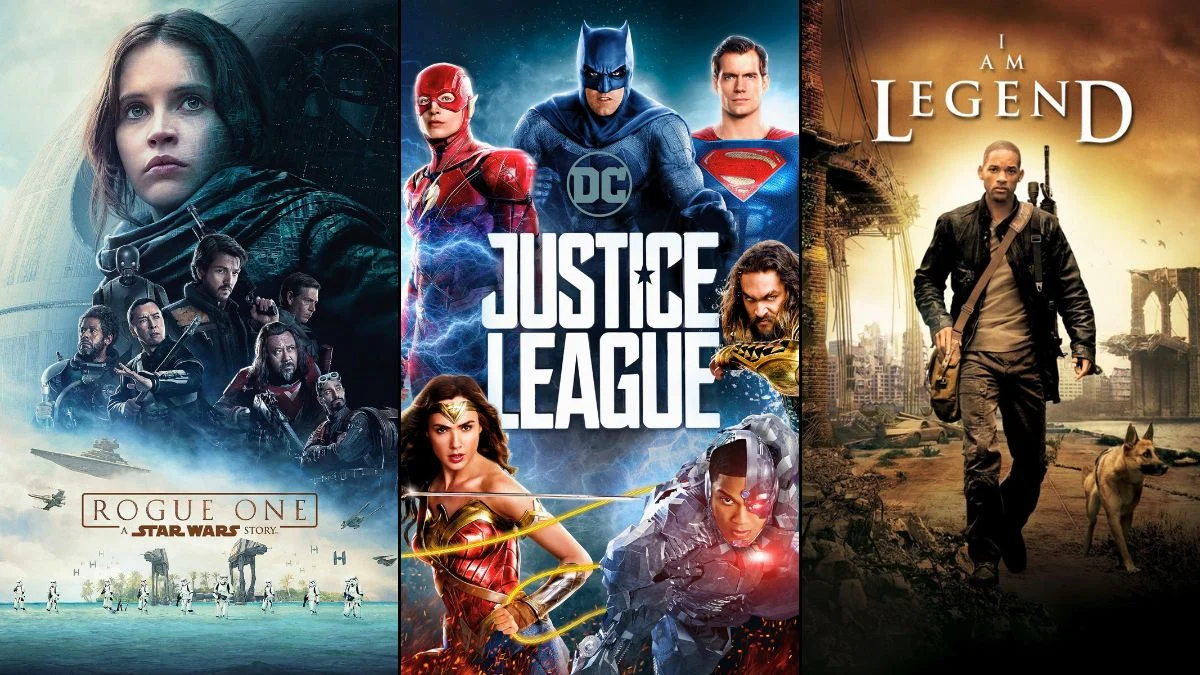

The journey from script to screen is rarely a straight line for major Hollywood productions. Studios frequently rely on test screenings to gauge audience reactions before locking the final cut. Negative feedback during these early viewings often triggers panic among executives and leads to massive reshoots. Entire endings are scrapped and characters are completely altered to ensure box office success. The following films underwent significant changes after initial audiences rejected the original visions.
‘World War Z’ (2013)
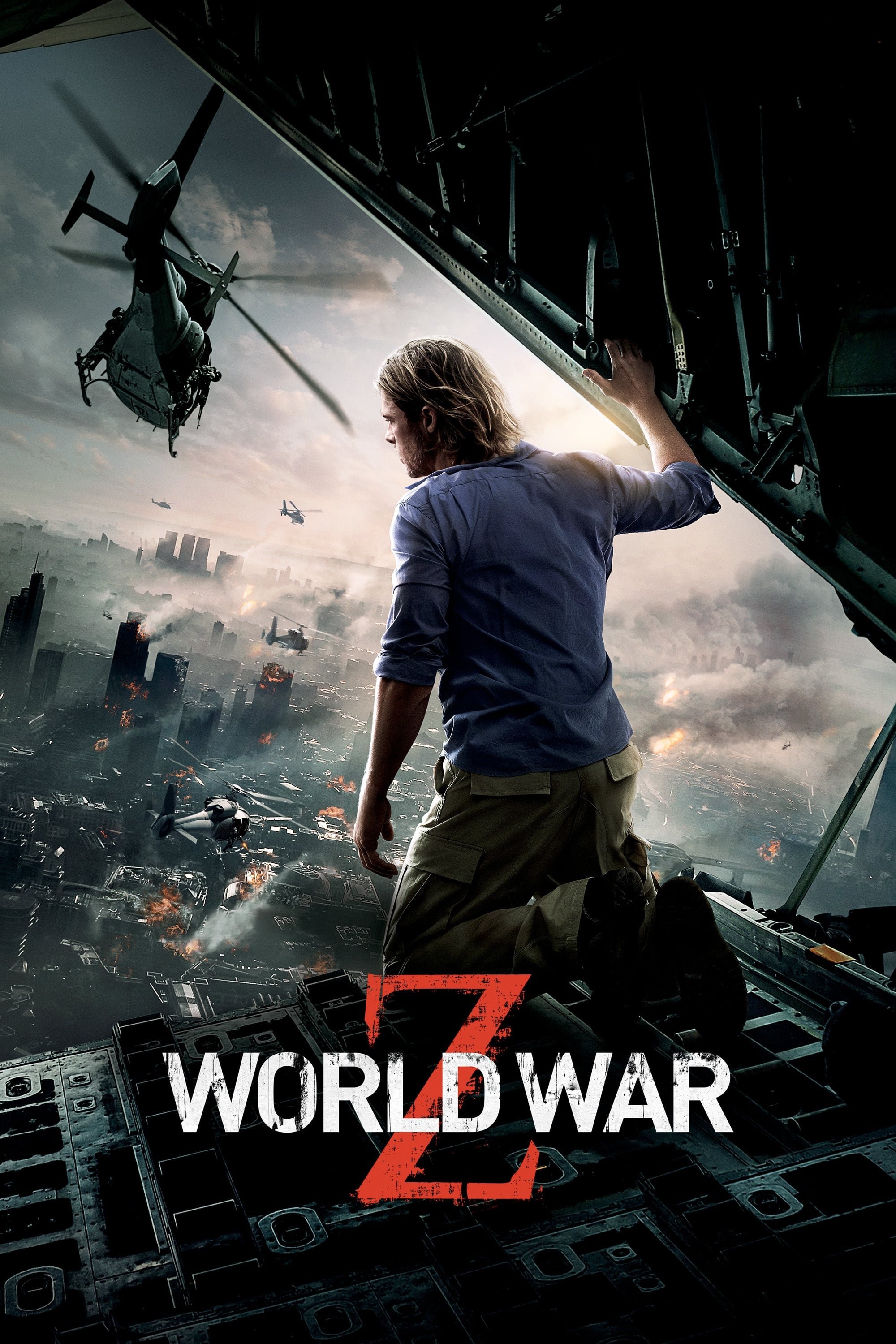
The original conclusion of this zombie thriller featured a massive battle in Moscow. Brad Pitt’s character was drafted into a Russian squad to fight the undead in a much bleaker sequence. Paramount executives felt this ending was disjointed and lacked emotional resonance. Damon Lindelof was hired to write a completely new third act set in a World Health Organization laboratory. The final version focused on suspense rather than action and saved the movie from financial disaster.
‘Rogue One: A Star Wars Story’ (2016)
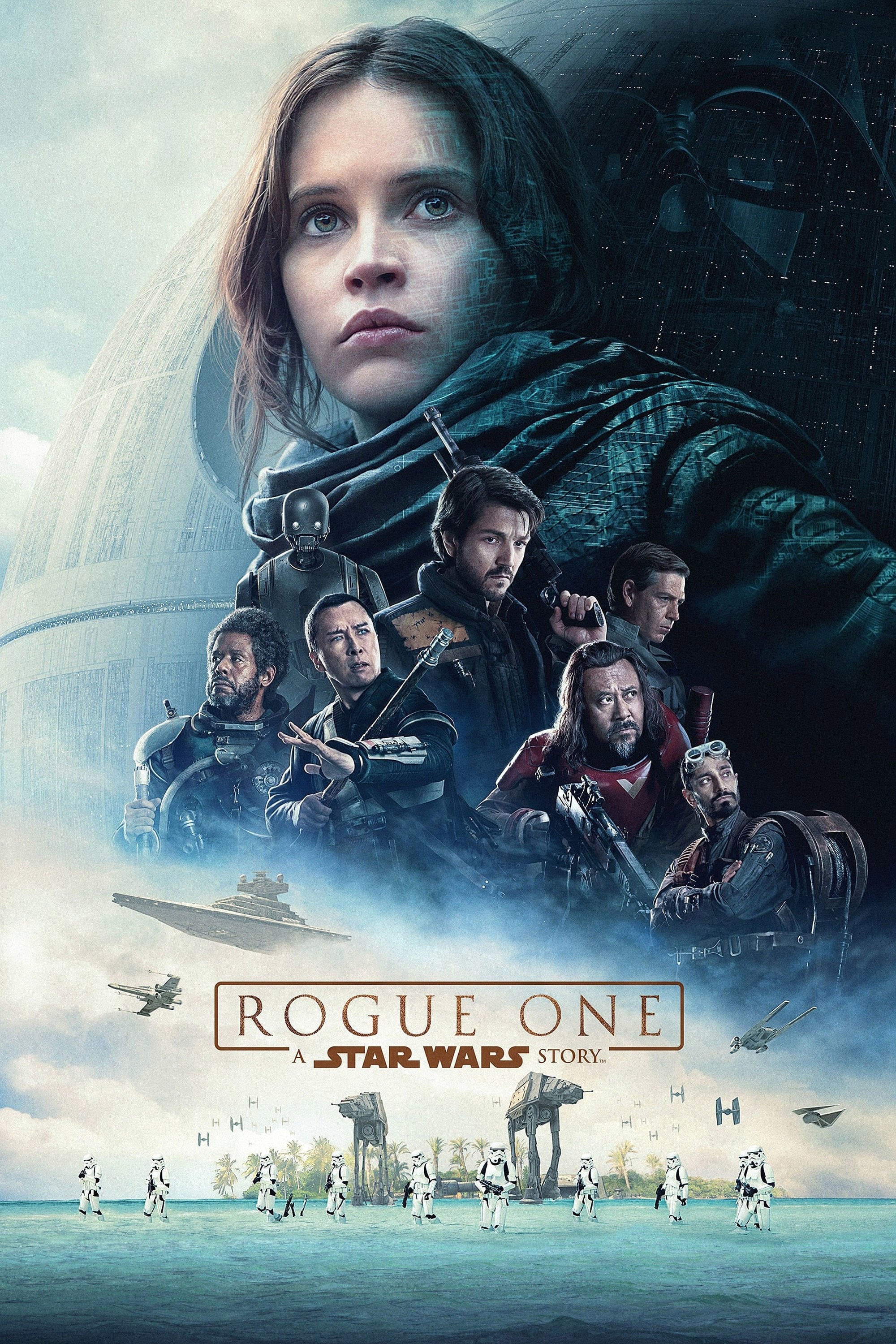
Gareth Edwards delivered a war movie that Disney felt lacked the hopeful tone of the franchise. Tony Gilroy was brought in to oversee extensive reshoots that reshaped the third act. The original beach battle sequence was drastically different and did not include the iconic Darth Vader hallway scene. These changes clarified the plot regarding the transmission of the Death Star plans. The reshoots successfully bridged the gap between this anthology film and the original trilogy.
‘Fatal Attraction’ (1987)
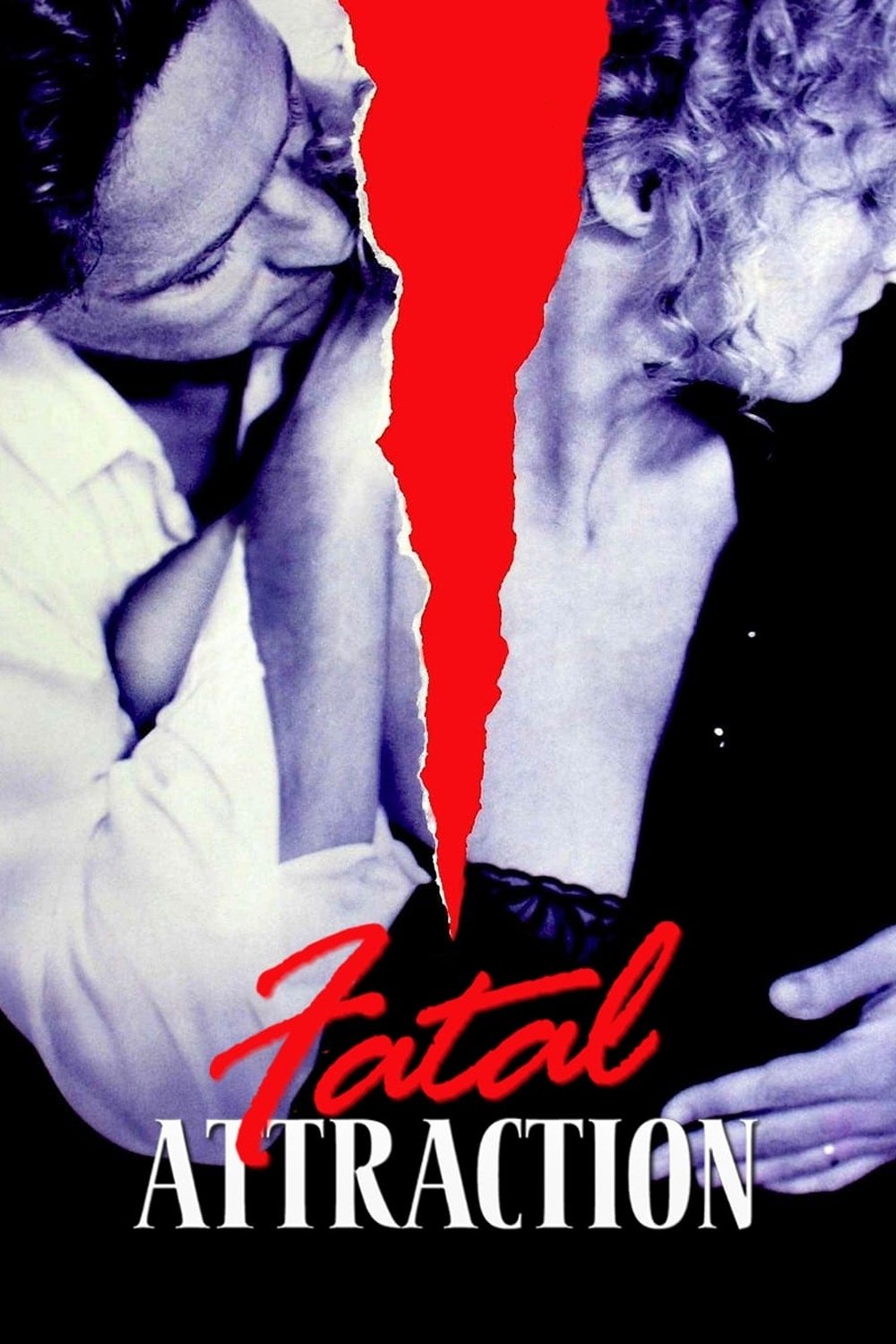
The original ending of this psychological thriller was much darker and adhered closer to the source material. Alex Forrest committed suicide and framed Dan Gallagher for her murder in the first cut. Test audiences hated this resolution and wanted the wife to have a moment of retribution. The studio ordered a new climax where Anne Archer’s character shoots Alex in the bathtub. This alteration turned a somber drama into a crowd-pleasing blockbuster.
‘Little Shop of Horrors’ (1986)
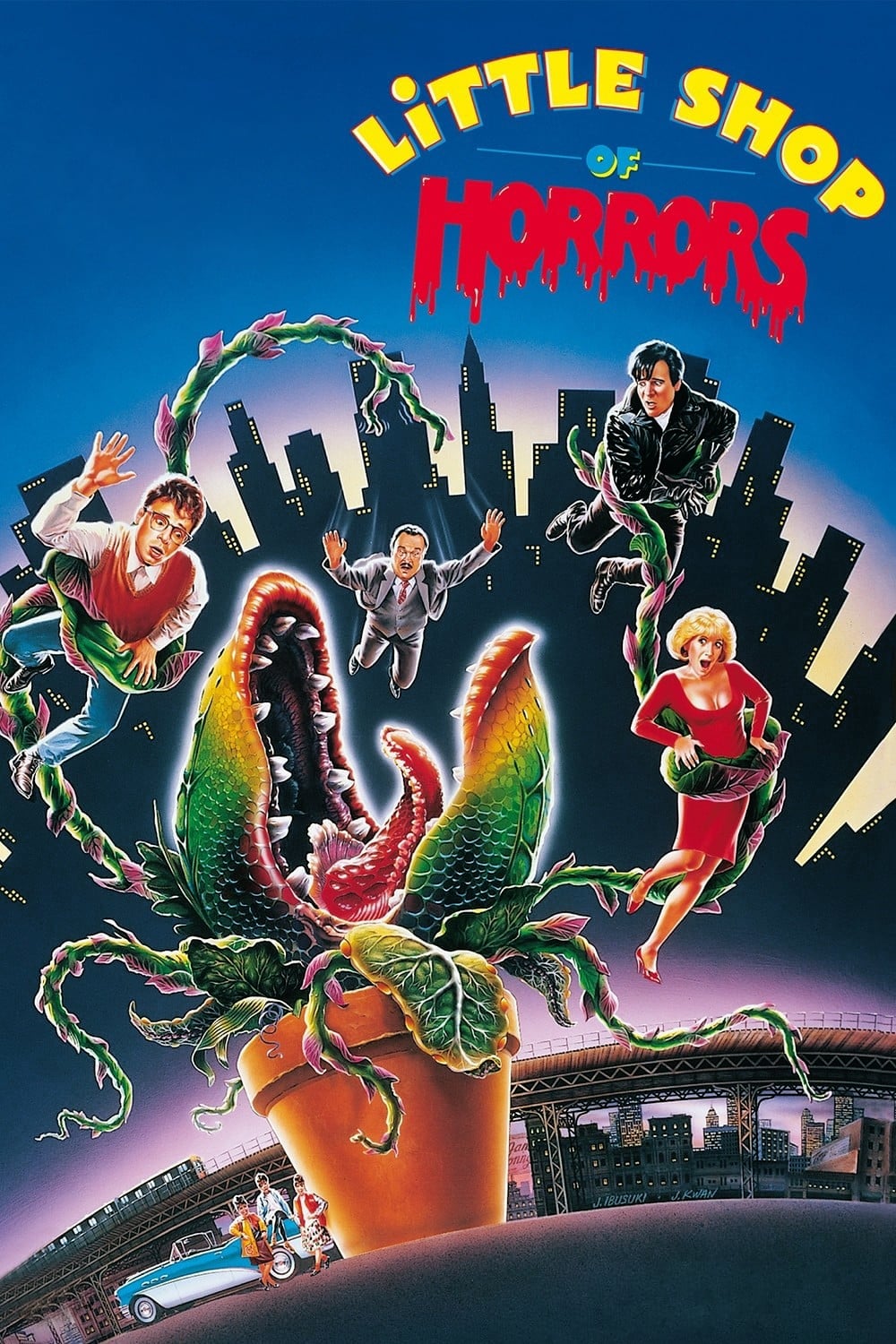
Director Frank Oz originally filmed a faithful adaptation of the stage musical where the plants conquer the world. Seymour and Audrey were eaten by the alien plant in a spectacular apocalyptic finale. Test audiences in San Jose reacted with extreme negativity to the death of the protagonists. The studio forced Oz to shoot a happy ending where the couple survives and defeats the plant. The dark original ending was only released to the public decades later.
‘I Am Legend’ (2007)
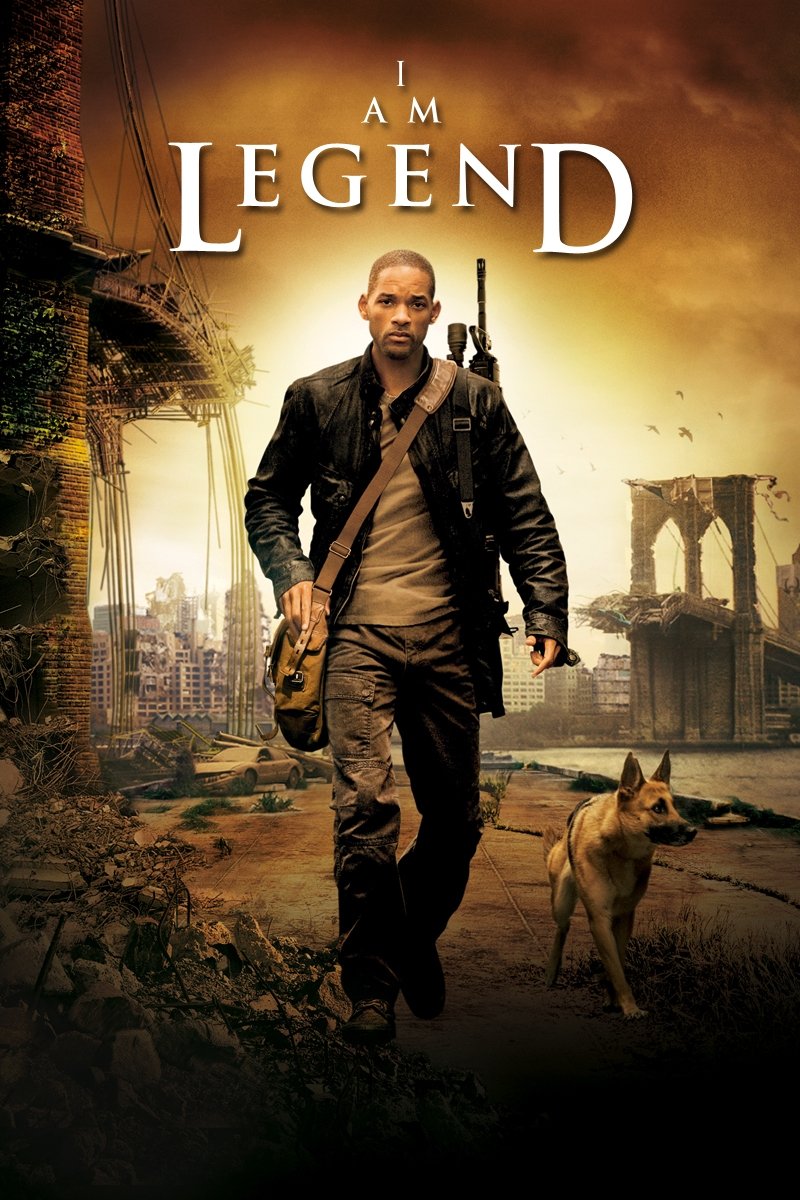
Will Smith’s character originally survived the final confrontation with the infected hemocytes. He realized the creatures were sentient and merely trying to rescue their companion. Audiences rejected this intellectual twist and preferred a more traditional heroic sacrifice. The theatrical release features Smith using a grenade to kill the attackers while saving the cure. This change completely reversed the moral point of the Richard Matheson novel.
‘Deep Blue Sea’ (1999)
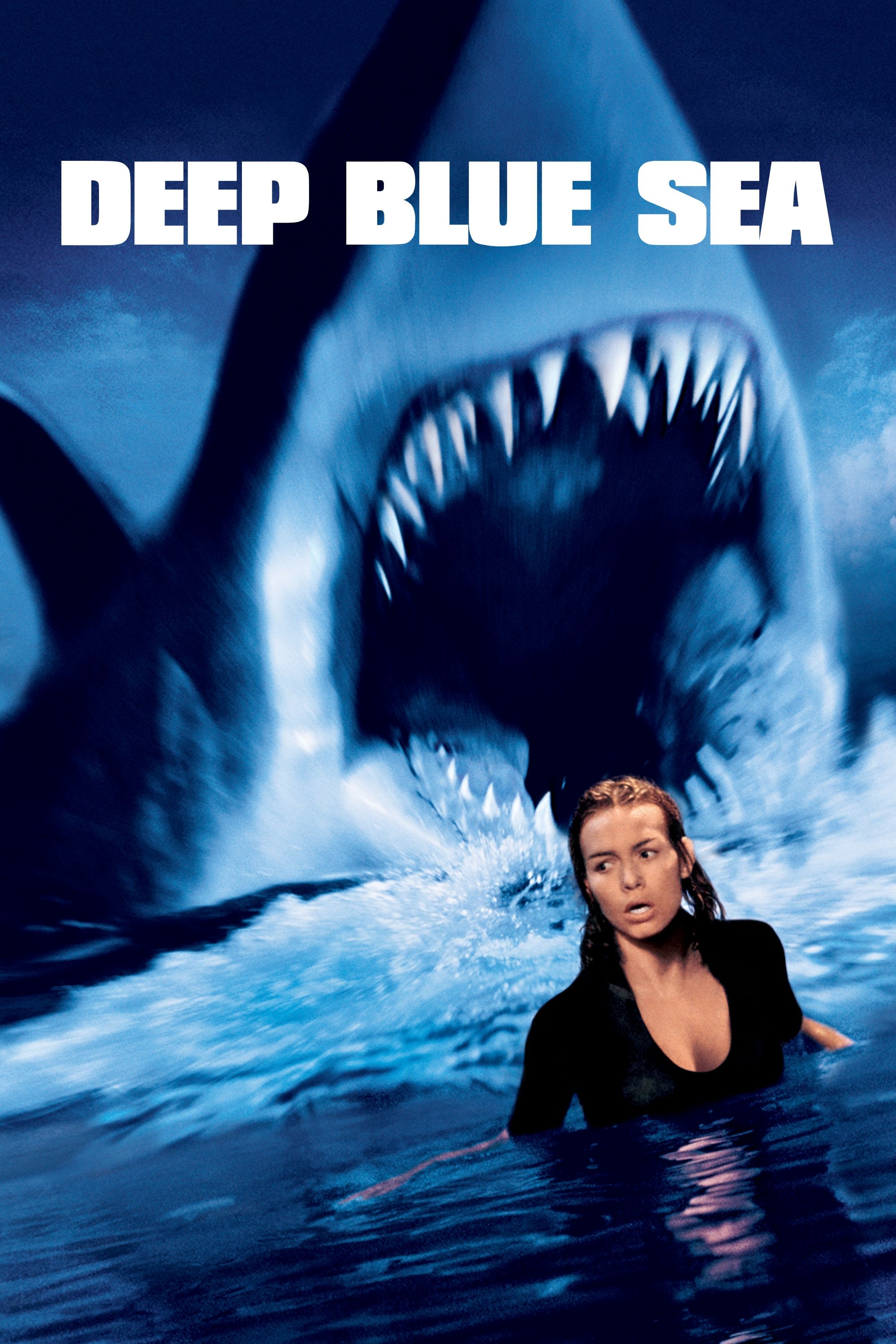
The character played by LL Cool J was scripted to die early in the film. Test audiences formed a strong attachment to the character and rooted for his survival. The director realized killing him dampened the energy of the movie significantly. The ending was rewritten and reshot to have the shark hunter survive alongside the female lead. This adjustment added a triumphant note to the otherwise gruesome creature feature.
‘Scott Pilgrim vs. The World’ (2010)
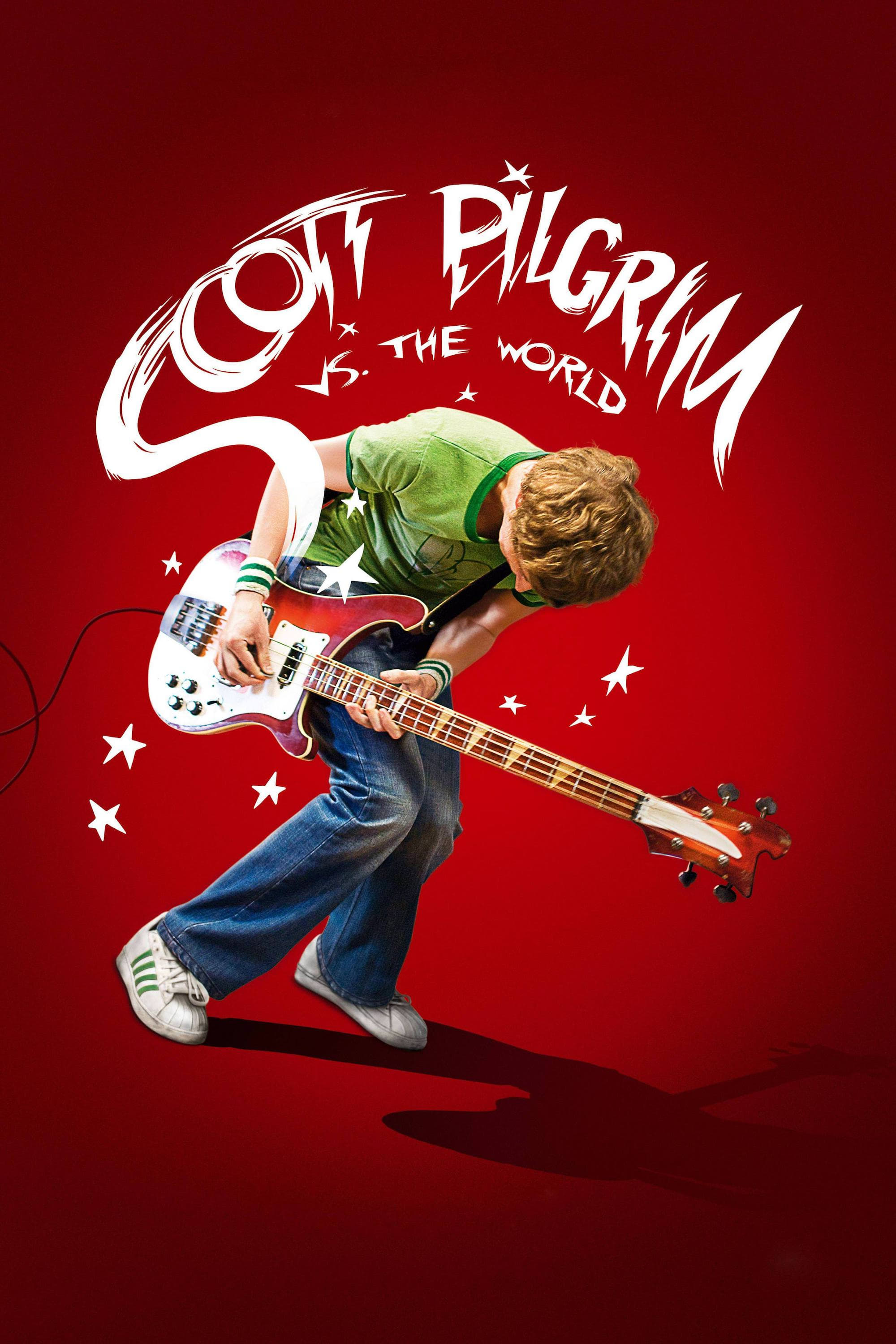
The initial script had Scott ending up with his teenage girlfriend Knives Chau. This decision was made before the final book in the graphic novel series was released. Test audiences booed the ending because they felt Scott belonged with Ramona Flowers. Edgar Wright filmed a new conclusion just days before the movie was locked. The change aligned the film with the books and satisfied the core fanbase.
‘Suicide Squad’ (2016)
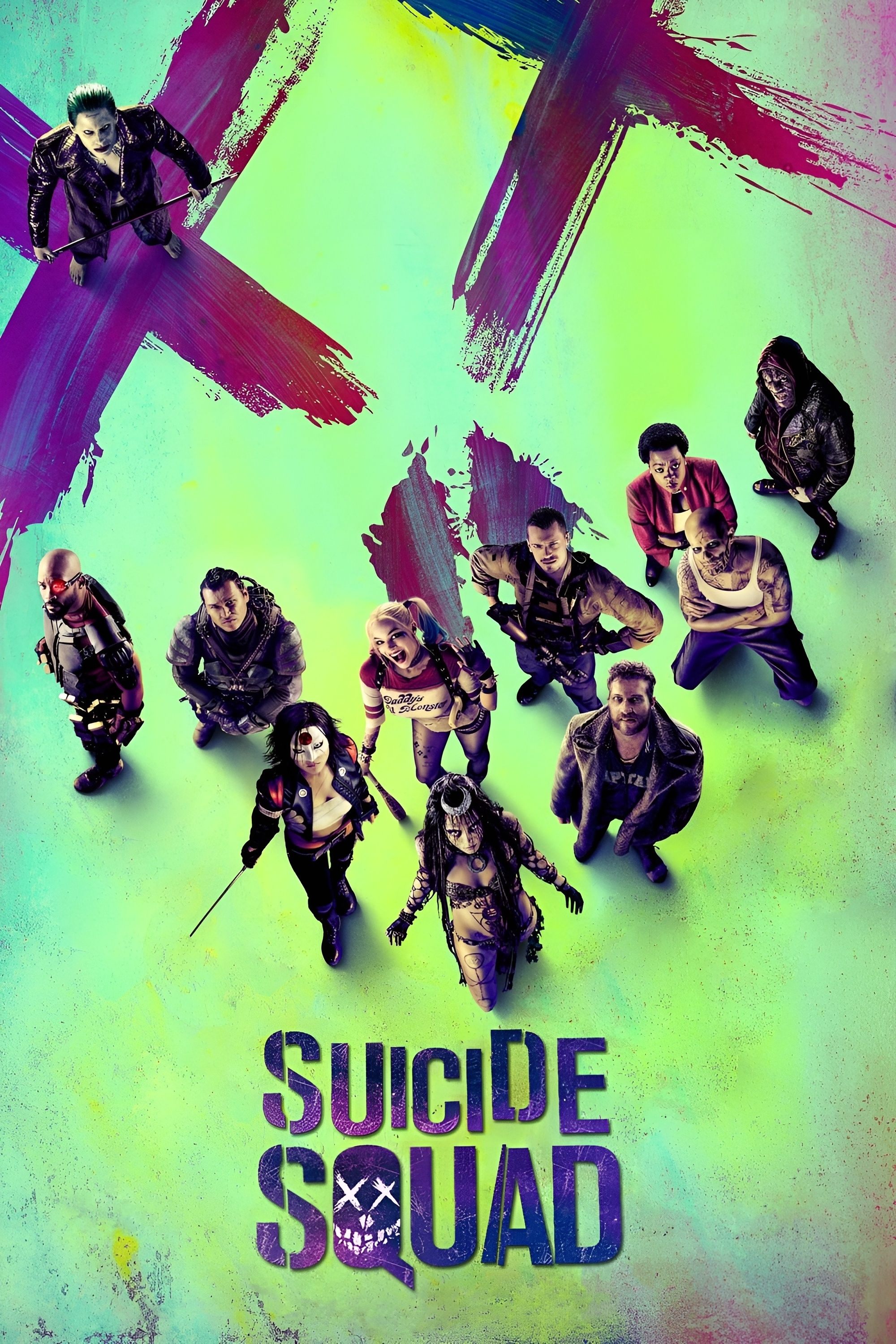
David Ayer originally directed a somber and gritty film that matched the tone of early DC projects. The studio panicked after the negative reception of similar dark superhero films and the success of the upbeat trailer. Multiple editors were brought in to lighten the tone and add classic rock songs. The final theatrical cut was a hybrid of two different visions that competed for dominance. The result was a disjointed narrative that performed well financially despite critical confusion.
‘Justice League’ (2017)
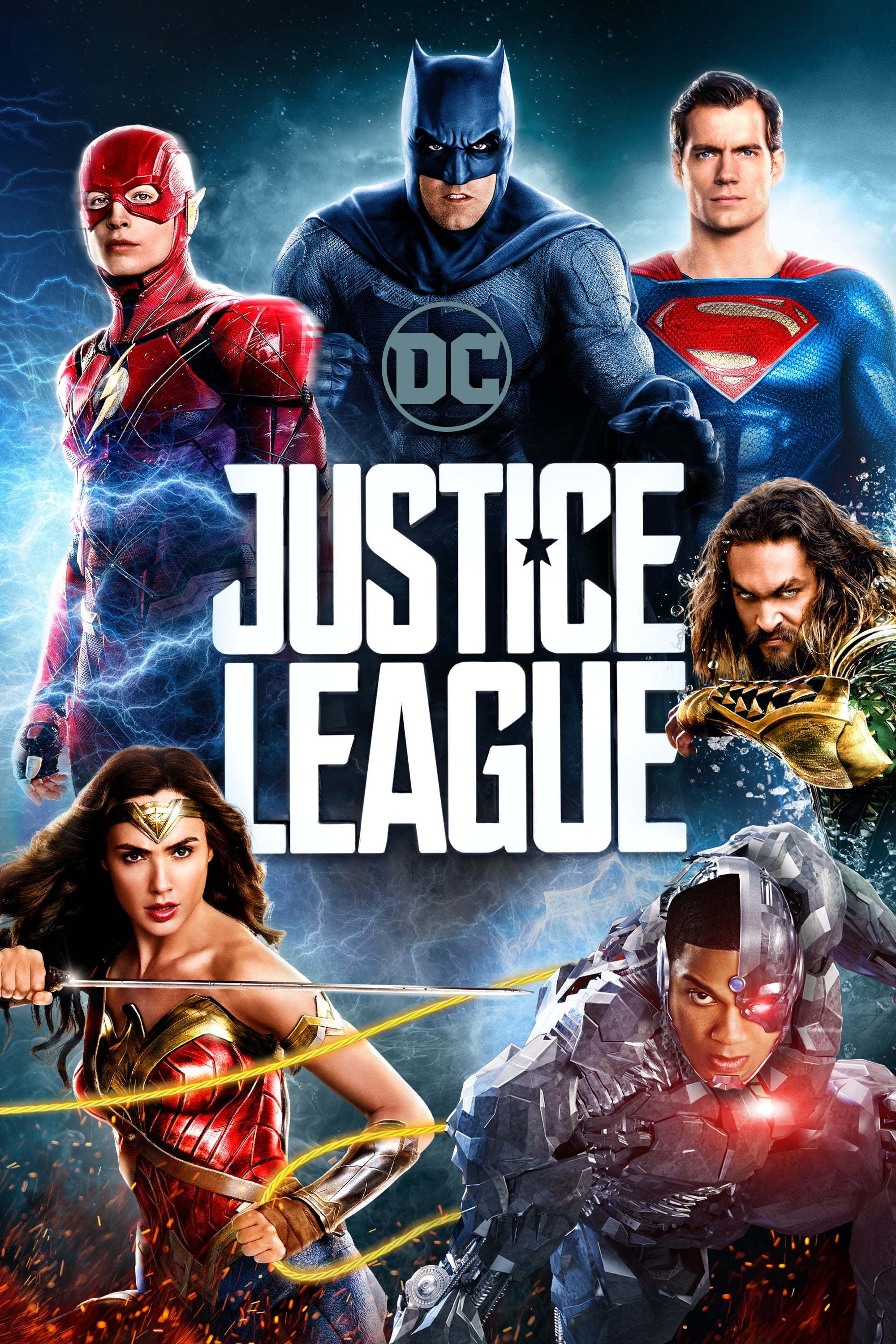
Zack Snyder left the production due to a family tragedy after completing a significant portion of the film. Joss Whedon was hired to rewrite scenes and oversee reshoots to inject humor and hope. The tone shifted drastically from the operatic style Snyder established in previous installments. The runtime was mandated to be under two hours which forced massive cuts to character backstories. The resulting film was a tonal clash that eventually led to the release of the Snyder Cut years later.
‘The Emperor’s New Groove’ (2000)

This film began as a dramatic musical titled Kingdom of the Sun. Sting wrote a full soundtrack for a story that involved a prince switching places with a peasant. The production was plagued by story problems and poor screening results. Disney completely overhauled the project into a buddy comedy and scrapped most of the songs. The final product became a cult classic despite bearing almost no resemblance to the original concept.
‘Toy Story’ (1995)
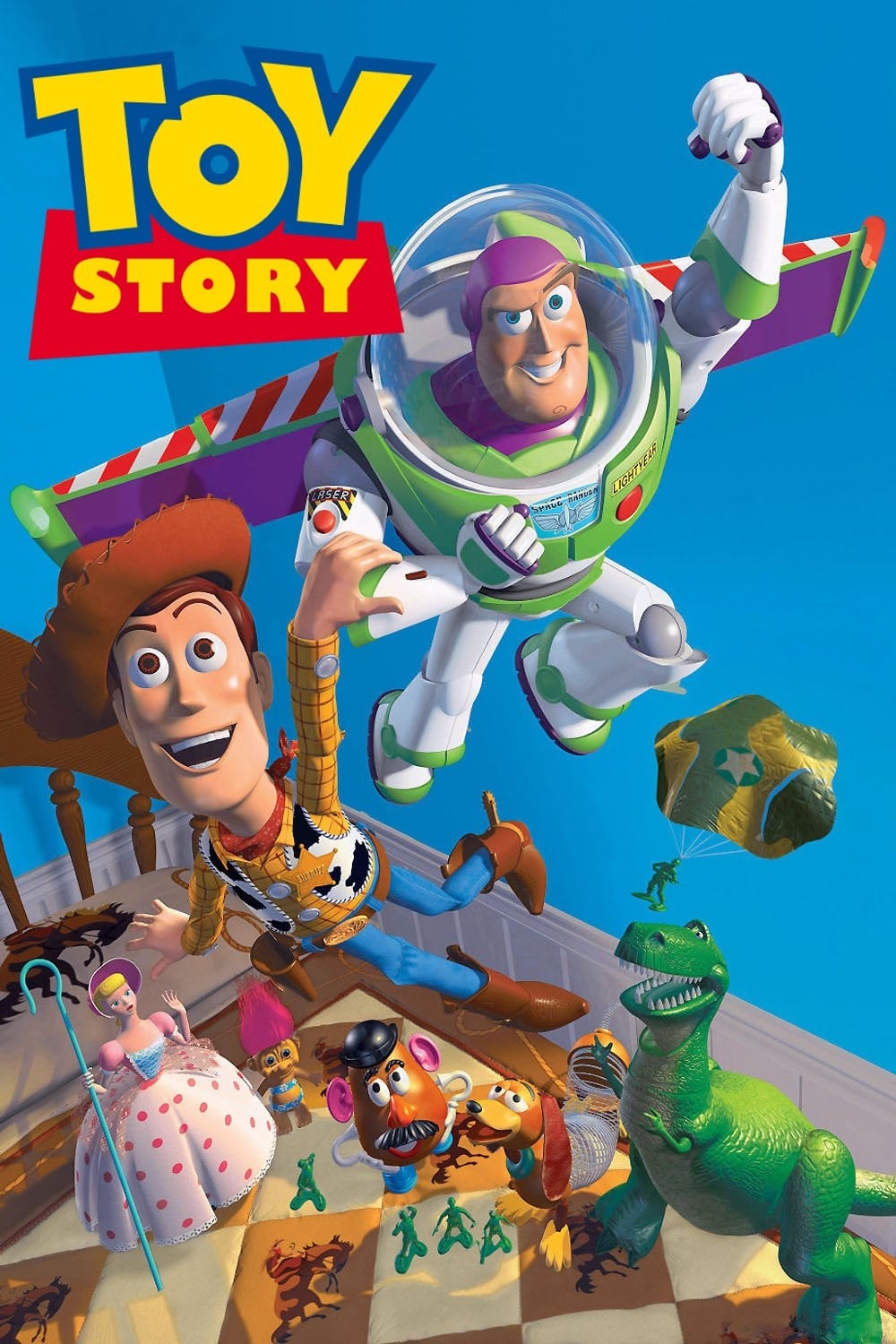
Pixar screened an early story reel known as the Black Friday reel to Disney executives. Woody was depicted as a jealous and mean tyrant who actively tried to harm Buzz Lightyear. The screening was a disaster and production was nearly shut down immediately. Joss Whedon and the Pixar team frantically rewrote the script to make Woody a lovable leader with flaws. This pivot saved the movie and launched the most successful animation studio in history.
‘Blade Runner’ (1982)
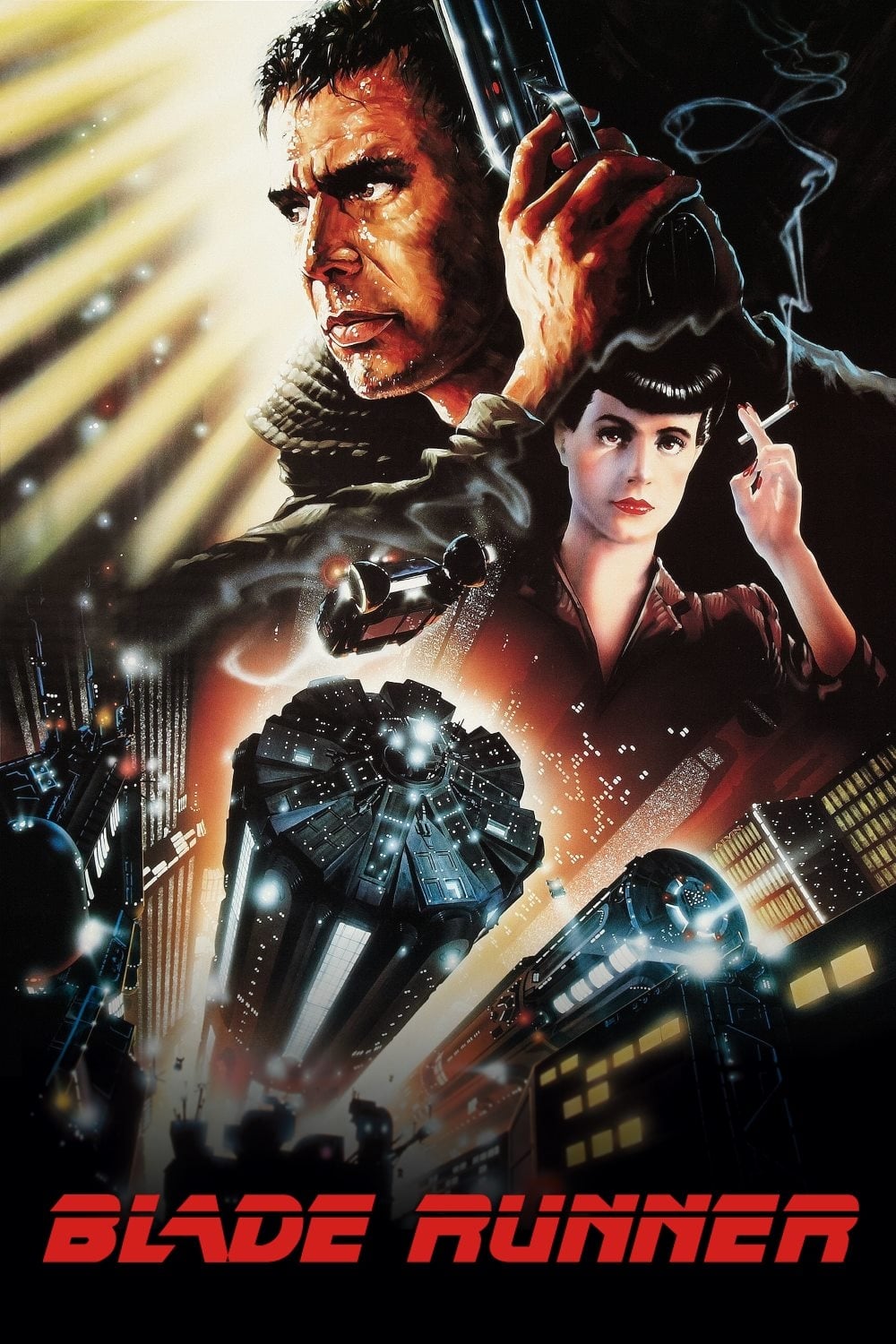
The studio felt the narrative was too confusing and abstract for general audiences. Executives forced Ridley Scott to add a film noir voiceover to explain the plot details. They also demanded a happy ending using leftover aerial footage from The Shining. Harrison Ford reportedly recorded the narration unenthusiastically as a form of protest. Later cuts removed these studio-mandated additions and restored the ambiguous nature of the film.
‘Titanic’ (1997)
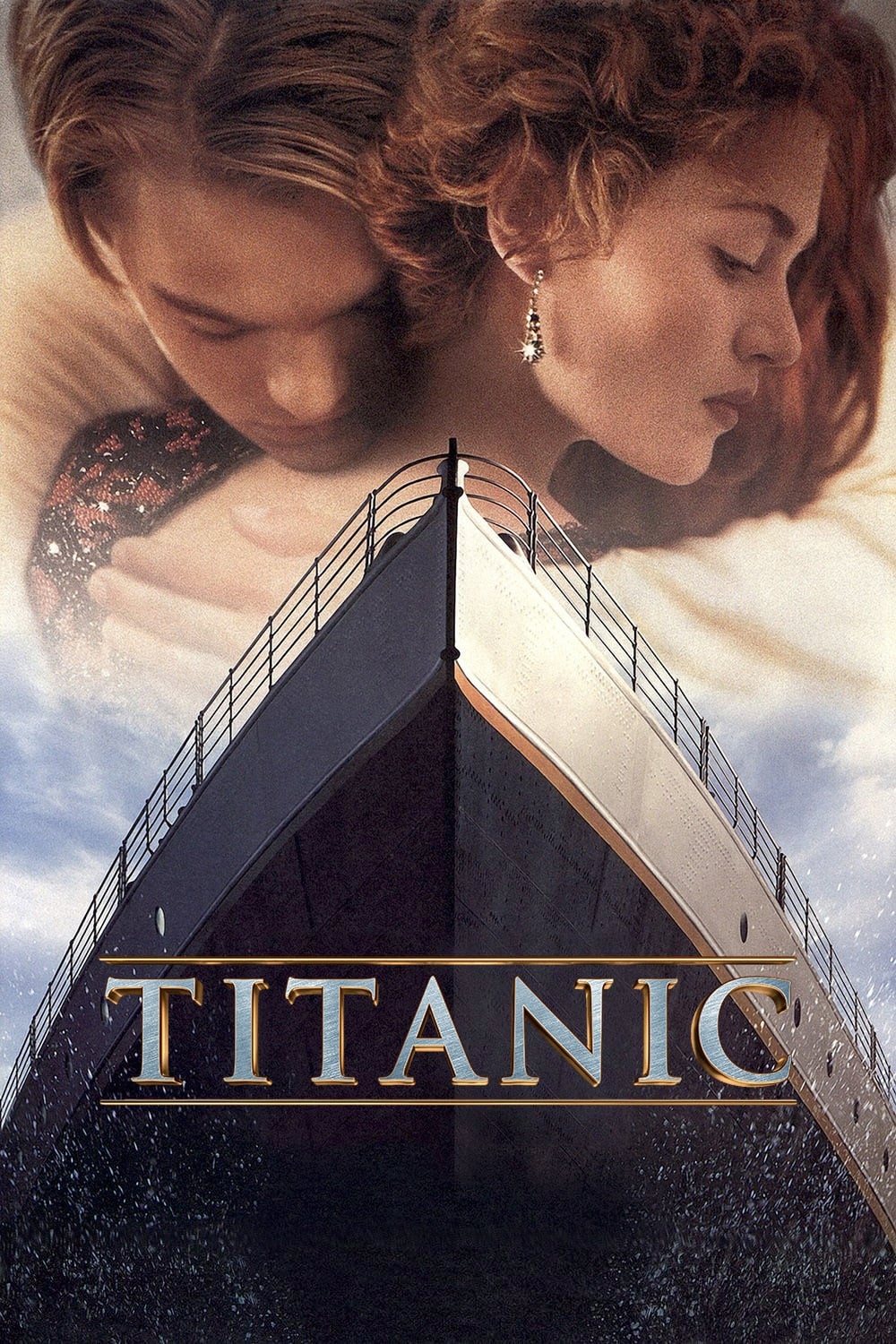
James Cameron initially shot an ending where Old Rose has a confrontation with Brock Lovett. She gives a speech about the value of life before tossing the diamond into the ocean. Test audiences found the scene laughable and it ruined the emotional impact of the finale. Cameron cut the dialogue and the interaction with the treasure hunter completely. The revised scene focused solely on Rose and provided a poignant conclusion to the epic romance.
‘Dodgeball: A True Underdog Story’ (2004)
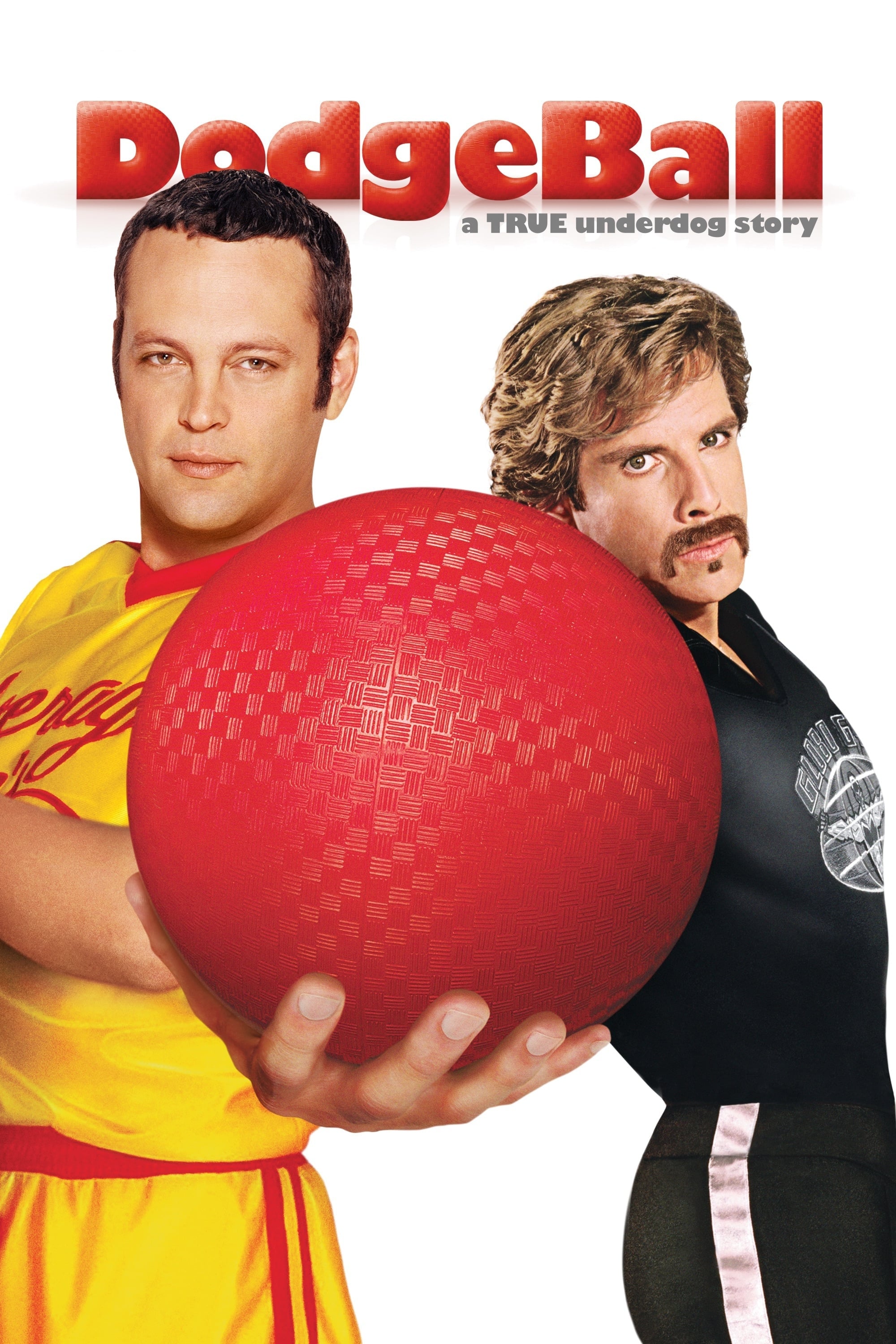
The original ending stayed true to the underdog theme by having the average Joes lose the final match. Director Rawson Marshall Thurber wanted to subvert the typical sports movie trope. Studio executives insisted that a comedy required a happy ending for the protagonists. A new finale was filmed where the team wins the prize money and defeats the villain. The film even includes a meta-joke about complex endings in the closing credits.
‘Army of Darkness’ (1992)
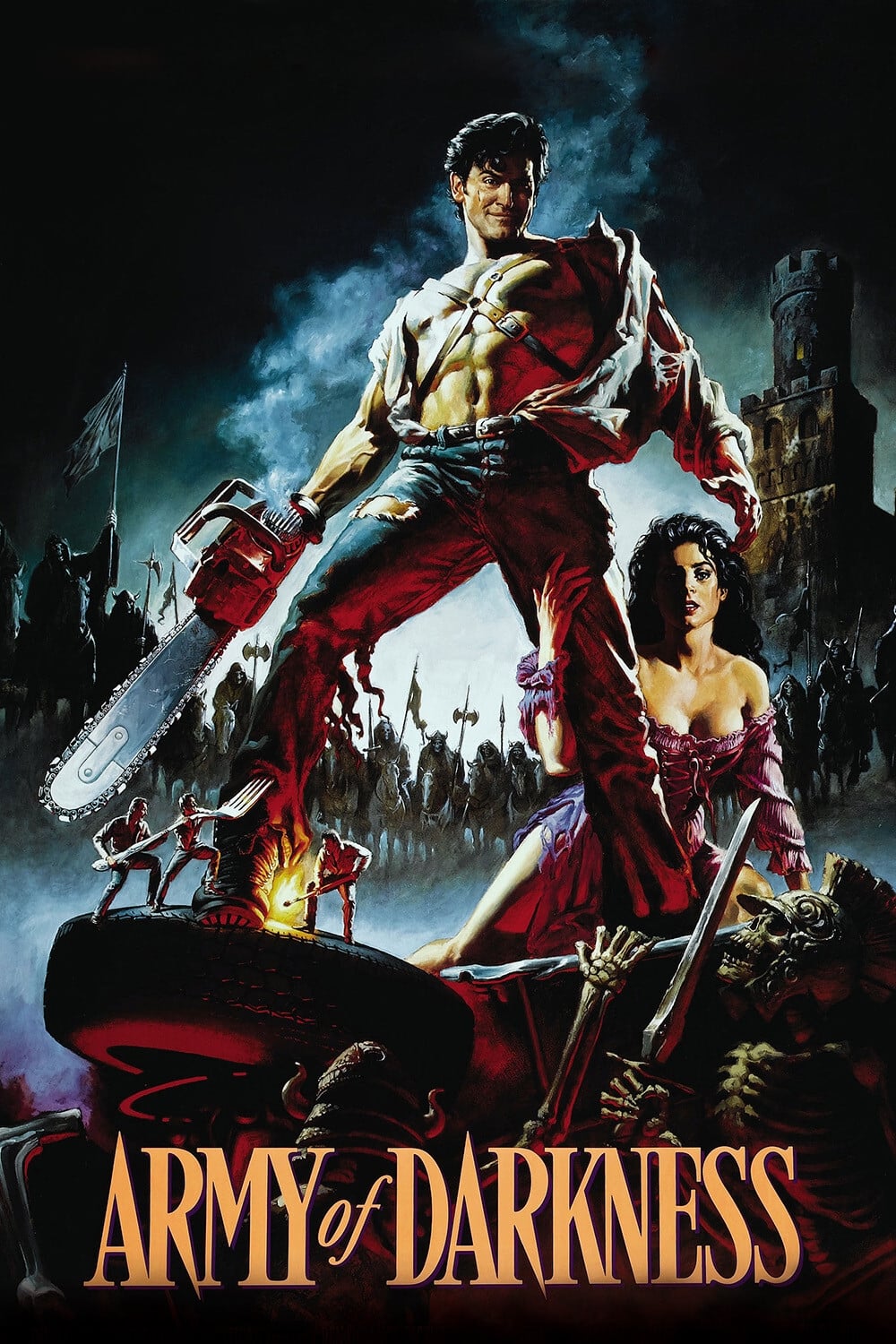
Sam Raimi intended for Ash Williams to overslept his magic potion and wake up in a post-apocalyptic future. This downer ending set up a bleak continuation for the Evil Dead franchise. Universal Pictures felt it was too depressing and demanded a more triumphant conclusion. The theatrical cut ends with Ash returning to his job at S-Mart and fighting a Deadite. The original apocalyptic ending is still available on home video releases.
‘Pretty Woman’ (1990)
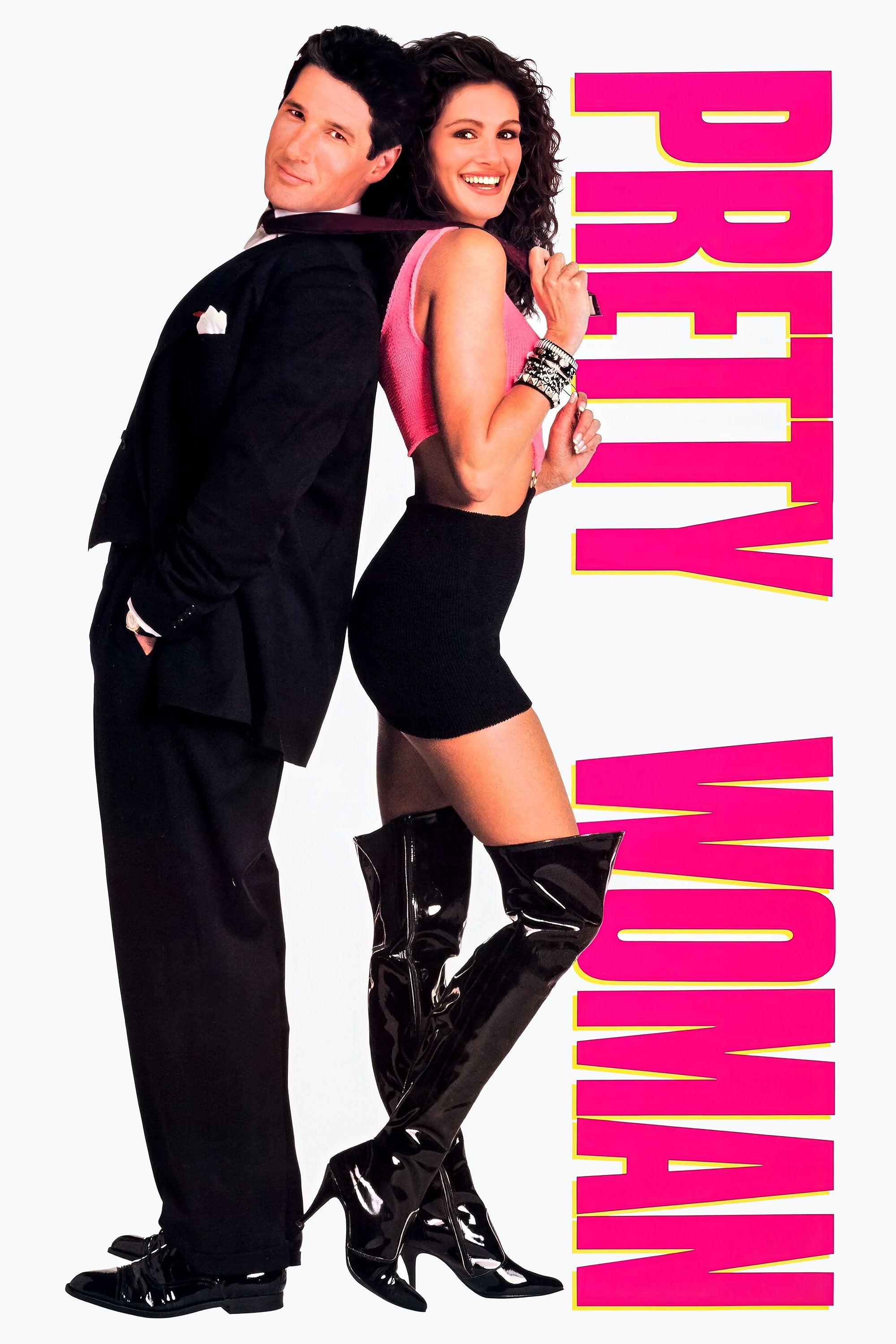
The script started as a dark drama about class struggle and drug addiction titled 3000. The original ending had Edward kicking Vivian out of his car and throwing money at her. Disney acquired the script and requested a complete tonal shift to a romantic comedy. Garry Marshall oversaw the rewrites that turned the grim story into a modern fairy tale. The chemistry between Roberts and Gere saved the project from its gritty origins.
‘Thor: The Dark World’ (2013)
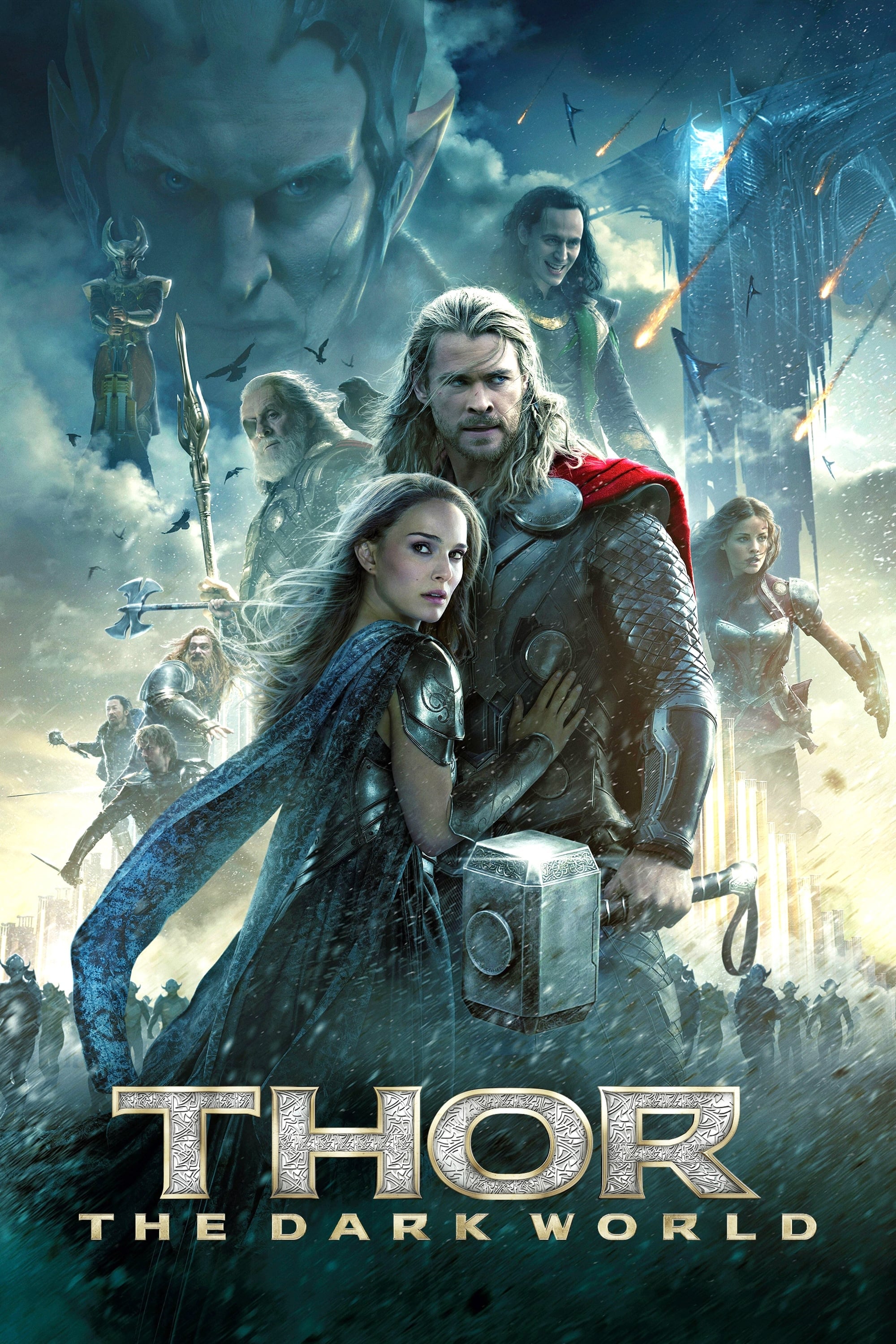
Loki was originally supposed to die permanently during the battle on Svartalfheim. Test audiences refused to believe the trickster god was gone and wanted more of him. Marvel decided to bring Tom Hiddleston back for additional scenes. They shot a new ending where Loki secretly replaces Odin on the throne of Asgard. This twist set up major plot points for the subsequent films in the Marvel Cinematic Universe.
‘Final Destination’ (2000)
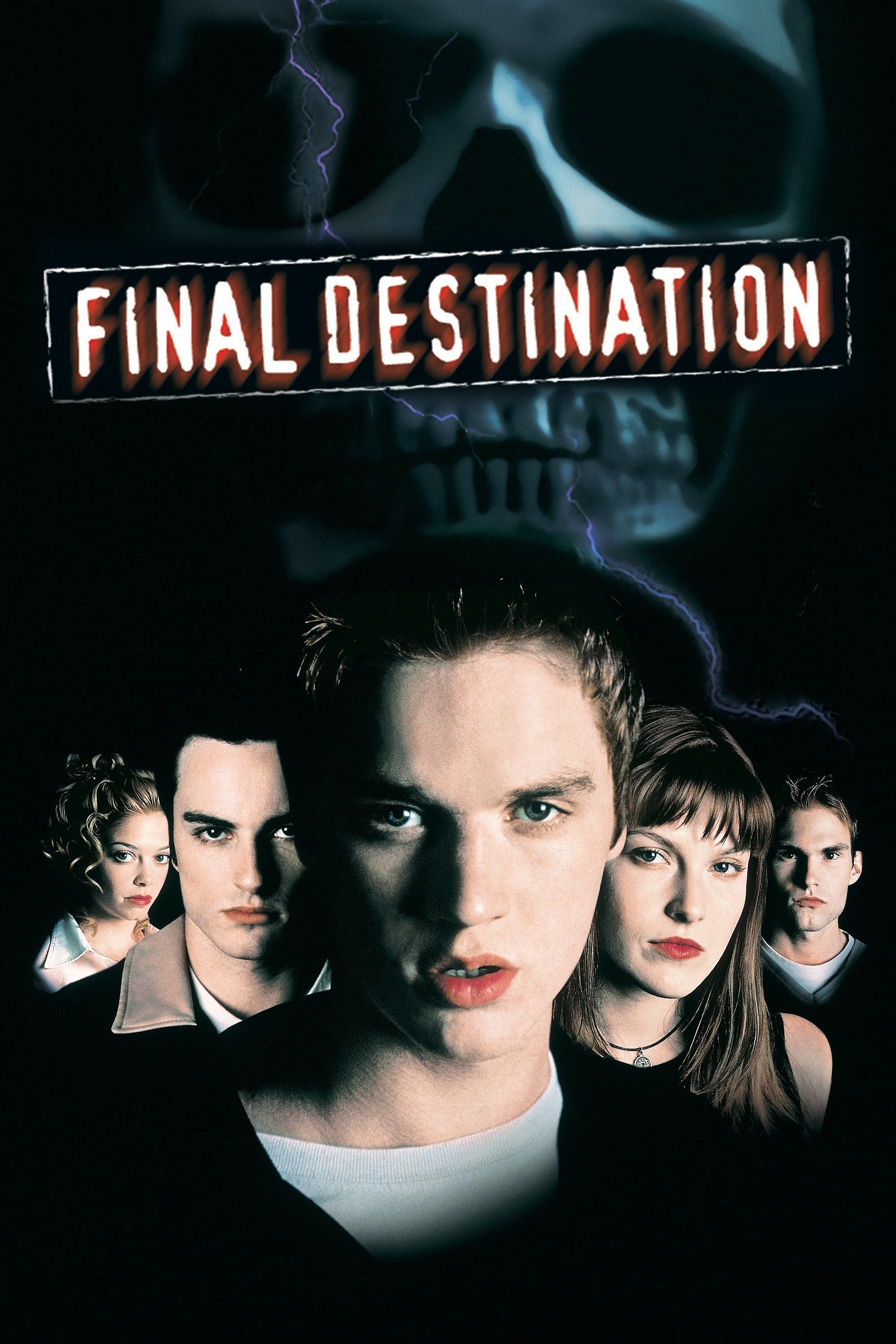
The original ending featured a darker plot line where Alex dies to save the others. This conclusion left the female lead pregnant and alone as a survivor. Audiences found the death of the main protagonist unsatisfied after his struggle. The studio ordered a new ending that extended the suspense and kept Alex alive. This change allowed for the creation of a franchise based on the concept of cheating death.
‘Payback’ (1999)
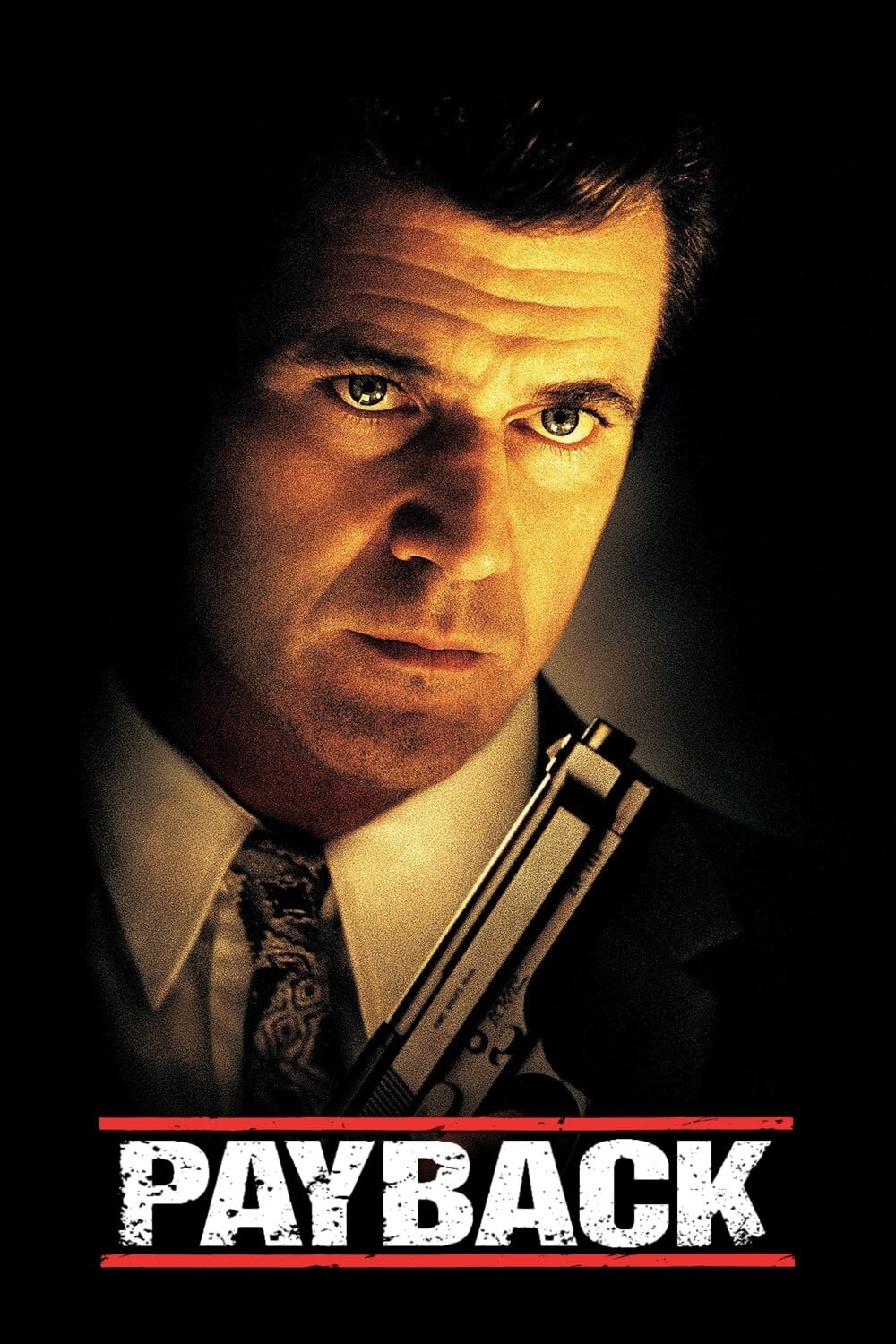
The director delivered a cut where Mel Gibson’s character was an unrepentant villain. The studio felt the character was too unlikable and the ending was too ambiguous. A new director was brought in to shoot a voiceover and a more explosive third act. Kris Kristofferson was added as a new villain to give the hero a clear target. The theatrical cut differs wildly from the director’s original noir vision.
‘The Bourne Identity’ (2002)
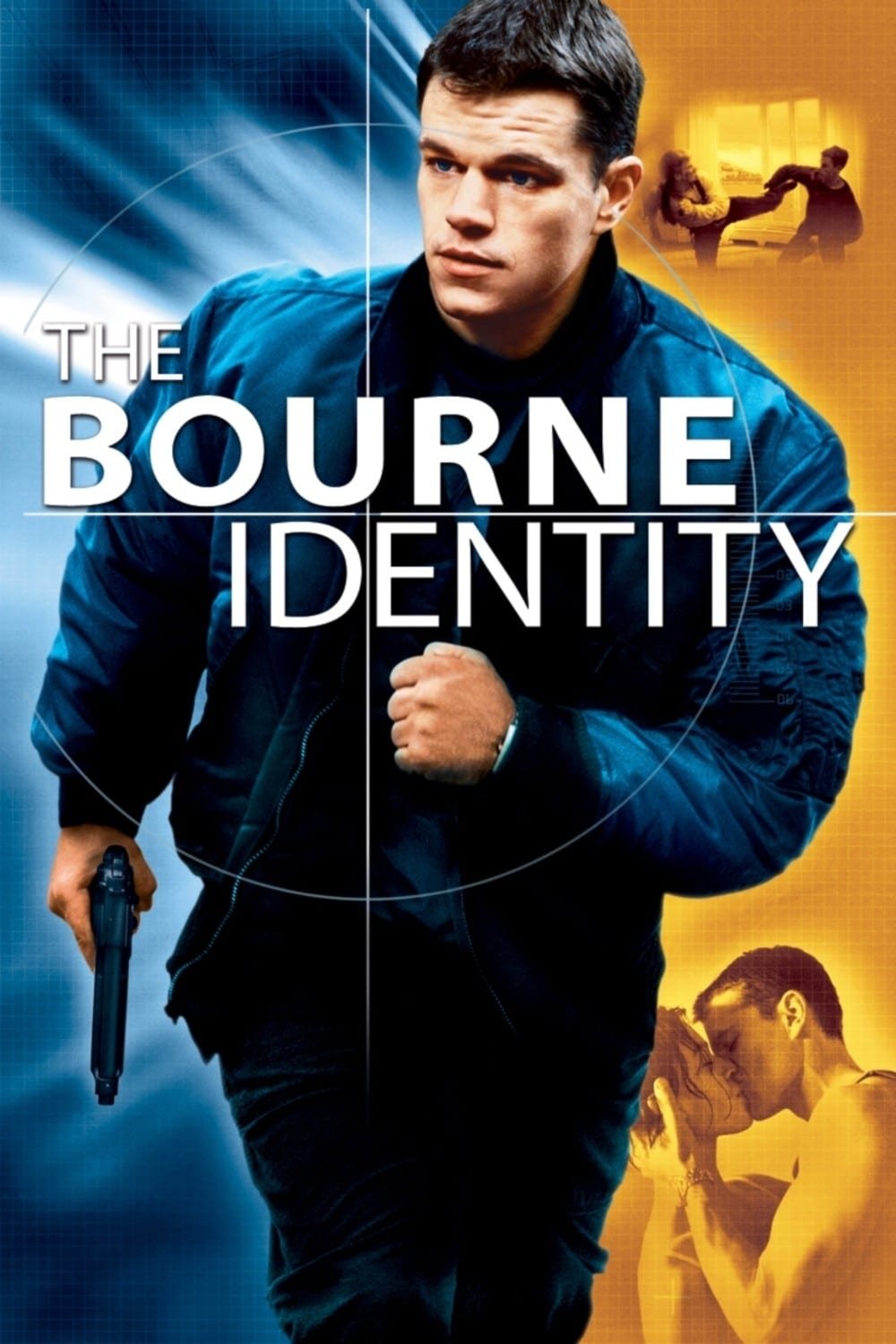
Director Doug Liman and the studio clashed frequently over the tone and pacing of the spy thriller. The original ending was much quieter and did not satisfy the action movie demographic. Reshoots were ordered to create a more dynamic conclusion at the farmhouse. Matt Damon and the creative team reworked the script on the fly during production. The result was a gritty genre-defining film that launched a massive franchise.
‘National Lampoon’s Vacation’ (1983)
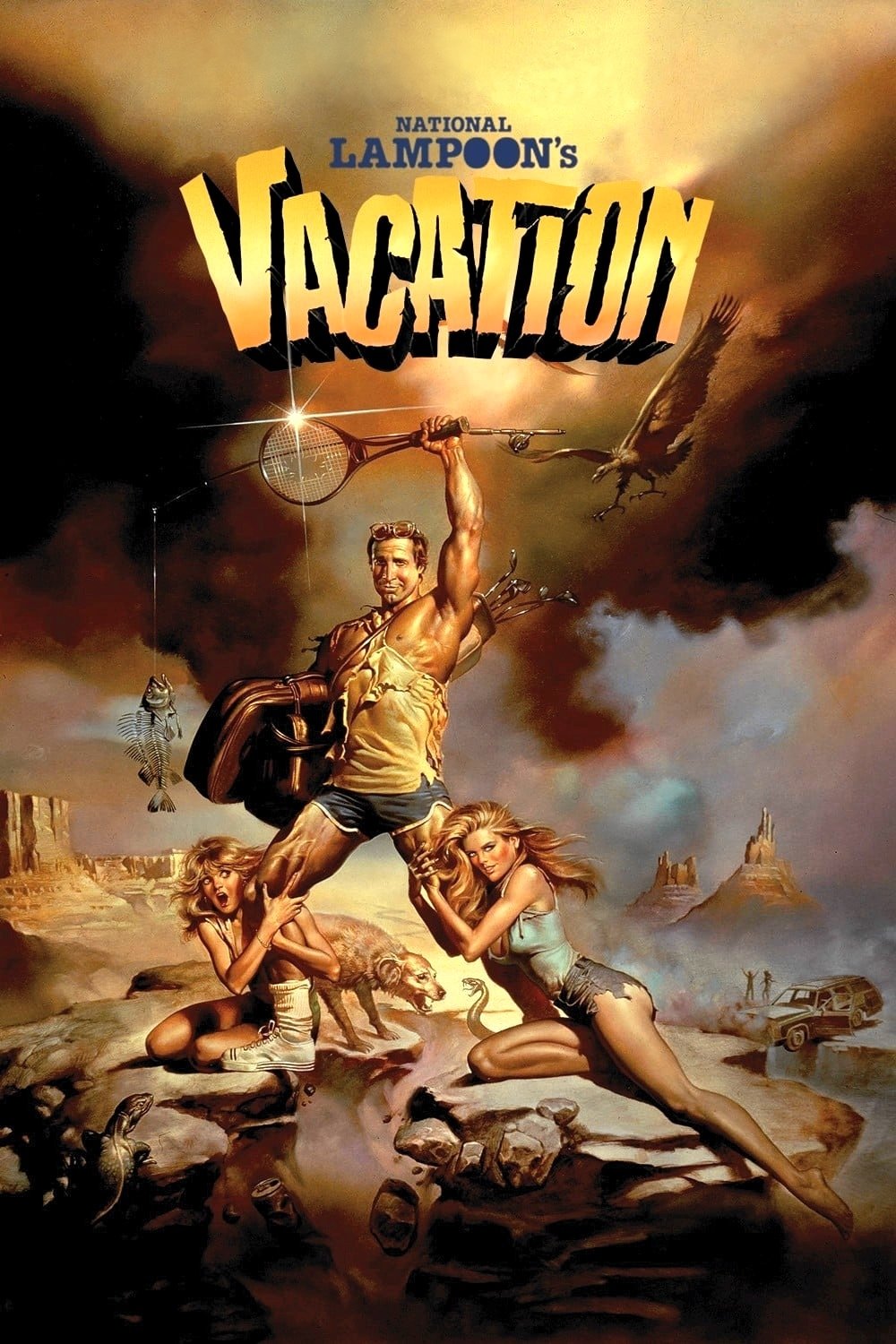
The Griswold family originally arrived at Walley World to find Roy Walley at his home. They took him hostage and forced him to entertain them in a dark turn of events. Test audiences felt the kidnapping was too mean-spirited for a family comedy. John Hughes wrote a new ending where they simply force the park guards to let them on the rides. The reshoot utilized a different park location but saved the lighthearted tone of the movie.
‘Brazil’ (1985)
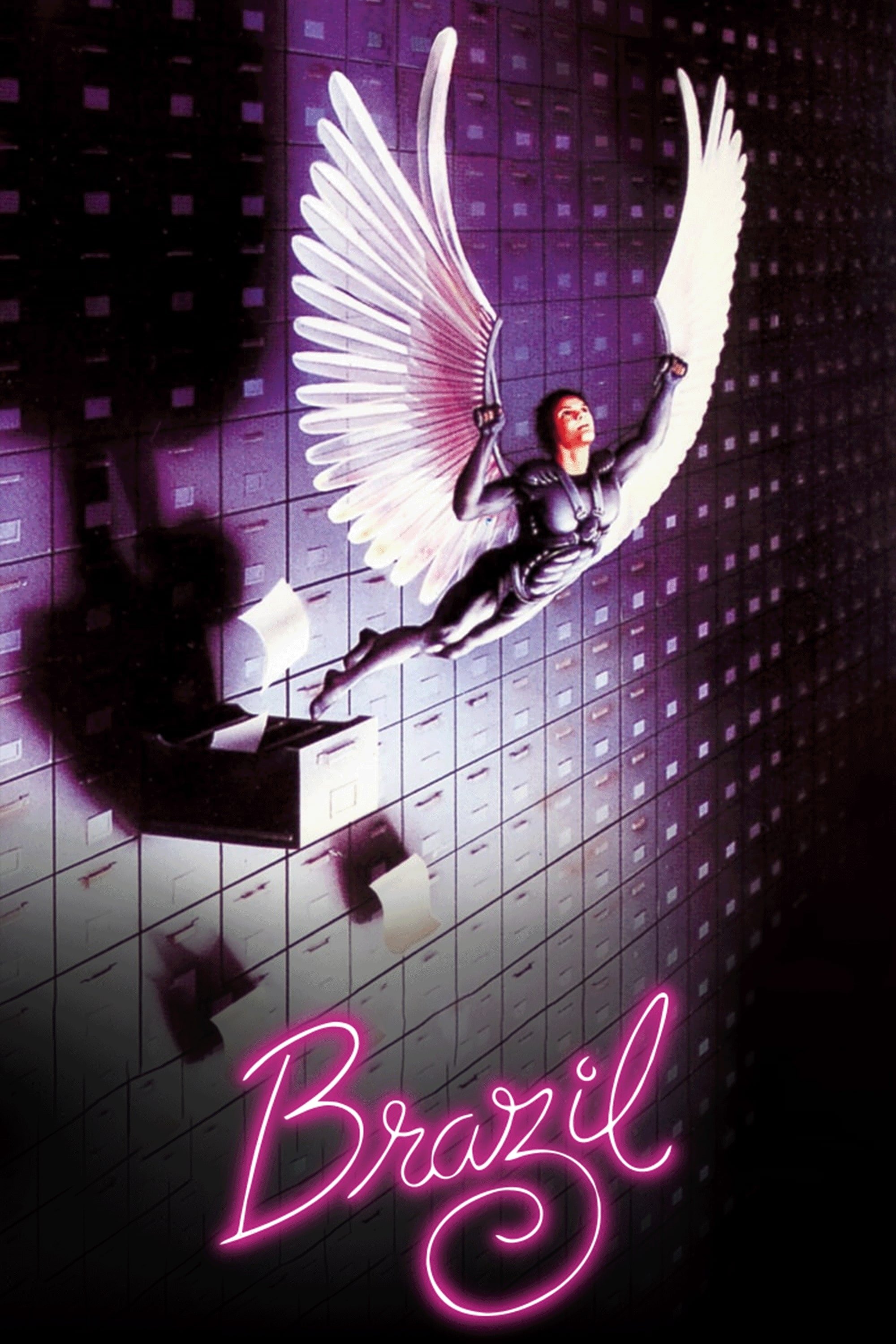
Terry Gilliam created a dystopian masterpiece with a bleak and hallucinated ending. Universal Pictures chairman Sid Sheinberg wanted a version that would appeal to broader audiences. Editors created the infamous “Love Conquers All” cut which removed the dark reality of the finale. Gilliam fought a public battle to get his original vision released. The studio eventually relented after critics awarded the original cut awards.
‘First Blood’ (1982)
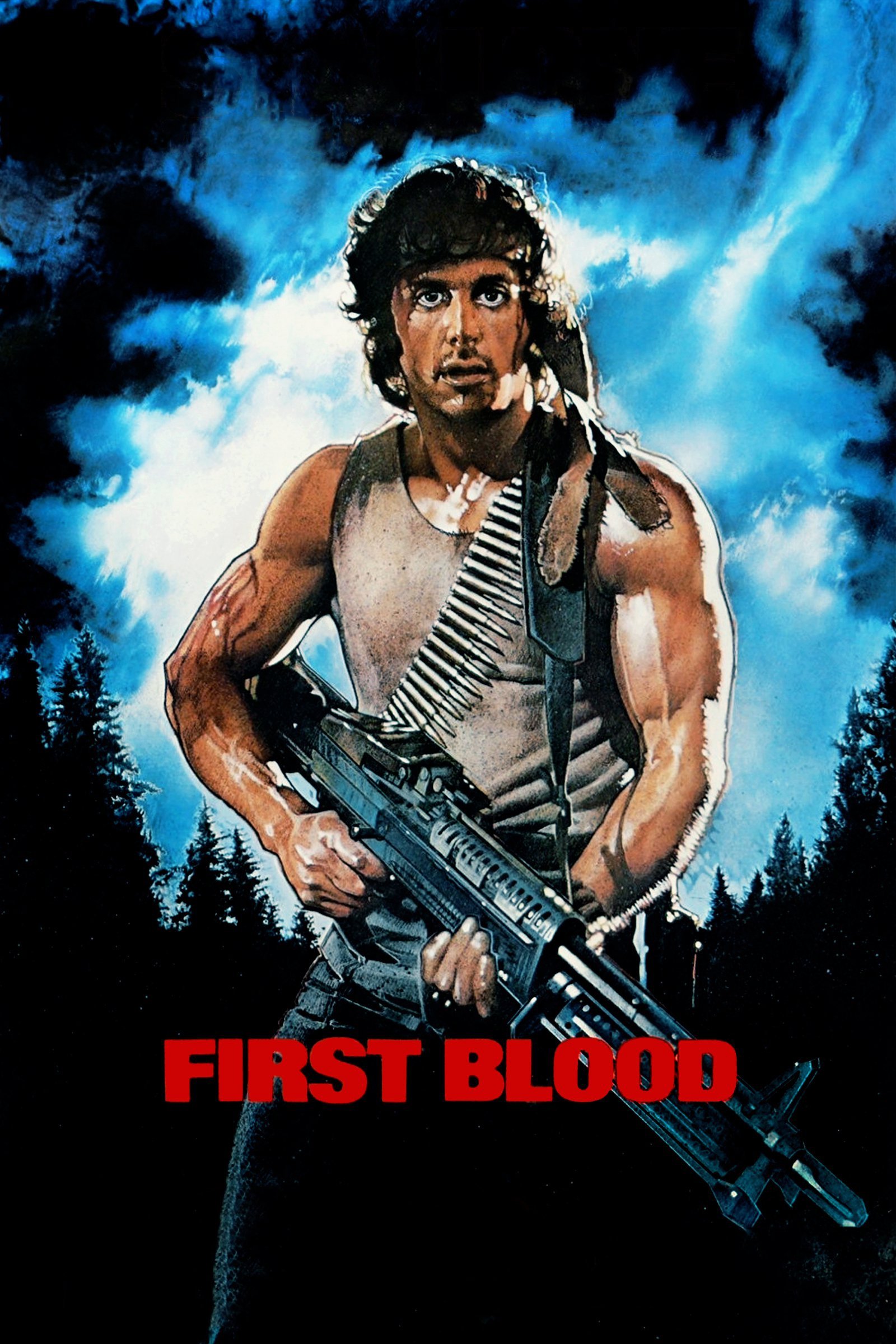
Sylvester Stallone’s John Rambo originally committed suicide at the end of the film to escape his trauma. This matched the ending of the novel and was intended to be a tragic anti-war statement. Test audiences hated seeing the protagonist die after surviving so much injustice. Stallone and the director decided to have Rambo surrender to Colonel Trautman instead. This decision allowed Rambo to become an enduring action icon in sequels.
‘Se7en’ (1995)
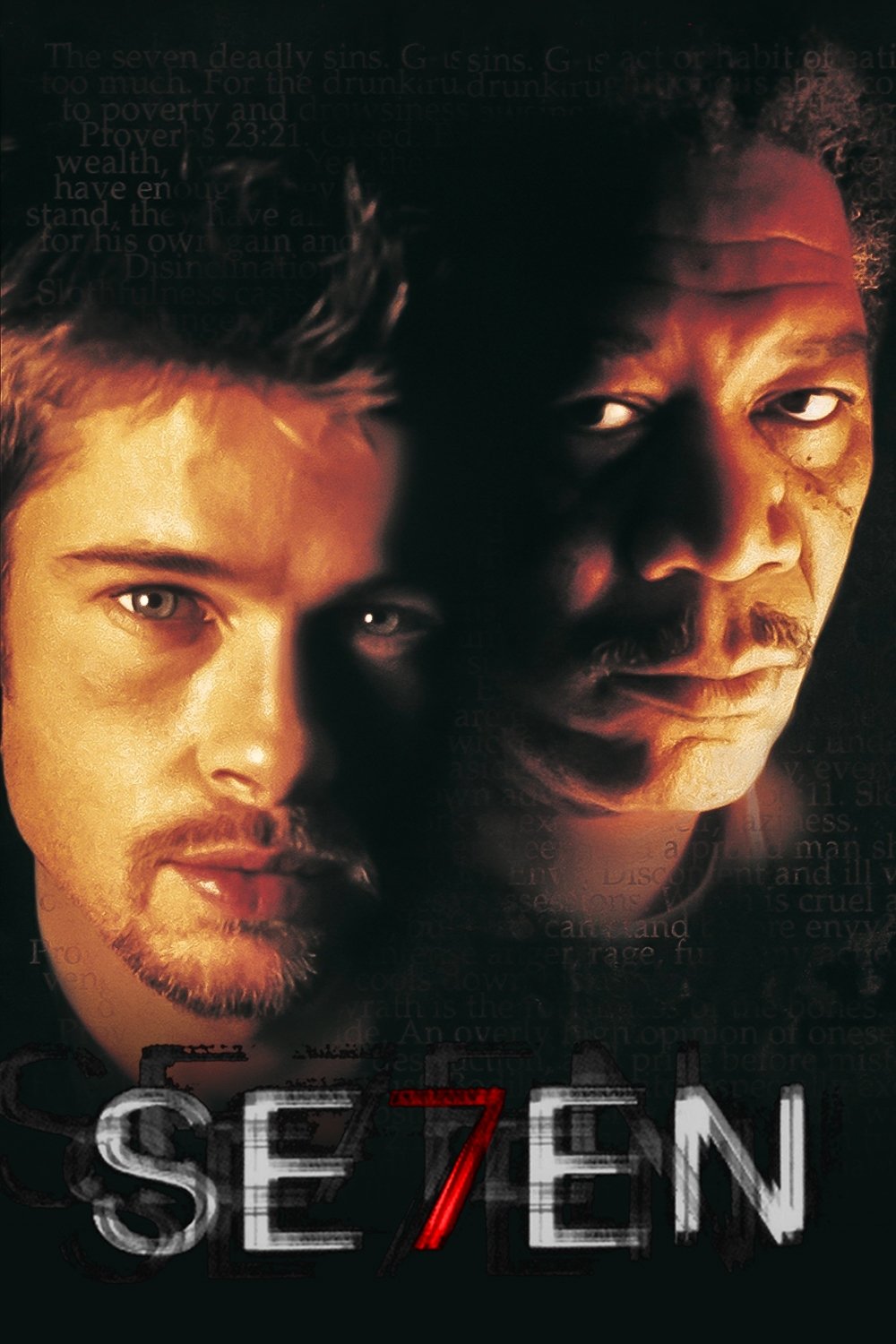
New Line Cinema executives were terrified of the bleak ending involving the head in the box. They suggested replacing the head with a dog or having the detectives save the wife in time. Brad Pitt and David Fincher refused to make the movie unless the original ending remained. While they did not rewrite the plot they compromised by not showing the severed head explicitly. The scene remains one of the most shocking conclusions in cinema history.
‘Legally Blonde’ (2001)
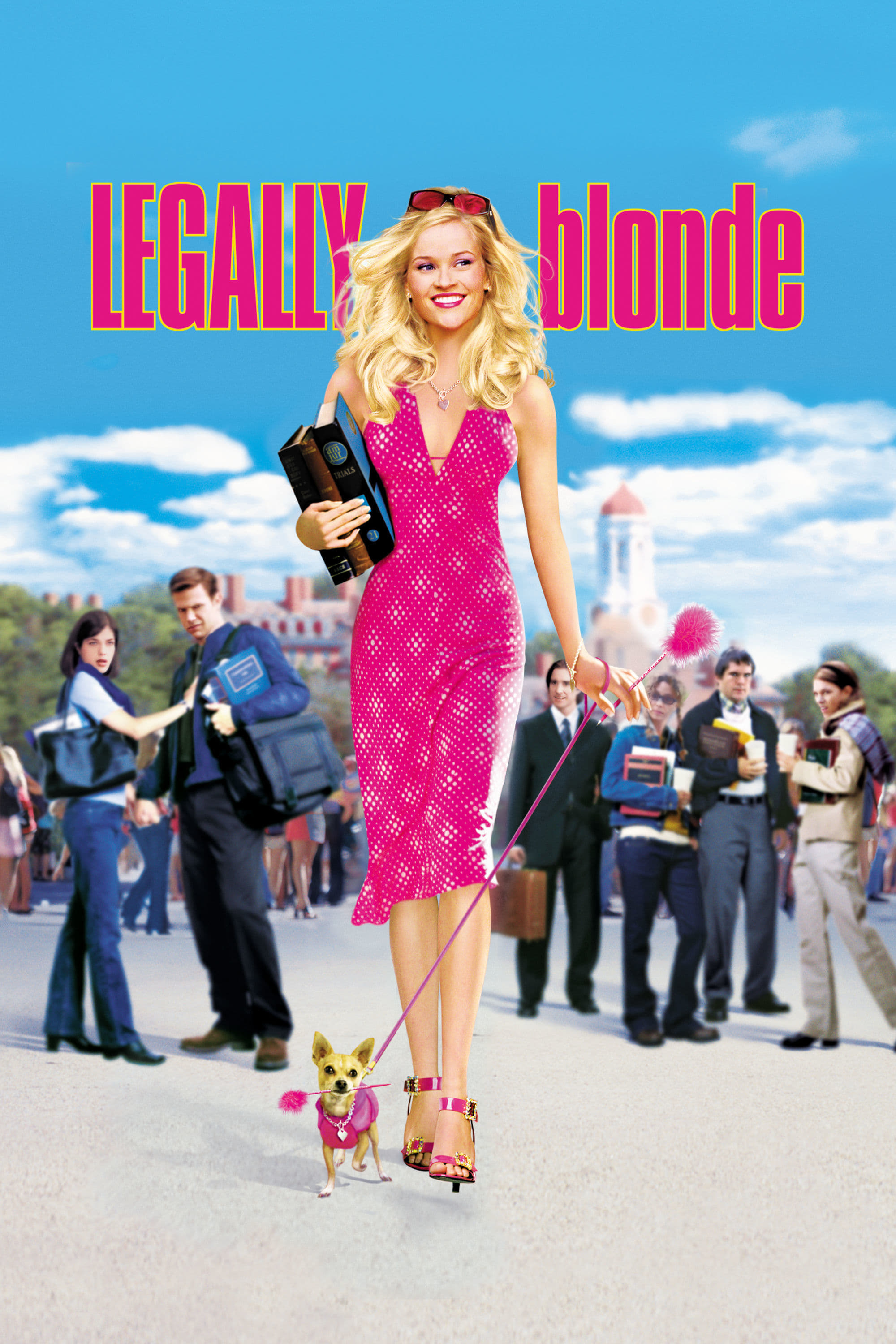
The film originally ended on the courthouse steps right after the big victory. Audiences wanted to see what happened to Elle Woods after she succeeded. The creative team wrote a new epilogue set two years later at graduation. This addition allowed Elle to give her famous speech and show her long-term success. It provided a more definitive and satisfying closure for the character arc.
Tell us which alternate ending you would have preferred to see in the comments.