15 Movie Franchises That Died Because Studios Went “Woke”


The concept of “get woke, go broke” has become a prevalent topic of discussion within the entertainment industry as major studios attempt to modernize beloved properties. Critics argue that prioritizing modern social messaging over coherent storytelling has alienated core fanbases and resulted in significant box office failures. This trend has affected various long-running series that once commanded massive audiences but stumbled when trying to appeal to a new demographic. The following list examines movie franchises that stalled or collapsed after releases that were widely perceived as prioritizing ideology over entertainment.
‘Charlie’s Angels’ (1976–2019)
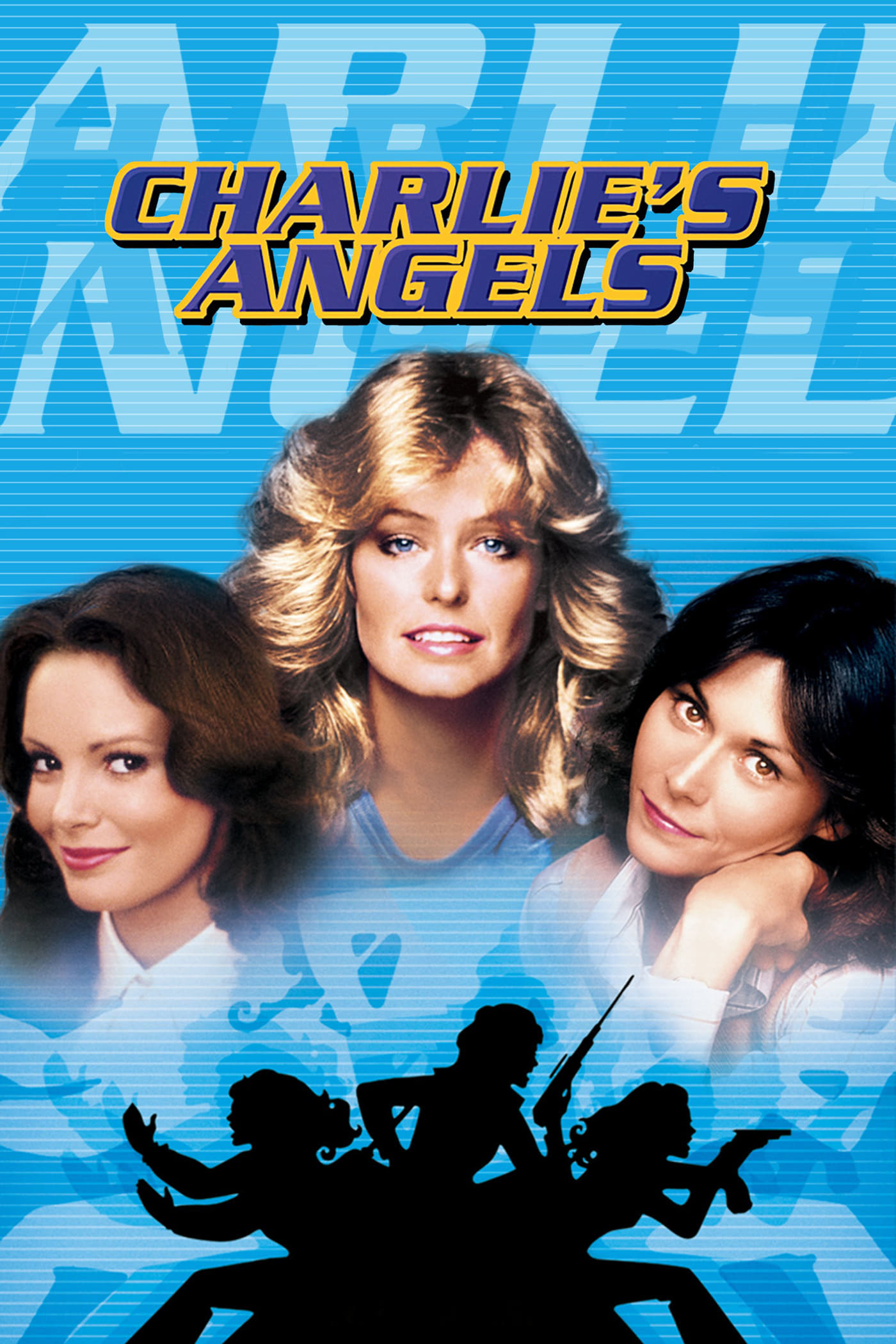
The 2019 reboot directed by Elizabeth Banks attempted to reinvent the classic agency with a focus on female empowerment and independent leads. Marketing for the film was aggressive and the director suggested that men who did not support the movie were reinforcing gender stereotypes. Audiences rejected the heavy-handed messaging and the lack of connection to the charm of the original series or the early 2000s films. The movie failed to recoup its production budget and effectively ended any plans for future installments in this iteration of the franchise.
‘Terminator’ (1984–2019)
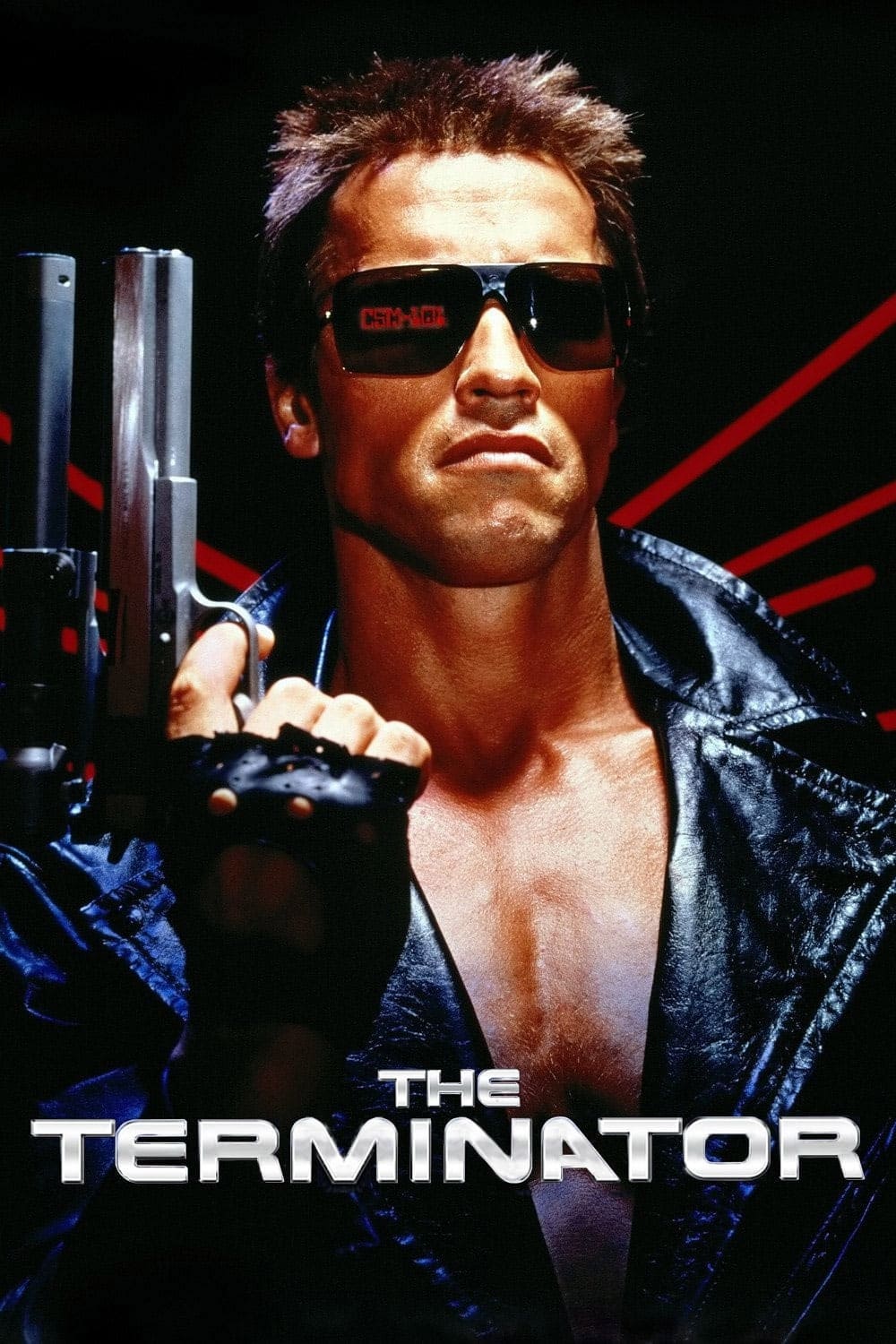
‘Terminator: Dark Fate’ made the controversial decision to kill off fan-favorite leader John Connor in the opening minutes of the film. Producer James Cameron and director Tim Miller shifted the focus to a new female protector and a different savior for humanity. This creative choice disregarded the central narrative of the previous films and angered long-time fans who felt their investment in the story was disrespected. The resulting box office bomb lost the studio over one hundred million dollars and placed the franchise on indefinite hiatus.
‘Men in Black’ (1997–2019)
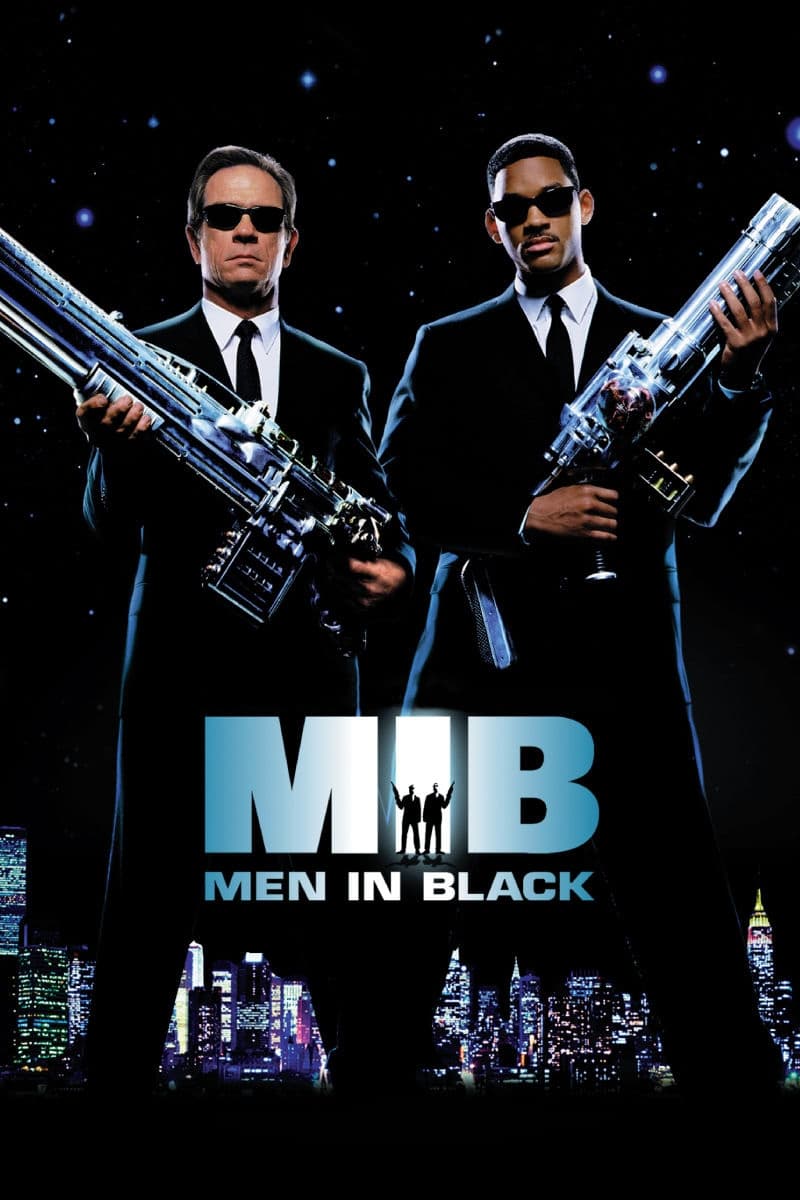
‘Men in Black: International’ sought to revive the sci-fi comedy series with a new pair of agents and a script that critiqued the gendered name of the organization. The chemistry between the new leads failed to match the dynamic of the original duo while the humor was criticized for being flat and lecturing. Ticket sales were a fraction of what previous entries earned and indicated a severe lack of interest in this new direction. Sony Pictures has not moved forward with any additional projects for the property since this critical and commercial disappointment.
‘Ghostbusters’ (1984– )
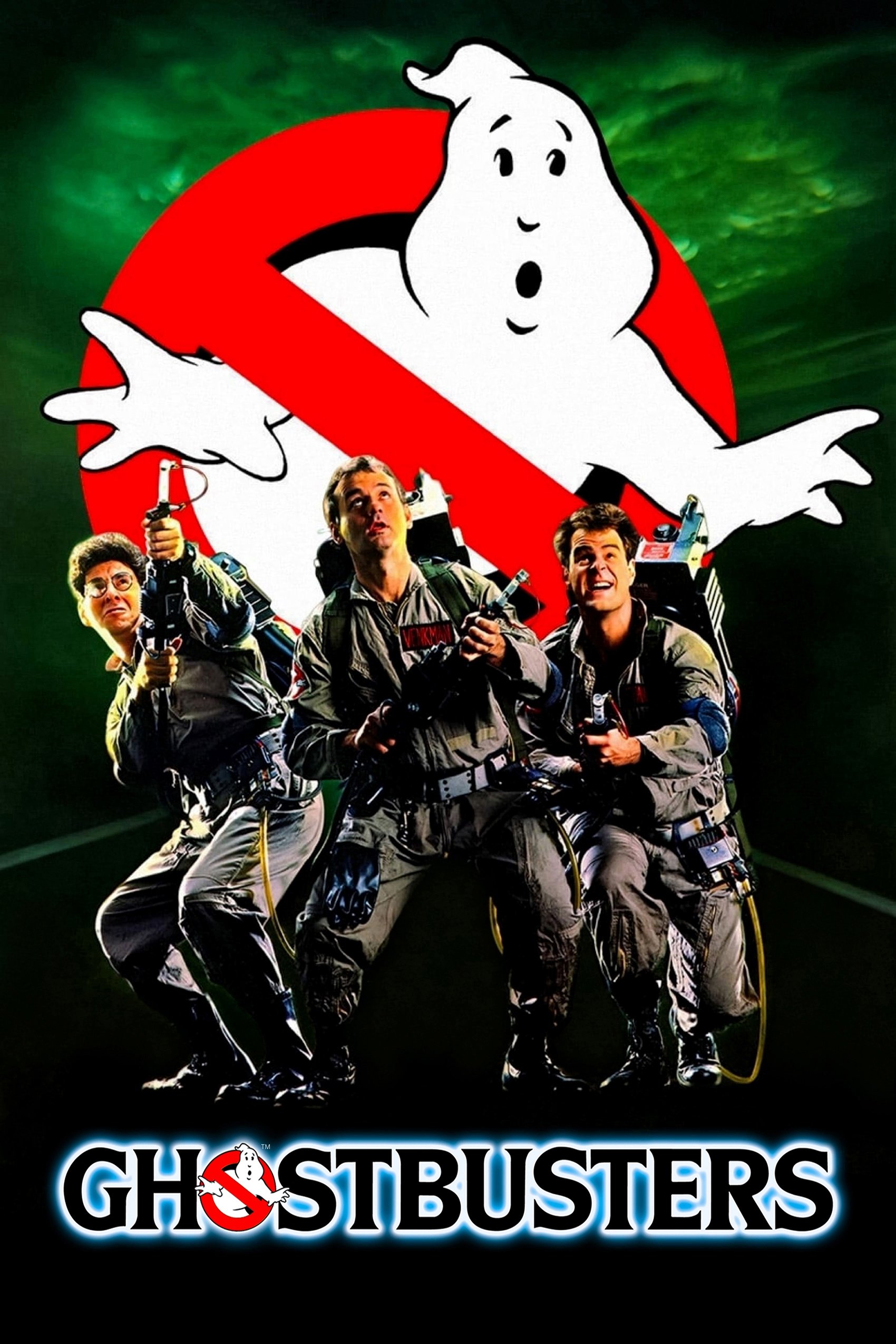
The 2016 reboot of ‘Ghostbusters’ sparked a massive online firestorm when it ignored the established canon to introduce an all-female team. Director Paul Feig and the studio engaged in a contentious relationship with fans who felt the marketing attacked them for voicing skepticism. The film underperformed financially and the plan for a new cinematic universe based on this team was immediately scrapped. The studio eventually reverted to the original timeline with ‘Ghostbusters: Afterlife’ effectively erasing the 2016 iteration from continuity.
‘Star Wars’ (1977– )
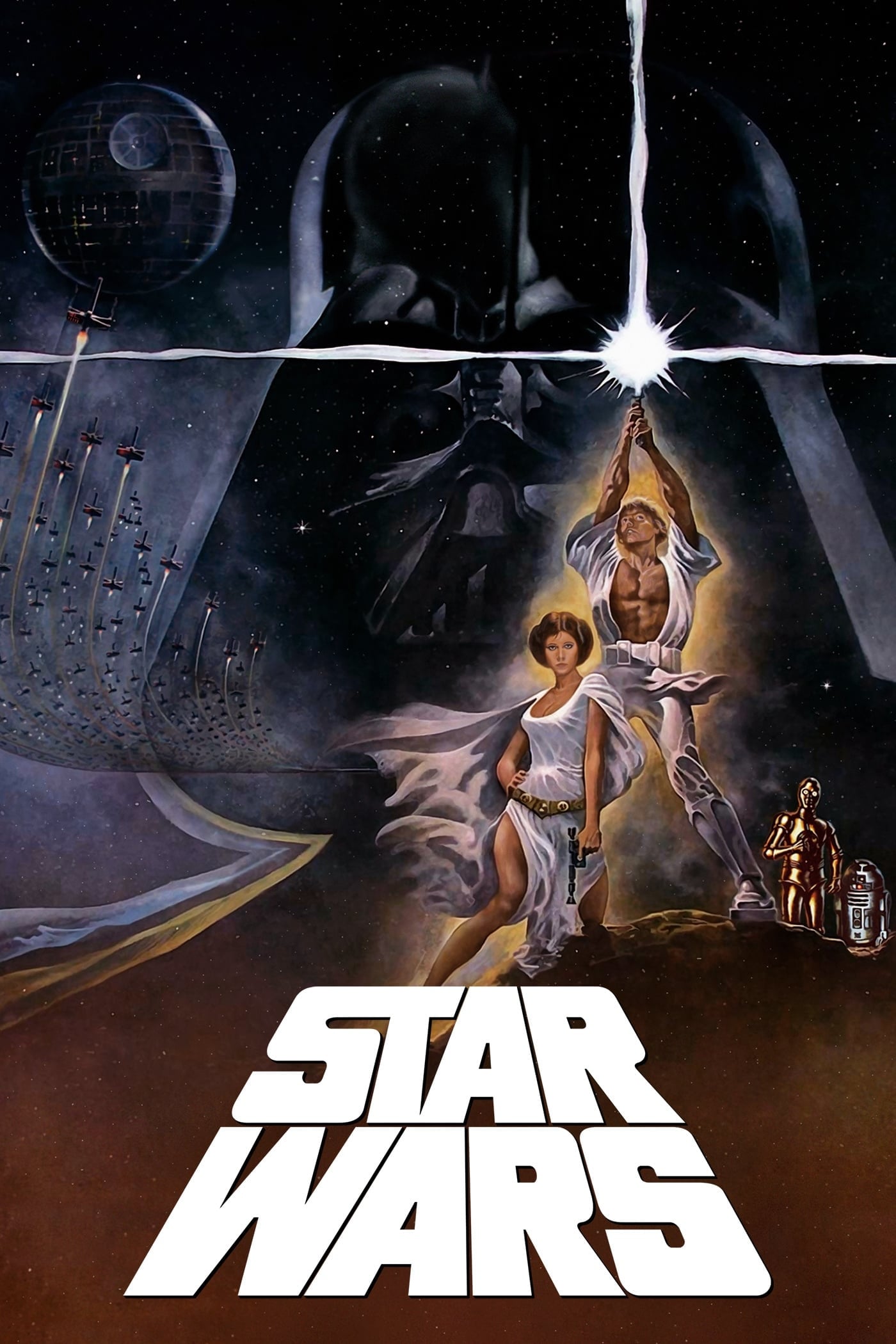
Disney launched a sequel trilogy that faced intense backlash for its deconstruction of legacy heroes like Luke Skywalker and Han Solo. Films such as ‘The Last Jedi’ were accused of subverting expectations in a way that prioritized modern themes over the established lore of the galaxy. Merchandise sales dropped significantly and audience division grew with each subsequent release in the trilogy. The studio paused all theatrical film releases for several years following the conclusion of the Skywalker Saga to reevaluate their creative strategy.
‘Indiana Jones’ (1981–2023)
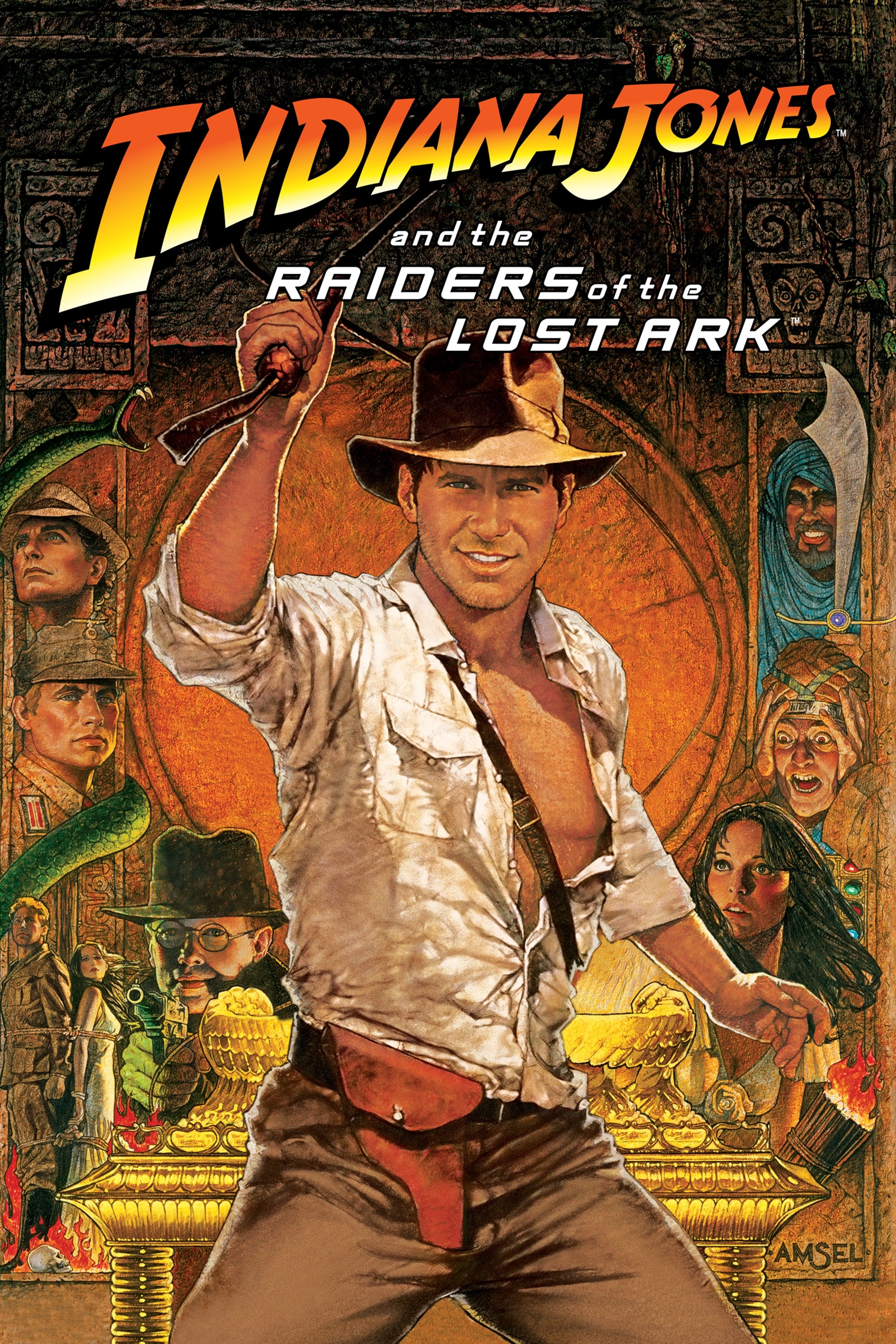
‘Indiana Jones and the Dial of Destiny’ featured an elderly protagonist who was frequently upstaged by his goddaughter Helena Shaw. Many viewers felt the script deconstructed the iconic hero to elevate the new character and criticized the film for a lack of genuine adventure spirit. The massive production budget combined with lukewarm ticket sales resulted in a substantial financial loss for Disney. This entry served as a disappointing finale to the series and confirmed that the franchise would not continue in its current form.
‘The Matrix’ (1999–2021)
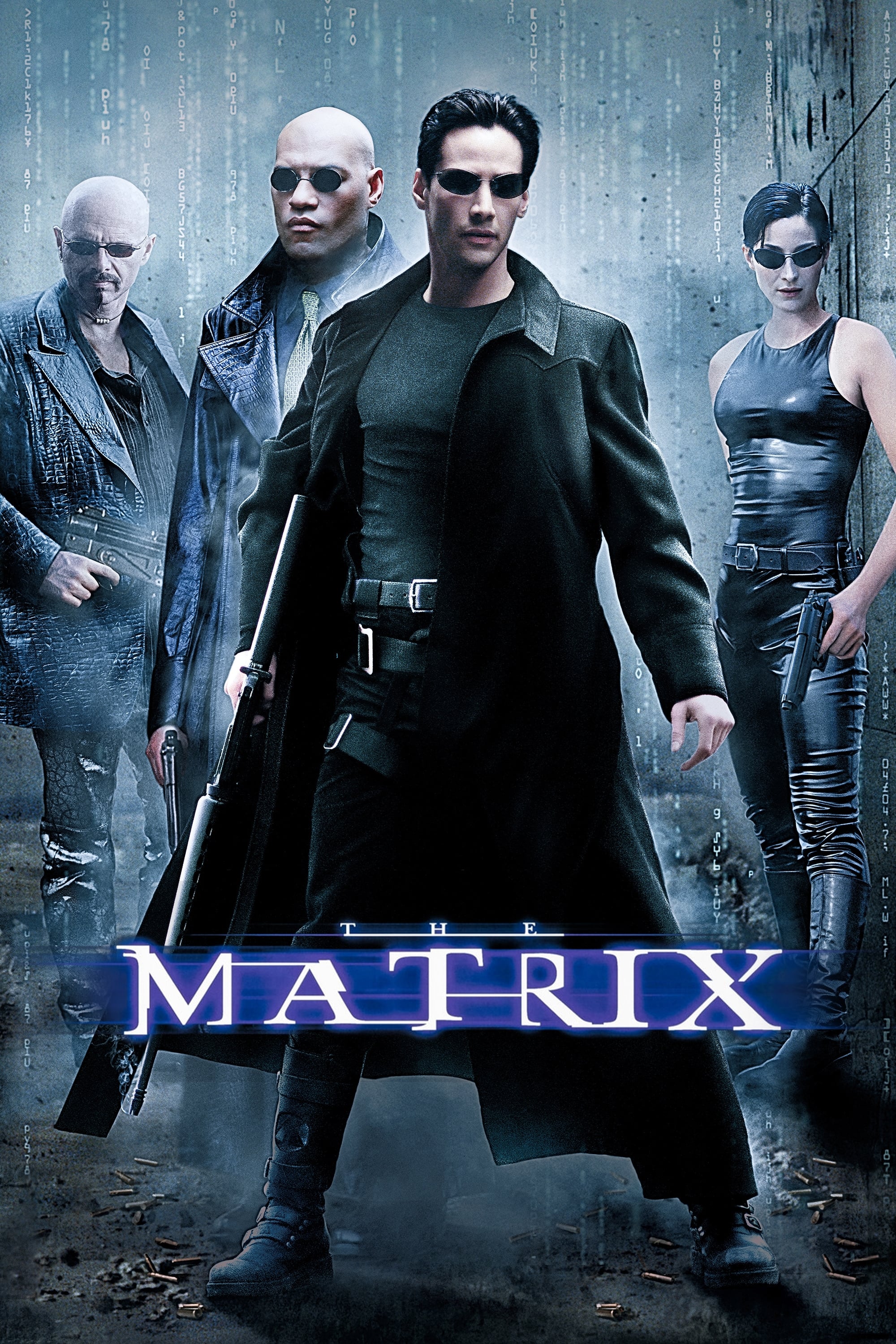
‘The Matrix Resurrections’ polarized audiences with its meta-commentary on the nature of sequels and its deconstruction of the original trilogy’s legacy. Viewers criticized the film for prioritizing satirical jabs at the industry and gender politics over the groundbreaking action that defined the series. The movie failed to make back its production budget and received some of the lowest audience scores in the history of the franchise. Warner Bros has not announced plans for any direct sequels following the poor reception of this fourth installment.
‘Ocean’s’ (2001–2018)
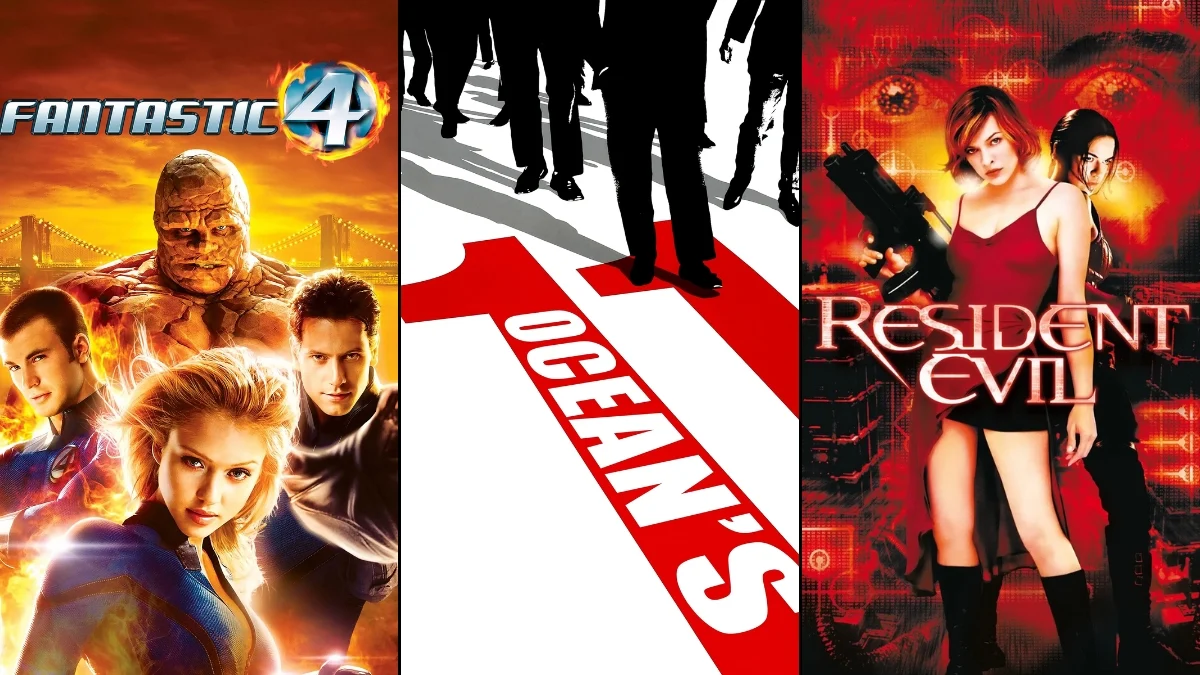
The spinoff ‘Ocean’s 8’ replaced the traditional male ensemble with an all-female cast in an effort to offer a fresh perspective on the heist genre. Although the film turned a modest profit it failed to generate the cultural impact or critical acclaim of the George Clooney trilogy. Momentum for a direct sequel stalled as the studio eventually shifted focus to a prequel set in the past rather than continuing this storyline. The attempt to swap the gender dynamics of the team did not result in a sustainable new branch for the series.
‘Toy Story’ (1995– )
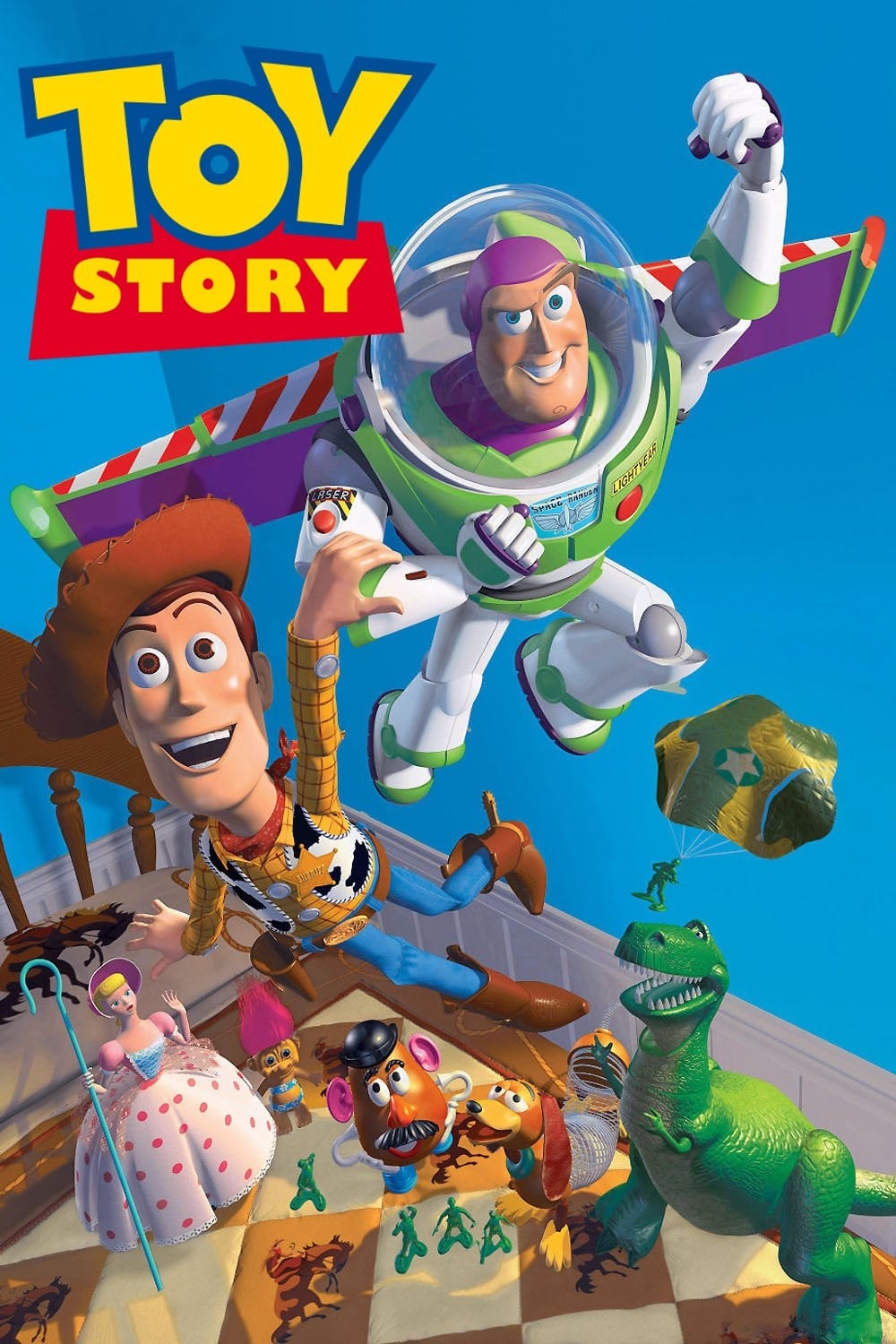
Pixar attempted to expand the universe with ‘Lightyear’ which presented the origin story of the human Buzz Lightyear character without Tim Allen. The recasting of the voice actor and the inclusion of social elements caused confusion and controversy that alienated families. The film became one of the biggest box office failures in the studio’s history and ended plans for further realistic spinoffs. Disney has since announced a return to the core series with the original cast to win back drifting audiences.
‘Fantastic Four’ (2005–2015)
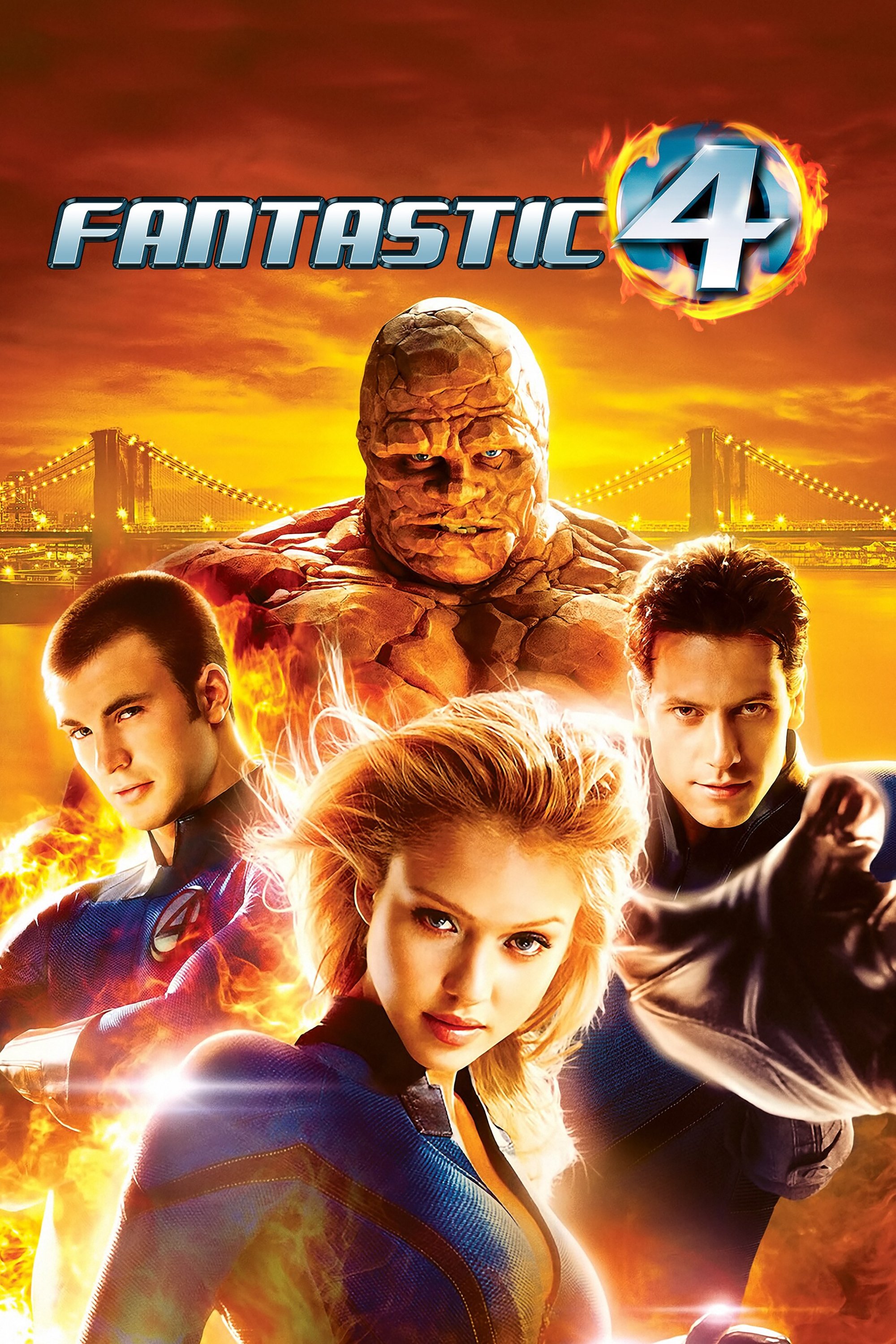
The 2015 reboot of ‘Fantastic Four’ made drastic changes to the source material including a darker tone and the race-swapping of key characters. Director Josh Trank distanced himself from the final edit as fans rejected the grim atmosphere and disregard for comic book accuracy. The movie was a critical and commercial catastrophe that forced the studio to cancel the planned sequel immediately. Rights to the characters eventually reverted to Marvel Studios due to the inability of 20th Century Fox to produce a successful adaptation.
‘Resident Evil’ (2002–2021)
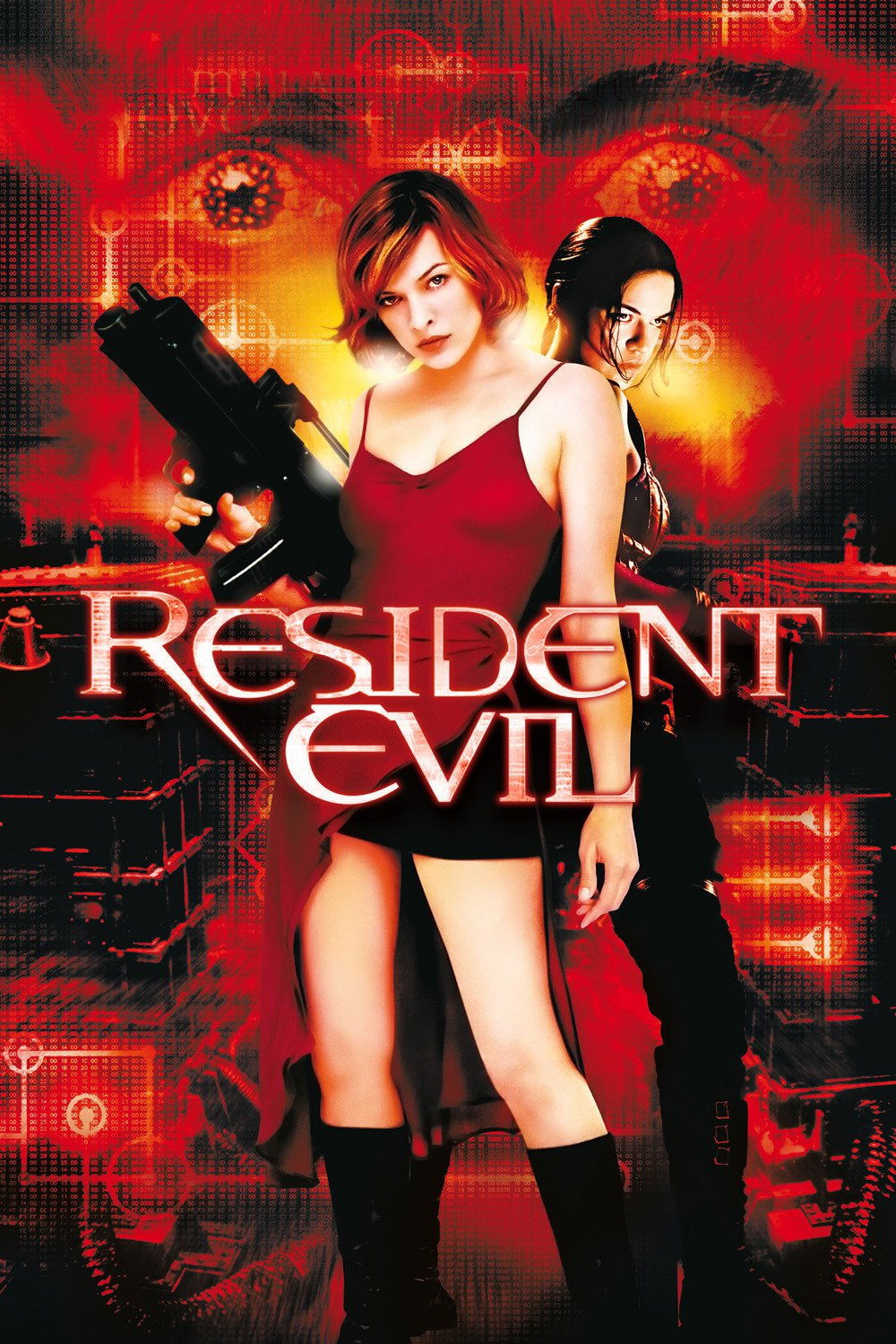
‘Resident Evil: Welcome to Raccoon City’ attempted to reboot the series with a focus on horror but faced backlash over casting choices that deviated from the games. The casting of primary characters like Leon S Kennedy and Jill Valentine drew criticism from purists who wanted faithful representations of the source material. The film failed to ignite interest in a new series and grossed significantly less than the previous action-heavy installments. The planned cinematic universe was scrapped in favor of potential future reboots.
‘Peter Pan’ (1953–2023)
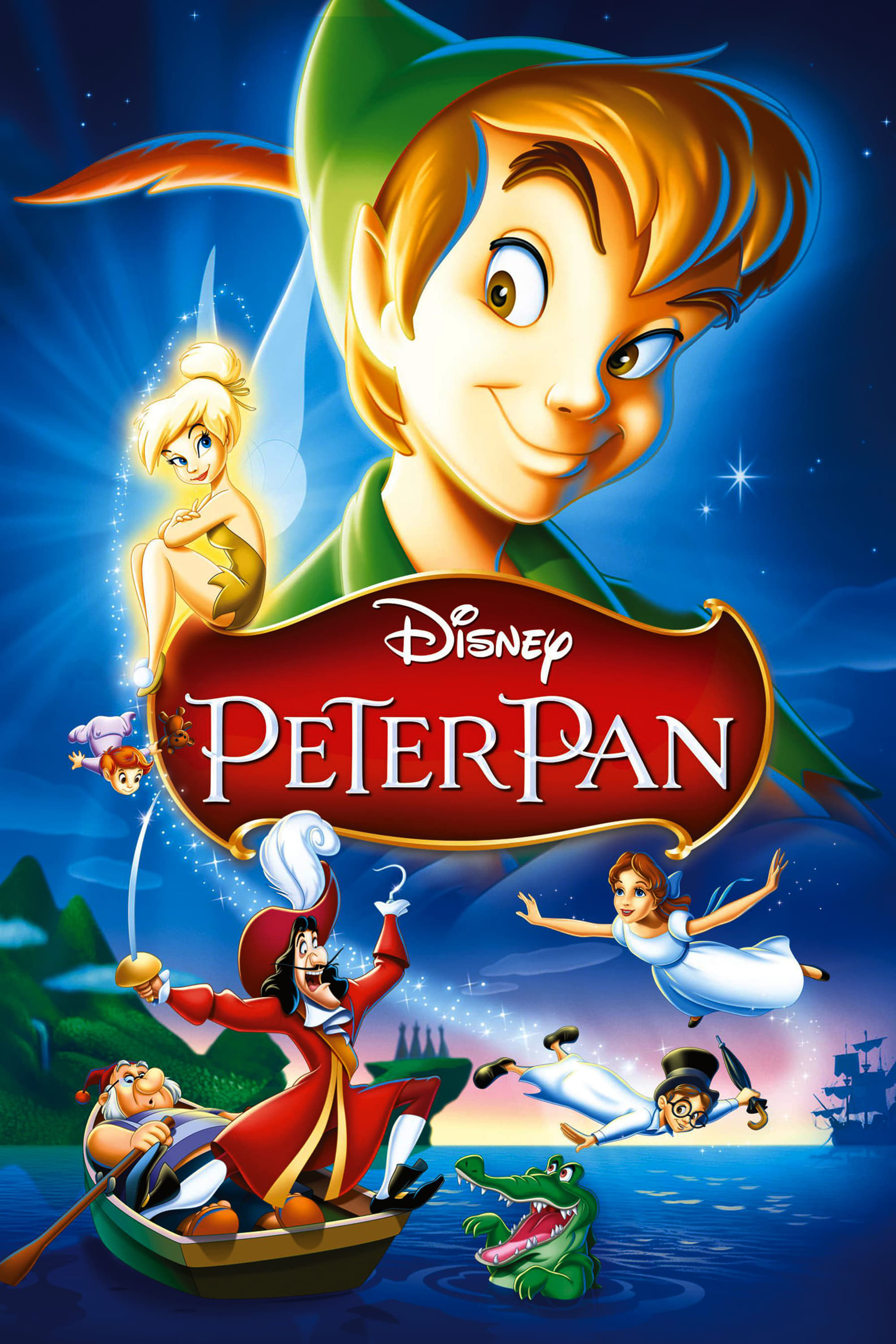
The release of ‘Peter Pan & Wendy’ on Disney Plus was met with ridicule regarding changes made to the Lost Boys and the character of Tinker Bell. Critics and audiences pointed out that the title character was sidelined in his own movie to focus on Wendy and a more diverse cast. The film received poor viewership numbers and low audience ratings across various review aggregators. This reception highlighted the diminishing returns of live-action remakes that alter the fundamental elements of classic animated catalogues.
‘Marvel Cinematic Universe’ (2008– )
The release of ‘The Marvels’ marked a historic low for the franchise with the worst opening weekend in its long history. Audiences expressed fatigue with the increasing focus on obscure characters and storylines that required watching multiple television shows to understand. Criticism of the film centered on its disjointed tone and the perceived prioritization of diversity over compelling storytelling. The box office collapse signaled a need for a major creative overhaul within the studio to regain consumer trust.
‘DC Extended Universe’ (2013–2023)
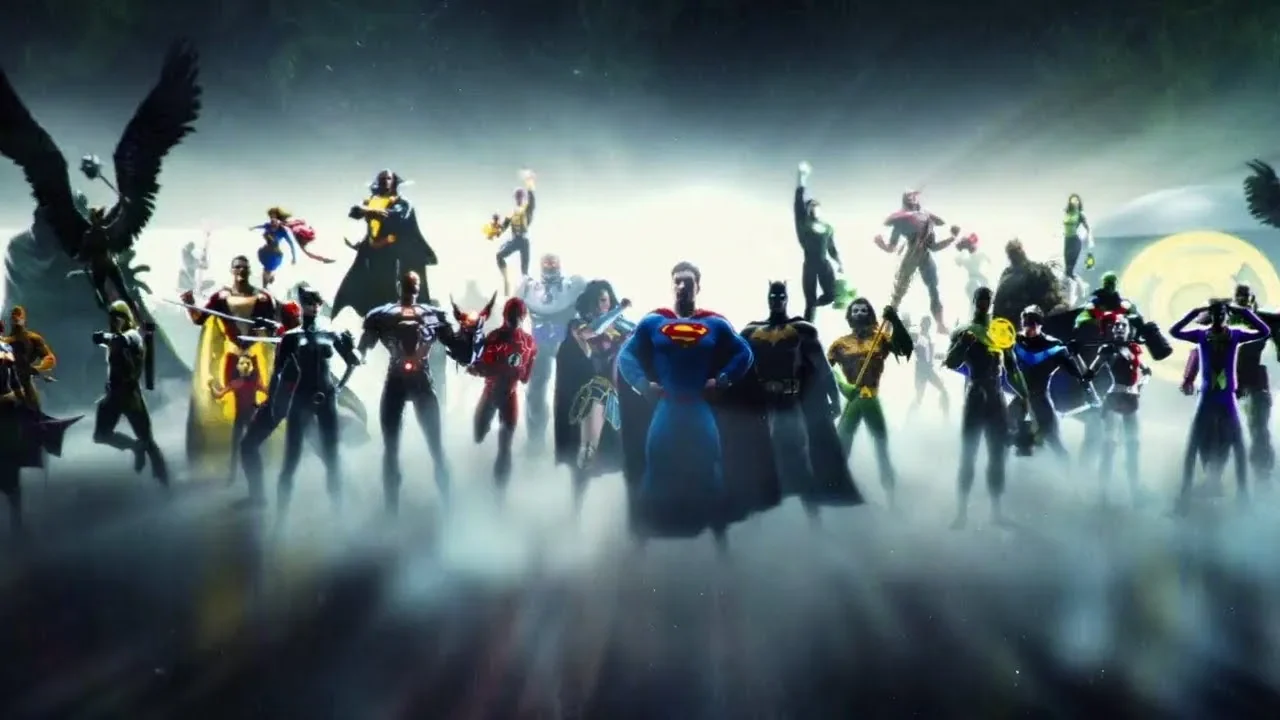
‘Birds of Prey’ was marketed with a strong message of female emancipation that alienated a portion of the traditional comic book movie demographic. The film underperformed at the box office and prompted the studio to change the title mid-release to emphasize the presence of Harley Quinn. This stumble contributed to the chaotic trajectory of the shared universe which struggled to find a consistent tone or audience. The entire cinematic universe was eventually rebooted after a string of commercial disappointments and a lack of cohesive direction.
‘Mulan’ (1998–2020)
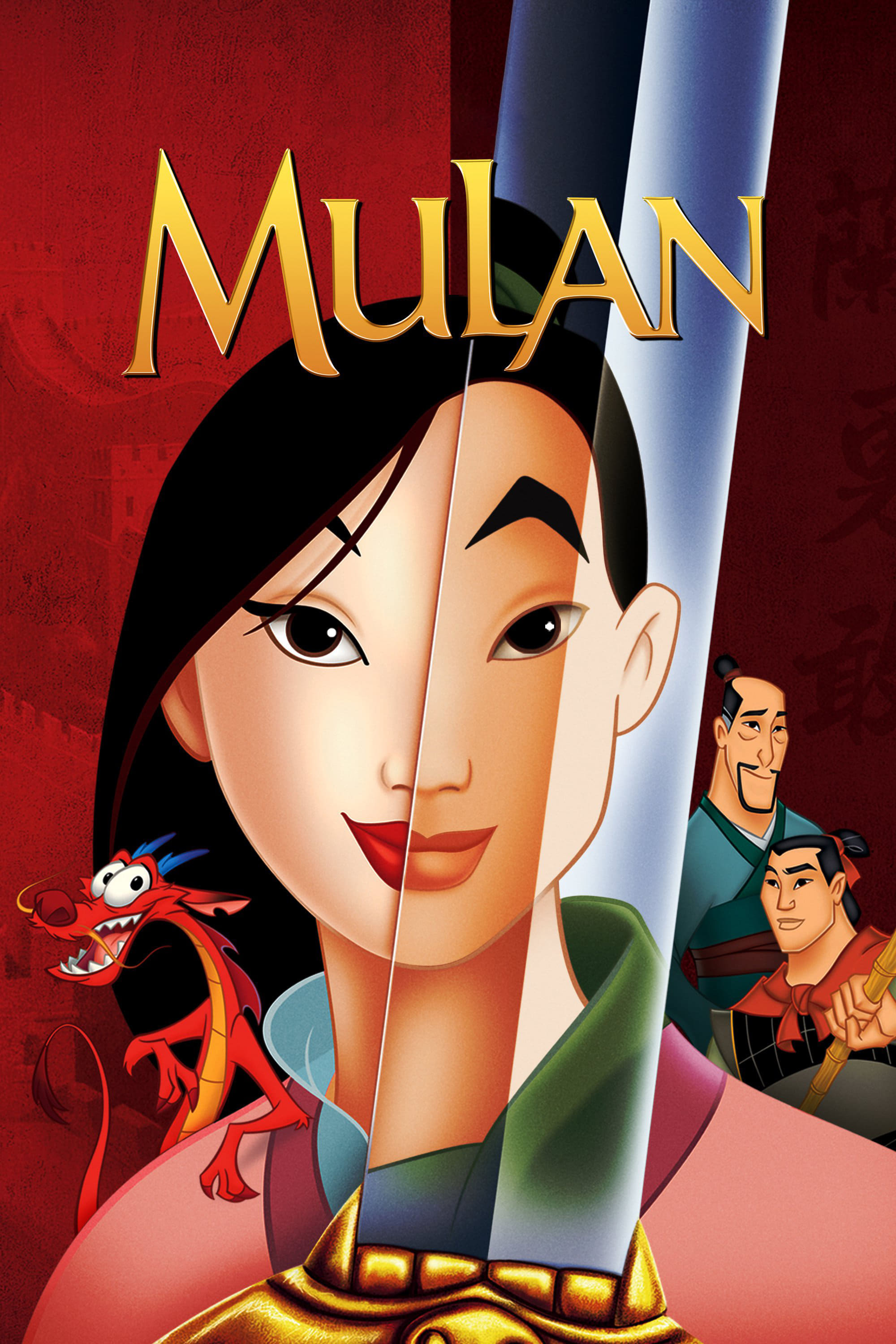
The live-action adaptation of the beloved animated classic removed the musical numbers and the character of Mushu to present a more serious narrative. Controversy arose regarding the production locations and political comments made by the lead actress which sparked a boycott movement. Fans also criticized the film for altering the protagonist’s journey by attributing her skills to magical abilities rather than hard work. The release bypassed theatrical distribution in many regions and the film failed to launch a new series of sequels.
Share your thoughts on which franchise deserved a better fate in the comments.