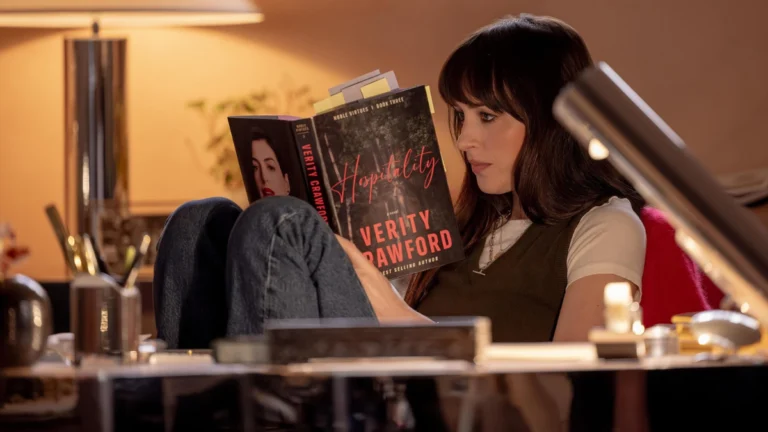
Movies That Reveal New Details on Every Rewatch



Some films are designed to be consumed once while others demand repeated viewings to fully grasp their narrative depth. Directors often hide visual cues and foreshadowing that become apparent only after knowing the ending. These layered cinematic experiences offer fresh perspectives and hidden easter eggs upon every return visit. The following list highlights films renowned for their intricate details and complex storytelling that reward attentive audiences.
‘The Shining’ (1980)
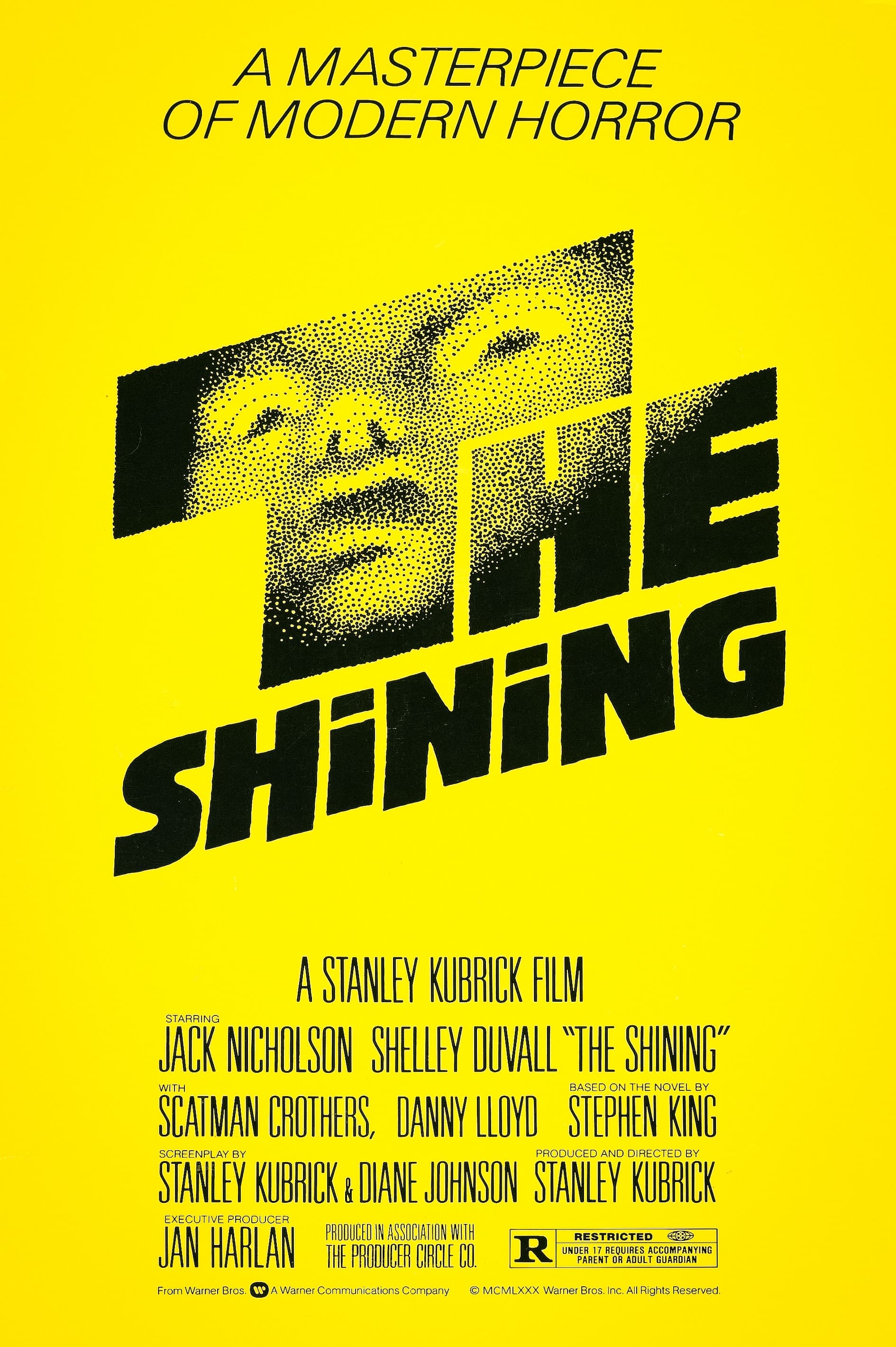
Stanley Kubrick filled ‘The Shining’ with spatial anomalies that create a subconscious sense of unease. The layout of the Overlook Hotel changes subtly between scenes to disorient the viewer. Background details like the disappearing chair or the changing patterns on the carpet hint at the supernatural forces at play. Careful observation reveals specific colors that foreshadow danger before it arrives on screen.
‘Fight Club’ (1999)
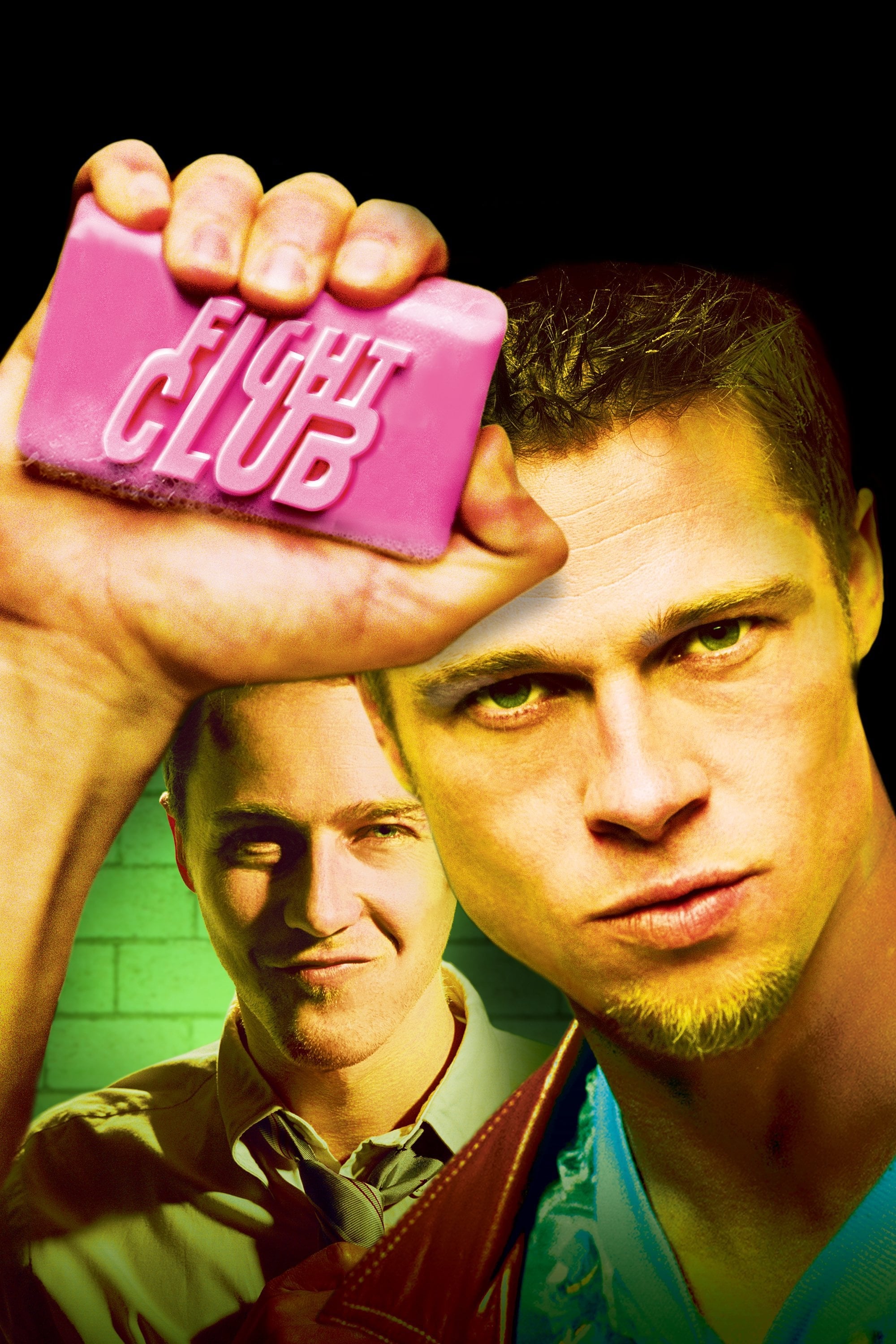
David Fincher inserted single frames of Tyler Durden into scenes long before the character officially meets the narrator. ‘Fight Club’ contains numerous subtle hints about the true nature of the relationship between the two protagonists. Background details often contradict the narration to show the narrator is unreliable. The film rewards viewers who track the physical condition of the narrator throughout the runtime.
‘The Prestige’ (2006)
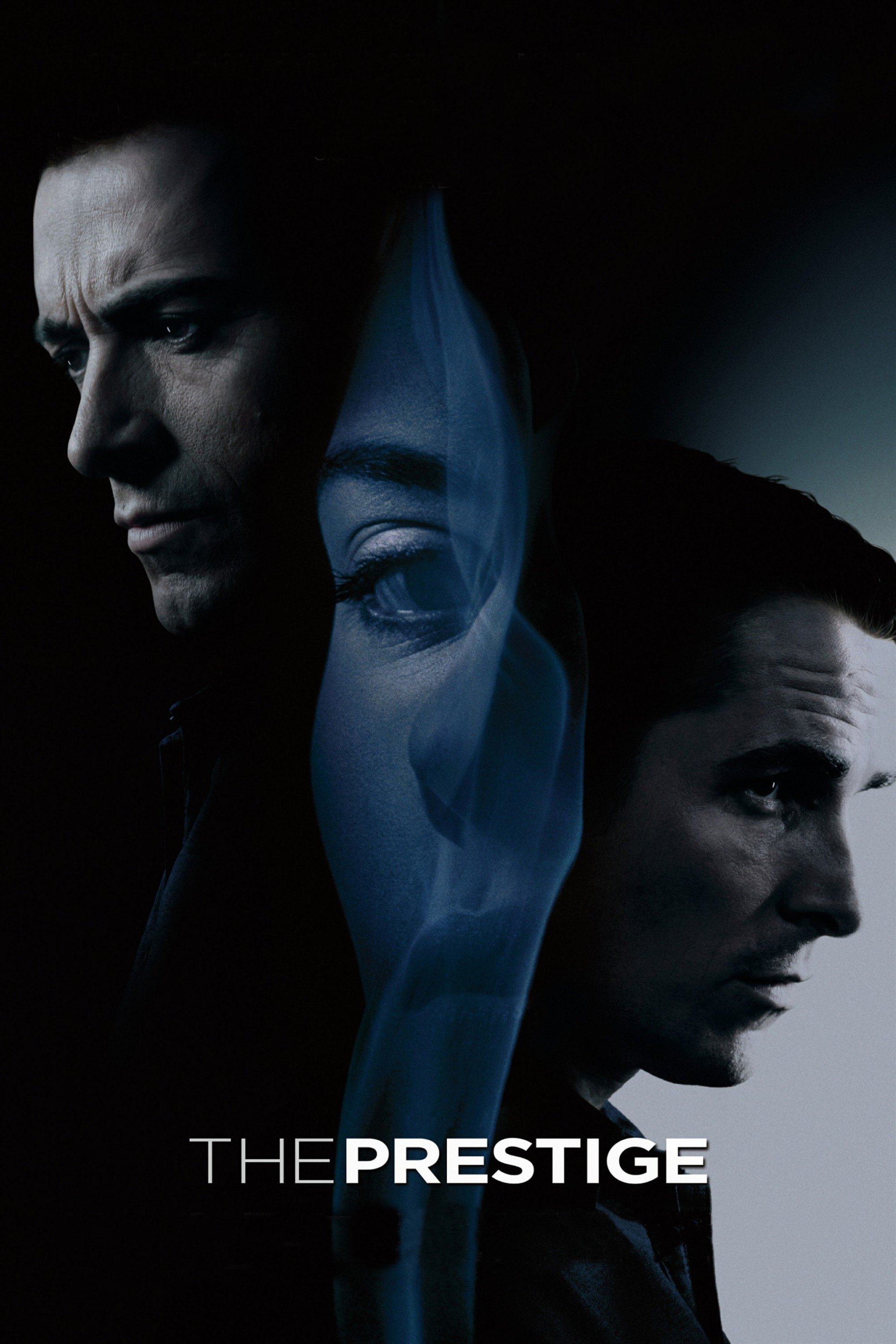
Christopher Nolan structured ‘The Prestige’ like a magic trick where every scene contains a clue to the final reveal. Characters often speak in double entendres that take on literal meanings once the twist is known. Visual cues regarding the twin brothers are present from the opening shots but are easily missed. The journal entries read by the characters provide a timeline that syncs perfectly with the visual storytelling upon review.
‘Memento’ (2000)
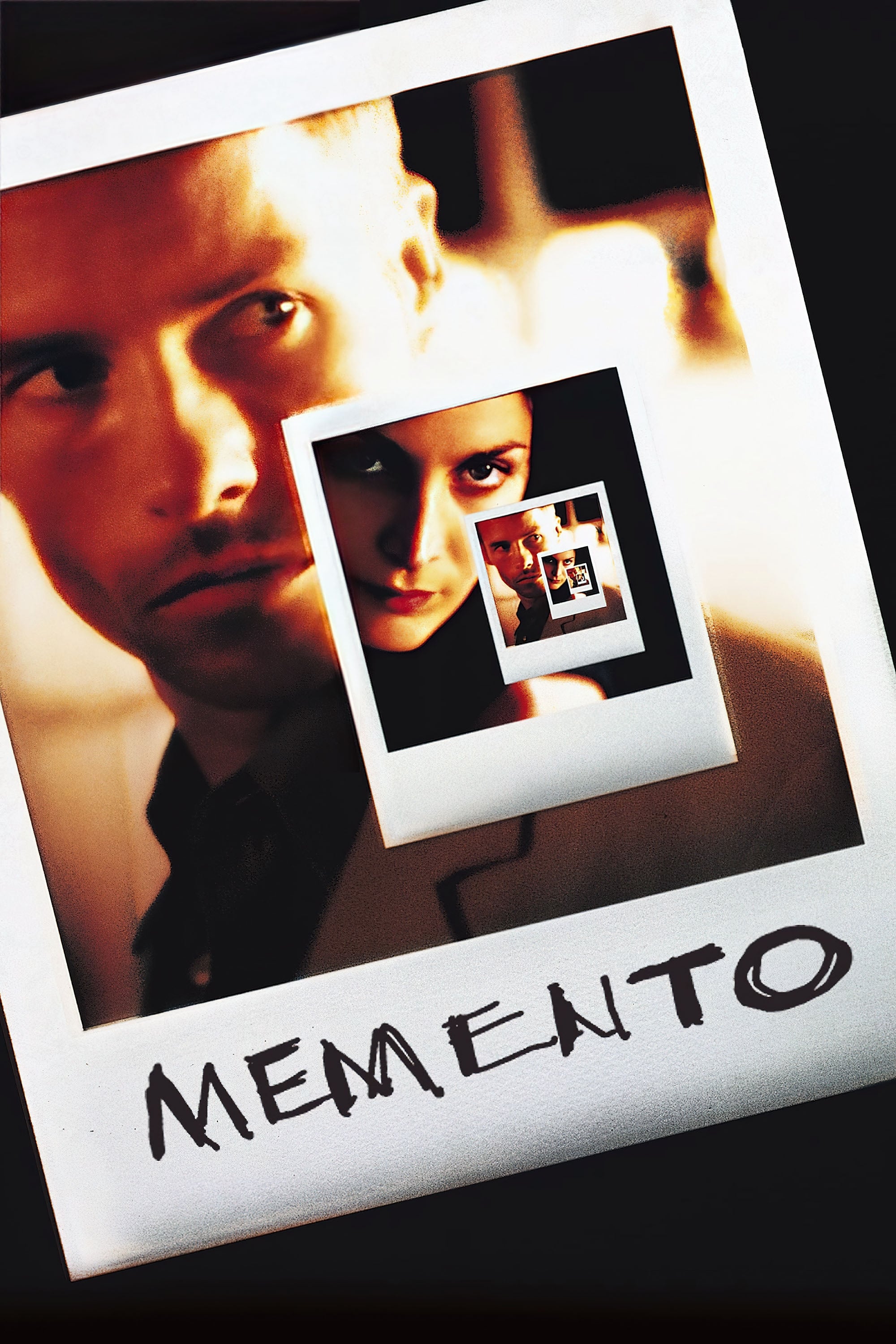
The reverse chronological order of ‘Memento’ forces the audience to piece together the narrative like a puzzle. Repeated viewings clarify the difference between the color sequences and the black and white scenes. Small details in the background change to reflect the unreliability of Leonard’s memory. The film hides the truth about the murder investigation in plain sight during the dialogue.
‘Get Out’ (2017)
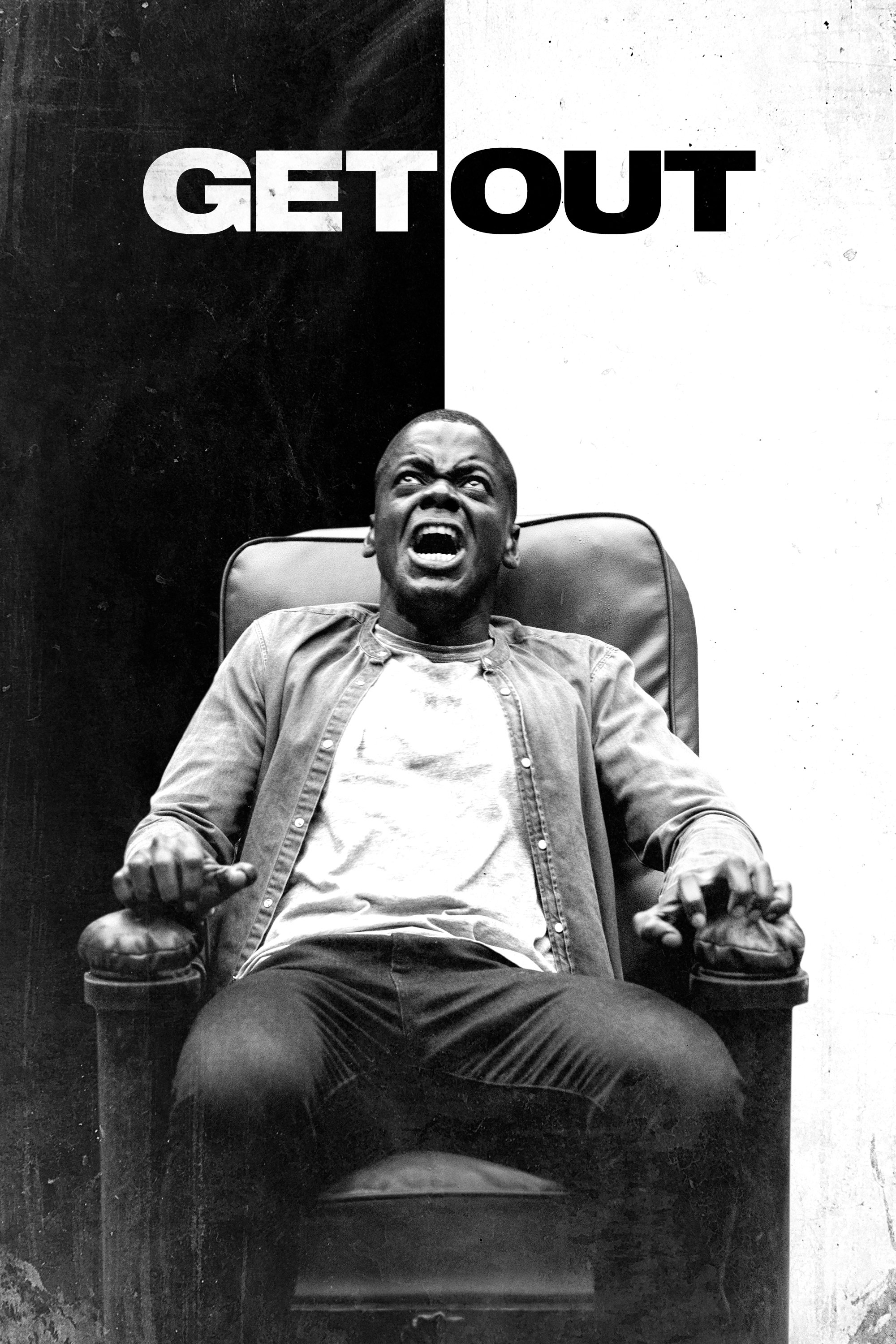
Jordan Peele embedded racial commentary and foreshadowing into the set design and dialogue of ‘Get Out’ from the very beginning. The behavior of the family members seems merely awkward at first but reveals sinister intentions upon a second look. Costumes and colors are used deliberately to signify the separation between the protagonist and his captors. Dialogue that initially sounds like friendly banter is actually coded language referring to the surgical procedure.
‘Shutter Island’ (2010)
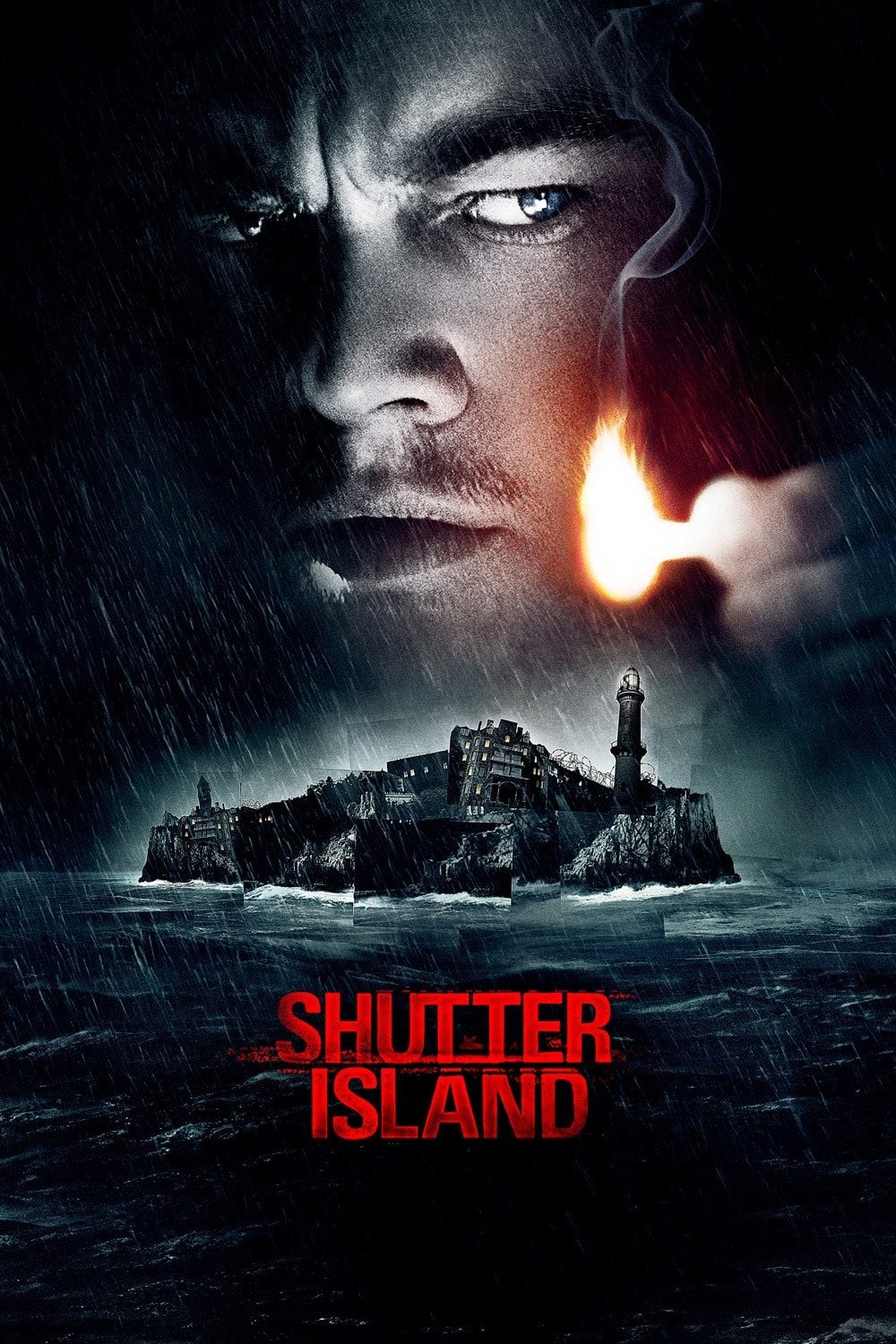
Martin Scorsese utilized continuity errors intentionally to reflect the fractured psyche of the protagonist in ‘Shutter Island’. Fire and water motifs appear consistently to symbolize the trauma surrounding the main character. Supporting characters often glance at the guards rather than the detective during interrogations. The lighting changes subtly to indicate when the protagonist is hallucinating versus experiencing reality.
‘Inception’ (2010)
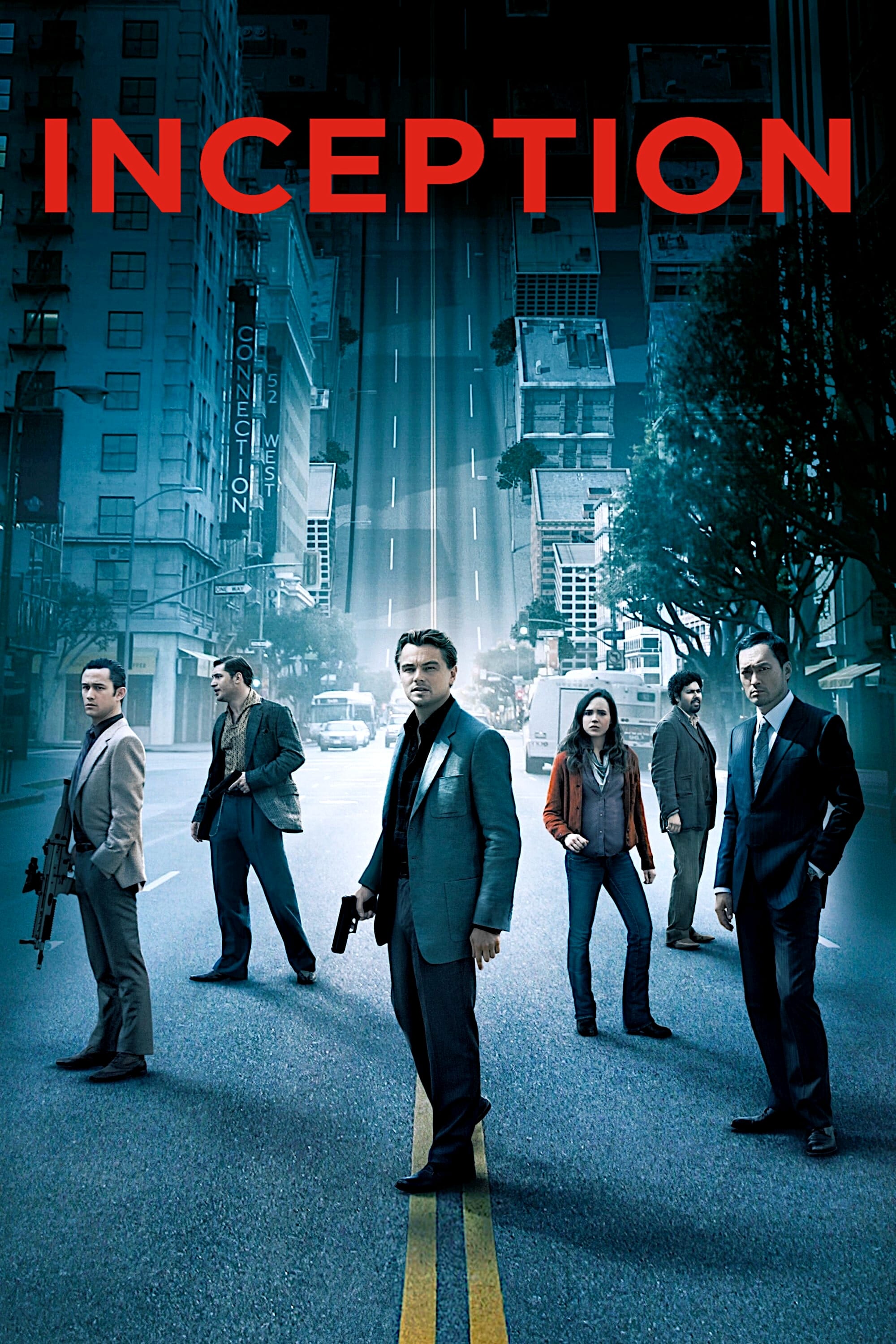
Christopher Nolan creates complex dream layers in ‘Inception’ that adhere to strict rules established early in the film. Viewers can track the totem of the protagonist to determine if a scene takes place in reality or a dream. The musical score creates an auditory cue that slows down depending on the depth of the dream level. Background characters in the dream sequences often stare at the dreamer when the subconscious becomes hostile.
‘Parasite’ (2019)
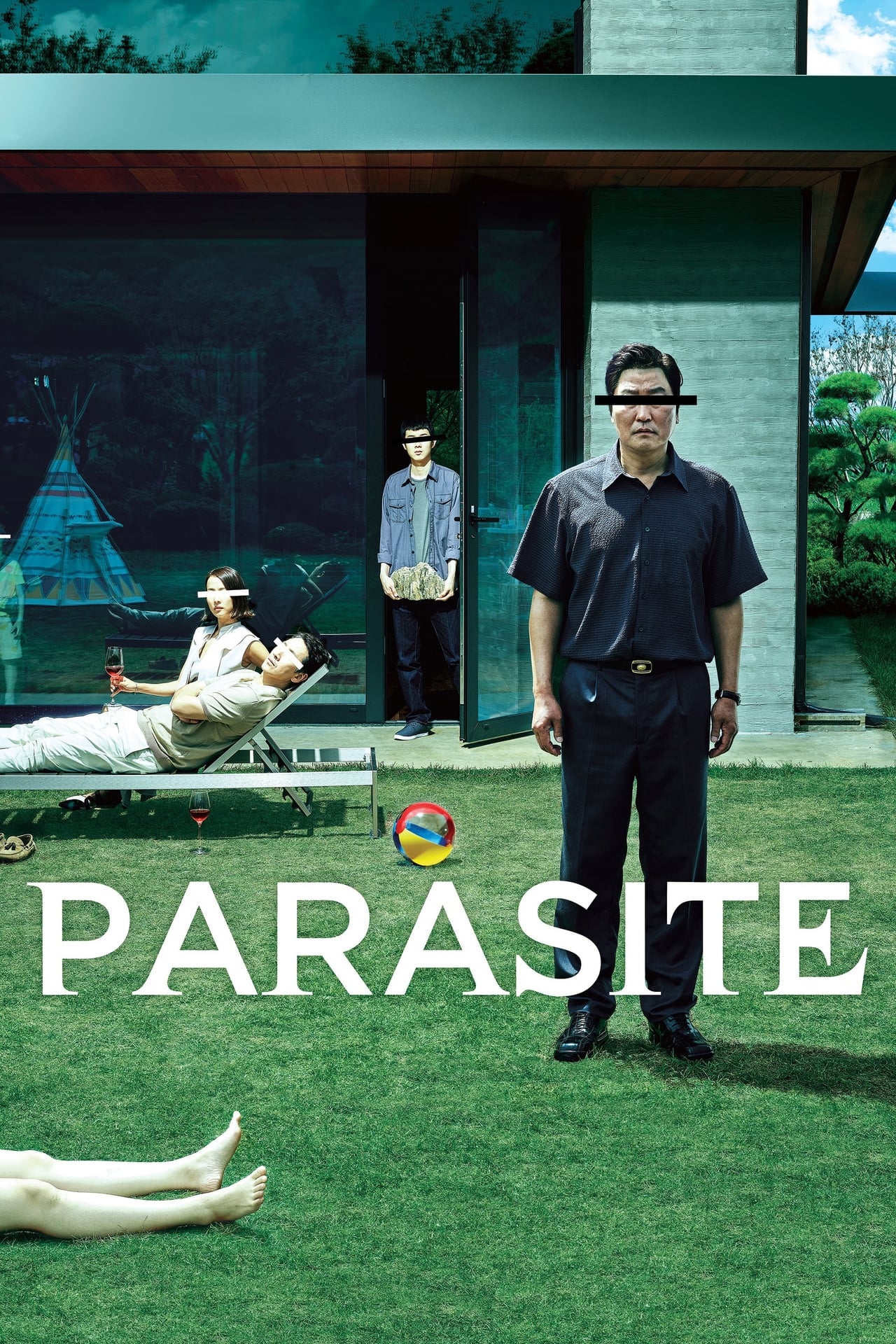
Bong Joon-ho used architectural lines in ‘Parasite’ to visually represent the class divide between the two families. The lighting shifts dramatically as the power dynamic flips throughout the story. Subtle actions by the housekeeper hint at the secret in the basement long before it is revealed. The film uses smell as a recurring motif that drives the climax and becomes more noticeable on repeat viewings.
‘Pulp Fiction’ (1994)
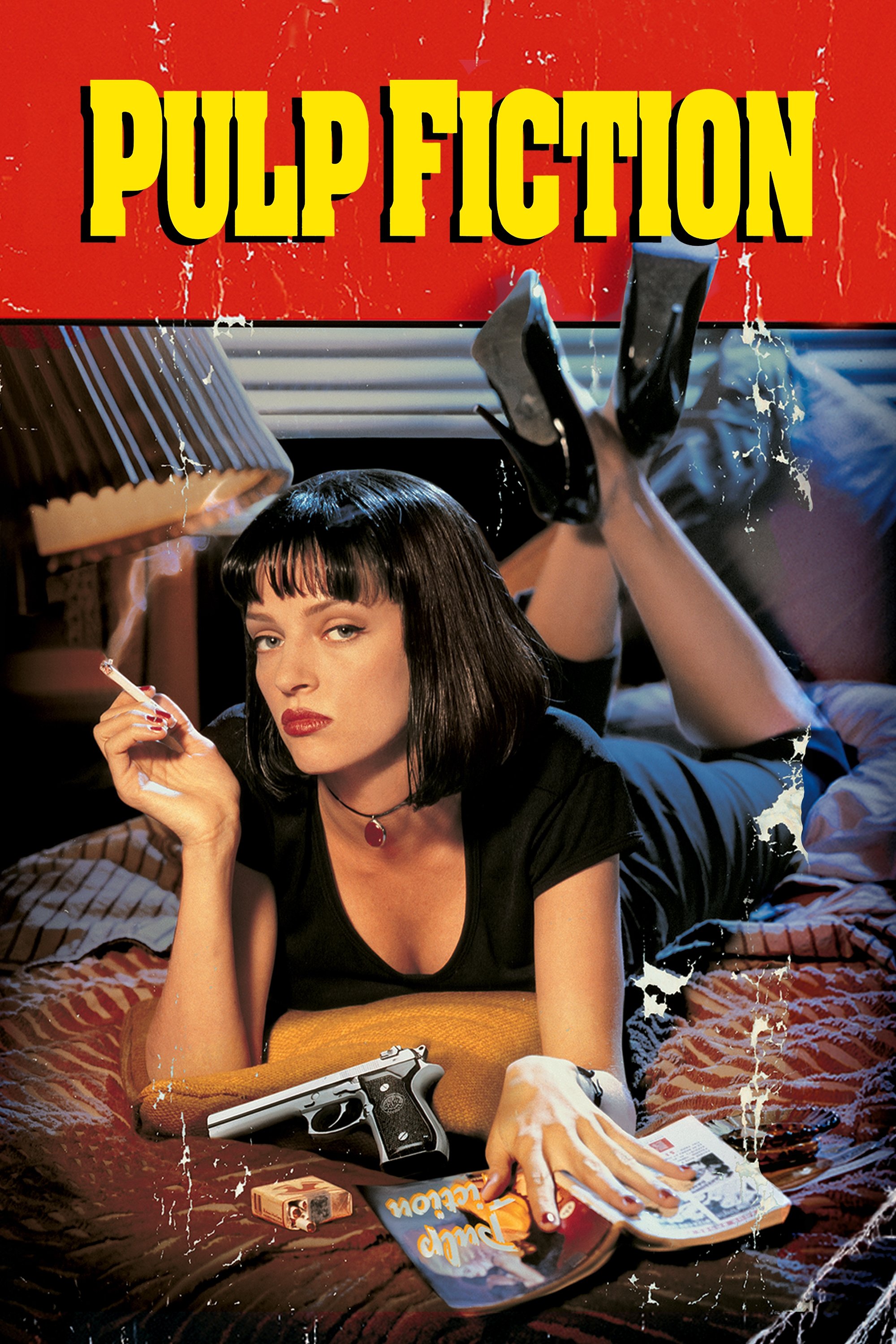
Quentin Tarantino weaves a non-linear narrative in ‘Pulp Fiction’ that connects characters in the background of unrelated scenes. The timeline becomes clear only after piecing together the distinct storylines. Dialogue often references events that have already happened or will happen later in the film’s chronology. Visual details like bullet holes appear in the wall before the gun is even fired in one iconic scene.
‘Arrival’ (2016)
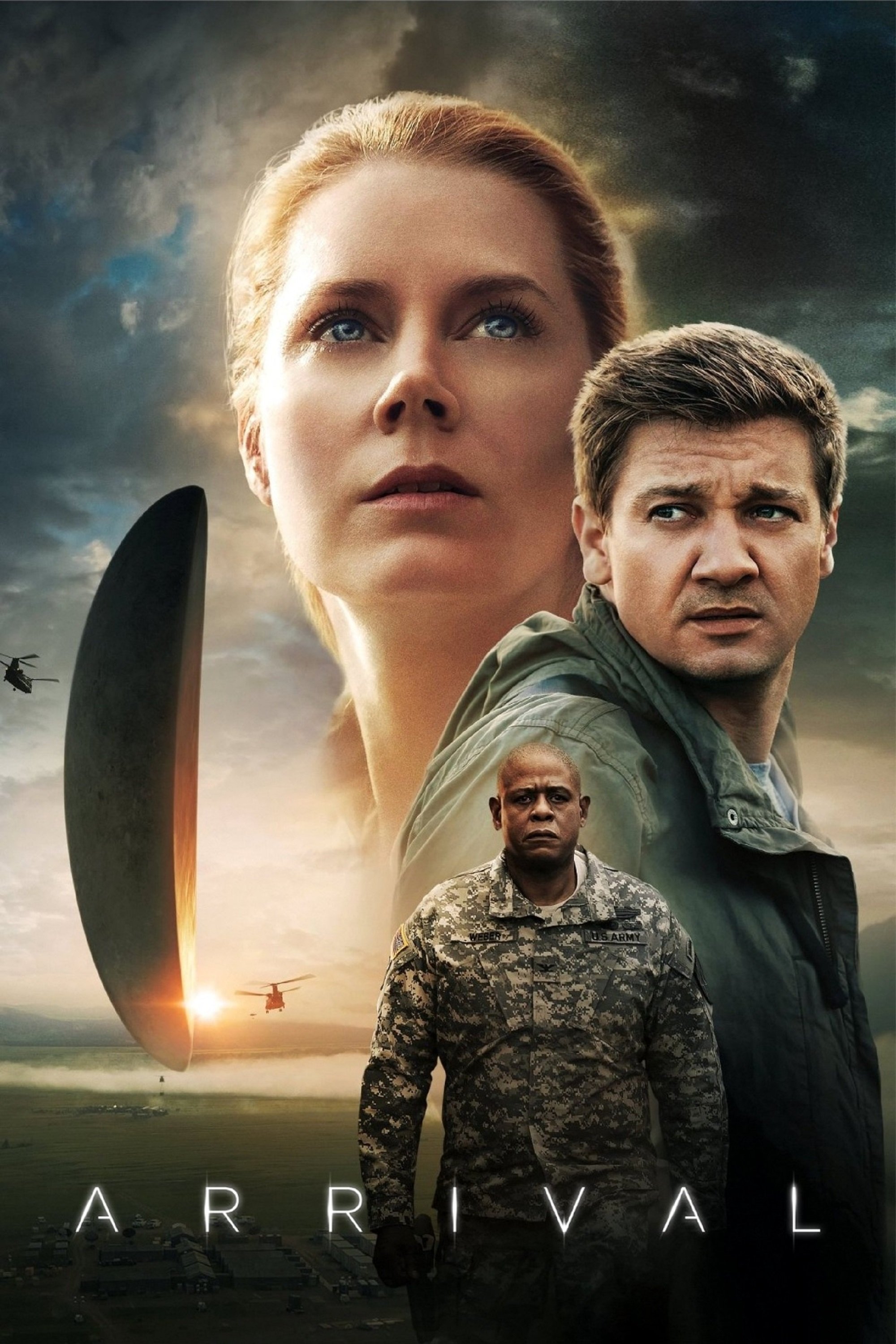
The linguistic structure of the alien language in ‘Arrival’ mirrors the circular narrative of the film. Flashbacks viewed early in the movie are actually flash-forwards that the protagonist experiences. The color palette shifts subtly to reflect the changing perception of time. Dialogue regarding the nature of choices takes on a completely different meaning once the temporal twist is understood.
‘Zodiac’ (2007)
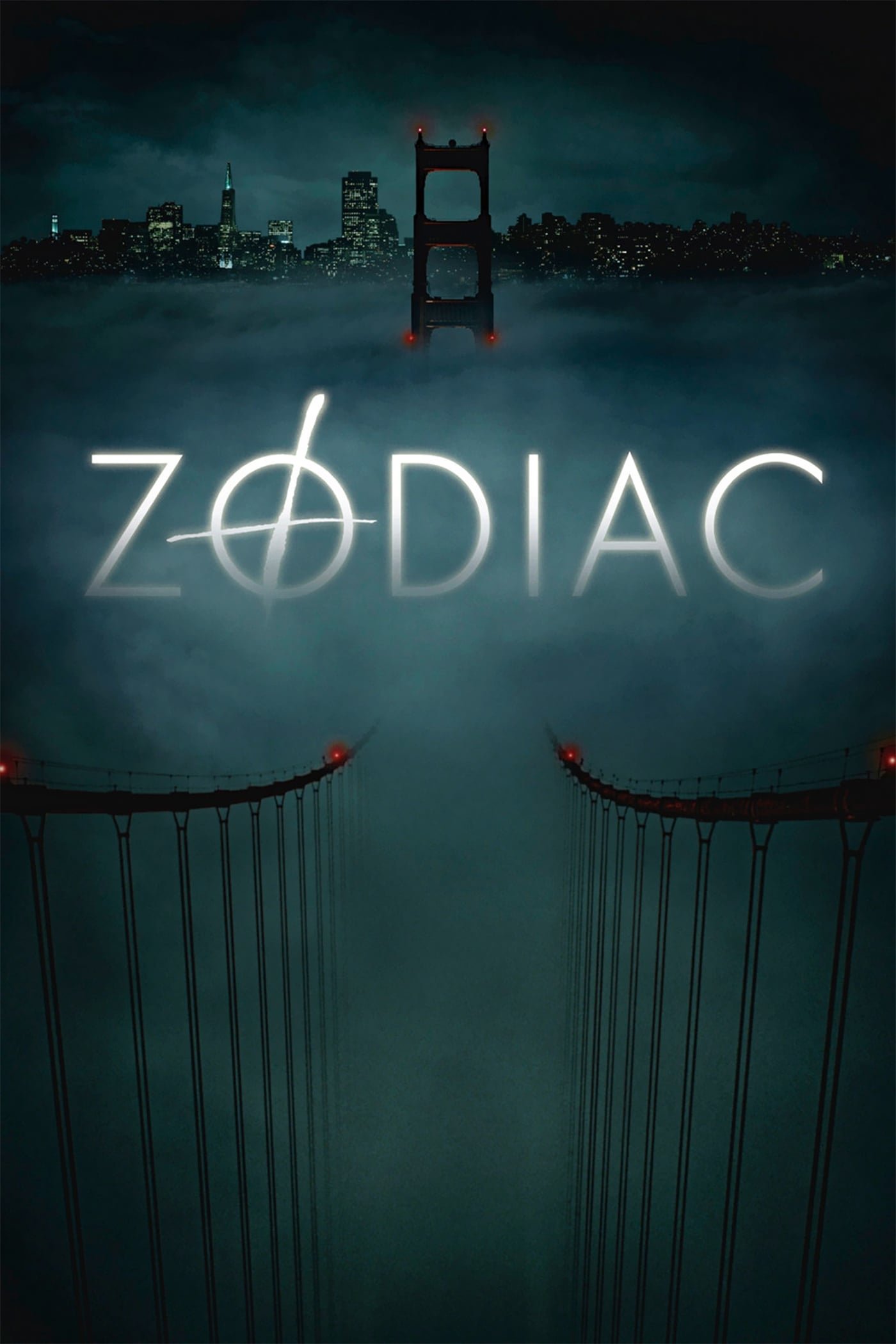
David Fincher packed ‘Zodiac’ with period-accurate details and dense information that mimics the overwhelming nature of the investigation. The passage of time is marked by subtle changes in the environment and the aging of the characters. Background clues align strictly with the real case files and police reports used to write the script. The film demands attention to the dates and locations displayed on screen to track the killer’s movement.
‘Mulholland Drive’ (2001)
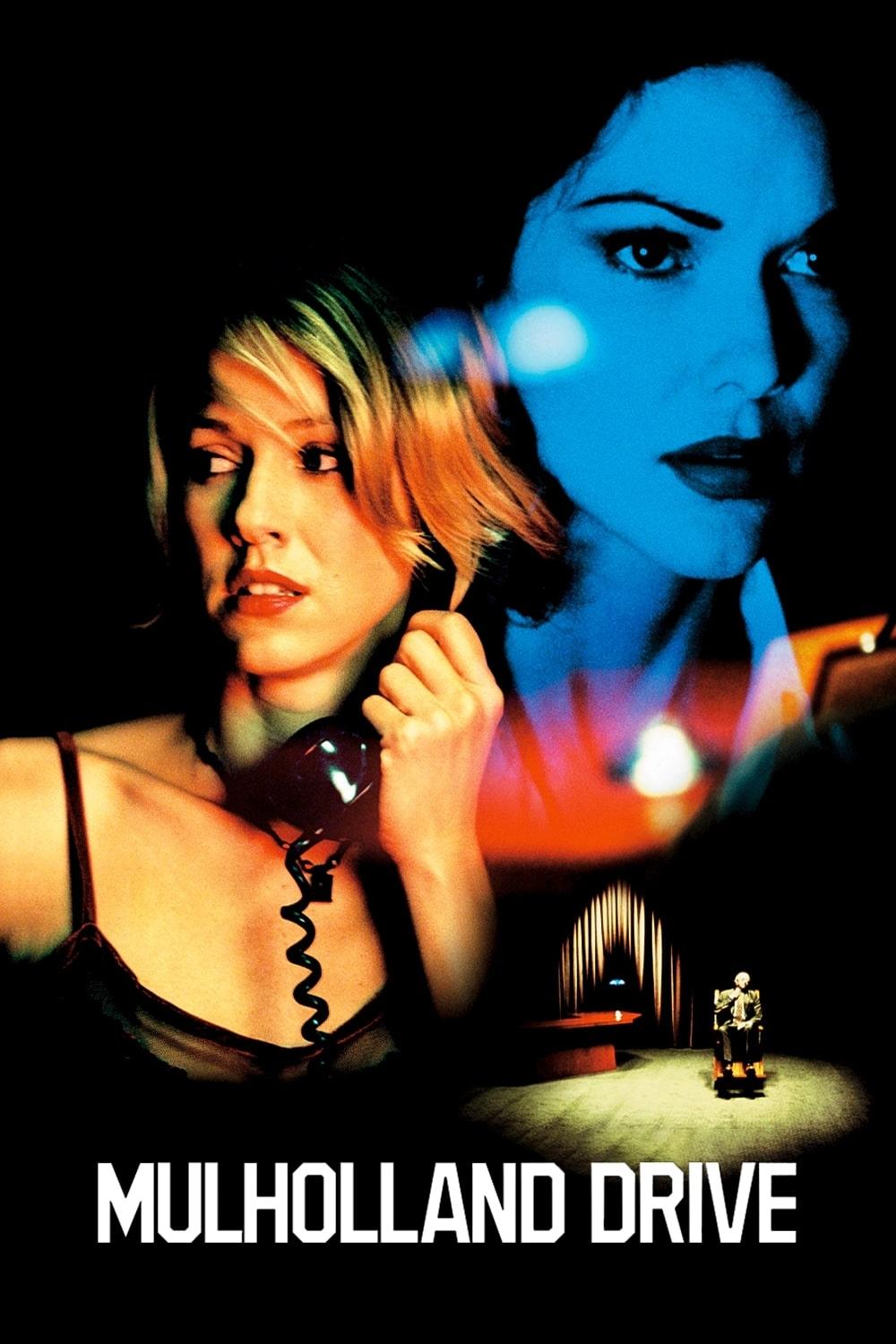
David Lynch constructed ‘Mulholland Drive’ with a dream logic that resists straightforward interpretation but offers consistent internal symbols. The blue key and the blue box serve as anchors that connect the two disparate realities shown in the film. Characters appear in different roles that reflect the protagonist’s idealized self versus her tragic reality. Distinct background sounds often signal transitions between the dream world and the waking nightmare.
‘Blade Runner 2049’ (2017)
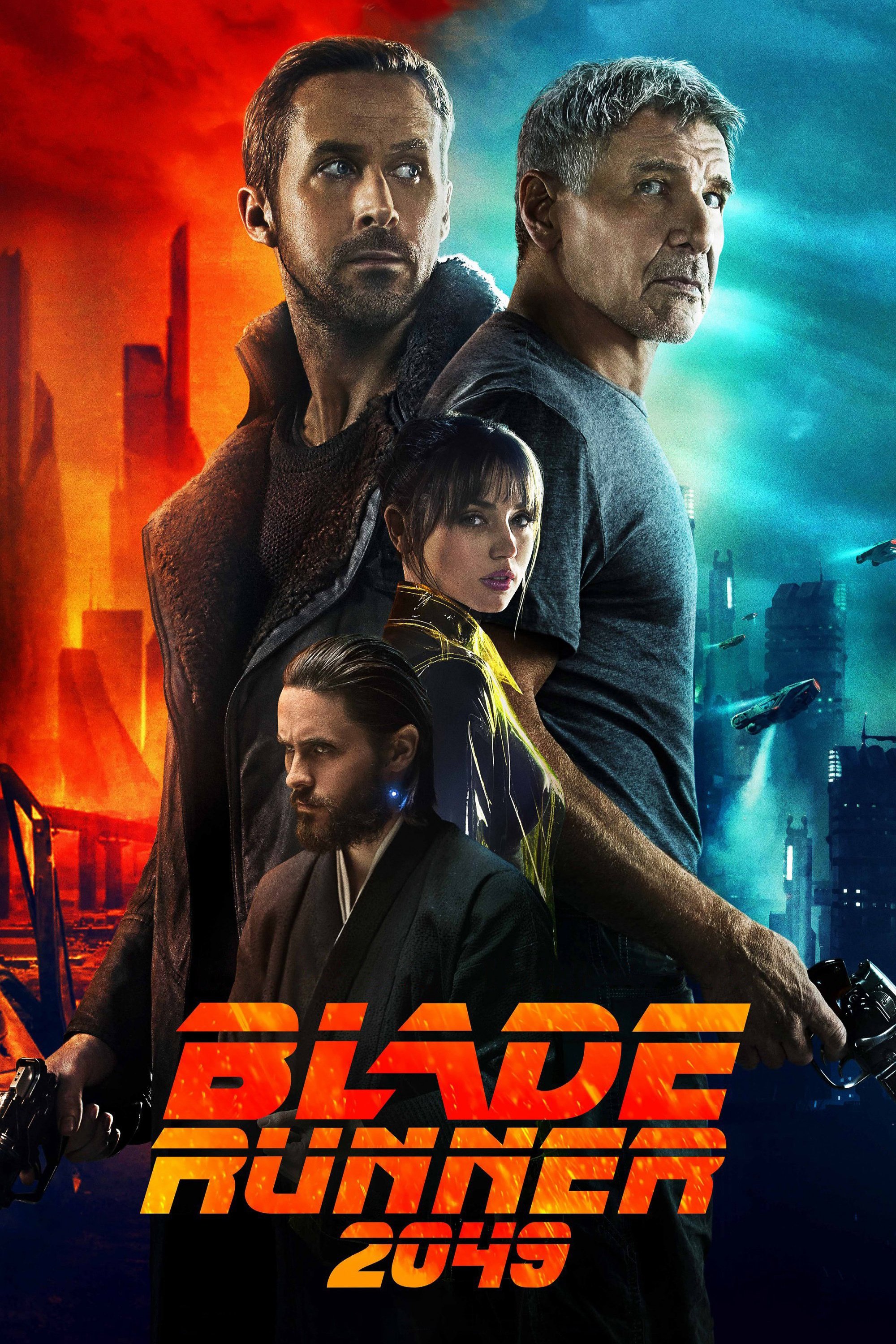
Denis Villeneuve used distinct color palettes in ‘Blade Runner 2049’ to signify different emotional states and locations. The holographic advertisements interact with the protagonist in ways that foreshadow his journey. Visual parallels to the original film enrich the lore without explicitly stating the connections in dialogue. The presence of the Joi emanator sound cue helps viewers track her distinct location in complex scenes.
‘Eternal Sunshine of the Spotless Mind’ (2004)
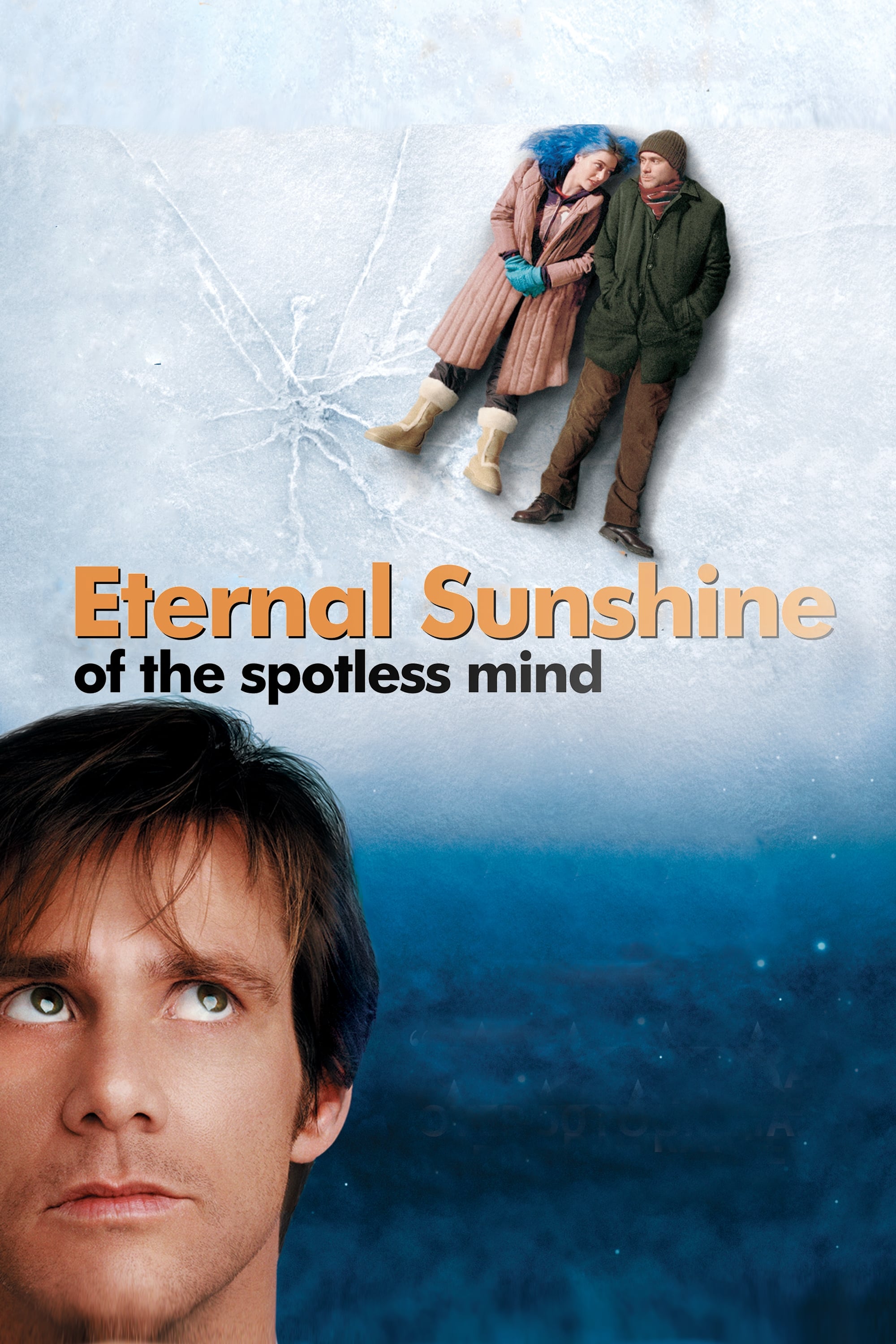
Michel Gondry used practical effects in ‘Eternal Sunshine of the Spotless Mind’ to visually dismantle the world as memories are erased. Background objects vanish or blur out of focus as the protagonist moves deeper into his subconscious. The color of Clementine’s hair serves as a chronological marker to help sort the jumbled timeline. Dialogue heard in the background often comes from scenes that occur chronologically later in the relationship.
‘Shaun of the Dead’ (2004)
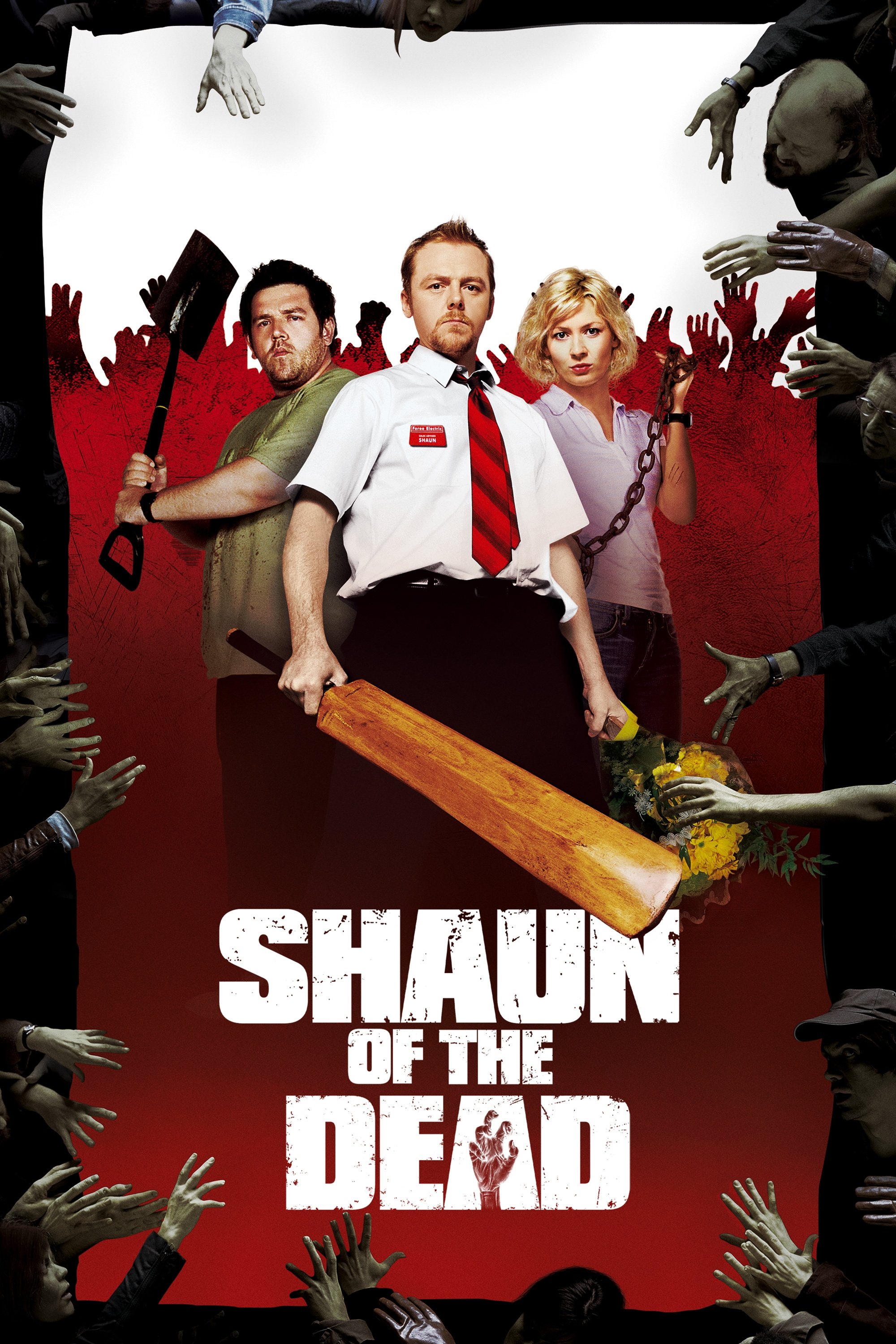
Edgar Wright filled ‘Shaun of the Dead’ with foreshadowing lines that predict the exact events of the zombie apocalypse. The entire plot is summarized by Ed during a conversation at the pub early in the film. Background extras who appear in the opening credits return later as zombies in the exact same clothing. Repetitive dialogue is used effectively to show how the mundane routine mirrors the behavior of the undead.
Tell us which movie you have rewatched the most to find hidden details in the comments.