15 TV Shows That Completely Reinvented Themselves Mid-Run and Won


Television shows often struggle to maintain quality over long periods without evolving their core premises. Some series manage to defy cancellation by radically changing their settings or tones partway through their runs. These creative pivots can revitalize a stagnant narrative and attract entirely new audiences. The following programs demonstrate that taking a massive risk can sometimes lead to television history.
‘Parks and Recreation’ (2009–2015)
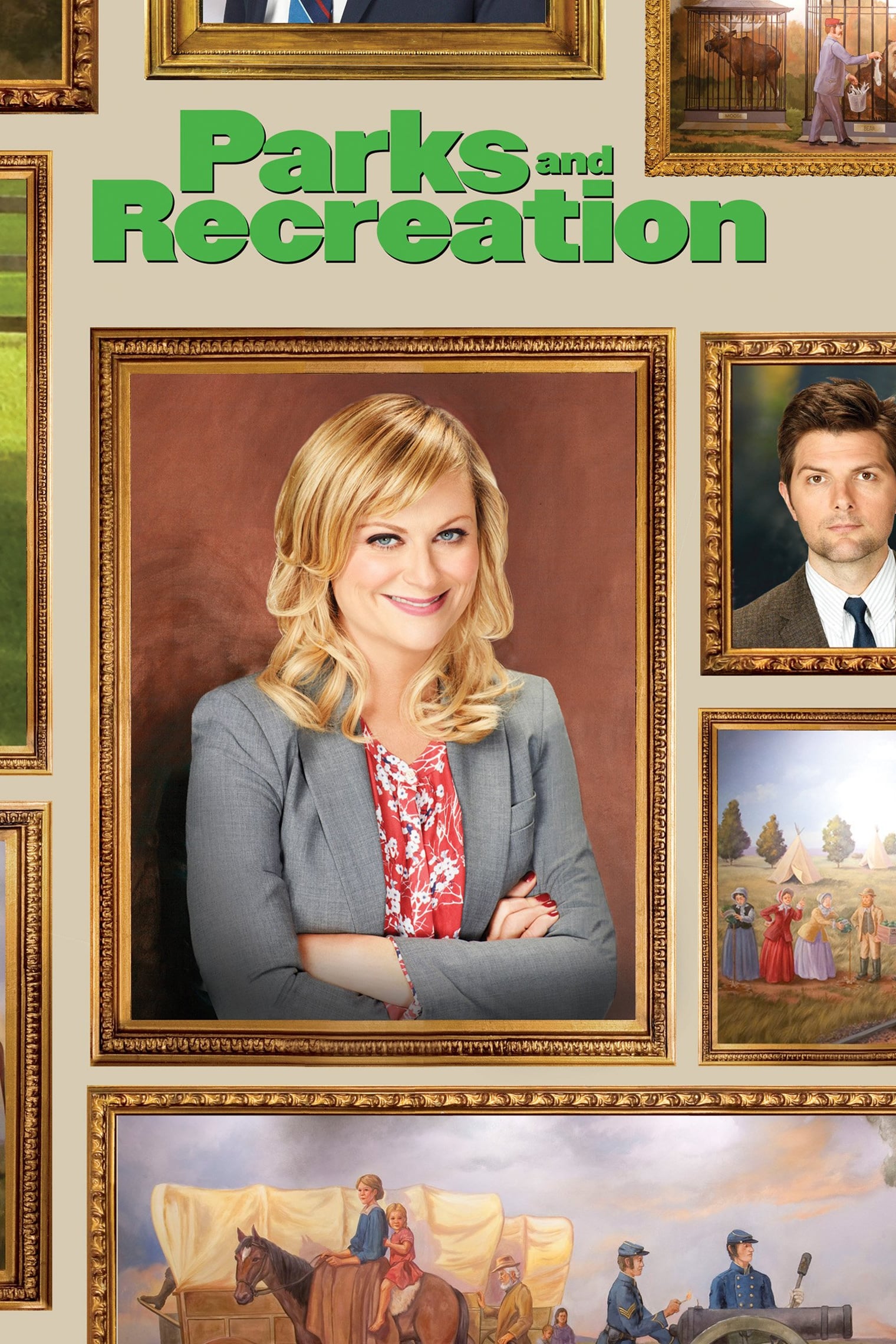
The early episodes of this sitcom attempted to mimic the cringe humor of ‘The Office’ with a clueless version of Leslie Knope. The arrival of Rob Lowe and Adam Scott in the second season fundamentally altered the dynamic of the series. The writing staff softened Leslie into a highly competent but intense bureaucrat surrounded by a loving ensemble. This pivot allowed the sitcom to find its own voice and become a beloved classic about optimism in government.
‘The Good Place’ (2016–2020)
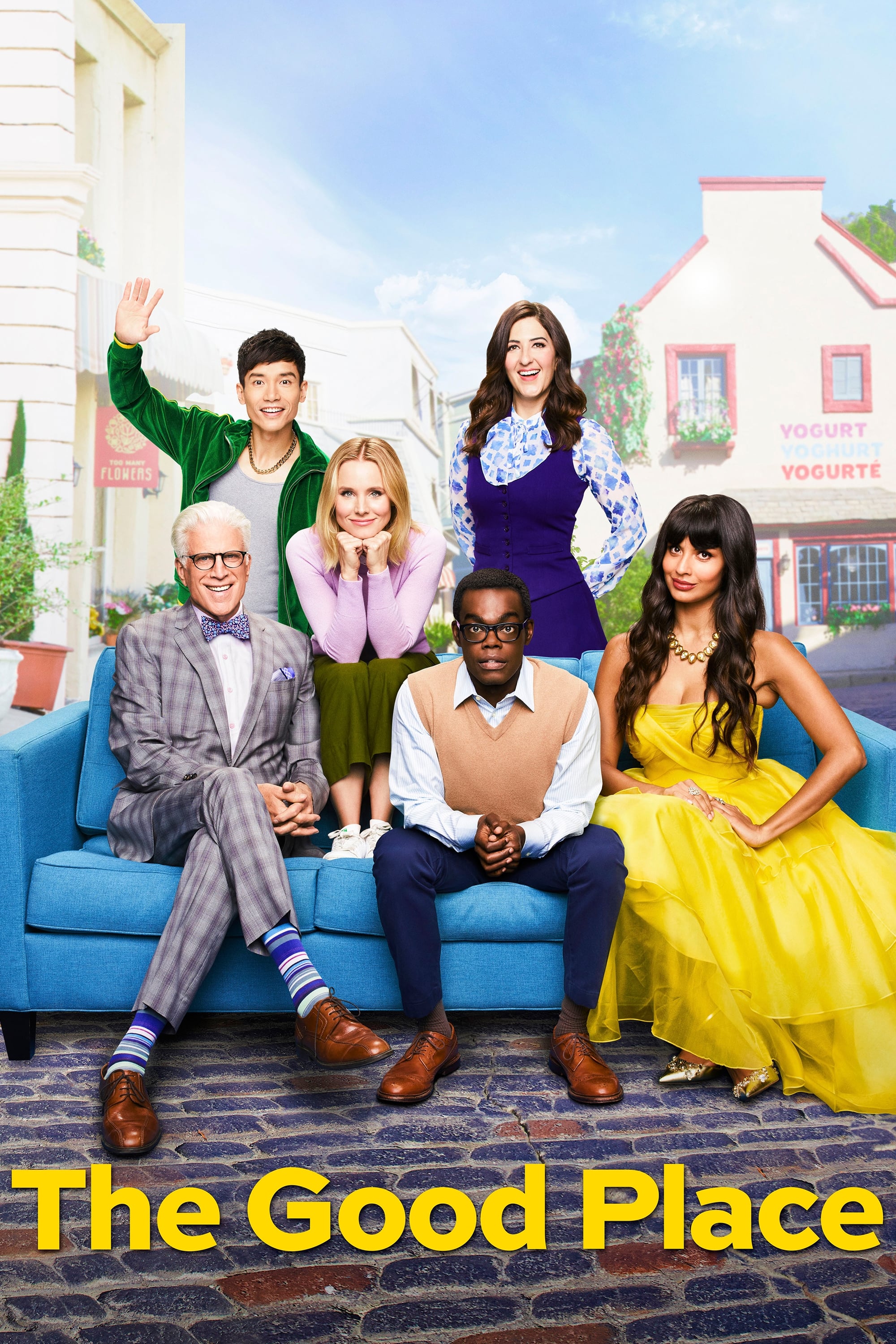
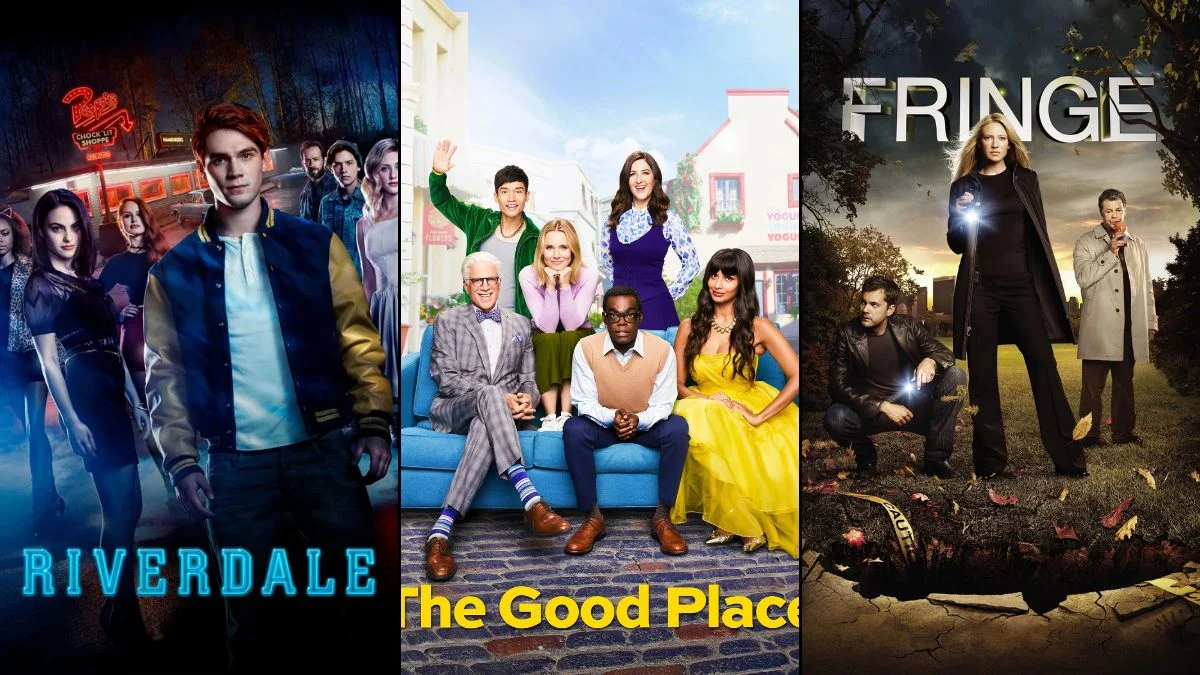
The first season presented a standard comedy about a mistake in the afterlife set in a brightly colored heaven. A massive twist in the season one finale completely upended the premise and reset the narrative landscape for the characters. Subsequent seasons focused on moral philosophy and the complexities of redemption rather than just hiding a secret identity. The show managed to reinvent its setting and stakes repeatedly while maintaining its core humor.
‘Fringe’ (2008–2013)
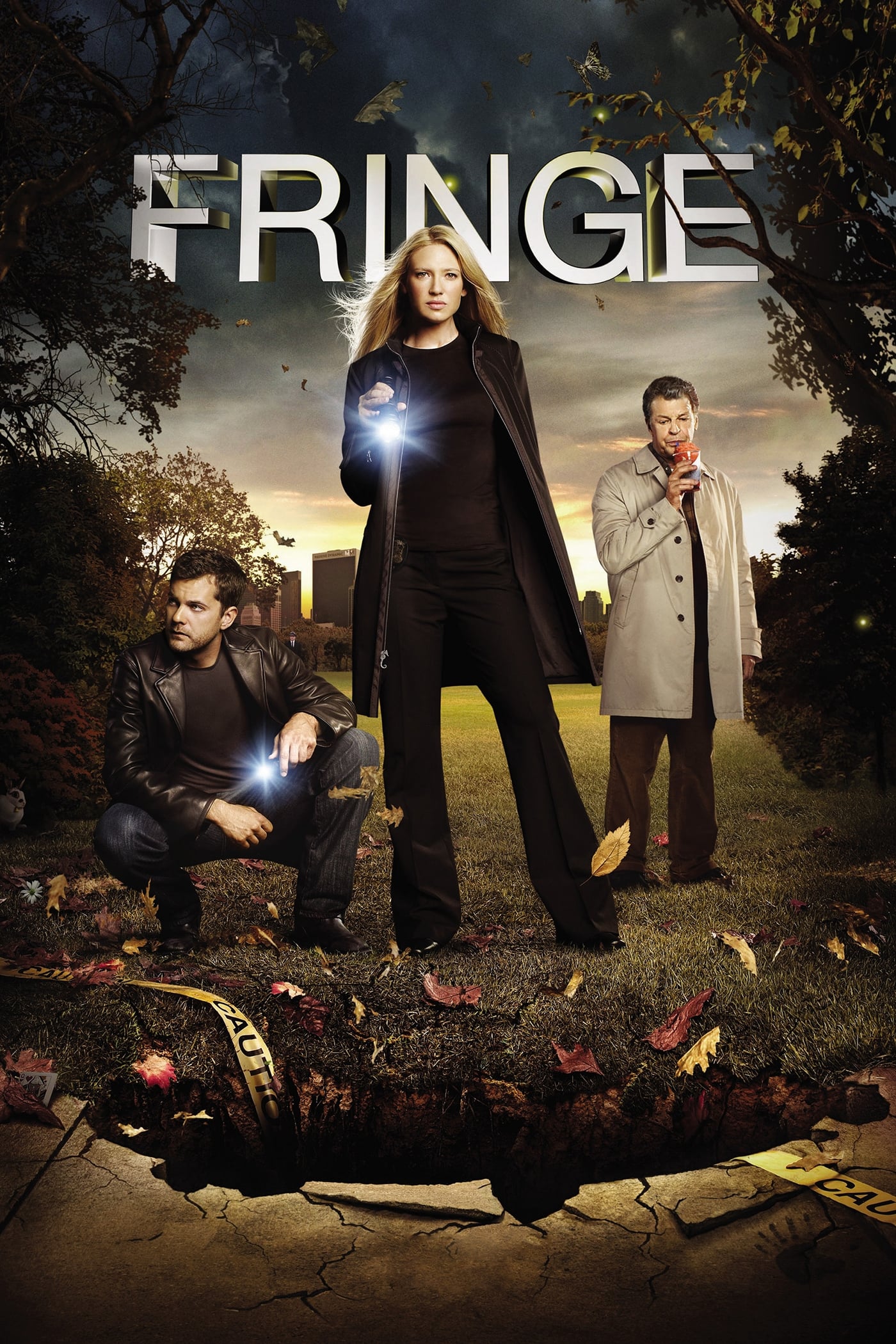
The series began as a standard procedural involving strange scientific phenomena and weekly investigations. It eventually expanded its mythology to include parallel universes and alternate timelines that deepened the emotional stakes. The narrative shifted from episodic mysteries to a dense serialized war between worlds that captivated science fiction fans. This bold move allowed the show to explore complex themes of identity and sacrifice beyond simple case solving.
‘Marvel’s Agents of S.H.I.E.L.D.’ (2013–2020)
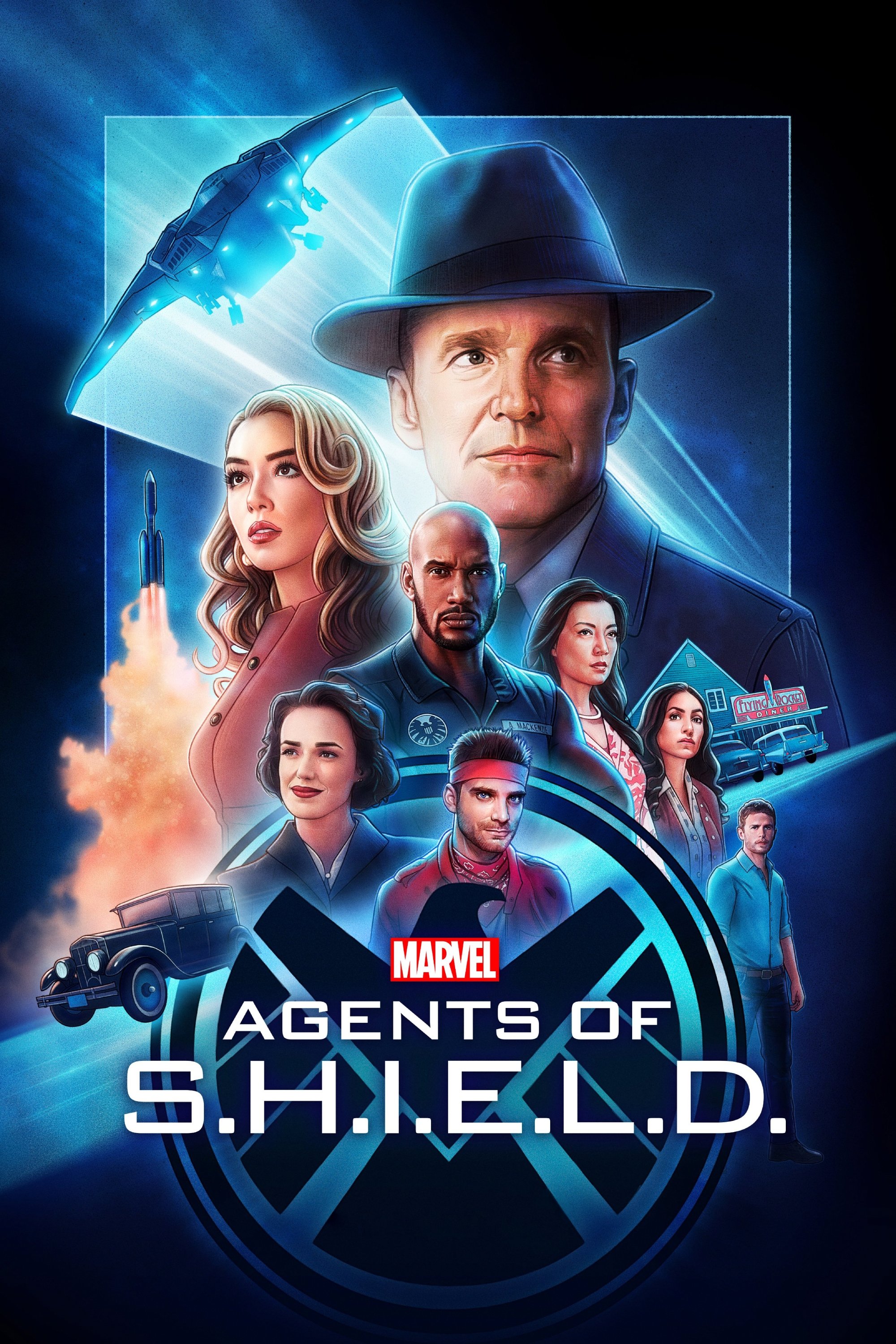
Marvel television struggled initially to find a foothold while tethered to the cinematic universe. The theatrical release of ‘Captain America: The Winter Soldier’ forced the show to dismantle its entire premise when Hydra infiltrated the organization. The writers utilized this destruction to turn the series into a thrilling spy drama where no character was safe. This creative reset gave the series a sense of urgency and independence it previously lacked.
‘Cougar Town’ (2009–2015)
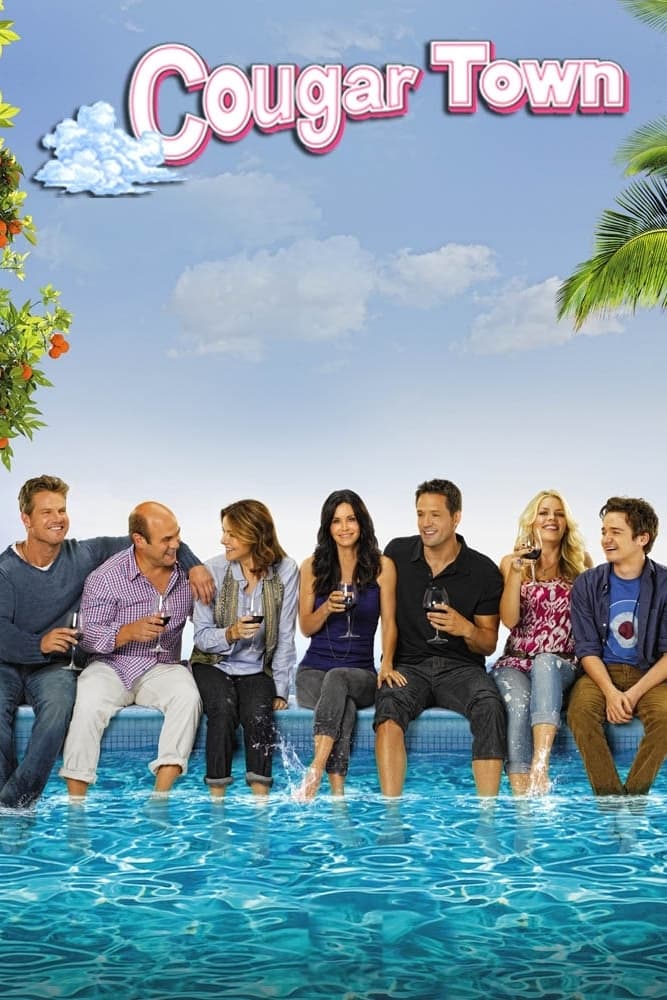
The pilot centered on an older woman dating younger men to justify the provocative title. The writers quickly realized the chemistry of the ensemble cast was better suited for a show about friends drinking wine. They abandoned the original dating premise entirely to focus on the eccentric dynamics of the group and their daily misadventures. The show famously mocked its own title in the opening credits once the tonal shift proved successful.
‘Blackadder’ (1983–1989)
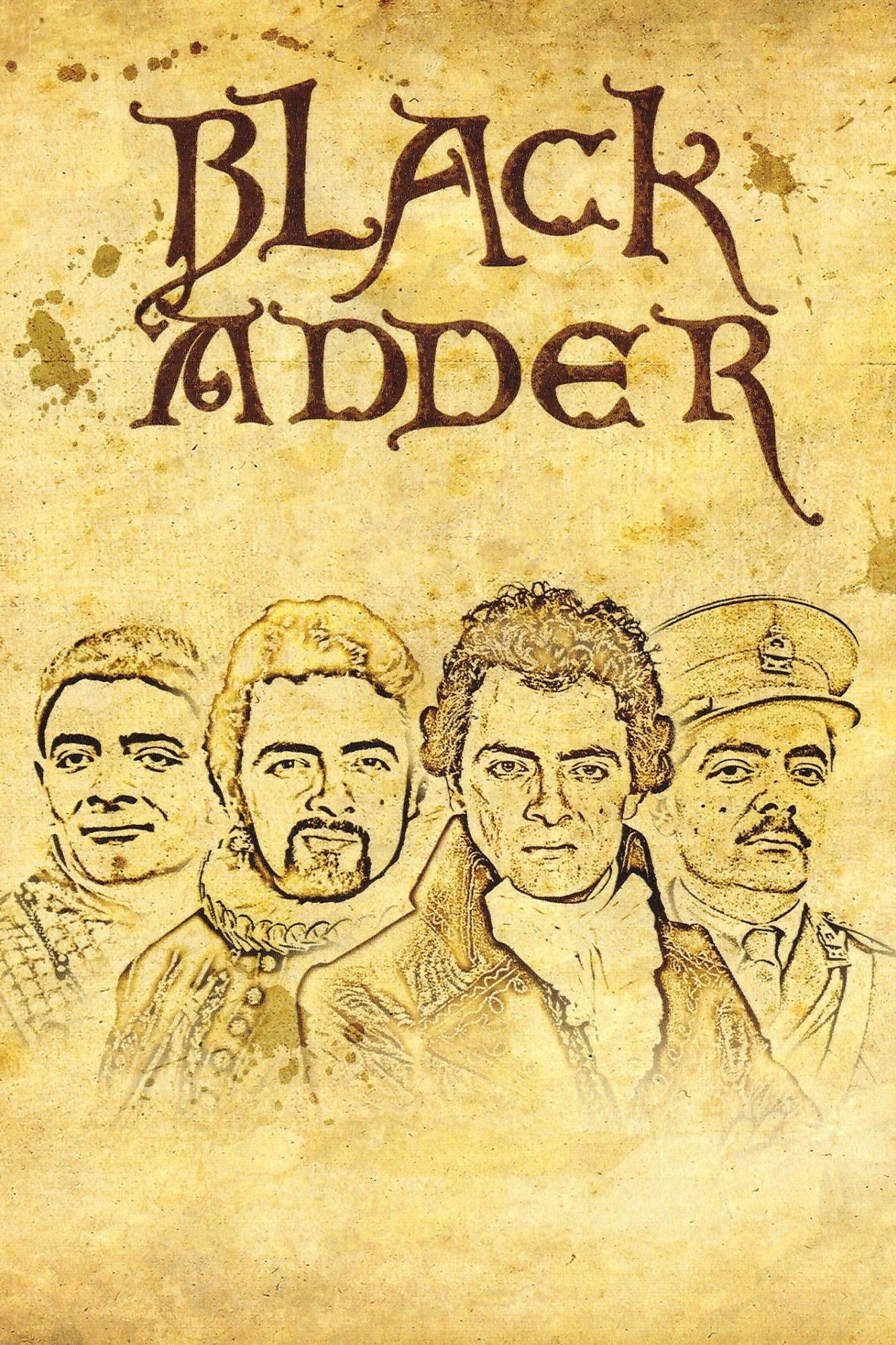
The first series featured a sniveling and unintelligent protagonist who often played the fool to others. Rowan Atkinson and the writers reinvented the character in the second series as a sharp and cynical schemer surrounded by idiots. This reversal of intelligence dynamics created the comedic formula that defined the rest of the show. The shift turned a costly and uneven production into one of the most acclaimed British sitcoms in history.
‘The Leftovers’ (2014–2017)
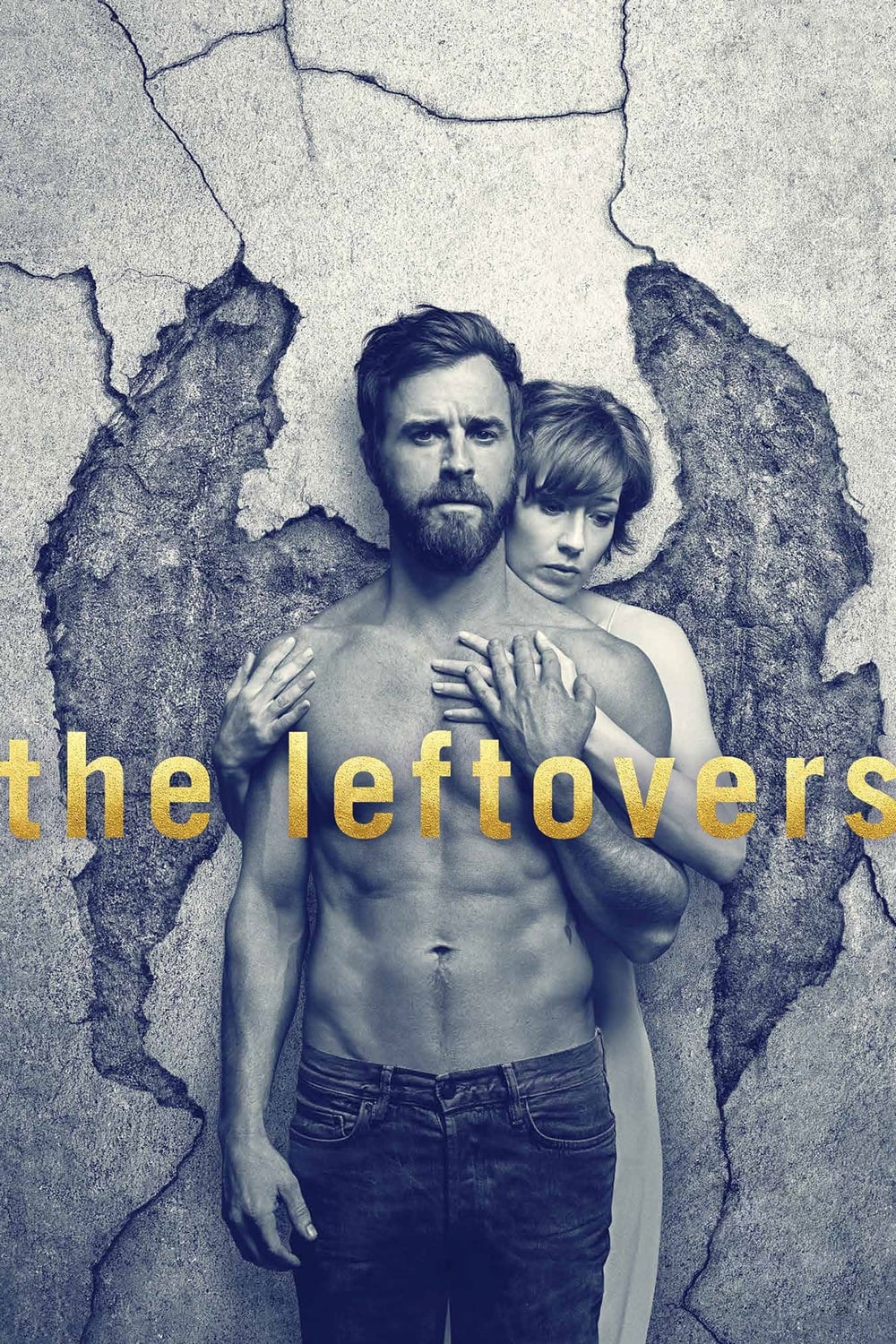
The first season adapted the source novel completely and resulted in a bleak and depressing viewing experience. The second season moved the setting to a new town and introduced a new family to interact with the original cast. This creative reboot injected surrealism and spiritual ambiguity that elevated the storytelling to new heights. Critics hailed the shift in location and tone as a masterpiece of television writing.
‘Person of Interest’ (2011–2016)

Network television marketed the show as a standard crime procedural about preventing murders with a special machine. The narrative slowly evolved into a complex science fiction epic about warring artificial intelligences. The focus moved from saving individual lives to a global battle for the future of humanity and free will. This gradual evolution rewarded loyal viewers with one of the most sophisticated cyberpunk stories on television.
‘Halt and Catch Fire’ (2014–2017)

The first season focused heavily on a dark antihero trying to clone an IBM personal computer. The writers pivoted in the second season to focus on the partnership between the two female leads and the nascent online gaming world. This change in perspective turned a decent period drama into a profound exploration of the internet age and human connection. The ensemble cast flourished once the story moved away from the tired trope of the troubled male genius.
‘Archer’ (2009–2023)
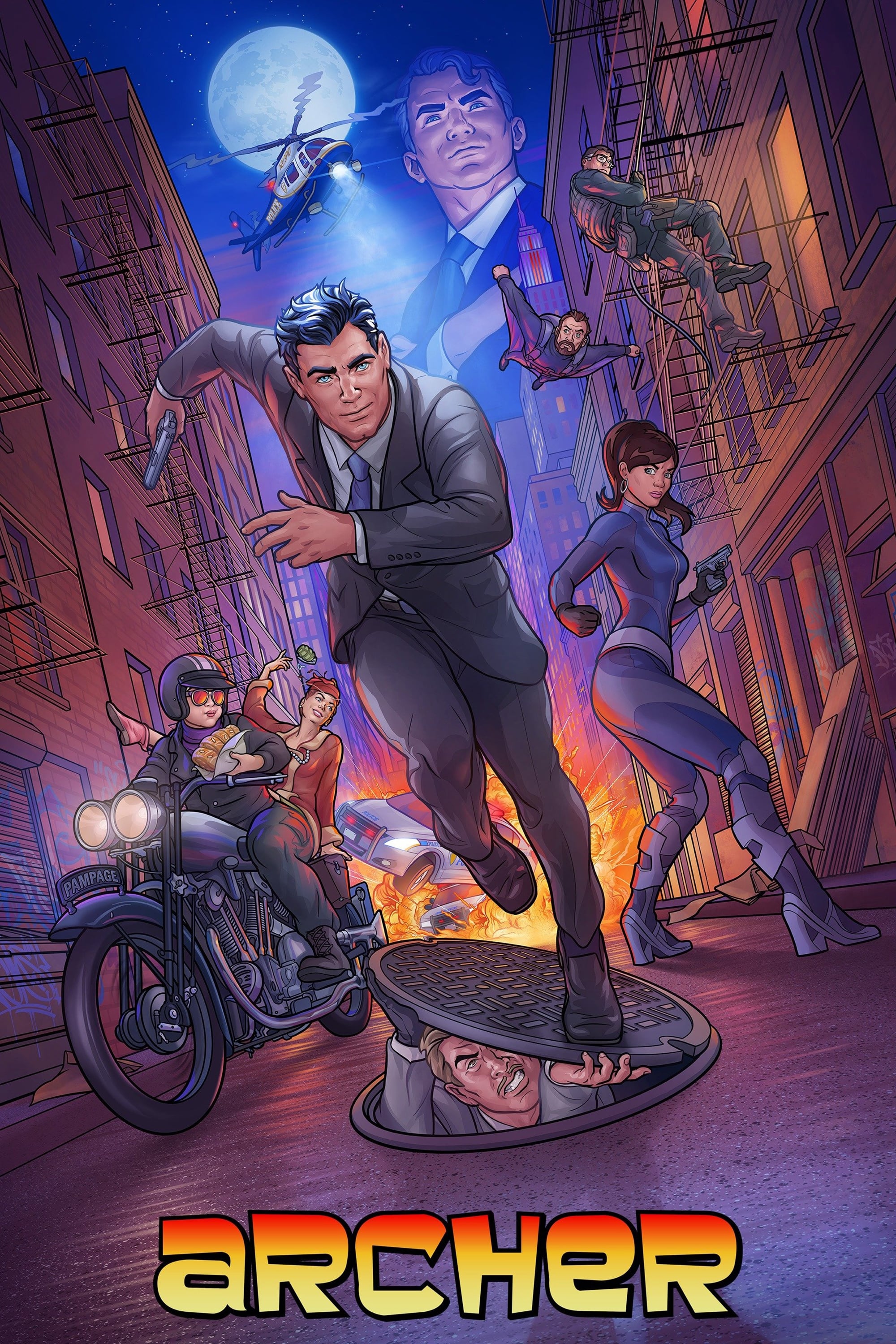
The animated spy comedy spent several seasons parodying James Bond and workplace sitcoms. The creators decided to abandon the spy agency premise entirely for a season titled ‘Archer Vice’ that focused on the drug trade. Later seasons experimented even further with coma dreams that placed the characters in noir settings or outer space. These drastic genre shifts kept the enduring series fresh and unpredictable for its audience.
‘Angel’ (1999–2004)
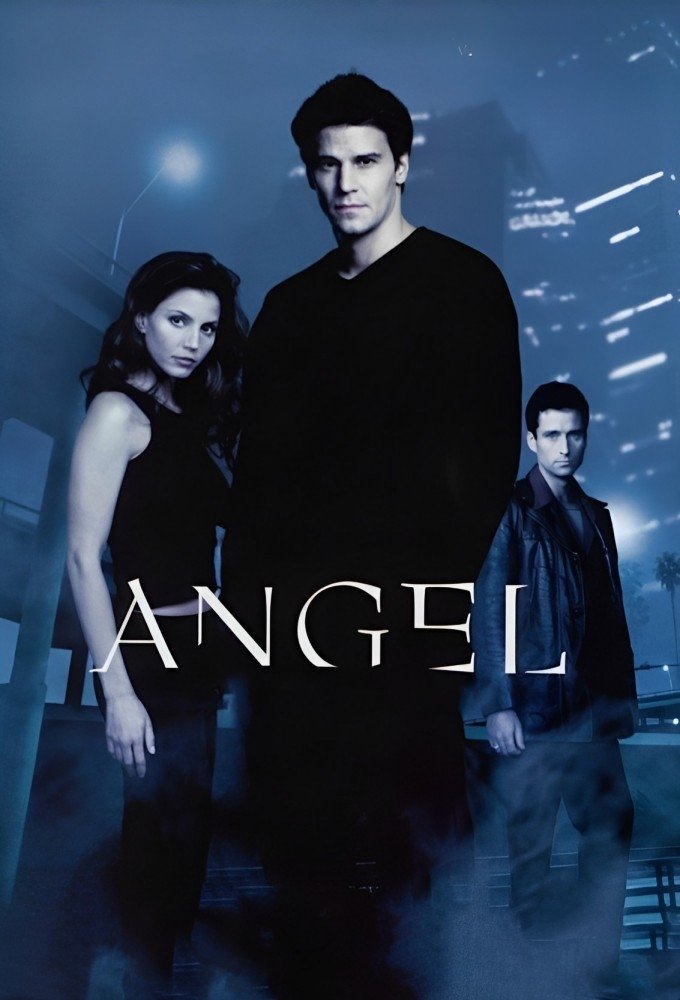
The detective spinoff spent four years fighting the evil law firm Wolfram & Hart. The final season saw the heroes take over the firm in an attempt to change the system from within. This premise shift created a fascinating moral gray area that tested the convictions of every major character. The soft reboot revitalized the creative energy of the show right before its conclusion.
‘Search Party’ (2016–2022)

The show began as a mystery comedy about millennials looking for a missing college acquaintance. Each subsequent season shifted genres drastically from noir thriller to courtroom drama and eventually psychological horror. The characters spiraled deeper into insanity and narcissism as the stakes escalated beyond reality. This willingness to break genre boundaries made it a unique satire of modern culture.
‘Riverdale’ (2017–2023)
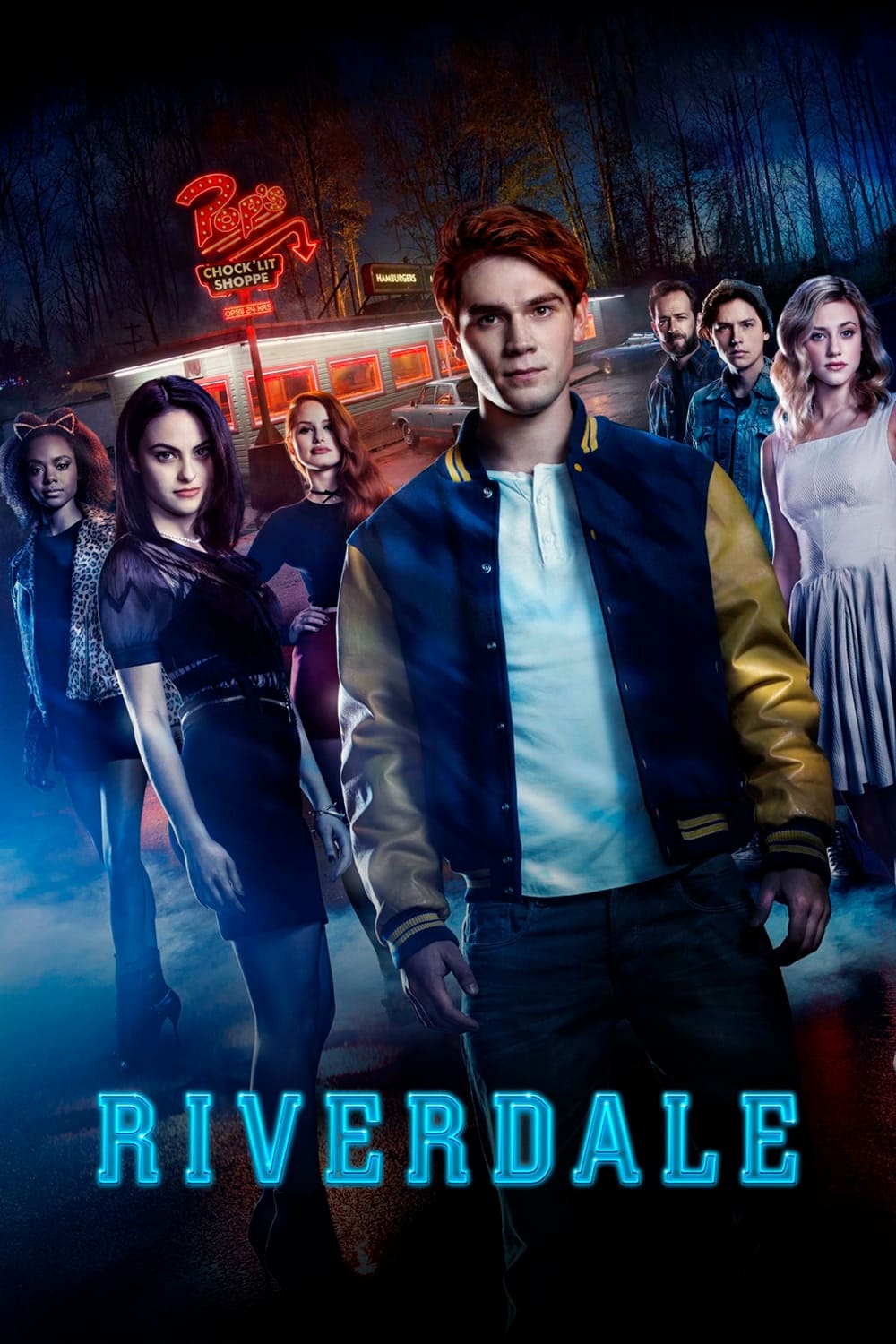
The series started as a moody murder mystery based on the classic Archie Comics characters. It quickly escalated into a campy drama involving cults and serial killers before eventually introducing superpowers. A time jump in later seasons aged the characters up to reset the high school dynamics into adult problems. The show embraced its own absurdity to become a viral sensation known for its wild plot twists.
‘Doctor Who’ (1963–Present)
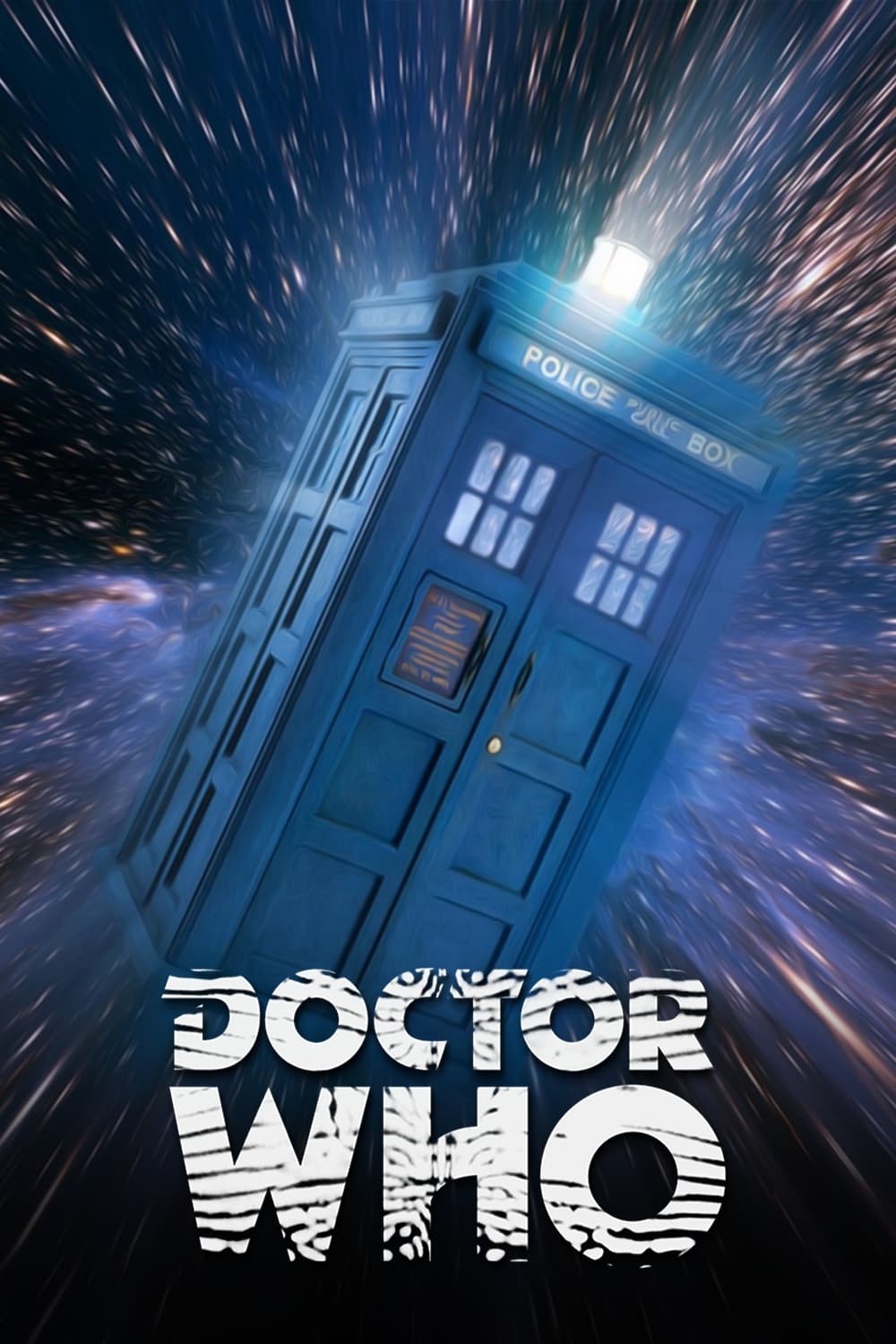
The classic science fiction series has reinvention built into its very DNA through the concept of regeneration. The 1970 soft reboot stranded the Third Doctor on Earth to work with a military organization. This format change grounded the space opera in contemporary concerns and introduced action oriented storytelling. The constraint forced the writers to develop the Doctor beyond just being a traveler in a magic box.
‘Hannibal’ (2013–2015)
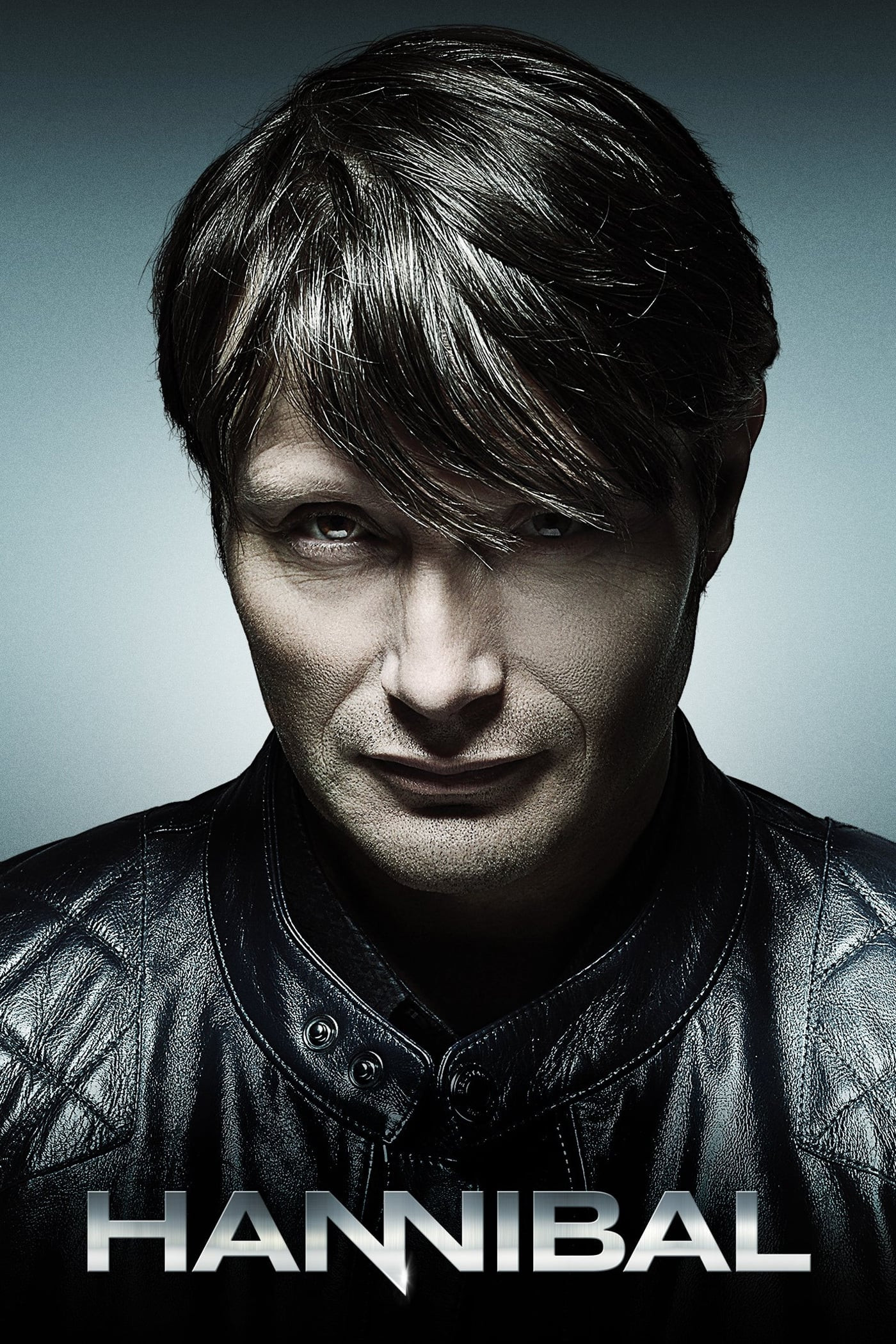
The series initially presented itself as a procedural hunting serial killers with Will Graham consulting for the FBI. The narrative gradually abandoned the weekly case structure to become an operatic horror romance between the protagonist and the villain. The second and third seasons focused entirely on the psychological game and visual artistry. This bold departure created a cult following that appreciated the avant-garde approach to the genre.
Please describe which show you think had the most successful transformation in the comments.