15 TV Finales so Hated that Fans Sent Death Threats to the Writers

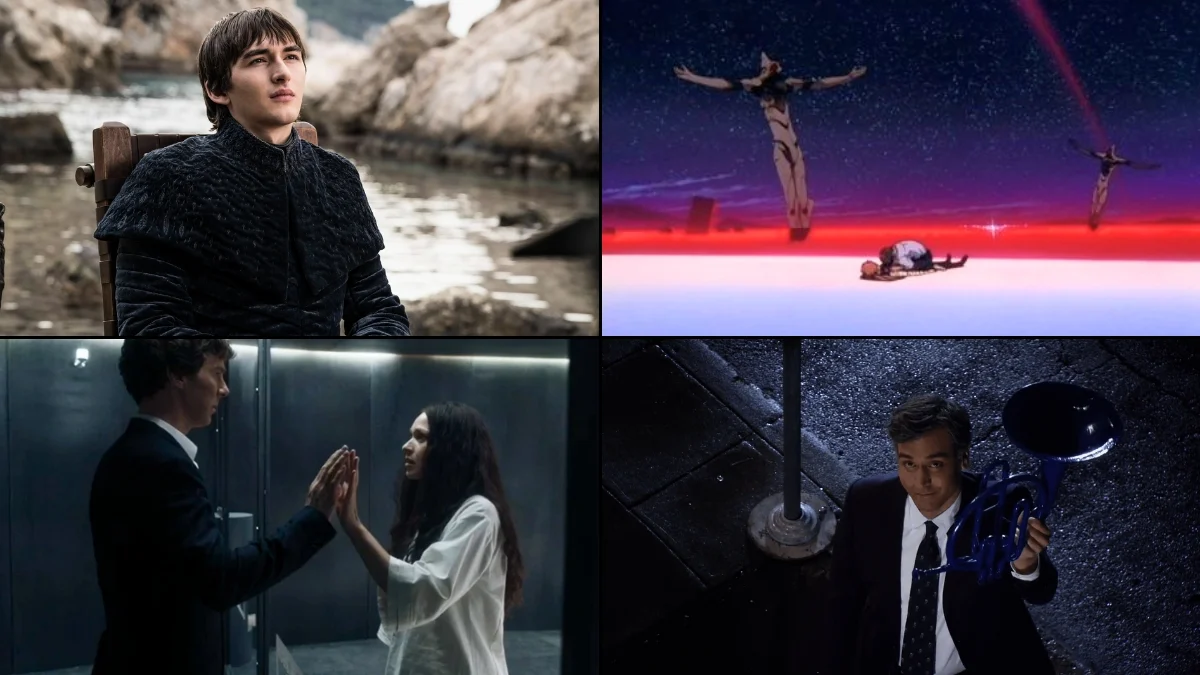

Television writers often face critical reviews, but sometimes the backlash to a series finale crosses the line into dangerous territory. Passionate fanbases spend years investing in characters and storylines only to feel betrayed by the ultimate conclusion. This disappointment can manifest as toxic harassment campaigns directed at showrunners and creative teams. The following list explores fifteen instances where creative decisions led to vitriol and death threats.
‘Game of Thrones’ (2011–2019)
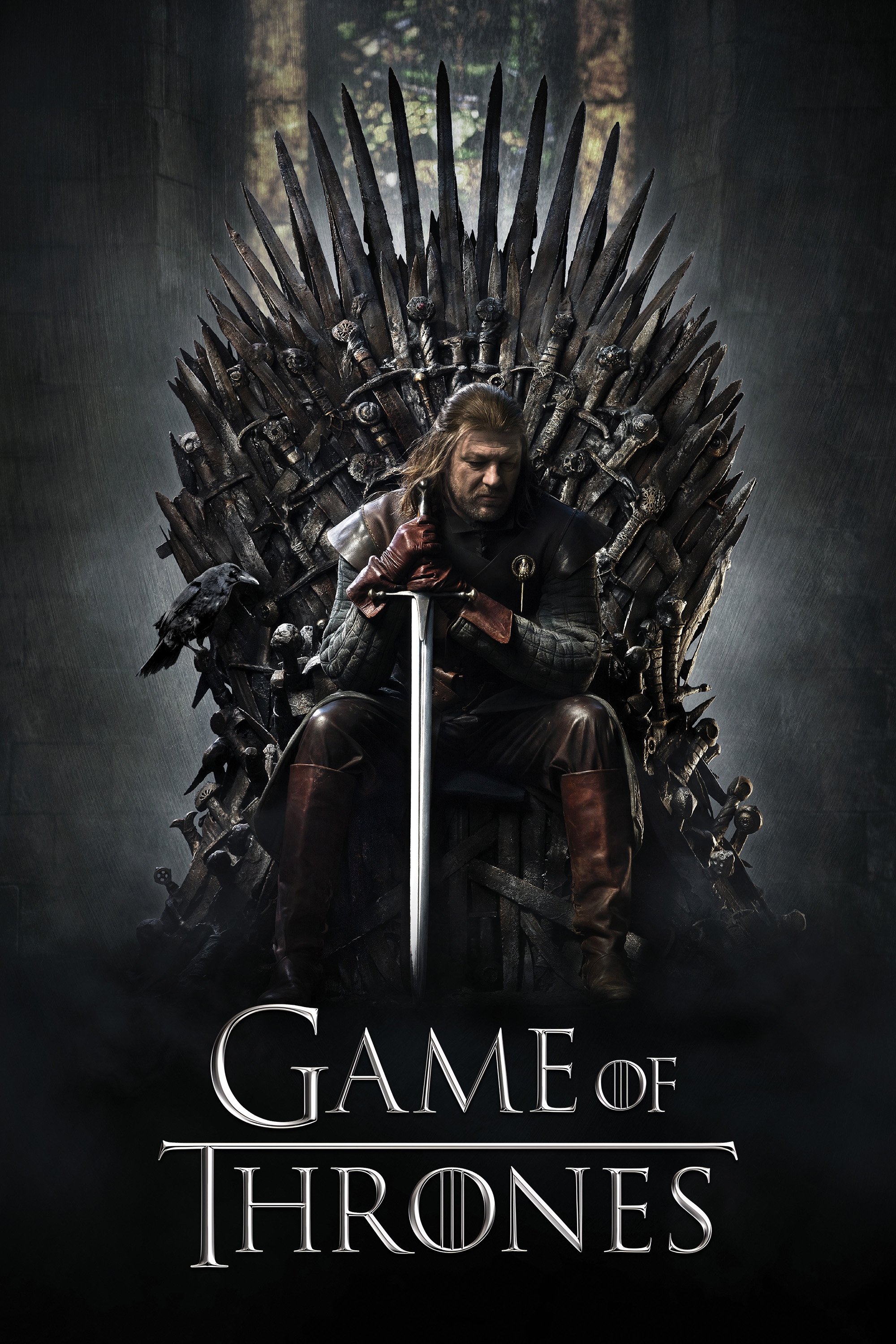
Showrunners David Benioff and D.B. Weiss faced a global firestorm following the conclusion of the eighth season. Fans were outraged by what they perceived as rushed character arcs and illogical plot twists. The online abuse escalated to the point where the creators received credible death threats and required extra security at public events. This extreme reaction highlighted the massive cultural impact of the fantasy series and the volatility of its audience.
‘Lost’ (2004–2010)
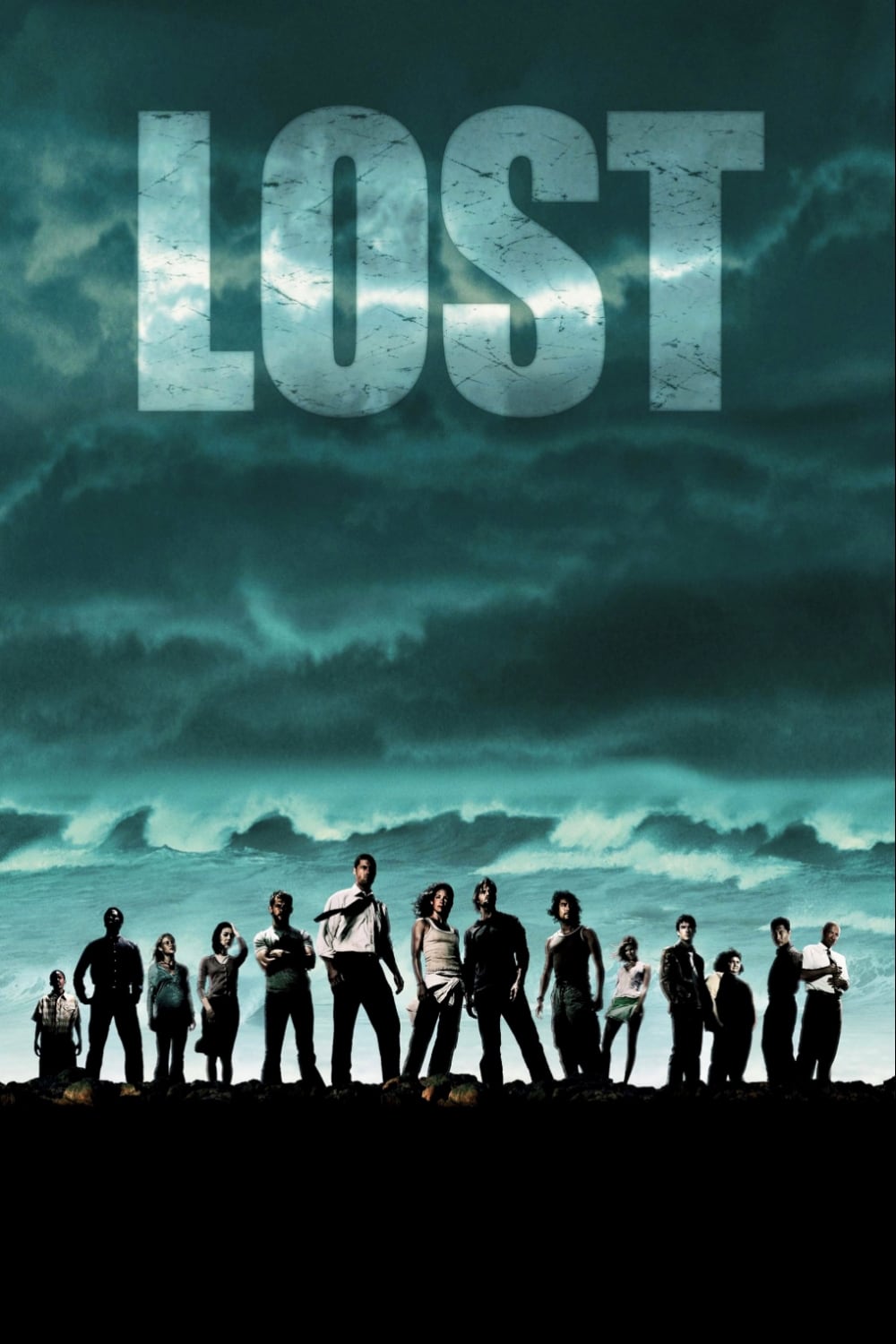
Damon Lindelof became the target of relentless harassment after the series concluded with a spiritual rather than scientific resolution. Many viewers felt cheated by the lack of concrete answers to the island mysteries they had analyzed for years. Lindelof eventually quit social media because of the violent messages and personal attacks he received. The finale remains a polarizing topic that continues to follow the creator in his subsequent projects.
‘How I Met Your Mother’ (2005–2014)
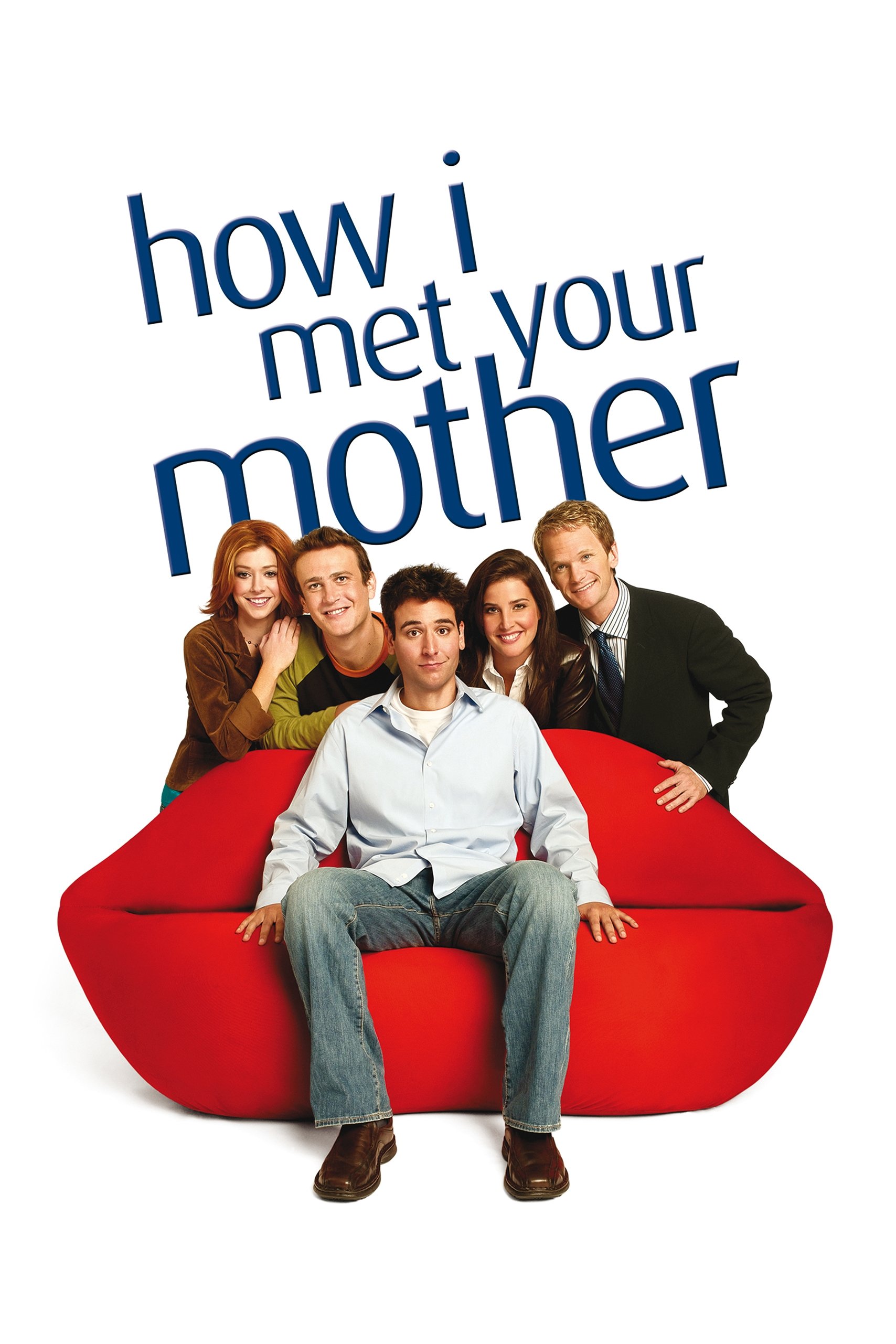
Creators Carter Bays and Craig Thomas faced a wave of fury for the twist ending that undid the titular premise. Fans were particularly upset that the show spent an entire season on a wedding only to dissolve the marriage in the final minutes. The writers received hateful messages and threats on Twitter from viewers who felt the character development had been betrayed. The backlash was severe enough that an alternate ending was included on the DVD release.
‘Dexter’ (2006–2013)
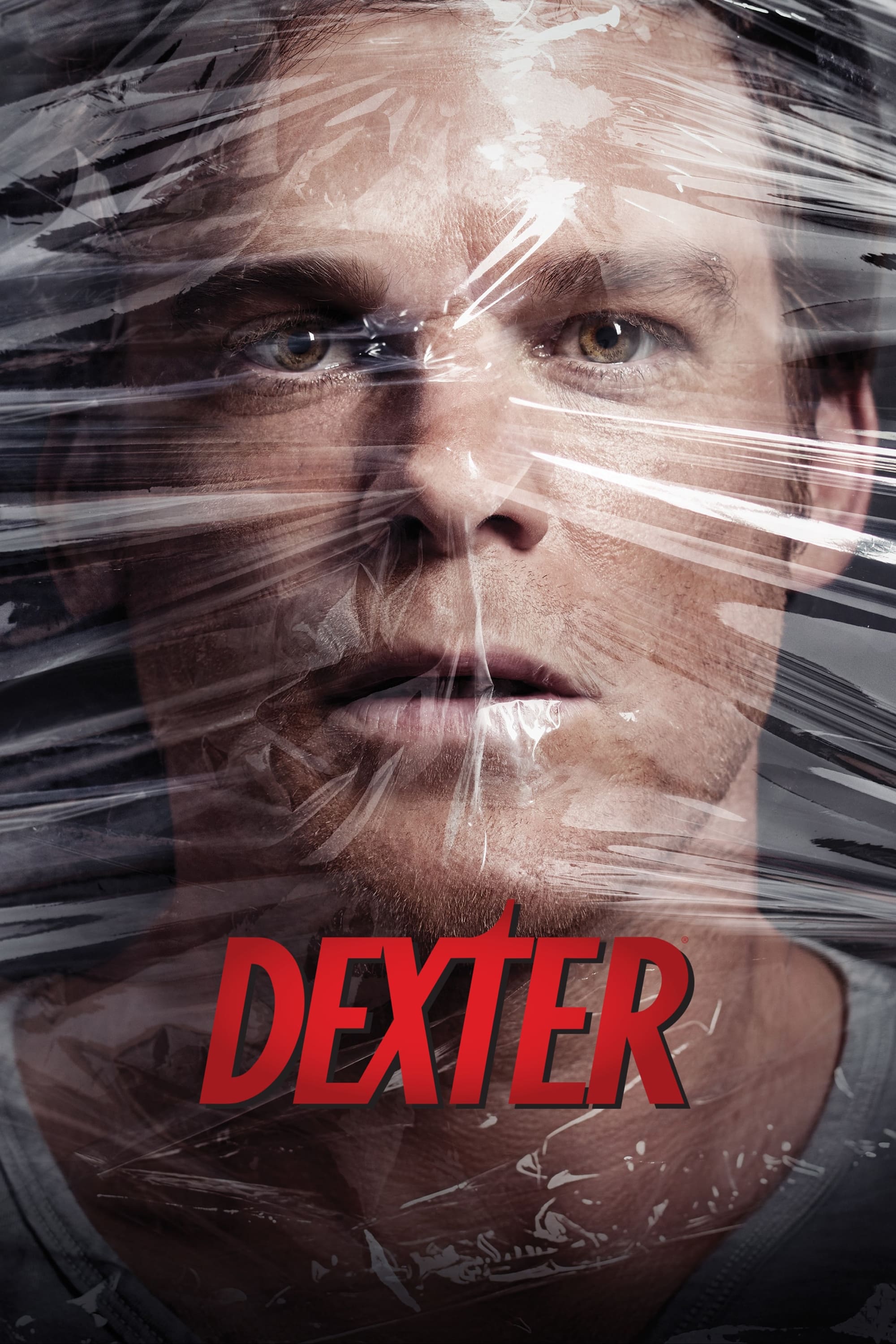
The original series finale involving a hurricane and a sudden career change for the protagonist is often cited as one of the worst in history. Showrunner Scott Buck received abusive messages from fans who felt the conclusion was a disservice to the complex serial killer. The overwhelming negativity shadowed the writers for nearly a decade until a revival series was greenlit. Viewers considered the lumberjack twist a baffling departure from the sharp writing of the early seasons.
‘The 100’ (2014–2020)
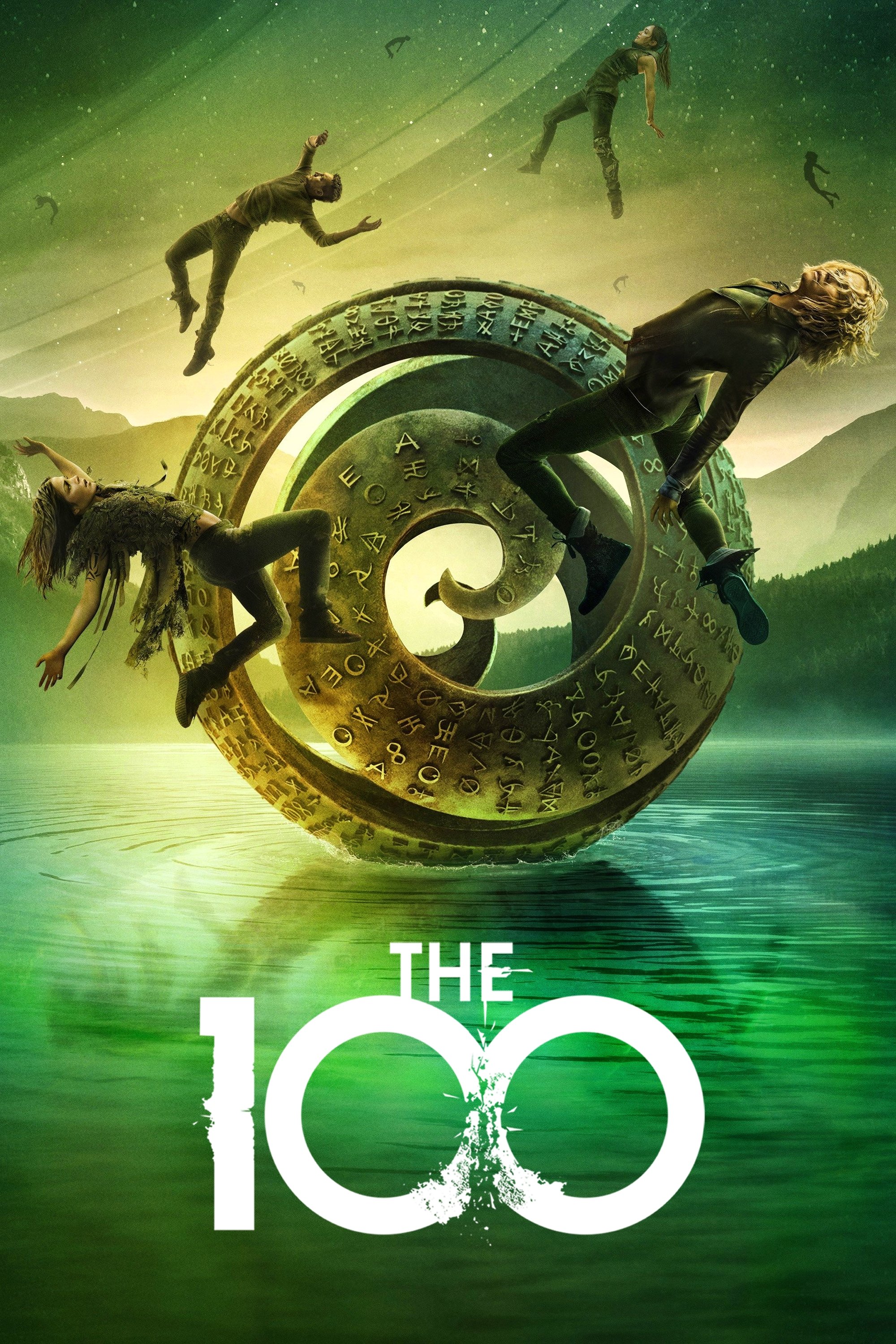
Jason Rothenberg faced severe hostility after controversial character deaths and a transcendent finale that alienated long-time viewers. The death of a fan-favorite character in a previous season had already incited a toxic response that carried over to the end. Writers and the showrunner received violent threats and harassment across various online forums. The fandom reaction became a prominent case study regarding the relationship between showrunners and online communities.
‘Pretty Little Liars’ (2010–2017)
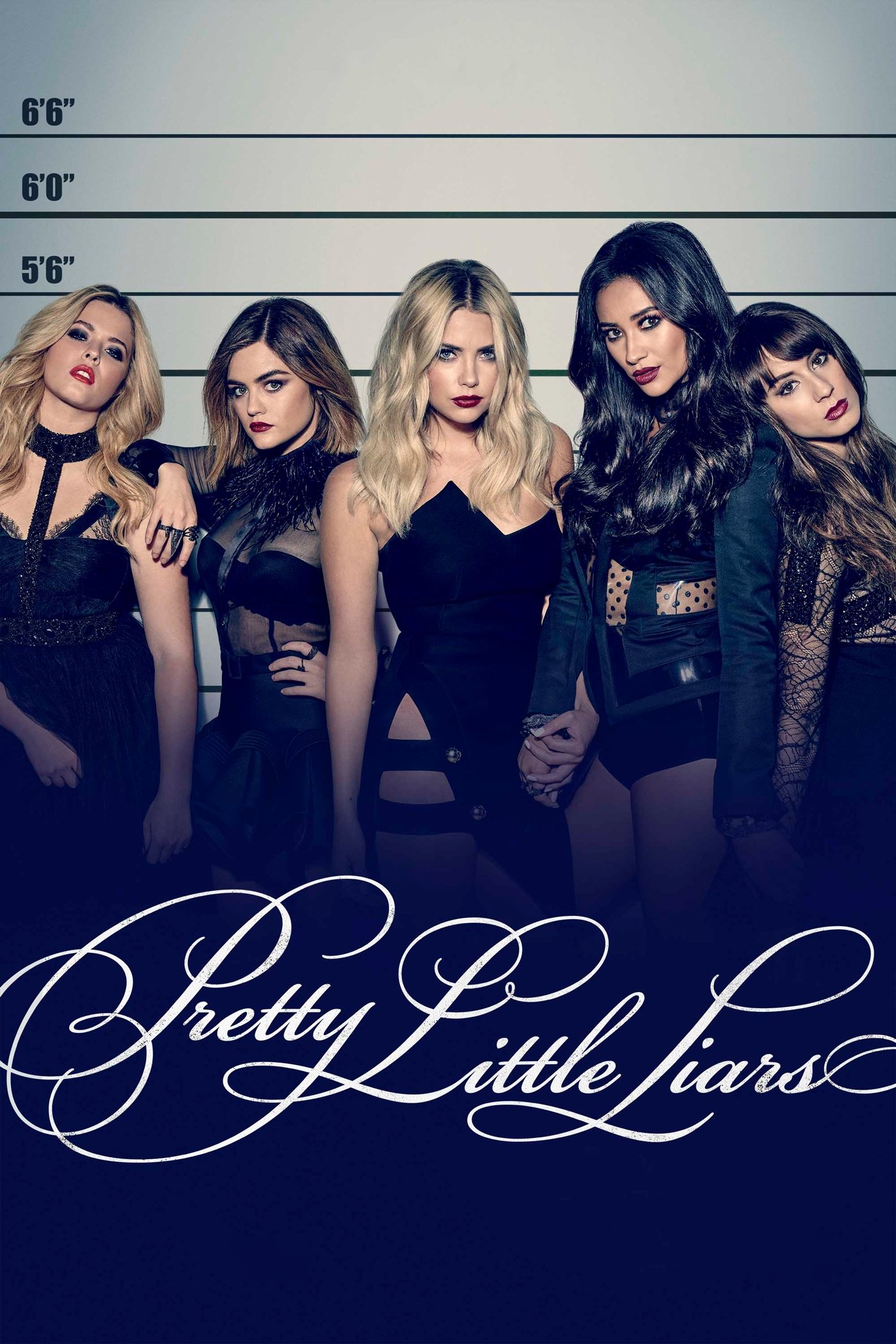
Marlene King was inundated with angry tweets and threats after the reveal of the final antagonist known as A.D. Fans felt the ultimate identity of the villain was illogical and relied on a trope that contradicted established lore. The aggressive response forced the showrunner to address the toxicity in several post-finale interviews. Viewers expressed deep frustration that seven years of mystery culminated in a confusing accent and a twin twist.
‘Seinfeld’ (1989–1998)
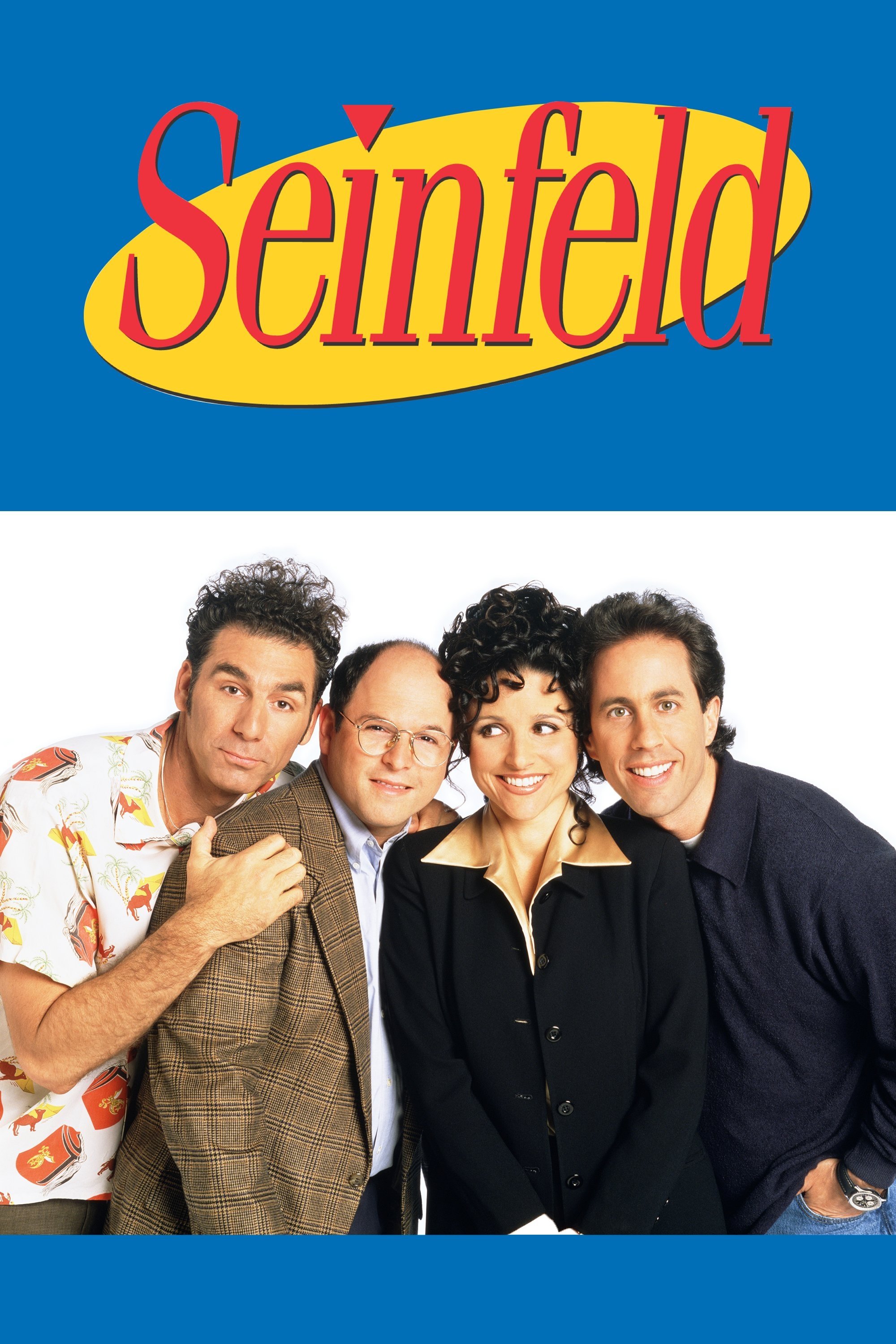
Larry David returned to write a finale that saw the beloved main characters imprisoned for their selfishness. The audience reaction was largely negative as many felt the tone was too cynical and moralizing for a sitcom. David has spoken about the genuine anger and threats he received from disappointed viewers who wanted a happier sendoff. The episode garnered millions of views but left a bitter legacy for the comedy giant.
‘The Sopranos’ (1999–2007)
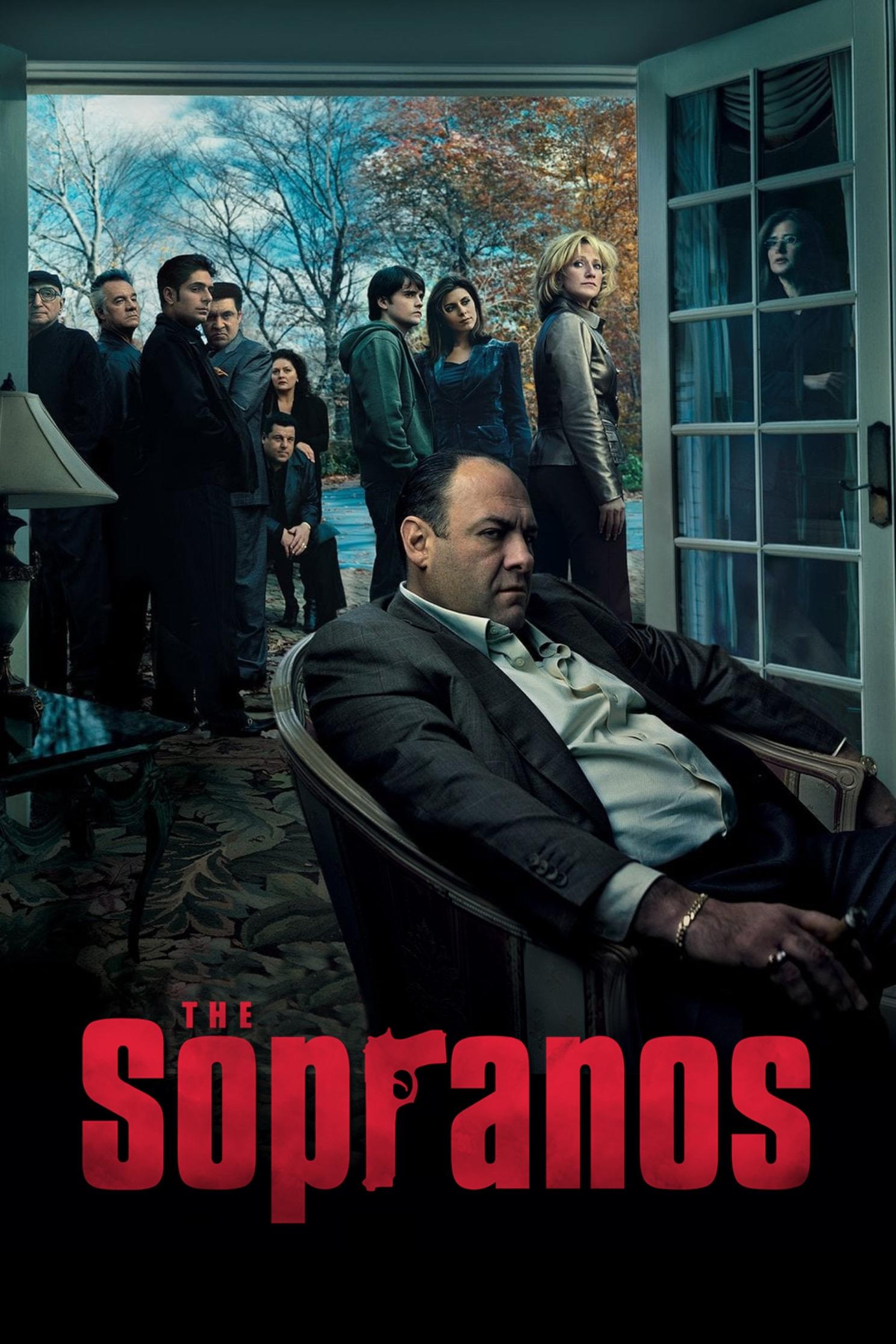
David Chase crafted an abrupt cut-to-black ending that convinced many viewers their cable service had failed. The creator faced immediate fury and threats from fans who demanded a definitive conclusion for Tony Soprano. Chase reportedly went into seclusion for a period to avoid the heat of the public outcry. The ambiguity of the final scene continues to provoke heated arguments and analysis decades later.
‘Neon Genesis Evangelion’ (1995–1996)
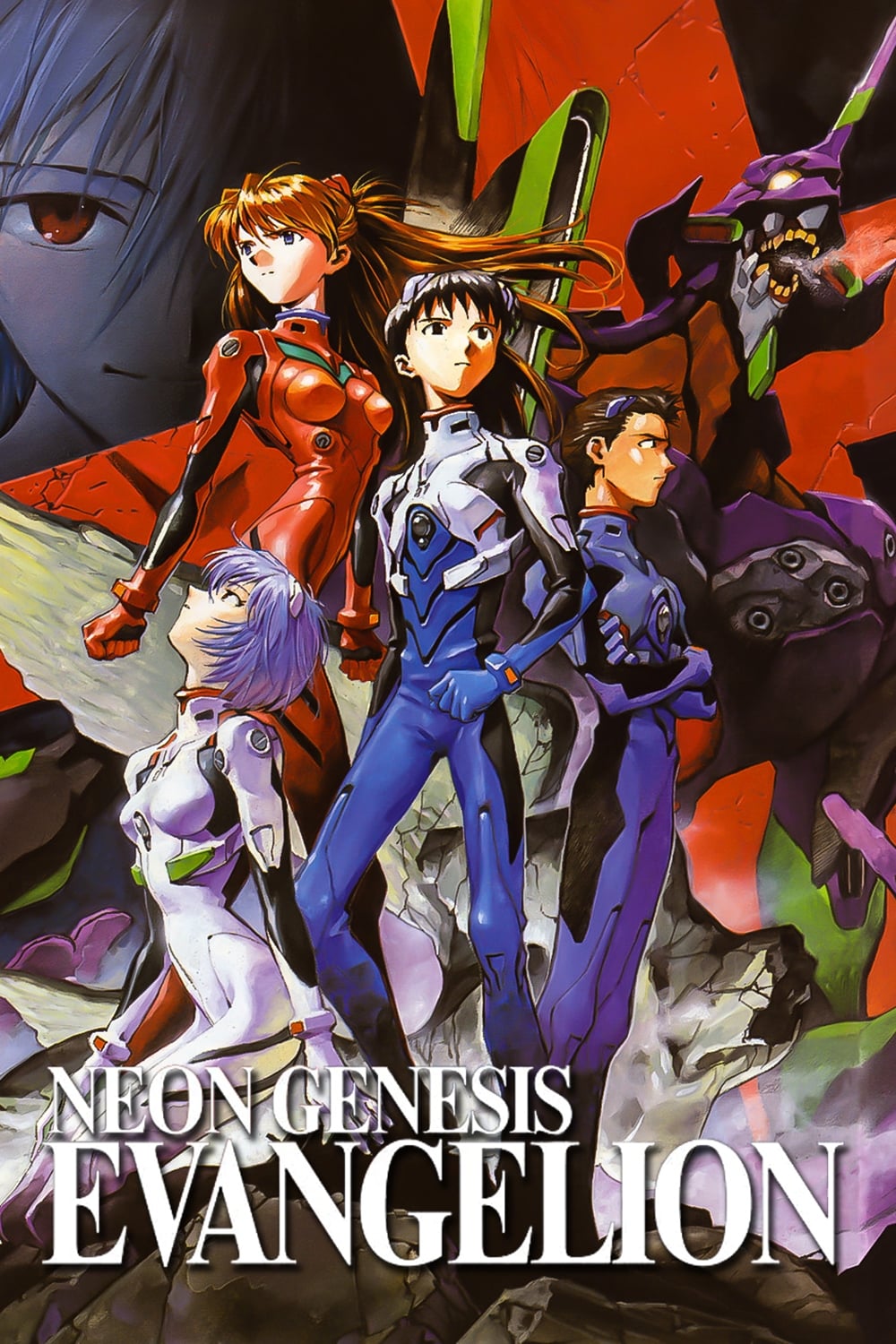
Director Hideaki Anno received death threats and saw his studio vandalized following the abstract television ending. Fans were expecting a traditional robot battle conclusion but instead received a psychological deconstruction of the protagonist. The backlash was so severe that it motivated the creation of a subsequent film to provide a different ending. The threats were famously included visually in the movie as a commentary on the toxic nature of otaku culture.
‘Line of Duty’ (2012–2021)
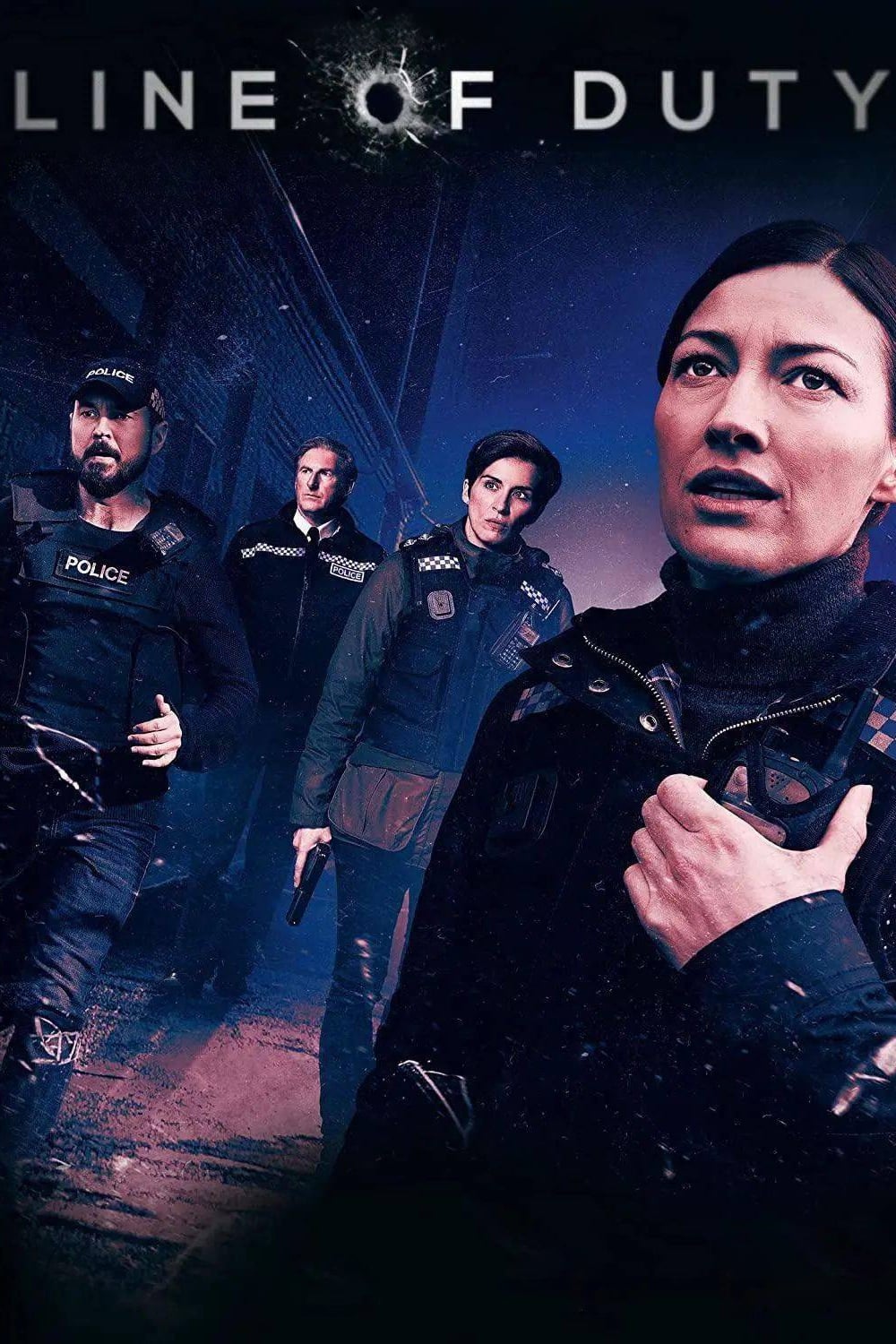
Writer Jed Mercurio was targeted by trolls after the reveal of the clandestine leader known as H. The understated nature of the reveal disappointed viewers who were hoping for a dramatic criminal mastermind. Mercurio engaged with the angry fans online but also noted the disturbing level of abuse directed at the creative team. The finale broke viewing records in the UK despite the divisive critical reception.
‘Voltron: Legendary Defender’ (2016–2018)
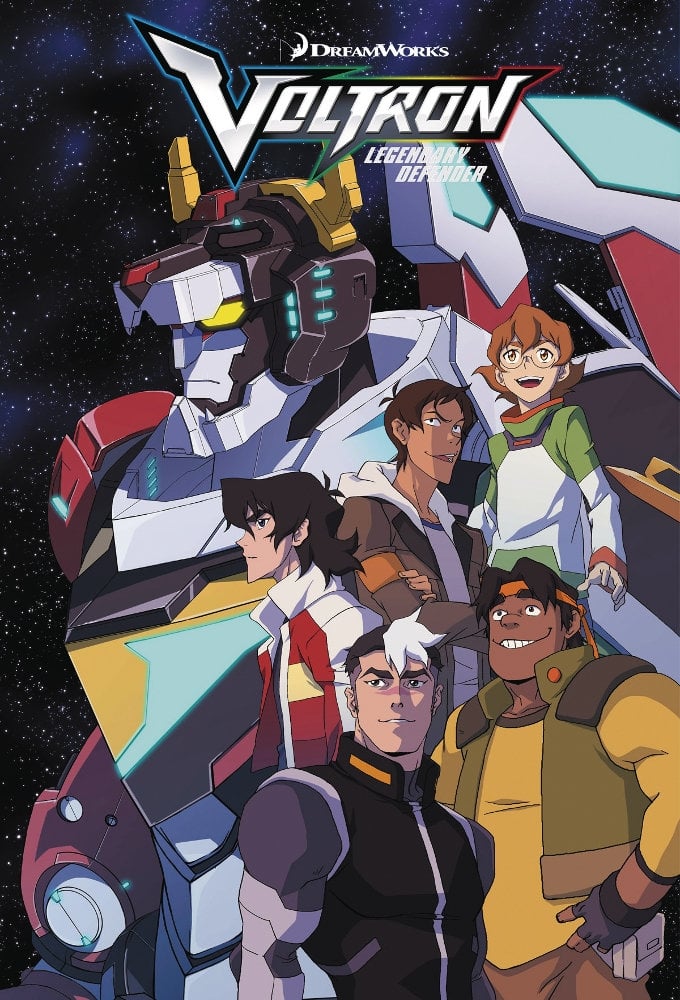
Showrunners Joaquim Dos Santos and Lauren Montgomery faced an onslaught of harassment regarding the final season. Shipping wars and the handling of LGBTQ representation fueled violent rhetoric from a vocal segment of the fanbase. The creators received death threats that forced them to distance themselves from the fandom and social media. Security measures were reportedly increased at conventions due to the volatility of the situation.
‘The Vampire Diaries’ (2009–2017)
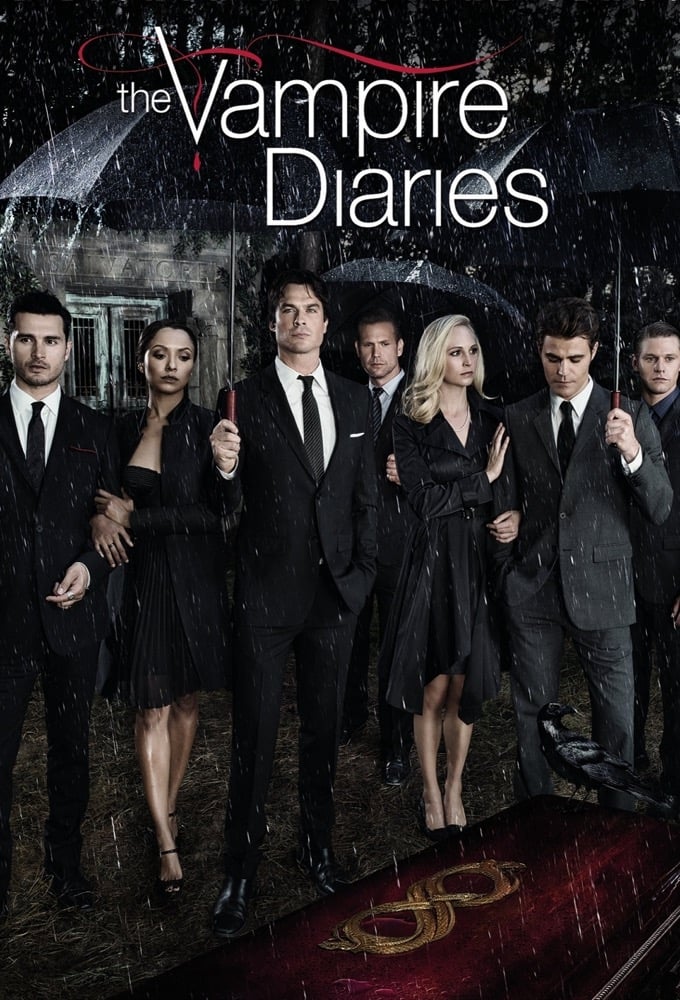
Julie Plec has frequently discussed the death threats she received over the final romantic pairings of the show. Fans of specific couples bombarded the writer with hateful messages when their preferred relationship did not succeed. The intensity of the supernatural teen drama fandom often blurred the lines between fiction and reality. Plec continues to speak out against online bullying within fandom spaces.
‘Killing Eve’ (2018–2022)
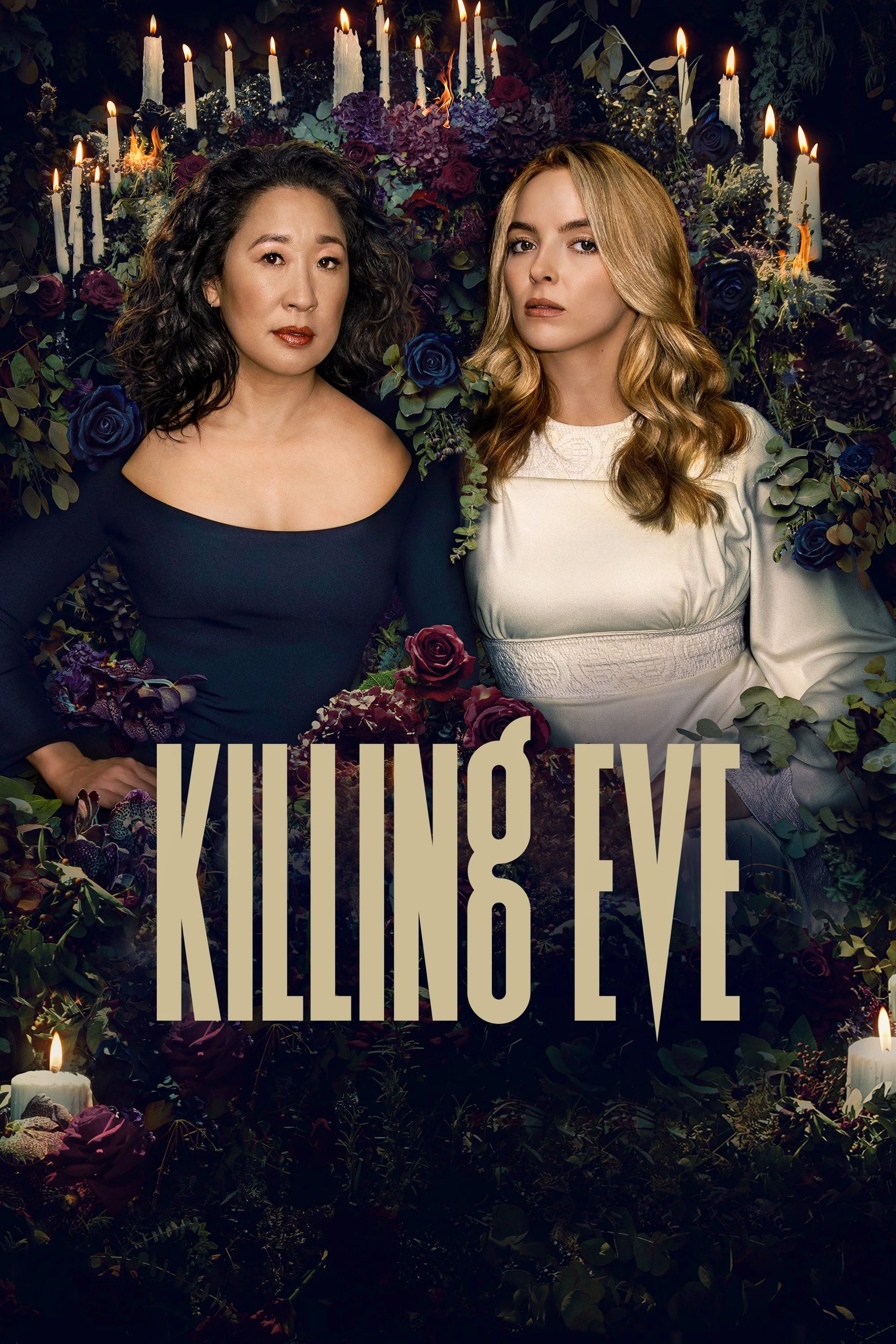
The series finale drew immediate condemnation for the sudden and brutal death of the title character Villanelle. Author Luke Jennings and the screenwriters faced backlash for what fans perceived as a cruel and unnecessary ending. The outrage manifested in abusive comments and threats sent to the creative team involved in the final season. Critics and audiences alike slammed the episode for perpetuating harmful tropes regarding queer characters.
‘Veronica Mars’ (2004–2019)
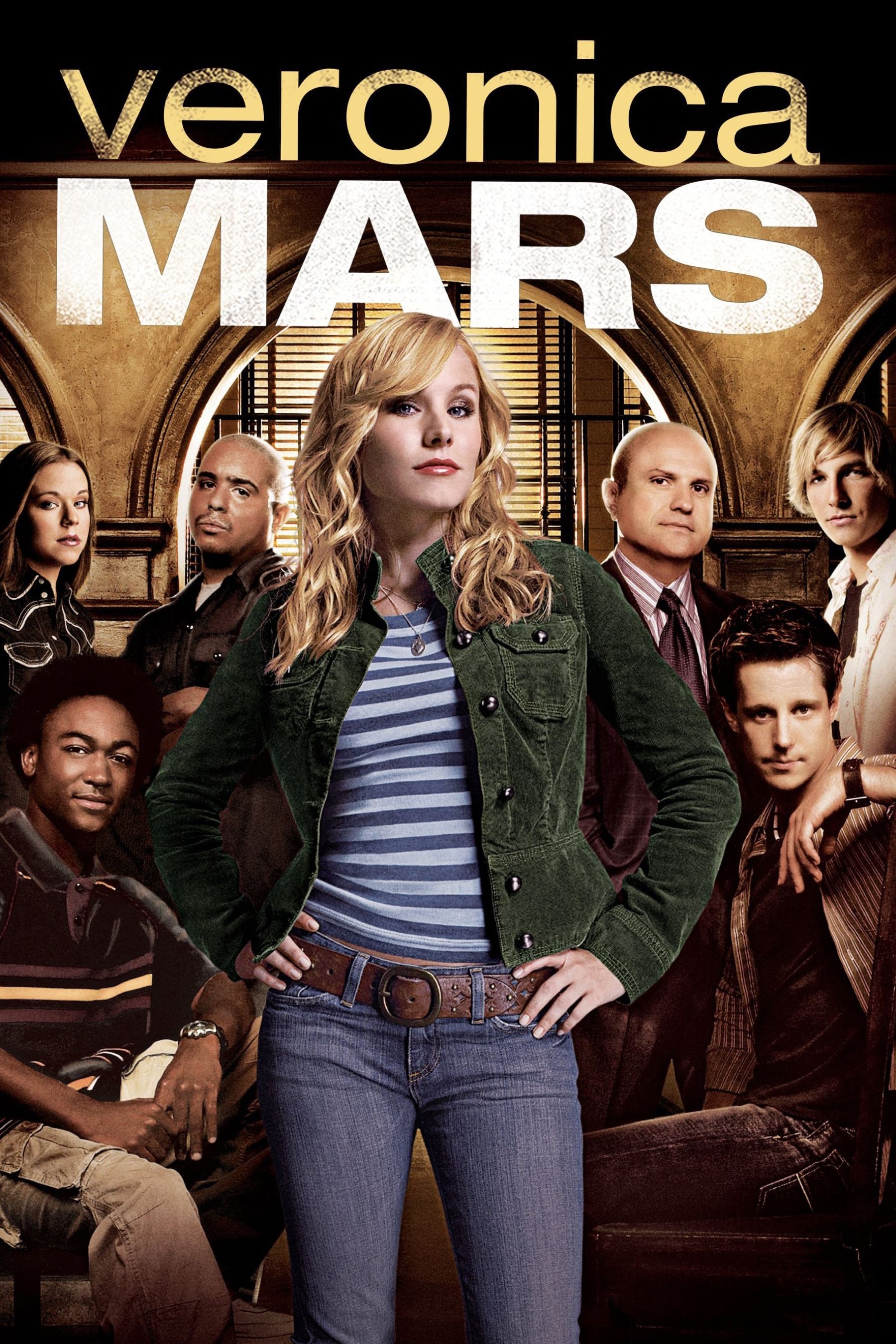
Creator Rob Thomas received death threats after killing off a beloved main character in the revival season finale. Fans who had campaigned and funded a movie to bring the show back felt personally betrayed by the tragic twist. The decision was intended to open narrative possibilities but instead alienated the core audience permanently. Thomas defended the creative choice while acknowledging the scary level of vitriol he encountered.
‘Sherlock’ (2010–2017)
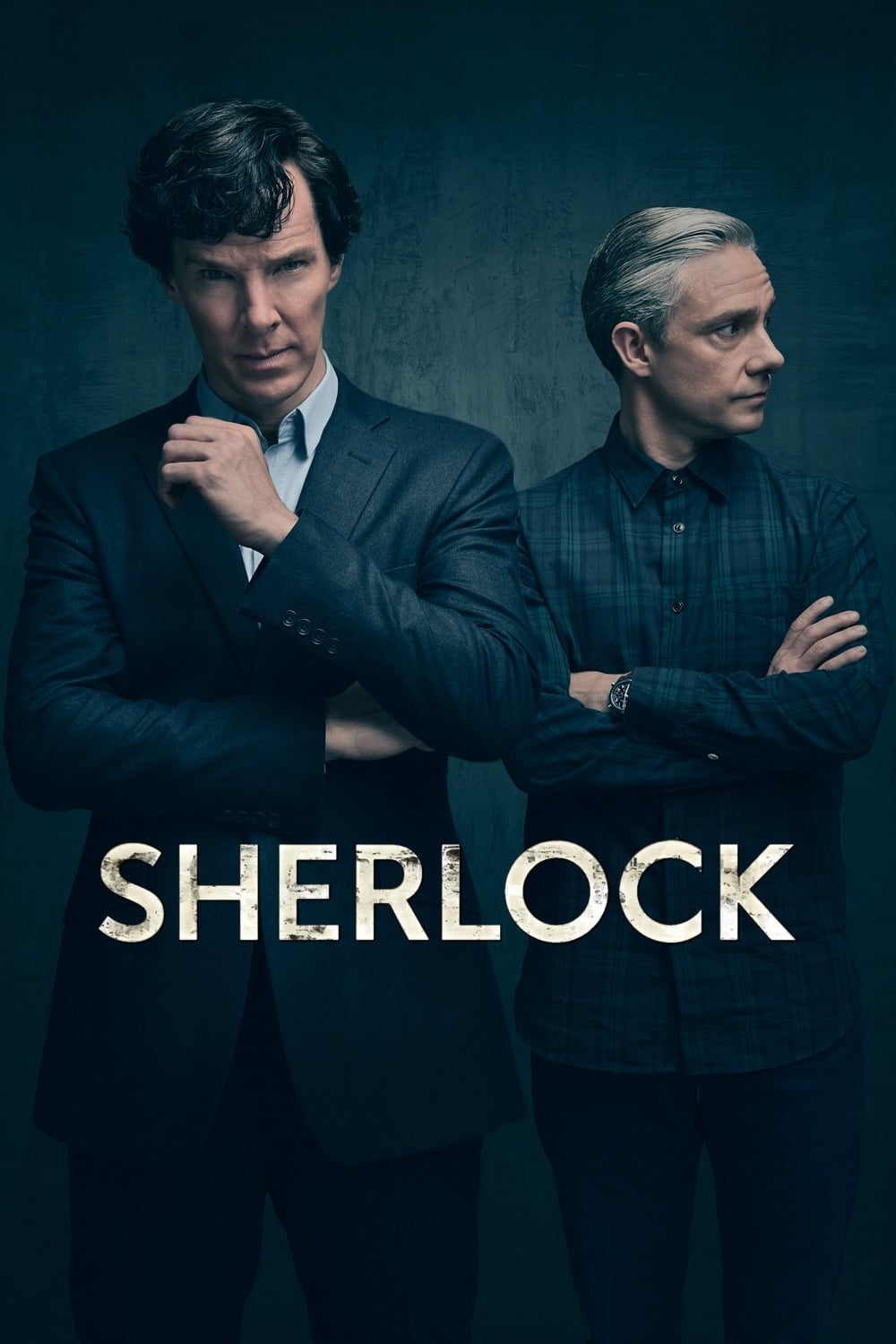
Steven Moffat and Mark Gatiss dealt with obsessive fans who were displeased with the resolution of the series. Conspiracy theories regarding a secret fourth episode fueled anger when the actual finale did not validate fan theories. The creators were subjected to threats and harassment from viewers who felt the show had misled them regarding character relationships. The toxicity became a prominent topic of discussion surrounding the future of the series.
Share your thoughts on these controversial finales in the comments.