Opening Credit Sequences That Are Legitimately Works of Art

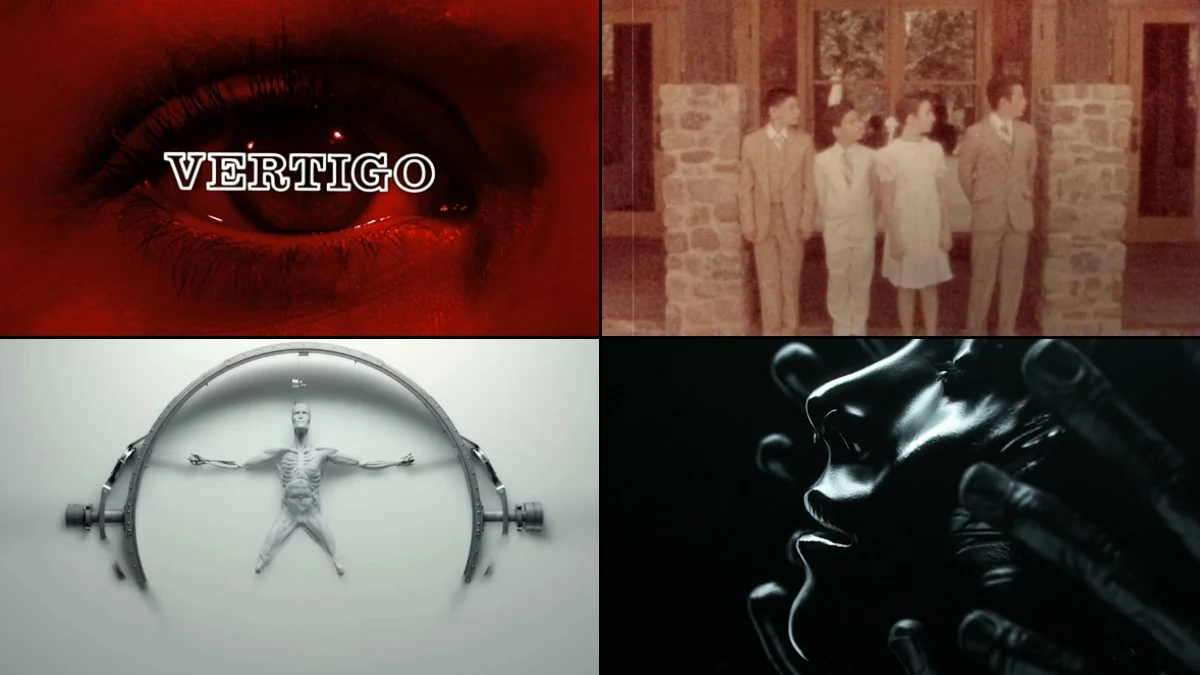

Opening credits serve as the handshake between the filmmaker and the audience by setting the mood before the narrative begins. These sequences have evolved from simple superimposed text into complex short films that utilize animation and cinematography to tell their own stories. Directors and title designers collaborate to craft visual introductions that provide context or establish an atmosphere of dread or whimsy. The artistry involved in these moments often rivals the production value of the feature presentation itself. This collection highlights twenty-five introductions that transcended their functional purpose to become iconic pieces of visual media.
‘Se7en’ (1995)
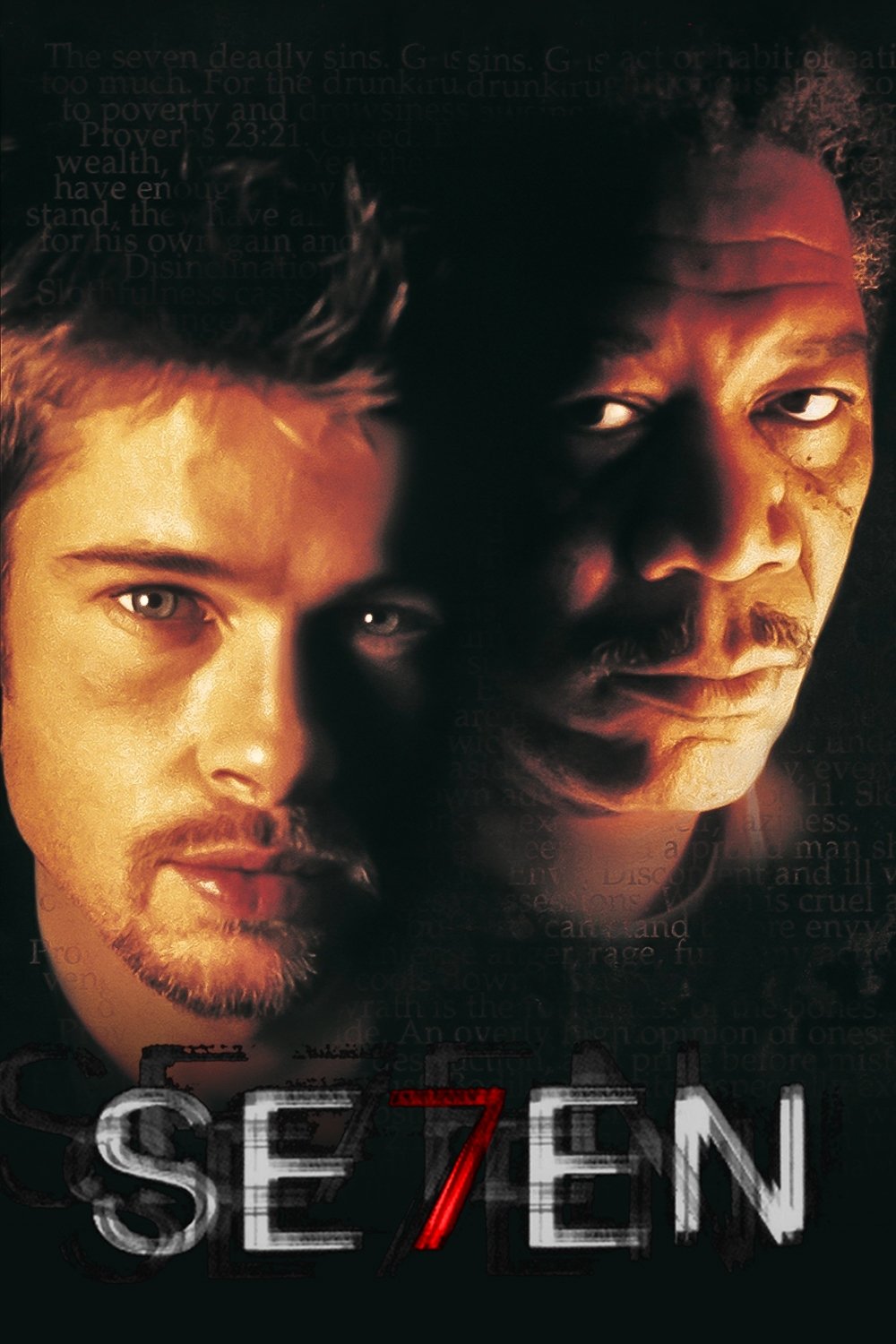
Director David Fincher utilized a jittery and scratched film aesthetic to introduce the disturbed mind of the antagonist John Doe. The audience witnesses glimpses of obsessive journals alongside razor blades and bandaged fingers to suggest a history of meticulous madness. The sequence establishes a palpable tone of dread and decay that permeates the rest of the narrative. Nine Inch Nails provides a remix of ‘Closer’ that amplifies the unsettling atmosphere effectively.
‘Vertigo’ (1958)
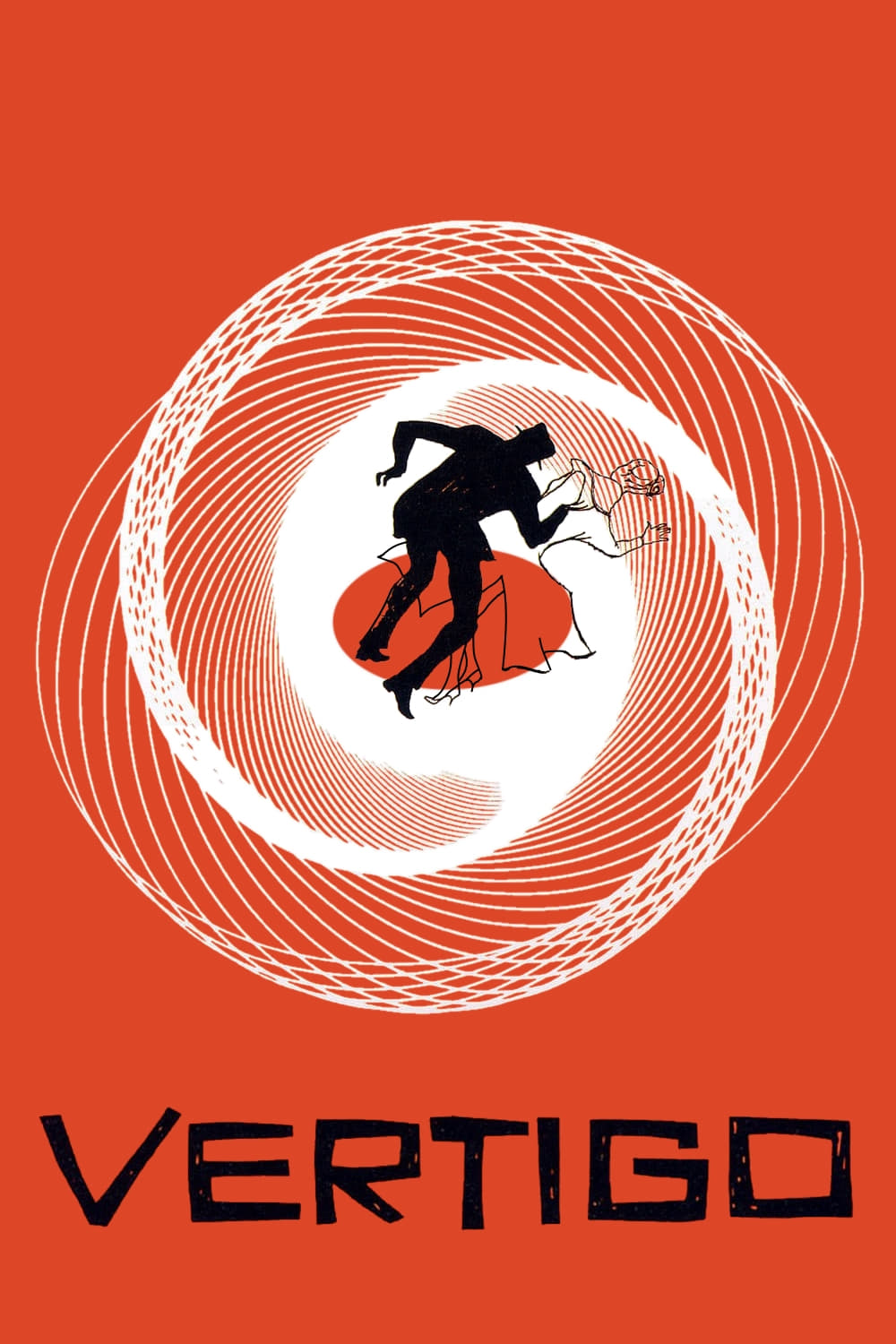
Graphic designer Saul Bass created a mesmerizing sequence that features extreme close-ups of a woman’s face and spiraling geometric shapes. The rotating patterns originate from the pupil of an eye to symbolize the dizzying psychological state of the protagonist. This imagery perfectly captures the themes of obsession and disorientation central to the plot. Bernard Herrmann composed a hypnotic score that accompanies the visuals to heighten the sense of unease.
‘Game of Thrones’ (2011–2019)
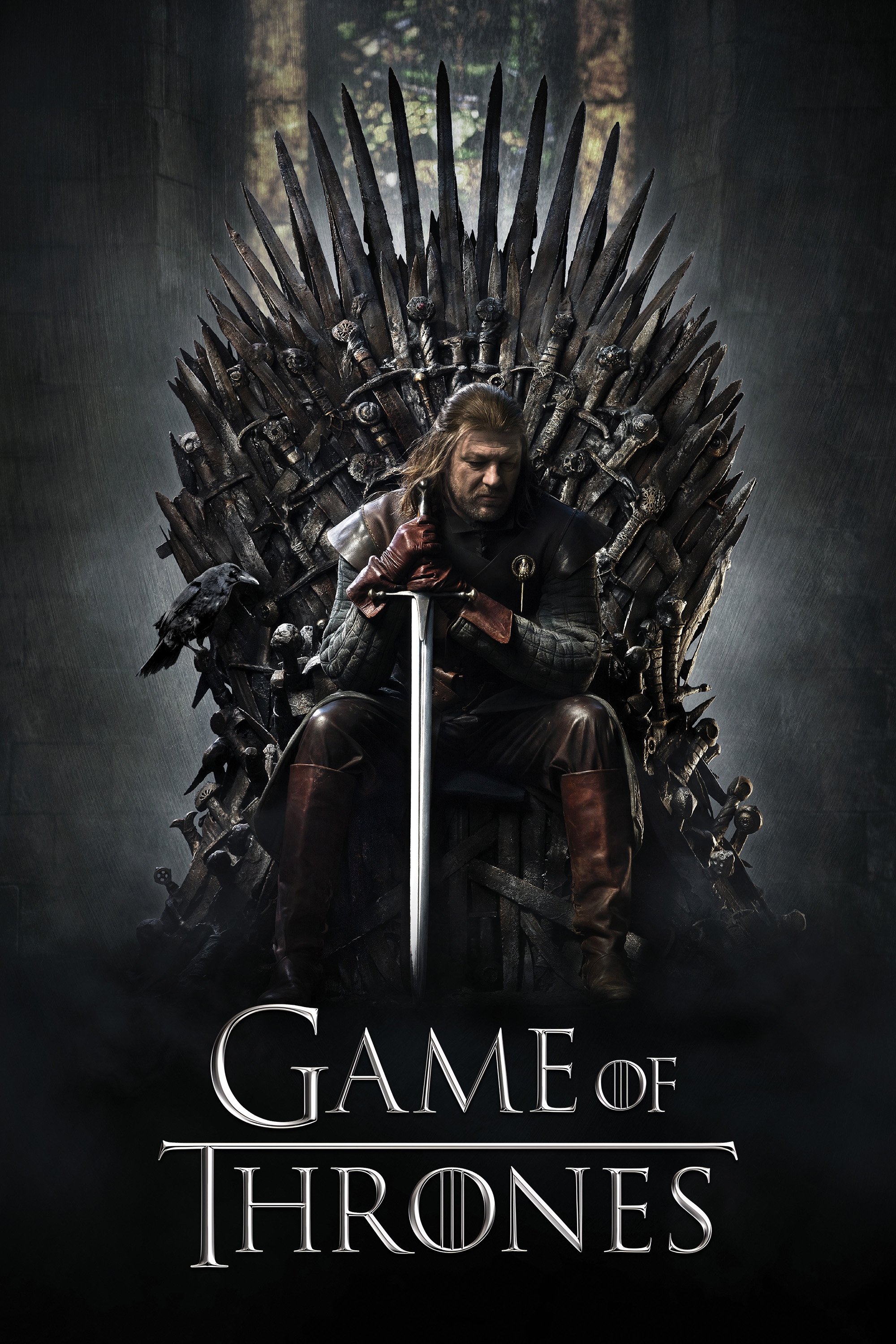
The camera sweeps across a mechanical map of the fictional world of Westeros to illustrate the vast geography of the series. Clockwork gears power the rising structures of castles and cities to show the shifting political landscape. This changing map allows viewers to understand the locations relevant to each specific episode effectively. The iconic cello theme by Ramin Djawadi underscores the epic scale of the fantasy saga.
‘Goldfinger’ (1964)
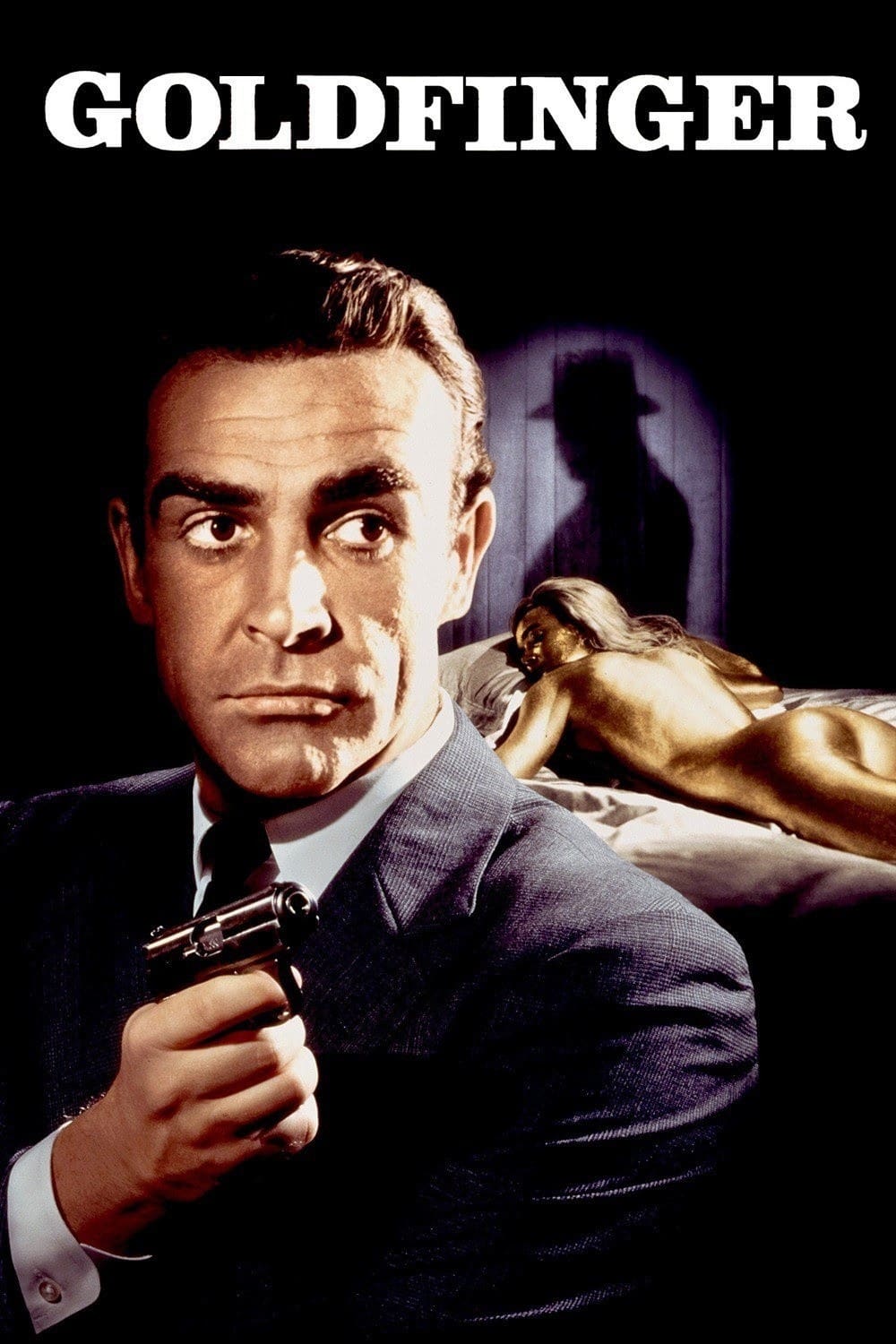
Scenes from earlier films project onto the gold-painted body of a model to create a surreal and luxurious visual experience. The sequence established the blueprint for the franchise by combining silhouettes with brassy music and suggestive imagery. Designer Robert Brownjohn used the distorted projections to hint at the danger and glamour awaiting the spy. Shirley Bassey delivers a powerful vocal performance that cements the introduction as a classic.
‘Catch Me If You Can’ (2002)
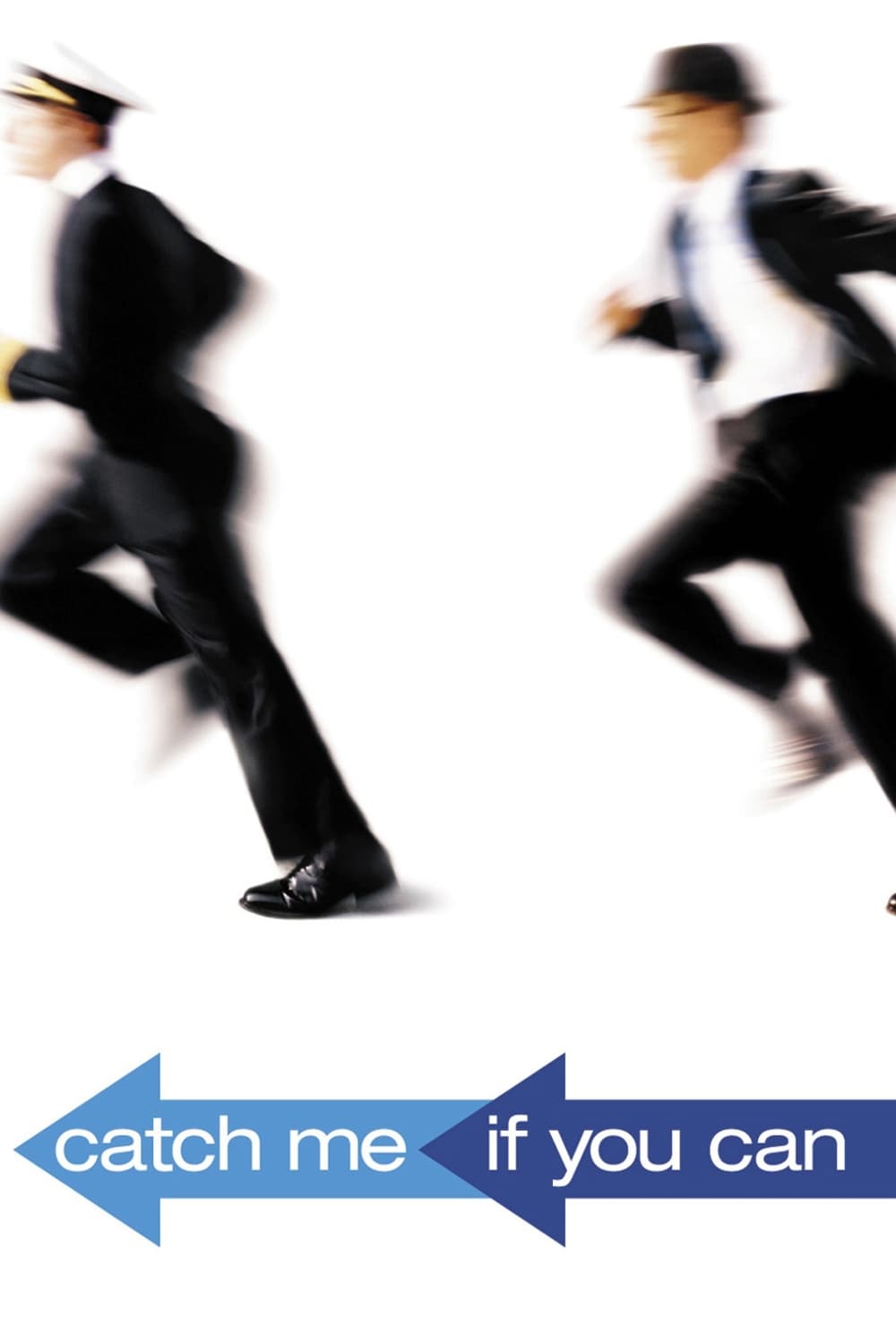
Minimalist animated figures chase each other through a series of stylish transitions that mirror the plot of the film. The smooth lines and cool colors evoke the graphic design trends of the 1960s era in which the story takes place. John Williams composed a jazz-infused score that snaps along with the playful movement of the characters. The sequence essentially summarizes the cat-and-mouse dynamic between the con artist and the FBI agent.
‘The Girl with the Dragon Tattoo’ (2011)
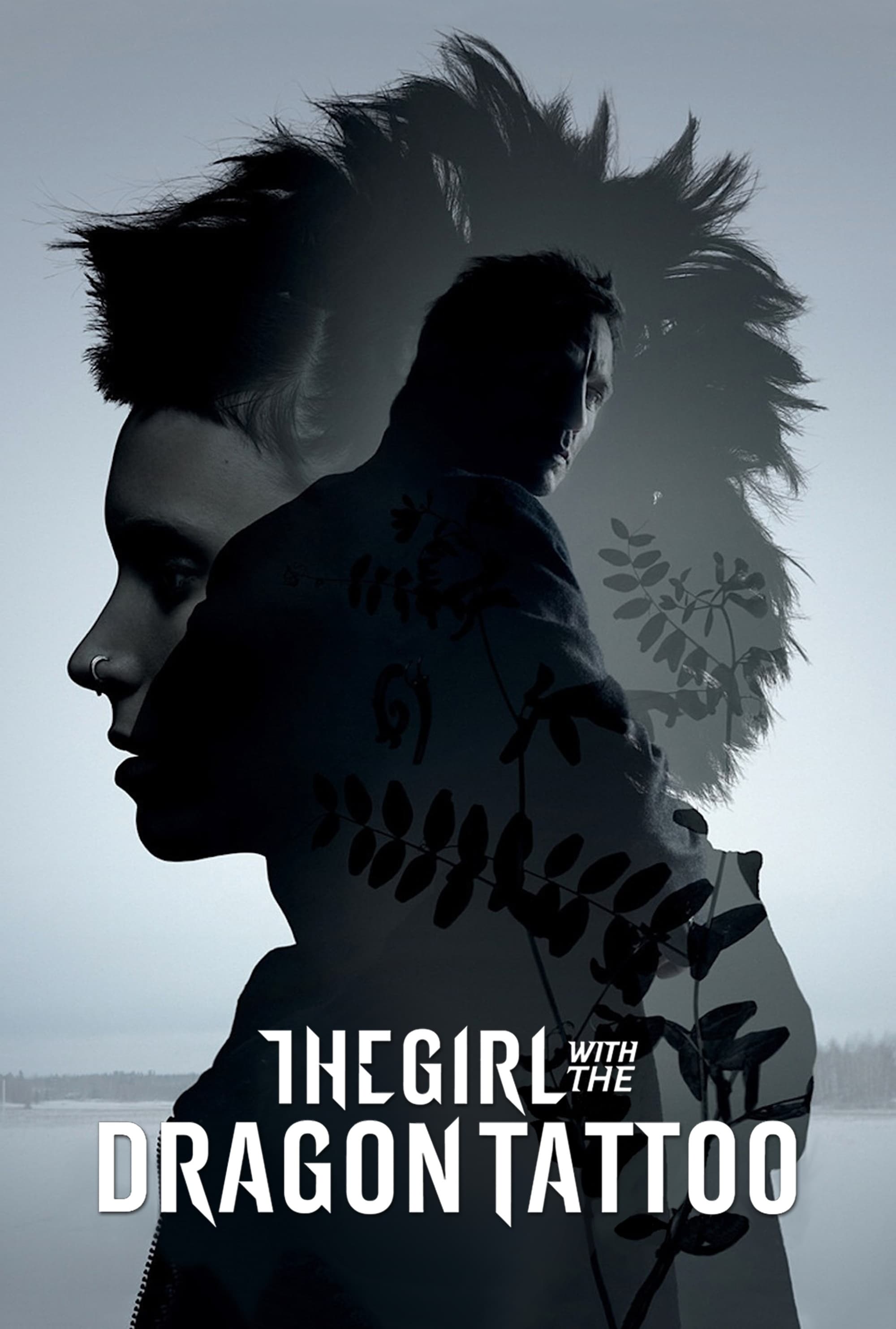
Black chaotic fluid engulfs keyboards and faces in a cyberpunk nightmare that visualizes the digital and physical trauma of the story. Trent Reznor and Atticus Ross produced a driving cover of the ‘Immigrant Song’ to match the aggressive energy of the visuals. The sequence functions as a dark birth metaphor where the hacker protagonist emerges from the oil. It sets a harsh and intense tone that prepares the viewer for the violence ahead.
‘Mad Men’ (2007–2015)
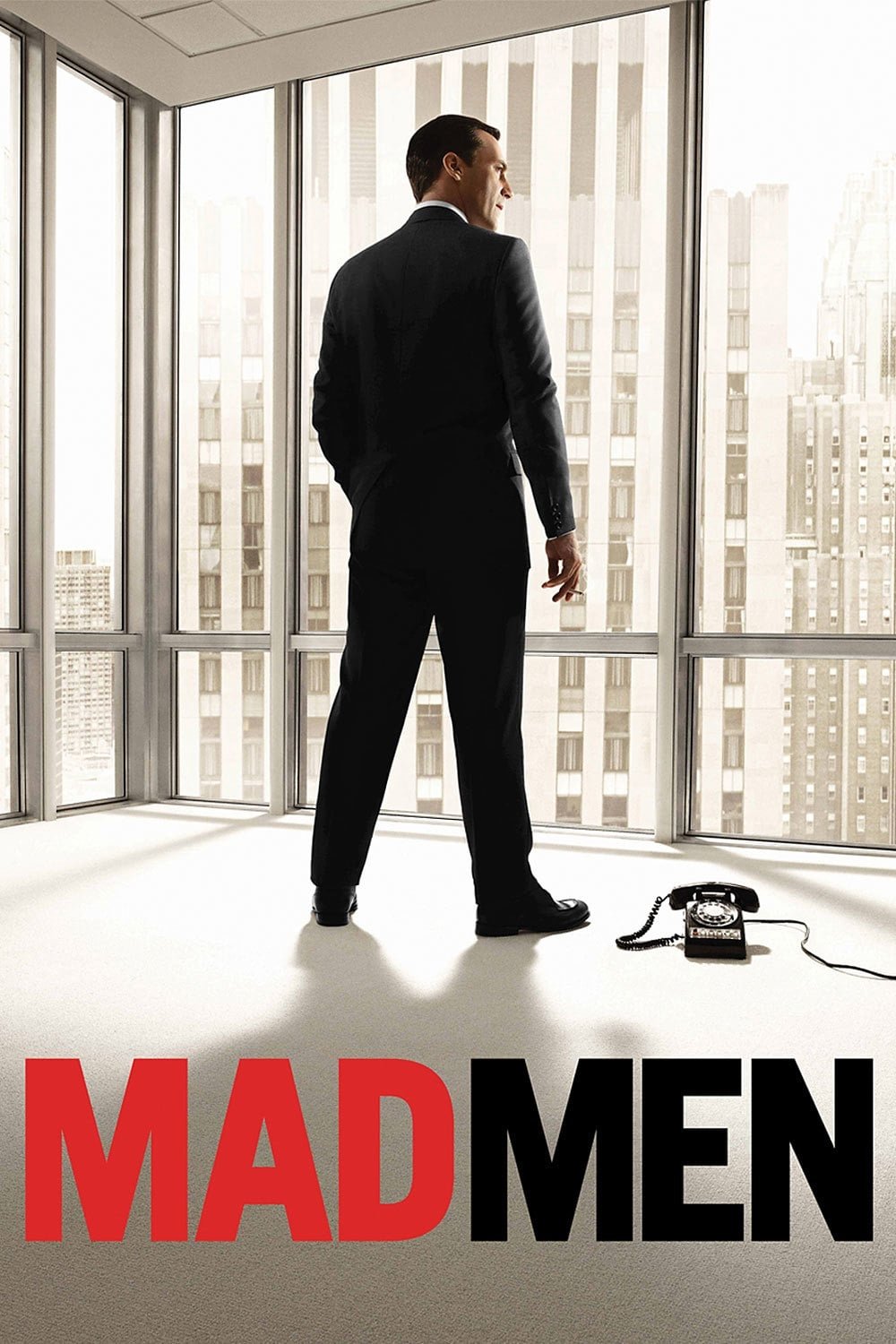
A silhouette of a businessman falls slowly past skyscrapers adorned with vintage advertisements. The imagery represents the crumbling personal life of the protagonist amidst the booming advertising industry of the 1960s. RJD2 created the instrumental track ‘A Beautiful Mine’ to provide a mysterious and melancholic backdrop. The final shot shows the man relaxing with a cigarette to suggest composure despite the chaos.
‘Watchmen’ (2009)
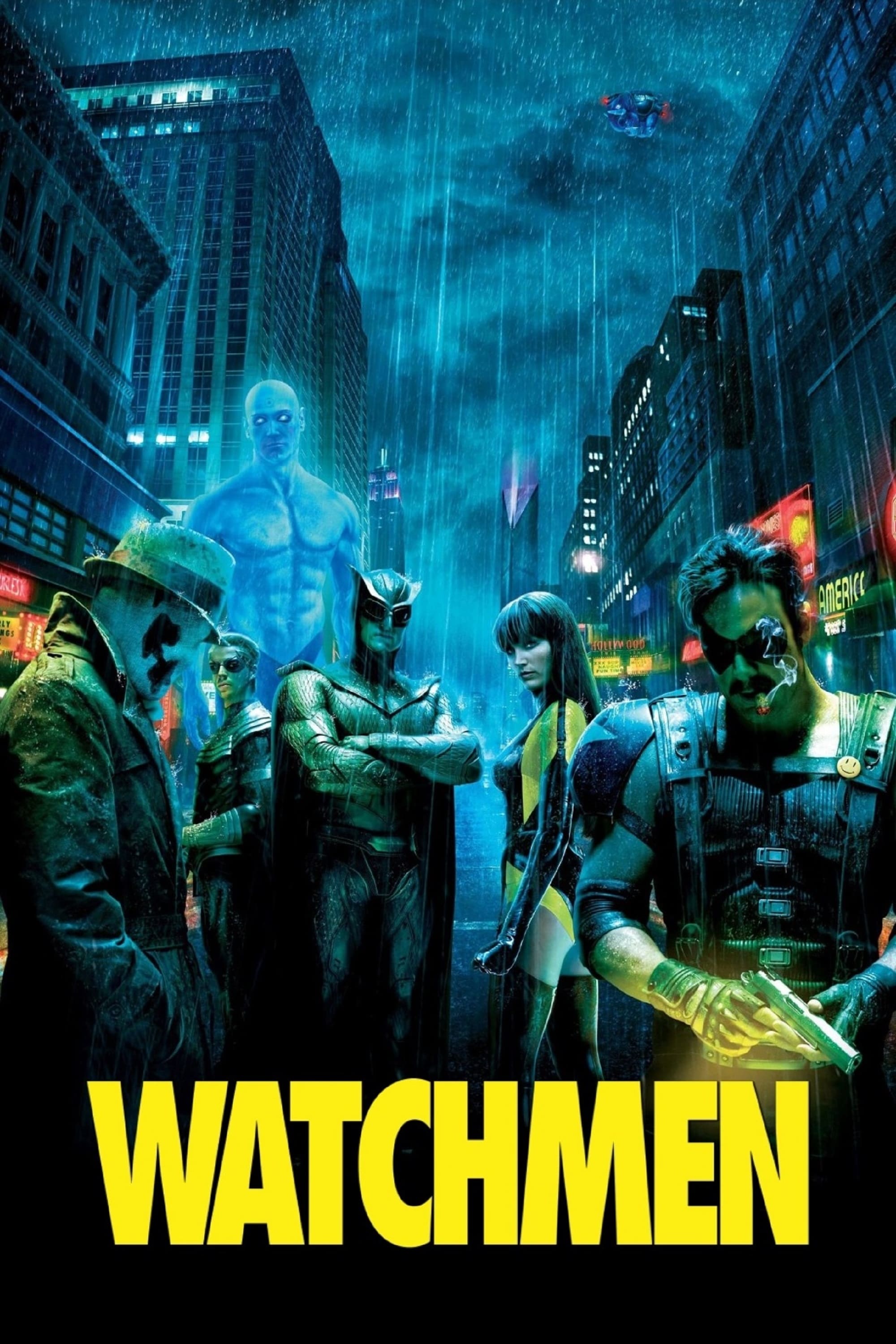
The credits unfold as a slow-motion montage that rewrites American history through the lens of superhero intervention. Iconic moments such as the V-J Day kiss and the Kennedy assassination receive alterations to include costumed vigilantes. Bob Dylan sings ‘The Times They Are a-Changin’ to emphasize the shifting cultural landscape of this alternate reality. This sequence efficiently provides decades of backstory without a single line of dialogue.
‘Psycho’ (1960)
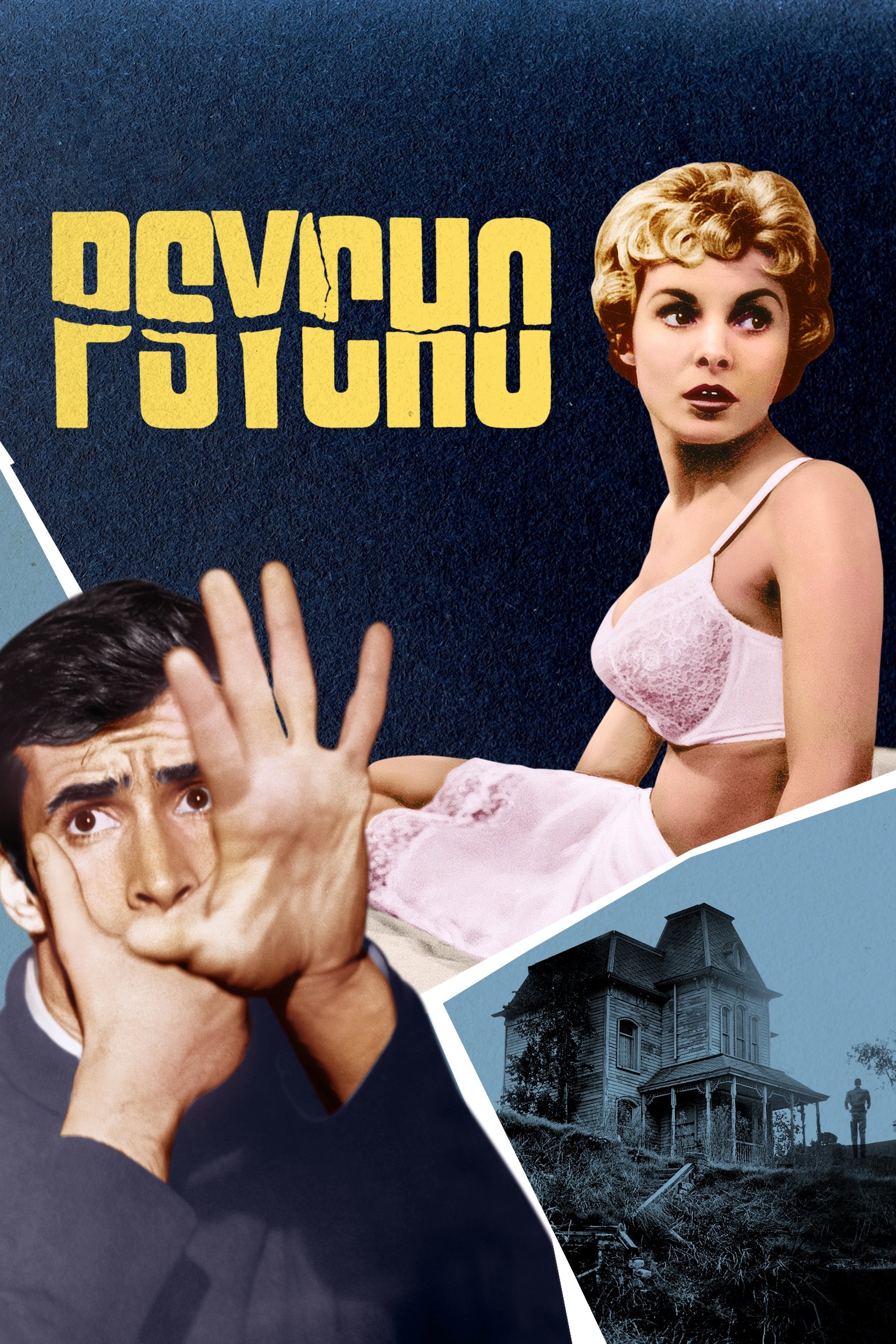
Saul Bass utilized simple grey bars that split and slide across the screen to mimic the slashing motion of a knife. The frenetic movement of the text mirrors the split personality of the antagonist and the violence of the famous shower scene. Bernard Herrmann introduced his screeching string score here to create immediate tension. The stark minimalism proves that simple geometric shapes can induce anxiety when timed correctly.
‘Dr. Strangelove or: How I Learned to Stop Worrying and Love the Bomb’ (1964)
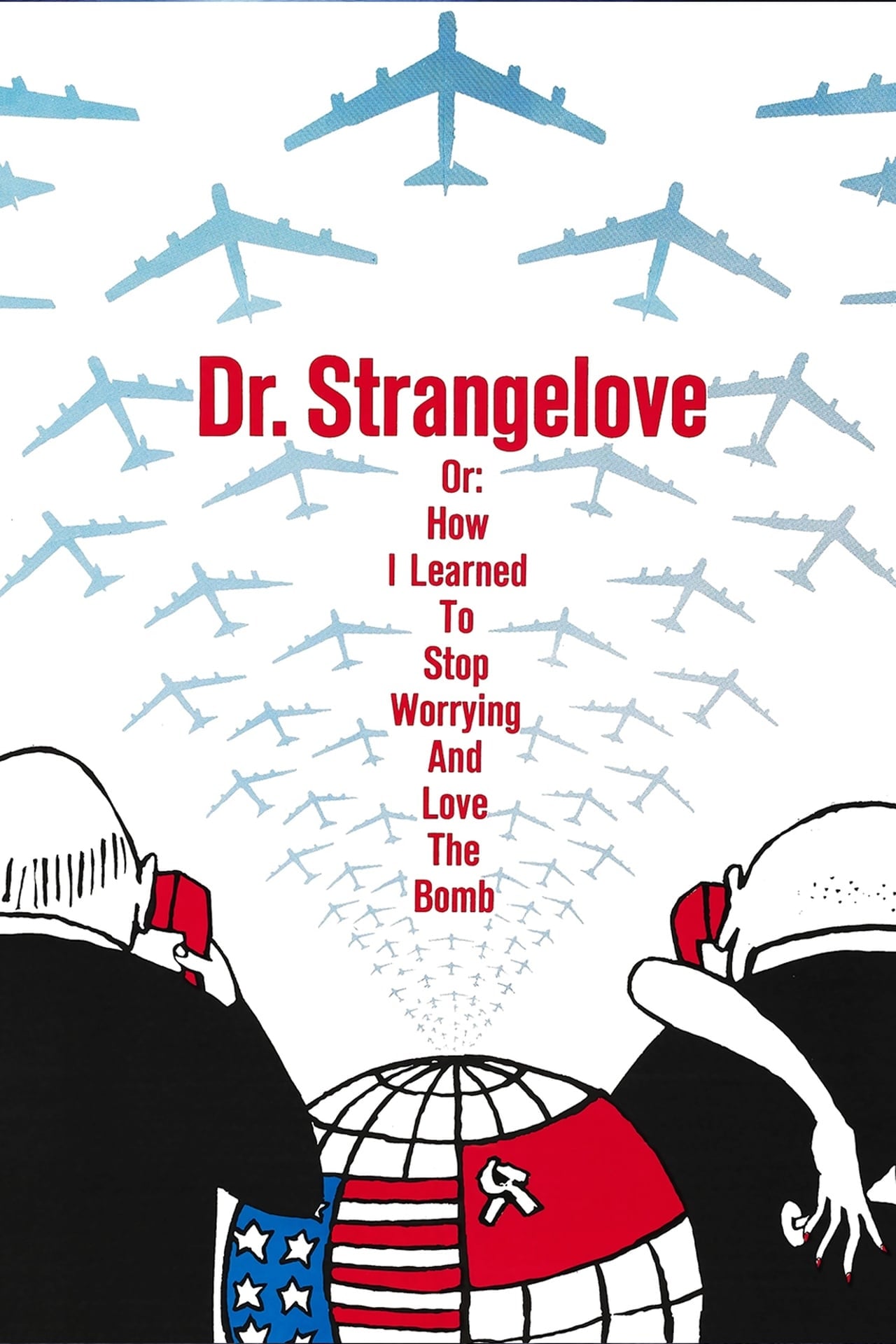
The film opens with footage of mid-air refueling operations between military aircraft set to a gentle instrumental version of ‘Try a Little Tenderness’. Director Stanley Kubrick juxtaposed the mechanical act of war with romantic music to create a layer of sexual innuendo. The credits float over the machinery in a handwritten font that contrasts with the serious military hardware. This satirical approach establishes the absurdity of the nuclear conflict comedy immediately.
‘True Detective’ (2014)
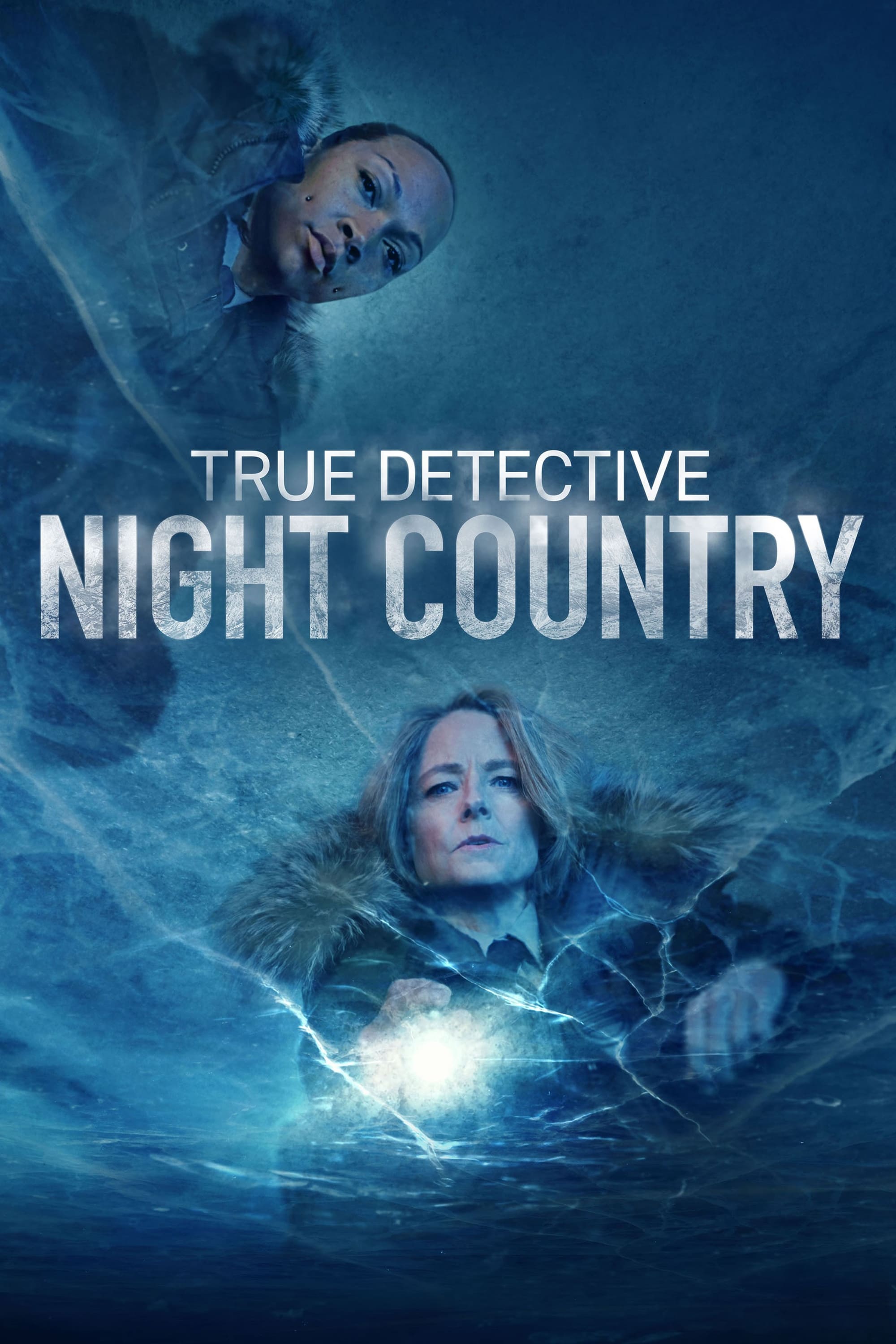
Double-exposure photography blends the rugged landscapes of Louisiana with portraits of the lead characters. The visuals suggest that the detectives are physically and spiritually bound to the toxic environment they investigate. Industrial silhouettes merge with human features to create a haunting and southern gothic aesthetic. The Handsome Family contributes the song ‘Far From Any Road’ to complete the moody atmosphere.
‘Casino Royale’ (2006)
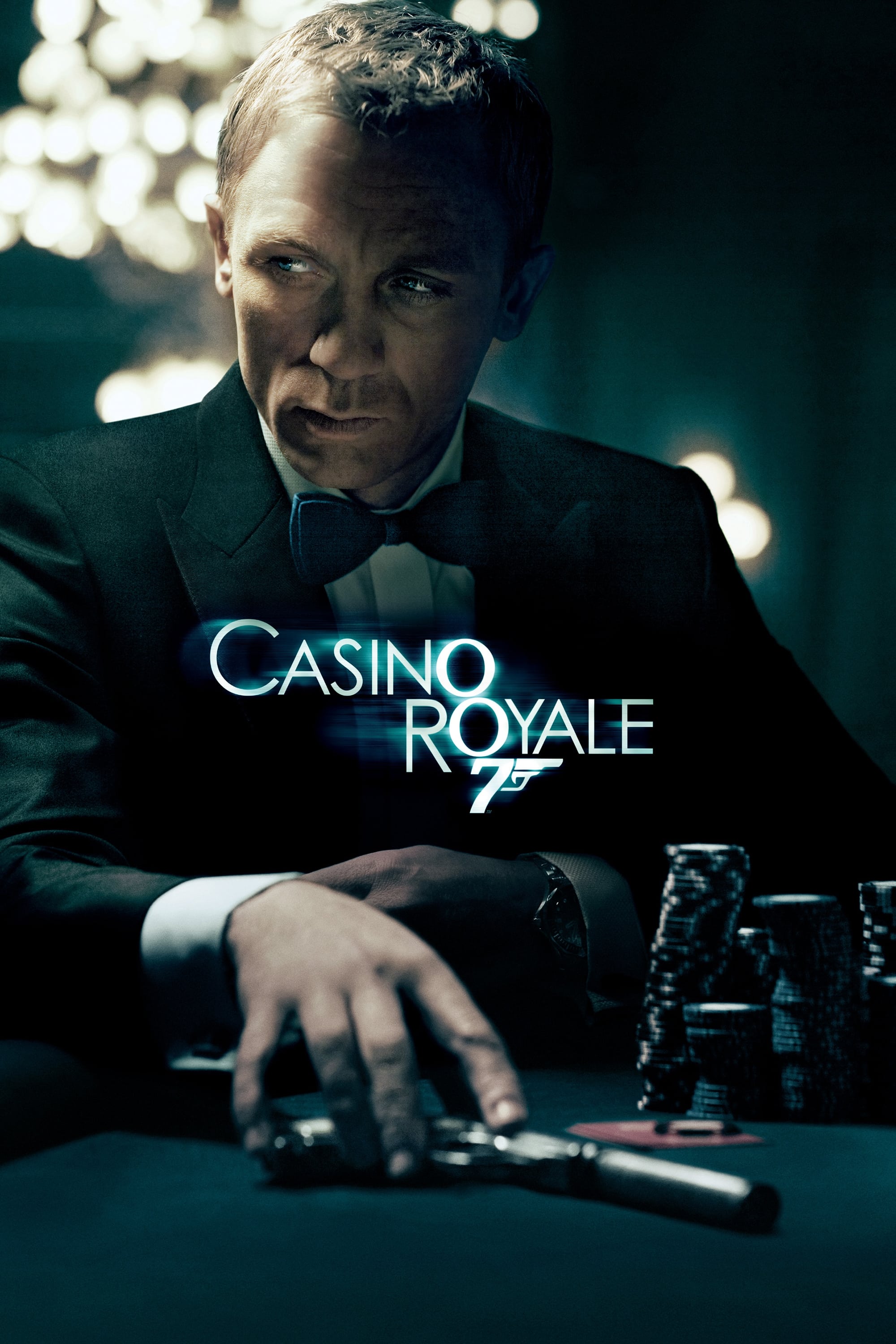
Vector animation depicts James Bond fighting through a world designed around playing cards and casino motifs. The sequence marked a departure from the franchise tradition by omitting the dancing silhouettes to focus on aggression. The hearts and spades dissolve into blood and bullets to symbolize the lethal stakes of the poker game. Chris Cornell provides a gritty rock anthem that matches the raw intensity of the rebooted character.
‘Westworld’ (2016–2022)
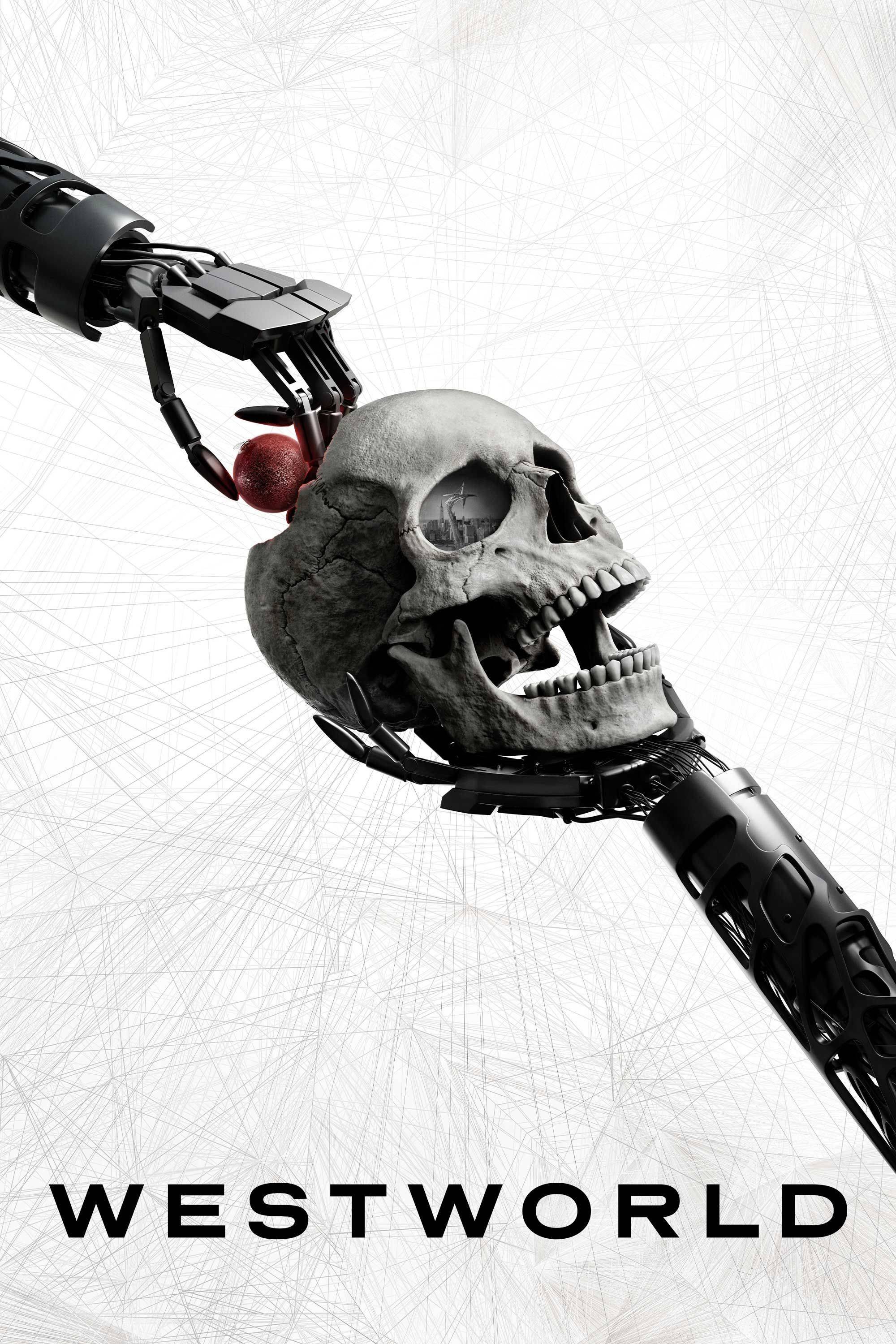
Robotic arms construct synthetic horses and humanoids using white liquid and 3D printing technology. The imagery focuses on the juxtaposition between the skeletal machines and the organic appearance of the finished hosts. Ramin Djawadi composed a piano melody that builds into a dramatic crescendo to highlight the tragedy of artificial life. The sequence questions the nature of creation and the blurred line between man and machine.
‘Enter the Void’ (2009)
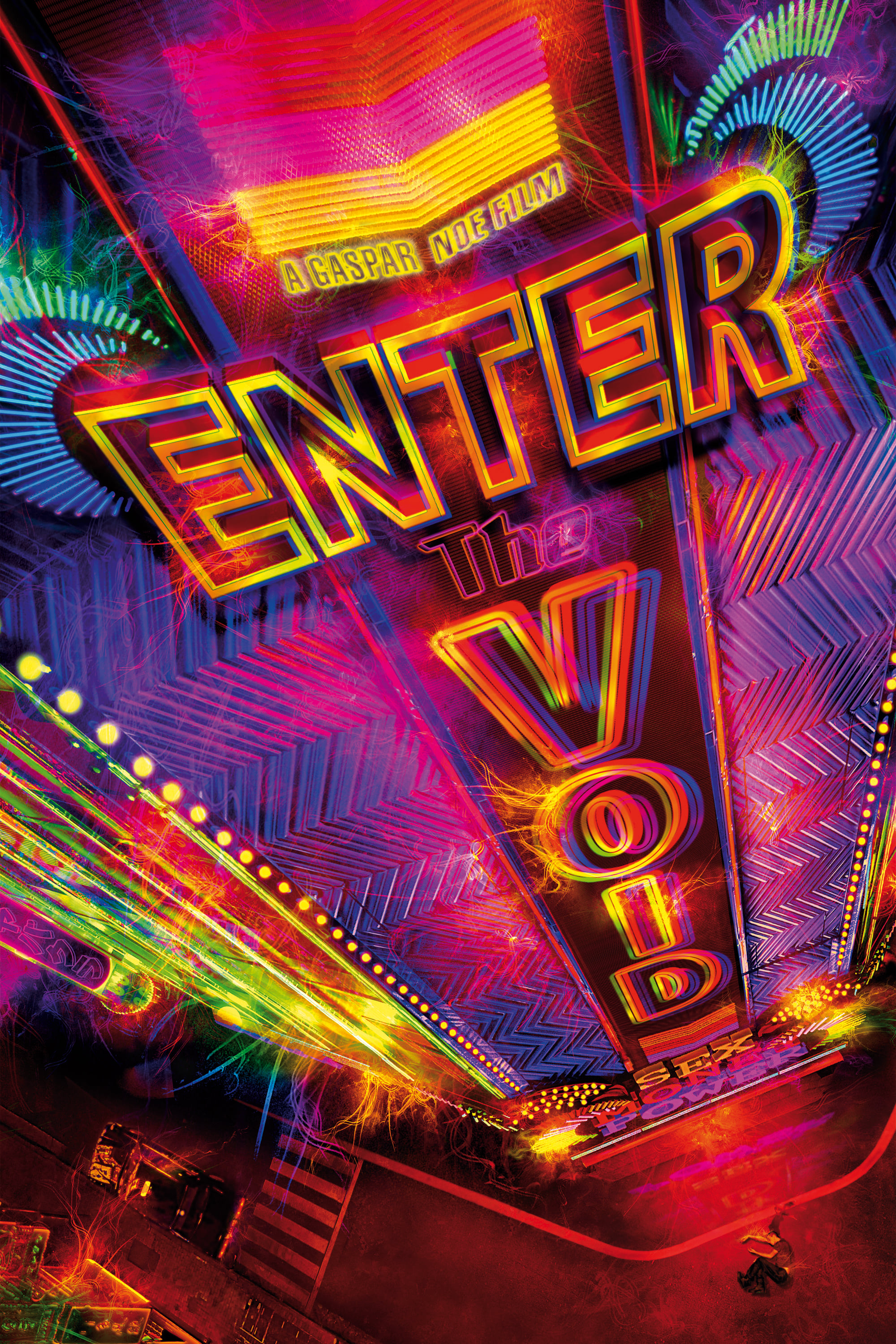
Massive neon typography flashes rapidly on the screen in sync with a pulsating techno beat. The strobe effect is intense and disorienting to simulate a drug-induced hallucination or a sensory overload. Director Gaspar Noé chose a typeface variety that feels overwhelming and aggressive to the viewer. This assault on the senses perfectly prepares the audience for the psychedelic journey of the film.
‘Napoleon Dynamite’ (2004)
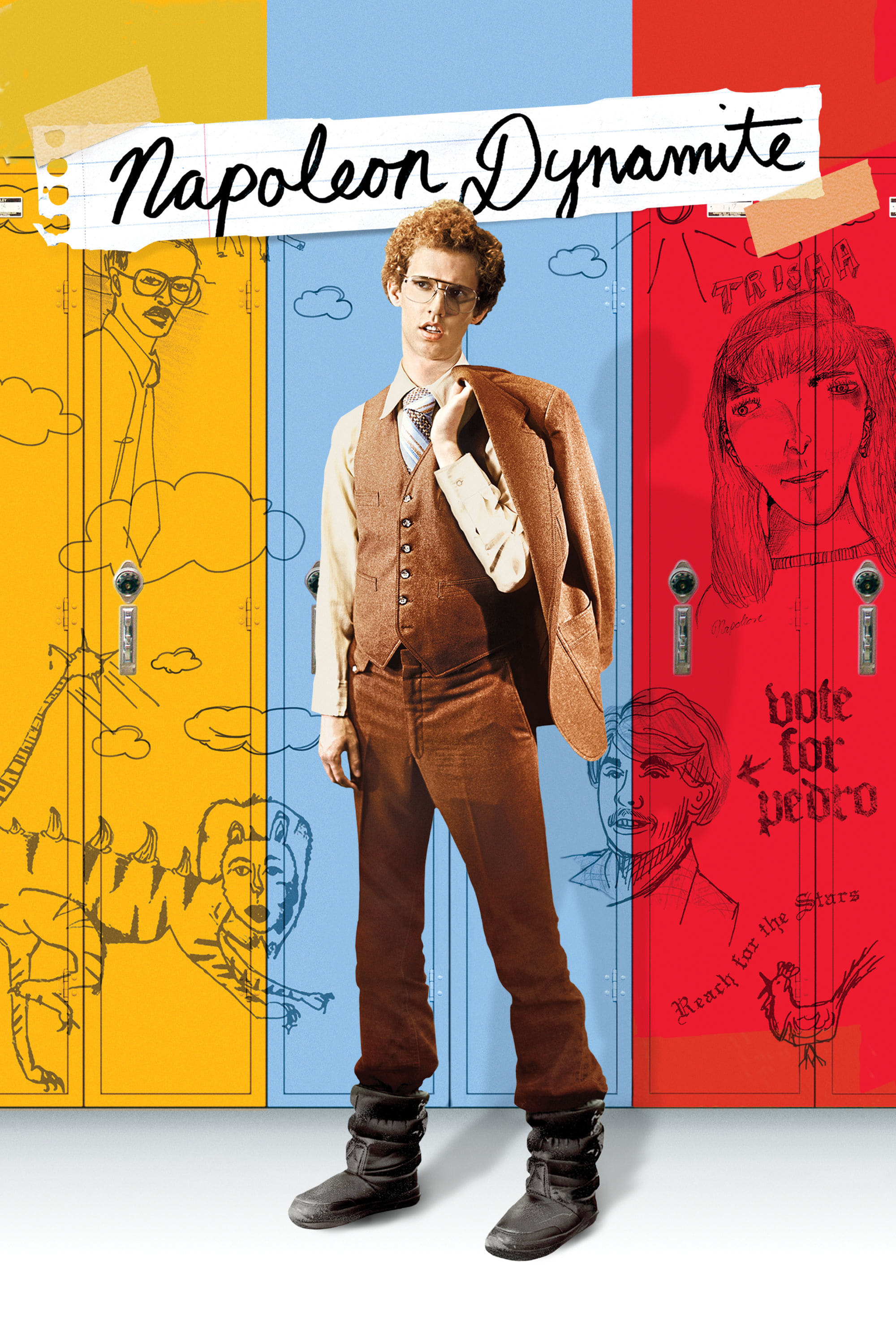
The credits appear as physical objects and condiments arranged on plates of food or school supplies. The camera pans directly over the items to create a tactile and lo-fi aesthetic that matches the indie budget. This practical approach introduces the quirky and mundane world of the teenage protagonist effectively. The background music features a simple organ tune that enhances the awkward charm of the presentation.
‘Lord of War’ (2005)
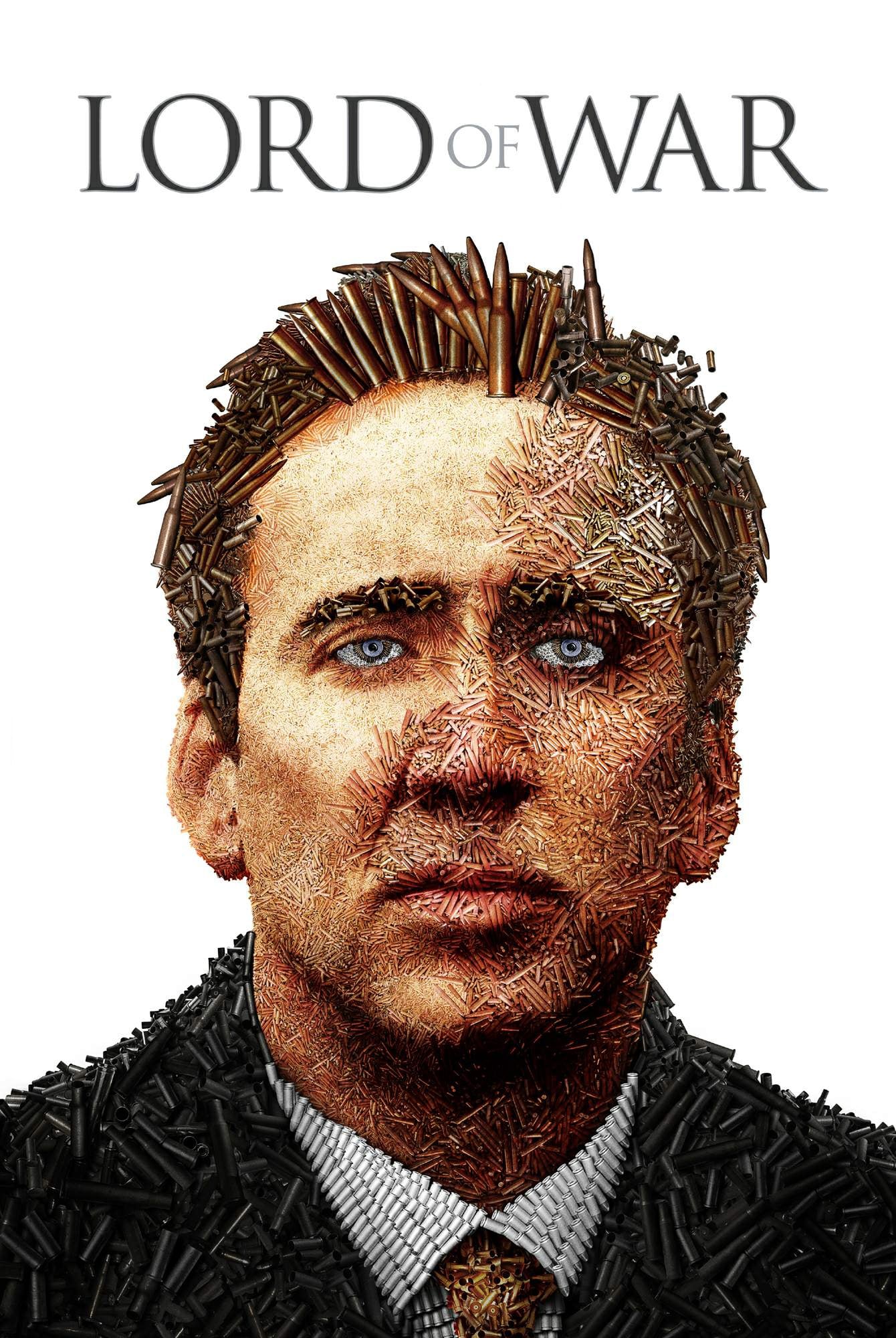
The camera follows the lifecycle of a single bullet from its manufacture in a factory to its lethal use in a conflict zone. Viewers experience the journey from the perspective of the ammunition as it travels through conveyor belts and shipping crates. The song ‘For What It’s Worth’ plays ironically over the industrial process of creating instruments of death. This sequence creates a powerful commentary on the global arms trade without speaking a word.
‘Stranger Things’ (2016–)
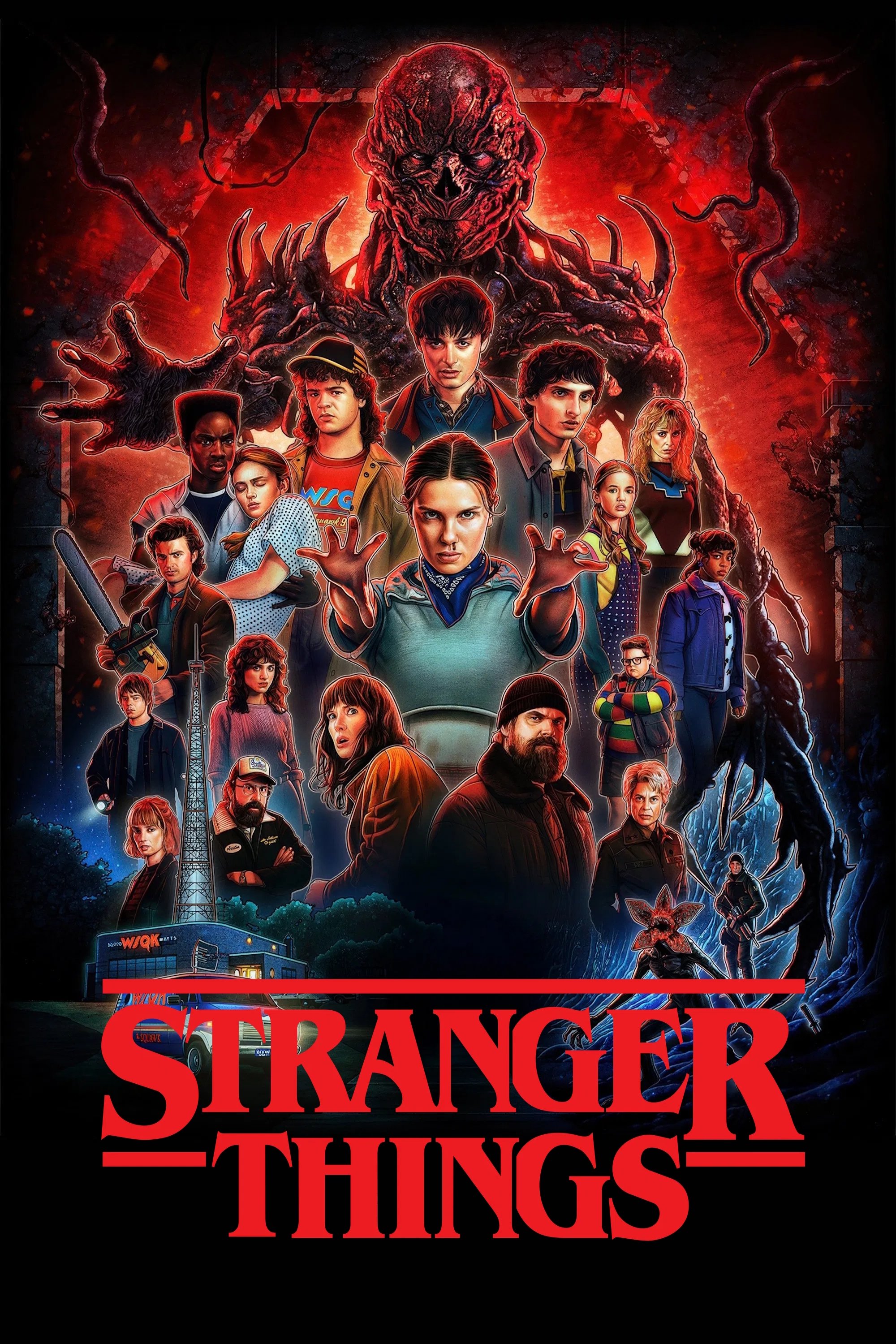
Large red neon letters slowly drift together to form the title against a grainy film background. The typography and the synth-heavy score by Survive pay direct homage to the horror paperbacks and films of the 1980s. The flickering effect resembles an old VHS tape to trigger nostalgia in the audience immediately. This simple yet effective design instantly establishes the time period and the supernatural genre.
‘The Pink Panther’ (1963)
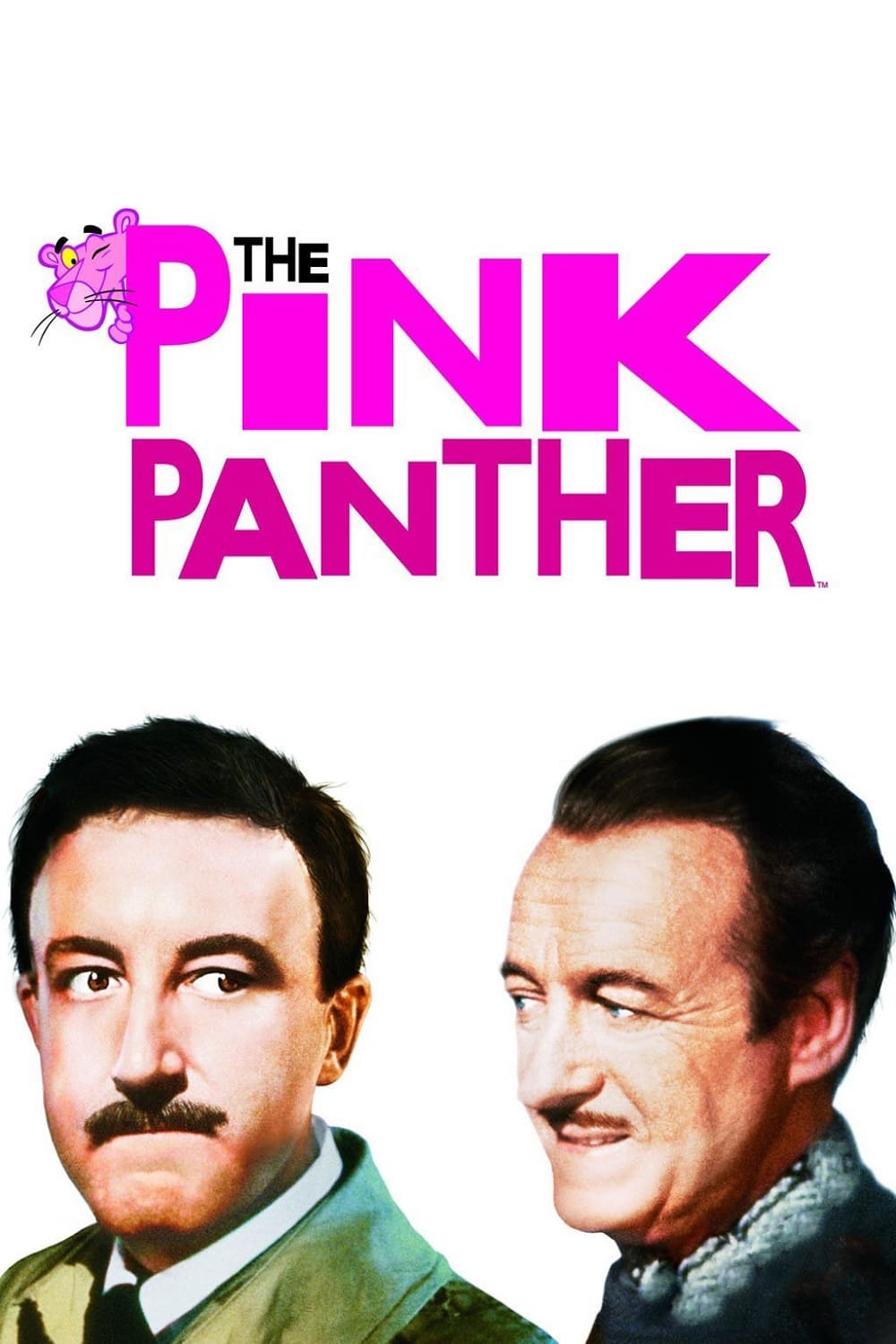
An animated pink panther interacts with the credits by playing tricks on the text and conducting the orchestra. This character became so popular that he eventually spawned his own series of cartoons independent of the films. Henry Mancini composed the famous saxophone theme that guides the panther’s mischievous movements. The sequence sets a lighthearted and comedic tone for the caper that follows.
‘Raging Bull’ (1980)
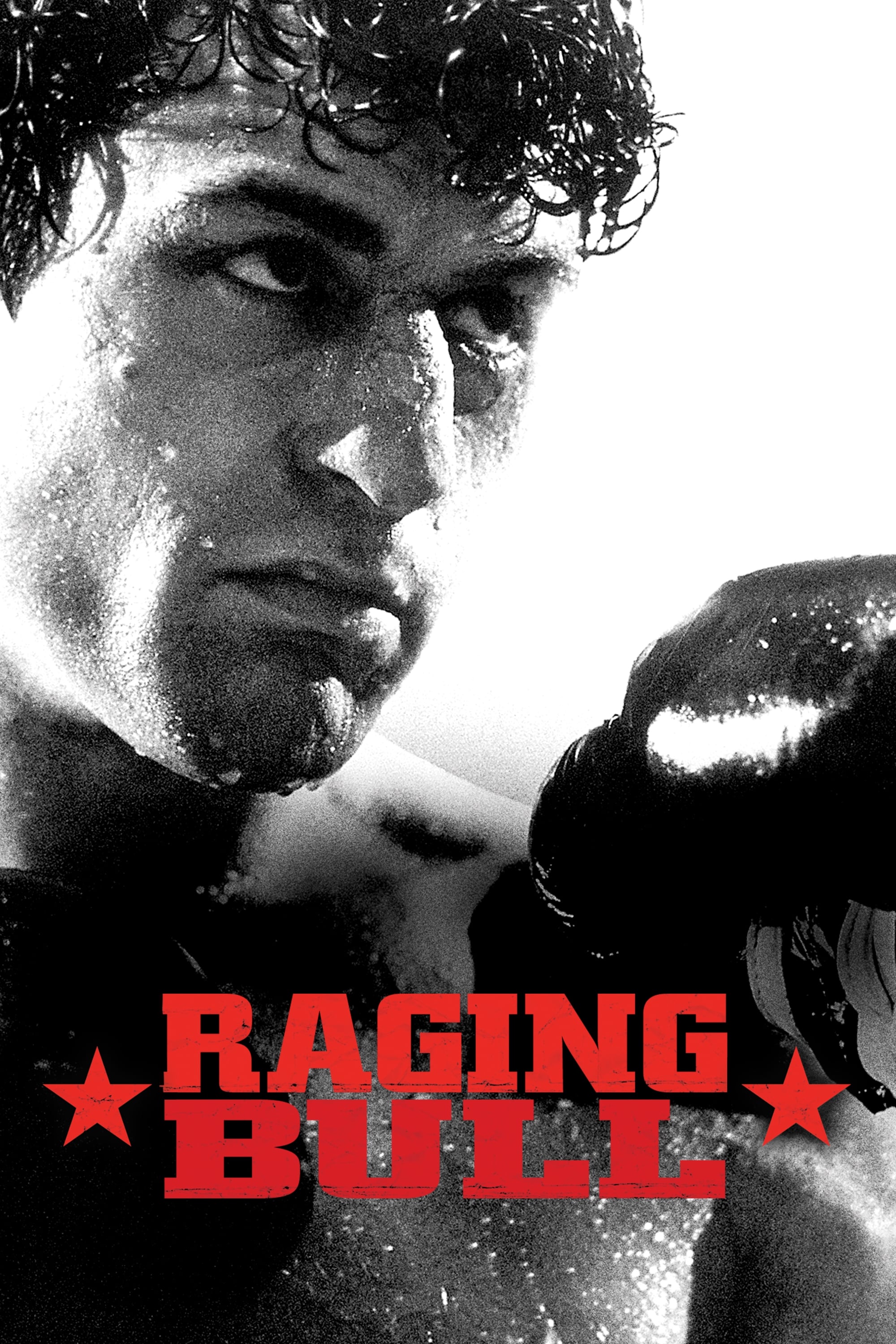
Robert De Niro shadows boxes in slow motion inside a smoky ring while the flashbulbs of cameras pop in the background. The title appears in simple red text over the black and white footage to create a stark contrast. Pietro Mascagni’s ‘Intermezzo’ from Cavalleria Rusticana adds an operatic tragedy to the solitary figure. The scene captures the loneliness and violence of the boxer’s life before the story begins.
‘Spider-Man 2’ (2004)
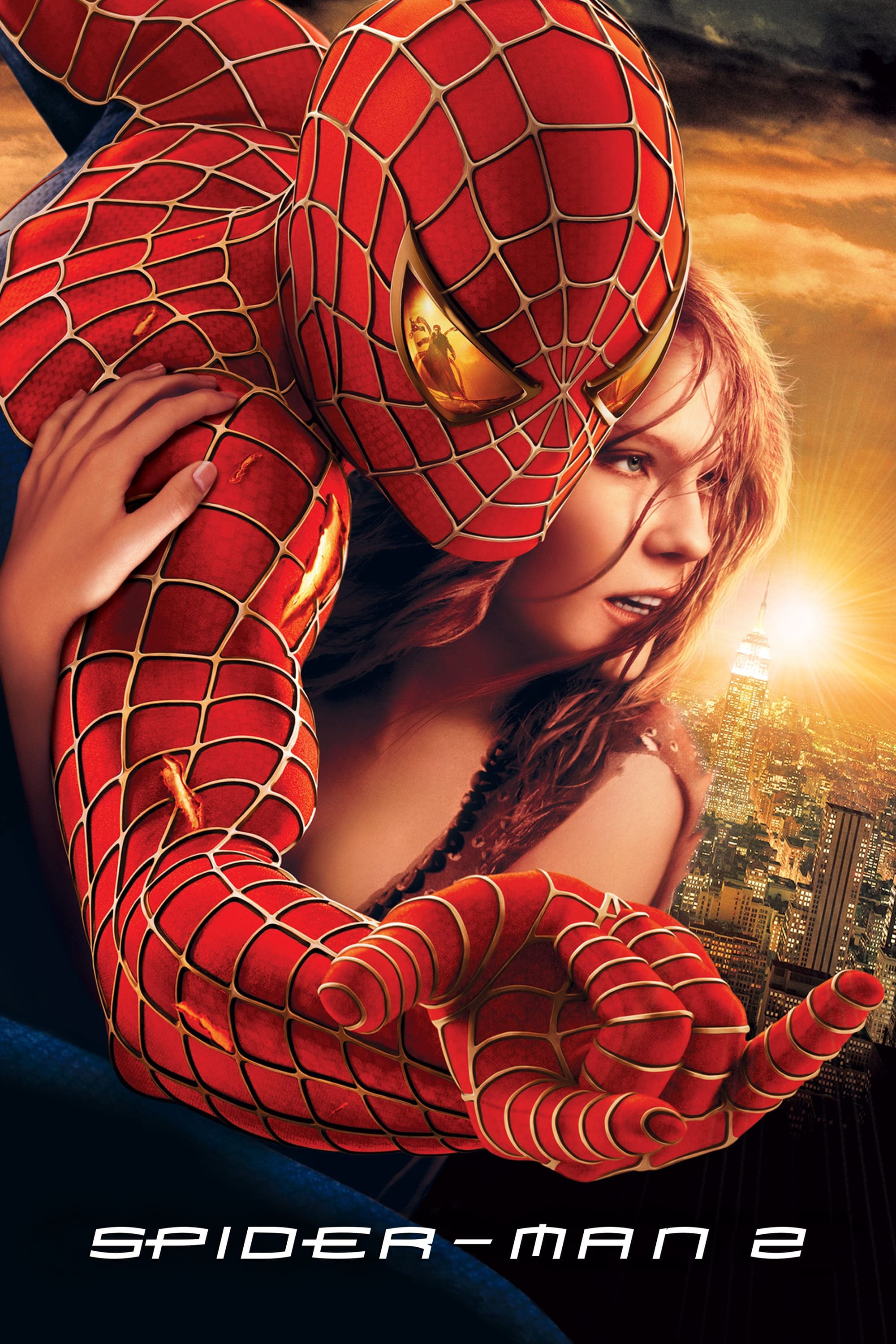
Watercolor paintings by artist Alex Ross recap the events of the first film to refresh the memory of the audience. The camera pans across key moments of the origin story rendered in a classic comic book style. Danny Elfman’s soaring score transitions from heroic themes to romantic melodies seamlessly. This approach honors the print roots of the character while bridging the narrative gap between movies.
‘To Kill a Mockingbird’ (1962)
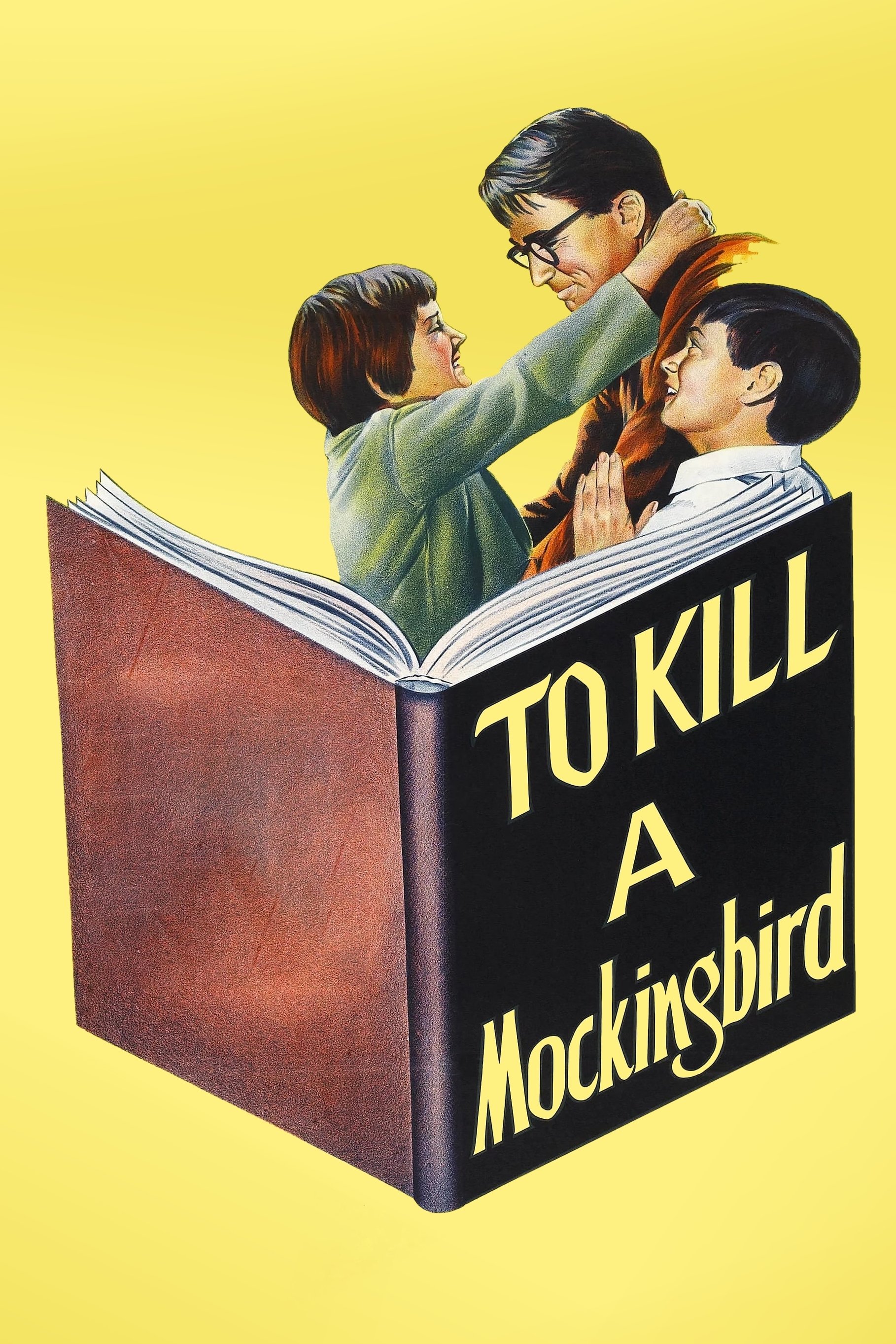
The camera moves closely over a child’s collection of small treasures including marbles and a crayon. A young girl hums a melody while coloring to establish the innocent perspective of the narrator Scout. The sequence focuses on the small details of childhood that will soon contrast with the serious themes of the trial. Elmer Bernstein provided a delicate piano score that evokes a sense of fragile nostalgia.
‘Dexter’ (2006–2013)
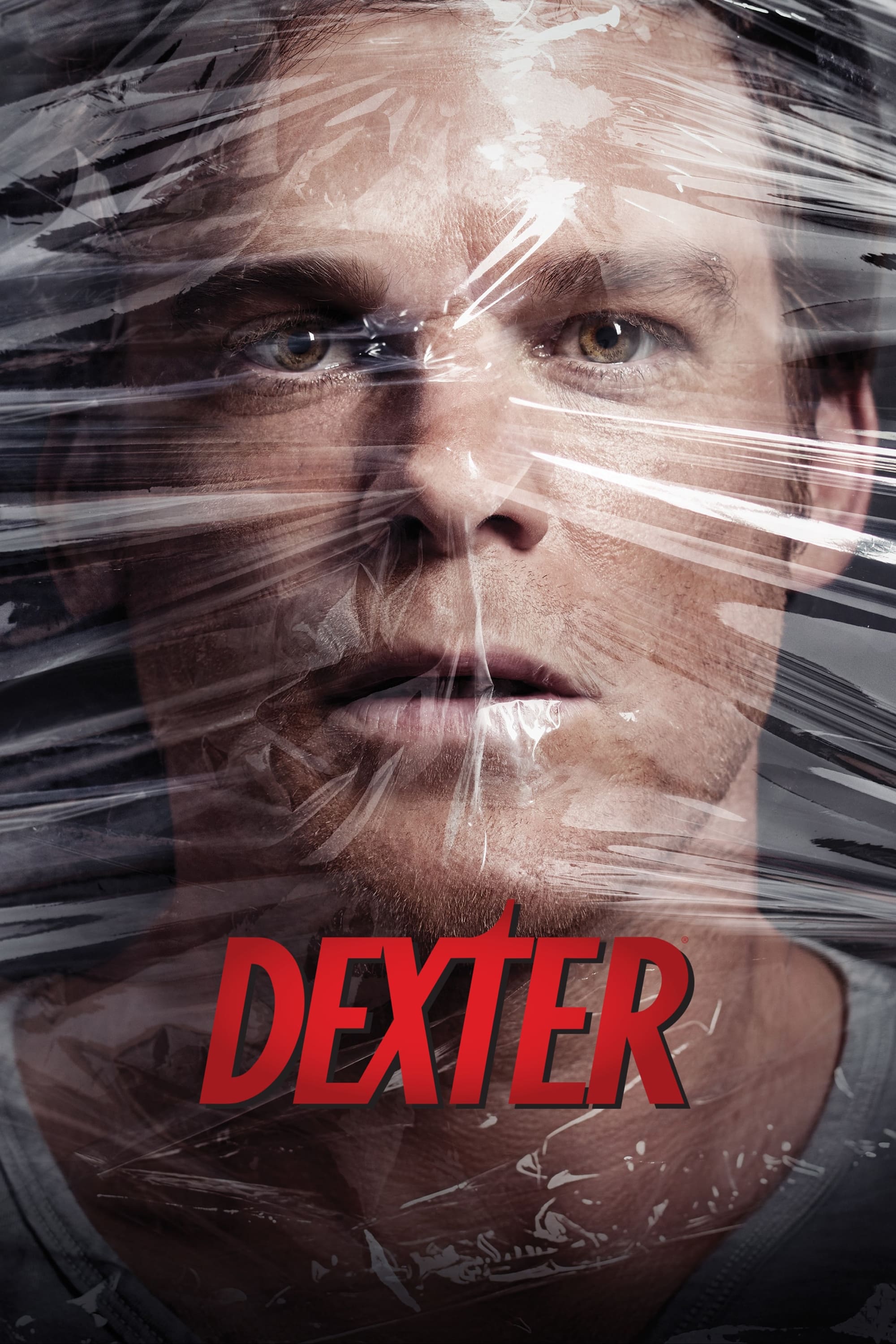
Extreme close-ups transform a mundane morning routine of shaving and cooking breakfast into a visceral display of violence. The cutting of ham and the squeezing of blood oranges mimic the actions of a serial killer dismantling a body. This visual metaphor cleverly hints at the double life of the protagonist without showing any actual crime. The playful yet sinister music highlights the dark irony of the imagery.
‘Alien’ (1979)
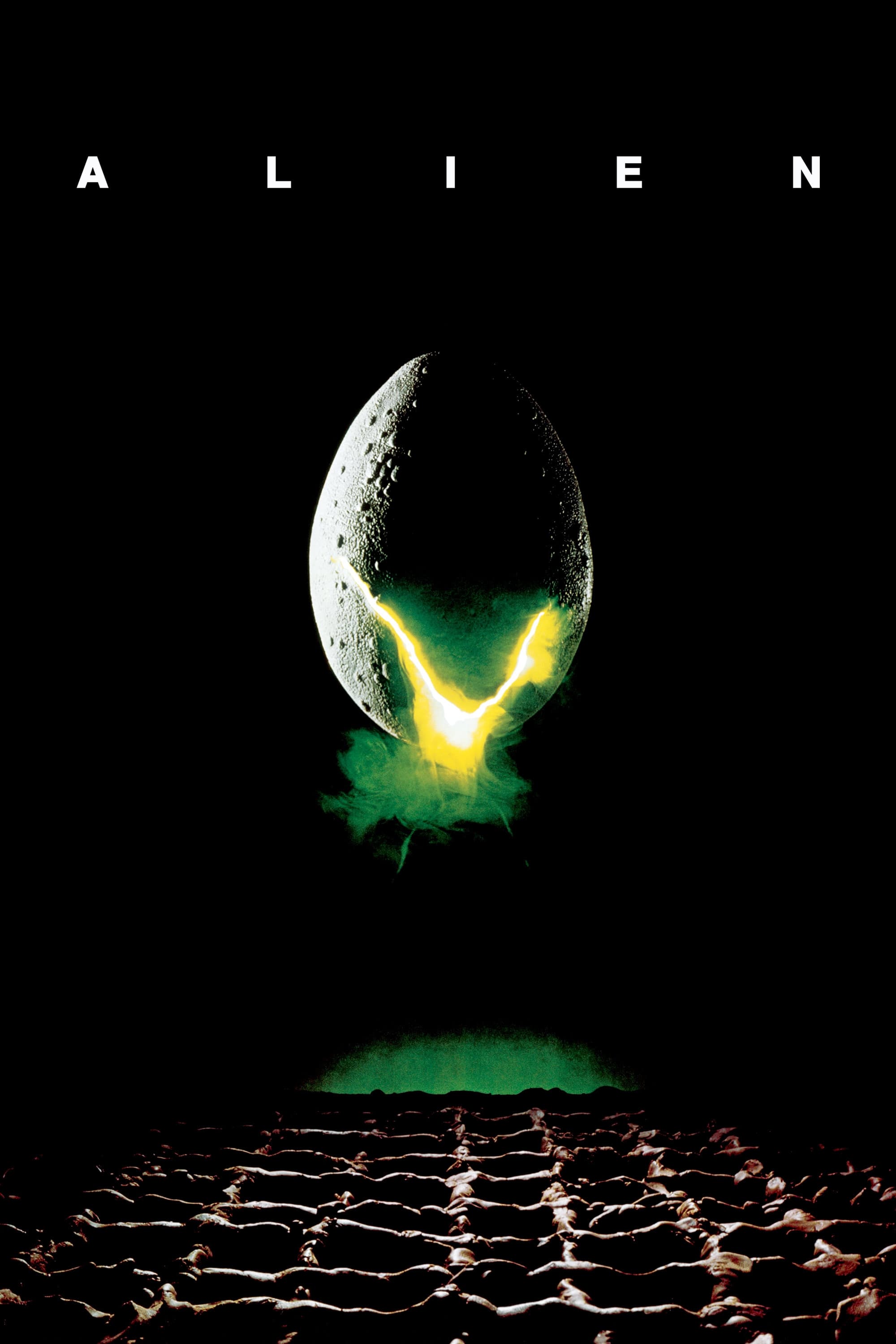
Small white lines slowly appear in the void of space to form the letters of the title one segment at a time. The gradual reveal builds tension as the audience waits for the full word to materialize. Jerry Goldsmith composed a haunting and ambient score that emphasizes the isolation of the setting. The sequence establishes the slow burn pacing and the terrifying emptiness of the deep space environment.
‘Succession’ (2018–2023)
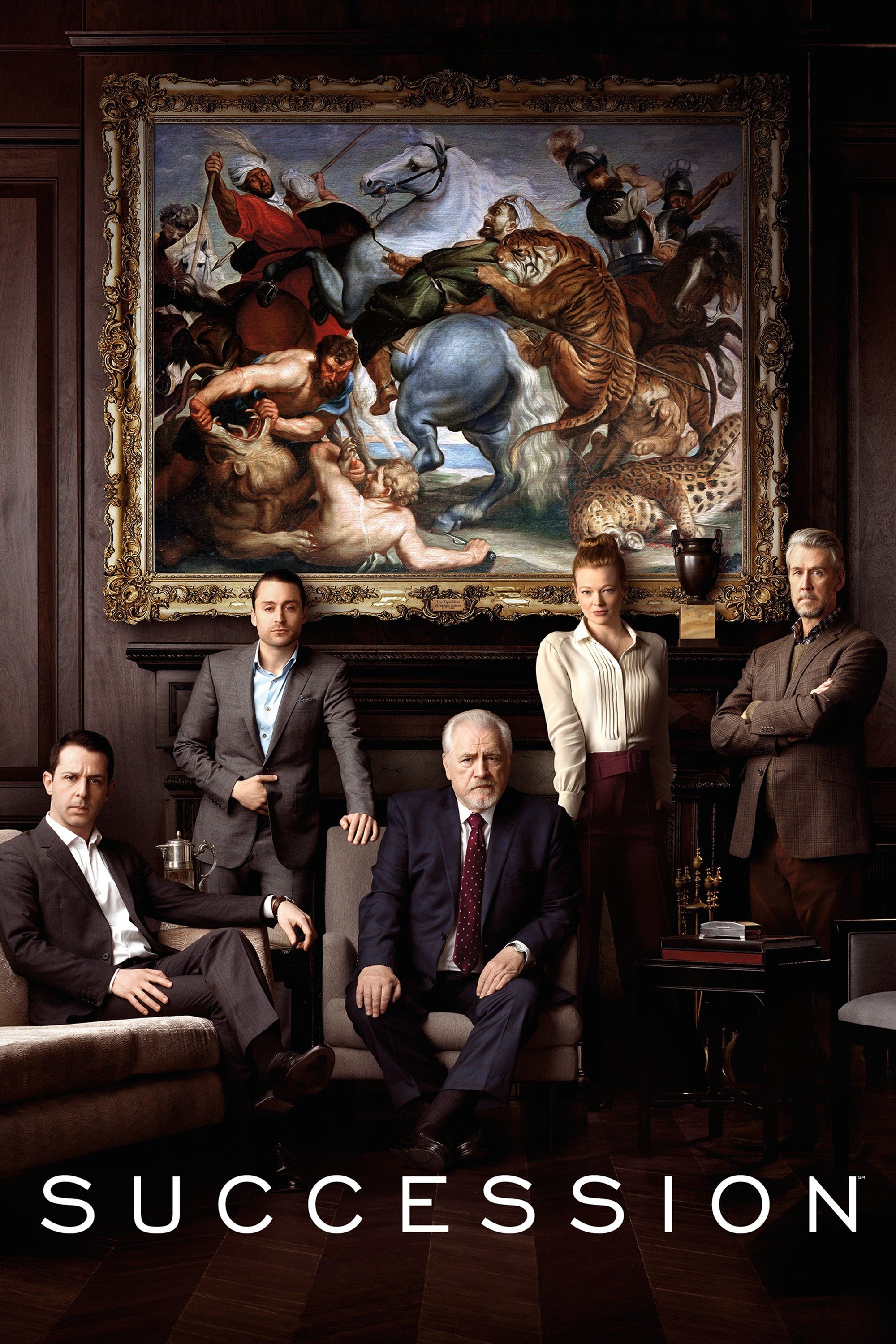
Grainy home video footage of a wealthy family intercuts with shots of modern New York City skylines. The contrast highlights the disconnect between the isolated childhoods of the characters and their massive corporate influence. Nicholas Britell composed a theme that mixes classical piano with hip-hop beats to reflect the clash of old money and modern power. The sequence effectively portrays themes of dynastic trauma and corporate empire.
‘The Good, the Bad and the Ugly’ (1966)
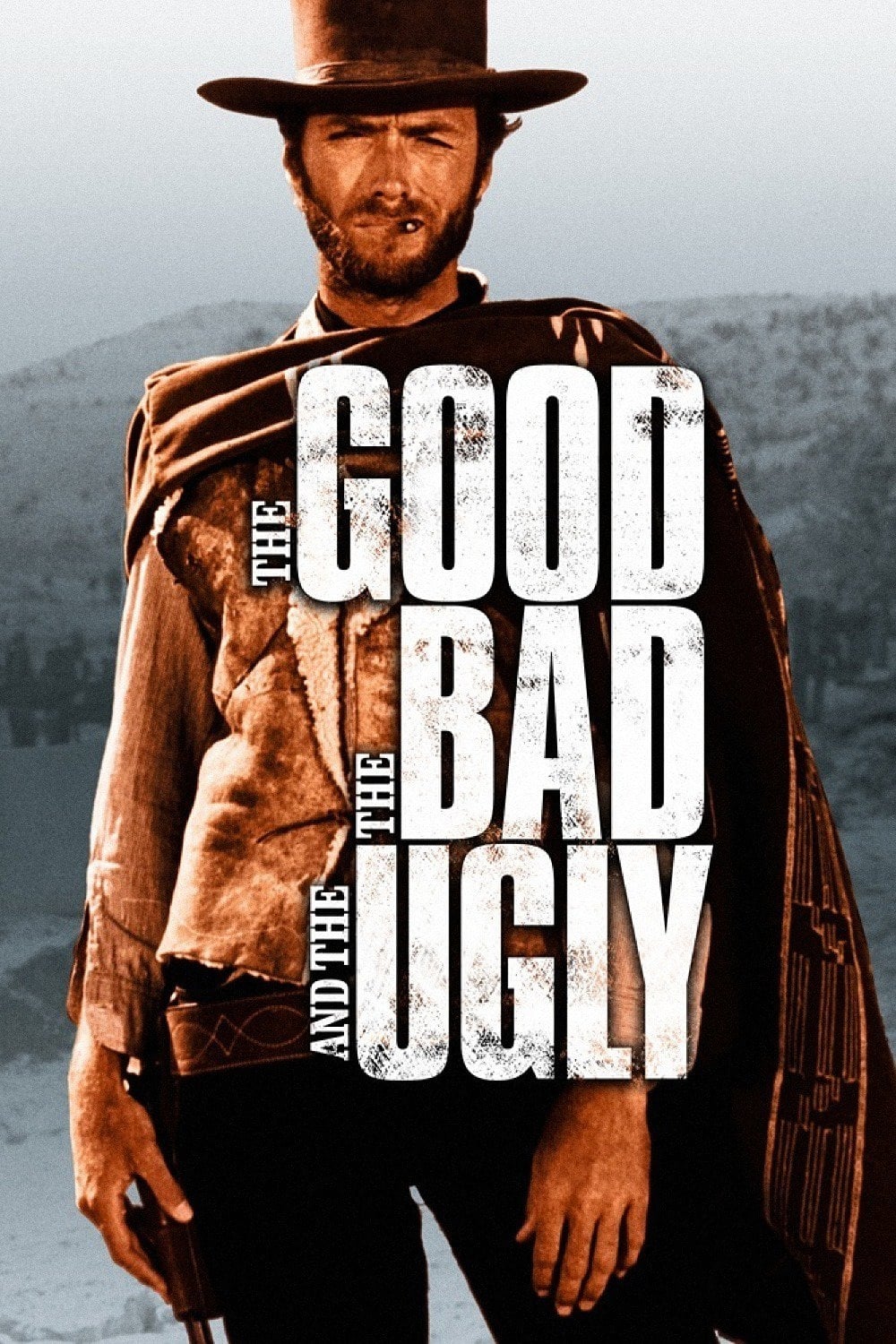
Bold colors and gritty textures accompany kinetic typography that mimics the sound of gunshots and cannons. Animated silhouettes of cowboys ride and duel across the screen to the rhythm of the music. Ennio Morricone created his legendary whistling score to drive the energy of the visuals. The raw and stylized design redefined the western genre aesthetic for future generations.
Tell us which opening credit sequence you think deserves the top spot in the comments.