20 Stars Who Demanded Script Changes to Make Themselves the Hero


Script changes are a common part of the filmmaking process but sometimes A-list actors leverage their power to fundamentally alter a story for the sake of their own image. These stars often refuse to play characters who are weak or villainous or destined to die and insist instead on rewrites that ensure they emerge as the victor or the moral compass. Studios frequently acquiesce to these demands to keep their marquee talent happy and protect the box office potential of the project. The following examples highlight instances where actor intervention significantly shifted the narrative trajectory to favor the star.
Dwayne Johnson – ‘Rampage’
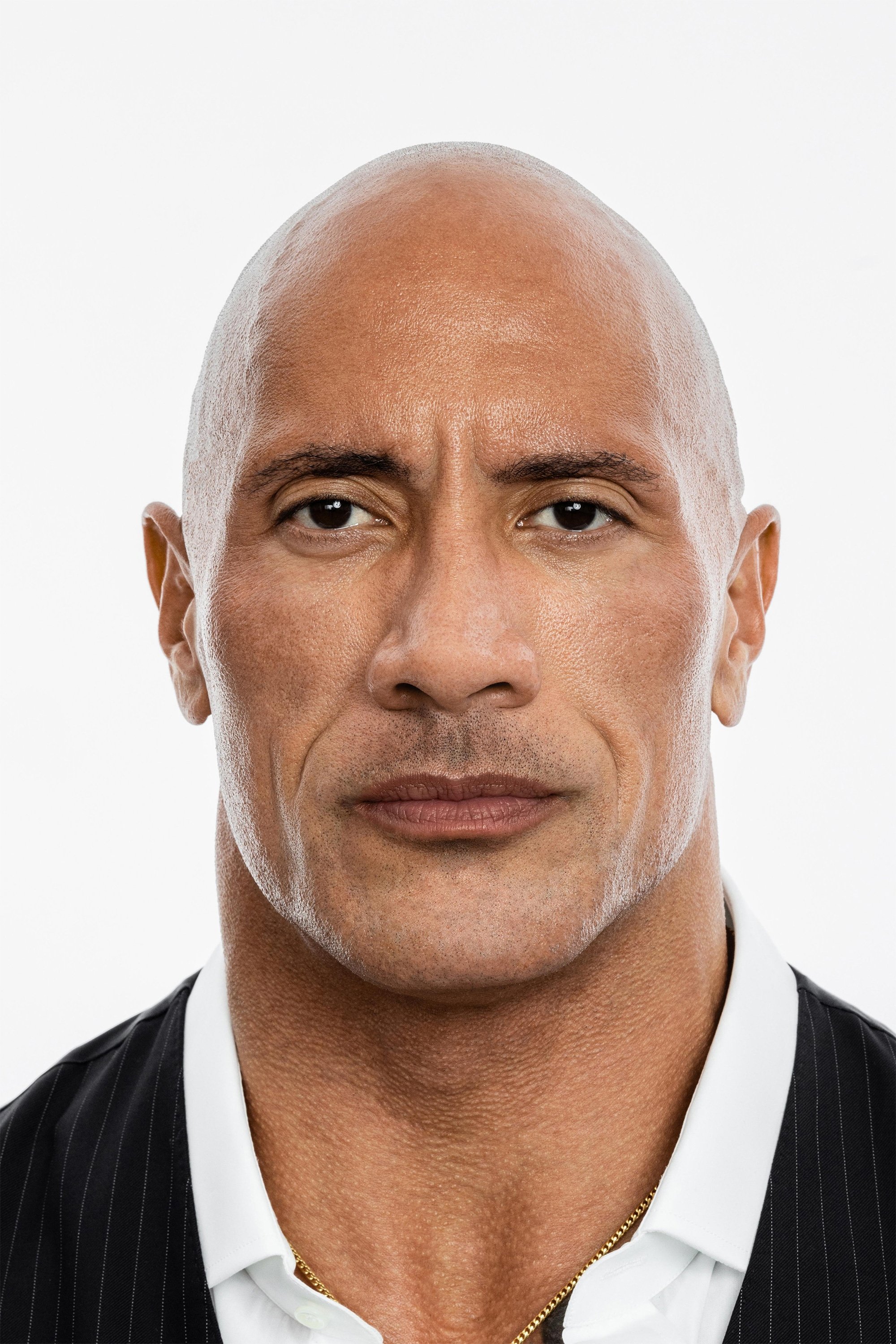
In the original script for this video game adaptation the giant albino gorilla named George was supposed to die after sacrificing himself to save the city. Dwayne Johnson starred as the trainer and vehemently disagreed with this somber conclusion as he threatened to leave the production if it was not changed. He argued that audiences come to his movies for a good time and that killing the animal sidekick would betray that trust. The studio eventually relented by rewriting the ending so that George survives the battle and shares a comedic moment with Johnson before the credits roll.
Sylvester Stallone – ‘First Blood’
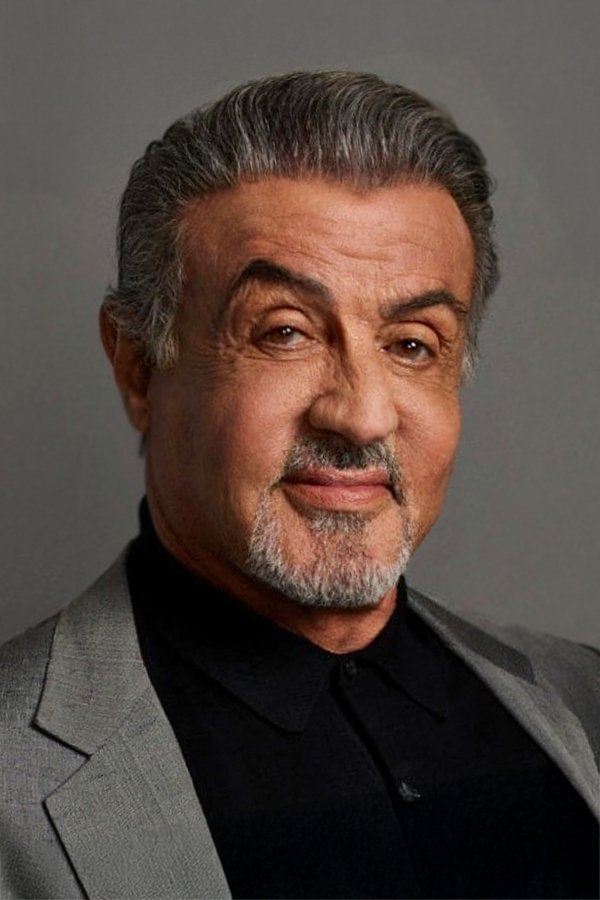
The initial cut of the film that introduced the world to John Rambo remained faithful to the novel by ending with the protagonist committing suicide. Sylvester Stallone felt that this bleak message would demoralize audiences and fail to honor the struggles of Vietnam veterans. He insisted that Rambo should survive his standoff with the police and transformed the character from a tragic victim into a resilient survivor. This crucial alteration allowed the character to endure and spawned a massive action franchise that spanned decades.
Michelle Rodriguez – ‘The Fast and the Furious’

When Michelle Rodriguez originally signed on to play Letty the script featured a love triangle where her character cheated on Dominic Toretto with Brian O’Conner. Rodriguez found this betrayal unrealistic for a woman loyal to an alpha character like Dom and threatened to quit if the subplot remained. Vin Diesel supported her stance and the script was rewritten to remove the infidelity entirely. This change established the defining trait of unwavering loyalty for Letty which became a cornerstone of her character arc throughout the series.
Tom Cruise – ‘The Mummy’
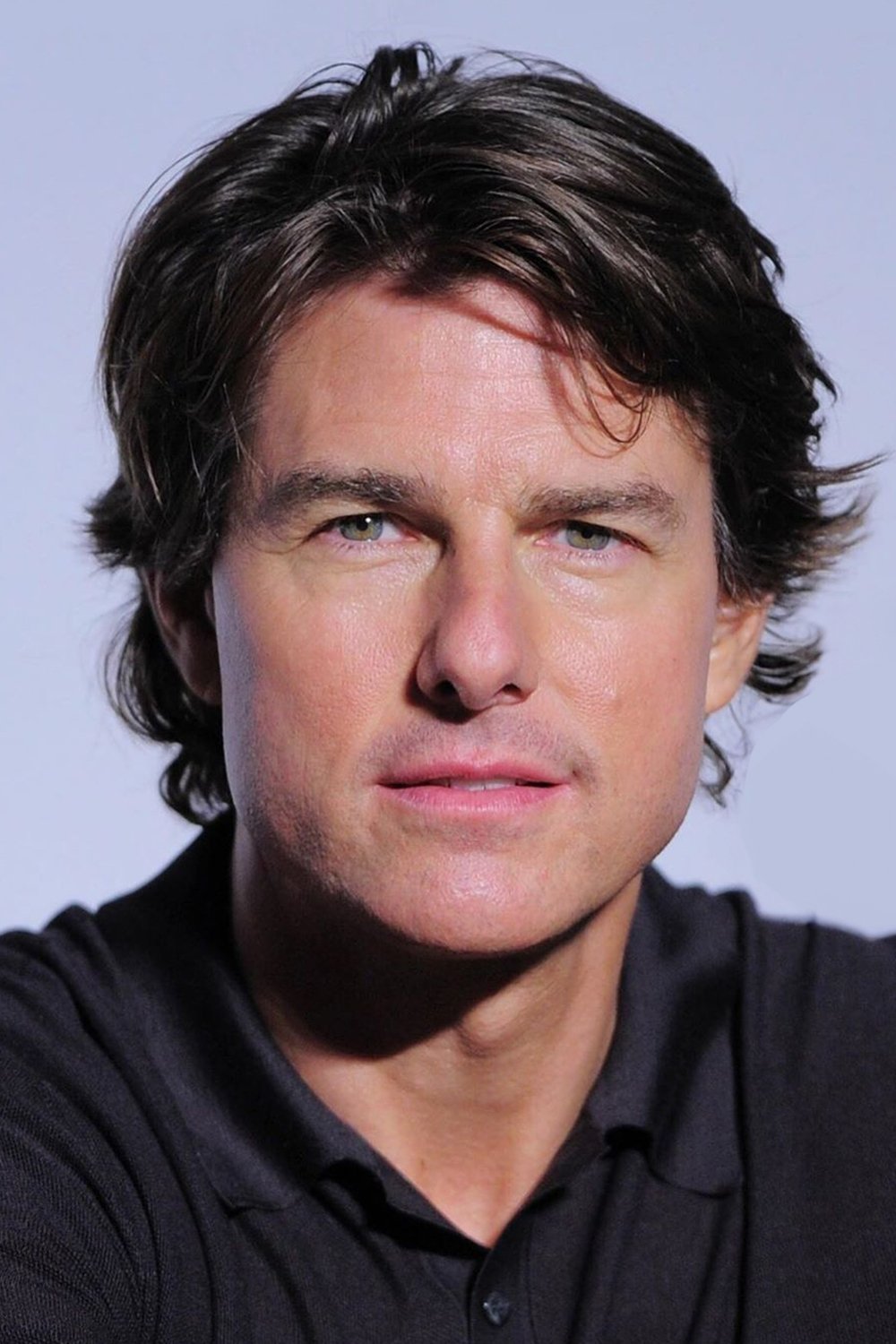
During the production of this attempted franchise starter Tom Cruise reportedly exercised significant creative control to expand his role. The original script gave the title antagonist and the character played by Cruise roughly equal screen time but Cruise brought in writers to beef up his presence. He allegedly demanded an arc that gave him more heroic moments and even a plot twist where he becomes possessed but retains control. These changes shifted the focus entirely onto his character and reduced the actual Mummy to a secondary obstacle in her own movie.
Arnold Schwarzenegger – ‘Terminator 2: Judgment Day’
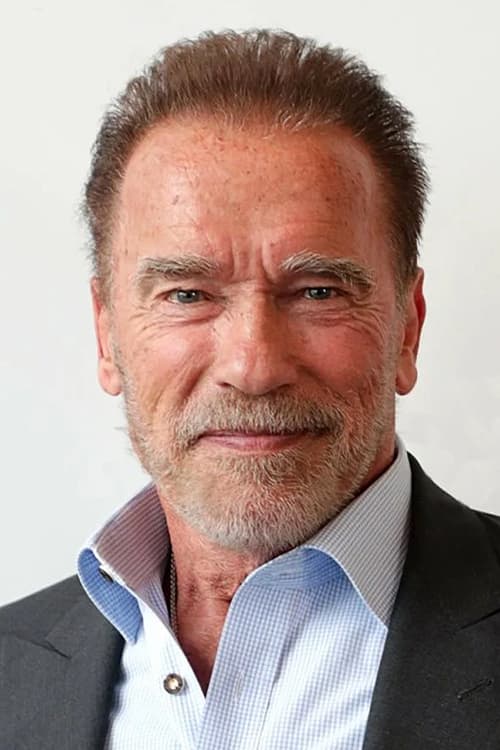
After playing the villainous T-800 in the first film Arnold Schwarzenegger was hesitant to return to the role unless the morality of his character was adjusted. He expressed a desire to play a protector rather than a killing machine because he was concerned about his public image and the message it sent to his fanbase. James Cameron accommodated this by reprogramming the Terminator to be a father figure who learns the value of human life. The result was one of cinema’s most beloved heroes and a role that solidified the transition Schwarzenegger made to good guy roles.
Will Smith – ‘I Am Legend’
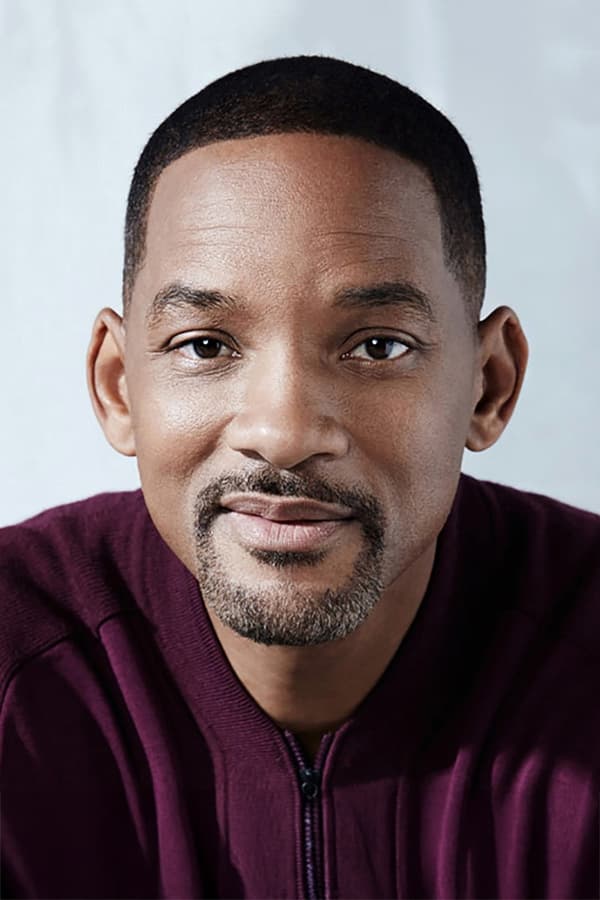
The original ending of the film mirrored the source material by revealing that the character played by Will Smith was actually the villain in the eyes of the infected mutants. Audiences in test screenings reacted poorly to this moral ambiguity and prompted a reshoot that favored a more traditional heroic conclusion. In the theatrical release the character sacrifices himself to save the cure and frames himself as a martyr rather than a monster. Although an alternate ending exists the studio and star prioritized the version that preserved the status of Smith as the undeniable hero.
Julia Roberts – ‘Pretty Woman’
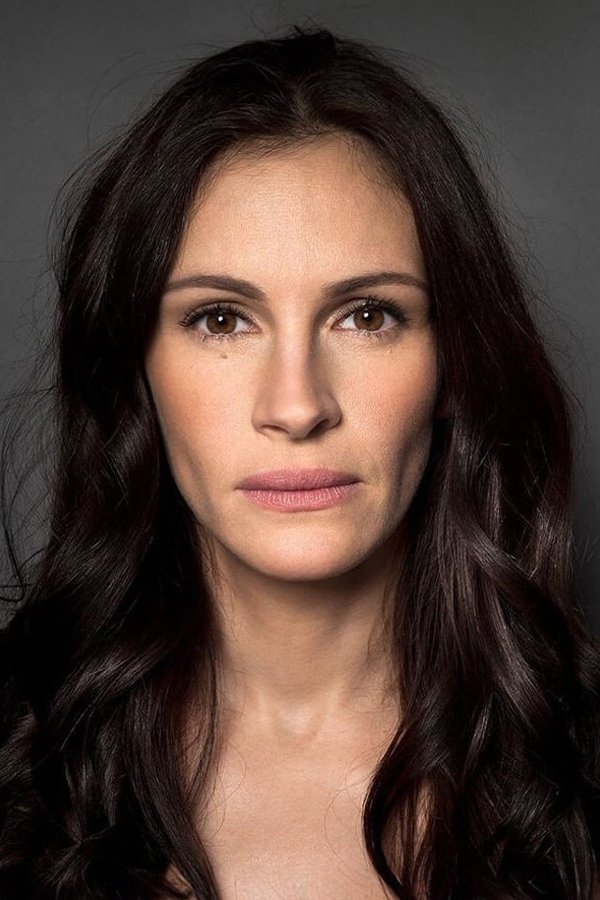
The original script titled ‘3000’ was a dark and gritty drama about drug addiction that ended with the protagonist being kicked out of a car and left in an alley. When Julia Roberts was cast and Disney took over the project she lobbied for a drastic tonal shift to make the story lighter and more romantic. The filmmakers reworked the narrative into a modern fairy tale where her character finds love and a new life. This transformation turned a bleak cautionary tale into one of the most successful romantic comedies of all time.
Milla Jovovich – ‘Resident Evil’

Milla Jovovich nearly quit the production when she realized that the character Rain played by Michelle Rodriguez had been given many of the best action sequences in the script. Jovovich demanded a rewrite to ensure her character Alice remained the undisputed lead and center of the action. The director Paul W.S. Anderson sat down with her to rework the screenplay and transferred key stunts and heroic moments back to Alice. This intervention secured her place as the face of the franchise for six films.
Steve McQueen – ‘The Towering Inferno’
Steve McQueen was notoriously competitive and demanded that his role be equal in weight and significance to that of his co-star Paul Newman. He insisted on having the exact same number of lines as Newman and fought for his character to have the final heroic moment in the film. McQueen specifically requested the scene where the Fire Chief manages the situation from the ground to ensure he appeared authoritative and in control. The script was meticulously balanced to satisfy his ego and resulted in a dual-lead dynamic that drove the disaster epic.
Denzel Washington – ‘The Pelican Brief’
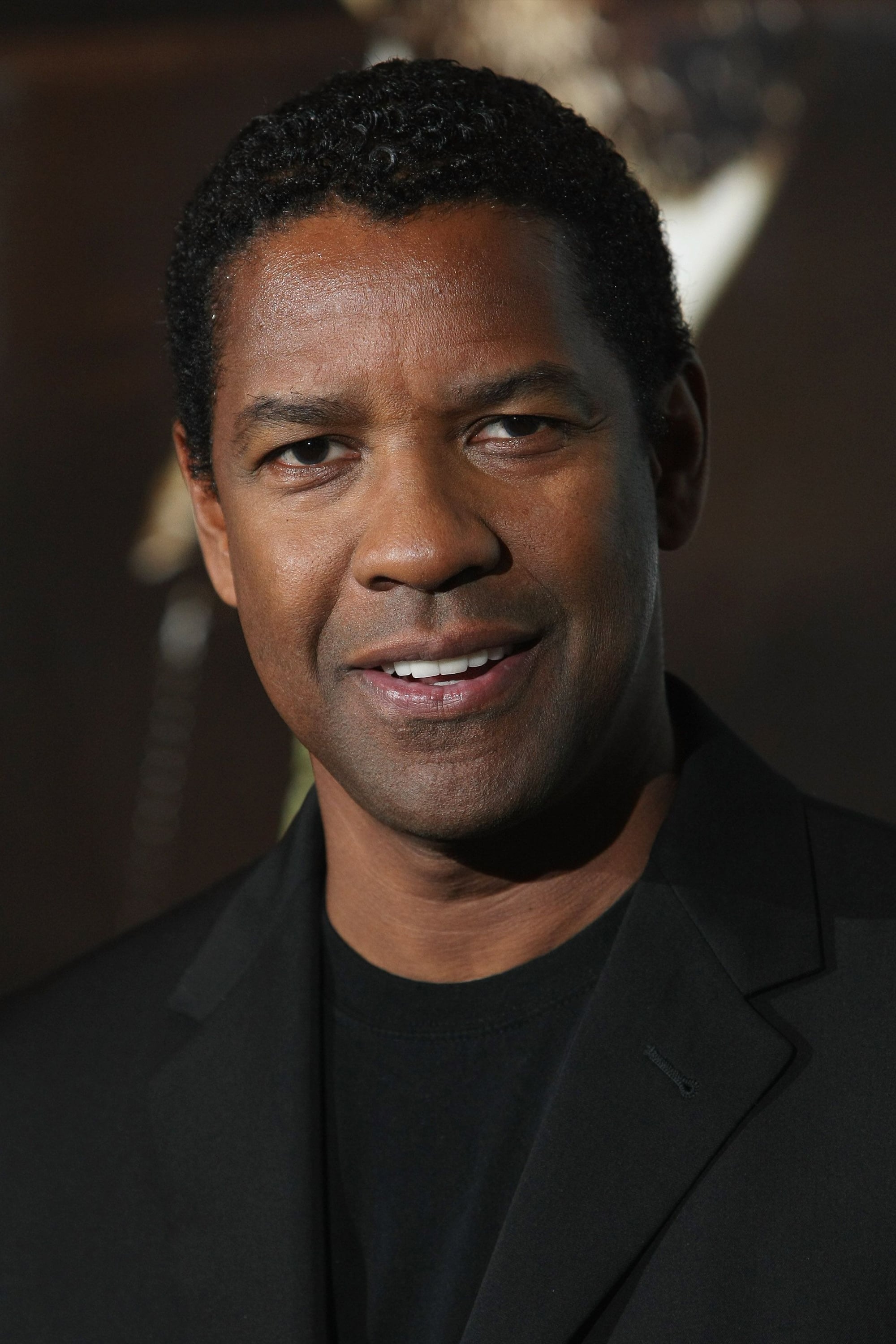
In the novel the character of Gray Grantham has a romantic relationship with Darby Shaw who was played in the film by Julia Roberts. Denzel Washington reportedly asked to remove the romantic subplot because he felt that it would distract from the integrity of the story and his character. He wanted Grantham to be a purely professional journalist driven by the truth rather than a love interest. The film maintained a platonic dynamic between the leads which Washington felt kept the motivations of his character noble and focused.
Angelina Jolie – ‘Wanted’

In the graphic novel and early script drafts the character of Fox remains a remorseless assassin loyal to the Fraternity to the end. Angelina Jolie felt that her character should have a more redemptive arc and specifically requested that Fox choose to die rather than continue killing innocent people. She insisted on the scene where Fox curves a bullet to take out her fellow assassins and herself to save the protagonist. This change transformed her from a standard villain into a tragic figure who makes the ultimate sacrifice for the greater good.
Shawn Wayans – ‘Scary Movie’
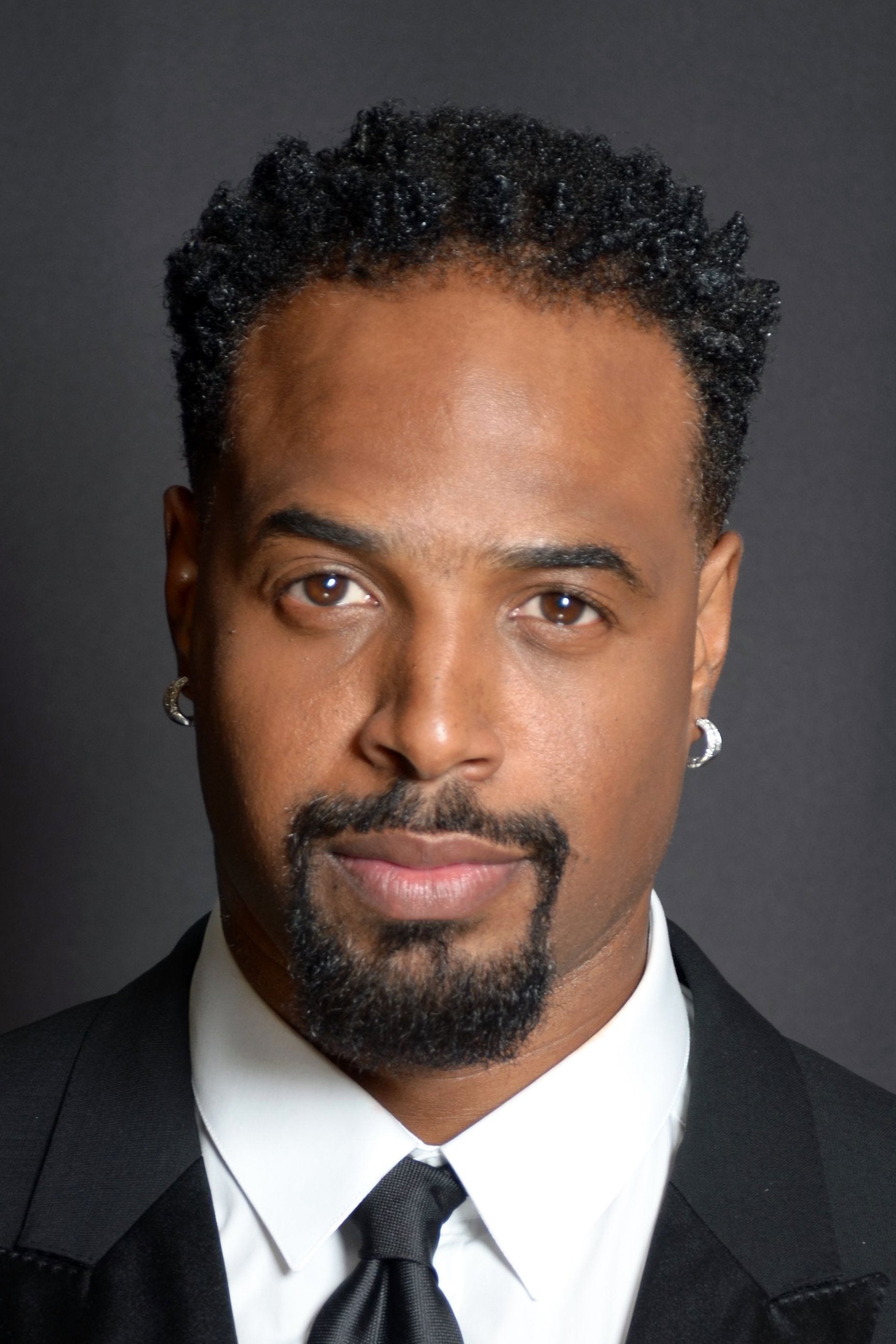
The character of Ray was originally scripted to die early in the film to mimic the slasher tropes the movie was parodying. Shawn Wayans co-wrote the script and decided he wanted to stay in the movie longer so he altered the screenplay to keep his character alive despite suffering fatal injuries. This led to a running gag where Ray survives increasingly absurd situations that would kill anyone else. The change allowed Wayans to remain a central comedic figure throughout the entire film.
Vin Diesel – ‘Fast & Furious’ Franchise
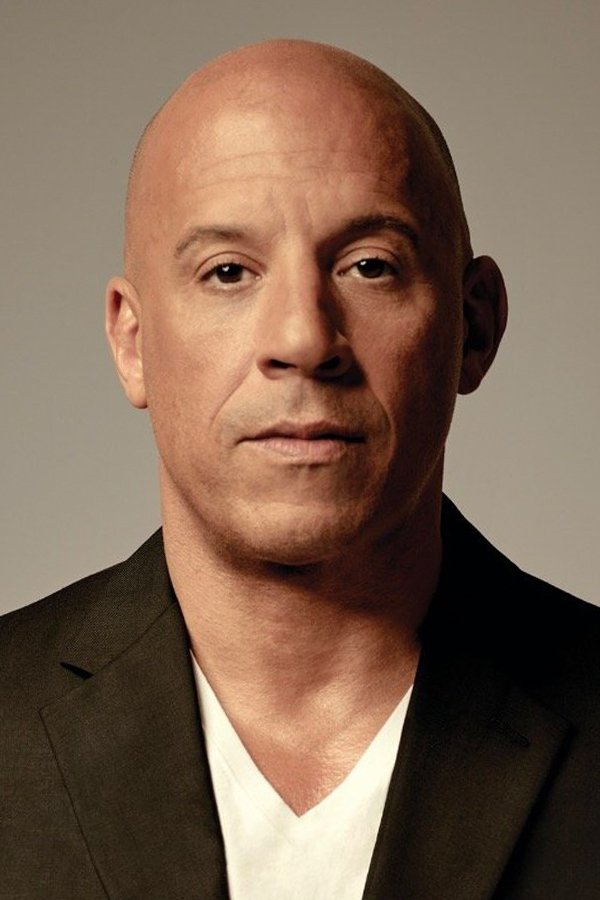
Vin Diesel is known for protecting his tough guy image through strict contract clauses that dictate how fights play out on screen. He reportedly has a system in place to ensure his character never loses a fight and that he sustains the same amount of damage as his opponents. This demand forces choreographers to design action sequences that often end in a draw or with Diesel gaining the upper hand. These stipulations guarantee that Dominic Toretto always appears physically dominant and unbeatable.
Cary Grant – ‘Suspicion’
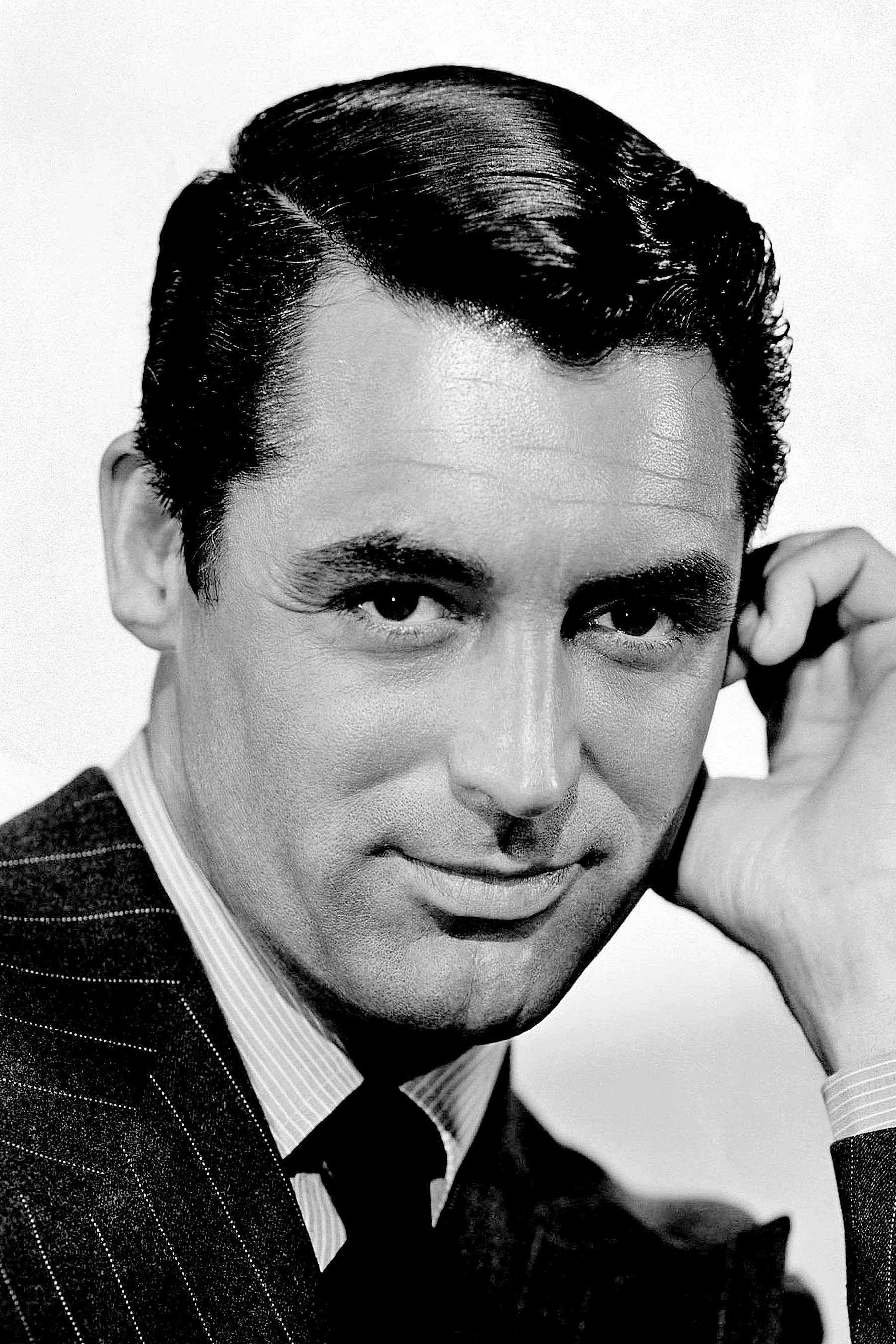
Alfred Hitchcock originally intended for the character played by Cary Grant to be guilty of murder which was consistent with the novel the film was based on. The studio and Grant were concerned that playing a wife-killer would damage his impeccable public image as a charming leading man. They insisted on a new ending where his suspicious behavior is revealed to be a misunderstanding caused by financial trouble. Hitchcock was forced to change the climax to absolve Grant of all villainy and preserve his heroic persona.
Samuel L. Jackson – ‘Snakes on a Plane’
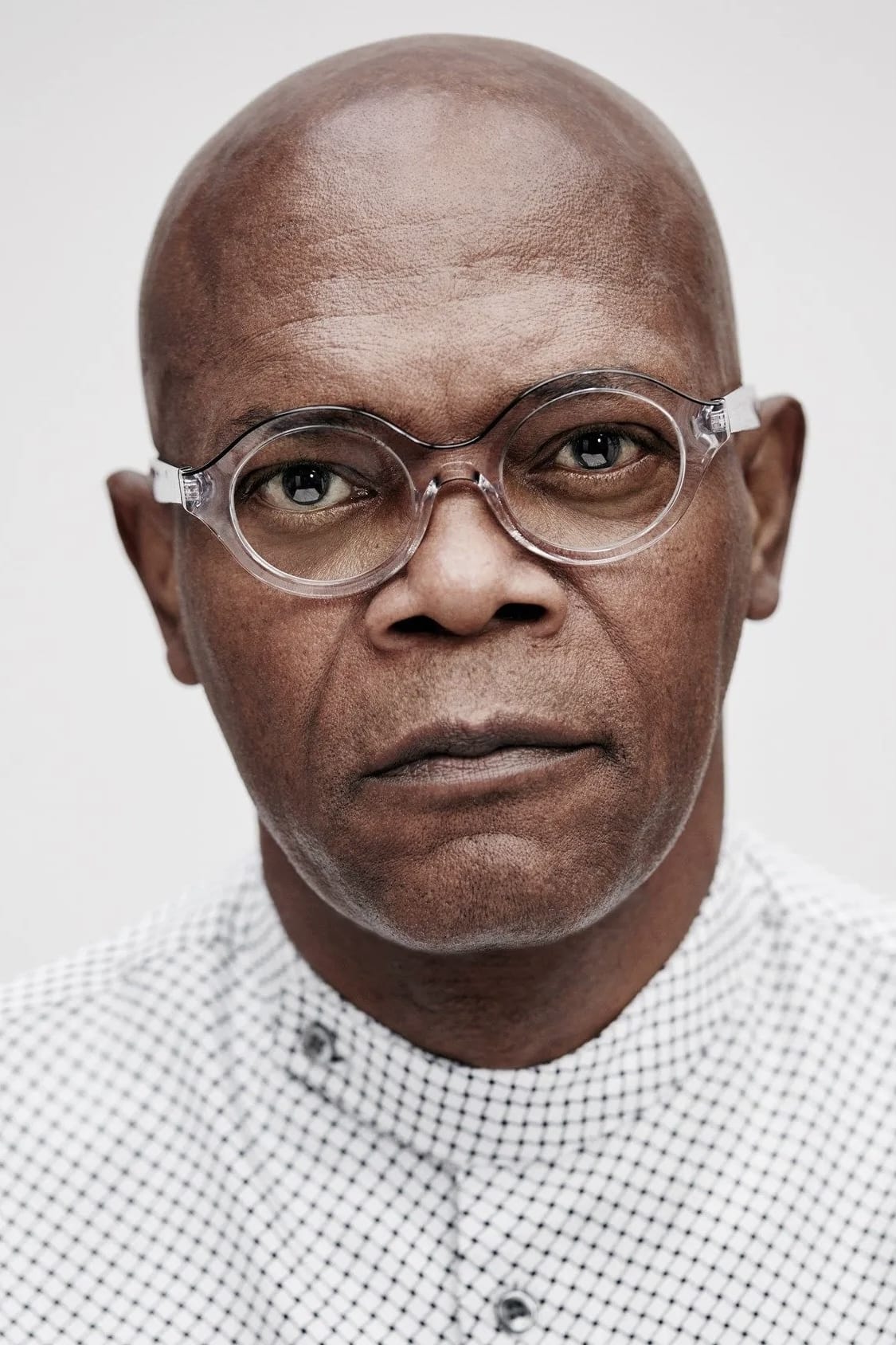
Samuel L. Jackson signed on for the film specifically because of the ridiculous title but he became frustrated when the studio tried to tone down the content for a PG-13 rating. He demanded that the film include more violence and profanity and specifically insisted on the inclusion of his now-famous line about the snakes. He wanted his character to be as badass and gritty as possible rather than a watered-down action hero. The studio agreed and conducted reshoots to add the rated R content that Jackson felt the audience expected.
Edward Norton – ‘The Incredible Hulk’
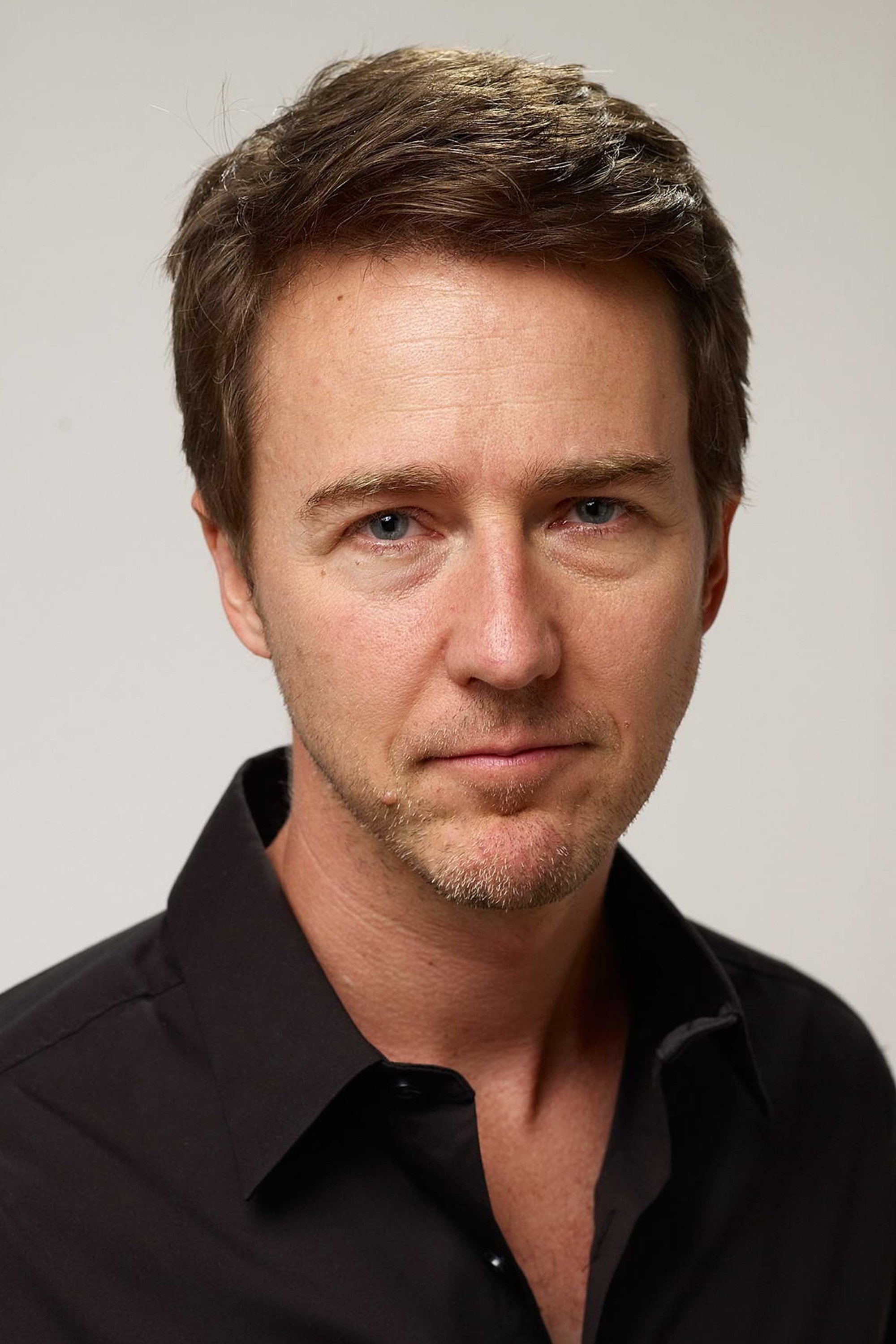
Edward Norton is famous for rewriting scripts he is involved in and he did exactly that after being cast as Bruce Banner. He submitted a new draft that added more dialogue and character development to give the Hulk a more tragic and Shakespearean depth. While the Writers Guild did not grant him credit many of his changes made it into the film and shifted the focus toward the psychological struggle of Banner. Norton wanted the character to be a complex and tortured hero rather than just a vehicle for CGI action.
Harrison Ford – ‘Clear and Present Danger’
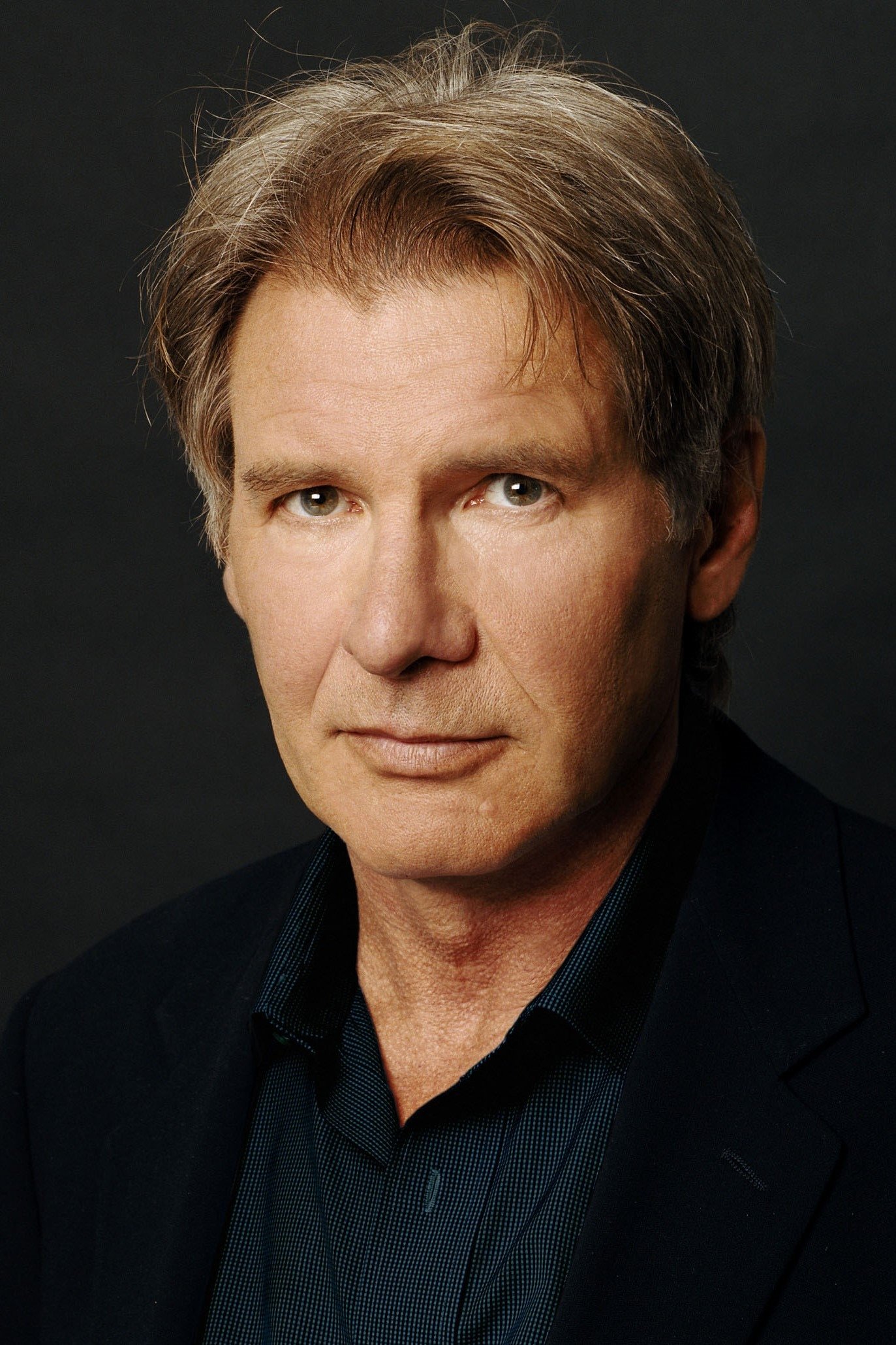
In the Tom Clancy novels Jack Ryan is often portrayed as more of an analyst who works behind a desk rather than a field operative. Harrison Ford requested script changes to make the character more physically active and involved in the dangerous aspects of the mission. He wanted Ryan to be a capable man of action who could hold his own in a fight rather than just an observer. These adjustments cemented the cinematic version of Jack Ryan as a hands-on action hero.
Russell Crowe – ‘Gladiator’
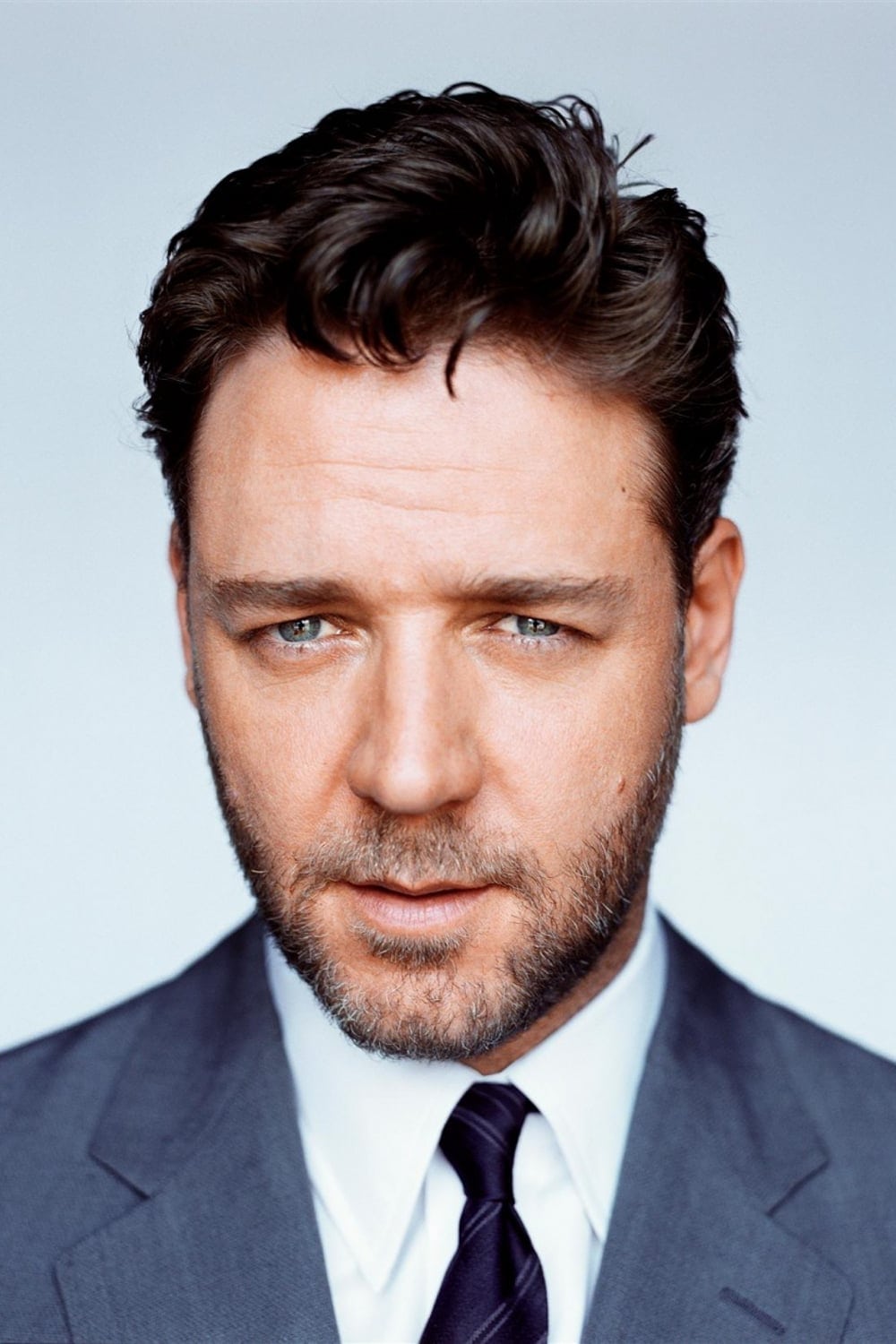
Russell Crowe was reportedly unimpressed with the original screenplay and famously told the director that the script was garbage but he could make it work because of his acting ability. He heavily influenced the rewriting of his dialogue with the aim to make Maximus feel more stoic and commanding. Crowe refused to say lines he felt were melodramatic or out of character and stripped the dialogue down to its most potent elements. His insistence on a grittier and more grounded portrayal helped turn Maximus into an iconic cinematic warrior.
Queen Latifah – ‘Set It Off’

Early in her acting career Queen Latifah noticed that her characters frequently died at the end of her movies. To prevent this trend from continuing and to keep sequel possibilities open she added a no death clause to her contracts. This stipulation ensures that no matter how dire the situation in the script her character must survive the events of the film. This clause has influenced the endings of several of her projects and guarantees she always makes it to the credits alive.
Robert Redford – ‘The Way We Were’
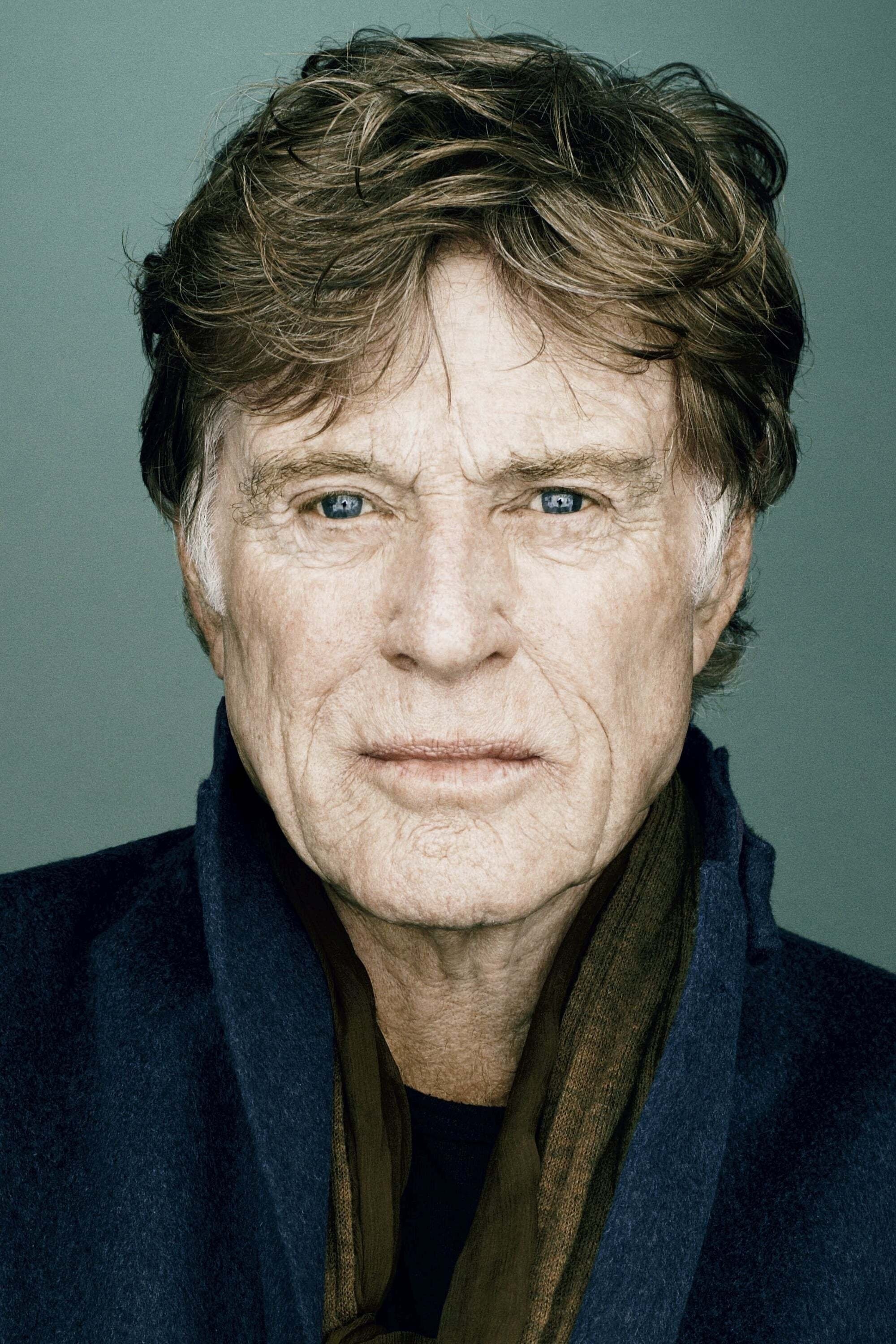
Robert Redford initially turned down the role of Hubbell Gardiner because he felt the character was shallow and served only as a specific object of affection. He worked with the director and writers to overhaul the script by demanding that the character be given more flaws and depth and agency. Redford wanted to ensure Hubbell wasn’t just a weak man who lets things happen to him but a complex figure with his own valid perspective. These changes balanced the film and made it a two-hander between him and Barbra Streisand rather than a one-sided story.
Which of these script changes do you think improved the movie the most? Share your thoughts in the comments.