19 TV Shows with Ensemble Casts That Rotate Leads Seamlessly

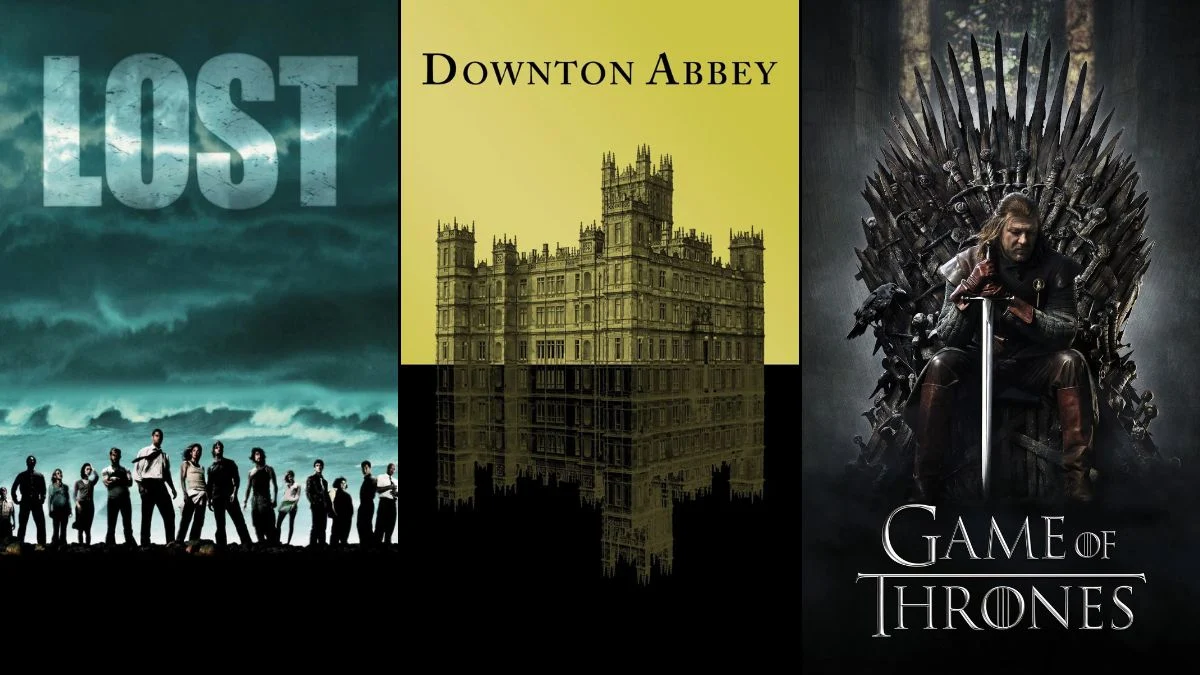

Television storytelling has evolved significantly from the days of a single hero dominating the screen. Modern series often utilize sprawling ensemble casts to explore complex narratives from multiple perspectives. This approach allows writers to shift focus between characters and keeps the storylines fresh over several seasons. Shows with rotating leads provide a richer viewing experience by fleshing out the motivations of diverse personalities. The following series demonstrate how an ensemble format can successfully balance screen time among a large group of talented actors.
‘Game of Thrones’ (2011–2019)
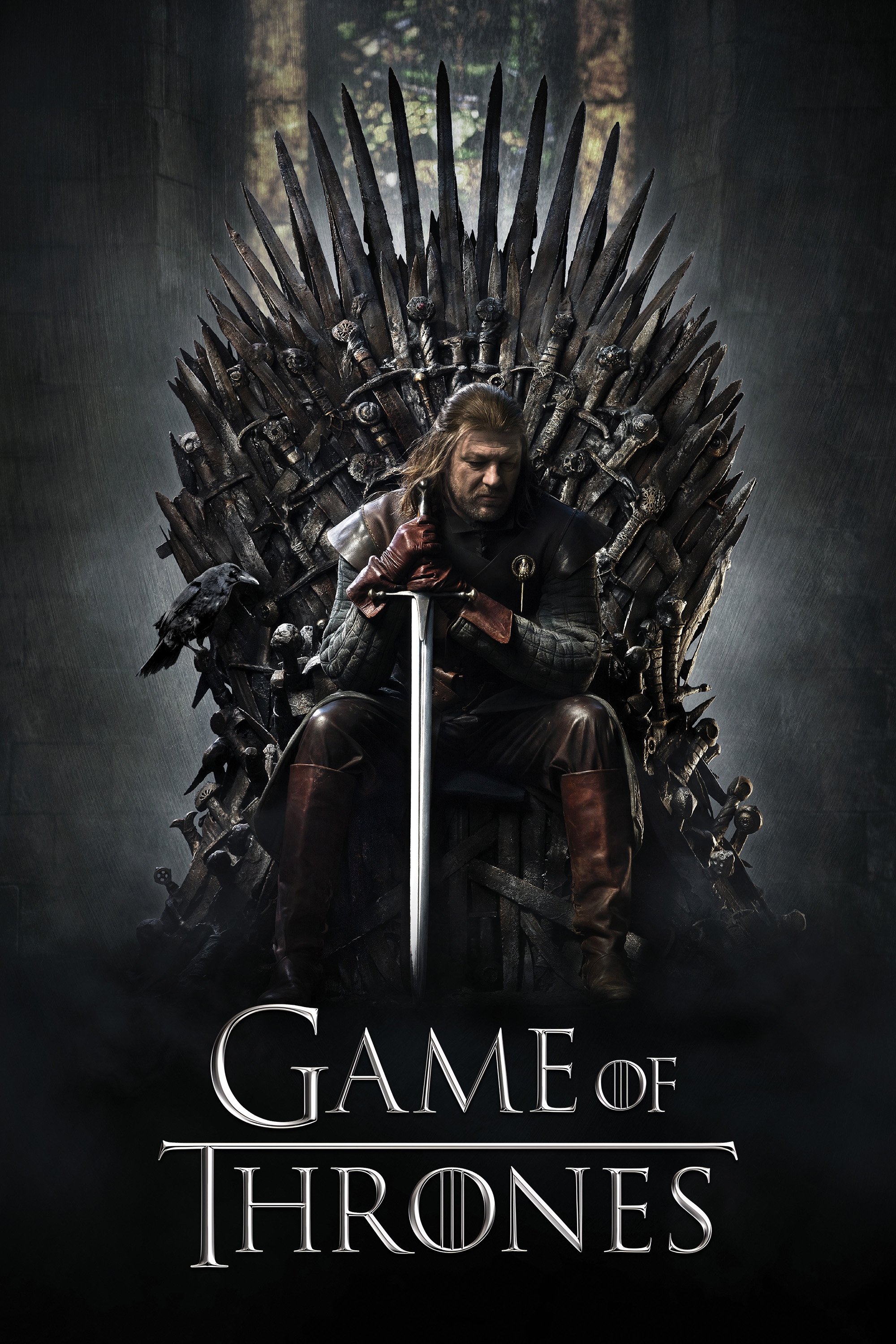
The fantasy epic based on the novels by George R.R. Martin is famous for its massive list of main characters. Viewers follow noble families across the continents of Westeros and Essos as they vie for the Iron Throne. The narrative structure frequently kills off perceived protagonists and elevates supporting players to central roles. This unpredictability ensures that the audience remains invested in the fate of every character regardless of their initial standing. The show redefined the scope of television production through its intricate weaving of simultaneous storylines.
‘The Wire’ (2002–2008)
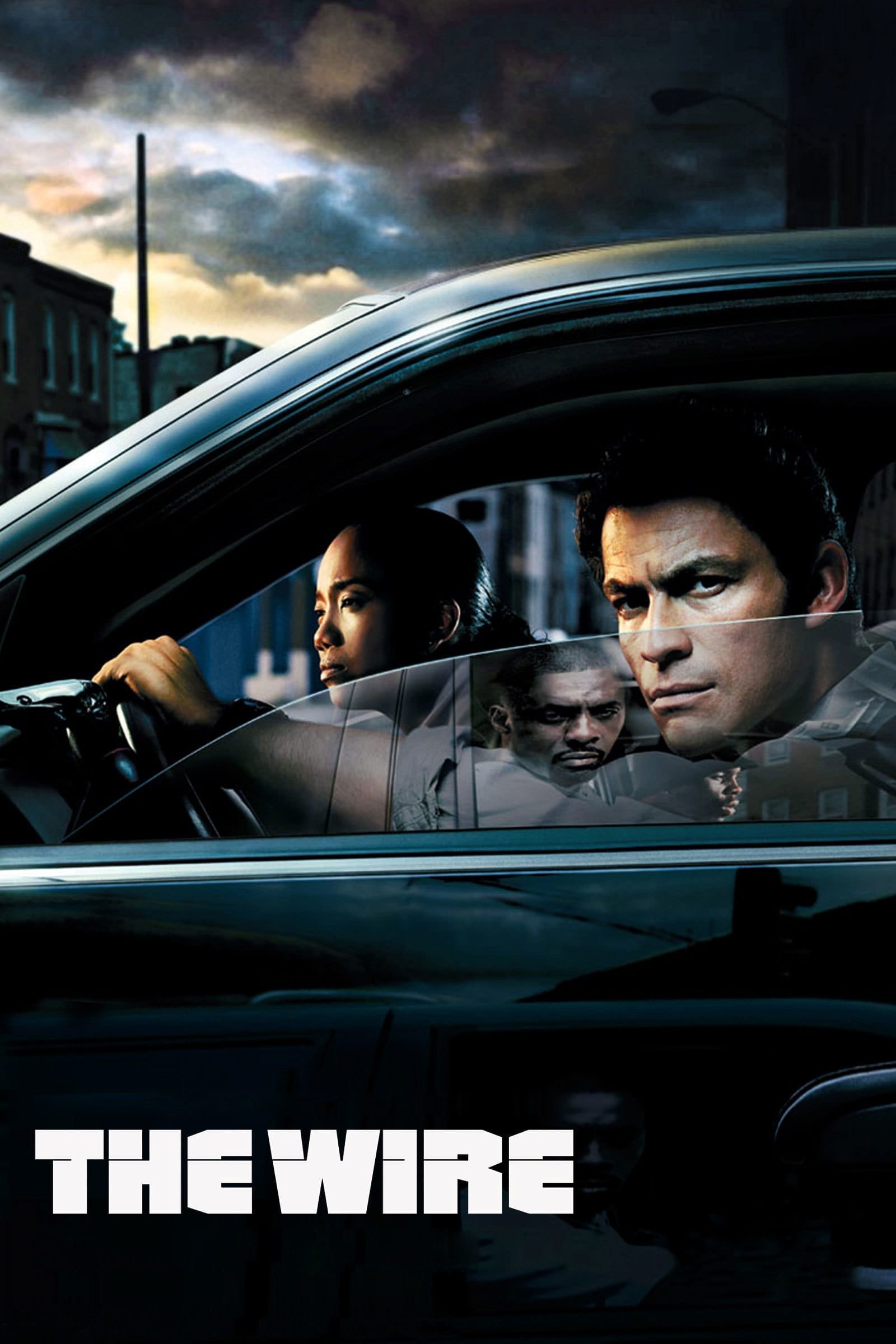
David Simon crafted a gritty examination of the drug trade in Baltimore through the eyes of law enforcement and criminals alike. Each season shifts its sociological focus to a different institution including the docks and the school system. The series refuses to center on a single hero and instead presents a panoramic view of an American city. Characters move in and out of the spotlight as the overarching narrative demands. This method creates a sense of realism that few police procedurals have ever matched.
‘Lost’ (2004–2010)
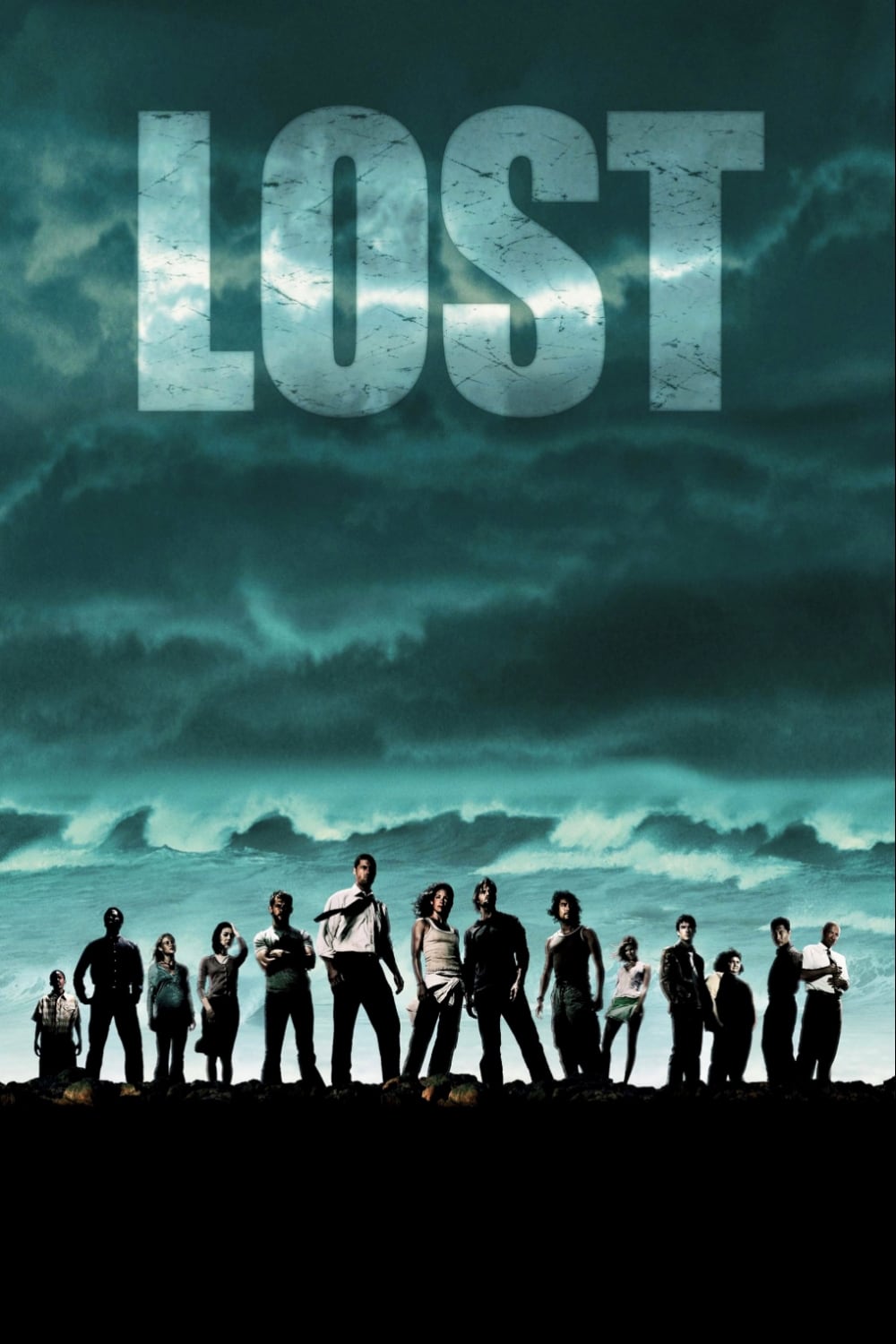
Survivors of a plane crash land on a mysterious island and must work together to stay alive. The show utilizes a unique flashback structure to explore the pre-crash lives of different characters in each episode. This format allows the audience to understand the motivations and secrets of the entire group rather than just a designated leader. Leadership roles on the island shift constantly as power dynamics change and new threats emerge. The series remains a landmark in character-driven storytelling mixed with supernatural mystery.
‘Orange Is the New Black’ (2013–2019)

The series begins by following Piper Chapman as she enters a federal prison but quickly expands to cover the lives of her fellow inmates. Flashbacks provide deep context for a wide variety of women from diverse backgrounds and circumstances. The show treats the prison population as a collective protagonist rather than focusing solely on Piper. Storylines rotate to highlight systemic issues within the criminal justice system through different personal lenses. This ensemble approach humanizes characters who are often marginalized in mainstream media.
‘Modern Family’ (2009–2020)

This mockumentary sitcom follows three distinct branches of the same extended family living in Los Angeles. Episodes typically feature three separate storylines that weave together thematically by the conclusion. Screen time is distributed evenly among the patriarch Jay Pritchett and his adult children and their families. The writers ensure that every character from the adults to the youngest kids gets significant development. It successfully balances humor and heart by allowing each family member to take center stage.
‘Friends’ (1994–2004)
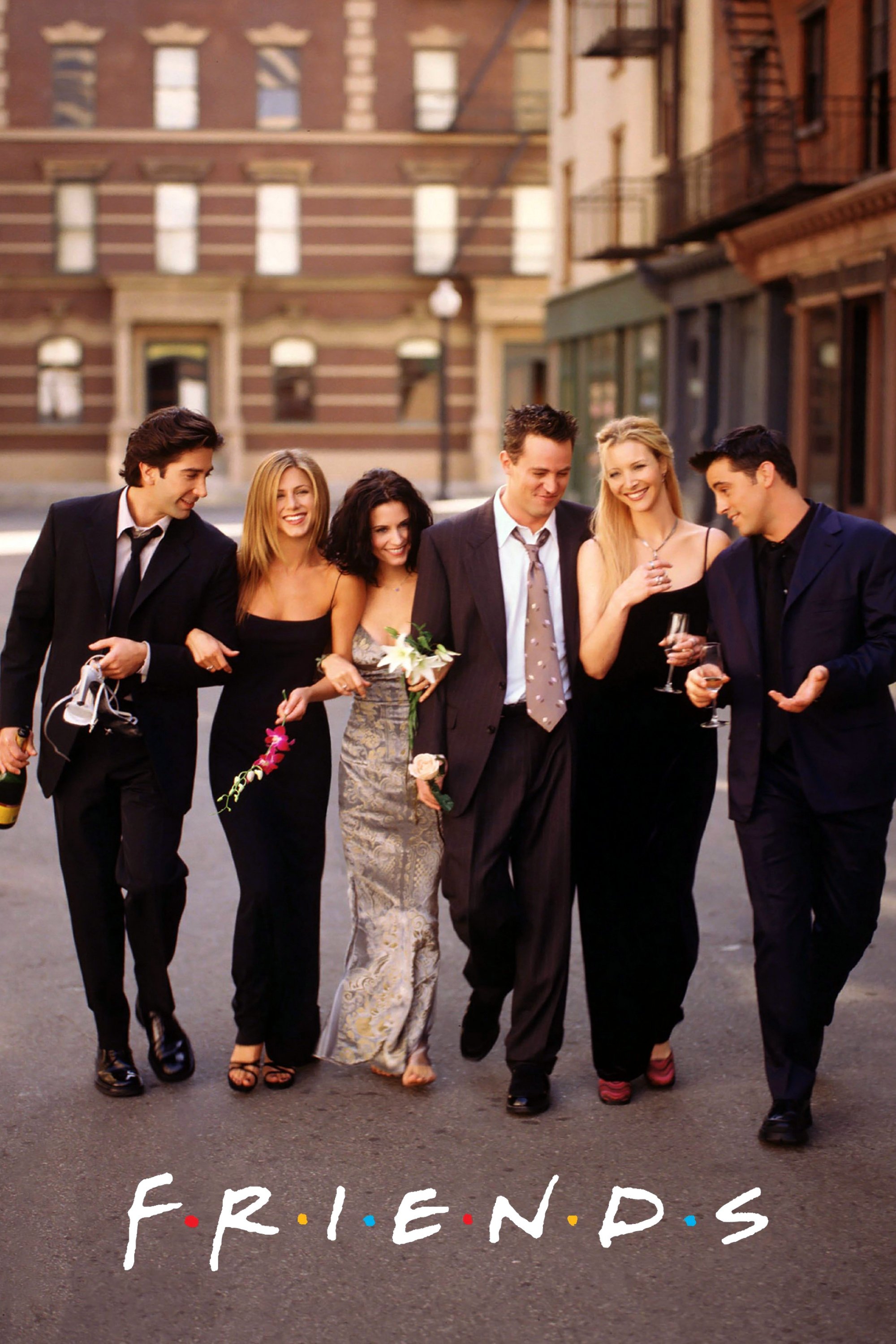
Six young adults navigate life and love in Manhattan while relying heavily on their tight-knit circle. The writers famously maintained an equal playing field for all six actors throughout the decade-long run. Storylines rotate seamlessly so that Monica, Ross, Chandler, Joey, Rachel, and Phoebe all receive equal weight. This balance prevented any single character from overshadowing the group dynamic. The chemistry of the cast remains the defining element of the show’s enduring popularity.
‘The West Wing’ (1999–2006)
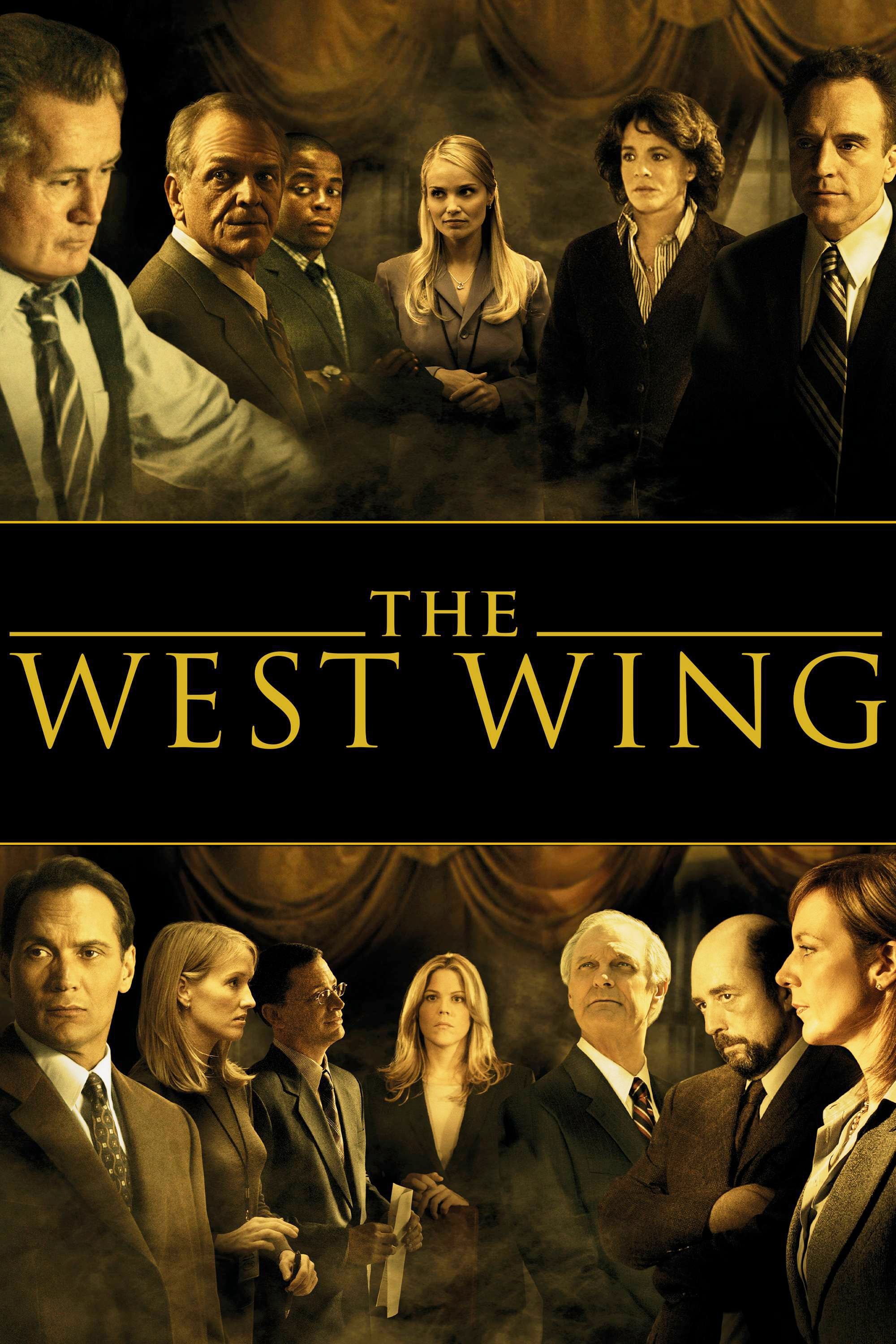
Aaron Sorkin created a fast-paced drama centered on the senior staff of the White House. While President Bartlet is the ultimate authority the show focuses heavily on his dedicated team of advisors. Episodes frequently split focus to show how different departments handle domestic and international crises simultaneously. The intense walk-and-talk scenes facilitate rapid shifts in perspective among the ensemble. This structure highlights the collaborative nature of governing rather than attributing success to one individual.
‘Downton Abbey’ (2010–2015)

The series chronicles the lives of the aristocratic Crawley family and their domestic servants in the post-Edwardian era. The narrative gives equal attention to the upstairs drama of the nobility and the downstairs lives of the staff. Viewers become intimately acquainted with the struggles of characters across the social hierarchy. Major events like the sinking of the Titanic or World War I affect the entire household in different ways. The show creates a comprehensive portrait of a British country estate by valuing every member of the cast.
‘This Is Us’ (2016–2022)

The emotional drama follows the lives of the Pearson family across several decades. The narrative jumps between the past, present, and future to reveal how events shape the siblings and their parents. Each episode tends to highlight a specific family member or relationship dynamic. The rotating focus allows for a profound exploration of grief and love from multiple viewpoints. Audiences piece together the full family history through these interconnected and shifting character studies.
‘Succession’ (2018–2023)
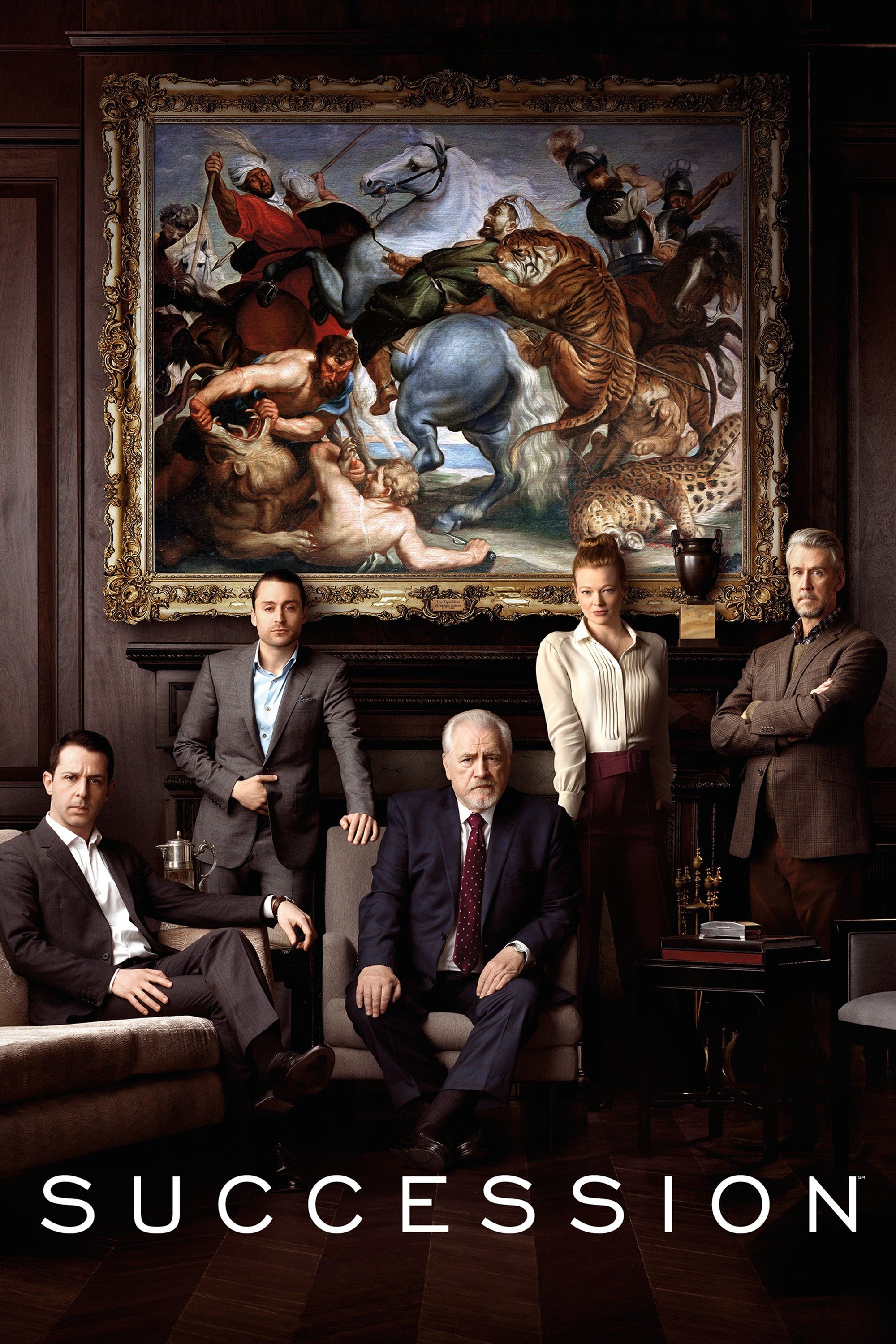
The Roy family fights for control of a global media and entertainment conglomerate as their father’s health declines. The series operates as a tragedy where the siblings constantly shift alliances and stab each other in the back. The camera follows different family members as they maneuver for power and validation. No single character is the hero as the show dissects the corrupting influence of immense wealth. The ensemble cast delivers powerhouse performances that make even the most unlikable characters compelling.
‘Parks and Recreation’ (2009–2015)
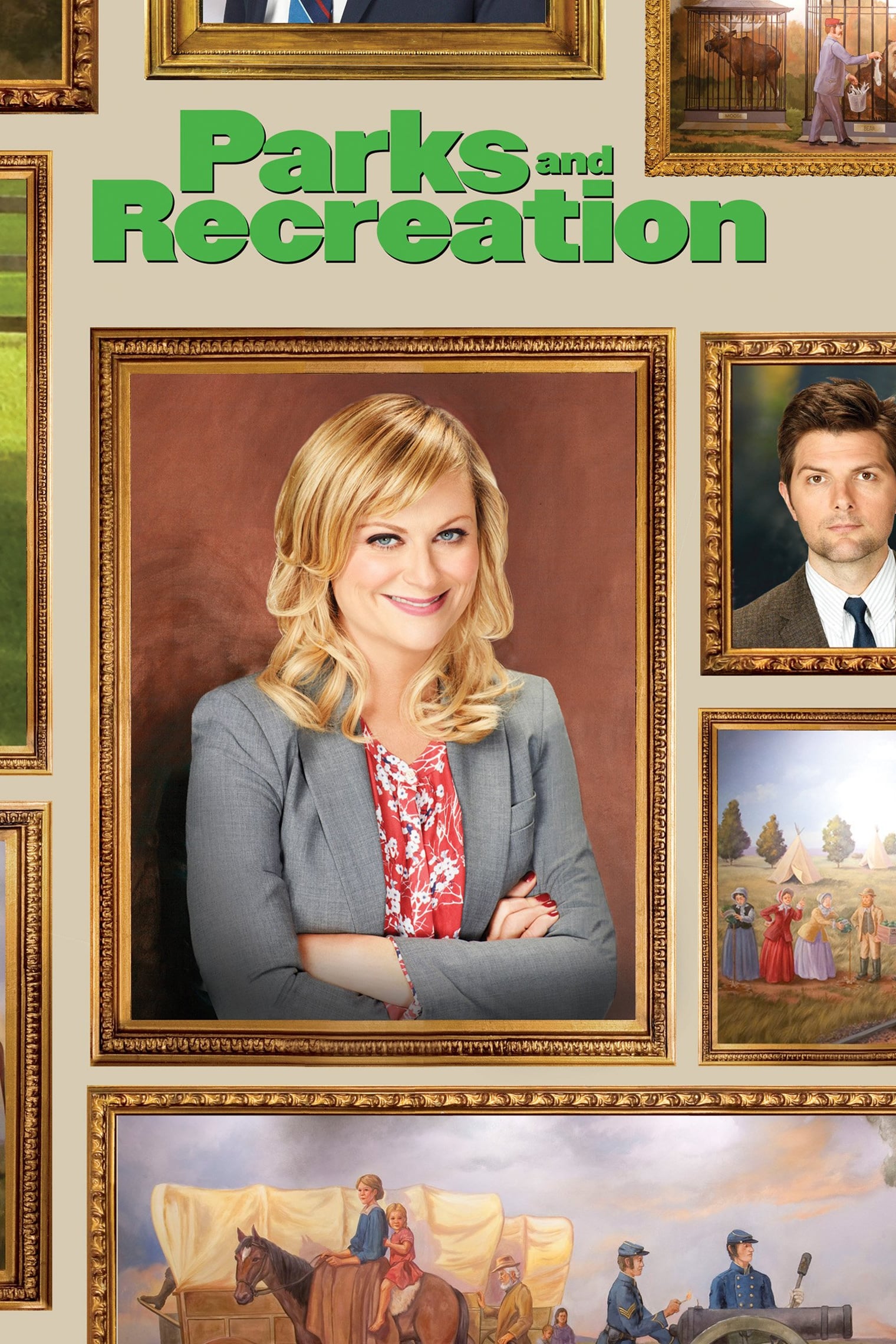
The dedicated employees of the Pawnee Parks Department work to improve their town despite bureaucratic hurdles. Leslie Knope serves as the catalyst for action but the show devotes ample time to her quirky colleagues. Characters like Ron Swanson and Tom Haverford develop their own rich backstories and recurring gags. The ensemble works as a cohesive unit where the comedy stems from their contrasting personalities. The series evolves from a single-camera focus into a true celebration of community and friendship.
‘Brooklyn Nine-Nine’ (2013–2021)
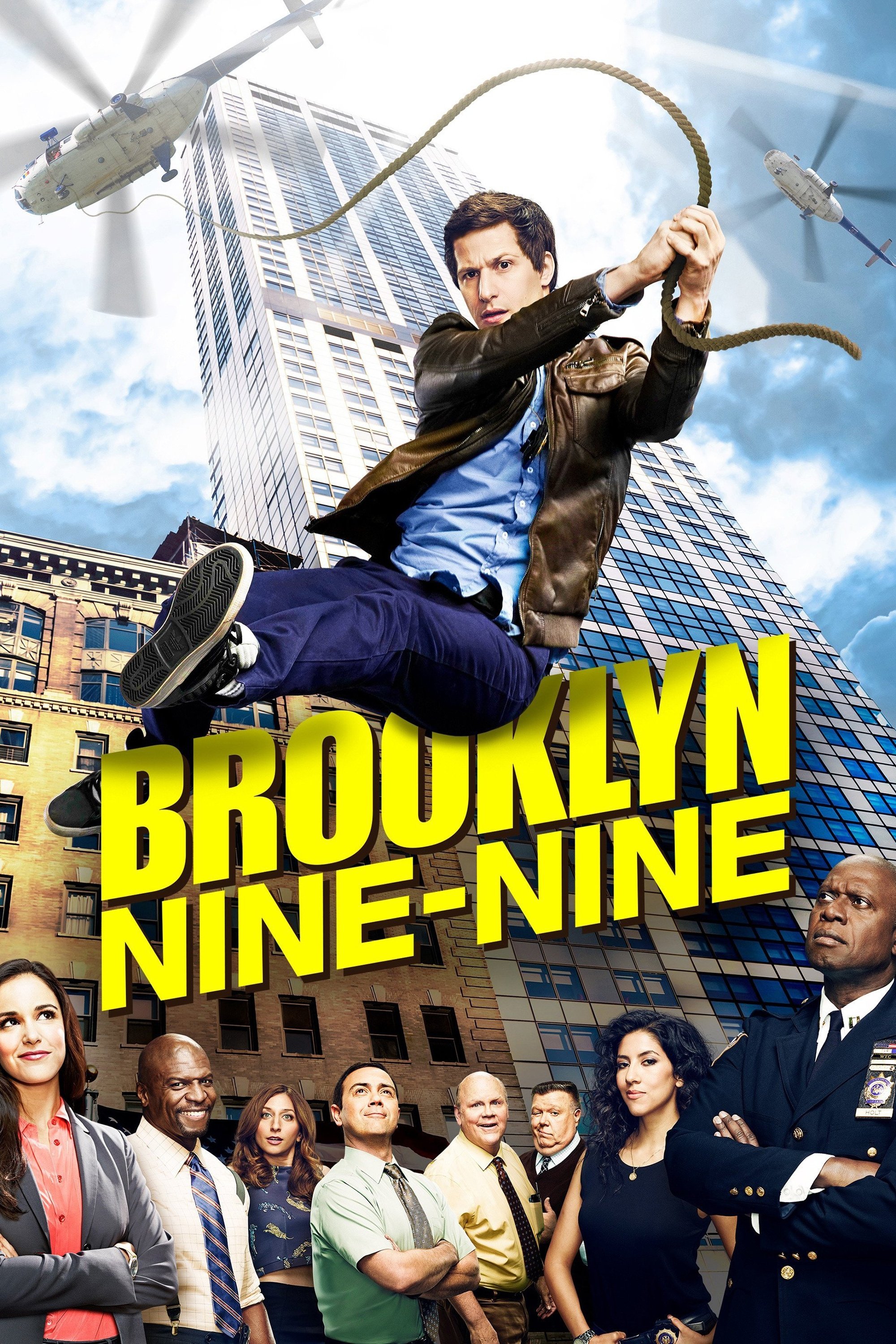
Detectives at the 99th precinct of the NYPD solve crimes while engaging in office antics. The show excels at pairing different characters together to explore new comedic dynamics. While Jake Peralta is the central detective the supporting cast is essential to the show’s rhythm. Everyone from the stoic Captain Holt to the eccentric Charles Boyle drives the plot in various episodes. The strength of the series lies in the genuine camaraderie shared by the entire squad.
‘Sense8’ (2015–2018)

Eight strangers from around the world discover they are mentally and emotionally linked. The story cuts rapidly between cities like Nairobi and Seoul as the characters tap into each other’s skills. No single lead exists because the sensates function as a collective consciousness. The show uses this premise to explore distinct cultures and personal identities with equal care. It remains a visually stunning example of how to manage a global ensemble cast.
‘ER’ (1994–2009)
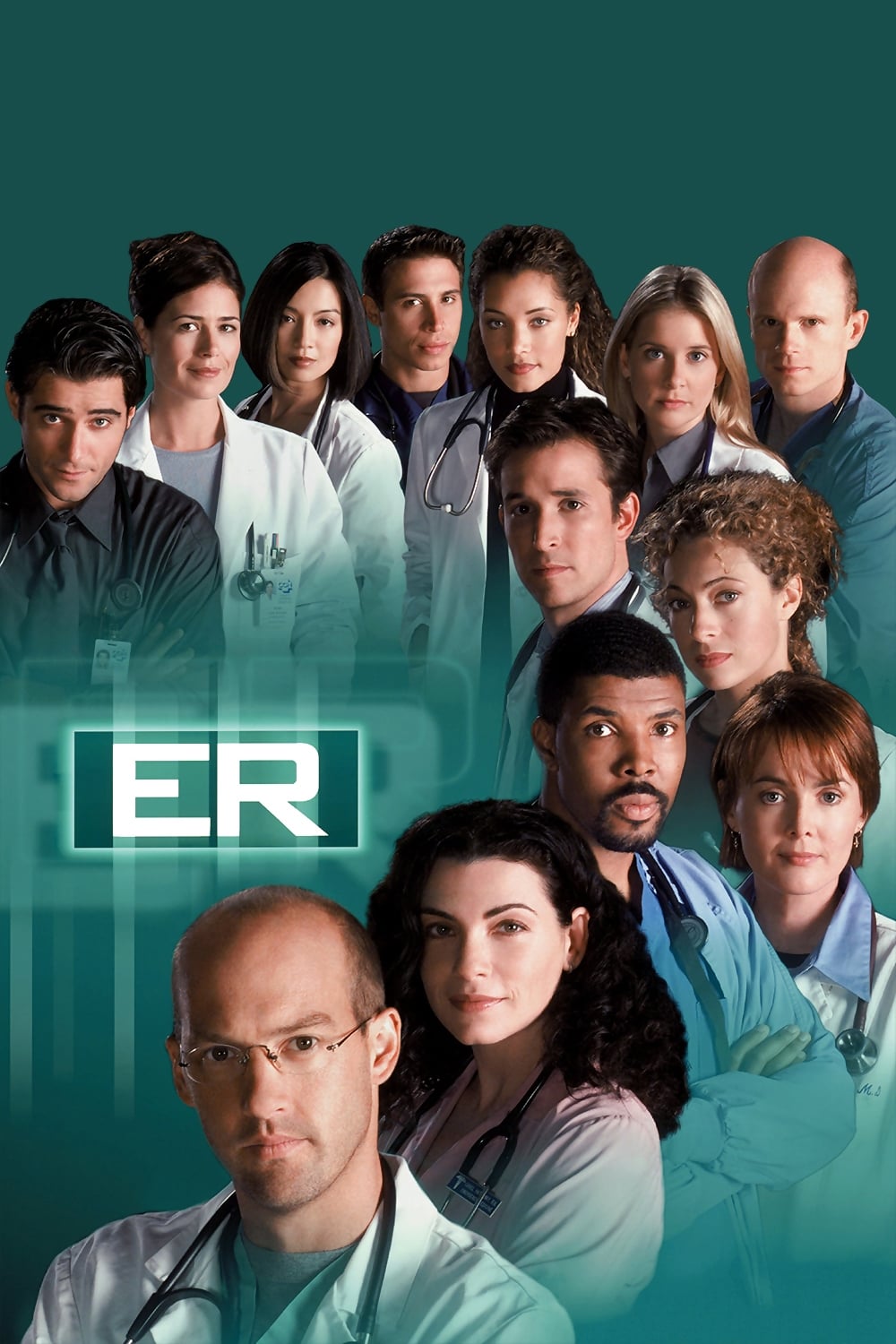
The medical drama set in a Chicago emergency room is a prime example of a rotating cast over a long duration. The show ran for fifteen seasons and eventually replaced its entire original cast with new actors. Storylines focus on the high-pressure environment where doctors and nurses must work together to save lives. The baton is passed seamlessly from one generation of residents to the next without losing narrative momentum. This fluidity allowed the series to remain relevant and fresh for over a decade.
‘Friday Night Lights’ (2006–2011)
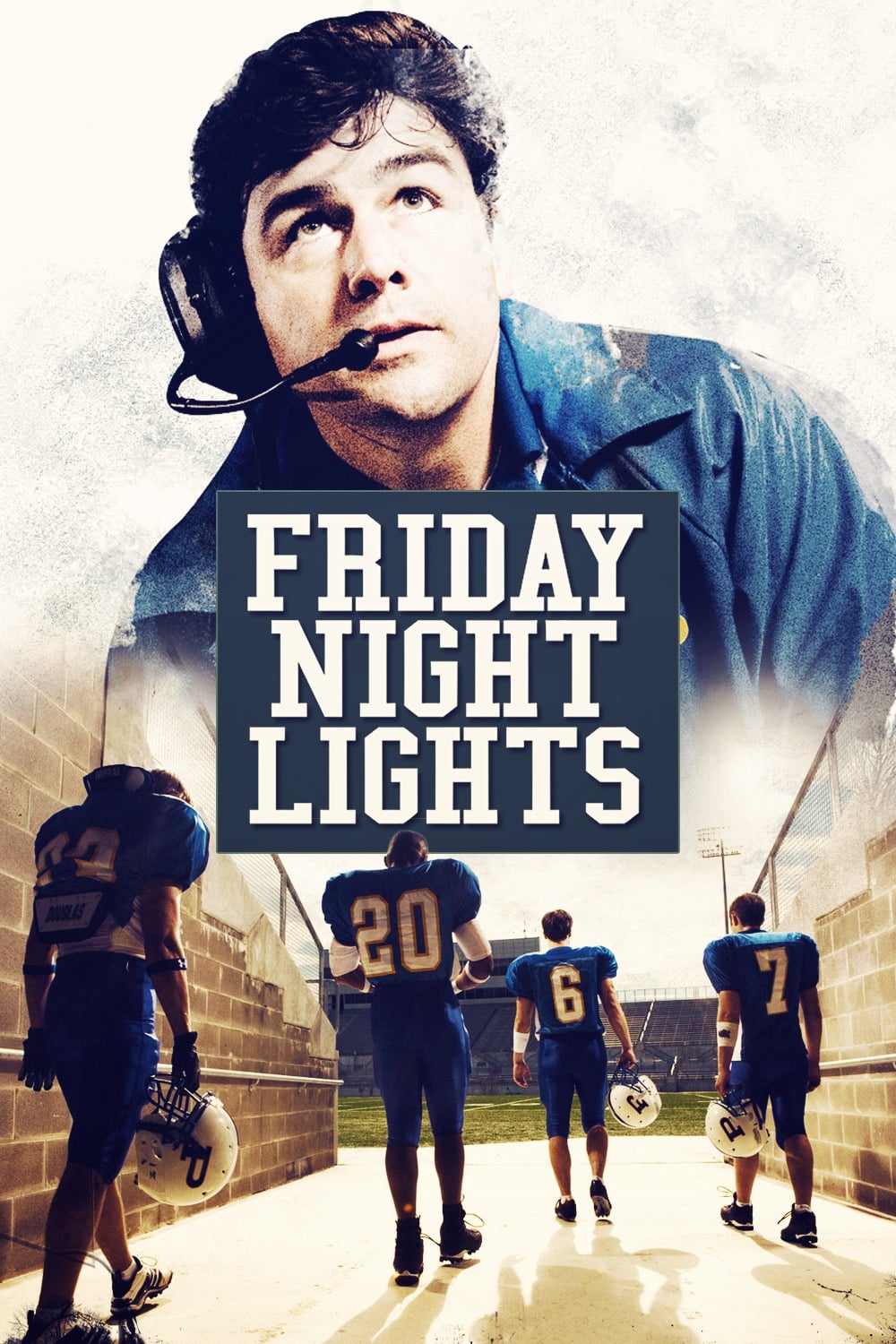
A high school football team in rural Texas serves as the backdrop for this character-driven drama. The show focuses on the players and their families as they navigate the pressure of living in a town obsessed with sports. As students graduate and leave the team new characters are introduced to take their places on the field. The writers manage these transitions expertly by maintaining the core atmosphere of the community. Coach Taylor and his wife Tami provide a grounding presence amidst the rotating roster of athletes.
‘The Leftovers’ (2014–2017)

The sudden disappearance of two percent of the global population leaves the survivors grappling with grief and confusion. The series frequently dedicates entire episodes to the perspective of a single character. This anthology-like approach within a serialized drama allows for deep psychological dives into the ensemble. Viewers see the central mystery through the eyes of a priest or a grieving mother or a police chief. The show builds a profound mosaic of human suffering and hope through these shifting viewpoints.
‘Stranger Things’ (2016– )
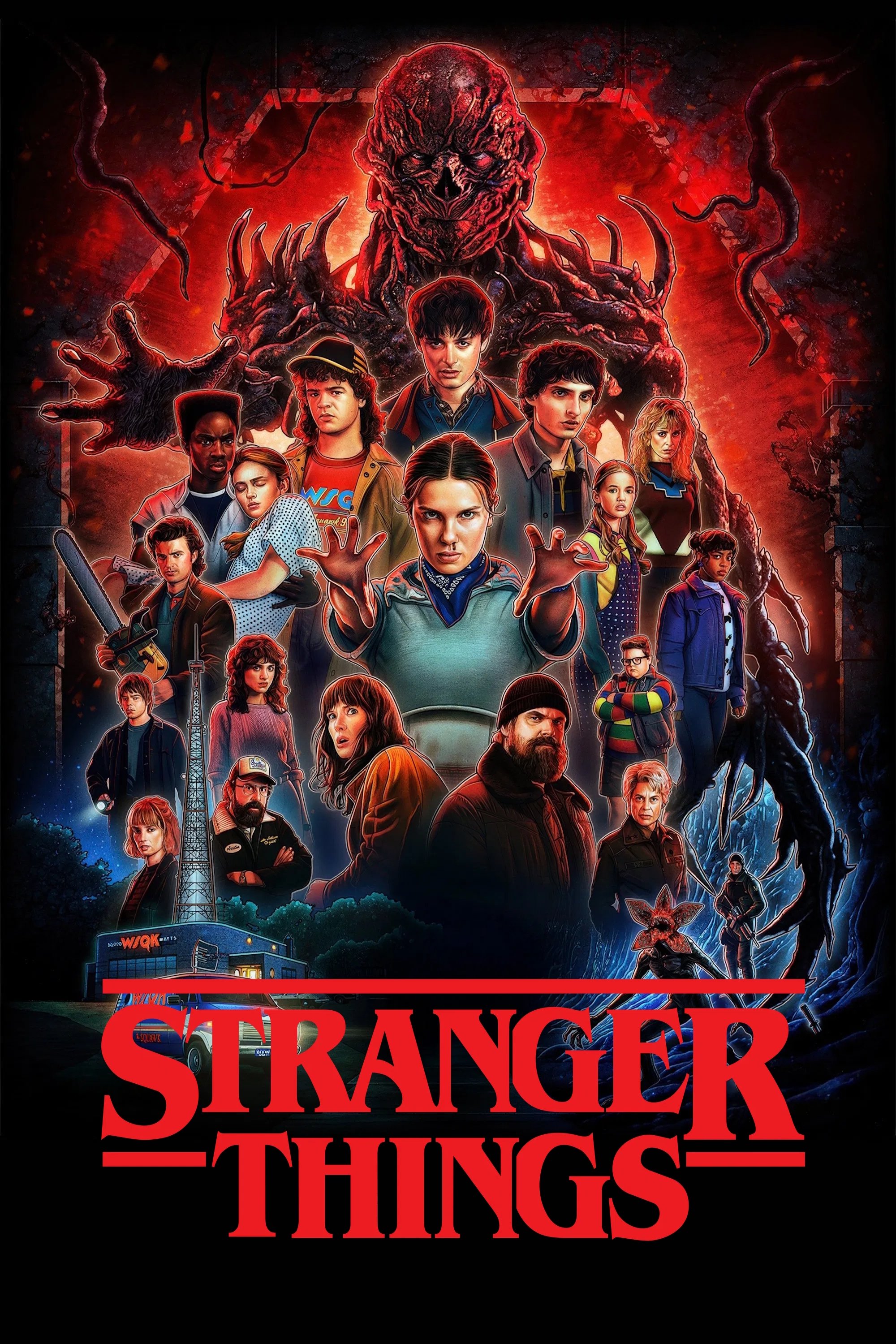
Residents of a small Indiana town uncover government secrets and supernatural forces. The show divides its large cast into smaller groups that investigate different aspects of the mystery. These subgroups shuffle each season to create new character interactions and fresh dynamics. The narrative ultimately converges as the different teams bring their findings together to defeat the threat. This structure ensures that both the kids and the adults play pivotal roles in saving the town.
‘It’s Always Sunny in Philadelphia’ (2005– )
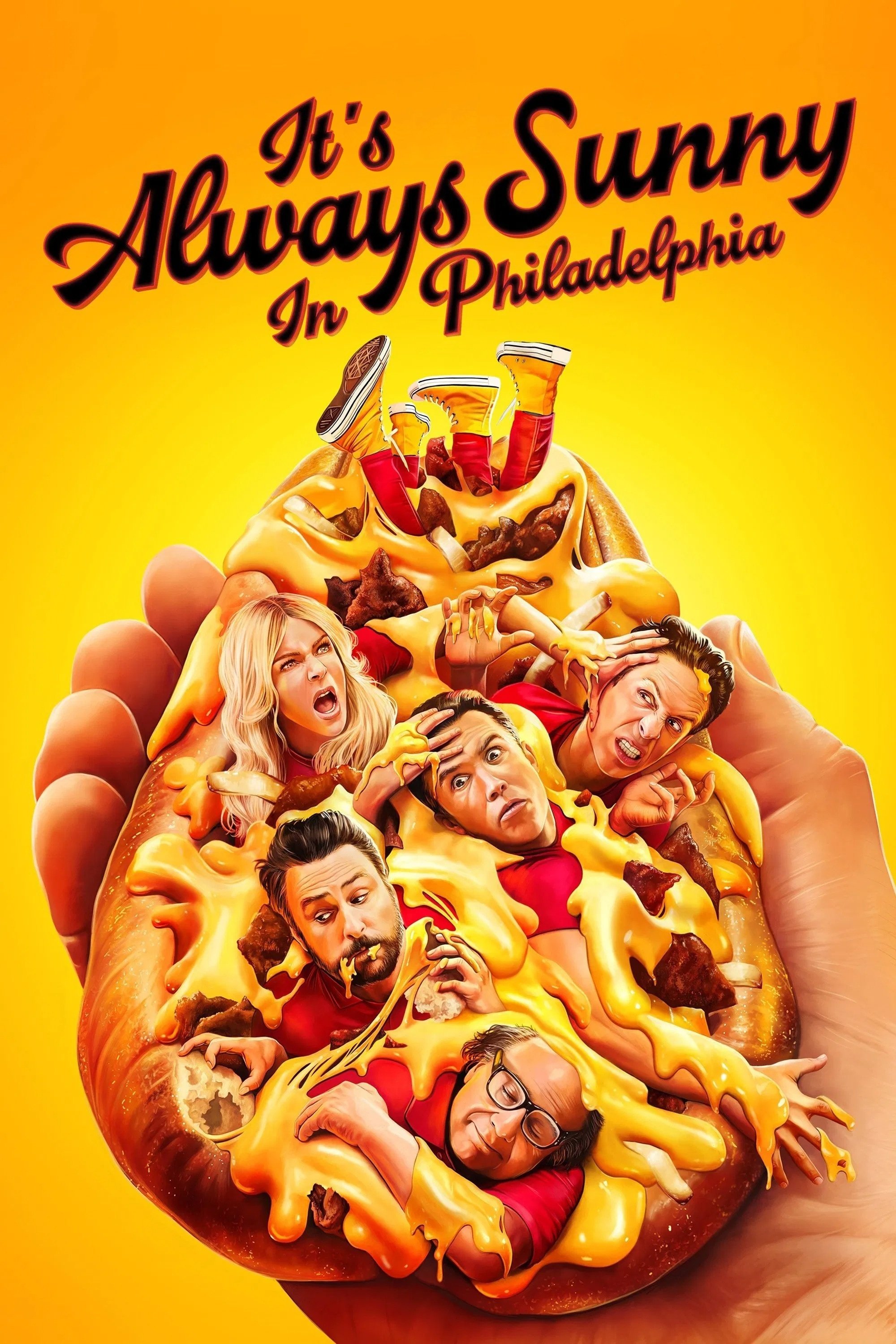
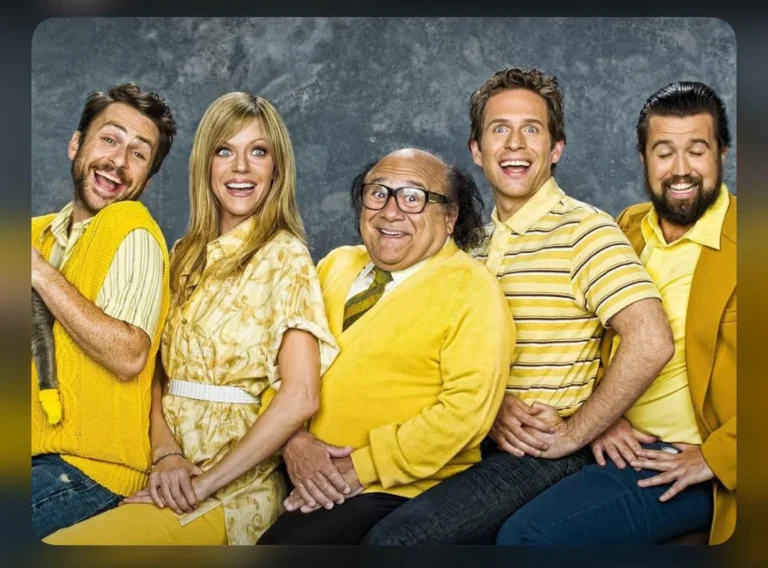
Five narcissistic friends run an Irish bar in South Philadelphia and engage in depraved schemes. The Gang operates as a dysfunctional unit where no member is morally superior to the others. Episodes often split the group into pairs or trios to pursue their own selfish goals before crashing back together. The comedy relies on the complete lack of growth and the rotating interplay of their chaotic energies. The addition of Danny DeVito in the second season solidified the perfect balance of this distinct ensemble.
‘Community’ (2009–2015)
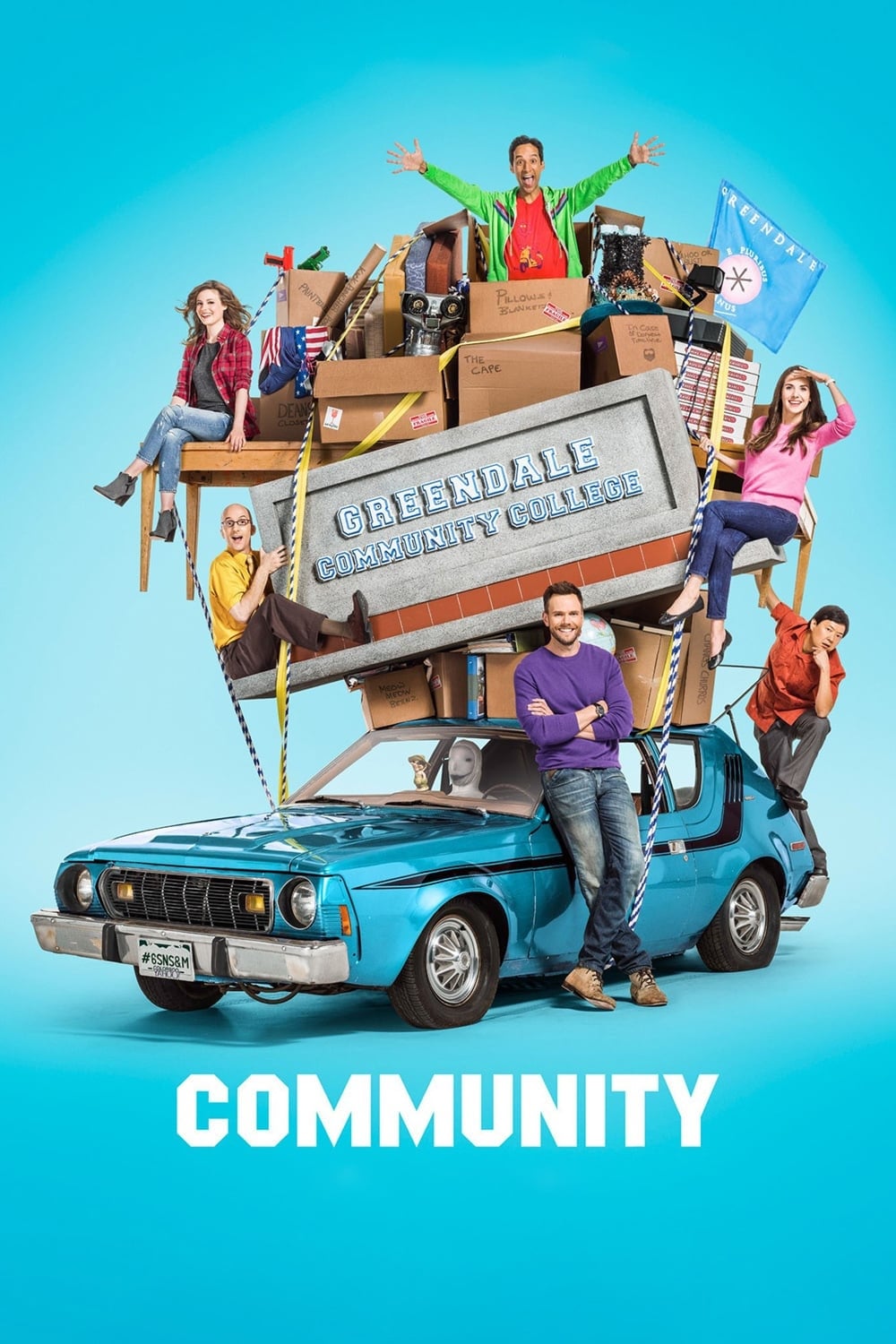
A suspended lawyer is forced to attend community college and forms a study group with a ragtag band of misfits. The show uses the diverse ages and backgrounds of the group to deconstruct various film and television tropes. Leadership of the group fluctuates as different members take charge during campus crisis events or paintball wars. The meta-humor relies heavily on the specific archetypes represented by each member of the study group. It stands as a testament to how a disparate group of people can form a chosen family.
Please let us know which of these ensemble shows is your favorite in the comments.