The 20 Most Sexist Superhero Movies Ever Greenlit

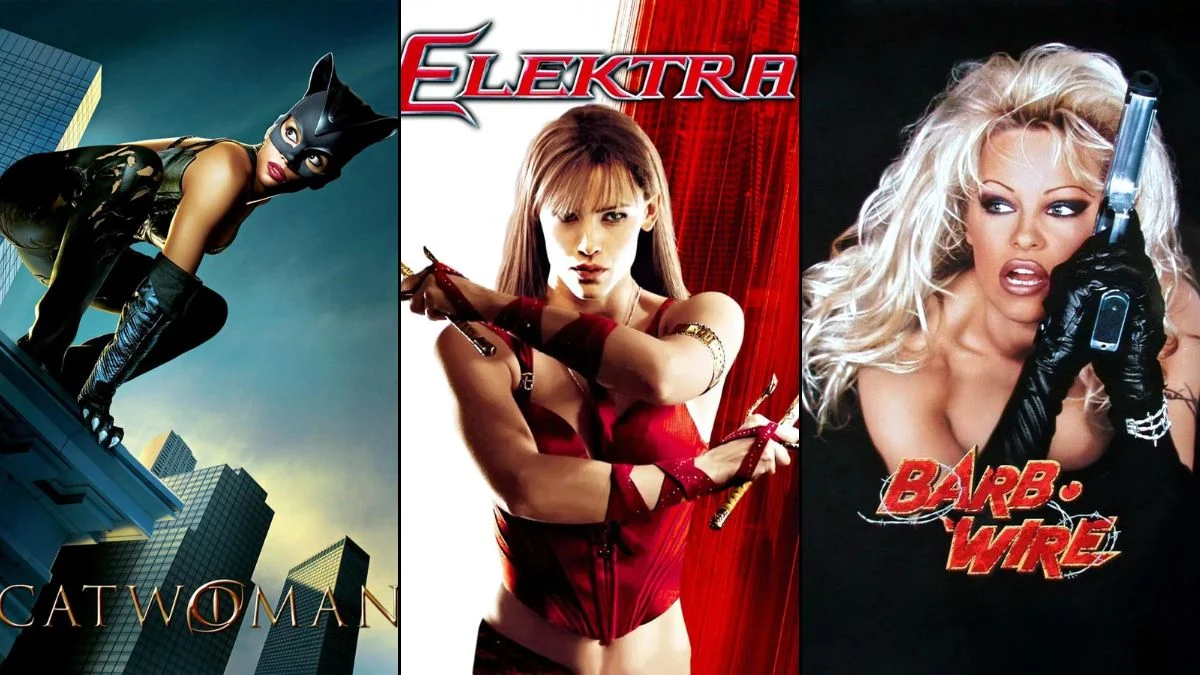

The superhero genre has evolved significantly over the decades regarding its treatment of female characters. Early adaptations and even some modern blockbusters have faced criticism for their depiction of women. These films often rely on tropes that objectify actresses or reduce powerful heroines to romantic interests. Examining these movies highlights the industry’s historical struggle with gender representation and the male gaze.
‘Catwoman’ (2004)
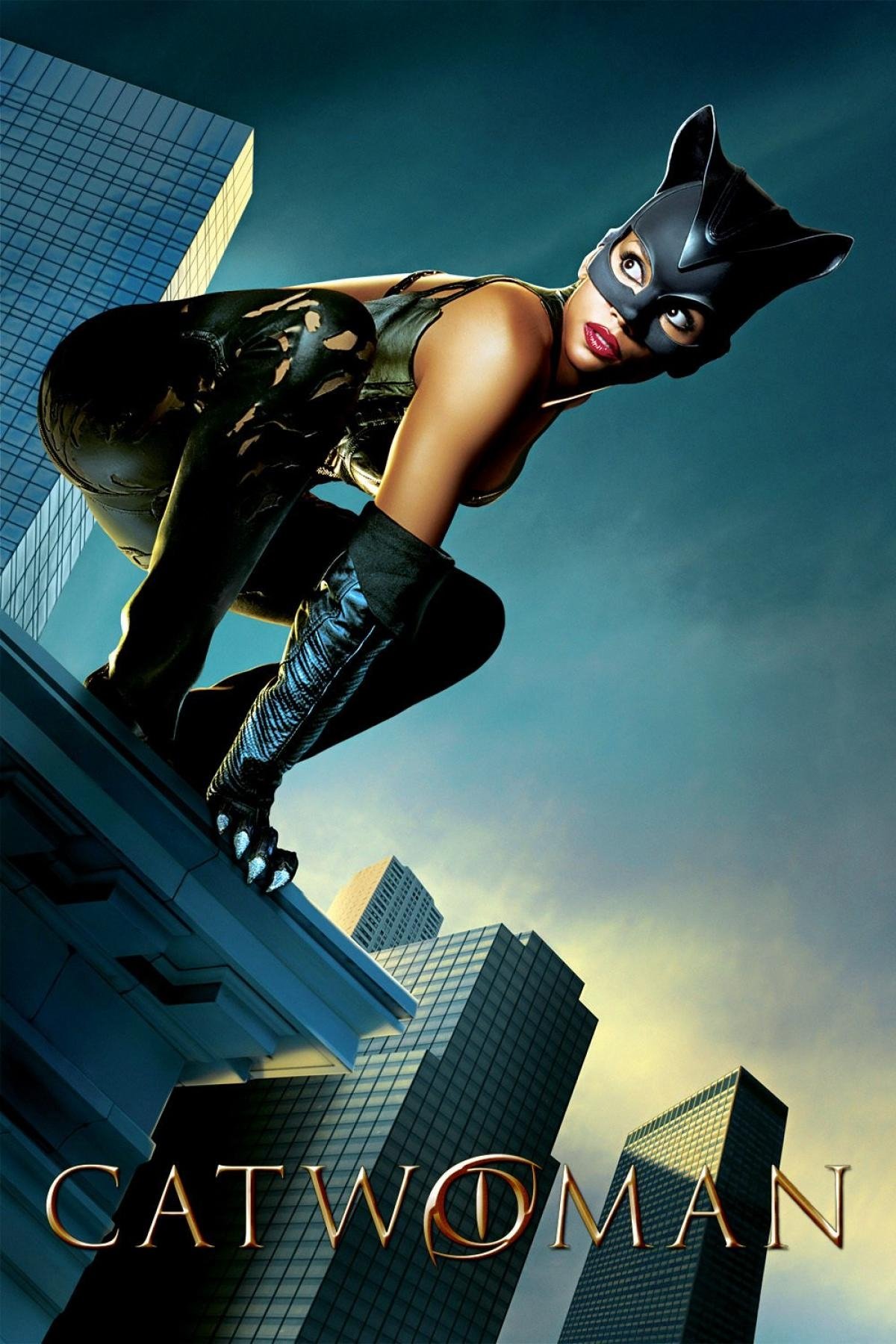
The film reimagines the iconic antihero as a graphic designer named Patience Phillips who uncovers a corporate conspiracy. Director Pitof utilizes camera angles that constantly emphasize the lead actress’s physique rather than her character’s skills. The costume design consists of shredded leather and open midriffs that serve no practical purpose for a cat burglar. Critics panned the movie for reducing a complex comic book figure to a spectacle of hypersexualization.
‘Elektra’ (2005)

Jennifer Garner reprises her role as the assassin Elektra Natchios in this spinoff that failed to resonate with audiences. The script focuses heavily on her maternal instincts and a forced romantic subplot rather than her deadly training. Marketing materials and costume choices highlighted her revealing red outfit instead of her narrative agency. The studio interference reportedly mandated a lighter tone that undermined the character’s dark origins.
‘Suicide Squad’ (2016)
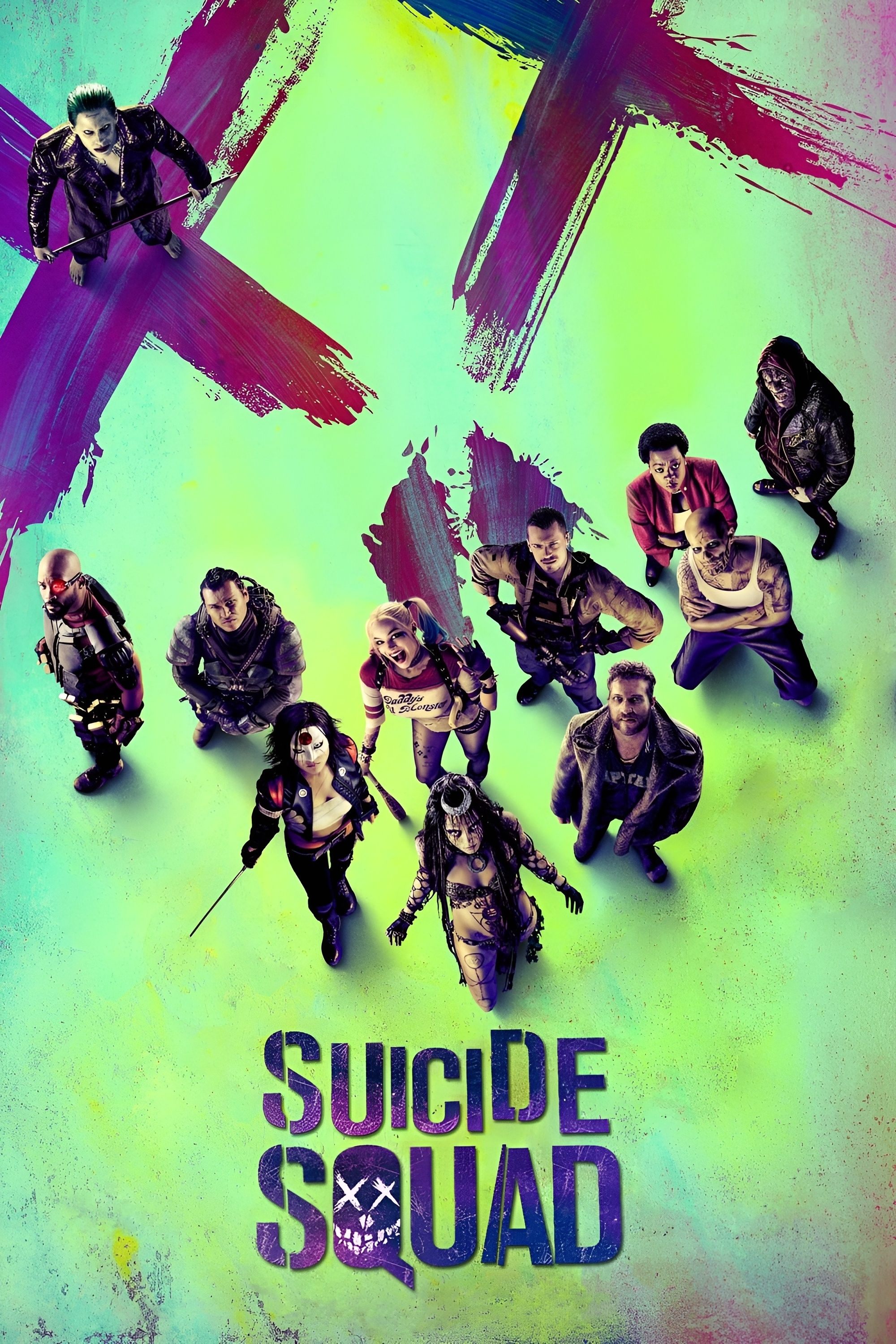
Harley Quinn makes her cinematic debut in a film that frequently presents her through a voyeuristic lens. The camera lingers on her clothing and body in scenes where such focus is narratively unnecessary. While the character displays strength and combat skills she is often framed primarily as the Joker’s object of desire. Many viewers pointed out the disparity between the male and female character designs regarding practicality.
‘Justice League’ (2017)
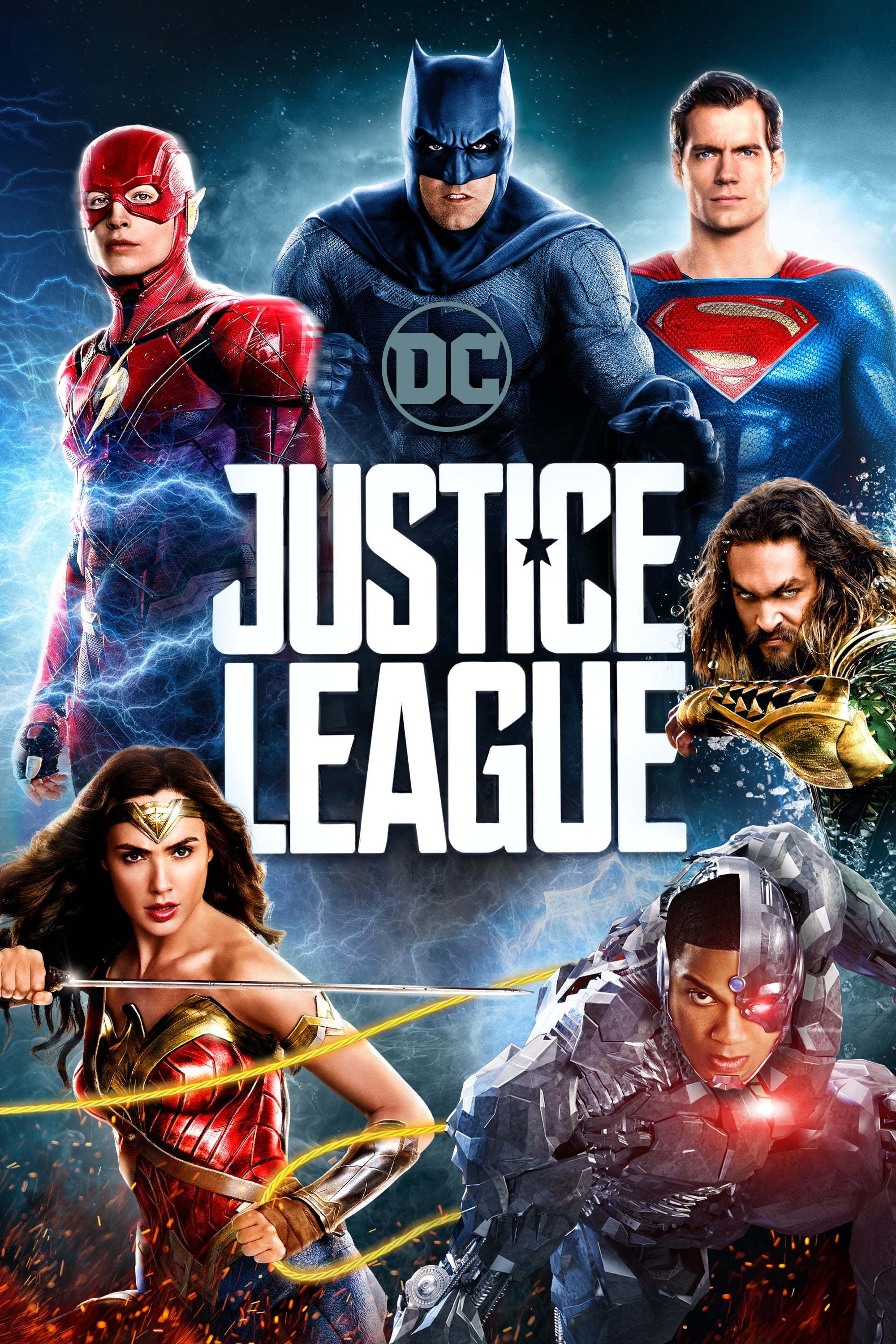
The theatrical release of this team movie faced backlash for its distinct shift in how Wonder Woman was filmed compared to her solo outing. Several scenes include low angle shots that gratuitously highlight the heroine’s anatomy during action sequences. The dialogue written for the reshoots includes suggestive lines that reduce the Amazon warrior’s dignity. This depiction stood in stark contrast to the empowering presentation seen in the character’s standalone film released earlier that same year.
‘Batman & Robin’ (1997)
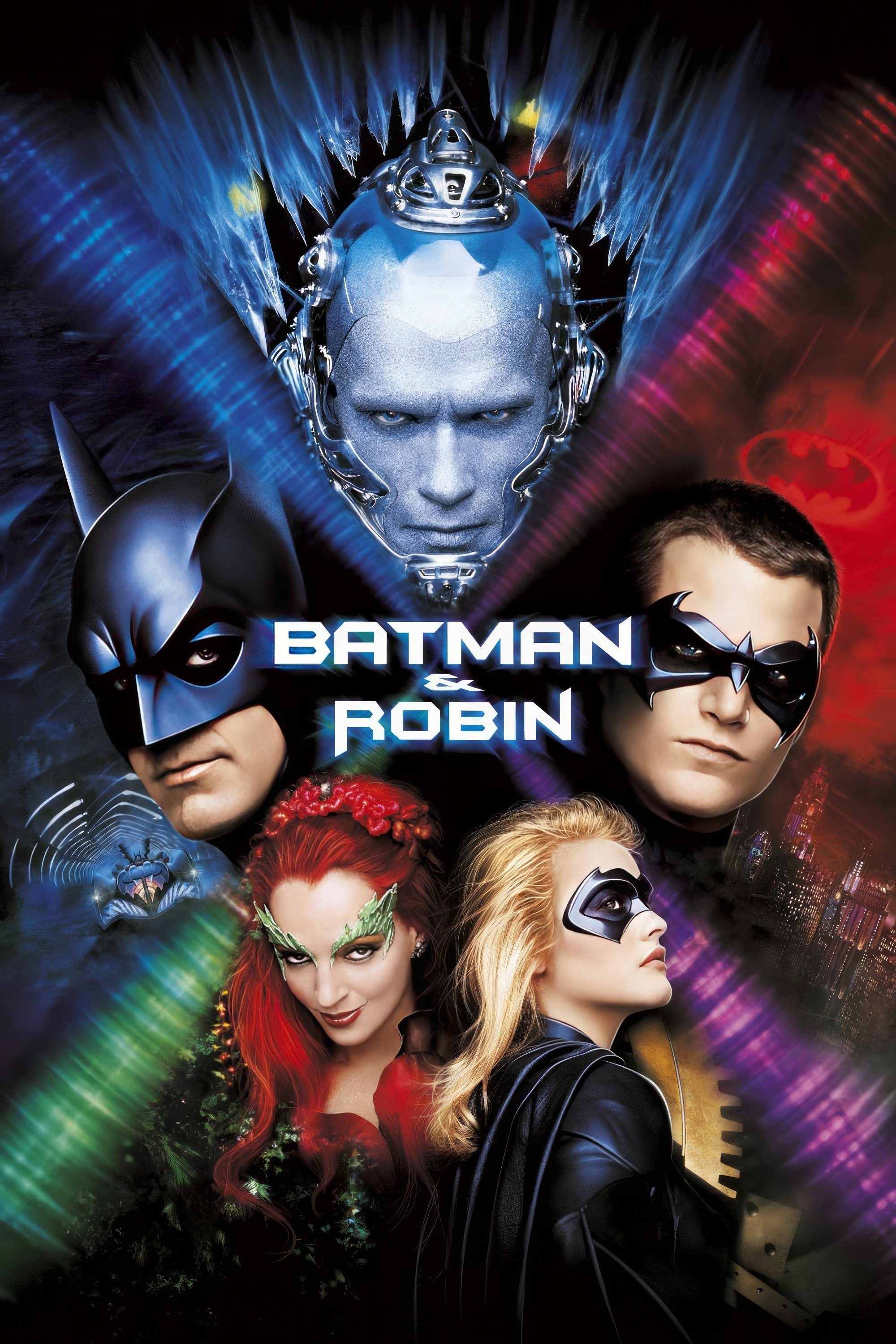
Joel Schumacher’s campy sequel introduces Batgirl but struggles to give her a meaningful arc independent of the male heroes. The costume design for both Batgirl and Poison Ivy accentuates their forms in a way that prioritizes aesthetics over function. Poison Ivy is written as a temptress who uses pheromones to strip men of their agency. The film is often cited for its blatant use of the male gaze in characterizing its female leads.
‘Barb Wire’ (1996)
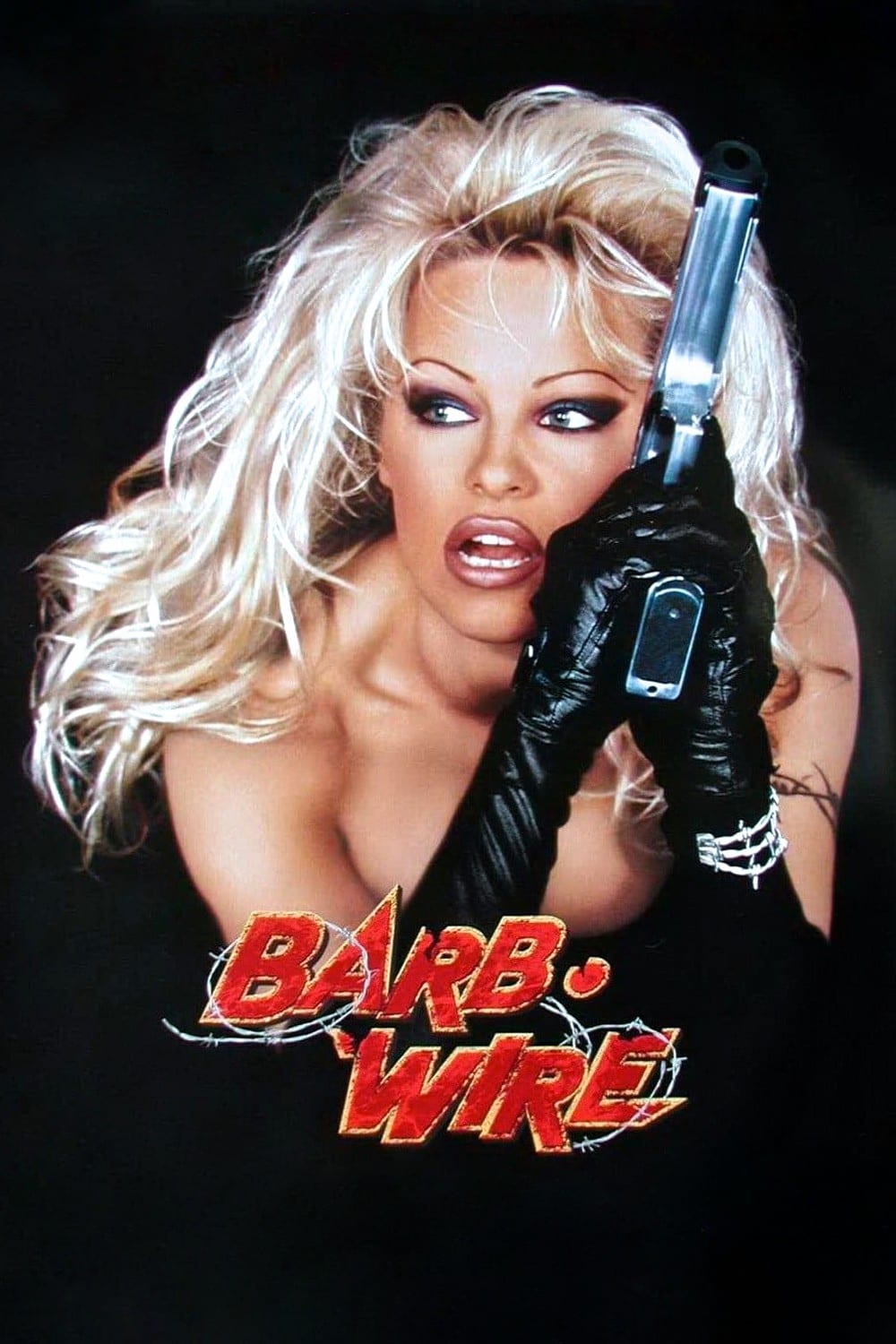
Pamela Anderson stars as a bounty hunter in a dystopian future during the Second American Civil War. The marketing and cinematography rely almost exclusively on the star’s sex symbol status rather than the gritty plot. Scenes are constructed to showcase revealing outfits and slowed sequences that offer little plot progression. The movie attempts to adapt a dark comic but results in a feature that feels like an extended music video.
‘Iron Man 2’ (2010)
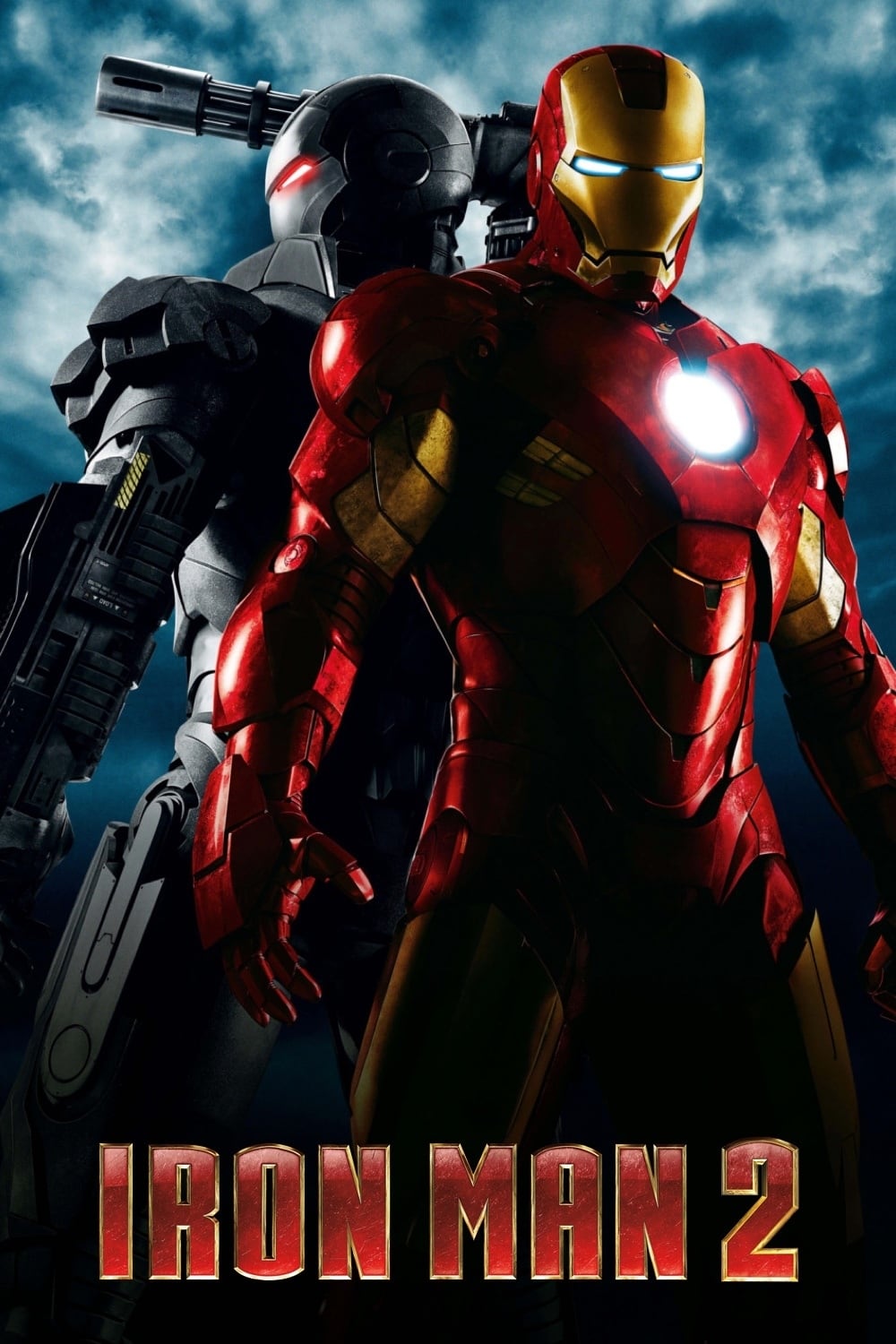
Black Widow enters the Marvel Cinematic Universe in a role that initially defines her by her physical appeal. Tony Stark openly objectifies her while looking at lingerie photos during a background check scene. The camera framing often isolates specific body parts during her fight sequences and dialogue scenes. This introduction established a specific visual language for the character that took several subsequent films to deconstruct.
‘The Spirit’ (2008)
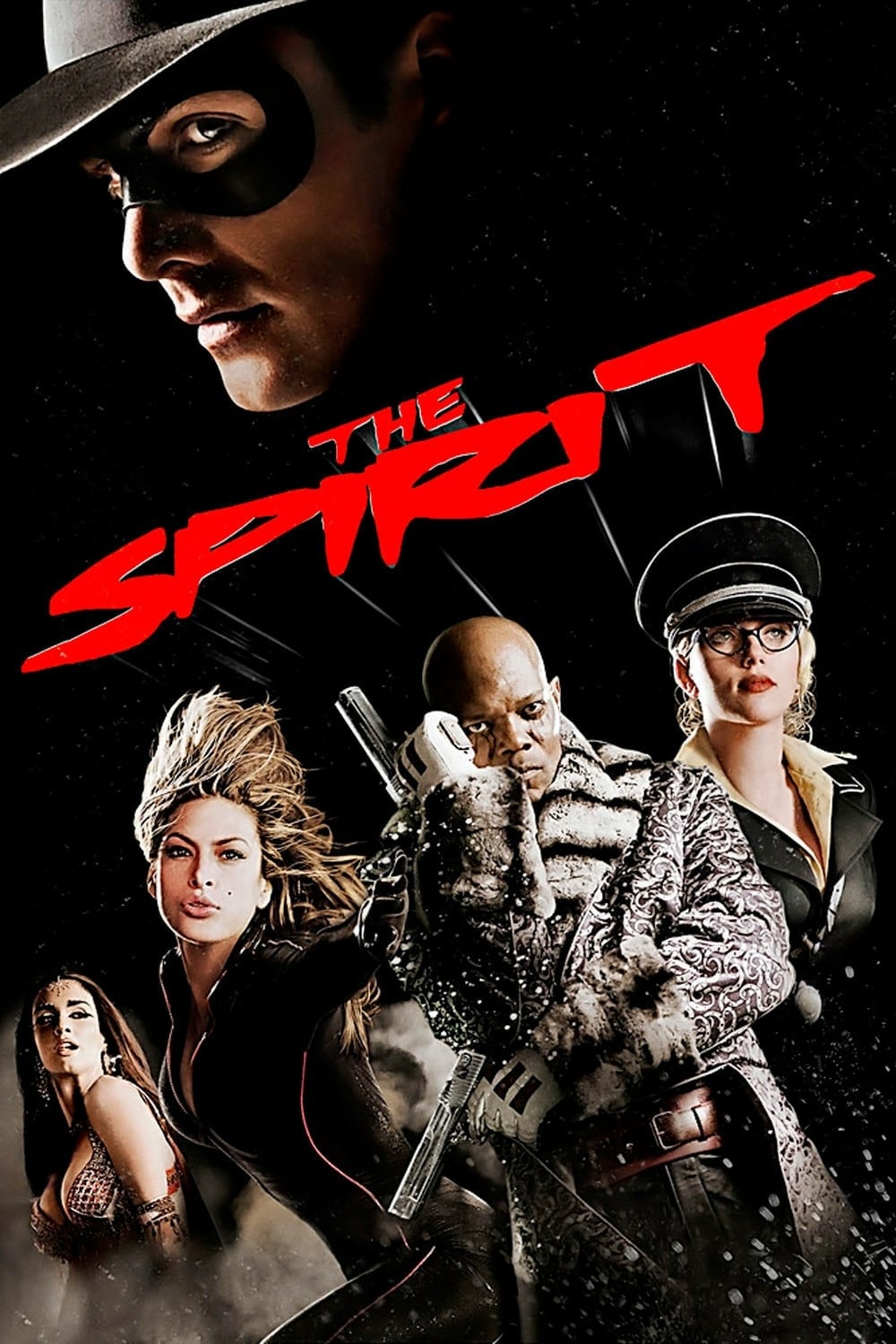
Frank Miller adapts the classic comic strip with a visual style that heavily objectifies the female cast. Every woman in the film is presented as either a femme fatale or a damsel in distress with little nuance. The costumes are uniformly provocative and the camera work emphasizes curves over character development. Critics noted that the film seemed more interested in visual styling than in treating its female characters as human beings.
‘My Super Ex-Girlfriend’ (2006)
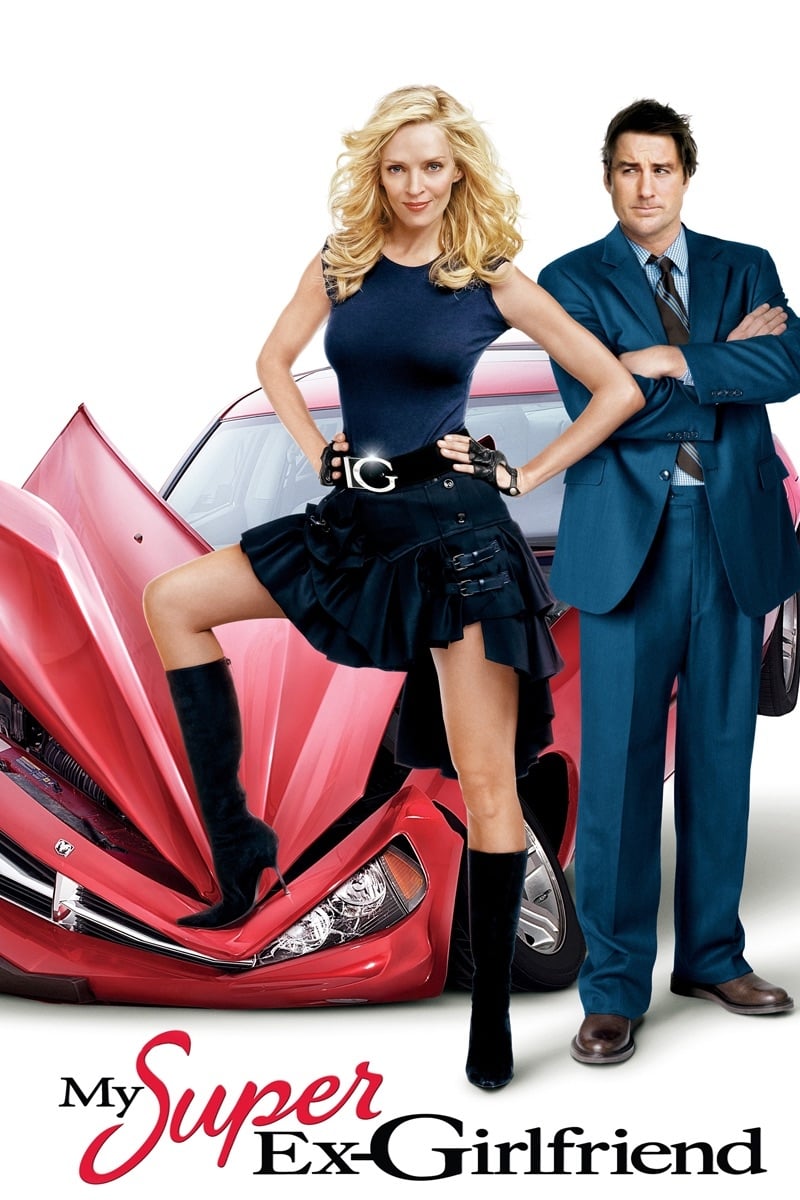
This comedy centers on the premise that a powerful superheroine becomes unhinged after a breakup. The script relies on the trope of the crazy woman who cannot handle rejection despite her immense abilities. Uma Thurman’s character is stripped of dignity and framed as a vindictive monster for comedic effect. The film reinforces negative stereotypes about women in power and emotional stability.
‘Howard the Duck’ (1986)
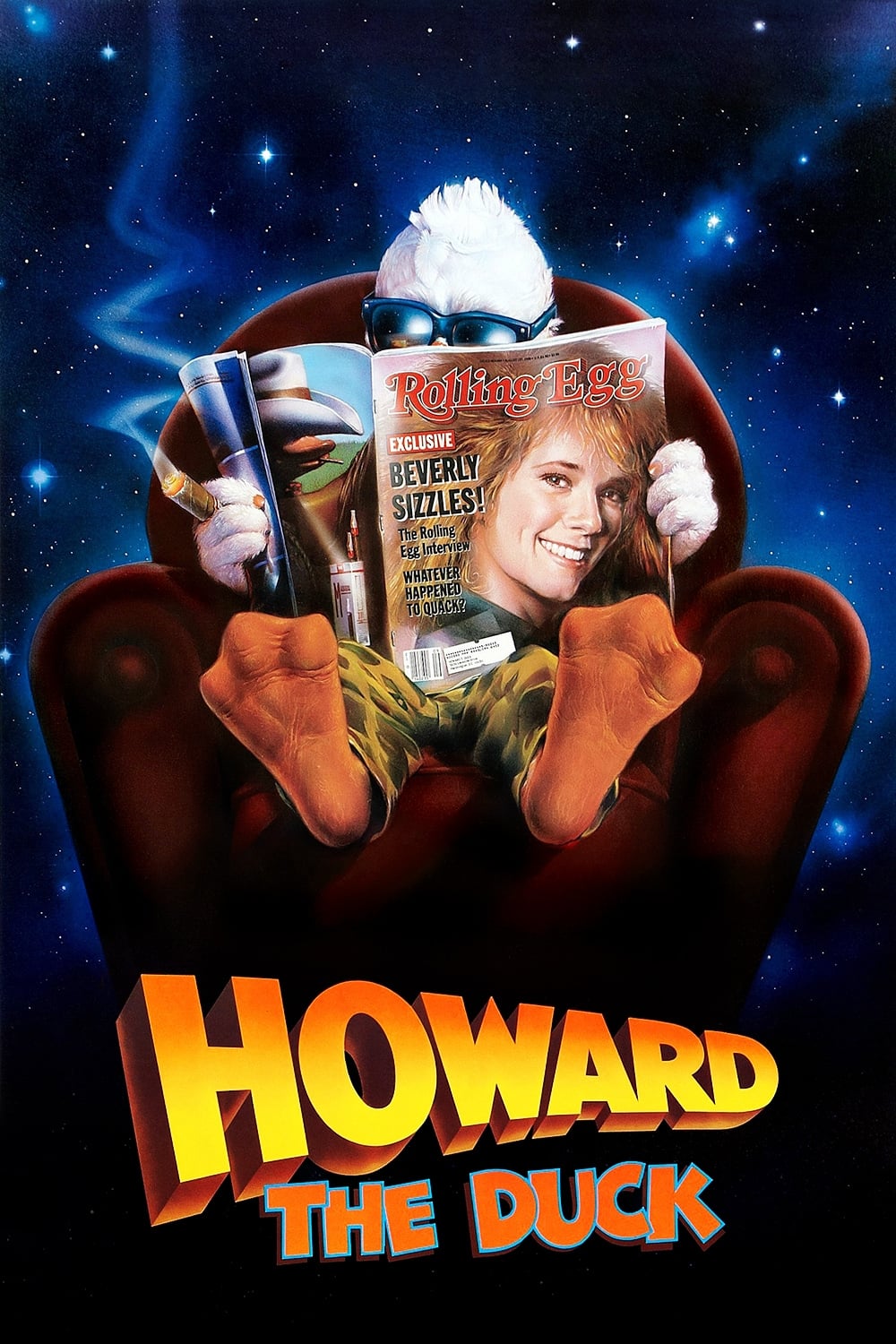
George Lucas produced this adaptation that features a bizarre romantic tension between a duck and a human woman. The female lead is a rock singer who is frequently placed in perilous situations requiring rescue. A particularly controversial scene involves the character nearly sleeping with the duck protagonist. The movie is infamous for its awkward handling of interspecies attraction and the damsel trope.
‘Fantastic Four: Rise of the Silver Surfer’ (2007)
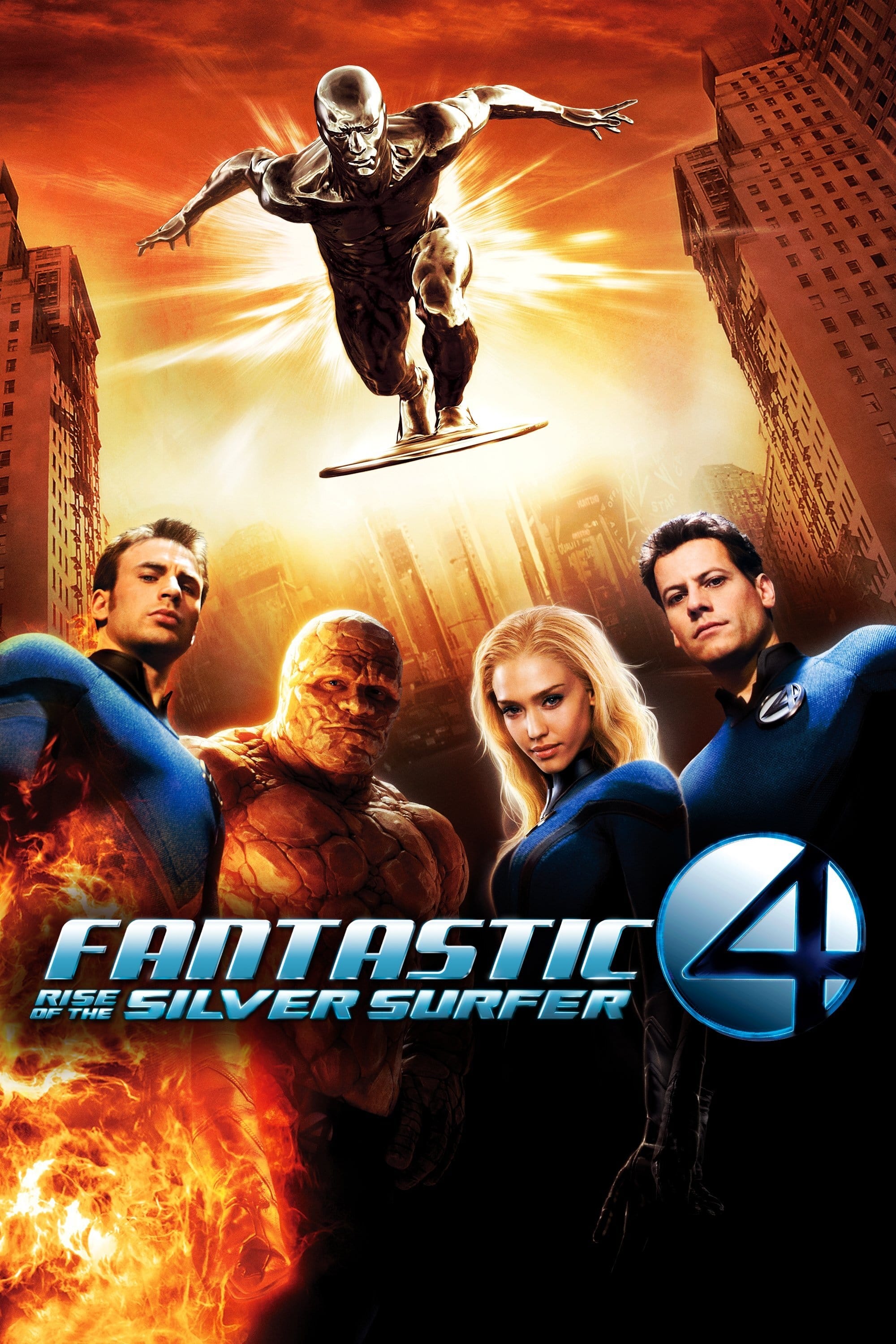
Sue Storm returns in a sequel that continues to sideline her scientific intellect in favor of her appearance. The plot revolves largely around her wedding and her role as a mediator between the male team members. A specific sequence involves her clothes burning off to leave her naked which is played for laughs and titillation. The film struggles to balance her powers with the script’s insistence on traditional feminine roles.
‘Green Lantern’ (2011)
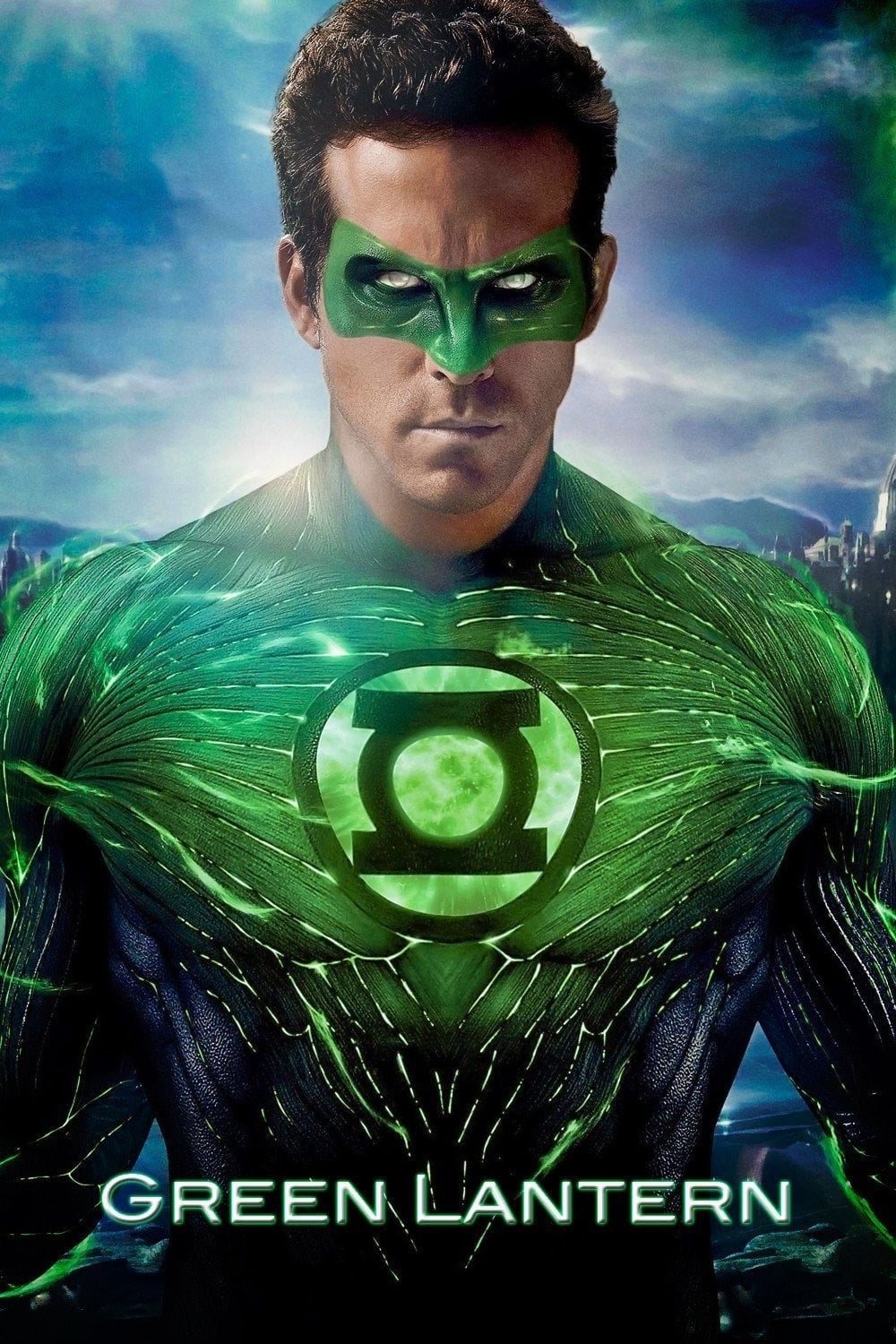
Carol Ferris is a capable pilot and business executive who is nevertheless reduced to a damsel in distress role. The script requires her to be saved by the male protagonist multiple times despite her established competence. Her character arc serves primarily to bolster the hero’s journey and provide a romantic reward. The film fails to utilize her potential as a future Star Sapphire and limits her to a supporting love interest.
‘X-Men: Apocalypse’ (2016)
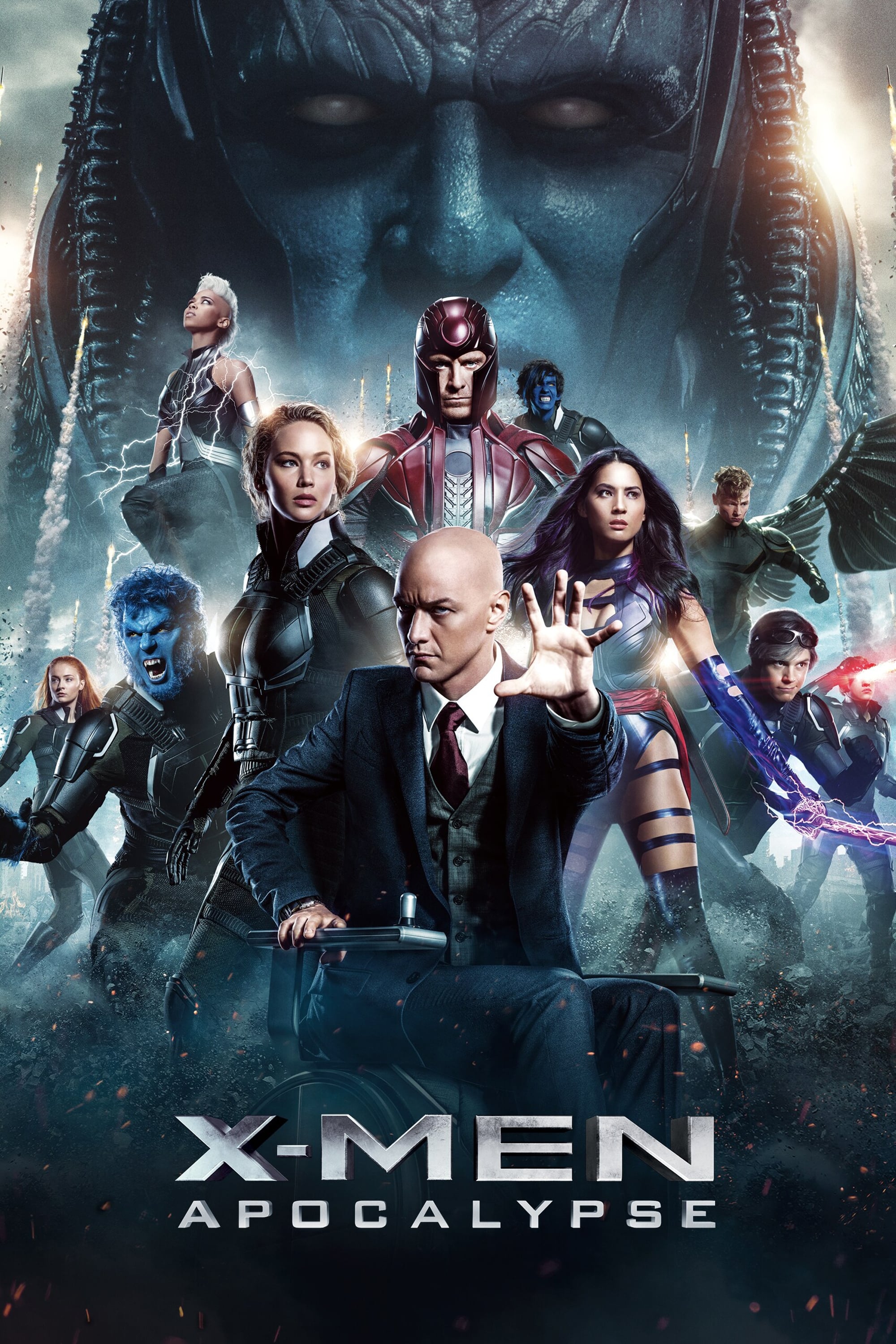
Marketing for this ensemble film sparked controversy with a billboard showing Mystique being choked by the villain. The movie itself features costumes for characters like Psylocke that are faithful to comics but impractical for live combat. Critics argued that the visual presentation of female mutants often prioritized sex appeal over their formidable powers. The promotional material highlighted a casual acceptance of violence against women that many found tasteless.
‘Kick-Ass 2’ (2013)
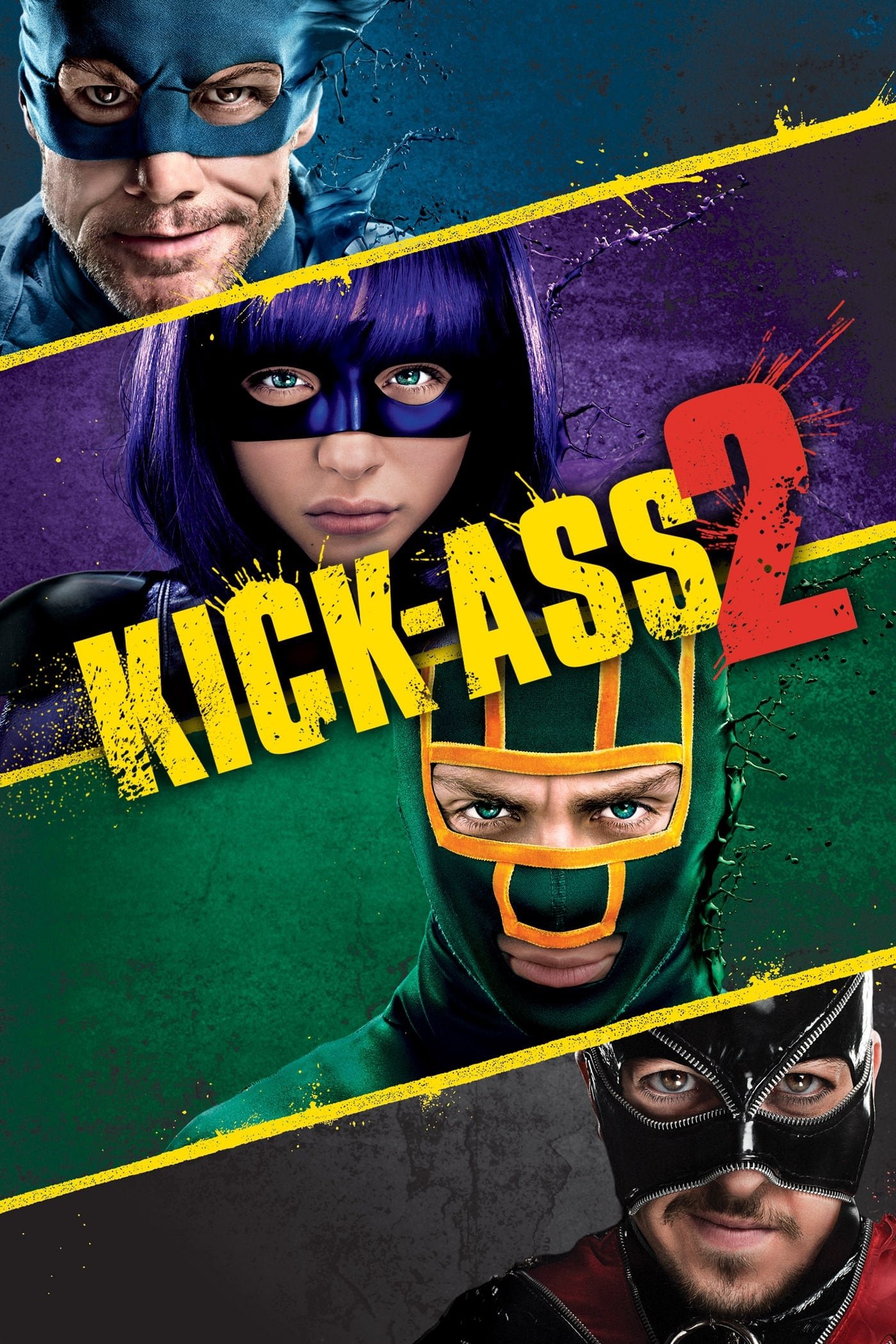
The sequel to the satirical superhero hit was criticized for its treatment of Hit-Girl and the inclusion of a rape subplot. The tonal shift from the first film led to scenes that felt cruel rather than deconstructive. Hit-Girl is subjected to sexualized bullying that attempts to ground the comic book violence in uncomfortable realism. One of the lead actors refused to promote the film due to the excessive level of violence depicted.
‘Avengers: Age of Ultron’ (2015)
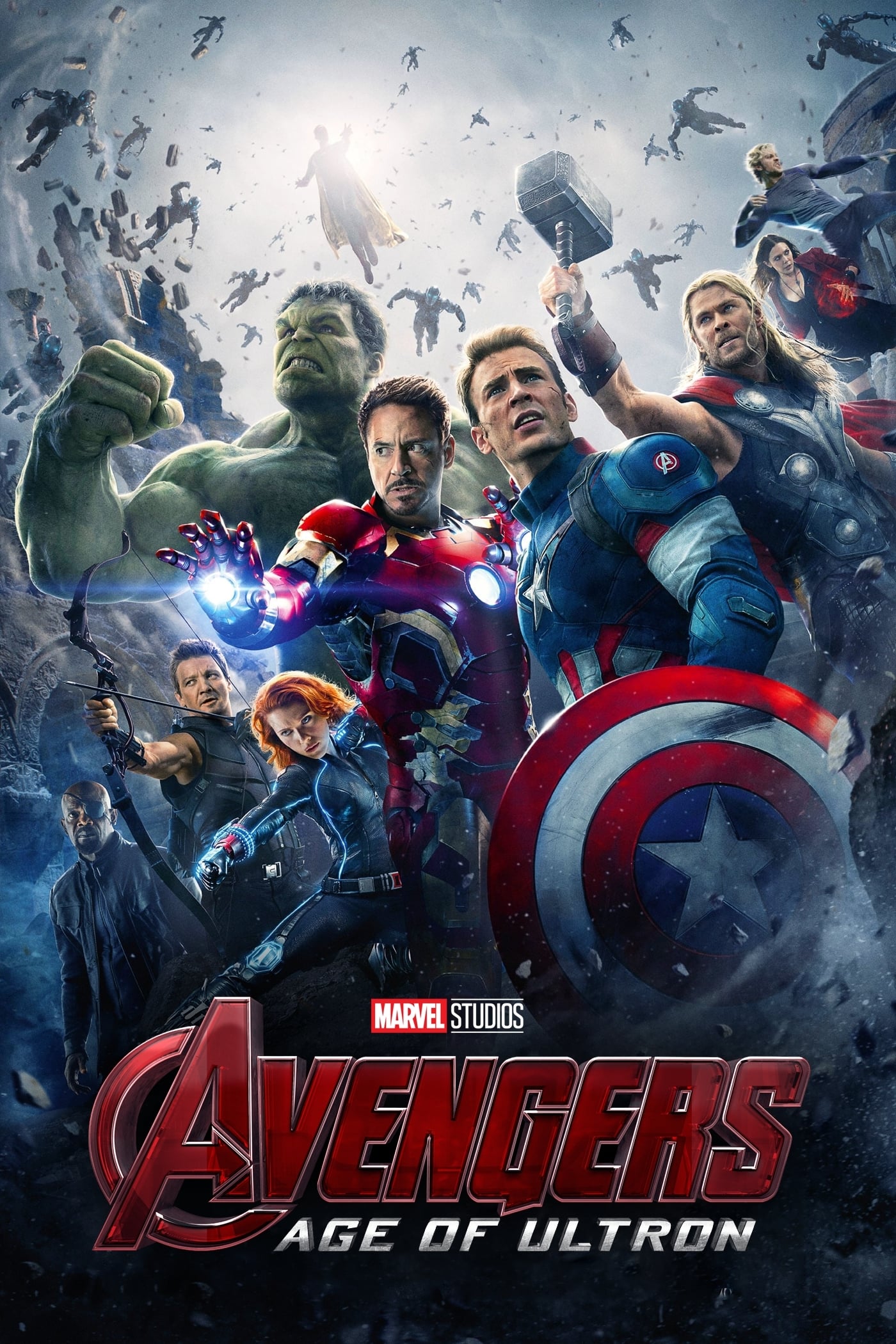
A pivotal emotional scene involves Black Widow describing herself as a monster because she cannot have children. This dialogue drew heavy criticism for equating a woman’s worth and humanity with her reproductive capacity. The romance subplot with Bruce Banner felt forced to many viewers and reduced her role as a superspy. The film marked a contentious point in the discussion of how female Avengers were written.
‘Daredevil’ (2003)
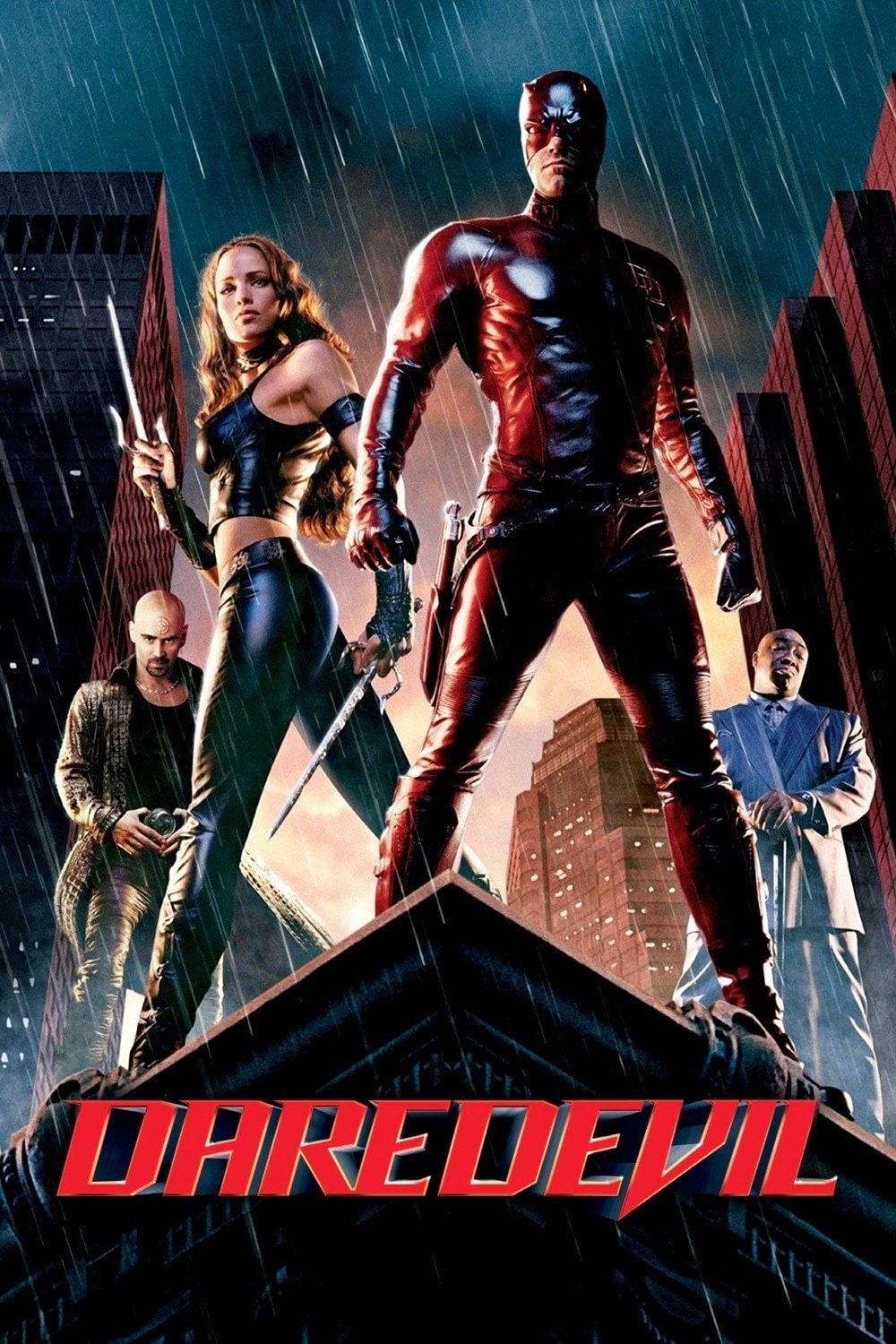
Elektra appears in this film as a romantic partner whose skills are secondary to her connection with Matt Murdock. Their first fight scene in a playground is staged as a foreplay sequence rather than a clash of warriors. Her death scene serves solely to motivate the male hero’s final confrontation with the villain. The film diminishes her standing as a legendary assassin to fit her into the role of a tragic girlfriend.
‘Supergirl’ (1984)
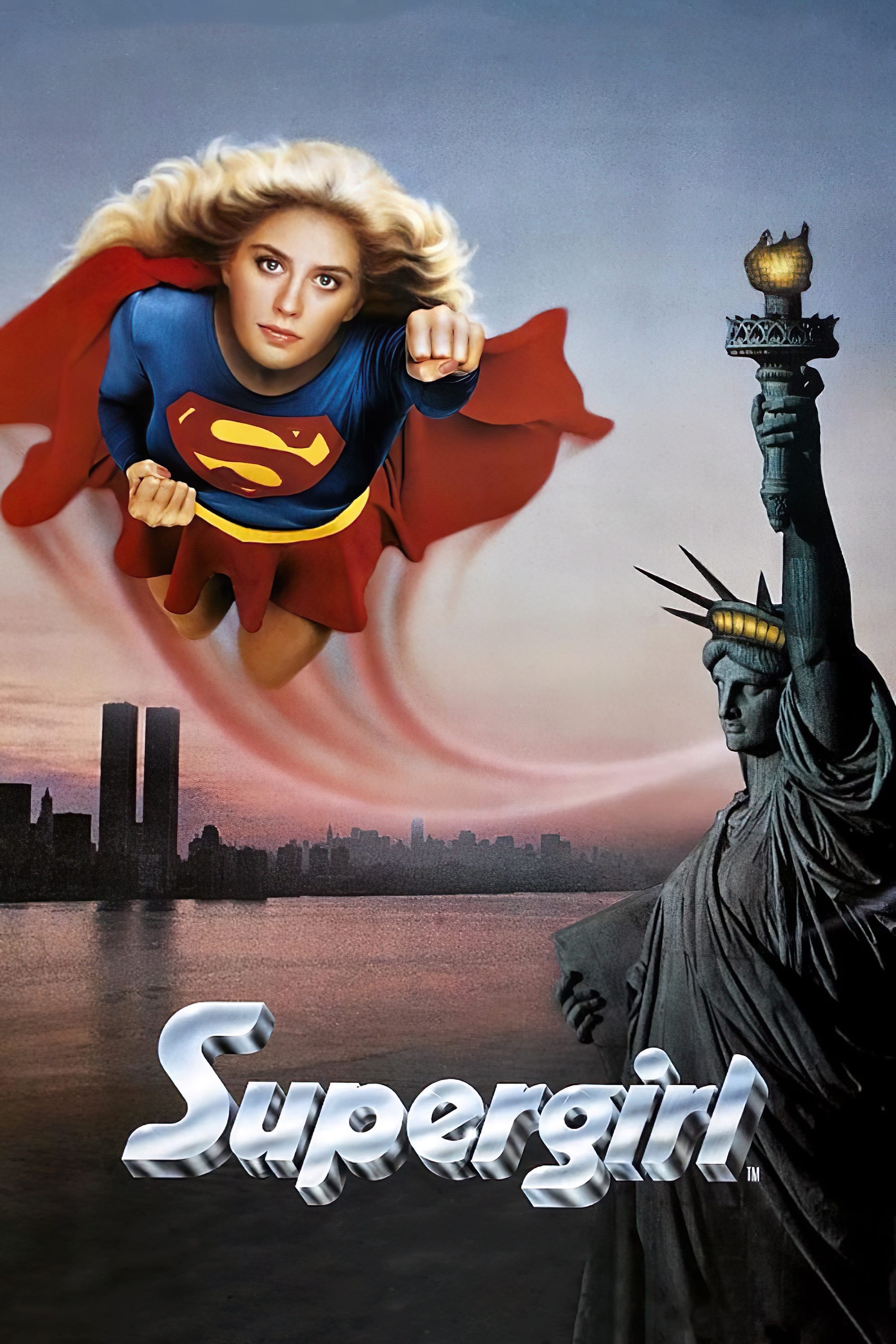
The first major motion picture for the character suffers from a script that focuses on a magical love spell. Supergirl spends much of the movie fighting over a landscaping gardener rather than saving the world. The villain is a witch motivated by petty jealousy regarding a man. The narrative trivializes the hero’s power set by grounding the conflict in a stereotypical high school romance dynamic.
‘Ghost Rider’ (2007)
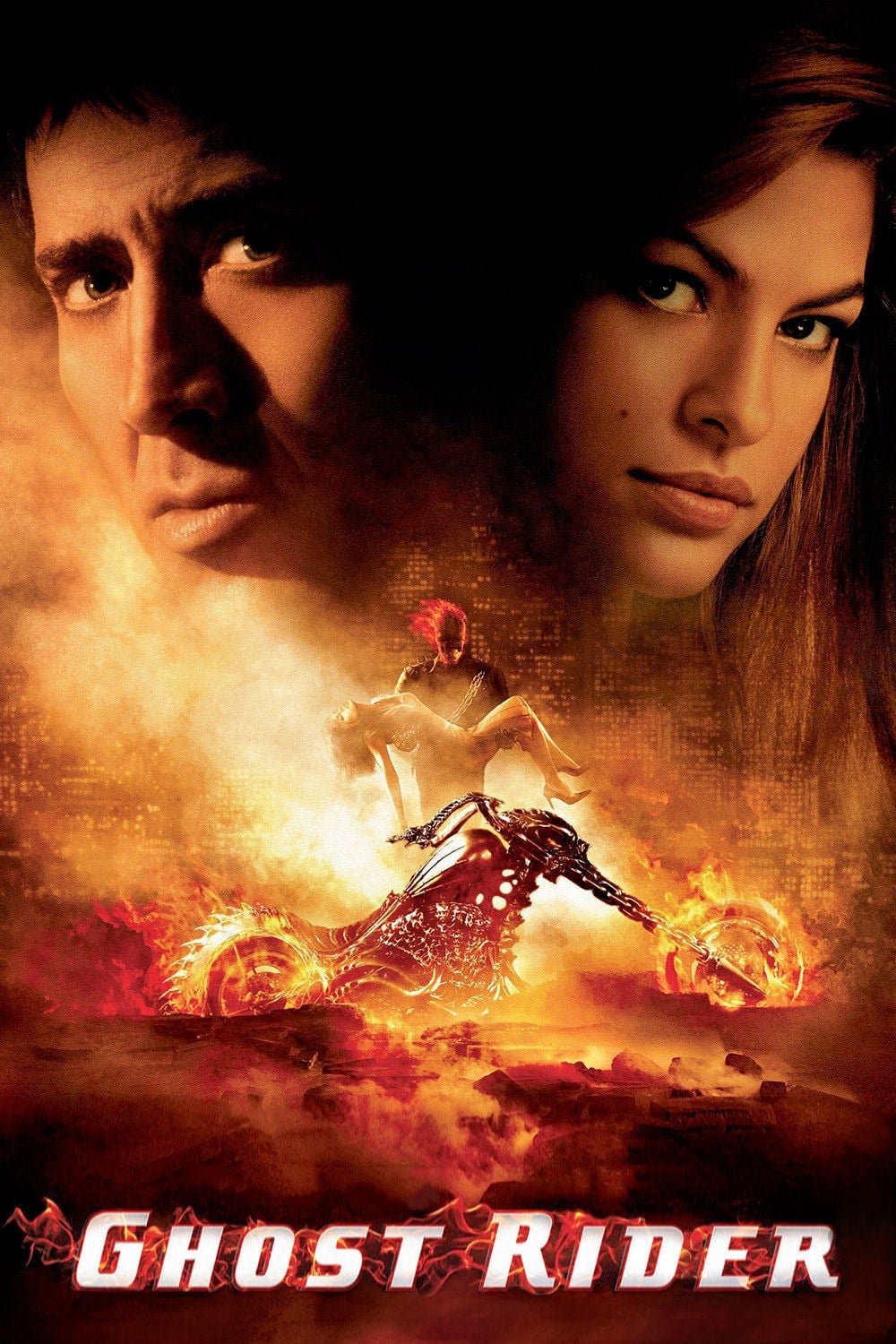
Eva Mendes plays a reporter who functions almost entirely as a visual accessory to Nicolas Cage’s antihero. Her character lacks agency and spends the majority of the runtime reacting to the men around her. The camera frequently exploits her appearance with revealing wardrobe choices that distract from the horror elements. She exists primarily to be threatened by the villain so the hero has a reason to fight.
‘Teenage Mutant Ninja Turtles’ (2014)
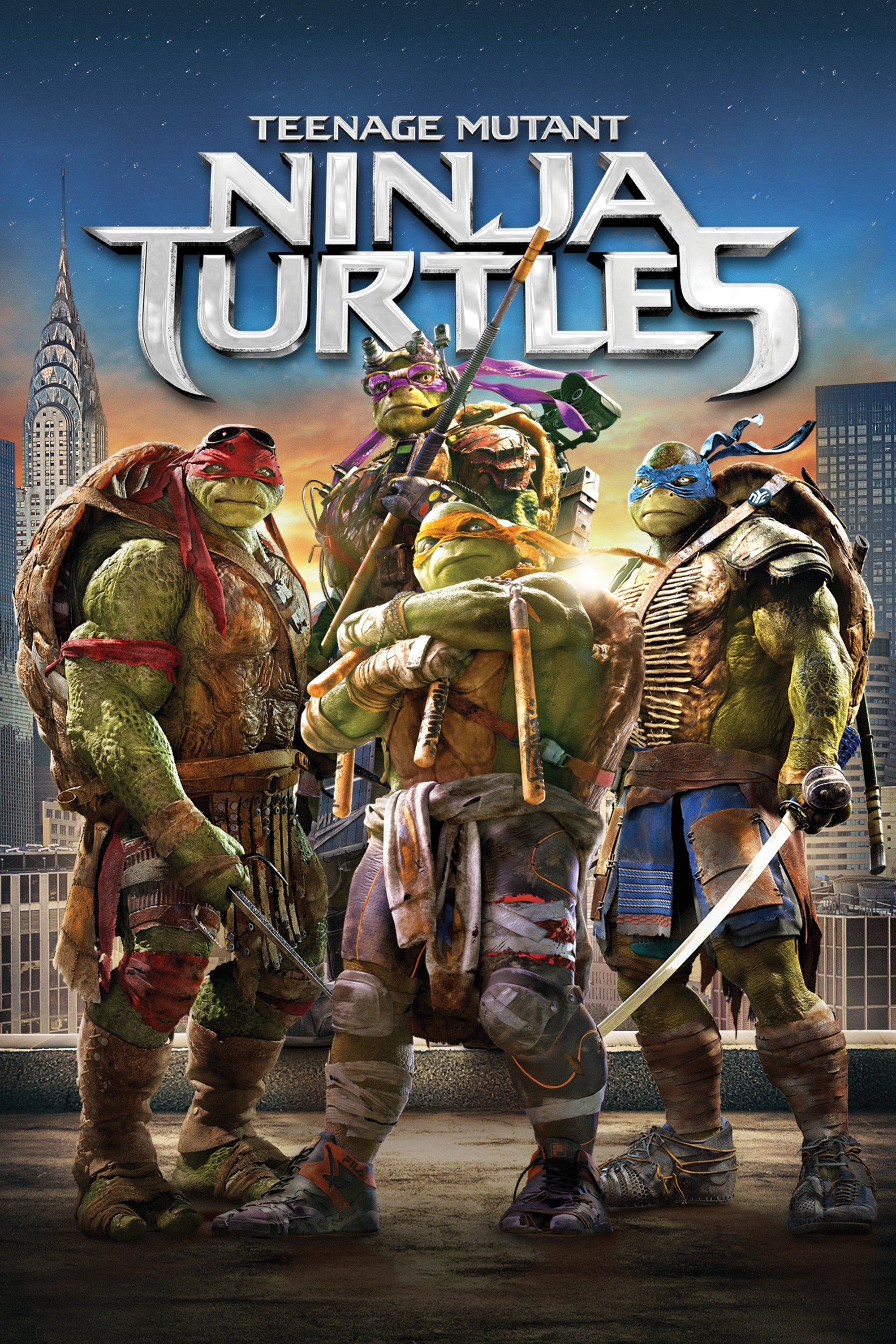
Megan Fox portrays April O’Neil in a film that seems more interested in her looks than her journalism. Several scenes feature the camerawork panning over her body while other characters make lewd comments about her. The turtles themselves are depicted as catcalling her which creates an uncomfortable tone for a family movie. The film sidelines her investigation skills to focus on her role as an object of admiration.
‘Hancock’ (2008)
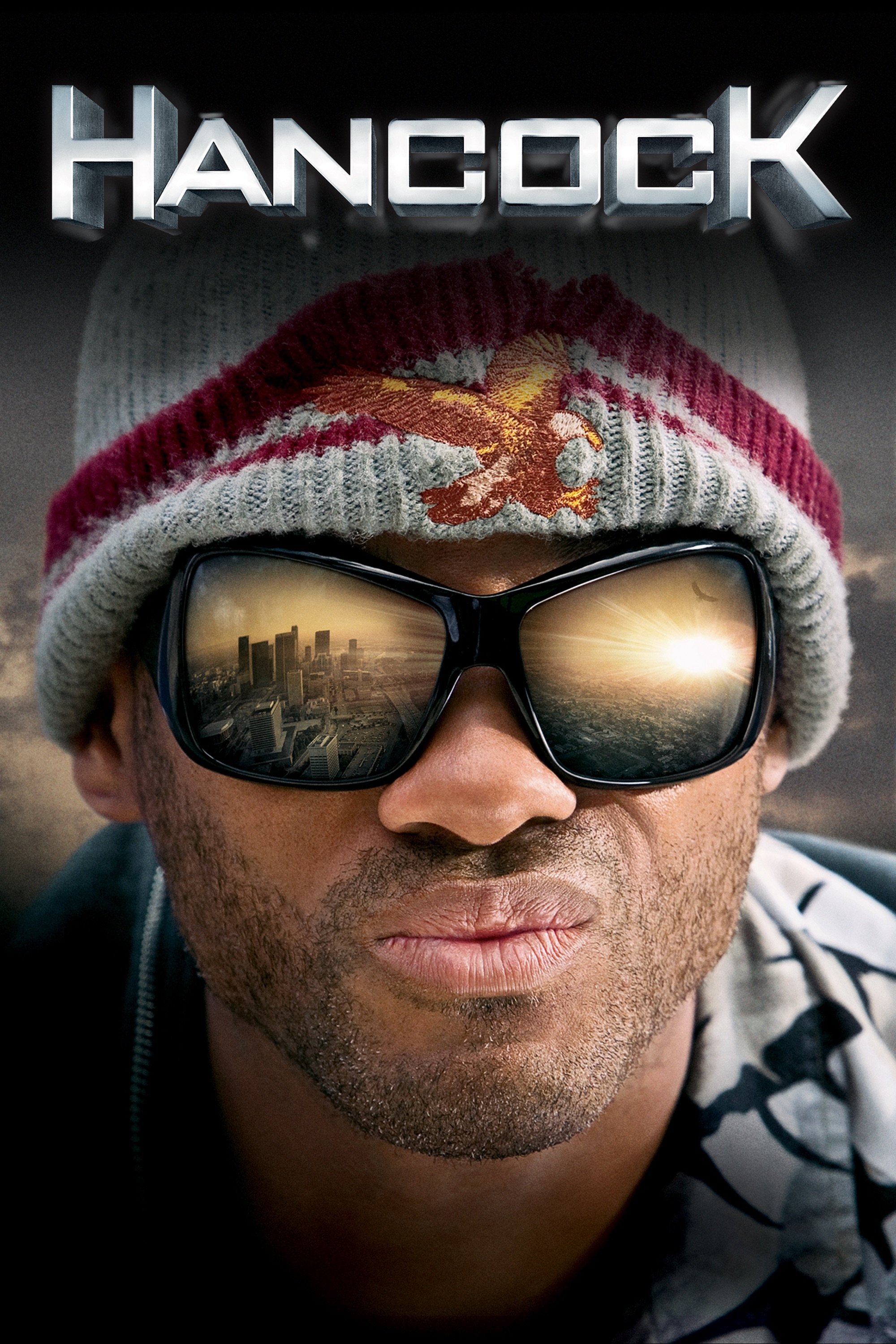
The reveal regarding the female lead’s true nature turns her into a character defined by her relationship to the male protagonist. Her powers are linked to his in a way that physically weakens him and forces a separation narrative. The storyline pivots from an action comedy to a tragedy that removes her independence. She is ultimately portrayed as a figure who must sacrifice her happiness for the male hero’s survival.
Let us know which of these films you think aged the worst in the comments.