The 15 Most Problematic Tropes Hollywood Still Won’t Kill


Hollywood relies on recurring narrative devices to quickly establish characters and plot points for mass audiences. While storytelling archetypes are necessary tools for screenwriters, certain clichés perpetuate harmful stereotypes and lazy writing habits. These problematic tropes often marginalize specific groups or romanticize toxic behaviors under the guise of entertainment. Critics and audiences increasingly call for more nuanced representation in modern cinema and television. The following list examines fifteen persistent tropes that screenwriters continue to utilize despite growing backlash.
The White Savior
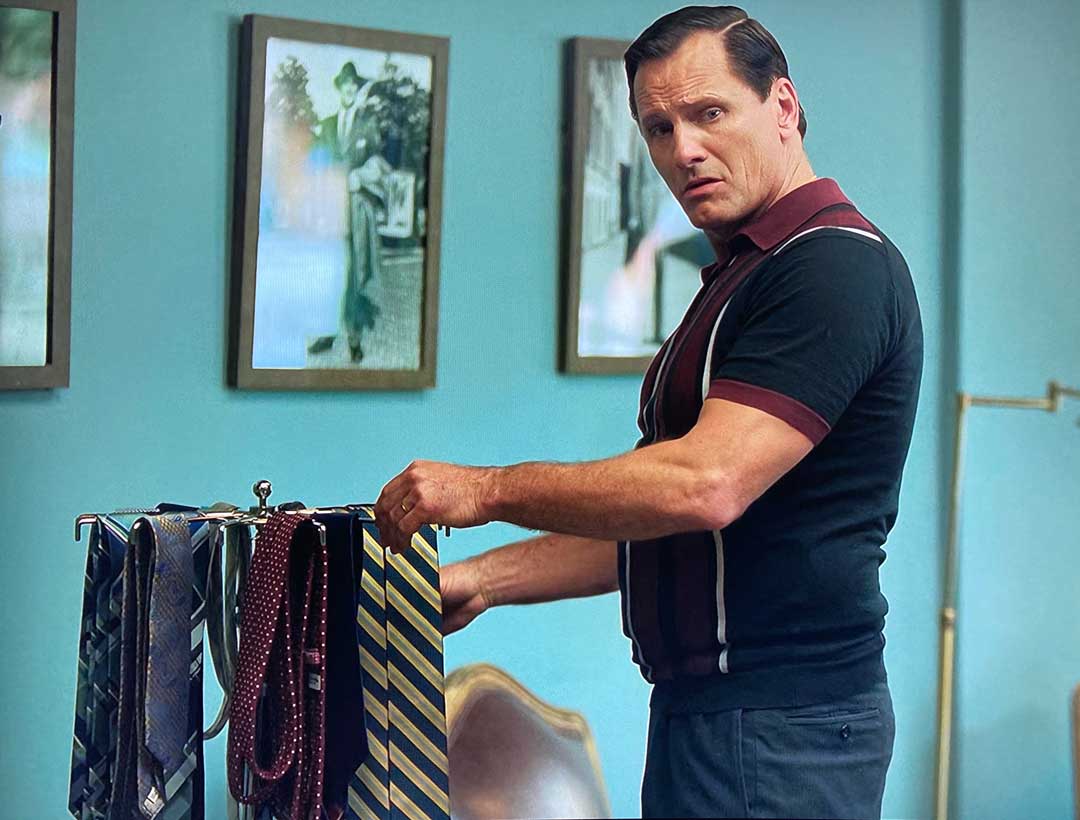
Narratives frequently center on a white protagonist rescuing people of color from their own struggles or historical oppression. This device reduces minority characters to helpless victims who require external intervention to achieve freedom or dignity. Films like ‘The Help’ and ‘Green Book’ have faced criticism for prioritizing the white perspective in stories about racial injustice. The focus remains on the emotional growth of the savior rather than the agency of the community being helped.
Bury Your Gays
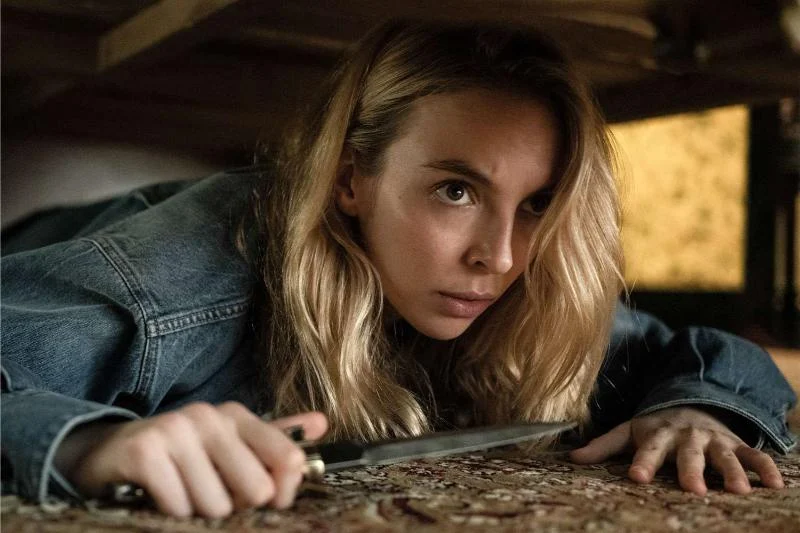
LGBTQ+ characters often meet tragic ends shortly after finding happiness or confirming a relationship. This pattern suggests that queer characters are expendable or exist solely to provide emotional leverage for the heterosexual protagonist. Viewers have noted this trend in shows like ‘The 100’ and ‘Killing Eve’ where lesbian characters are killed violently. It perpetuates the idea that same-sex relationships are destined for tragedy rather than longevity.
Women in Refrigerators

Female characters are frequently killed, maimed, or assaulted to motivate a male hero’s revenge quest. The term originated from a comic book where a hero finds his girlfriend murdered and stuffed into a refrigerator. This plot device treats women as disposable props rather than fully realized individuals with their own arcs. It reduces female trauma to a mere catalyst for male character development.
Born Sexy Yesterday
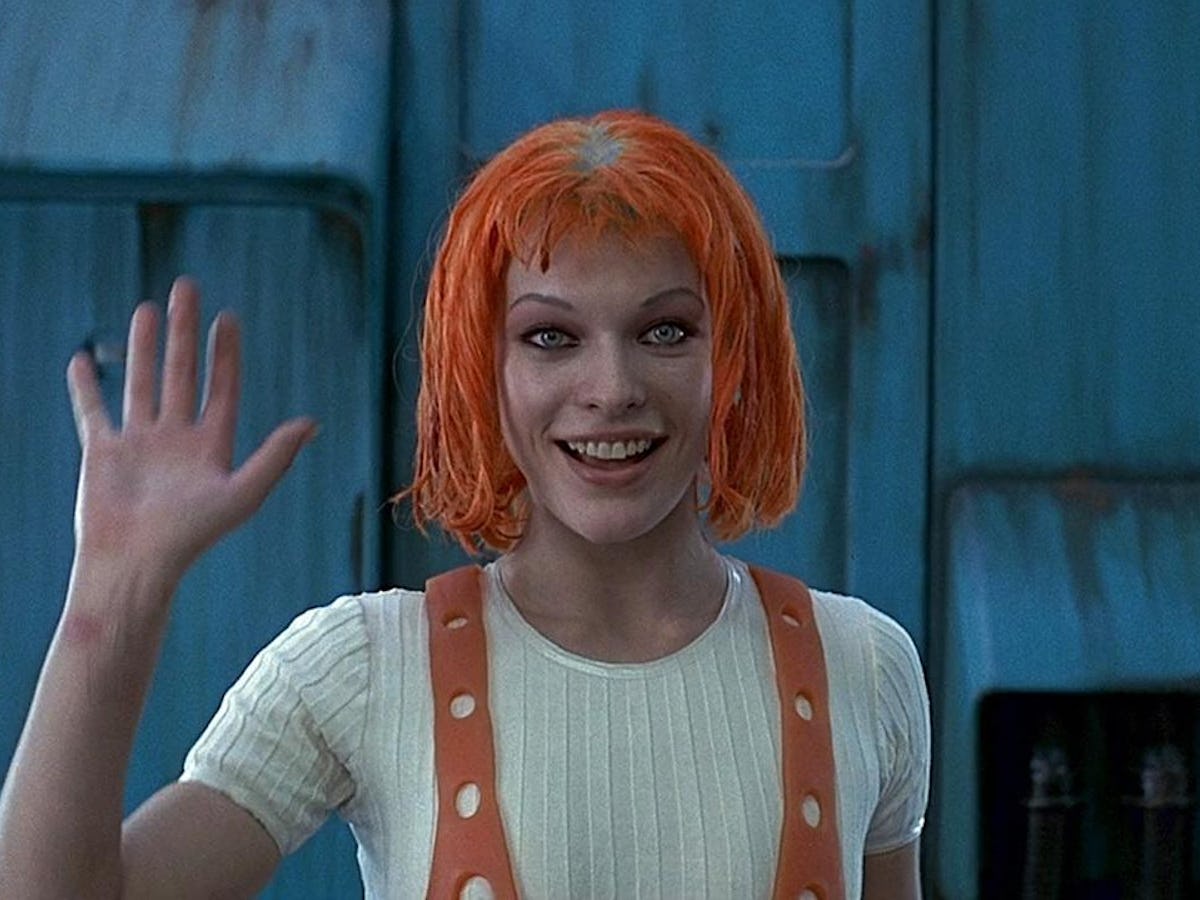
Male protagonists often encounter a naive female character who possesses the mind of a child but the body of a supermodel. She usually has immense power or alien origins but requires the average human man to explain the world to her. Movies like ‘The Fifth Element’ and ‘Tron: Legacy’ feature women who are highly competent yet socially infantile. This dynamic creates a power imbalance that frames inexperience and dependency as sexually desirable traits.
The Magical Negro
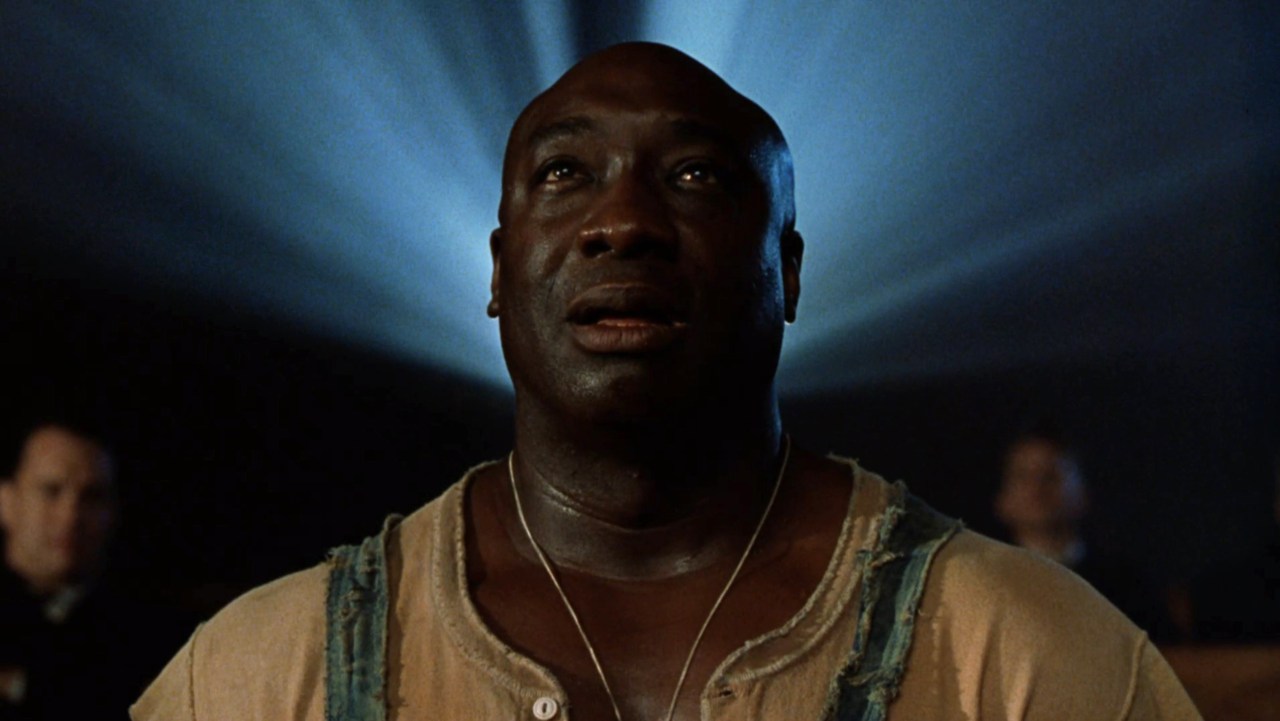
Black characters often appear solely to offer folk wisdom or mystical aid to a lost white protagonist. These figures usually lack their own internal lives or aspirations beyond assisting the main character. Films like ‘The Green Mile’ and ‘The Legend of Bagger Vance’ utilize this archetype to facilitate the spiritual redemption of white men. The trope limits black representation to a service role that exists strictly for the benefit of others.
The Manic Pixie Dream Girl

Eccentric female characters exist in many films to teach brooding male leads how to embrace life and mystery. These women are defined by their quirks and lack personal goals independent of the male protagonist’s emotional arc. ‘Garden State’ and ‘Elizabethtown’ are prime examples where the female love interest functions as a lifestyle accessory. The trope implies that women exist primarily to fix broken men through whimsy.
Queercoded Villains

Antagonists are often given effeminate traits or flamboyant mannerisms to signal their immorality or deviance. This practice associates non-normative gender expression and sexuality with evil and untrustworthiness. Disney classics like ‘The Lion King’ and ‘Aladdin’ feature villains who exhibit these coded behaviors while the heroes remain traditionally masculine. It subtly conditions audiences to view queer characteristics as inherently sinister or wrong.
The Funny Fat Friend
:max_bytes(150000):strip_icc()/Rebel-Wilson-Pitch-Perfect-021623-55ab4fcae61040f3b5e47f6e034a01e3.jpg)
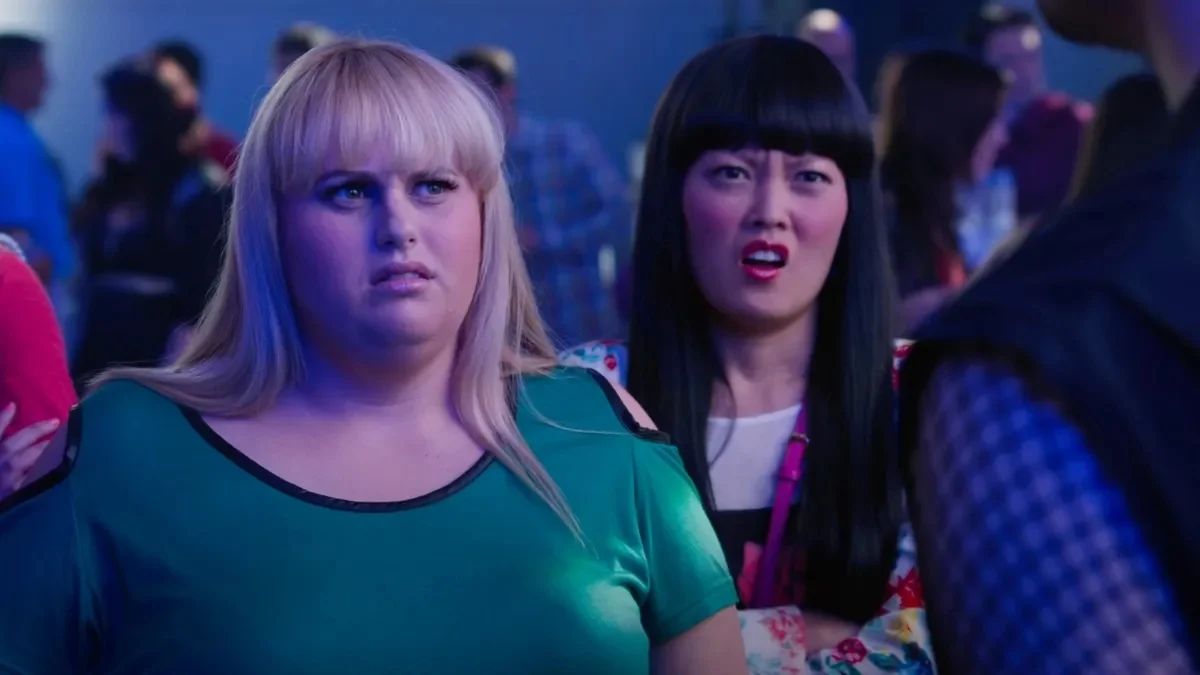
Plus-sized actors are frequently cast as the comedic sidekick who supports the attractive and thin protagonist. Their weight often serves as the primary source of humor through self-deprecation or physical comedy. Movies like ‘Pitch Perfect’ utilize characters like Fat Amy to provide comic relief while the main romance is reserved for thinner actors. This relegates larger bodies to the sidelines and suggests they are unworthy of serious storylines or love.
Hollywood Autism
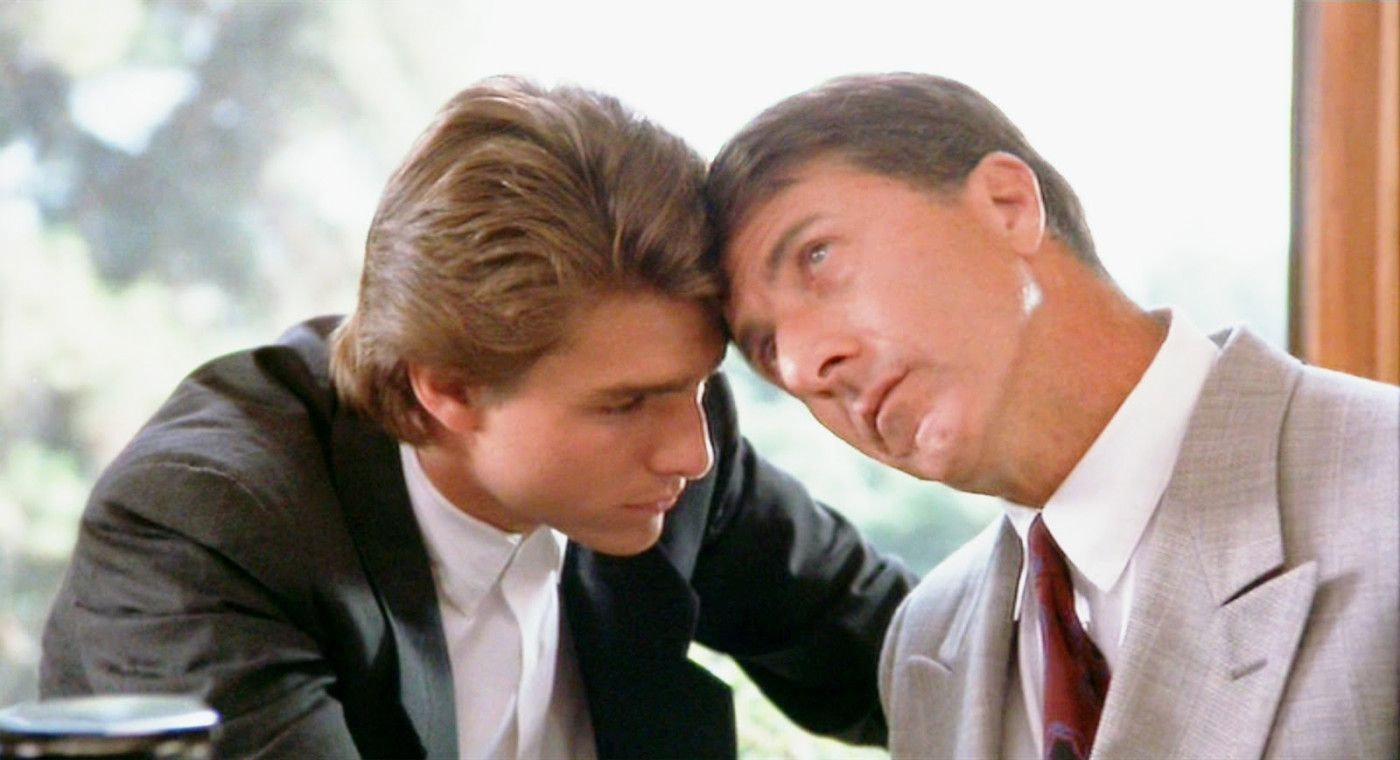
Characters with autism are routinely depicted as emotionless savants who possess a singular genius skill. This portrayal ignores the diverse spectrum of the condition and reduces individuals to a superpowered plot device. Films like ‘Rain Man’ and ‘The Accountant’ focus heavily on the extraordinary abilities rather than the daily realities of neurodivergent people. It creates unrealistic expectations and misconceptions about how autism presents in real life.
Stalking Is Love
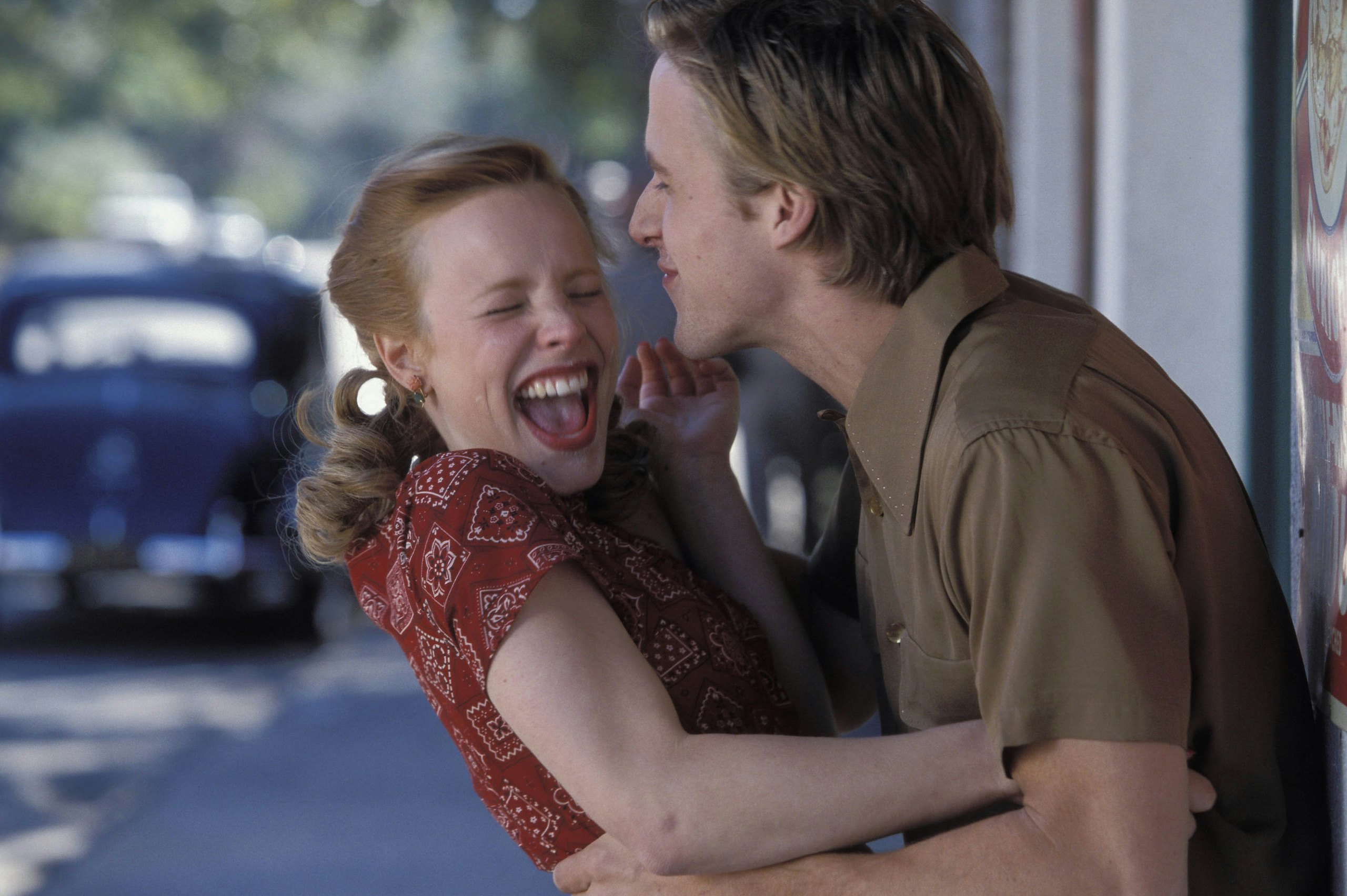
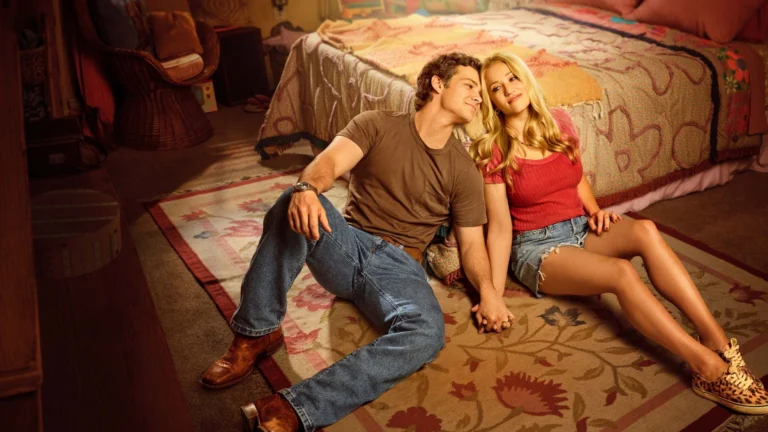
Romantic comedies and dramas often frame persistent boundary-crossing as a grand romantic gesture. Male suitors who refuse to take no for an answer are rewarded with the woman’s affection by the end of the film. ‘The Notebook’ and ‘Twilight’ romanticize behavior that would be considered terrifying and illegal in the real world. This trope normalizes harassment and undermines the importance of consent in relationships.
The Angry Black Woman

Black female characters are frequently stereotyped as aggressive, loud, and illogical in their interactions. This caricature dismisses their valid frustrations and paints them as inherently hostile or difficult to work with. Reality television and scripted dramas often rely on this one-dimensional portrayal to manufacture conflict. It delegitimizes the emotions of Black women and contributes to negative real-world bias.
The Disposable Sex Worker
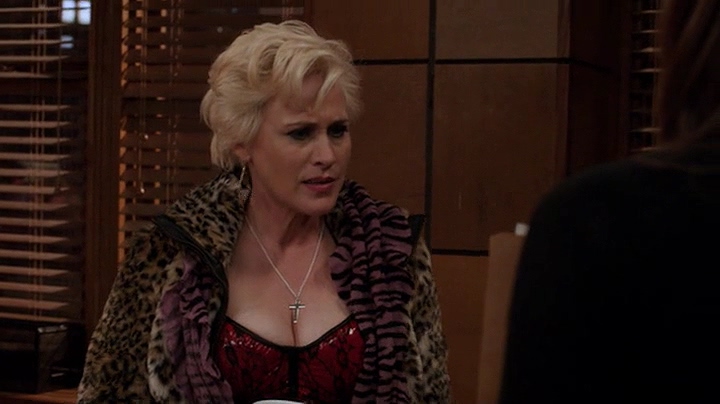
Sex workers often appear in crime dramas solely as murder victims to demonstrate the villain’s cruelty or the city’s grit. These characters are rarely given names or backstories before their bodies appear on an autopsy table. Shows like ‘CSI’ and ‘Law & Order’ have used this device countless times to kickstart investigations. The trope dehumanizes sex workers and suggests their lives are less valuable than others.
Rape as Backstory

Writers often use sexual violence as a shorthand to explain a female character’s toughness or emotional guardedness. This trauma is treated as a necessary ingredient for a woman to become strong or competent. ‘Game of Thrones’ faced backlash for using sexual assault as a developmental tool for major female players. It suggests that women must endure violation to evolve into powerful figures.
The Asian Nerd
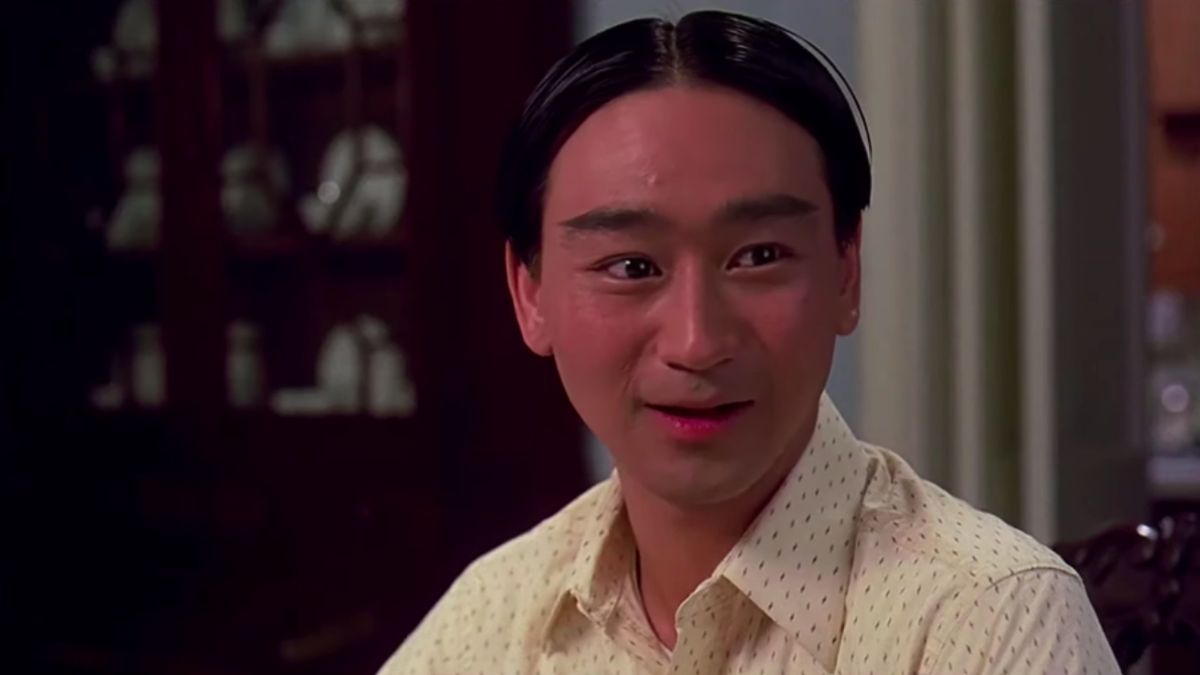
Asian characters are frequently pigeonholed into roles that emphasize academic prowess and social awkwardness. This stereotype strips them of sexual agency and reinforces the model minority myth. Films like ‘Sixteen Candles’ and ‘Spider-Man: Homecoming’ rely on these caricatures for easy laughs or background texture. It limits the scope of Asian representation to a narrow and often emasculating set of traits.
Age Gaps in Casting

Leading men are regularly paired with love interests who are decades younger than them. This casting practice reinforces the double standard that men age like wine while women have an expiration date. Films featuring actors like Tom Cruise or Liam Neeson often cast women in their twenties or thirties as romantic peers. It distorts audience perception of age-appropriate relationships and limits opportunities for older actresses.
Please share your thoughts on which Hollywood tropes you find most frustrating in the comments.