20 Movies That Were Edited to Death to Avoid an NC-17

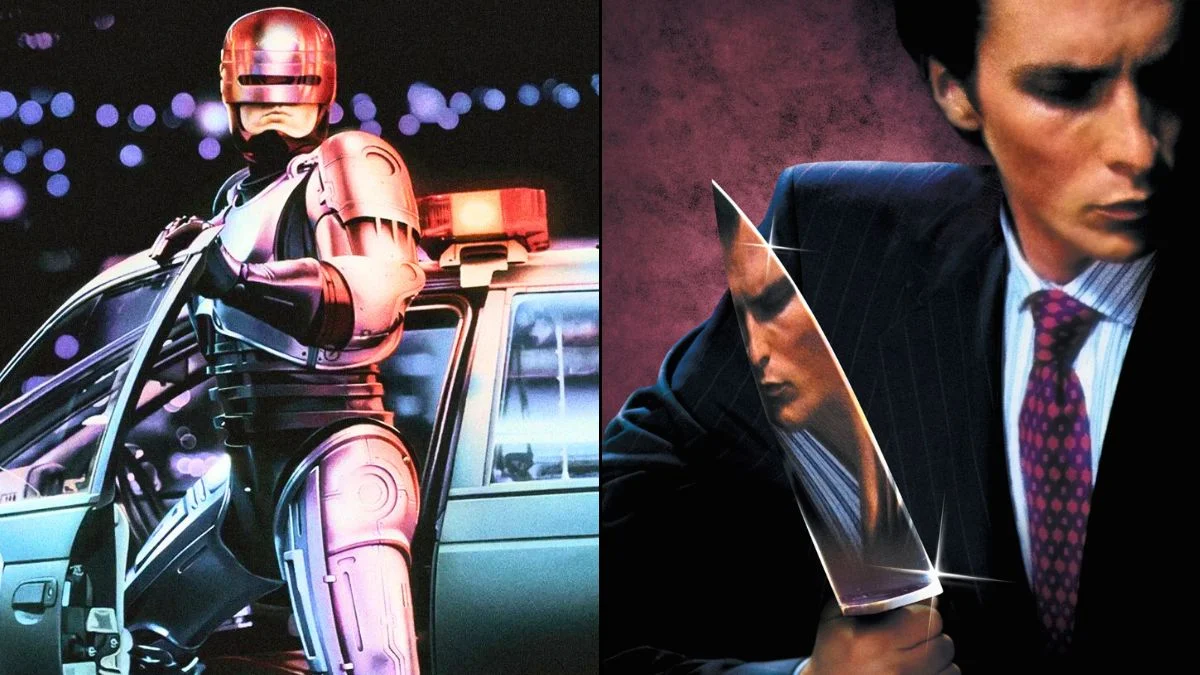

The Motion Picture Association often forces filmmakers to alter their creative vision to secure a commercially viable R rating. Studios fear the NC-17 label because many theater chains refuse to screen such films and advertising options become limited. Directors frequently must trim frames of violence or obscure sexual content to meet these strict standards. This list explores twenty famous productions that underwent significant editing to avoid the dreaded box office killer.
‘RoboCop’ (1987)
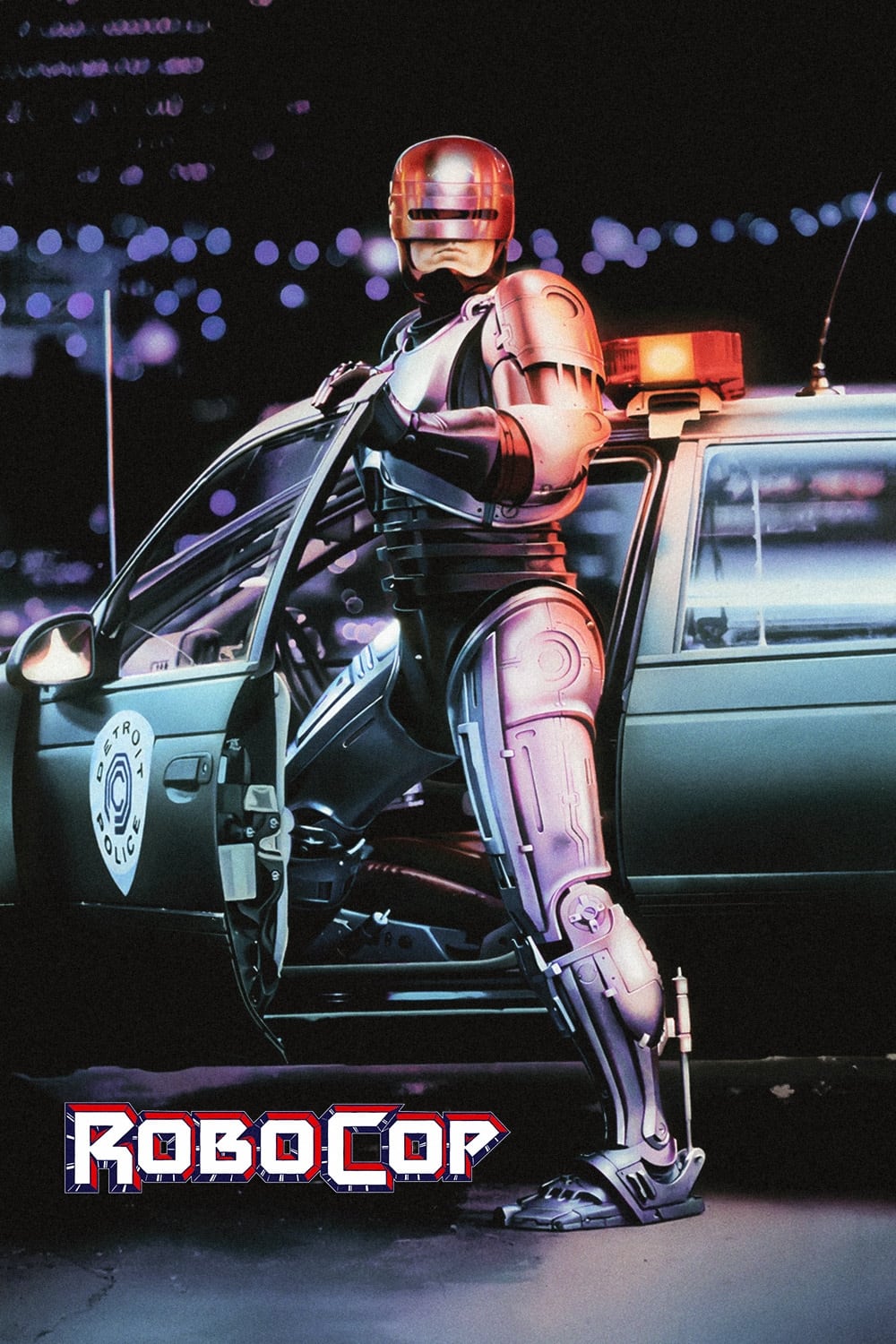
Paul Verhoeven submitted this sci-fi satire to the MPAA multiple times before finally achieving an R rating. The original cut featured a much more brutal execution of the protagonist Alex Murphy by Boddicker and his gang. Excessive gore was also removed from the scene where ED-209 malfunctions and kills a board member during a meeting. The final theatrical version significantly reduced the blood spray and duration of these violent sequences.
‘Eyes Wide Shut’ (1999)

Stanley Kubrick delivered his final film to Warner Bros shortly before his death but the studio feared an NC-17 rating for the theatrical release. Digital artists were hired to insert computer-generated figures into the orgy sequence to obscure explicit sexual activity. This controversial alteration allowed the film to play in mainstream theaters without restricting the audience further. The unedited version of ‘Eyes Wide Shut’ was later released on home media to show the scene as originally intended.
‘American Psycho’ (2000)

Director Mary Harron fought with the ratings board over the tone and violence of this satirical thriller. The primary point of contention was a threesome scene involving the main character Patrick Bateman and two women. Harron had to cut specific shots and reduce the duration of the encounter to satisfy the examiners. The board focused less on the chainsaw violence and more on the sexual gratification depicted in that sequence.
‘Scream’ (1996)
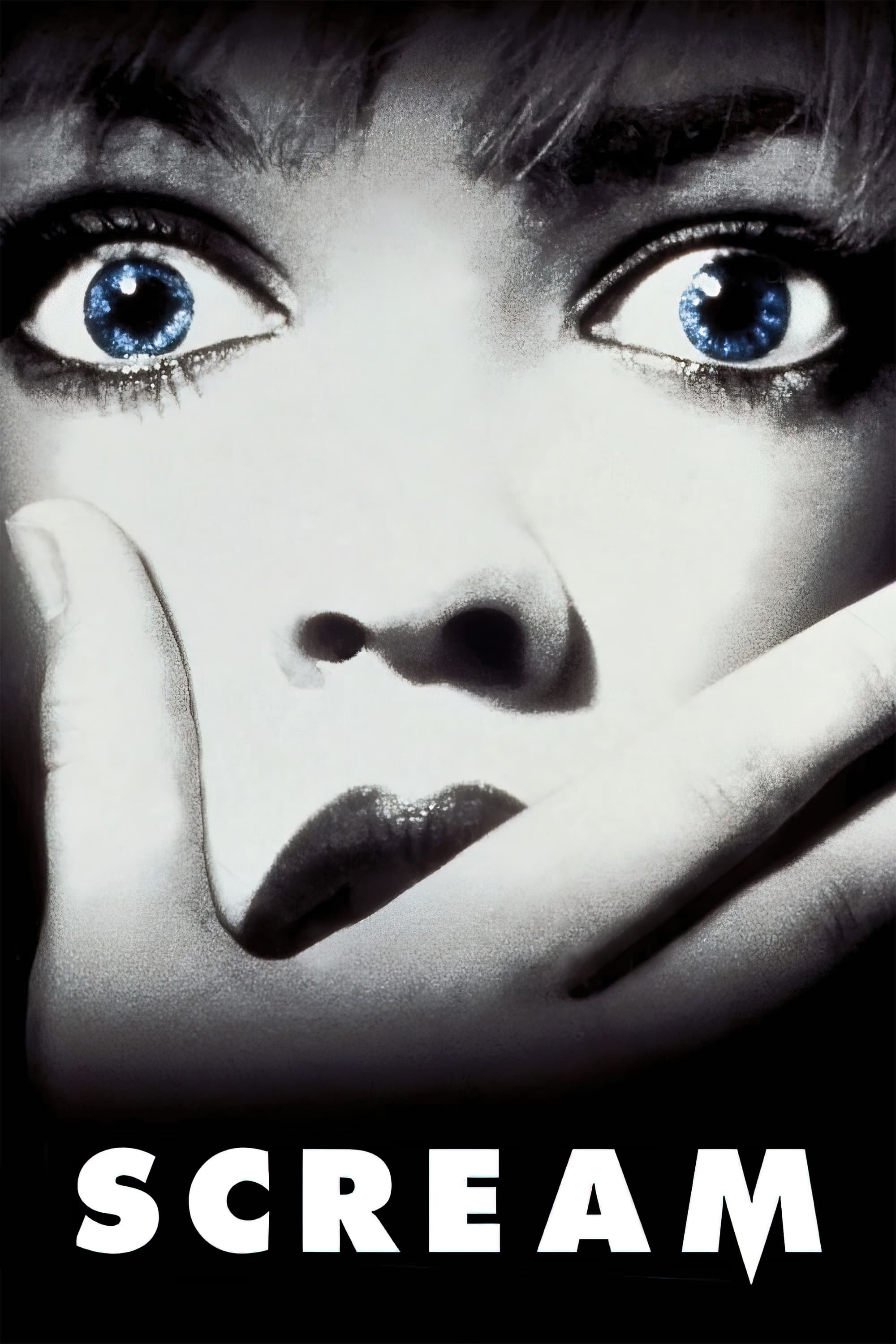
Wes Craven had to submit this slasher film to the MPAA eight times to avoid an NC-17 rating. The director was forced to cut shots of internal organs during the opening sequence and reduce the amount of blood in the finale. He notably convinced the board that ‘Scream’ was a satire to finally secure the desired classification. These edits helped the movie reach a massive teenage audience that would have otherwise been excluded.
‘Natural Born Killers’ (1994)
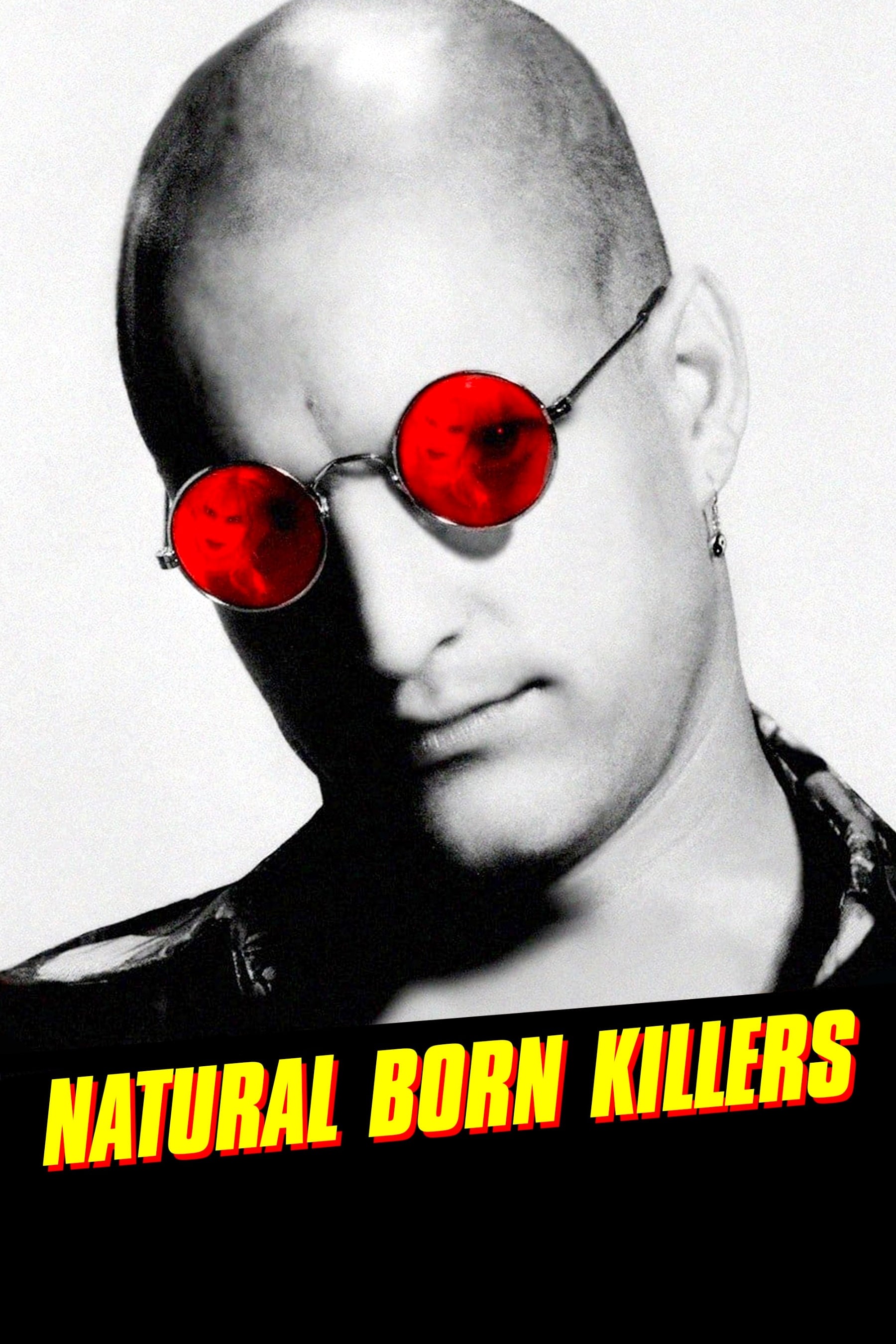
Oliver Stone designed this film as a chaotic critique of media violence but the ratings board found the initial cut too intense. The prison riot sequence required extensive trimming to remove shots of brutal stabbing and immolation. Stone also had to cut down the scene where the character Mallory Knox kills a gas station attendant. The director eventually released a director’s cut that restored over three minutes of violent footage.
‘Team America: World Police’ (2004)
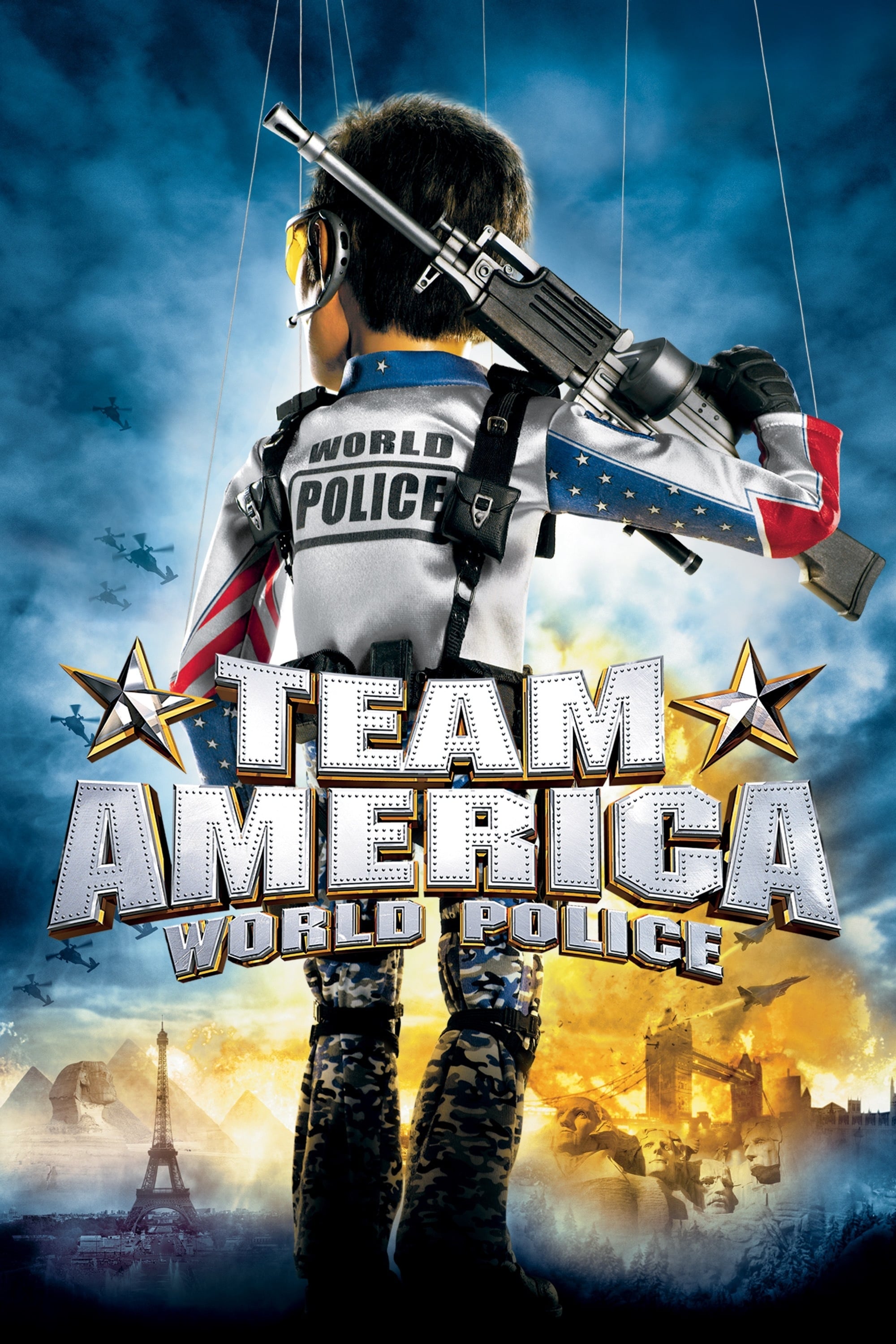
Trey Parker and Matt Stone encountered significant resistance regarding the explicit puppet sex scene in this political satire. The duo submitted the film repeatedly and the board demanded frame-by-frame reductions of the sexual content. They eventually replaced the most graphic shots with slightly less explicit angles to secure the R rating. The filmmakers later expressed frustration that the puppet violence was ignored while the sexual humor was heavily scrutinized.
‘South Park: Bigger, Longer & Uncut’ (1999)
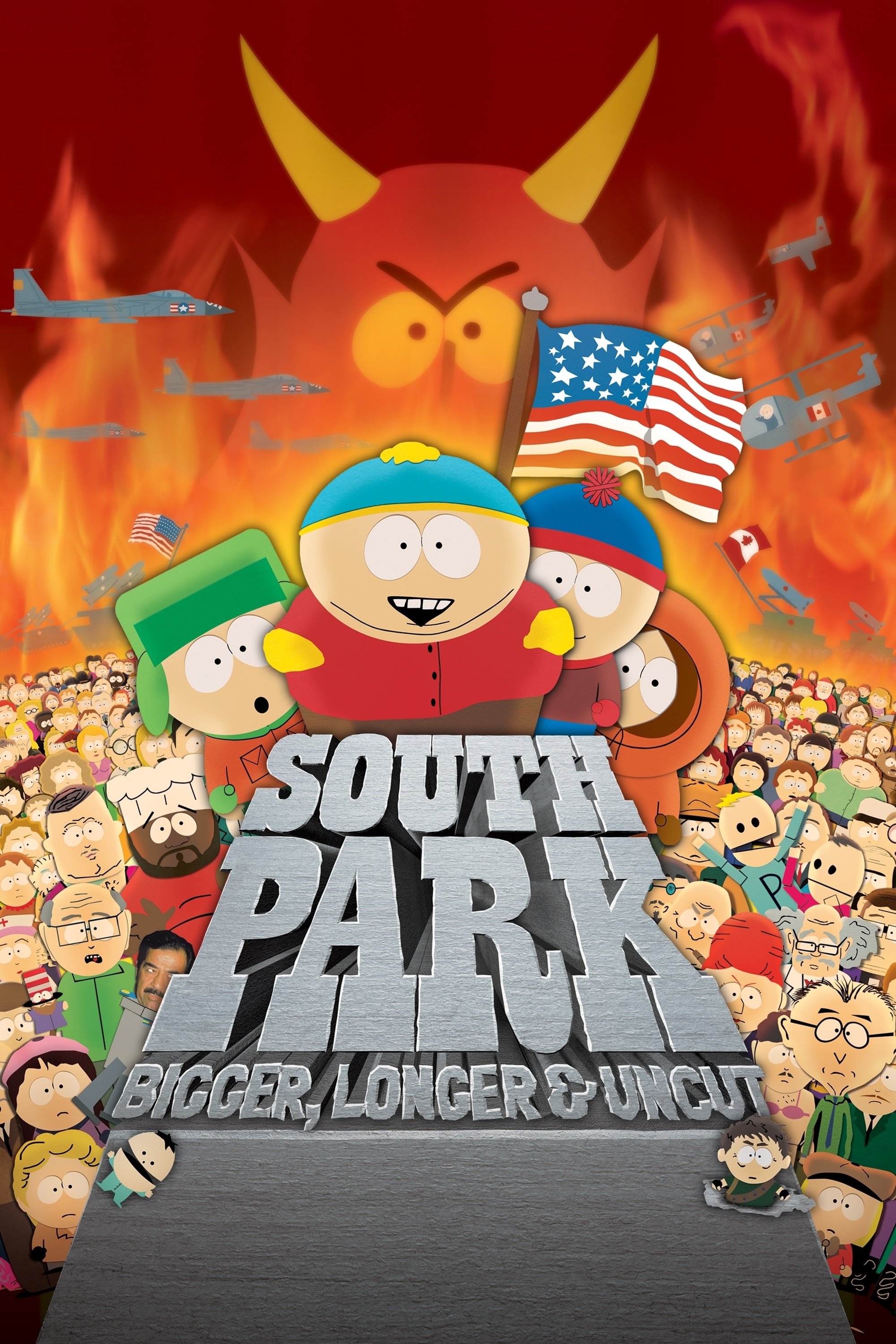
This animated musical holds the record for the most submissions to the MPAA by the same filmmaking team. The board took issue with the nonstop profanity and specific depictions of Saddam Hussein in hell. Paramount executives constantly pressured the creators to make alterations to ensure the film could be shown in theaters. The final version barely scraped by with an R rating after weeks of negotiation.
‘Basic Instinct’ (1992)
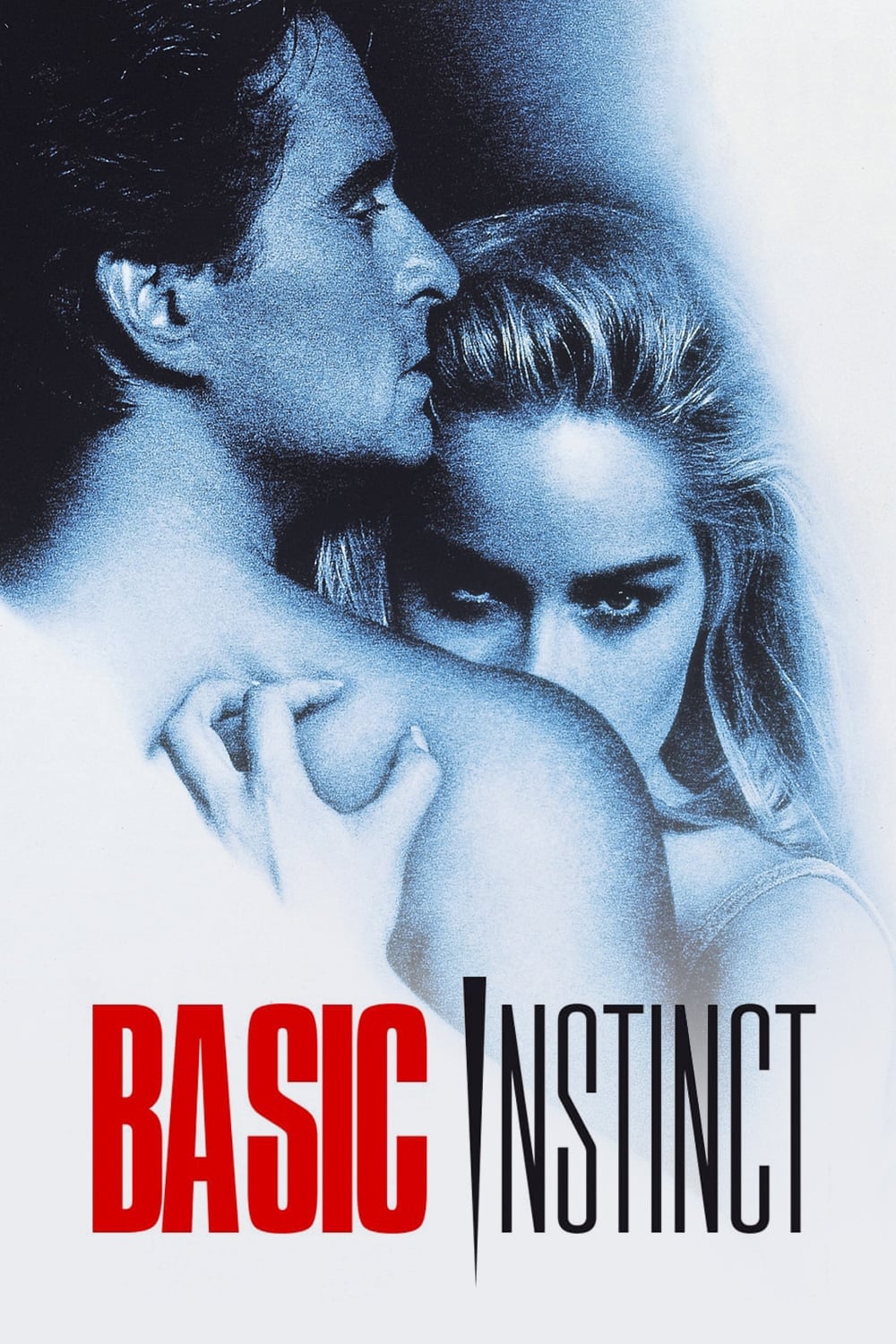
Paul Verhoeven engaged in a long battle with the ratings board over the sexual content in this erotic thriller. The director made numerous small cuts to the bedroom scenes to reduce their explicitness and duration. Controversy surrounded the famous interrogation scene which required careful editing to remain in the theatrical cut. The film helped redefine what was acceptable in mainstream cinema despite the heavy censorship it endured.
‘Kill Bill: Vol. 1’ (2003)
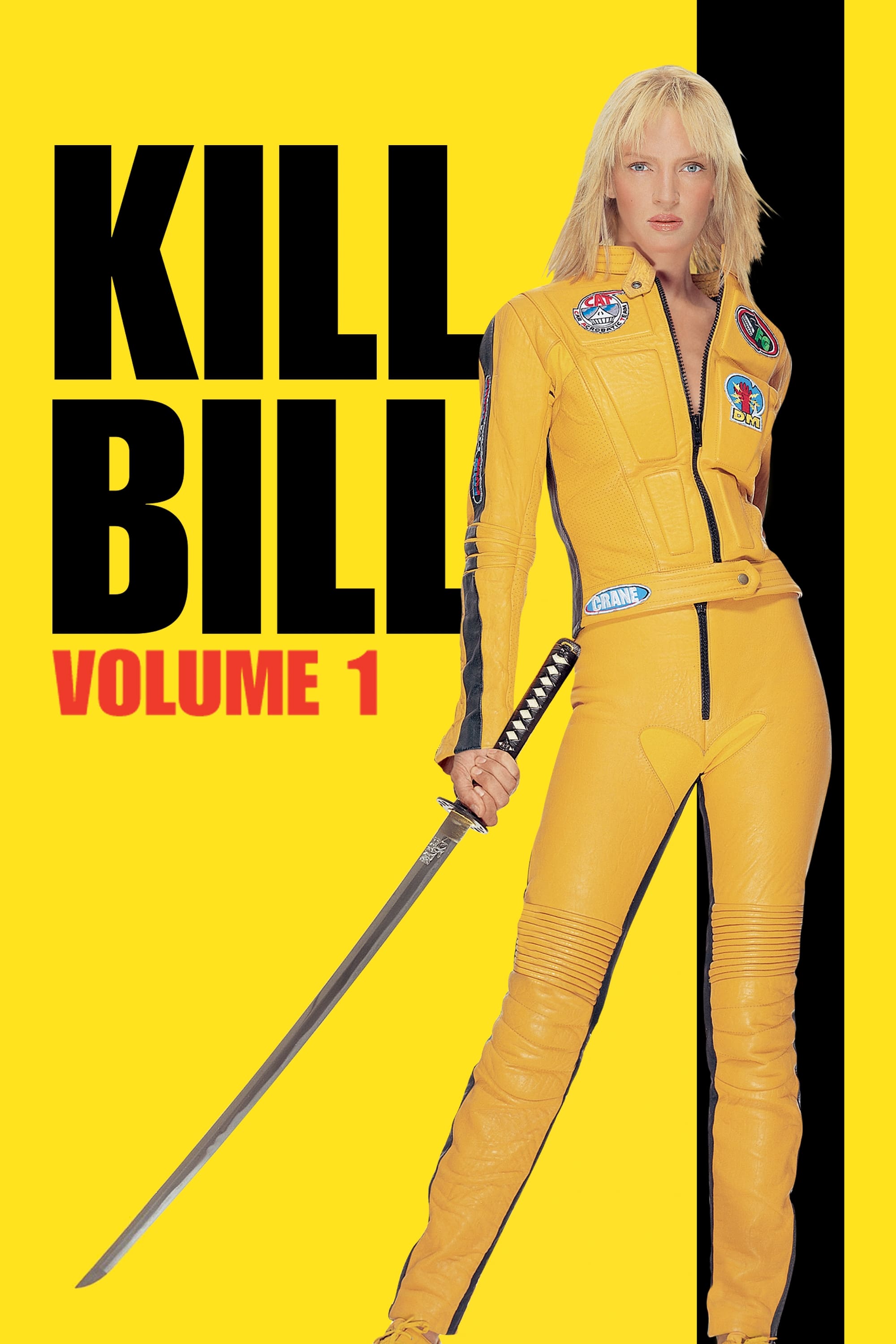
Quentin Tarantino utilized a creative stylistic choice to avoid an NC-17 rating for his martial arts epic. The showdown between The Bride and the Crazy 88 at the House of Blue Leaves was originally filmed in color. The sheer volume of blood and dismemberment forced the director to switch the sequence to black and white for American audiences. This edit dampened the visual impact of the gore enough to satisfy the ratings administration.
‘The Wolf of Wall Street’ (2013)
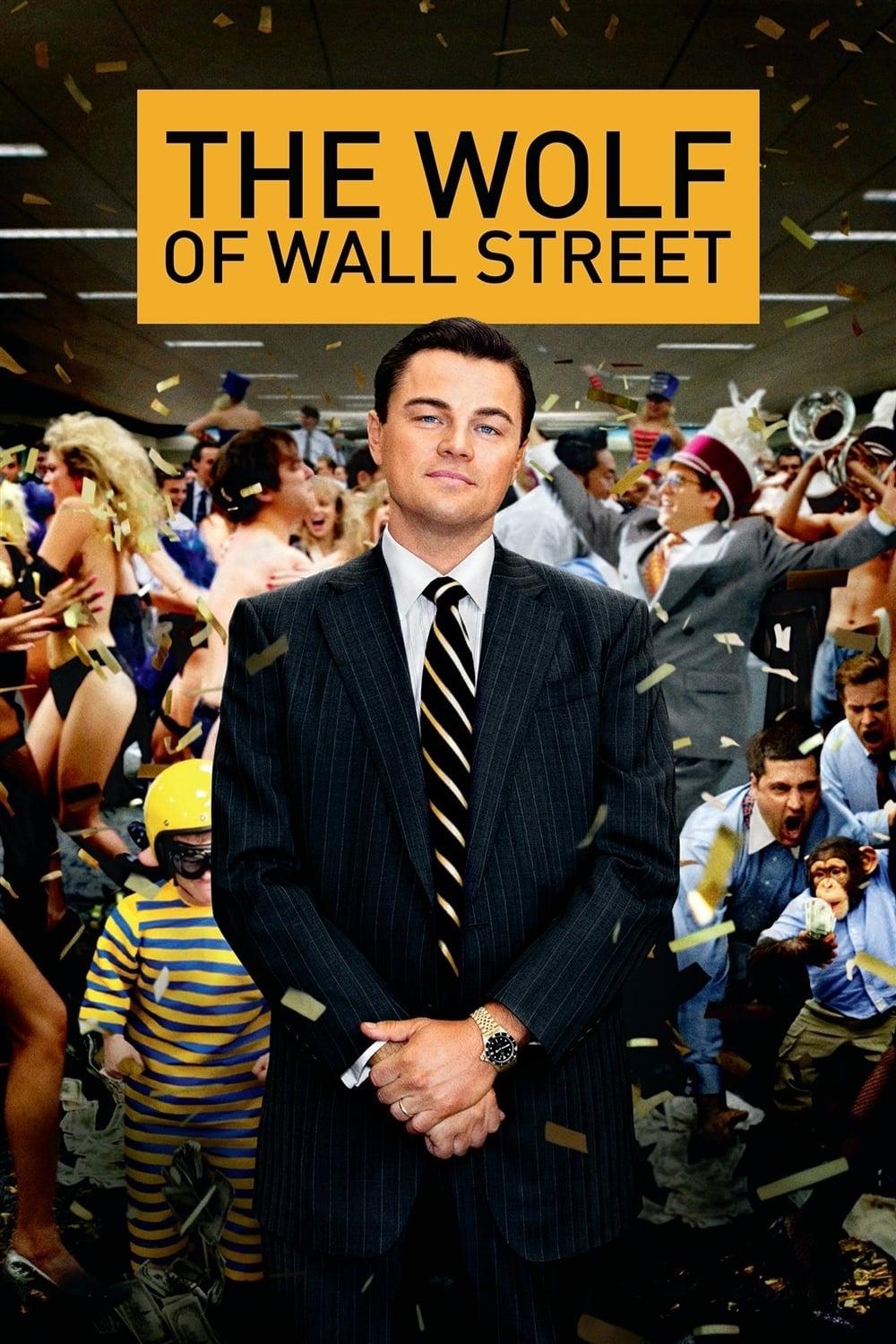
Martin Scorsese had to trim scenes depicting drug use and sexual activity to get this biographical black comedy into theaters. The original cut featured more explicit content during the office party sequences and the candle scene. The studio worked closely with the director to shave off mere seconds of footage to meet the requirements. ‘The Wolf of Wall Street’ still pushed the boundaries of the R rating upon its release.
‘Saw’ (2004)
James Wan faced difficulties with the MPAA due to the psychological intensity and gore of this low-budget horror film. The director had to speed up the frame rate during the razor wire maze scene to make the violence less discernible. Sound effects were also adjusted to reduce the visceral impact of bone crunching and tearing flesh. These technical edits allowed the film to launch a massive franchise despite its gruesome premise.
‘Hostel’ (2005)
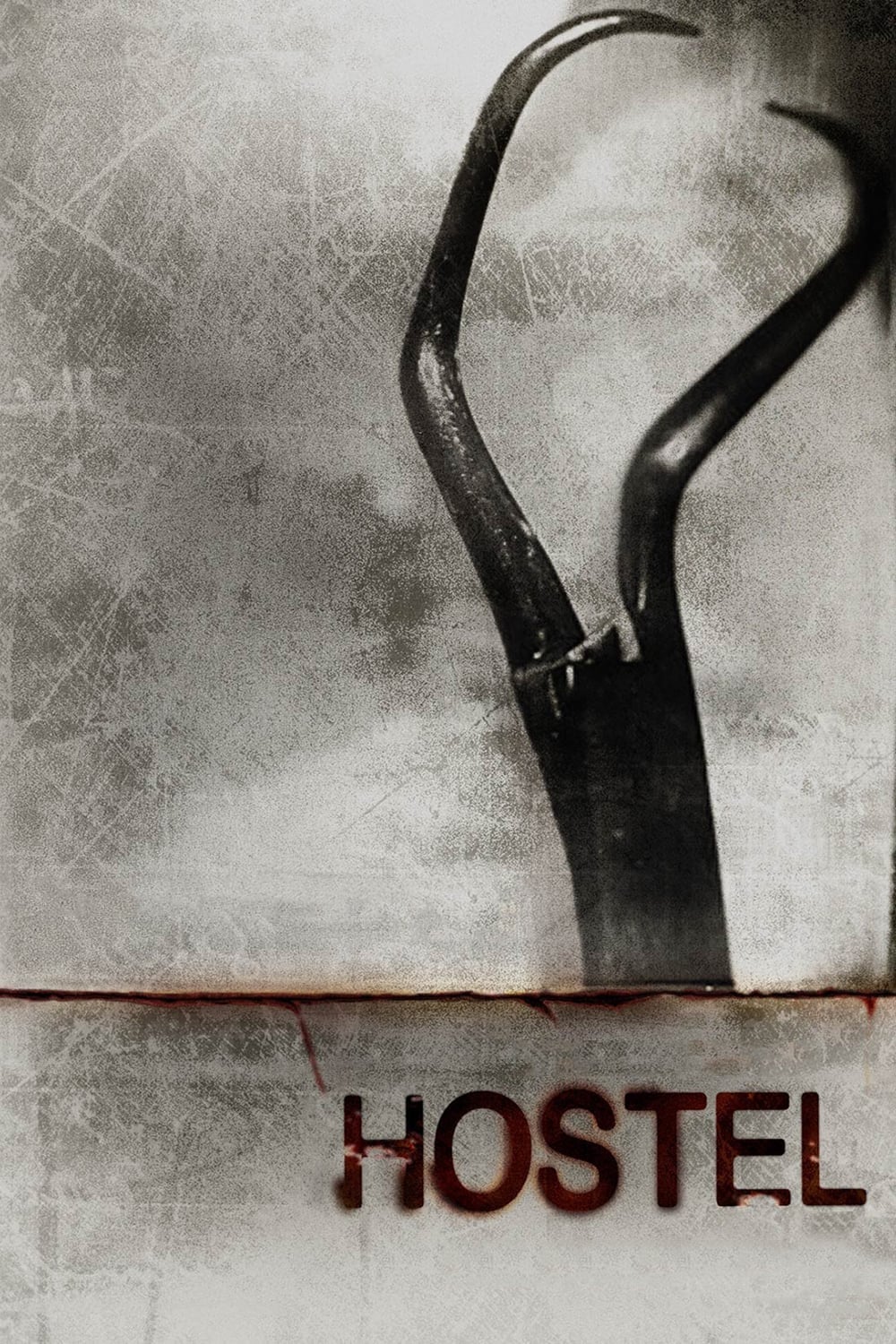
Eli Roth designed this film to be a disturbing entry in the torture porn subgenre and faced immediate pushback. The board demanded cuts to the scenes involving drills and the severing of an Achilles tendon. Roth trimmed the most graphic frames to suggest the violence rather than showing it in full detail. The unrated DVD release later restored these gruesome moments for horror fans.
‘Total Recall’ (1990)
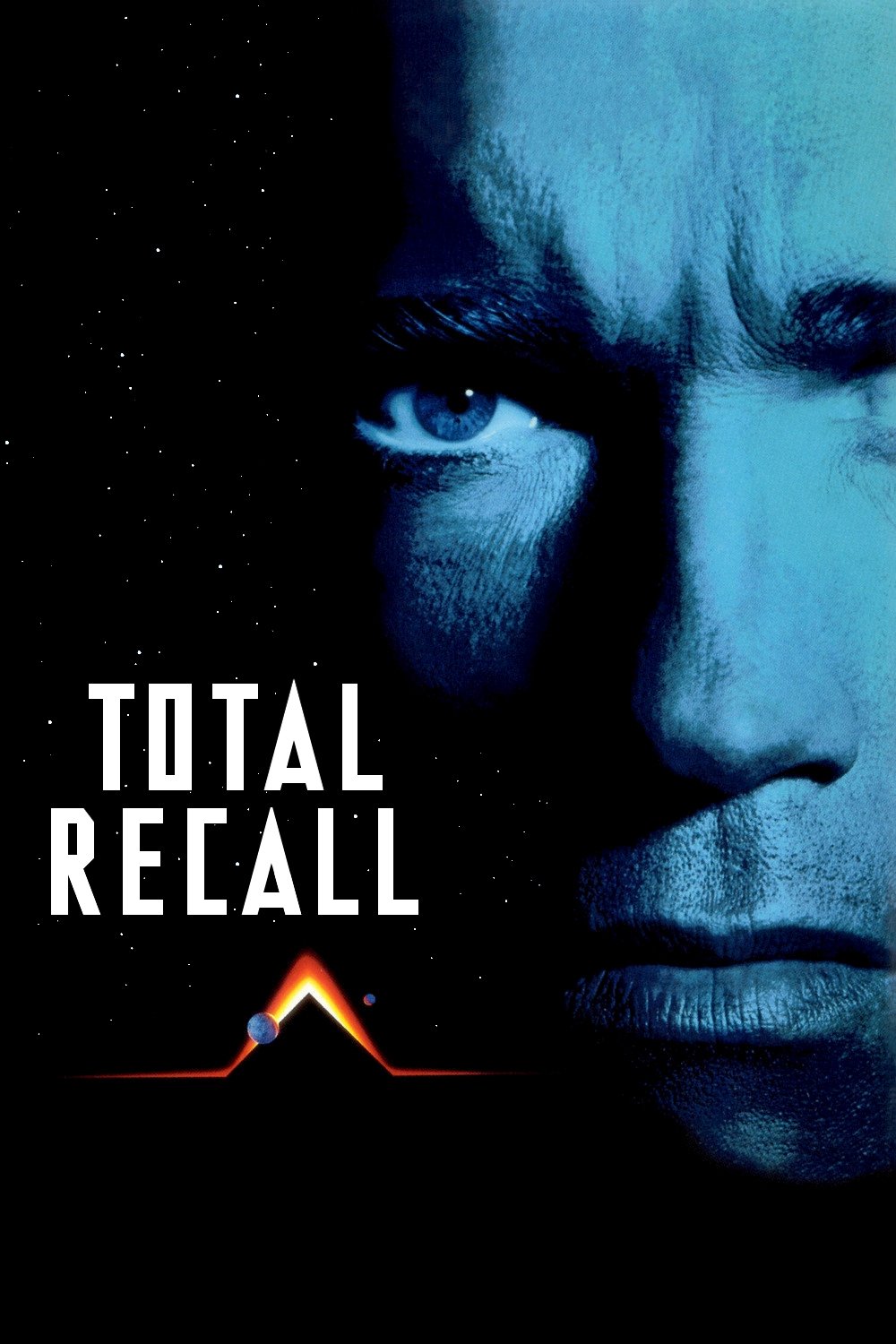
The original cut of this sci-fi action film received an X rating due to its over-the-top violence. Paul Verhoeven had to trim the scene where Arnold Schwarzenegger uses an innocent bystander as a human shield. The director also shortened the sequence involving the severance of arms during the elevator chase. These edits toned down the brutality while maintaining the high-energy pacing of the film.
‘Starship Troopers’ (1997)
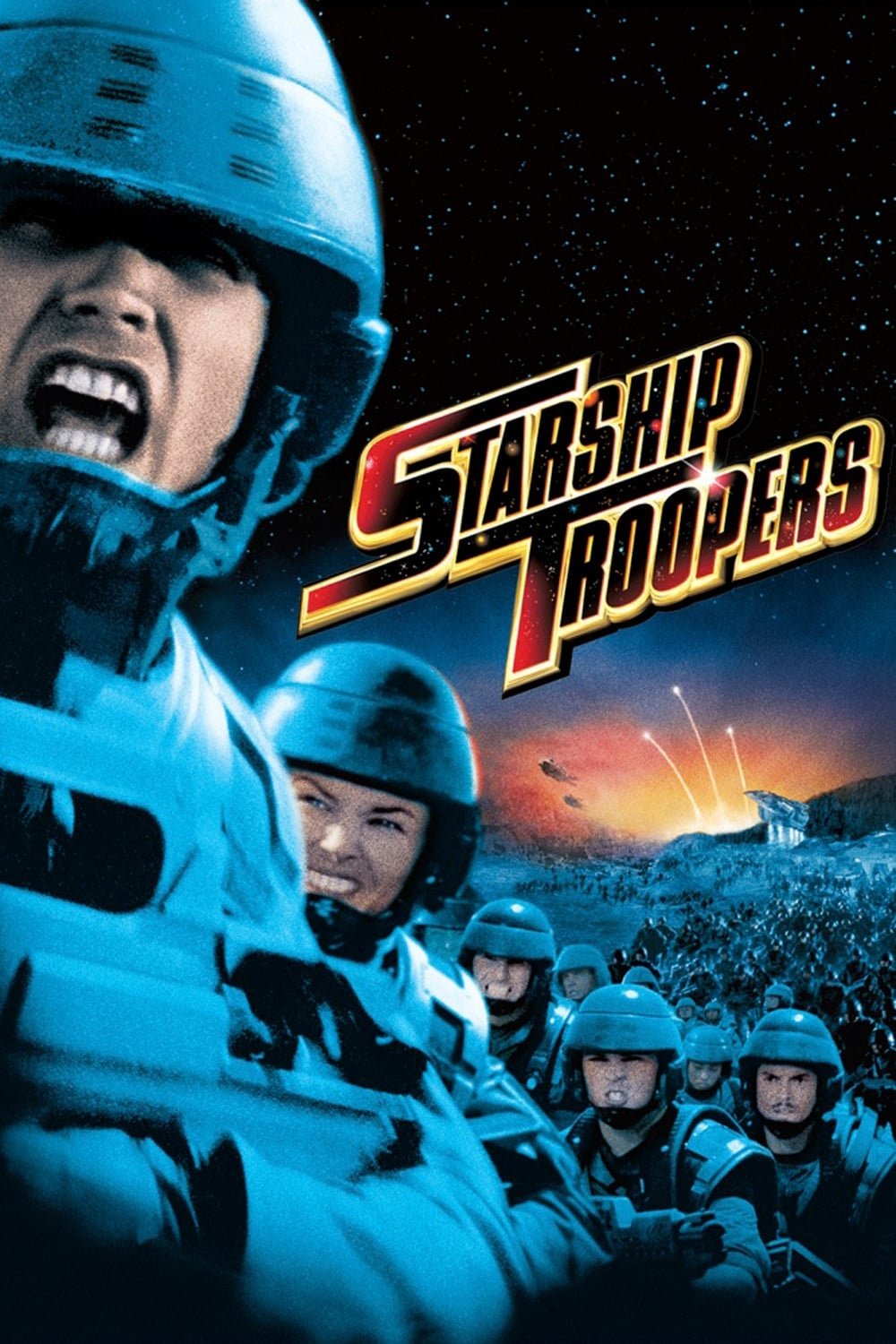
This satirical sci-fi film featured intense scenes of humans being dismembered by giant alien bugs. The ratings board required cuts to the scene where a character is sucked into the ground and ripped apart. Another sequence involving a cow being fed to a bug was also trimmed for the theatrical release. Verhoeven once again had to compromise his visual style to ensure commercial distribution.
‘Friday the 13th’ (1980)
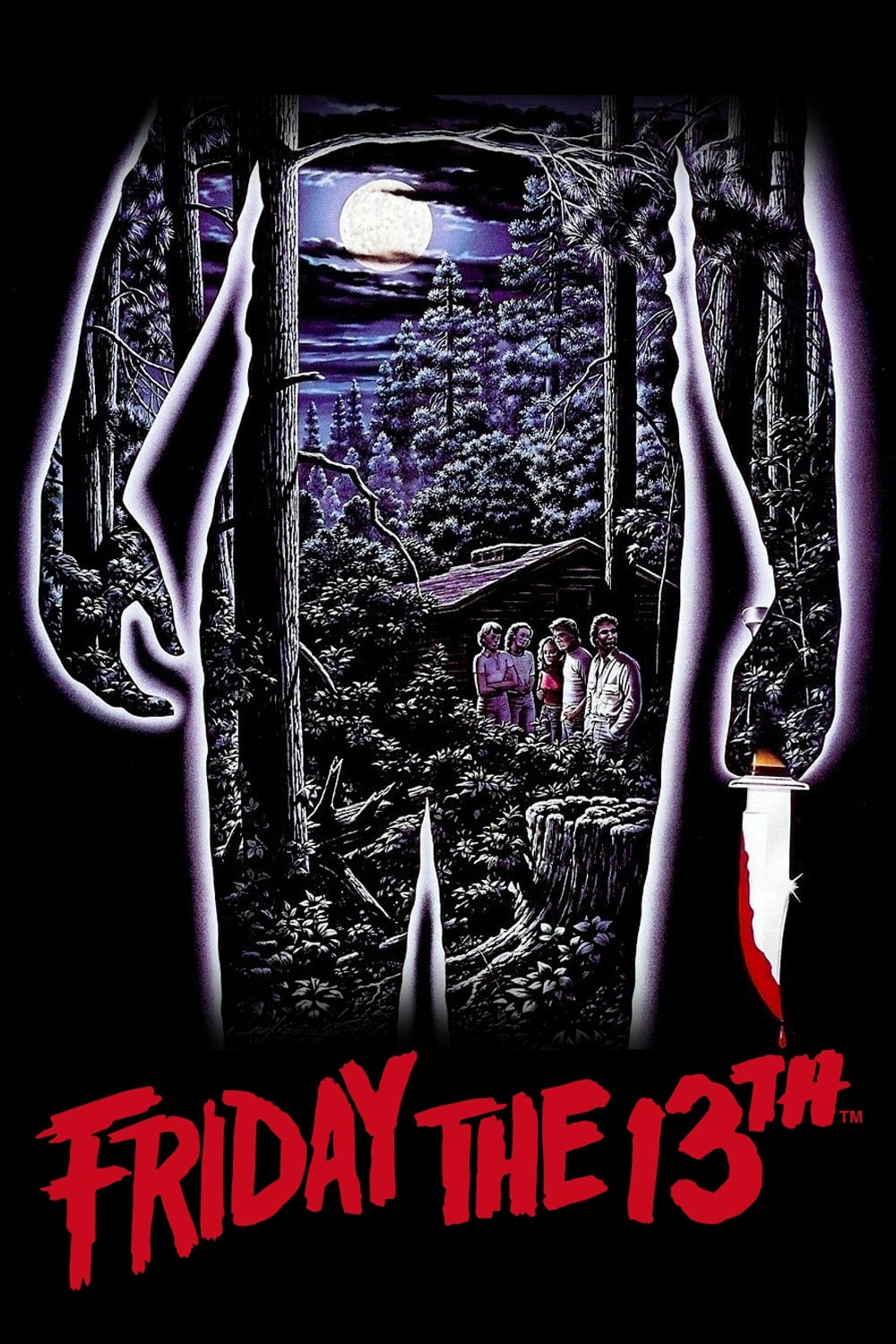
Tom Savini created makeup effects that were considered too realistic for the censors at the time. The death of Kevin Bacon’s character originally showed much more blood and a clearer view of the arrow penetration. Other kill scenes were significantly shortened to remove lingering shots of the gore. The theatrical version relies more on quick edits than the lingering special effects originally filmed.
‘Event Horizon’ (1997)
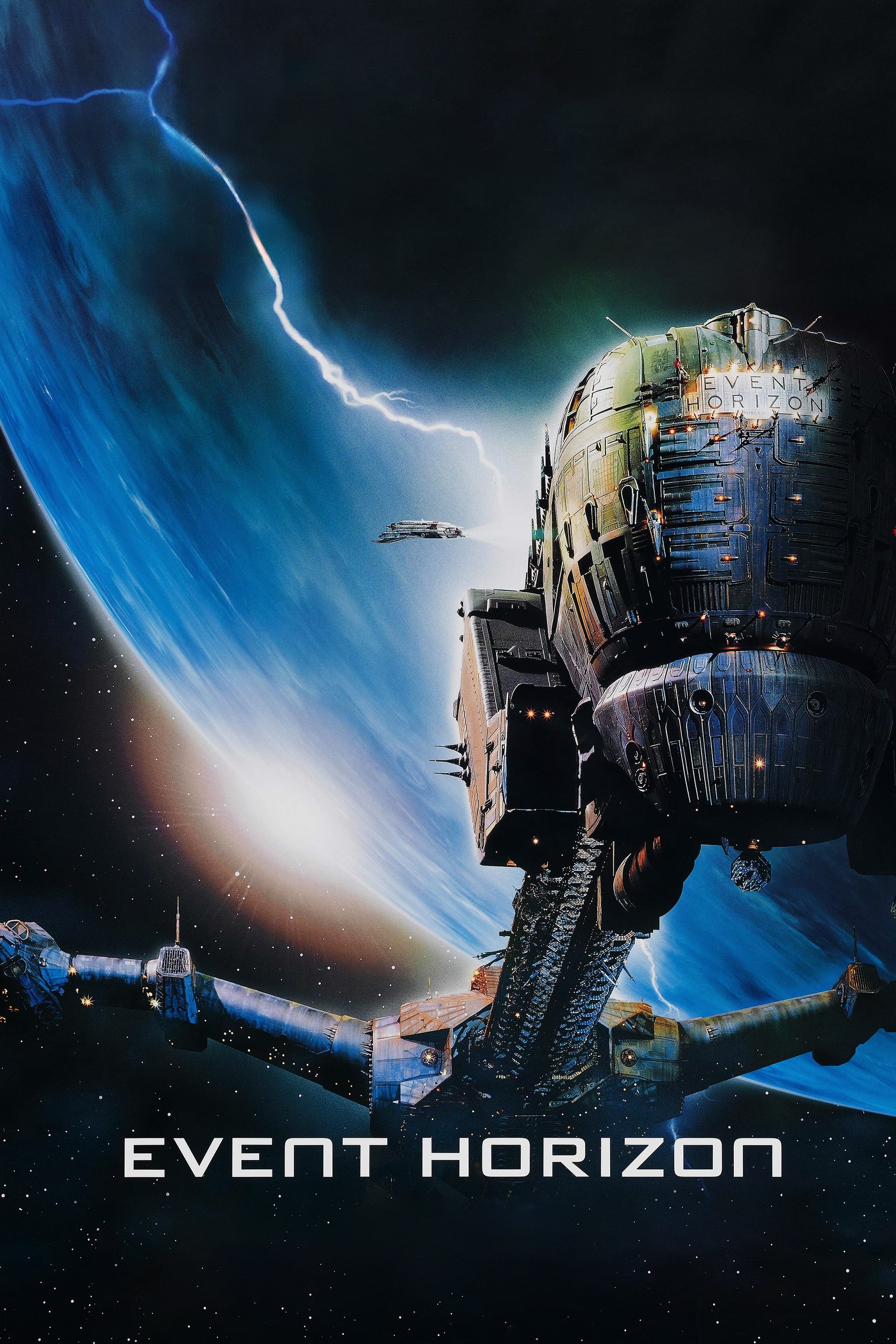
Paramount executives were horrified by the initial cut of this sci-fi horror film due to its disturbing imagery. The “blood orgy” video log from the lost ship originally contained much more graphic depictions of torture and cannibalism. Director Paul W.S. Anderson was forced to cut minutes of footage to get the rating down to an R. Much of this lost footage has never been recovered or restored.
‘Hard Target’ (1993)
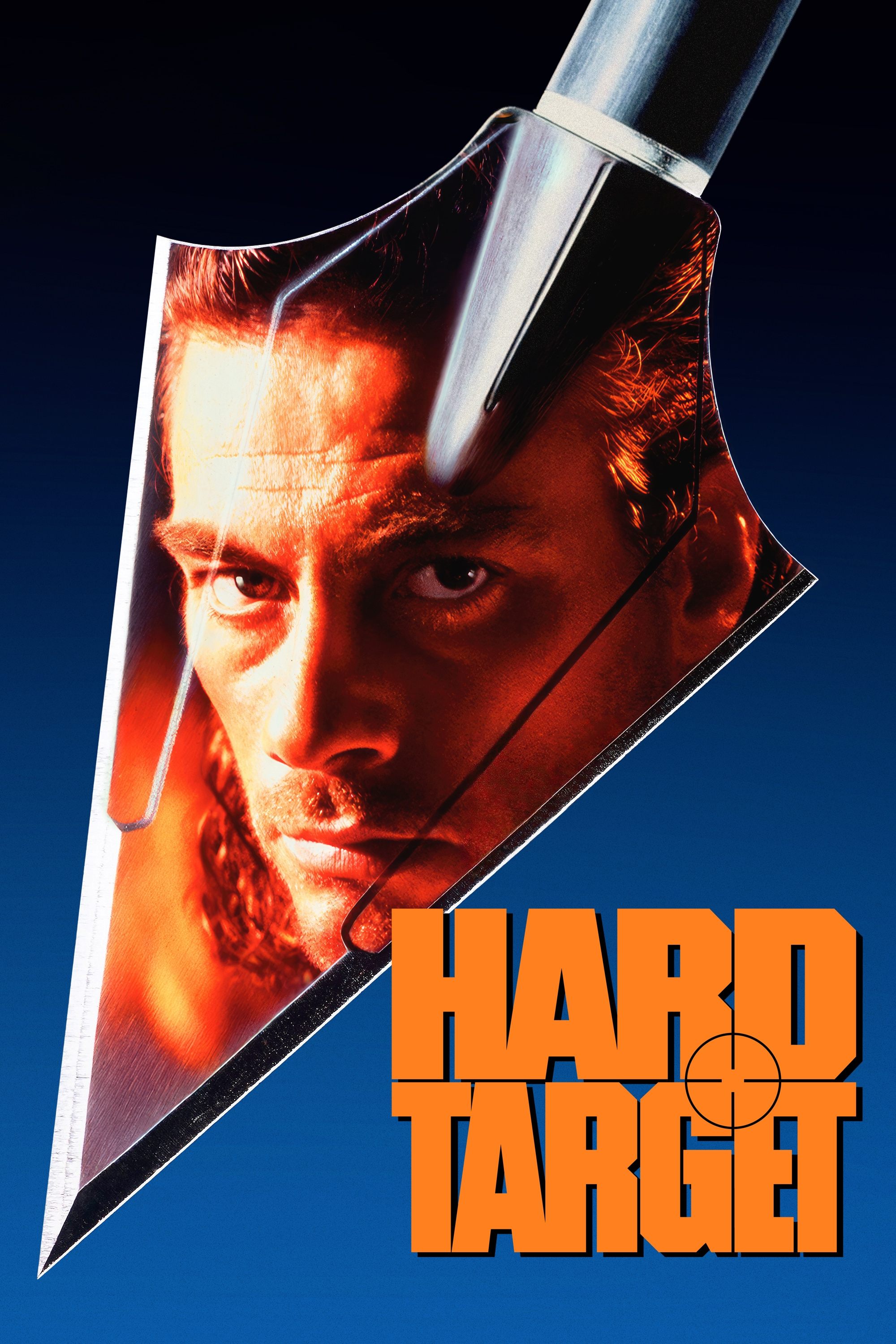
John Woo’s American directorial debut was initially deemed too violent for an R rating. The studio took control of the editing process to tone down the action sequences and gunplay. The ear-cutting scene was a major point of contention and was heavily reduced in the final version. Woo eventually released a workprint version that showcased his original chaotic vision.
‘King of New York’ (1990)
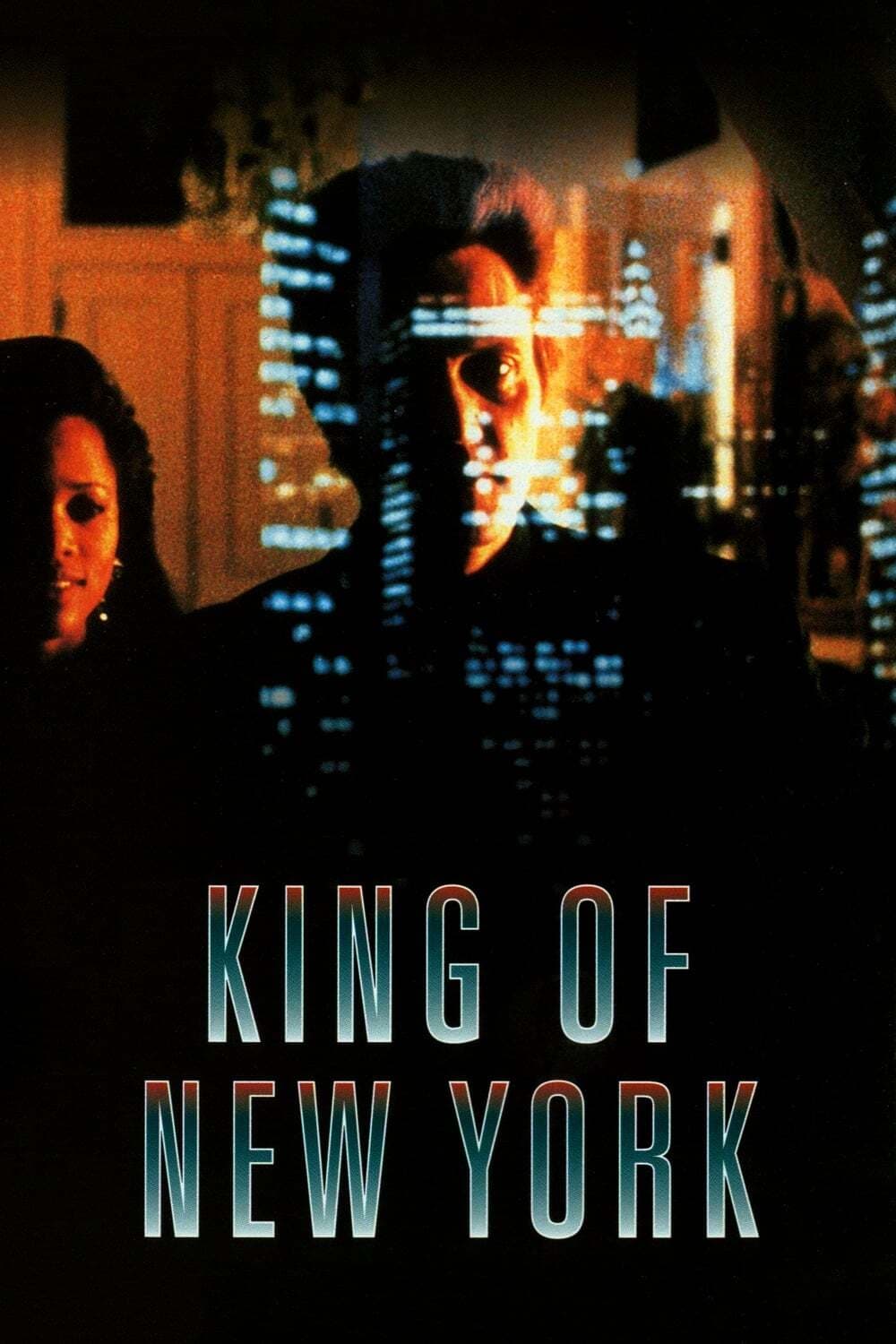
Abel Ferrara’s crime thriller faced the threat of an X rating due to its gritty violence and drug content. The director had to cut frames from the opening shooting and other gangland execution scenes. The ratings board specifically targeted the realistic nature of the bloodshed in the film. These cuts were made reluctantly to ensure the movie could be booked in standard theaters.
‘True Romance’ (1993)
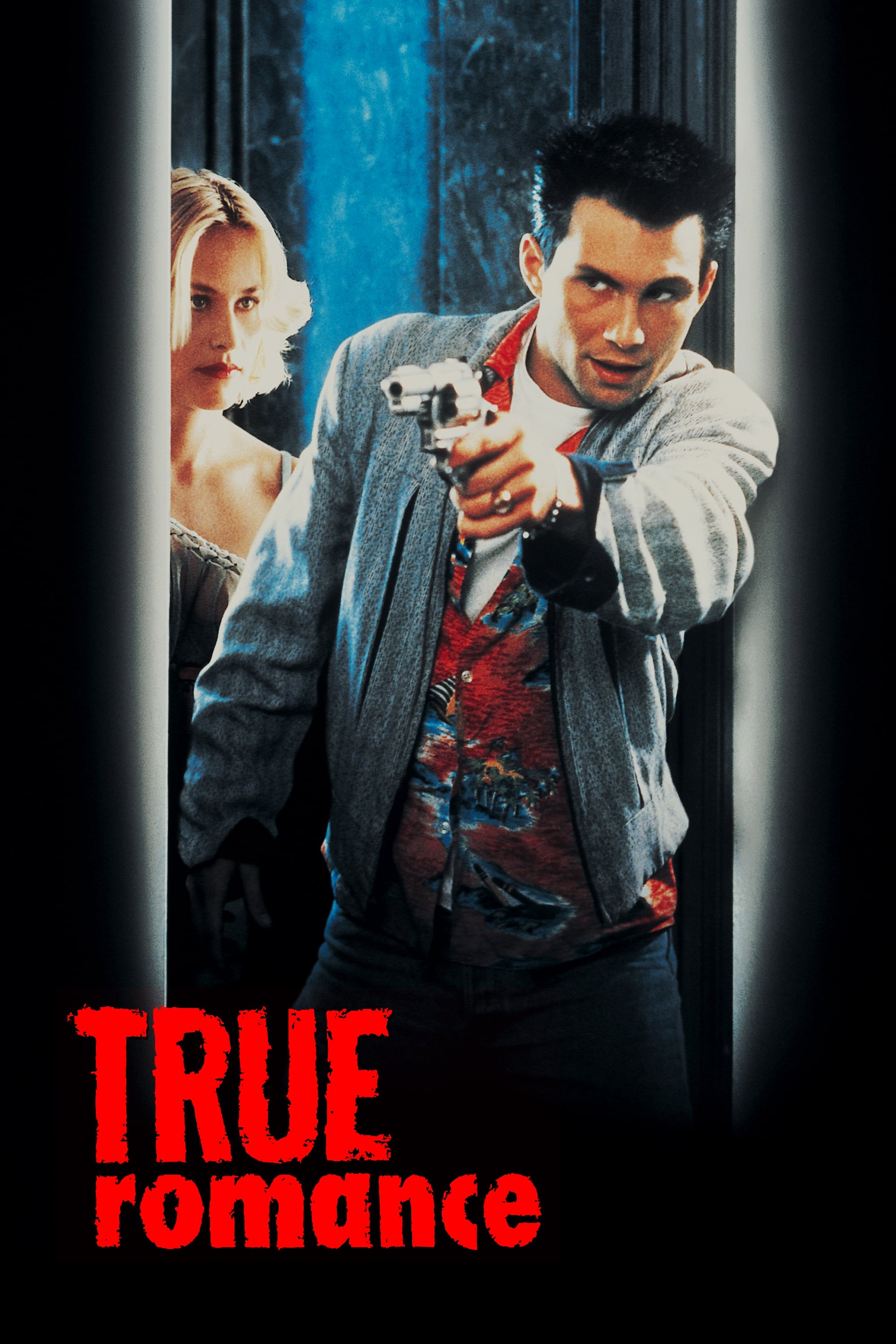
The violent motel fight between Alabama and Virgil was the primary issue for the ratings board. Director Tony Scott had to remove several shots of the character being beaten to secure an R rating. The scene where Drexl Spivey is killed also required editing to reduce the graphic nature of the gunshot wounds. The unrated director’s cut restores the brutality that was originally intended by the screenwriter Quentin Tarantino.
‘Cruising’ (1980)
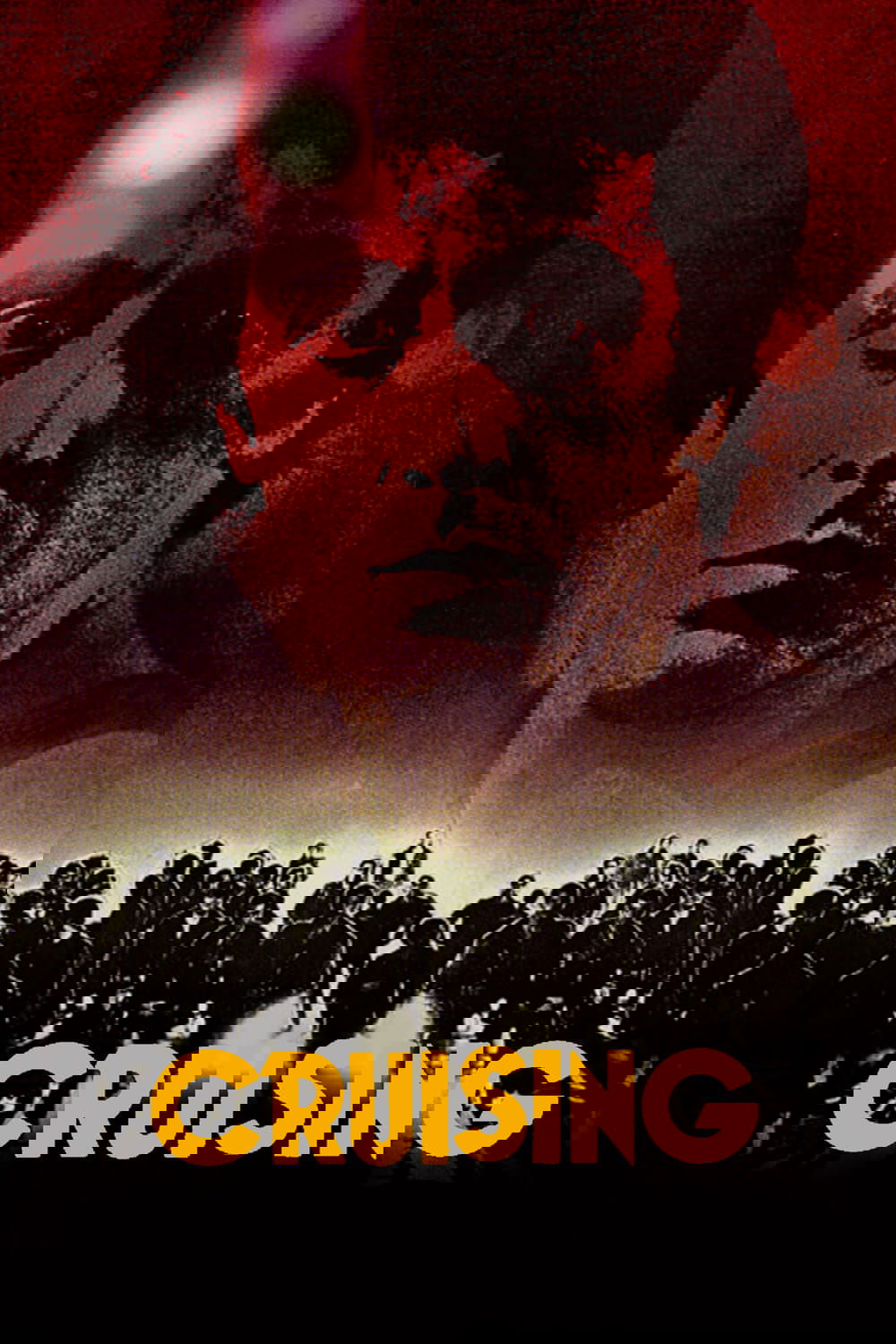
William Friedkin had to cut approximately forty minutes of footage to avoid an X rating for this controversial thriller. The deleted scenes reportedly included explicit sexual activity filmed inside actual leather bars. The director made repeated submissions to the MPAA to find a version that would be acceptable for release. The film remains controversial today for its depiction of the subculture and the heavy censorship it underwent.
Please share your thoughts on these censored cuts in the comments.