Films About Photography That Make You See the World Differently


Cinema and photography share an intrinsic link regarding framing and perspective as both mediums rely on visual storytelling. These movies explore the lives of those who document reality through a lens and the unique challenges they face. Viewers gain insight into the obsession and artistic drive required to capture the perfect image. The stories range from thrillers about voyeurism to biopics covering legendary photojournalists.
‘Rear Window’ (1954)
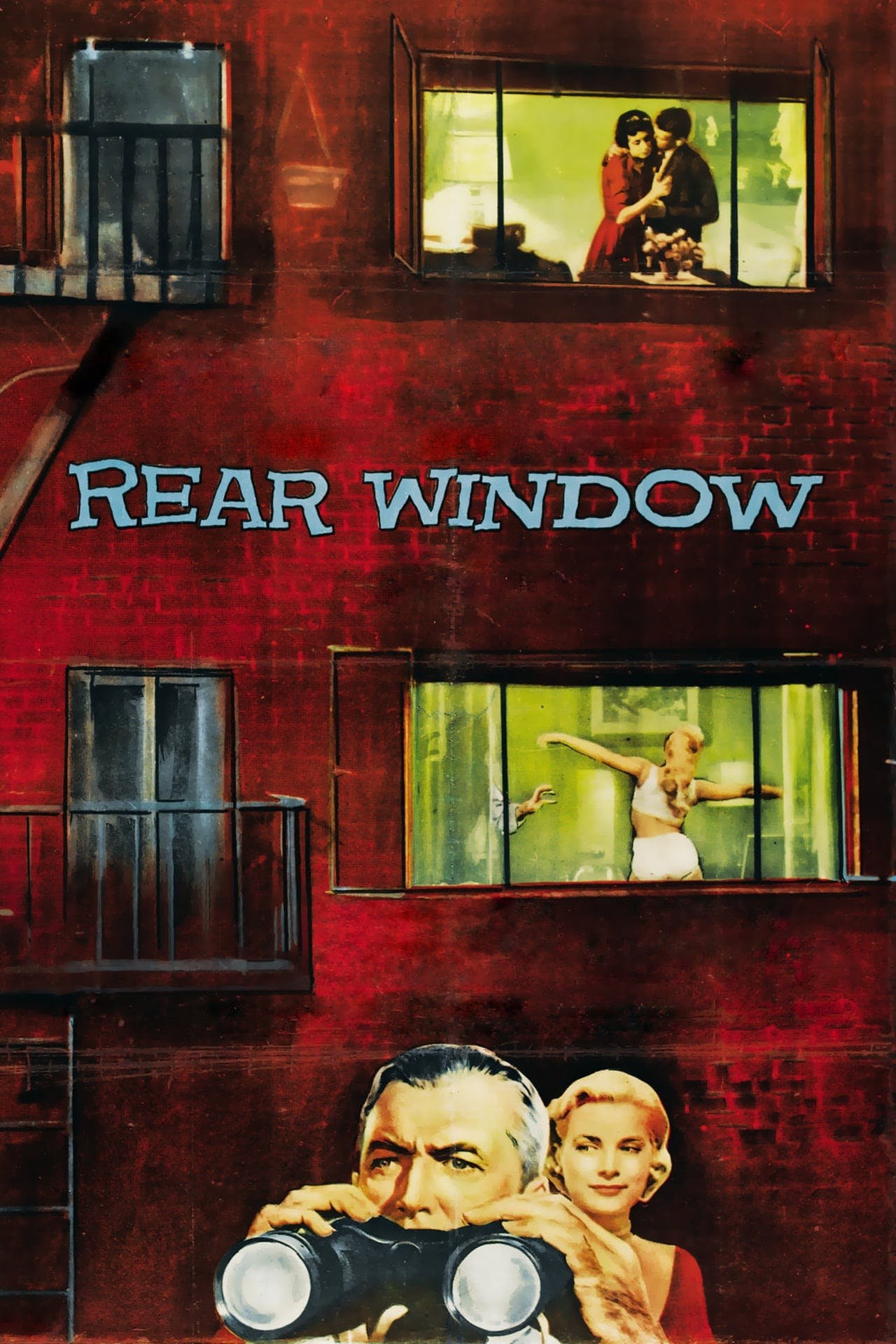
L.B. Jefferies is a photographer with a broken leg who spies on neighbors to pass the time. He uses his telephoto lens to uncover a potential murder across the courtyard of his apartment complex. The protagonist relies on his camera gear to gather evidence that his naked eye cannot see. Hitchcock utilizes the perspective of the lens to turn the audience into voyeurs alongside the main character.
‘Blow-Up’ (1966)
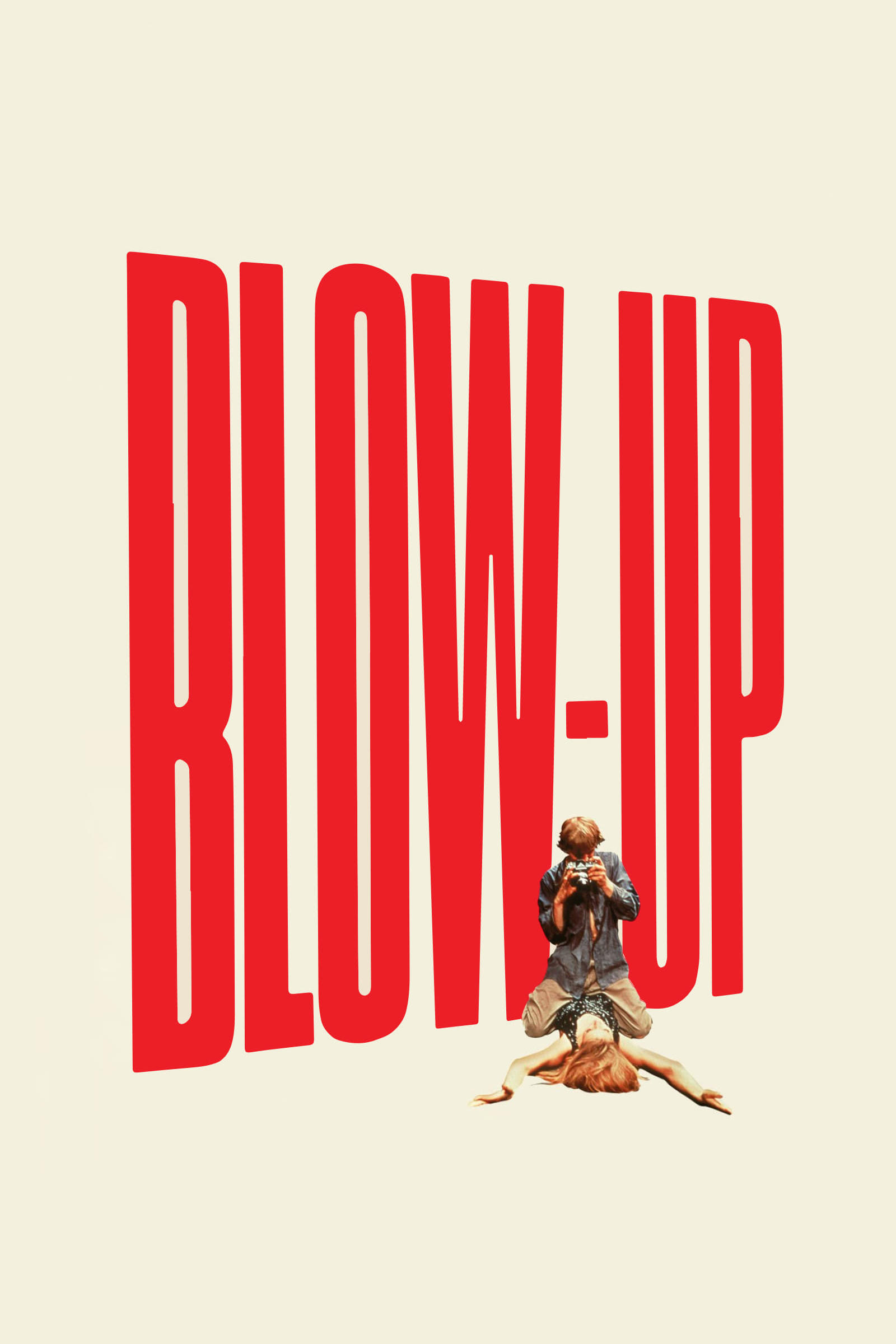
A London fashion photographer accidentally captures something suspicious during a shoot in a park. He enlarges the negatives to reveal details of a potential murder lurking in the background. The narrative questions the reliability of images and the nature of perception itself. Michelangelo Antonioni creates a mystery where the camera reveals truths the human eye misses.
‘City of God’ (2002)
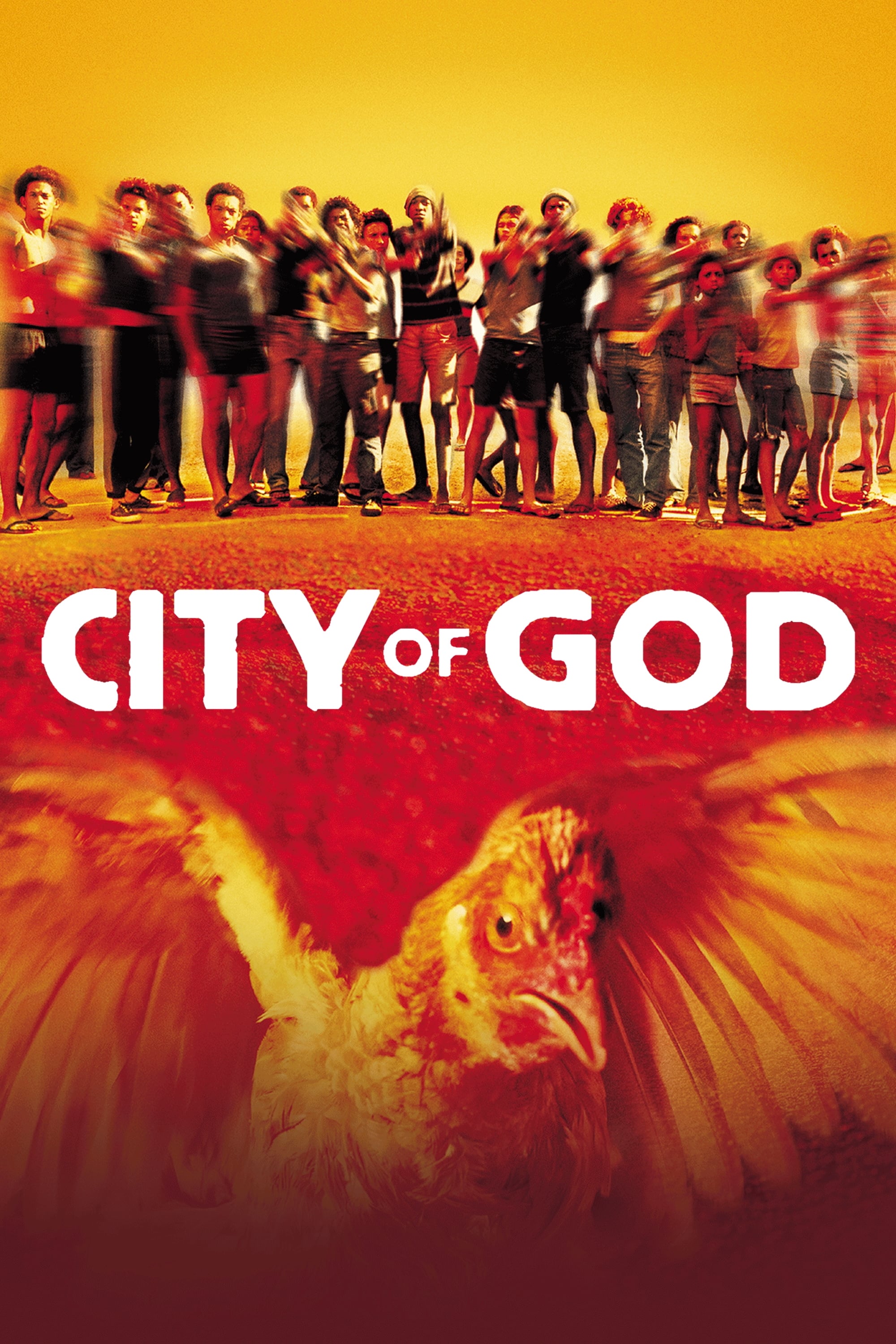
Rocket is a young man growing up in the favelas of Rio de Janeiro who finds an escape through photography. He documents the violent rise of local drug lords while trying to avoid getting drawn into the conflict himself. The camera becomes his weapon to expose the brutal reality of his surroundings to the world. His photographs eventually provide the only evidence of the gang wars consuming his neighborhood.
‘The Secret Life of Walter Mitty’ (2013)
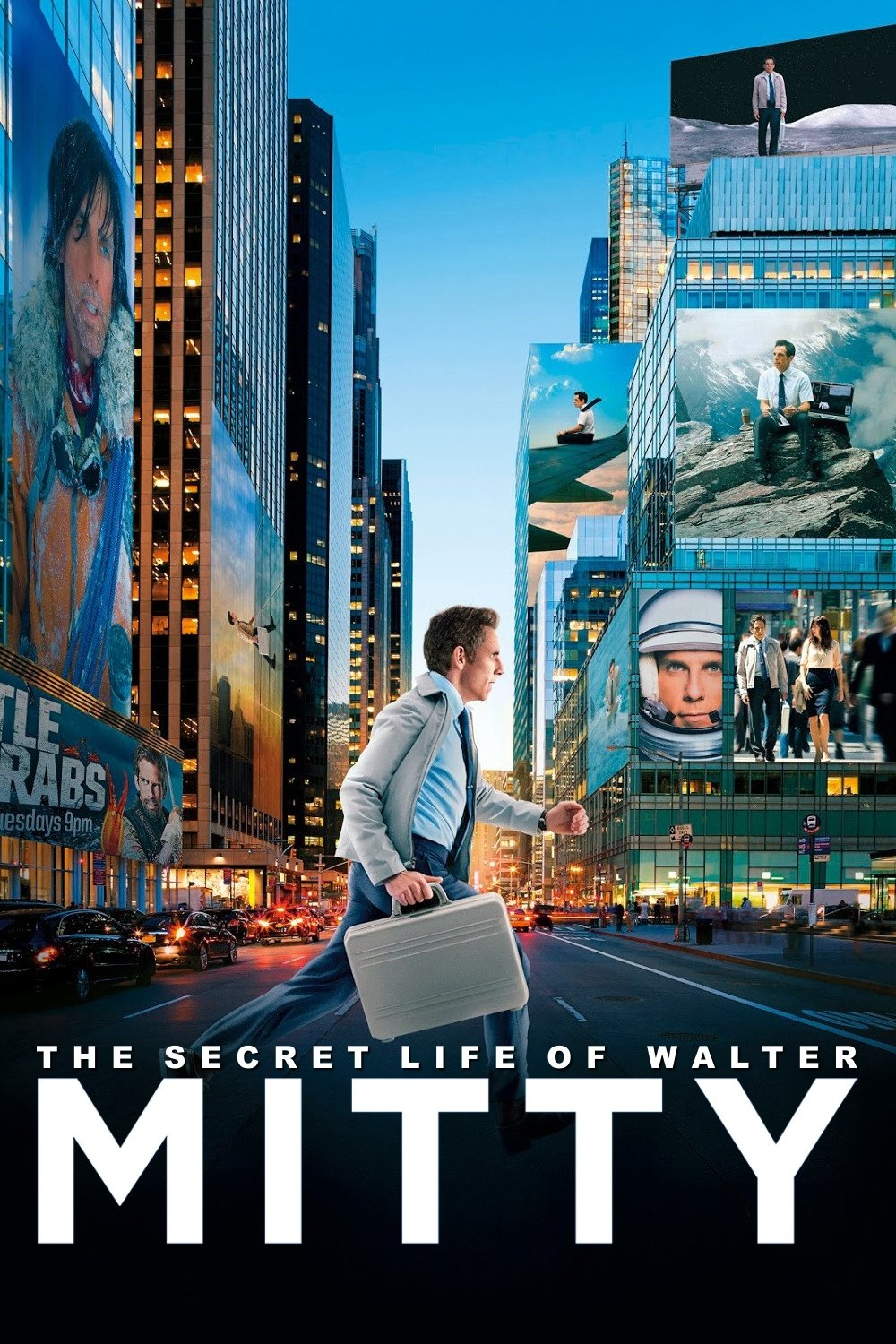
A negative assets manager at Life magazine embarks on a global journey to find a missing picture. He searches for a legendary photographer who captured the image intended for the publication’s final cover. Walter steps out of his daydreams and into real adventures involving sharks and volcanoes. The film celebrates the dedication required to capture moments of authentic beauty.
‘Carol’ (2015)

Therese Belivet is an aspiring photographer working in a department store when she meets an alluring older woman. Her camera serves as a tool for her to observe the world and document her growing infatuation. The act of taking photographs reflects her desire to understand the complex emotions developing between the two women. Photography becomes a silent language of intimacy in this period drama.
‘One Hour Photo’ (2002)
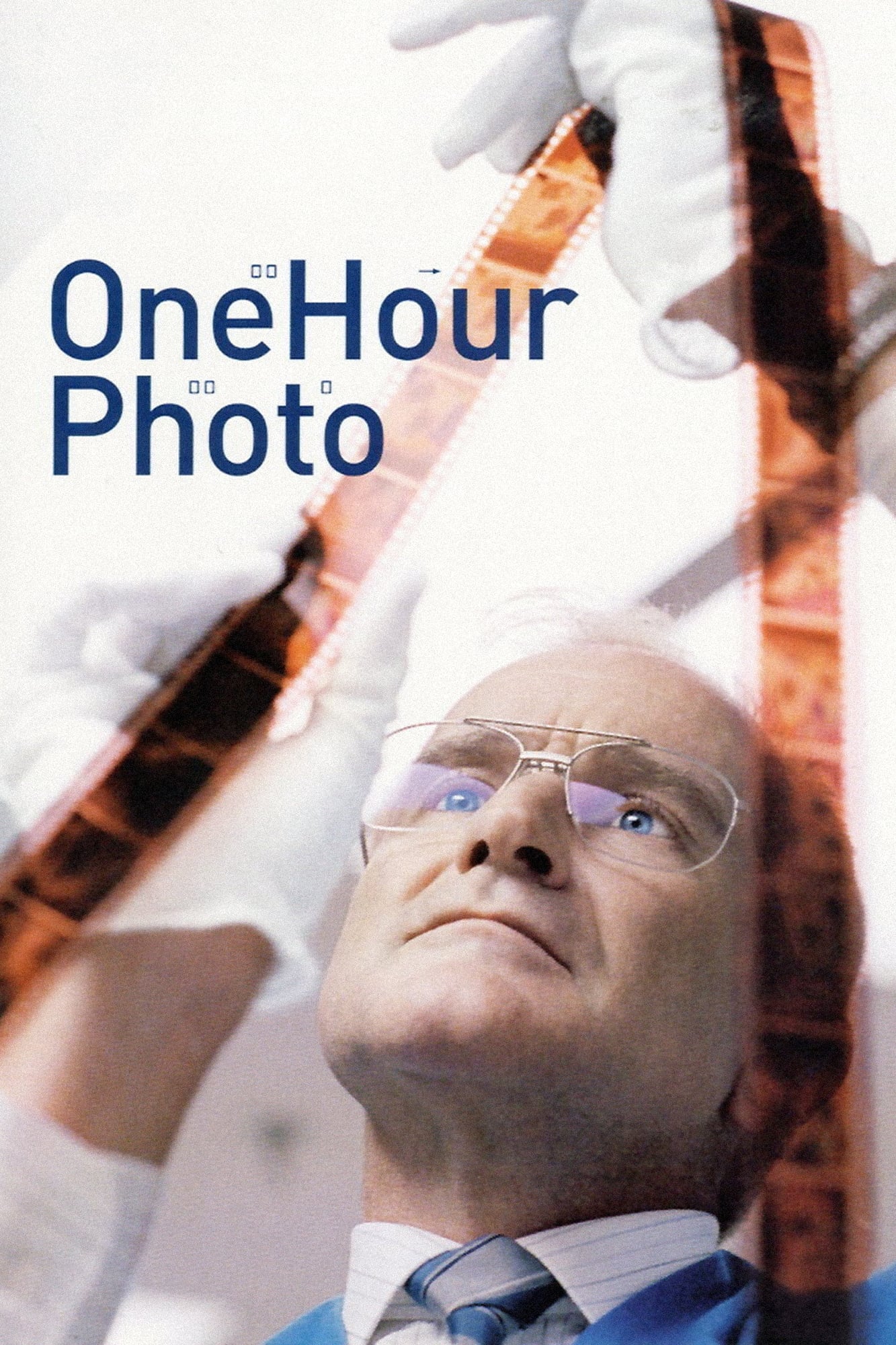
Sy Parrish works as a technician at a photo lab in a large retail store. He becomes dangerously obsessed with a suburban family whose pictures he develops regularly. The film examines the difference between the idealized moments people capture on film and their actual lives. It highlights the voyeuristic nature of handling the private memories of strangers.
‘The Bang Bang Club’ (2010)

Four combat photographers document the violent final days of apartheid in South Africa. They risk their lives to capture images that will show the world the brutality of the conflict. The group grapples with the moral dilemma of observing tragedy without intervening. This biographical drama explores the psychological toll of war photography.
‘Closer’ (2004)

Anna is an American photographer who becomes entangled in a complex web of relationships in London. Her portrait sessions serve as pivotal scenes where characters reveal their true selves. The camera captures the raw vulnerability of the subjects while the plot dissects modern romance. Photography acts as a metaphor for the way the characters look at and deceive one another.
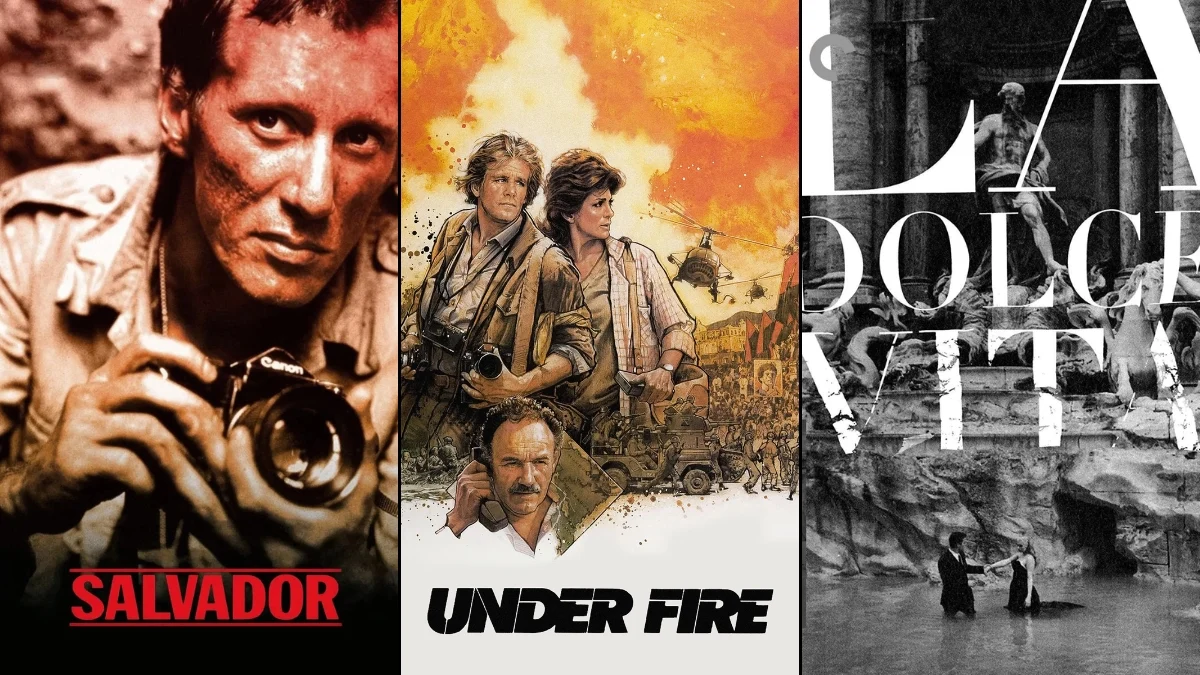
‘La Dolce Vita’ (1960)
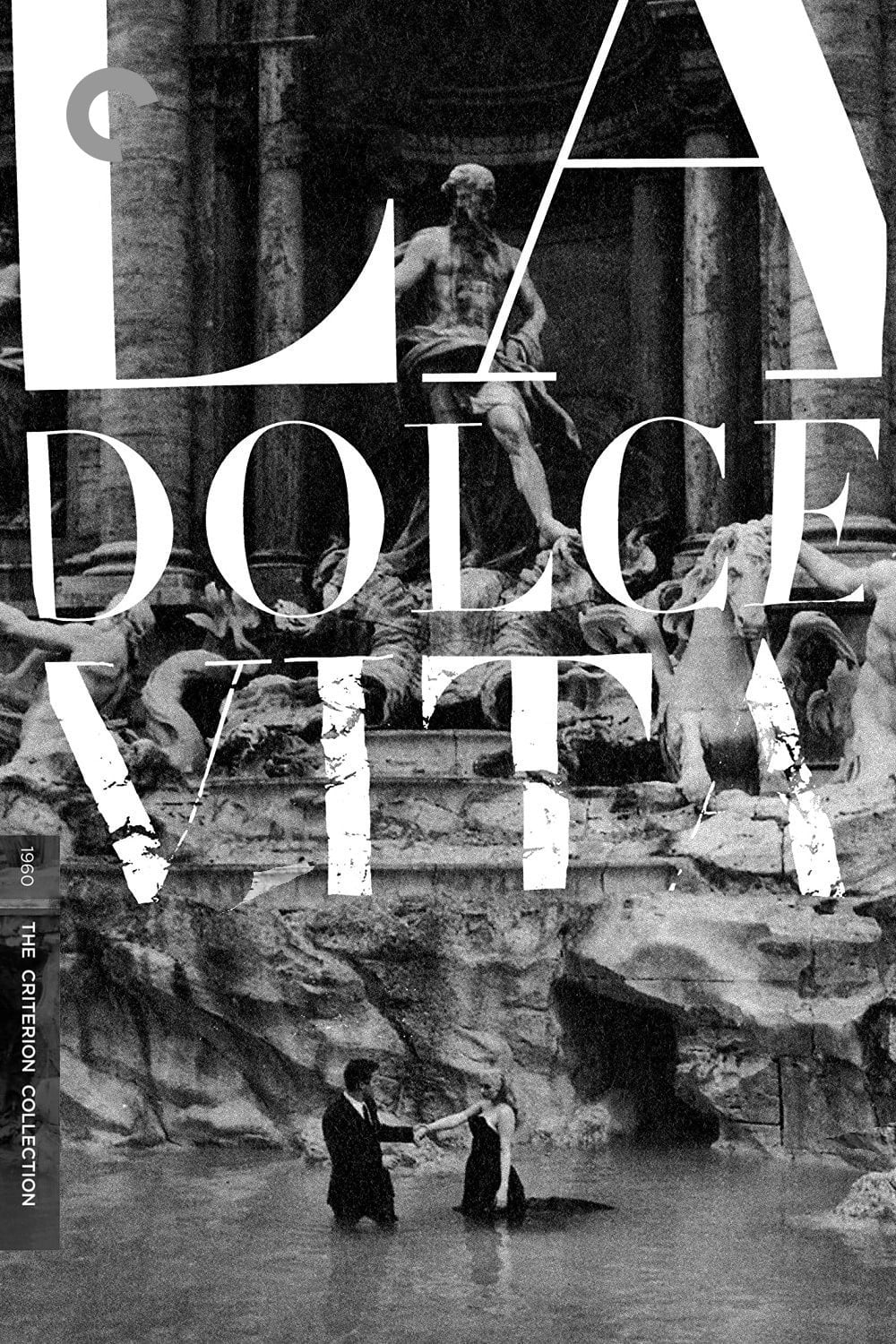
Marcello Rubini is a journalist covering the tabloid lifestyle of the elite in Rome. He is accompanied by a photographer named Paparazzo who aggressively chases celebrities for candid shots. This character is the cultural origin of the term used for intrusive press photographers today. The film critiques the superficial nature of fame and the media obsession with image.
‘Memento’ (2000)
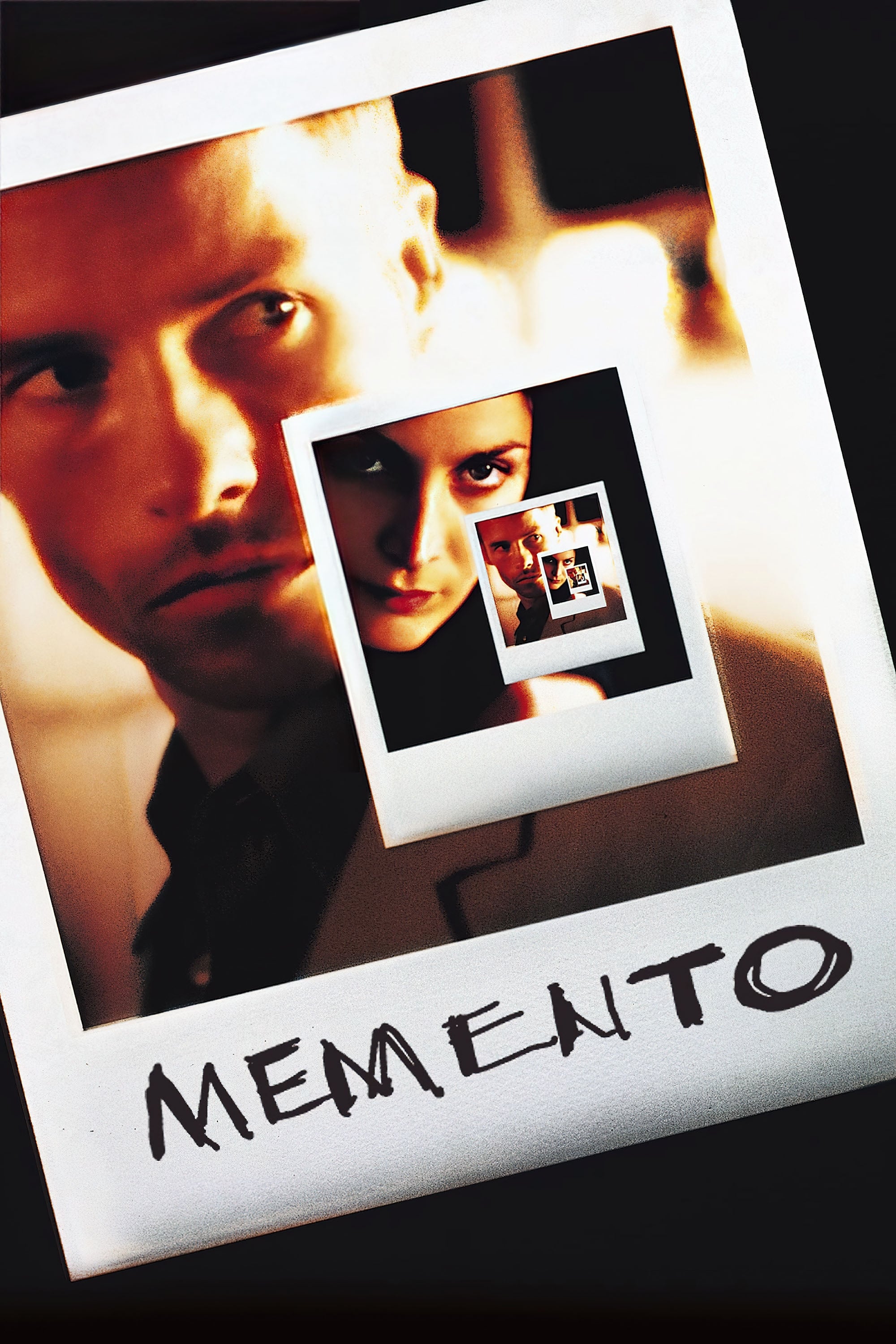
Leonard Shelby suffers from anterograde amnesia and cannot form new memories after a traumatic attack. He uses instant photographs with handwritten notes to track people and places relevant to his investigation. The polaroids serve as his external memory bank in a desperate hunt for his wife’s killer. This film highlights how tangible images can anchor a person’s identity when their mind fails them.
‘Pecker’ (1998)
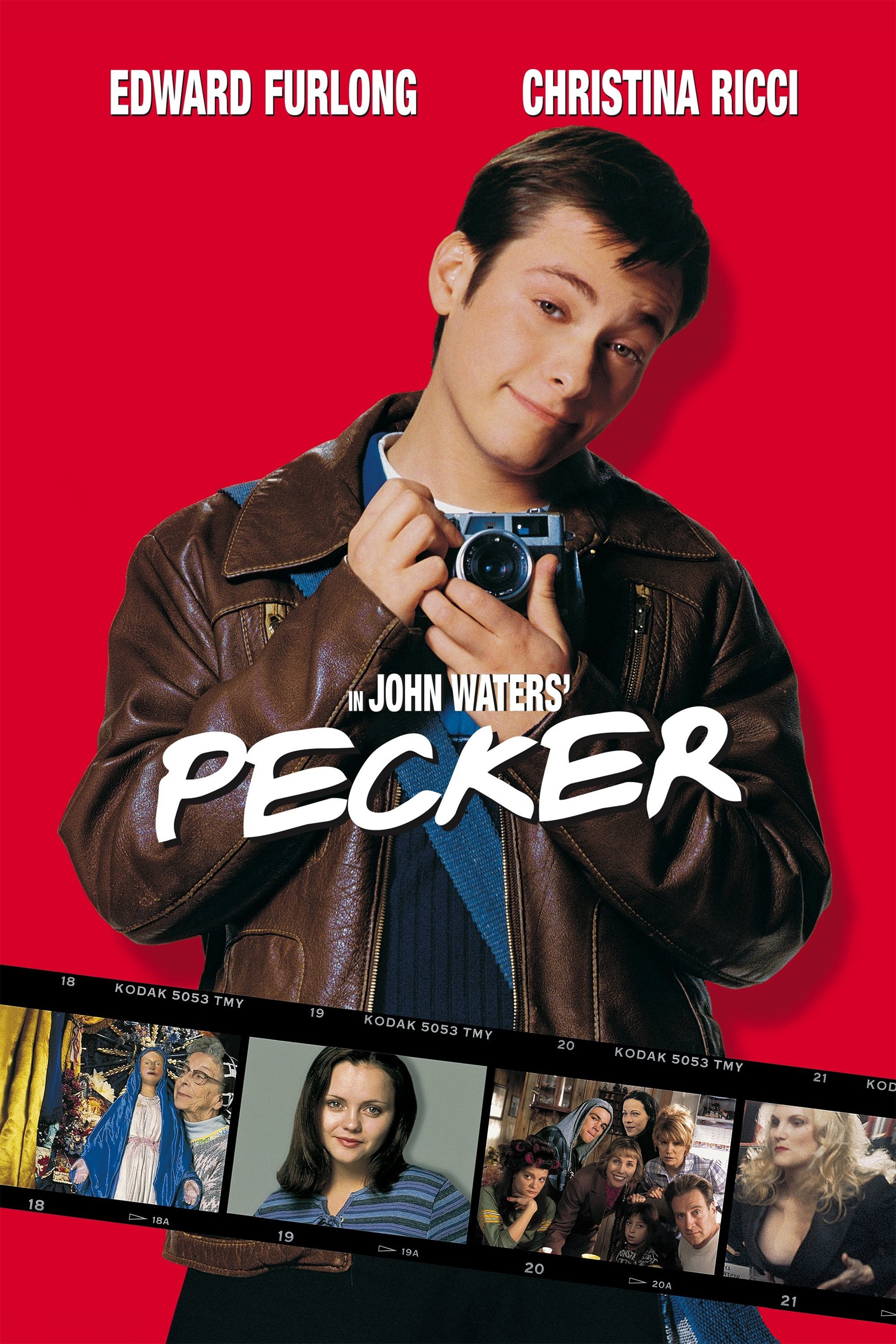
A sandwich shop employee in Baltimore gains sudden fame for his grainy photos of his eccentric family. The art world in New York City embraces his work for its raw and unpretentious look at working-class life. He struggles to balance his newfound celebrity status with the relationships he holds dear. The movie satirizes the pretentiousness of the high-art photography scene.
‘Kodachrome’ (2017)
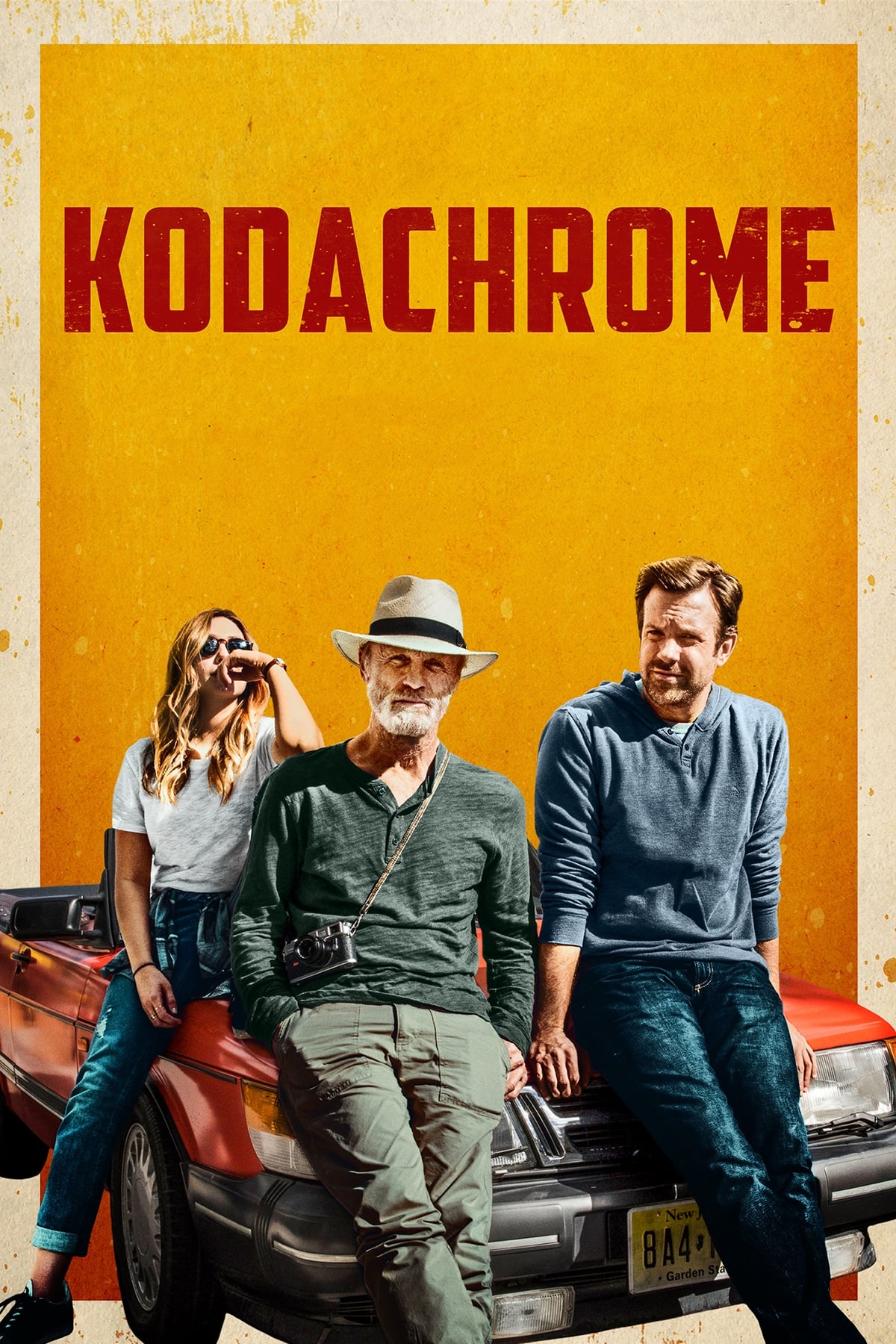
A music executive joins his estranged father on a road trip to the last lab developing Kodachrome film. The father is a famous photographer who wants to develop four final rolls before the service is discontinued. They navigate their complicated relationship while racing against time and changing technology. The story serves as a eulogy for the analog era of image-making.
‘Fur: An Imaginary Portrait of Diane Arbus’ (2006)
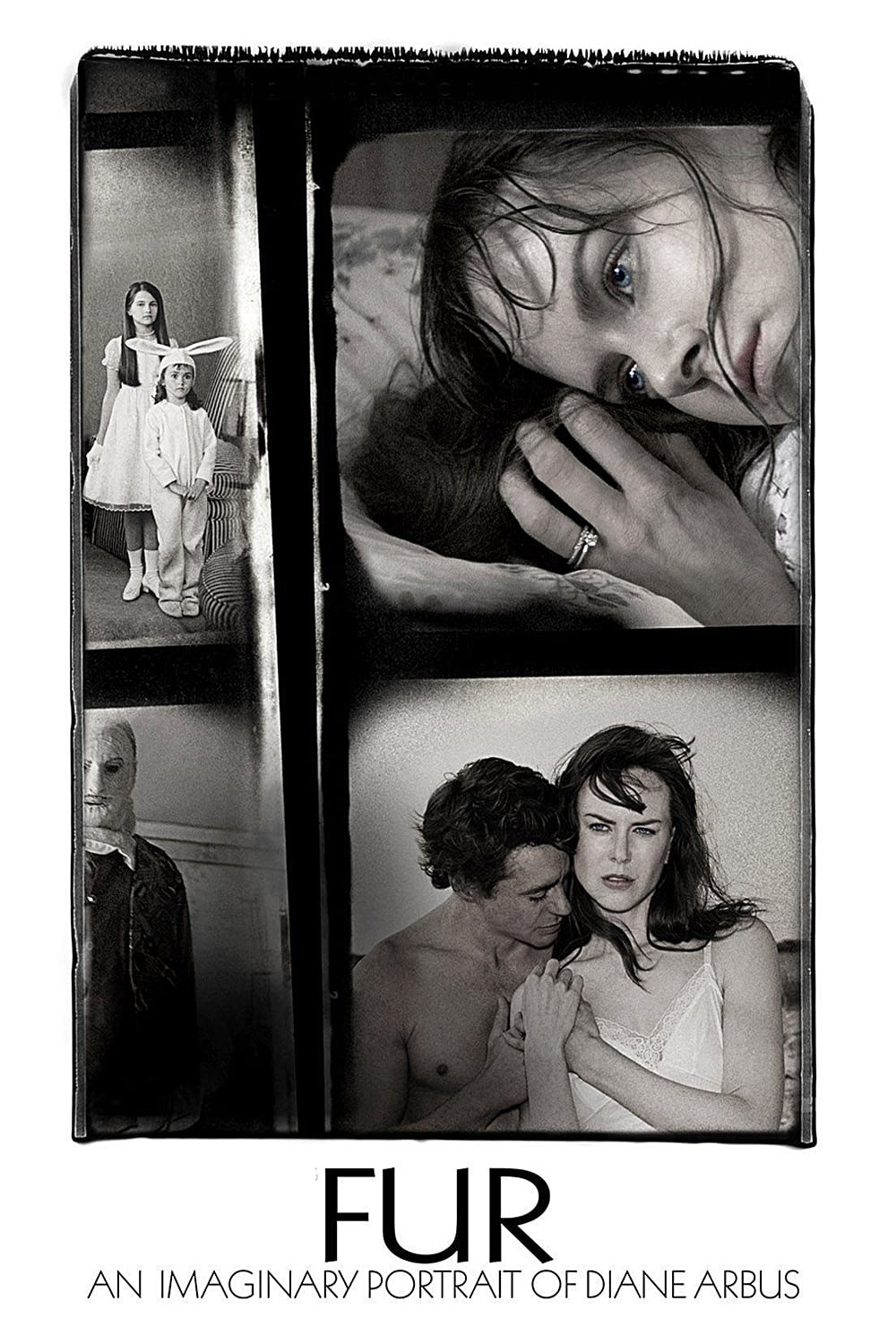
This film presents a fictionalized account of the life of renowned photographer Diane Arbus. She is drawn to a mysterious neighbor who introduces her to a world of marginalized people. Her journey leads her to photograph subjects that society typically ignores or shuns. The narrative focuses on the transformative power of finding beauty in the unconventional.
‘Life’ (2015)
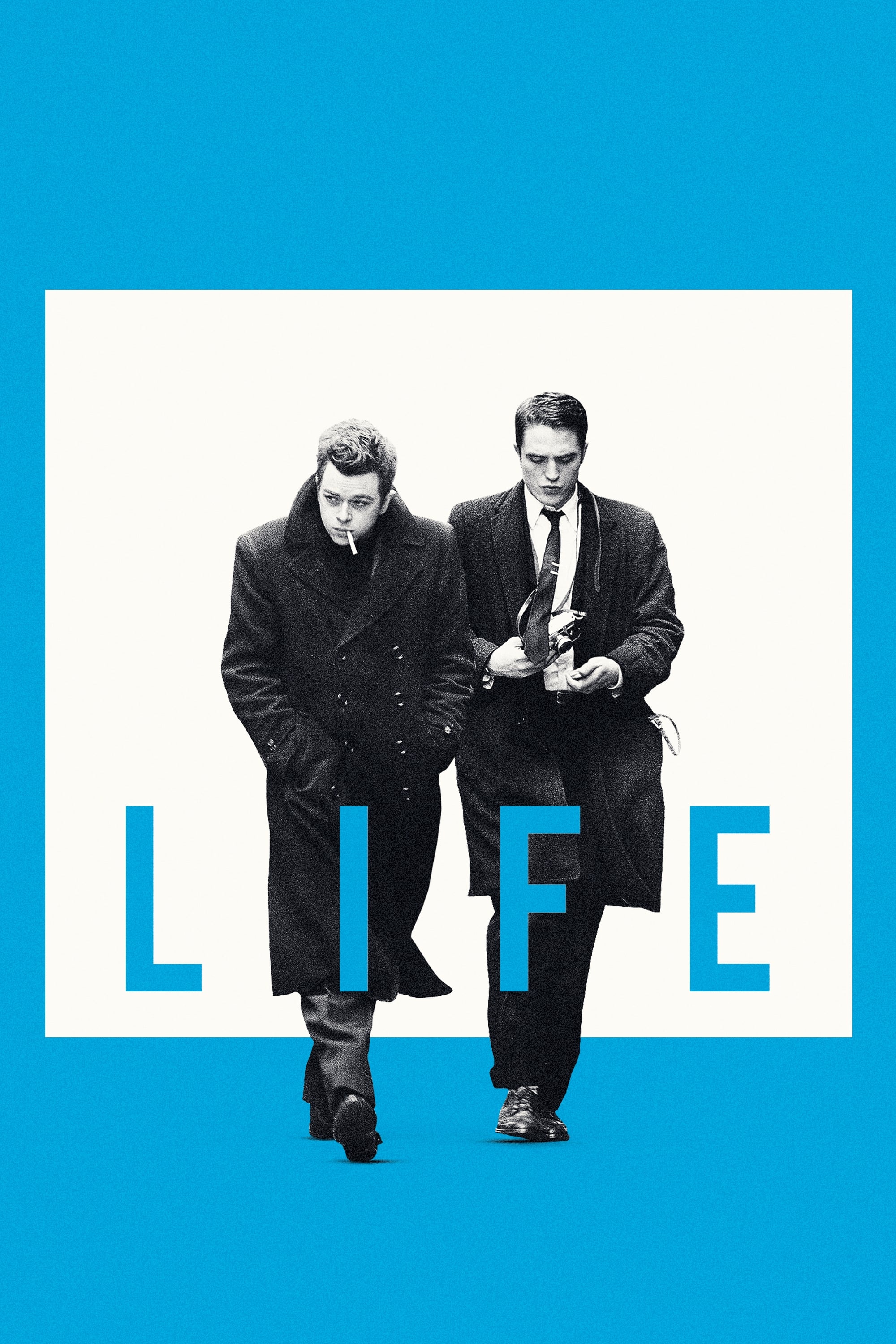
Photographer Dennis Stock is assigned to photograph rising star James Dean for Life magazine. They travel together from Los Angeles to New York and eventually to Dean’s childhood home in Indiana. The film depicts the subtle bond that forms between the subject and the observer. It chronicles the creation of some of the most iconic images of the Hollywood legend.
‘The Public Eye’ (1992)
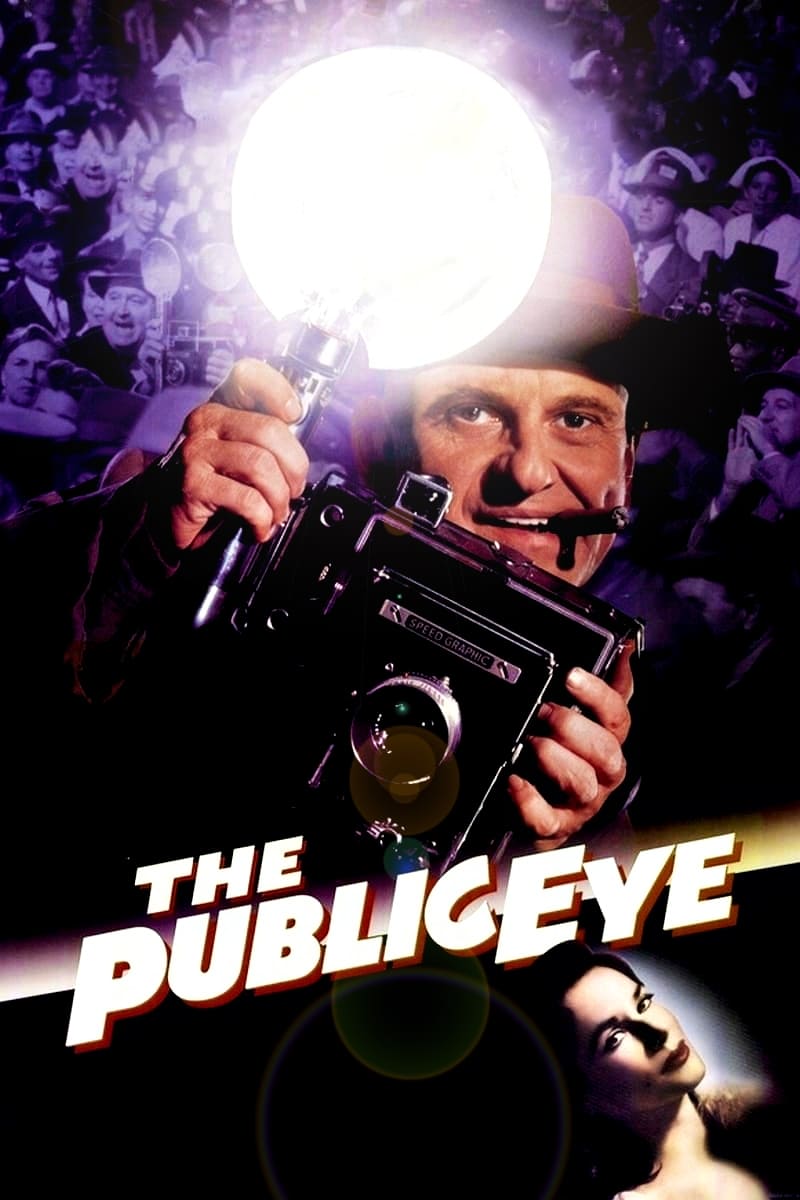
Leon Bernstein is a relentless crime photographer in 1940s New York City known as the Great Bernzini. He specializes in capturing gruesome crime scenes and accidents before the police arrive. The character is loosely based on the famous press photographer Weegee. The movie delves into the nocturnal world of tabloid photography and noir aesthetics.
‘Salvador’ (1986)
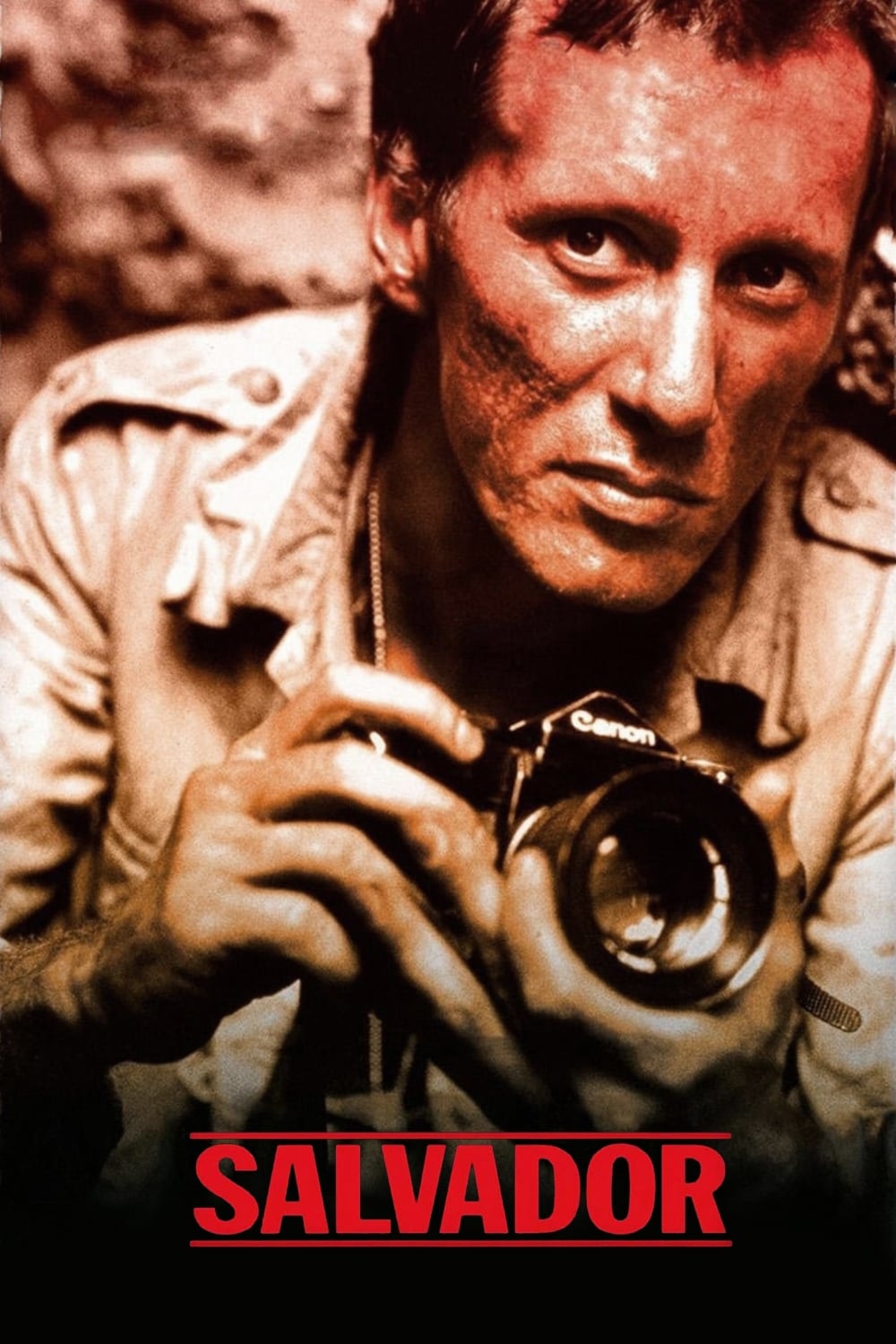
A washed-up photojournalist drives to El Salvador to cover the civil war in hopes of reviving his career. He captures harrowing images of the violence and finds himself in the middle of political turmoil. The protagonist must decide between maintaining journalistic neutrality or taking a moral stance. The film depicts the extreme dangers photographers face in conflict zones.
‘Under Fire’ (1983)
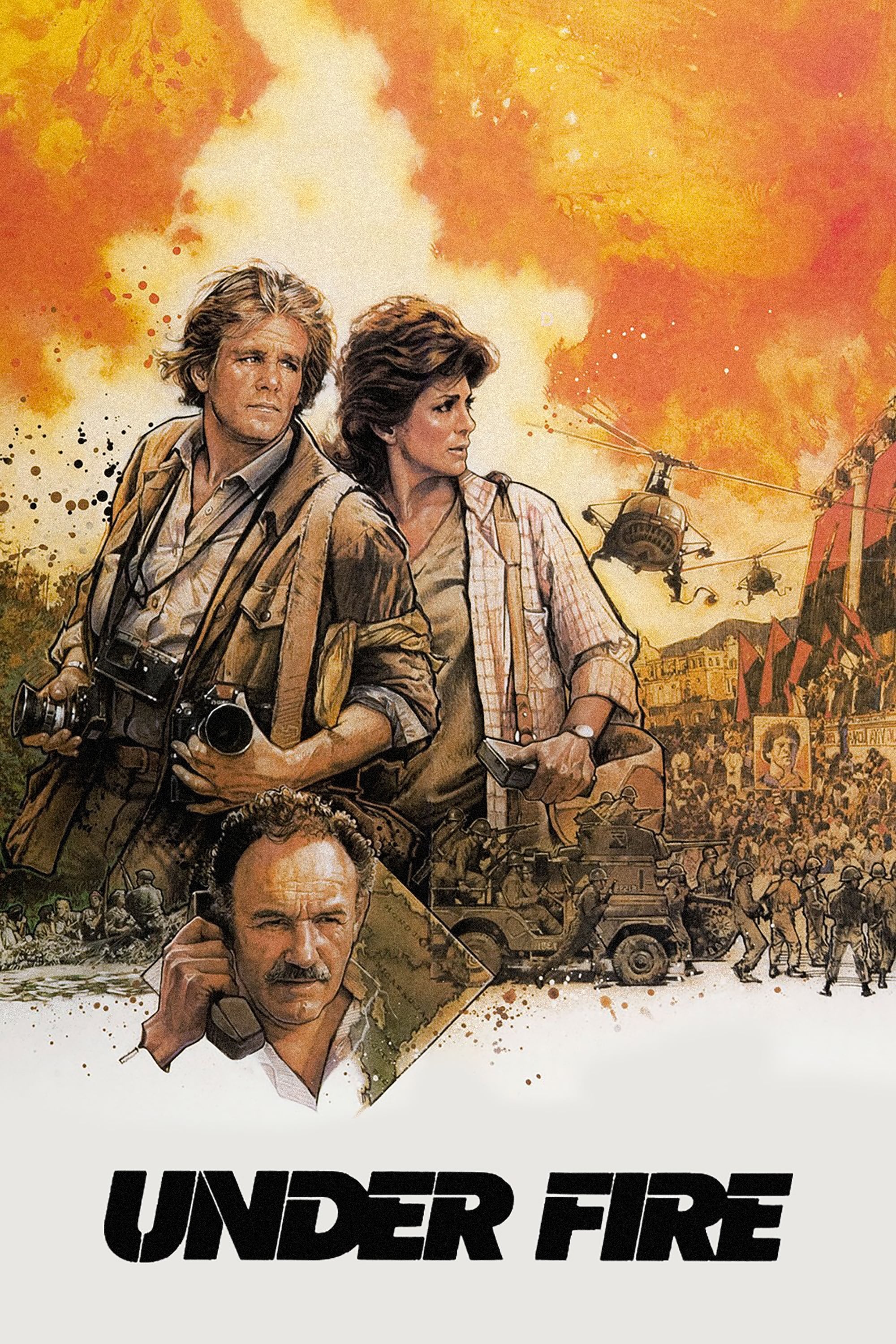
Three journalists cover the final days of the Somoza regime in Nicaragua during the revolution. A photographer fakes a picture of a dead rebel leader to aid the cause of the revolutionaries. The plot questions the ethics of photojournalism and the impact images have on public opinion. It illustrates how a single photograph can alter the course of history.
‘Funny Face’ (1957)
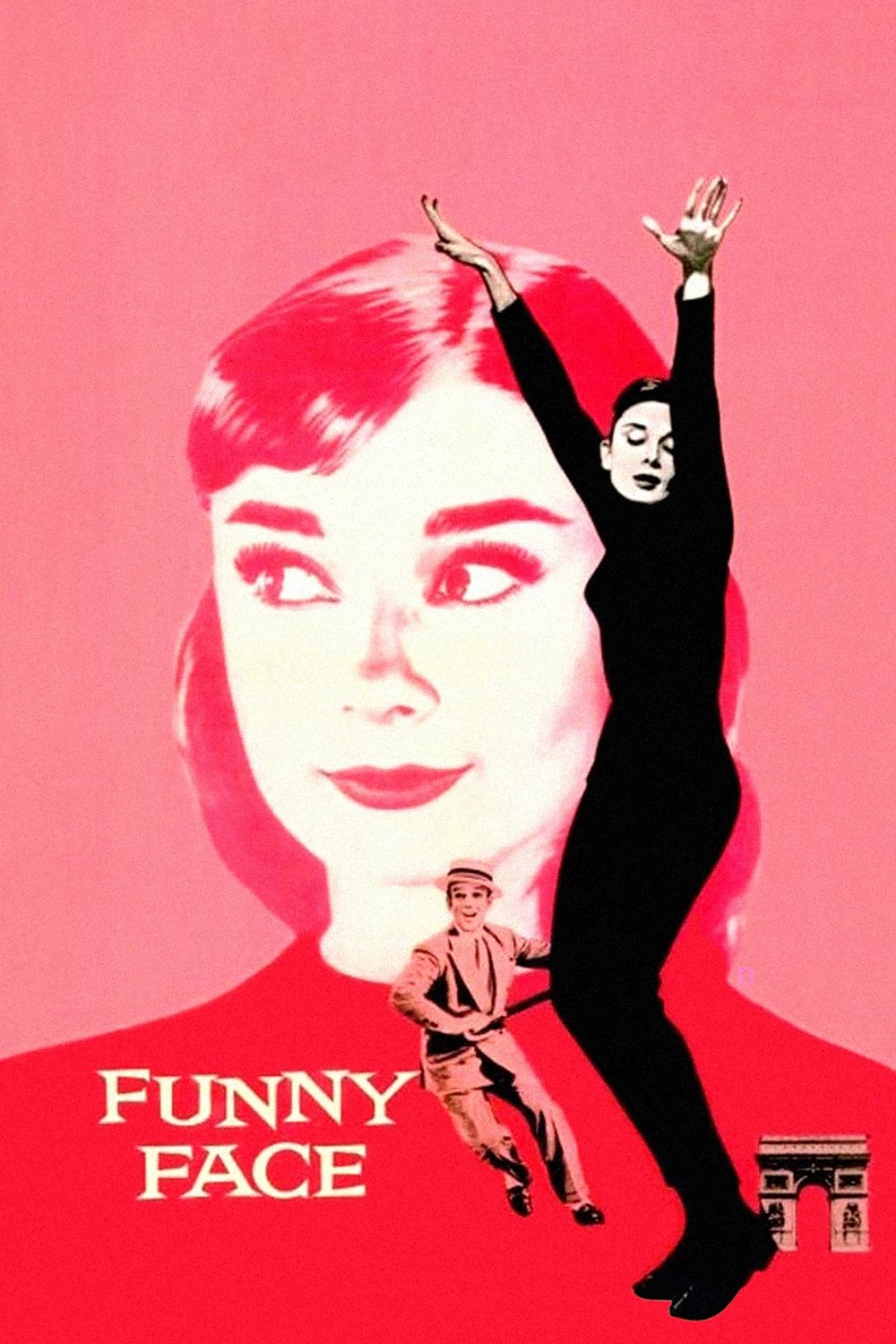
A fashion photographer discovers a shy bookstore clerk and decides she is the new face of a major campaign. They travel to Paris for a series of photo shoots at famous landmarks. The film contrasts the intellectual world of the model with the superficial demands of the fashion industry. It remains a visual treat filled with vibrant colors and stylish cinematography.
‘Minamata’ (2020)
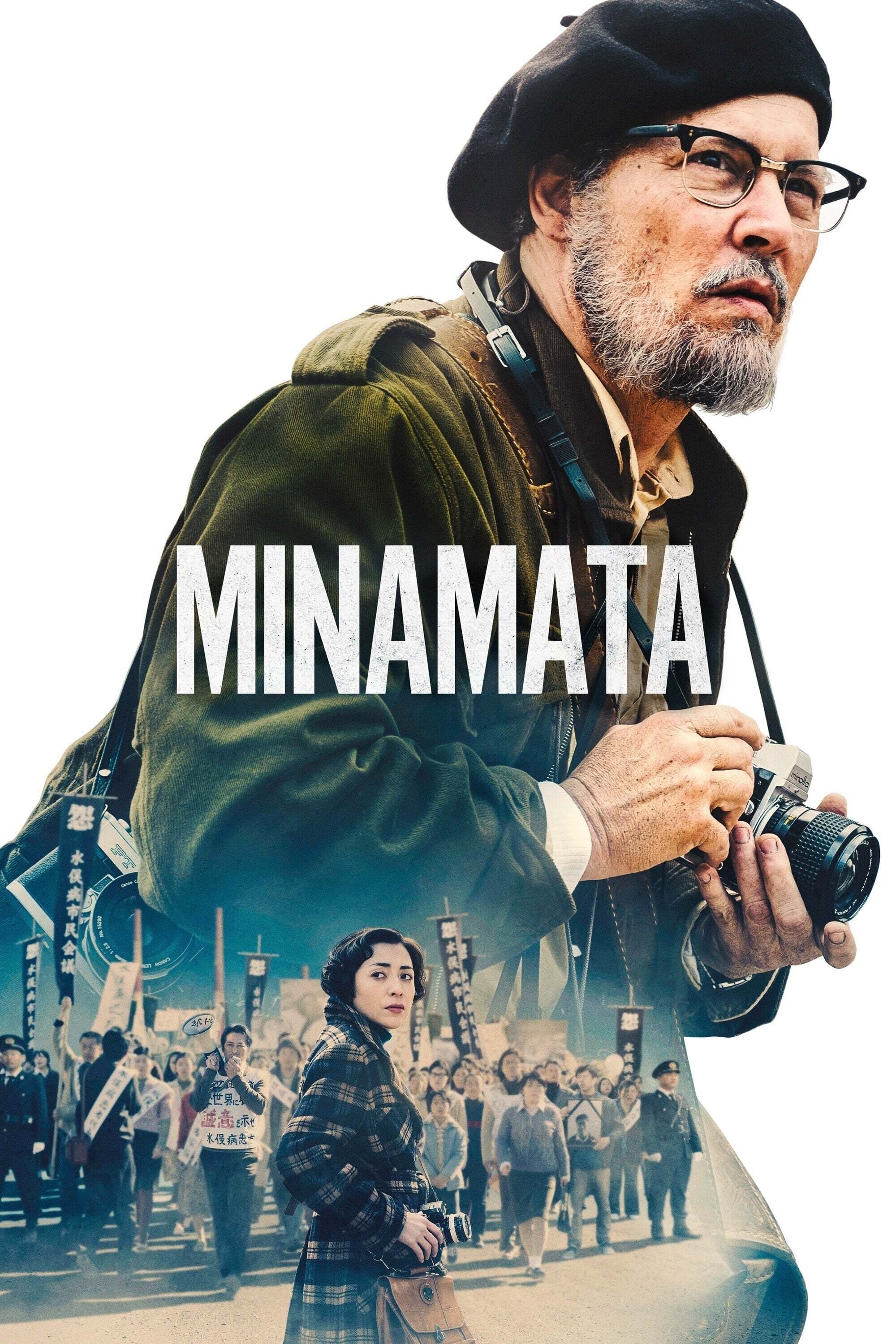
War photographer W. Eugene Smith travels to Japan to document the devastating effects of mercury poisoning in a coastal community. He uses his camera to expose the corporate negligence destroying the health of the local population. The film focuses on the power of photojournalism to advocate for justice and social change. Smith captures one of his most famous works during this difficult assignment.
‘A Thousand Times Good Night’ (2013)
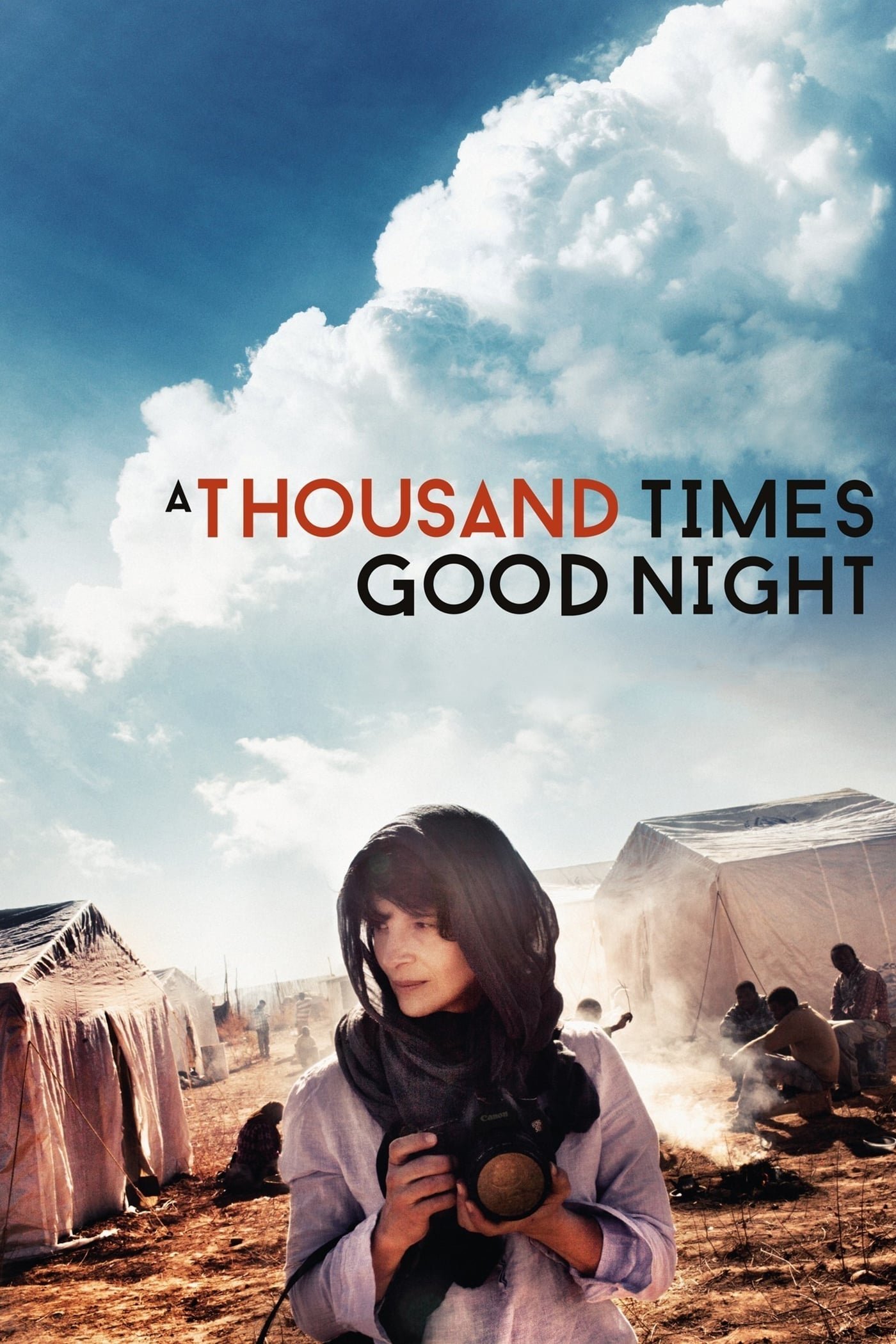
A top war photographer is forced to choose between her dangerous career and her family. Her husband demands she stop covering conflicts after she is injured in a suicide bombing. She struggles to reconcile her drive to document human suffering with her role as a mother. The story examines the personal sacrifices required to witness global tragedies.
Tell us which film inspired your own creative journey in the comments.