


20 Films That Make Winter Look Unbearably Beautiful

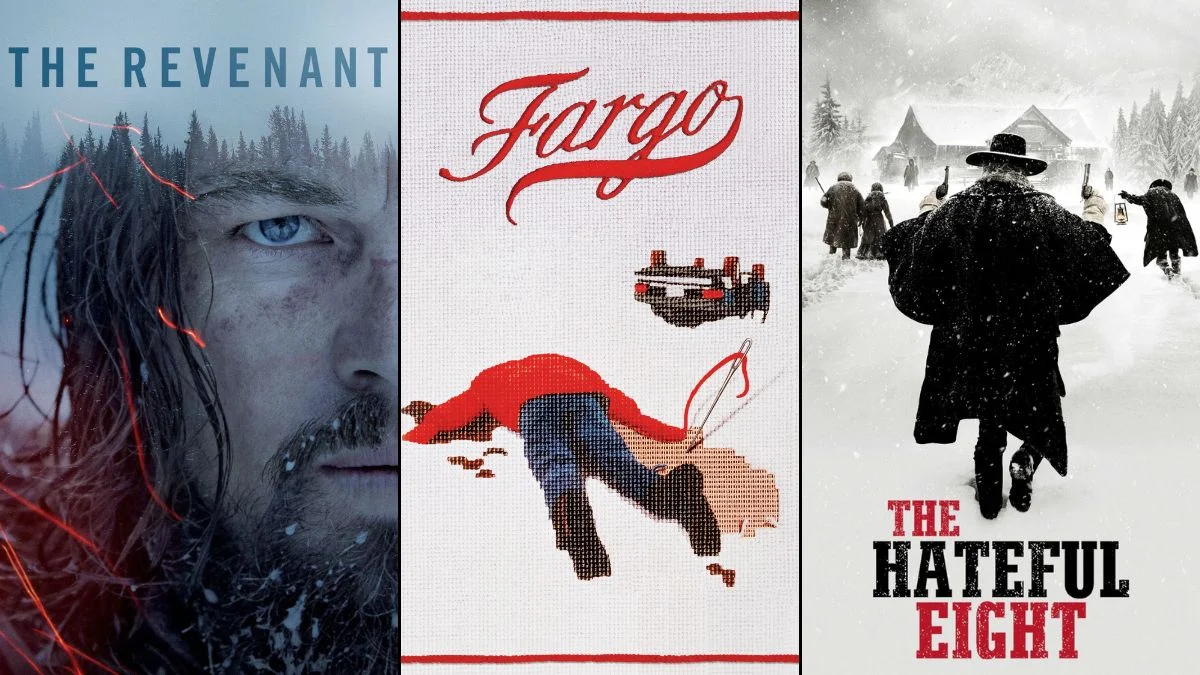


Winter offers filmmakers a stark canvas that transforms landscapes into ethereal dreamscapes or isolating prisons. The visual contrast of pristine white snow against darkness creates a unique aesthetic that captivates audiences regardless of the genre. Cinematographers utilize natural light and harsh weather conditions to evoke emotions ranging from cozy intimacy to existential dread. These movies demonstrate how the coldest season provides some of the most striking imagery in cinema history.
‘The Revenant’ (2015)
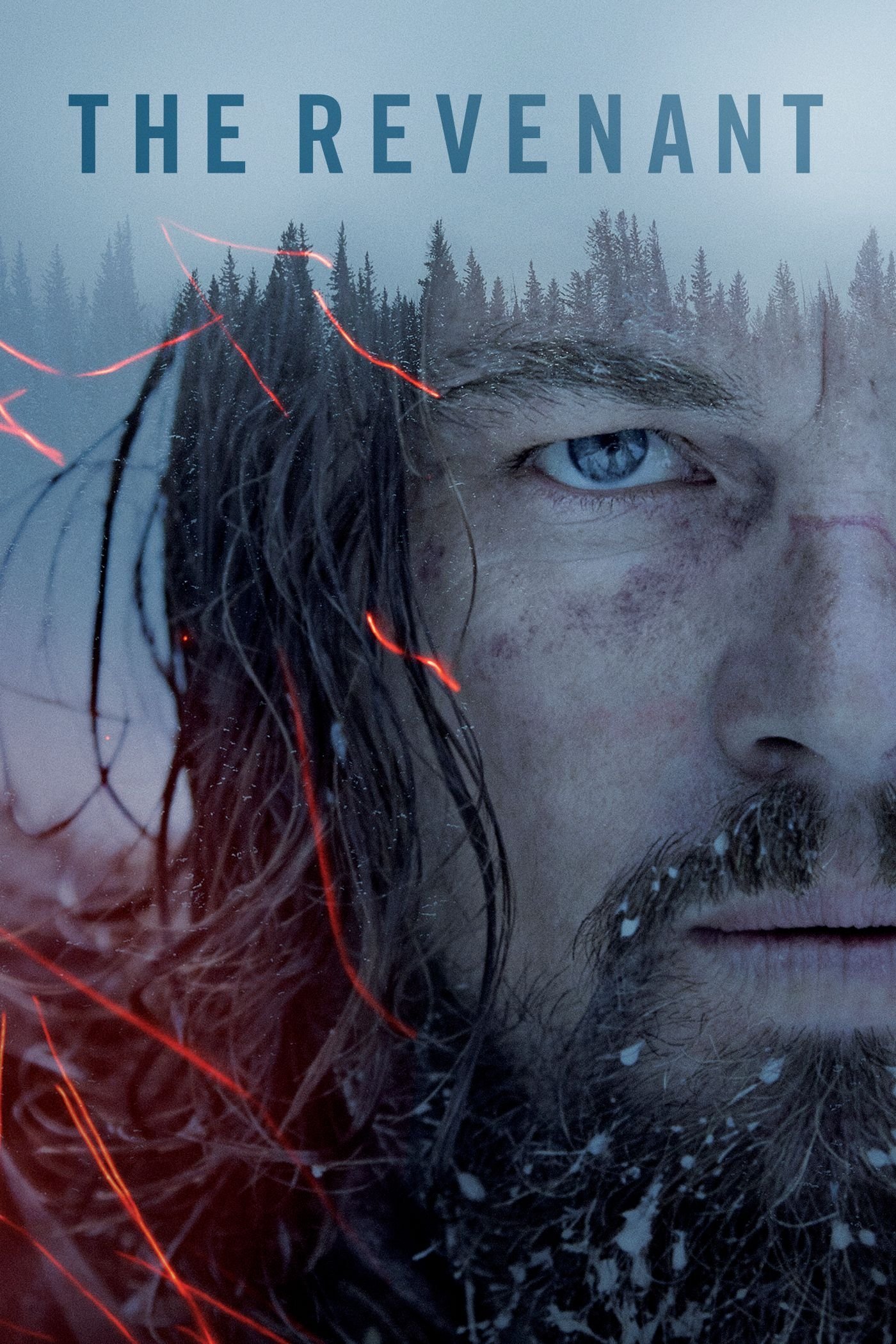
Alejandro G. Iñárritu collaborated with cinematographer Emmanuel Lubezki to capture the brutal majesty of the American wilderness using only natural light. The film follows the survival story of Hugh Glass as he crawls through frozen rivers and snow-covered forests after a bear attack. The camera lingers on the breath of the actors and the vast white expanses that seem to swallow them whole. This immersive approach results in a visual experience that makes the freezing temperatures palpable to the viewer.
‘Fargo’ (1996)
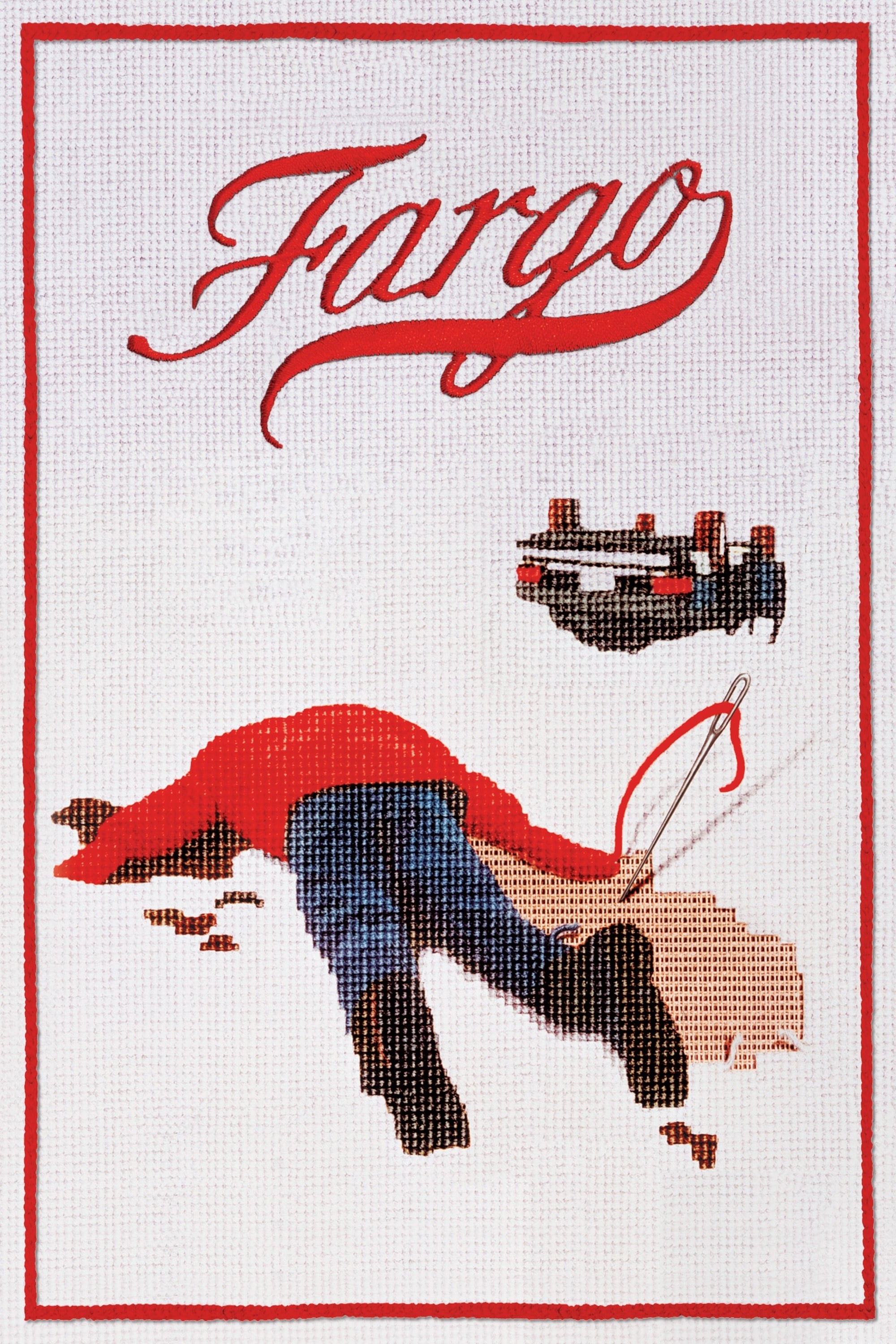
The Coen brothers utilized the flat and desolate landscapes of Minnesota and North Dakota to create a unique noir atmosphere. Cinematographer Roger Deakins shot the endless white fields to emphasize the isolation and moral emptiness of the characters involved in a botched kidnapping. The bright white snow contrasts sharply with the violence and red blood that eventually stains the scenery. This stark visual style defines the film and reinforces its dark comedic tone.
‘The Grand Budapest Hotel’ (2014)
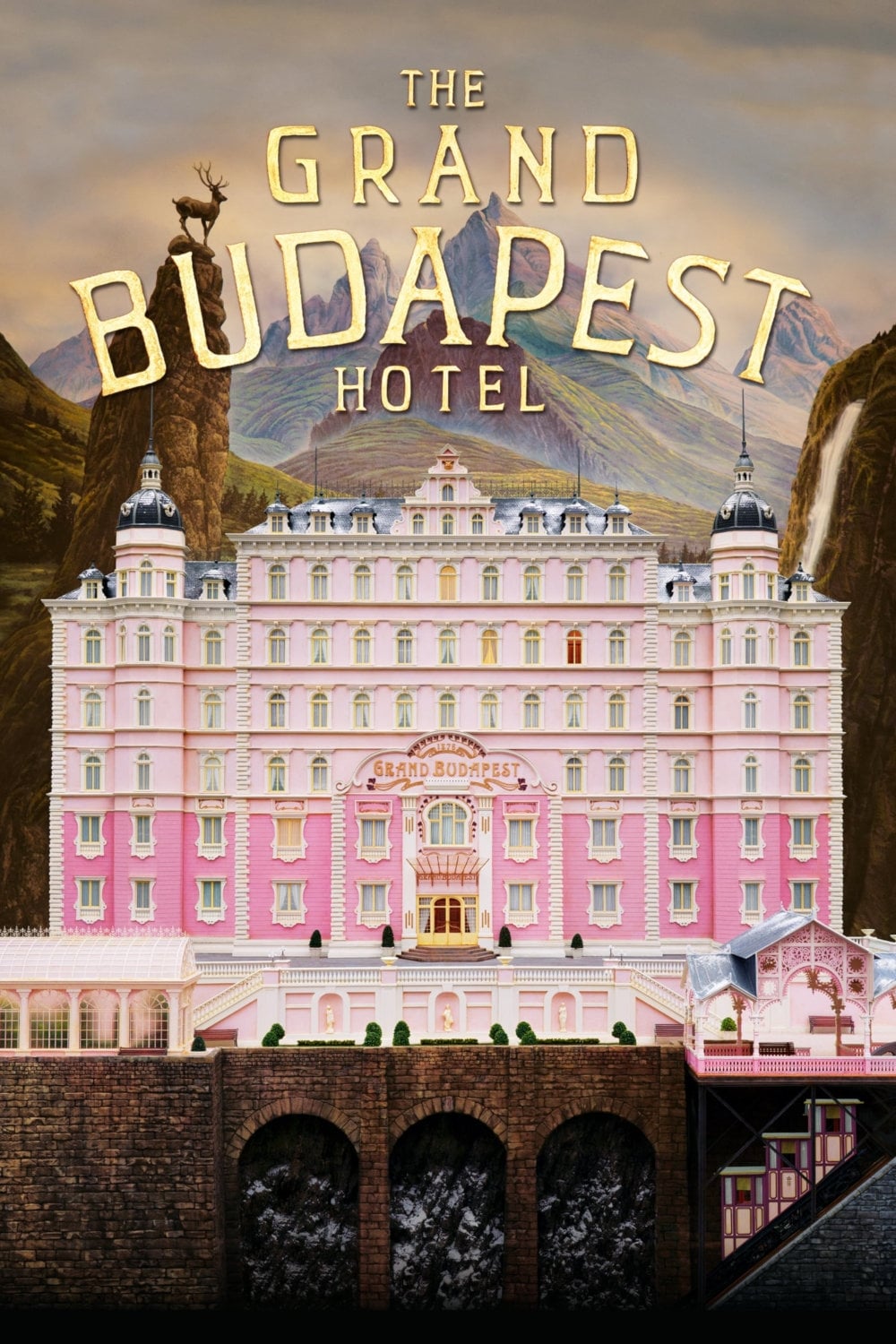
Wes Anderson crafted a storybook version of winter within the fictional Republic of Zubrowka. The film features a pastel pink hotel that stands out vividly against snowy mountain backdrops and miniature landscapes. Each frame is meticulously composed to resemble a painting come to life with whimsical funiculars and downhill sled chases. The stylized winter setting adds a layer of nostalgic charm to the complex narrative of a concierge and his lobby boy.
‘The Hateful Eight’ (2015)
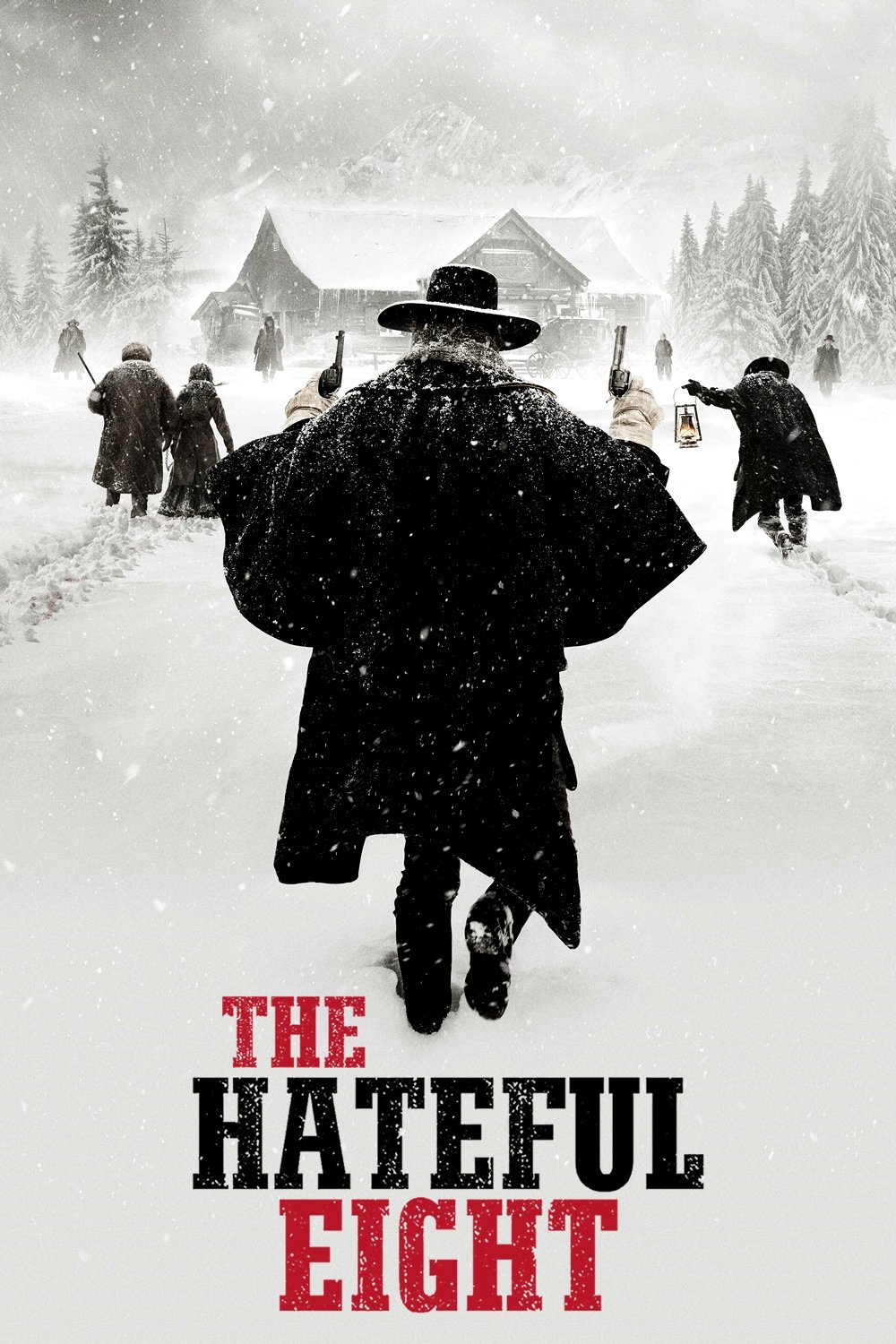
Quentin Tarantino shot this western in Ultra Panavision 70mm to capture the grandiose scope of a Wyoming blizzard. The plot centers on a group of strangers trapped in a stagecoach lodge while a storm rages outside. The exterior shots showcase the terrifying beauty of the whiteout conditions while the interiors rely on warm lighting to create a false sense of security. The relentless snow serves as a character itself by sealing the fate of everyone inside the haberdashery.
‘Carol’ (2015)
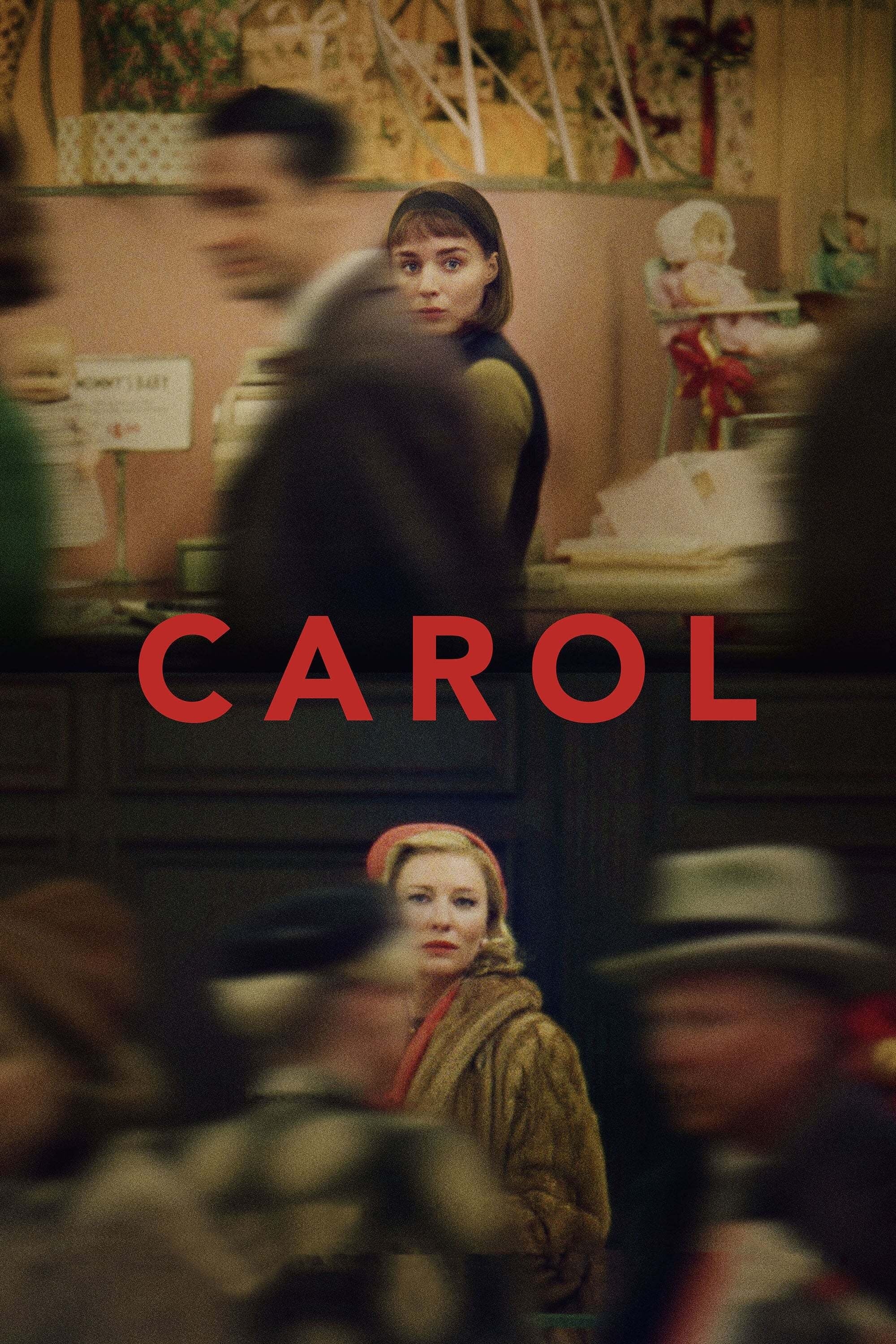
Todd Haynes sets this romance against the backdrop of a bustling New York City during the Christmas season of the 1950s. The cinematography uses grain and muted colors to evoke the texture of mid-century photography and the chill of winter air. Snow falls softly on car windows and city streets to frame the forbidden love affair between the two protagonists. The winter setting amplifies the longing and melancholy that permeates the emotional journey of the characters.
‘The Shining’ (1980)
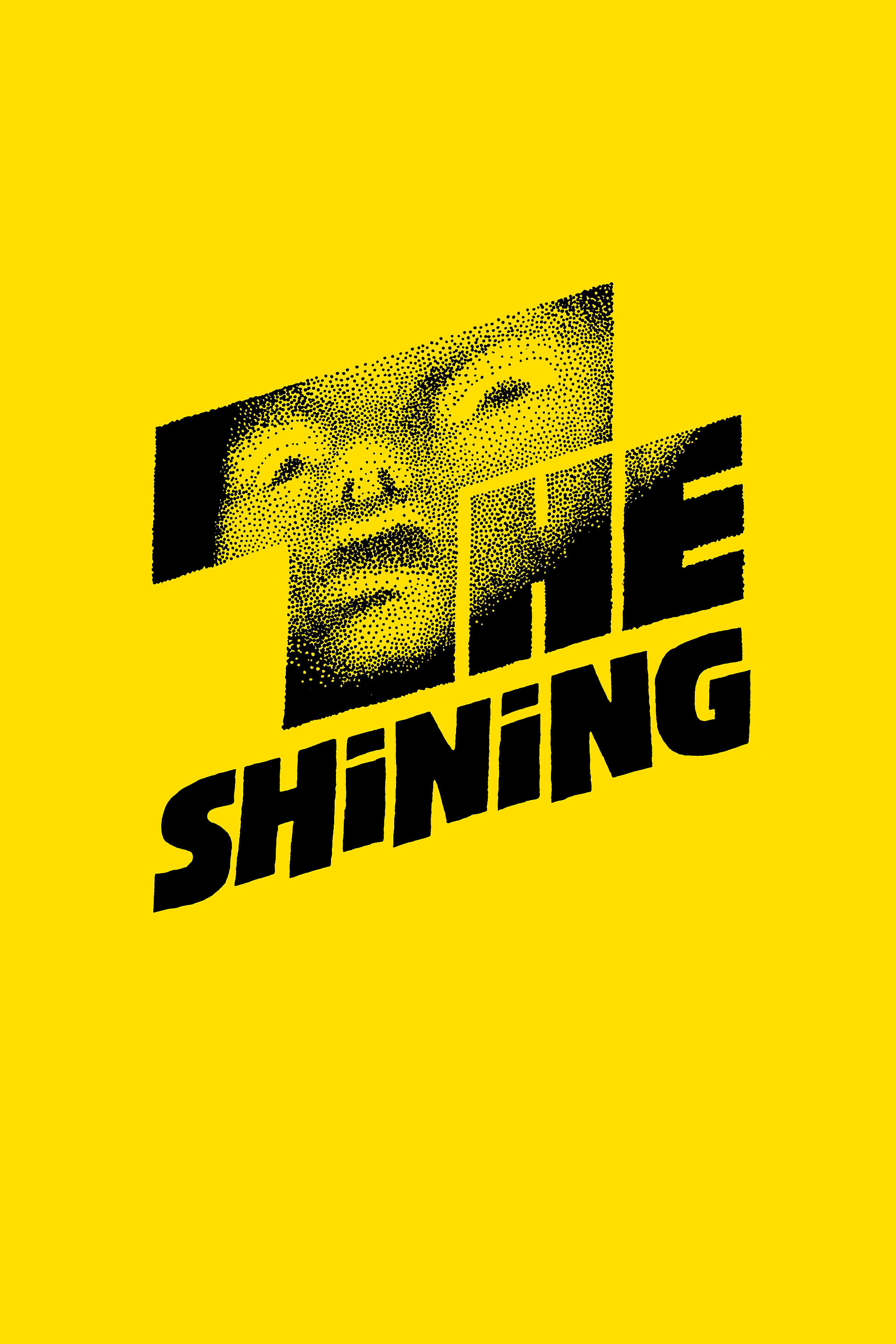
Stanley Kubrick isolates the Torrance family in the massive Overlook Hotel during a severe winter season in the Colorado Rockies. The Hedge Maze covered in snow becomes a terrifying labyrinth that traps the characters in a frozen nightmare. Steadicam shots follow Danny through the corridors while the exterior blizzard emphasizes their complete cut-off from civilization. The final image of the film remains one of the most iconic winter scenes in horror history.
‘Let the Right One In’ (2008)
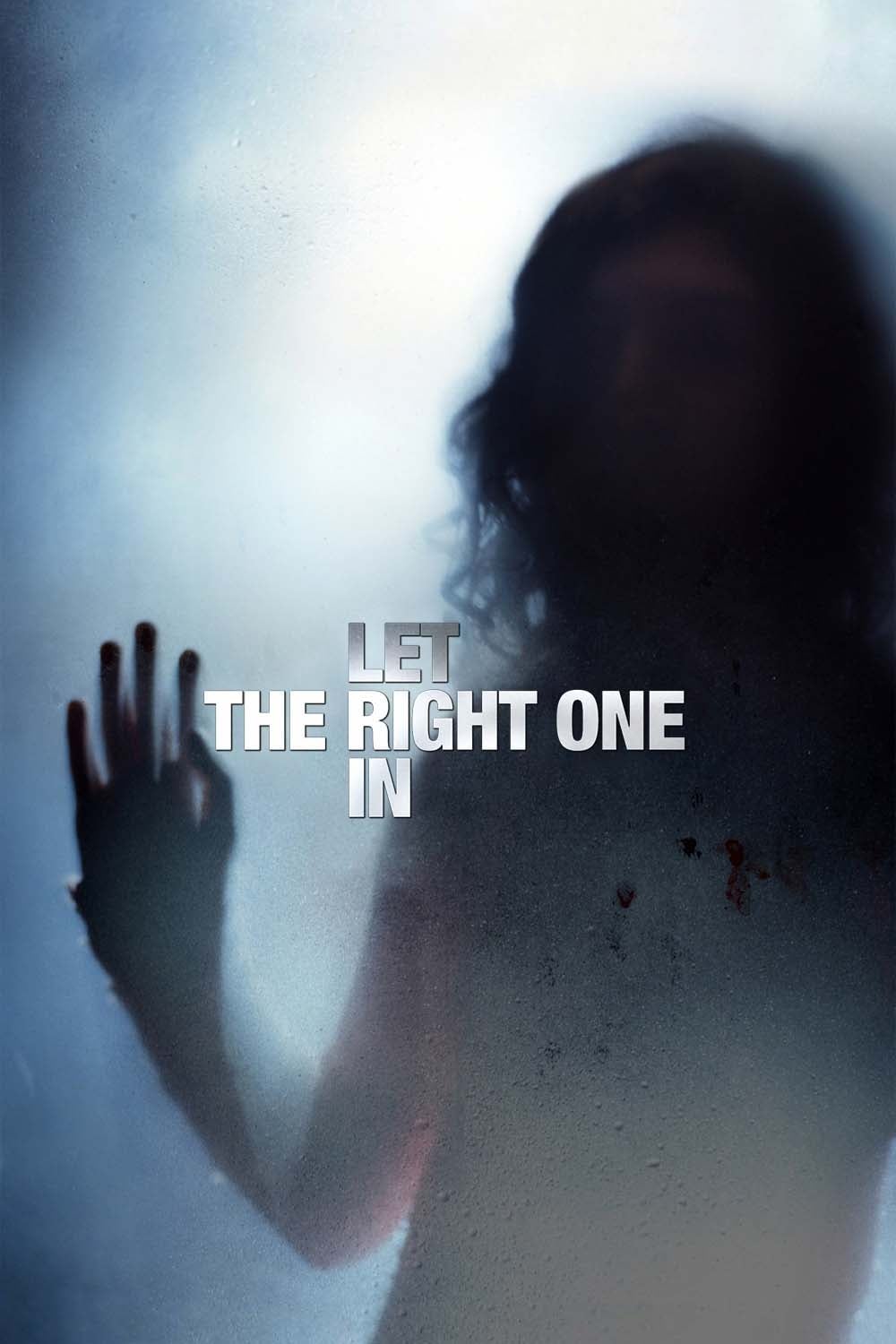
This Swedish romantic horror film uses the perpetual darkness and snow of a Stockholm suburb to set a somber mood. The relationship between a bullied boy and a vampire girl develops amidst frozen jungle gyms and icy courtyards. The cinematography highlights the silence of the falling snow which mirrors the quiet desperation of the characters. The cold environment is integral to the story and enhances the tender yet violent nature of their bond.
‘Inside Llewyn Davis’ (2013)
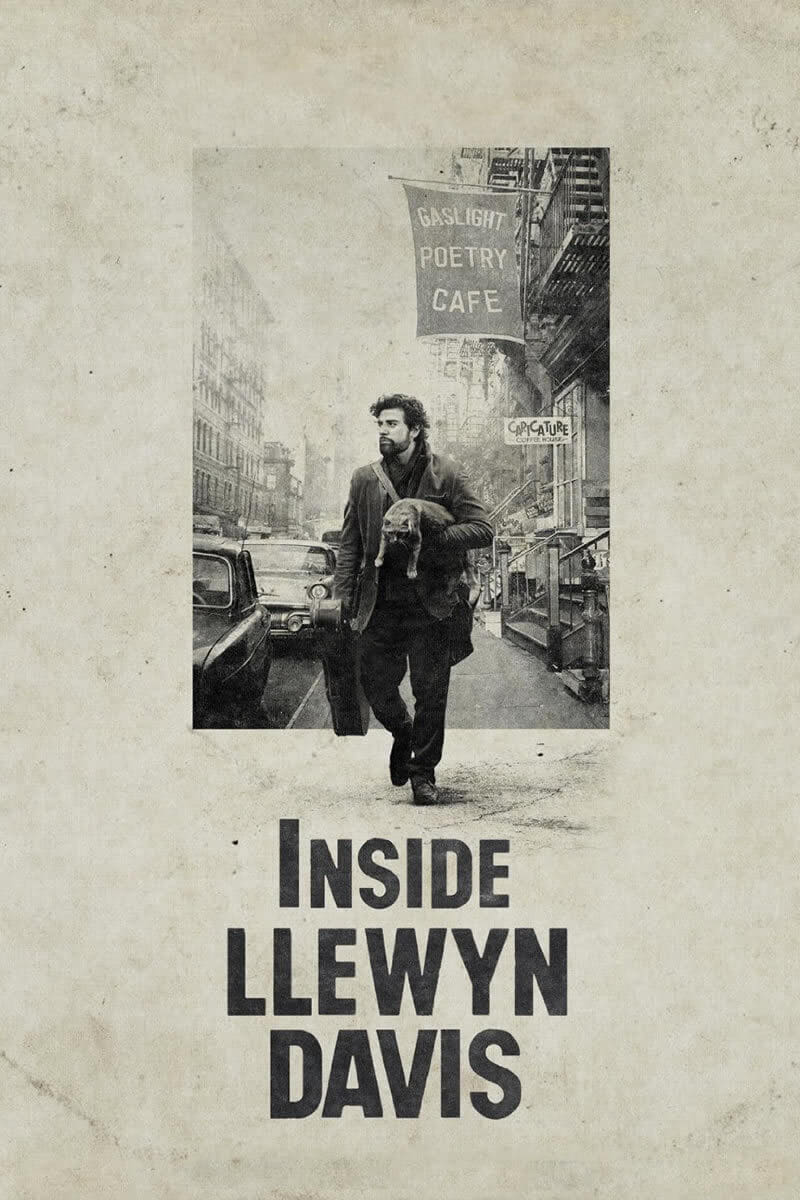
The Coen brothers return to winter imagery to depict the bleak existence of a struggling folk singer in 1961 New York. Slushy streets and grey skies reflect the professional stagnation and personal failures of the protagonist. The cinematography captures the damp cold that seems to seep into the bones of the characters as they navigate the Greenwich Village scene. This aesthetic choice underscores the melancholic tone of the soundtrack and the narrative.
‘Doctor Zhivago’ (1965)
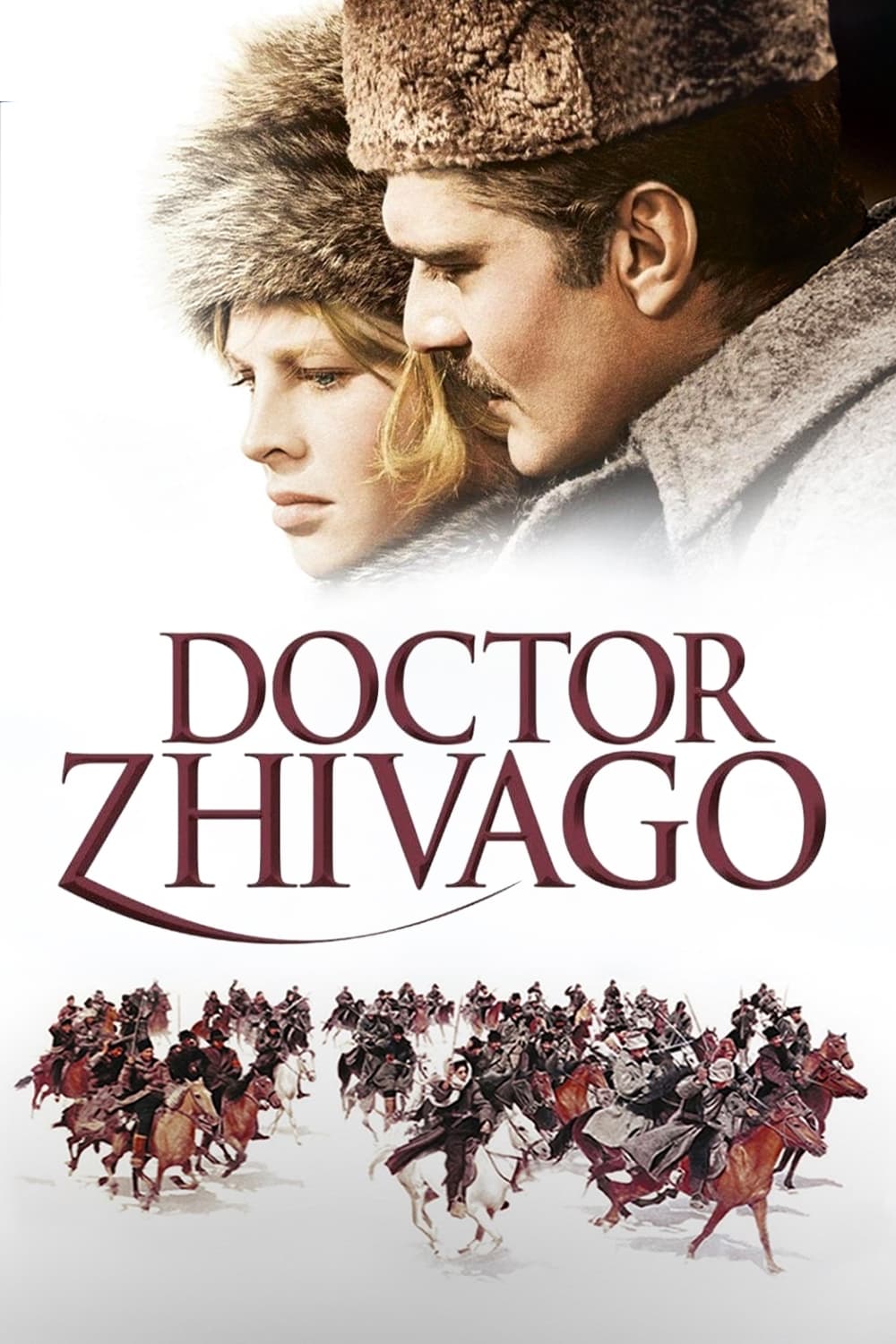
David Lean directs this epic romance that spans the years prior to and following the Russian Revolution. The production famously recreated the Russian winter in Spain with massive sets covered in marble dust and white plastic. The sequence featuring the Varykino ice palace shows a home completely encased in frozen crystals and snow. This grandeur elevates the tragic love story to a mythic level through its breathtaking visual scope.
‘McCabe & Mrs. Miller’ (1971)

Robert Altman revisionist western takes place in a mining town that slowly gets buried under heavy snowfall. Vilmos Zsigmond used a flashing technique on the film negative to create a faded and antique look that matches the period setting. The final shootout occurs during a blizzard that obscures visibility and dampens the sound of gunfire. The accumulating snow serves as a metaphor for the inevitable doom closing in on the protagonist.
‘Winter Sleep’ (2014)
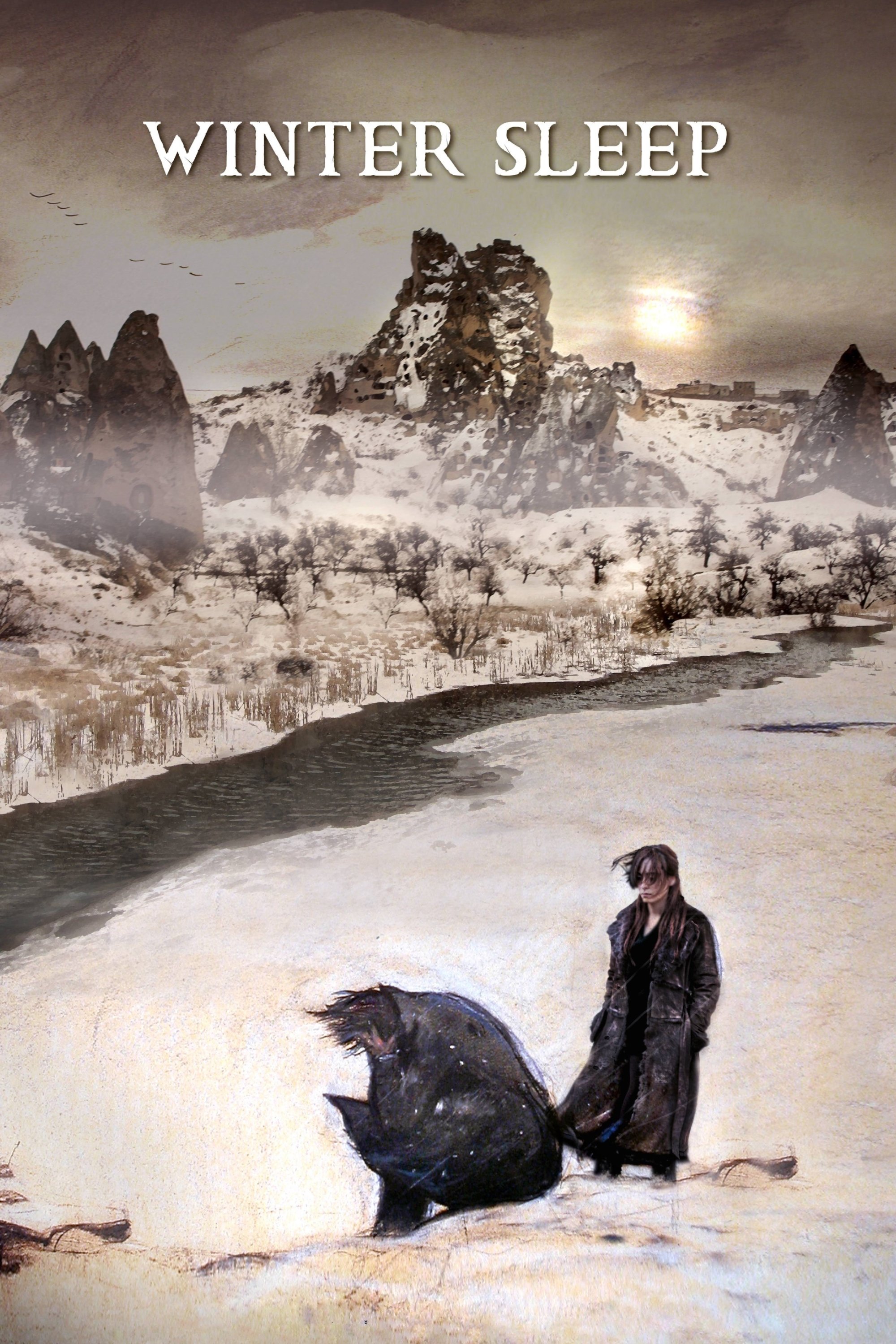
Nuri Bilge Ceylan sets this introspective drama in the striking landscape of Cappadocia in Turkey. The unique rock formations and cave hotels are blanketed in snow to create a sense of entrapment for the characters. Long takes allow the audience to absorb the stillness of the environment and the simmering tensions within the hotel owner’s family. The visuals emphasize the emotional distance between people even when they share the same physical space.
‘Wind River’ (2017)

Taylor Sheridan directs this crime thriller set on a Native American reservation in Wyoming during a harsh winter. The white terrain acts as a blank page where tracks and clues are both preserved and hidden by the elements. Characters must battle frostbite and snowmobiles as they hunt for a killer in the unforgiving high-altitude wilderness. The film uses the setting to highlight the neglect and isolation faced by the community living there.
‘The Thing’ (1982)
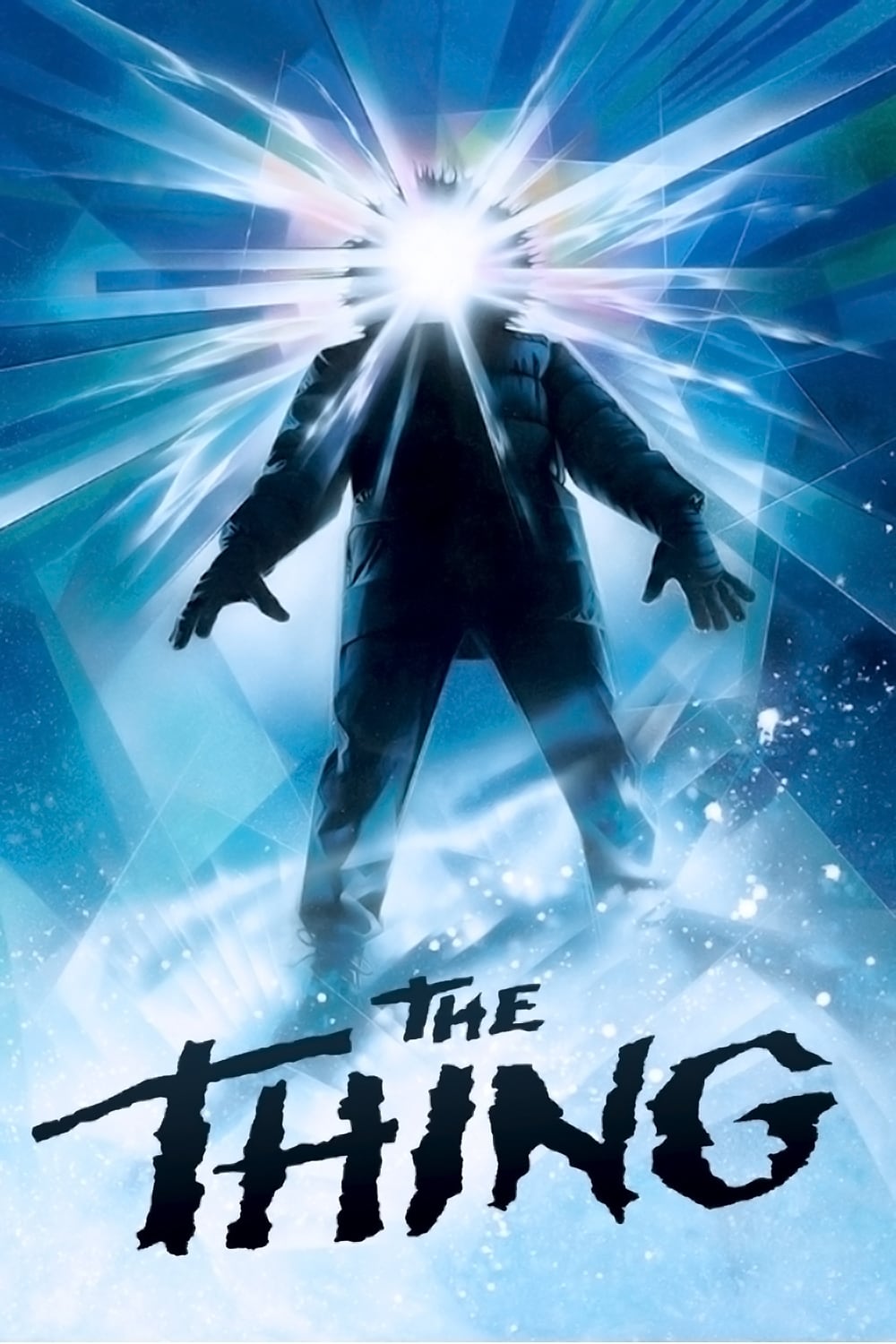
John Carpenter places a research team in the desolation of Antarctica where they encounter a shape-shifting alien entity. The sub-zero temperatures and howling winds force the men to stay inside their claustrophobic base with the creature. Exterior shots of the burning wreckage against the blue twilight of the polar night create a striking visual contrast. The cold is as much of a threat as the monster since fleeing into the dark means certain death.
‘Misery’ (1990)
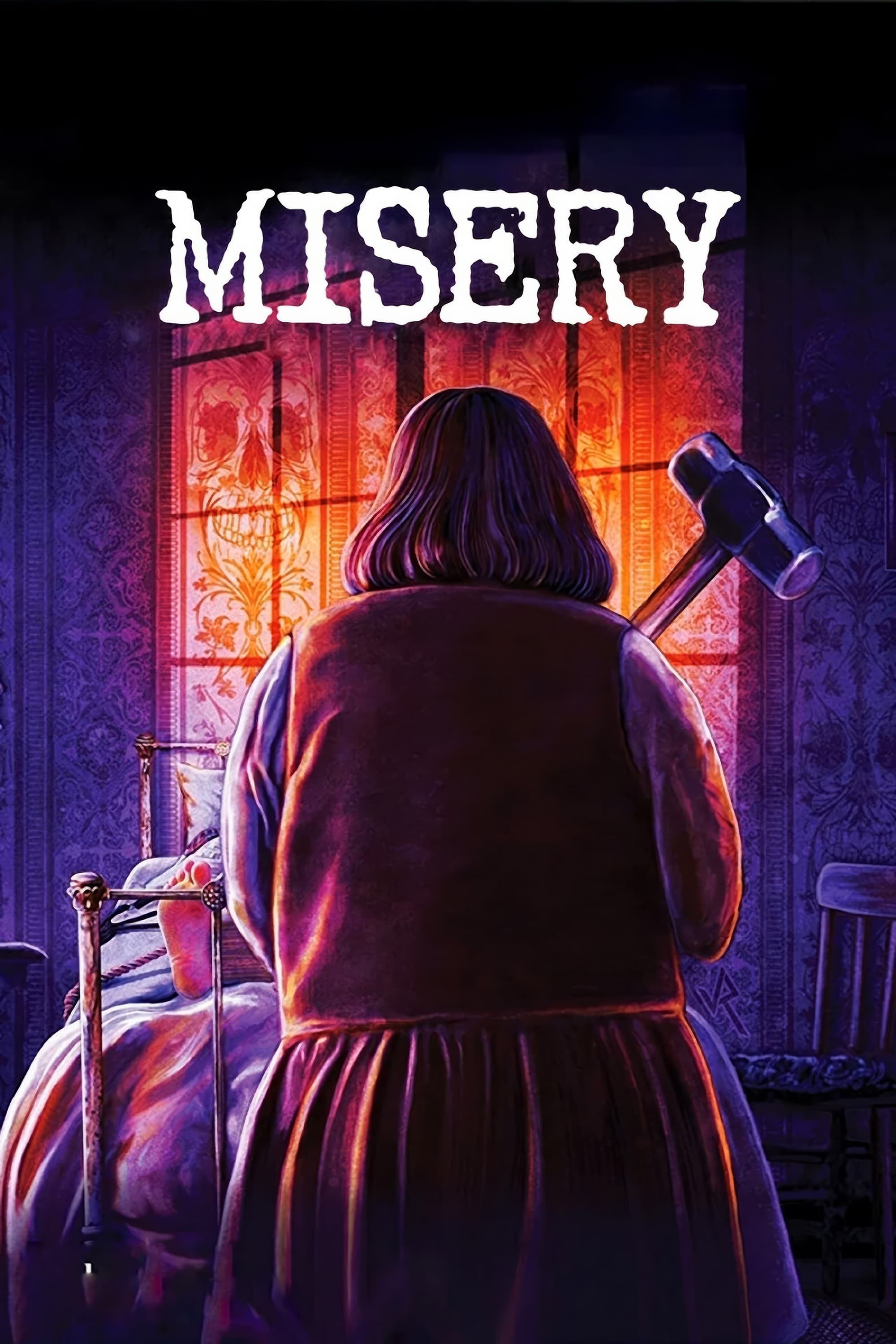
Rob Reiner adapts the Stephen King novel about a famous author held captive by an obsessed fan in a remote snowy home. The heavy snowfall outside creates a physical barrier that prevents any hope of escape or rescue for the injured protagonist. Cinematography emphasizes the cozy but suffocating atmosphere of the house compared to the deadly cold outdoors. The winter setting heightens the tension by making the isolation absolute and unbreakable.
‘The Girl with the Dragon Tattoo’ (2011)
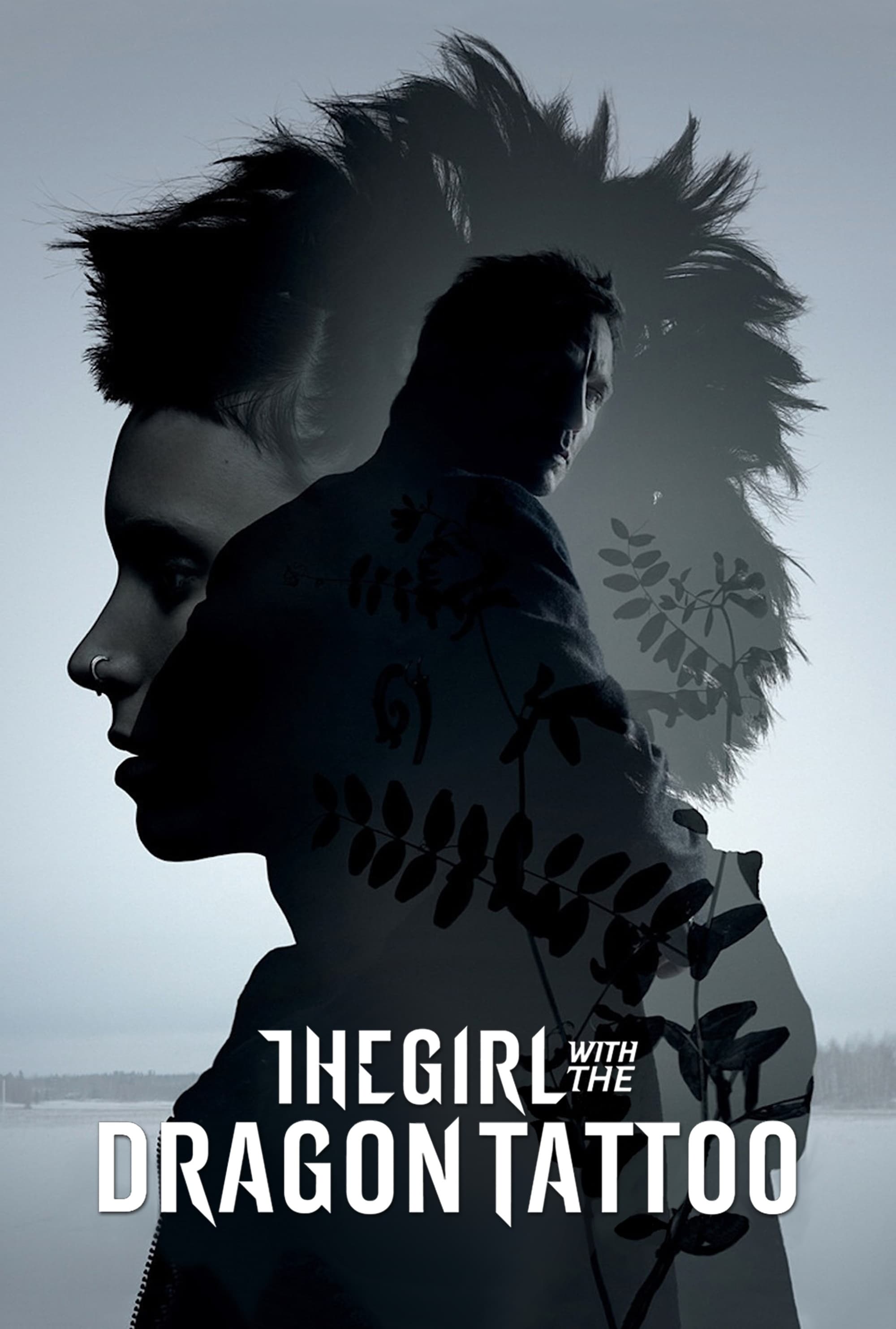
David Fincher captures the chilling atmosphere of northern Sweden as a disgraced journalist investigates a decades-old disappearance. The grey skies and icy waters set a mood of foreboding that matches the dark secrets of the Vanger family. Scenes of the characters riding motorcycles across frozen bridges emphasize the biting cold of the region. The harsh climate serves as a backdrop for the brutal violence and mystery that unfolds.
‘The Grey’ (2011)
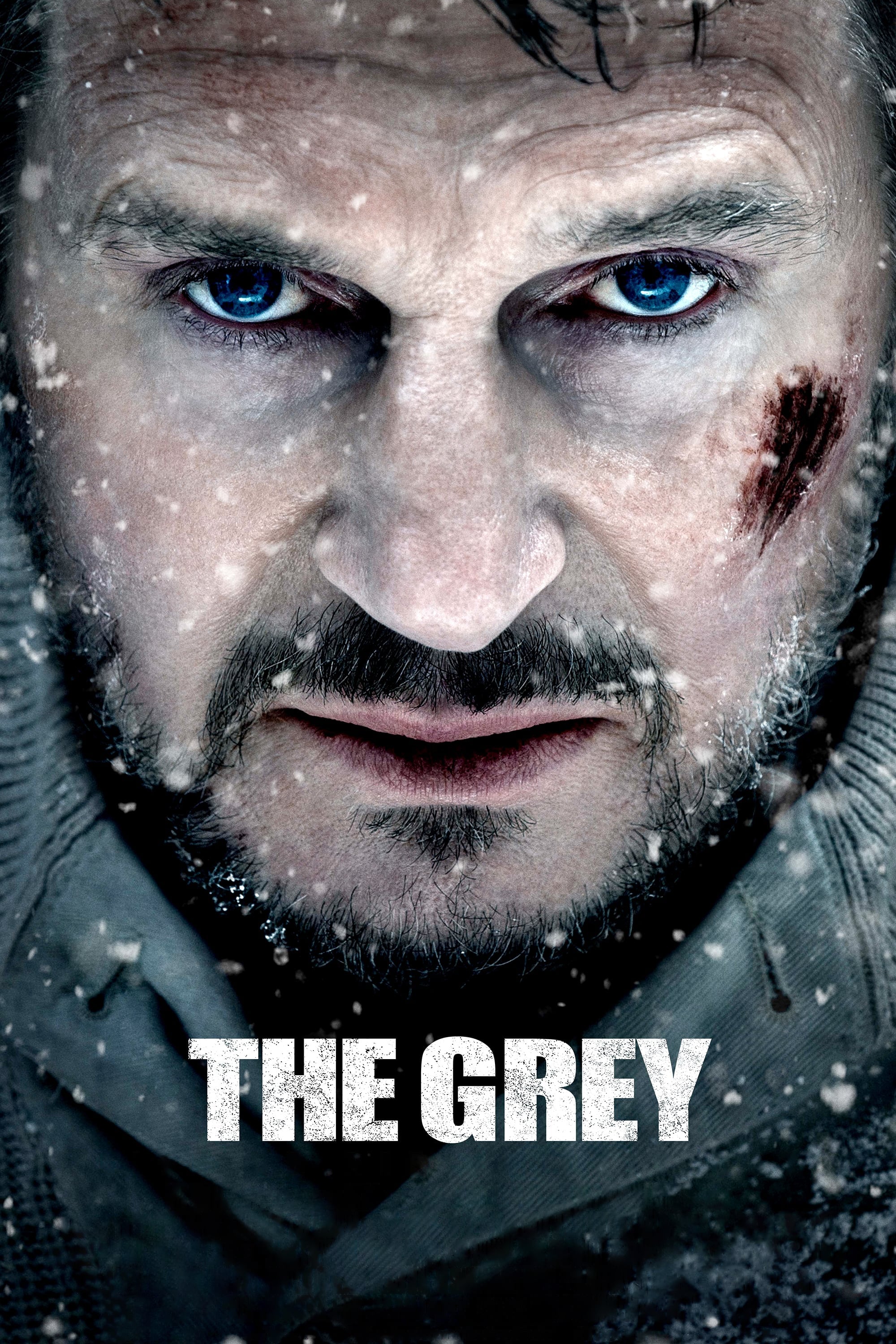
Joe Carnahan directs this survival thriller about oil workers stranded in the Alaskan wilderness after a plane crash. The survivors must navigate through deep snow and blizzards while being stalked by a pack of territorial wolves. The cinematography captures the physical toll of the elements on the men as they slowly succumb to exhaustion and hypothermia. The white landscape is depicted as an indifferent force of nature that offers no quarter.
‘Edward Scissorhands’ (1990)

Tim Burton creates a dark fairy tale that culminates in a magical creation of snow in a suburban setting. The ice sculptures carved by the title character produce shavings that fall over the town like a winter storm. This visual element transforms the colorful neighborhood into a wonderland that signifies the impact Edward has on the community. The falling snow serves as a lasting legacy of his presence and artistic spirit.
‘A Simple Plan’ (1998)

Sam Raimi directs this neo-noir thriller about three men who find a crashed plane containing millions of dollars in a snowy nature preserve. The white backdrop makes the characters stand out as they descend into greed and paranoia. The pristine snow is constantly disturbed by their clumsy attempts to cover up their crimes and mistakes. The winter setting reflects the chilling effect the money has on their relationships and morality.
‘The Chronicles of Narnia: The Lion, the Witch and the Wardrobe’ (2005)
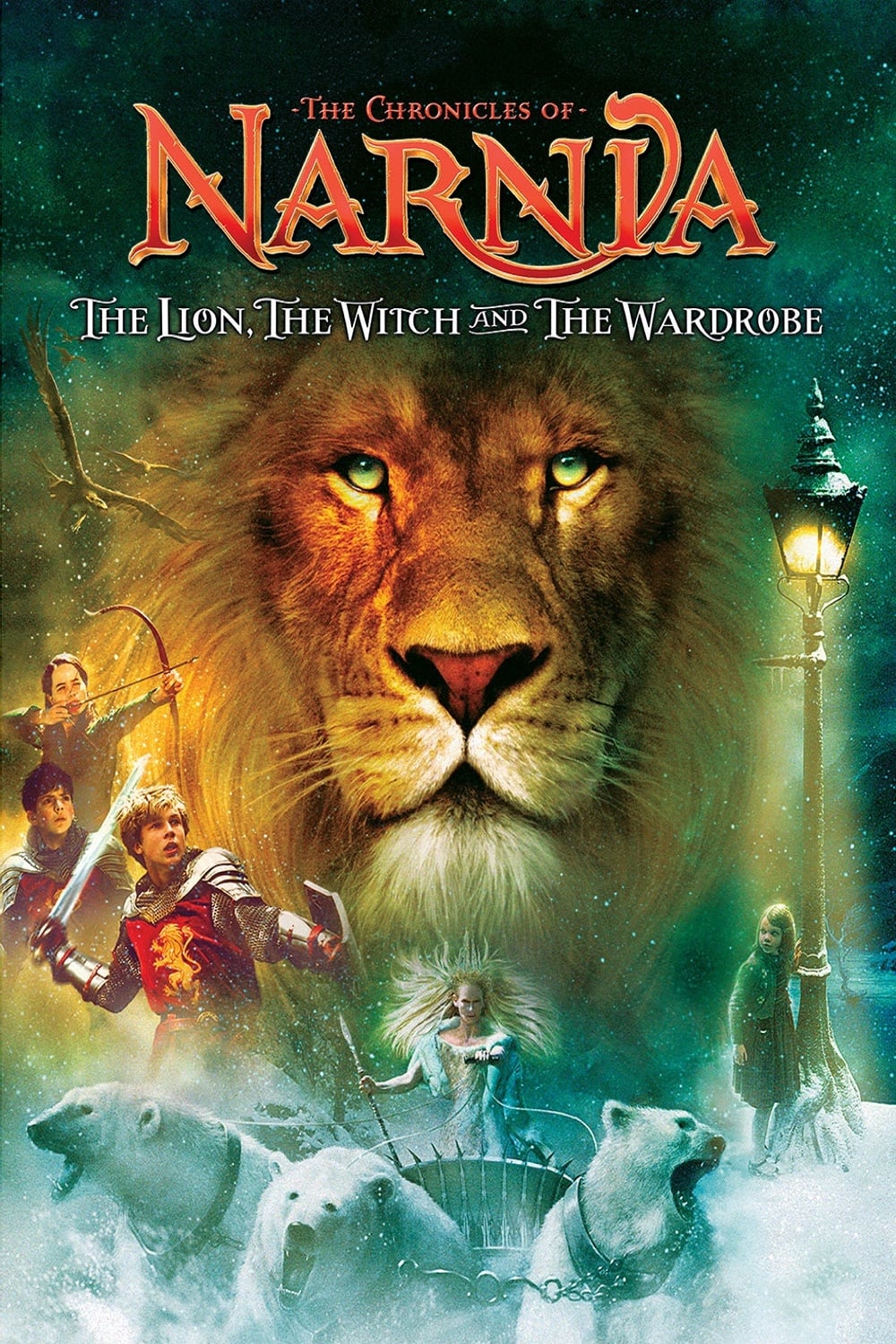
Andrew Adamson brings the classic C.S. Lewis novel to life with a magical world trapped in an eternal winter without Christmas. The White Witch rules over a land of frozen waterfalls and snow-covered forests that look undeniably enchanting despite the tyranny. The transition from the endless winter to the thawing spring marks the turning point of the narrative and the battle for Narnia. The visual effects team created a crisp and glittering winter wonderland that defines the first half of the film.
‘Eternal Sunshine of the Spotless Mind’ (2004)
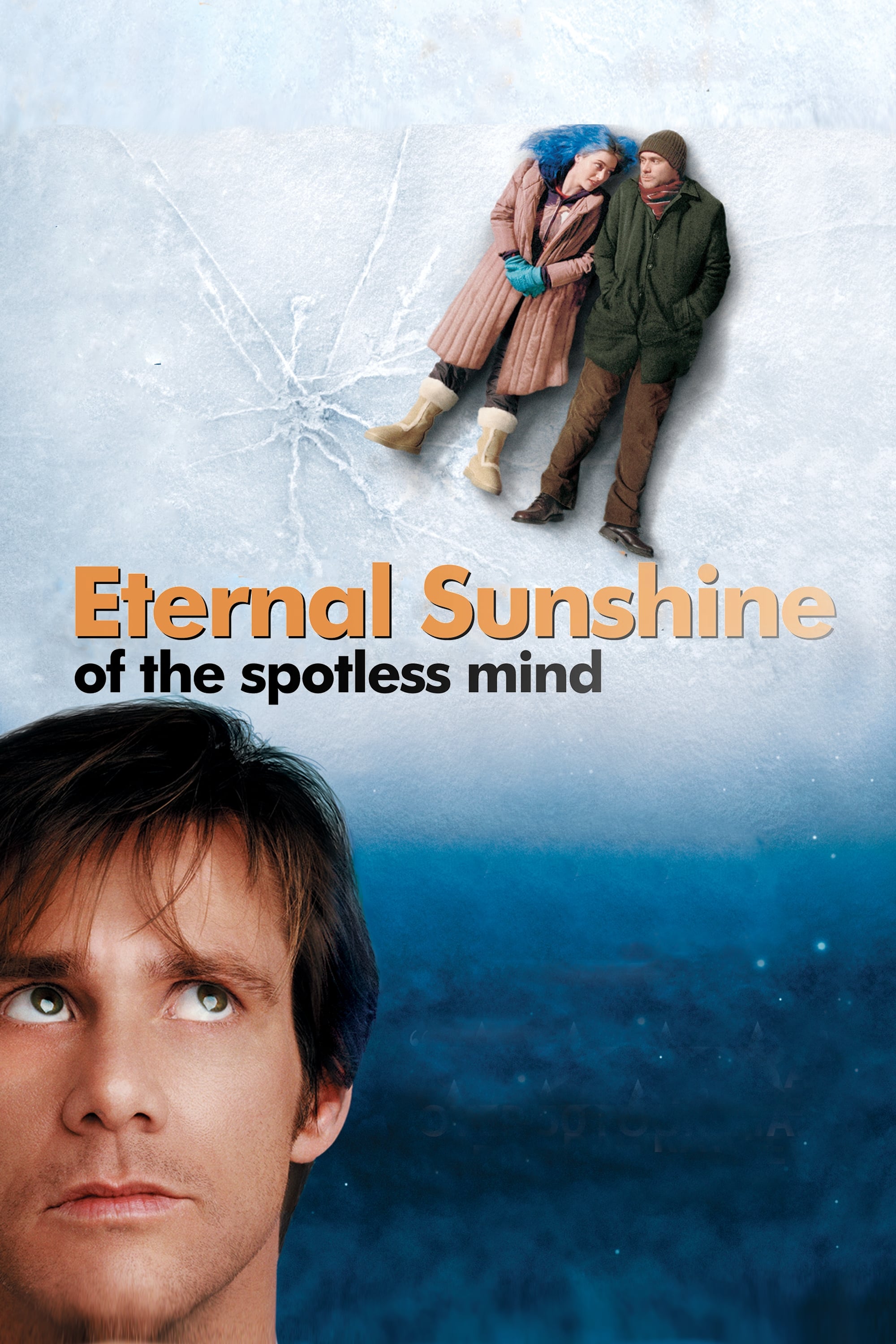
Michel Gondry uses the frozen Charles River and snowy beaches of Montauk to represent the fragmented memories of the protagonist. The cold weather reflects the melancholy of a breakup and the desire to erase painful emotional attachments. Characters lie on cracked ice to gaze at the stars in scenes that are both romantic and surreal. The winter imagery provides a cohesive visual thread through the disjointed narrative of memory and loss.
Please share your favorite winter film scenes in the comments.