19 TV Shows That Mastered the Art of the Cold Open

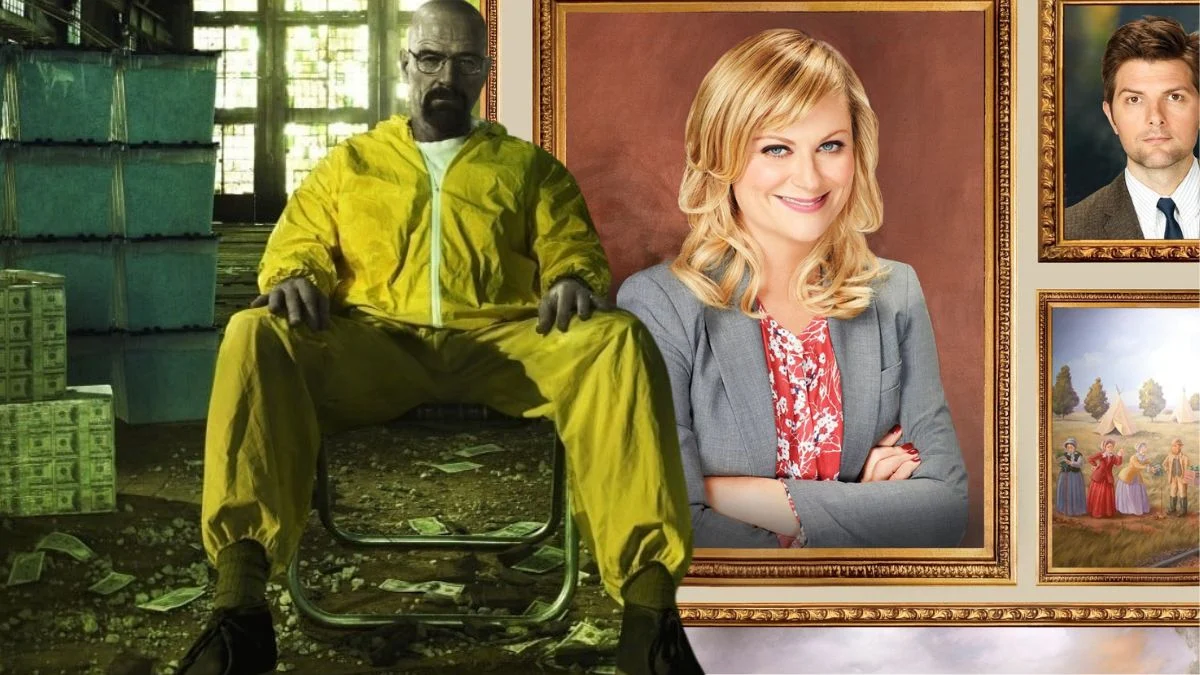

A cold open serves as a narrative hook that grabs the viewer before the opening credits roll. This technique allows writers to establish a mood or deliver a standalone joke that sets the tone for the rest of the episode. Some series use this time to advance the plot while others use it for character development through brief vignettes. The following television shows have utilized this storytelling device to great effect throughout their runs.
‘Brooklyn Nine-Nine’ (2013–2021)
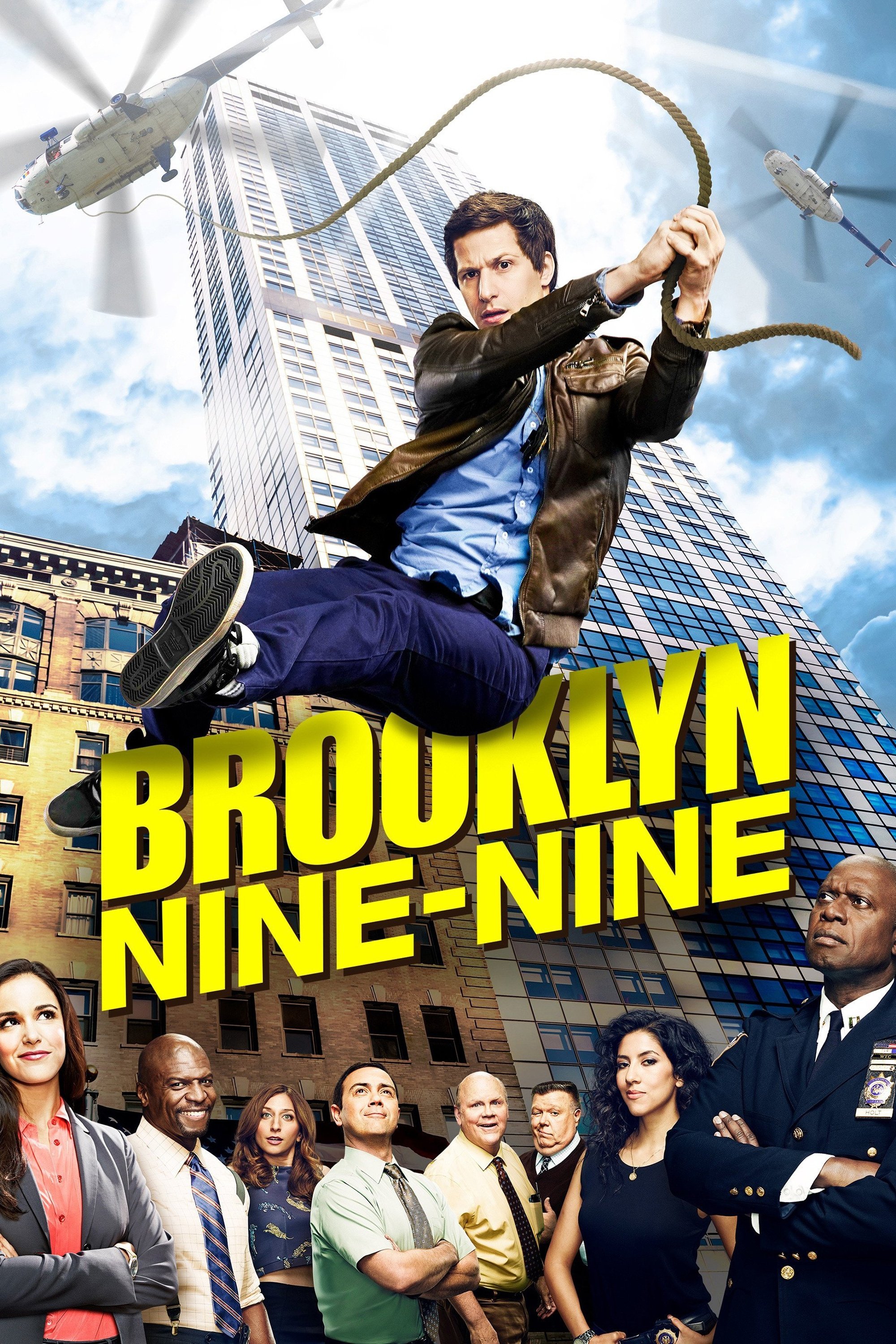
The cold opens in this police procedural sitcom often function as self-contained sketches that highlight the quirky dynamics of the squad. One memorable instance involves Jake Peralta leading a police lineup in a rendition of a Backstreet Boys song to identify a suspect. These segments frequently end with a sharp cut to the opening theme just as the punchline lands. The writers use these moments to showcase the comedic range of the ensemble cast without affecting the main storyline.
‘The Office’ (2005–2013)
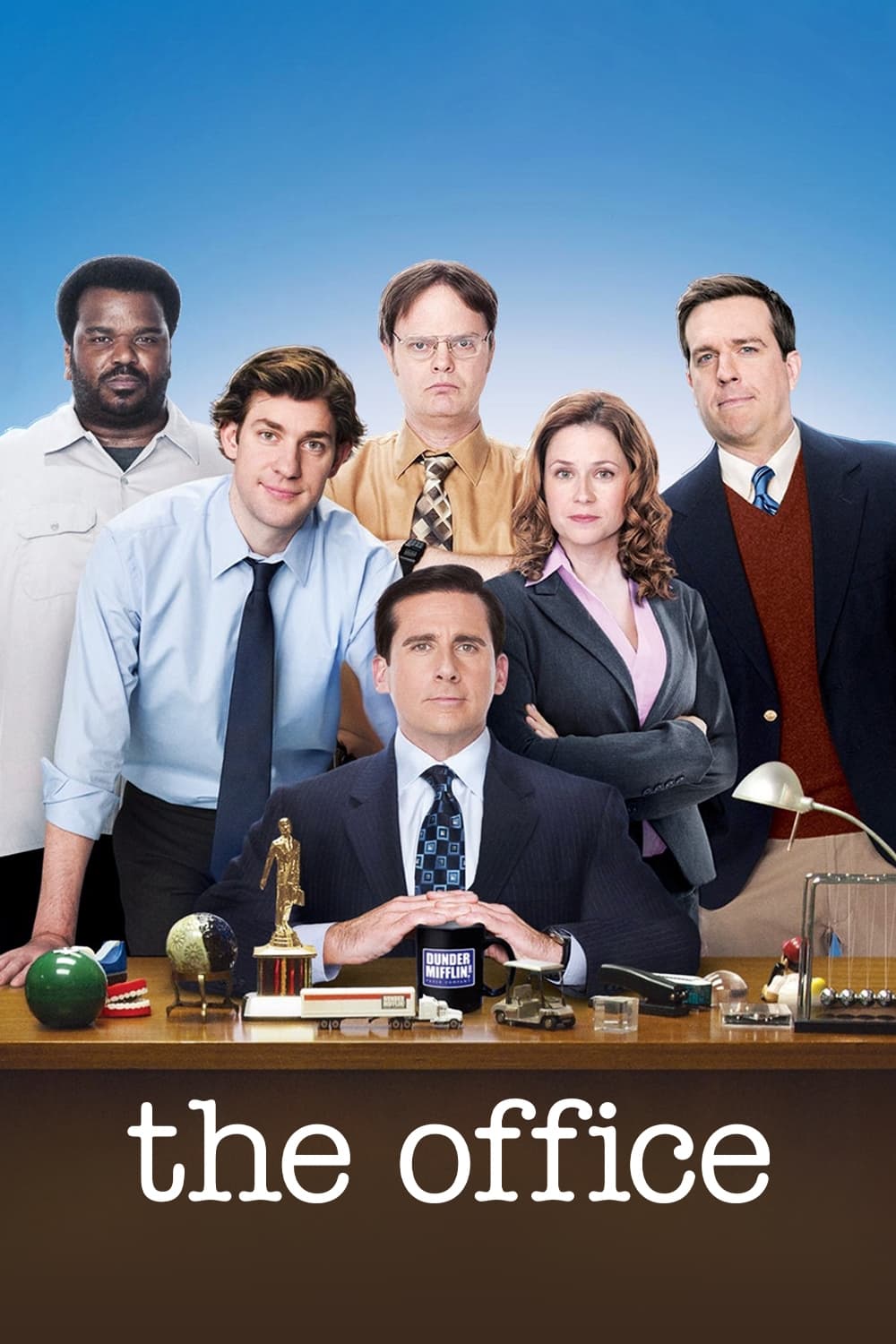
This mockumentary series became famous for opening scenes that featured elaborate pranks or chaotic office mishaps. Jim Halpert frequently targets Dwight Schrute with intricate schemes such as putting his stapler in Jell-O or wrapping his desk in paper. The chaotic fire drill sequence stands out as one of the most frantic and expensive sequences in the show’s history. These brief introductions effectively establish the mundane yet absurd reality of the Dunder Mifflin environment.
‘Breaking Bad’ (2008–2013)
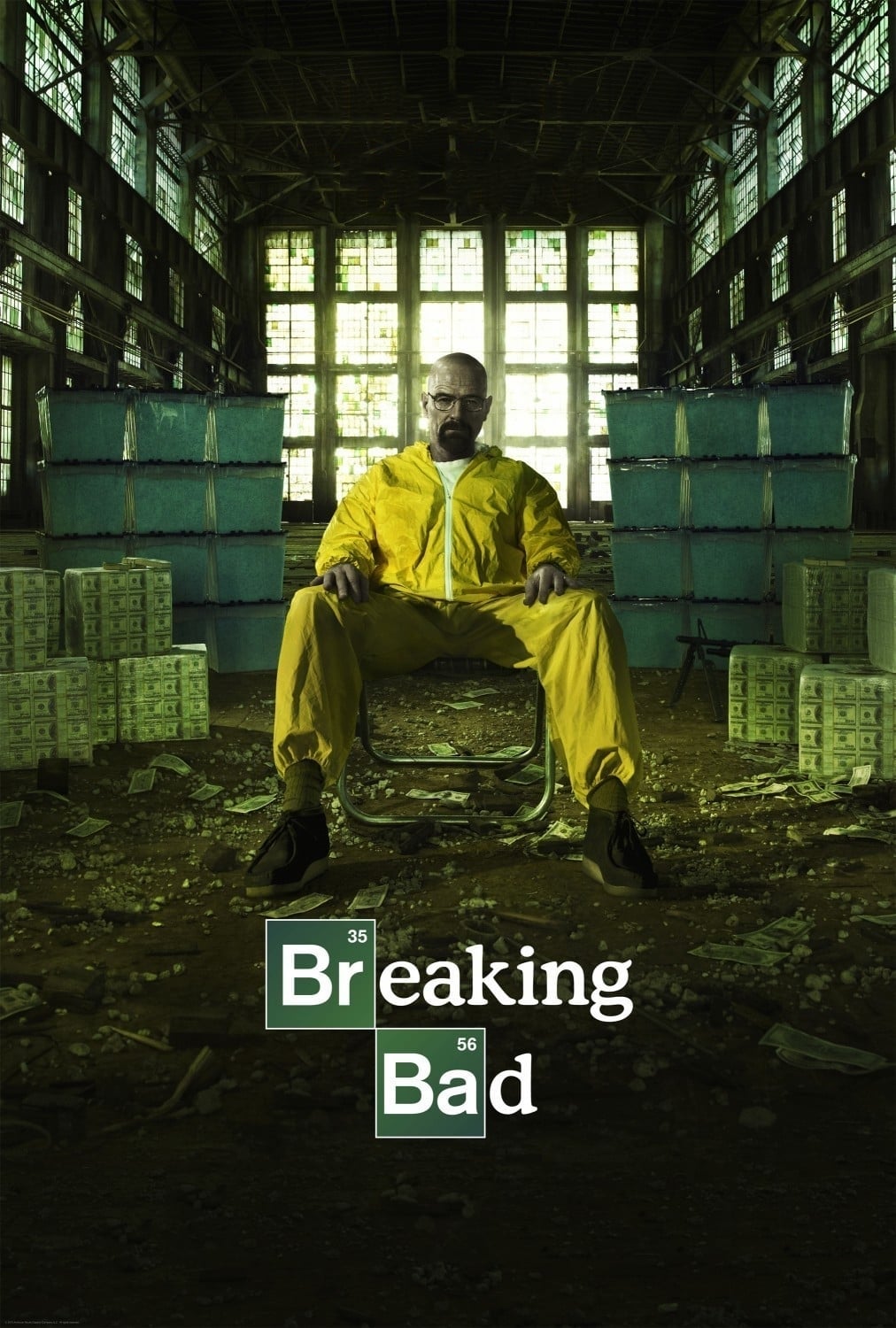
Vince Gilligan utilized the cold open to create immense tension or foreshadow future events in the life of Walter White. Flash-forwards often depicted confusing imagery like a pink teddy bear floating in a pool to keep audiences guessing about the plot. Other openings focused on the detailed scientific processes of methamphetamine production set to upbeat music. These artistic choices helped build a unique visual style that distinguished the crime drama from its contemporaries.
‘Saturday Night Live’ (1975–Present)
The cold open is a structural staple of this long-running sketch comedy program and typically addresses current political events or pop culture scandals. Cast members impersonate political figures to satirize the news of the week before breaking character to deliver the signature catchphrase. This segment serves as the energetic launchpad for the live broadcast and sets the comedic agenda for the night. It remains one of the most culturally significant uses of the technique in television history.
‘Malcolm in the Middle’ (2000–2006)
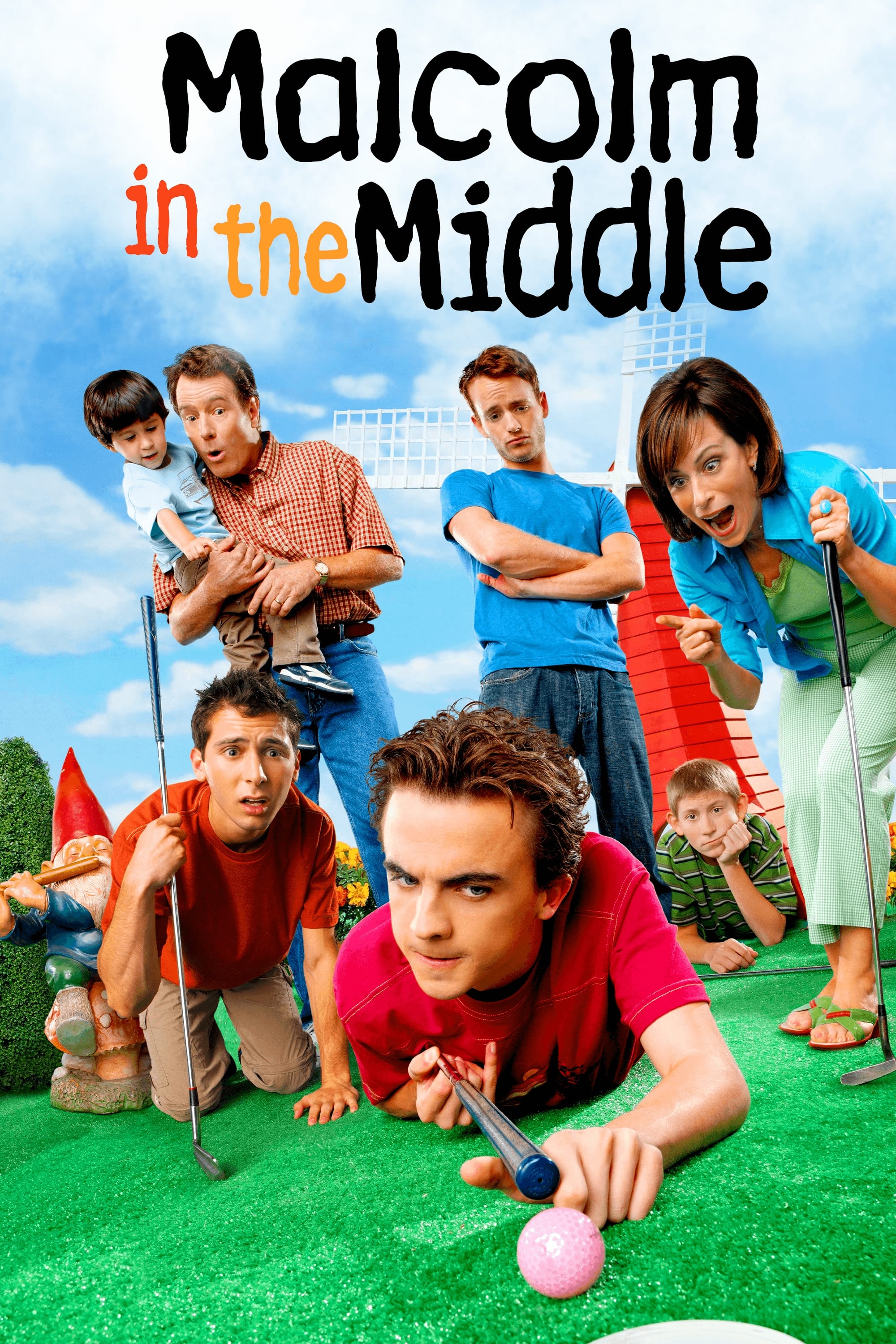
The pre-credit scenes in this family sitcom usually feature Hal or the boys engaging in relatable but ridiculous domestic situations. These clips rarely connect to the primary plot of the episode and instead function as quick bursts of physical comedy. Viewers watch Hal attempt to fix a light bulb only to end up repairing his car engine in a spiraling chain of events. The show uses these moments to capture the chaotic energy of a large suburban family.
‘The X-Files’ (1993–2018)
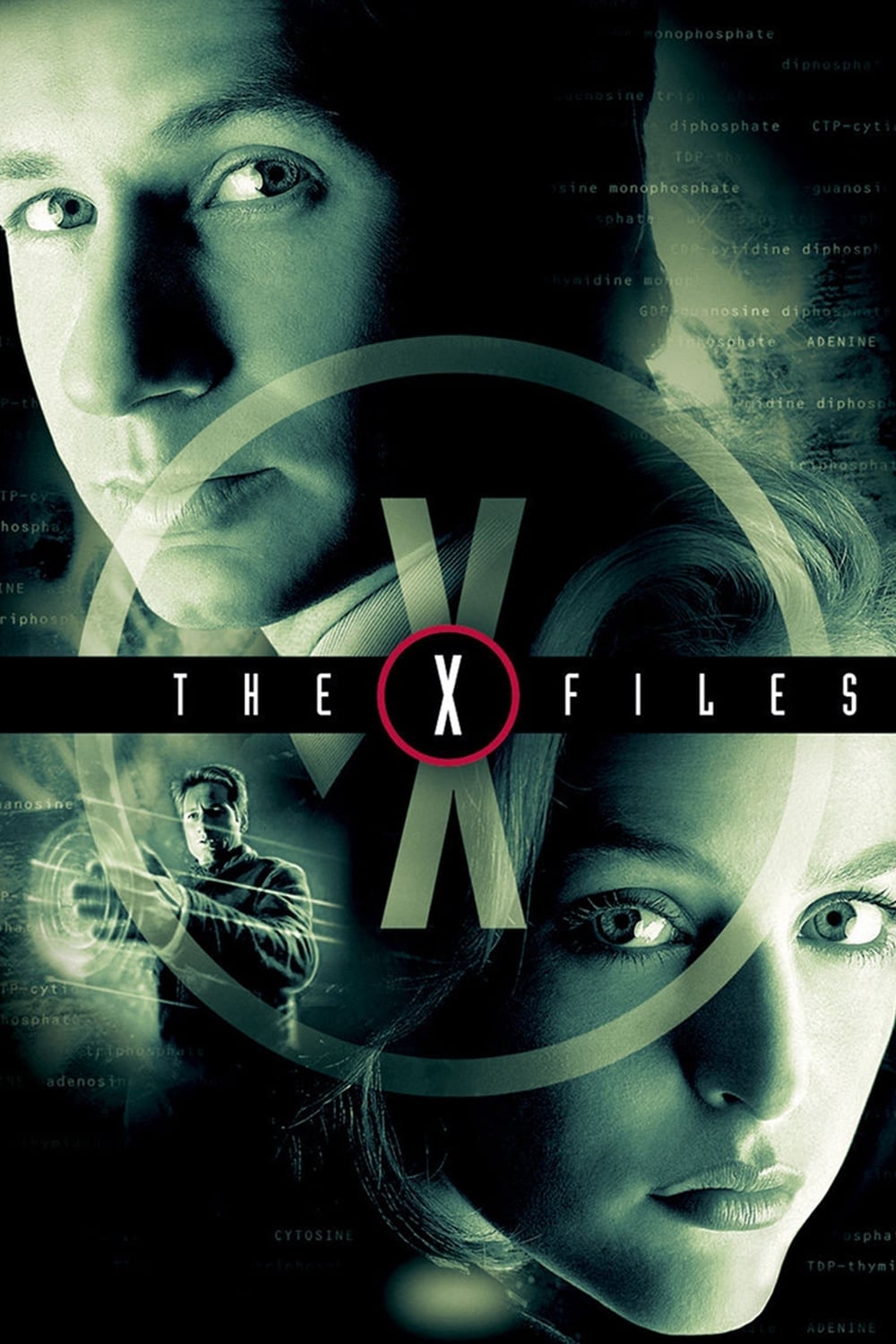
Chris Carter used the cold open to introduce the monster of the week or the supernatural phenomenon investigating agents would soon encounter. These segments often play out as mini-horror movies that establish high stakes and genuine scares before Mulder and Scully arrive. The technique allows the series to experiment with different genres ranging from psychological thrillers to slasher horror. It effectively builds an atmosphere of dread that permeates the remainder of the hour.
‘It’s Always Sunny in Philadelphia’ (2005–Present)
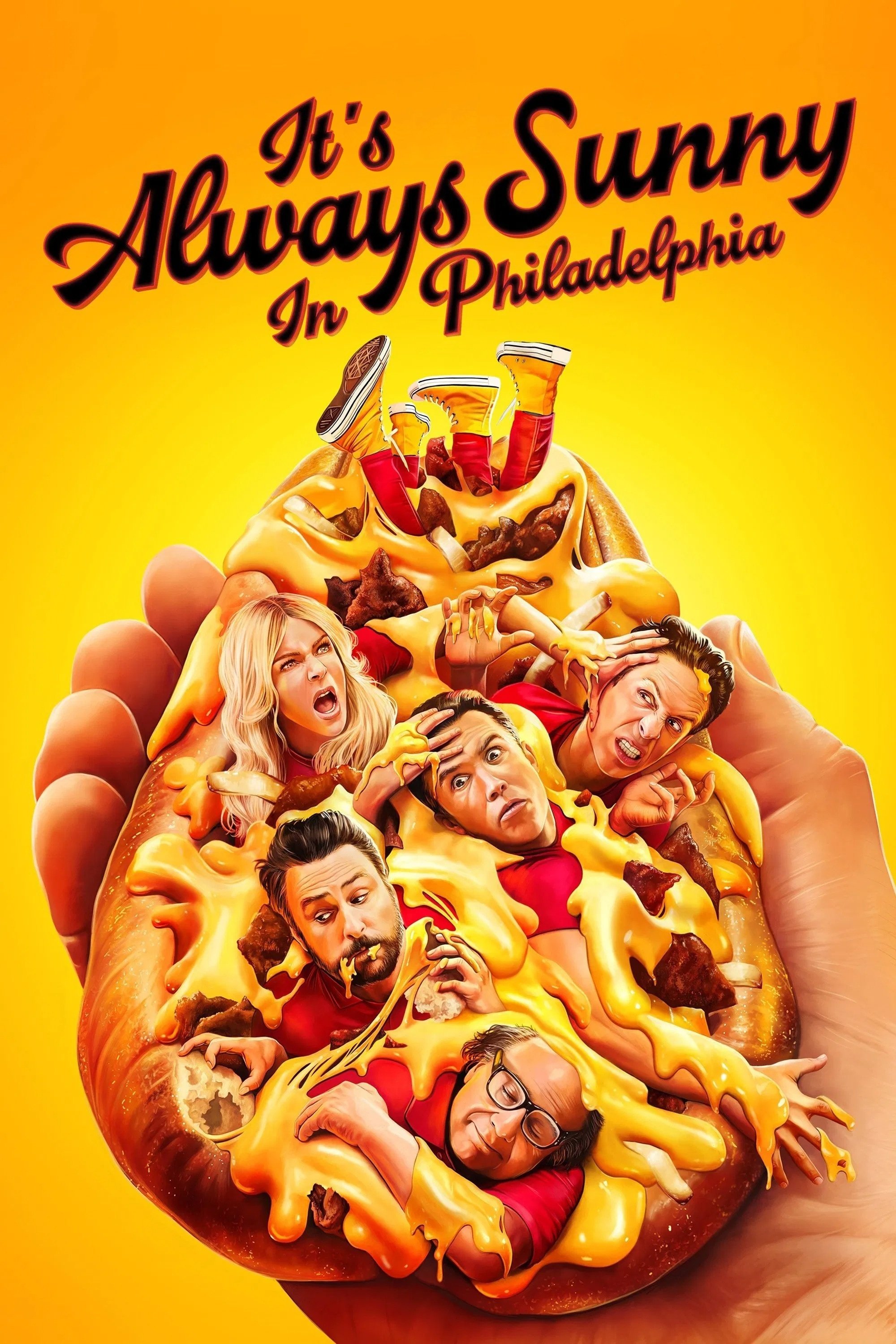
The writers of this dark comedy mastered a specific formula where the dialogue directly contradicts the title card that immediately follows. The gang will often confidently state that they will not do a specific action right before the screen cuts to black with a title confirming they do exactly that. This ironic juxtaposition creates immediate humor and signals the lack of self-awareness inherent in the characters. It has become a defining stylistic trademark of the series.
‘Better Call Saul’ (2015–2022)
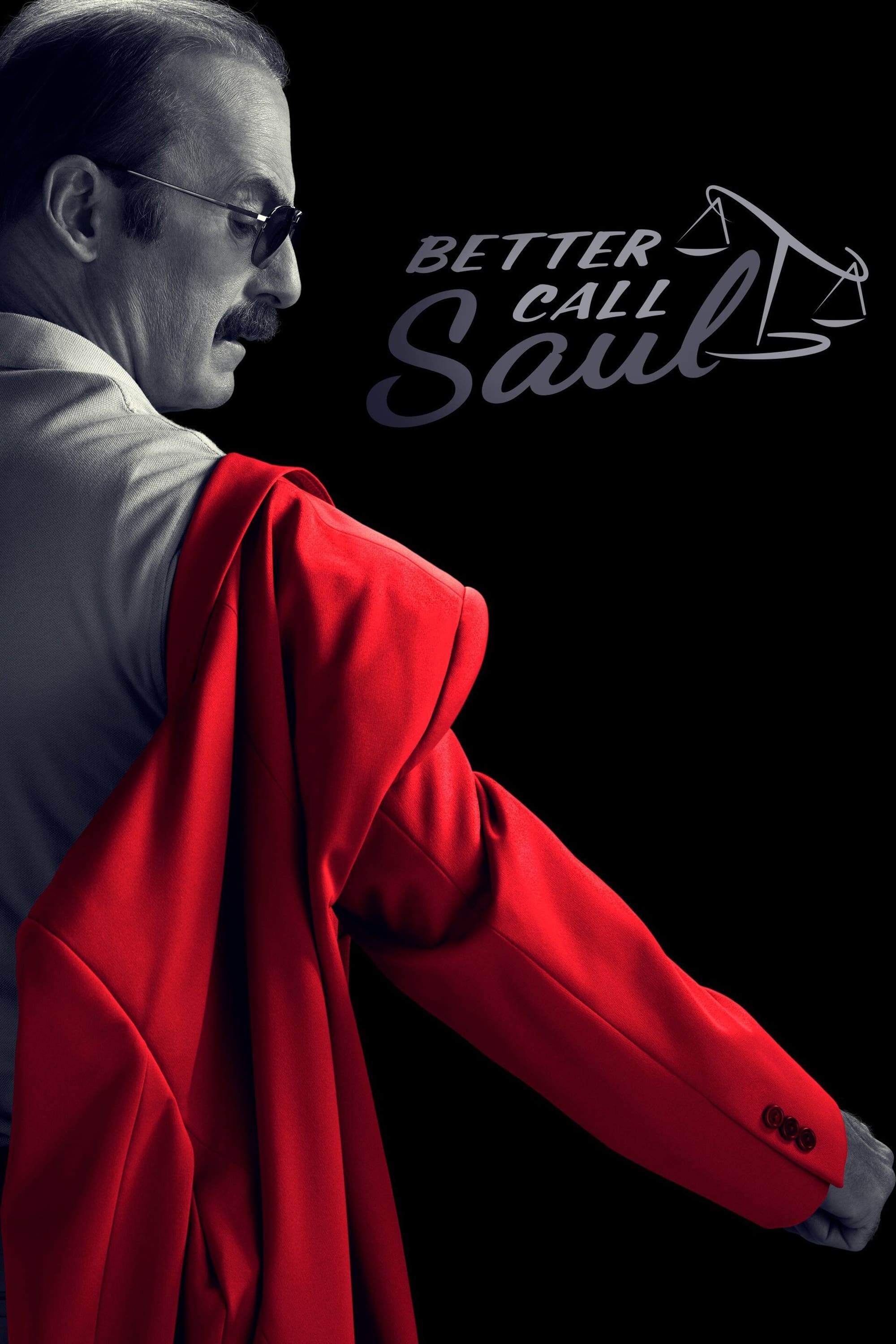
This prequel series opens each season with a black-and-white sequence depicting the protagonist’s life after the events of ‘Breaking Bad’. These quiet and atmospheric scenes show Jimmy McGill living in fear while working at a Cinnabon in Omaha. The stark visual contrast to the colorful main timeline emphasizes the bleak reality of his consequences. Viewers eagerly anticipated these glimpses into the future to piece together the ultimate fate of the character.
‘Parks and Recreation’ (2009–2015)
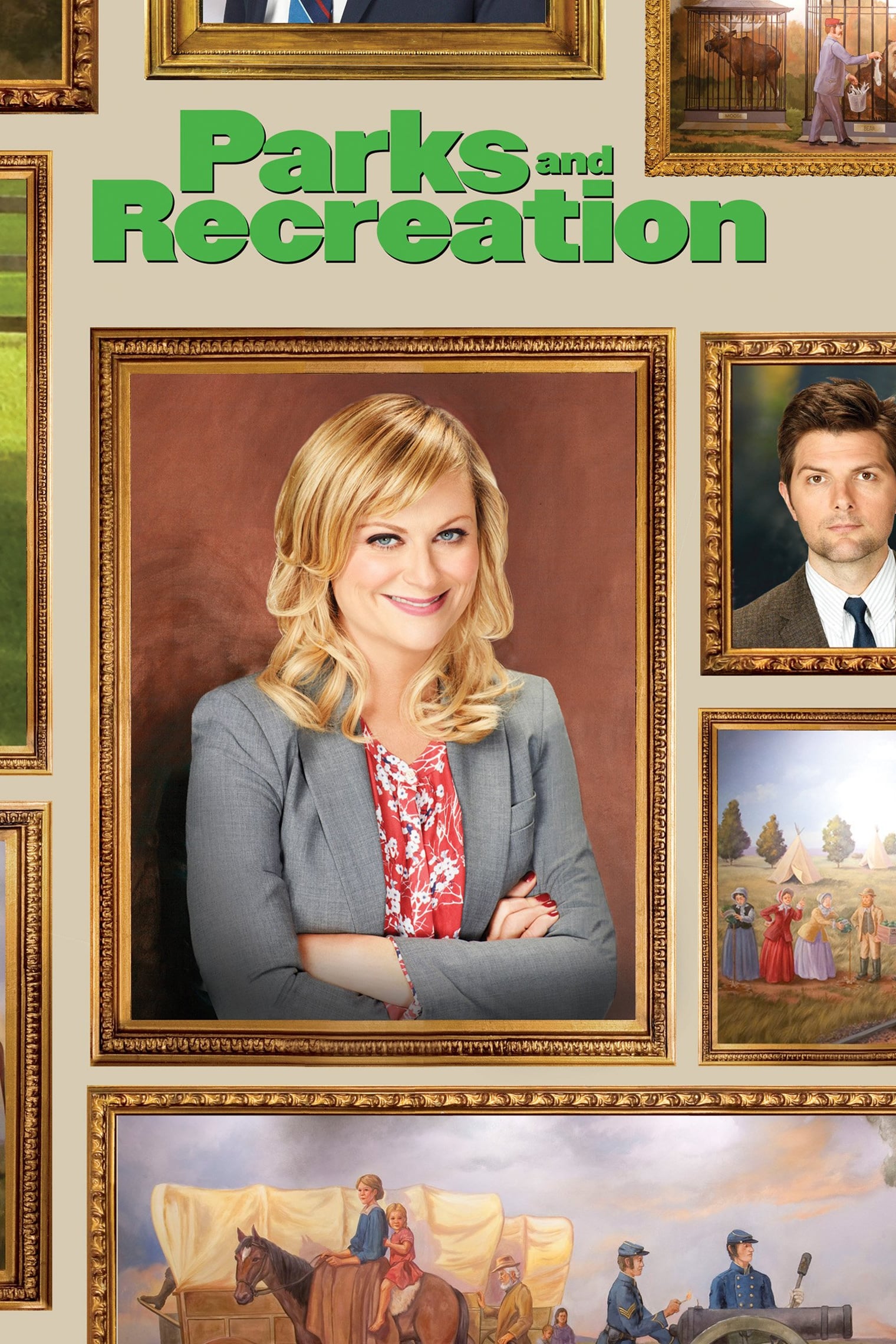
The cold opens in the Pawnee parks department frequently highlight the eccentricities of Leslie Knope and her staff. Ron Swanson often steals the show with displays of extreme manliness or libertarian philosophy such as pulling out his own tooth during a meeting. These bits allow the audience to settle into the mockumentary format with a quick laugh before the A-plot begins. The improvisational feel of these scenes showcases the strong chemistry among the cast members.
‘Law & Order’ (1990–2010)
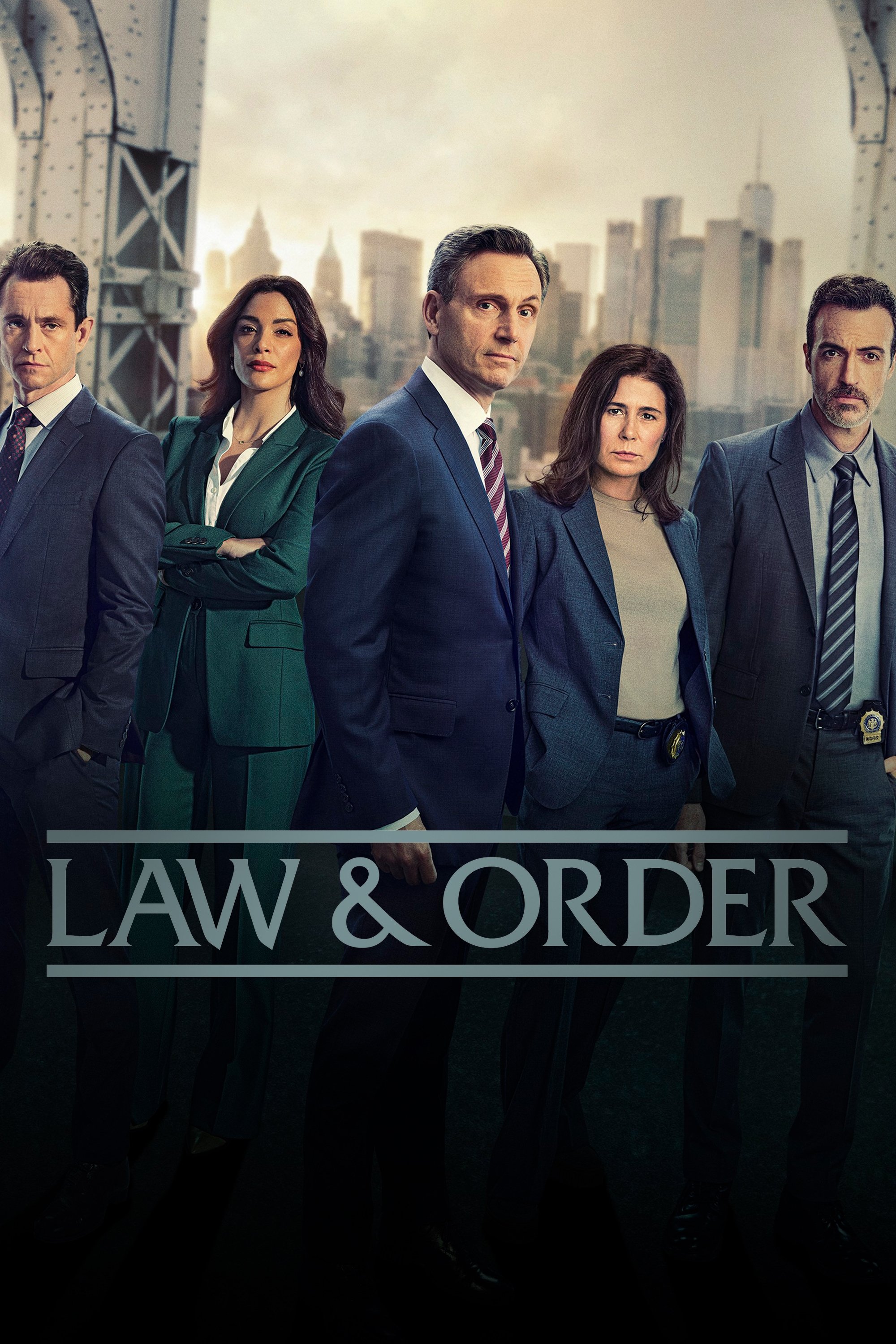
The procedural drama established a rigid structure where everyday citizens stumble upon a crime scene within the first few minutes. Uniformed officers arrive to secure the area and deliver dry one-liners about the victim before the opening credits roll. This repetitive yet effective formula immediately immerses the viewer in the case of the week. It communicates the necessary exposition efficiently so the detectives can begin their investigation without delay.
‘Six Feet Under’ (2001–2005)
Each episode of this drama begins with the death of a stranger that eventually leads them to the Fisher & Sons funeral home. These deaths range from tragic accidents to absurdly dark comedic mishaps involving mundane objects. The cold open thematic device reinforces the show’s central exploration of mortality and the fragility of life. It provides a constant reminder of the business that sustains the central family.
‘Letterkenny’ (2016–2023)

The show opens with Wayne and his friends standing by a produce stand while engaging in rapid-fire wordplay and banter. These conversations often dissect pop culture or rural life with a dense and rhythmic vernacular unique to the series. The characters rarely move during these segments and rely entirely on the speed and wit of their dialogue to entertain. This approach establishes the distinct linguistic style that defines the show’s humor.
‘The Wire’ (2002–2008)
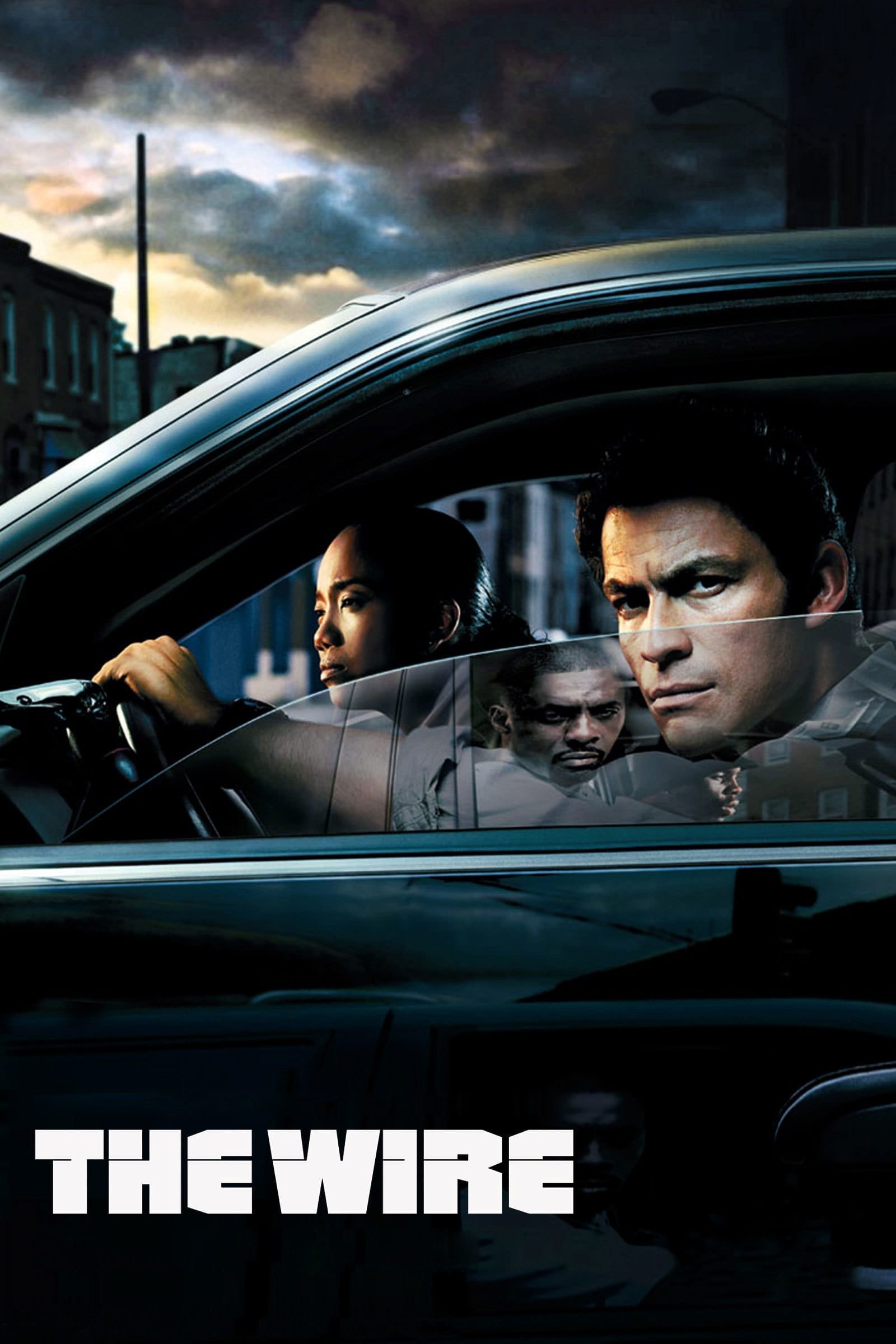
David Simon used the opening moments of each episode to paint a gritty and realistic picture of Baltimore. These scenes might depict street-level dealers discussing business or police officers dealing with bureaucracy. The content often serves as a thematic prologue that reflects the institutional dysfunction explored in the narrative. The uncompromising realism sets a serious tone that demands the full attention of the audience.
‘Supernatural’ (2005–2020)
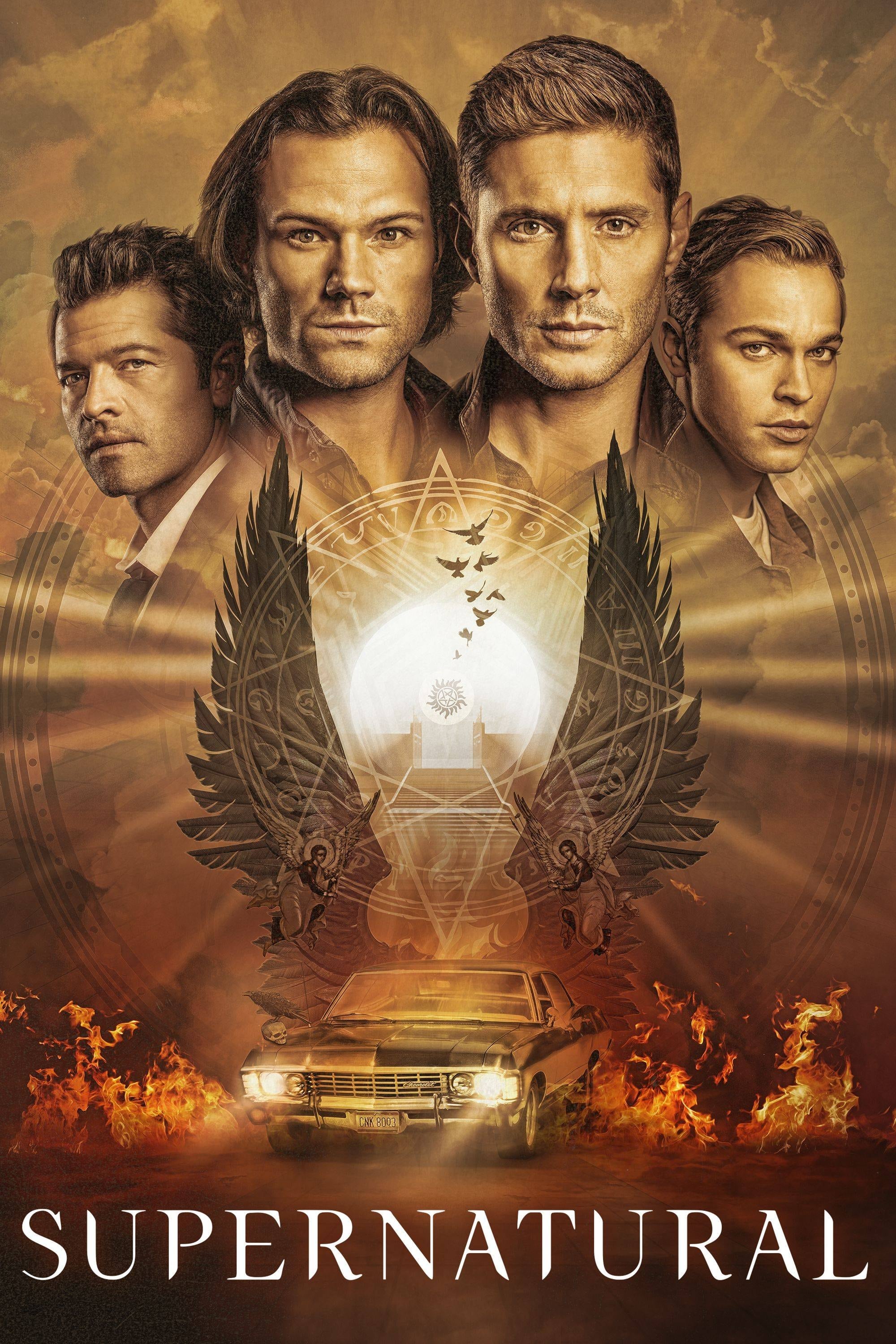
The series typically begins with an unsuspecting victim encountering a ghost or demon in a terrifying setting. This horror movie trope sets up the mystery that Sam and Dean Winchester must solve when they roll into town. The intense and often bloody introductions raise the stakes and demonstrate the lethal nature of the weekly threat. It follows a classic structure that pays homage to the urban legends and folklore the show draws upon.
‘Lost’ (2004–2010)
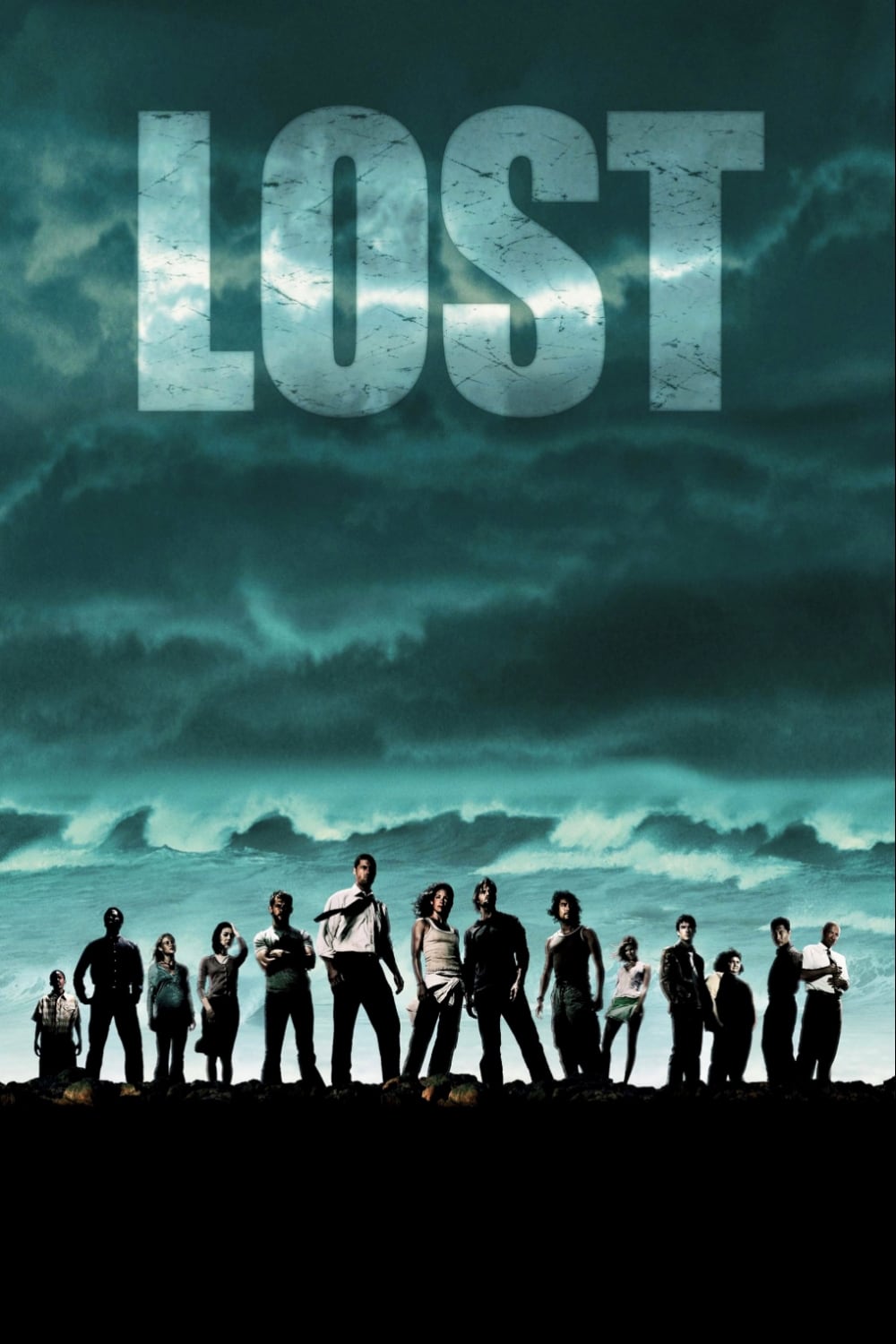
The pilot episode famously began with a close-up of an eye opening followed by the protagonist waking up in a jungle bamboo forest. Subsequent episodes used cold opens to introduce flashbacks or flash-forwards that recontextualized the island narrative. These segments were designed to disorient the viewer and generate immediate questions about the timeline. The writers excelled at using these initial minutes to expand the mythology of the series.
‘Community’ (2009–2015)
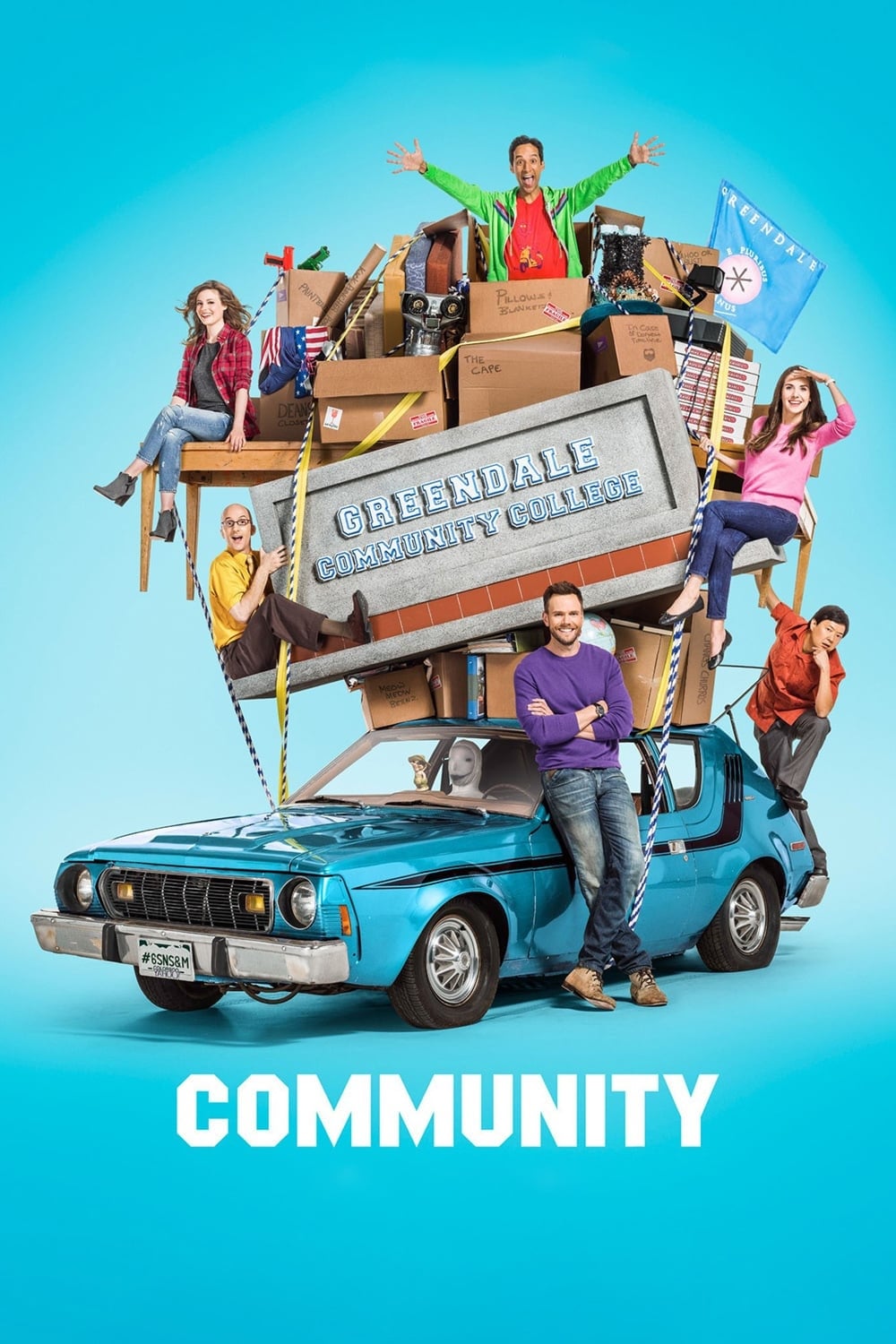
The study group at Greendale Community College often starts the episode with meta-humor or pop culture references around their library table. Dean Pelton frequently interrupts these sessions with elaborate costumes and pun-filled announcements. These openings establish the surreal and self-referential tone that separates the show from traditional sitcoms. The writers use this space to experiment with different conceptual gags that do not require long setups.
‘Friends’ (1994–2004)
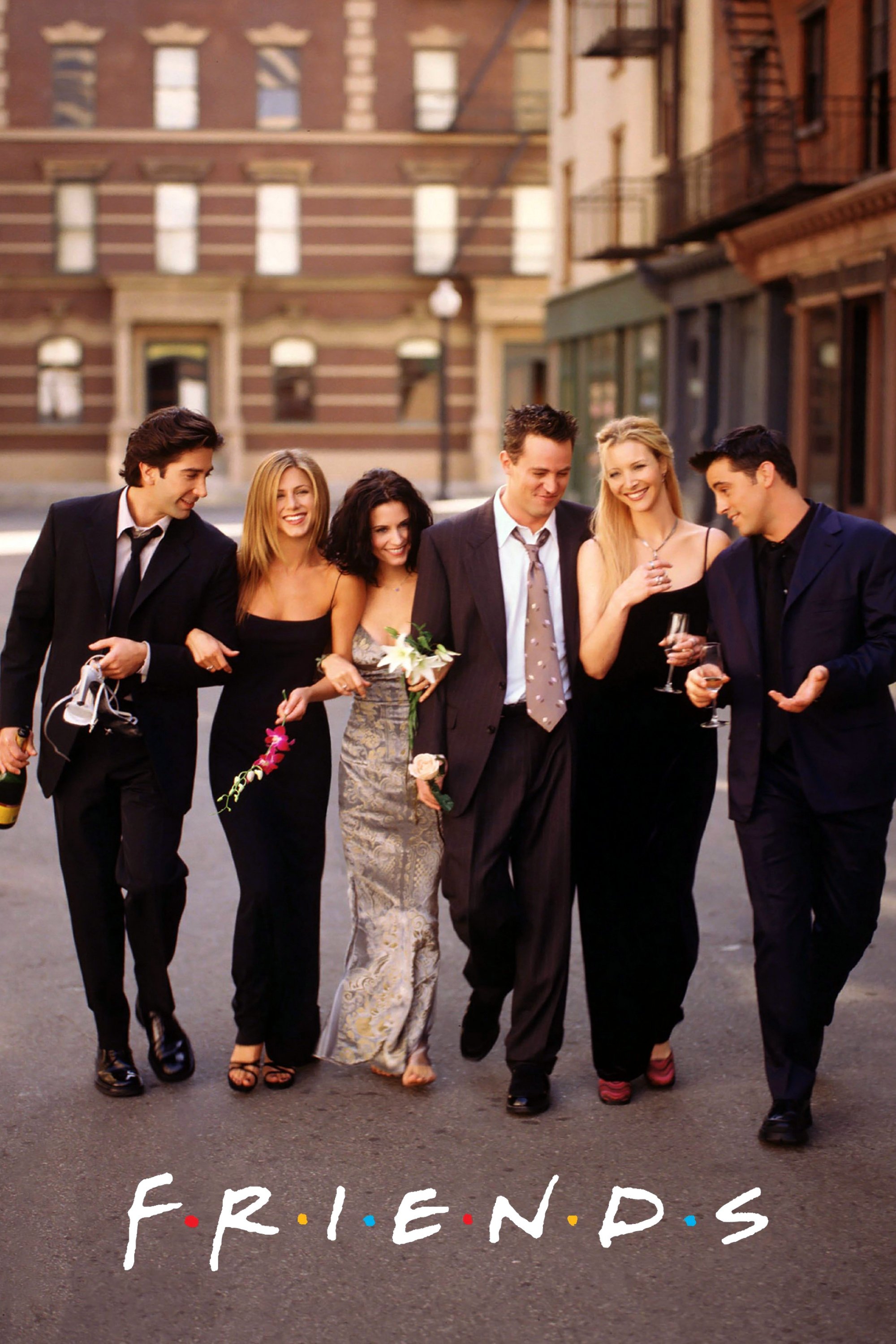
The six main characters often gather at Central Perk or in their apartments for a quick conversation before the theme song plays. These scenes usually consist of observational humor or physical gags that stand apart from the episode’s storylines. Viewers watch the friends hum tunes together or debate minor social etiquettes. The familiarity of these settings helps the audience feel like they are hanging out with the group.
‘Abbott Elementary’ (2021–Present)
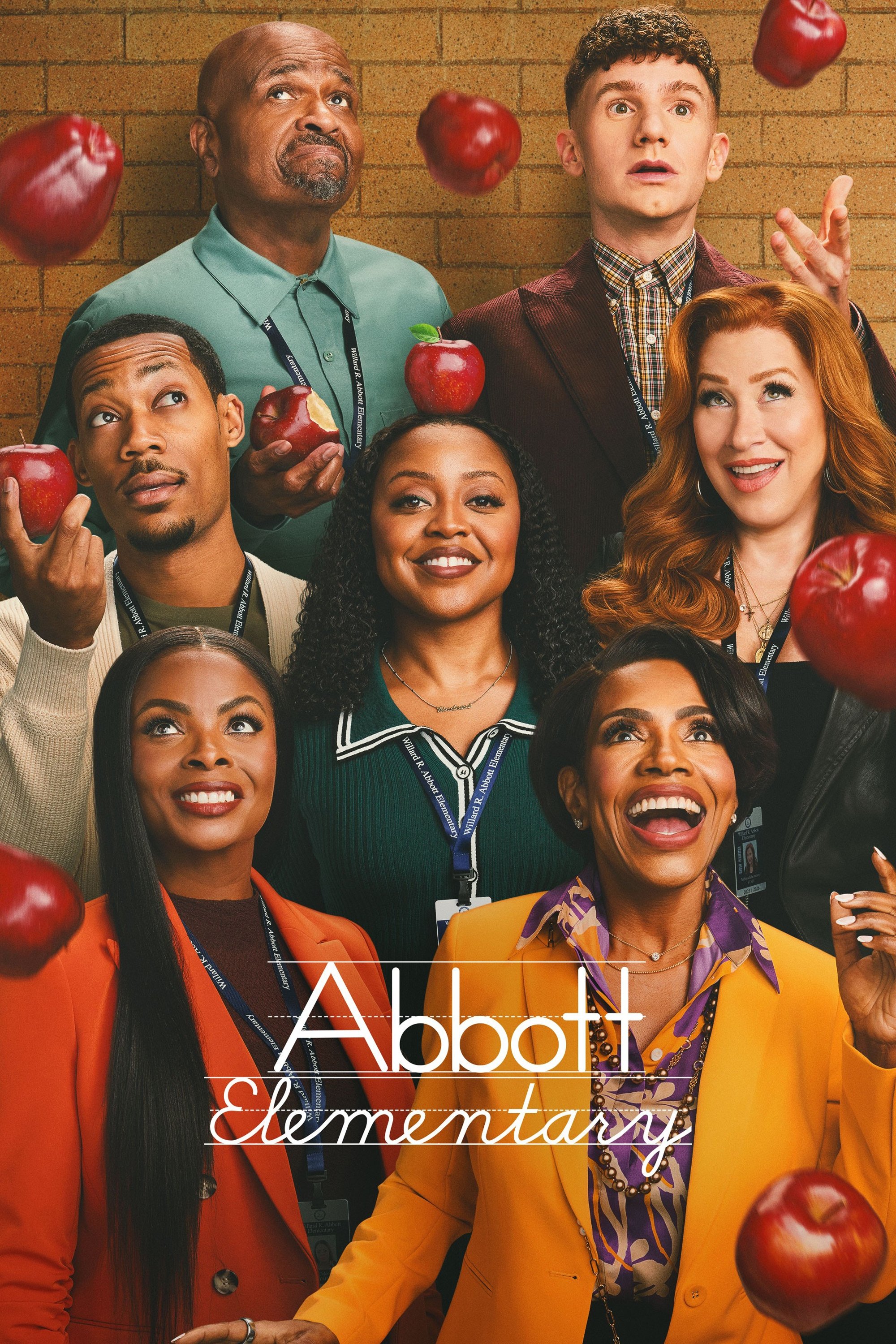
This workplace comedy uses the cold open to showcase the specific challenges teachers face in an underfunded Philadelphia school. Janine Teagues often tries to implement a new positive initiative that immediately clashes with the cynicism of her veteran colleagues. The mockumentary camera work captures the amused or horrified reactions of the staff and students. These segments effectively highlight the generational divide and heart at the center of the show.
‘Succession’ (2018–2023)
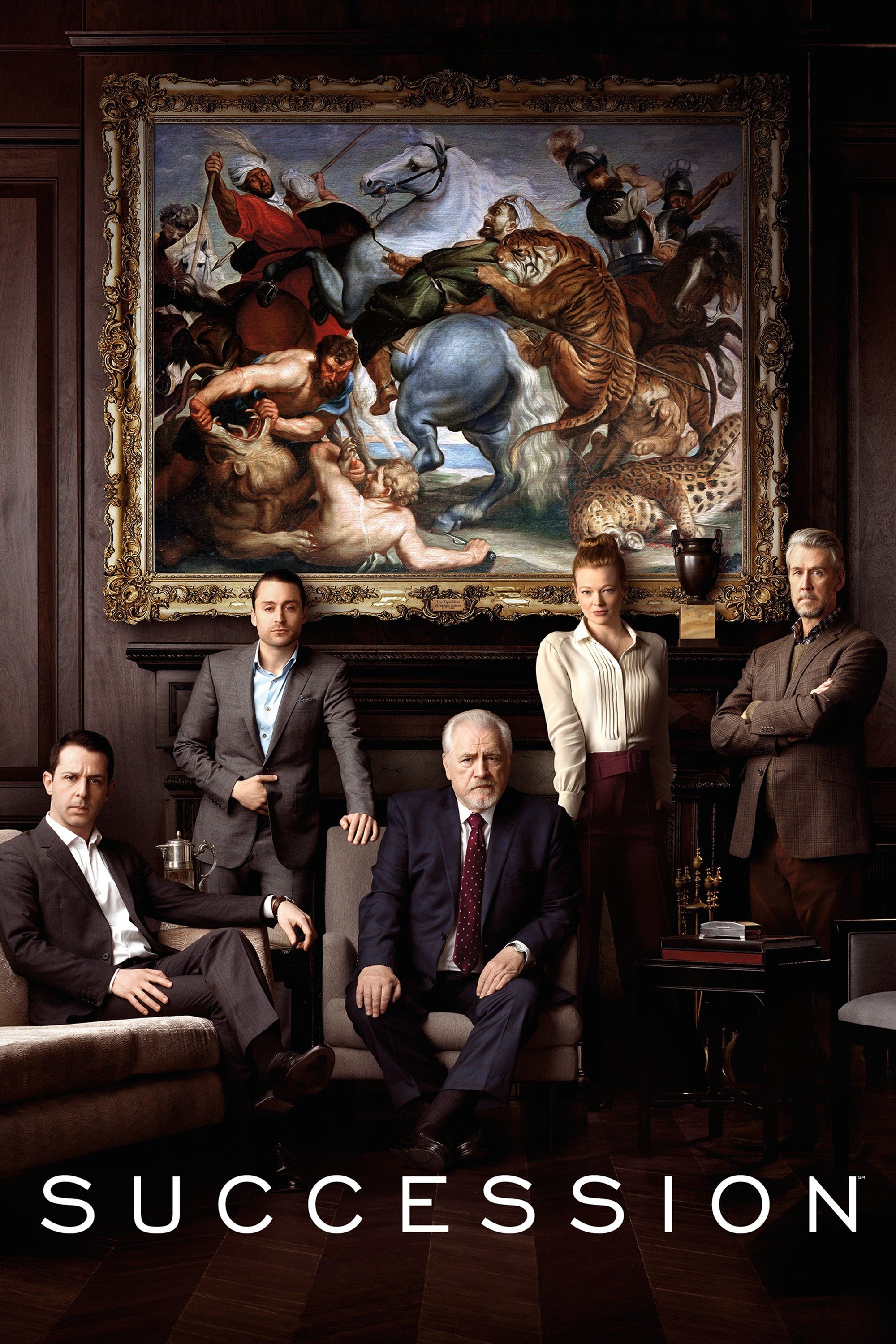
The Roy family dynamics are frequently on display in the opening minutes as they maneuver for power within their media empire. Conversations are dense with corporate jargon and devastating insults that reveal the toxicity of their relationships. The show uses these moments to establish the current shifting alliances before the dramatic piano score kicks in. It plunges the viewer directly into the high-stress environment of the ultra-wealthy.
Tell us which TV show opening scene is your absolute favorite in the comments.