TV Series That Got Darker Every Season and Never Looked Back


Television shows often evolve as writers find their footing and actors settle into their roles. A specific subset of series begins with a lighter or more conventional tone before gradually descending into darker territory. This tonal shift allows audiences to grow attached to characters before exposing them to increasingly traumatic and high-stakes situations. The following series are prime examples of narratives that shed their innocence to explore the grittier aspects of their respective worlds.
‘Breaking Bad’ (2008–2013)
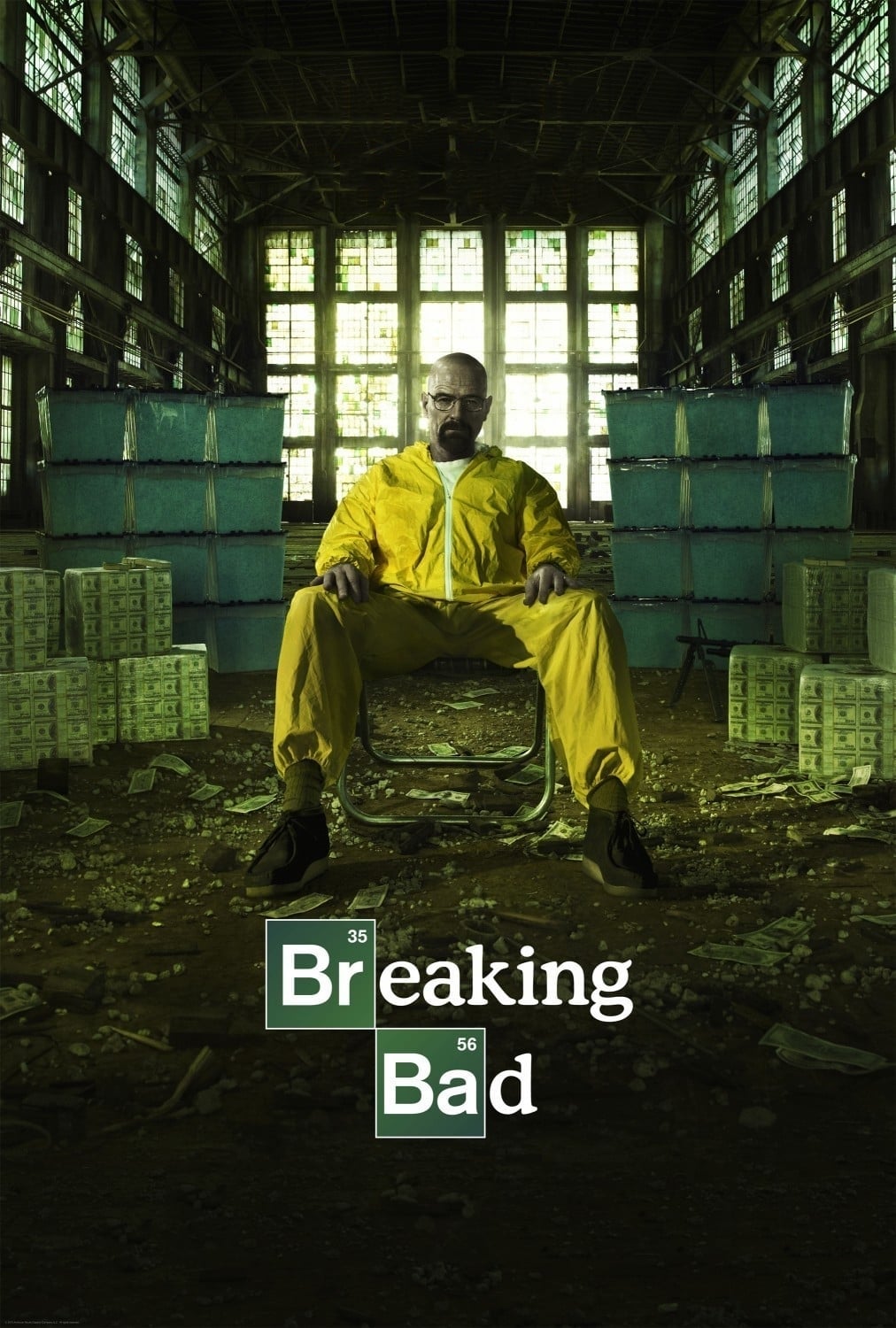
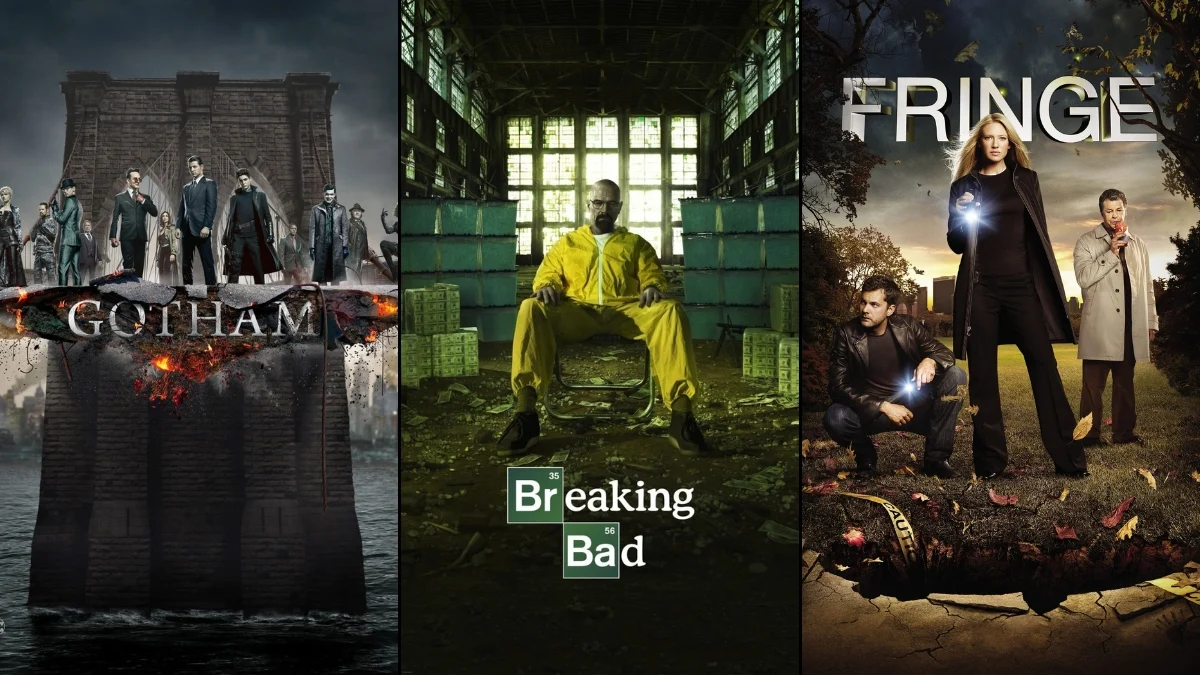
Walter White begins his journey as a desperate high school chemistry teacher who turns to cooking methamphetamine to secure his family’s financial future. The early episodes contain elements of dark comedy as he and Jesse Pinkman bumble through their initial criminal endeavors. The narrative slowly transforms into a harrowing tragedy as Walter embraces his Heisenberg persona and commits increasingly heinous acts. By the final season the show is a bleak exploration of ego and moral decay where redemption seems impossible.
‘Barry’ (2018–2023)
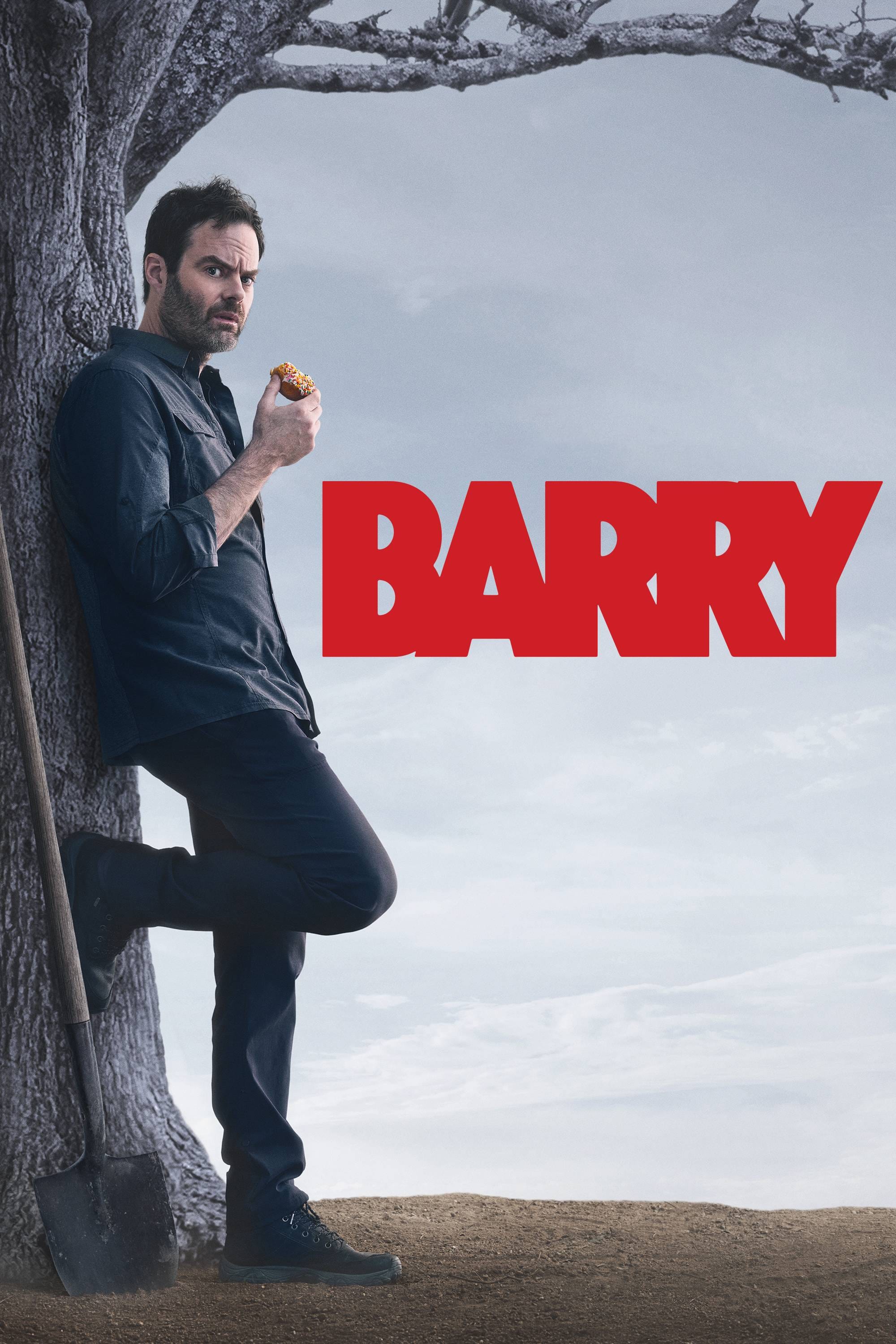
This series starts with a high-concept premise involving a depressed hitman who stumbles into an acting class in Los Angeles. The initial seasons balance absurdist humor with sudden bursts of violence as Barry Berkman tries to leave his criminal past behind. The comedy gradually evaporates as the consequences of Barry’s murders catch up with him and destroy the lives of everyone he touches. The finale is a stark and cynical commentary on fame and the nature of truth that offers no easy comfort to the viewer.
‘BoJack Horseman’ (2014–2020)
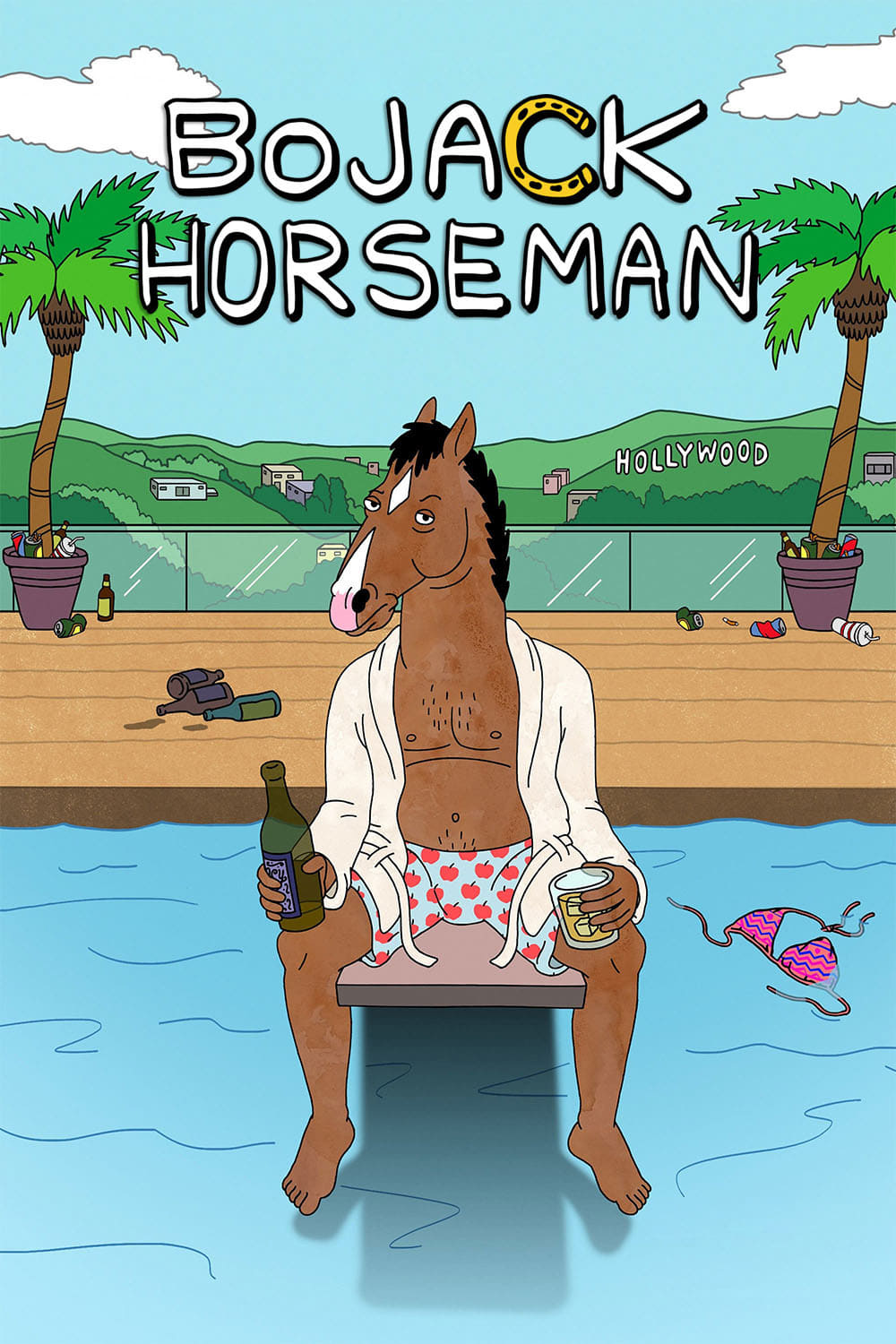
Viewers initially tuned in for a satire of Hollywood featuring a washed-up sitcom horse and animal puns. The show quickly pivots to a profound examination of depression and intergenerational trauma that refuses to let its protagonist off the hook. Writers utilized the animated format to explore drug addiction and self-destruction in ways that live-action dramas rarely achieve. By the end of its run the bright colors contrast sharply with the heavy existential themes and the sober reality of accountability.
‘Game of Thrones’ (2011–2019)
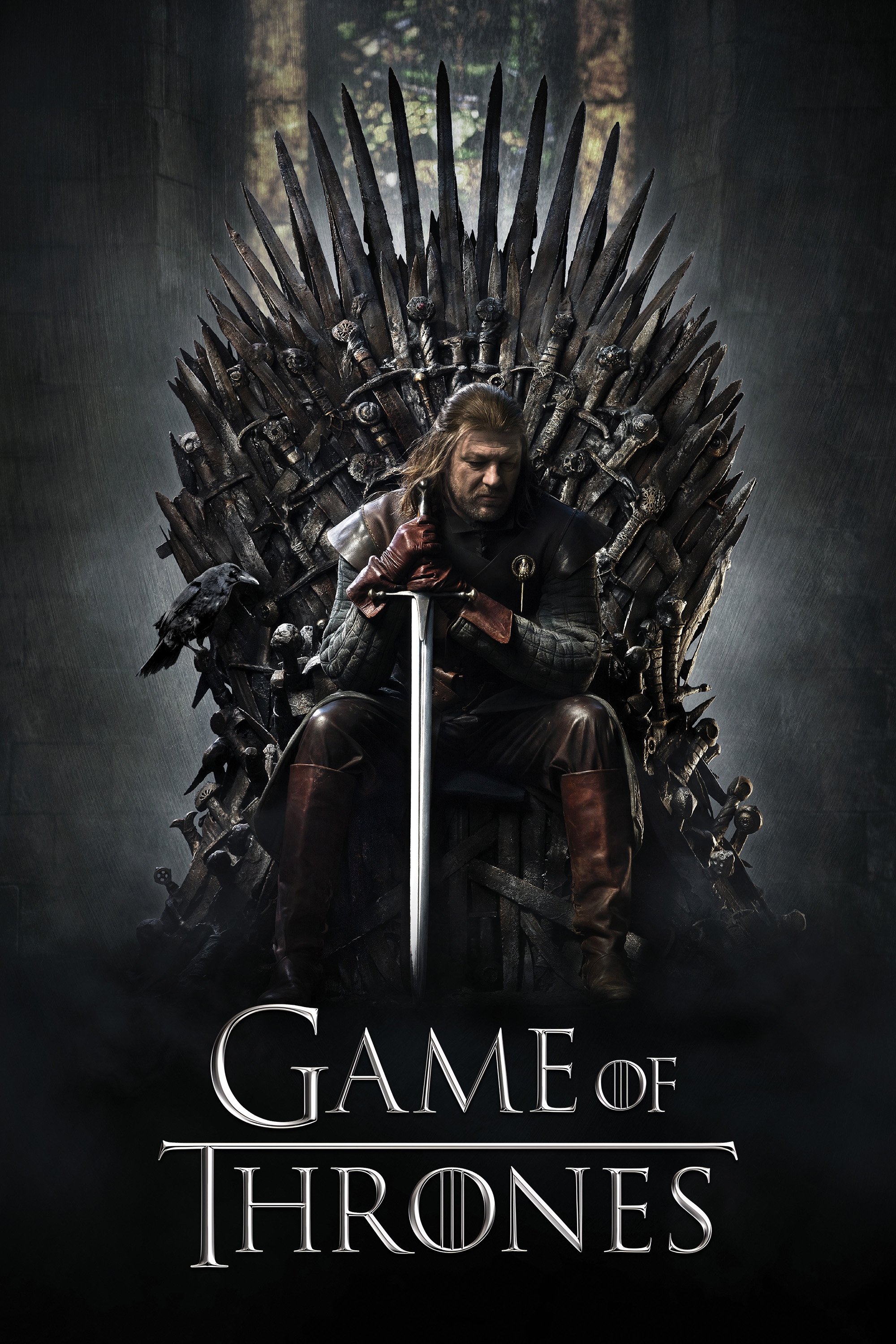
The politics of Westeros are deadly from the start but the scale of the conflict expands from squabbling families to an apocalyptic war against the dead. Early seasons focus on court intrigue and dialogue while later seasons depict mass slaughter and the destruction of entire cities. Characters who began as innocent children are hardened into assassins and ruthless leaders through relentless trauma. The sheer accumulation of death and betrayal creates an atmosphere of impending doom that permeates the final episodes.
‘Stranger Things’ (2016–Present)
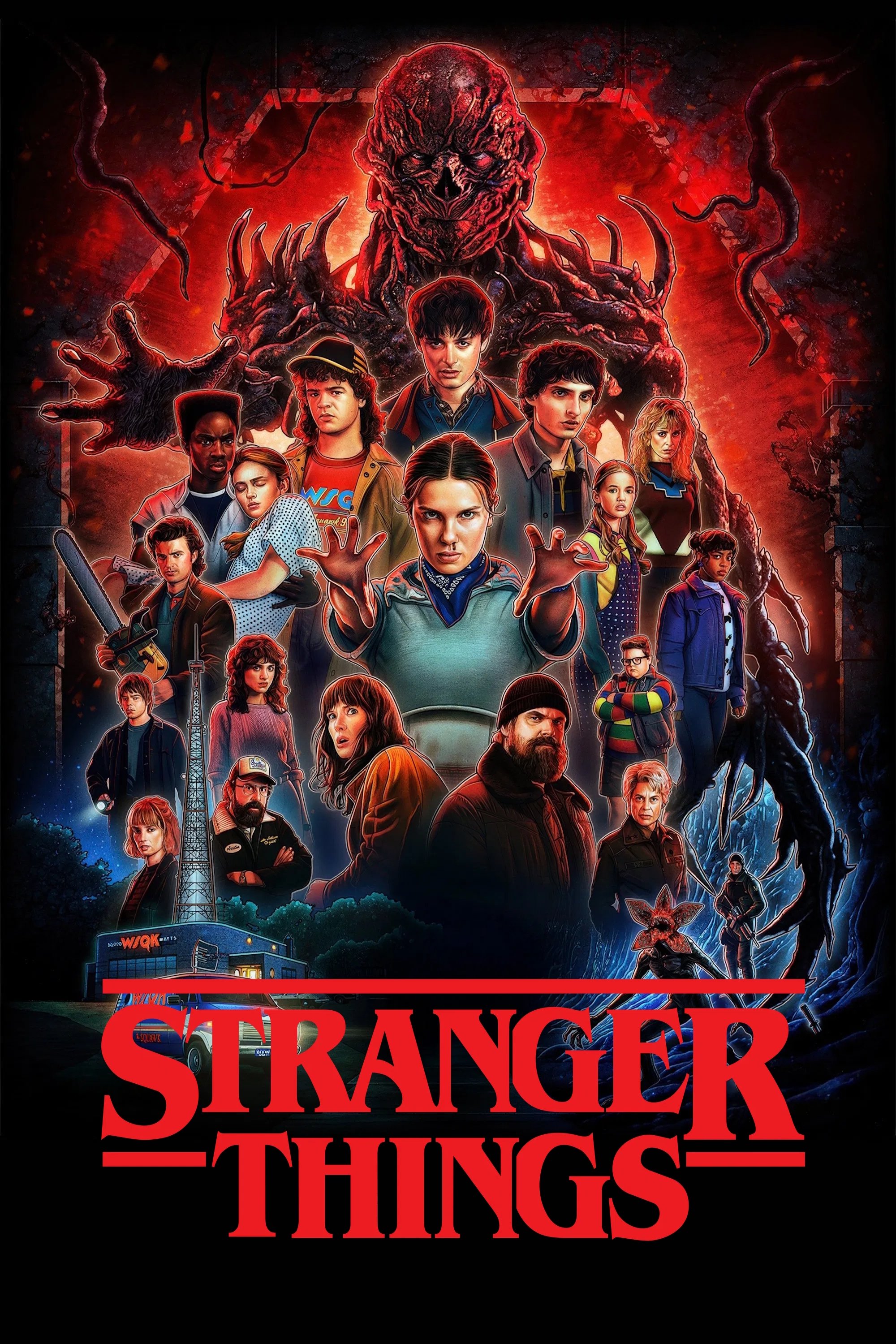
The first season presents a nostalgic mystery centered on a missing boy and his friends playing Dungeons & Dragons. The threats escalate from a single monster hunting in the woods to a massive conspiracy involving Russian operatives and a powerful eldritch horror destroying Hawkins. The visual style shifts from Spielbergian wonder to Cronenberg-inspired body horror as the characters age and face mortality. Each subsequent chapter raises the stakes and subjects the teenage heroes to more physical and psychological pain.
‘Better Call Saul’ (2015–2022)
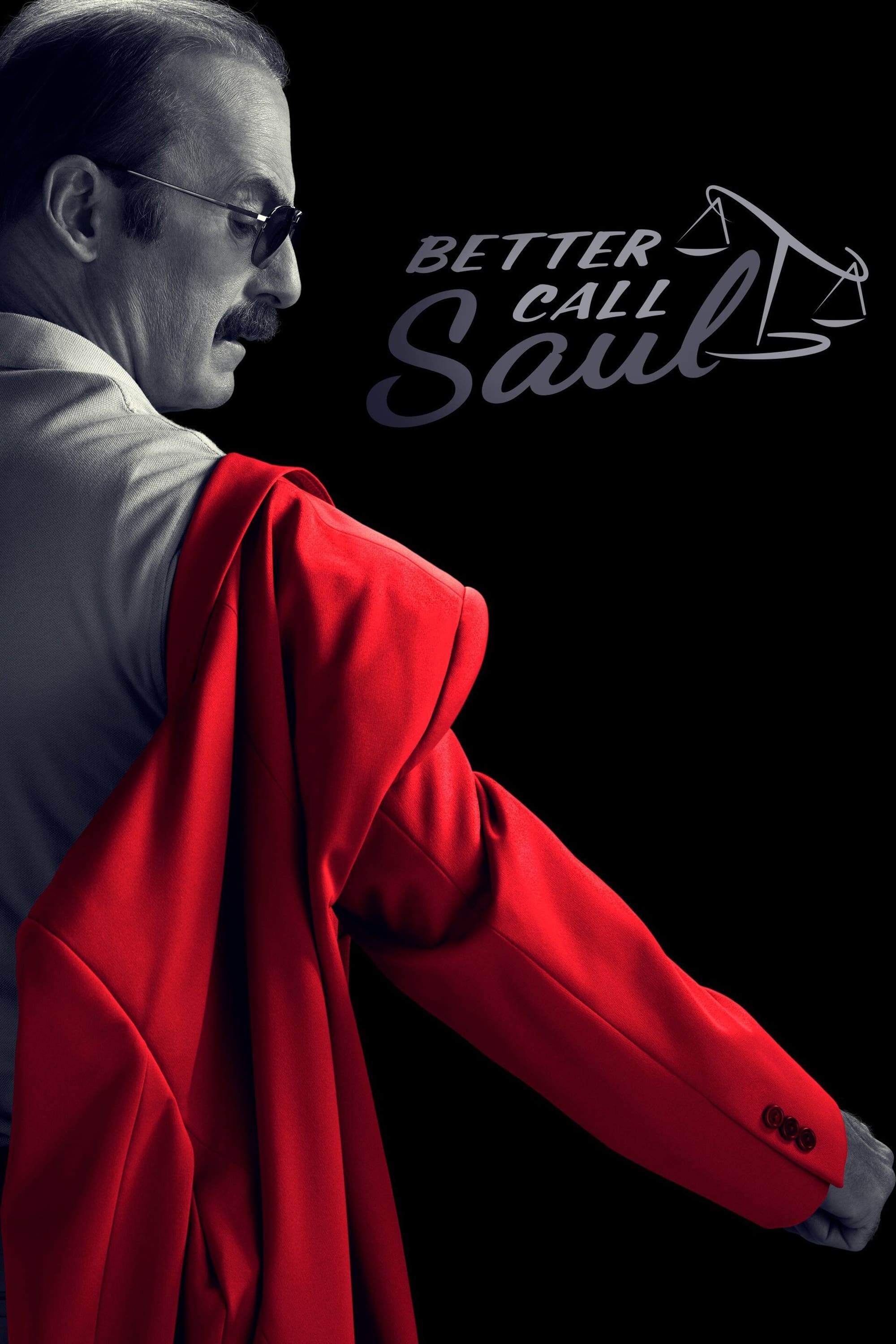
Jimmy McGill starts as a plucky underdog lawyer hustling to make a name for himself in the shadow of his brother. The show operates as a quirky legal drama before the cartel storyline begins to dominate the narrative. Jimmy’s transformation into the morally bankrupt Saul Goodman coincides with the violent deaths of key characters. The black-and-white flash-forwards in the final season strip away all the color to reflect the bleak and lonely reality of his life after the events of ‘Breaking Bad’.
‘The 100’ (2014–2020)
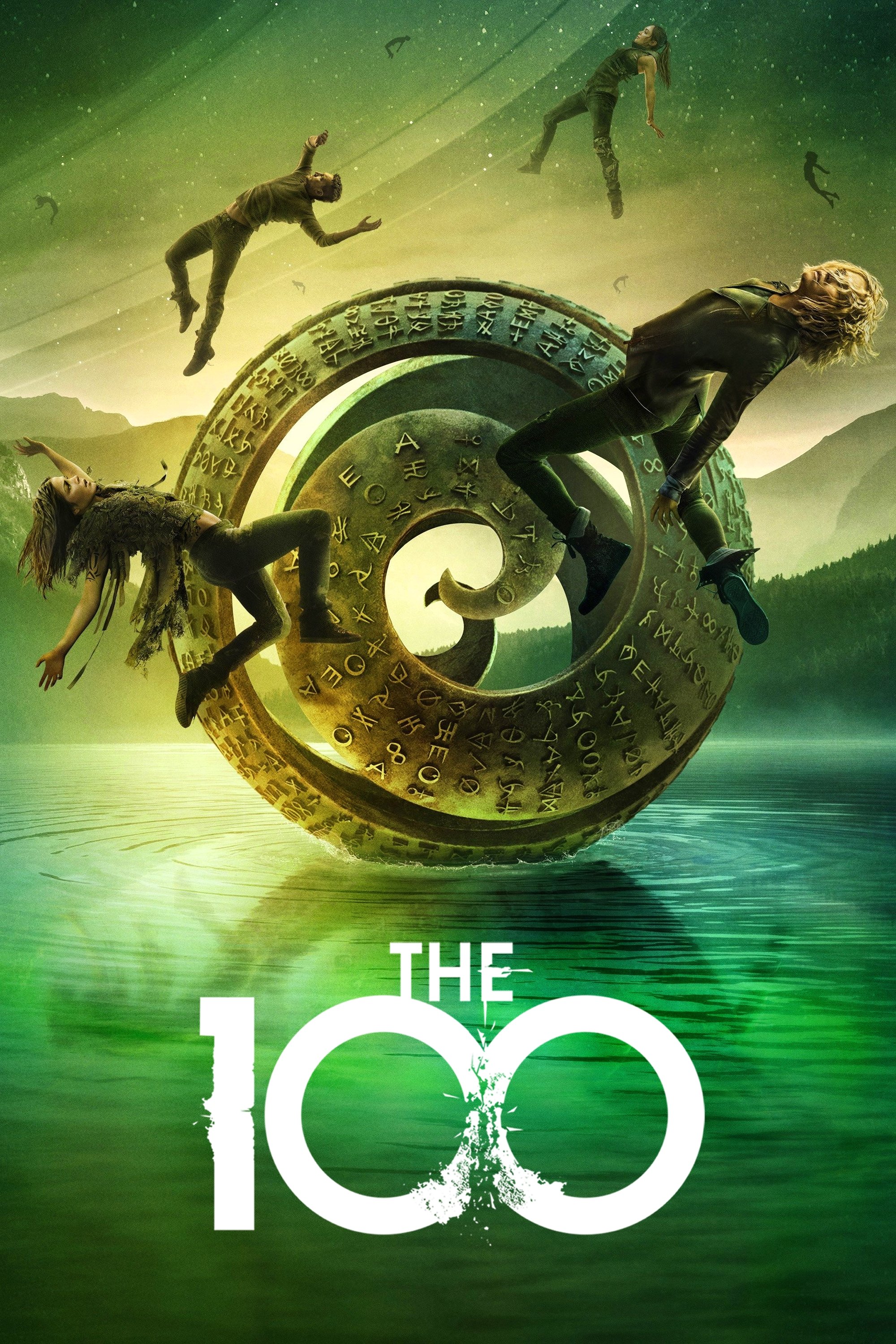
A group of juvenile delinquents is sent to Earth to see if the planet is habitable after a nuclear apocalypse. What begins as a teen survival drama quickly devolves into a brutal war for resources where the protagonists are forced to commit genocide to survive. The show relentlessly pushes its characters into impossible moral corners where there are no good choices. Later seasons introduce cults and body-snatching AI narratives that effectively erase the hopefulness of the pilot episode.
‘Buffy the Vampire Slayer’ (1997–2003)
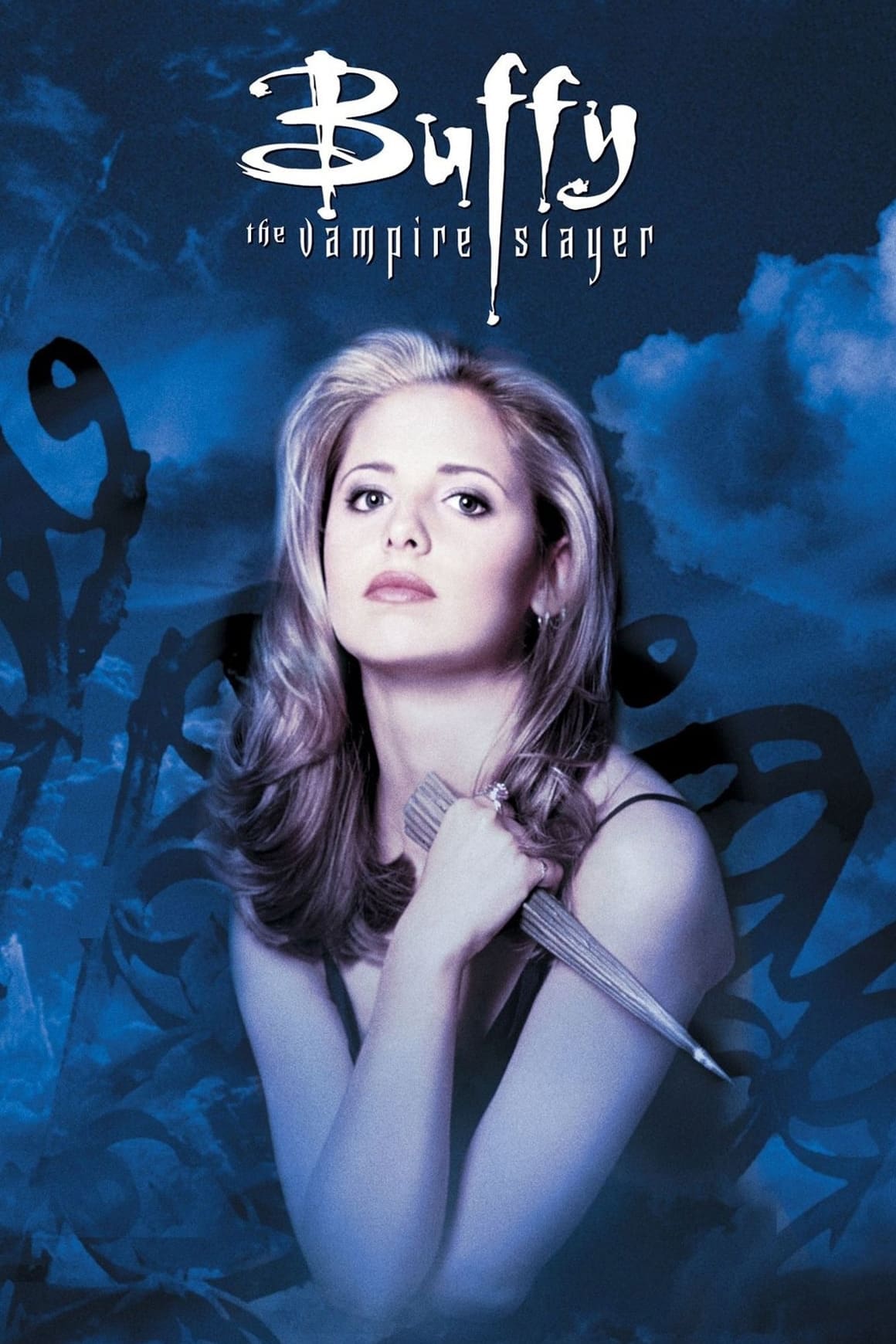
High school serves as a metaphor for horror in the early years with monsters representing the anxieties of adolescence. The tone shifts dramatically in later seasons as the characters leave school and face the crushing realities of adulthood. The deaths of beloved characters and the exploration of depression strip away the campy fun of the early monster-of-the-week format. The final season presents a war-torn Sunnydale where the Slayer army faces an evil that feels insurmountable.
‘Adventure Time’ (2010–2018)
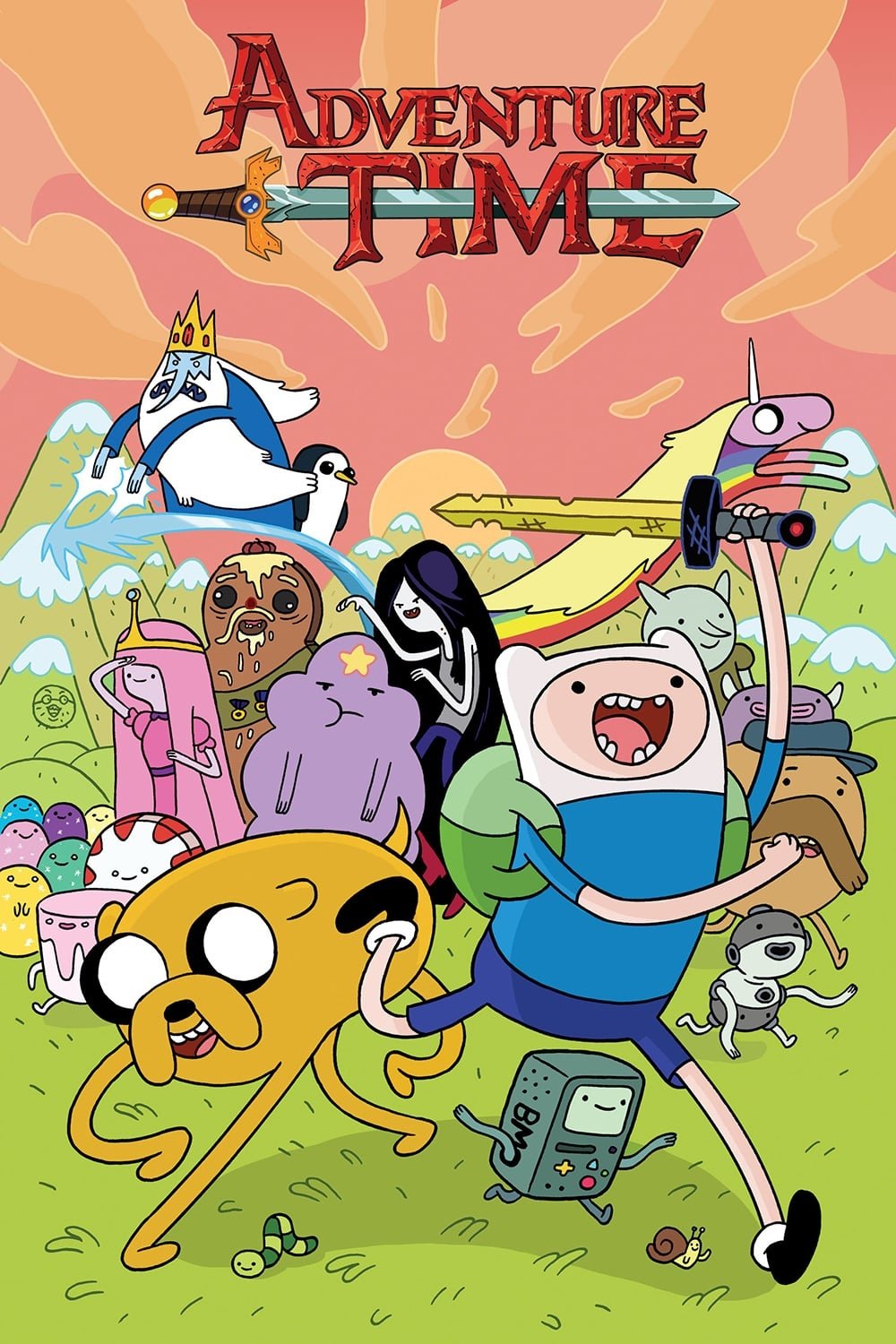
Finn and Jake embark on silly quests in a colorful candy kingdom during the first few seasons of this animated hit. The lore slowly expands to reveal that the setting is actually a post-apocalyptic Earth recovering from a nuclear event known as the Mushroom War. Storylines dealing with dementia and parental abandonment replace the simple battles against the Ice King. The finale emphasizes cyclical history and the inevitable decay of civilizations in a way that is surprisingly mature for a children’s show.
‘Search Party’ (2016–2022)

Dory Sief begins the series as an aimless millennial looking for purpose by investigating the disappearance of a college acquaintance. The show starts as a satire of Brooklyn hipster culture but spirals into a Hitchcockian thriller involving murder and cover-ups. Each season reinvents the genre from noir to courtroom drama and eventually to psychological horror. The final episodes feature a zombie apocalypse scenario that completes the show’s descent into total madness.
‘Ozark’ (2017–2022)
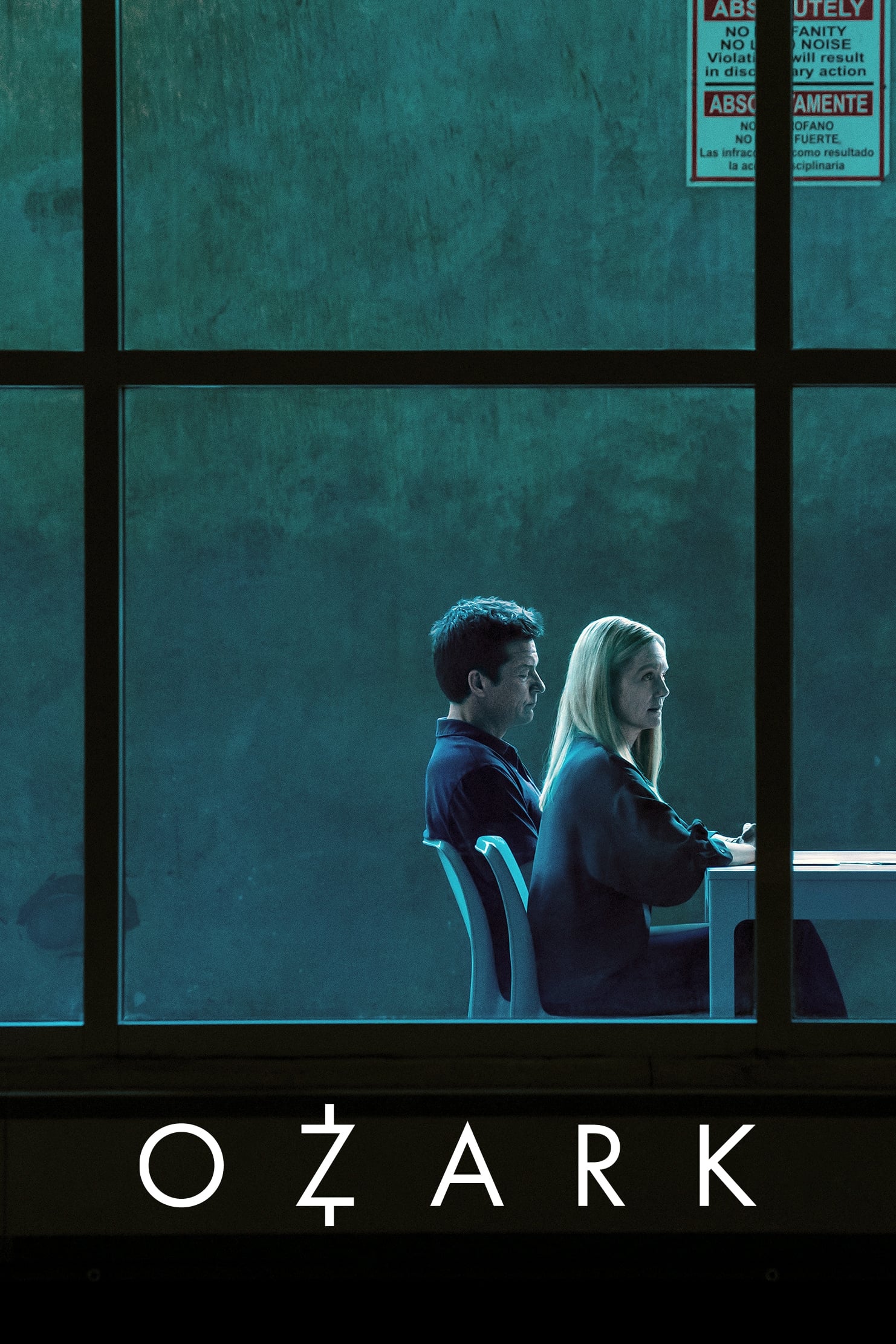
Marty Byrde relocates his family to the Missouri Ozarks to launder money for a Mexican drug cartel. The tension is high from the beginning but the level of violence and corruption escalates with every business deal the Byrdes make. The family members gradually lose their moral compasses as they become more adept at ordering hits and manipulating local politics. The series concludes with the chilling realization that the Byrdes have become the very evil they were initially running from.
‘Gotham’ (2014–2019)
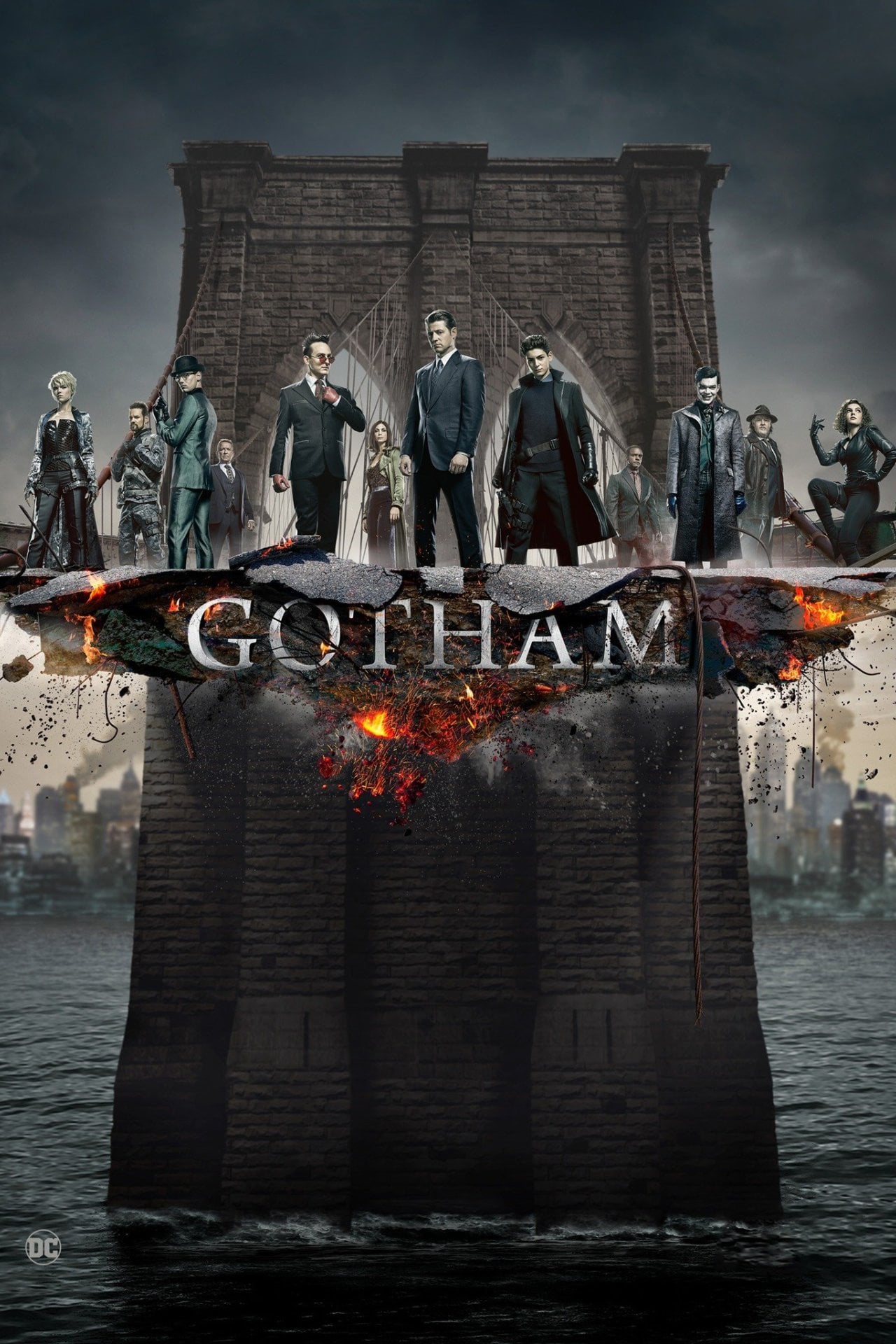
This prequel series starts as a police procedural focused on Detective James Gordon solving crimes in a pre-Batman city. The grounded mob stories eventually give way to comic book insanity involving resurrection and chemical terrorism. The city itself deteriorates from a corrupt metropolis into an isolated No Man’s Land cut off from the rest of the world. By the time Bruce Wayne dons the cowl the show has embraced a dark and chaotic tone far removed from its cop show roots.
‘Fringe’ (2008–2013)
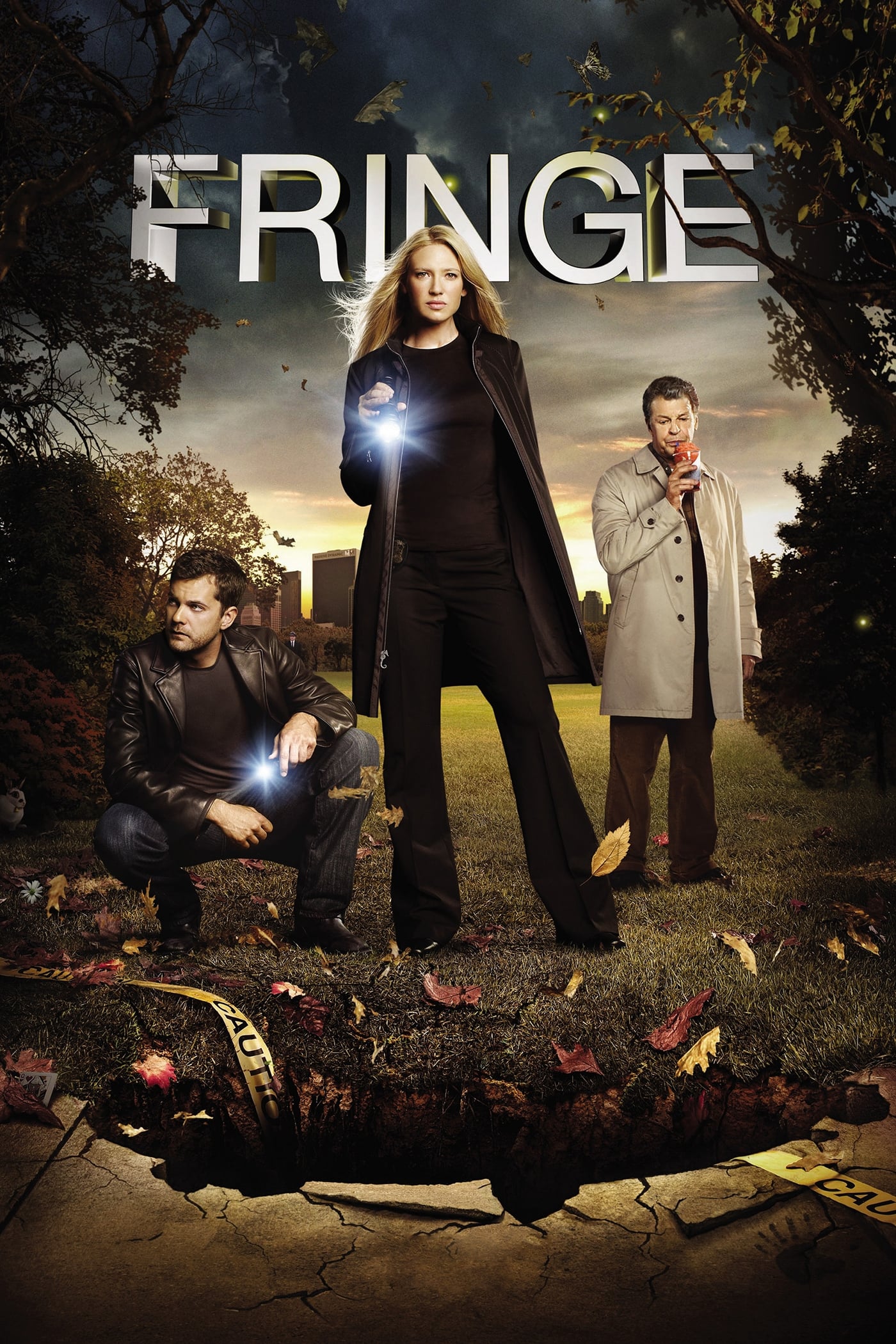
An FBI team investigates weird science phenomena in a procedural format similar to ‘The X-Files’. The narrative grows incredibly complex with the introduction of a parallel universe and a war between two worlds. The final season jumps forward to a dystopian future where humanity is enslaved by the emotionless Observers. The show abandons the case-of-the-week structure entirely to tell a grim story of resistance and sacrifice in a ruined world.
‘Person of Interest’ (2011–2016)

A billionaire and an ex-CIA agent team up to stop crimes predicted by a massive surveillance AI. The early episodes function as a standard action procedural before the show pivots to explore the dangers of artificial superintelligence. The story evolves into a cyberpunk war between two competing gods with the fate of human free will at stake. Beloved characters die in the crossfire as the tone shifts from vigilante justice to global catastrophe.
‘Sons of Anarchy’ (2008–2014)
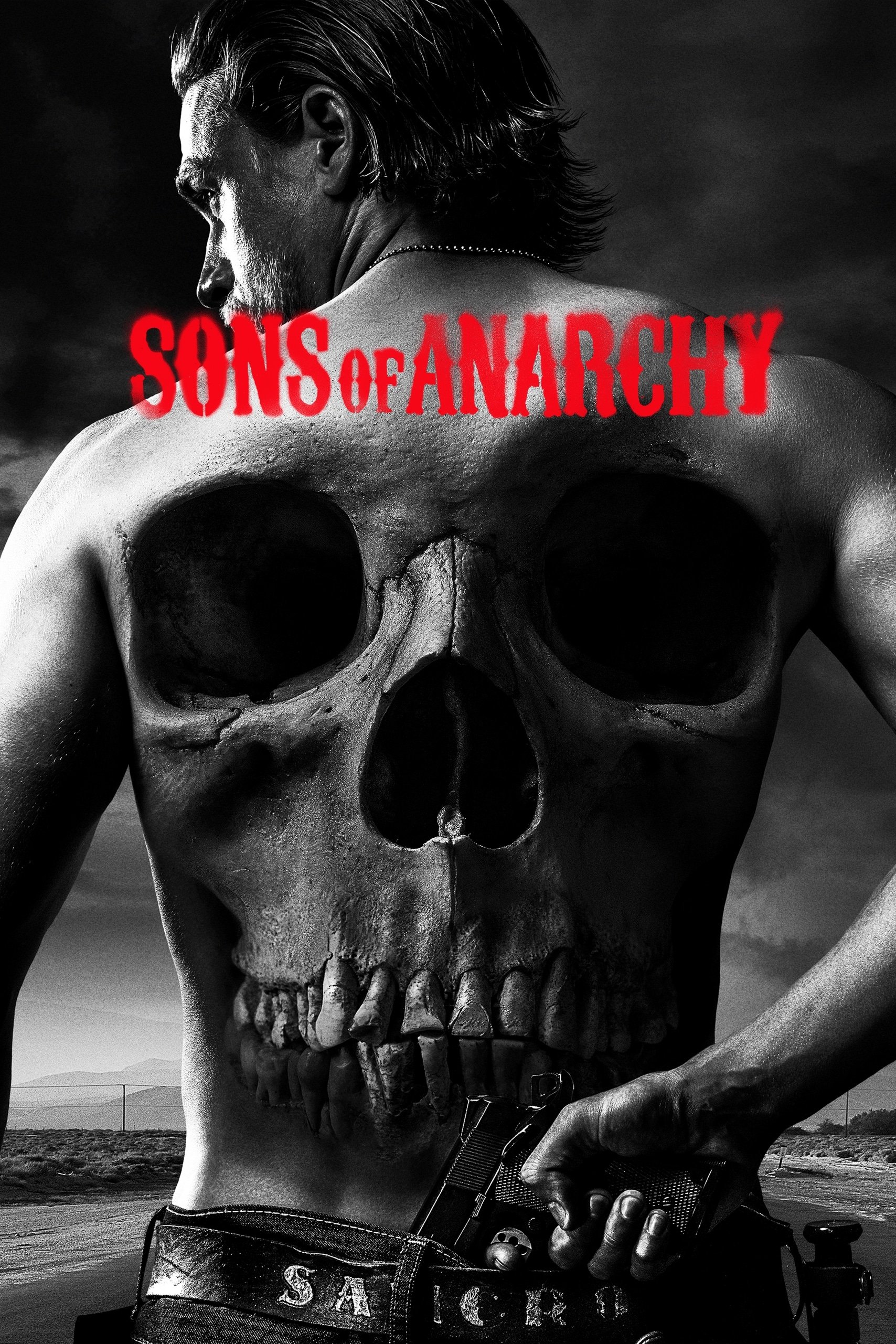
Jax Teller struggles to balance his family life with his role in an illegal motorcycle club involved in gun-running. The Shakespearian tragedy elements become more pronounced as the body count rises and the club fractures from within. Acts of vengeance lead to gruesome consequences that eliminate the main cast one by one. The finale offers a sense of closure that is steeped in blood and inevitable death rather than triumph.
‘The Walking Dead’ (2010–2022)
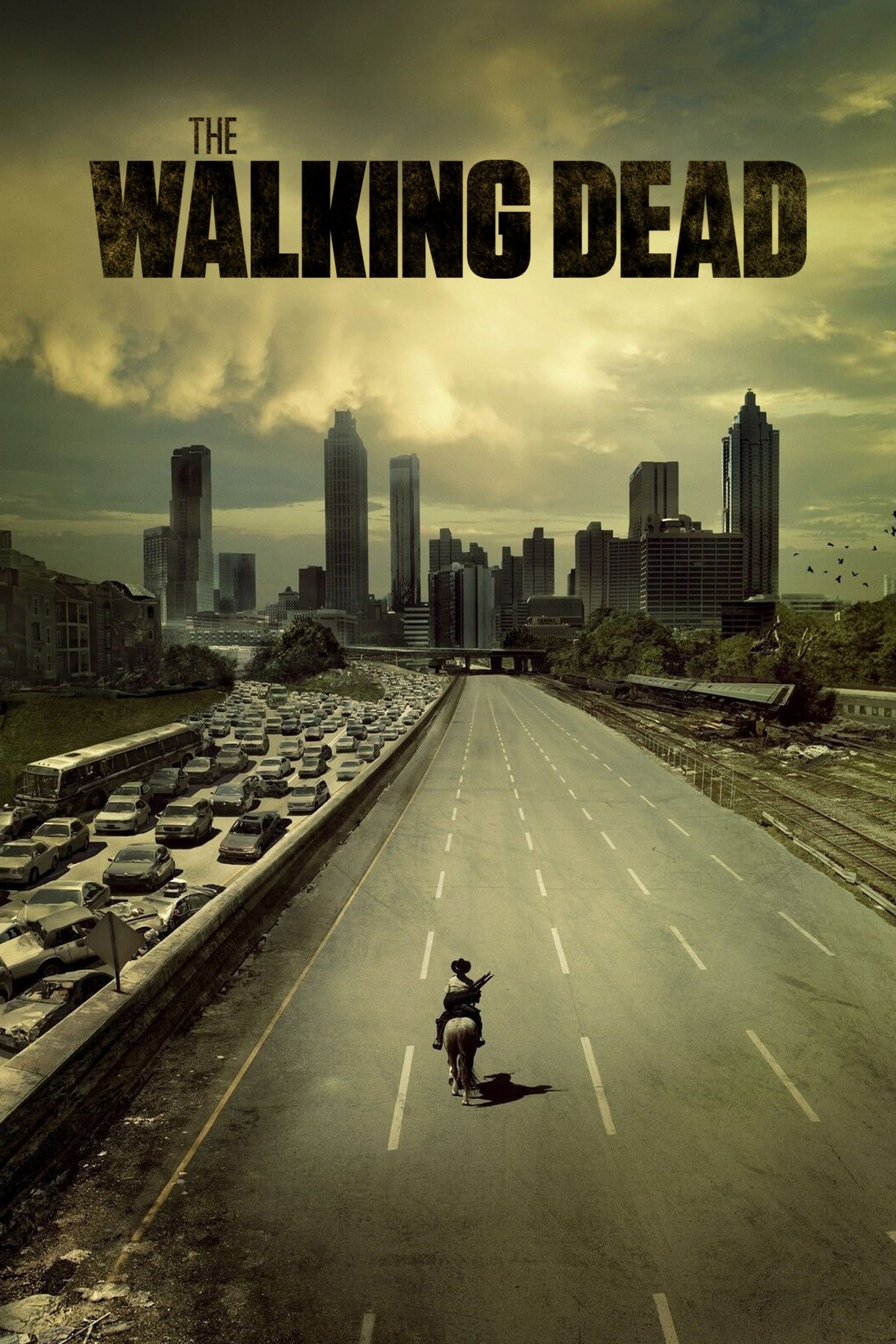
Rick Grimes wakes up from a coma to find the world overrun by zombies and searches for his family. The initial focus on survival against the undead shifts to conflicts with sadistic human communities like the Saviors and the Whisperers. The group loses its humanity and hope as they witness the brutal executions of their friends. The vibrant world of the past is completely eroded by a gray and violent new world order by the final season.
‘Attack on Titan’ (2013–2023)
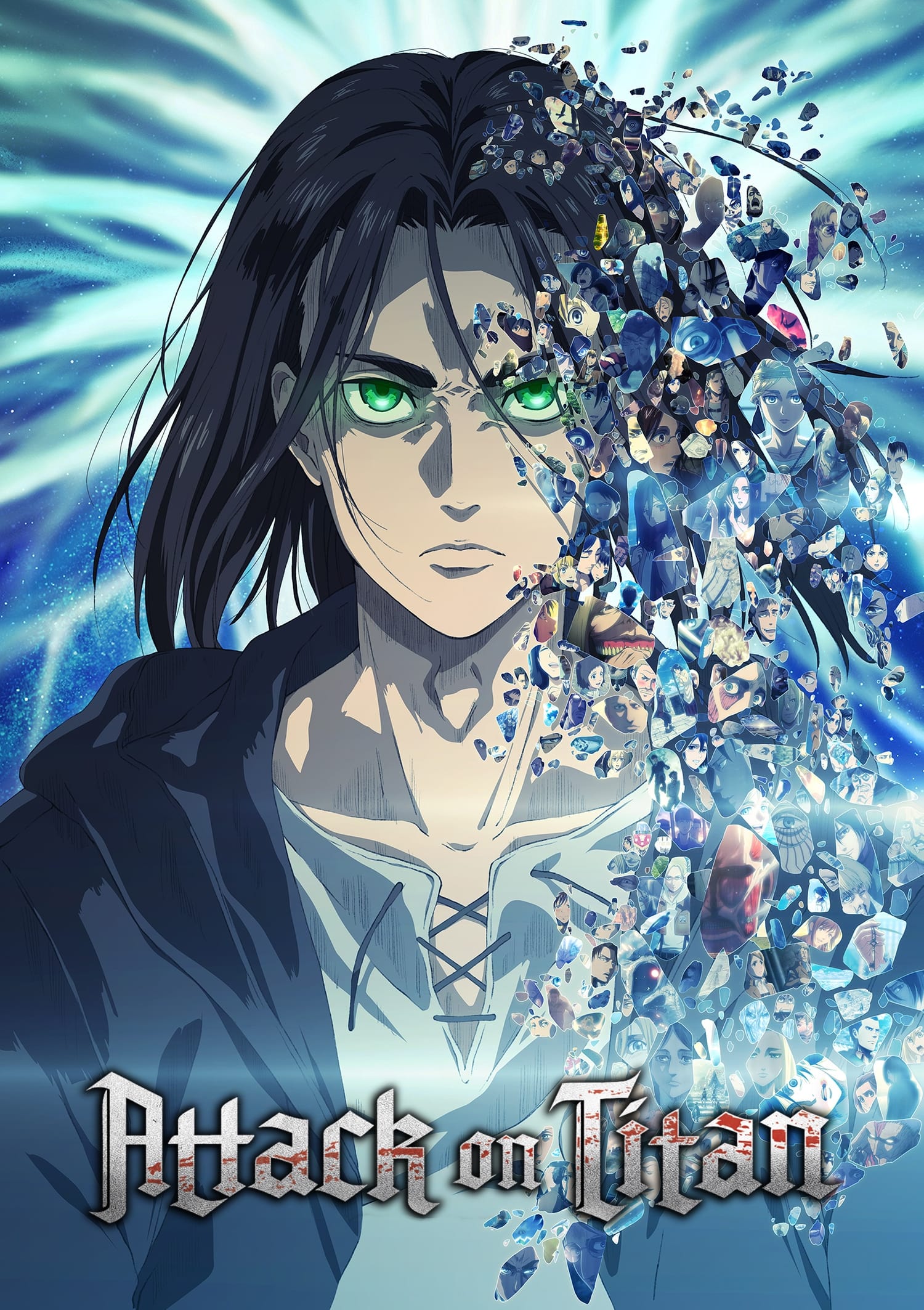
Humanity lives behind massive walls to protect themselves from giant man-eating Titans in this action-heavy anime. The story begins as a clear fight for survival but morphs into a complex political drama about war crimes and historical revisionism. The protagonist Eren Yeager transforms from a hero seeking justice into a terrifying villain bent on global genocide. The ending is a somber reflection on the cycle of hatred that offers no happy resolution for the surviving characters.
‘Riverdale’ (2017–2023)
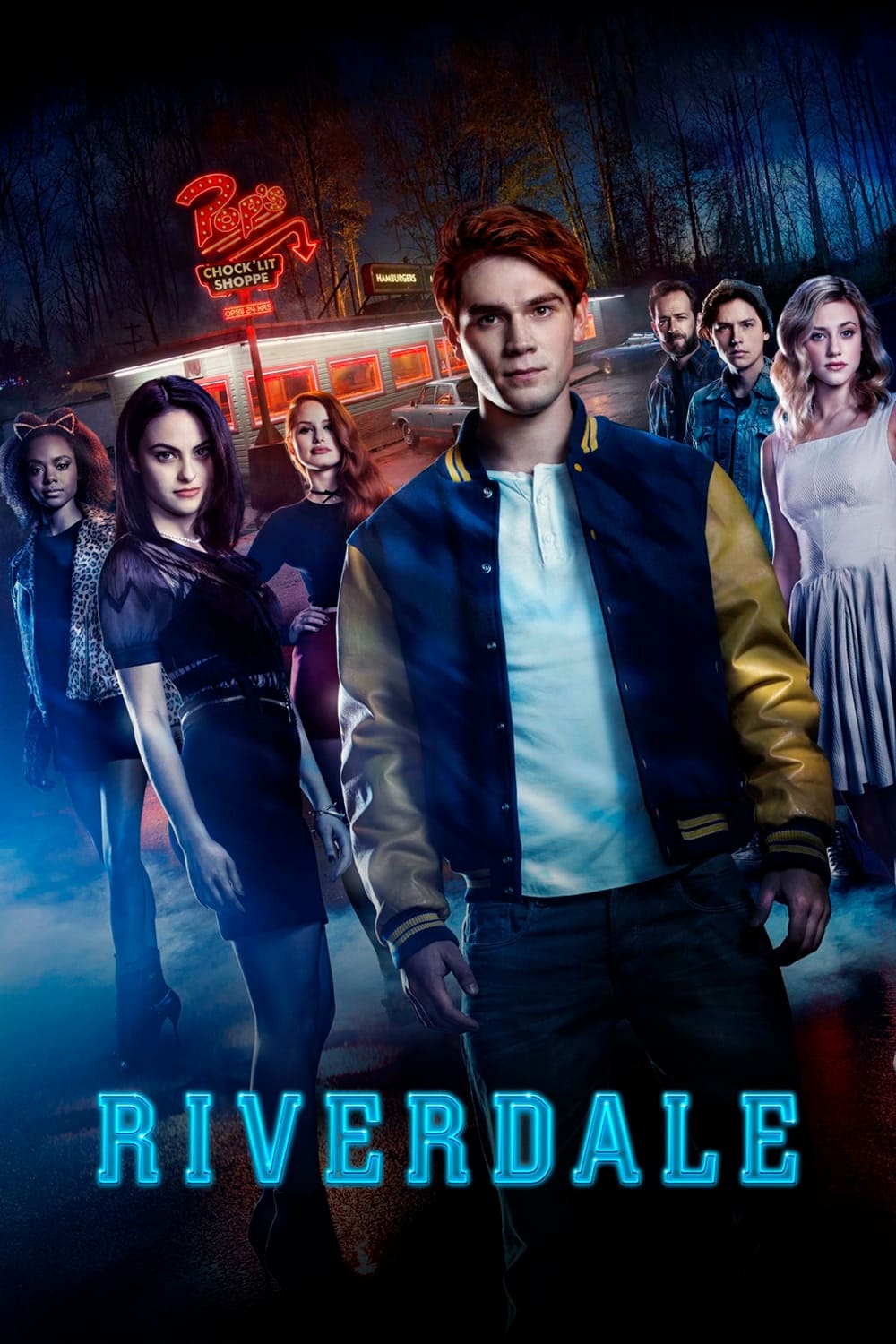
A murder mystery in a small town serves as the catalyst for this adaptation of the Archie Comics universe. The teen drama quickly abandons high school romance for plotlines involving serial killers and organ harvesting cults. Later seasons introduce supernatural elements and alternate timelines that make the show unrecognizable from its debut year. The sheer level of darkness and absurdity increases until the town becomes a battleground for biblical forces of good and evil.
‘Marvel’s Agents of S.H.I.E.L.D.’ (2013–2020)
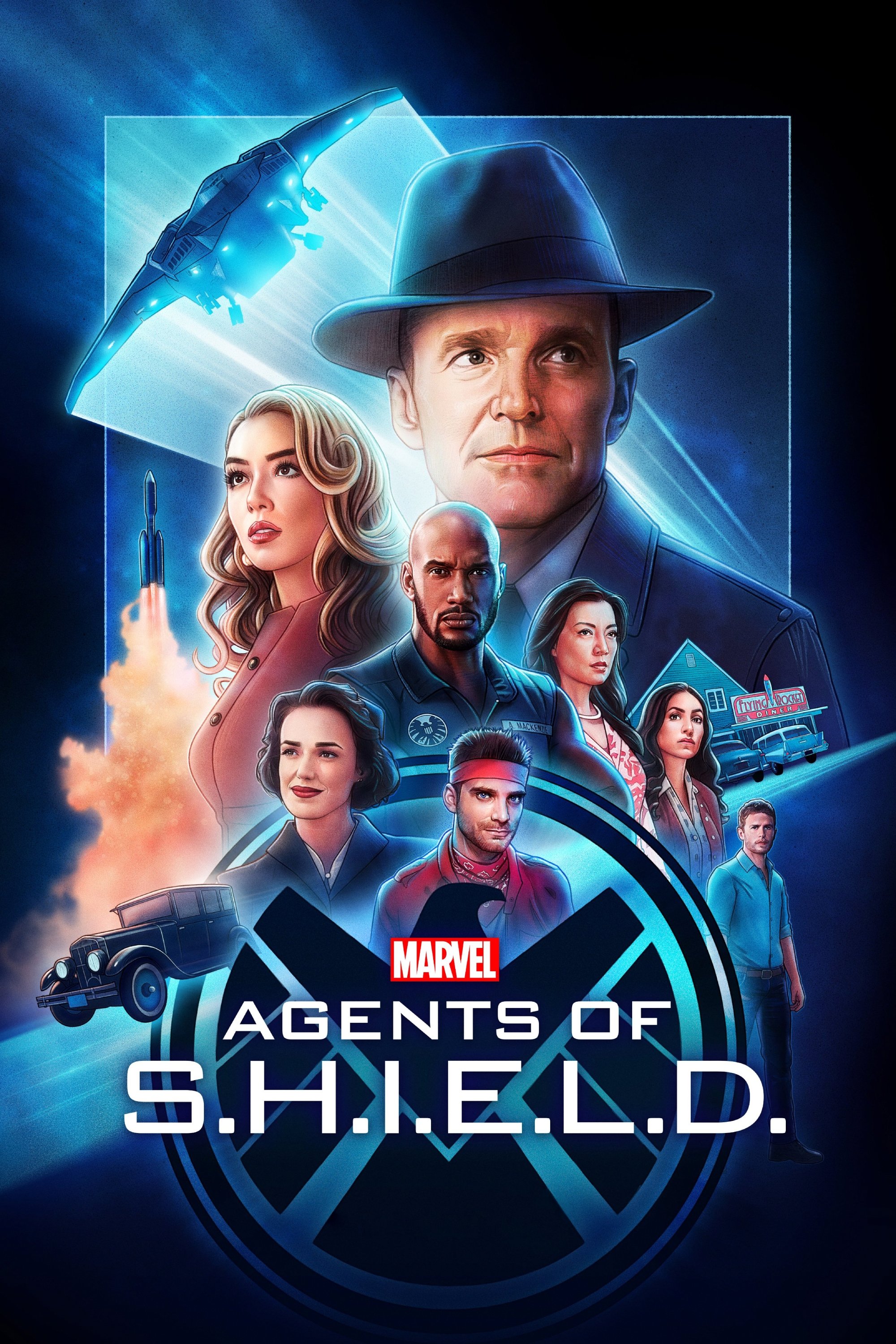
Agent Coulson leads a team of spies in a show that was initially marketed as a direct tie-in to the Marvel Cinematic Universe movies. The lighthearted espionage adventures turn dark after the collapse of the organization reveals traitors within the ranks. The team eventually faces dystopian futures where humanity is enslaved by aliens and trapped in virtual realities. Physical and emotional trauma pile up on the agents as they are forced to make sacrifices that leave them permanently scarred.
‘Supernatural’ (2005–2020)
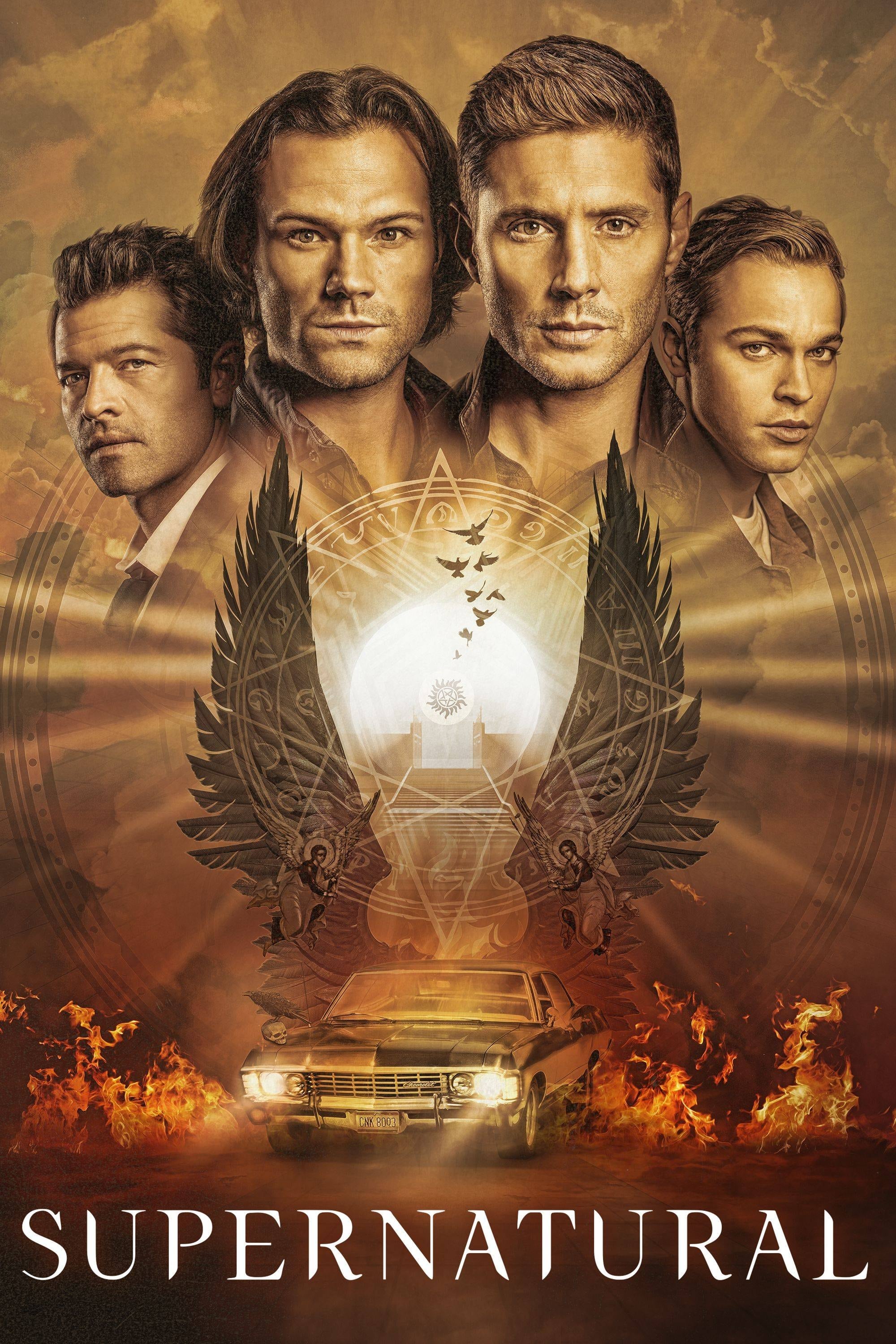
Two brothers travel the country hunting urban legends and ghosts in their classic car. The scope of their mission expands from saving individuals to preventing the biblical apocalypse and fighting Lucifer. Sam and Dean Winchester die and go to hell multiple times while losing every friend they make along the way. The show ends on a tearful note that emphasizes the tragic cost of a life spent fighting monsters.
Let us know which series you think had the most drastic tonal shift in the comments.