Animated Series That Ended Exactly When They Should Have


Creating a satisfying conclusion is often the most difficult challenge for any television production. Many animated series suffer from premature cancellation or run far past their prime until the quality degrades significantly. The shows on this list stand out because they told complete stories and bowed out before wearing out their welcome. These creators prioritized narrative integrity over indefinite syndication.
‘Gravity Falls’ (2012–2016)
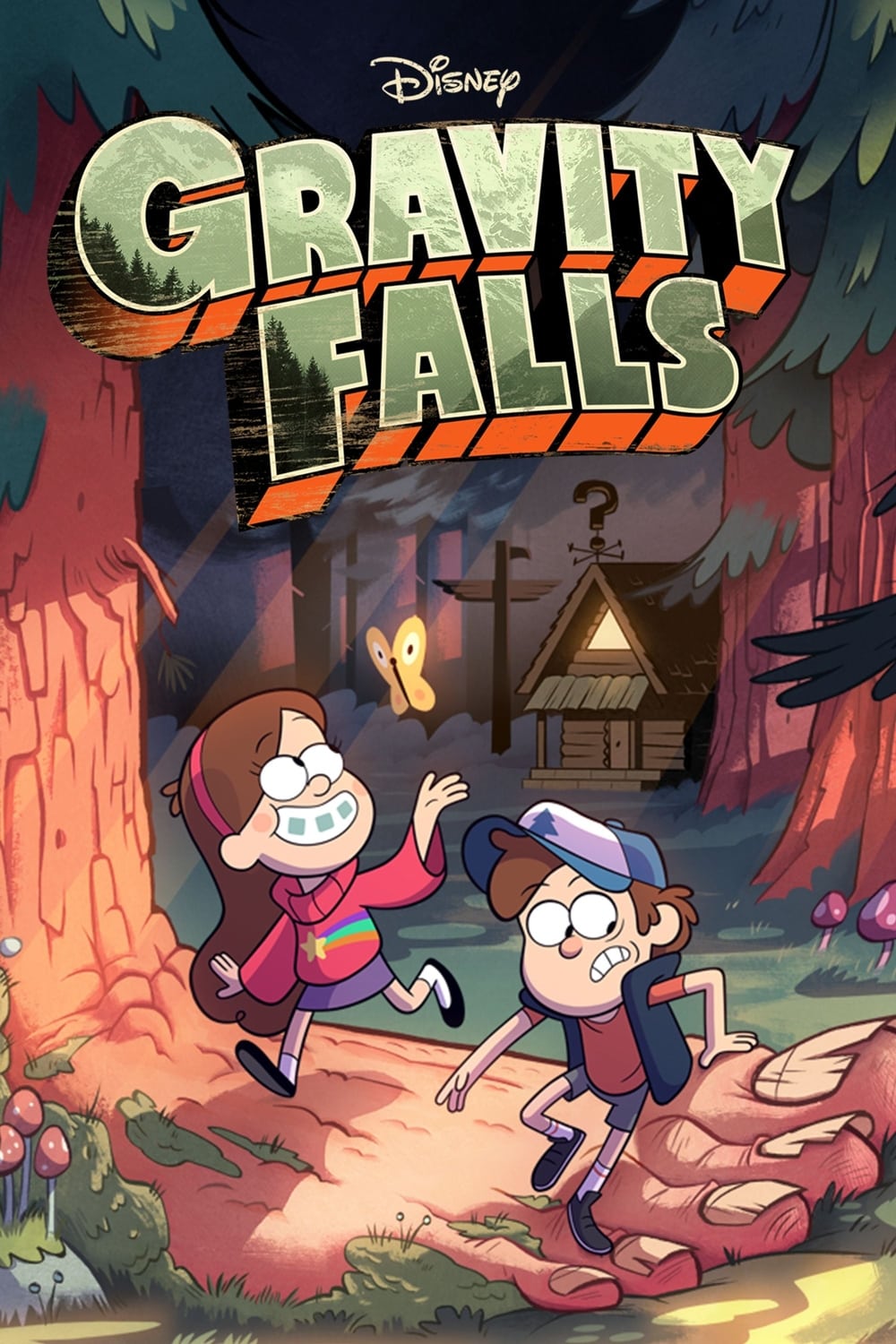
Alex Hirsch decided to end ‘Gravity Falls’ after two seasons to preserve the mystery and emotional integrity of the summer vacation story. Dipper and Mabel Pines uncover the secrets of the town while strengthening their bond as siblings against the demon Bill Cipher. The narrative arc concludes completely without leaving loose threads or forcing unnecessary conflicts to extend the run. Fans appreciate how the series captures the fleeting nature of childhood through a concise and impactful beginning, middle, and end.
‘Avatar: The Last Airbender’ (2005–2008)
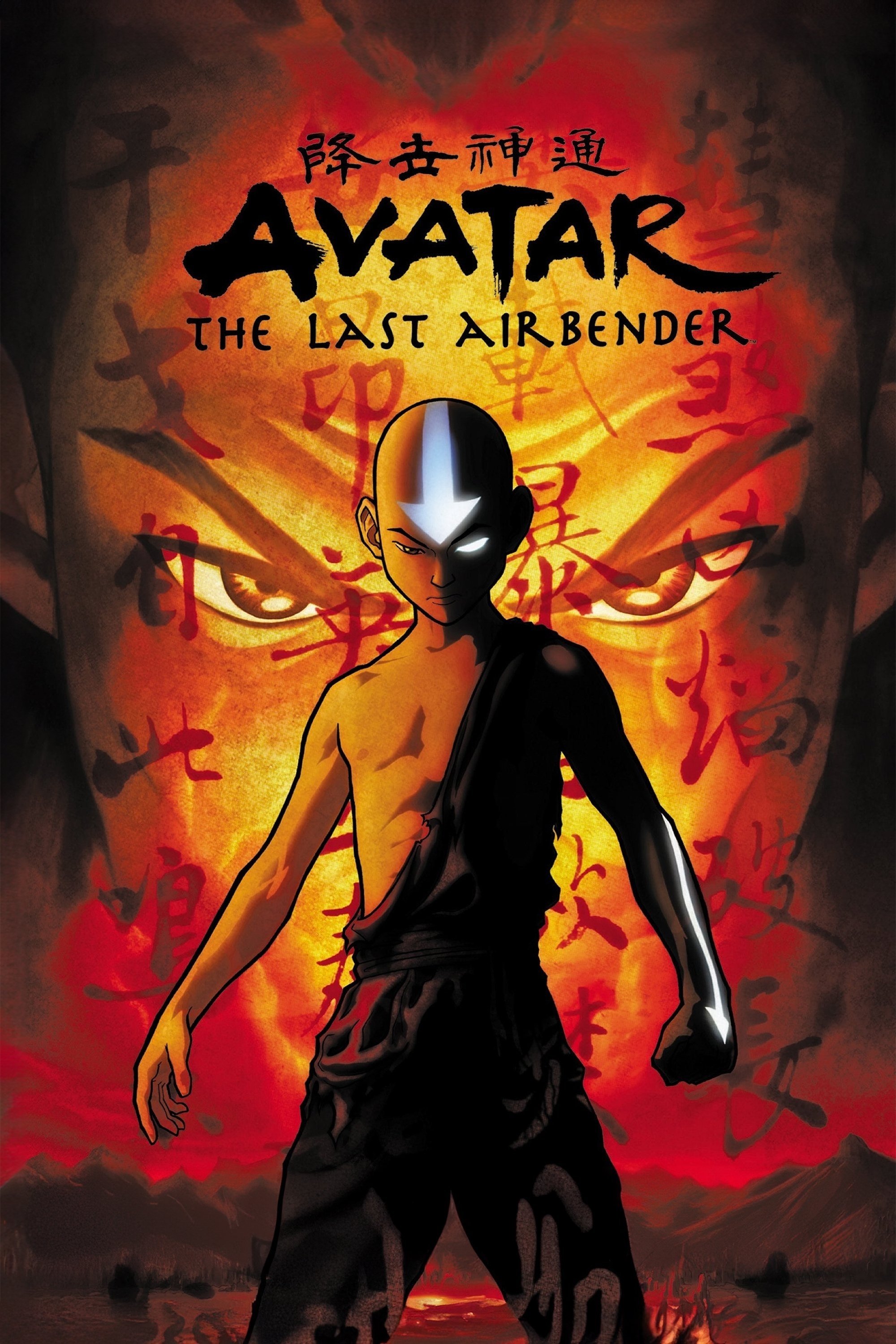
Creators Michael Dante DiMartino and Bryan Konietzko planned ‘Avatar: The Last Airbender’ for three distinct seasons representing water, earth, and fire. Aang travels the world to master the elements and defeat Fire Lord Ozai before the arrival of Sozin’s Comet. The journey focuses heavily on character development and the consequences of war rather than filling time with aimless episodes. The finale delivers a definitive resolution to the Hundred Year War while giving every major character a satisfying conclusion to their personal arcs.
‘Cowboy Bebop’ (1998–1999)

Director Shinichirō Watanabe crafted ‘Cowboy Bebop’ as a finite story about escaping the past and facing inevitable destiny. Spike Spiegel and his crew of bounty hunters travel the solar system while dealing with personal trauma and existential ennui. The series avoids episodic bloat by maintaining a clear focus on the overarching narrative involving the Red Dragon Syndicate. The final session remains one of the most iconic endings in anime history because it resolutely closes the book on Spike’s journey.
‘Over the Garden Wall’ (2014)
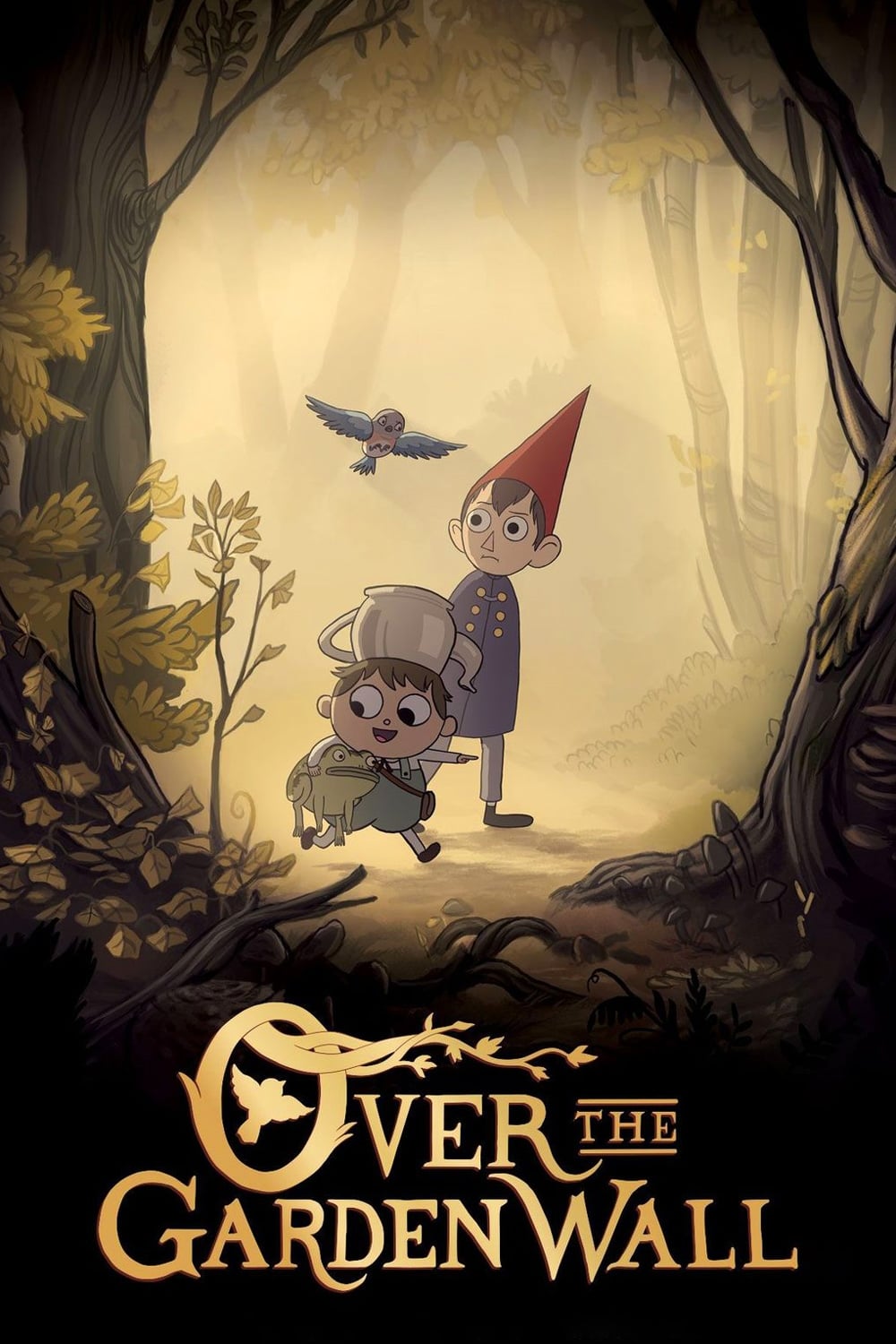
Patrick McHale created ‘Over the Garden Wall’ as a self-contained miniseries consisting of only ten episodes. Wirt and Greg travel through a mysterious forest known as the Unknown while trying to find their way home. The story utilizes a tight narrative structure that mirrors Dante’s Inferno and explores themes of fear and hope. Every episode serves the greater plot without wasting a single moment of its short runtime.
‘Fullmetal Alchemist: Brotherhood’ (2009–2010)
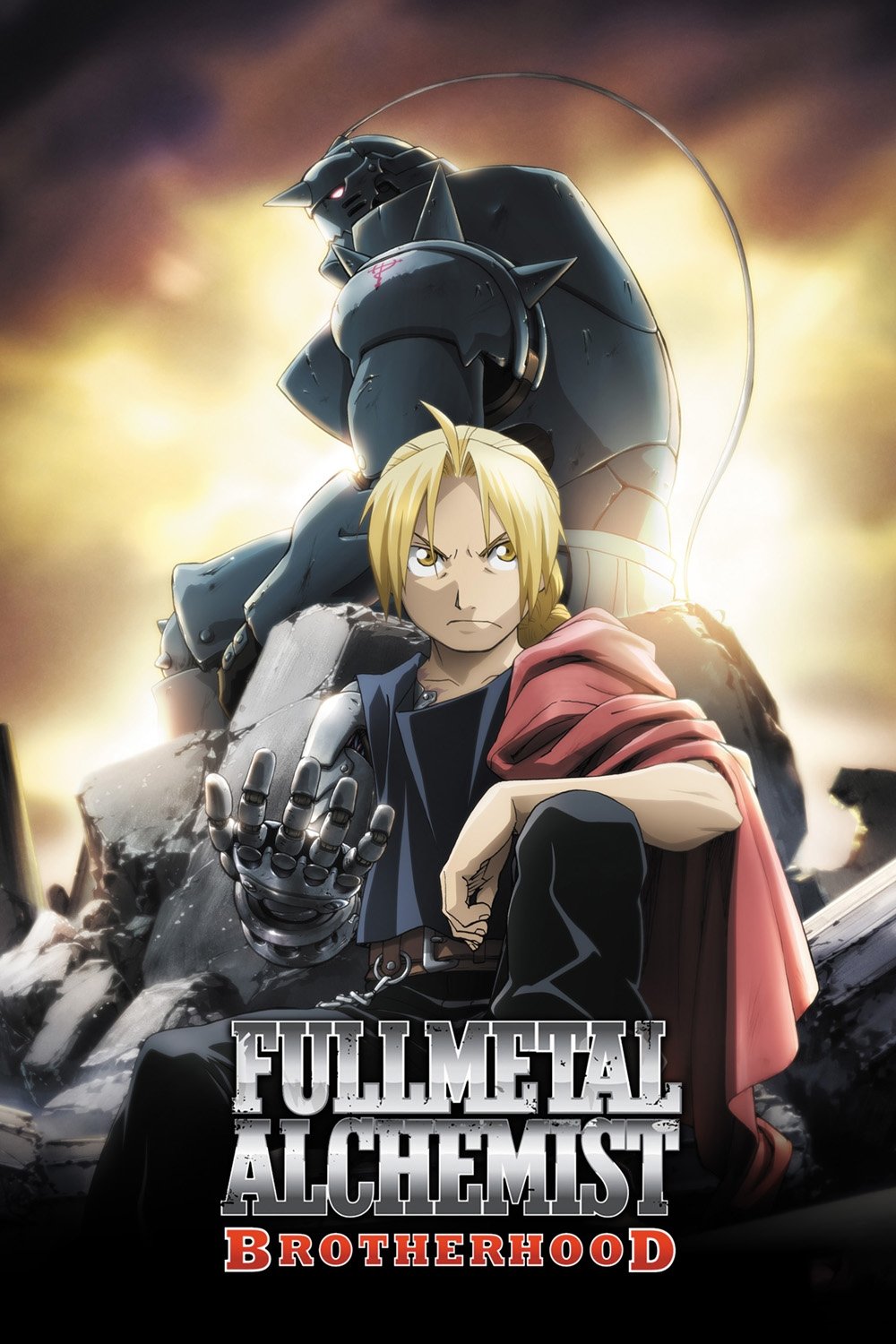
This adaptation adheres strictly to the manga by Hiromu Arakawa and concludes exactly where the original author intended. Edward and Alphonse Elric search for the Philosopher’s Stone to restore their bodies after a failed alchemical experiment. The plot weaves political intrigue and magical battles into a cohesive story about sacrifice and truth. The sixty-four episodes cover the entire saga without the filler content that plagued the earlier adaptation.
‘BoJack Horseman’ (2014–2020)
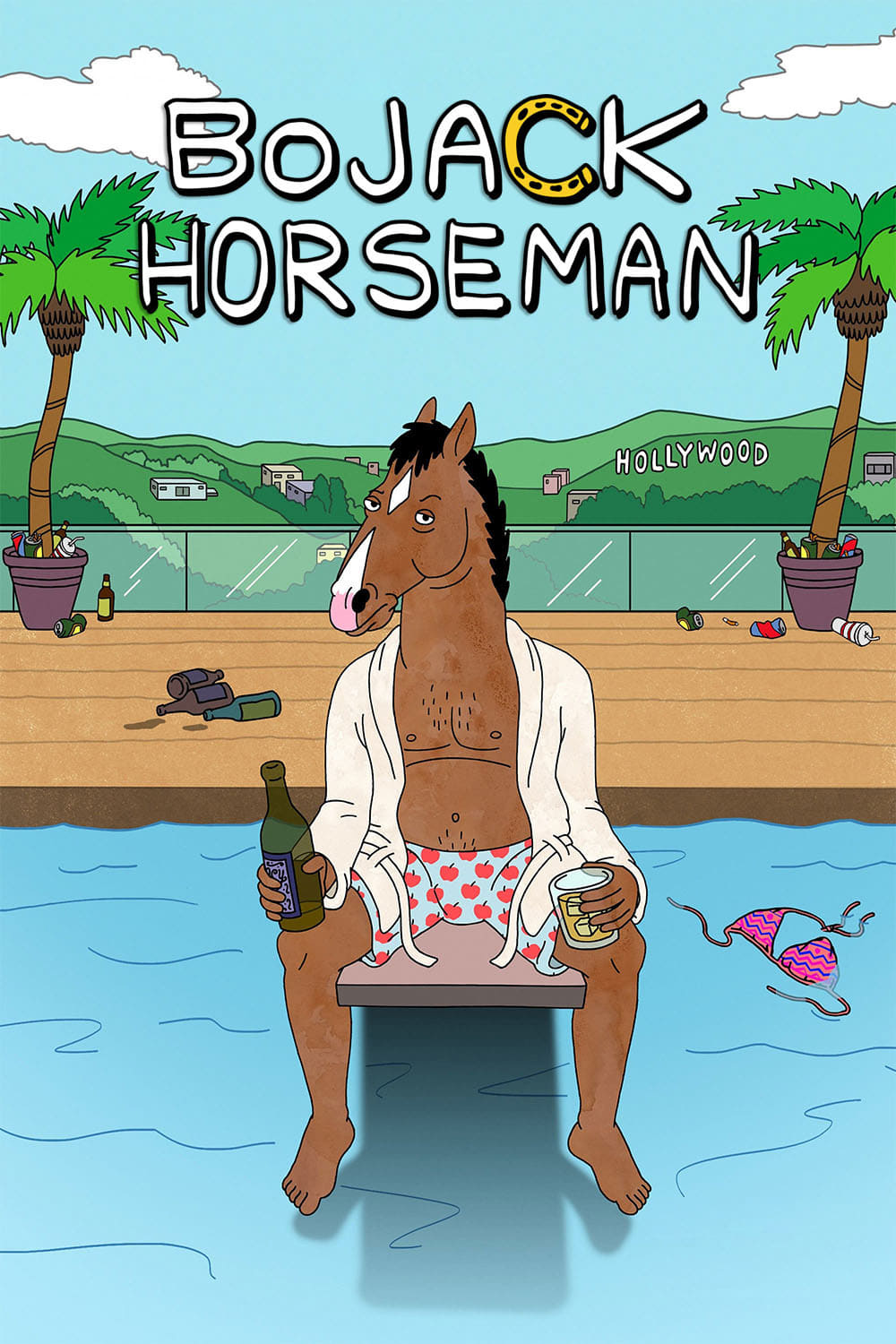
Raphael Bob-Waksberg guided ‘BoJack Horseman’ to a poignant conclusion that addressed the consequences of the protagonist’s actions. The washed-up sitcom star navigates addiction and mental health struggles while seeking validation in Hollywood. The writers chose to end the series while the narrative remained fresh rather than repeating cycles of self-destruction indefinitely. The finale emphasizes accountability and the ongoing nature of recovery rather than offering a simplistic happy ending.
‘She-Ra and the Princesses of Power’ (2018–2020)
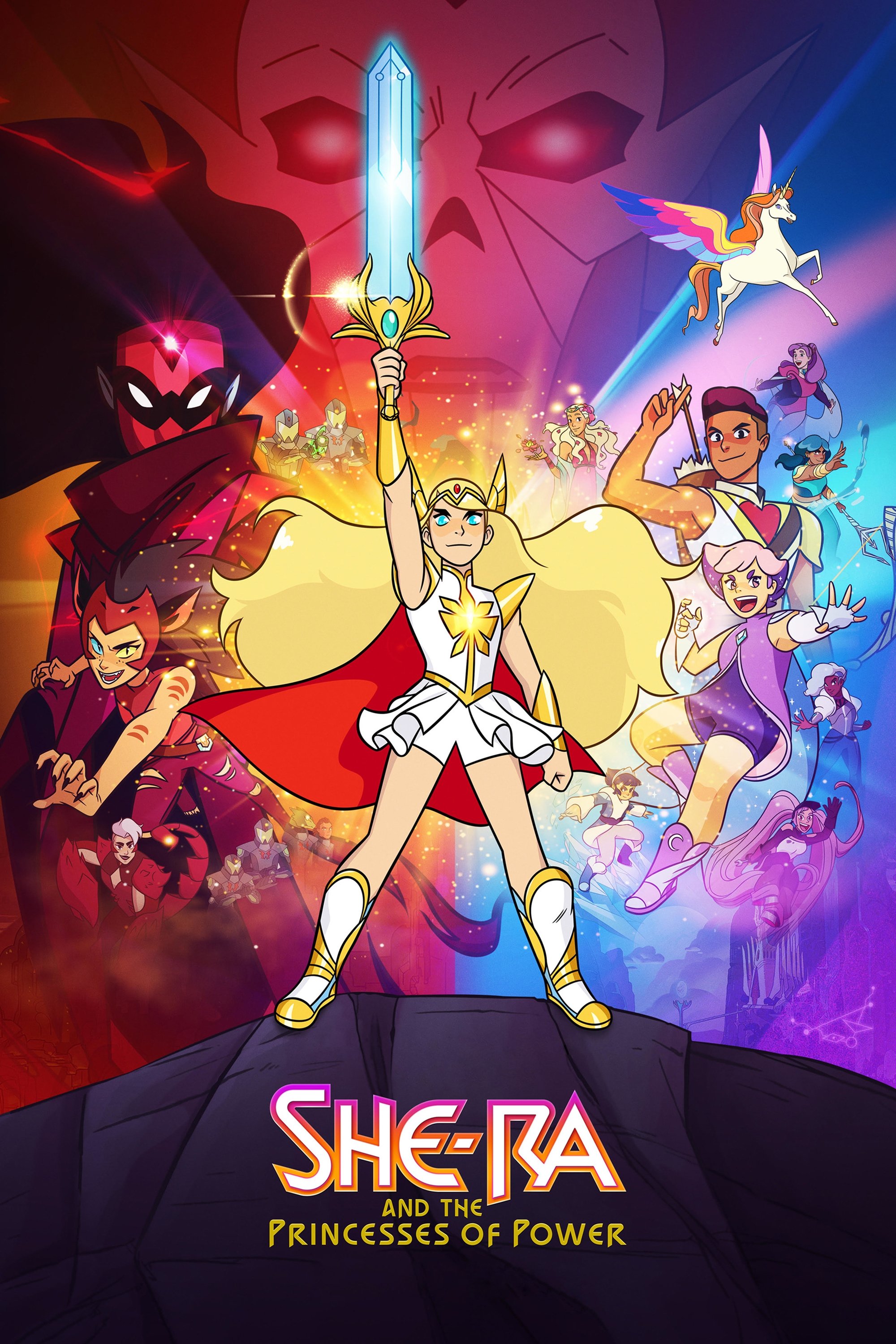
Noelle Stevenson mapped out a specific five-season arc for ‘She-Ra and the Princesses of Power’ from the very beginning. Adora discovers a magical sword and leads a rebellion against the Horde while dealing with her complex relationship with Catra. The show explores themes of redemption and identity through a carefully paced war story that raises the stakes each season. The final season brings resolution to the planetary conflict and the personal dynamics between the main characters.
‘Regular Show’ (2010–2017)
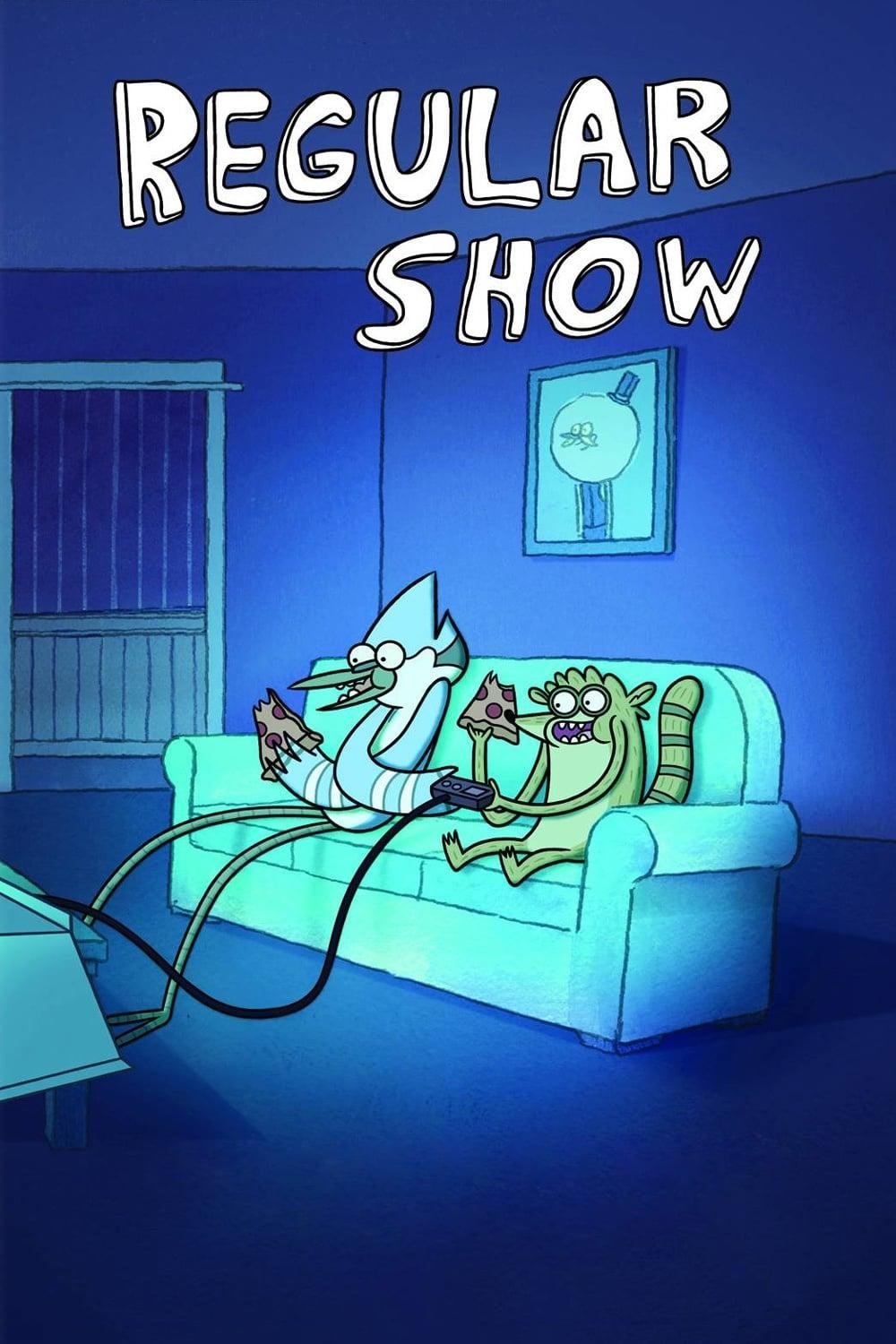
J.G. Quintel concluded ‘Regular Show’ after eight seasons by taking the park employees on a final epic adventure in space. Mordecai and Rigby mature from slackers into responsible adults over the course of the series while battling surreal enemies. The show maintains its unique blend of mundane work problems and supernatural chaos until the very last episode. The finale provides a touching look at the characters’ future lives and solidifies their growth.
‘Star Wars Rebels’ (2014–2018)
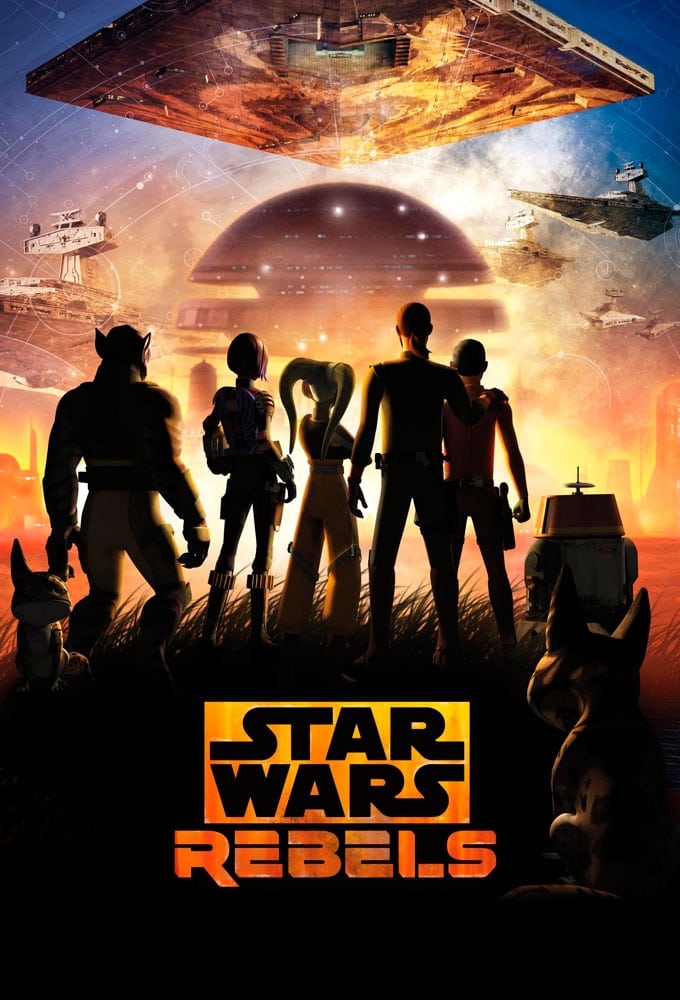
Dave Filoni utilized ‘Star Wars Rebels’ to bridge the gap between the prequel and original trilogies with a focused group of characters. The Ghost crew fights against the growing Galactic Empire while learning about the Force and the cost of rebellion. The series wraps up its storylines involving Ezra Bridger and Thrawn while setting up future narratives within the larger franchise. The conclusion respects the established canon while giving the specific cast a heroic send-off.
‘Castlevania’ (2017–2021)
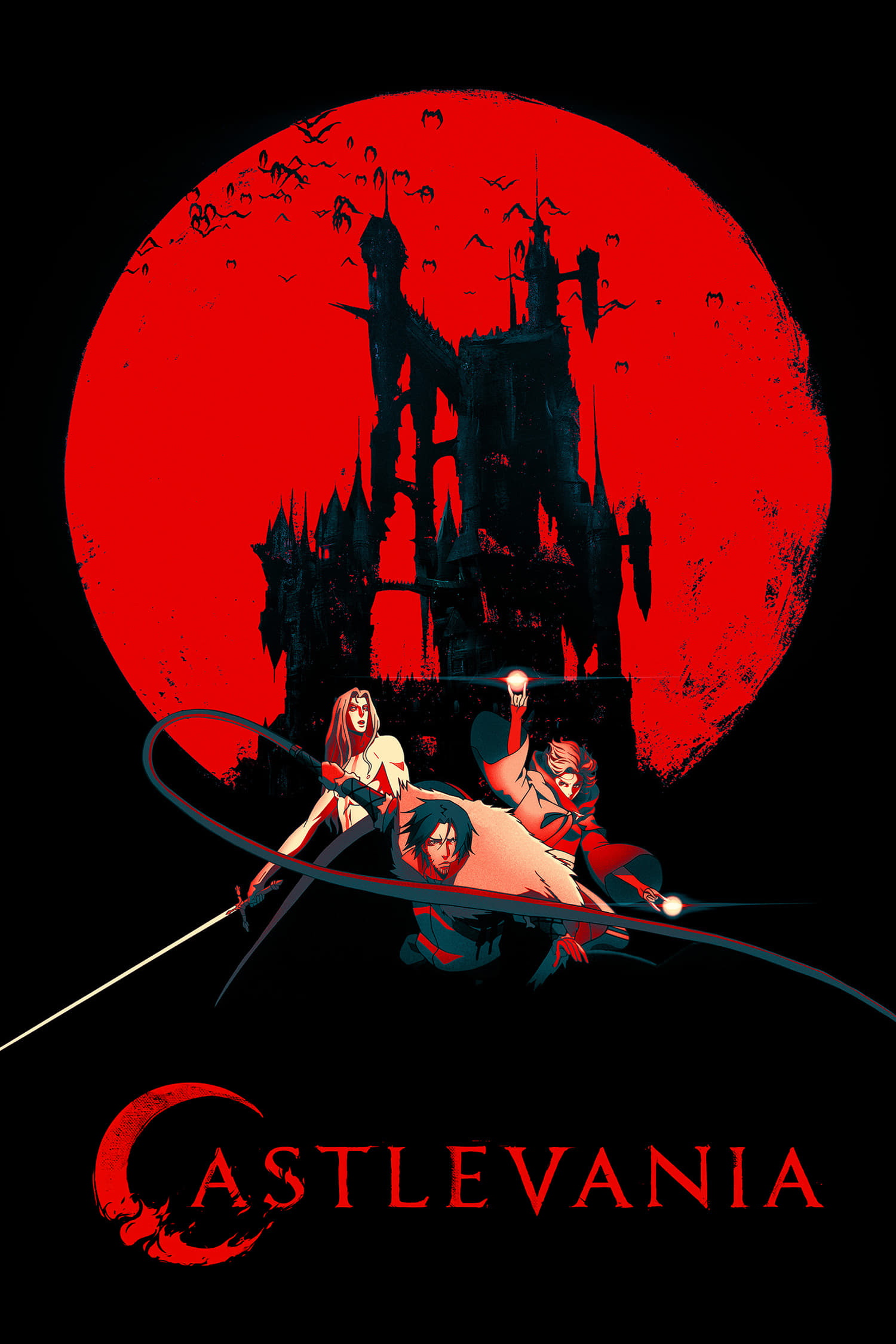
The creative team behind ‘Castlevania’ structured the series to tell a complete story involving Dracula and the subsequent power vacuum. Trevor Belmont teams up with Sypha Belnades and Alucard to save Wallachia from an army of demons and vampires. The four seasons cover the initial war and the complex political aftermath without dragging out the conflict unnecessarily. Each major character receives a definitive ending that aligns with their personal growth and motivations.
‘Samurai Champloo’ (2004–2005)
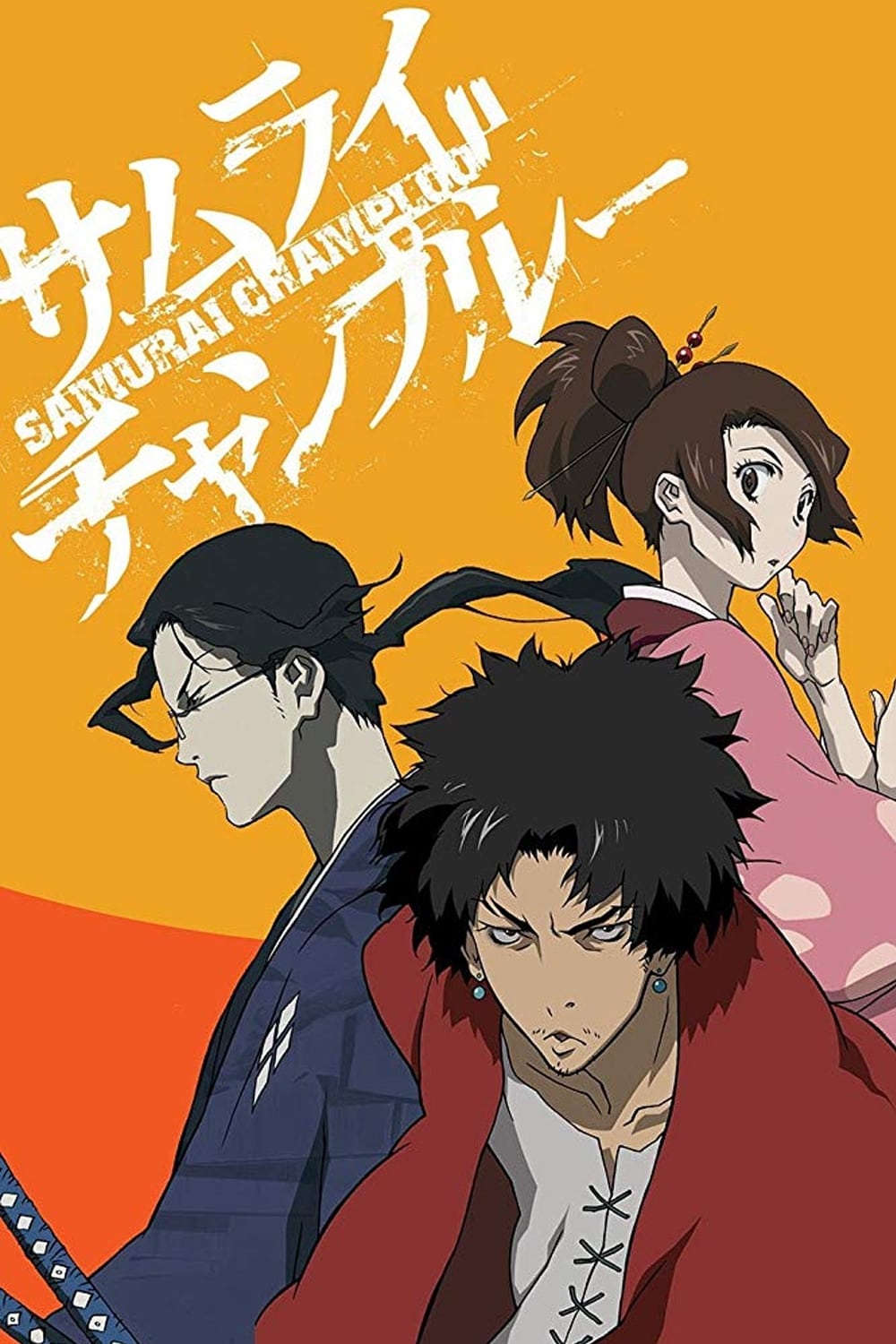
Shinichirō Watanabe directed ‘Samurai Champloo’ as a standalone road trip story mixing Edo-period history with hip-hop culture. Mugen and Jin accompany Fuu across Japan in search of a samurai who smells of sunflowers. The episodic nature allows for diverse storytelling while constantly moving toward the final destination and revelation. The series ends exactly when the journey concludes and the characters part ways to follow their own paths.
‘Kipo and the Age of Wonderbeasts’ (2020)
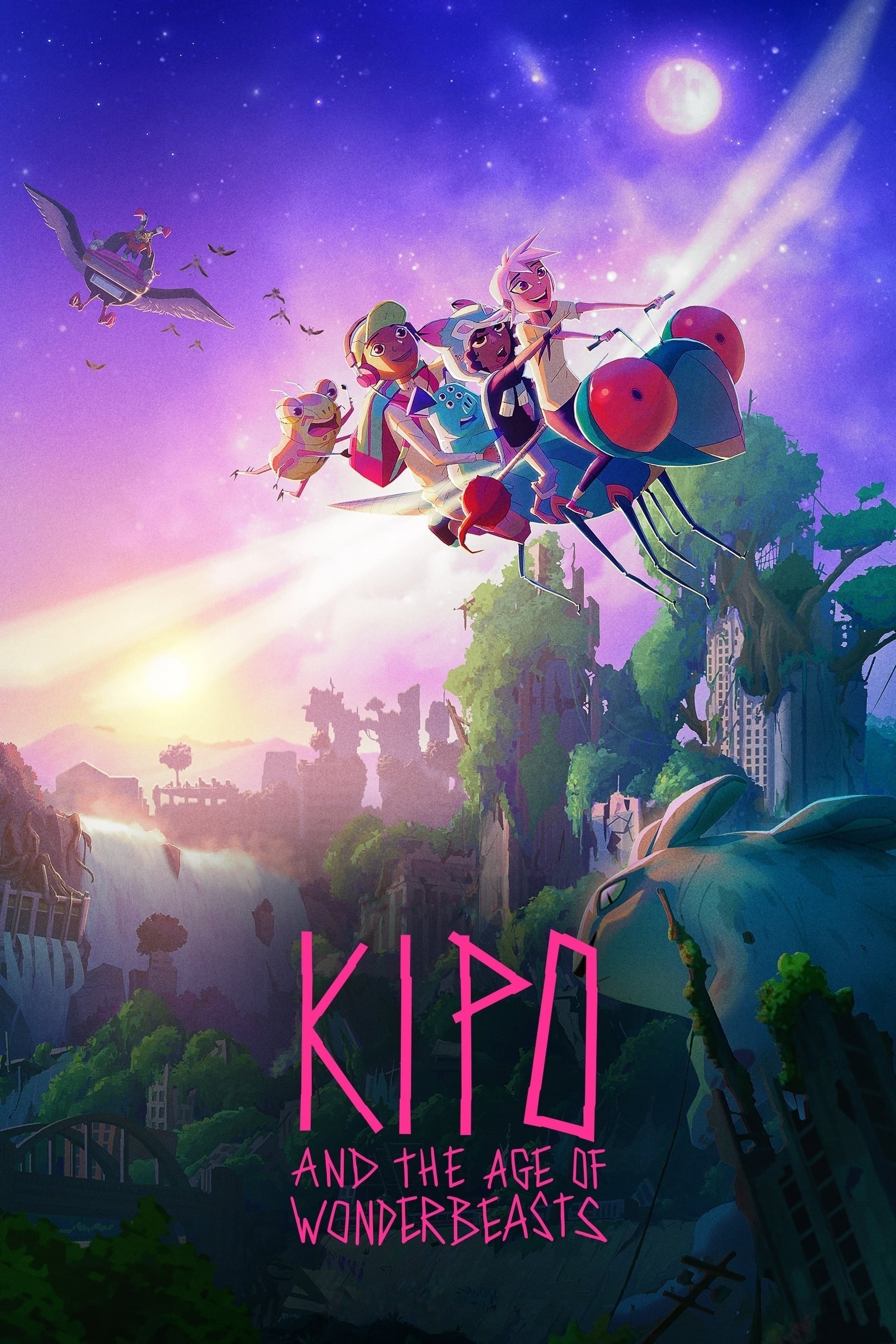
Rad Sechrist envisioned ‘Kipo and the Age of Wonderbeasts’ as a three-season story exploring a post-apocalyptic world inhabited by mutant animals. Kipo Oak searches for her father while attempting to foster peace between humans and mutes. The narrative progresses quickly from survival to community building and finally to saving the world from a tyrant. The show completes its ambitious storyline without losing momentum or diluting its message of inclusivity.
‘Mob Psycho 100’ (2016–2022)
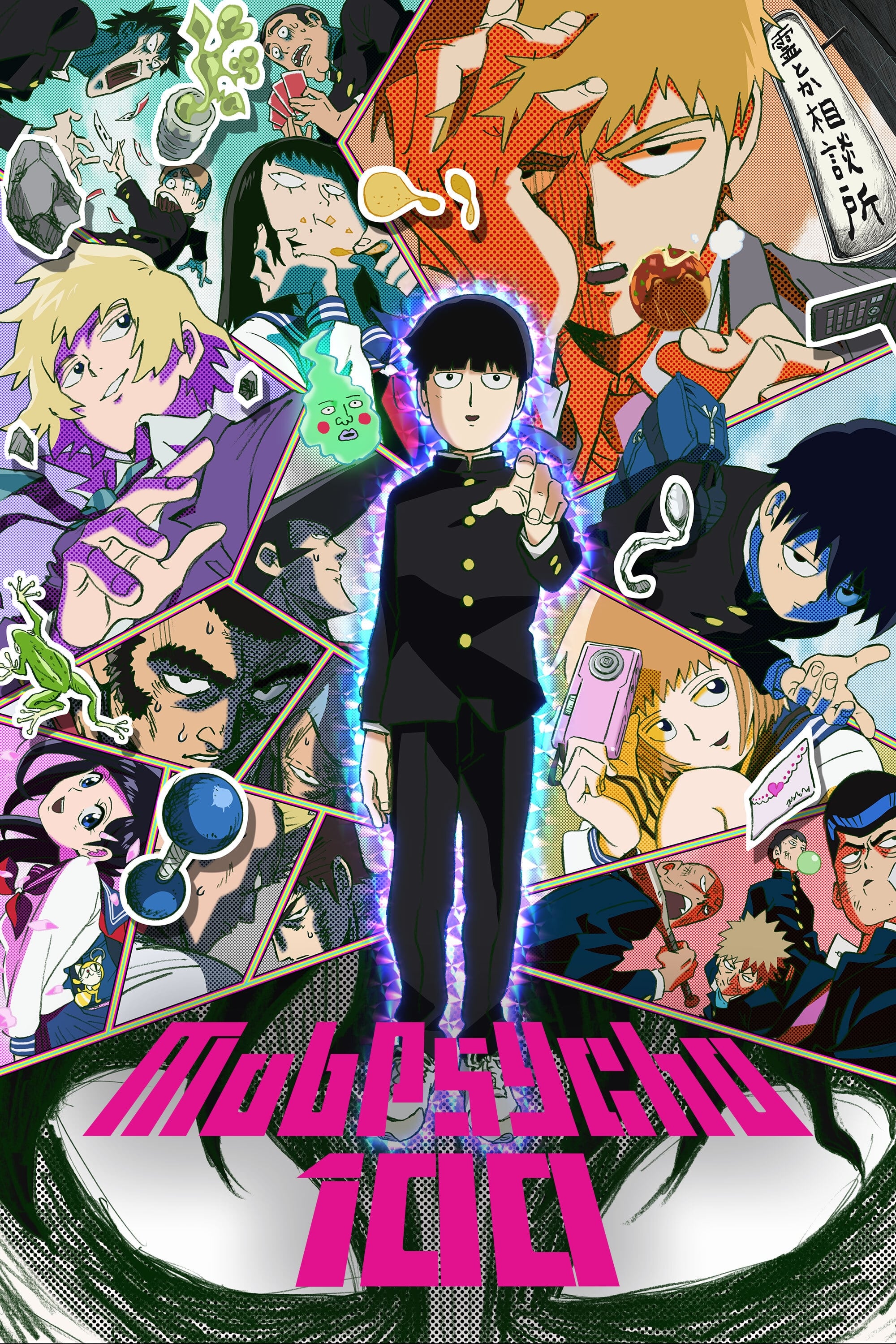
Studio Bones adapted the manga ‘Mob Psycho 100’ into three seasons that fully cover the protagonist’s emotional maturation. Shigeo Kageyama navigates adolescence and his immense psychic powers while learning to express his emotions. The series balances spectacular action sequences with quiet moments of introspection and character study. The conclusion focuses on self-acceptance rather than escalating battles and brings Mob’s character arc to a perfect close.
‘Violet Evergarden’ (2018)
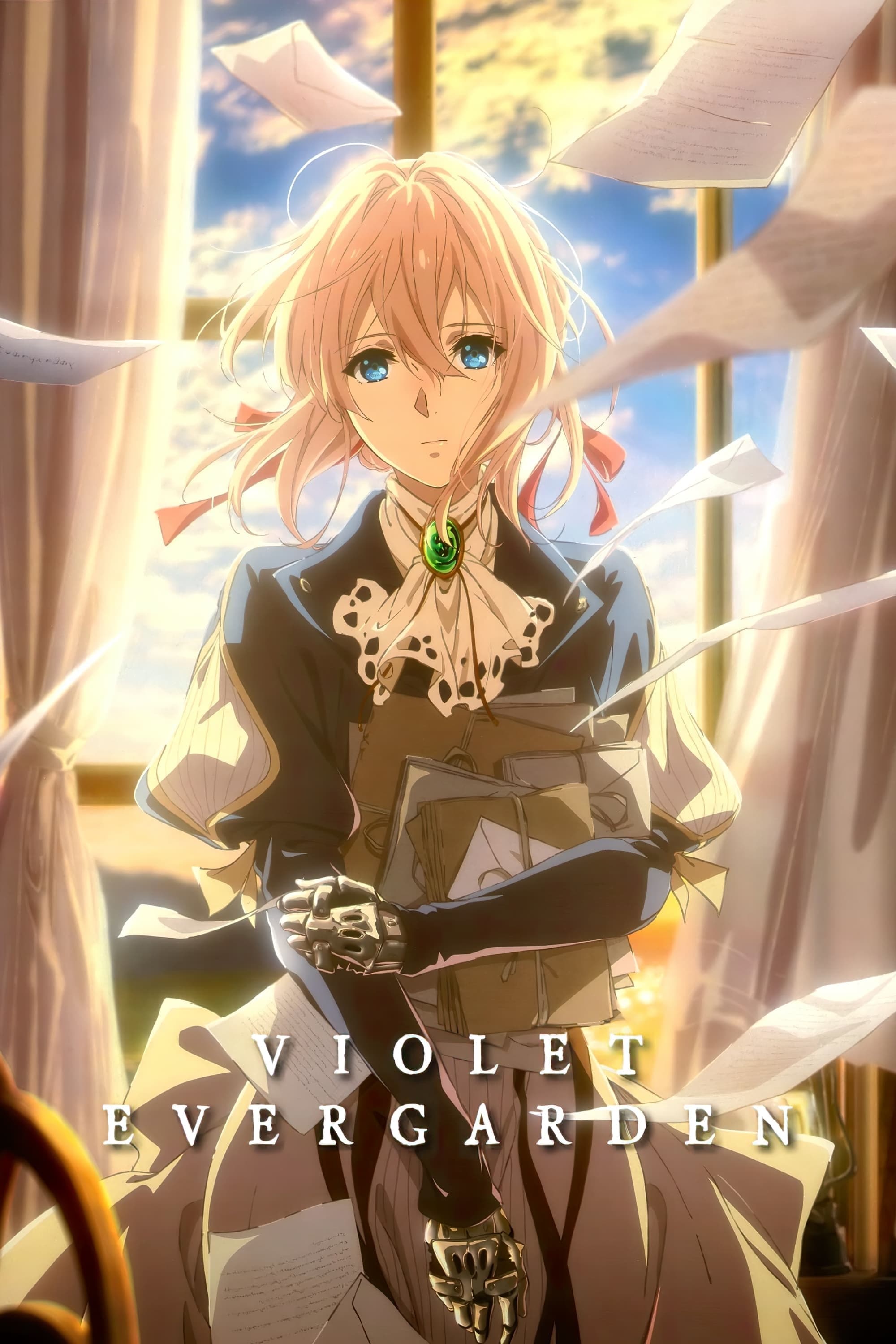
Kyoto Animation produced ‘Violet Evergarden’ as a concise exploration of post-war trauma and the power of written words. A former child soldier works as an Auto Memory Doll to understand the meaning of love and human connection. The episodic format allows viewers to see her growth through the letters she writes for various clients. The story culminates in a movie that resolves her lingering feelings for her commanding officer.
‘Cyberpunk: Edgerunners’ (2022)
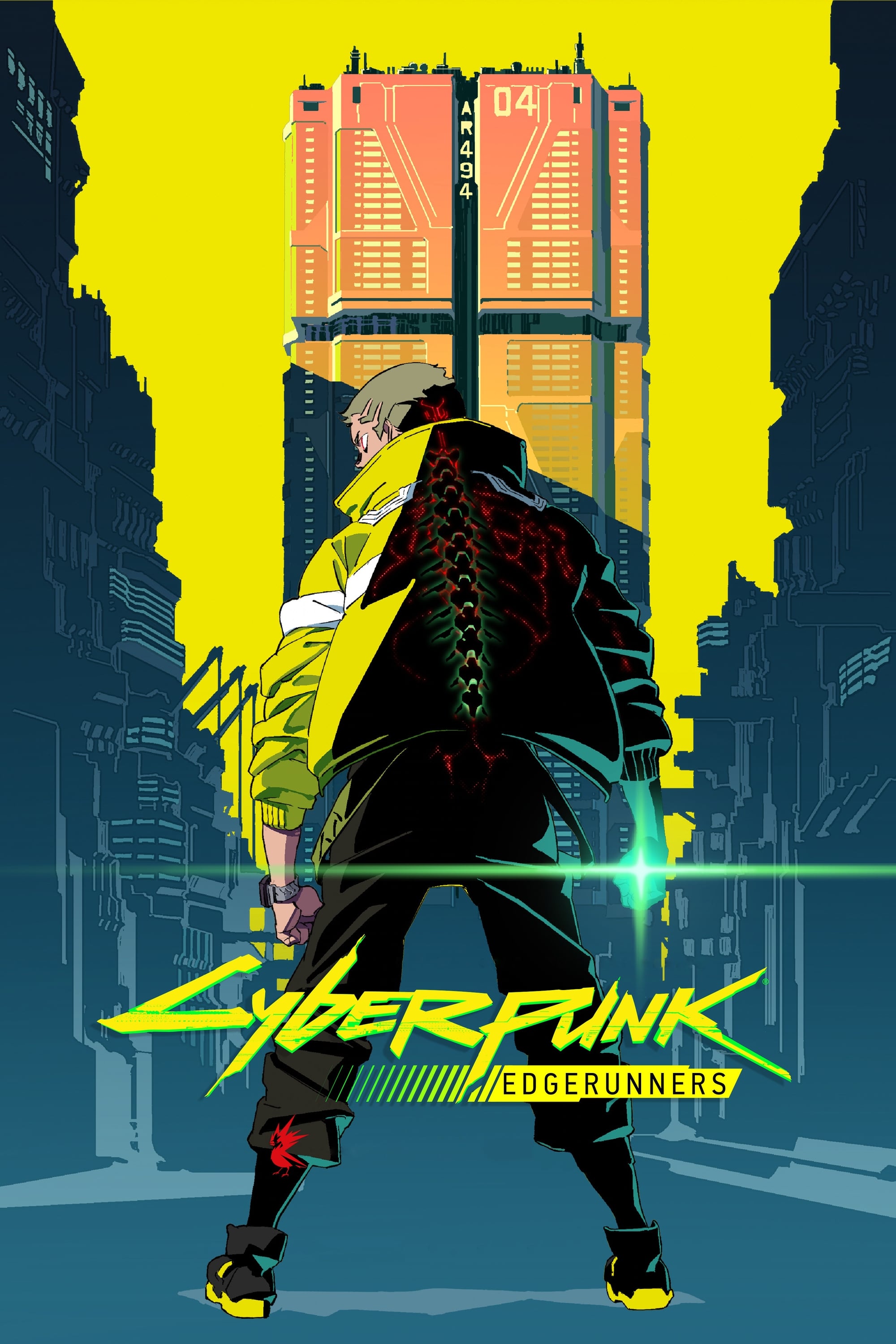
Studio Trigger created ‘Cyberpunk: Edgerunners’ as a tragic ten-episode narrative set within the world of the video game. David Martinez descends into the criminal underworld of Night City and augments his body with dangerous cyberware. The fast-paced story mirrors the frenetic energy of the setting and the self-destructive nature of the protagonist’s lifestyle. The inevitable conclusion aligns perfectly with the established lore of the universe where happy endings are rare.
Tell us which animated series you think had the perfect ending in the comments.