20 Movies Where the Director Appears on Screen and Steals the Scene


Filmmaking typically places the director behind the camera to orchestrate the action and guide the actors through their performances. Some filmmakers choose to step into the frame to deliver memorable characters that rival the main cast in impact. These appearances range from subtle cameos to significant supporting roles that fundamentally alter the course of the story. The following films feature directors who successfully transitioned from behind the scenes to center stage to leave a lasting mark.
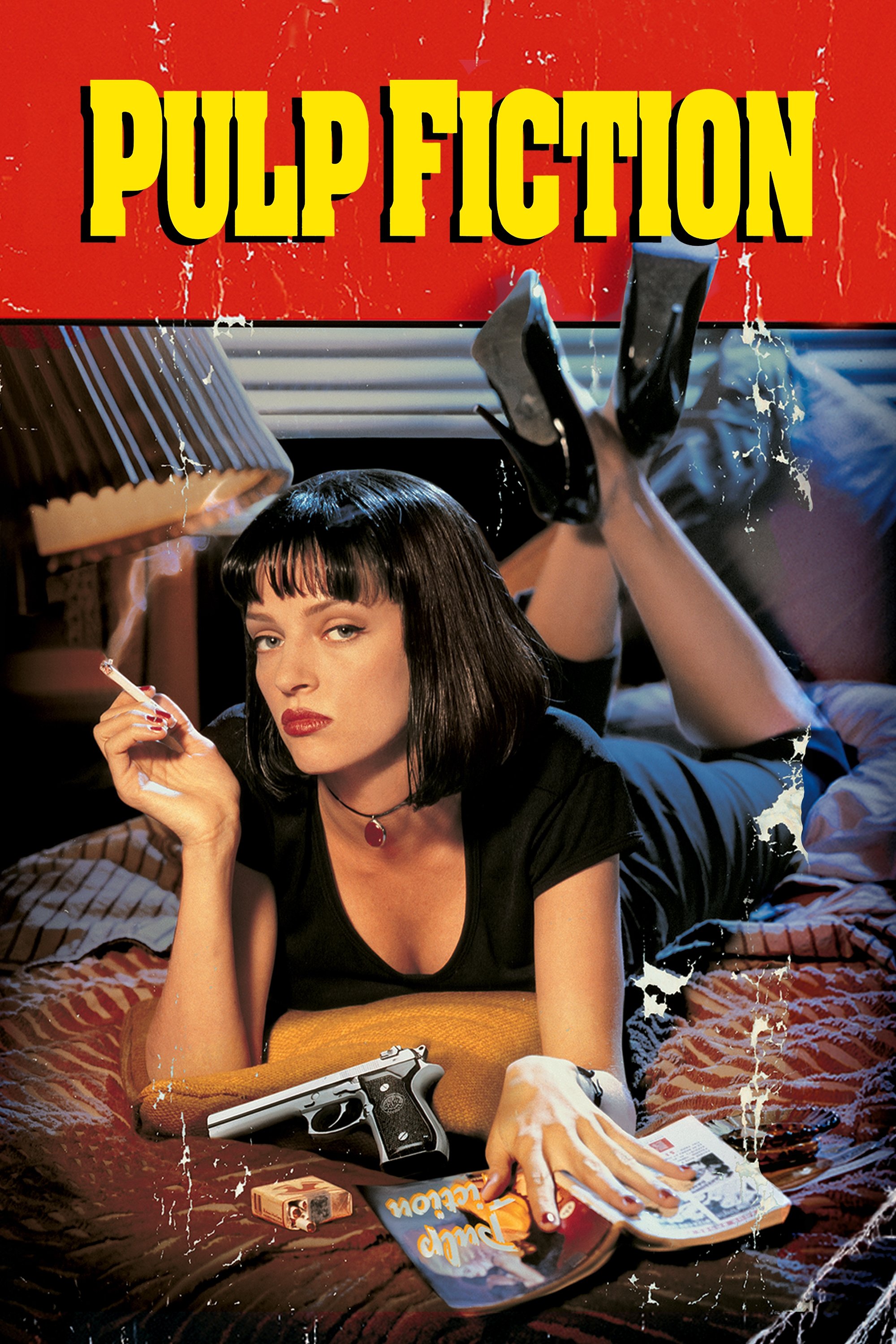
‘Pulp Fiction’ (1994)
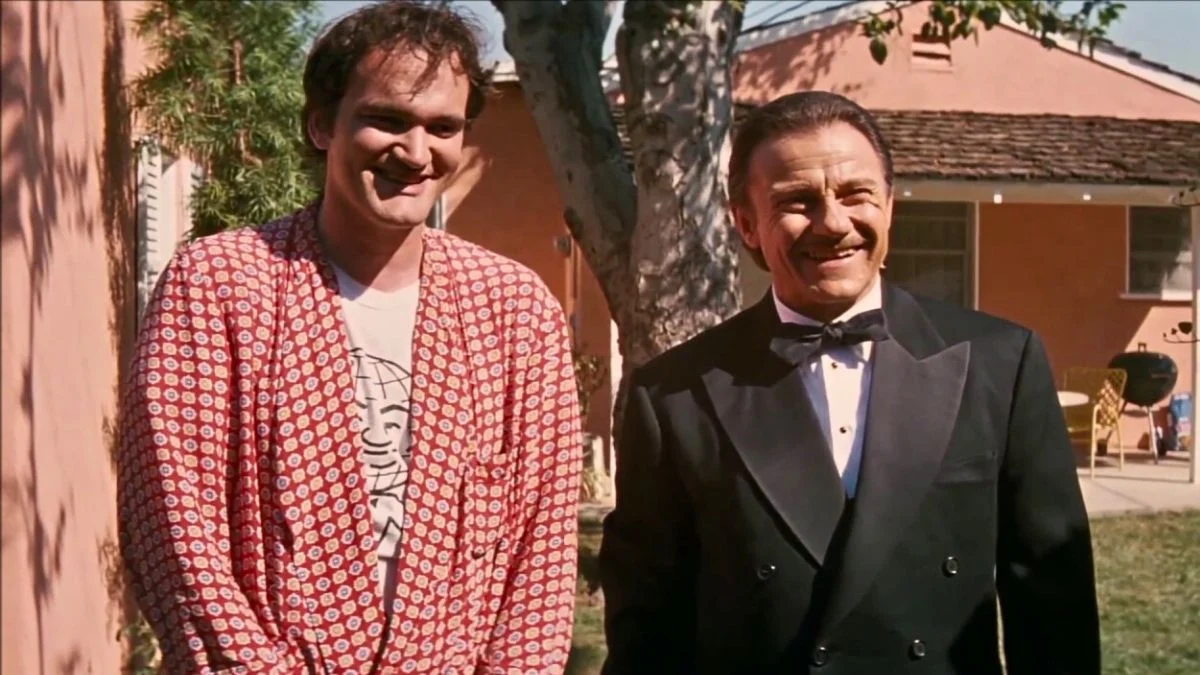
Quentin Tarantino plays Jimmie Dimmick in a memorable segment of this non-linear crime classic. Jimmie provides a safe harbor for hitmen Jules and Vincent after an accidental shooting occurs in their car. The character is neurotic and obsessively worried about his wife coming home to find a corpse in their garage. Tarantino delivers frantic dialogue that adds a layer of dark comedy to a gruesome situation. His interaction with Samuel L. Jackson and Harvey Keitel remains one of the most quoted sequences in the film.
‘Taxi Driver’ (1976)
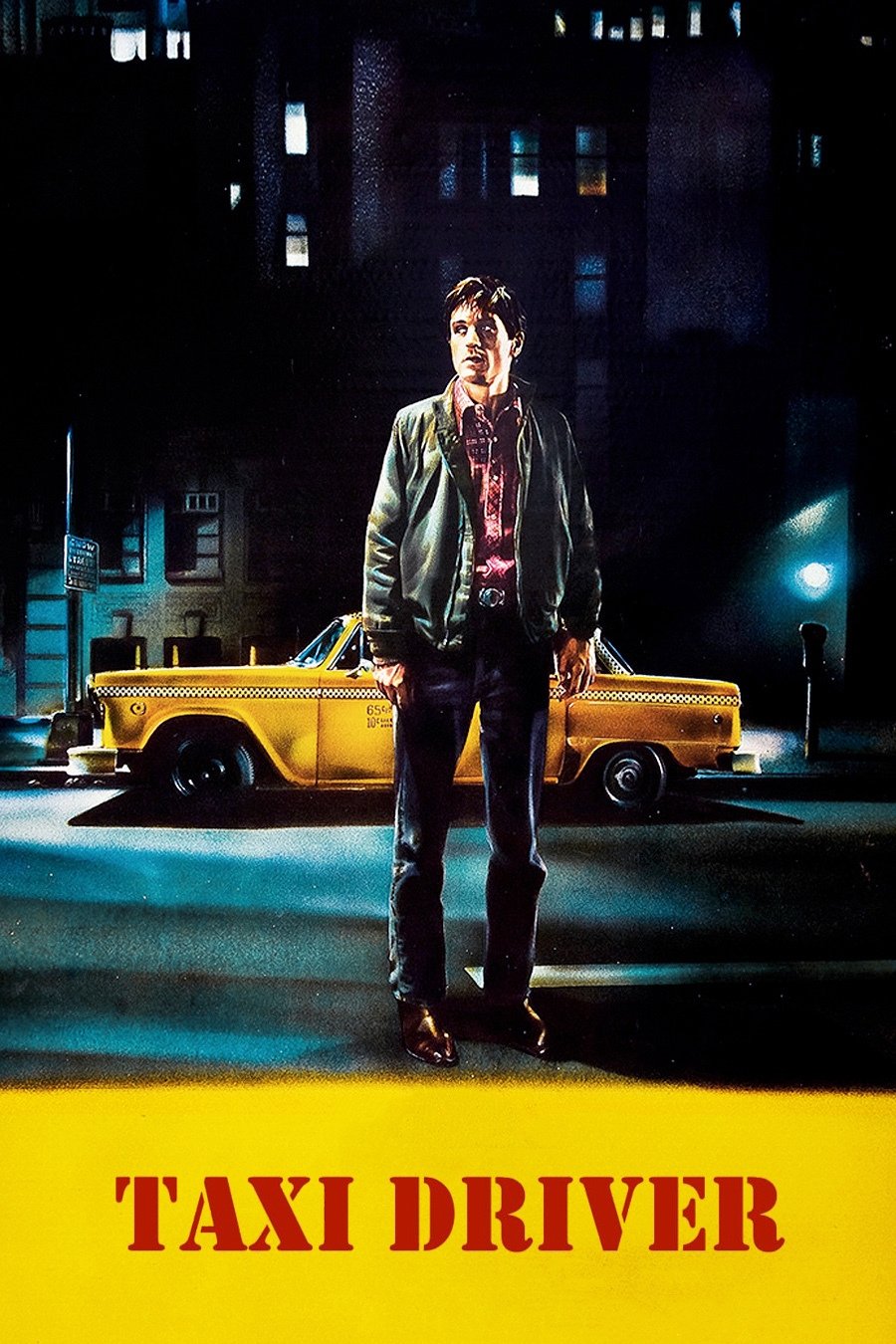
Martin Scorsese makes a chilling appearance as a passenger in Travis Bickle’s taxi. The character directs the driver to stop the cab so he can watch his unfaithful wife through a window silhouetted by the light. He delivers a disturbing monologue about the violence he intends to inflict upon her with a .44 Magnum. This brief but intense scene highlights the mental instability pervading the city and foreshadows the violence Travis himself will eventually embrace.
‘Thor: Ragnarok’ (2017)
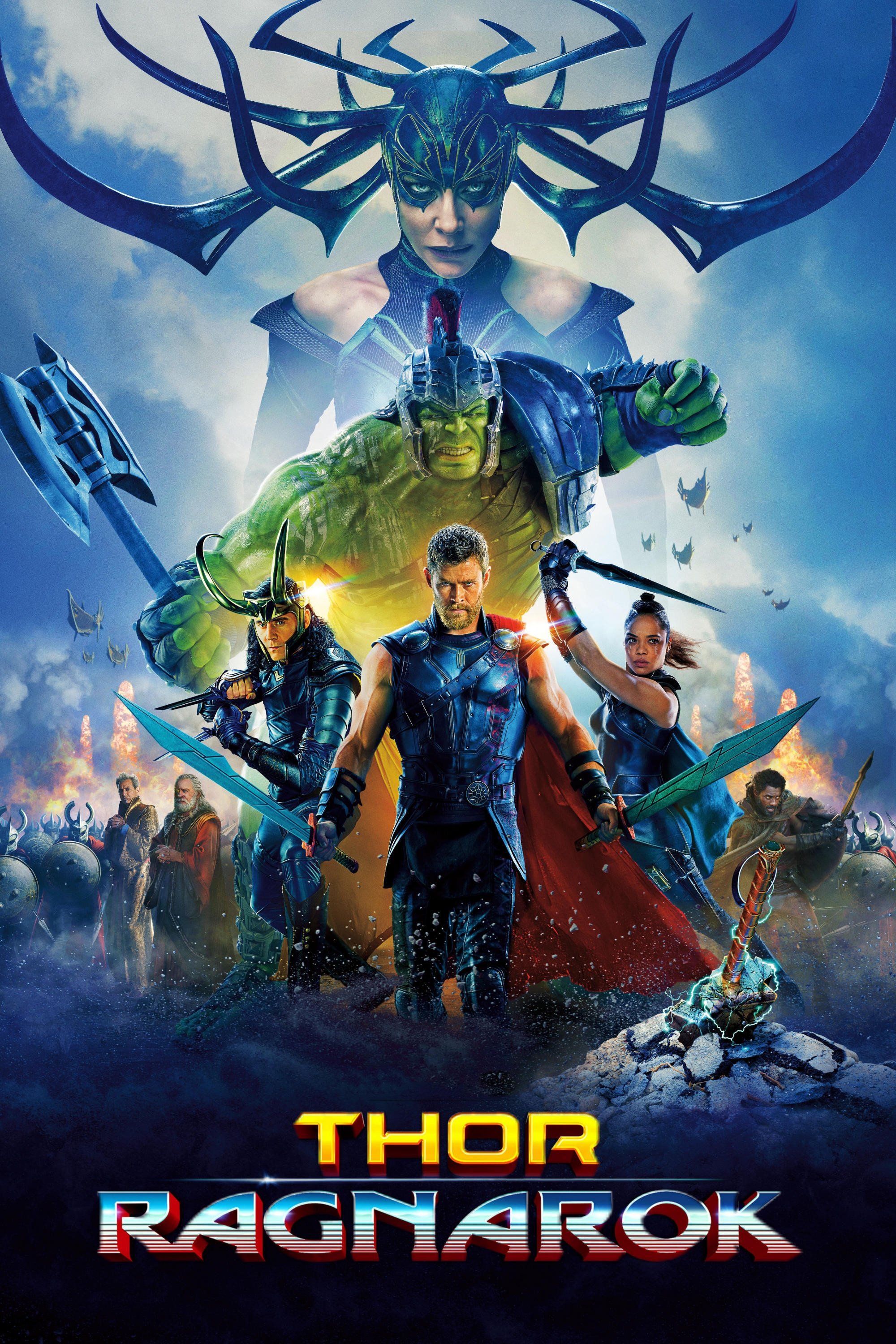
Taika Waititi lends his voice and motion capture performance to the character Korg. This soft-spoken rock creature serves as a gladiator who befriends Thor during his imprisonment on the planet Sakaar. Korg steals the show with his polite demeanor and dry humor which contrasts sharply with his formidable physical appearance. The character became an instant fan favorite in the Marvel Cinematic Universe thanks to his comedic timing and unique perspective on revolution.
‘Iron Man’ (2008)
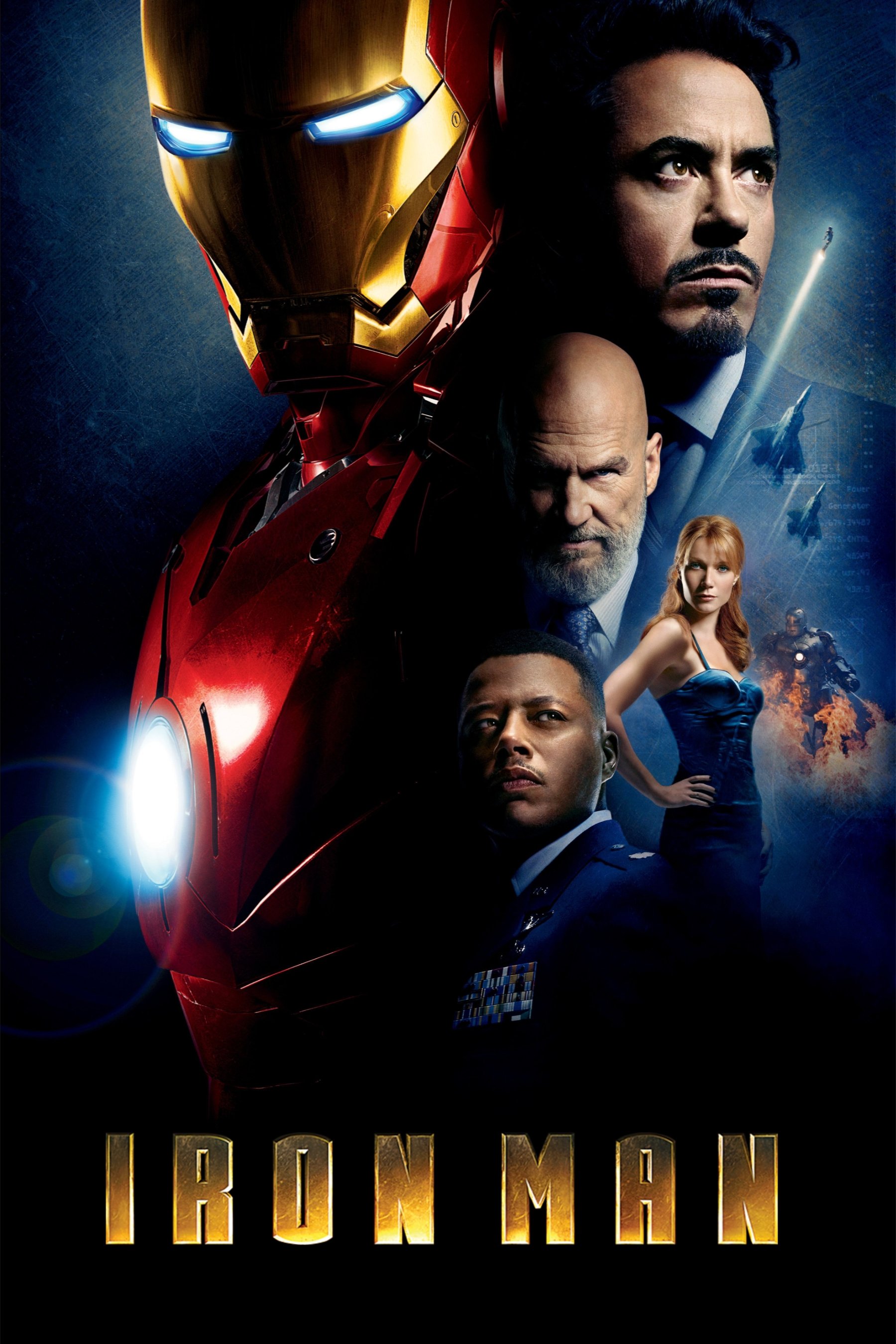
Jon Favreau steps in front of the camera to play Happy Hogan in the film that launched the Marvel Cinematic Universe. Happy serves as the loyal bodyguard and chauffeur to Tony Stark while providing grounding moments amidst the superhero chaos. His chemistry with Robert Downey Jr. establishes a believable friendship that humanizes the billionaire protagonist. Favreau continues to play this role across multiple films but his introduction here sets the tone for the character’s enduring appeal.
‘Tootsie’ (1982)
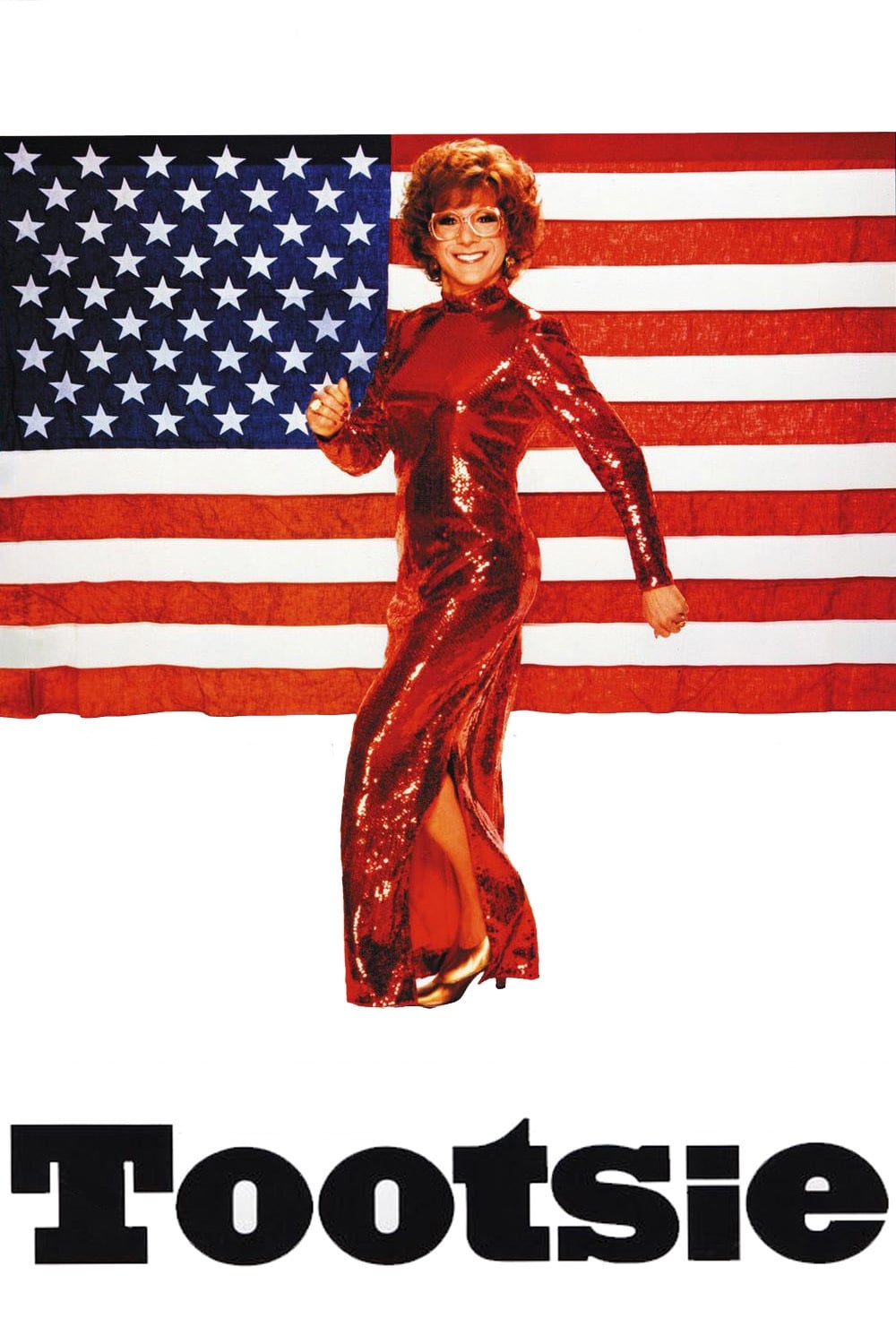
Sydney Pollack plays the role of George Fields who acts as the agent to Dustin Hoffman’s character Michael Dorsey. The director creates a perfect foil for the protagonist by embodying the pragmatic and cynical nature of show business. Their arguments about Michael’s unemployable reputation drive the plot forward and force the actor to adopt his female alter ego. Pollack brings a natural authority to the role that makes his frustration with his client feel incredibly authentic.
‘Clerks’ (1994)
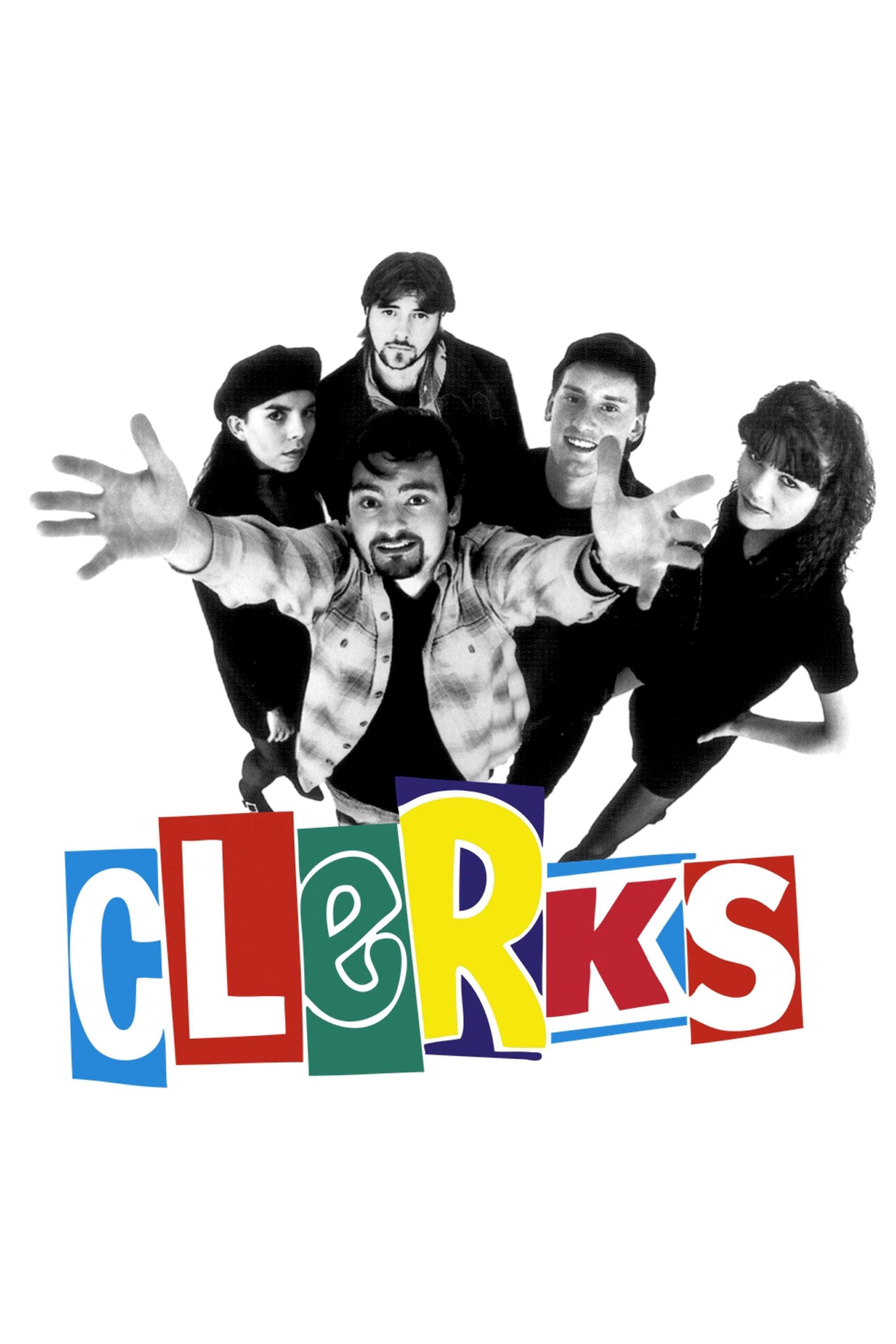
Kevin Smith introduced the world to the silent half of the duo Jay and Silent Bob in his debut feature. The character spends most of the film leaning against the wall of the convenience store while observing the chaotic lives of the protagonists. He breaks his silence only to deliver a profound piece of wisdom that helps resolve the central conflict. This character became a pop culture icon and appeared in numerous subsequent films within Smith’s cinematic universe.
‘Blazing Saddles’ (1974)
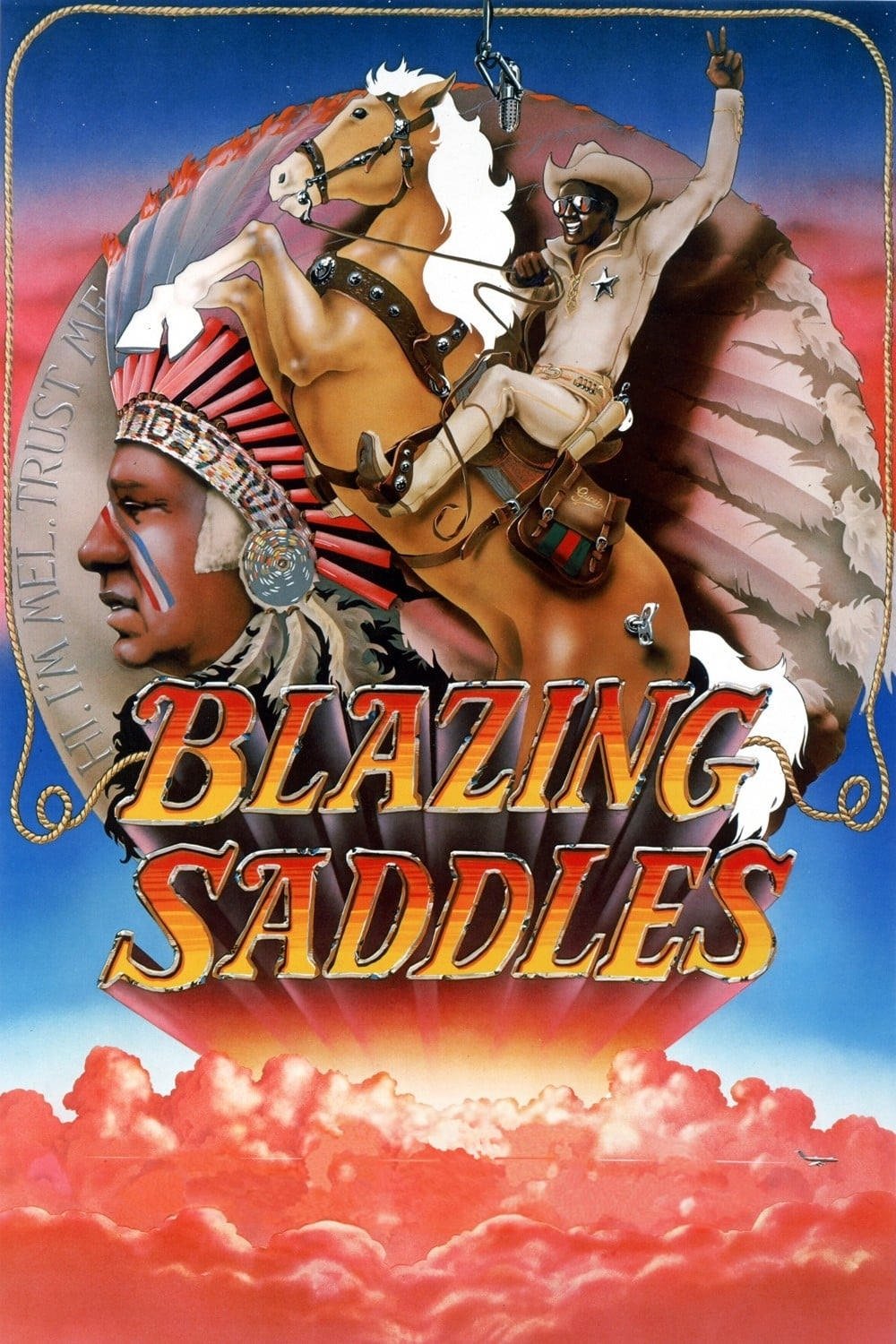
Mel Brooks plays multiple roles in this satirical western but his turn as Governor William J. Le Petomane is the most prominent. The Governor is a cross-eyed and incompetent politician who is easily manipulated by his corrupt attorney general. Brooks uses physical comedy and absurd dialogue to mock political ineptitude and bureaucracy. His performance anchors the farcical tone of the movie and provides some of its most hilarious visual gags.
‘The Incredibles’ (2004)
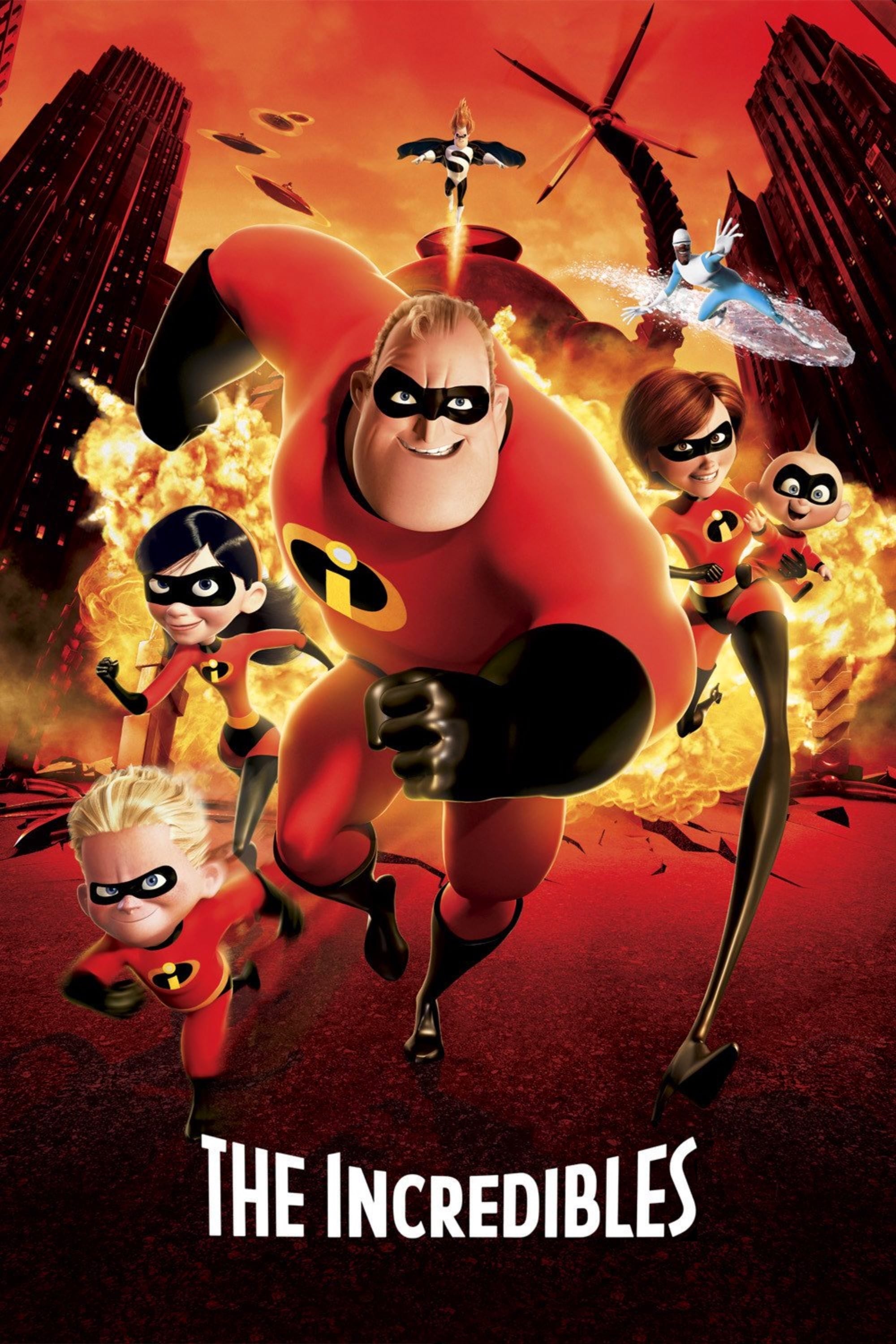
Brad Bird voices the diminutive fashion designer Edna Mode in this Pixar superhero film. Edna is an eccentric creative genius who designs costumes for superheroes with a strict rule against capes. Her scene with Mr. Incredible provides crucial exposition about the dangers of poor costume design while delivering immense personality. The character steals every moment she is on screen with her sharp wit and commanding presence.
‘Signs’ (2002)
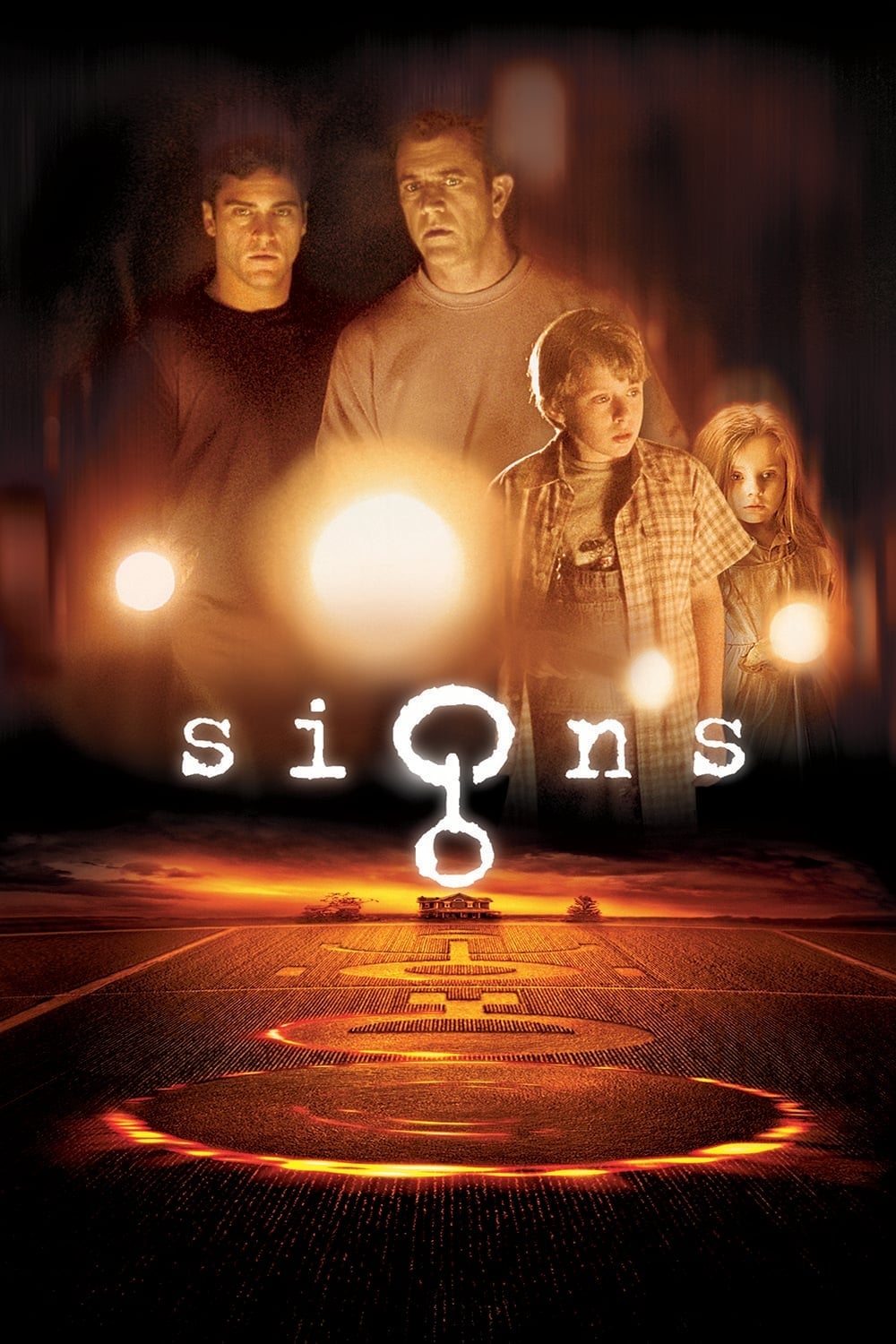
M. Night Shyamalan plays Ray Reddy who is a veterinarian responsible for a tragic accident involving the protagonist’s wife. The character appears in a pivotal scene where he expresses deep remorse and provides crucial information about the alien invaders. His sombre performance adds emotional weight to the backstory of the Hess family and advances the plot significantly. The role requires a balance of guilt and fear that Shyamalan conveys effectively during his brief screen time.
‘Matilda’ (1996)
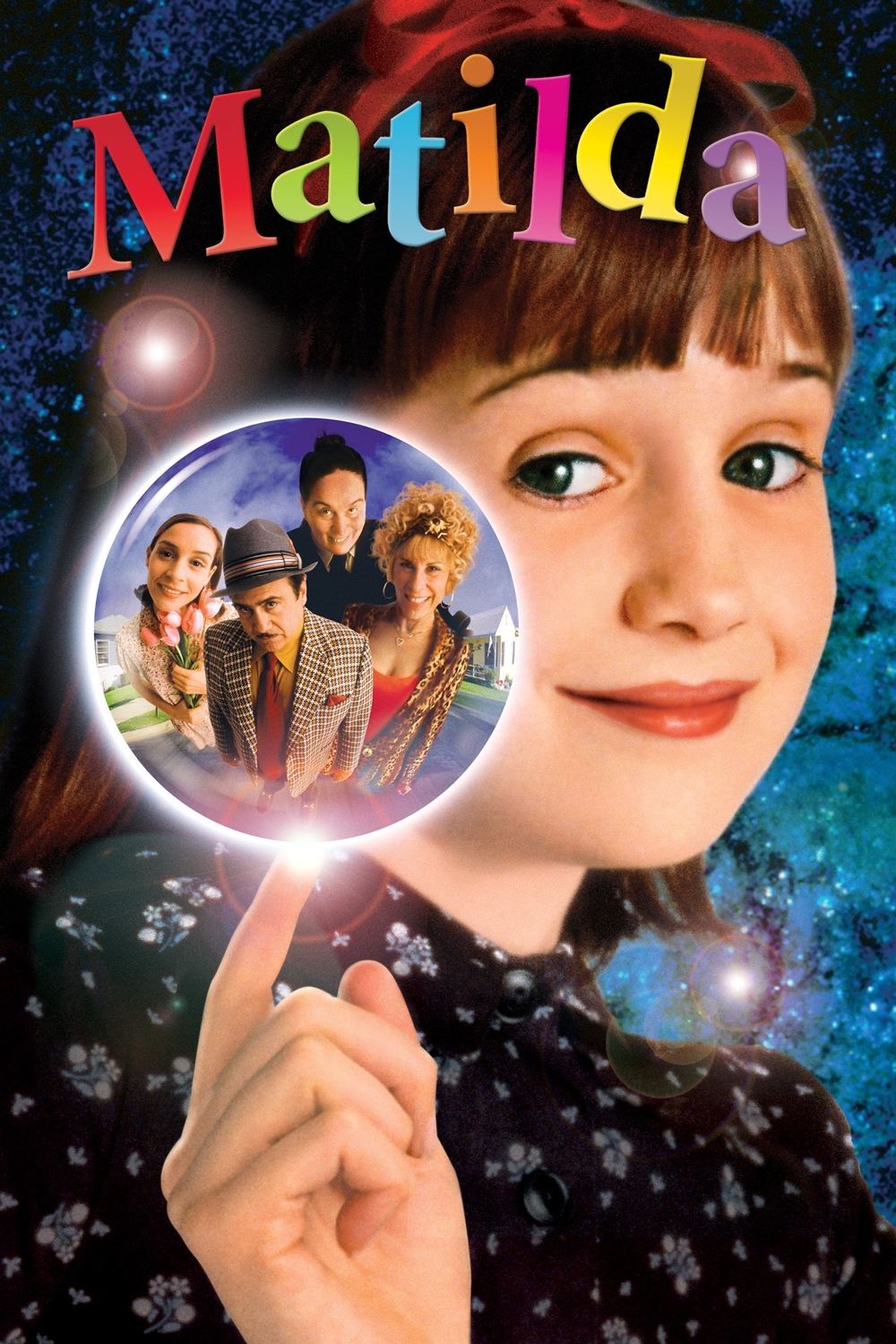
Danny DeVito directs and stars as Harry Wormwood who is the corrupt and neglectful father of the title character. He plays a used car salesman who takes pride in cheating his customers and belittling his brilliant daughter. DeVito embraces the villainous nature of the role with over-the-top mannerisms and a distinct lack of morality. His performance creates a perfect antagonist for Mara Wilson’s Matilda and heightens the whimsical nature of the story.
‘Do the Right Thing’ (1989)
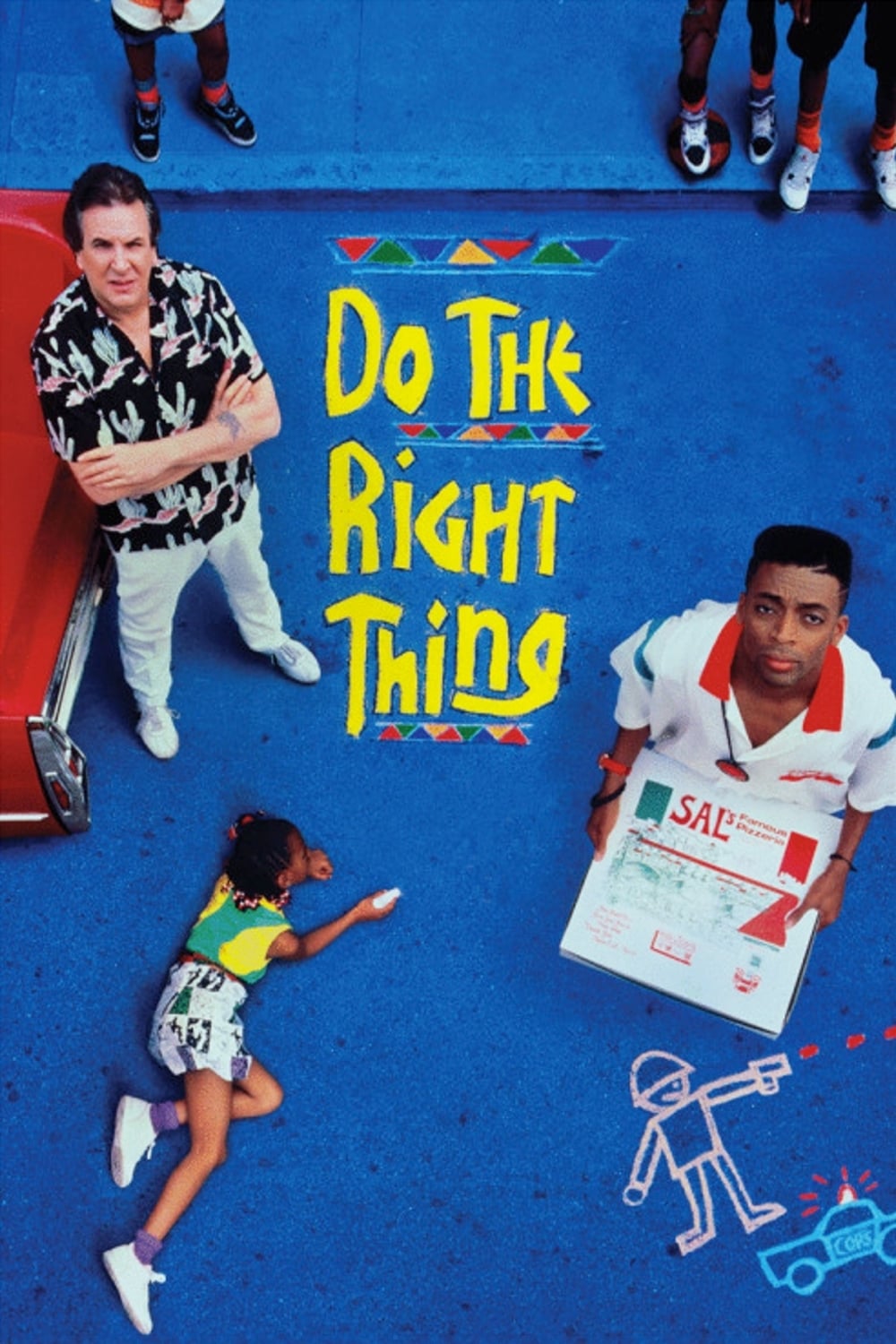
Spike Lee plays Mookie who works as a pizza delivery man in the Bed-Stuy neighborhood of Brooklyn. The character serves as the central observer who navigates the racial tensions simmering within the community on the hottest day of the summer. Mookie is a complex figure who tries to maintain a balance between his employer and his friends until the situation reaches a boiling point. Lee delivers a naturalistic performance that anchors the film’s powerful social commentary.
‘Apocalypse Now’ (1979)
Francis Ford Coppola appears briefly as a newsreel director filming the war amidst chaotic combat. He shouts instructions at the soldiers to keep fighting while ignoring the absurdity of the violence around him. The cameo serves as a meta-commentary on the nature of documenting war and the detachment of the media. This brief moment reinforces the surreal and nightmarish atmosphere that permeates the entire film.
‘Finding Nemo’ (2003)
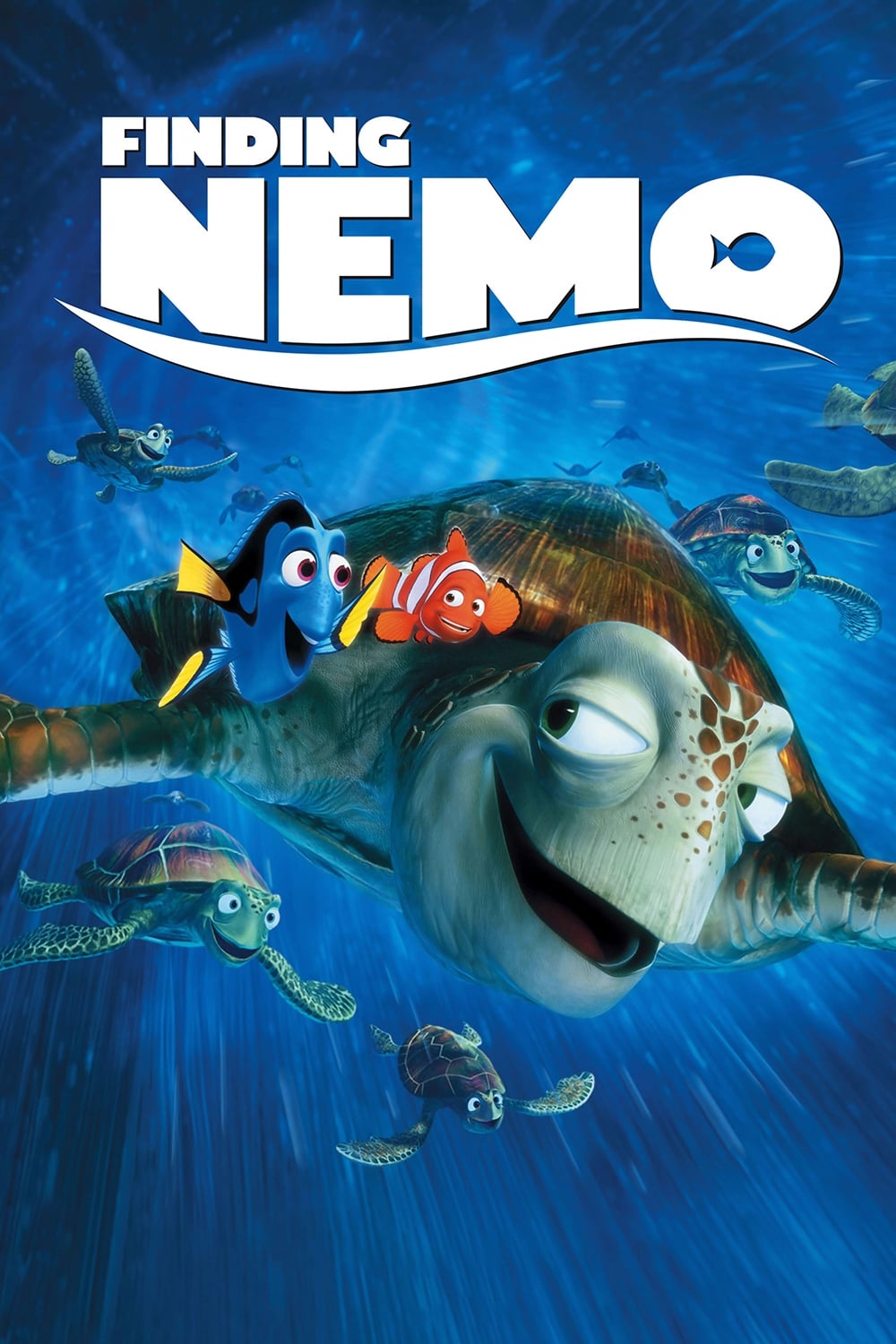
Andrew Stanton voices Crush the sea turtle who helps Marlin and Dory navigate the East Australian Current. The character embodies the relaxed surfer archetype and provides a sharp contrast to Marlin’s neurotic anxiety. Crush teaches the protective father valuable lessons about letting go and allowing children to take risks. Stanton’s vocal performance turned a supporting animated character into one of the most memorable figures in the movie.
‘This Is Spinal Tap’ (1984)
Rob Reiner plays Marty DiBergi who is the documentary filmmaker following the fictional rock band on their disastrous tour. He plays the straight man to the eccentric band members and asks the questions that the audience wants answered. His deadpan reactions to the absurdity of the band’s behavior heighten the comedic effect of the mockumentary format. Reiner grounds the film in reality which makes the satire even more effective.
‘New Nightmare’ (1994)
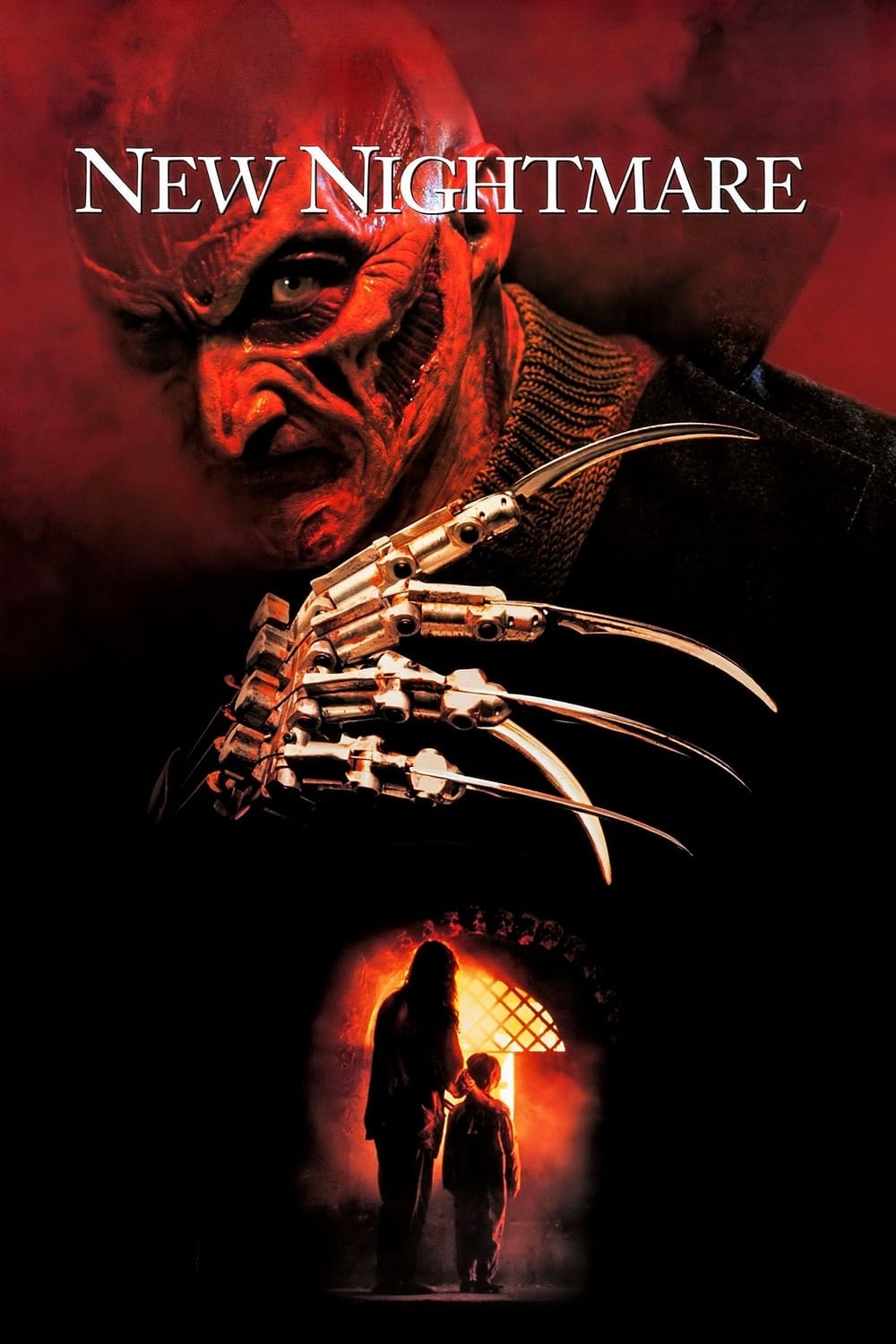
Wes Craven plays a fictionalized version of himself in this meta-horror film that deconstructs the slasher genre. He portrays himself as a director troubled by nightmares that suggest his cinematic creation Freddy Krueger is entering the real world. This performance blurs the line between fiction and reality to create a unique sense of dread. Craven brings a sense of gravity to the role that elevates the film above standard horror sequels.
‘Tropic Thunder’ (2008)
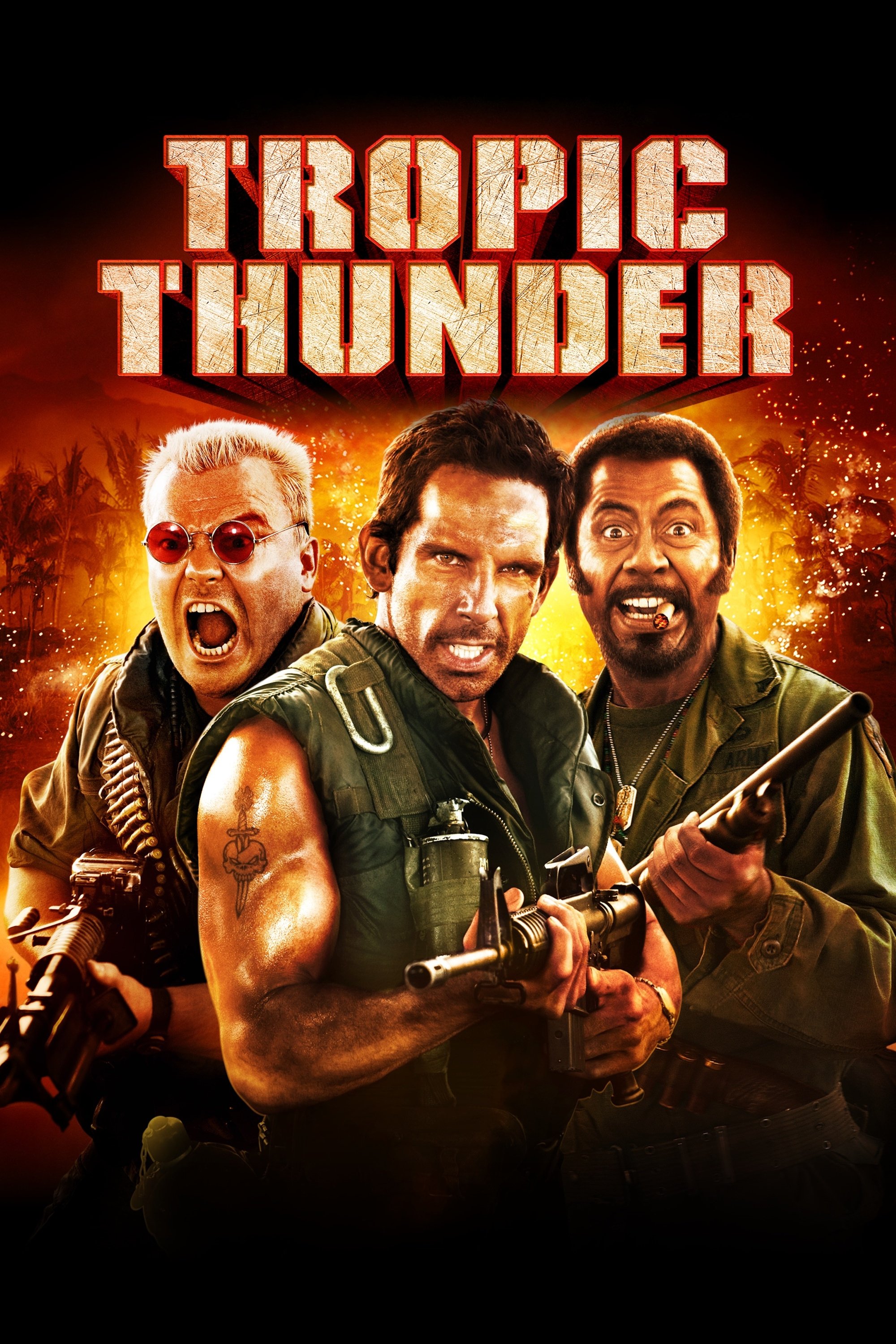
Ben Stiller directs and stars as Tugg Speedman who is a fading action star desperate for critical acclaim. The character finds himself lost in the jungle while filming a war movie and slowly loses his grip on reality. Stiller satirizes the vanity of Hollywood actors and their extreme methods of preparation. His commitment to the absurdity of the role drives the film’s satire of the entertainment industry.
‘Kung Fu Hustle’ (2004)
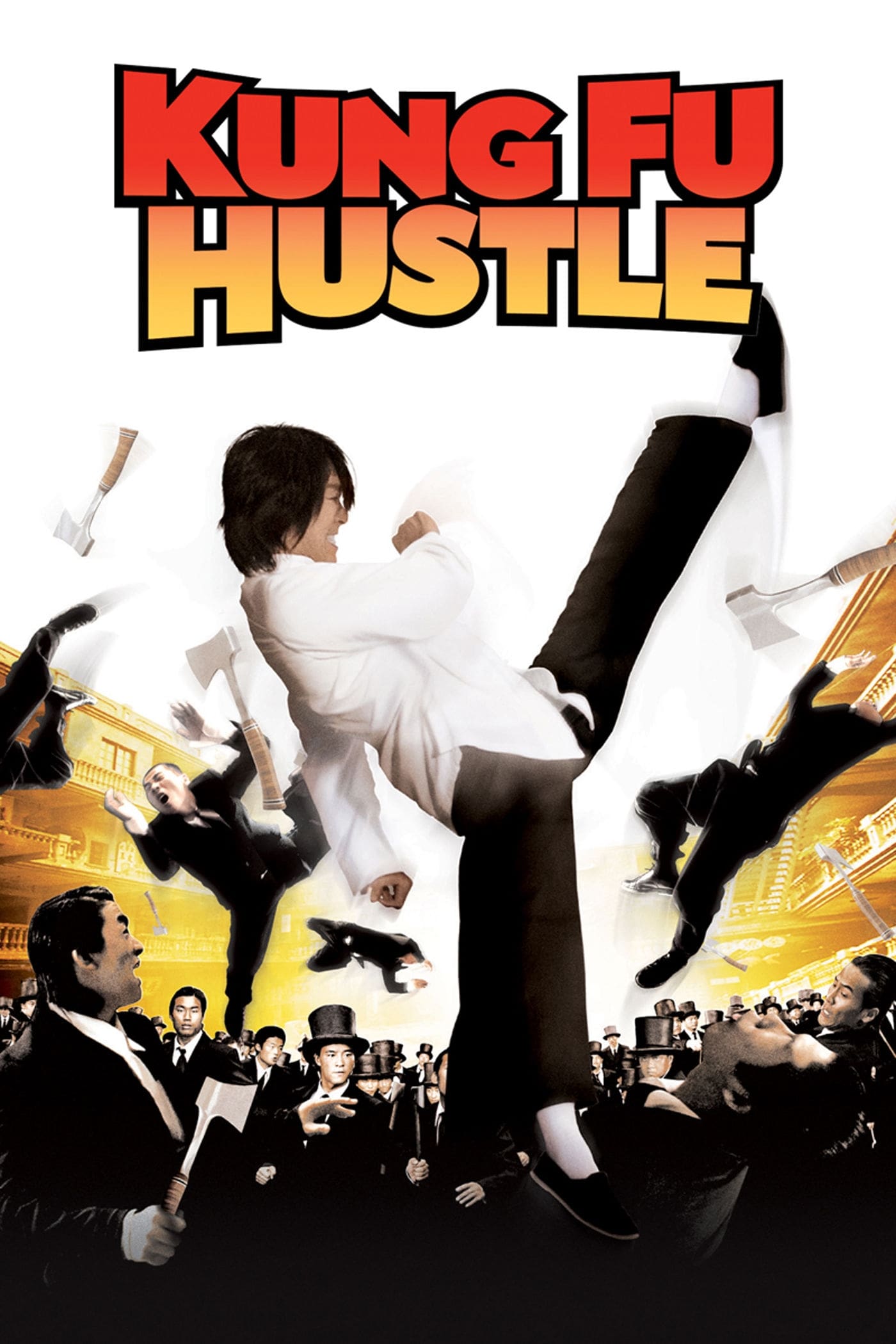
Stephen Chow plays Sing who is a petty thief aspiring to join the notorious Axe Gang. The character undergoes a dramatic transformation from a cowardly criminal to a legendary martial arts master. Chow combines Buster Keaton-esque physical comedy with high-octane action sequences to create a unique protagonist. His performance carries the emotional arc of the film while delivering consistent laughs and impressive stunt work.
‘A Quiet Place’ (2018)
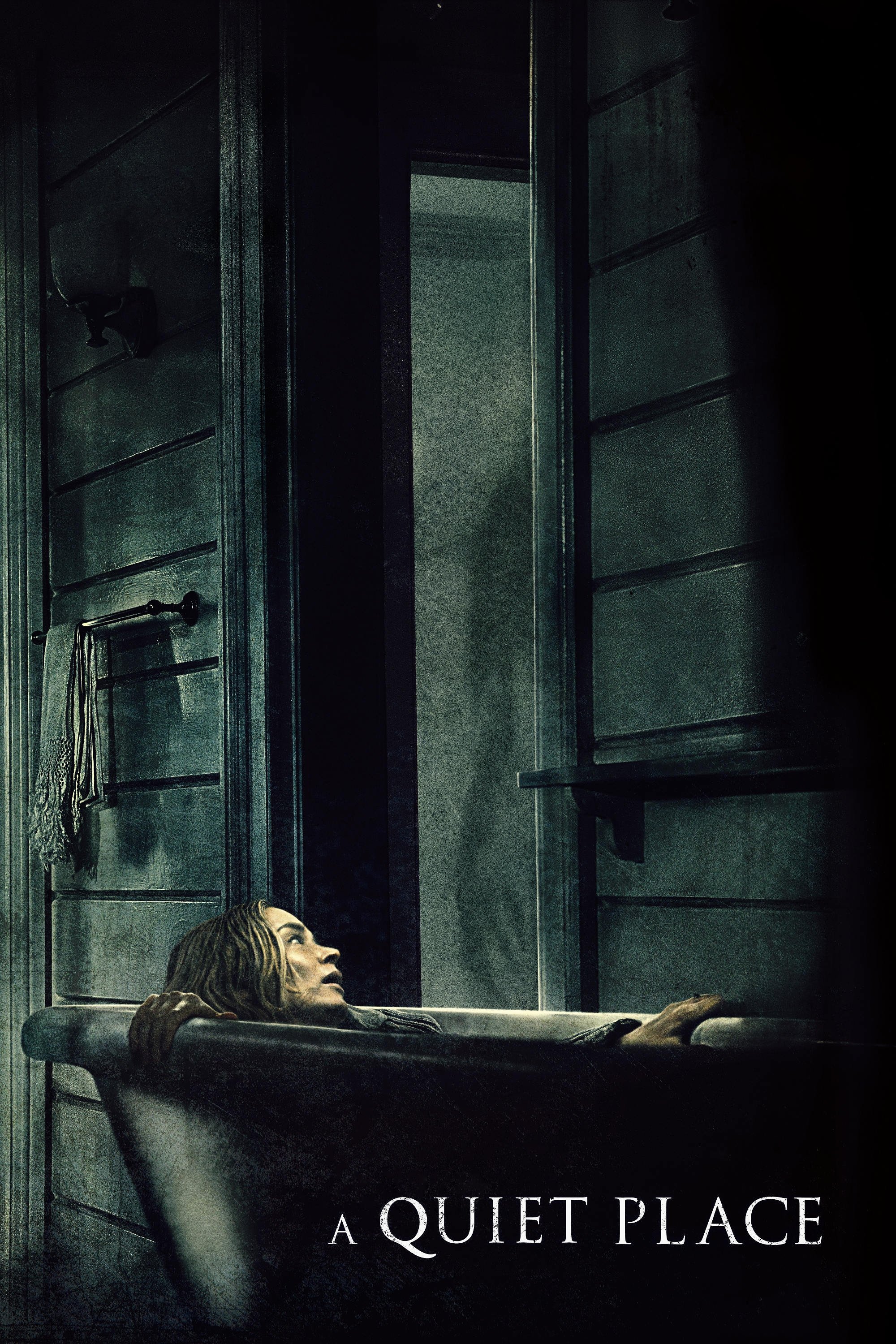
John Krasinski plays Lee Abbott who acts as the protector of his family in a world overrun by sound-sensitive monsters. He utilizes sign language and expressive facial acting to convey fear and love without speaking aloud. The role anchors the emotional core of the film as a father willing to do anything to ensure his children survive. Krasinski balances the tension of the horror elements with tender moments of family bonding.
‘Argo’ (2012)
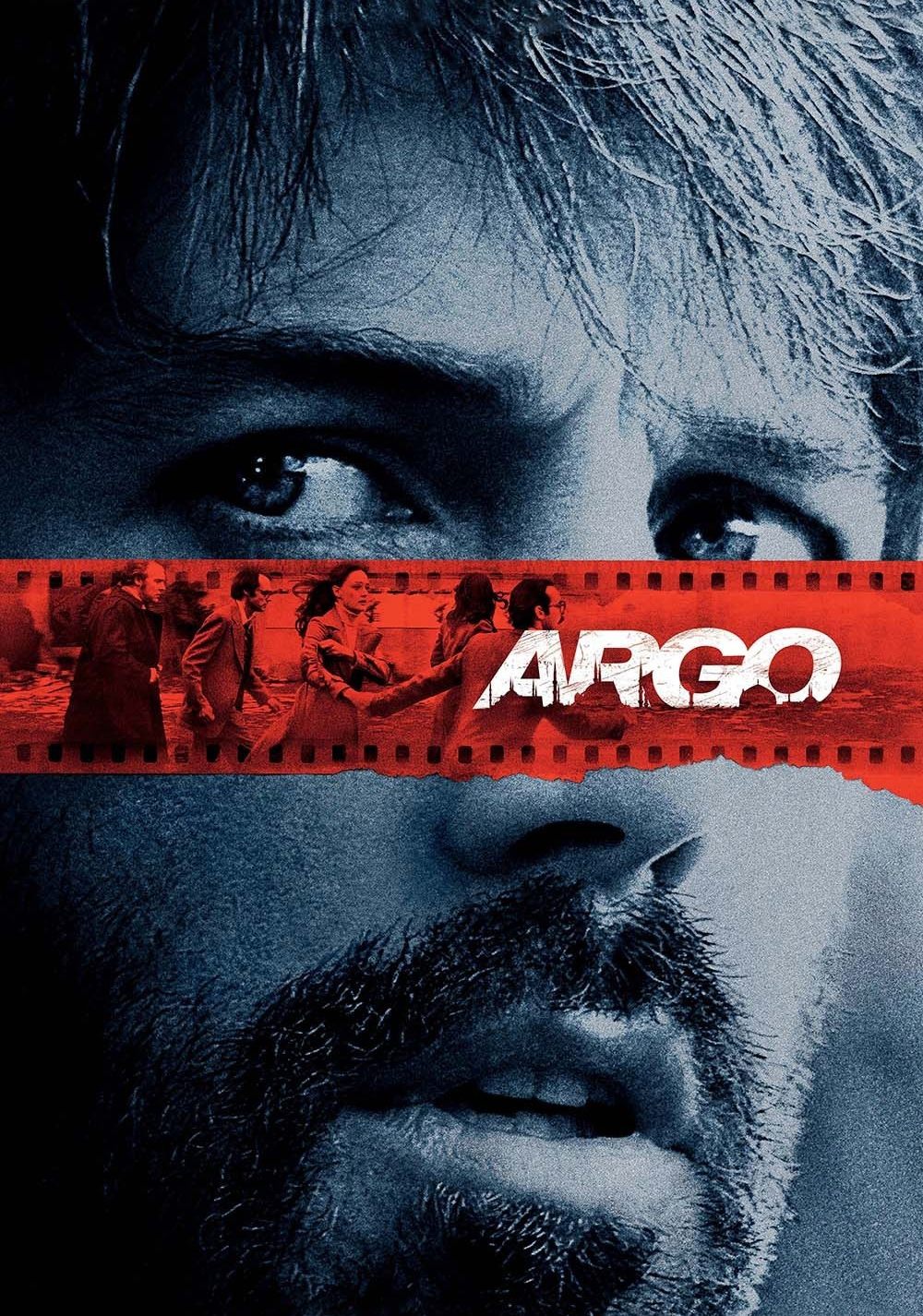
Ben Affleck plays Tony Mendez who is the CIA operative responsible for devising a plan to rescue hostages from Iran. He portrays the character with a quiet intensity and professional competence that grounds the high-stakes narrative. Mendez must maintain his composure while orchestrating a fake movie production as a cover story. Affleck leads the ensemble cast with a restrained performance that emphasizes the tension of the historical event.
‘Million Dollar Baby’ (2004)

Clint Eastwood plays Frankie Dunn who is a hardened boxing trainer reluctant to train a female fighter. The character hides a deep emotional pain behind a gruff exterior and a strict adherence to his own rules. Eastwood creates a compelling dynamic with Hilary Swank as their relationship evolves from reluctance to a father-daughter bond. His understated acting style makes the tragic conclusion of the film devastatingly impactful.
Please tell us which director cameo or performance is your personal favorite in the comments.