15 TV Seasons That Saved a Dying Show

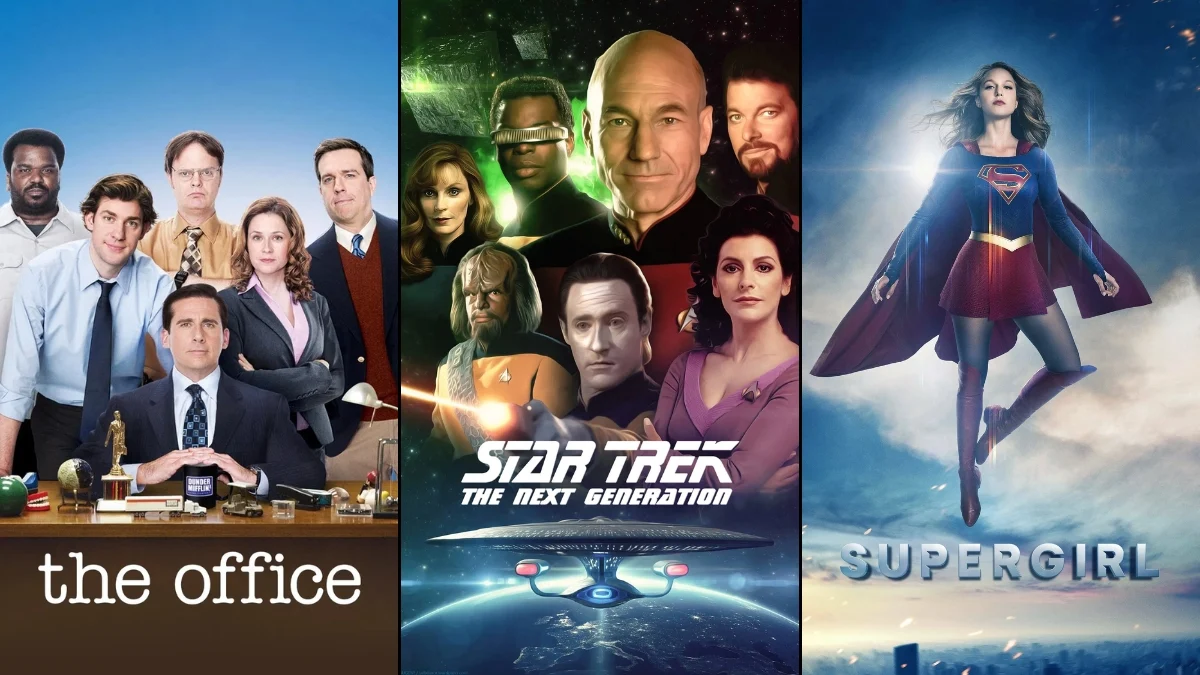

Enduring television series often face periods of stagnation or creative decline that threaten their survival. A single strong season can reverse these fortunes by introducing new characters or shifting the narrative direction. These pivot points frequently redefine the show and secure its legacy for years to come. The following television seasons successfully rescued their respective series from potential cancellation or irrelevance.
‘Parks and Recreation’ (2009–2015) – Season 2
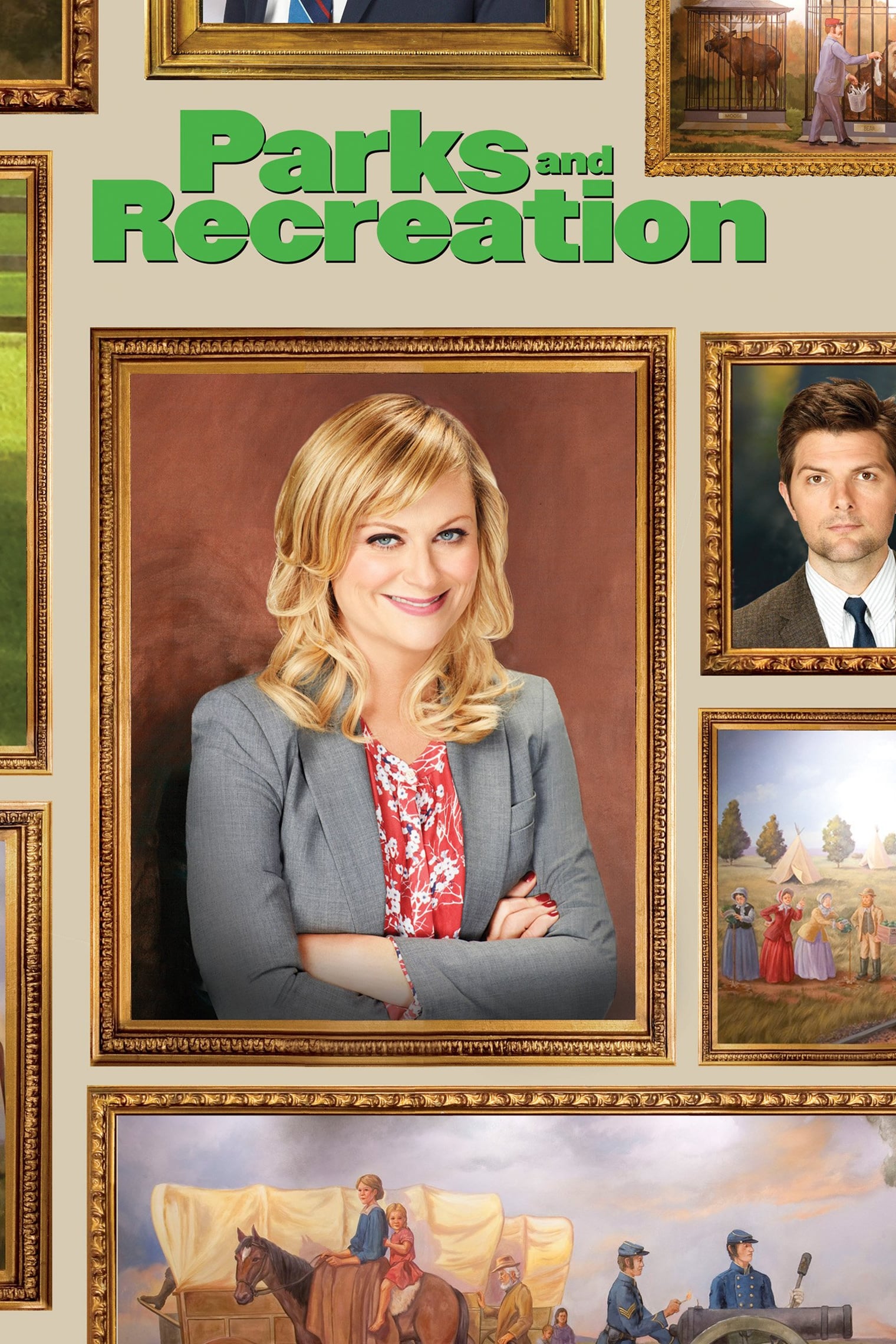
The writers retooled Leslie Knope to make her more competent and less of a female Michael Scott. The ensemble cast developed a warmer dynamic that replaced the awkward documentary tone of the first season. Guest stars like Louis C.K. added depth to the romantic subplots while expanding the world of Pawnee. This creative pivot established the optimistic tone that defined the remainder of the series.
‘Star Trek: The Next Generation’ (1987–1994) – Season 3
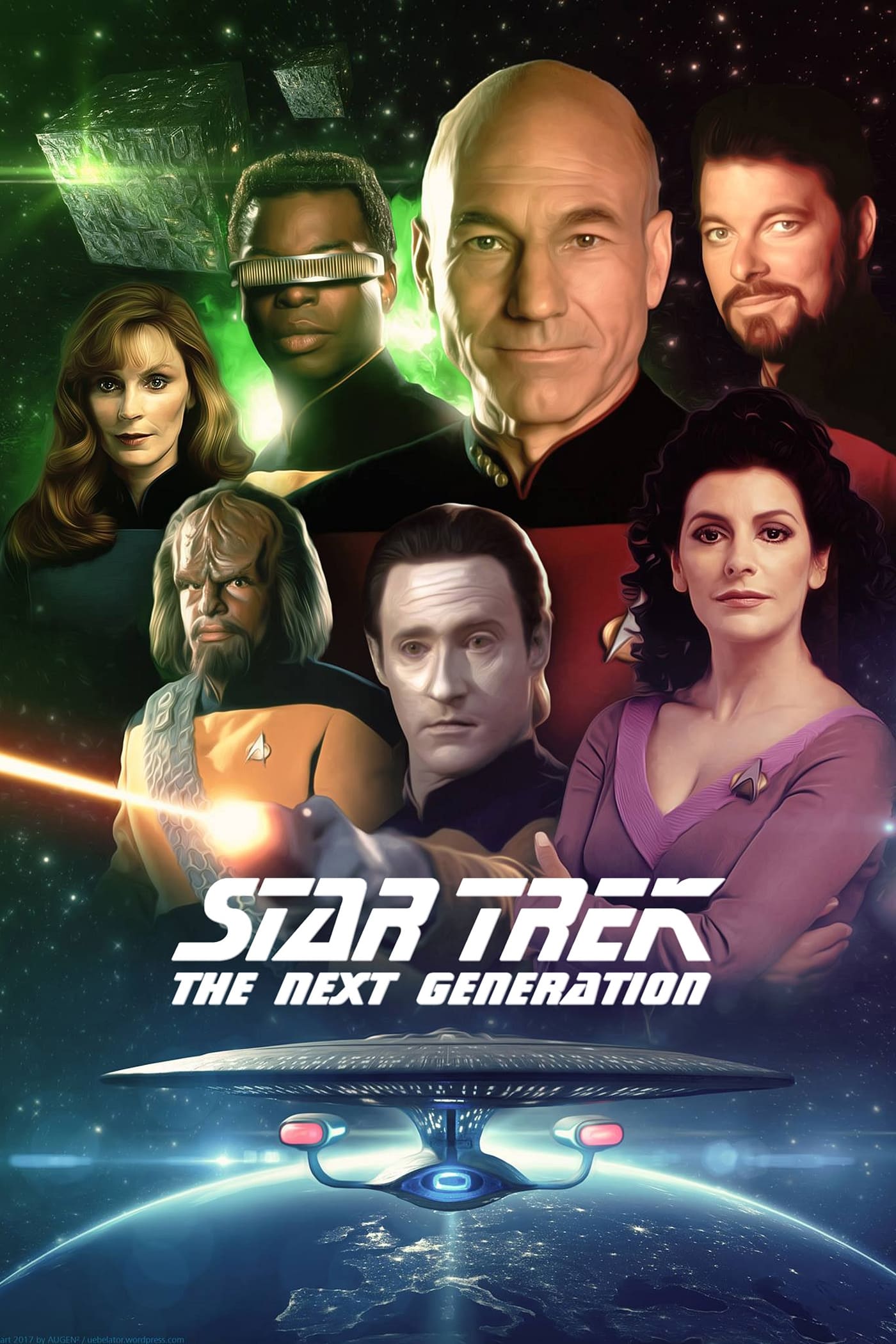
Production changes brought in Michael Piller as head writer to focus scripts more on character development than ambitious science fiction concepts. The cast received new uniforms and the lighting became more cinematic to elevate the visual standard. This season produced acclaimed episodes like The Best of Both Worlds which cemented the Borg as a terrifying threat. It marked the moment the series stepped out of the shadow of the original show.
‘It’s Always Sunny in Philadelphia’ (2005–Present) – Season 2
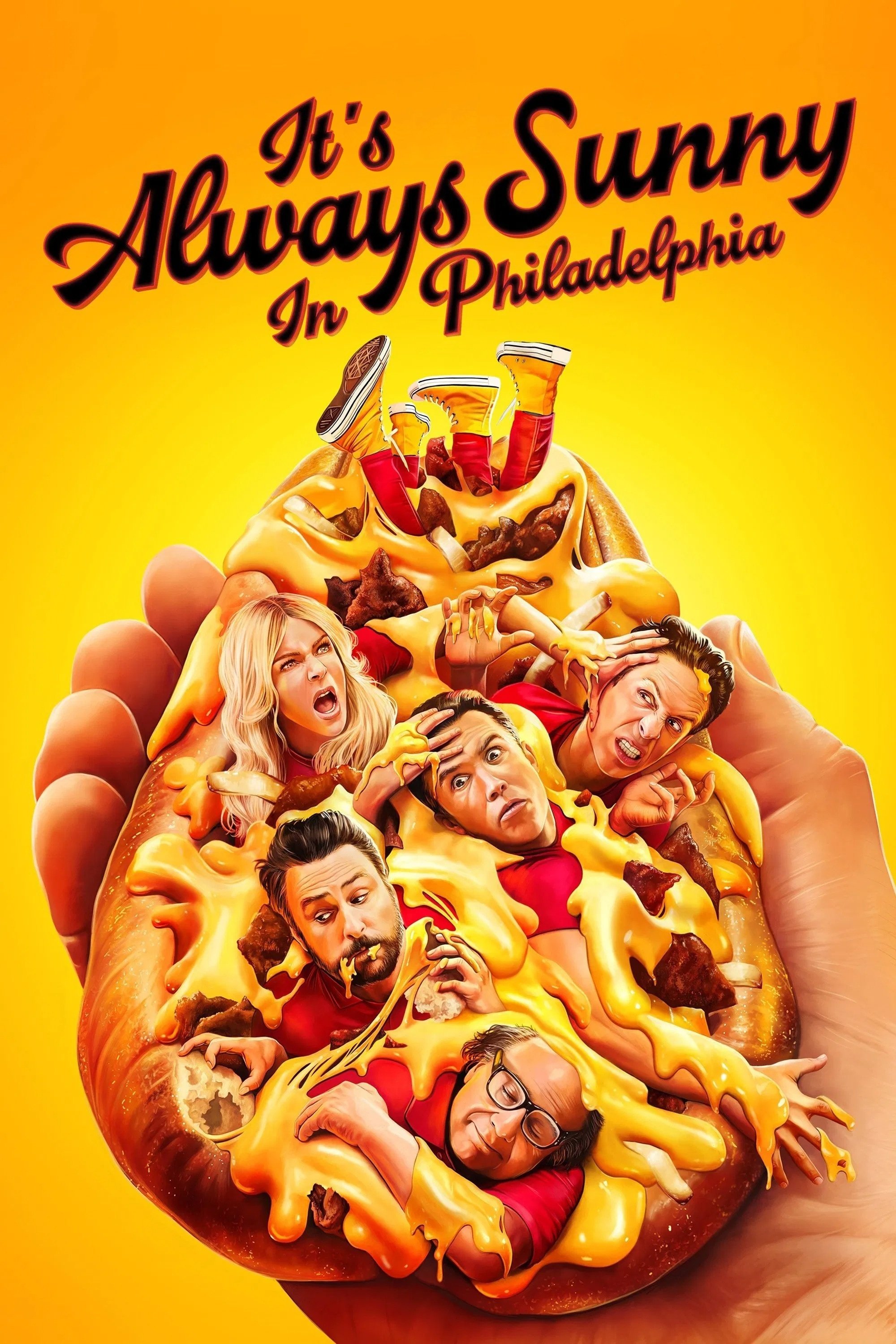
The addition of Danny DeVito as Frank Reynolds provided the necessary funding and star power to keep the show on the air. His character integrated seamlessly into the group dynamic by financing their chaotic schemes while adding a new layer of depravity. The writers utilized his presence to push boundaries further than the first season allowed. This casting decision transformed a small budget experiment into a flagship comedy for the network.
‘The Office’ (2005–2013) – Season 2
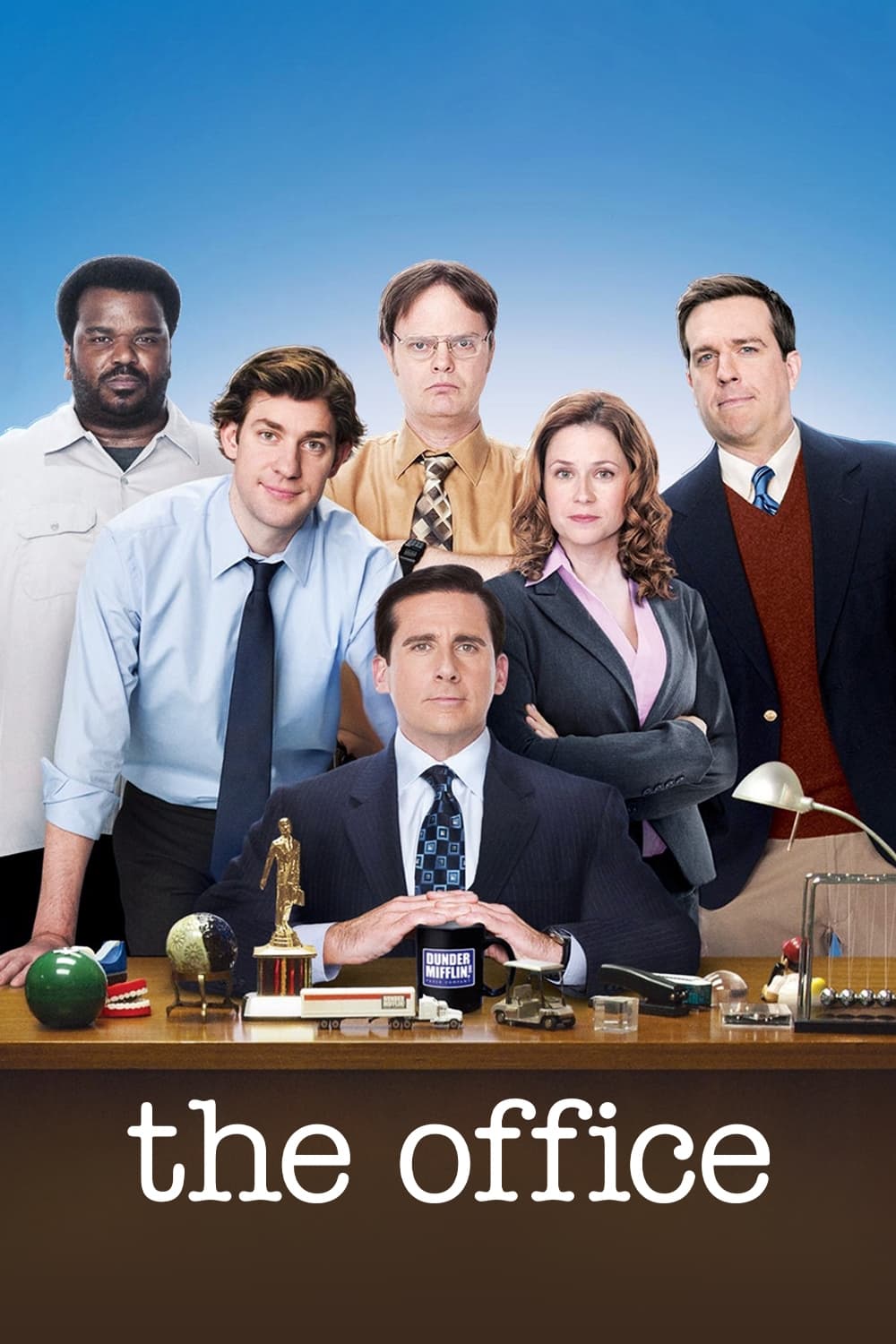
The writers moved away from the bleak tone of the British original to make Michael Scott a more sympathetic figure. The visual palette became brighter and the supporting characters received distinct personalities beyond their desk jobs. Romance took center stage as the relationship between Jim and Pam faced new complications. This adjustment allowed the American adaptation to find its own voice and massive audience.
‘Community’ (2009–2015) – Season 5
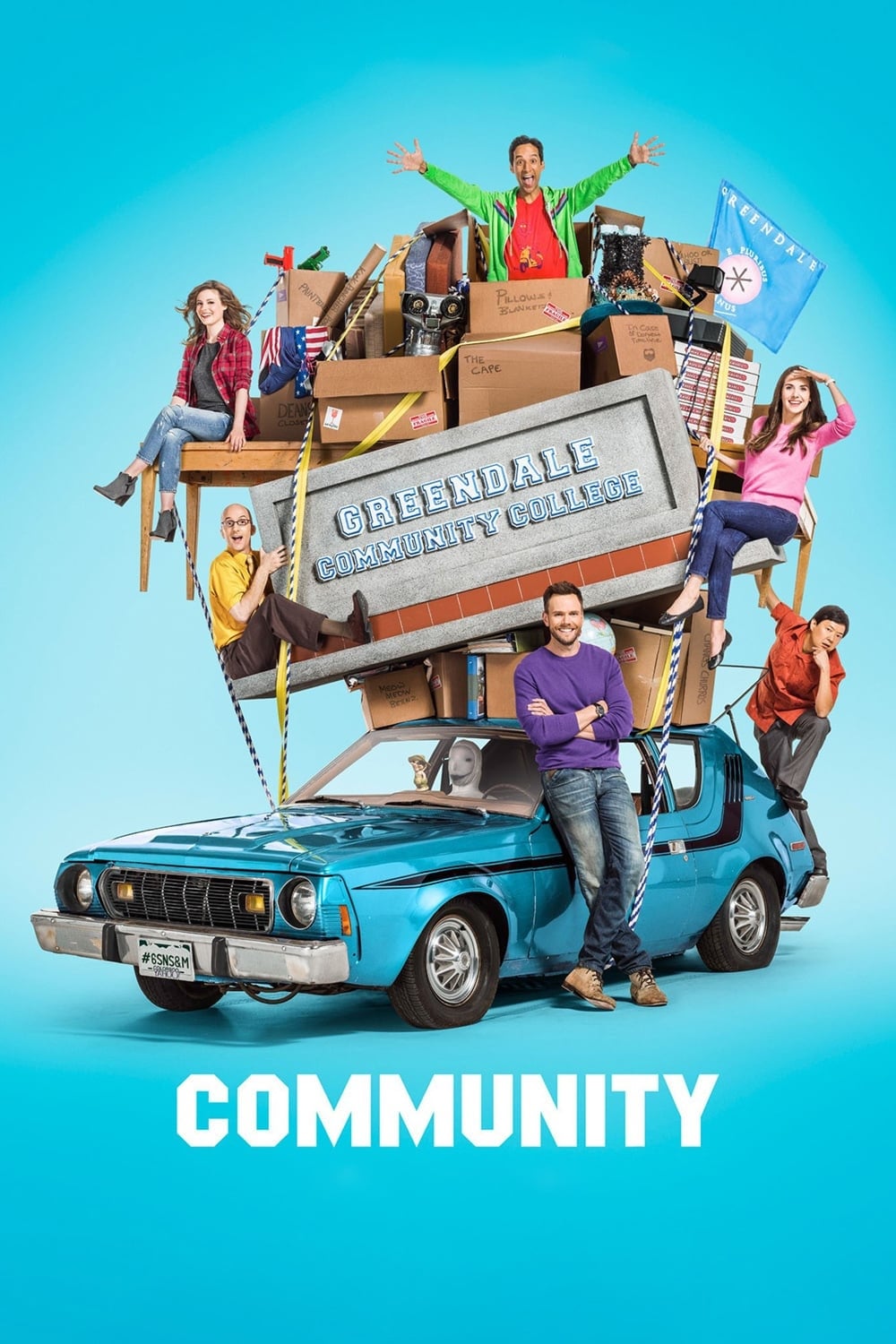
Dan Harmon returned as showrunner to restore the emotional grounding that was missing during the fourth season. The narrative grounded itself back at Greendale Community College after the characters had previously drifted apart. Jonathan Banks joined the cast to fill the void left by departing cast members with a fresh grifter persona. The show successfully recaptured its cult appeal despite significant cast changes.
‘The Leftovers’ (2014–2017) – Season 2
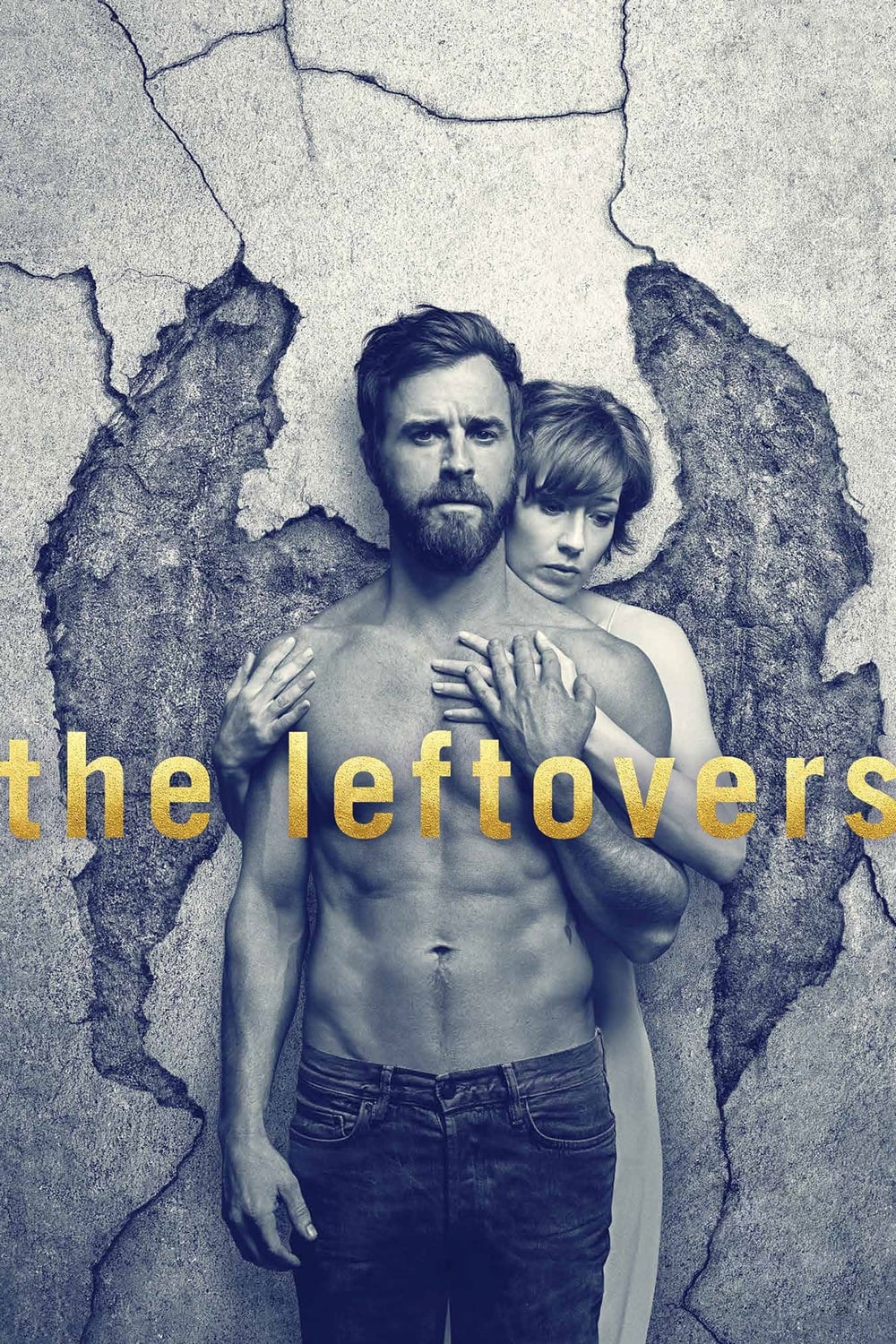
The narrative shifted from Mapleton to the miracle town of Jarden in Texas to expand the mythology. This soft reboot introduced the Murphy family who provided a compelling foil to the Garvey clan. The tone moved away from the relentless grief of the first season toward a more mysterious and spiritual atmosphere. Critics praised this reinvention for turning a divisive drama into a masterpiece of television.
‘Homeland’ (2011–2020) – Season 4
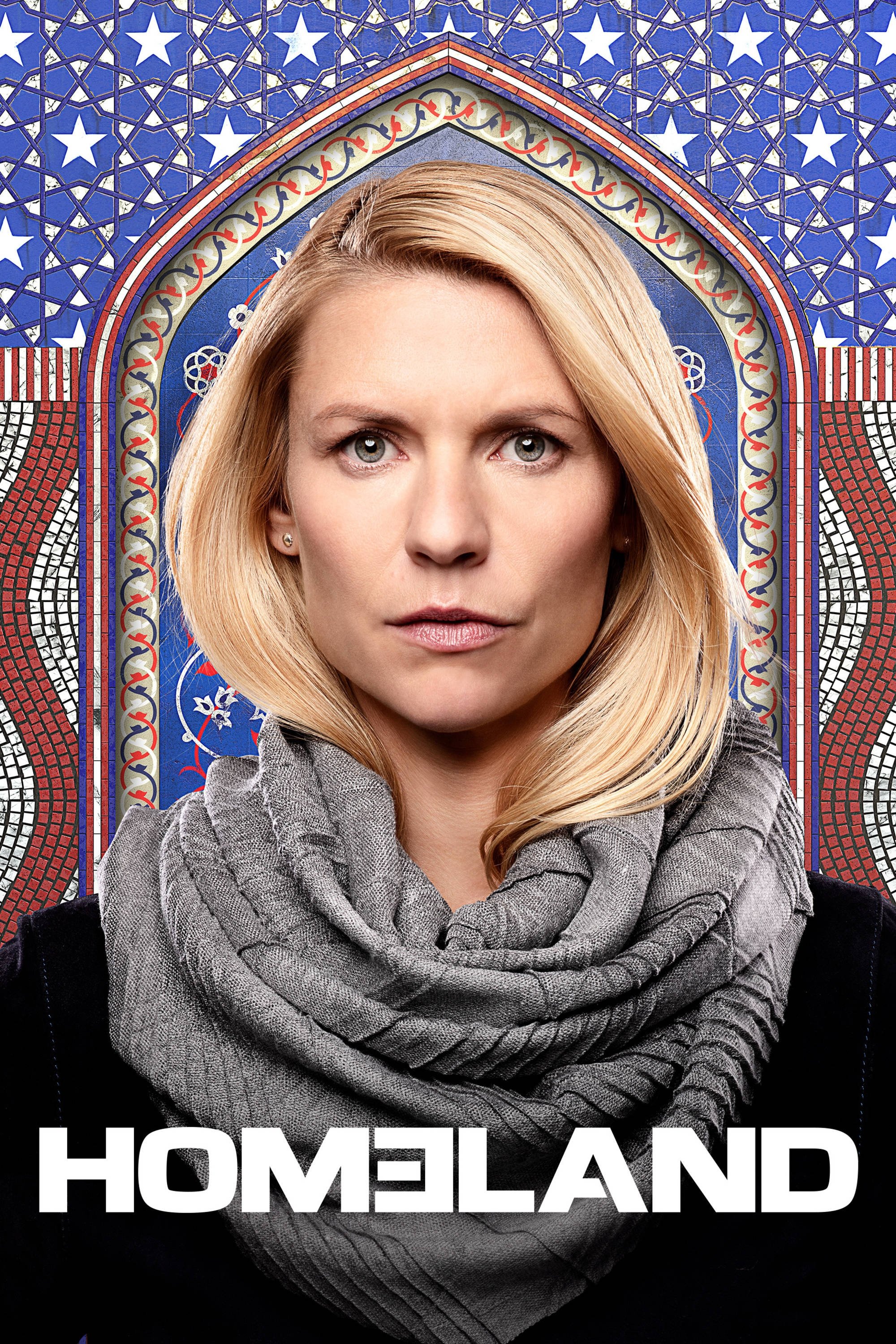
The writers rebooted the premise by moving Carrie Mathison to a station chief role in Islamabad following the death of Nicholas Brody. This shift returned the series to its roots as a tense espionage thriller focused on intelligence tradecraft. The complex antagonist Haqqani provided a fresh threat that did not rely on previous romantic entanglements. It proved the show could survive and thrive without its original male lead.
‘Arrow’ (2012–2020) – Season 5
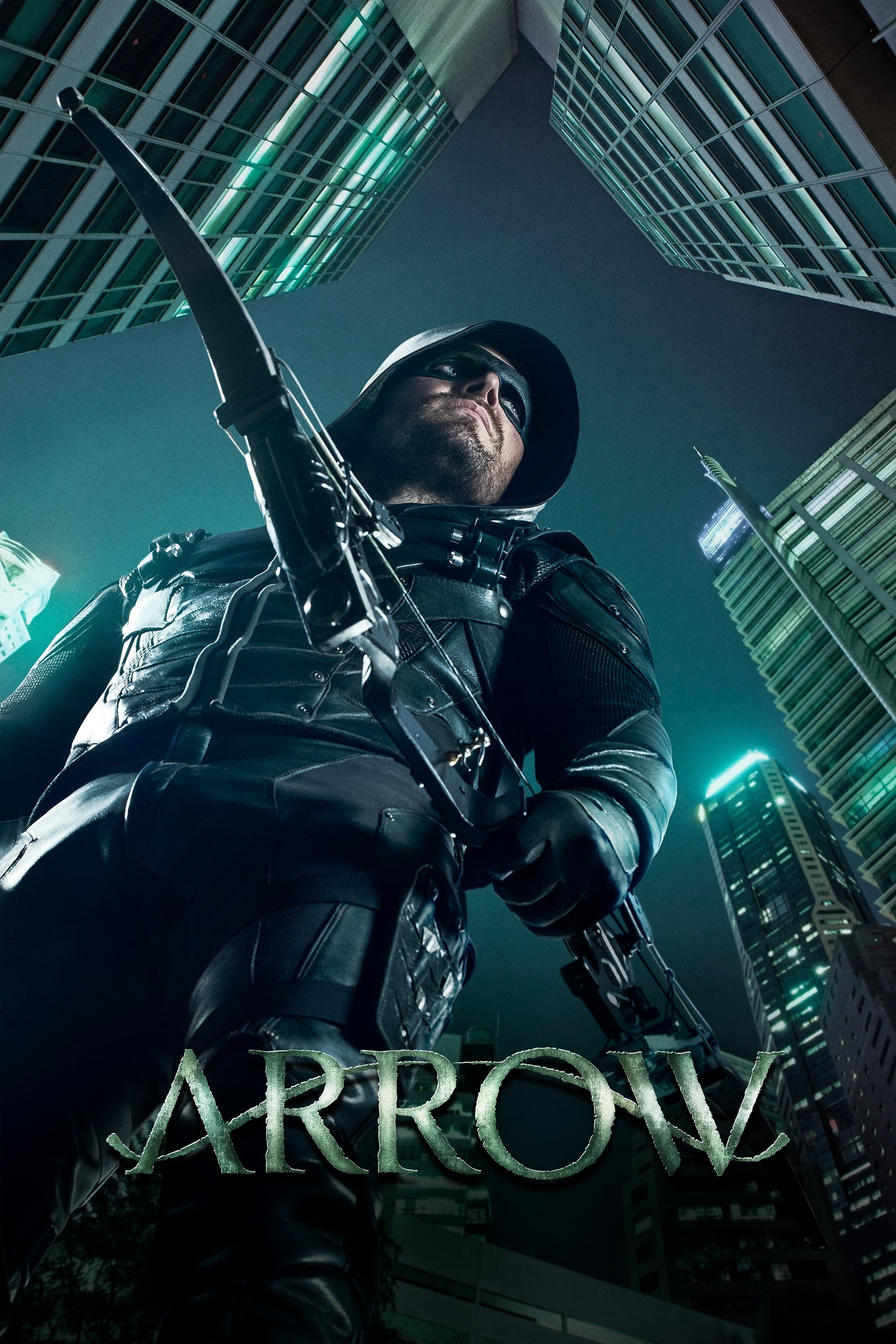
The story returned to grounded vigilante action after the magical elements of the previous year received poor reception. Prometheus served as a villain who directly challenged the past actions of Oliver Queen in a personal way. Flashbacks to Russia closed the narrative loop regarding the five years Oliver spent away. This return to basics restored the gritty atmosphere that originally made the show popular.
‘The Walking Dead’ (2010–2022) – Season 9
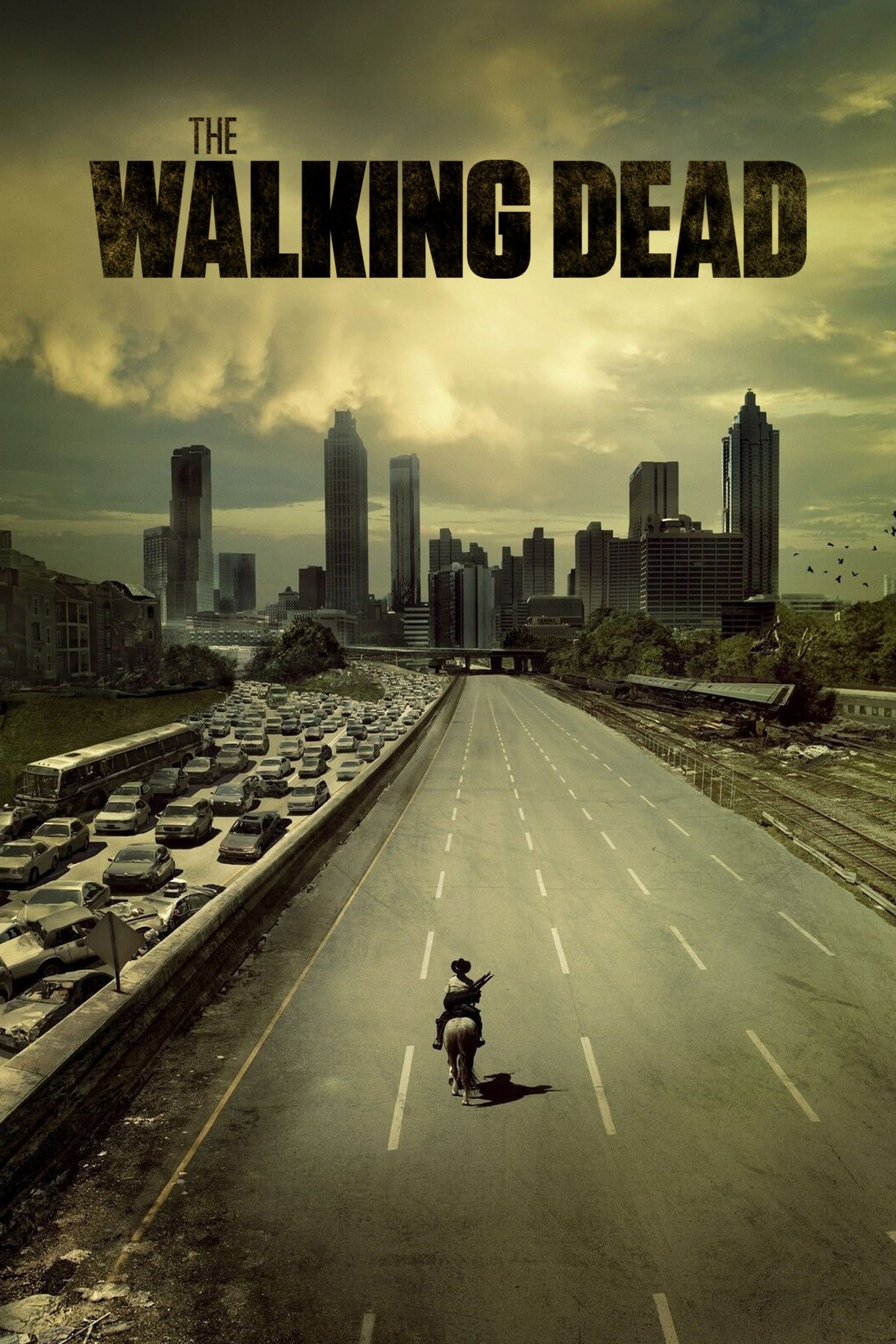
Angela Kang took over as showrunner and immediately revitalized the dialogue and pacing of the survival drama. A significant time jump allowed for new character dynamics and the introduction of the Whisperers as terrifying antagonists. The departure of Rick Grimes was handled with a narrative weight that propelled the remaining ensemble forward. Fans and critics noted a sharp increase in quality after several years of decline.
‘DC’s Legends of Tomorrow’ (2016–2022) – Season 2
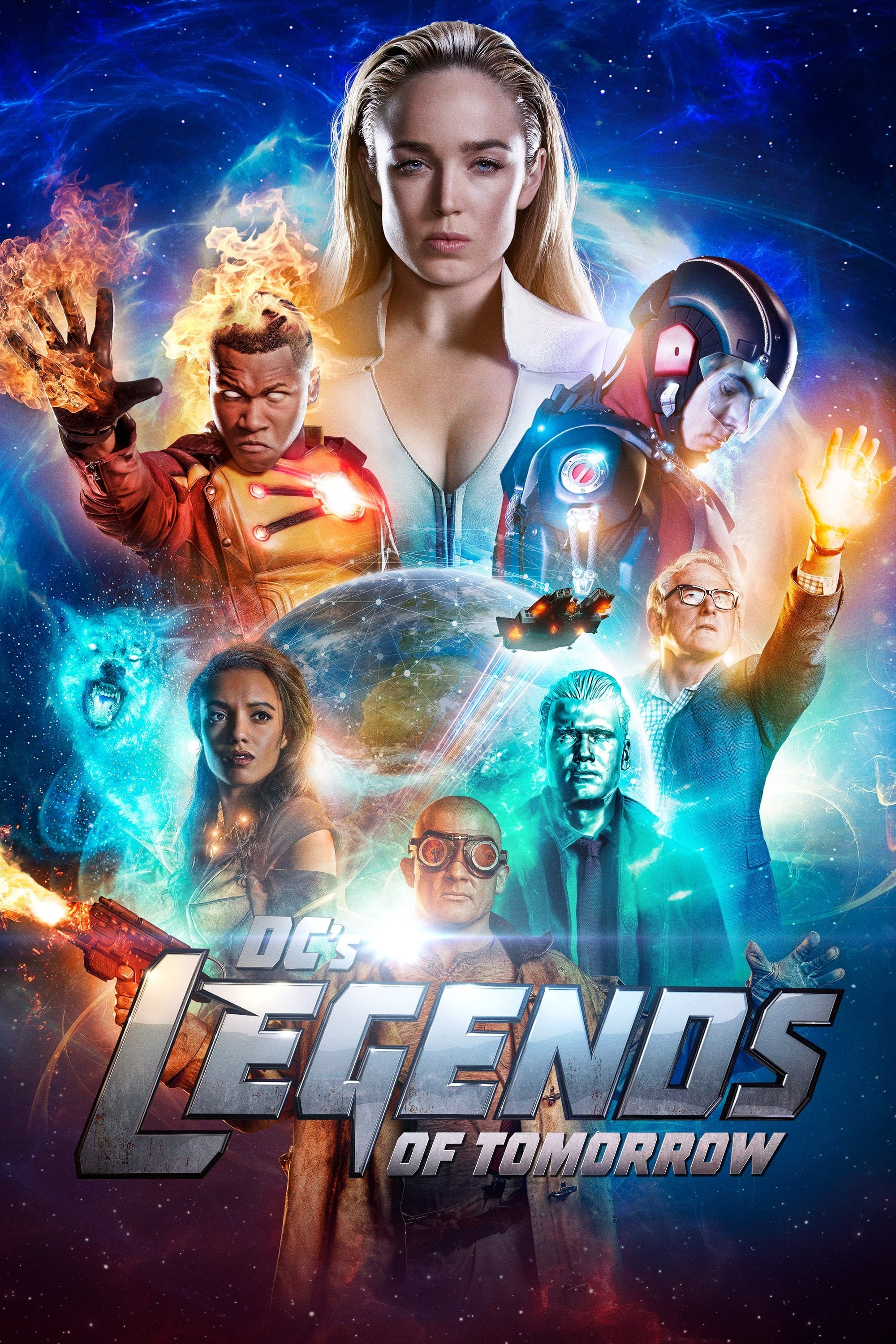
The show abandoned its serious tone to embrace the inherent absurdity of time travel with a band of misfits. The Legion of Doom provided charismatic villains that unified the episodic adventures into a cohesive arc. New team members brought a lighter energy that balanced the brooding nature of the first season. This creative pivot established the series as the most fun and unpredictable entry in the franchise.
‘Angel’ (1999–2004) – Season 5
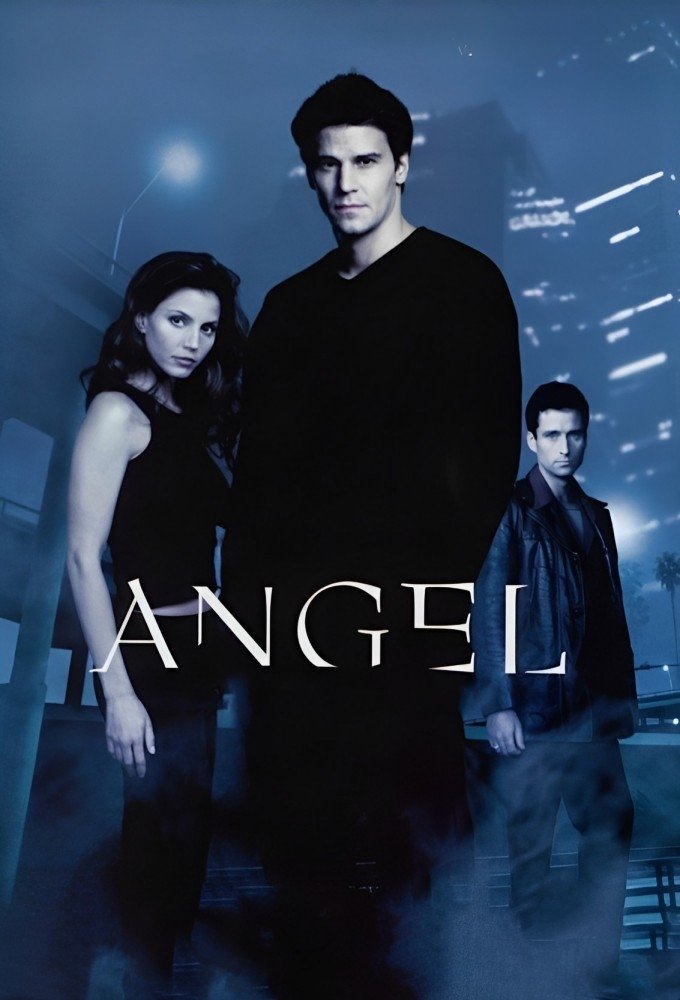
The team took over the evil law firm Wolfram & Hart which fundamentally changed the premise from fighting demons to managing them. James Marsters joined the cast as Spike to provide a humorous and combative foil for the titular hero. Individual episodes allowed for creative experimentation that included puppets and noir homages. This reinvention breathed new life into the story before its eventual conclusion.
‘Supergirl’ (2015–2021) – Season 2
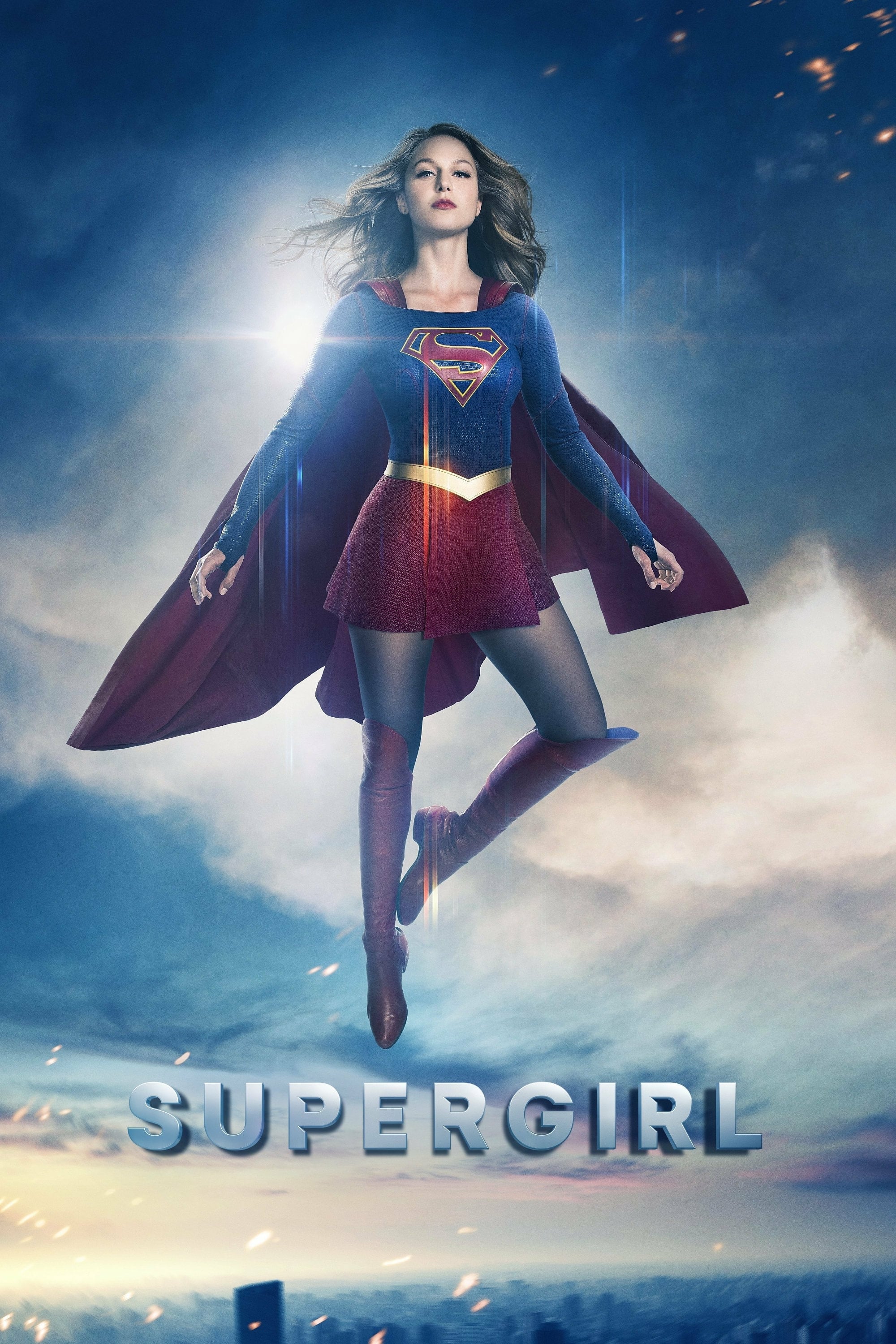
The production moved from CBS to The CW which allowed for better integration with the existing superhero universe. Scripts focused more on alien interactions and less on the workplace procedural elements of the debut season. The introduction of Mon-El and Lena Luthor created central relationships that drove the drama for years. This network change secured the future of the series within a supportive demographic.
‘Marvel’s Agents of S.H.I.E.L.D.’ (2013–2020) – Season 2
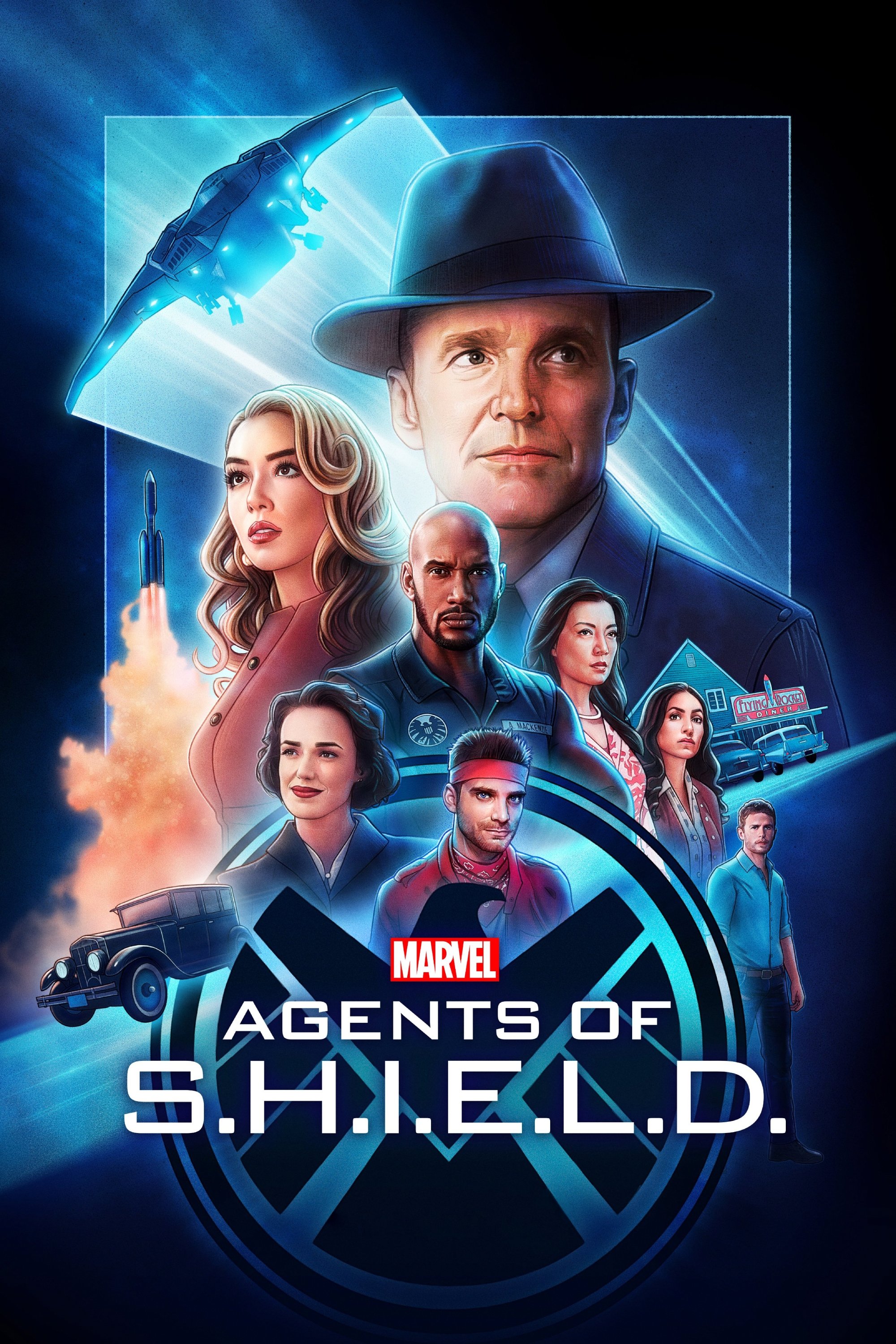
The fall of the titular organization in the films forced the television team to operate from the shadows with limited resources. Characters like Kyle MacLachlan added mystery and gravitas as the show explored the Inhuman mythology. The narrative pacing accelerated significantly compared to the episodic format of the early episodes. This evolution turned a generic procedural into a compelling science fiction spy drama.
‘Doctor Who’ (1963–1989) – Season 7
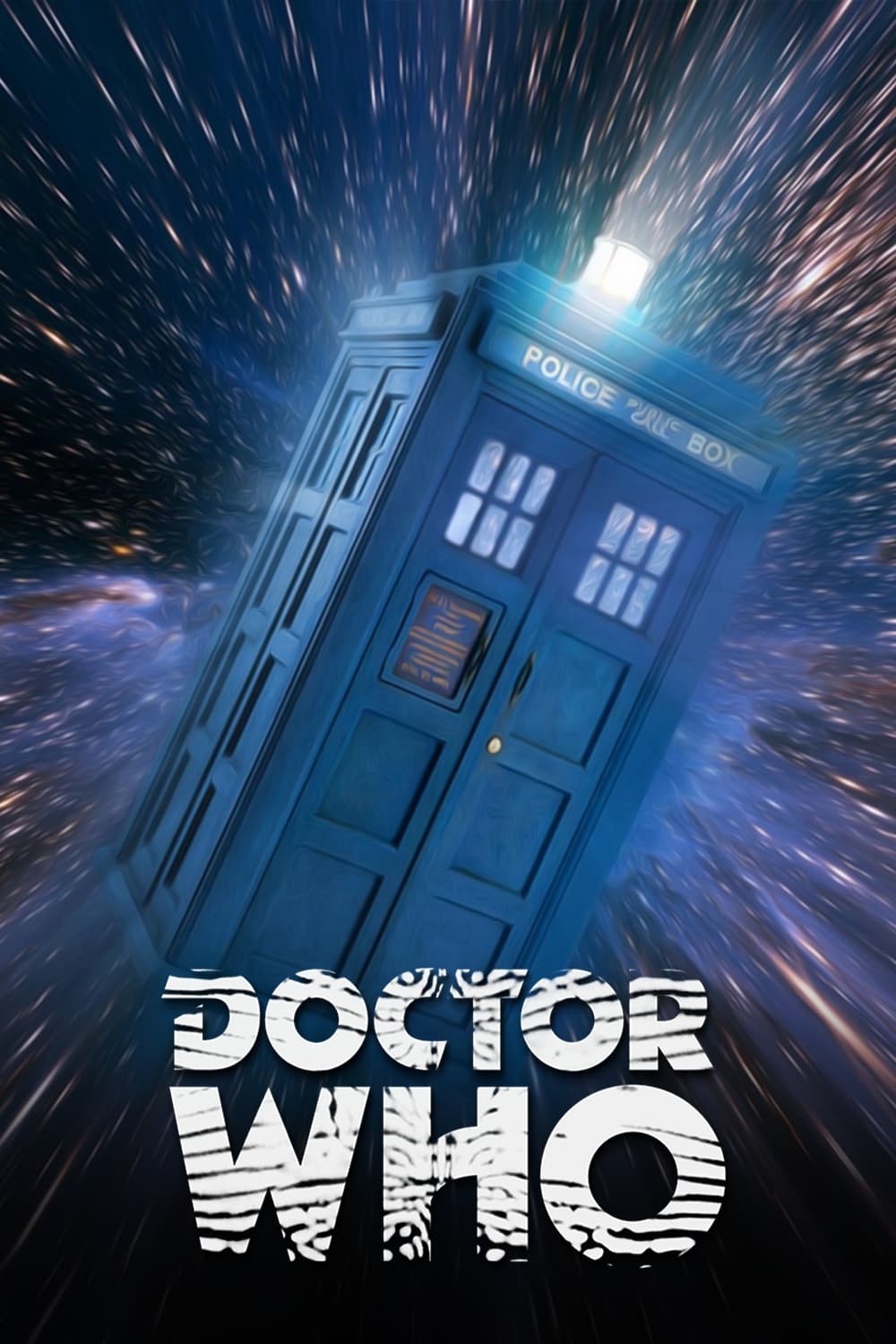
The show transitioned to color broadcasting and exiled the Doctor to Earth to reduce production costs. Jon Pertwee brought a dashing and action heavy persona to the lead role alongside the militant UNIT organization. Scripts focused on invasion thrillers and scientific problems rather than pure space opera fantasy. This grounded format revitalized viewership and saved the enduring program from cancellation.
‘Friday Night Lights’ (2006–2011) – Season 4
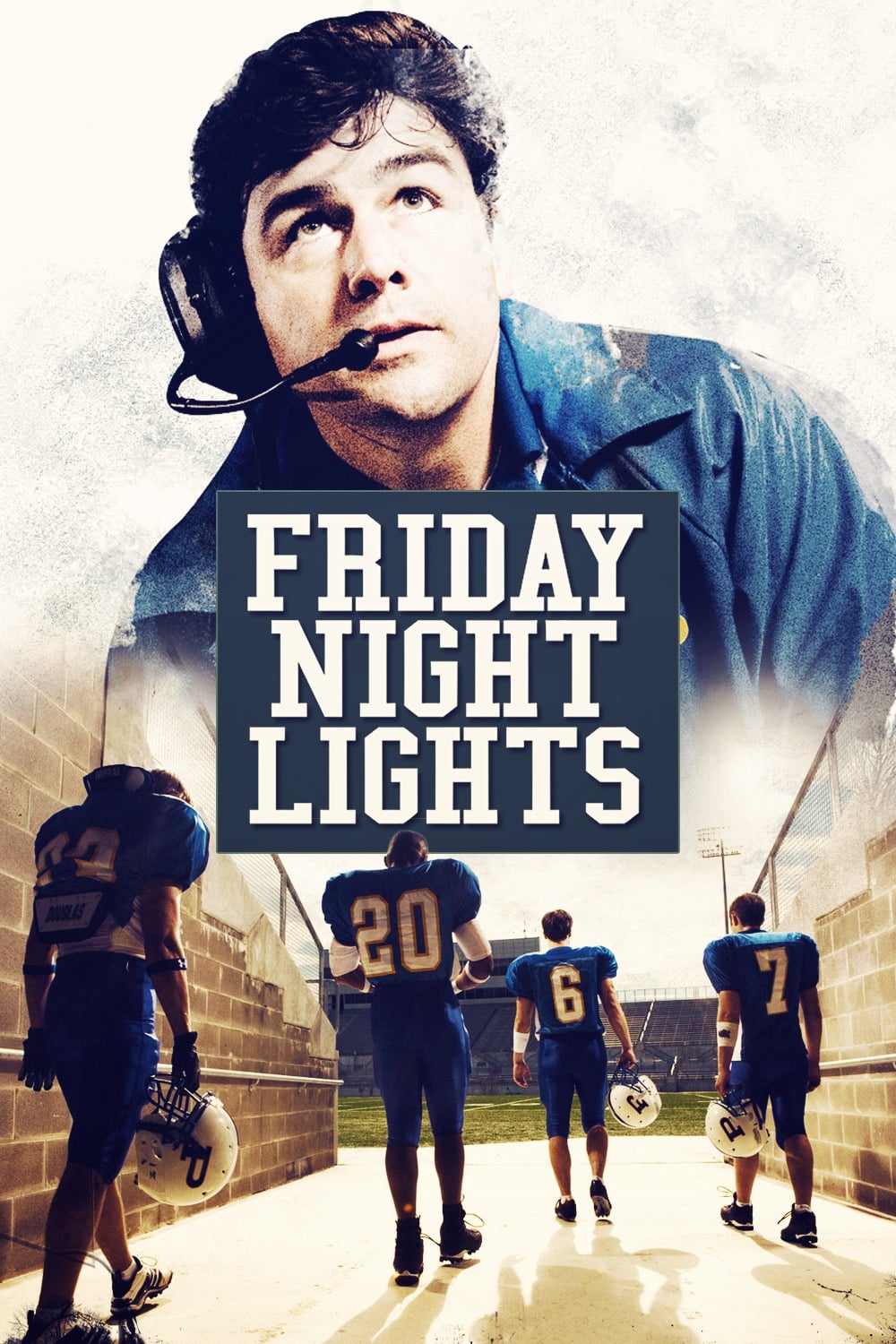
Coach Taylor was forced to build a new football program from scratch at East Dillon High School. The change in setting introduced a fresh cast of students while allowing existing characters to graduate and evolve. Social class and local politics became central themes as the two sides of the town clashed. This soft reboot proved the show was about the community of Dillon rather than just one specific team.
Please discuss which television comebacks impressed you the most in the comments.