25 Needle-Drops in Non-Music Movies That Became Cultural Moments


Great needle-drops can turn a regular scene into a moment people quote, meme, and revisit for years, and they often send old songs back up the charts. These are the film moments—across comedies, dramas, action flicks, and cult classics—where a perfectly timed track broke out of the theater and into broader pop culture. Each entry notes where the song hits, why the pairing works so well, and how it lingered beyond the credits. None of these films are “about” musicians, but every one used a song to etch itself into the cultural memory.
‘Wayne’s World’ (1992) – “Bohemian Rhapsody” by Queen
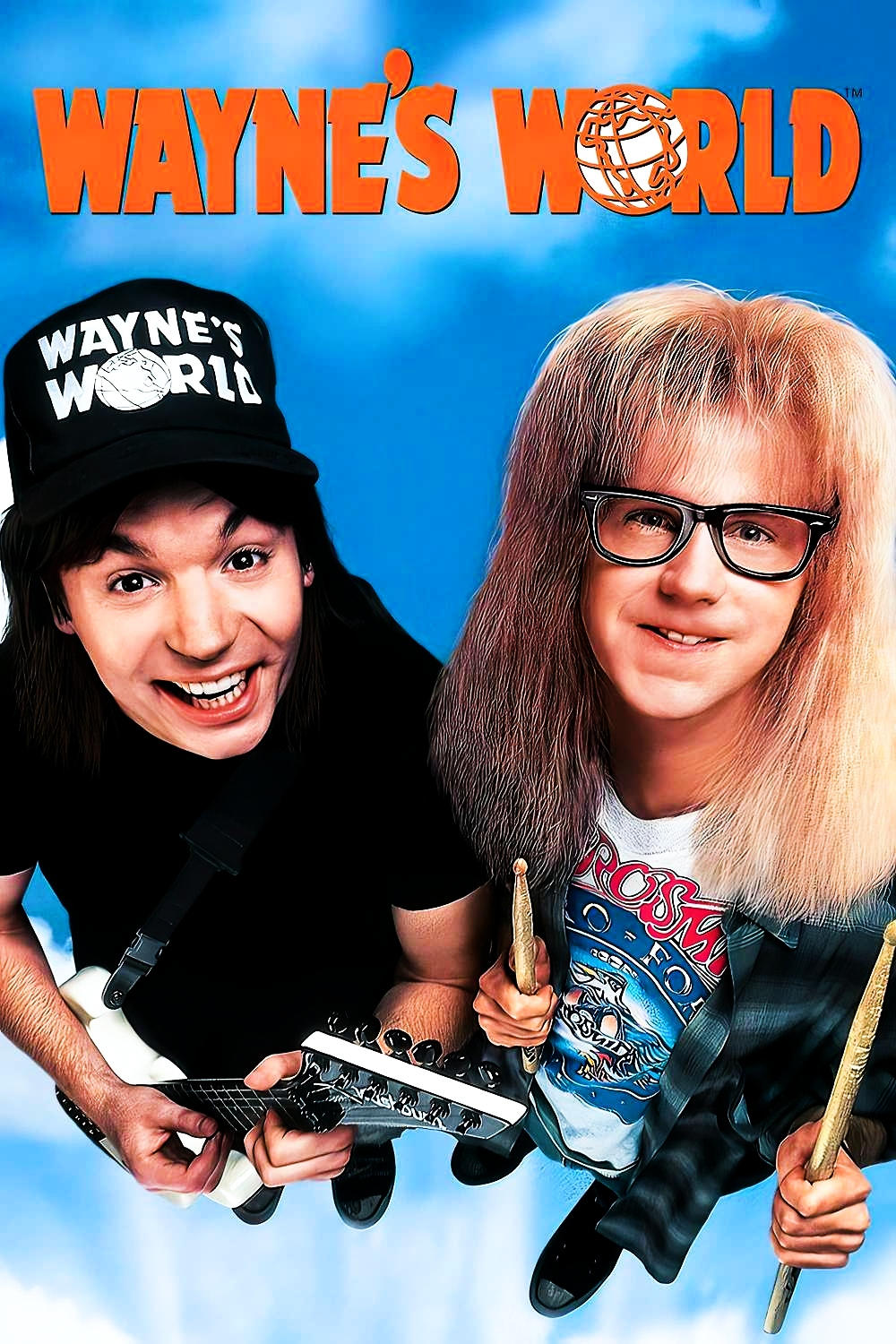
The song blasts during the opening car ride as Wayne and his friends headbang their way through Aurora, Illinois. The sequence helped introduce a new generation to the track and sparked a real-world resurgence for Queen in the early ’90s. It also cemented the movie’s identity—DIY, goofy, and powered by shared fandom. The bit became a shorthand for communal listening in cars, imitated endlessly in sketches and home videos.
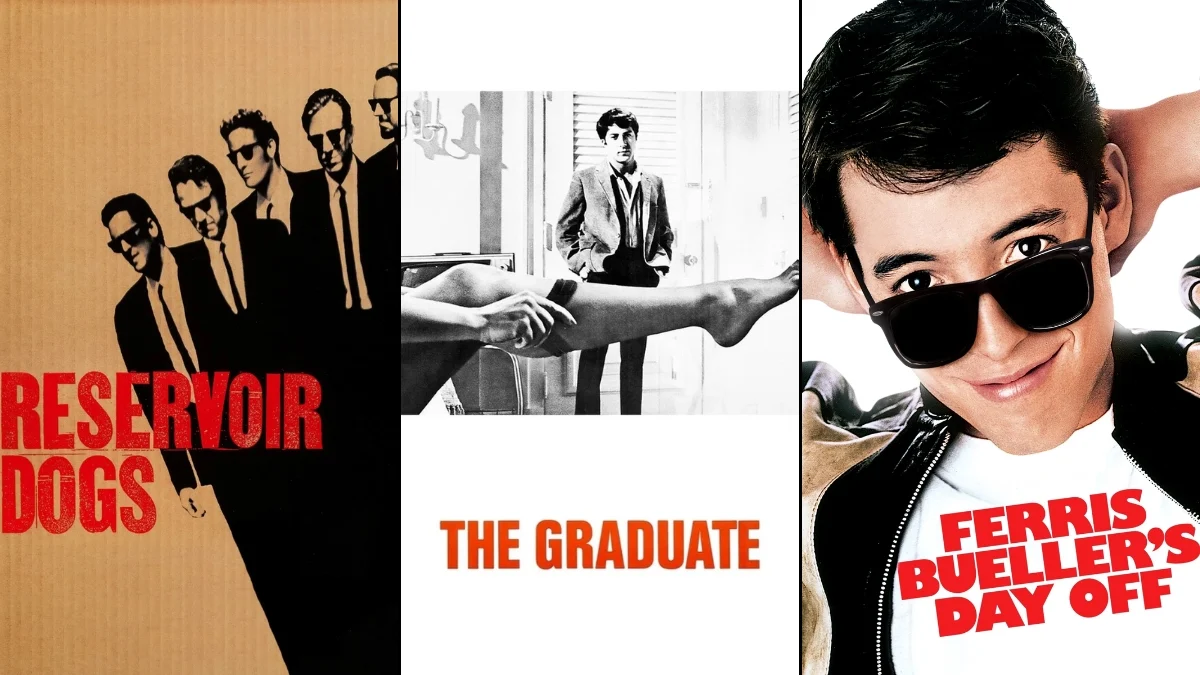
‘Reservoir Dogs’ (1992) – “Stuck in the Middle with You” by Stealers Wheel
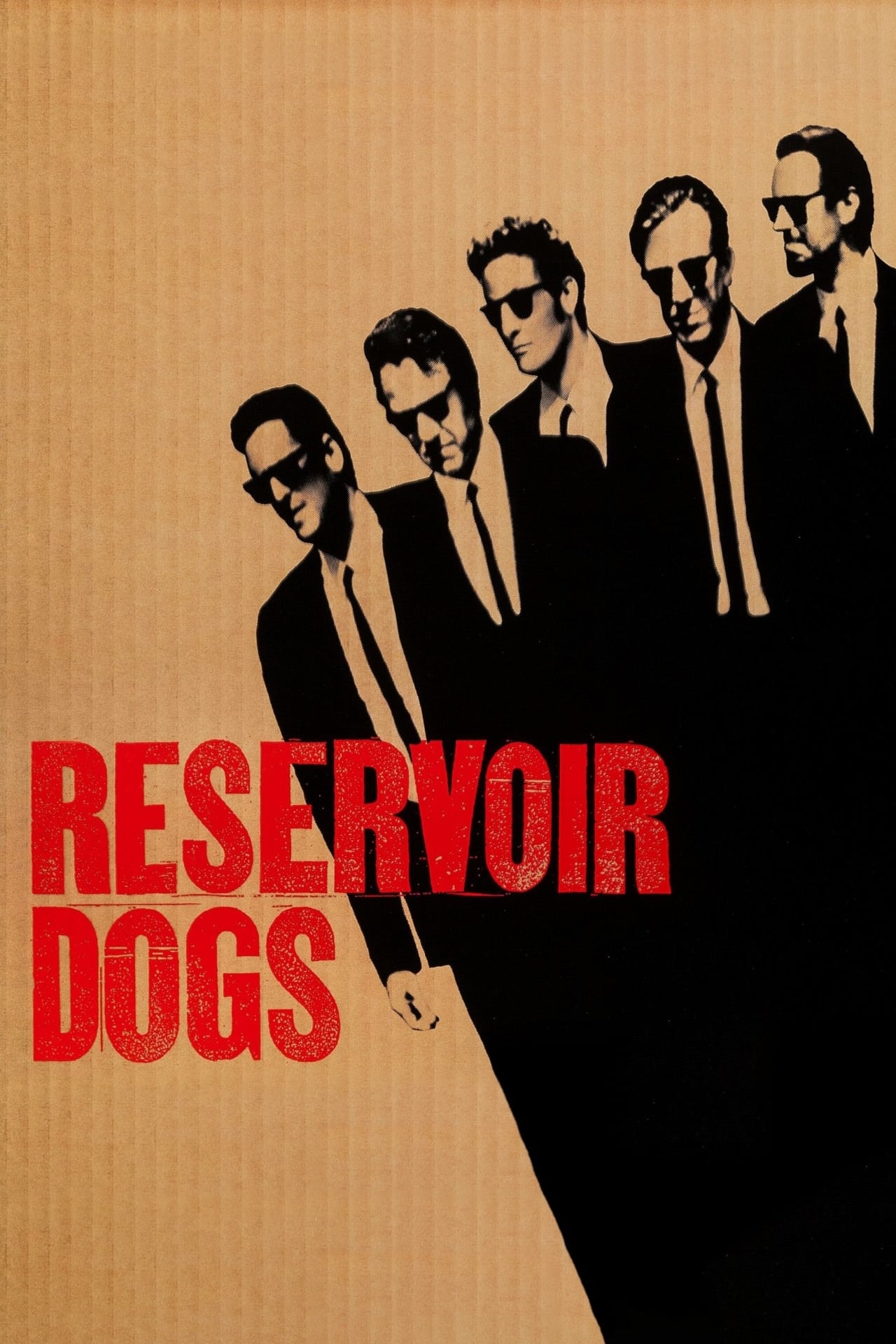
The breezy track plays over a violent warehouse scene, creating a jarring contrast that became a hallmark of modern crime cinema. Radio DJ banter establishes the song diegetically, anchoring it in the film’s world. The scene pushed the tune back into circulation decades after its release. It also inspired a wave of needle-drops that pair cheerful pop with grim action.
‘Fight Club’ (1999) – “Where Is My Mind?” by Pixies
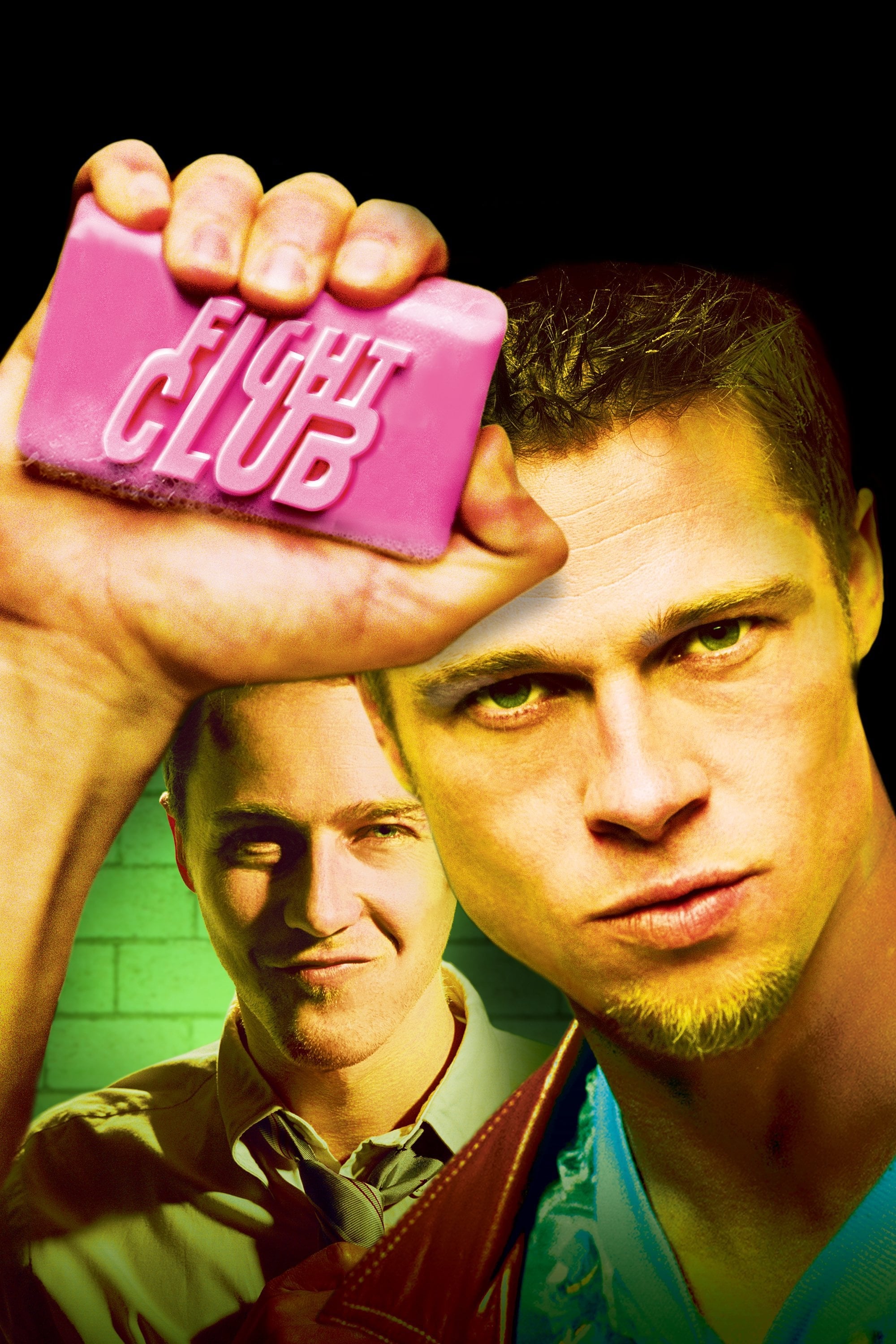
The song arrives over the skyline finale as buildings collapse, tying the anarchic narrative to a cathartic sonic release. Its echoing vocals and off-kilter guitar lines mirror the film’s dissociative themes. The track became a go-to musical cue for endings with ambiguity or dark triumph. It later saw heavy use in trailers and TV, signaling psychological unraveling in a single riff.
‘Risky Business’ (1983) – “Old Time Rock and Roll” by Bob Seger
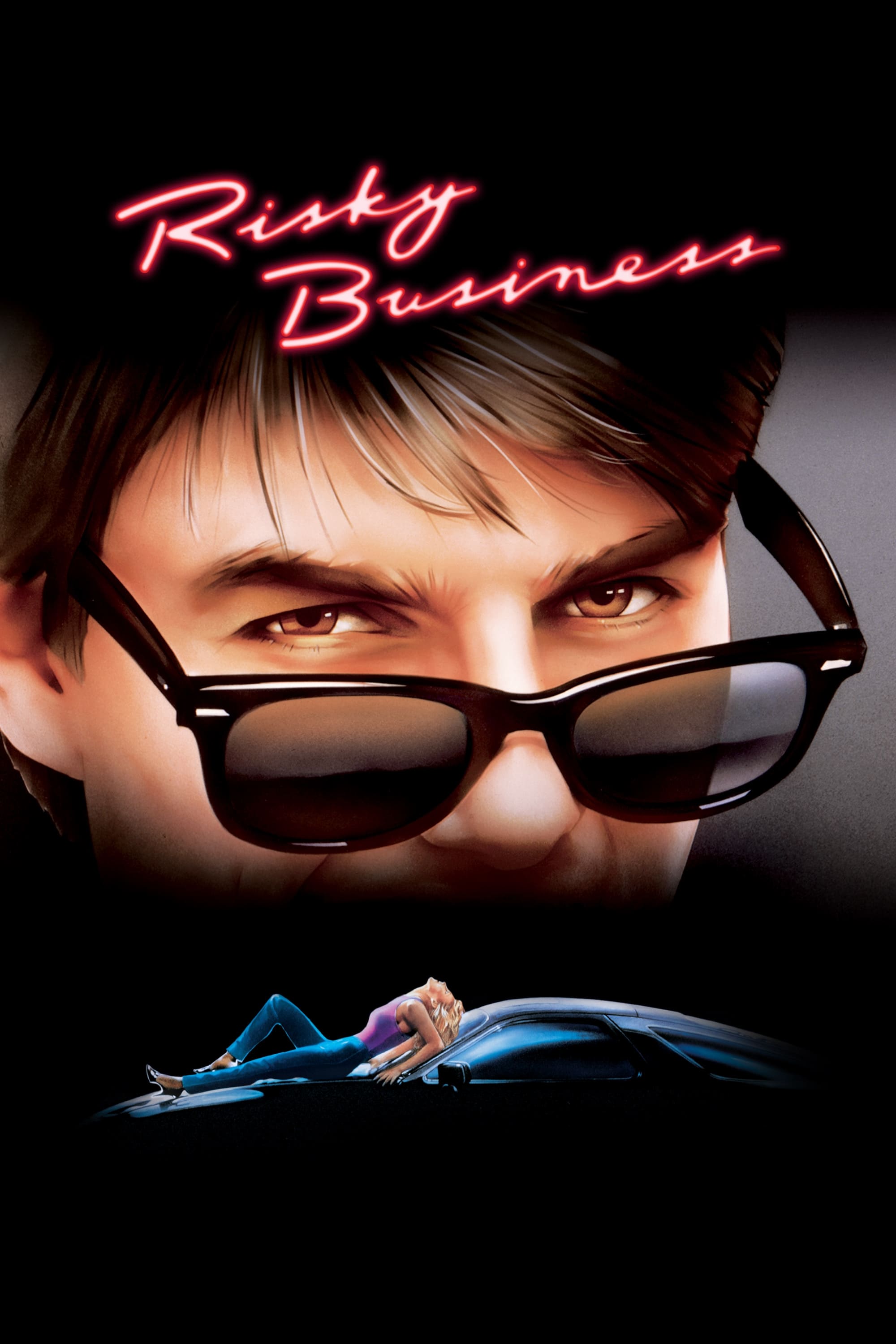
Tom Cruise slides into frame in a shirt and socks as the song kicks in, creating one of the most parodied living-room performances in film. The uncomplicated arrangement makes space for the physical comedy to land. It turned the track into a shorthand for carefree rebellion at home. The scene boosted both Cruise’s breakout image and the song’s staying power on radio.
‘Goodfellas’ (1990) – “Layla (Piano Exit)” by Derek and the Dominos
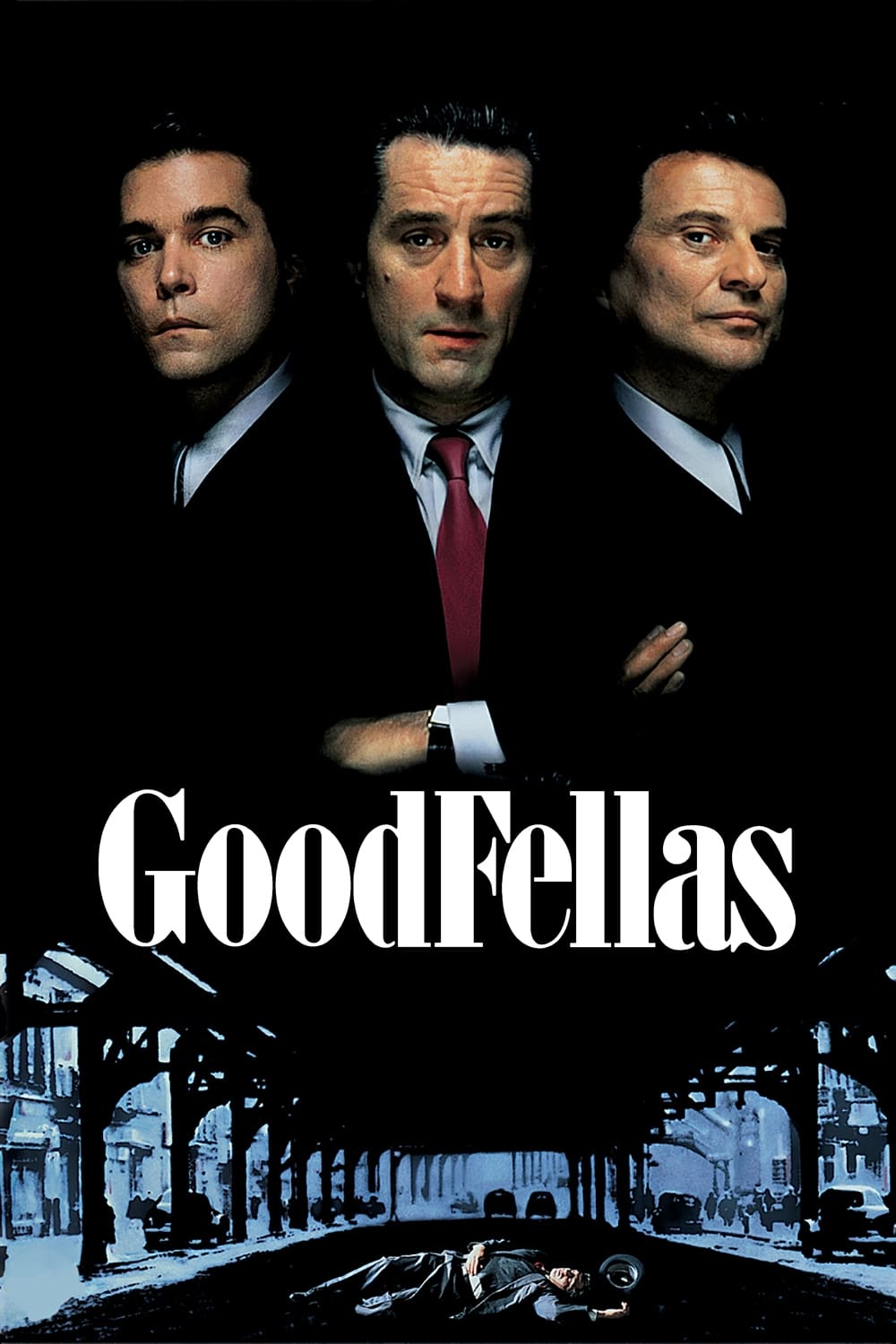
The mournful coda underscores a montage of bodies discovered after a heist, reframing a rock classic as elegy. That contrast between lyrical beauty and grim consequence became a template for crime epilogues. The piece’s spacious mix lets the images breathe without dialogue. It permanently linked the song’s closing section to the idea of inevitable fallout.
‘The Graduate’ (1967) – “The Sound of Silence” by Simon & Garfunkel
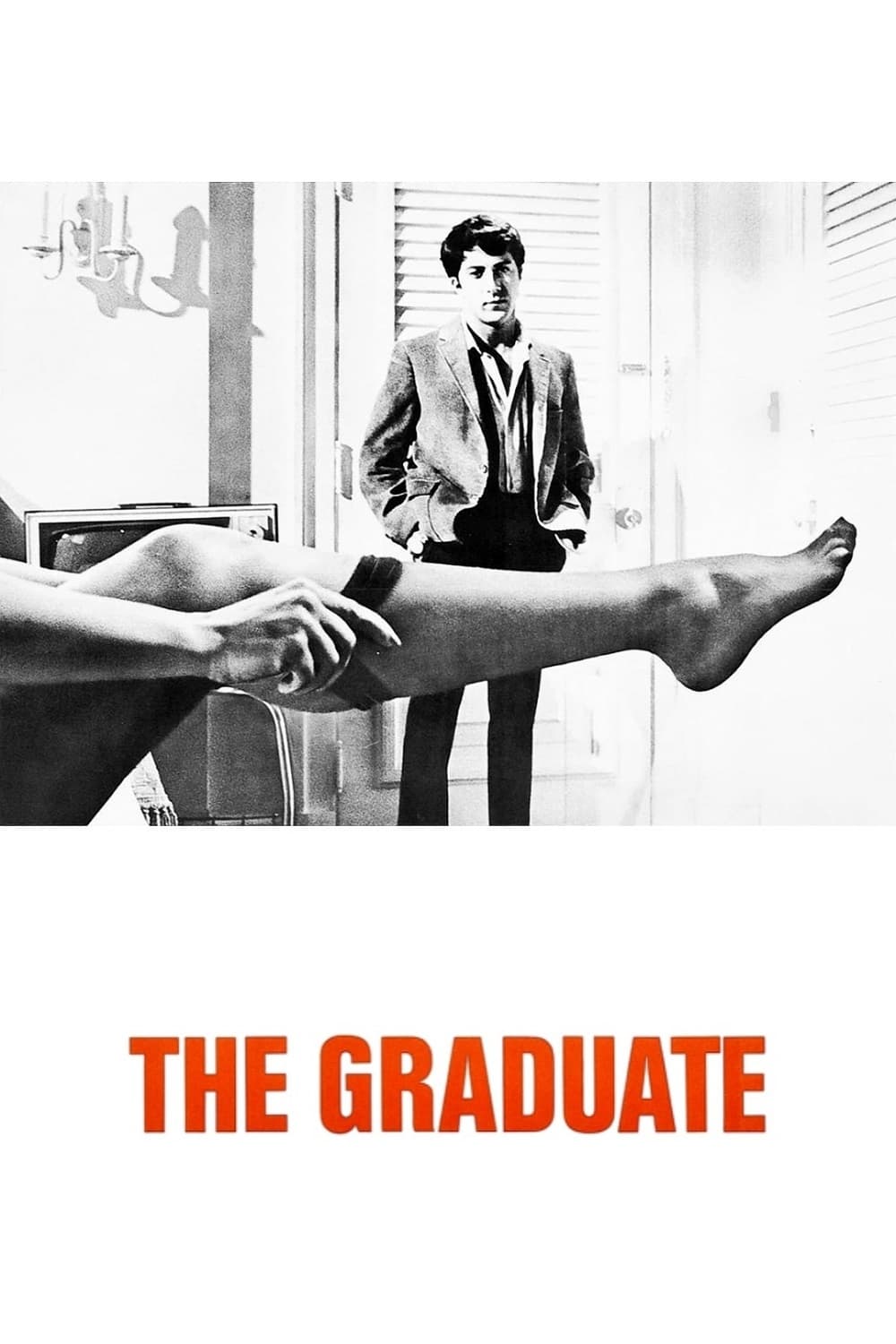
The track bookends key sequences, including the final bus ride, aligning its introspective lyrics with generational uncertainty. Its acoustic minimalism emphasizes isolation within crowded spaces. The film helped push folk-pop into the cinematic mainstream. The closing use turned the song into a cultural signal for uneasy victories.
‘Pulp Fiction’ (1994) – “Misirlou” by Dick Dale & His Del-Tones
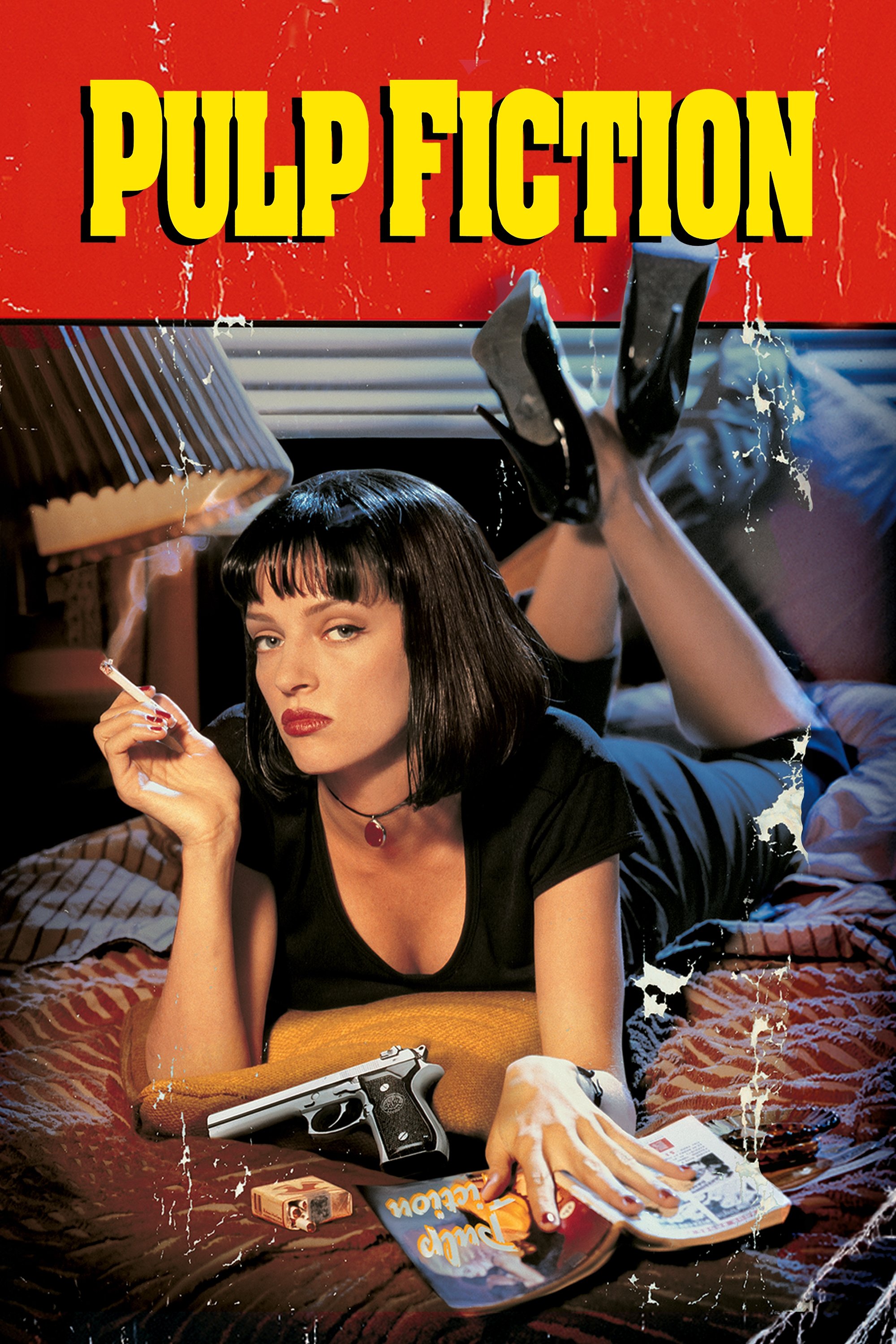
The surf-rock instrumental detonates over the opening titles, instantly defining the movie’s high-energy, retro-modern attitude. Its rapid picking and aggressive tempo prime the audience for tonal whiplash. The cue revived surf guitar in the ’90s cultural mix. It became synonymous with abrupt cool and kinetic editing styles.
‘Ferris Bueller’s Day Off’ (1986) – “Twist and Shout” by The Beatles
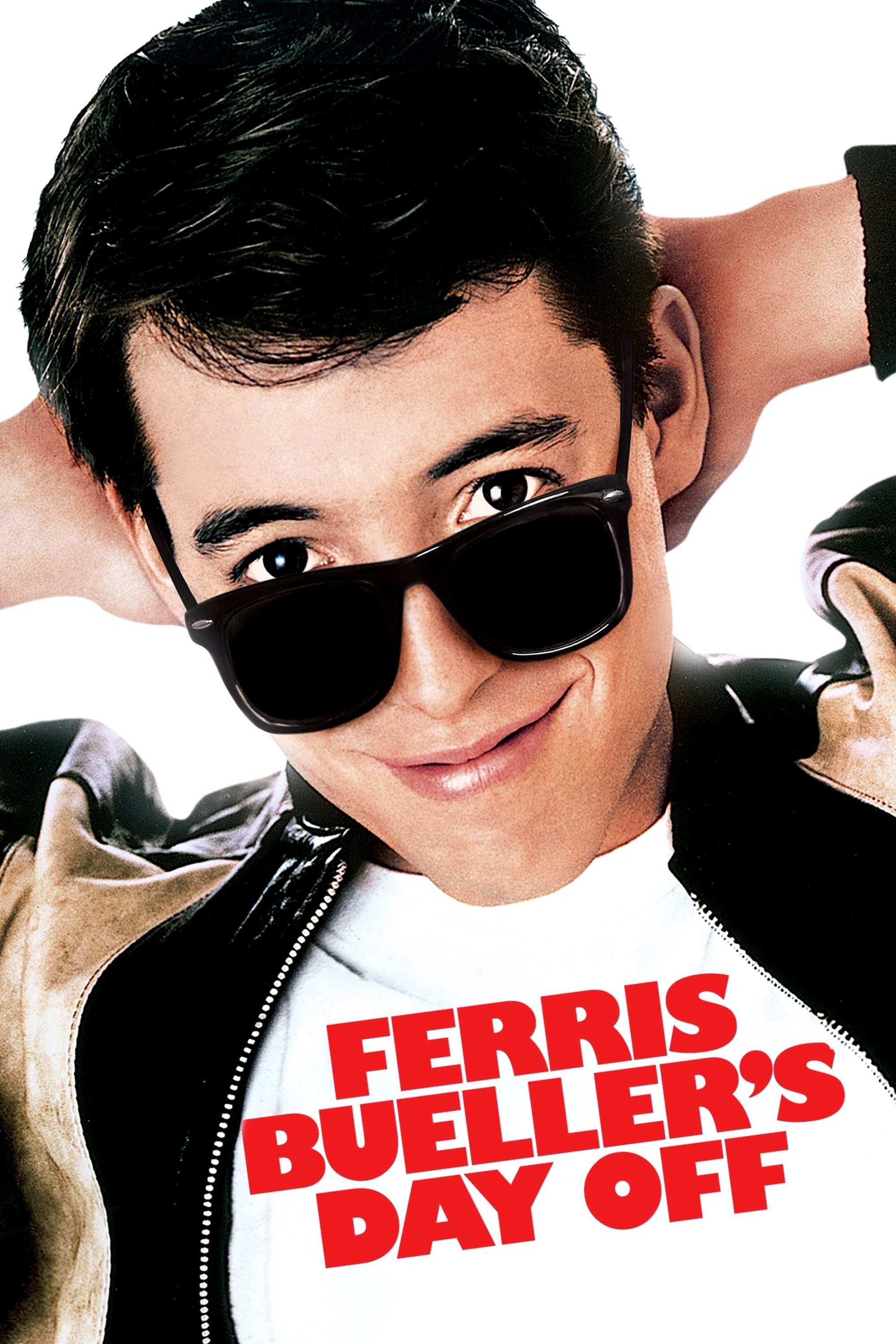
Ferris commandeers a parade and turns the city into a dance floor as the song peaks. The sequence models cinematic audience participation—spectators transform into performers. It helped cement the track’s status as a universal party starter. The moment remains a shorthand for joyful rule-breaking in broad daylight.
‘Apocalypse Now’ (1979) – “The End” by The Doors
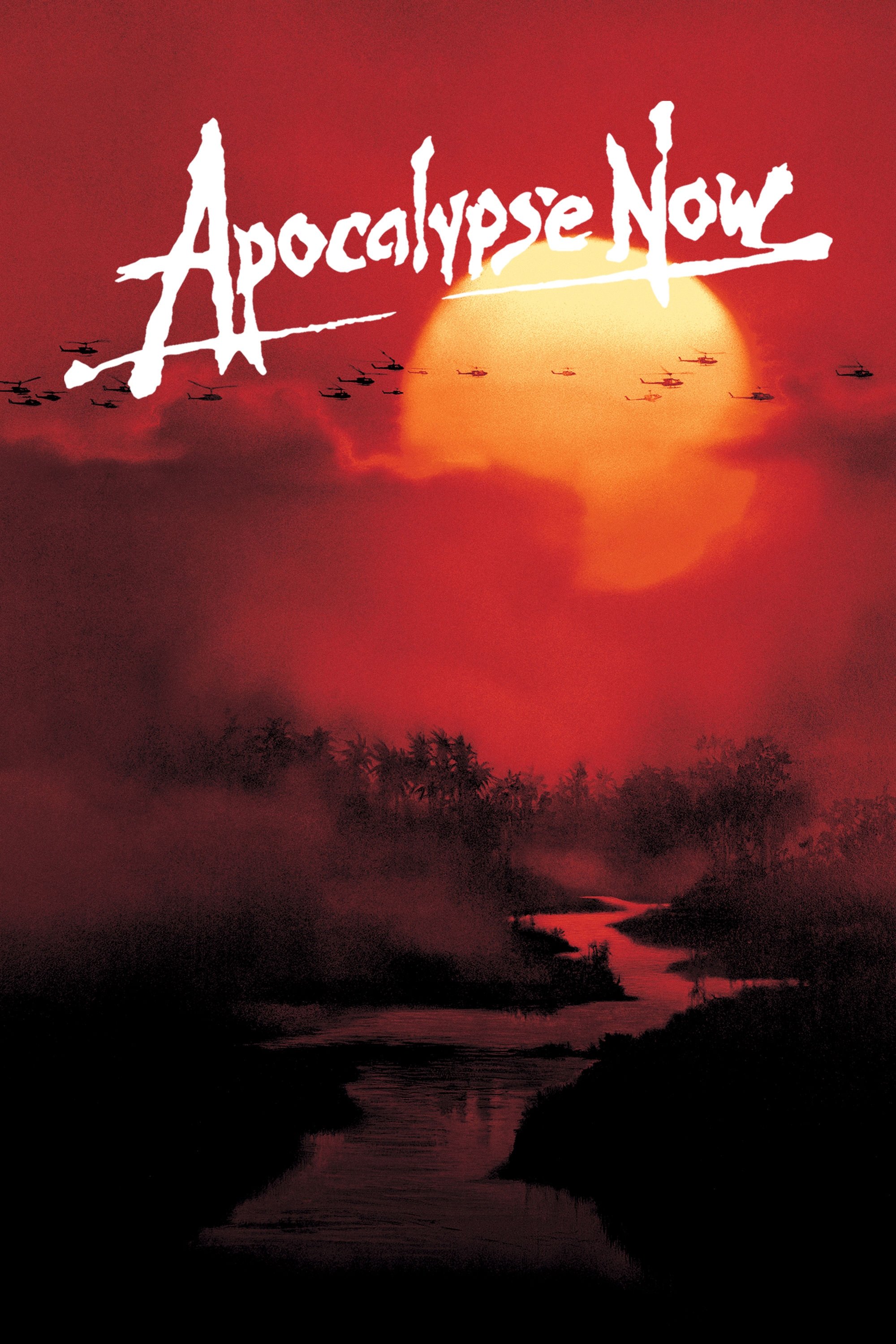
The song’s ominous drone frames both the opening napalm montage and the descent into the jungle. Its psychedelic tone aligns with the film’s hallucinatory war imagery. The pairing fused rock mystique with modern warfare on screen. It set a precedent for using long, moody tracks to scaffold epic sequences.
‘Beetlejuice’ (1988) – “The Banana Boat Song (Day-O)” by Harry Belafonte
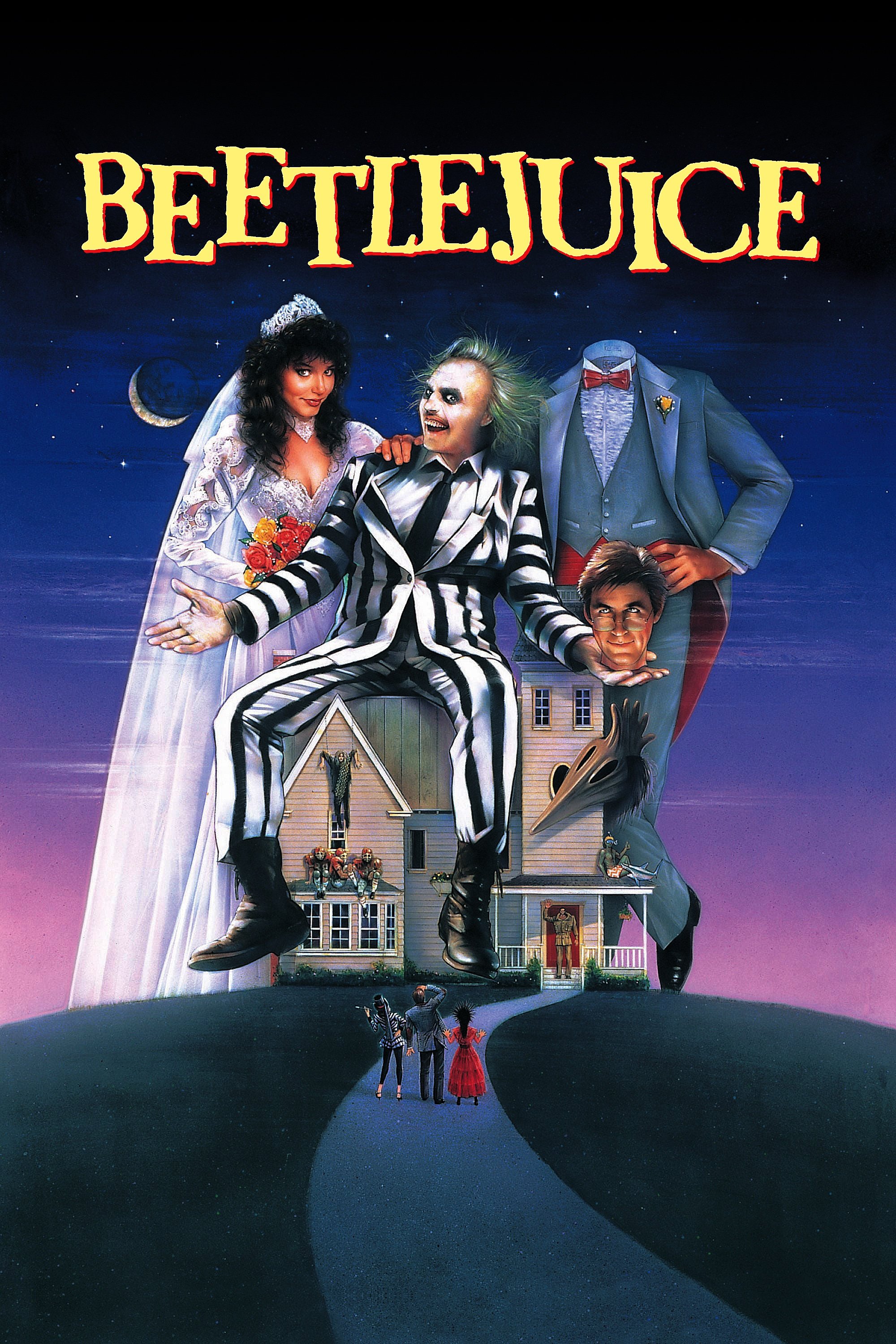
A dinner party turns into a possessed singalong, flipping a calypso standard into supernatural comedy. The choreography invites viewers to join in, making horror playful rather than frightening. The track’s call-and-response structure suits the scene’s escalating gag. It reintroduced the song to younger audiences through home video and TV airings.
‘Mean Streets’ (1973) – “Be My Baby” by The Ronettes
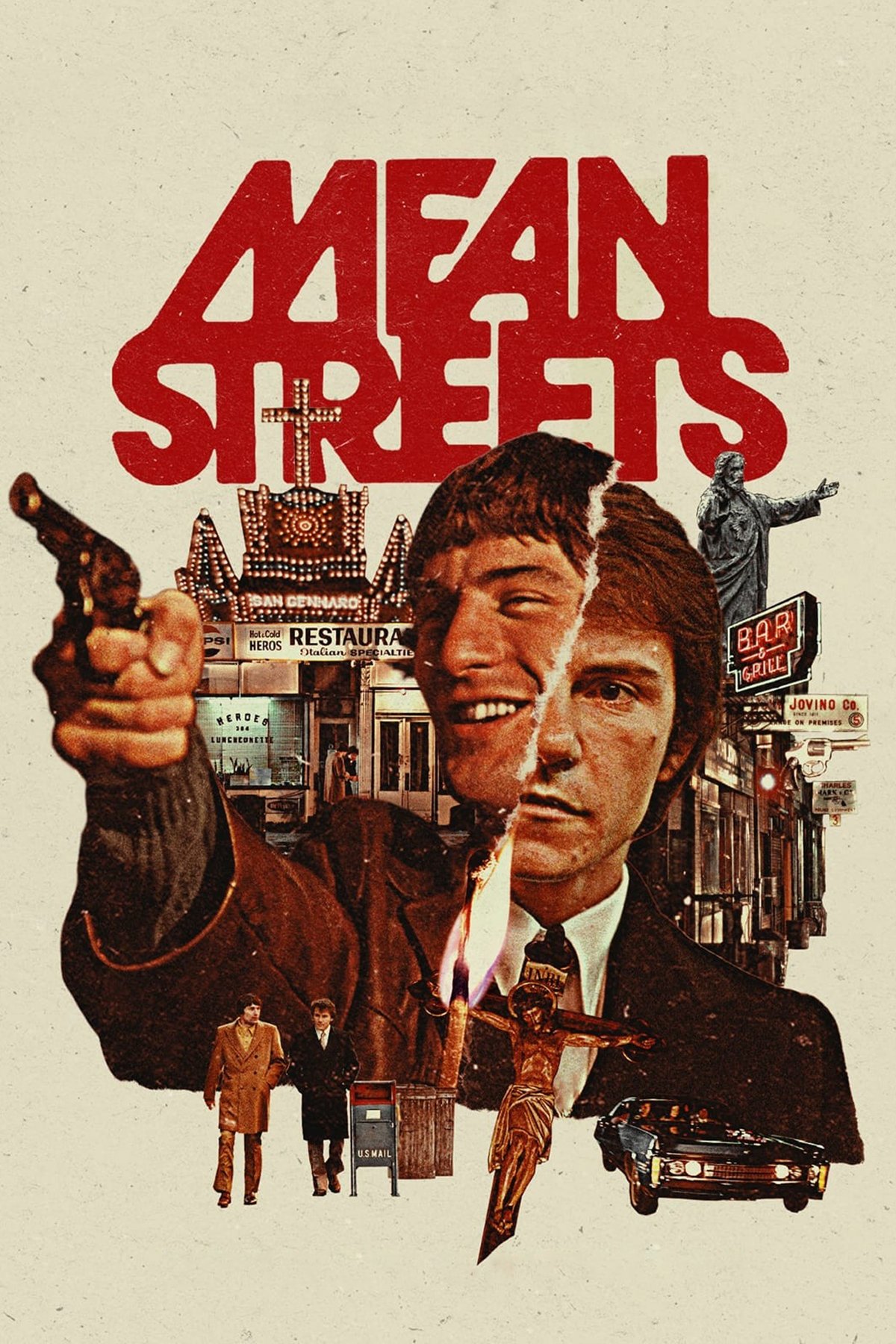
The track scores a slow-motion nightclub entrance, mapping street swagger onto girl-group grandeur. Its echo-laden production complements the film’s intimate, handheld style. The use demonstrated how pop could articulate character psychology without dialogue. It became a touchstone for romanticized urban entrances in later films.
‘Forrest Gump’ (1994) – “Fortunate Son” by Creedence Clearwater Revival
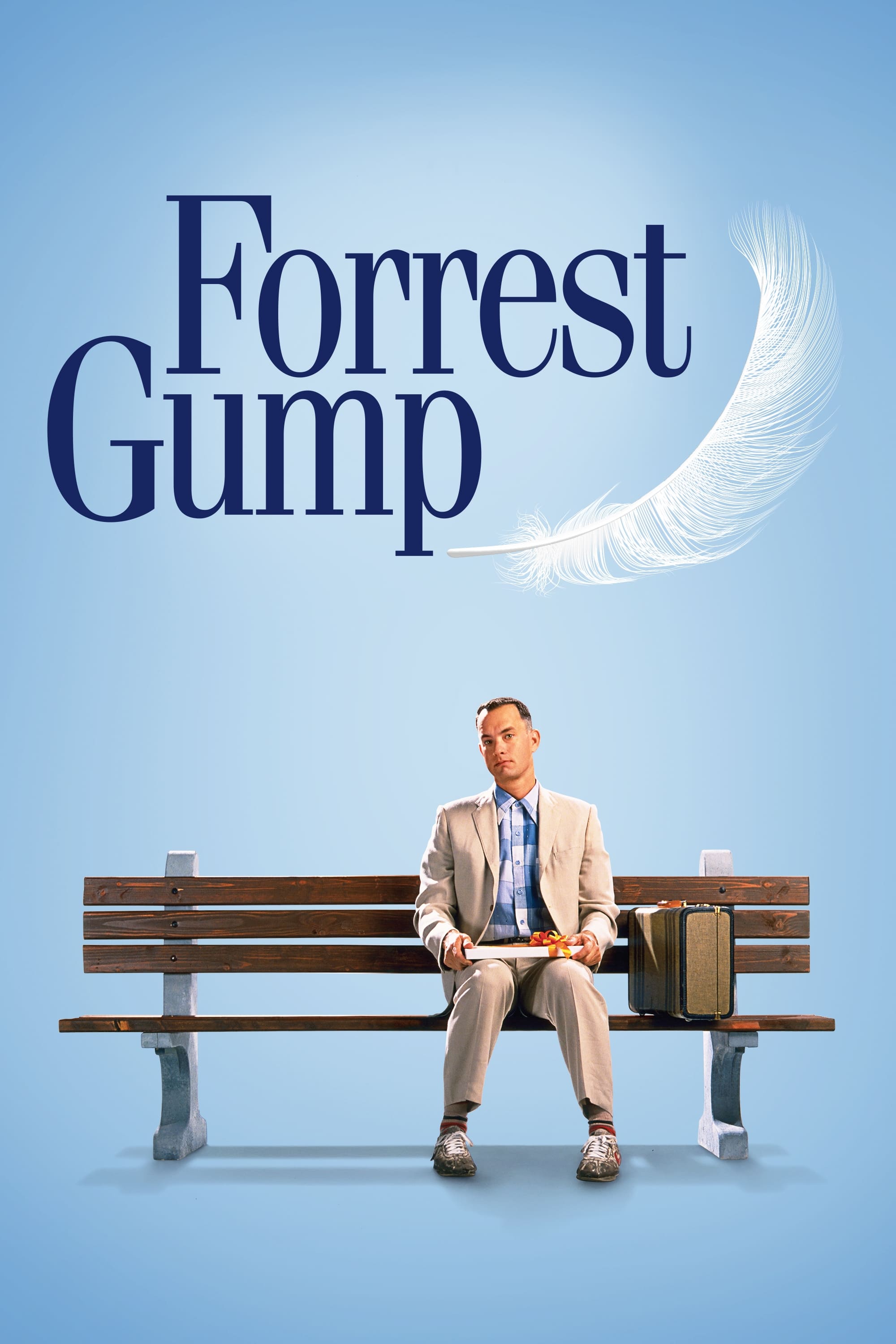
The song blasts during a helicopter arrival in Vietnam, immediately signaling class critique and wartime disillusion. Its opening riff functions as instant historical context. The placement helped codify the track as a cinematic marker for the era. Viewers came to associate that guitar line with rapid-fire time jumps through the ’60s.
‘Back to the Future’ (1985) – “The Power of Love” by Huey Lewis and the News
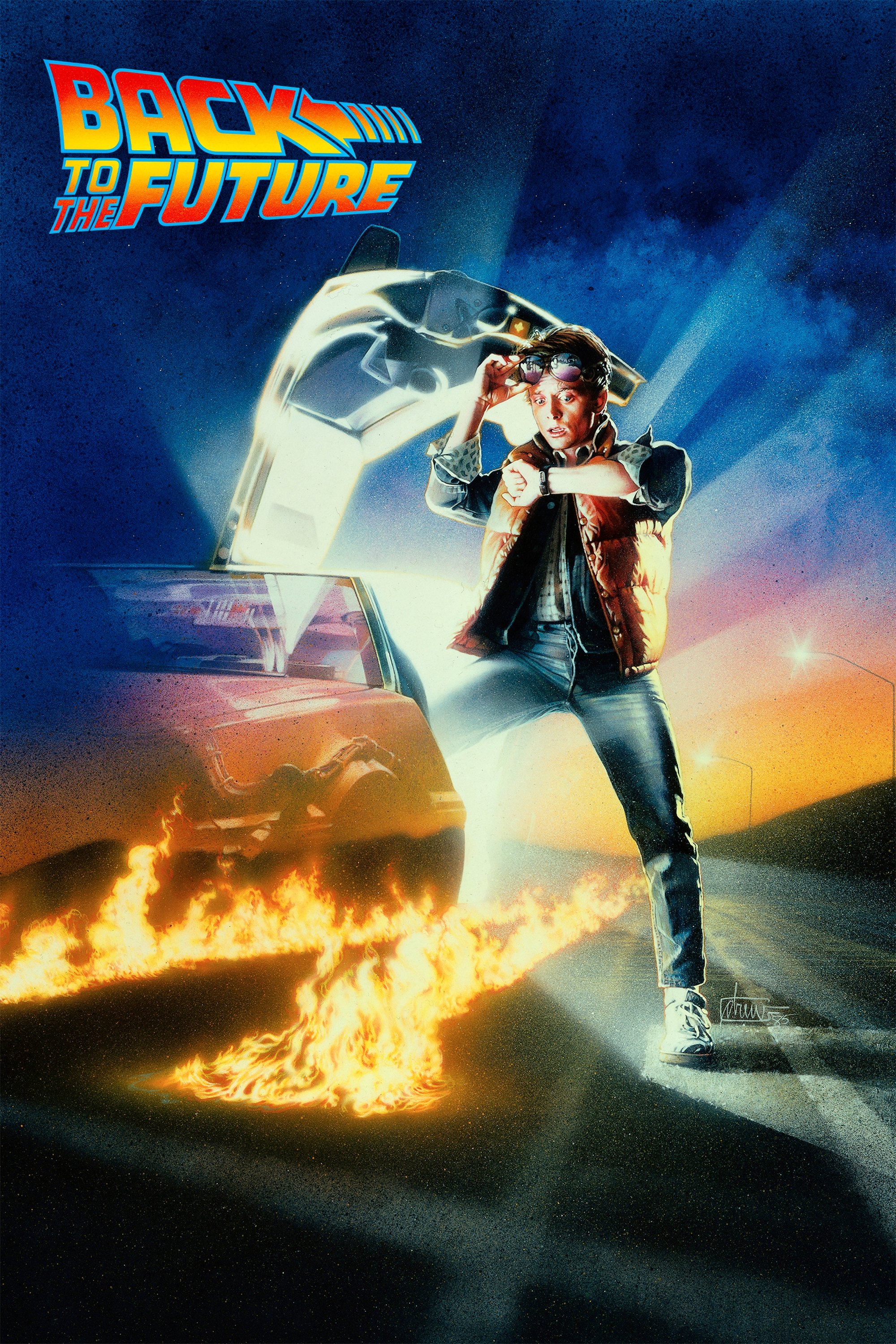
The song carries Marty through Hill Valley and recurs as a motif for momentum and optimism. Its bright horns and tight groove match the film’s kinetic tone. The track bridged radio and cinema, spinning off a chart-topping single tied to the movie’s identity. It remains a go-to cue for lighthearted time-travel nostalgia.
‘Pee-wee’s Big Adventure’ (1985) – “Tequila” by The Champs
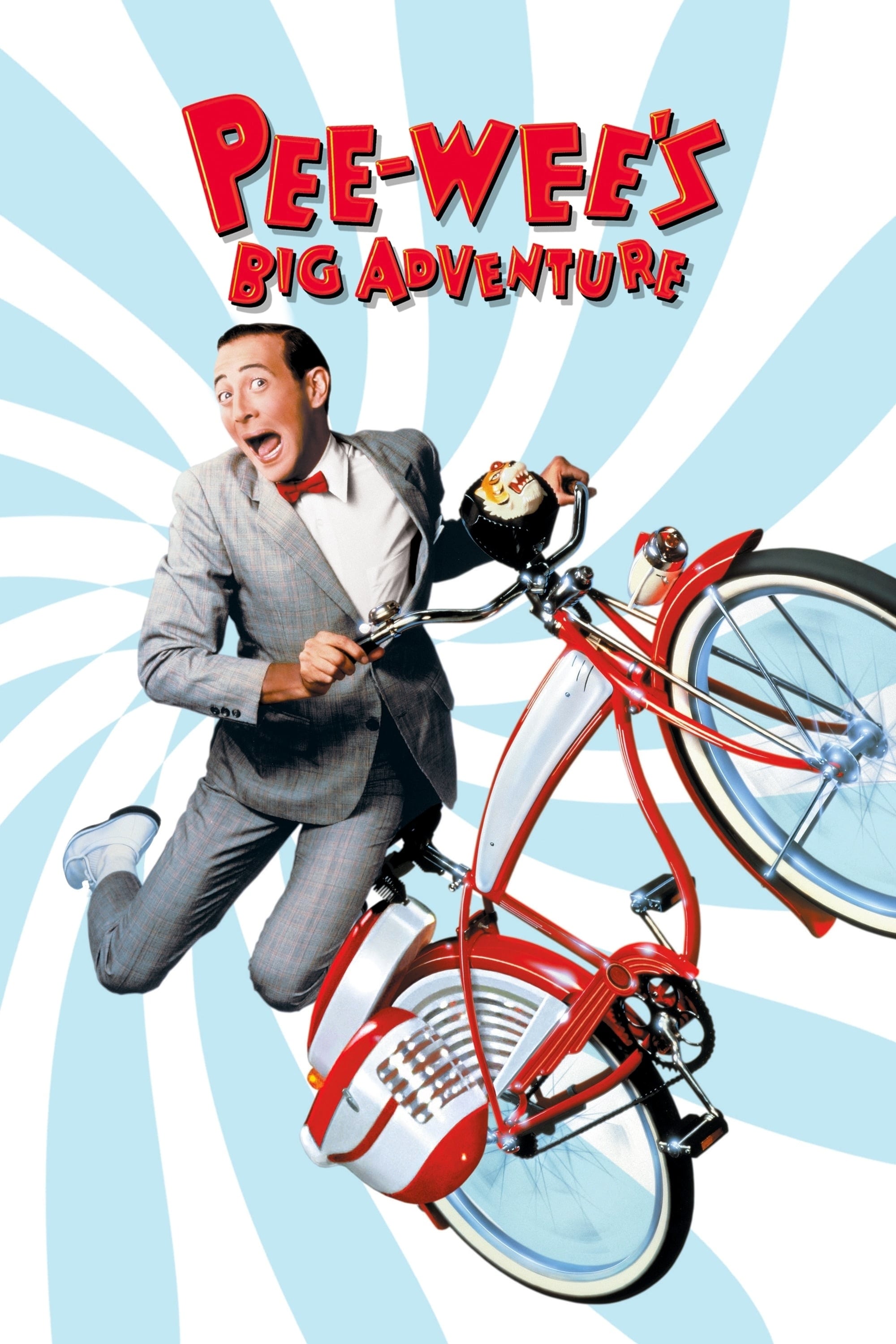
Pee-wee’s improvised bar-top dance turns a simple instrumental into a comedic signature. The rhythm’s pauses give room for visual punchlines. The move became a repeatable party bit, taught by playground lore and variety shows. The cue later served as instant shorthand for playful bravado in ads and sketches.
‘Trainspotting’ (1996) – “Lust for Life” by Iggy Pop
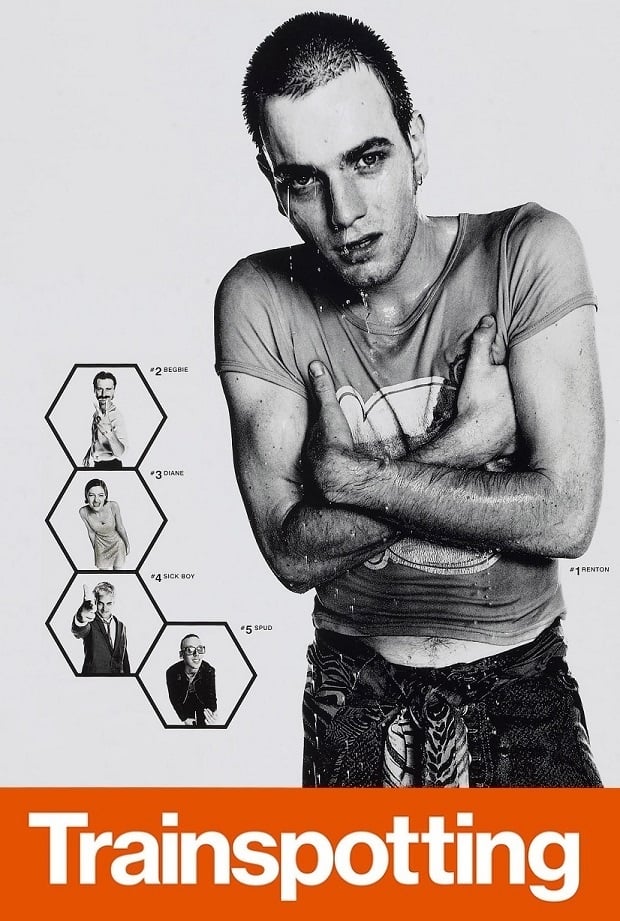
The song propels the sprinting prologue and recurring montage rhythms, matching the story’s chaotic propulsion. Its drum intro and bassline lock to the film’s frenetic cutting patterns. The placement revitalized interest in Iggy Pop’s catalog for new listeners. It became emblematic of ’90s Brit cinema’s kinetic style.
‘Casablanca’ (1942) – “As Time Goes By” by Dooley Wilson
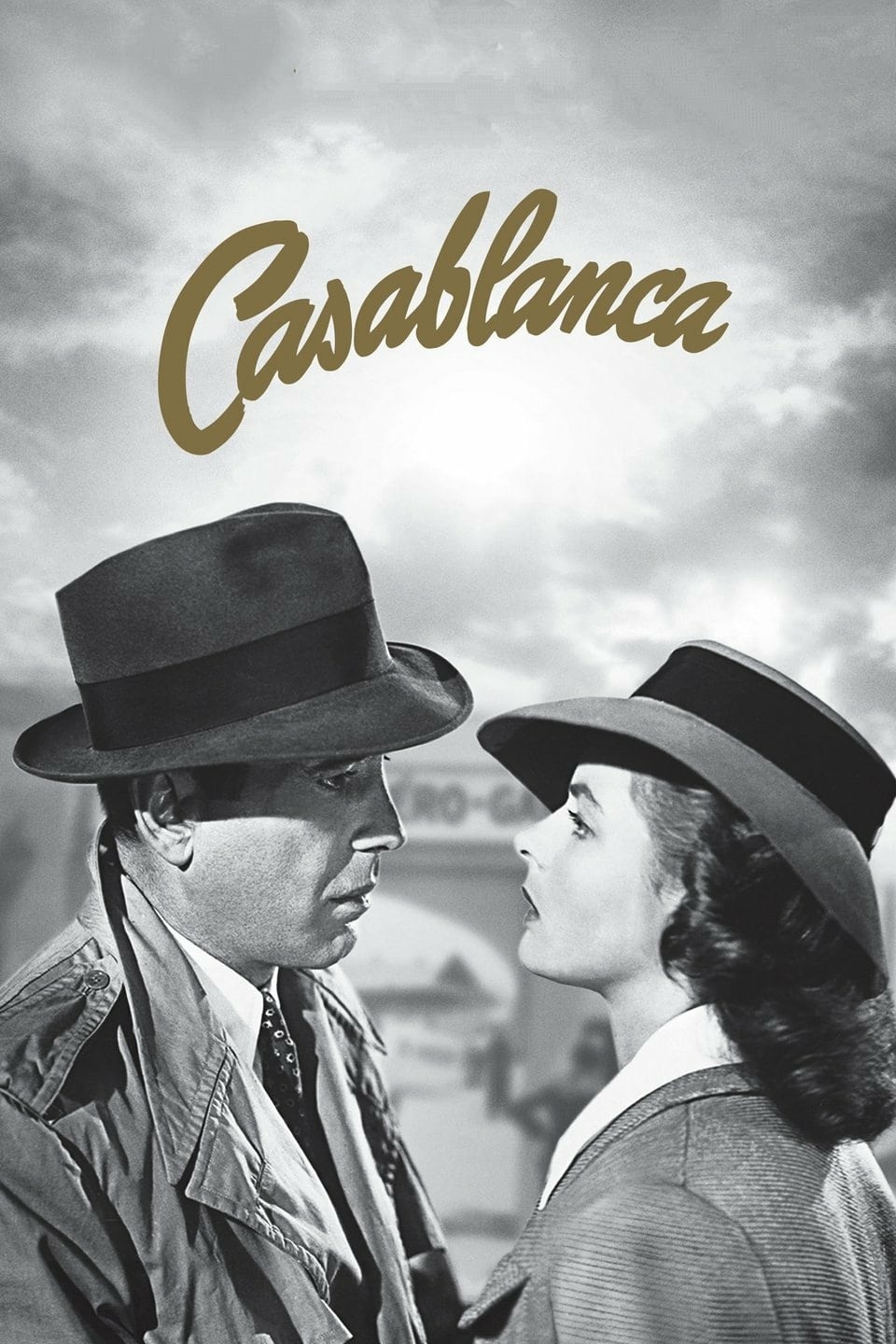
Performed in the café and woven through the score, the song binds personal memory to wartime sacrifice. The melody recurs whenever past and present collide for the leads. Its simple harmonic structure made it easy to recall and reprise. The film turned the tune into a cultural metonym for bittersweet romance.
‘The Departed’ (2006) – “Gimme Shelter” by The Rolling Stones
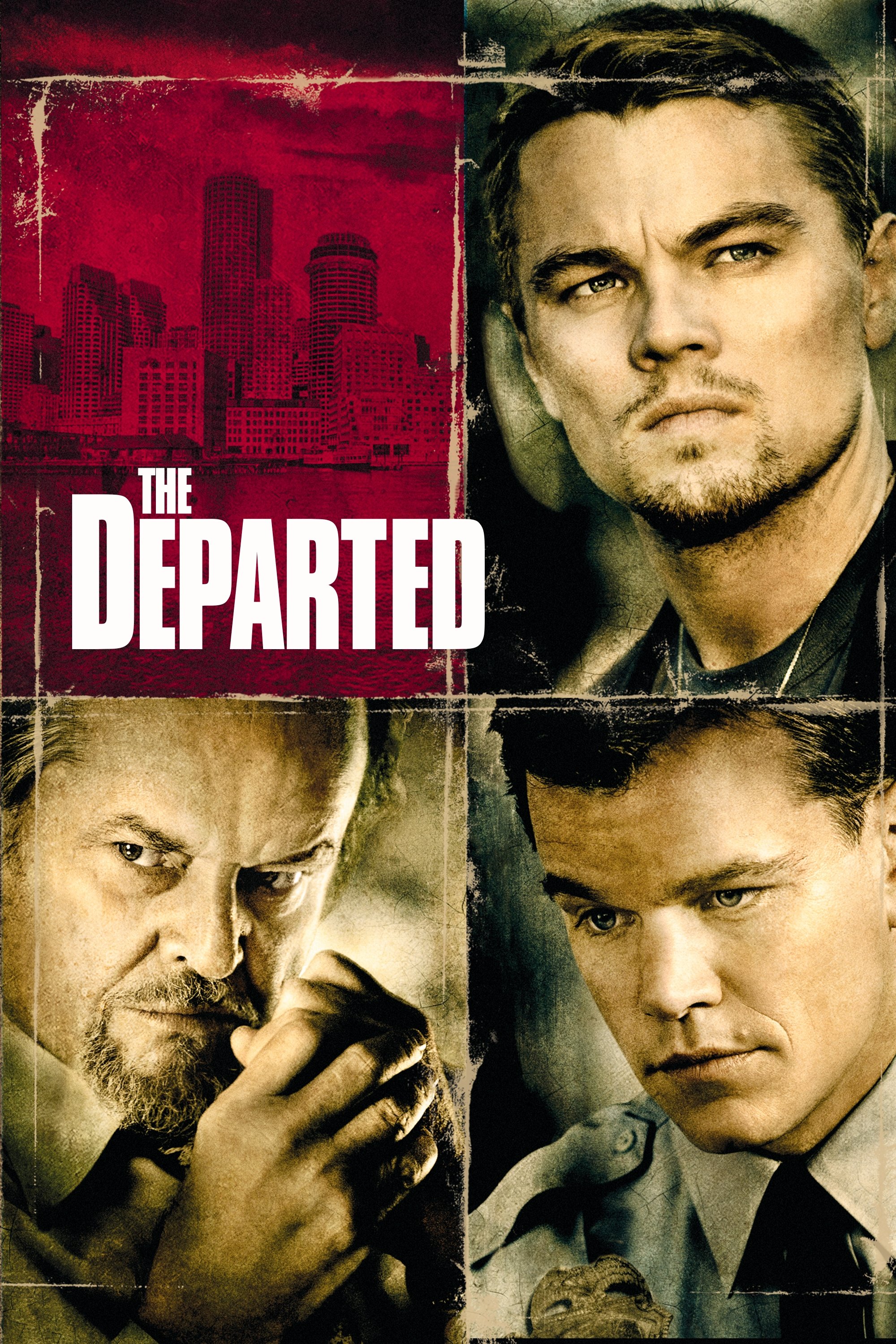
The track punches into Boston crime montages, using the vocal wail as a tension ratchet. Its reappearance throughout the film builds a musical thread of impending violence. The gritty mix and insistent groove match the story’s double-crosses. The placement reinforced the song’s longstanding association with urban decay on screen.
‘Lost in Translation’ (2003) – “Just Like Honey” by The Jesus and Mary Chain
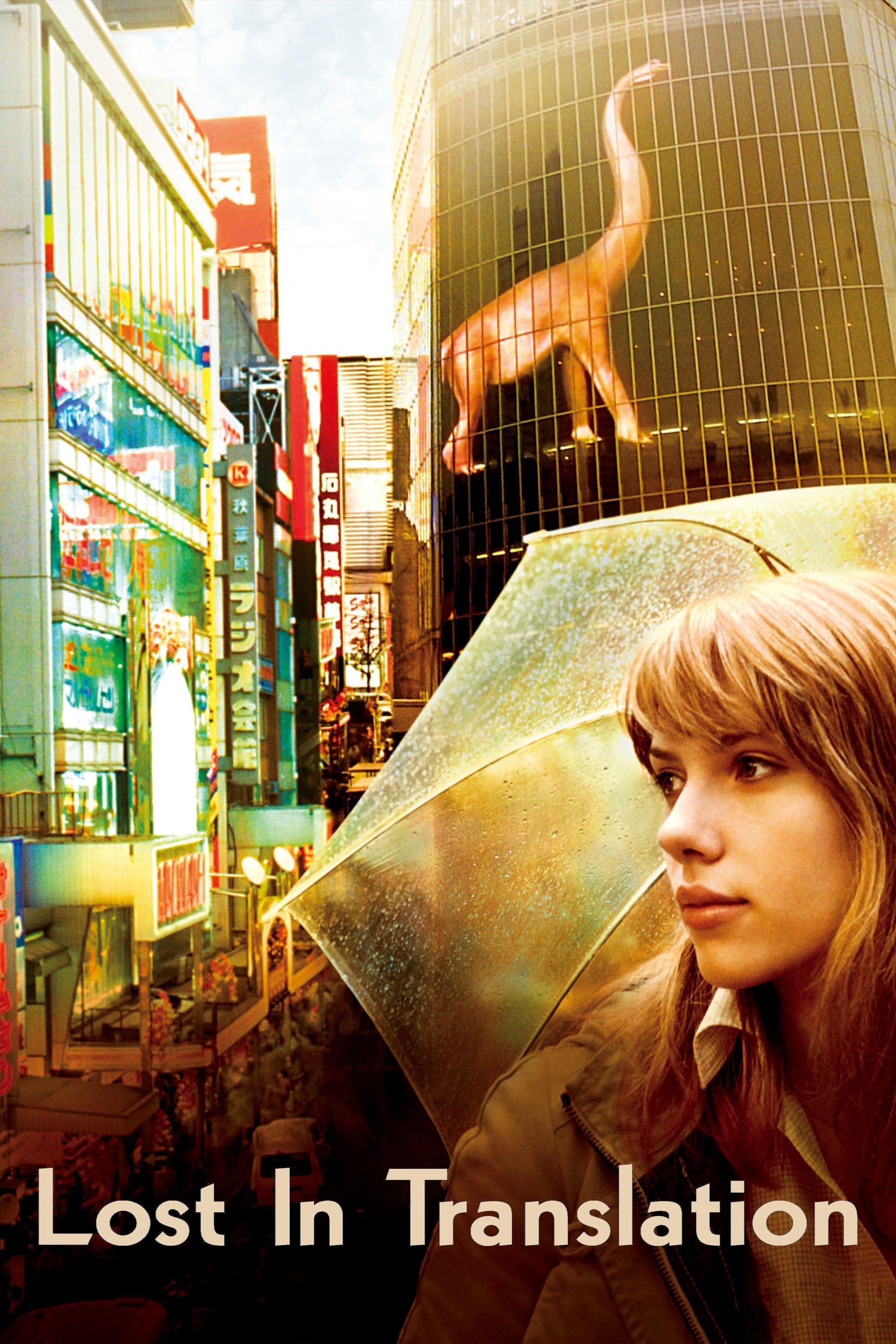
The feedback-kissed track plays over the wordless farewell, giving emotional closure without explicit exposition. Its hazy texture mirrors the film’s neon-soaked Tokyo nights. The closing use amplified the song’s reputation among indie listeners worldwide. It also popularized ending a film with a drifting, open-ended cue.
‘Guardians of the Galaxy’ (2014) – “Come and Get Your Love” by Redbone
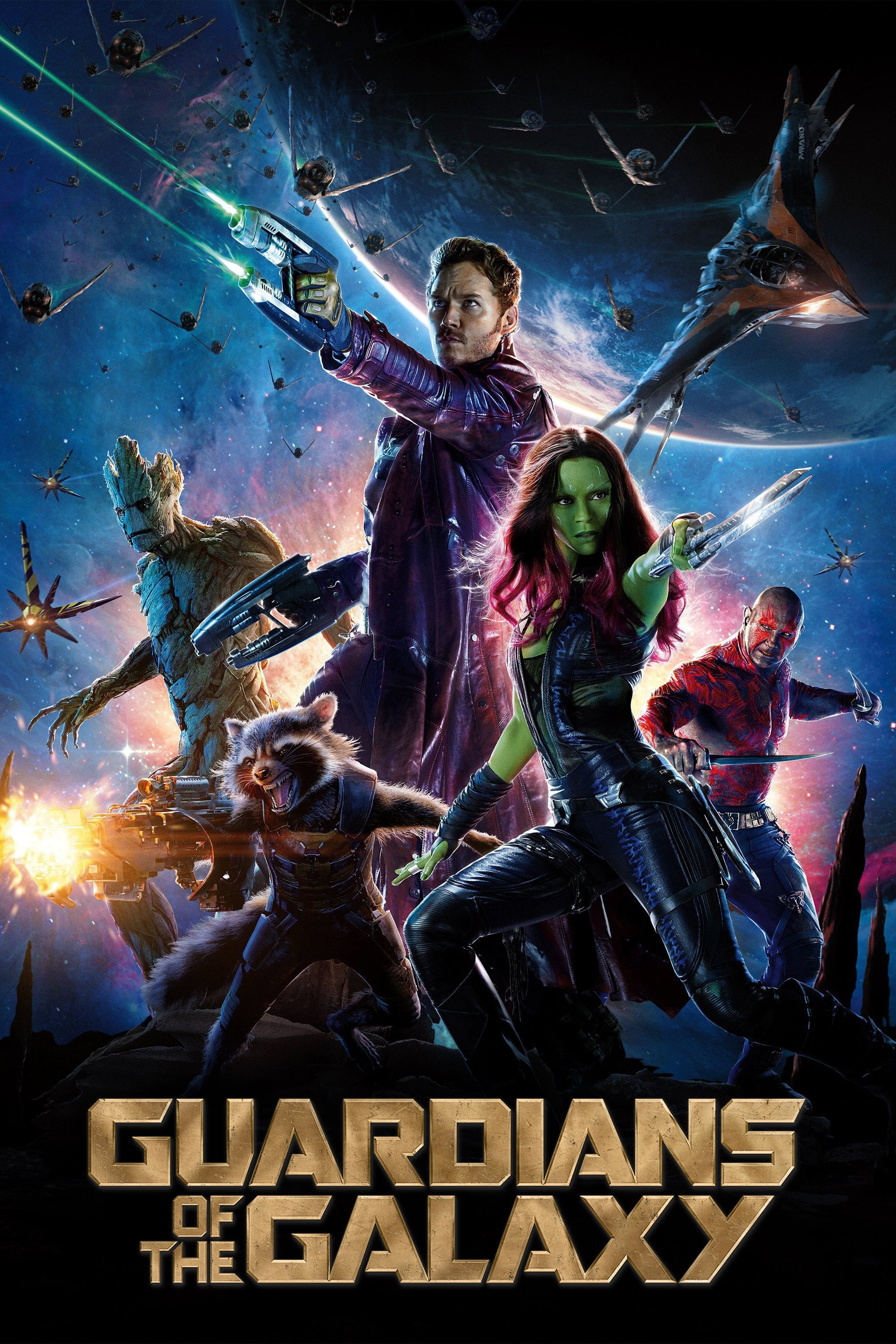
The song scores an early planet exploration, reframing genre action with a carefree strut. Its crisp percussion and vocal hooks make the character’s movements feel choreographed. The sequence anchored a franchise identity built around curated oldies. The track surged in streams as playlists adopted the film cut.
‘American Psycho’ (2000) – “Hip to Be Square” by Huey Lewis and the News

The peppy track accompanies a meticulously planned apartment scene, channeling surface-level normalcy before violence. The upbeat arrangement heightens the satirical portrait of consumer culture. The scene turned the song into a reference point for cheerful facades masking menace. It also sparked renewed interest in ’80s corporate-pop aesthetics.
‘Thor: Ragnarok’ (2017) – “Immigrant Song” by Led Zeppelin
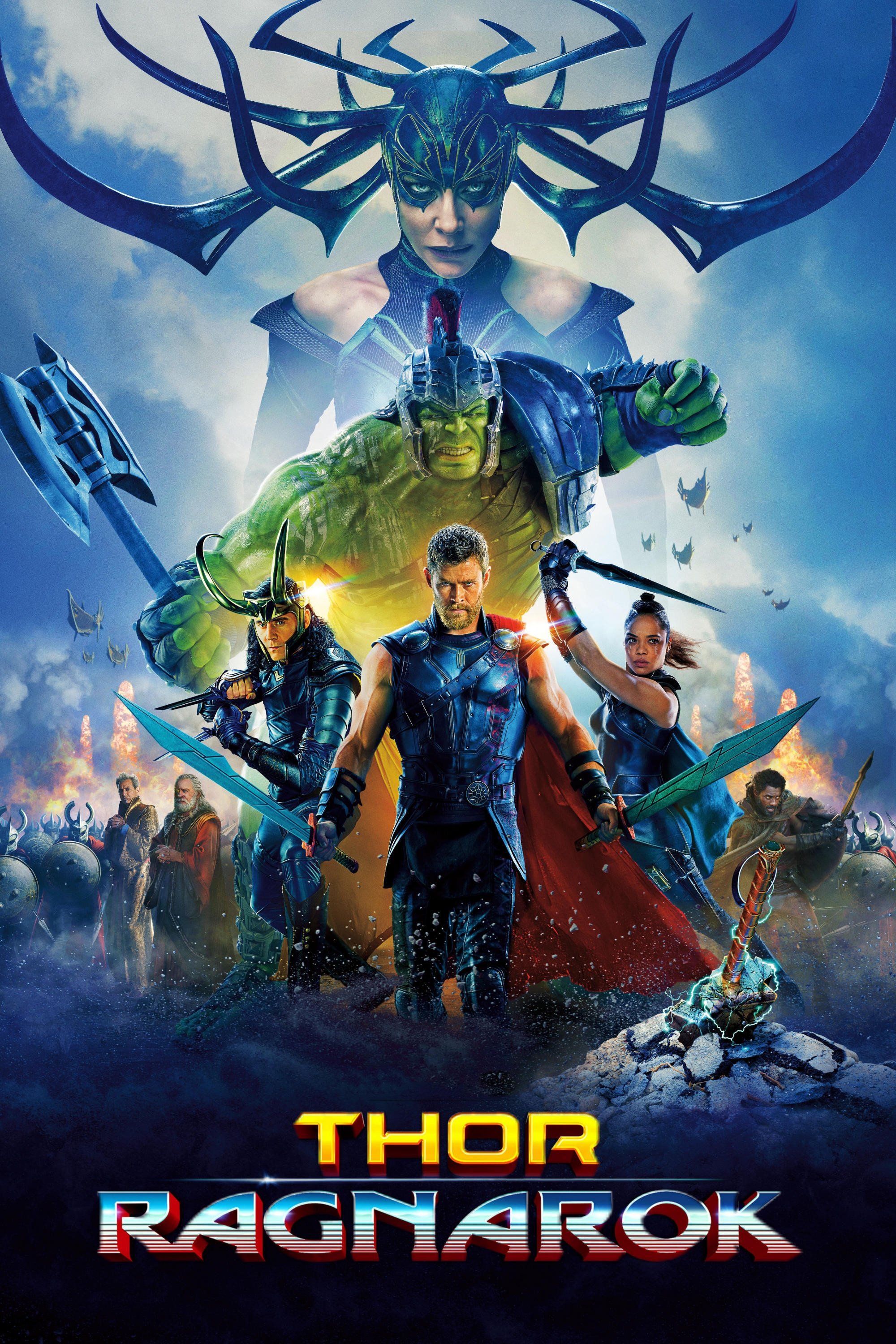
The riff underscores mythic action beats, syncing the “hammer of the gods” lyric with the hero’s arc. Its stop-start structure pairs cleanly with slow-motion impacts and wide shots. The high-profile licensing underscored the film’s tonal reset toward cosmic swagger. The cue reintroduced the track to younger viewers via trailers and repeat viewings.
‘Inception’ (2010) – “Non, je ne regrette rien” by Édith Piaf
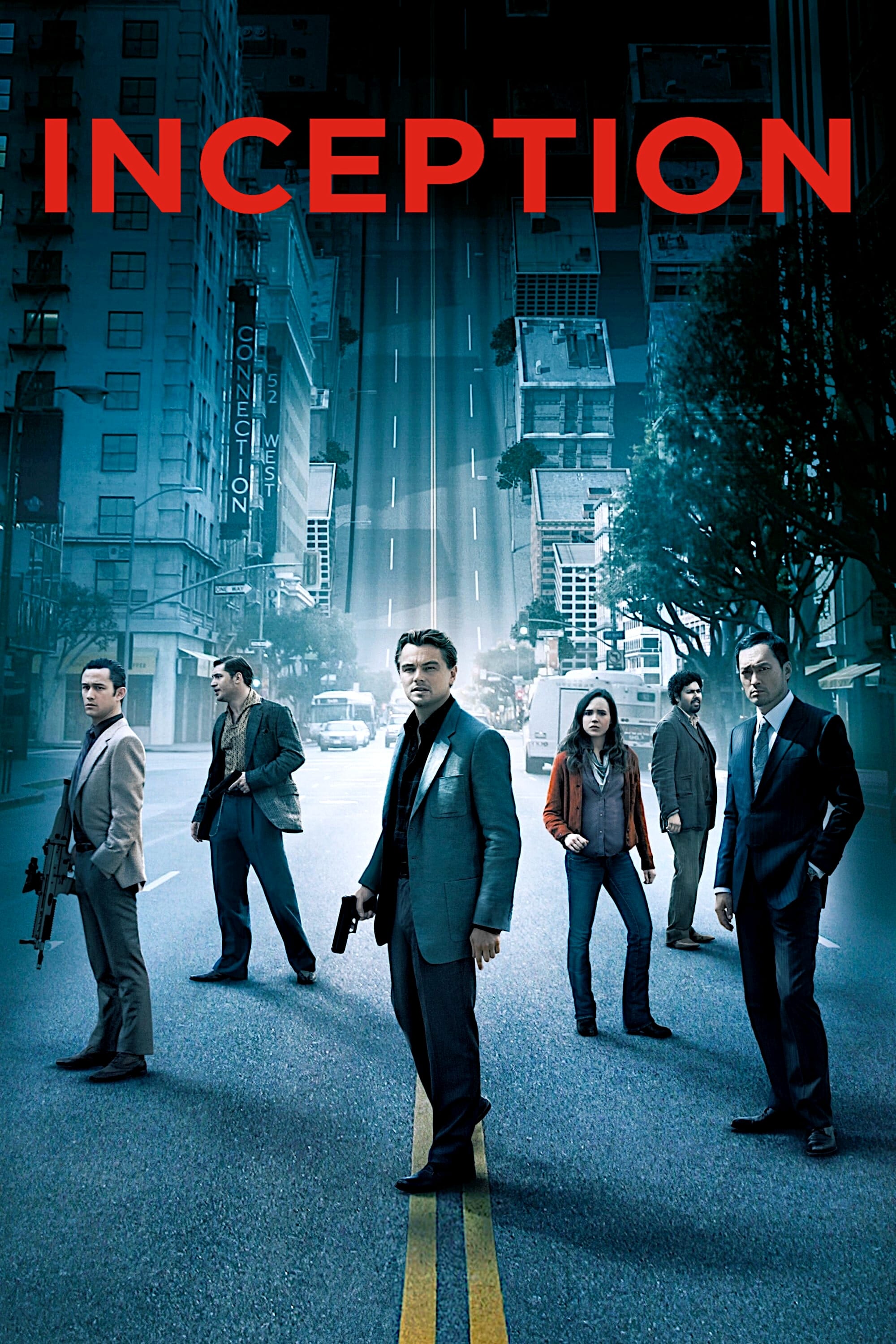
The song functions as a diegetic timing device, bridging dream layers with a recognizable hook. Its bold vocal line cuts through dense sound design, ensuring clarity for the audience. The choice tied European elegance to a high-concept heist. It later became a reference for creative time-dilation edits in fan videos.
‘Full Metal Jacket’ (1987) – “Surfin’ Bird” by The Trashmen
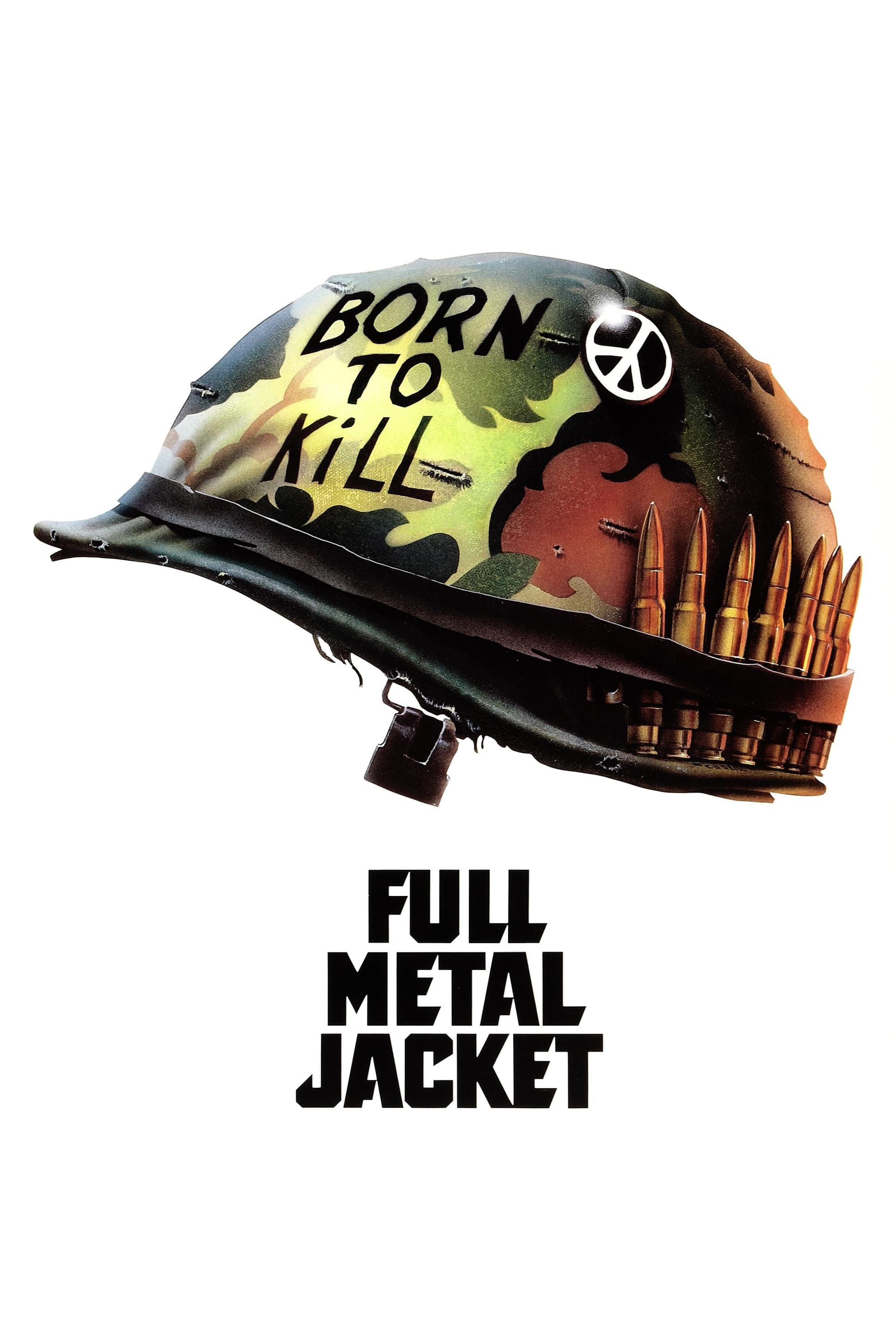
The manic tune blares over wartime patrols, its nonsense lyrics contrasting with stark visuals. The relentless beat injects dissonant energy into the march of images. The selection broadened the film’s sonic palette beyond expected period cues. It also revived novelty surf rock in late-night TV and radio blocks.
‘Boogie Nights’ (1997) – “Sister Christian” by Night Ranger
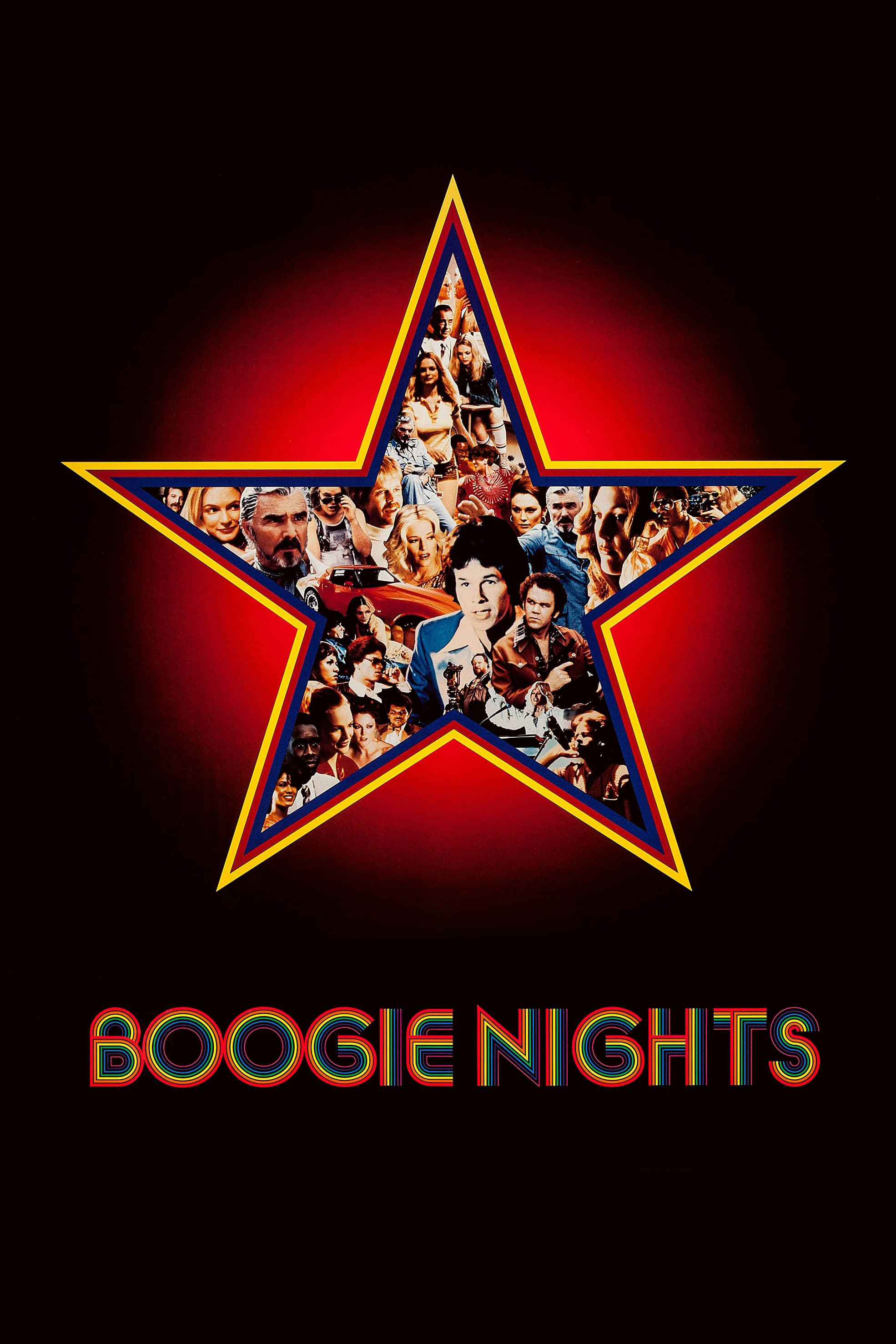
The slow-build power ballad anchors a tense, extended home visit punctuated by firecrackers. Its structure—soft verses to big chorus—lets the scene escalate without cutting the music. The juxtaposition gave the track a second life beyond classic-rock radio. It became a model for using arena ballads to fuel suspense.
‘The Perks of Being a Wallflower’ (2012) – “Heroes” by David Bowie
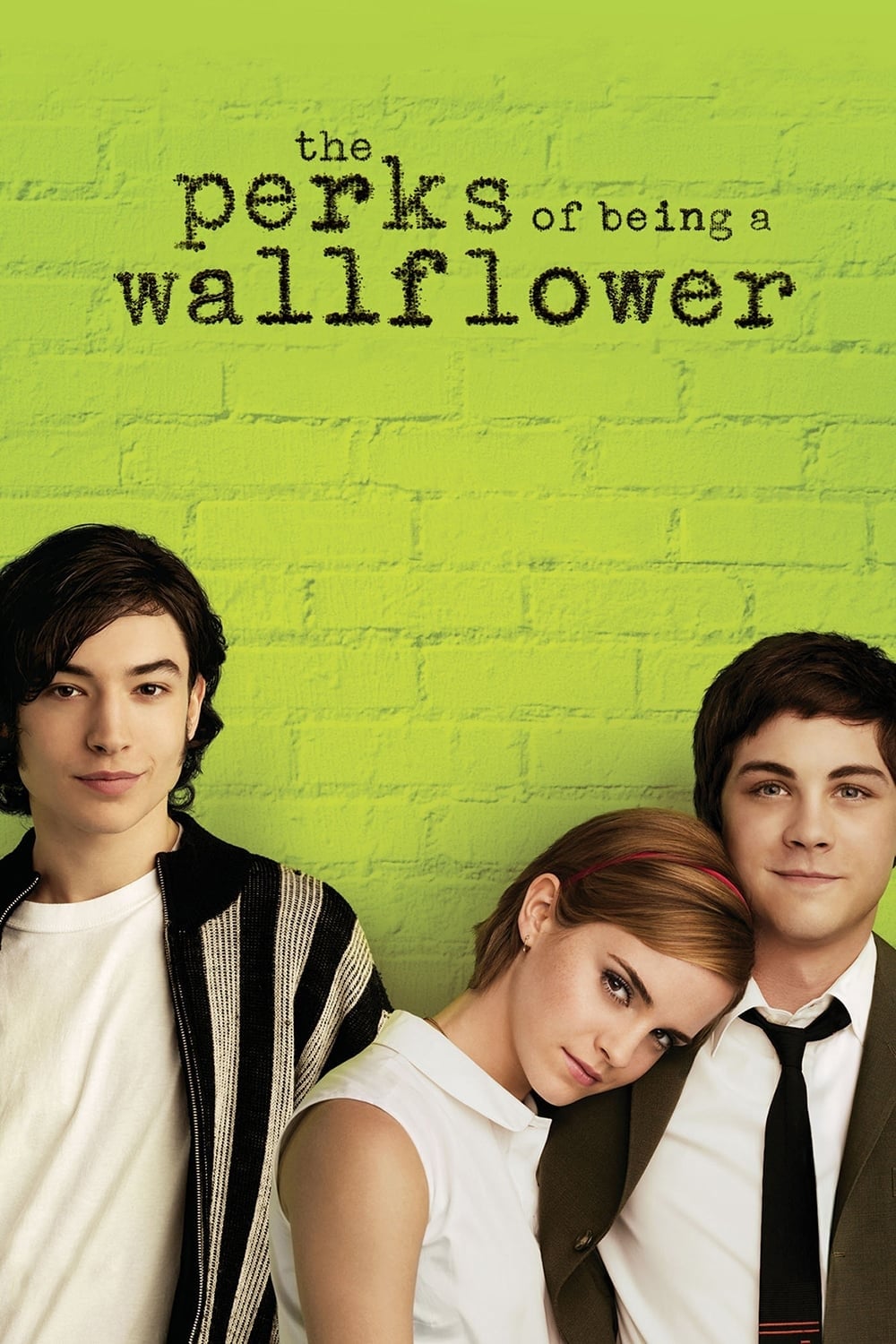
The song arrives during a tunnel ride, capturing a fleeting moment of freedom for the characters. Its soaring melody turns a local landmark into personal mythology. The use introduced the track to a new teen audience through streaming-era discovery. It remains a popular sync for scenes of found-family exhilaration.
Share your favorite unforgettable movie needle-drop in the comments and tell us where you first heard it on screen!